
The commercial aviation industry operates on a pricing architecture of extraordinary complexity that was designed primarily to maximize revenue extraction from every passenger segment rather than to reflect the actual cost of transporting a human being from one point to another. Buried within that complexity are systematic inefficiencies, geographic pricing anomalies, and loyalty program structures that informed travelers have learned to exploit in ways that generate savings far beyond what casual booking behavior produces. Airlines invest significant resources in identifying and closing these gaps precisely because they represent real revenue losses at scale, and the ongoing tension between passenger optimization strategies and airline countermeasures defines one of the most financially consequential consumer knowledge gaps in modern travel. The following techniques represent the most effective and most contested methods currently in use by experienced travelers seeking to reclaim money from a pricing system engineered to extract it.
Hidden City Ticketing

Hidden city ticketing exploits the counterintuitive pricing reality that a flight itinerary with a connection through your actual intended destination can cost substantially less than a direct ticket to that same city, allowing the traveler to simply disembark at the layover point and abandon the remaining segments. A traveler wanting to reach Chicago might find that a ticket routing Chicago to New York with a layover in Chicago is priced significantly lower than a direct Chicago fare, enabling them to book the longer itinerary and exit at the connection point. This practice is legal from a consumer perspective in most jurisdictions but violates the terms of service of virtually every major airline, which reserves the right to cancel remaining frequent flyer miles, close loyalty accounts, and in extreme cases pursue civil recovery for fare difference amounts. The technique works exclusively with carry-on luggage since checked bags are routed to the final ticketed destination and cannot be retrieved at the intermediate point. Skiplagged and similar search platforms have built entire business models around surfacing hidden city opportunities and have faced litigation from United Airlines and other carriers seeking to shut down the information availability that makes the practice accessible to ordinary travelers.
Mistake Fares
Airline pricing systems generate occasional fare errors through currency conversion miscalculations, missing fuel surcharge additions, decimal placement errors, and database synchronization failures that briefly publish tickets at fractions of their intended price before correction systems identify and remove them. Mistake fares have historically offered business and first class transatlantic tickets for under two hundred dollars, round-trip intercontinental fares for under fifty dollars, and premium cabin redemptions at economy prices before airlines identified and corrected the errors. The legal and practical enforceability of mistake fares varies significantly by jurisdiction and airline, with United States Department of Transportation regulations historically requiring airlines to honor published fares regardless of error while more recent regulatory guidance has introduced ambiguity that airlines have exploited to cancel bookings made at error prices. Dedicated mistake fare monitoring communities on platforms including Secret Flying, Airfarewatchdog, and specialized travel forums identify and publicize these opportunities within minutes of their appearance, with the window between error publication and correction typically ranging from minutes to several hours. Travelers who successfully book mistake fares are advised by experienced practitioners to avoid immediately purchasing non-refundable hotels and connecting transportation until the booking has survived long enough to suggest the airline intends to honor it.
Throwaway Ticketing

Throwaway ticketing involves purchasing a round-trip fare with the deliberate intention of using only the outbound segment, exploiting the widespread pricing anomaly where round-trip tickets cost less than one-way fares on the same route due to airline revenue management practices that treat the two products as distinct demand categories. The savings generated through throwaway ticketing can be substantial on routes where the one-way to round-trip price disparity is large, particularly on transatlantic and transpacific routes where one-way premium cabin pricing bears almost no rational relationship to the round-trip equivalent cost. Airlines explicitly prohibit this practice in their conditions of carriage and have implemented back-office monitoring systems that flag accounts demonstrating consistent patterns of unused return segments, with consequences including loyalty program termination and account blacklisting. The practice carries an additional practical complication in that airlines may cancel the return segment of a round-trip booking when the outbound is not used, and travelers who book connecting itineraries as single tickets may find their entire reservation invalidated by failing to board an initial segment. Booking outbound and return segments as separate tickets rather than a single round-trip itinerary eliminates the connecting segment cancellation risk but removes the pricing advantage that makes the technique financially worthwhile.
Point Transfers

The strategic transfer of points between airline loyalty programs, hotel rewards systems, and credit card transferable currencies through partner networks enables redemption values that can exceed the face value of the points by factors of five to ten when applied to premium cabin international bookings. American Express Membership Rewards, Chase Ultimate Rewards, and Capital One Miles each maintain transfer partnerships with multiple airline programs that allow points accumulated through everyday spending to be converted into airline miles redeemable for business and first class seats that would otherwise cost several thousand dollars. The controversy attached to this practice from the airline industry perspective stems from the redemption pressure it places on award seat inventory that carriers would prefer to sell at cash prices to corporate travel buyers. Transfer bonuses offered periodically by credit card companies and airline programs can increase the value of points by thirty to fifty percent at the moment of transfer, creating arbitrage windows that experienced points collectors monitor and exploit systematically. Revenue management systems at major carriers have responded by reducing premium cabin award availability, implementing dynamic award pricing, and devaluing program currencies at rates that consistently outpace the spending power of accumulated balances.
Positioning Flights
Positioning flights involve traveling to a different departure city to access fare pricing, route availability, or alliance connectivity that produces total trip costs significantly lower than originating from the traveler’s home airport despite the additional journey required. A traveler based in a medium-sized American city served by limited carrier competition might find that driving or taking a budget carrier to a major hub airport and departing from there saves more than enough to justify the additional time and cost of the positioning journey. International positioning is even more financially significant, with travelers regularly flying across the Atlantic or Pacific to access award seats, mistake fares, or competitively priced premium cabin tickets that are unavailable or prohibitively priced from their home market. Airlines dislike positioning behavior because it undermines the geographic pricing segmentation that allows them to charge premium prices in captive markets with limited competition, and revenue management systems are increasingly sophisticated at identifying and closing the pricing gaps that make positioning financially rewarding. The practice requires more planning investment than standard booking but produces savings that experienced travelers describe as among the most reliable and repeatable in their optimization toolkit.
Fuel Dump Techniques
Fuel dumping refers to a category of complex fare construction techniques that exploit specific fare rule combinations in airline pricing databases to legally remove or substantially reduce the fuel surcharge component of international premium cabin tickets, which can represent the majority of the total ticket cost on certain carrier and route combinations. The technique typically involves constructing itineraries with specific fare basis codes, routing rules, and ticketing carrier combinations that satisfy fare database conditions allowing the fuel surcharge to be suppressed or applied at a lower rate than standard booking channels generate. British Airways and other carriers whose premium cabin award tickets carry fuel surcharges exceeding the cash value of the flights themselves are the primary targets of fuel dump techniques, which can reduce business class transatlantic ticket costs by several hundred dollars per person. Airlines actively update their fare rule databases to close the specific code combinations that enable fuel dump constructions, creating a continuous evolution between practitioner knowledge and carrier countermeasures that makes specific technique documentation obsolete quickly. The practice exists in a gray area where no terms of service prohibition can be clearly identified because it operates entirely within published fare rules rather than circumventing them, which distinguishes it legally from practices that explicitly violate carrier conditions of carriage.
Airline Credit Card Churning
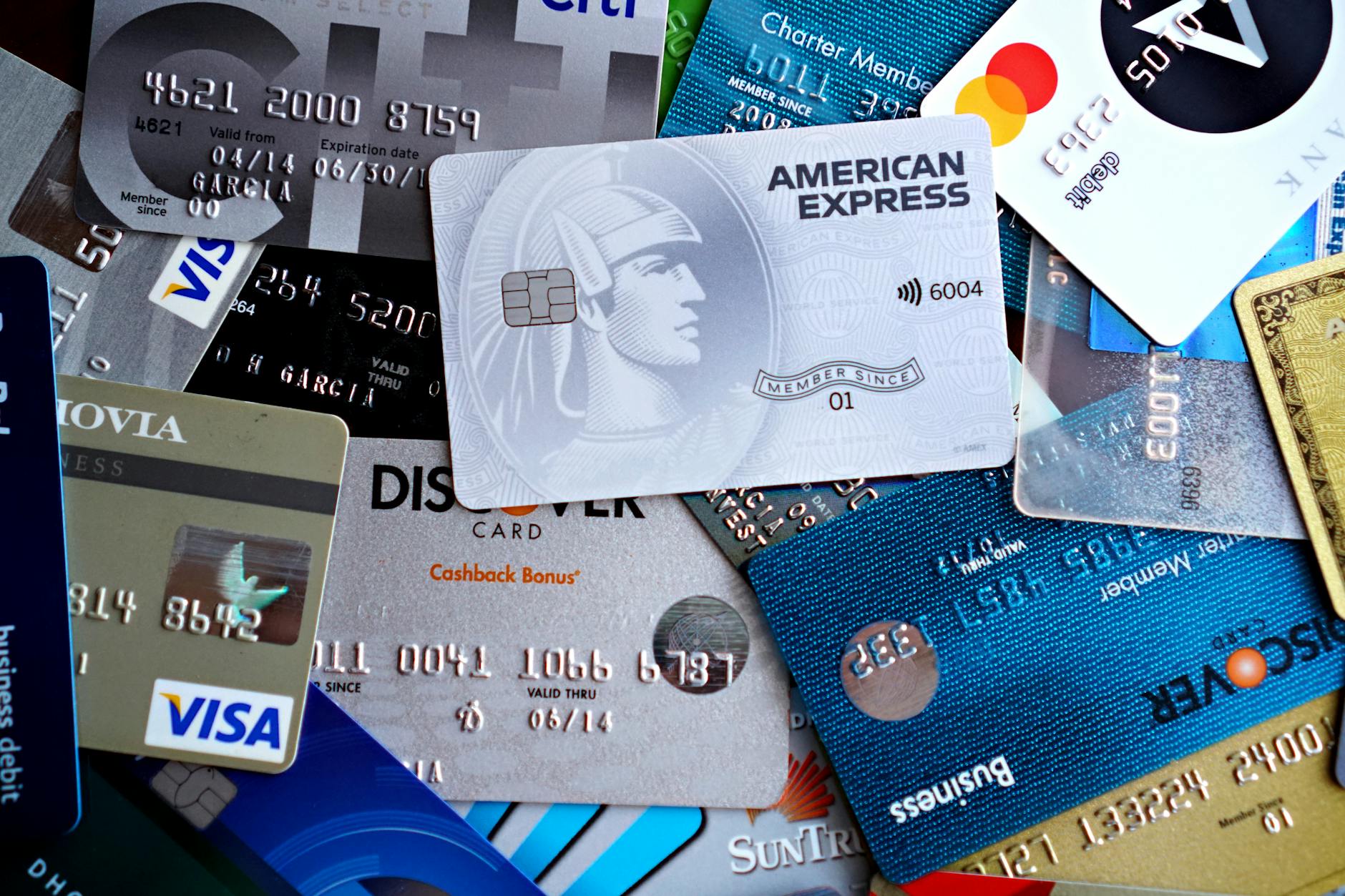
Credit card churning in the travel context involves systematically applying for travel rewards credit cards to capture sign-up bonuses, meeting the minimum spending requirement to earn the bonus, and then either canceling the card or retaining it at reduced fee tiers before repeating the process with additional cards from the same or different issuers. Sign-up bonuses for premium travel cards frequently offer between fifty thousand and two hundred thousand points or miles upon meeting spending thresholds, representing redemption values of between five hundred and several thousand dollars when applied to premium cabin international travel. Card issuers have implemented restrictions including the Chase five-twenty-four rule and American Express once-per-lifetime bonus policies specifically to limit the repeat bonus capture that makes systematic churning financially productive. The credit score impact of multiple card applications and account openings is a genuine consideration that practitioners manage through timing strategies and credit utilization monitoring, with most experienced churners reporting that disciplined practice produces minimal long-term credit score consequences. The airline industry’s hostility toward churning is indirect but significant given that the award seat inventory consumed by churners represents capacity that carriers would prefer to monetize through cash ticket sales to less optimization-aware travelers.
Name Change Exploitation

Certain airline ticket types and booking classes retain transferability or name change permissions under specific conditions that allow tickets to be sold or transferred between travelers through informal marketplaces, enabling buyers to acquire tickets at below-market prices and sellers to recover value from travel plans that have changed. Business class tickets issued through certain corporate travel programs, fully flexible fare classes, and tickets booked through specific travel agencies retain name change permissions that restricted economy tickets do not, creating a secondary market in transferable travel documents that operates in direct tension with airline yield management objectives. Online communities and specialized brokers facilitate these transactions with varying degrees of transparency about the legal and practical risks involved, which include potential booking cancellation if the carrier identifies name change activity inconsistent with permitted fare rules. The financial motivation for participation in transferable ticket markets is substantial given the price differential between fully flexible premium cabin fares and the discounted prices at which desperate sellers offer tickets they can no longer use. Airlines have progressively tightened name change permissions across fare classes and implemented identity verification requirements at boarding that have reduced the practical feasibility of this technique significantly compared to its earlier prevalence.
Bulk Booking Splits
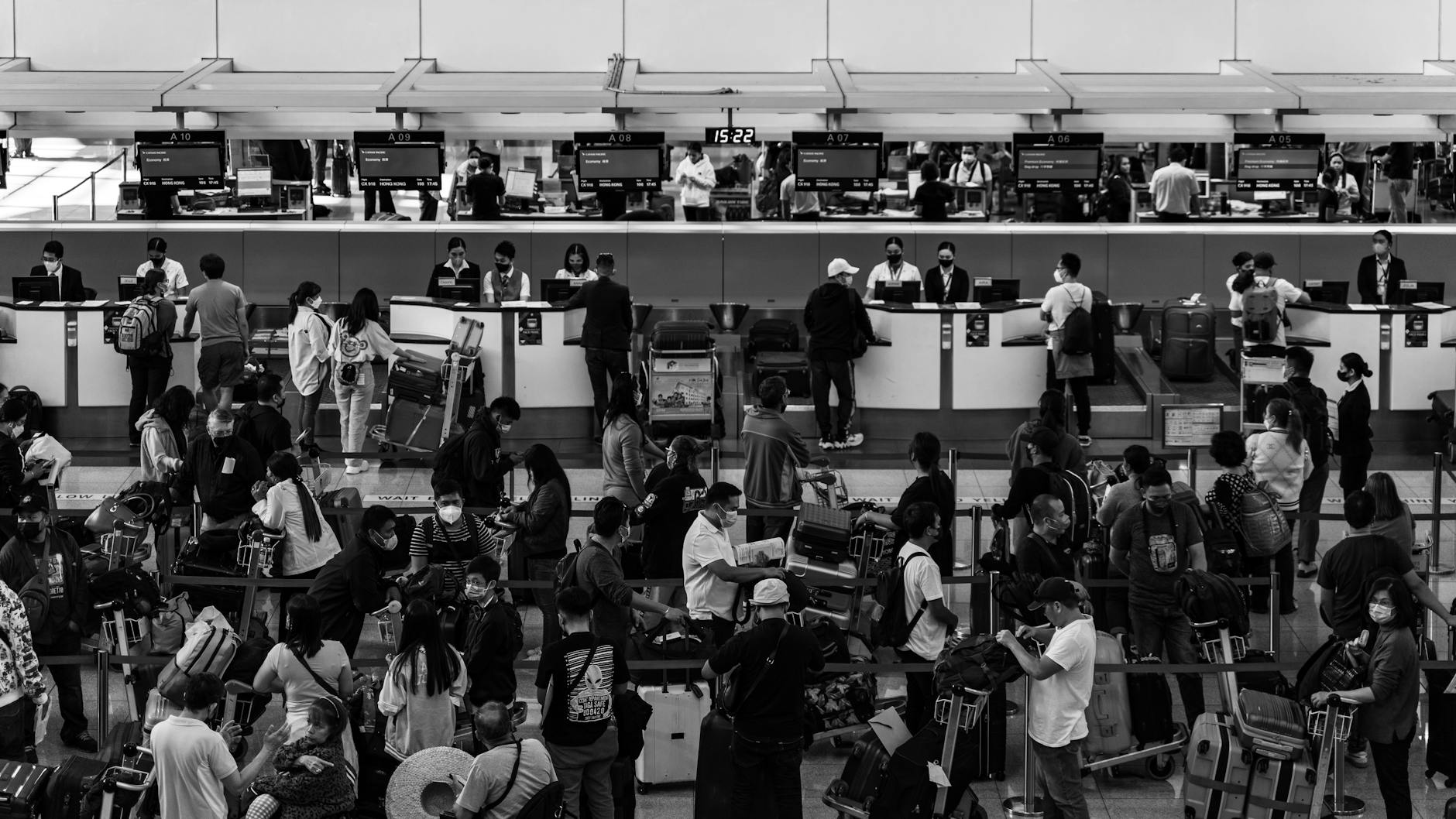
The practice of splitting travel party bookings into individual separate reservations rather than booking all travelers together exploits a specific quirk in airline seat inventory management that prices groups at the highest per-seat rate available in the booking class needed to accommodate the entire party simultaneously. When a flight has two seats available at a lower fare class and three seats available at a higher fare class, booking five travelers together triggers pricing for all five at the higher rate, while booking two and three separately allows the lower rate to be captured for the pair. This technique produces savings that scale directly with party size and fare class differential, making it most financially significant for families and groups traveling in premium cabins where fare class price differences can amount to hundreds of dollars per seat. The practical complications include seat assignment separation that must be resolved at check-in, potential difficulties in the event of irregular operations where split bookings are processed independently, and the need to manage multiple booking references for what is functionally a single trip. Airlines are aware of this booking behavior and have implemented group booking tools with pricing models designed to capture the revenue difference, but the technique remains effective through standard consumer booking channels that do not apply group pricing logic to separately created reservations.
Mileage Run Strategy

Mileage runs involve purchasing and flying airline tickets with the primary or exclusive objective of accumulating elite status qualifying miles, segments, or points before a program year deadline rather than to reach any genuine travel destination, treating the flight itself as the product being purchased rather than transportation to a specific place. The financial logic of mileage running depends on calculating the cost per elite qualifying mile of available tickets against the expected value of the status being pursued, a calculation that produces positive returns when the benefits of elite status including upgrades, lounge access, fee waivers, and bonus mile earning substantially exceed the cost of the qualifying flights. Airlines have progressively restructured their elite qualification frameworks to incorporate revenue-based thresholds alongside or instead of pure mileage requirements specifically to increase the cost of synthetic status qualification that mileage running represents. The practice is not prohibited by airline terms of service given that it involves purchasing and using legitimate tickets, but carriers view it as a form of program gaming that consumes upgrade inventory and lounge resources without the corresponding high-value customer relationship that elite status benefits were designed to cultivate. Experienced mileage runners identify the optimal combination of route, fare class, airline, and timing that maximizes qualifying credit per dollar spent, a calculation that requires sophisticated understanding of each program’s qualification architecture.
Open Jaw Booking

Open jaw ticket construction allows travelers to fly into one city and depart from a different city on the return journey, enabling trip itineraries that visit multiple destinations without the cost and backtracking associated with conventional round-trip routing, frequently at prices competitive with or lower than standard round-trip fares on a single route. A traveler visiting multiple European cities might fly into London and depart from Rome, avoiding both the cost of a separate positioning flight and the wasted time of returning to the entry point at the end of the trip. Airlines price open jaw itineraries using half-round-trip fare construction rules that can produce counterintuitive total prices, and experienced travelers use multi-city search tools to identify combinations where open jaw pricing substantially undercuts the cost of booking the same journey as separate one-way tickets. The technique is most financially powerful on routes where one-way pricing is disproportionately high relative to round-trip equivalents, a common characteristic of transatlantic and transpacific premium cabin inventory. Open jaw construction is a legitimate booking category recognized by industry fare rules rather than a terms of service violation, which distinguishes it from techniques that operate against carrier policies and eliminates the account risk associated with more aggressive optimization strategies.
Airline Complaint Leverage
Systematic documentation of airline service failures including flight delays, cancellations, equipment downgrades, catering deficiencies, and service quality departures from advertised standards creates a factual basis for compensation claims that airlines routinely settle with vouchers, miles, or cash payments that significantly exceed the spontaneous goodwill gestures offered without formal claim submission. European Union regulation EC 261 and United Kingdom equivalent frameworks create legally enforceable compensation entitlements for qualifying flight disruptions that can reach six hundred euros per passenger per affected flight, entitlements that airlines are structurally motivated to minimize awareness of among affected passengers. Third-party claim facilitation services including AirHelp and ClaimCompass pursue these entitlements on behalf of passengers for commission fees, successfully recovering compensation in cases where passengers have already accepted inadequate settlements or been incorrectly told no entitlement exists. The documentation practices that maximize complaint leverage include timestamped photography of departure boards, preservation of all airline communication, and written rather than verbal interaction with airline staff during disruption events to create a contemporaneous record. Airlines have lobbied aggressively against the expansion of mandatory compensation frameworks and have invested in legal strategies designed to maximize the proportion of valid claims that are successfully disputed or delayed past practical resolution.
Volunteer Bumping Strategy

Proactively seeking to be voluntarily bumped from oversold flights by approaching gate agents before the general boarding announcement creates access to compensation negotiations that are substantially more favorable than the settlements offered during reactive gate announcements when multiple passengers are competing for limited bump opportunities. Airlines consistently oversell flights based on no-show rate statistical models and must offer compensation to secure volunteers when their projections underestimate actual load, creating a negotiation context where the gate agent has both the authority and the incentive to reach agreement before resorting to involuntary denied boarding. Experienced voluntary bump seekers arrive at gates early, identify themselves proactively to agents, and negotiate specific compensation terms including cash value, confirmed seat assignment on the next available flight, and lounge access rather than accepting the first offer presented. The financial value available through voluntary bumping ranges from a few hundred dollars on domestic routes to several thousand dollars in cash or vouchers on busy international routes during peak travel periods, with particularly high values achievable in the final days before major holidays. Airlines have shifted toward electronic auction systems presented at check-in and boarding that reduce the negotiation dynamic of gate-based voluntary bumping, but direct agent engagement remains the highest-value channel for compensation negotiation in most operational contexts.
Fare Class Monitoring
Systematic monitoring of fare class availability changes on booked itineraries allows travelers who have already purchased tickets to rebook into lower fare classes when inventory opens up following cancellations, corporate account releases, or revenue management reclassifications that create lower pricing than was available at the time of original purchase. Airlines release unsold inventory into lower fare classes as departure approaches and load factor targets are not met, creating repricing opportunities that reward travelers who monitor their bookings rather than treating them as fixed after initial purchase. Automated fare monitoring tools including Google Flights price tracking, Kayak price alerts, and specialized services like ExpertFlyer notify subscribers when specific fare classes open on monitored routes, enabling targeted rebooking at favorable price points. The practical application of fare class monitoring requires understanding of each airline’s change fee and fare difference policies, with fully refundable tickets and Southwest-style no-fee change policies providing the most accessible repricing flexibility. Airlines have responded to systematic repricing behavior by restricting change permissions on discounted fare classes and implementing fees specifically designed to make the economics of opportunistic rebooking less attractive while preserving the flexibility premium that justifies higher fare class pricing.
Lap Infant Pricing
The aviation industry pricing convention that children under two years of age travel on international flights as lap infants for a nominal fee representing approximately ten percent of the adult fare on many carriers represents one of the most financially significant and least discussed fare advantages available to traveling families. The practical and safety debates surrounding lap infant travel are substantive and ongoing, but from a pure pricing optimization perspective the fare differential between lap infant and purchased seat bookings on premium cabin international flights can exceed two thousand dollars per child per flight on routes where adult business class pricing is high. Some carriers apply lap infant fees as a flat charge while others calculate them as a percentage of the adult fare, creating significant variation in the total cost of family premium travel that rewards fare comparison across carrier options on the same route. Travelers using this pricing category for children approaching the two year age boundary should be aware that age verification at check-in uses the passport date of birth and that children turning two during a multi-leg journey are required to have a purchased seat for all segments operated after their second birthday. The regulatory framework governing infant in arms travel varies by aircraft type and carrier policy in ways that make route-specific research essential for families planning to utilize this fare category.
Booking Window Arbitrage

The relationship between booking lead time and airfare pricing follows patterns that are sufficiently consistent across routes, seasons, and carrier types to enable systematic timing optimization that reduces costs relative to both very early and last-minute purchasing behavior. Research across large airfare databases has identified a statistical sweet spot for domestic United States routes of approximately three weeks to three months before departure and for international routes of approximately two to eight months before departure where the balance between early booking discounts and inventory-driven price increases produces the lowest average fares. The optimal booking window varies significantly by route characteristics including the presence of budget carrier competition, seasonal demand concentration, corporate travel volume, and the specific revenue management models employed by dominant carriers on each route. Airlines respond to booking window arbitrage by implementing increasingly dynamic pricing models that adjust fare levels based on real-time demand signals rather than fixed temporal patterns, reducing the predictive value of historical booking window research. The practical application of booking window arbitrage is most reliable when combined with fare tracking tools that provide real-time visibility into price movements rather than relying on static research findings that may not reflect current revenue management practices on specific routes.
Alliance Routing Rules
The complex routing permission frameworks embedded in international airfare rules allow travelers to construct itineraries that include significant geographic detours, stopovers in additional cities, and open jaw configurations that would cost substantially more if booked as separate tickets but are priced as single round-trip fares when constructed within the routing rule parameters applicable to specific fare basis codes. Star Alliance, Oneworld, and SkyTeam alliance structures enable round-the-world ticket products and complex multi-carrier itineraries priced on mileage-based rather than route-based fare construction principles that can produce extraordinary value when maximum permitted routing is utilized. Travelers booking complex alliance itineraries through knowledgeable travel agents who understand fare construction rules access pricing that online booking tools are architecturally incapable of generating, creating a knowledge-based advantage that survives despite the broader disintermediation of travel agency services. The investment required to understand alliance routing rules and fare construction principles is substantial but produces savings that practitioners describe as transformative for regular international premium cabin travelers. Airlines have progressively restricted the most valuable routing rule applications through fare rule amendments and alliance agreement modifications specifically targeting the high-value itinerary constructions that informed travelers had learned to exploit most effectively.
Credit Card Category Bonuses

The strategic alignment of all household spending with credit card category bonus structures that award three to five times base points on travel, dining, grocery, and other high-volume spending categories generates points accumulation rates that can produce free premium cabin travel with a frequency that casual card users who earn at base rates never approach. A household routing annual grocery spending of fifteen thousand dollars through a card awarding four points per dollar generates sixty thousand points from that single spending category alone, equivalent to a significant portion of a business class award redemption on many airline programs. The controversy from the airline and banking industry perspective centers on the cross-subsidy dynamic where rewards are funded through interchange fees paid by merchants and passed through to card holders, effectively transferring value from non-card-using consumers and small merchants to sophisticated card optimizers. Category bonus maximization requires maintaining multiple cards with complementary bonus structures and developing the discipline to use the correct card for each transaction type, a behavioral system that produces substantially higher returns than single-card strategies despite its management complexity. Card issuers periodically restructure category bonuses and impose spending caps that reduce the earning potential of specific combinations, requiring ongoing monitoring and portfolio adjustment to maintain optimization effectiveness.
Fuel Surcharge Routing
The variation in fuel surcharge application across airline partnerships within the same alliance allows travelers to book award tickets on high-surcharge carriers while routing the ticketing through partner programs that do not apply fuel surcharges to partner awards, dramatically reducing the total out-of-pocket cost of redemptions on carriers whose own award programs impose surcharges that can exceed the cash value of economy tickets. British Airways executive club awards booked directly carry fuel surcharges that make many redemptions financially uncompetitive, but the same flights booked through American Airlines AAdvantage or Alaska Airlines Mileage Plan avoid those surcharges entirely on qualifying routes. Airlines have responded by progressively restricting partner award availability, implementing their own surcharge equivalent fees under different nomenclature, and renegotiating partnership agreements to limit the surcharge arbitrage that informed travelers were exploiting at scale. The identification of optimal ticketing carrier and operating carrier combinations for specific routes requires cross-referencing multiple program award charts, partner availability calendars, and surcharge policies in a research process that most travelers do not undertake but that produces savings of several hundred dollars per person on premium cabin international redemptions. This technique operates within published program rules rather than against carrier terms of service, providing a level of account security that more aggressive optimization strategies do not offer.
Which of these travel hacks are you planning to try first? Share your thoughts in the comments.