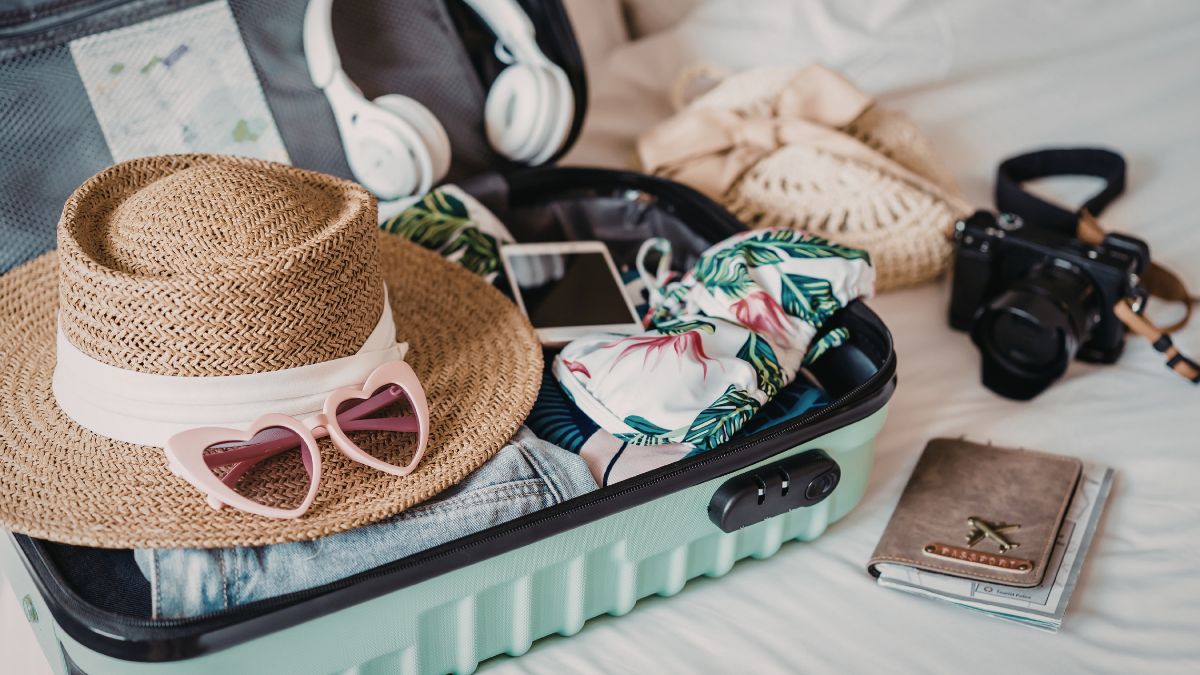
Seasoned travelers know that packing efficiently often means breaking a few unwritten rules that most people follow without question. Over the years a growing number of frequent flyers have developed unconventional habits that divide opinion in travel communities worldwide. Some of these methods cut hours from the preparation process while others challenge common assumptions about what is truly necessary on a trip. The tips ahead are not for the faint-hearted but they consistently deliver results for those willing to try them.
Rewearing Clothes
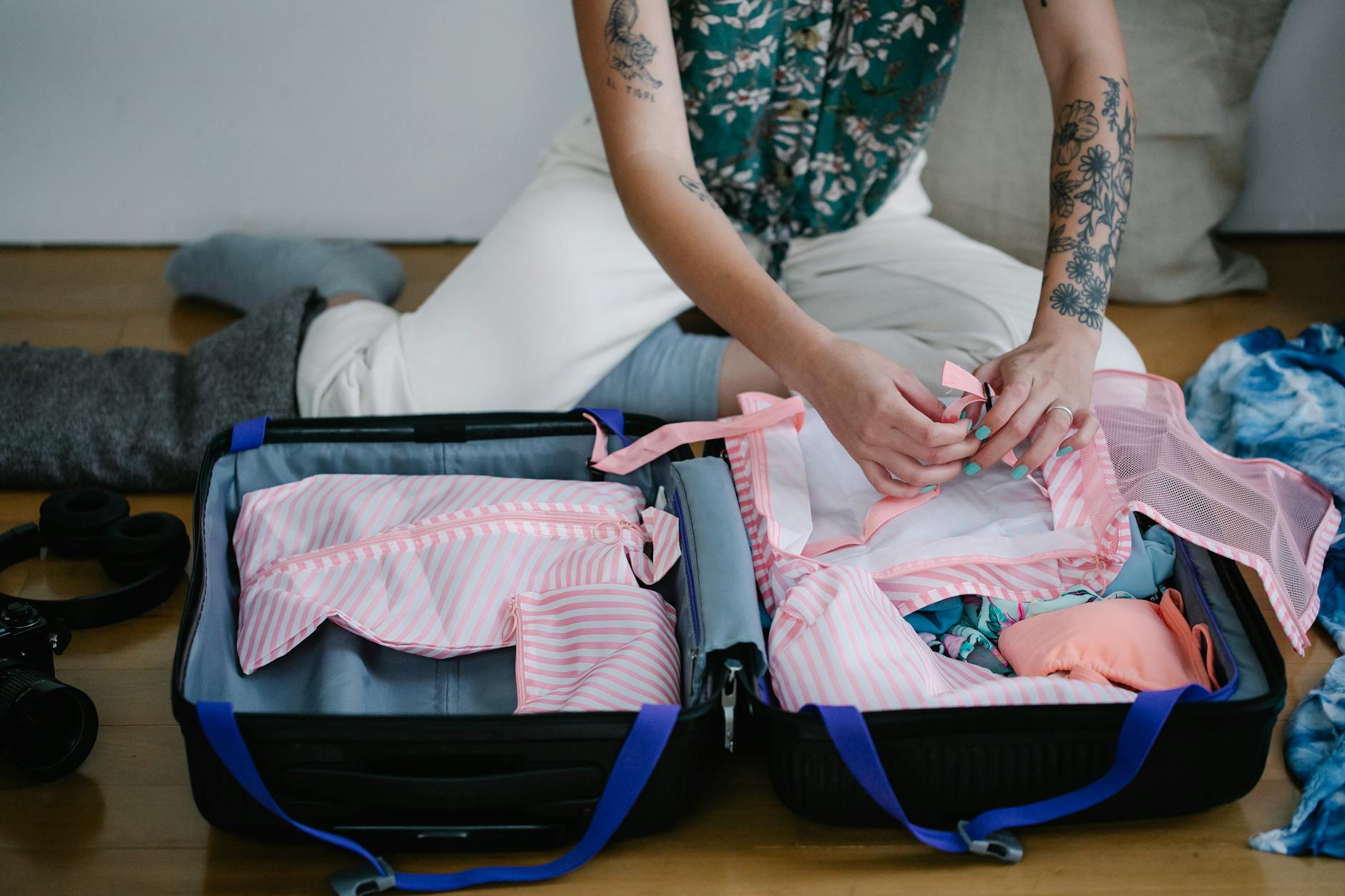
Many experienced travelers pack only two or three outfits regardless of the length of their trip. The logic is straightforward as most people return home with clothes they never wore at all. Fabrics like merino wool resist odor naturally and can be worn multiple days in a row without issue. Spot cleaning in a hotel sink handles most minor stains quickly and effectively. This approach cuts luggage weight dramatically and eliminates the need to check a bag entirely.
Skipping Toiletries
A growing number of travelers refuse to pack any toiletries whatsoever when heading to hotels or urban destinations. Most hotels provide shampoo soap and body wash as a standard part of their offering at no extra cost. Pharmacies and supermarkets in virtually every country stock basic personal care products at accessible prices. Buying locally also removes the stress of navigating airport liquid restrictions altogether. The space saved in a bag by skipping the toiletry pouch is considerable.
Wearing Your Bulkiest Items
The practice of wearing the heaviest and bulkiest items onto a plane rather than packing them is widely used among budget travelers. A thick winter coat heavy boots and multiple layered clothing items worn through the airport do not count toward carry-on weight limits. This can feel uncomfortable during the journey but it frees up an enormous amount of luggage space. Some travelers even wear multiple pairs of socks or layer up to three shirts at once for short flights. Airlines have no official policy against wearing extra clothing onto a plane.
One Bag Rule
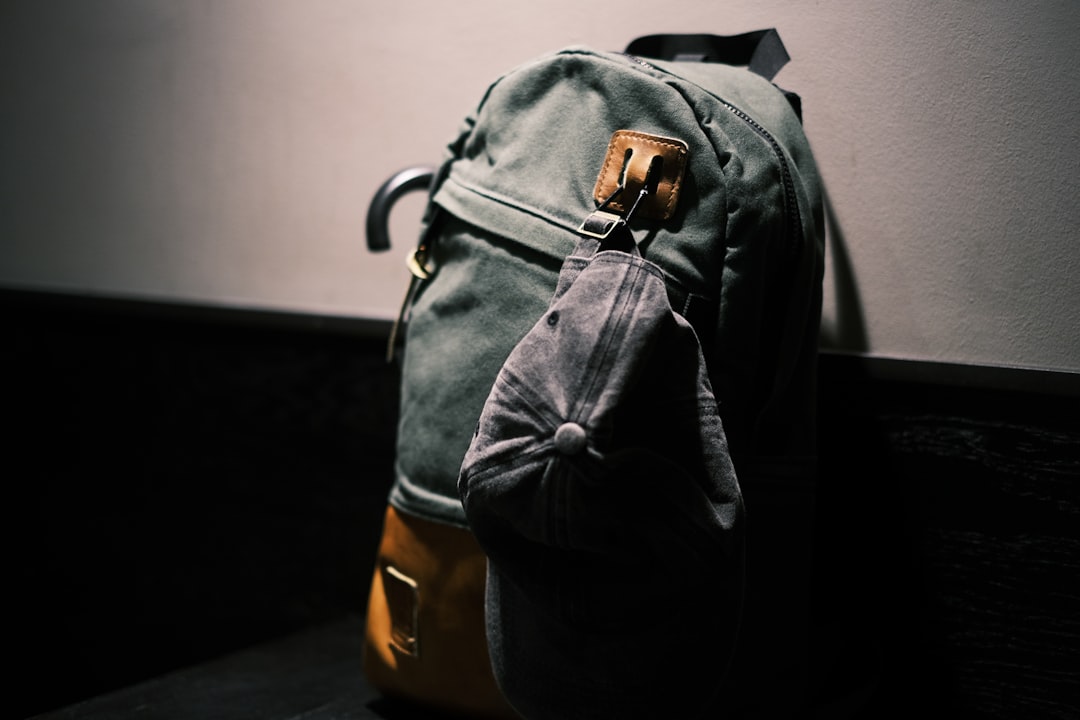
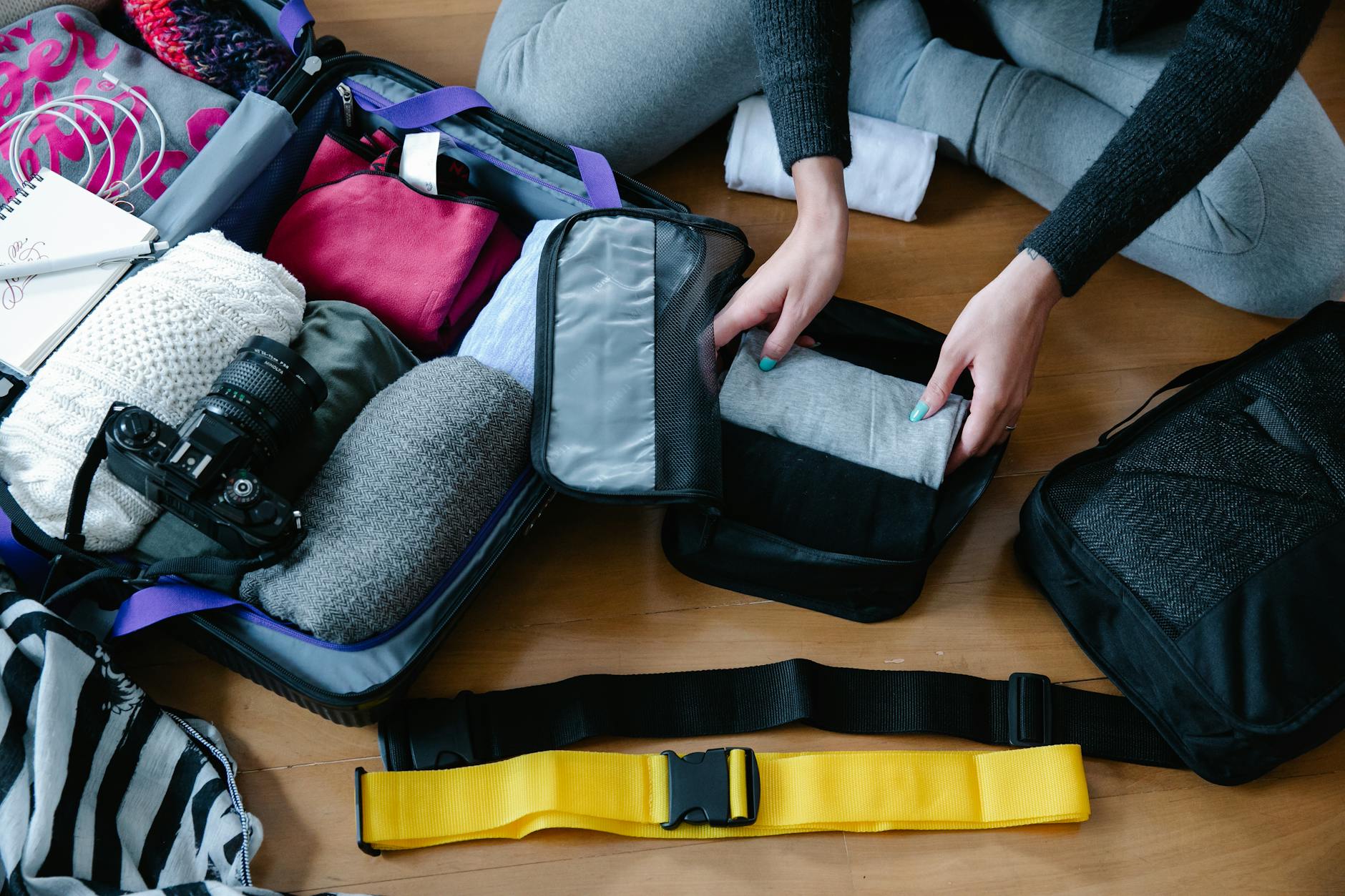
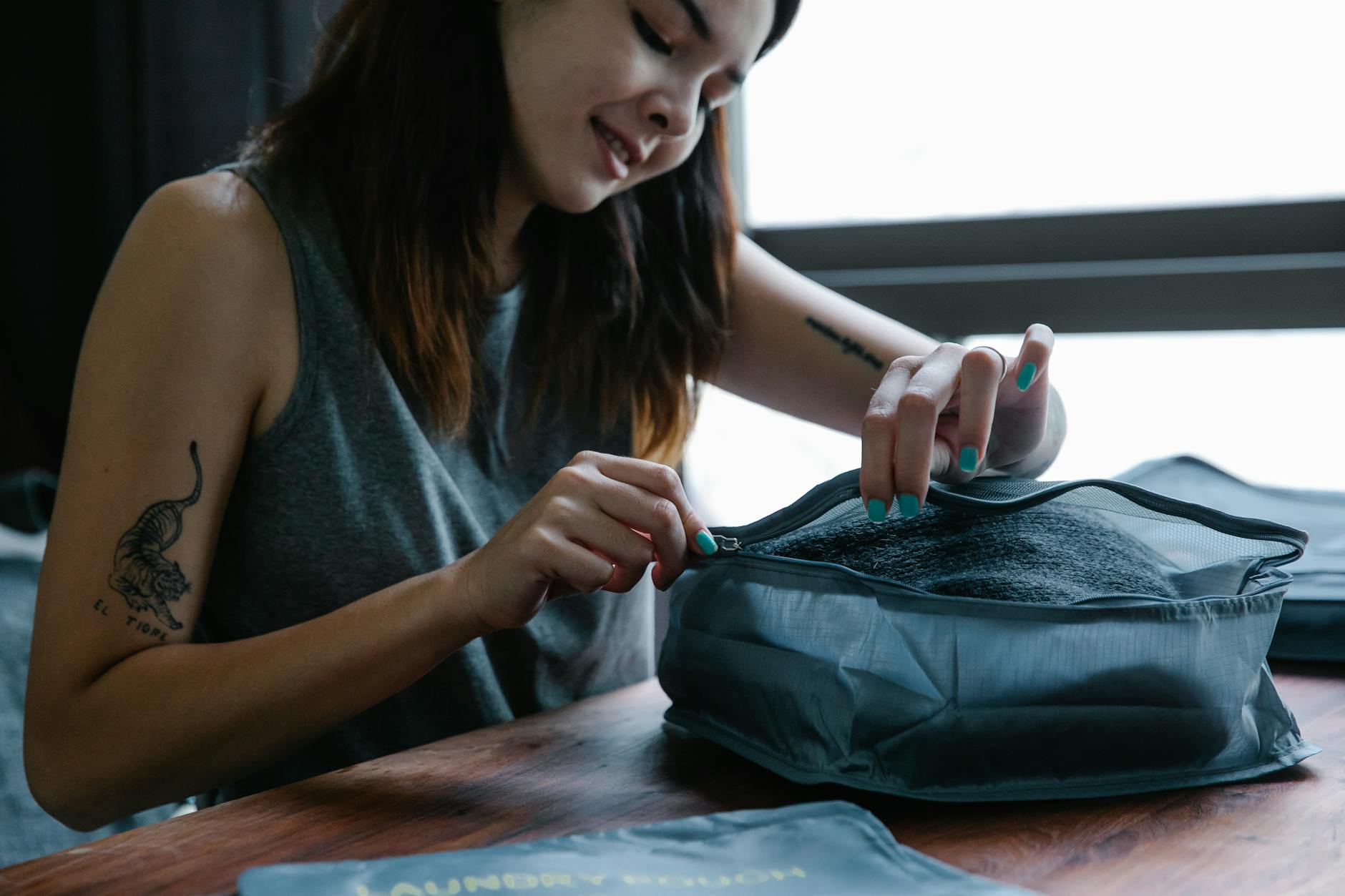
The strict one bag rule means traveling with a single carry-on backpack no matter the destination or duration. Adherents of this approach argue that the mental relief of never waiting at baggage claim alone justifies the discipline it requires. The method forces travelers to make deliberate choices about every single item they bring. Packing cubes and compression systems make fitting a week or more of clothing into a small bag entirely achievable. Many converts report they will never return to checking luggage after experiencing this level of freedom.
Phone as Camera
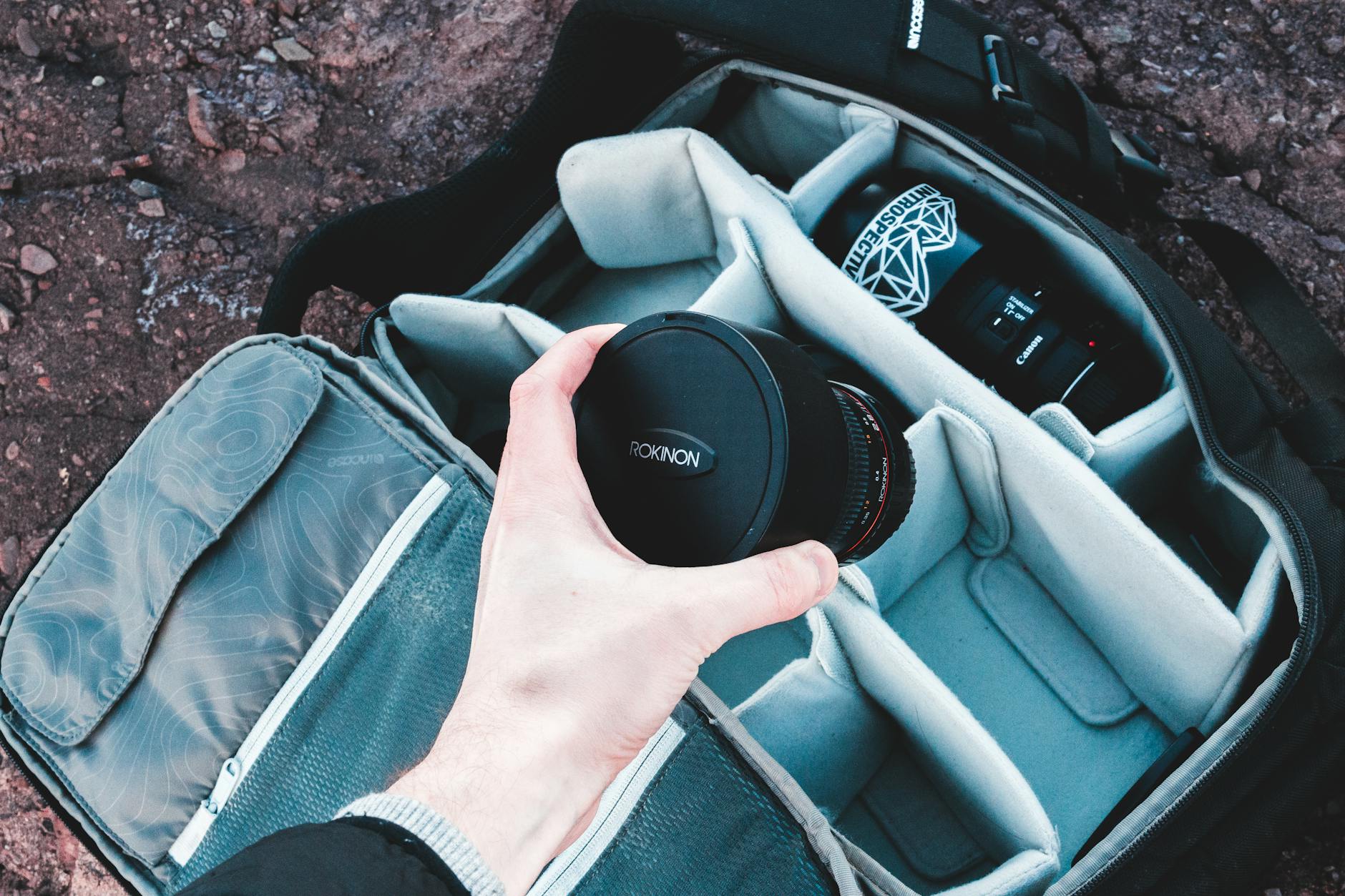
Leaving a dedicated camera at home is a tip that upsets photography enthusiasts but saves significant bag space and weight. Modern smartphone cameras now rival entry-level mirrorless cameras in image quality under most travel conditions. The reduction in equipment also means fewer chargers cables and accessories clogging up a bag. Travelers who adopt this approach report feeling more present in their experiences rather than managing gear. Cloud storage means photos are backed up automatically without the risk of losing a memory card.
Not Folding Clothes
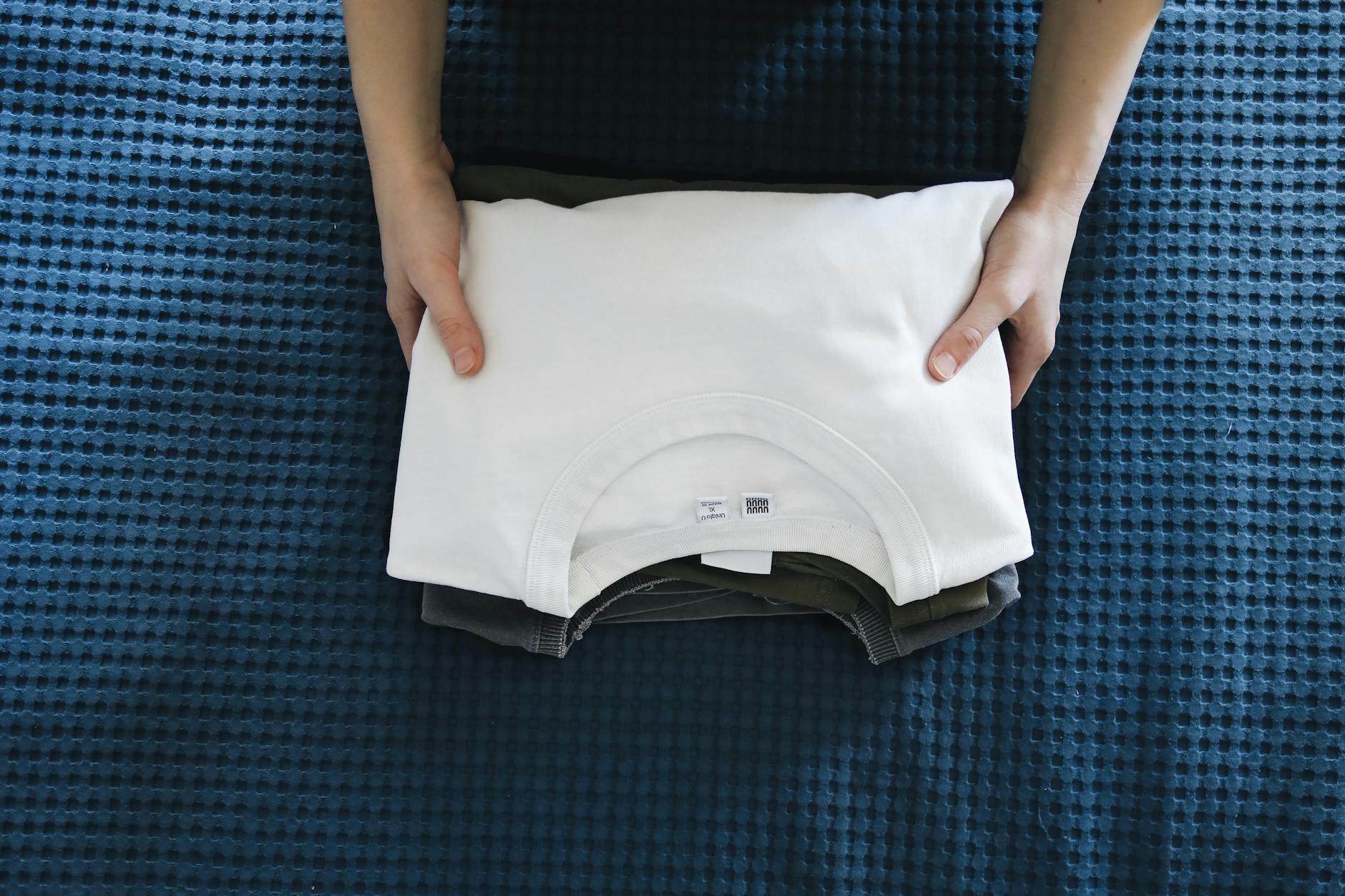
Rolling clothes tightly instead of folding them is well known but the more controversial version involves not organizing them at all. Some travelers simply compress everything loosely into a bag without any system and find it no less efficient than careful folding. The argument is that clothes get wrinkled regardless and most wrinkles fall out after an hour of being worn or hung up. Time spent on elaborate packing organization is seen by this camp as entirely wasted effort. The chaotic approach surprisingly tends to use available bag space more flexibly.
Disposable Underwear
Packing disposable travel underwear and discarding it after use is a tip that shocks many people the first time they hear it. The practice eliminates the need to do laundry or carry dirty clothes for the remainder of a trip. Lightweight disposable options are available from several travel-focused brands and take up almost no space. The environmental debate around this habit is real and it tends to split opinion sharply in travel forums. For very short trips or intense itineraries it remains a genuinely practical solution for many travelers.
Leaving Valuables

Some experienced travelers deliberately leave expensive jewelry watches and luxury accessories at home without exception. The reasoning centers not on fear of theft but on the mental overhead of constantly protecting and worrying about valuable items. Travel is simplified when every belonging in a bag can be replaced at a reasonable cost. This mindset also reduces the social dynamics that can come with visibly expensive possessions in unfamiliar environments. The result is a more relaxed and spontaneous travel experience overall.
Skipping Travel Insurance
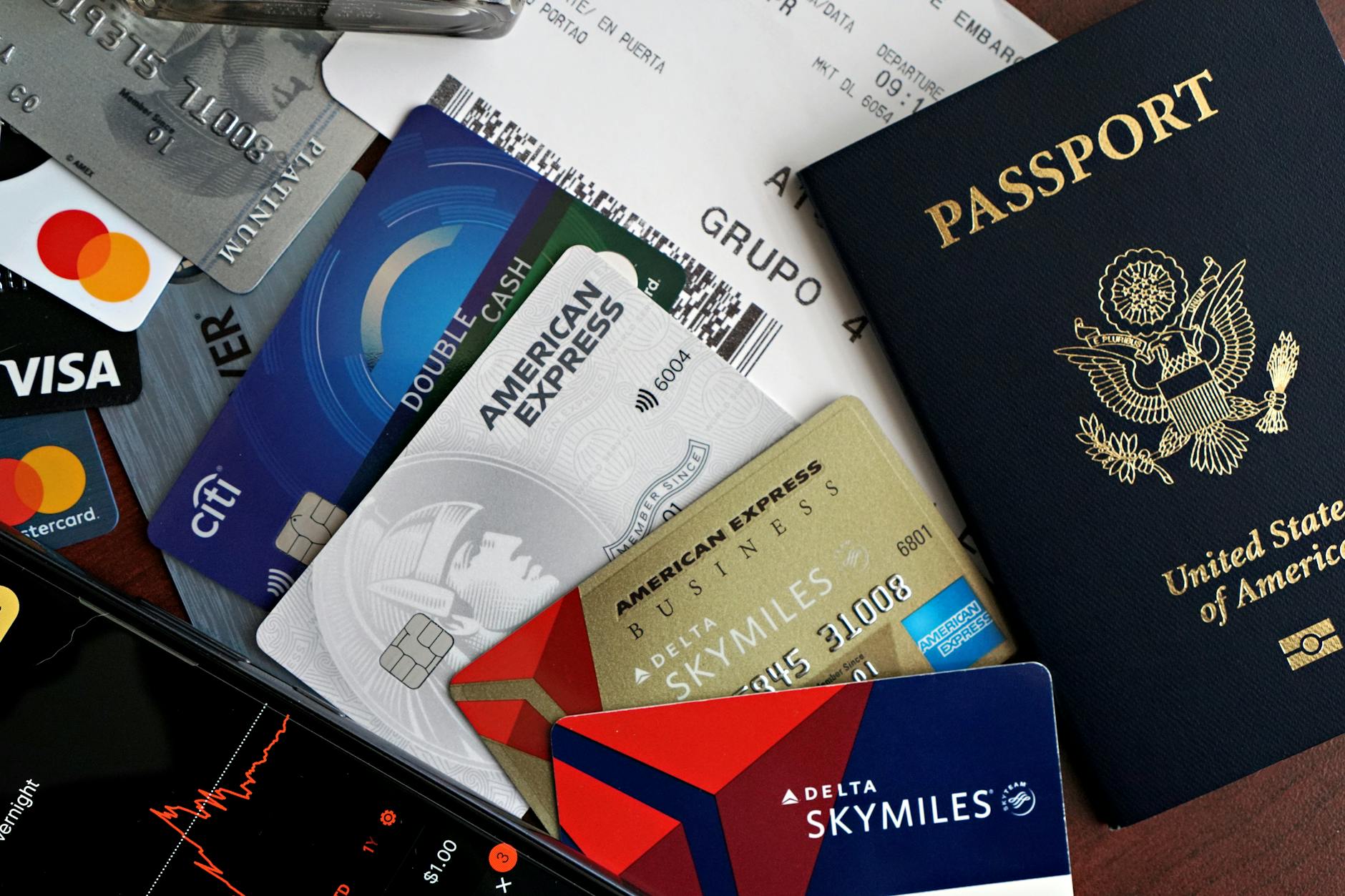
A controversial financial tip among long-term budget travelers involves declining standard travel insurance in favor of self-insuring through a dedicated travel fund. Frequent travelers argue that over many trips the cumulative cost of insurance premiums exceeds the cost of most realistic incidents. This approach is not recommended for medical emergencies in countries with expensive healthcare systems. It requires genuine financial discipline and a clear-eyed assessment of personal health and risk tolerance. The debate around this tip is one of the most heated in budget travel communities.
Carry-On Medications
Packing all medications including over the counter remedies directly into a carry-on without a separate labeled organizer is a time-saving habit many travelers quietly practice. Airport security in most countries permits this as long as quantities are reasonable and prescription drugs are accompanied by documentation if required. The tip saves the effort of preparing a formal medical kit and reduces the temptation to overpack remedies for unlikely scenarios. Travelers in this camp rely on local pharmacies for anything unexpected that comes up during a trip. The approach works best for healthy travelers on shorter journeys.
No Itinerary Printed
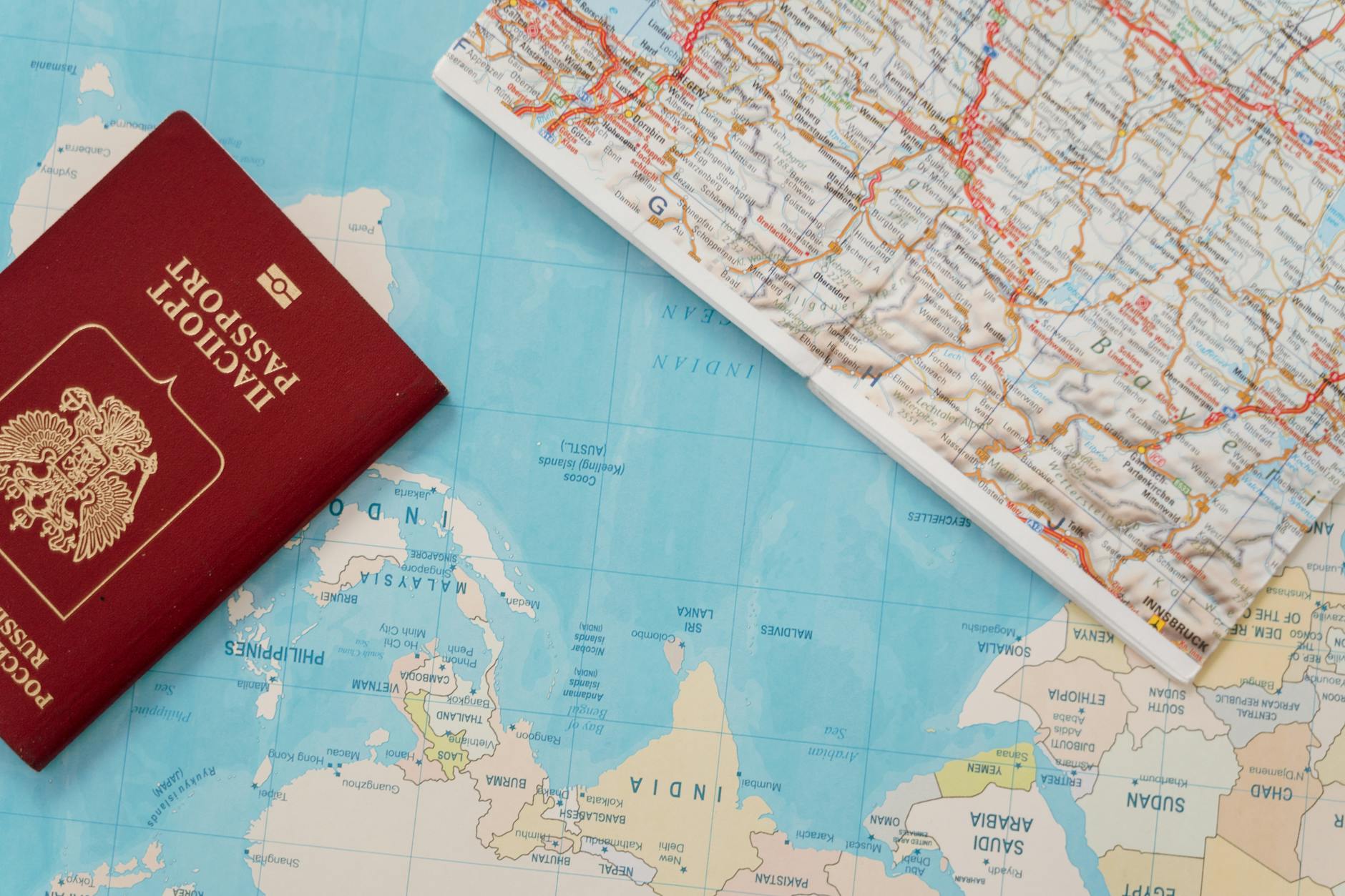
Abandoning printed itineraries and paper confirmation documents entirely in favor of a single organized folder in a phone app is a habit that frustrates cautious travelers. Digital boarding passes hotel confirmations and transport tickets are now accepted almost universally across the world. Offline saving functions in apps like Google Maps and various airline platforms mean connectivity is not always required. The weight and bulk of a paper travel folder may seem trivial but the organizational freedom of going fully digital is significant. Travelers new to this approach are advised to screenshot all key confirmations as a backup measure.
Sharing Luggage
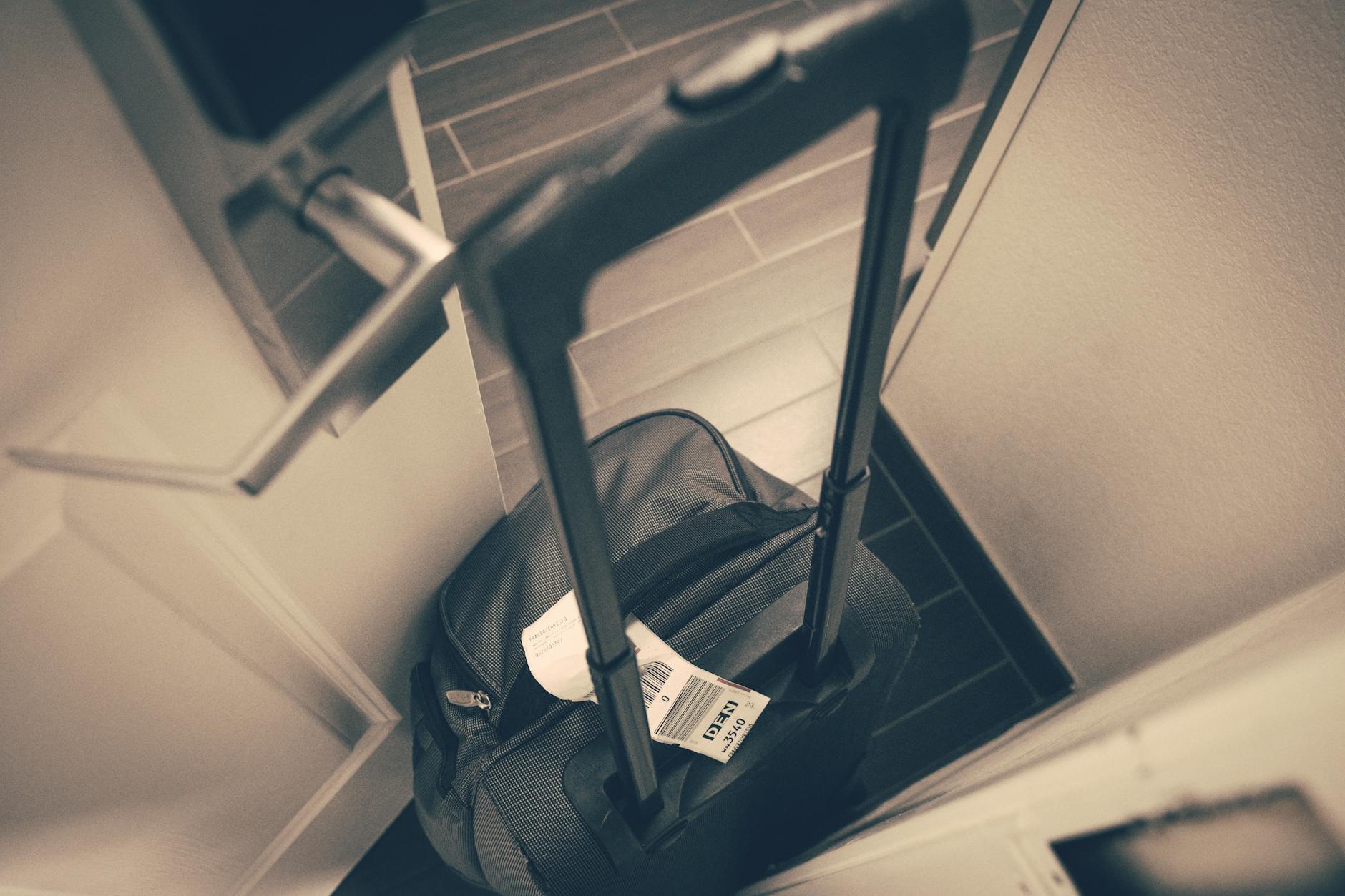
Couples and travel companions who combine all their belongings into a single shared bag rather than traveling with individual luggage save considerable time at airports. Check-in bag fees charged per bag rather than per person make this a financially smart strategy on budget airlines. The social dynamic of sharing a bag requires a high degree of trust and coordination between travel partners. Disagreements over what to include are a commonly cited downside of this otherwise efficient method. For short trips between two people the approach consistently delivers both time and cost savings.
Checking Nothing
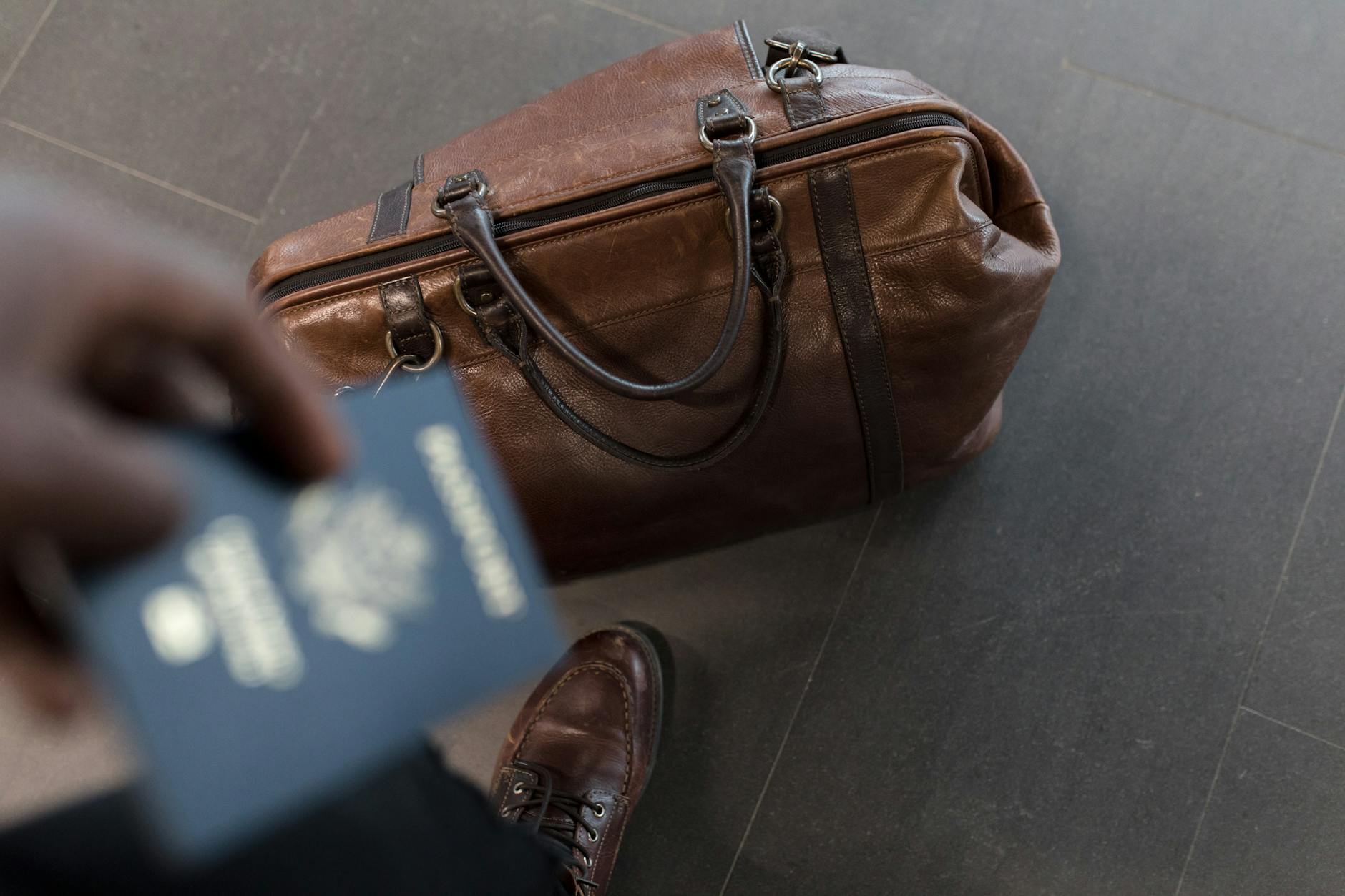
A firm commitment to never checking luggage under any circumstances is one of the most life-changing habits reported by frequent travelers. The time saved by going straight from the gate to ground transportation is significant especially on multi-leg itineraries. The method forces a discipline around packing that most travelers find improves their overall relationship with material possessions. Airlines have tightened carry-on size enforcement in recent years making this tip slightly more challenging to execute. Investing in a well-designed carry-on bag that maximizes permitted dimensions is the most important step for anyone adopting this rule.
Borrowing at Destination
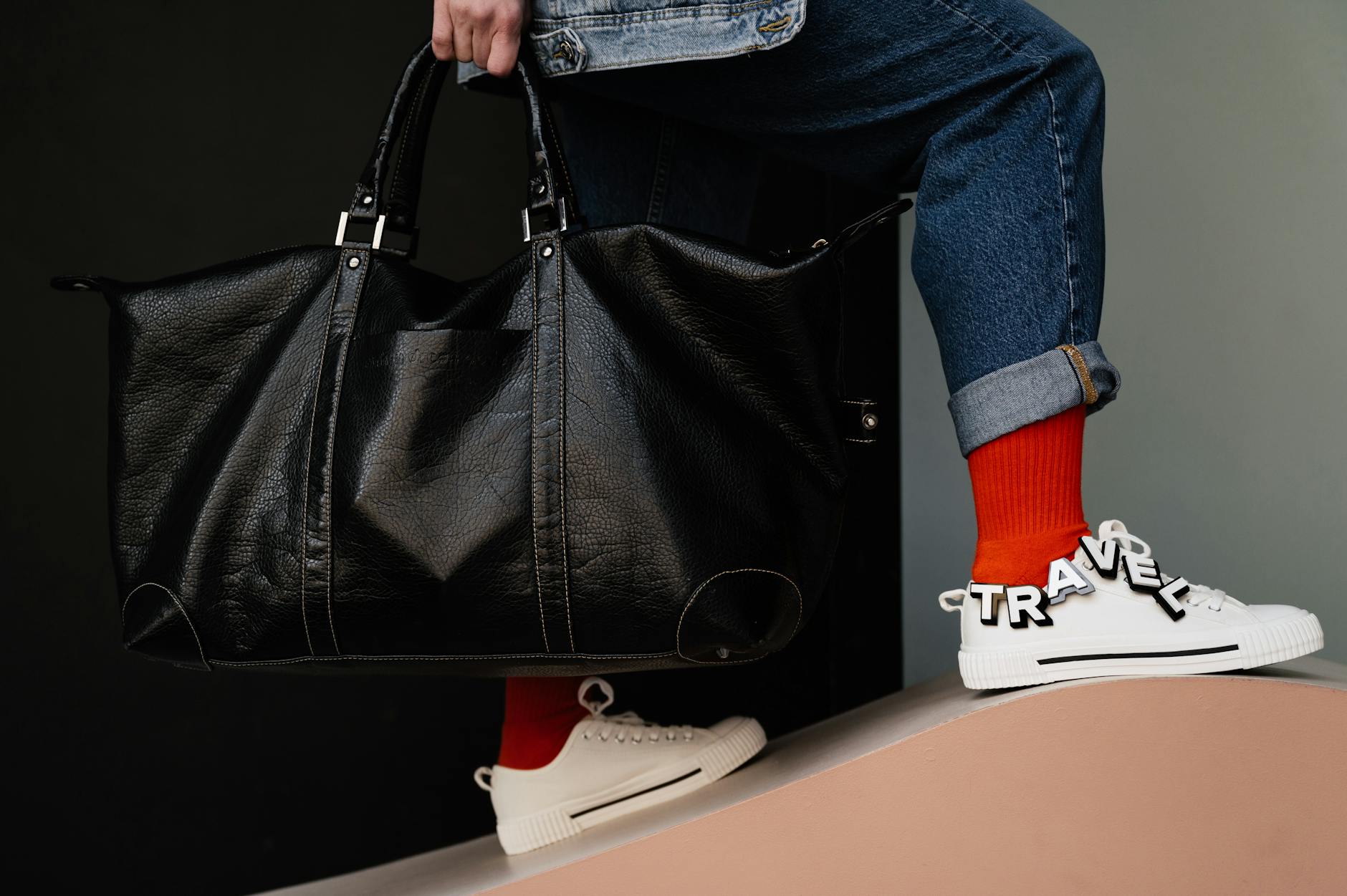
Rather than packing items like beach towels travel adapters or hiking poles some travelers plan from the outset to borrow or rent these items at their destination. Hotels hostels and short-term rental properties frequently provide towels and adapters upon request at no charge. Gear rental options at outdoor destinations have expanded considerably making it unnecessary to transport bulky equipment across continents. The cultural shift required for this approach involves accepting that a trip does not need to be entirely self-sufficient. Travelers who embrace borrowing report noticeably lighter bags and far fewer packing decisions overall.
Packing the Night Before
Waiting until the night before a departure rather than packing days in advance is a tip that sounds reckless but has genuine advocates among experienced travelers. The argument is that a clear packing list combined with a familiar set of travel essentials makes last-minute preparation entirely manageable. Packing too early often results in items being removed and repacked multiple times as daily life continues. A well-practiced traveler with a consistent kit can complete the entire process in under thirty minutes. The key requirement for this method is maintaining a permanent list of travel necessities that never needs to be rebuilt from scratch.
One Shoe Rule

Limiting footwear to a single versatile pair of shoes for any trip is a tip that provokes strong reactions from fashion-conscious travelers. The combined weight and volume of multiple pairs of shoes is one of the single largest contributors to heavy luggage. A neutral well-constructed shoe that transitions from walking to dining to casual evening outings addresses the majority of travel scenarios. Specialist footwear for specific activities such as hiking or beach visits can often be rented or purchased cheaply at the destination. This rule alone is frequently cited as the single most impactful change a traveler can make to reduce pack weight.
Ignoring Packing Lists
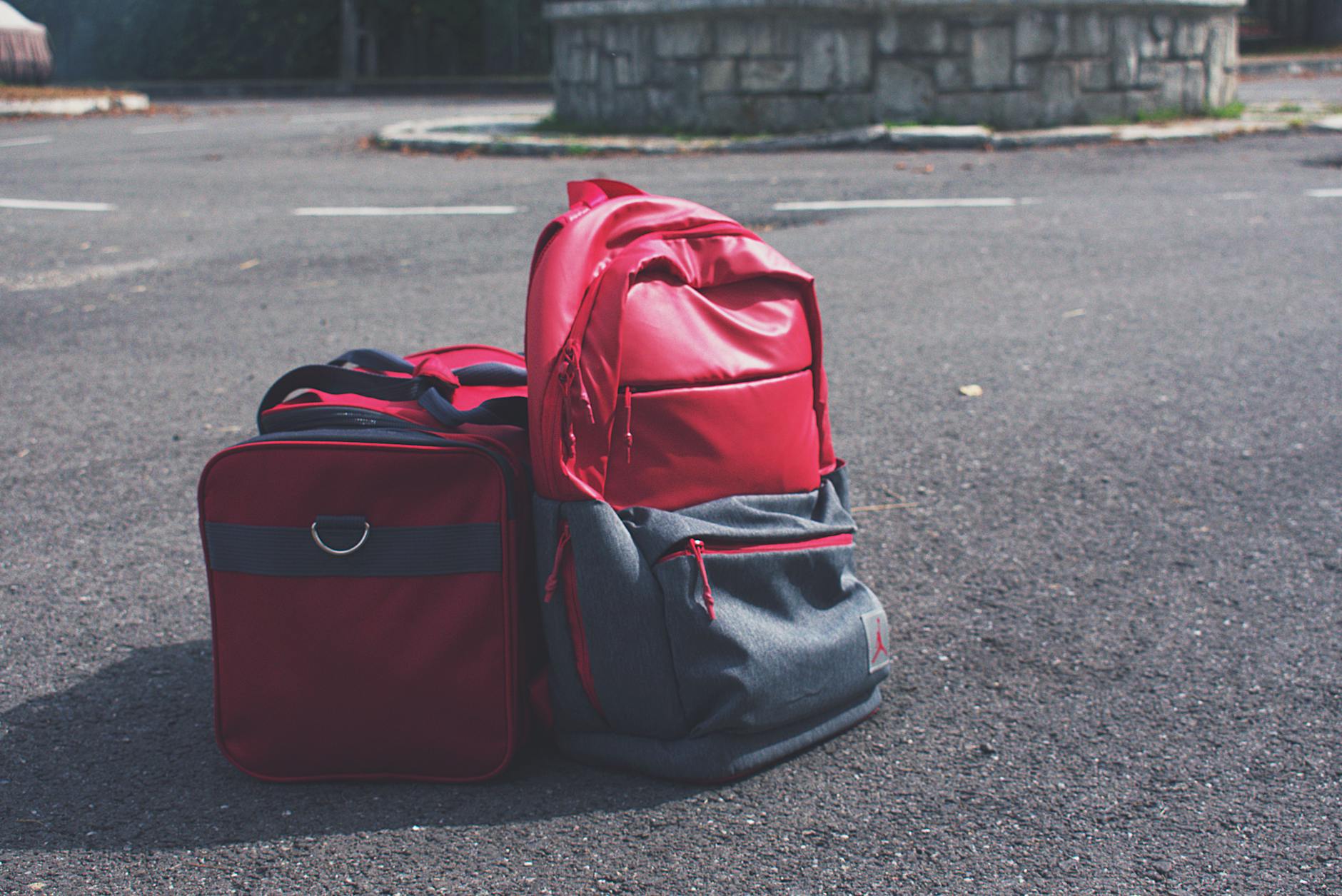
Experienced minimalist travelers argue that detailed packing lists are a crutch that keeps people from developing genuine packing instinct. The habit of listing and checking every item is replaced over time with a confident and rapid visual scan of core categories. This approach requires a history of travel and an honest understanding of past packing mistakes. New travelers are rarely advised to skip lists entirely but the long-term goal for many is to outgrow them. The freedom of packing intuitively rather than mechanically is described by advocates as a meaningful evolution in how they experience preparation for travel.
Buying On Arrival

Deliberately packing fewer clothes and planning to buy inexpensive items like basic tops or swimwear upon arrival is a strategy used widely in budget travel circles. The cost of a simple garment in many destinations is lower than the checked bag fee charged by a budget airline. This tip also functions as a form of intentional travel shopping that results in genuinely worn and valued purchases rather than tourist souvenirs. The downside is a dependence on finding the right item quickly in an unfamiliar retail environment. Travelers who combine this strategy with disciplined donation or disposal of items before flying home report excellent results.
Skipping a Wallet
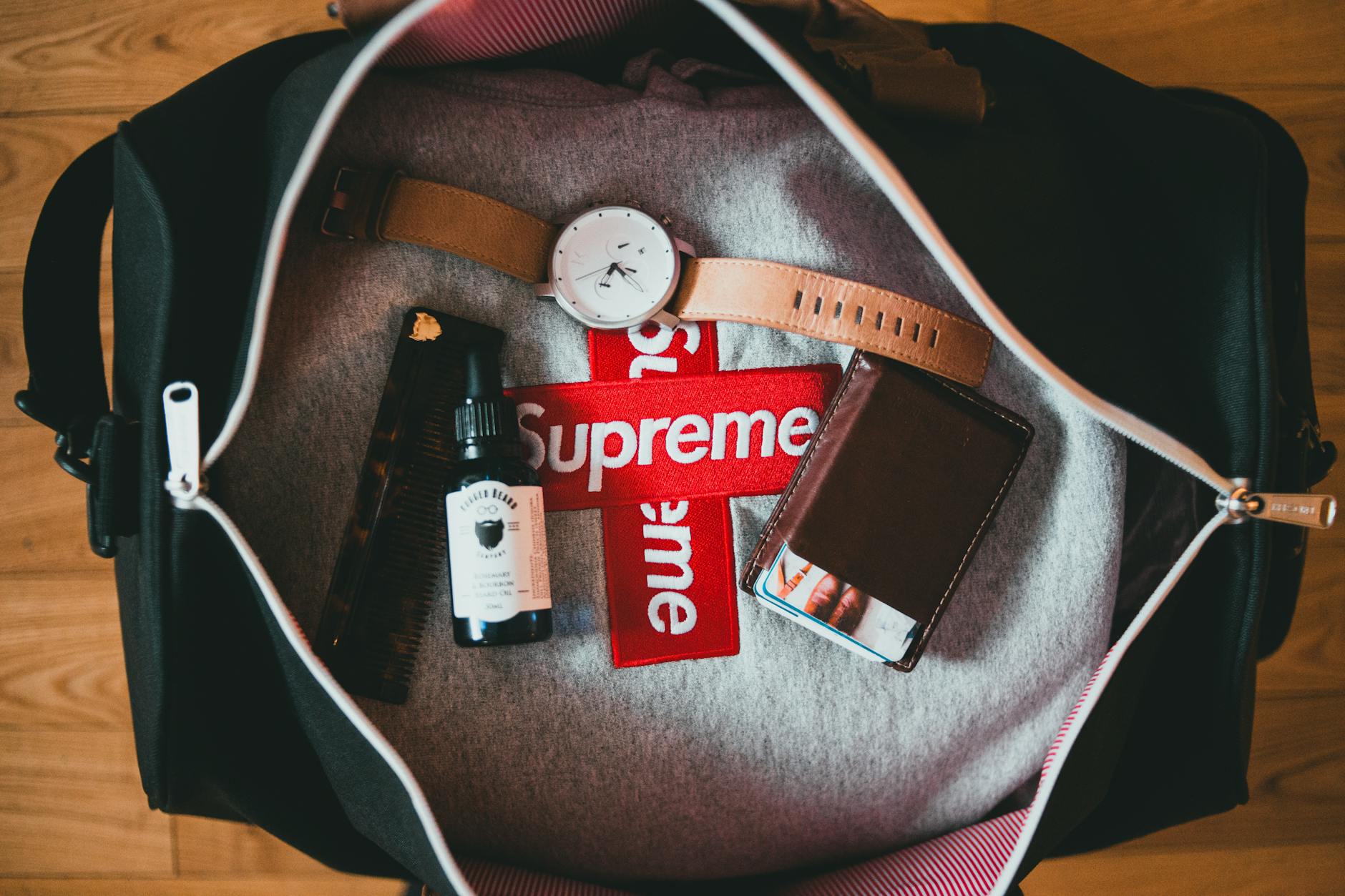
Replacing a physical wallet entirely with a phone-based payment system and a single card tucked into a phone case is a polarizing but increasingly practical tip. Contactless payment infrastructure now covers the vast majority of transactions in developed travel destinations worldwide. The risk of losing a single item rather than an entire wallet full of cards and cash is a point of genuine debate among travelers. A backup card stored separately in a bag provides sufficient security for most realistic scenarios. The reduction in pocket bulk and the elimination of wallet-related fumbling at checkpoints and counters is a frequently cited benefit.
Dressing in Layers
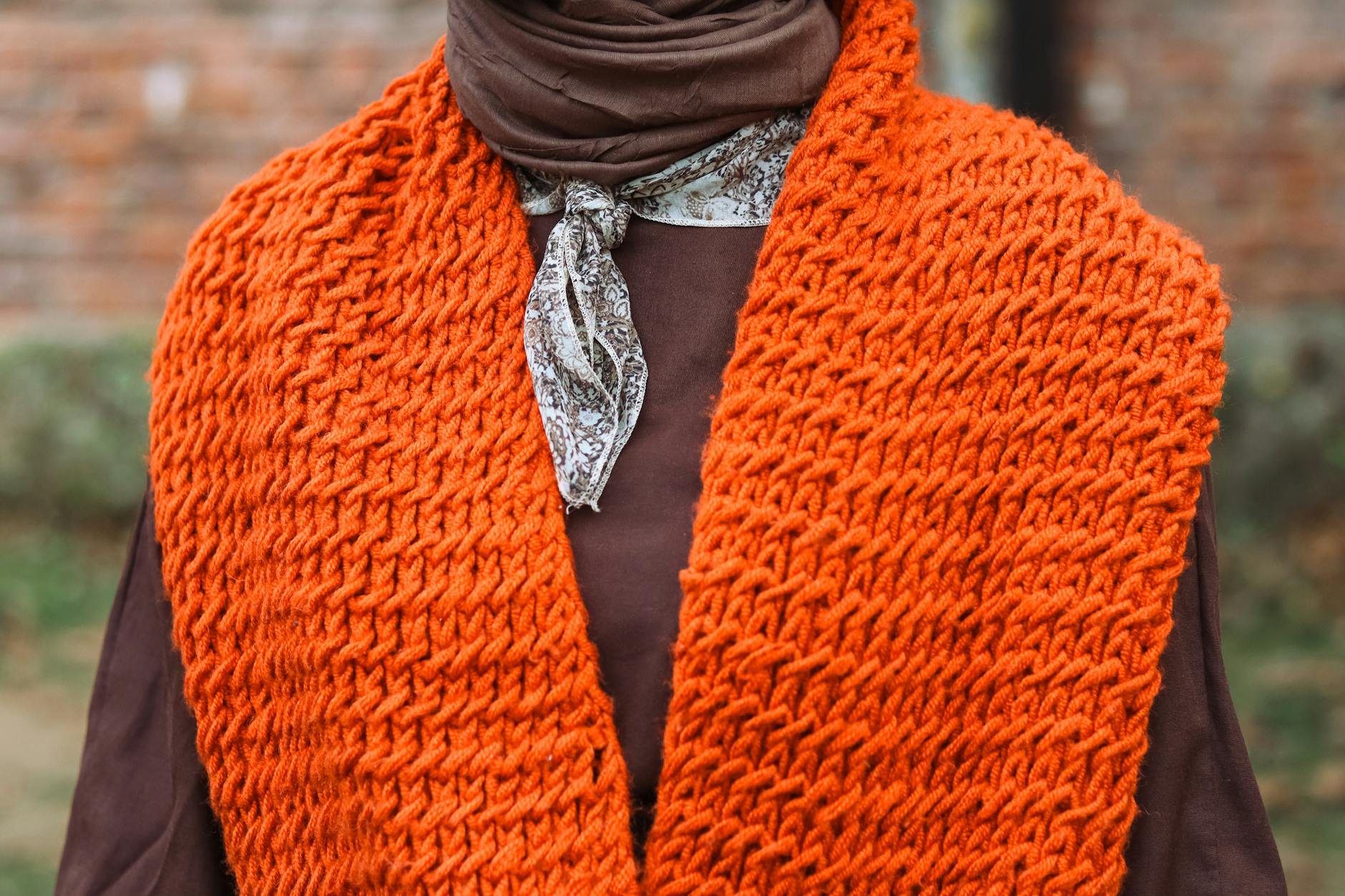
Rather than packing separate clothing items for different weather conditions some travelers rely entirely on a layering system built around three or four multi-purpose pieces. A base layer a mid layer and a waterproof outer shell cover the full range of temperatures encountered in most destinations. The system requires accepting that individual outfits will not always look polished in the way that destination-specific clothing might. Performance fabrics designed for layering are now aesthetically neutral enough to function in both outdoor and urban environments. This approach is particularly effective for travelers visiting destinations with variable or unpredictable weather patterns.
No Travel Pillow
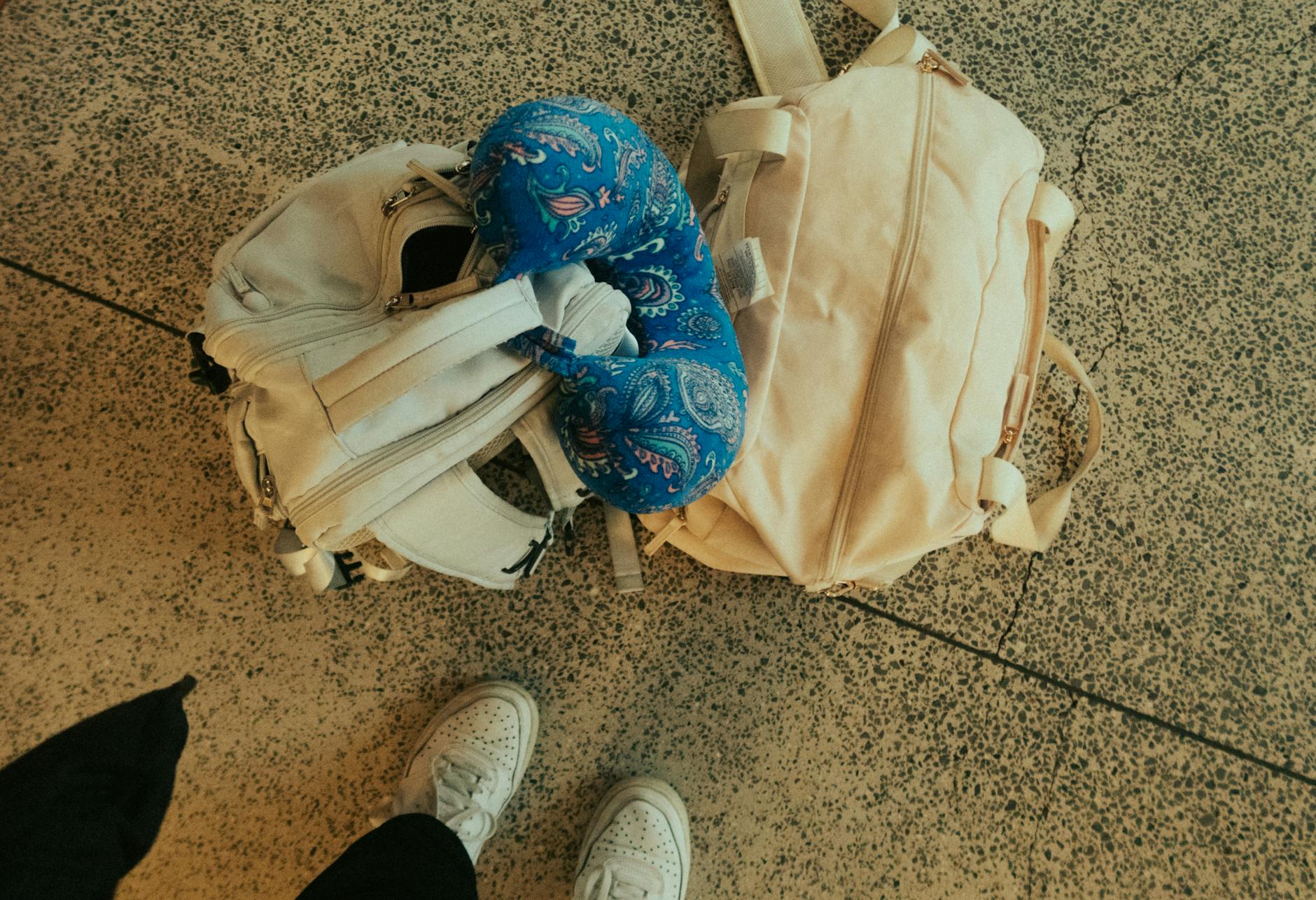
Skipping the travel pillow entirely and using a rolled jacket or spare clothing item instead is a tip that divides comfort-focused travelers sharply. Dedicated travel pillows take up a disproportionate amount of bag space relative to the marginal comfort benefit they provide. Most long-haul airlines provide pillows on request for passengers in standard economy seating. Travelers who have adopted this habit report adapting quickly and finding improvised solutions entirely adequate for most journeys. The weight and compression space freed by removing a travel pillow is modest but contributes to the overall minimalist packing philosophy.
Carry Snacks Only
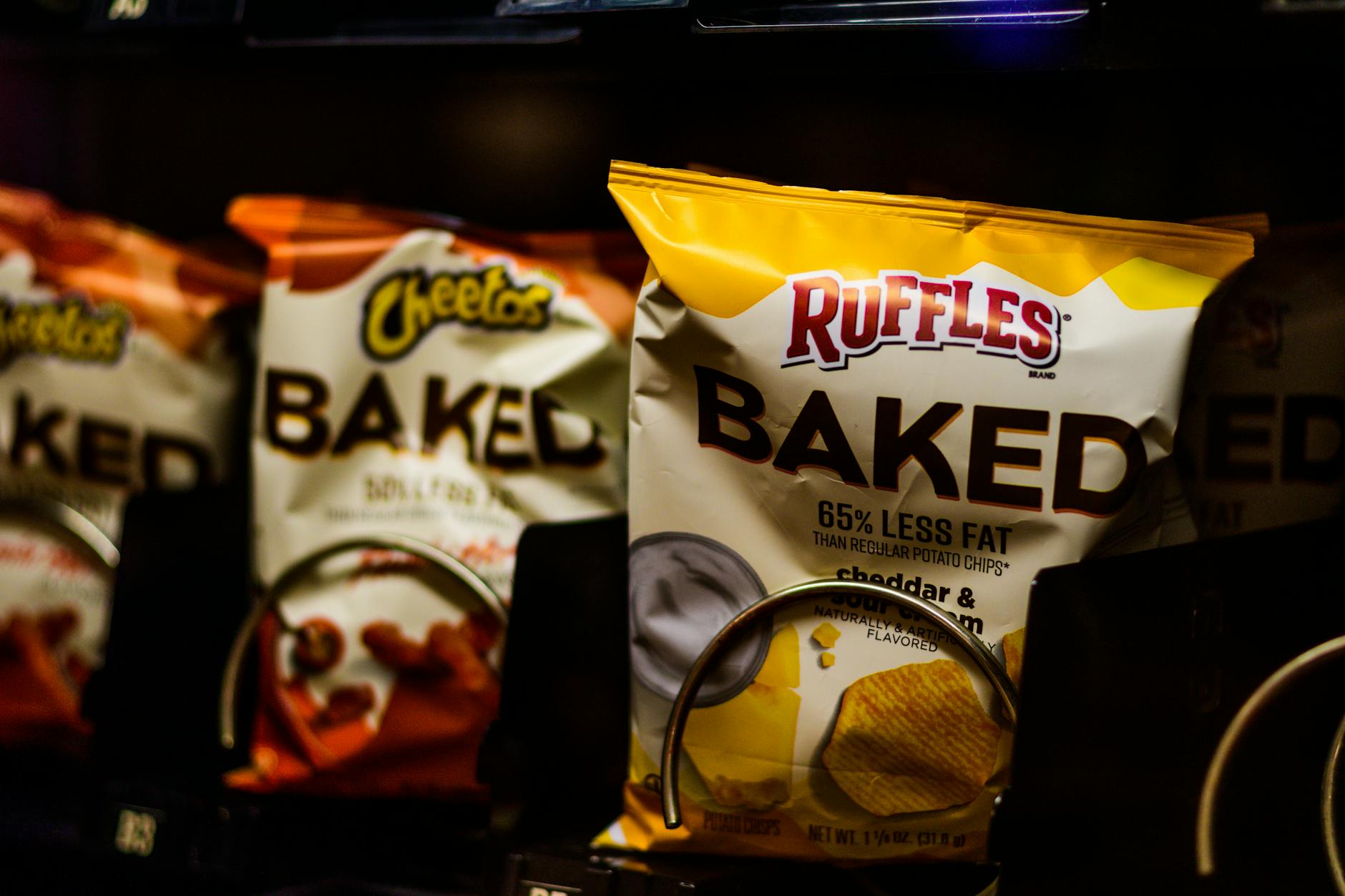
Skipping the purchase of airport food entirely and relying on snacks packed from home is a tip that saves money but draws puzzled looks from fellow travelers. A small collection of high-calorie portable foods such as nuts dried fruit and protein bars addresses hunger across most short to medium haul journeys. The cost difference between home-packed snacks and airport food is significant especially across a full year of frequent travel. Some airports and airlines have restrictions on certain food items crossing international borders which requires awareness and planning. For domestic and regional travelers this approach is straightforward and consistently effective.
Repacking Mid-Trip

Rather than keeping a bag organized throughout a trip some travelers allow it to become entirely chaotic and perform a single efficient repack at the midpoint or end. The energy spent on daily bag organization is redirected into the travel experience itself. This method works best for travelers who are comfortable with a degree of visual disorder and who know their bag contents well enough to locate items without careful arrangement. A single large packing cube or dry bag holding all clothing makes the final repack fast and manageable. The approach is not suited to travelers carrying fragile or sensitive items that require consistent protection.
Empty Tech Bag
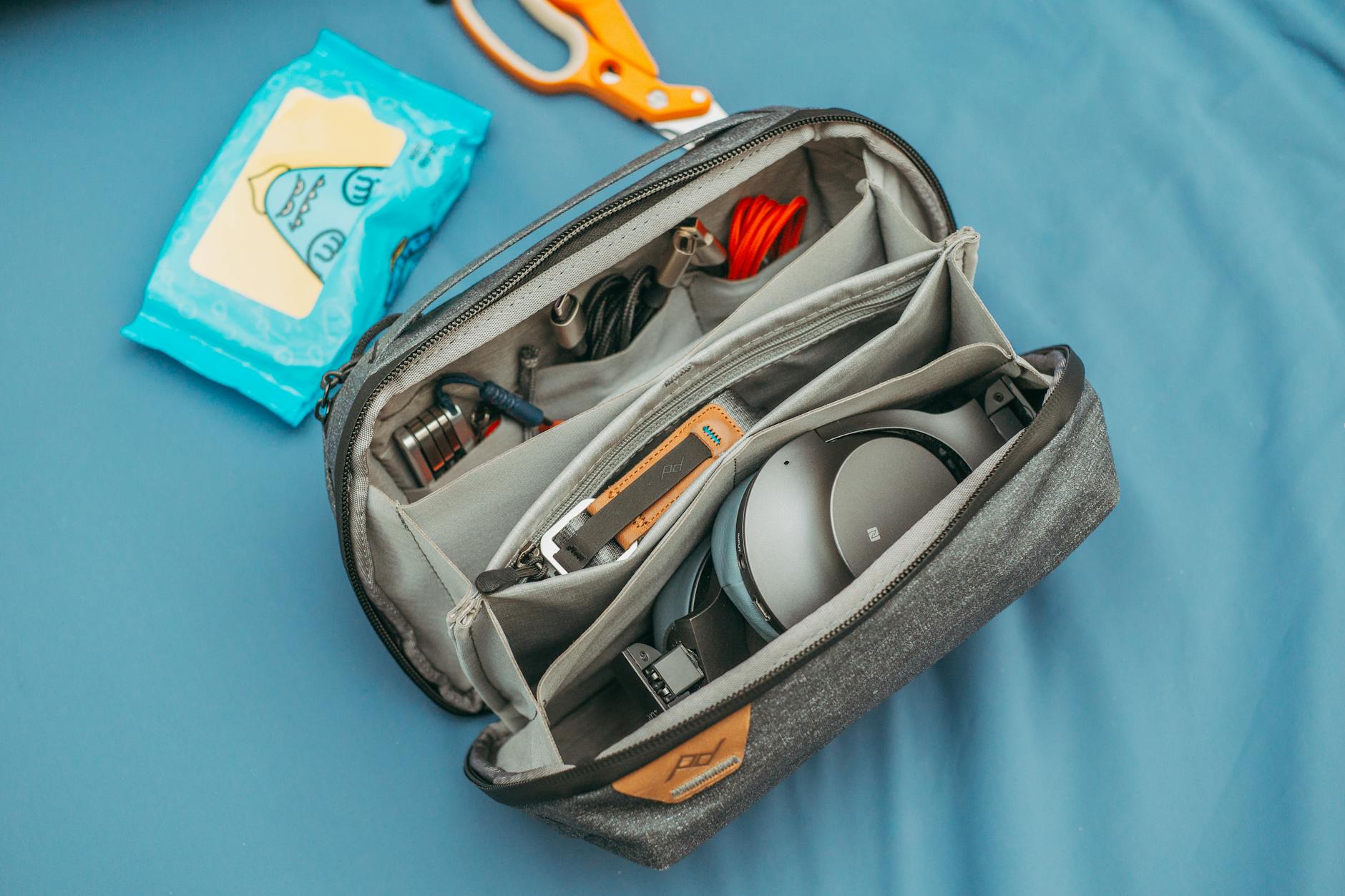
Leaving the dedicated tech organizer pouch at home and carrying cables chargers and accessories loosely in a single small zipper pocket is a time-saving tip that shocks organized travelers. The argument is that tech organizer pouches add weight and create a false sense of order without genuinely improving access to items. A single disciplined pass through the pocket at the start of each day is sufficient to locate everything needed. Travelers using this method are advised to audit their cables before departure and remove any that serve duplicate functions. Reducing the total number of devices and accessories carried is the more important underlying habit this tip encourages.
Skipping Maps
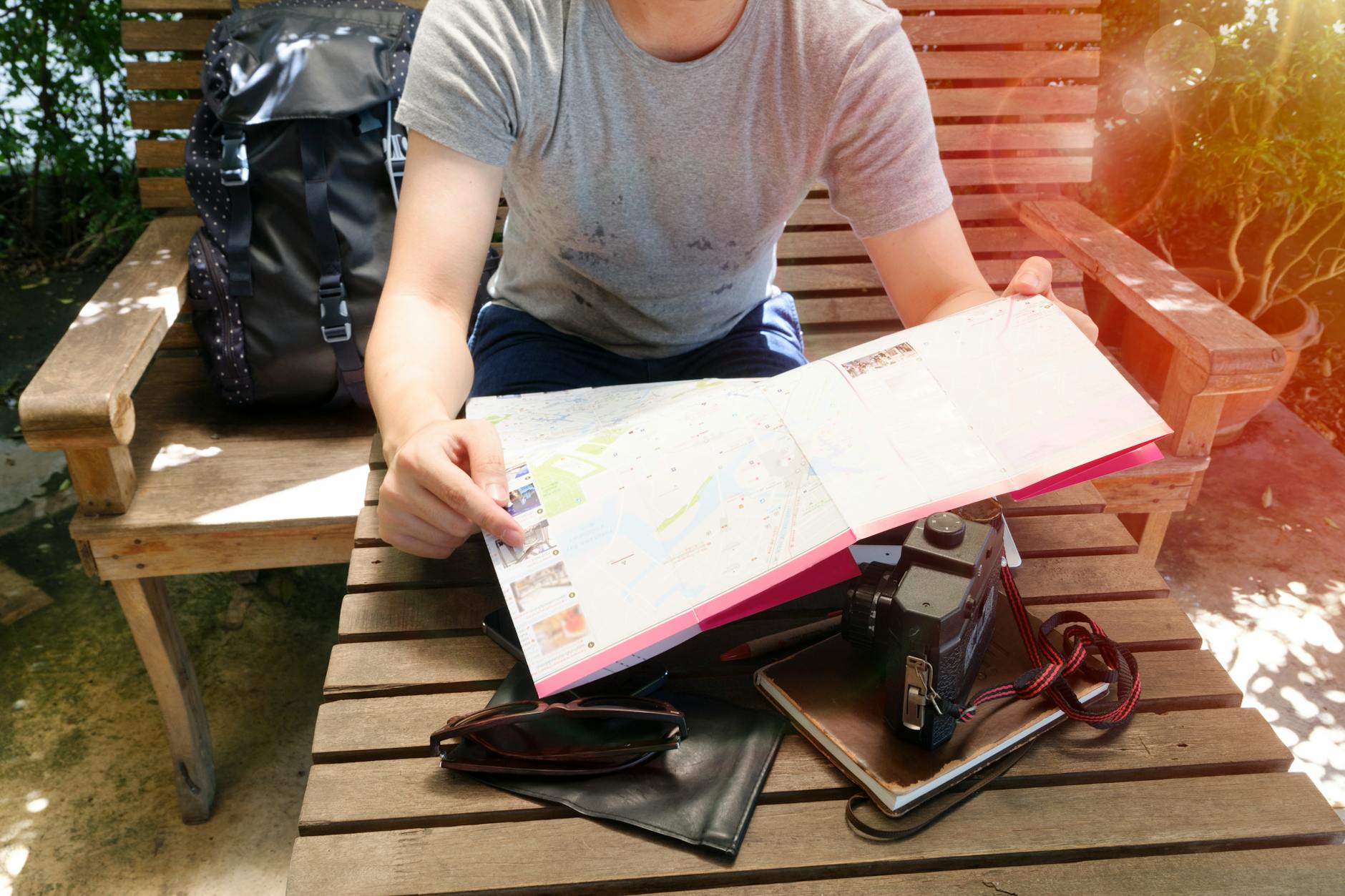
Downloading offline maps and navigation data before departure and skipping physical maps or printed directions entirely is now a mainstream tip but remains controversial among travelers who value independence from technology. The practical advantages of offline smartphone navigation in an unfamiliar city are difficult to argue against in terms of time saved. A full phone battery at the start of each day is the single critical dependency that this approach creates. Portable battery packs address this vulnerability and are now compact enough to carry without significant bag impact. The confidence that comes from reliable offline navigation fundamentally changes how freely a traveler is willing to explore.
Shipping Luggage Ahead
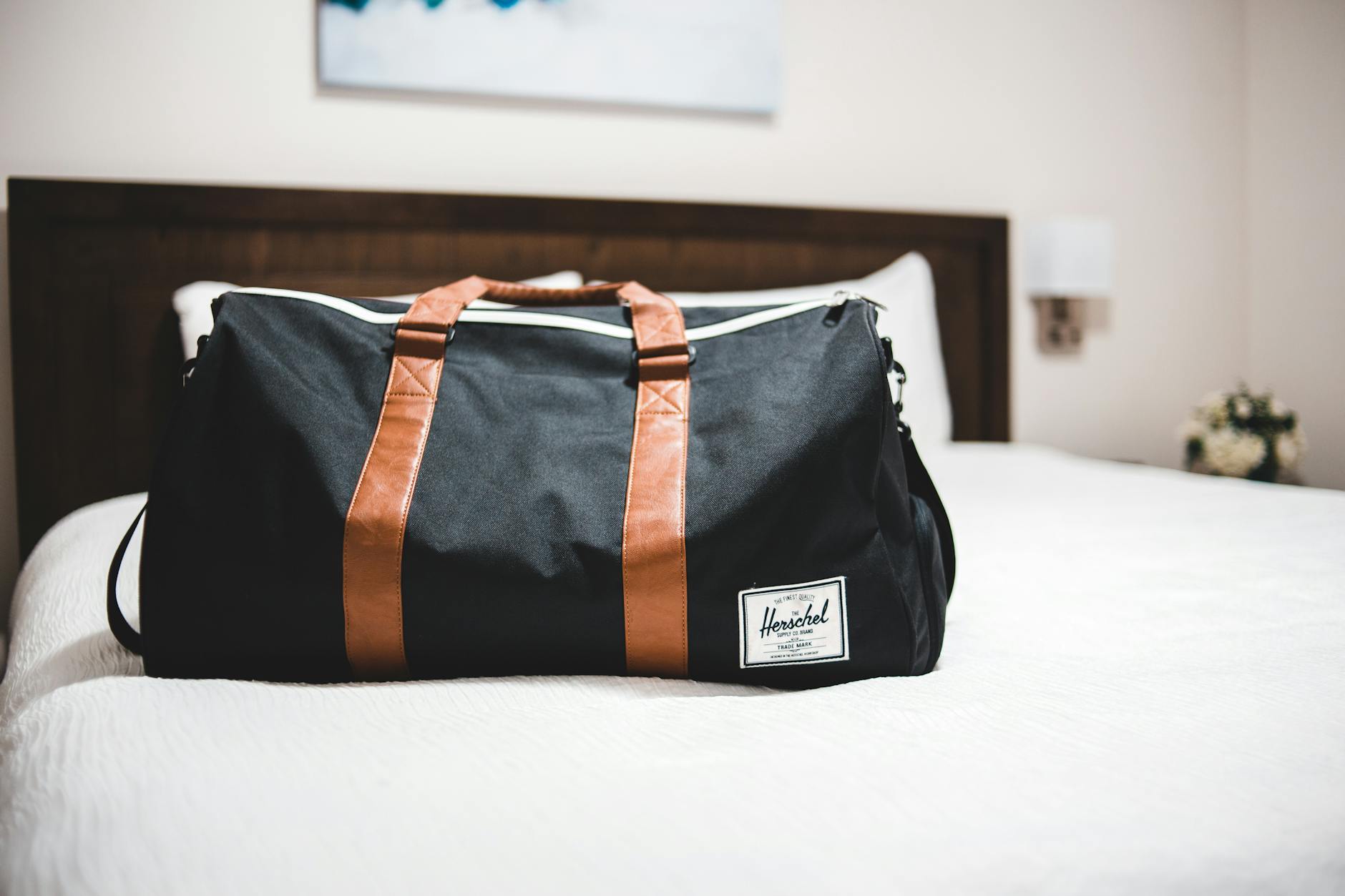
Shipping heavy luggage directly to a hotel or accommodation before departure is a tip used by a niche but passionate group of frequent travelers. The cost of a luggage shipping service is compared favorably by advocates against checked bag fees combined with the time and stress of airport baggage handling. Arriving at a destination with only a small personal bag and finding larger luggage already waiting in a hotel room is described as a transformative experience. The logistics require advance planning and a reliable accommodation address confirmed well before departure. This tip is most practical for longer trips with a fixed primary base rather than multi-destination itineraries with frequent moves.
If any of these tips have changed the way you think about packing please share your own controversial travel habits in the comments.