Frequent flyers develop an unspoken code over years of airports, delays, and cramped cabins that rarely makes it into any official travel guide. These are the habits and strategies that seasoned travelers quietly rely on to make air travel more tolerable, efficient, and occasionally cheaper. Airlines would prefer passengers never discover most of these tricks, yet road warriors around the world continue to swear by them. The following rules have been gathered from the collective wisdom of those who spend more time in the air than on the ground.
Gate Agents
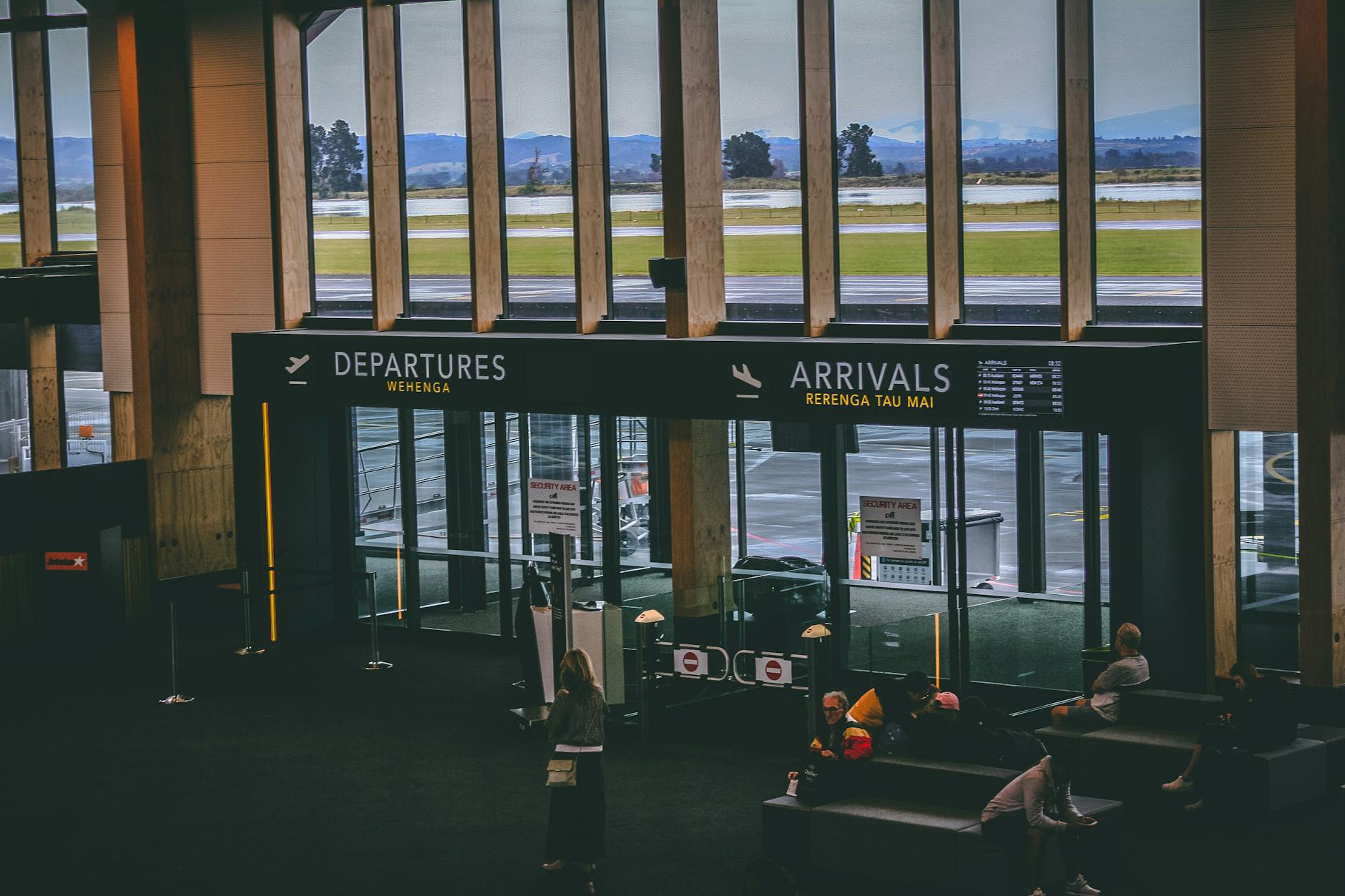
Gate agents hold far more power than most passengers ever realize, and building rapport with them costs absolutely nothing. Arriving at the gate early and being genuinely polite can unlock upgrades, better seat assignments, and solutions to problems that never officially exist. Airlines train staff to de-escalate and move queues quickly, which means a calm and friendly traveler often gets preferential treatment over a demanding one. Many frequent flyers make a habit of learning the gate agent’s name and using it naturally throughout the interaction. This small social investment has been known to result in complimentary upgrades, priority boarding, and even compensation vouchers that were never formally on offer.
Basic Economy
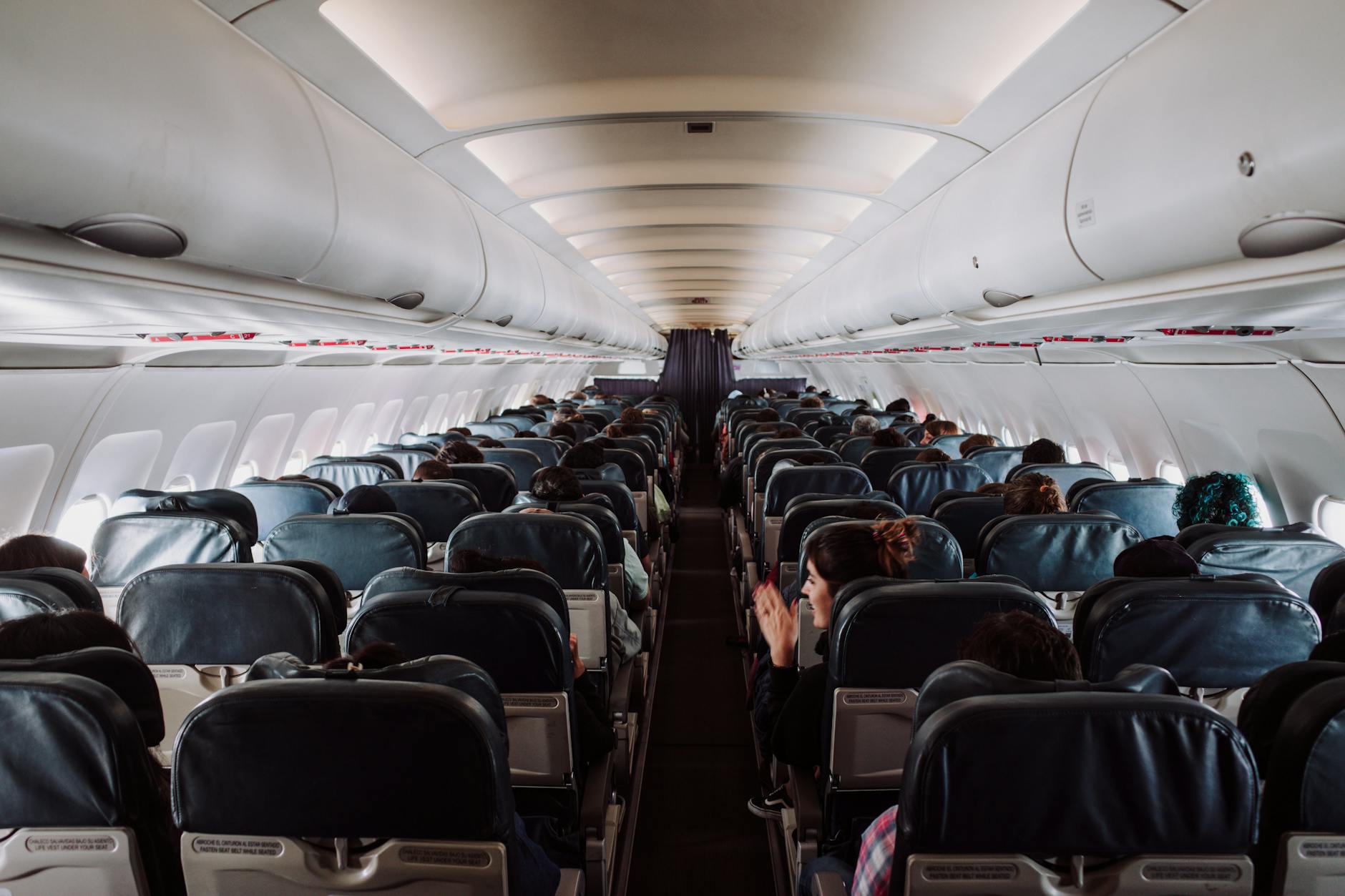
Basic economy fares are designed to look like savings but are structured to extract additional spending at every turn. Experienced travelers book them strategically for short routes where they carry only a personal item that fits under the seat, completely bypassing bag fees. The fare class also strips away seat selection, which frequent flyers counter by checking in exactly when the window opens to secure better positions. Airlines count on the discomfort of the restrictions discouraging repeat use, but savvy travelers treat it as a puzzle with a known solution. On routes under two hours with no checked luggage needs, basic economy often represents genuinely superior value.
Airline Miles
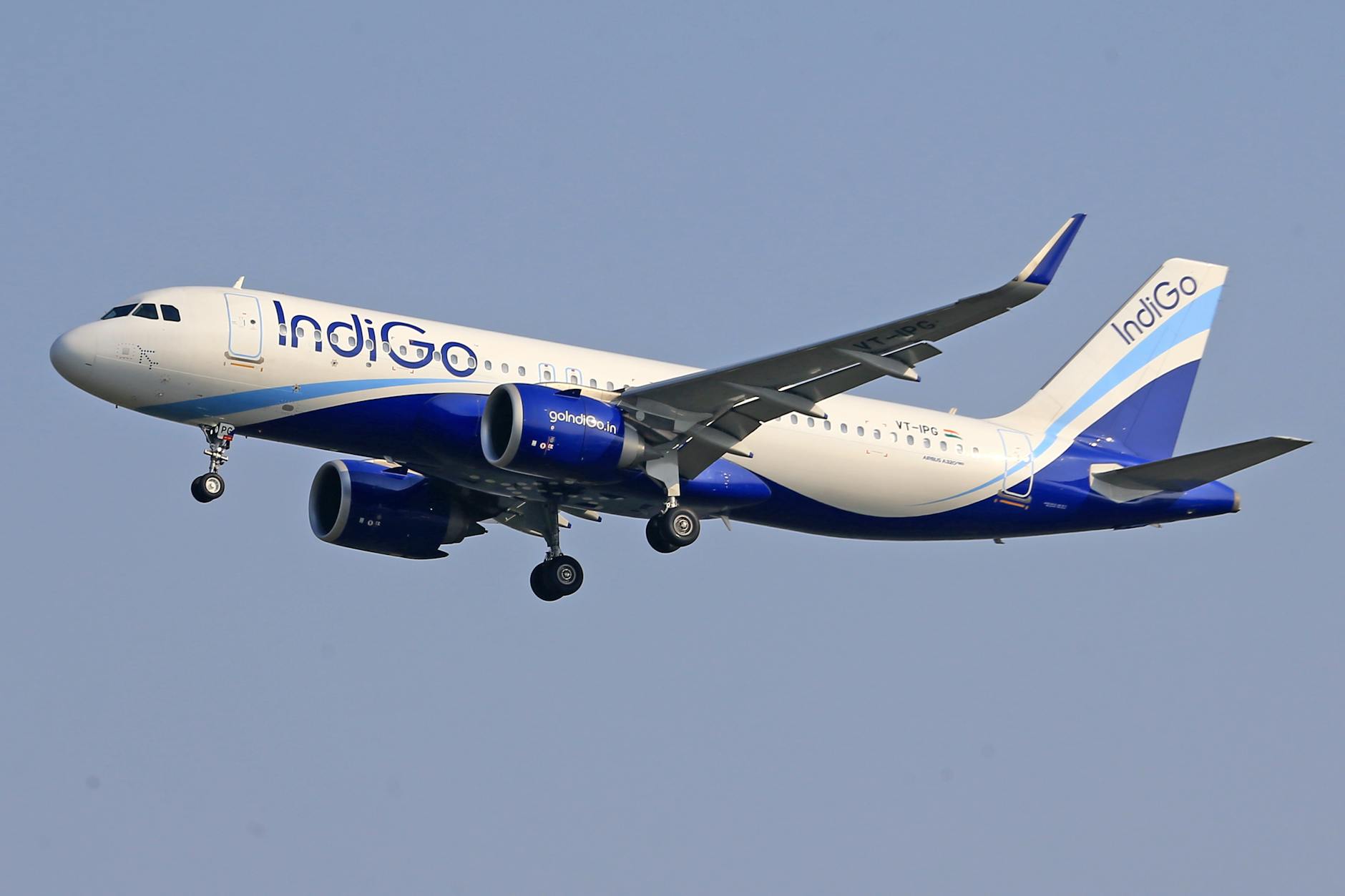
Airline miles are a currency with an expiration date and a depreciation schedule that airlines control entirely. Frequent flyers treat miles as something to spend quickly rather than hoard, because redemption values are routinely slashed without warning or compensation. Business and first class redemptions almost always offer dramatically better value per mile than economy bookings, a fact airlines do not prominently advertise. Transferring miles to partner programs before booking can unlock availability and pricing that the issuing airline’s own portal never surfaces. The travelers who extract the most value treat their miles account as an active financial instrument rather than a passive reward.
Seat 1A
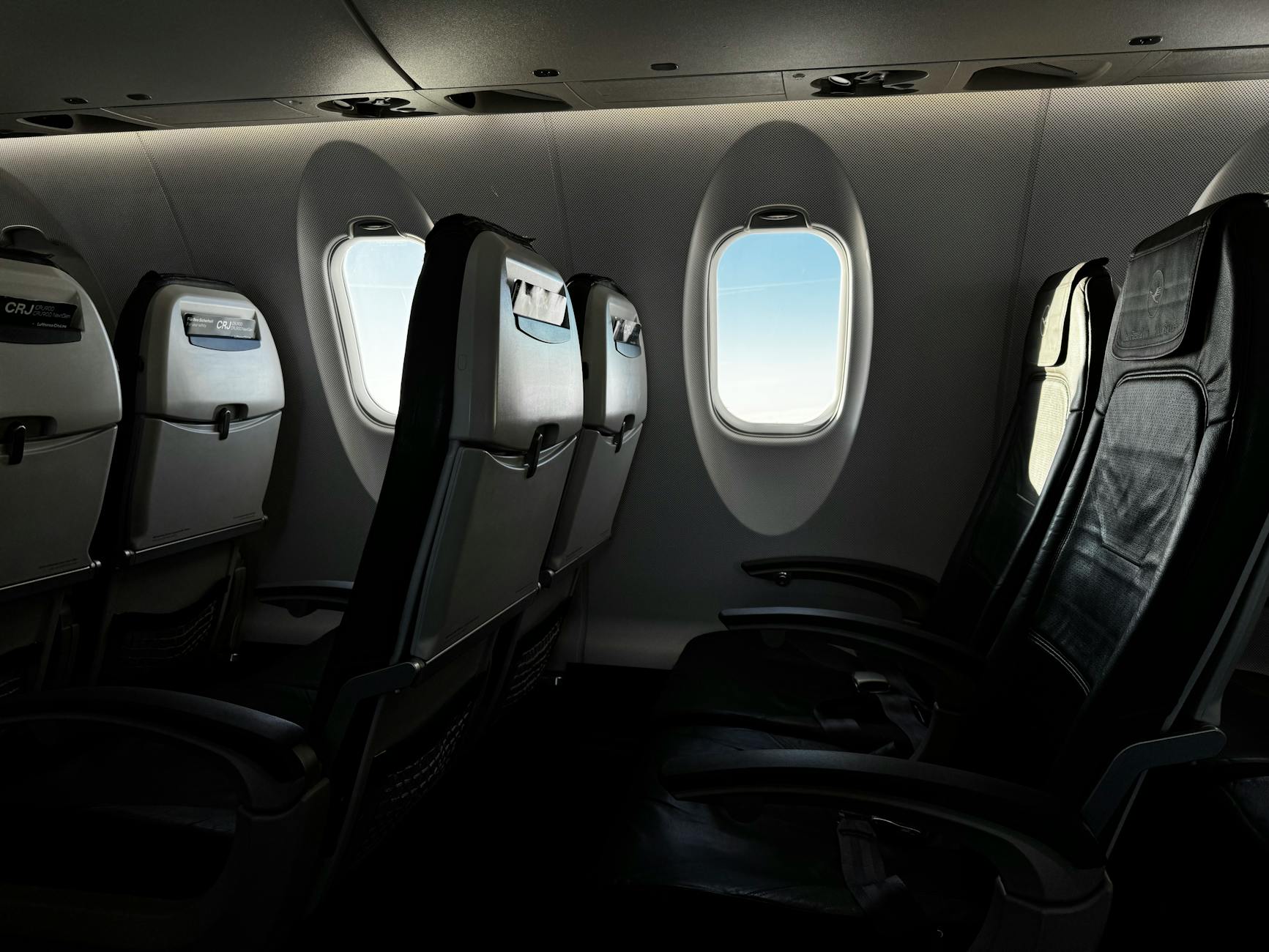
The front seat of any cabin is culturally understood as premium real estate, but frequent flyers often deliberately avoid it for strategic reasons. Seats in the middle of business class or at bulkheads frequently offer faster deplaning routes depending on the aircraft configuration. Airlines design premium cabins to feel hierarchical, but the travelers who fly most often prioritize exit proximity over prestige. Window seats in the last row before an exit are a particularly underrated choice on long-haul flights where stretching access matters more than legroom metrics. Understanding the aircraft layout before selecting a seat consistently produces a better physical experience than simply choosing whatever is labeled as the best option.
Lounge Access
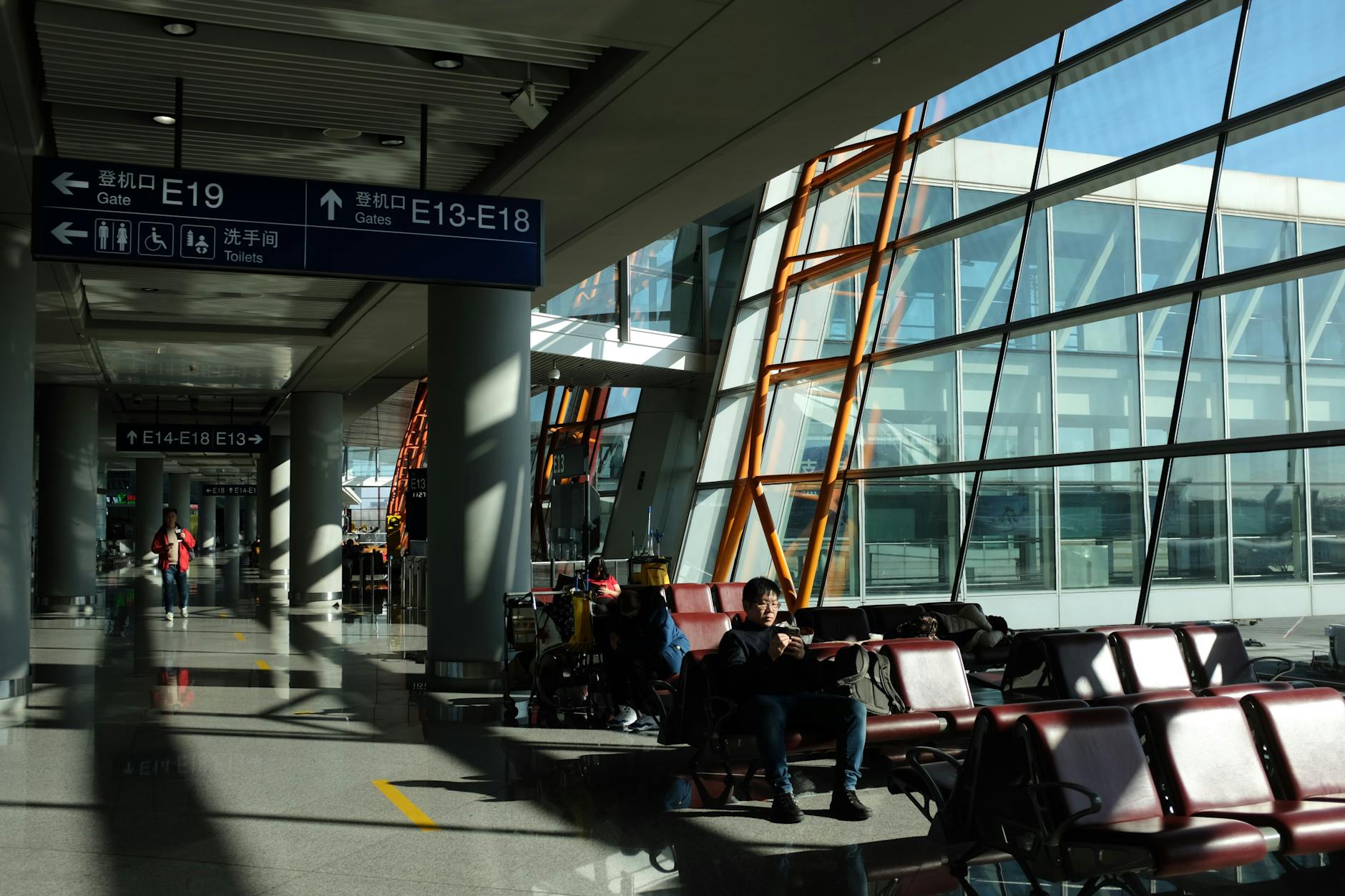
Airport lounges are positioned as an elite benefit, but access has become far more democratic than airlines prefer to acknowledge. A range of credit cards now include lounge memberships as a standard feature, effectively bypassing the expensive airline-specific memberships entirely. Frequent flyers also know that lounge crowding has increased significantly, making the least-advertised lounges in secondary terminals far more comfortable than flagship options. Some travelers deliberately use partner airline lounges over their own carrier’s facility when the partner product is objectively superior. The real benefit of lounge access is not the food or the seating but the reliable, fast internet and the psychological separation from terminal chaos.
Oversold Flights
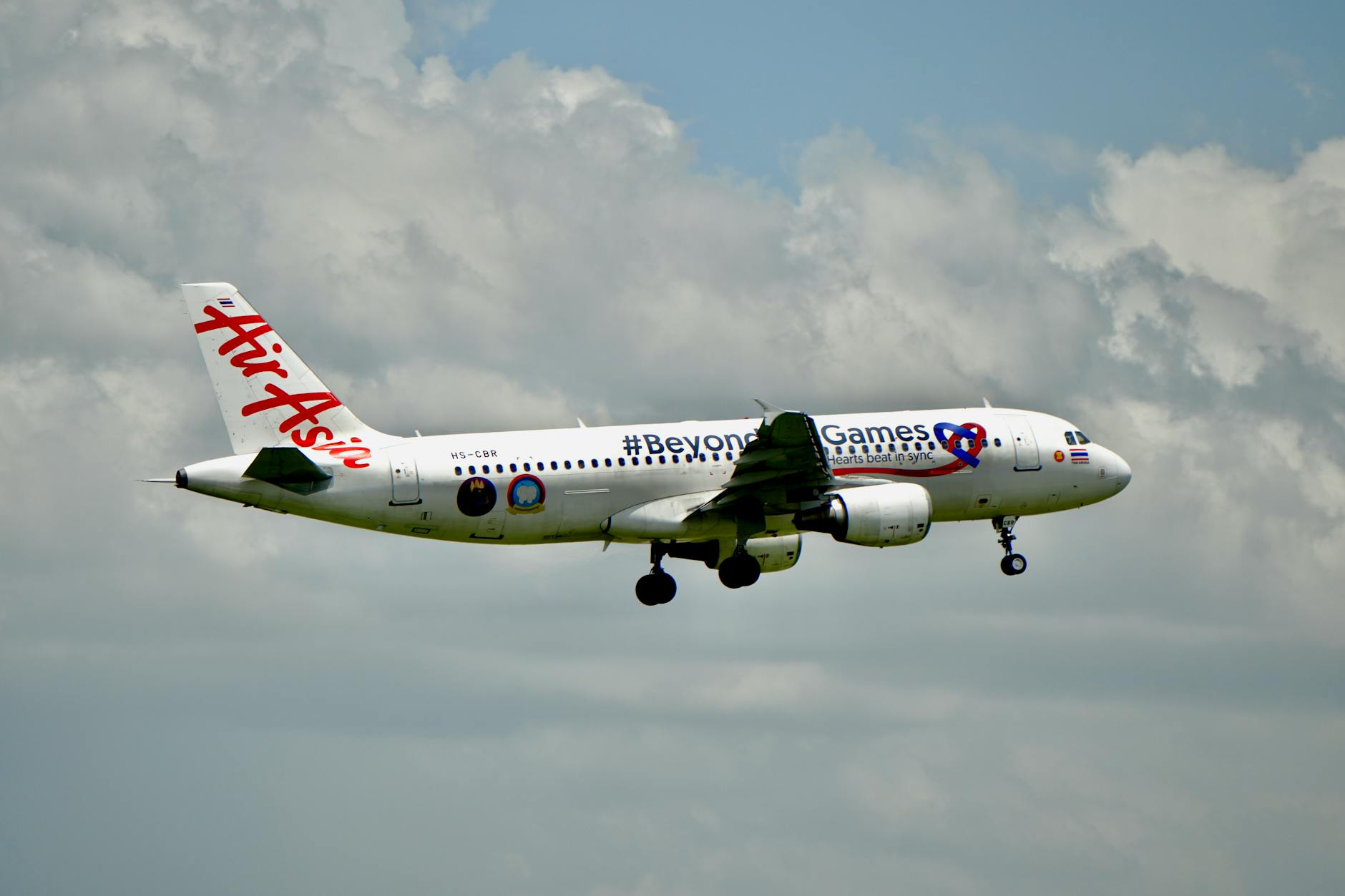
Airlines legally oversell flights based on historical no-show data, and frequent flyers treat this as a known opportunity rather than a frustration. Volunteering to give up a seat on a genuinely oversold flight can yield travel vouchers, meal compensation, and a confirmed seat on the next available departure. The key is to volunteer before the airline begins asking, which positions the traveler as cooperative rather than displaced. Airlines are required to meet specific compensation thresholds for involuntary bumping, but voluntary arrangements are negotiable and often more generous. Travelers who understand this dynamic have funded entire subsequent trips through strategic seat surrendering.
Checked Bags
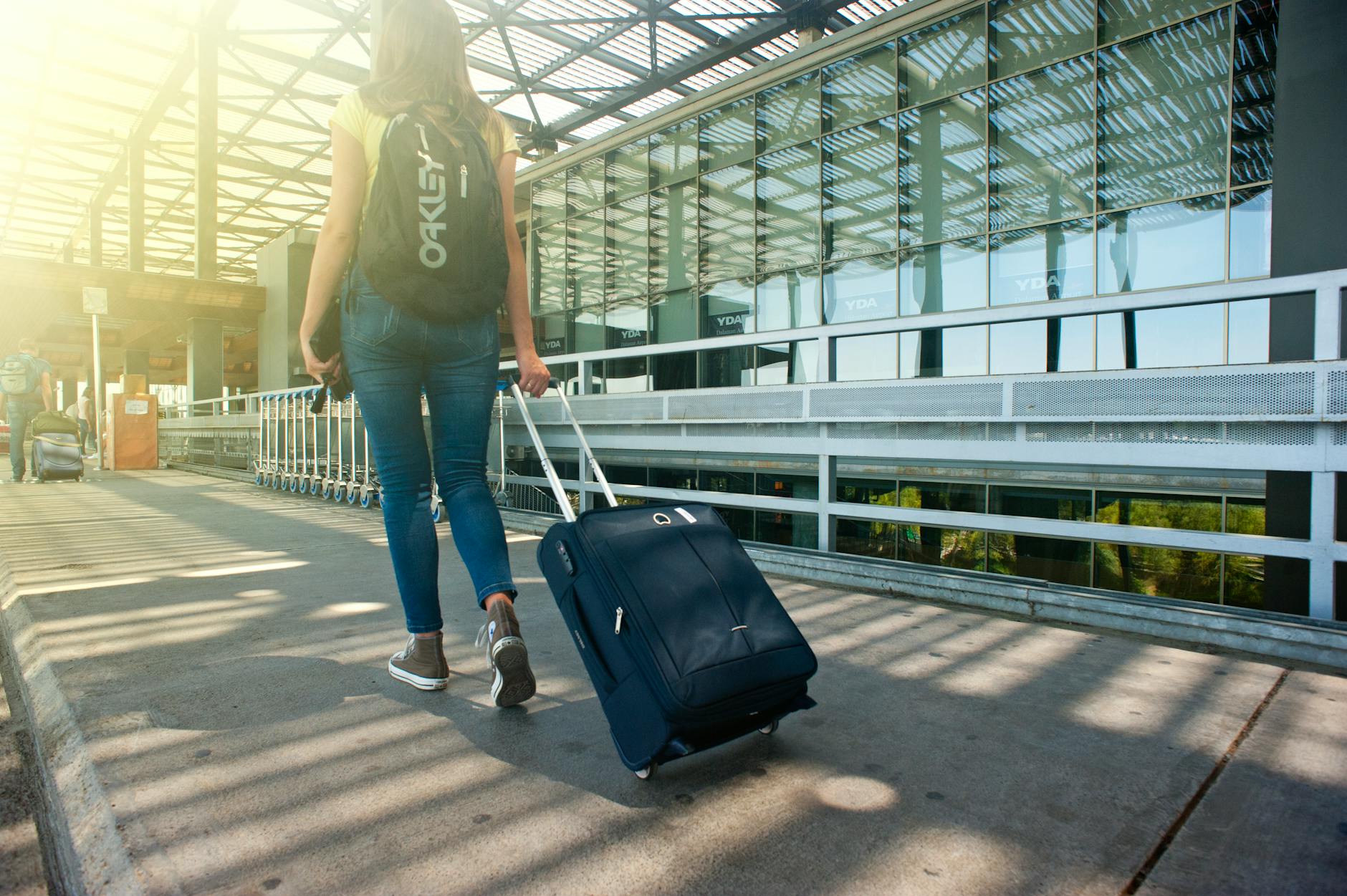
The checked bag fee is one of the most profitable ancillary revenue streams in commercial aviation, and frequent flyers go to significant lengths to avoid it. Wearing bulkier items onto the plane, using compression packing cubes, and mastering the personal item size limits of each specific airline are all standard practice among regular travelers. Elite status on almost any airline tier eliminates bag fees entirely, which is itself a compelling argument for consolidating travel with a single carrier. Some travelers book one segment of a journey with a carrier that includes bag fees in the base fare, then use that booking to check luggage that travels on a connecting partner flight. The financial savings over a year of regular travel can be substantial enough to fund additional trips.
Red Eye Flights

Red eye flights are priced lower because demand is lower, but experienced travelers have come to genuinely prefer them for reasons beyond cost. Airports are quieter, security lines move faster, and the general atmosphere is calmer during late-night and early-morning departures. Arriving at a destination in the morning after an overnight flight also eliminates the cost of one hotel night, a saving that compounds significantly over frequent travel. Airlines staff red eyes with smaller crews and reduced service, which paradoxically suits travelers who want to sleep rather than be interrupted. The social stigma around arriving disheveled from a night flight dissolves entirely once the time and money savings become clear.
Travel Insurance

Travel insurance is aggressively marketed by airlines at checkout but is frequently overpriced and limited in the specific scenarios that matter most. Frequent flyers typically carry independent policies purchased separately or rely on comprehensive coverage embedded in premium travel credit cards. The coverage provided through cards often matches or exceeds airline-sold policies for trip cancellation, interruption, and medical evacuation at no additional per-trip cost. Airlines benefit from selling their own policies because the terms are written in their favor and claims processes route back through their own systems. Reading the summary of benefits on an existing credit card before purchasing any additional travel insurance is standard practice among those who travel regularly.
Flight Delays
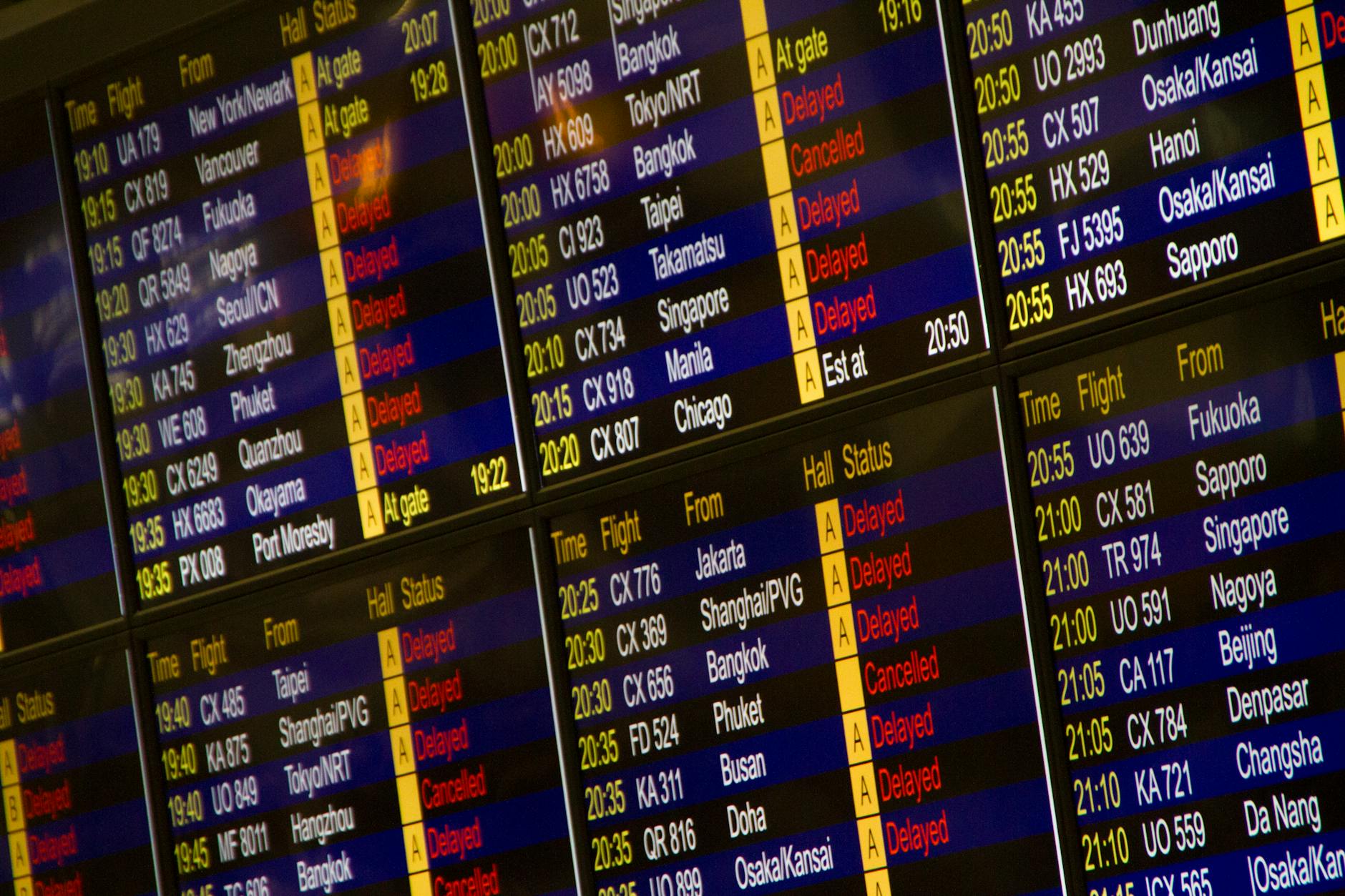
Flight delay compensation rules vary significantly by region, and most passengers never claim what they are legally entitled to receive. European regulations in particular mandate fixed compensation amounts for delays over a certain threshold on flights departing from or arriving into EU territory. Frequent flyers document everything during a delay, including timestamps, staff names, and any written communications, because this information is required for formal claims. Airlines do not proactively inform passengers of their rights during disruptions, which means the burden of knowledge rests entirely with the traveler. Compensation claims filed after the fact through official channels have a high success rate when the documentation is complete and the delay meets the qualifying criteria.
Aisle Seats
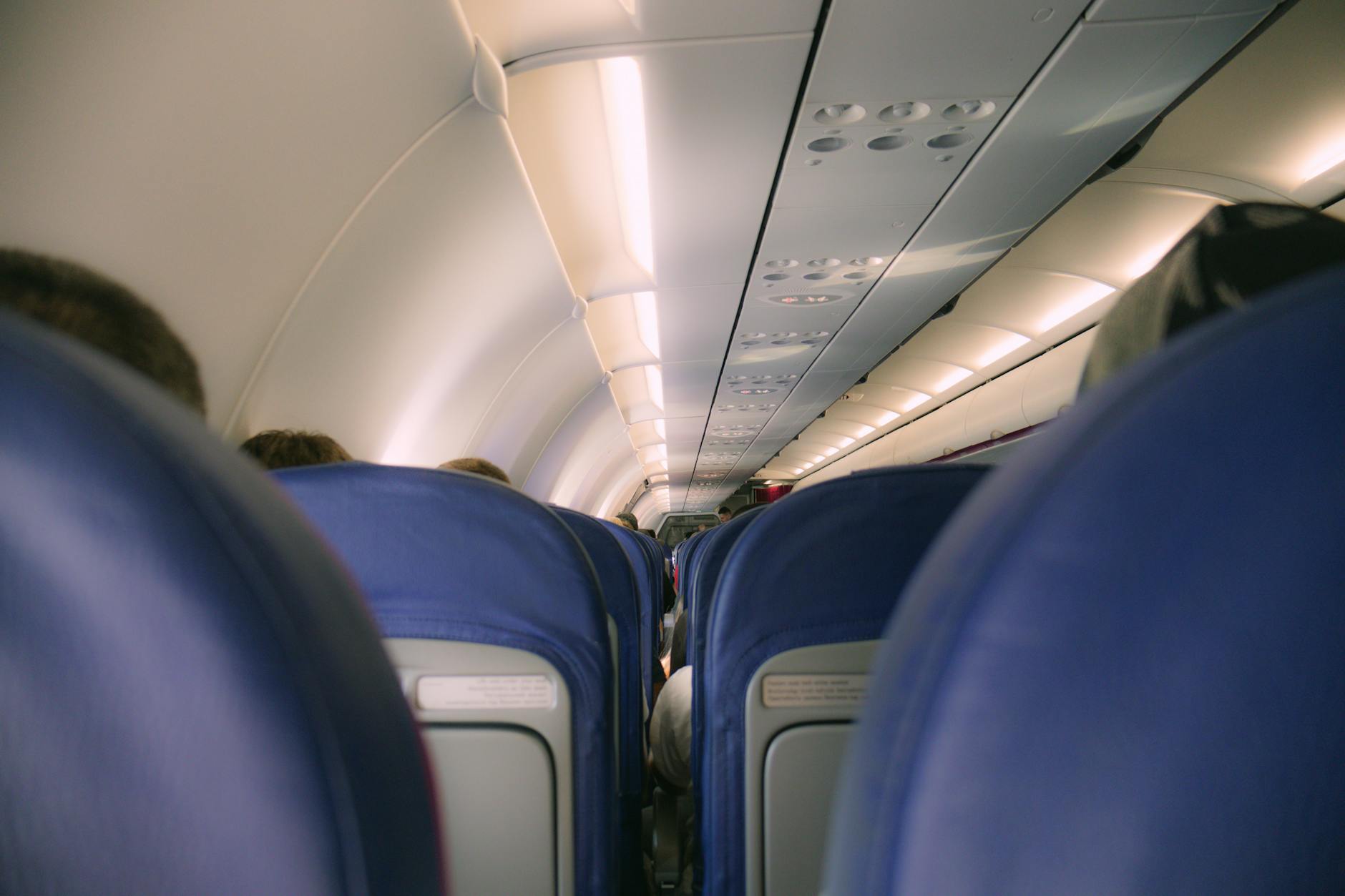
The aisle seat debate is one of the oldest in travel culture, and frequent flyers have largely settled it in favor of the aisle for practical reasons. Access to the overhead bin, the ability to stand without disturbing neighbors, and faster deplaning all favor the aisle regardless of flight duration. Window seats are associated with views and leaning space but come with the social cost of being effectively trapped for the duration of the flight. Airlines know that window seats are emotionally appealing and price them accordingly in premium economy configurations where seat selection carries a fee. The aisle seat preference among frequent flyers is not sentimental but purely functional, driven by the cumulative physical toll of long-haul travel.
Airport Food

Airport food is universally understood to be overpriced, but frequent flyers have developed specific strategies for navigating it rather than simply complaining. Bringing food through security is legal in most jurisdictions and significantly cheaper than purchasing anything airside. Many experienced travelers identify specific airport terminals with genuinely good independent food vendors rather than chain concessions, and revisit them on repeat routes. Eating before arriving at the airport entirely removes the pressure of making rushed food decisions in an expensive and stressful environment. Airlines have also reduced in-flight meal quality on short-haul routes to the point where eating beforehand is simply the more comfortable choice.
Connecting Flights
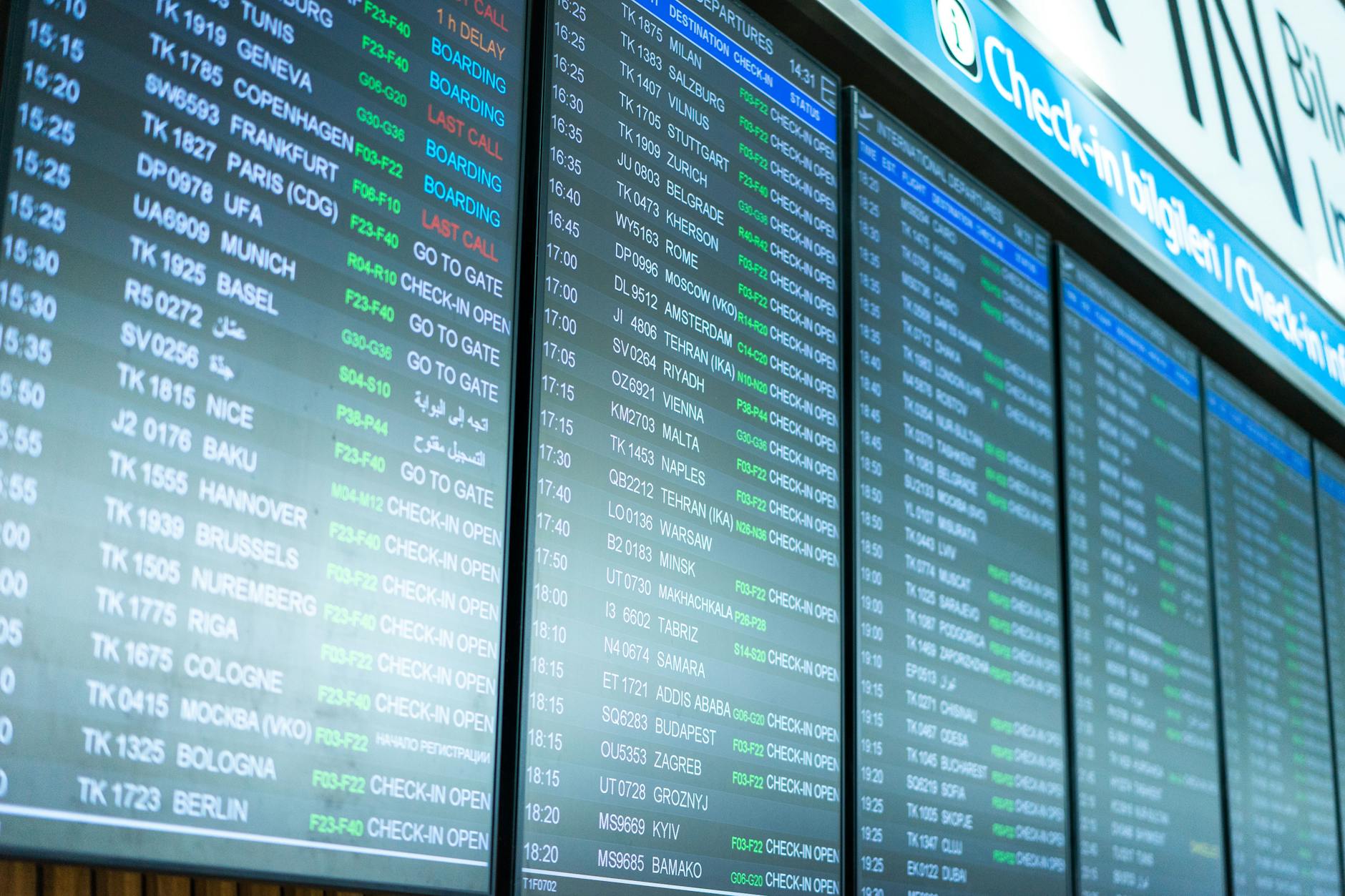
Layovers are treated by most passengers as an inconvenience, but frequent flyers often book them deliberately when the price difference justifies the time. A long layover in a well-connected hub city can be used to leave the airport entirely, experience a city for a few hours, and return for a departure without any additional accommodation cost. Airlines discourage this behavior on tight itineraries by booking minimum connection times that create stress, but travelers who self-book can select layover durations strategically. Some frequent flyers maintain a mental list of airports worth spending extended time in versus those best exited as quickly as possible. The perception that the fastest itinerary is always the best one dissolves after enough trips where a longer route provided a richer overall experience.
Frequent Flyer Status
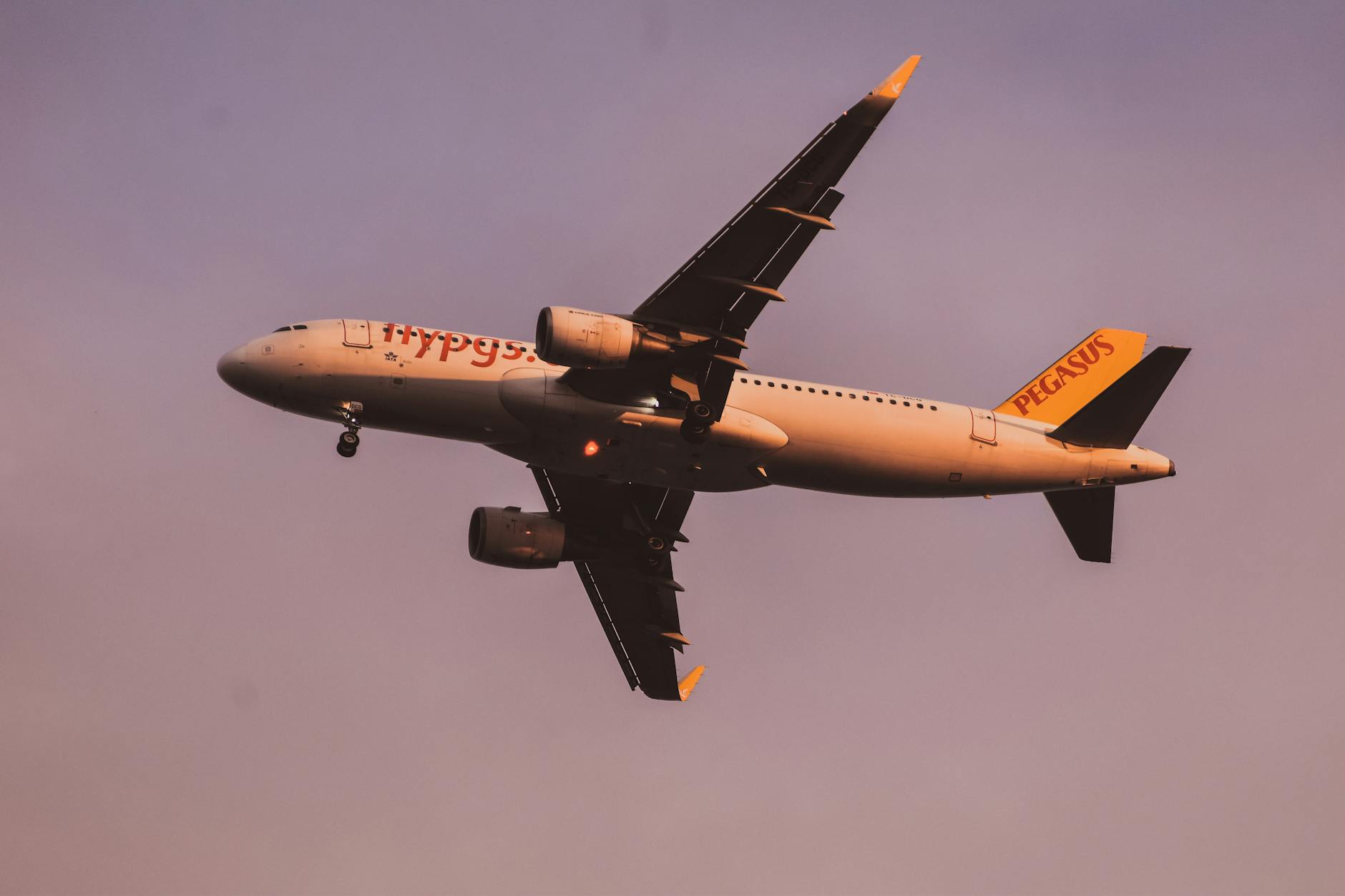
Airline loyalty programs are designed to feel like a partnership but function primarily as a behavioral conditioning system that benefits the carrier. Status tiers require spending or flying thresholds that increase each year, and the benefits associated with lower tiers have been progressively diluted across most major carriers. Frequent flyers who understand this dynamic choose their status airline based on route network and upgrade availability rather than emotional loyalty. Some experienced travelers deliberately maintain mid-tier status on two carriers rather than chasing top-tier status on one, distributing risk across disruptions and route changes. The travelers who extract the most value from loyalty programs treat them as a tool rather than an identity.
Hand Luggage
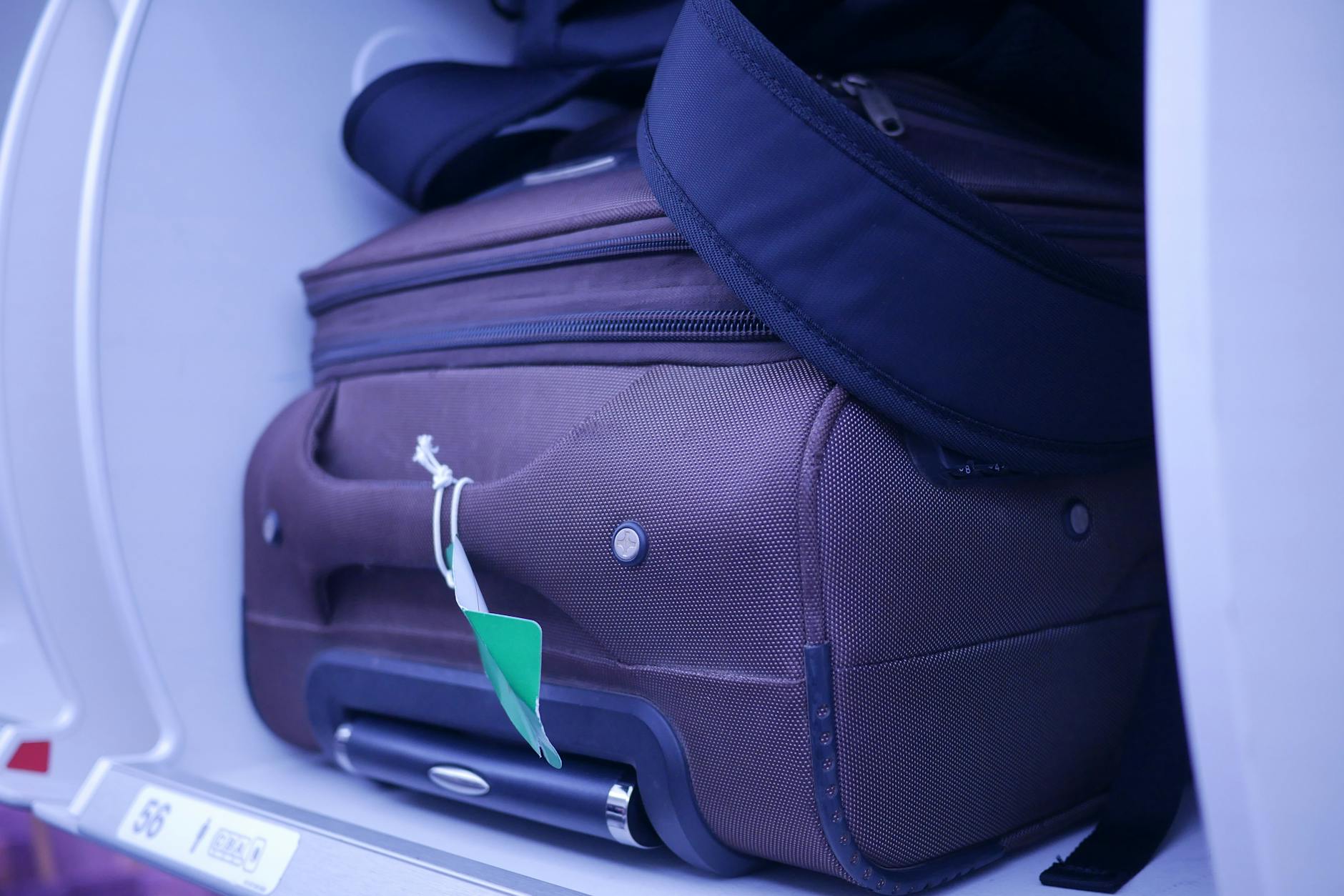
Carry-on luggage rules are inconsistently enforced across carriers, routes, and even individual gate agents, and frequent flyers exploit this inconsistency systematically. Soft-sided bags are consistently more compressible than rigid cases and can be forced into undersized bins in ways that hard luggage cannot. The personal item allowance is almost never formally measured at the gate, giving travelers flexibility to carry more than the published dimensions technically permit. Airlines have introduced bag sizers at gates on routes where carry-on abuse has become operationally disruptive, but these are selectively used rather than universally applied. Understanding which routes and carriers enforce rules most strictly allows regular travelers to calibrate their packing strategy for each specific journey.
Bidding Upgrades
Many airlines now offer upgrade bidding systems that allow passengers to submit offers below the full business class fare, and the pricing logic behind acceptance is opaque by design. Frequent flyers have identified that bids submitted close to departure have a higher acceptance rate because unsold premium inventory becomes a sunk cost for the carrier. Airlines prefer passengers believe that bid acceptance is random or merit-based, but it is primarily a yield management function. The minimum bid is rarely the winning bid, but bidding at exactly the midpoint between minimum and maximum has shown consistent results for many experienced travelers. Accessing lie-flat beds on long-haul routes at a fraction of the published fare changes the physical experience of travel in ways that justify the effort of learning the system.
Budget Airlines
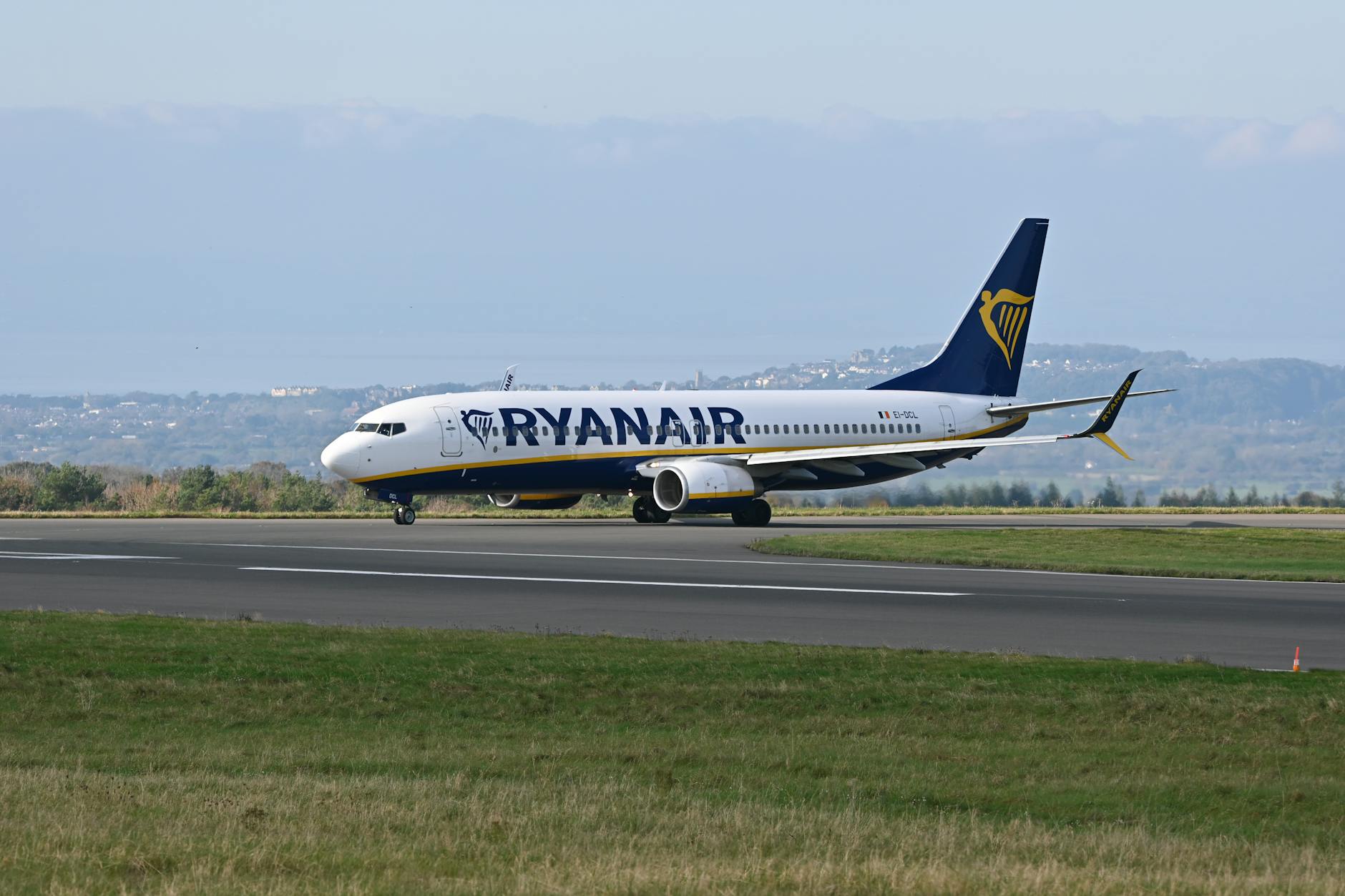
Budget carriers are built on a cost model that makes the base fare a floor rather than a ceiling, and frequent flyers treat this as a known and manageable variable. The ancillary fees attached to seat selection, cabin bags, check-in, and priority boarding can easily exceed the cost of a full-service competitor fare if purchased without research. Experienced travelers on budget carriers buy only the specific add-ons that their trip genuinely requires and treat everything else as an optional surcharge. Budget airlines often operate from secondary airports that are further from city centers, a cost that must be factored into any genuine fare comparison. When the all-in price on a budget carrier is lower and the route is short, the product is functionally adequate and the savings are real.
Flight Tracking
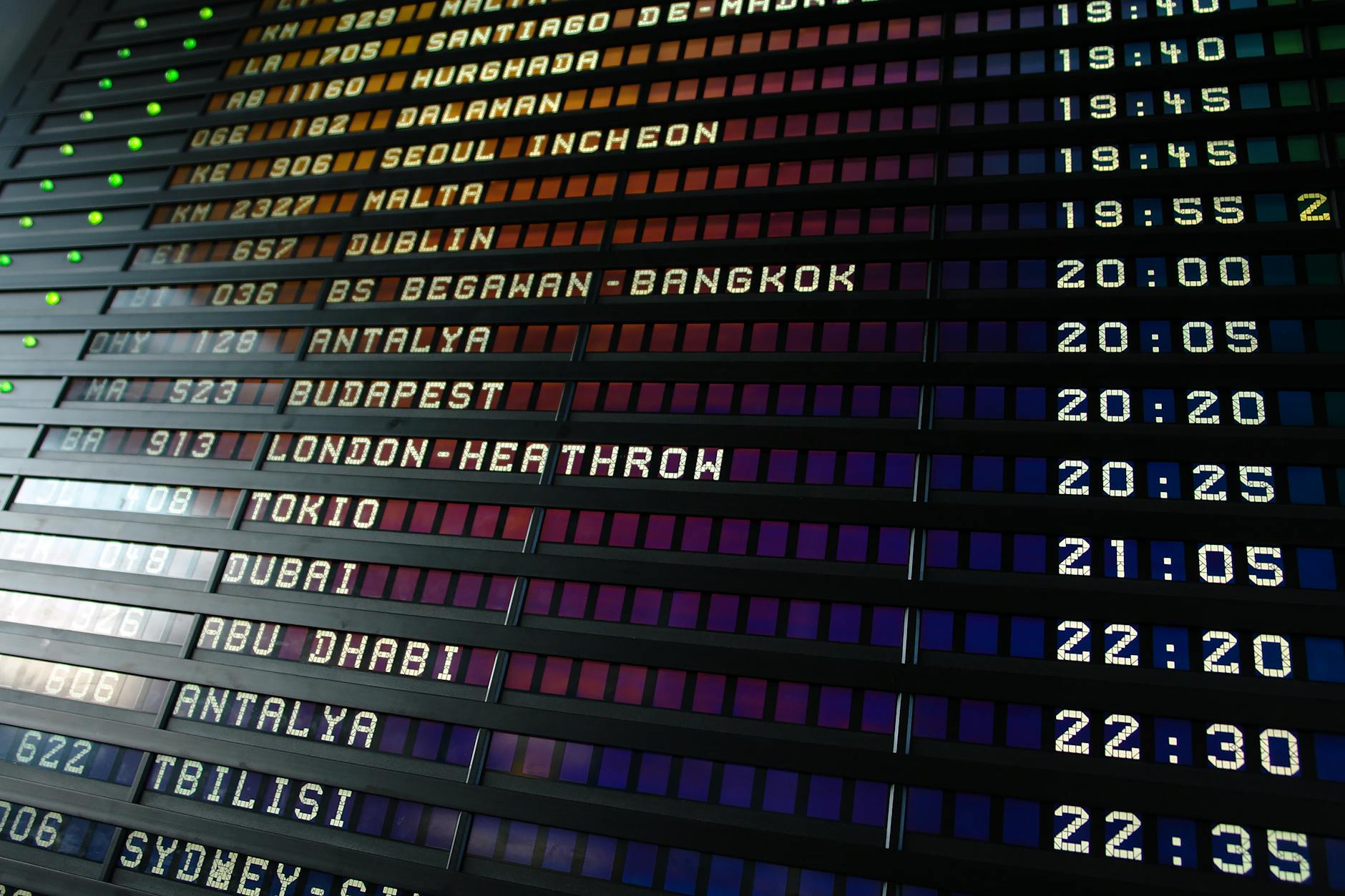
Flight tracking applications give passengers access to the same operational data that airlines use internally, and frequent flyers treat this as essential information rather than a novelty. Knowing that an inbound aircraft is delayed before the airline makes a formal announcement allows travelers to begin rebooking or lounge-sourcing before queues form. Airlines are not obligated to proactively share operational information with passengers in real time, which makes independent data sources valuable. Some travelers use tracking data to identify flights with a history of on-time performance on specific routes before booking, using it as a reliability indicator. The information asymmetry between well-prepared travelers and unprepared ones becomes most visible during disruptions, where preparation consistently produces better outcomes.
Travel Pillows

Neck pillows are among the most purchased and least effective travel accessories in the market, and frequent flyers have largely moved past them. A properly packed soft jacket or a small high-compression pillow designed for lumbar use provides more functional support than the standard horseshoe design. Airlines sell and endorse neck pillows partly because they are high-margin items and partly because they signal comfort without meaningfully delivering it. The best sleep position on long-haul flights involves support for the lower back rather than the neck, which is not how most neck pillows are designed or marketed. Experienced travelers often find that adjusting the recline angle and using a blanket for core warmth produces better rest than any purpose-built neck accessory.
Sky Priority
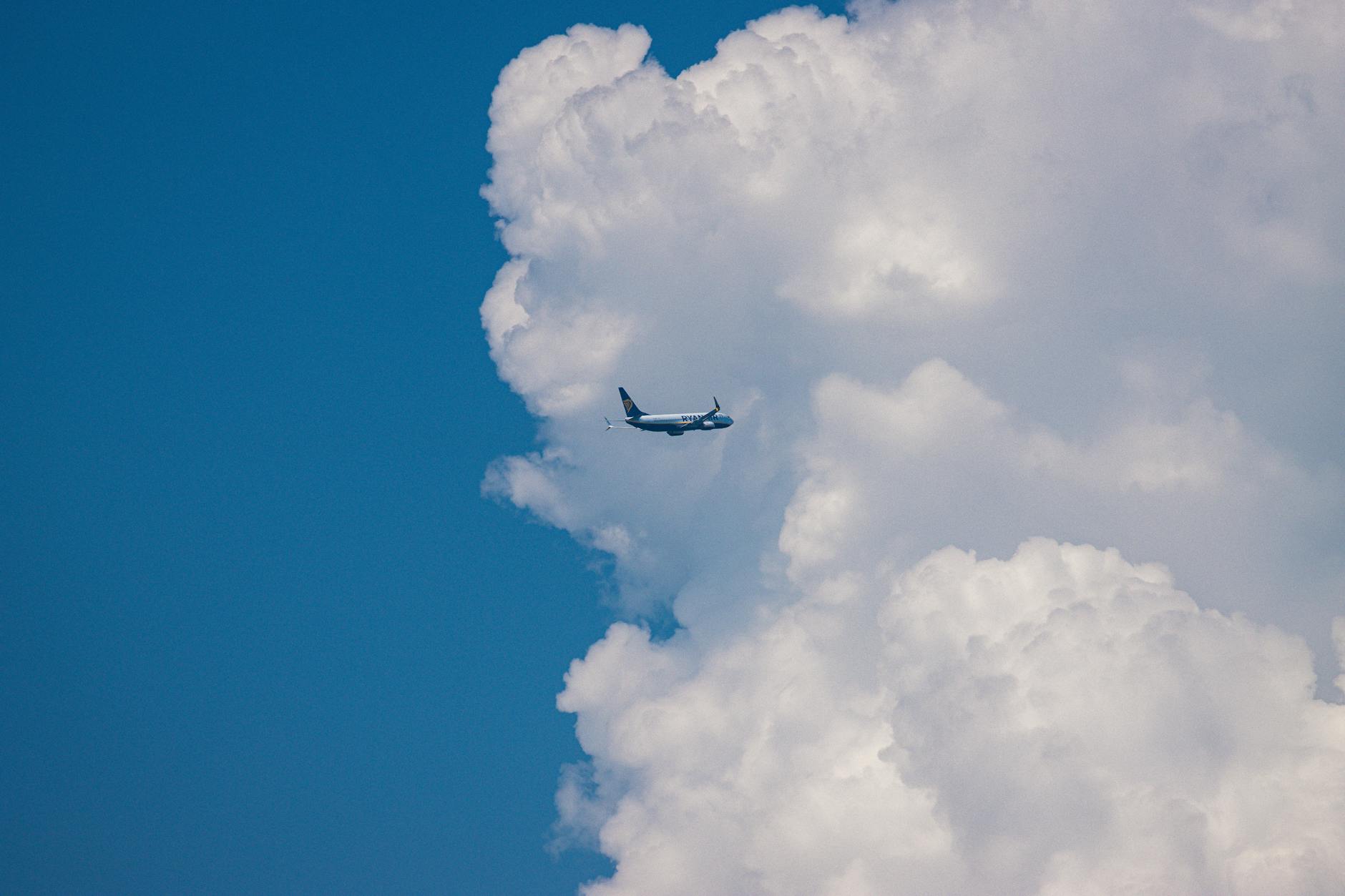
Priority boarding is sold as a meaningful benefit but functions primarily as a way to stand in a different queue for approximately the same amount of time. The aircraft does not depart faster because of priority boarding, and overhead bin space on modern aircraft is rarely as scarce as airlines imply when promoting the benefit. Frequent flyers who have secured a seat with dedicated overhead bin space above it often board last by choice, avoiding the congestion entirely. Airlines have multiplied the number of boarding groups to the point where the distinction between them has become operationally meaningless on most routes. The actual benefit of boarding early applies only in specific scenarios such as particularly small aircraft or routes where overhead bin space is genuinely limited.
Hotel Points
Hotel points are frequently overlooked by travelers who focus exclusively on airline loyalty programs, but they offer some of the most straightforward redemption values in the points ecosystem. Major hotel chains allow points transfers to airline programs and vice versa, giving frequent travelers flexibility that airlines do not advertise as part of their own programs. Free night certificates attached to hotel credit cards can offset accommodation costs on trips where the award redemption value significantly exceeds the card fee. Hotels are also more likely than airlines to offer soft benefits like late checkout, room upgrades, and welcome amenities that improve the travel experience tangibly. Building points across both ecosystems gives travelers redundancy and options that a single-program approach cannot provide.
Passport Control
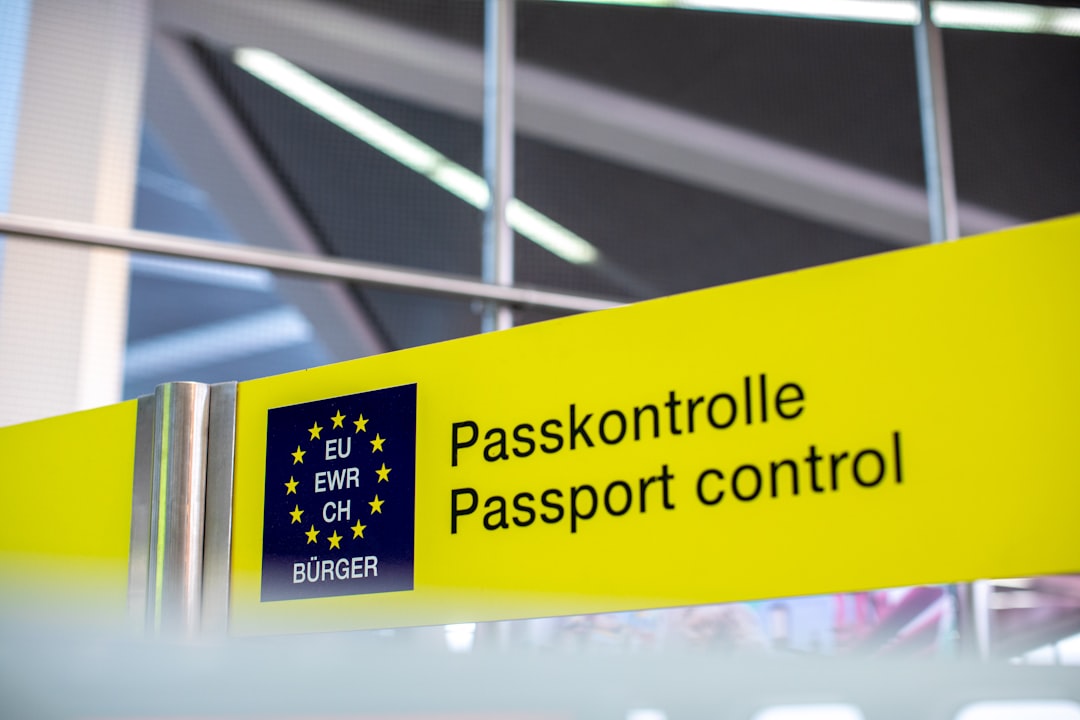
Passport control strategy is one of the most discussed topics among frequent international travelers, and the consensus consistently favors preparation over speed. Global Entry, registered traveler programs, and their international equivalents reduce border crossing time from thirty minutes to under two minutes on qualifying routes. Airlines benefit from passengers being unaware of these programs because congestion at arrivals is not their operational concern in the way that departure delays are. The application process for most trusted traveler programs involves a background check and a brief interview, both of which frequent flyers universally describe as straightforward. The time recovered over a year of international travel through trusted traveler enrollment consistently exceeds forty hours for anyone crossing borders more than ten times annually.
Airline Apps

Airline applications are designed with the carrier’s interests as the primary interface priority, which means the most useful features for disrupted travelers are not prominently surfaced. Rebooking options, compensation claims, and seat change functions are deliberately buried beneath promotional content and upsell opportunities. Frequent flyers treat the airline app as a backup tool and prioritize direct phone lines to elite status desks or third-party booking management platforms during disruptions. Some carriers have improved their app functionality under regulatory pressure, but the fundamental design logic remains oriented toward revenue generation rather than passenger service. Knowing exactly where the functional features are located in an airline’s app before a disruption occurs is a preparation habit that saves significant time when it matters most.
Jet Lag
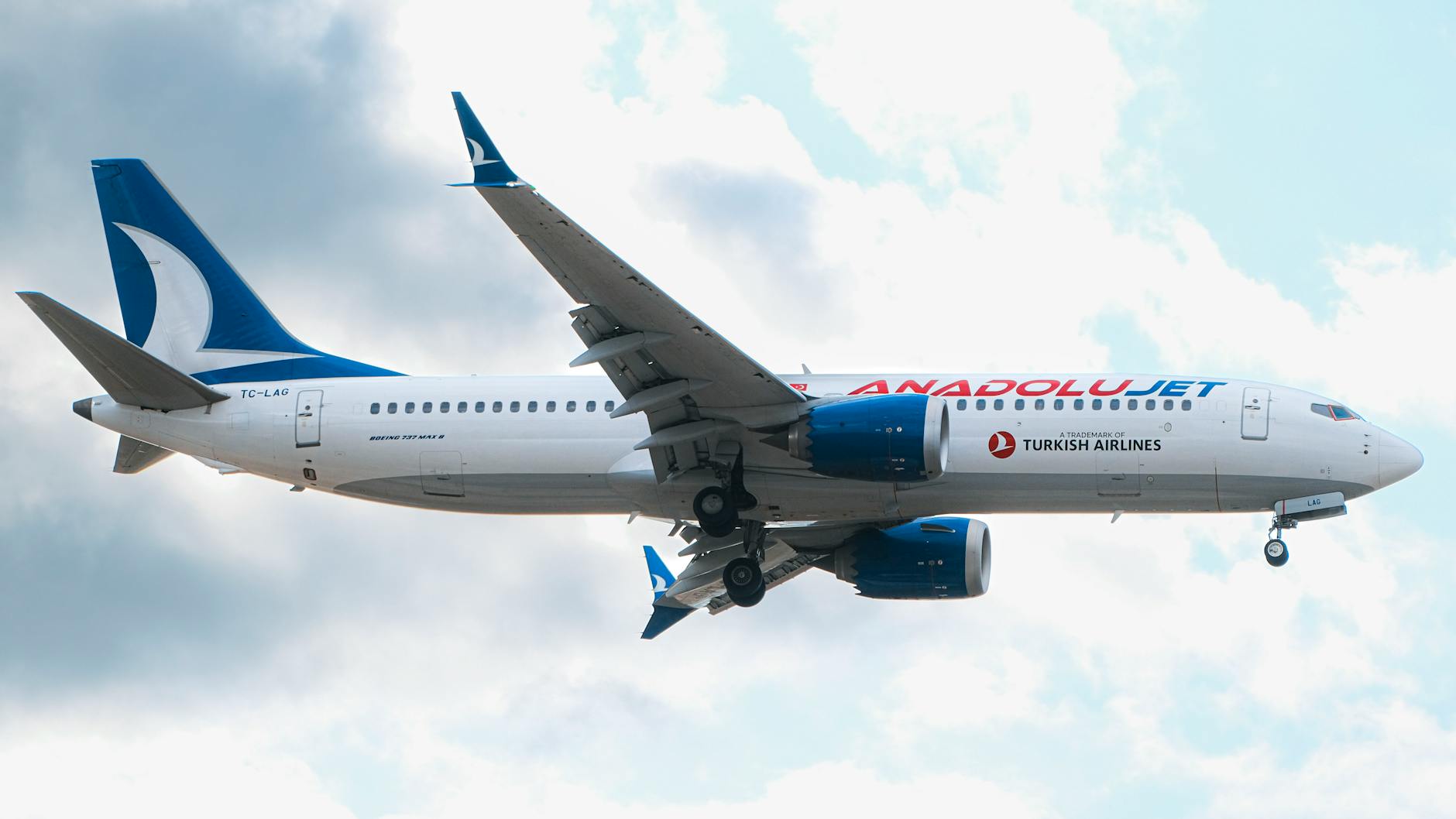
Jet lag management is treated casually by infrequent travelers and with scientific precision by those who fly internationally on a regular basis. Light exposure timing, melatonin dosing, hydration management, and strategic caffeine avoidance are all tools that frequent flyers use in combination rather than isolation. Airlines encourage sleep on overnight flights with eye masks and blankets but have a structural interest in serving food and beverages on schedules that are not aligned with passenger circadian adjustment. Arriving at a destination and immediately adopting local sleep times, regardless of fatigue level, is the single most consistently effective adjustment strategy according to travel medicine research. The discipline required to implement jet lag protocols improves with practice, and frequent flyers typically arrive at long-haul destinations functionally ready for work far faster than occasional travelers.
Airport Lounges After Landing
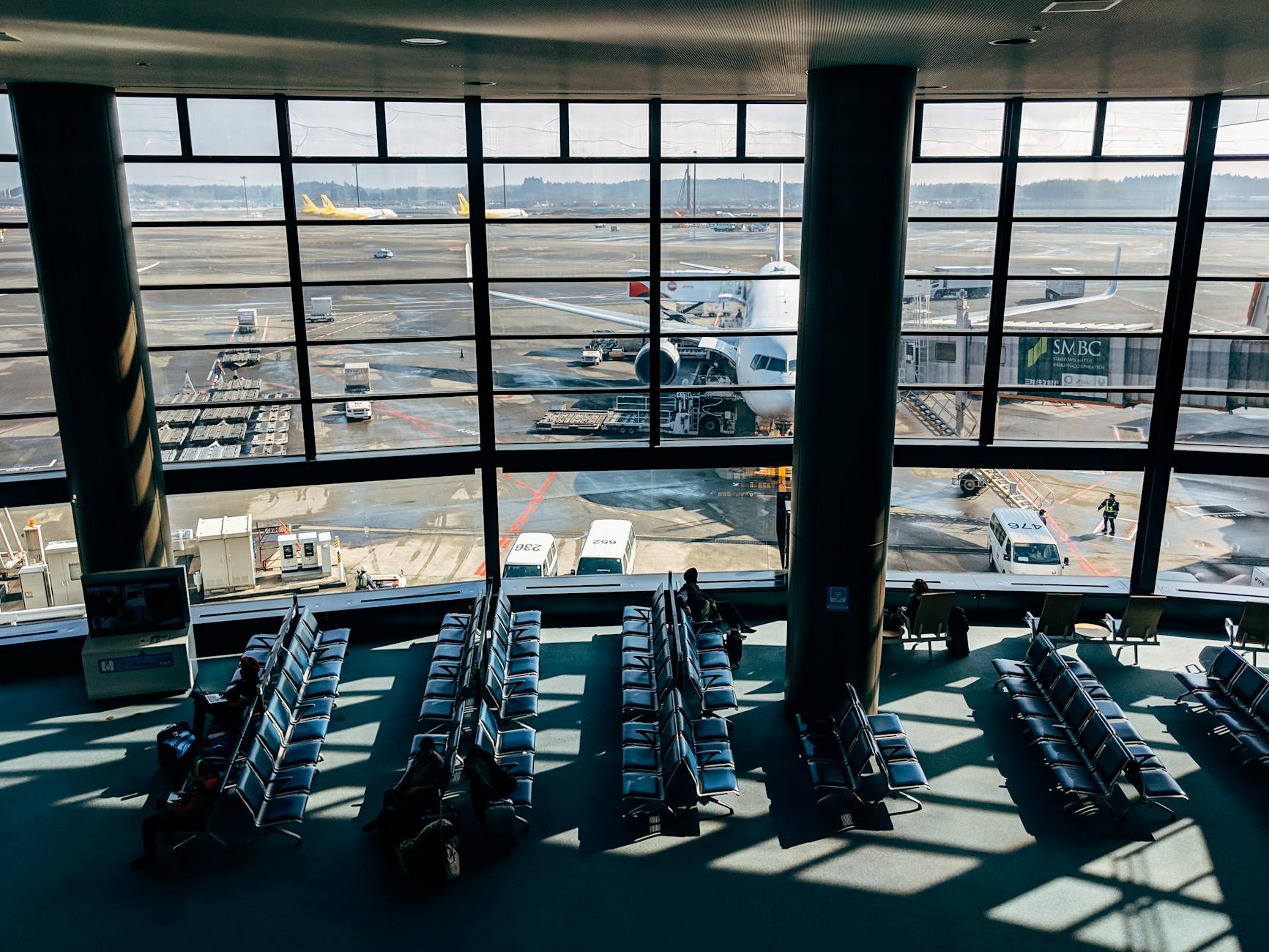
Post-flight lounge access is one of the most underutilized benefits in the frequent flyer toolkit, and most travelers walk past the facility entirely after landing. Using a lounge after arrival to shower, eat, and recompose before heading into a city saves the cost of early hotel check-in and produces a significantly better first impression in professional contexts. Airlines do not advertise post-arrival lounge use because it extends the cost of delivering the benefit without generating any additional revenue. Access rules vary by program and terminal, but most full-service lounges permit post-arrival use within a defined window for qualifying members. The practice of treating the lounge as a transition space rather than a pre-departure waiting room fundamentally changes how disruptive long-haul travel feels.
Flight Comparison Tools

Flight comparison platforms show the same fares that airline websites display but aggregate them in ways that surface pricing patterns airlines prefer to obscure. Booking on a Tuesday or Wednesday, clearing browser cookies before fare searches, and using incognito windows are all behaviors that experienced travelers practice to avoid dynamic pricing adjustments. Airlines use sophisticated yield management systems that adjust prices based on search behavior, device type, and browsing history in ways that are not publicly disclosed. Positioning a search from a different country’s version of a booking platform can surface fares that are not available on domestic portals for the same route. The gap between the fare a casual traveler pays and the fare a well-researched traveler pays on the same flight can be significant enough to matter on a regular travel budget.
If you have a controversial travel rule of your own that the airlines would rather you forget, share it in the comments.