The most elegantly dressed people in any room rarely follow the rules printed in mainstream fashion guides. Their polish comes from a quieter set of principles that challenge conventional wisdom and reward careful observation. Many of these guidelines feel counterintuitive at first and some will actively contradict advice you have received before. Understanding them changes the way you see clothing permanently and makes every getting-dressed decision noticeably more intentional.
Visible Waistband
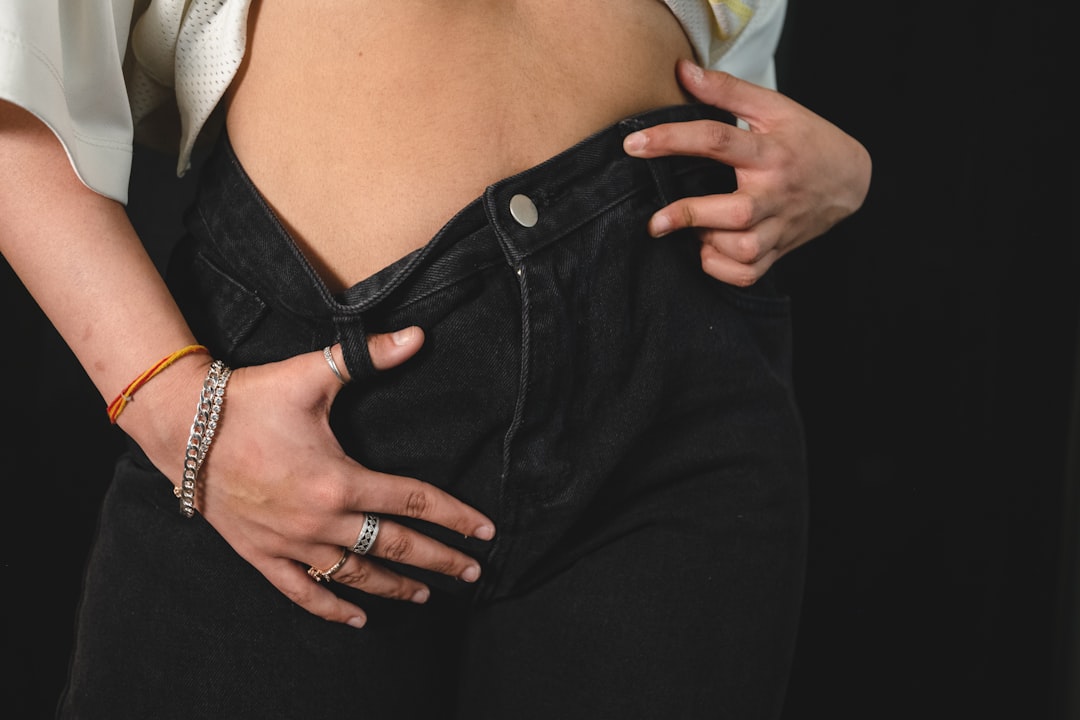
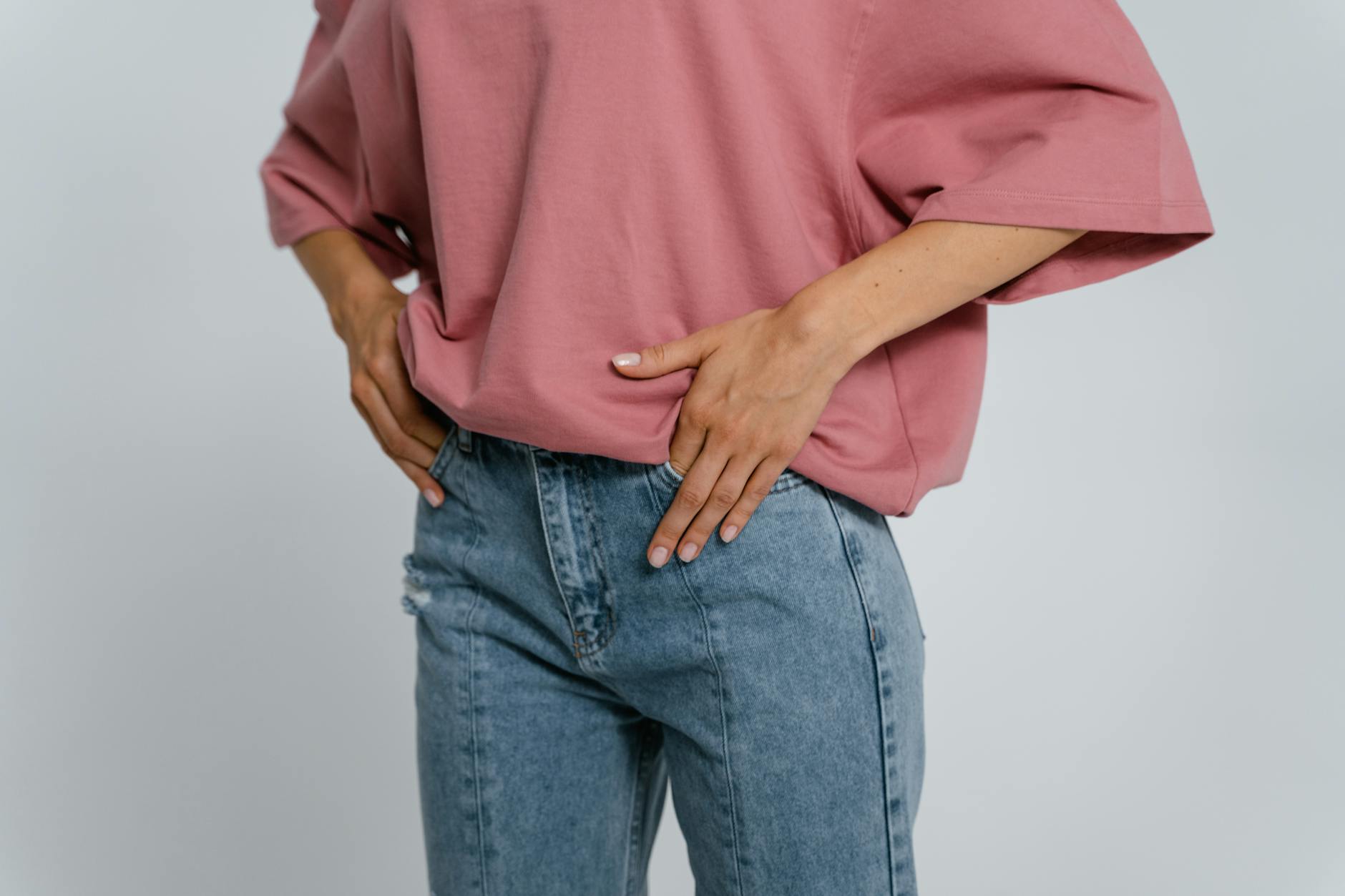
Allowing the waistband of well-fitted trousers to sit slightly above a tucked shirt creates a clean horizontal line that visually lengthens the torso and sharpens the overall silhouette. Most styling guides warn against any visible waistband yet experienced dressers know that a deliberate and controlled exposure reads as confident rather than careless. The key distinction lies entirely in fit since a waistband that appears because trousers are too loose looks very different from one that appears by design. Tailors working on high-end ready-to-wear regularly build this detail into garments intended for a polished elevated look. When the waistband itself is beautiful the effect becomes a feature rather than a flaw.
Oversized Blazer
Wearing a blazer one full size larger than your standard fit creates a relaxed authority that fitted tailoring often struggles to achieve in casual or creative environments. The extra fabric through the shoulder and chest reads as intentional when the rest of the outfit is kept slim and close to the body. Rolled or pushed-up sleeves on an oversized blazer add further visual interest while communicating an effortless confidence that precise tailoring can sometimes undermine. This approach has been a cornerstone of European and Japanese street style for decades despite being regularly dismissed by traditional dress code advisors. Choosing a structured fabric such as wool or heavy cotton ensures the oversized shape retains its form rather than collapsing into shapelessness.
Mismatched Metals
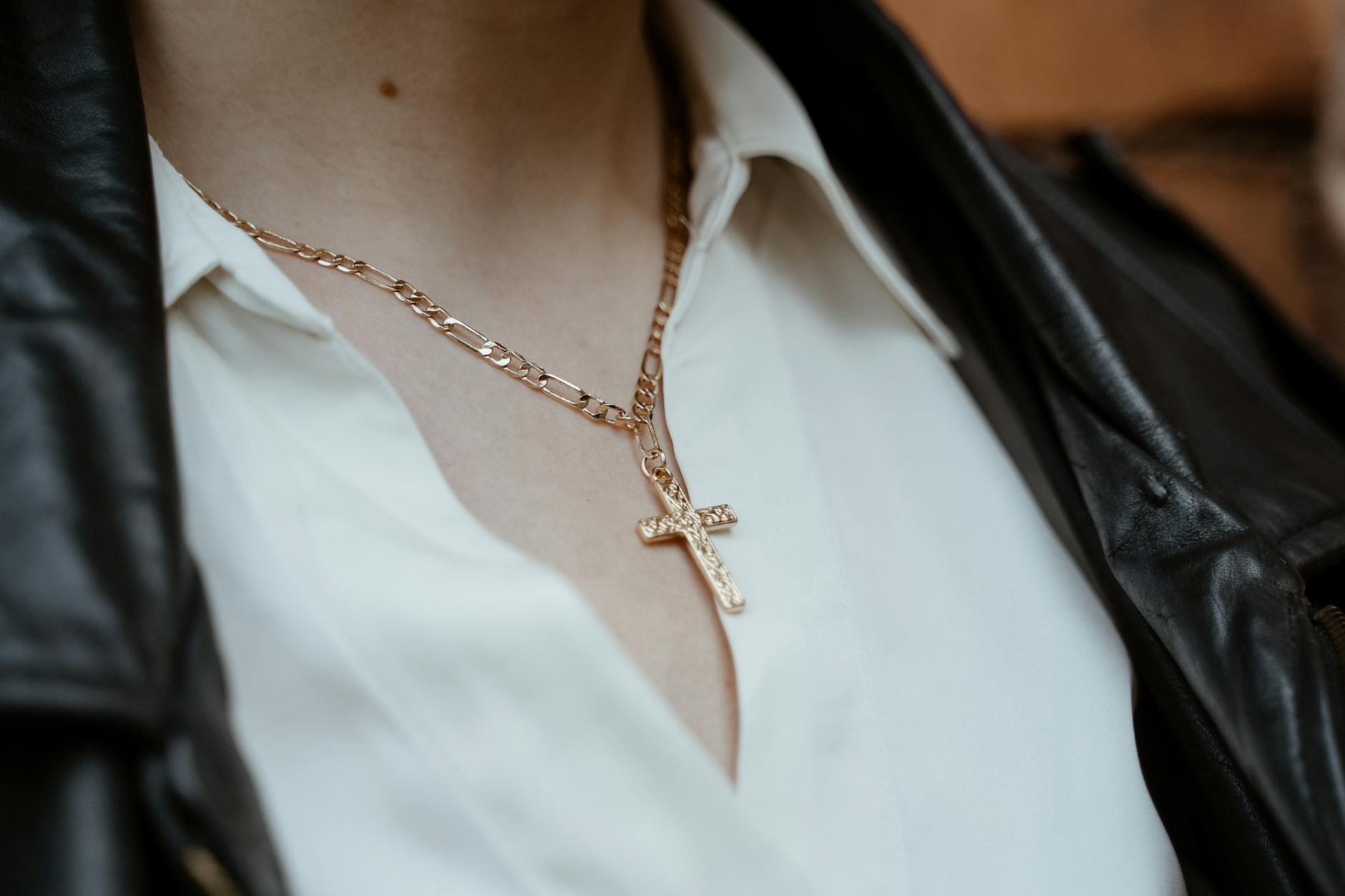
Combining gold and silver hardware across shoes belts and jewellery in a single outfit produces a more sophisticated result than matching everything to a single metal tone. The conventional rule of choosing one metal and committing to it throughout an outfit creates a coordination that reads as overly careful and studied to a trained eye. Mixing metals deliberately signals an ease with personal style that matching rarely conveys and it creates visual complexity without requiring additional garments or accessories. The technique works best when one metal appears in larger pieces and the other appears as a secondary accent rather than at equal visual weight. Allowing metal tones to echo each other across different parts of the outfit creates cohesion without rigidity.
Half Tuck
Tucking only the front portion of a shirt into trousers or a skirt while leaving the back and sides loose creates a relaxed polish that a full tuck rarely achieves outside formal contexts. The half tuck defines the waistline without the rigidity of a full tuck and works across a surprisingly wide range of fabrics and silhouettes. Stylists use it consistently to break up long vertical lines in outfits that would otherwise look either too casual or too stiff. It works particularly well with slightly longer shirts in soft fabrics like silk cotton poplin and lightweight linen. The proportion of how much fabric is tucked versus left out requires small adjustments depending on the specific garment and trouser rise involved.
Unmatched Suit
Wearing suit separates in different but complementary tones rather than as a matched set produces an outfit that looks more considered and expensive than a standard matching suit in most non-ceremonial settings. The practice of treating jackets and trousers as independent wardrobe items is standard among well-dressed professionals in Europe particularly in Italy and France. A navy jacket worn with charcoal trousers or a grey jacket paired with stone chinos creates combinations that read as deliberately assembled rather than defaulted to. The colours must share undertones to maintain cohesion since pairing warm and cool tones without balance produces a result that reads as accidental rather than intentional. Quality fabric in both pieces is essential since the contrast draws more attention to texture and construction than a matched suit would.
Flat Shoes
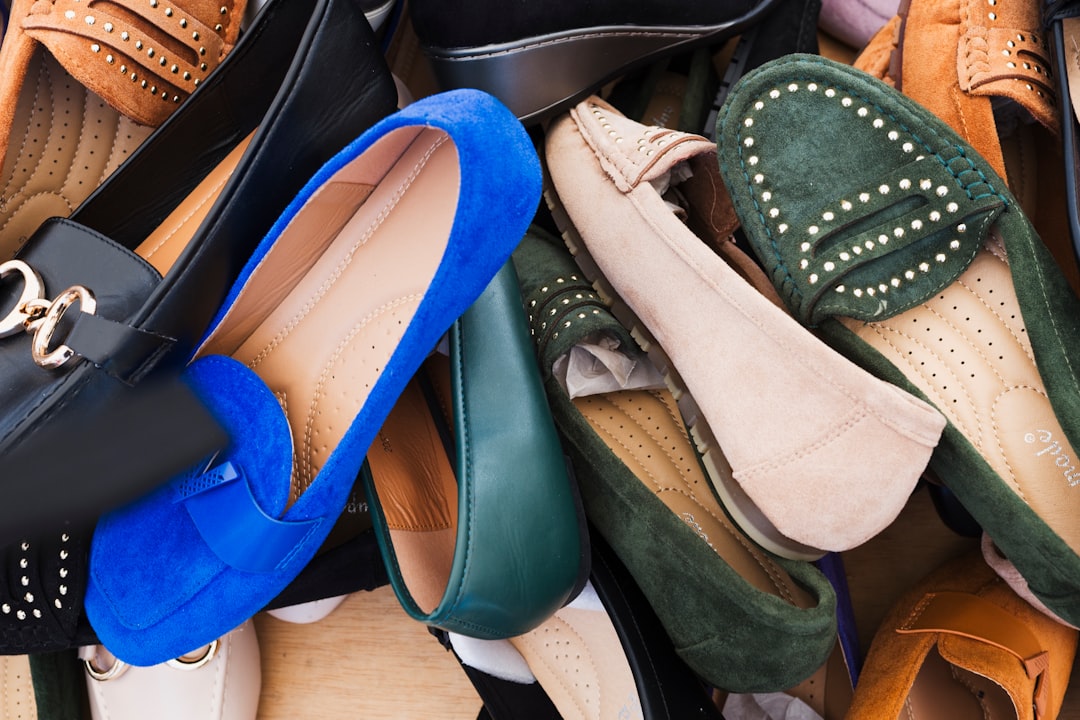
Choosing flat shoes over heels in formal or elevated dressing contexts communicates a particular kind of self-assurance that heel-wearing cannot replicate in the same way. Polished loafers pointed ballet flats and structured Oxford shoes worn with tailored clothing have become a reliable marker of confident personal style across multiple fashion cultures. The flatness grounds the silhouette and creates a visual weight at the base of the outfit that some heel heights actually undermine by making the proportions too top-heavy. Well-made flats in quality leather or suede read as deliberate investment choices rather than casual compromises. The overall effect tends to look more modern than heel-based equivalents in most professional and social settings outside explicitly formal occasions.
Inside-Out Seams
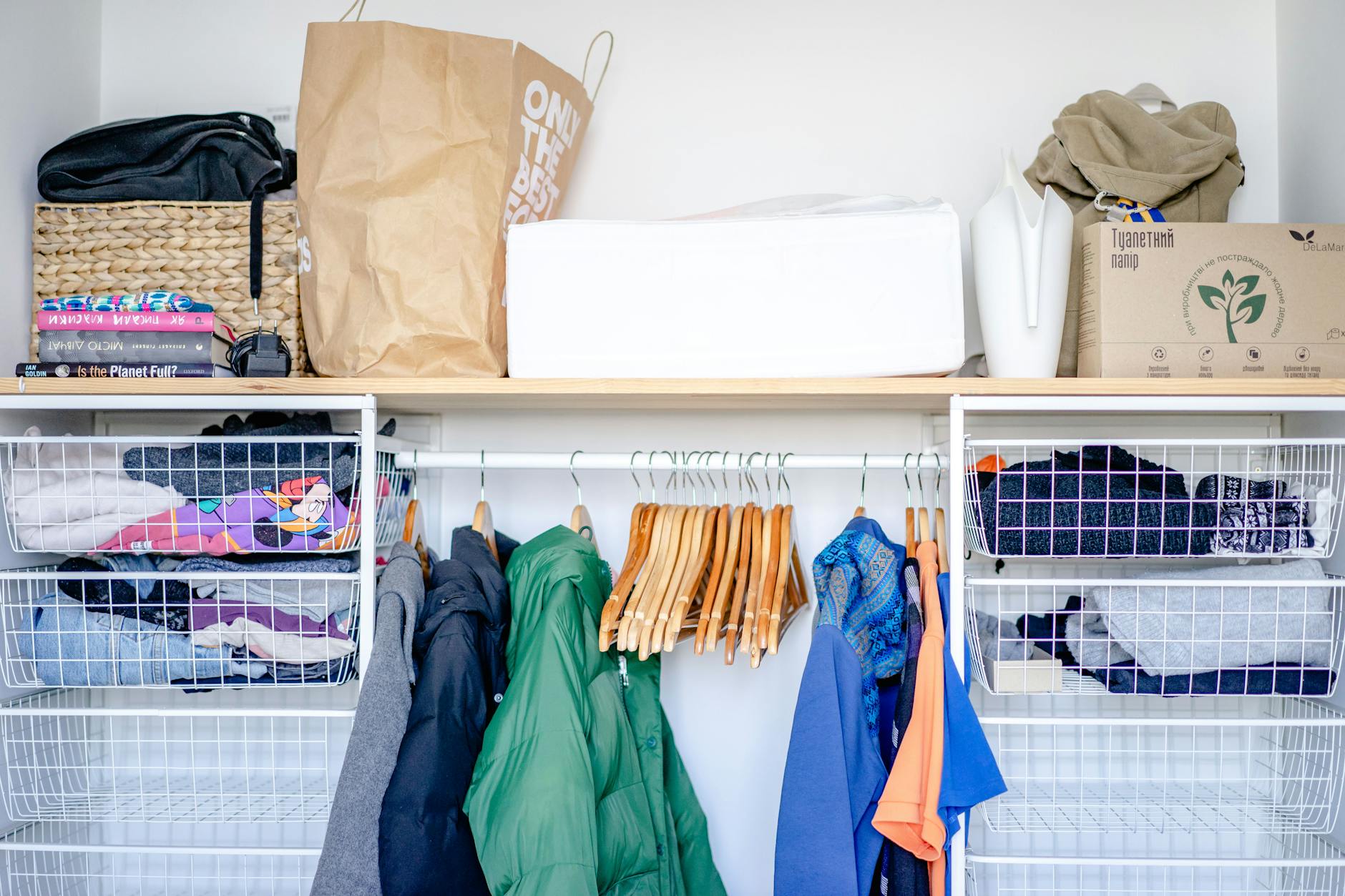
Wearing finely finished inside-out or raw-edge garments from designers who intentionally construct them this way creates a textural interest that conventional construction conceals. Many luxury labels now produce knitwear and outerwear with intentionally exposed seaming as a design feature rather than a manufacturing shortcut. Wearing these pieces confidently and pairing them with clean well-pressed basics creates a tension between polished and deconstructed that is widely recognised as a marker of advanced personal style. The key is that the garment must be constructed with this intent since genuine inside-out wear of a standard garment reads very differently. Identifying pieces made specifically this way requires some familiarity with designer collections but the investment in that knowledge pays visible returns.
Wrong Size Belt
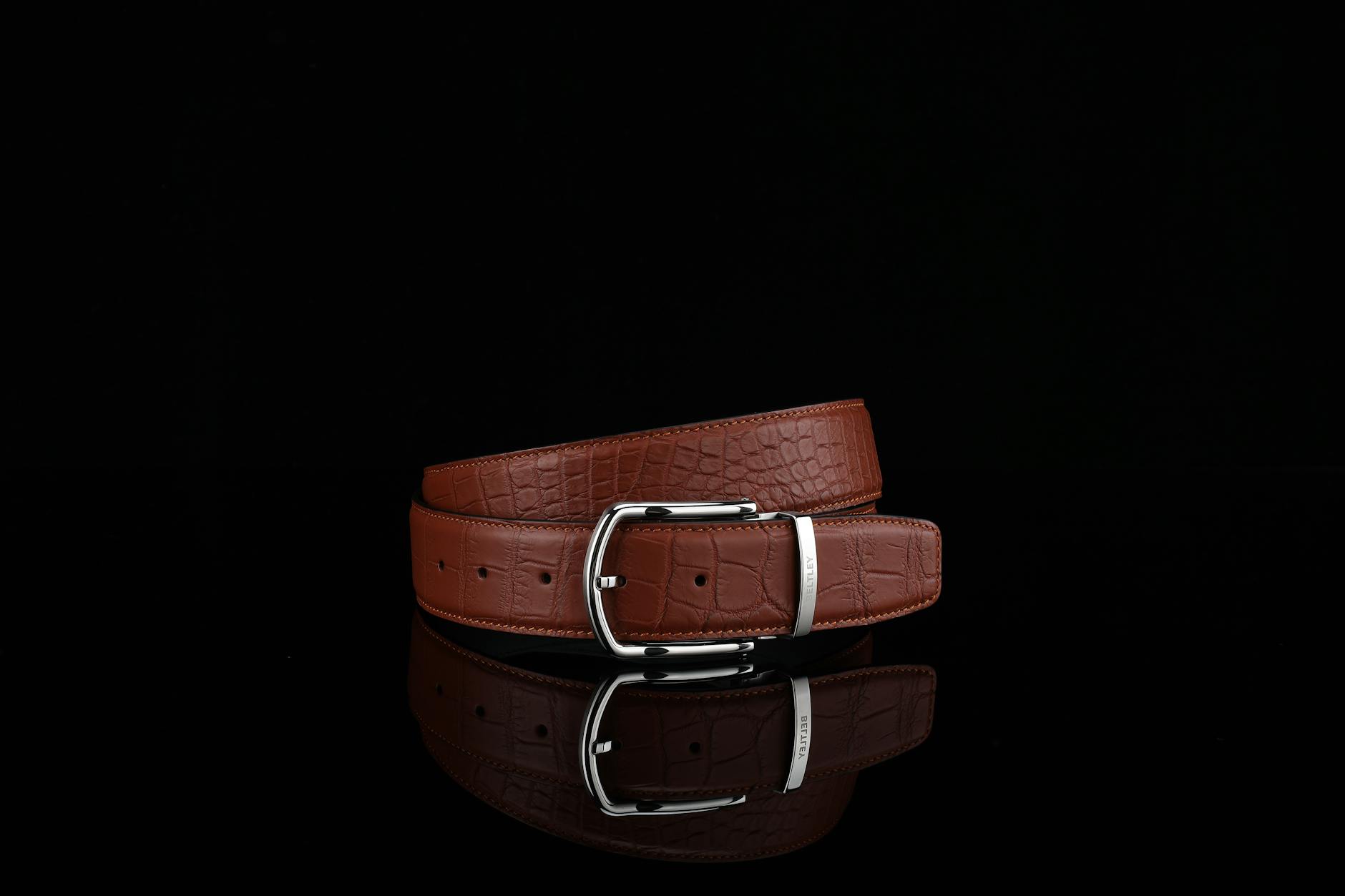
Wearing a belt that is slightly longer than your waist measurement so that a modest length of extra leather hangs past the buckle is standard practice in French and Italian men’s dressing and produces a cleaner line than trimming the belt to sit flush. The excess is typically kept to a controlled length of around five to seven centimetres past the buckle and sits flat against the trousers rather than curling or lifting. Most standard wardrobe guides recommend buying a belt that fits precisely yet this approach creates a stiffer and more manufactured look than the slight excess produces. The technique draws attention to the buckle as a deliberate accessory rather than a functional fastening. It works across both casual and formal belt styles but requires a buckle of sufficient quality to carry the additional visual attention.
Untucked Formal Shirt
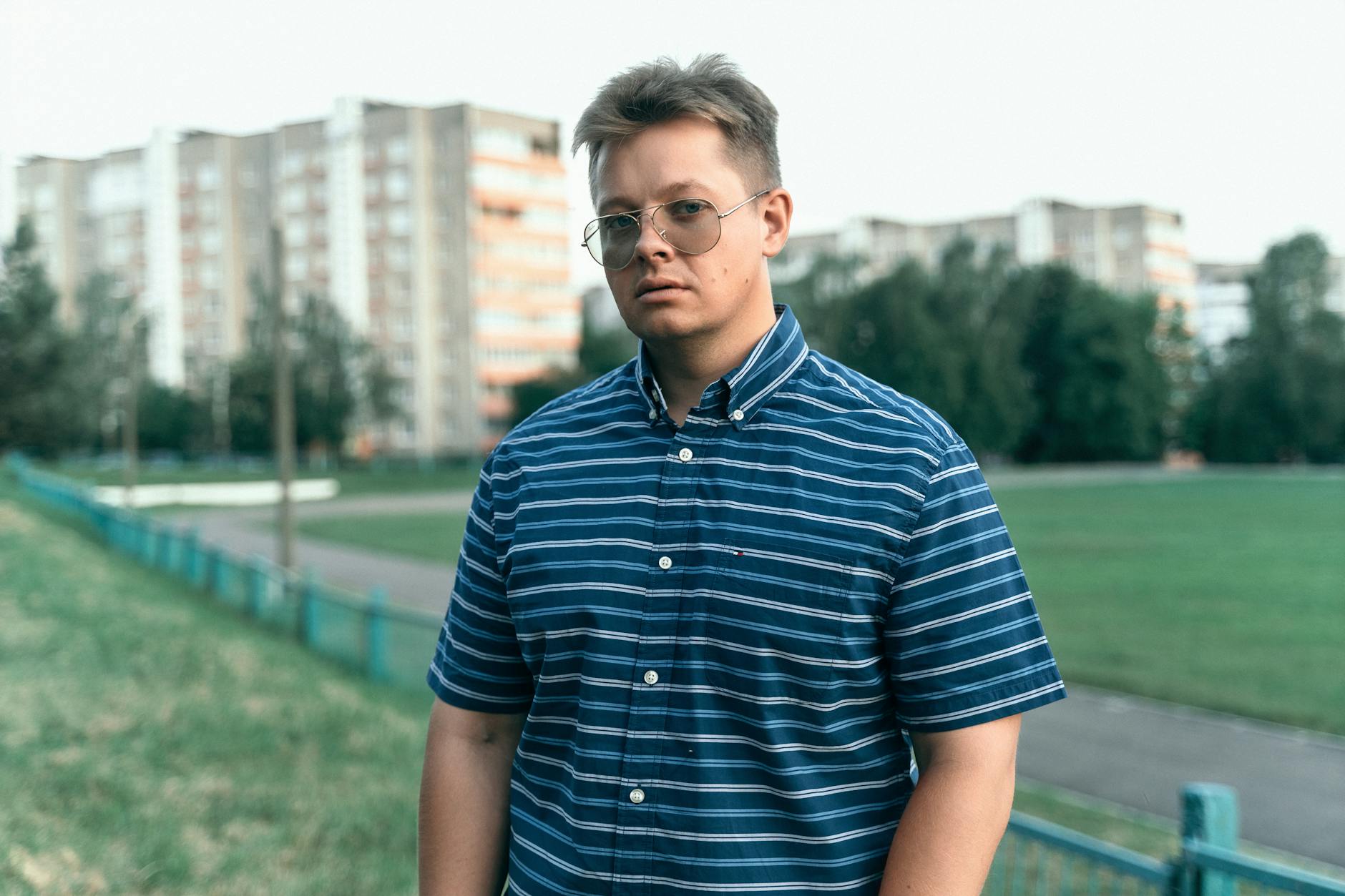
Wearing a formal or dress shirt untucked with tailored trousers and clean shoes creates a deliberate tension between formal and relaxed that reads as thoughtful rather than incomplete when the shirt length is appropriate for untucked wear. Many dress shirts are cut too long to wear untucked successfully and the length is the single most important factor in whether the result looks intentional or neglected. When the shirt hem falls at the right length which is typically at the upper hip the untucked look produces a clean unfussy silhouette that a tucked shirt in the same setting would not achieve. This approach is particularly effective with solid colour or subtly textured dress shirts in high-quality fabrics. Keeping the rest of the outfit minimal and precise ensures the untucked shirt reads as a choice rather than an oversight.
Worn Leather
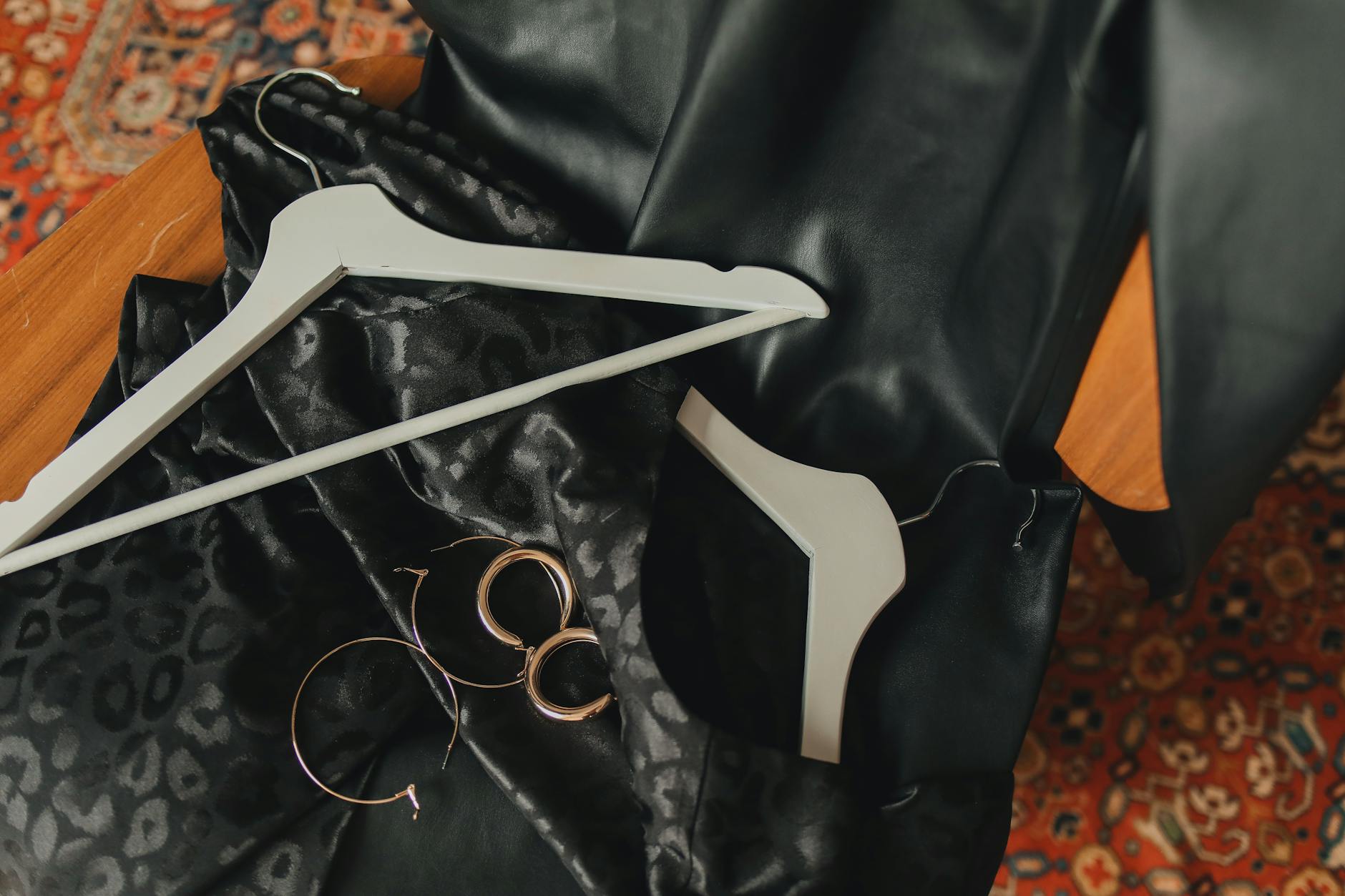
Choosing leather goods including bags belts and shoes that show genuine patina and signs of wear over pristine or brand-new equivalents produces a more polished and considered impression in most contexts outside explicit formal occasions. Well-maintained worn leather communicates longevity investment and relationship with quality that new leather simply cannot replicate at any price point. The condition of the leather must be cared-for with regular conditioning so that it reads as aged rather than neglected since the distinction is immediately visible to an attentive observer. Scuffed unconditioned leather always reads as neglect while smooth conditioned leather with natural creasing reads as character. This principle is central to the Ivy League and British country dressing traditions and has been adopted widely in contemporary elevated casual style.
White After Labor Day
Wearing white and off-white clothing through autumn and winter months in fabrics weighted appropriately for cooler temperatures produces outfits that look considerably more original than following the seasonal colour rotations that most style guides prescribe. Cream ivory and warm white in wool cashmere and heavy cotton read as luxurious and intentional in colder months rather than seasonal errors. The rule against white after Labor Day originated in early twentieth century American social customs and has no basis in aesthetic logic. Many of the most consistently well-dressed figures in fashion deliberately wear white year-round as a personal style signature. The fabric weight and garment construction are what determine whether a white piece reads as seasonally appropriate rather than the colour itself.
No Ironing
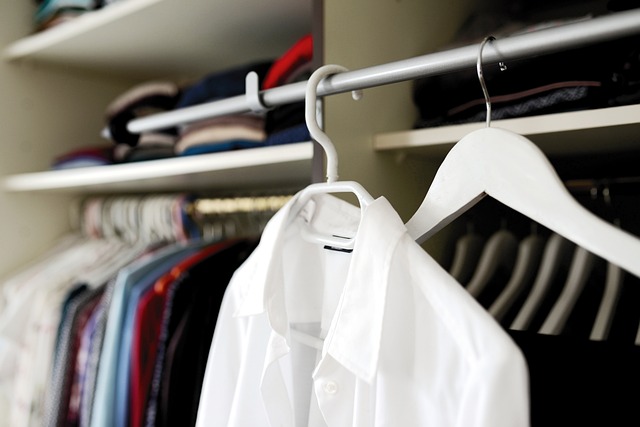
Allowing certain fabrics including linen chambray and textured cotton to retain their natural relaxed creasing rather than pressing them to a smooth finish produces a result that reads as intentionally relaxed and confident rather than unfinished. The distinction between acceptable fabric relaxation and actual neglect lies in the quality and cut of the garment since a well-cut linen shirt with natural creasing looks very different from a poorly cut one in the same state. Many luxury fashion houses build the natural crease behaviour of their fabrics into the design of the garment. Attempting to iron certain fabrics actually diminishes the quality of their appearance by flattening the texture that makes them visually interesting. Learning to identify which fabrics benefit from pressing and which perform better without it is a foundational skill in building a reliably polished wardrobe.
Costume Jewellery
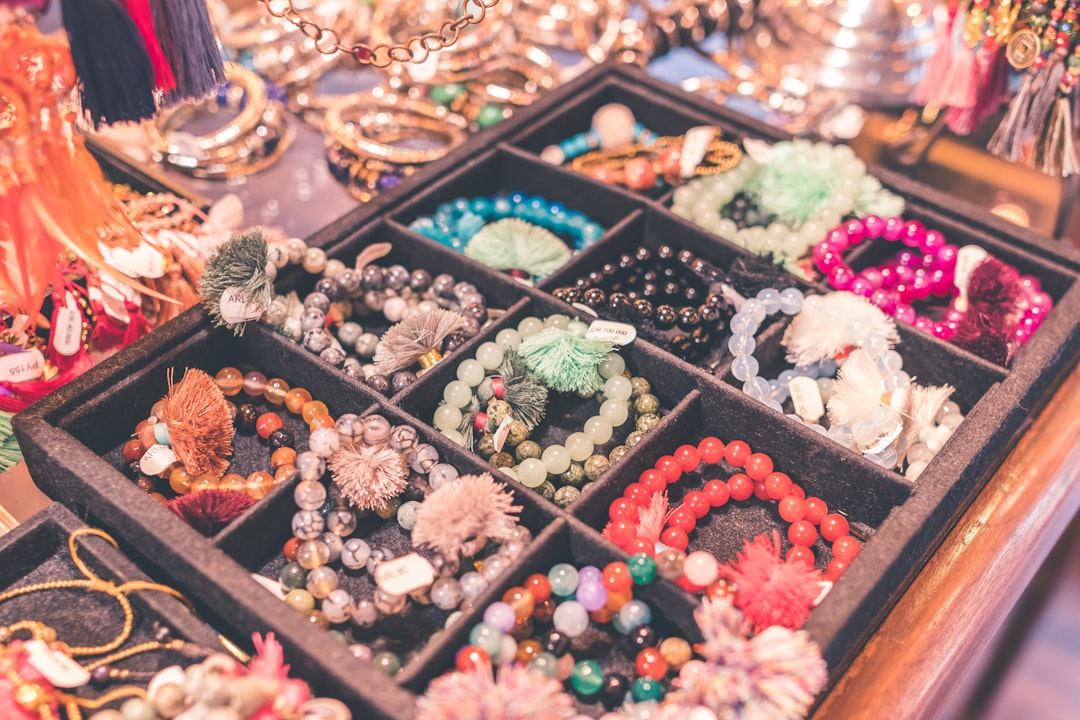
Choosing large-scale or boldly designed costume jewellery over modest fine jewellery in everyday dressing contexts produces a more visually dynamic result in most casual and professional settings where fine jewellery reads as too quiet to register. The quality of finish in contemporary costume jewellery from established brands is now high enough that the distinction between costume and fine is not immediately visible in most social contexts. Wearing one significant costume piece as the focal point of an outfit requires the rest of the accessories to step back which produces a more edited and composed overall result. The strategy also allows for more creative and seasonal experimentation without the financial commitment that fine jewellery requires. Confidence in wearing a statement piece at full scale without apology is what distinguishes a polished result from an overwhelming one.
Doubled Denim
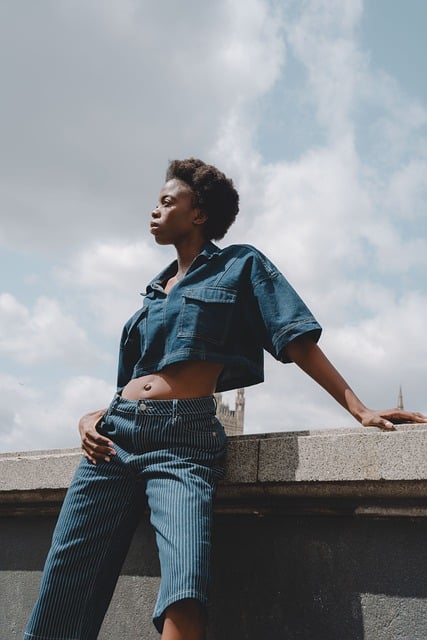
Wearing denim on denim in two clearly different washes creates an intentionally coordinated look that the conventional rule against doubling fabrics would prohibit. The critical requirement is that the two washes must be visibly distinct since pairing denim pieces in the same wash produces a result that reads as accidental rather than deliberate. A dark indigo jacket worn with light or mid-wash jeans or a chambray shirt worn with raw denim trousers are the most reliably successful combinations. The technique has been standard in American workwear dressing for decades and has been repeatedly elevated into high fashion contexts by major designers. Keeping the rest of the outfit clean and minimal including footwear ensures the double denim reads as a confident style decision rather than a wardrobe default.
Pocket Square
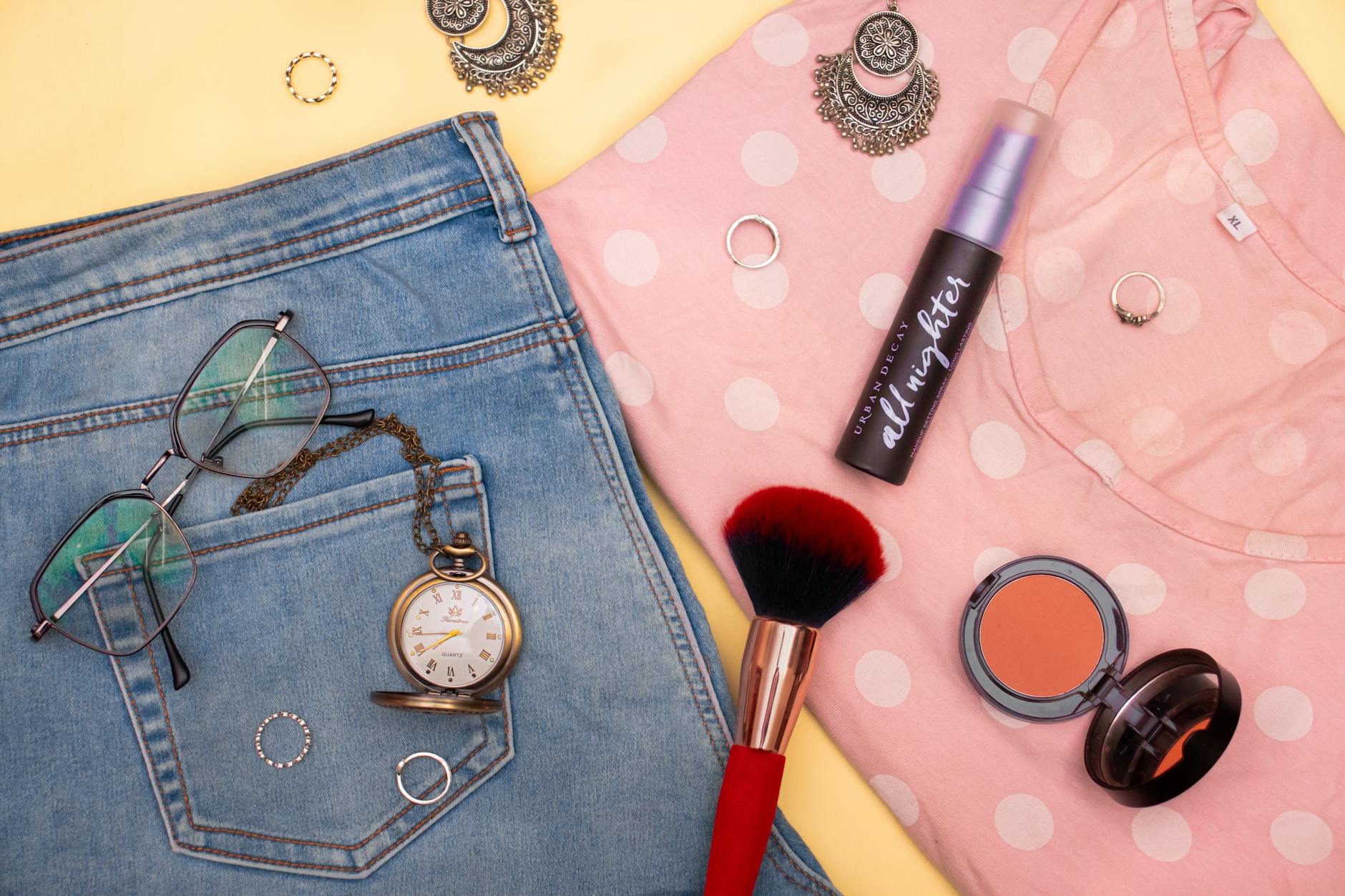
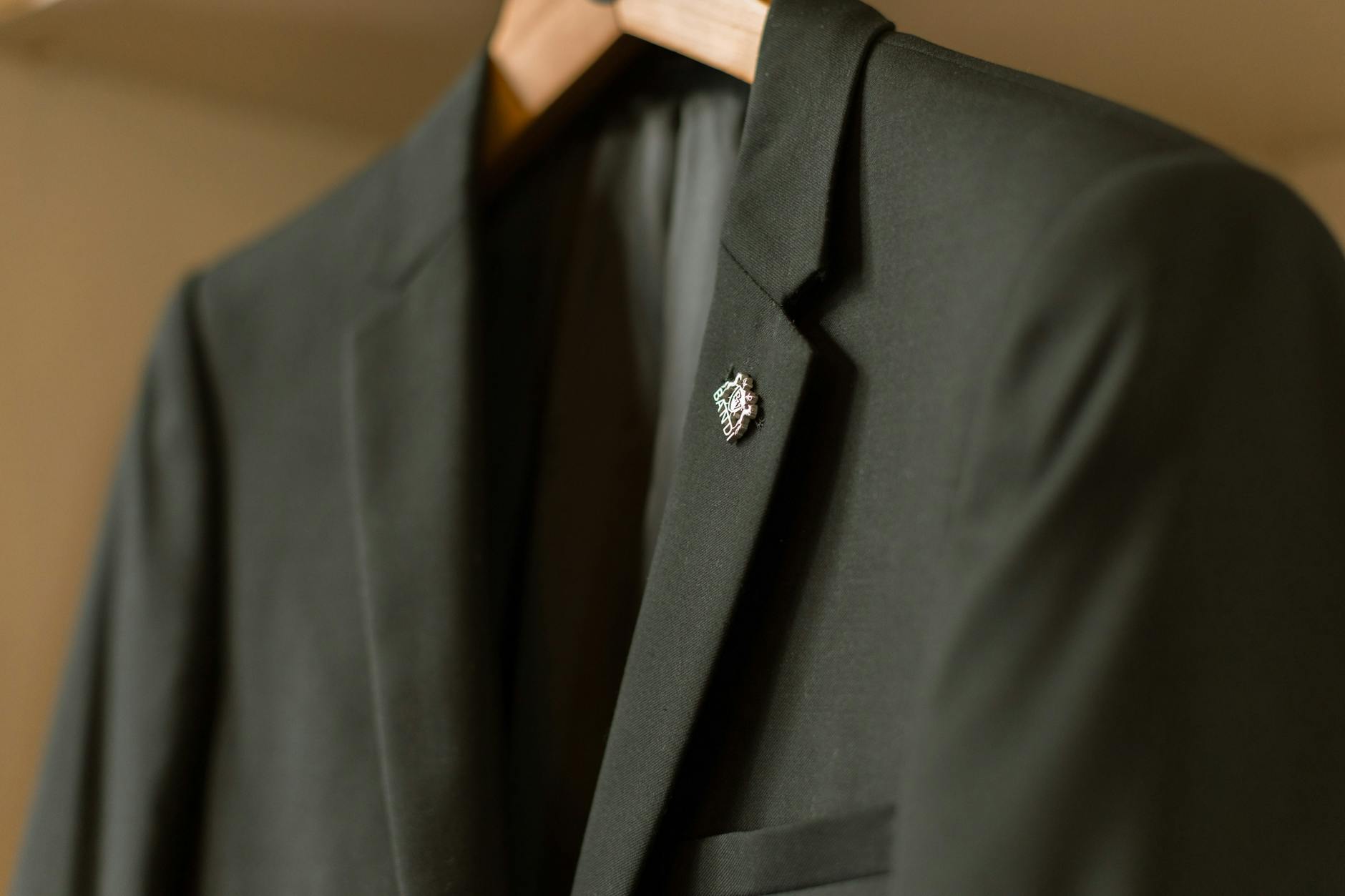
Using a pocket square in a jacket breast pocket in a casual fold style rather than a sharp formal fold produces a more sophisticated and contemporary result in most non-black-tie dressing contexts. The relaxed puff fold or the casual throw creates volume and movement that the sharp presidential fold does not achieve outside genuinely formal settings. A pocket square in a complementary rather than matching colour to the tie or shirt demonstrates colour confidence and produces a more interesting result than precise coordination. Linen and silk pocket squares in muted or tonal colours work across both dressed-up and relaxed jacket occasions without requiring outfit-specific selection. The pocket square remains one of the single highest-impact low-cost wardrobe upgrades available in tailored dressing.
Rolled Trousers
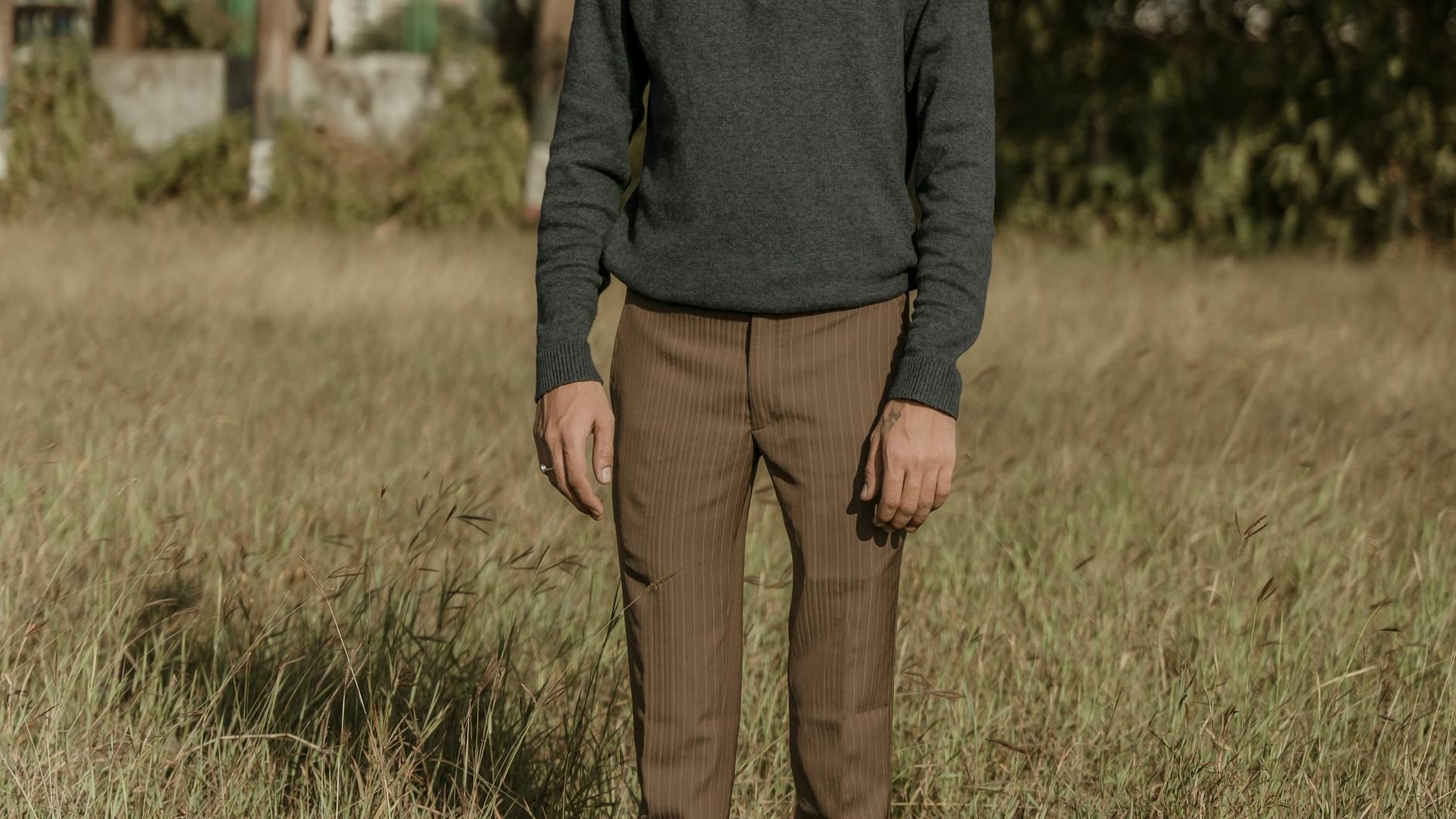
Rolling or turning up trouser hems to a precise and intentional cuff height reveals footwear and creates a visual break at the ankle that elongates the leg more effectively than a standard full-length hem in many silhouettes. The technique works across almost all casual and smart-casual trouser styles and is particularly effective with loafers and clean leather sneakers where it creates a natural visual connection between the leg and the shoe. The cuff must be rolled to a consistent and level height on both legs with a fold that is neat enough to read as deliberate. A single clean roll sits differently from a double cuff and each produces a slightly different proportion that needs to be assessed against the specific trouser and shoe combination. This adjustment costs nothing and consistently elevates the precision and intentionality of a finished outfit.
Tight Neckline
Choosing crew neck and round neck knits that fit close to the neck rather than scooping or draping away from it creates a cleaner and more structured upper body silhouette particularly under or over other layers. A tight neckline holds its position throughout the day without requiring adjustment and creates a reliable foundation for layering outerwear and jewellery. Many buyers default to wider necklines assuming they are more flattering yet the closer fit produces a more tailored appearance across most body proportions when the garment fits well through the body. Fitted crew necks in fine merino and cashmere are among the most versatile and consistently polished items available in elevated casual dressing. Pairing them with a slightly visible shirt collar or high-neck inner layer adds depth and structure to the upper portion of an outfit without additional visible effort.
Pattern Mixing
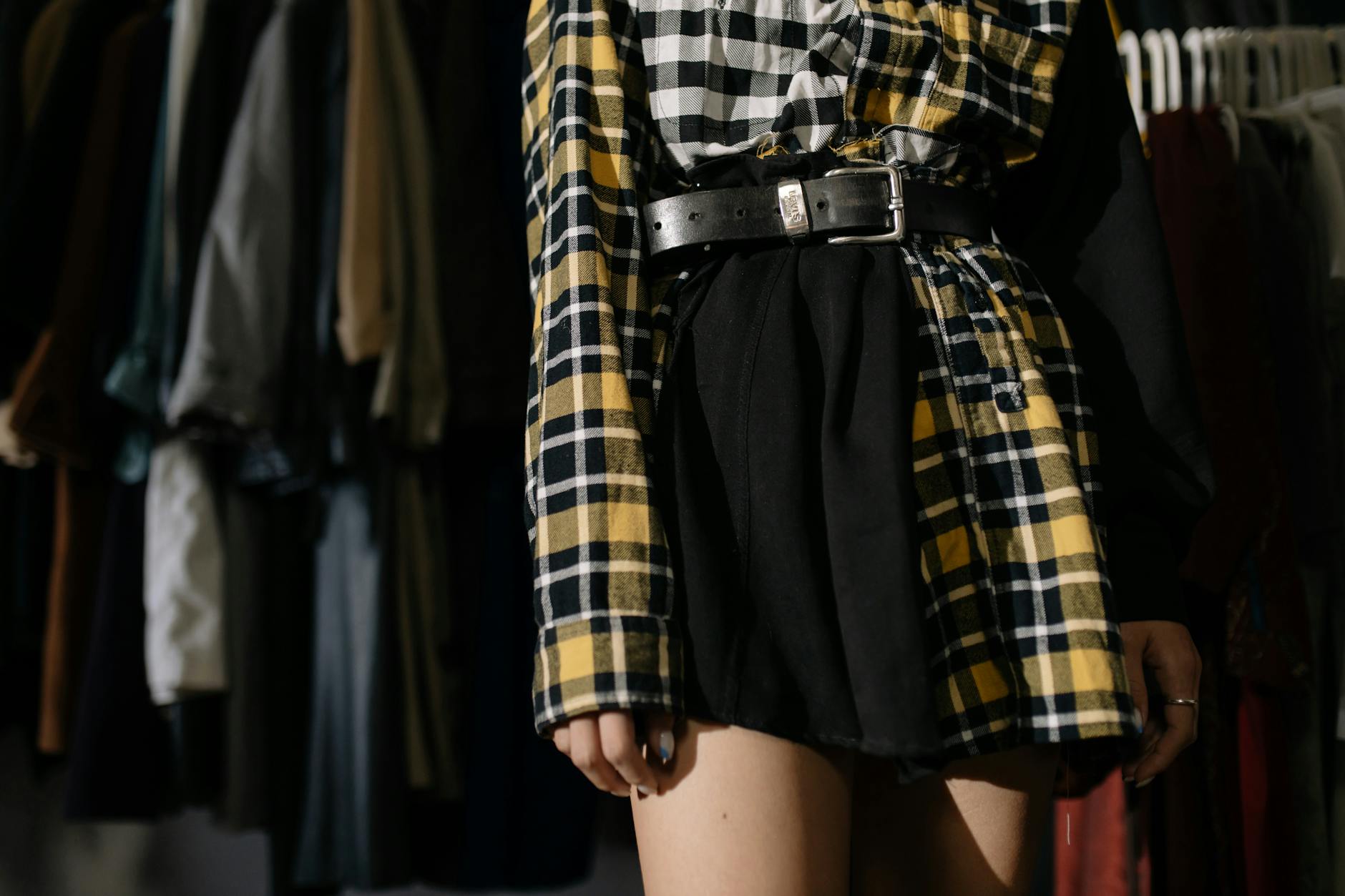
Combining two or more distinct patterns in a single outfit produces a more sophisticated and visually interesting result than the safe default of keeping one pattern against a plain backdrop. The technique requires that the patterns share at least one colour and that they differ clearly in scale so that a large-scale pattern is combined with a smaller one rather than two competing patterns of the same visual weight. Stripe and check combinations have been a cornerstone of British tailoring for over a century and produce reliable results when the scale difference is observed. Floral and geometric combinations work when one is muted and the other is graphic. The overall effect when executed correctly reads as deeply considered and fashion-literate in a way that plain and single-pattern dressing rarely achieves at the same level.
Bare Ankles
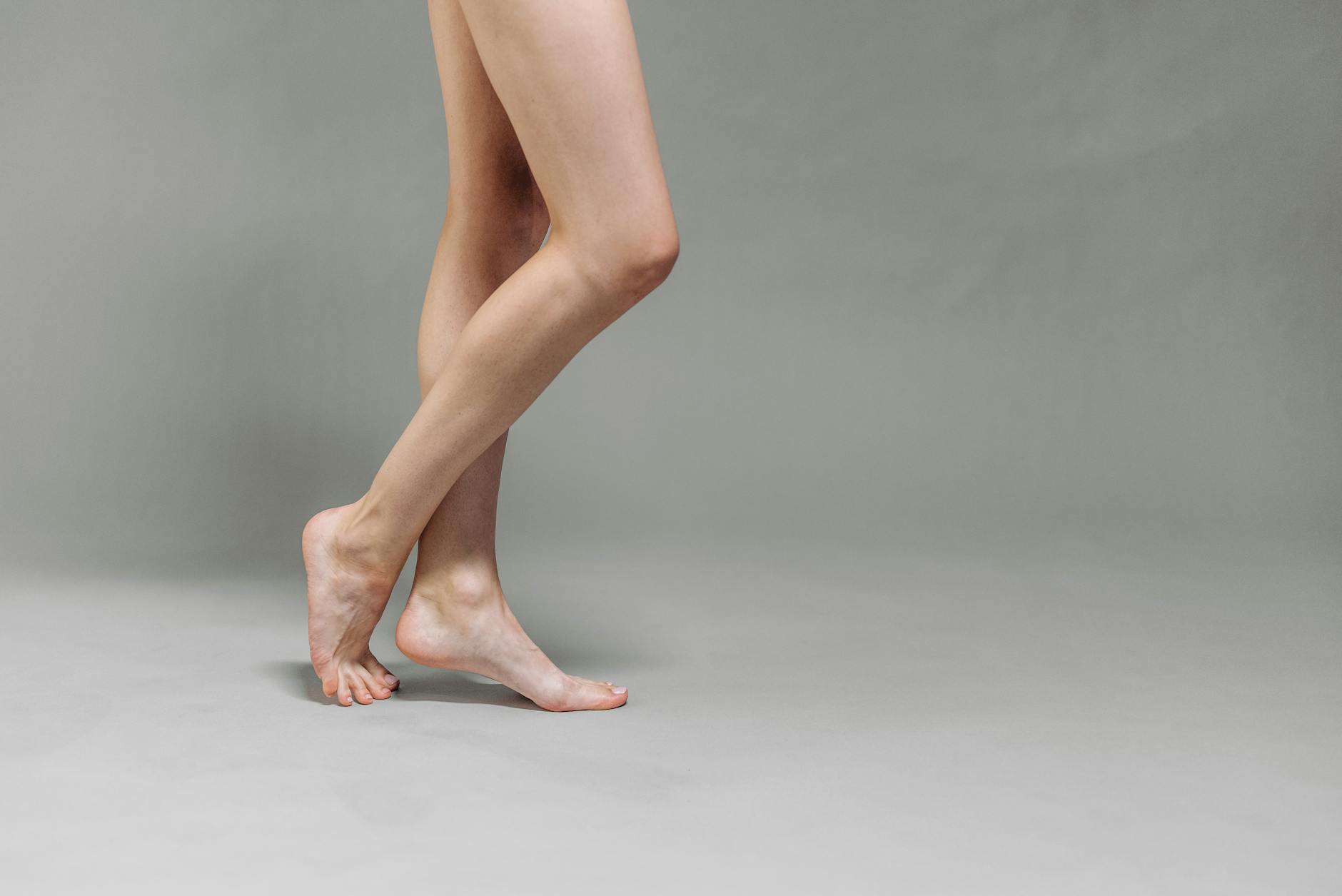
Wearing trousers and tailored clothing without socks or with no-show socks in cooler months produces a deliberately unconventional result that reads as confident and seasonally indifferent in a way that is widely recognised as a style signature rather than a mistake. The bare ankle in cold weather has been a consistent feature of Italian men’s dressing for decades and is closely associated with the sprezzatura approach to style that prioritises apparent effortlessness over strict seasonal logic. It works best with well-fitted trousers at the correct length and quality footwear since the exposed ankle draws attention directly to the shoe as a deliberate choice. Keeping the foot warm with invisible socks while maintaining the visual of bare skin allows the look to function practically in genuinely cold conditions. The overall effect communicates a studied indifference to conventional dressing rules that is consistently interpreted as stylistic confidence.
Monochrome Head To Toe
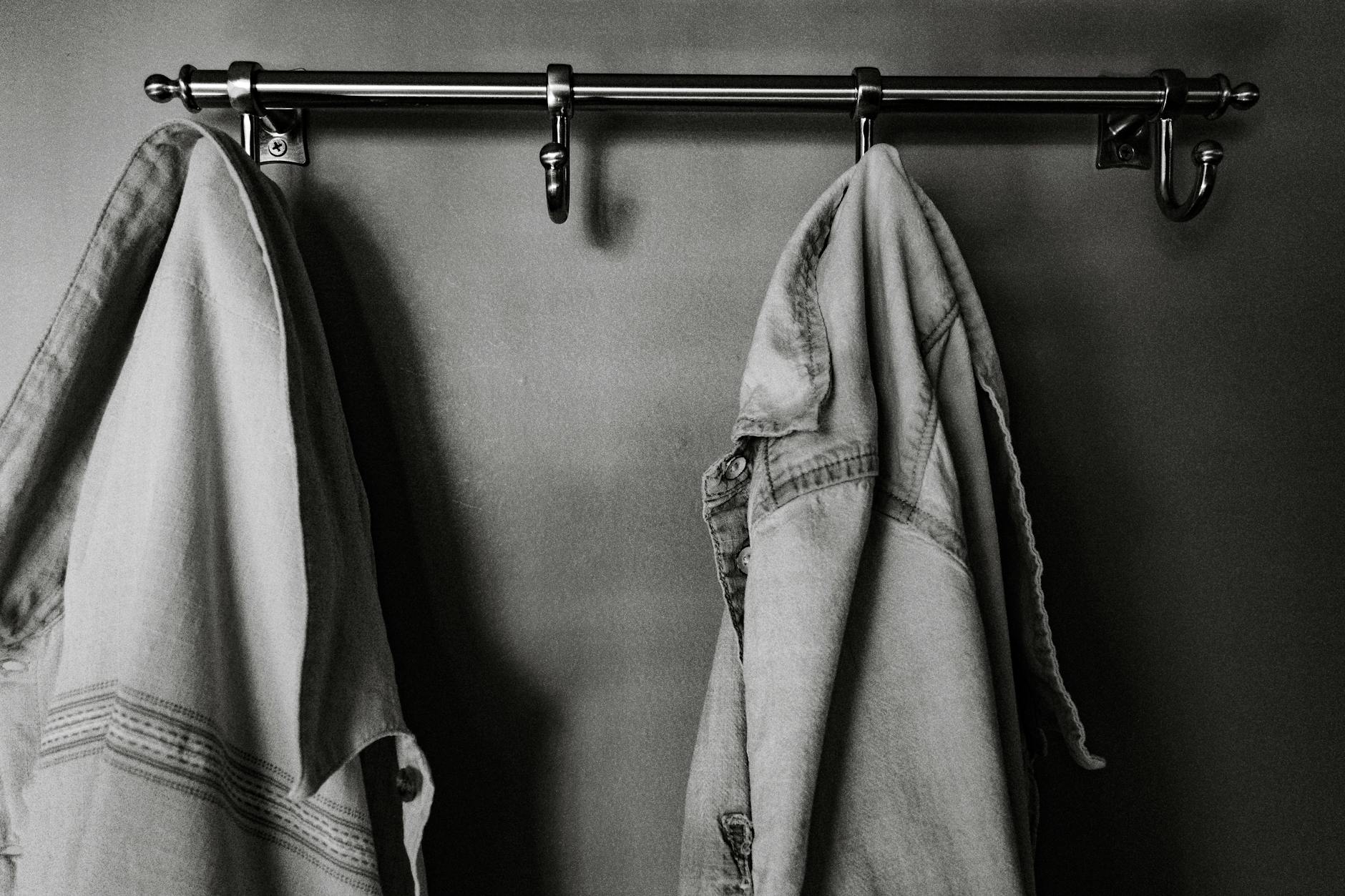
Dressing entirely in one colour from head to toe including footwear and accessories produces a more elongating and visually powerful result than most mixed-colour outfits regardless of which colour is chosen. The technique works by removing the eye’s natural tendency to segment the body at points where colours change which creates a single uninterrupted vertical line that reads as taller slimmer and more commanding. Tone variation within the single colour adds depth and prevents the result from reading as a uniform. All-black all-navy and all-camel monochrome dressing are the most established versions of this approach in contemporary polished dressing. The investment required is primarily in fit since any fit imperfection becomes more visible when the outfit offers no colour distraction to interrupt the eye’s movement across the silhouette.
Tie Without Jacket
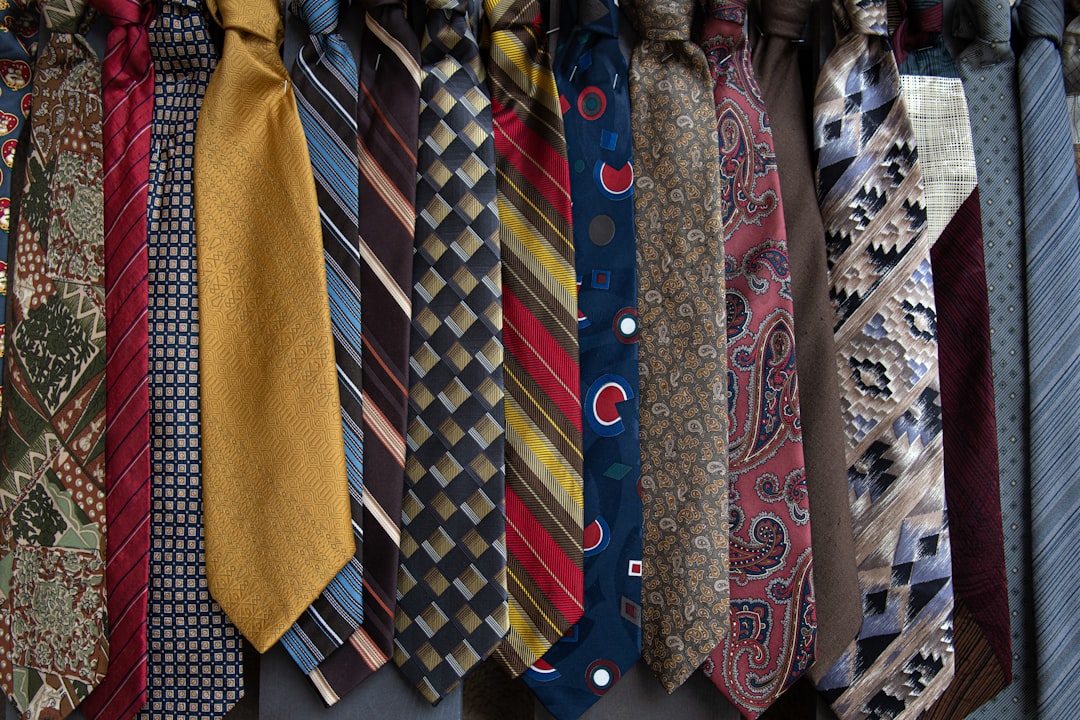
Wearing a tie with a dress shirt and well-fitted trousers without a jacket creates an unexpectedly polished result in smart-casual environments where a full suit would read as overdressed. The combination has historical roots in early twentieth century professional dressing and has been revived repeatedly in contemporary fashion as a marker of deliberate personal style. The tie must be well chosen and properly knotted since the absence of a jacket means the tie receives more visual attention than it would in a complete suit. Slim or medium-width ties in solid colours or simple patterns work most reliably in this context. Rolling the sleeves to just below the elbow adds a working energy to the combination that prevents it from reading as incomplete rather than intentional.
Logo Free
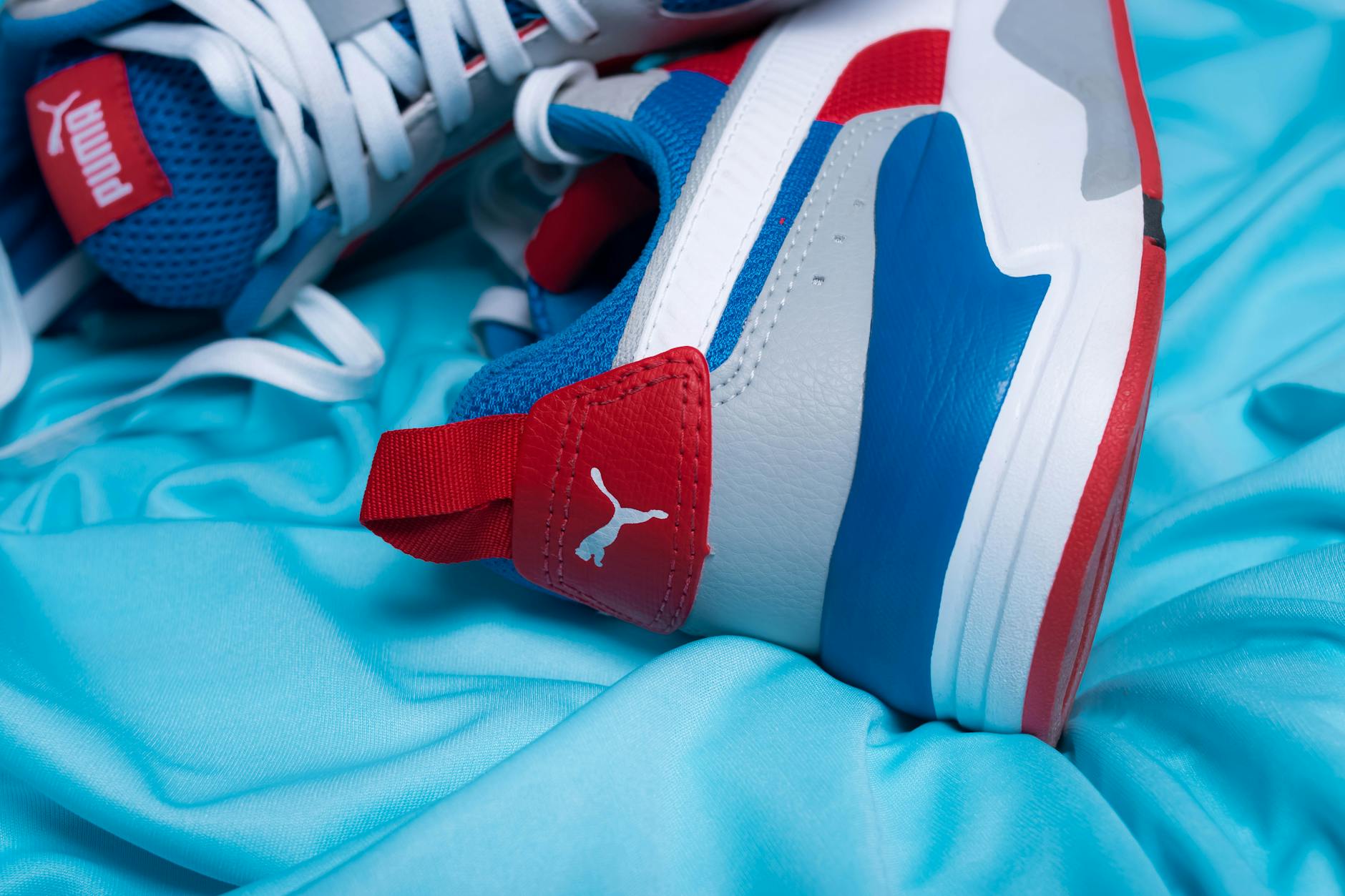
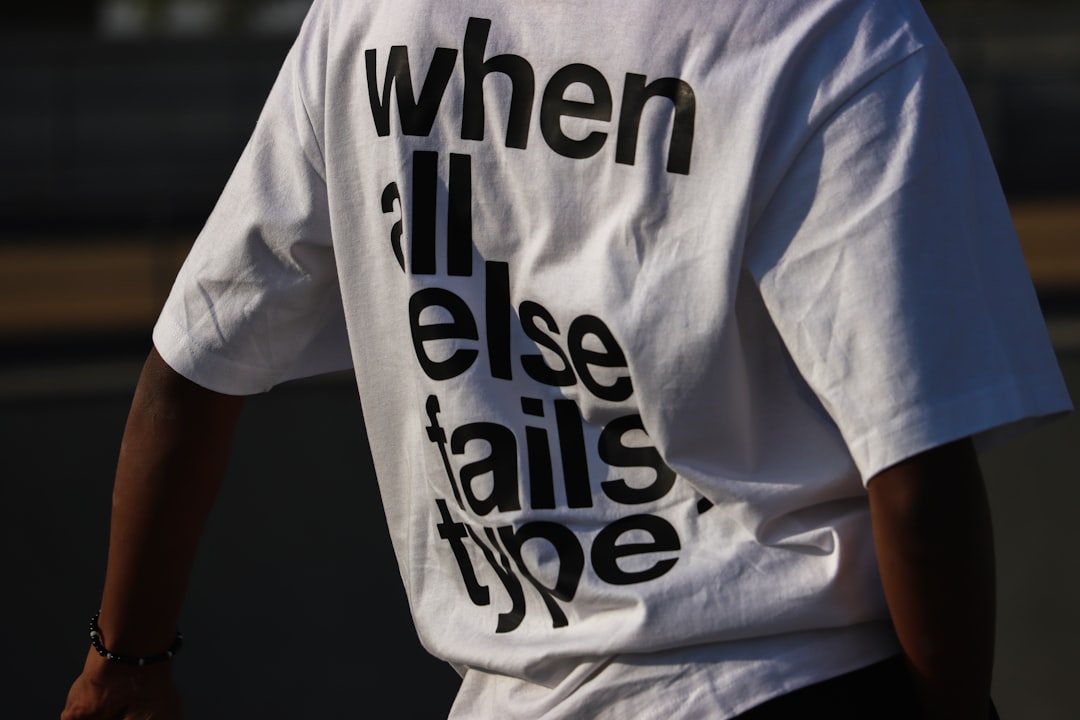
Choosing clothing and accessories that carry no visible branding or logo produces a result that reads as more expensive and quietly confident than branded equivalents regardless of actual price point. The absence of visible branding forces quality of fabric construction and fit to carry the visual weight of the outfit entirely which rewards investment in well-made basics over logo-heavy alternatives. This principle is central to old-money dressing aesthetics and is consistently reinforced across the most enduring schools of elegant personal style. Removing logos from your visible wardrobe also extends the wearable life of every piece since logo-driven fashion dates more quickly than clean unbranded design. The overall impression created by a logo-free wardrobe is one of self-sufficient confidence that does not require external validation from brand recognition.
Dark Sunglasses

Wearing dark-lensed sunglasses as part of a dressed outfit in appropriate daylight conditions adds a finishing authority to almost any look that no other single accessory replicates in the same way. The obscuring of eye contact shifts the visual focus entirely to the structure of the face and the outfit itself which creates a stronger and more composed overall impression. Classic frame shapes including round oval and modified rectangle in dark tortoise or solid black read as timeless rather than trend-dependent. Oversized frames add further graphic impact while maintaining the polished authority of the dark lens. The sunglasses must fit the face correctly and sit comfortably at the natural resting position on the nose since any slipping or adjustment immediately undermines the composed effect they are intended to create.
Tucked Knitwear
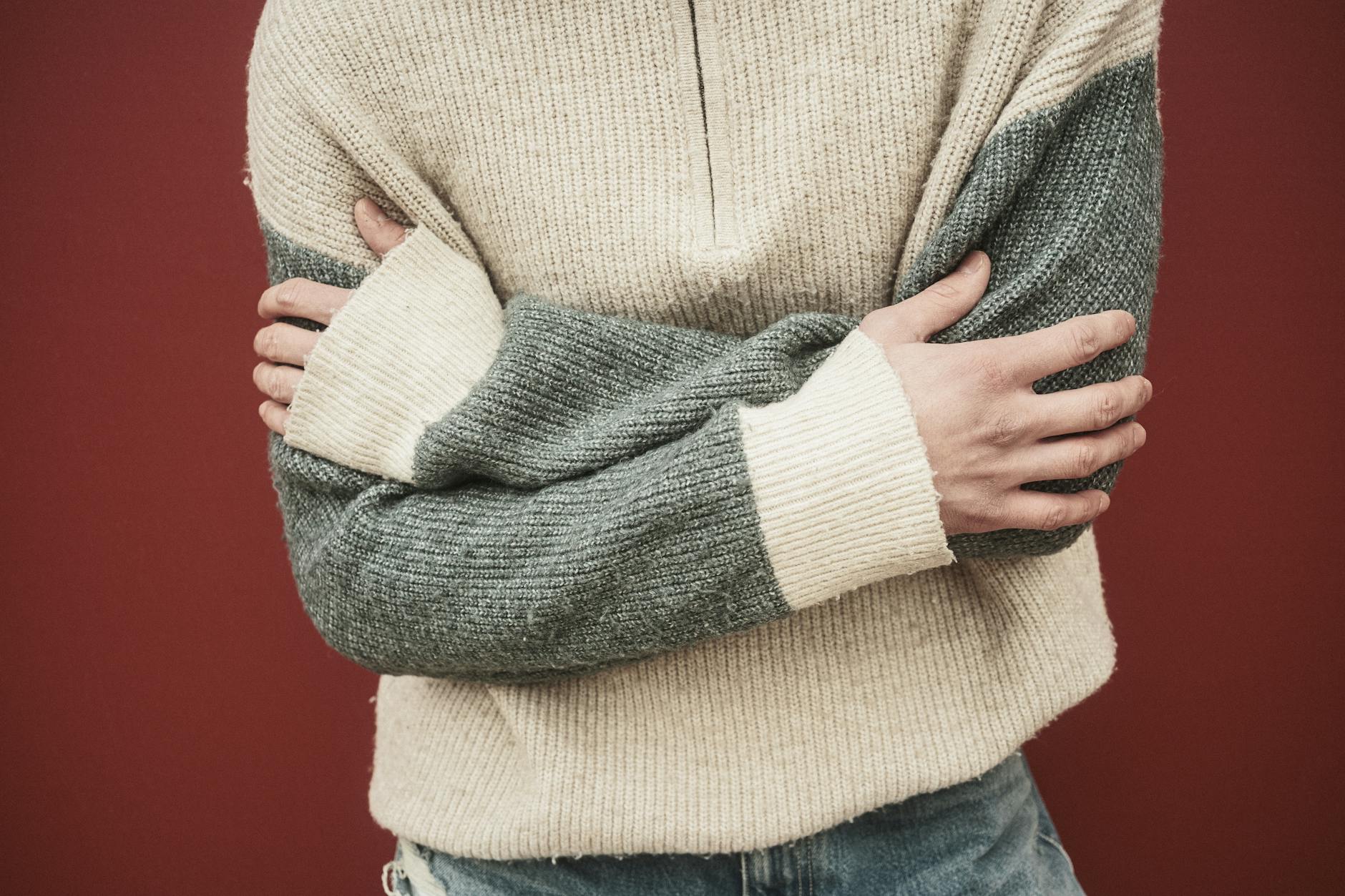
Tucking a fine knit sweater into high-waisted trousers or a skirt produces a defined waist and a cleaner lower silhouette than wearing the same sweater untucked over the same bottom garment. The tuck works best with lightweight knits in merino lambswool or fine cashmere since heavier gauges create too much bulk at the waistband. This styling approach transforms a casual knit into a polished component of a considered outfit without any additional garment required. It also allows the waistband of well-designed trousers or a skirt to function as a visible design element rather than being obscured under fabric. The slight blousing of fabric above the waistband that occurs with a loose knit adds intentional volume to the upper body which improves proportion across a range of body types.
Cap Toe Shoes
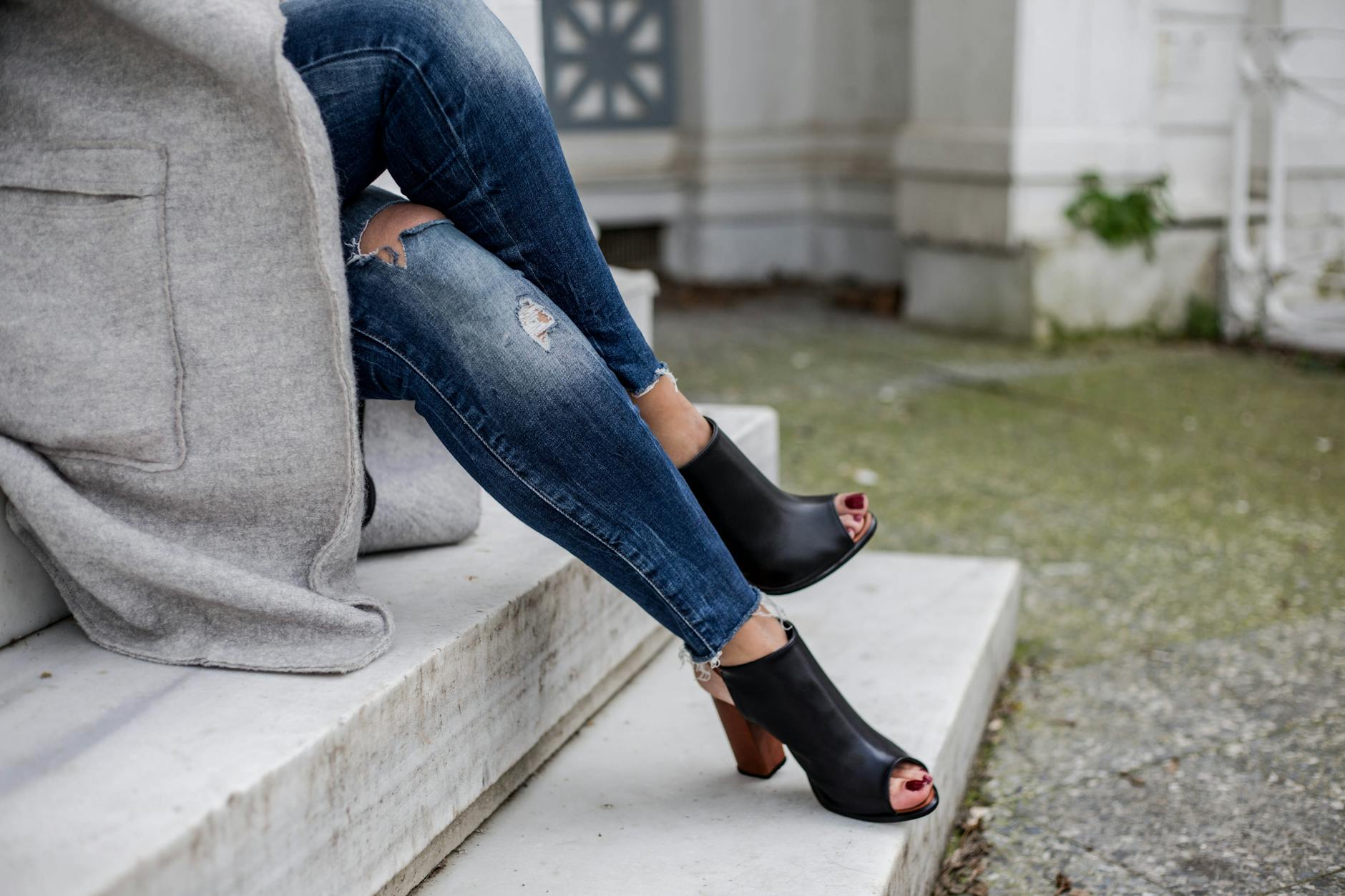
Choosing cap toe Oxford and Derby shoes over plain toe equivalents provides a subtle but consistent visual upgrade across both formal and smart-casual outfit contexts. The horizontal cap stitching at the toe adds a layer of construction detail that draws attention to the quality of the shoe without introducing the formality of a brogue or the complexity of a monk strap. Cap toe shoes occupy a precise middle position in the footwear hierarchy that makes them reliably appropriate across a wider range of situations than almost any other shoe style. Black and dark brown cap toes have been foundational items in the wardrobes of consistently well-dressed professionals across multiple generations and dress traditions. Keeping them well polished and appropriately heeled ensures the quality of the construction detail reads clearly against the rest of the outfit.
Oversized Coat
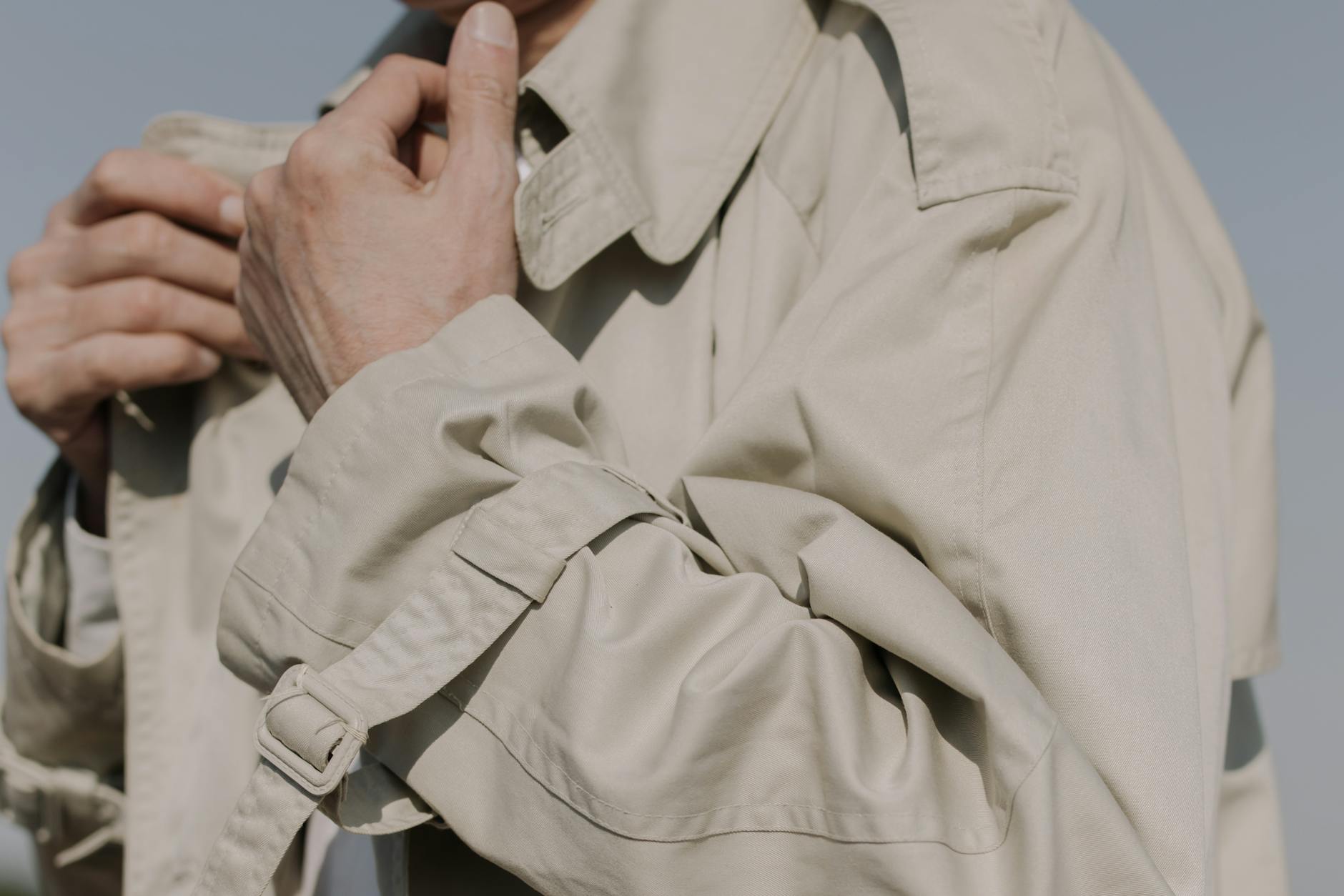
Choosing an outerwear coat in a significantly larger size than your standard fit creates a dramatic and enveloping silhouette that slim or fitted coats cannot produce and that reads as deliberately fashion-forward rather than accidentally too large. The oversized coat worn over slim or minimal layering underneath creates a contrast in volume that produces a visually compelling and polished result that has been consistent in elevated fashion for multiple seasons. Structured fabrics including wool bouclé heavy cashmere and technical outerwear materials retain the sculptural quality of the oversized shape throughout the day. The coat must be long enough to cover the majority of the outfit underneath since a short oversized coat loses the proportion logic that makes the silhouette work. Keeping colour clean and minimal in an oversized coat maximises its visual impact as the dominant and defining element of the entire look.
Share your most counterintuitive style discoveries and the wardrobe rules you have confidently broken in the comments.