
Big tech companies have quietly built some of the most detailed profiles of human behavior ever assembled, and most people have no idea just how deep that surveillance goes. Every tap, scroll, search, and pause feeds into systems designed to predict and influence what you do next. The data collection happens across devices, platforms, and even physical locations, weaving together a picture of your life that is startlingly complete. Understanding what these companies actually know is the first step toward making more informed choices about your digital footprint.
Location History
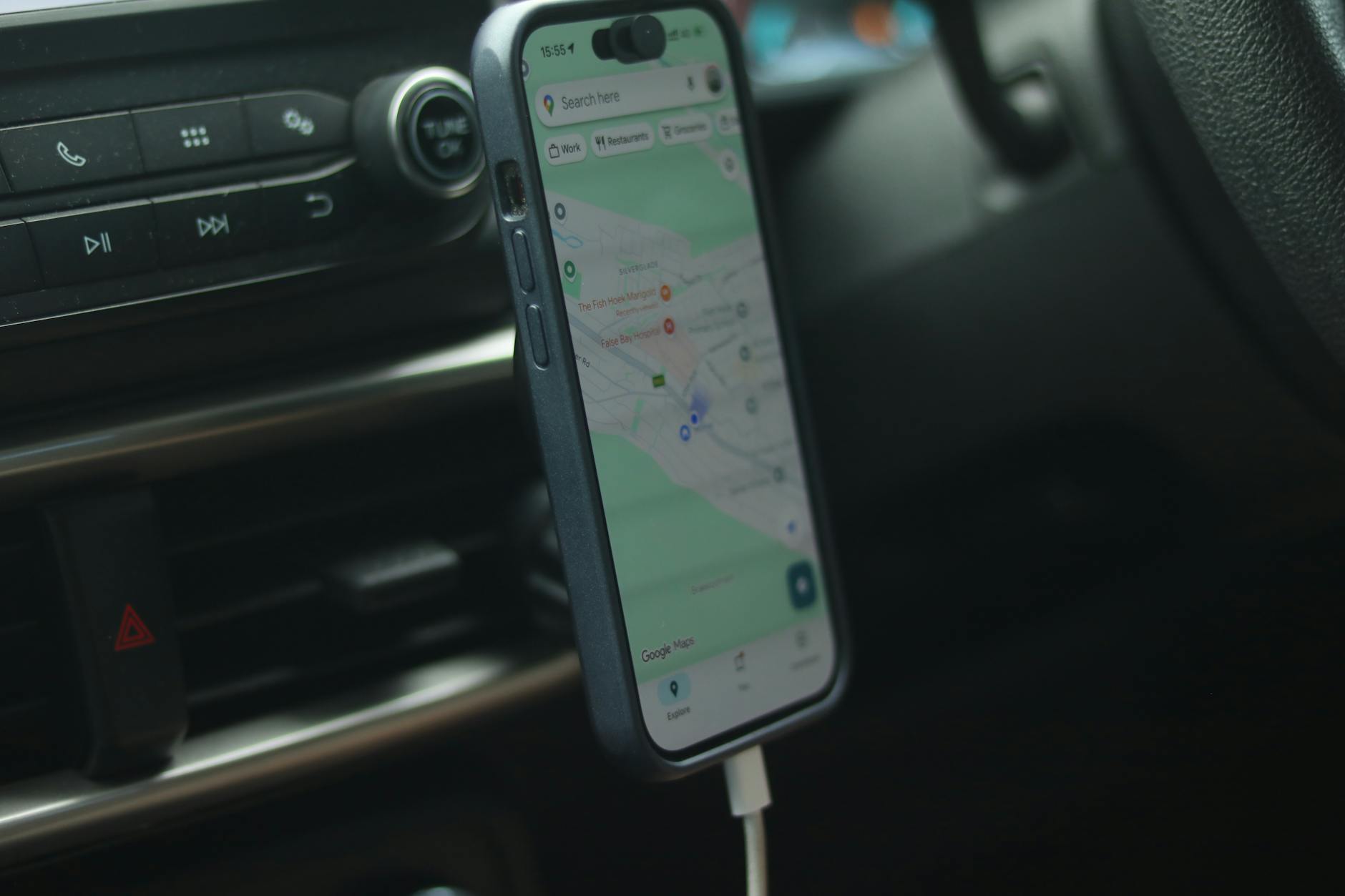
Your smartphone tracks your precise location around the clock, even when you think location services are turned off. Tech platforms use a combination of GPS data, Wi-Fi triangulation, and cell tower signals to pinpoint where you are at any given moment. This data reveals not just where you live and work but also which doctor you visit, which church you attend, and how often you frequent certain stores. Over time, location history builds a detailed map of your routines, relationships, and lifestyle patterns. Companies use this information to serve hyper-targeted advertising based on the physical places you choose to visit.
Sleep Patterns
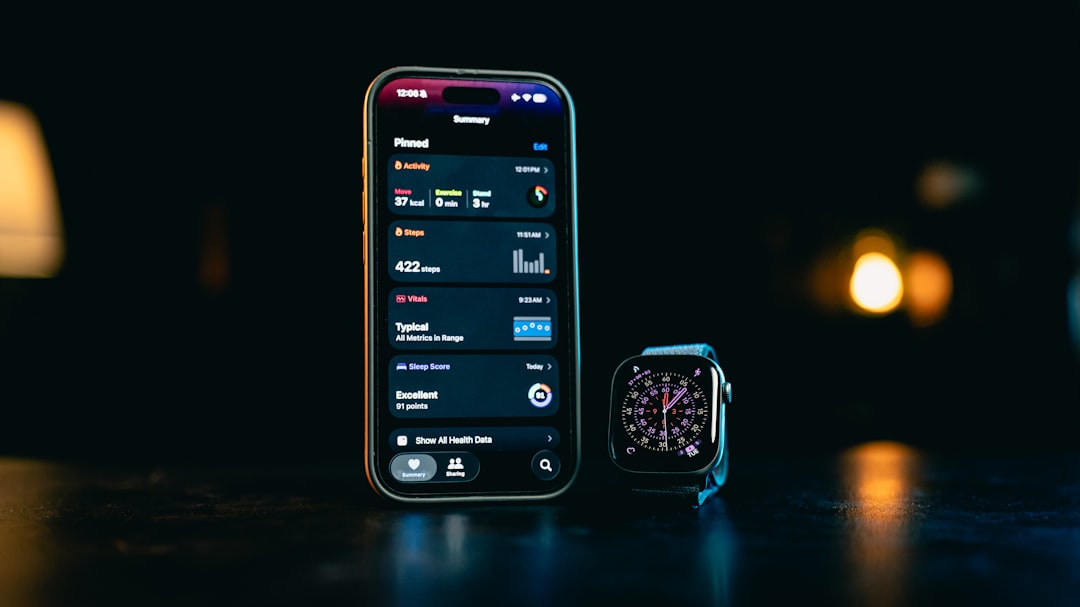
Wearable devices and smartphone usage data allow tech companies to infer remarkably accurate details about your sleep schedule. The time you stop using your phone at night and the moment you pick it up in the morning creates a measurable window that reflects your rest habits. Some platforms cross-reference this data with health app inputs to build a fuller picture of your physical wellbeing. Sleep patterns can reveal stress levels, shift work schedules, and even relationship dynamics within a household. This information is considered highly valuable for health-related advertising and insurance-adjacent industries.
Political Views

Your browsing history, the accounts you follow, the content you engage with, and the petitions you sign all feed into political profiling algorithms. Tech platforms have grown extraordinarily accurate at predicting not just general political leanings but specific policy positions and voting likelihood. This data has been used by political campaigns to micro-target messaging to individuals based on perceived vulnerabilities and motivations. Even users who never discuss politics online leave a detectable ideological footprint through the news sources they read and the social media pages they visit. The accuracy of these predictions has raised serious concerns among election integrity researchers worldwide.
Voice Data
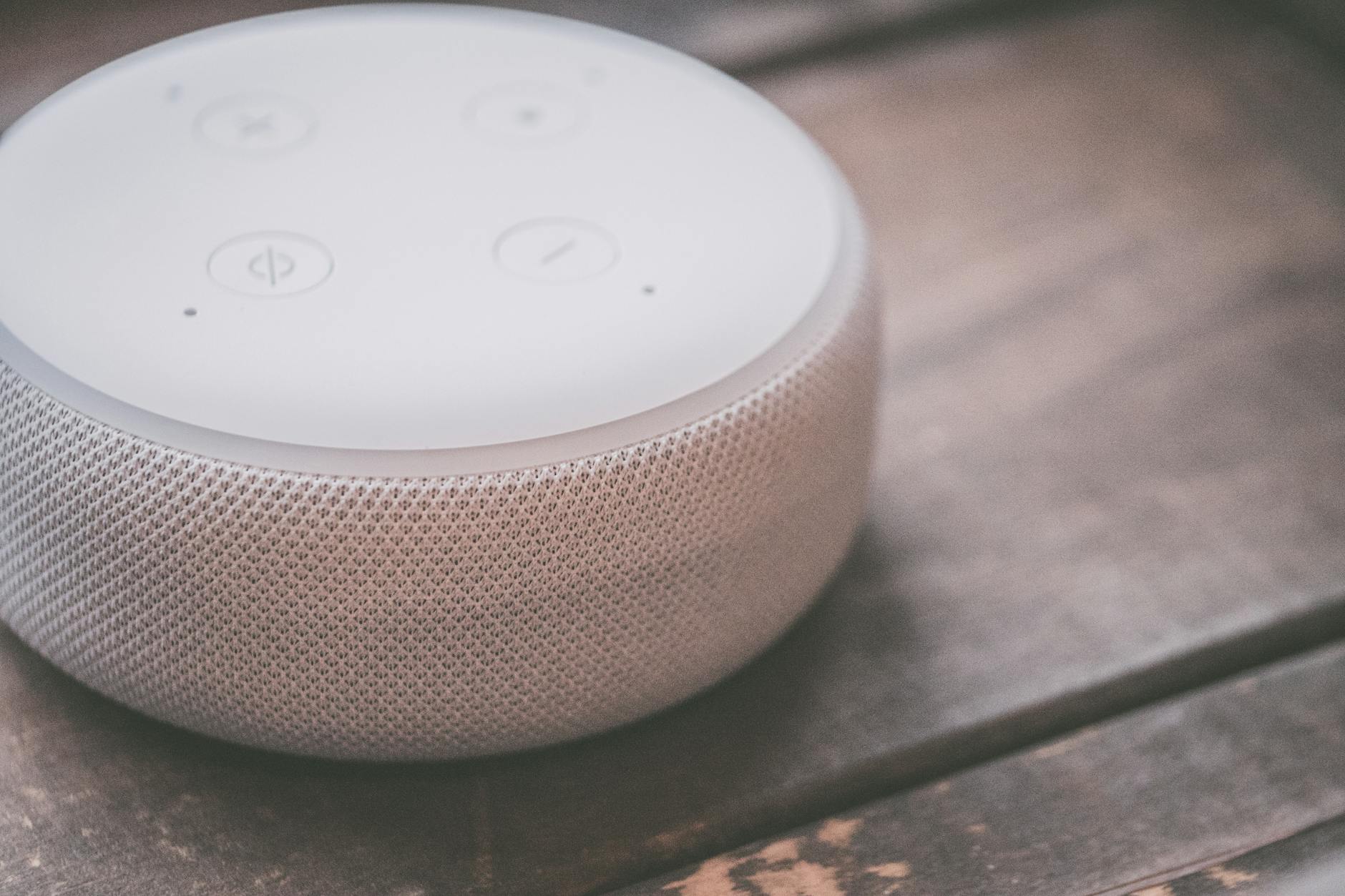
Smart speakers and voice-activated assistants record audio in your home and analyze it to improve speech recognition models. While companies claim these recordings are anonymized, researchers have demonstrated that voice data alone can reveal age, health conditions, emotional states, and even certain medical diagnoses. Recordings have been reviewed by human contractors in quality assurance processes, meaning real people have listened to snippets of private household conversations. The range of what is captured extends beyond intentional commands to include background conversations, arguments, and sensitive personal discussions. Voice data is stored on remote servers and retained for periods that vary widely depending on the platform and jurisdiction.
Financial Behavior

Through payment integrations, shopping apps, and financial tools, big tech companies accumulate detailed records of your spending habits and economic circumstances. They know which brands you favor, how much you typically spend on groceries, whether you tend to shop during sales, and what your approximate disposable income looks like. This financial profiling is used to determine which advertisements and product recommendations are most likely to convert you into a paying customer. Some platforms use spending data to infer life events such as pregnancy, job loss, divorce, or relocation before the individual has shared that information anywhere publicly. Financial behavior data is among the most commercially valuable categories of personal information held by these companies.
Relationship Network

Tech companies map your entire social and professional network based on contact lists, messaging patterns, shared locations, and mutual connections. They understand not just who you know but the nature and strength of each relationship, identifying your closest confidants, your romantic partner, your family members, and your professional allies. This relationship graph is used to spread content virally and to target advertising based on the purchasing behavior and interests of your social circle. Even people who have never created an account on a platform can be profiled as shadow users if enough of their contacts are active members. The relational data gathered by these companies is considered one of the most powerful and privacy-invasive data types in existence.
Health Conditions

Search queries, app downloads, purchase histories, and location data combine to reveal a surprisingly accurate picture of your physical and mental health. Someone who searches for medication side effects, purchases supplements, and visits specialist medical centers creates a health profile that can be inferred without a single piece of official medical documentation. Mental health conditions are particularly exposed through behavioral signals such as late-night browsing, changes in communication frequency, and consumption of specific content categories. This health data is not always subject to the same legal protections as official medical records, creating a significant regulatory gap. Advertisers in pharmaceutical, insurance, and wellness industries actively seek access to these inferred health profiles.
Religious Beliefs

Your religious identity can be inferred through location visits to places of worship, searches for religious texts, membership in faith-based online communities, and the seasonal patterns of your purchasing behavior. Tech companies do not need you to explicitly state your faith to build a confident religious profile with a high degree of accuracy. This information is used to target advertising for religious merchandise, faith-based travel, and lifestyle products aligned with specific belief systems. In certain countries, religiously profiled data has been sought by government agencies, raising serious concerns about civil liberties and the safety of religious minorities. The sensitivity of this category makes it one of the most contested areas in ongoing global data protection debates.
Emotional States

Sentiment analysis tools allow platforms to detect your emotional state based on the language you use in messages, the content you consume, and even micro-expressions captured through front-facing cameras in experimental settings. Research conducted by major tech companies has demonstrated that algorithmic feeds can be deliberately adjusted to influence a user’s mood, shifting emotional states toward engagement-maximizing responses. The time spent lingering on sad or distressing content, the speed at which you scroll past certain topics, and the emoji patterns in your messages all contribute to an emotional profile updated in near real time. Advertisers use emotional state data to time their campaigns for moments when users are most receptive to persuasion. This capability has attracted intense scrutiny from psychologists and mental health advocates concerned about deliberate emotional manipulation.
Daily Routine
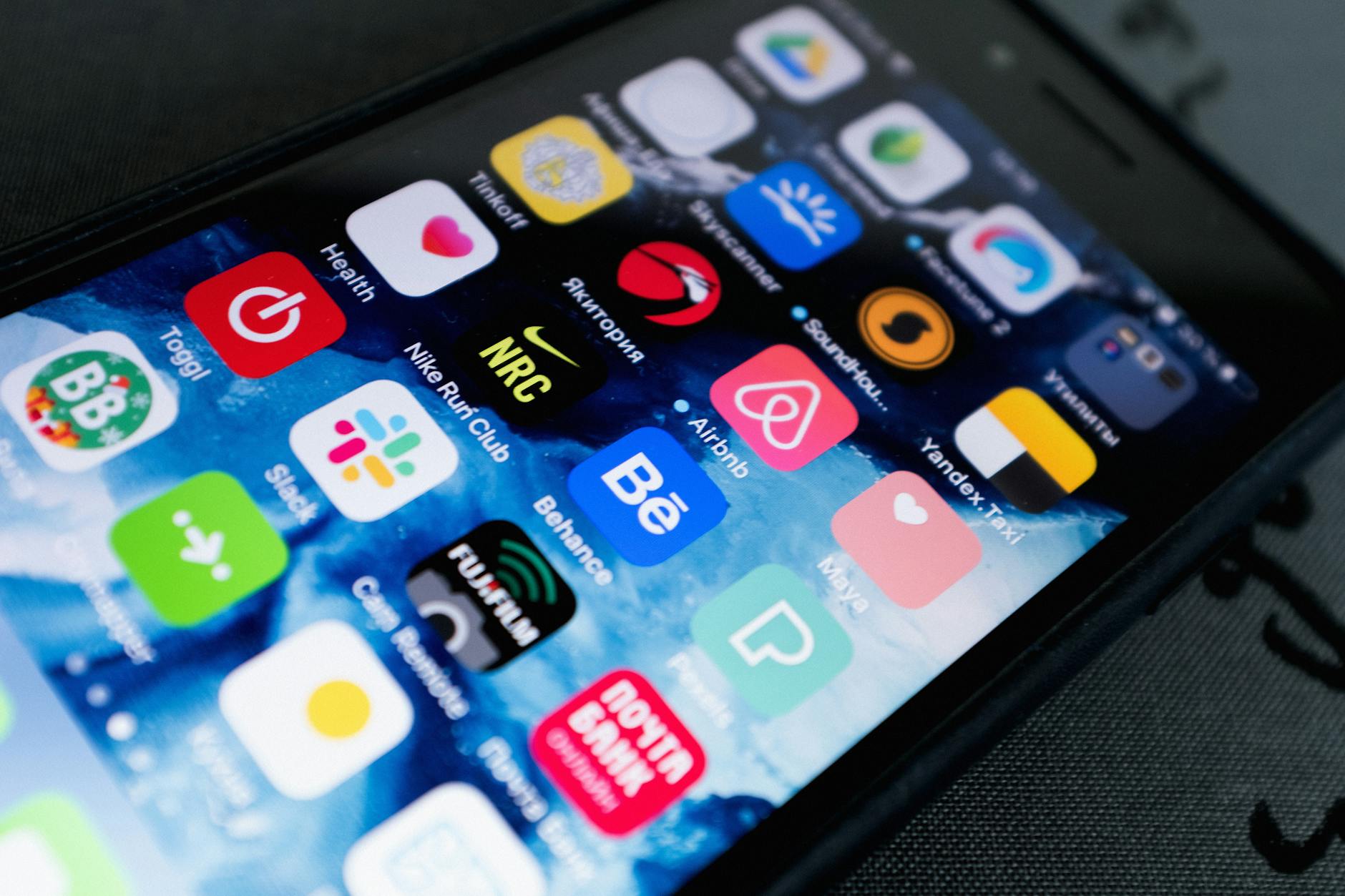
The aggregate of your digital activity creates an extremely precise picture of your daily schedule, including when you wake up, when you commute, when you eat, and when you wind down for the evening. Apps track how long you spend on each activity, which days your routine deviates from the norm, and how your behavior changes across different seasons and life events. This temporal data is valuable for predicting future behavior and for serving advertising at the precise moment in your day when you are most likely to act on it. Routine data also allows companies to detect anomalies that may indicate major life changes such as a new job, a new relationship, or a significant health event. The granularity of this behavioral timeline would be impossible to compile manually but is assembled automatically and continuously by modern data infrastructure.
Sexual Orientation
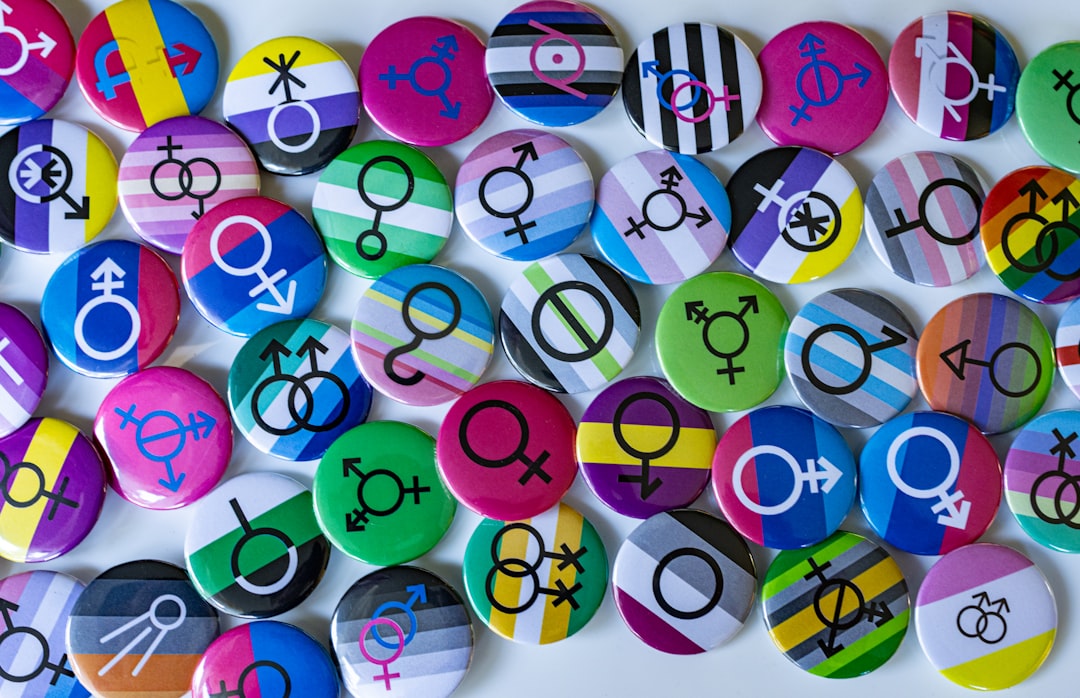
Browsing behavior, the accounts followed on social platforms, dating app usage, and shopping patterns collectively allow tech companies to infer sexual orientation and gender identity with significant statistical reliability. This is one of the most sensitive categories of personal data because exposure can carry serious personal, professional, and safety consequences in many parts of the world. Legal protections around this category vary dramatically across jurisdictions, leaving many users with little recourse if this inferred data is misused. Advertisers in fashion, travel, entertainment, and lifestyle sectors actively seek to target LGBTQ audiences using this profiled data. Critics argue that the commercial use of inferred sexual orientation data represents a fundamental violation of the right to privacy and self-disclosure.
Children’s Behavior

Tech companies collect behavioral data on minors through children’s apps, gaming platforms, and connected devices, building profiles that persist and grow as users age. This includes screen time patterns, game preferences, emotional responses to content, and interaction habits that reveal developmental stages and personality traits. Regulatory frameworks like the Children’s Online Privacy Protection Act exist in some countries but are widely considered insufficient given the sophistication of modern data collection. The long-term commercial use of childhood behavioral data raises profound questions about consent, identity, and the influence of profiling on adolescent development. Children who grow up under continuous algorithmic observation may have their preferences and behaviors shaped in ways that serve corporate interests rather than individual flourishing.
Search History

Every query typed into a search engine is stored, analyzed, and connected to a persistent user profile that spans years or even decades of recorded curiosity. Search history reveals private anxieties, medical concerns, romantic interests, financial struggles, and personal secrets that users would never voluntarily disclose. Unlike casual conversation, search queries are typed with a degree of honesty that reflects genuine thoughts and concerns, making them uniquely revealing personal documents. Tech companies use this longitudinal record to build predictive models of future intent and to serve advertising that anticipates needs before they are consciously acknowledged. The sheer depth of a complete search history archive makes it one of the most intimate portraits of a human mind ever compiled by a non-human system.
Home Environment
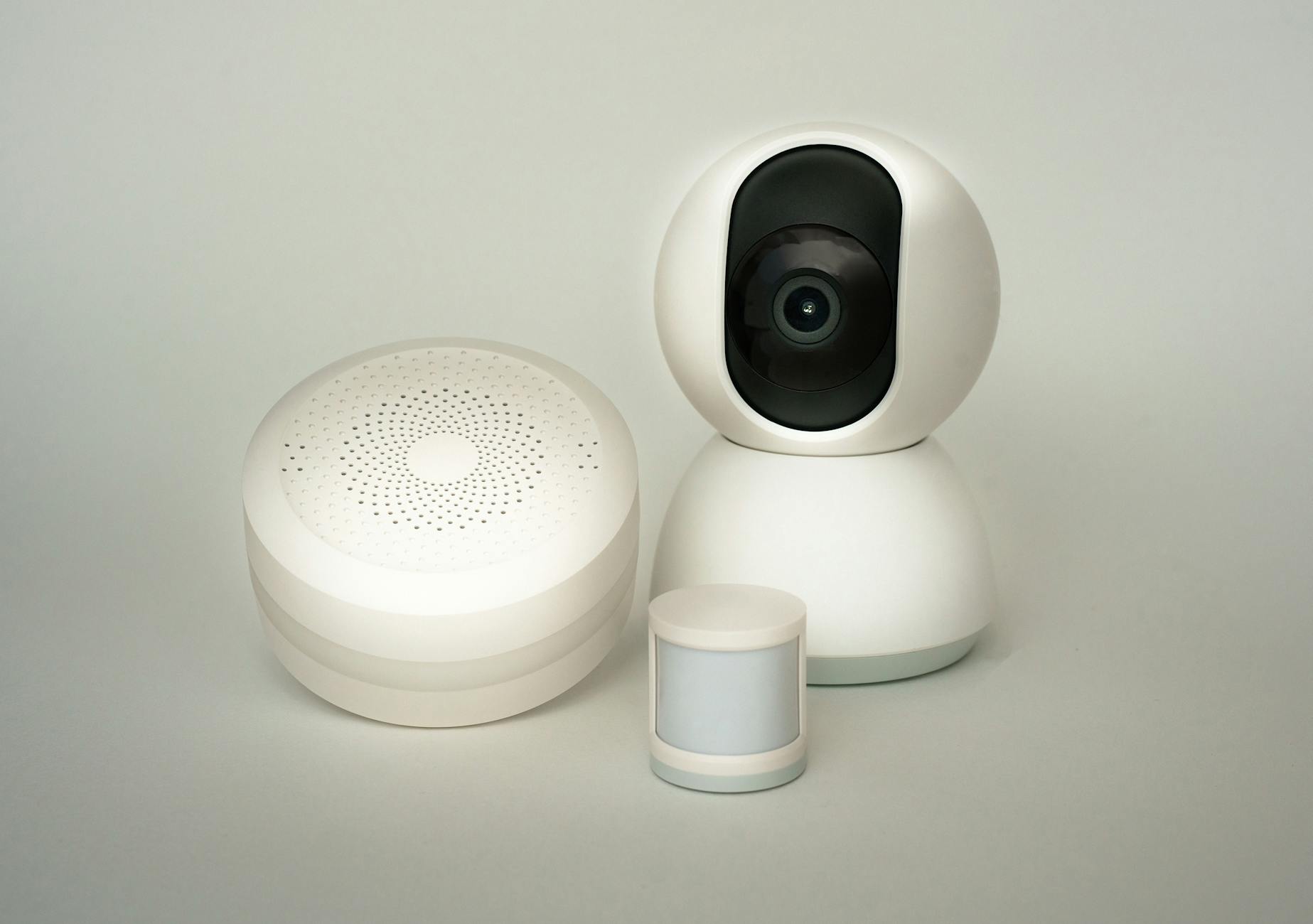
Smart home devices including thermostats, security cameras, connected appliances, and voice assistants collect continuous streams of environmental data from inside your private residence. These devices track how many people are in your home, what temperature you prefer at different times of day, how often you cook, and which rooms are occupied at which hours. Cross-referencing home environment data with other datasets allows platforms to make inferences about household composition, lifestyle choices, and consumption patterns with remarkable accuracy. Security footage from home cameras processed through facial recognition technology can identify regular visitors and build a social network map without any active participation from the homeowner. The integration of smart home data with broader tech ecosystems represents one of the most significant expansions of surveillance into previously private physical space.
Travel Plans

Flight searches, hotel bookings, map queries, and passport photo uploads create a detailed and forward-looking profile of your travel intentions and international movements. Tech companies know not just where you have been but where you are planning to go, often weeks or months before the trip takes place. This predictive travel data is commercially valuable for airlines, hotels, insurance companies, and tourism advertisers seeking to reach consumers at the earliest point in their travel planning journey. In some cases, travel pattern data has been shared with or accessed by government agencies for immigration enforcement and national security purposes. The combination of historical travel records and predictive future itineraries creates a comprehensive mobility profile that extends far beyond what any single service provider would seem to possess.
Share your thoughts on big tech data collection in the comments.