Smart home technology has quietly transformed ordinary households into environments where nearly every action leaves a digital trace. Microphones cameras motion sensors and connected appliances are generating data around the clock in ways that most homeowners never fully considered when setting up their devices. Privacy researchers and cybersecurity experts have documented a growing body of evidence showing just how much these systems observe record and in some cases transmit without any clear notification to the user. The gap between what consumers believe their devices are doing and what those devices are actually capable of is wider than most people realize. The following 25 entries reveal some of the most surprising and unsettling things smart home technology has been quietly catching people doing behind closed doors.
Smart Speakers
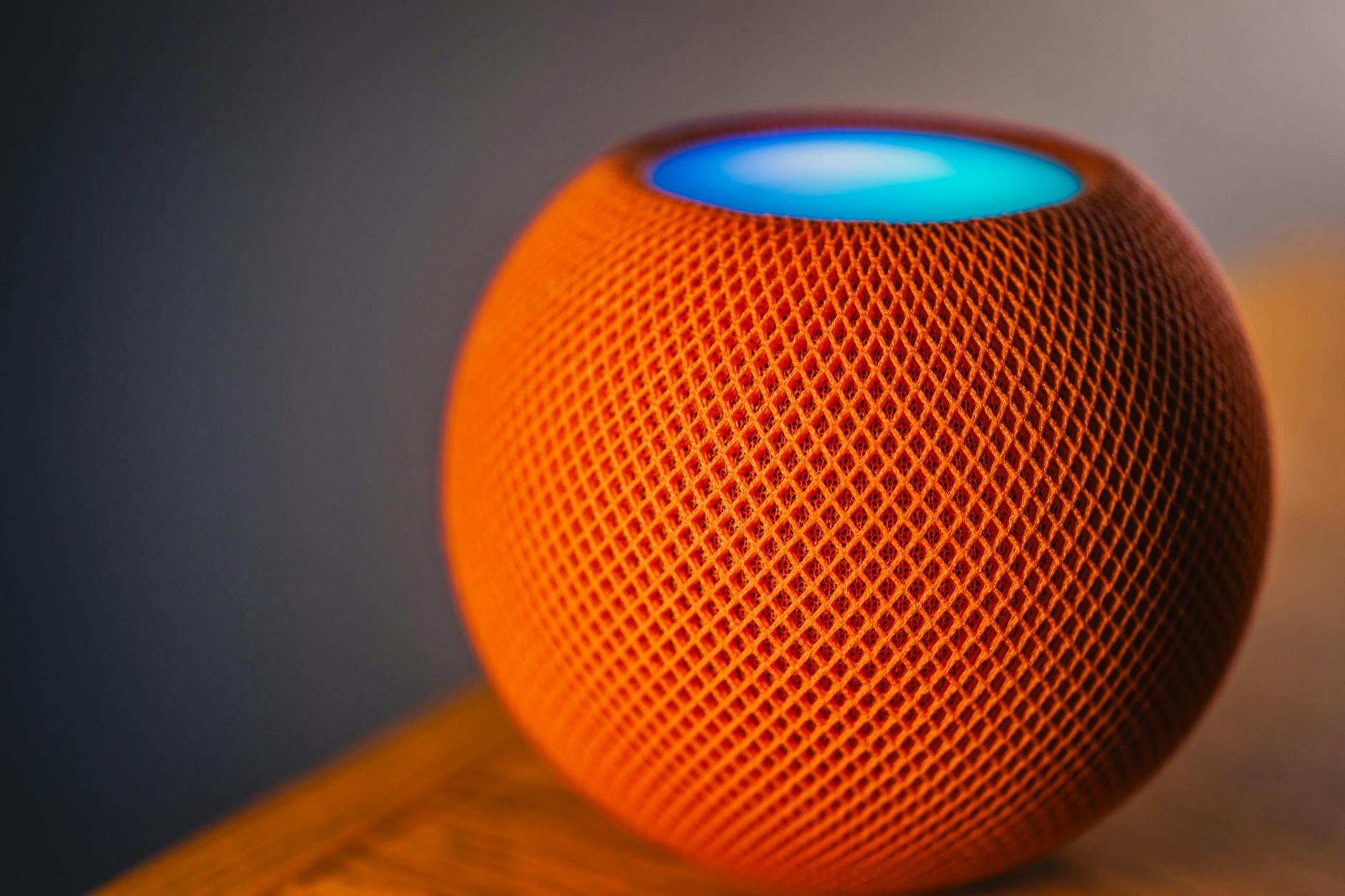
Smart speakers have been documented activating and recording household conversations during moments when no wake word was intentionally spoken by anyone in the room. Internal research from multiple major technology companies has confirmed that false activations occur regularly due to words and sounds that closely resemble the device’s trigger phrase. Audio clips captured during these accidental activations have in documented cases been reviewed by human contractors employed to improve voice recognition accuracy. Homeowners are rarely aware that human ears may be listening to recordings made inside their private residences.
Robot Vacuums
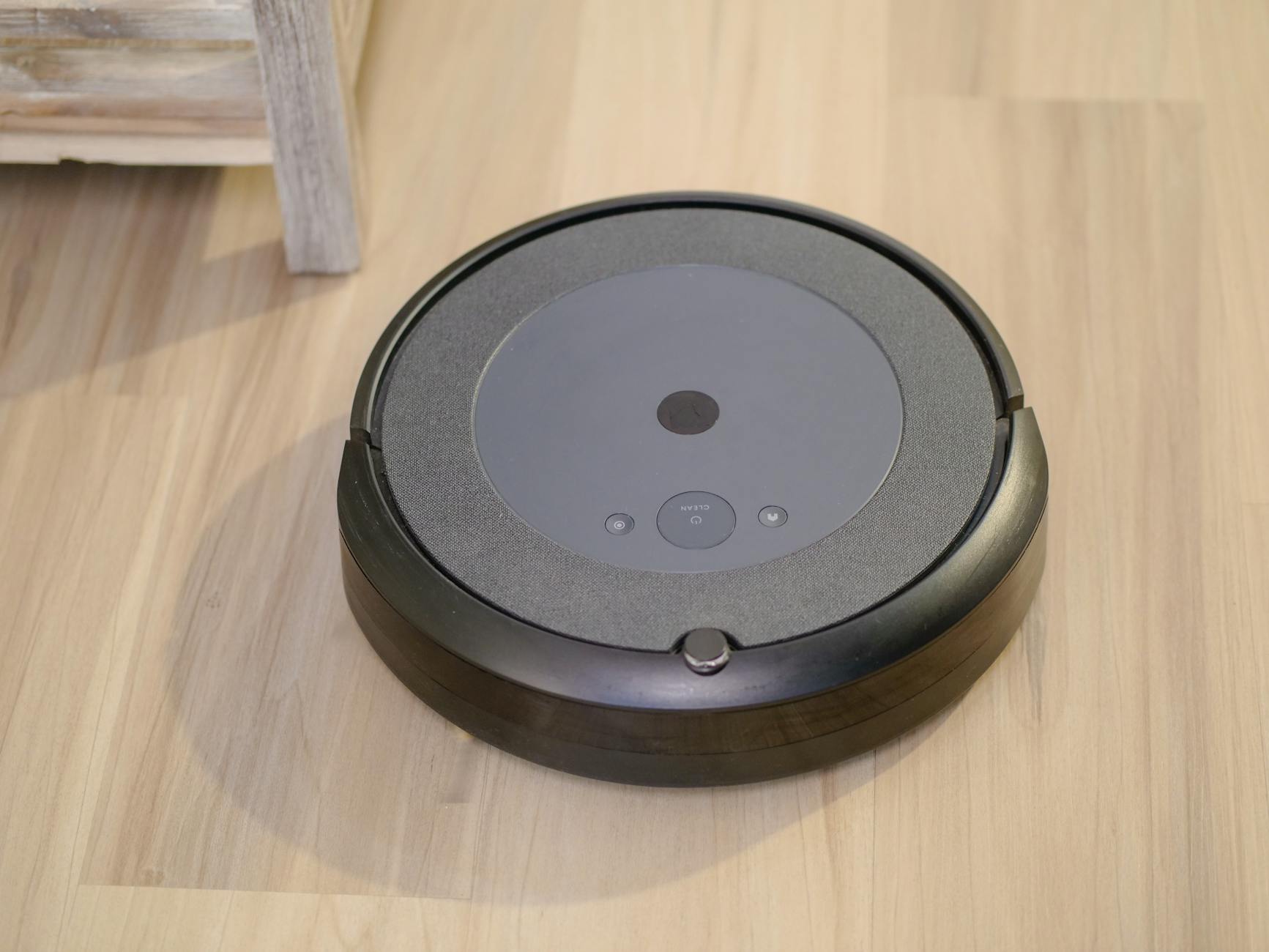
Modern robot vacuums equipped with cameras and mapping technology generate detailed spatial records of a home’s interior layout including the contents and arrangement of every room they access. Researchers at major universities have demonstrated that these floor maps can reveal sensitive information about the occupants including religious objects medical equipment and personal belongings. Some manufacturers have reserved the right in their terms of service to share or commercially use the mapping data collected inside customer homes. The images captured by camera-equipped models have in some cases included photographs of occupants in states of undress during routine cleaning cycles.
Smart Doorbells
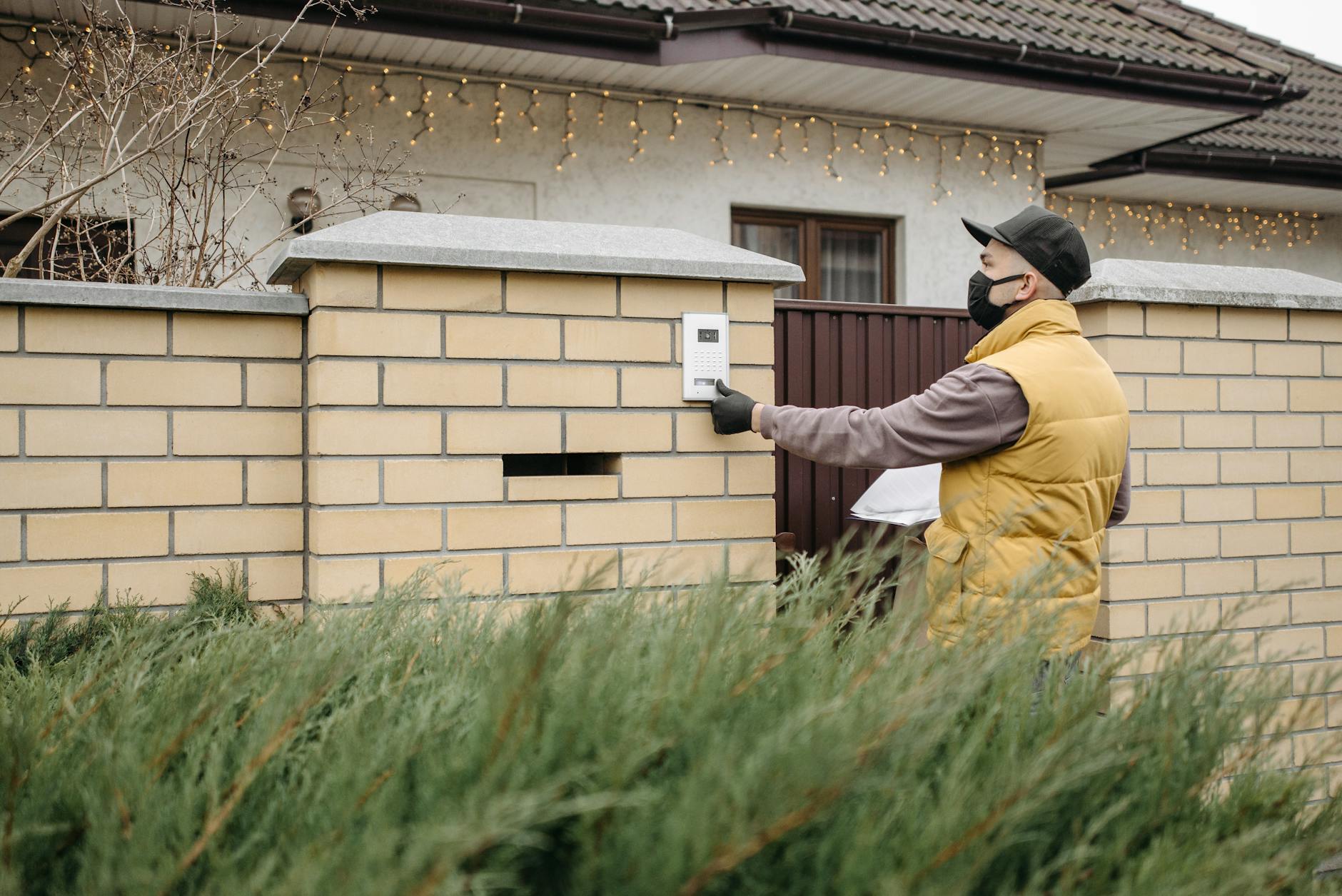
Video doorbell systems record far more than visitors at the front entrance and many models capture continuous or motion-triggered footage of public sidewalks neighboring properties and adjacent homes without those individuals ever consenting to being filmed. Law enforcement agencies in multiple countries have formally partnered with doorbell camera manufacturers to access residential footage as part of investigations with varying levels of required legal process depending on jurisdiction. Homeowners using these devices frequently do not realize they are creating a surveillance record of their neighbors mail carriers and passersby that is stored on external servers they do not control. Audio captured alongside video has included private conversations taking place on sidewalks and neighboring porches.
Smart TVs
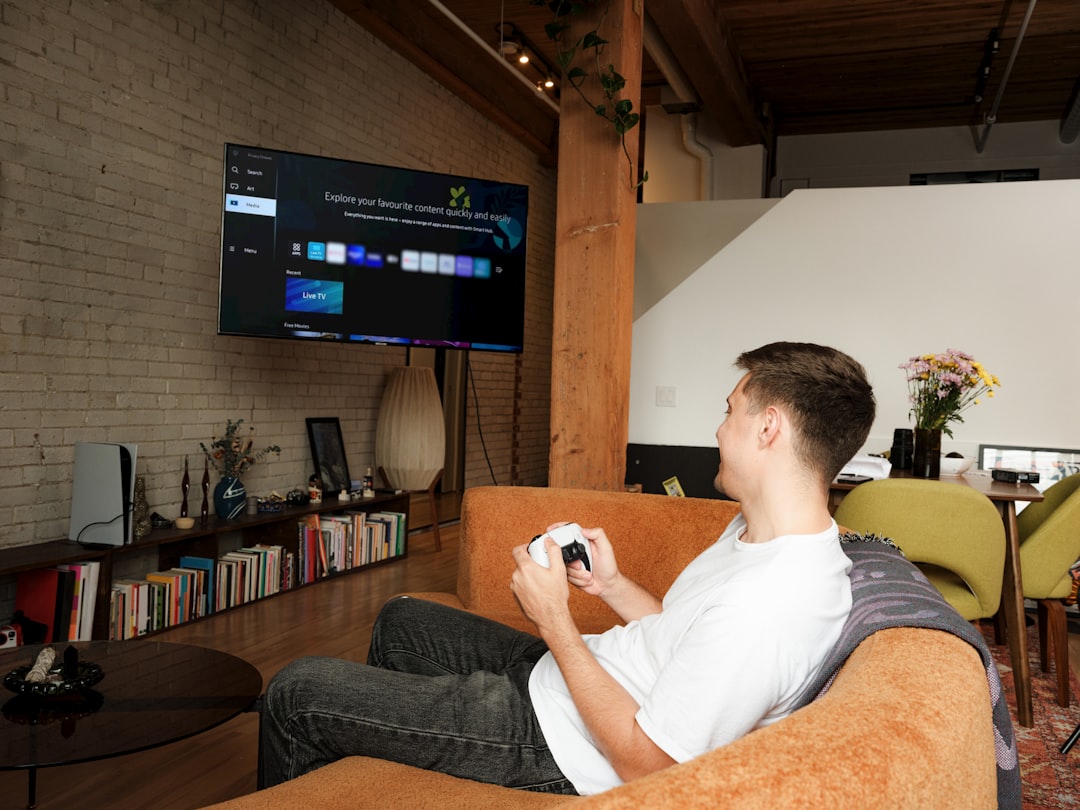
Smart televisions use a technology called automatic content recognition to monitor what is displayed on screen in real time including content from external devices connected through HDMI regardless of whether the content came through the television’s own streaming services. This viewing data is transmitted to manufacturers and third party advertising partners and has been used to build detailed profiles of household viewing behavior extending to the time of day duration and emotional category of content consumed. Cameras built into some smart television models have been demonstrated by security researchers to be accessible through network vulnerabilities without triggering any visible indicator light. Intimate moments between household members have been captured through compromised smart television cameras in documented breach cases.
Smart Locks
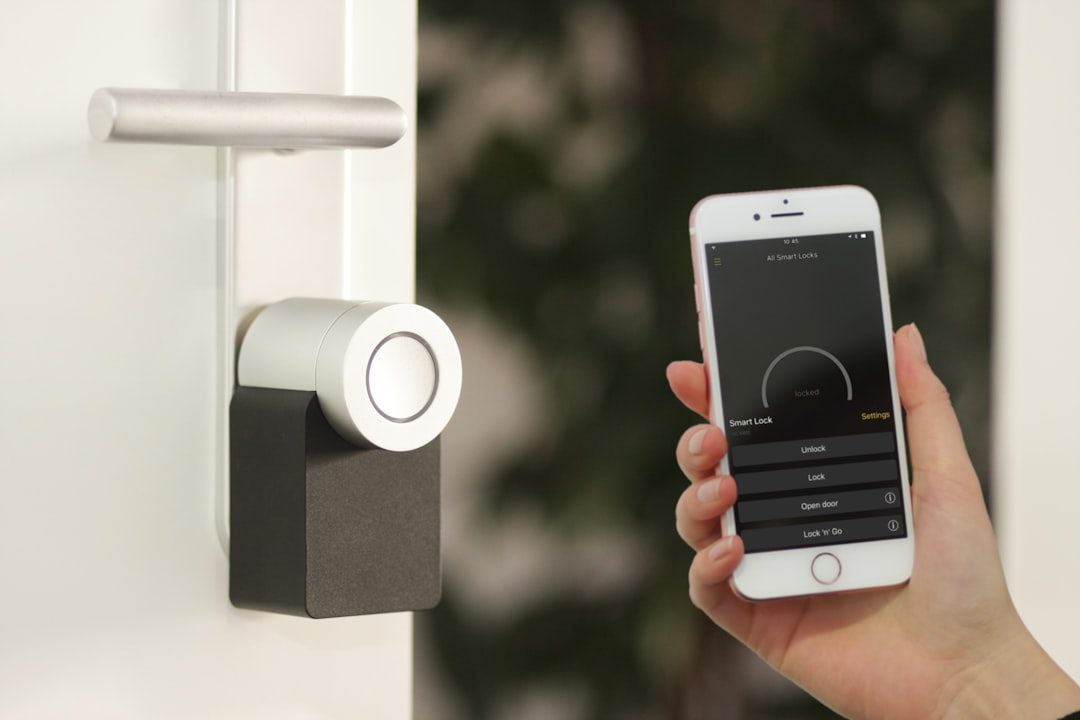
Smart lock systems log a precise timestamped record of every entry and exit event at a home’s doors including the specific credential used to unlock the door and in some cases the identity of the person associated with that credential. This data is stored in manufacturer cloud systems and has been accessed by third parties including in the context of legal disputes and domestic situations. Patterns derived from entry and exit logs have been used in court proceedings to reconstruct an individual’s movements with a level of detail that would previously have required physical surveillance. Homeowners sharing lock access with family members or household staff may be creating behavioral records about those individuals without their awareness.
Baby Monitors
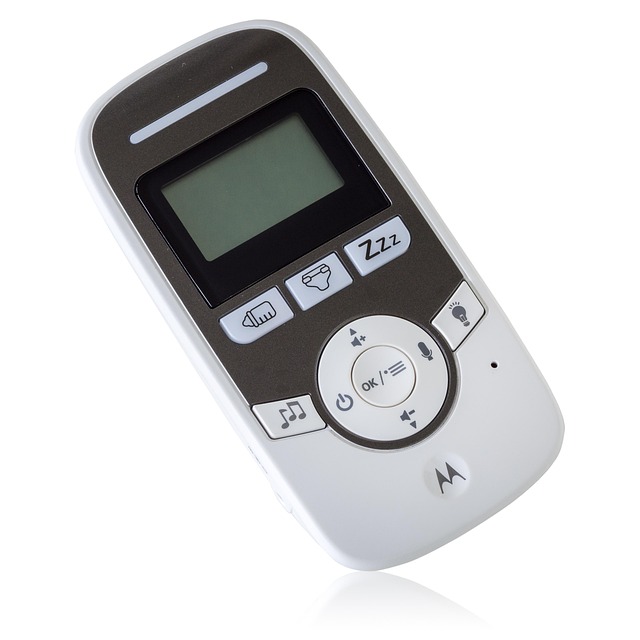
Internet-connected baby monitors have been among the most frequently compromised smart home devices with documented cases of unauthorized individuals gaining remote access to both the audio and video feeds being transmitted from children’s rooms. Security researchers have identified numerous monitor models with default credentials that were never changed by the purchasing family making remote access trivially simple for anyone who located the device’s network address. Conversations between parents occurring within range of a baby monitor’s microphone have been captured and in breach cases transmitted beyond the household. Manufacturers have been slow to implement automatic security updates on many of these devices leaving known vulnerabilities unpatched for extended periods.
Smart Refrigerators
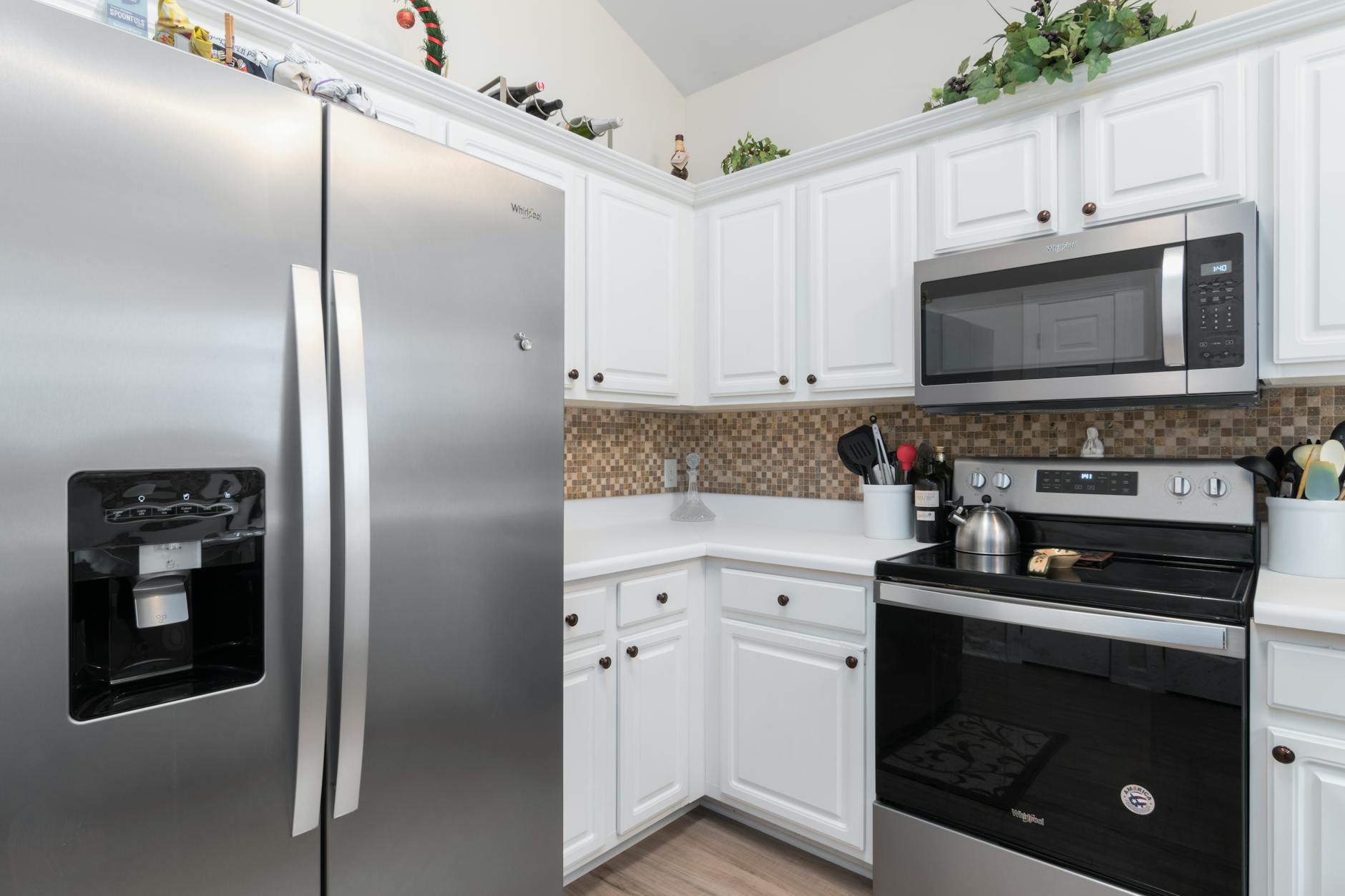
Connected refrigerators equipped with interior cameras designed to help owners check grocery inventory remotely have generated images that extend well beyond food items to capture whoever opens the appliance and whatever else is visible in the surrounding kitchen environment at that moment. These images are transmitted to and stored on manufacturer servers as part of the device’s core functionality and the retention policies governing that image data vary significantly between brands. Behavioral patterns derived from refrigerator access logs including the time frequency and duration of interactions with the appliance have been used by researchers to infer information about occupants’ sleep schedules dietary habits and daily routines. The data generated by a connected refrigerator over the course of a year constitutes a surprisingly detailed behavioral record of household life.
Smart Thermostats
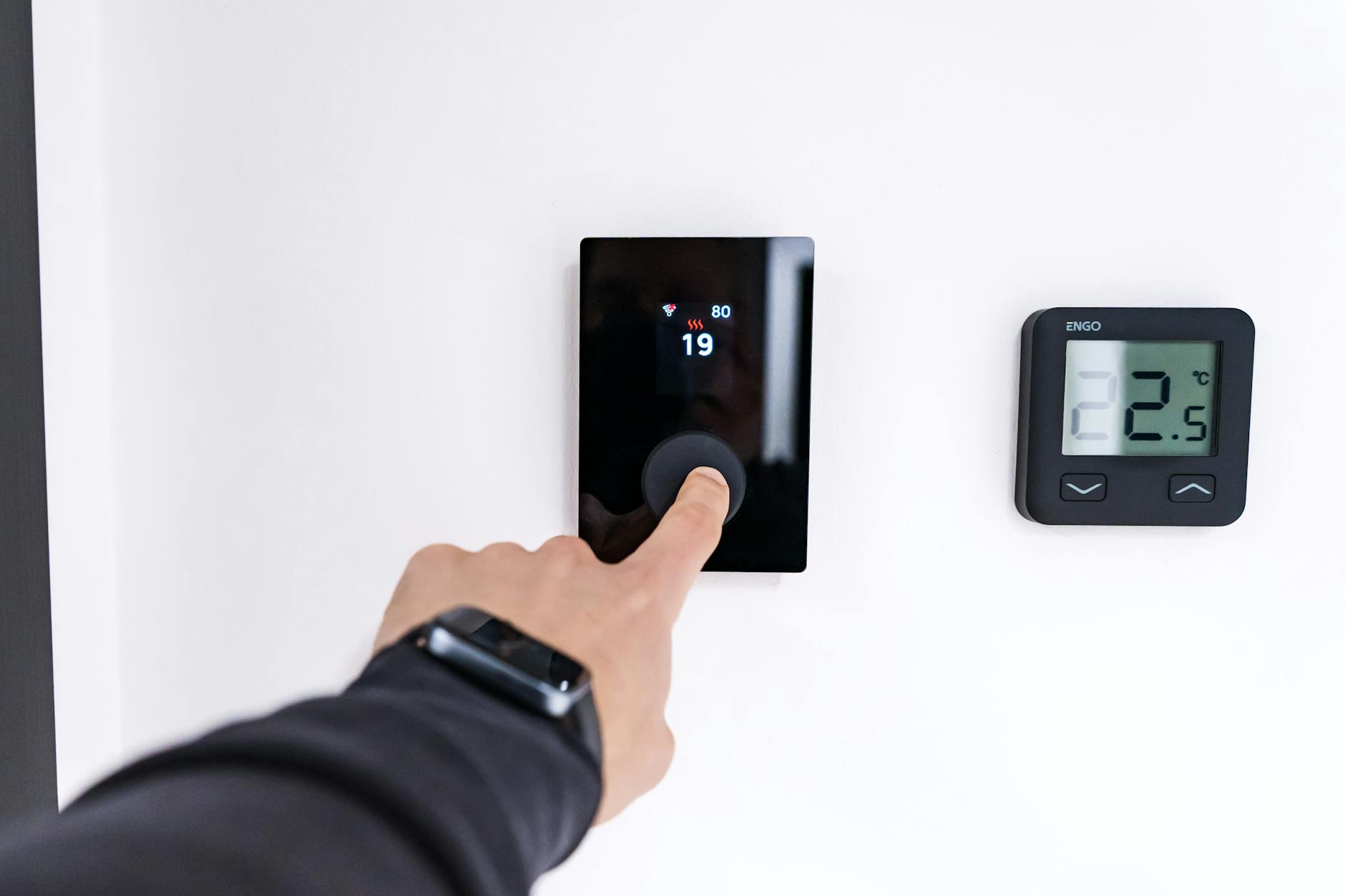
Thermostat systems that learn occupancy patterns to optimize heating and cooling generate continuous records of when a home is occupied which rooms are in use at which times and how the household’s daily schedule varies across days and seasons. This occupancy data has commercial value to energy companies insurance providers and real estate platforms and the terms governing its potential sale or sharing are contained within lengthy agreements most users never read. Security researchers have demonstrated that smart thermostat data can be used to determine with reasonable accuracy whether a home is currently empty making it potentially useful to individuals planning unauthorized entry. The precision of modern occupancy detection means that even brief presences in a home are logged with timestamped accuracy.
Smart Plugs
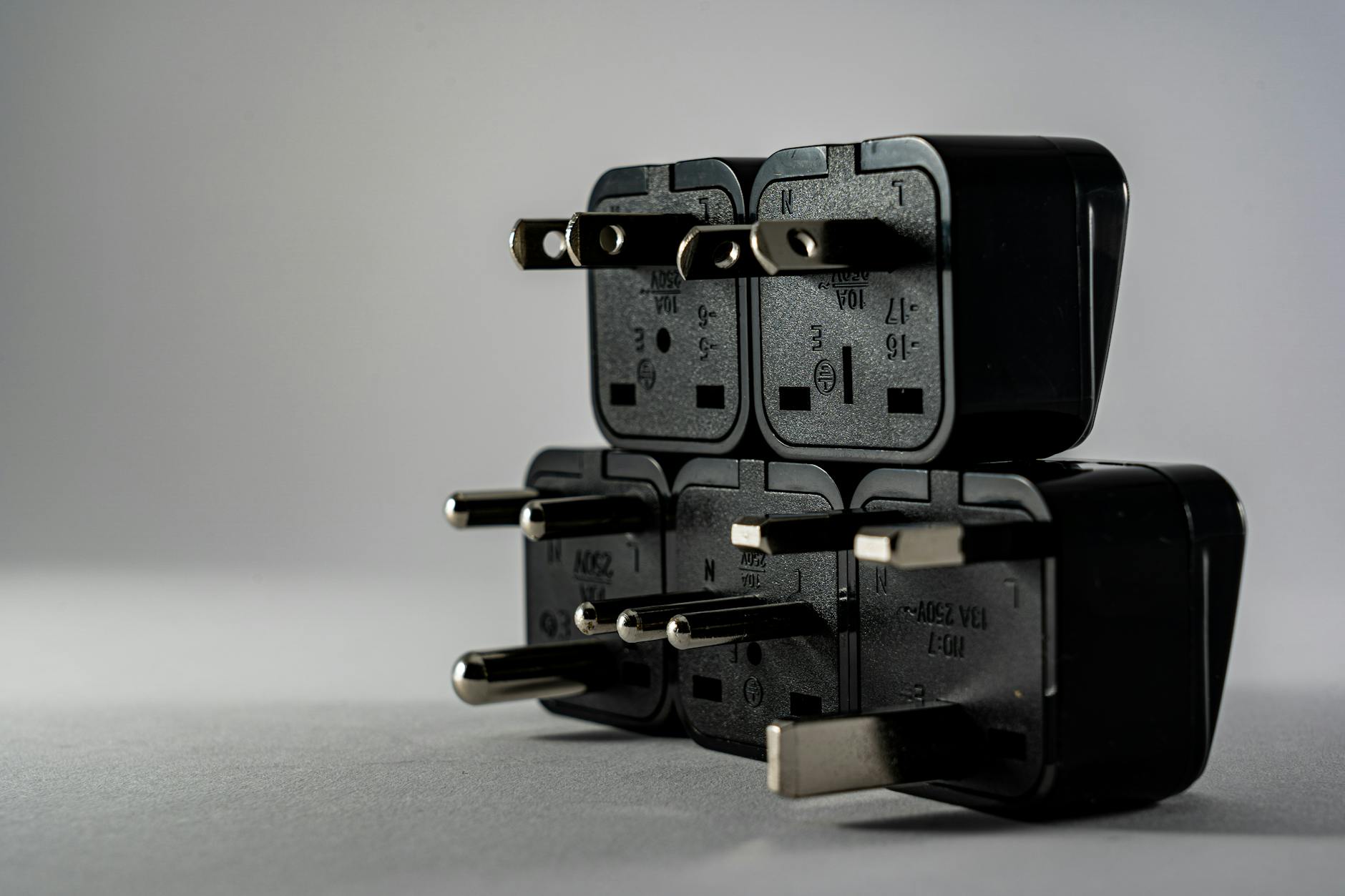
Connected smart plugs measure the energy consumption of whatever appliance is attached and the fluctuation patterns of that consumption can be analyzed to identify the specific device in use and infer what activity the household occupant is engaged in at a given time. Researchers have demonstrated that the power signature of a television can reveal what content is being watched and that the consumption pattern of kitchen appliances can reveal meal preparation habits with surprising specificity. This form of analysis known as non-intrusive load monitoring requires no camera or microphone and operates entirely through electrical consumption data. The inference layer sitting beneath what appears to be simple energy monitoring constitutes a detailed behavioral record of daily domestic life.
Smart Washing Machines
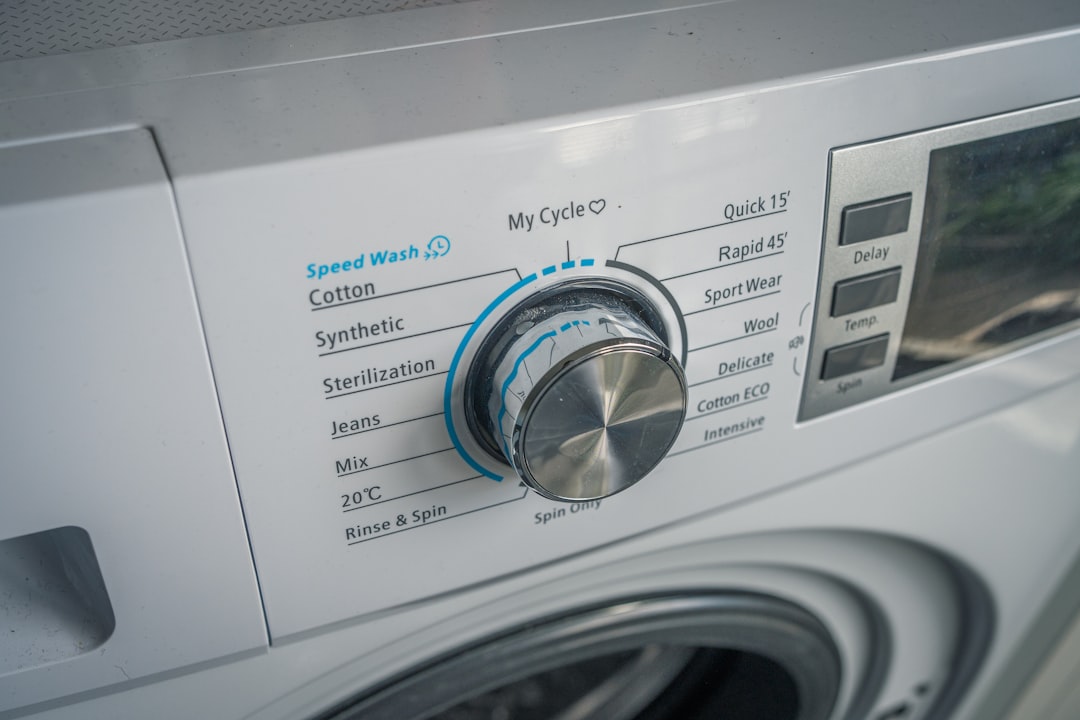
Connected washing machines transmit operational data to manufacturer servers including cycle selection water temperature load frequency and timing patterns that collectively reveal detailed information about household habits and occupancy schedules. Garment care labels scanned by some advanced models to suggest cycle settings have generated item-level records of the clothing present in a home. Usage patterns have been cross-referenced by researchers with other smart home data streams to build comprehensive behavioral profiles showing when occupants are home how many people live in the household and the general rhythms of daily domestic life. Appliance manufacturers’ data sharing practices with third party commercial partners are governed by terms that most purchasers review only superficially at the time of product setup.
Smart Beds
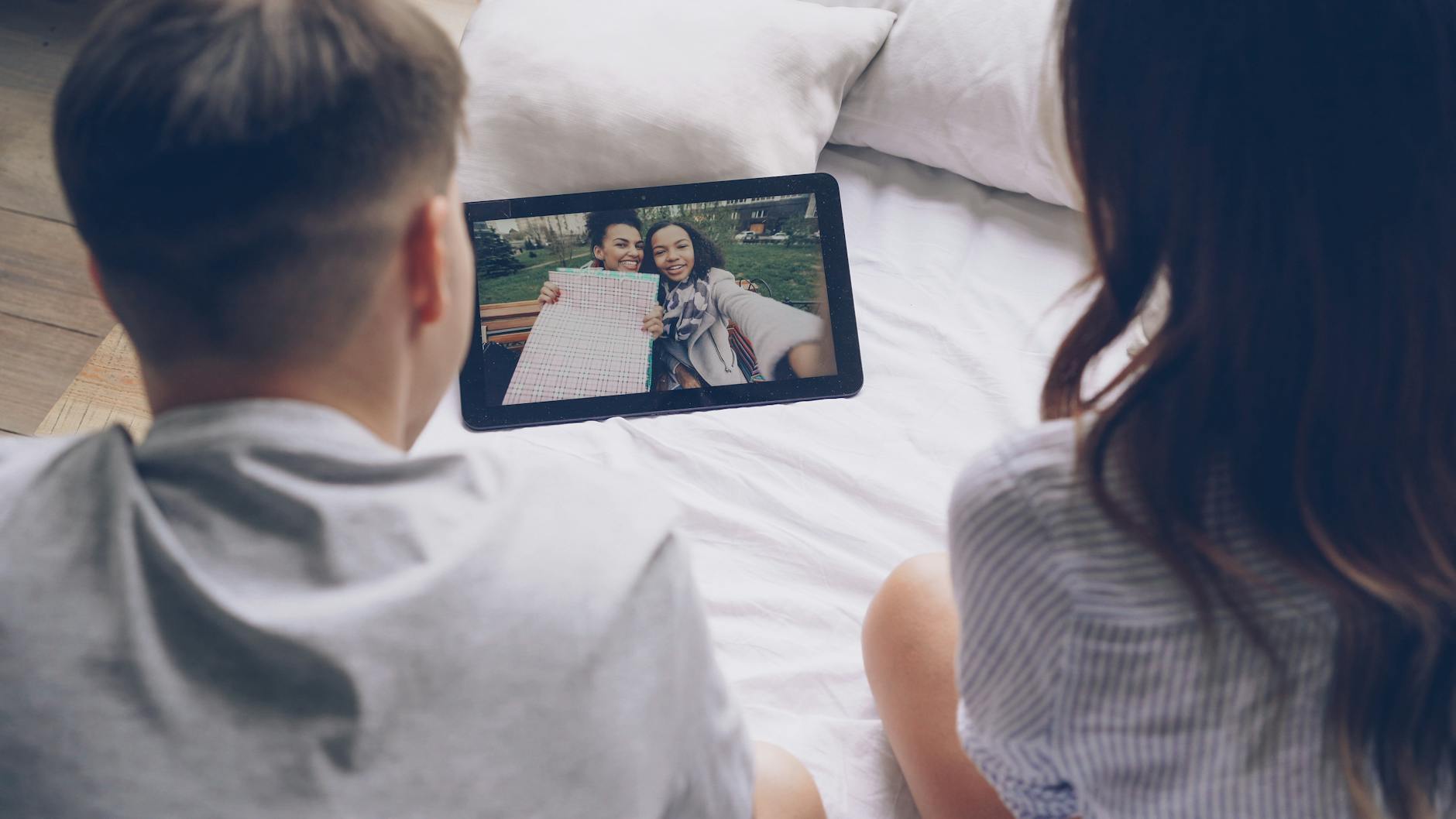
Sleep tracking beds equipped with biometric sensors record breathing rate heart rate movement patterns body temperature and time spent in each stage of the sleep cycle for every person sleeping on the mattress surface. This physiological data is transmitted nightly to manufacturer servers and in some cases shared with health platform partners whose own privacy terms then separately govern the data’s use and retention. Intimate activity between partners has been captured within the biometric data stream of these devices and some manufacturers have acknowledged this in responses to privacy inquiries without specifying how that category of data is handled. The longitudinal health record generated by a smart bed over months of use constitutes among the most sensitive personal data that any consumer device collects.
Home Security Cameras
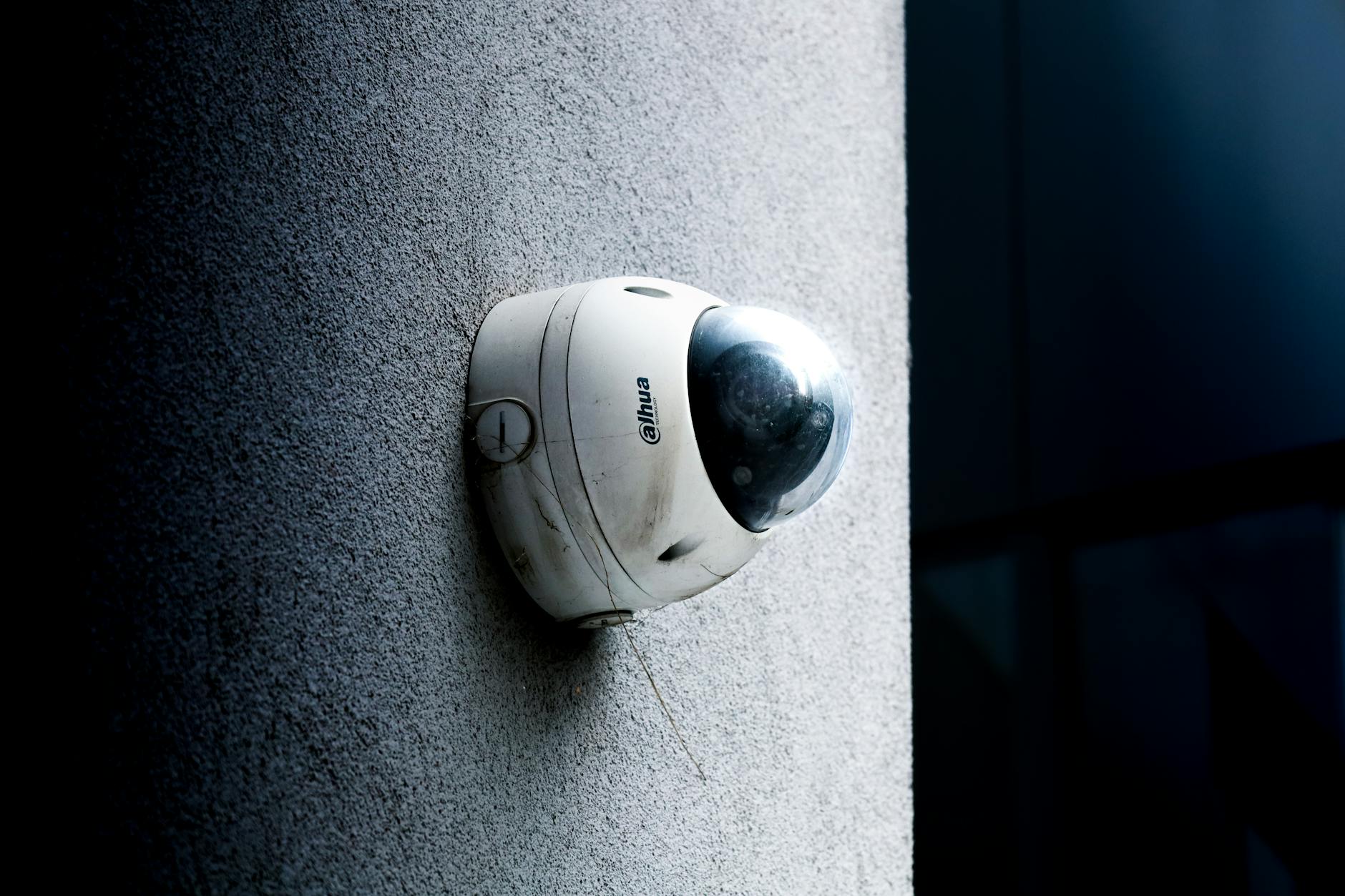
Interior home security cameras installed by homeowners to monitor against intrusion have in documented cases been accessed remotely by employees of the monitoring company installers with retained credentials and malicious actors who exploited network vulnerabilities. Cases involving camera access by individuals known to the homeowner including former partners and domestic employees have been recorded in law enforcement filings across multiple jurisdictions. Cloud storage of continuous interior footage creates a permanent record of household life that persists beyond the homeowner’s awareness or control in cases where account security is compromised. The intimacy of what interior cameras capture during ordinary household moments makes unauthorized access among the most personally violating categories of smart home breach.
Smart Smoke Detectors
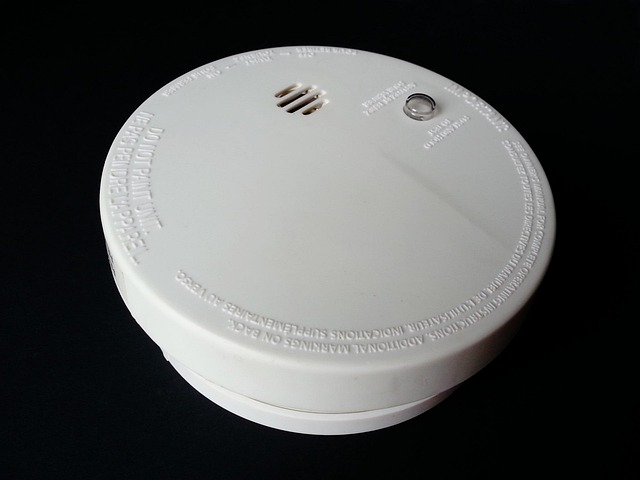
Connected smoke detectors equipped with ambient sensors beyond basic smoke and carbon monoxide detection have been shown to passively collect environmental data including humidity temperature and in some models ambient sound levels as part of their standard operation. The always-on nature of these devices places them in an acoustically sensitive position within a home’s most occupied rooms with no visual indicator of when environmental sampling is occurring. Firmware updates pushed to these devices can alter their data collection behavior without requiring any notification to the homeowner beyond a general terms of service update. The trusted and legally mandated presence of these devices in living spaces makes them a particularly unexamined category of home sensor.
Smart Light Bulbs
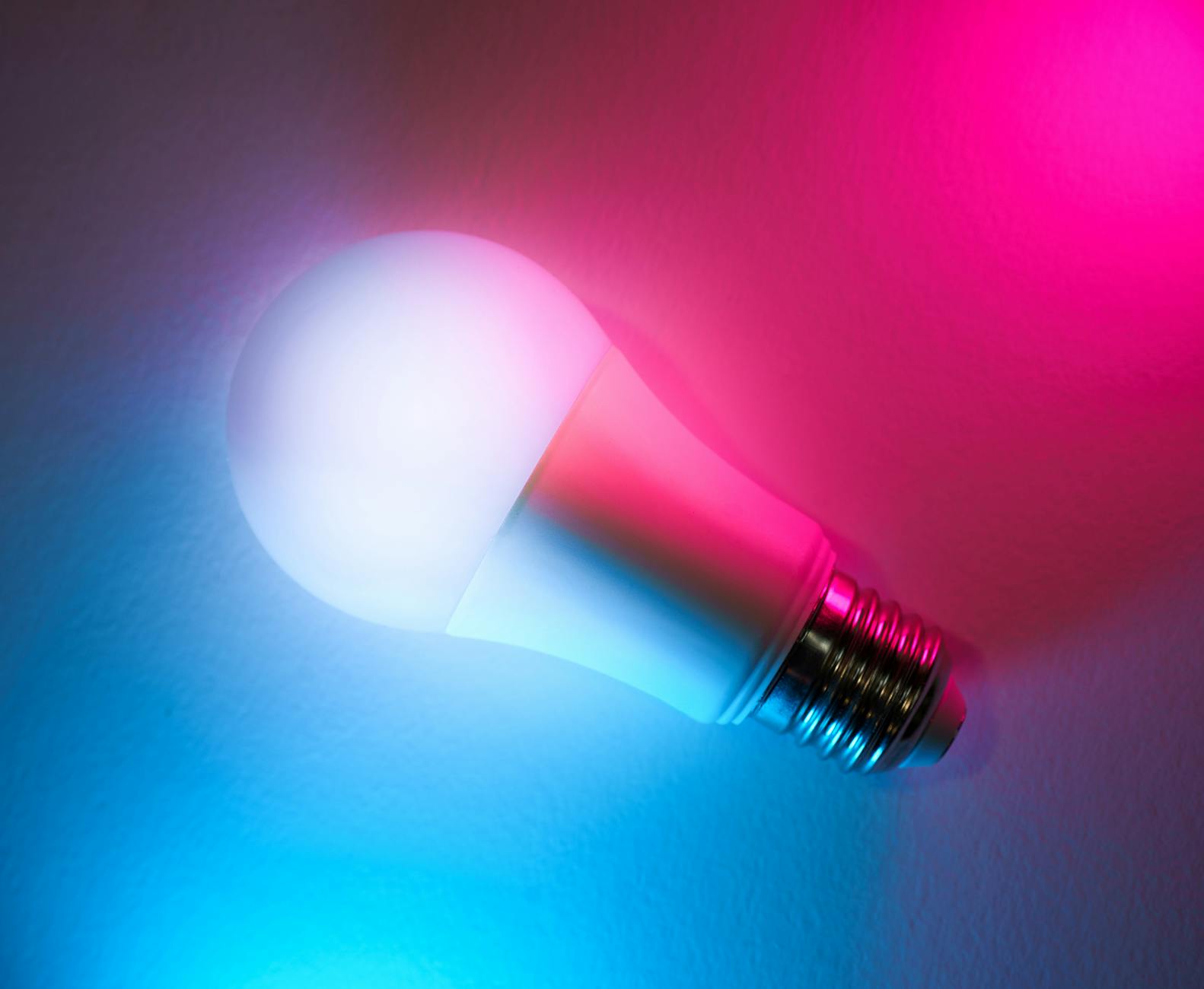
Connected lighting systems track usage patterns across every bulb in a network recording which rooms are illuminated at what times for how long and how brightness preferences vary by time of day and day of week. This room-by-room activity map combined with occupancy inference algorithms creates a behavioral record that reveals sleeping patterns work-from-home schedules social routines and the movement of individuals through a home’s spaces over time. Some smart bulb ecosystems have been found to retain granular usage logs on manufacturer servers for periods far exceeding what is communicated in standard product documentation. Security researchers have also demonstrated that certain bulb firmware contains vulnerabilities allowing the devices to serve as network entry points for broader home system compromise.
Smart Mirrors
Internet-connected bathroom mirrors equipped with displays cameras and voice interfaces designed to provide weather updates news and fitness tracking occupy the most private space in a typical home and are active during moments of complete personal vulnerability. Facial recognition features present in some models create biometric records of occupants and guests that are transmitted to and stored on external servers governed by terms the user accepted during initial setup. The combination of camera microphone and network connectivity in a bathroom environment represents a concentration of surveillance capability in a space where individuals have the highest reasonable expectation of privacy. Data breach incidents involving smart bathroom devices have been documented by cybersecurity researchers though consumer awareness of this category of risk remains low.
Smart Dishwashers
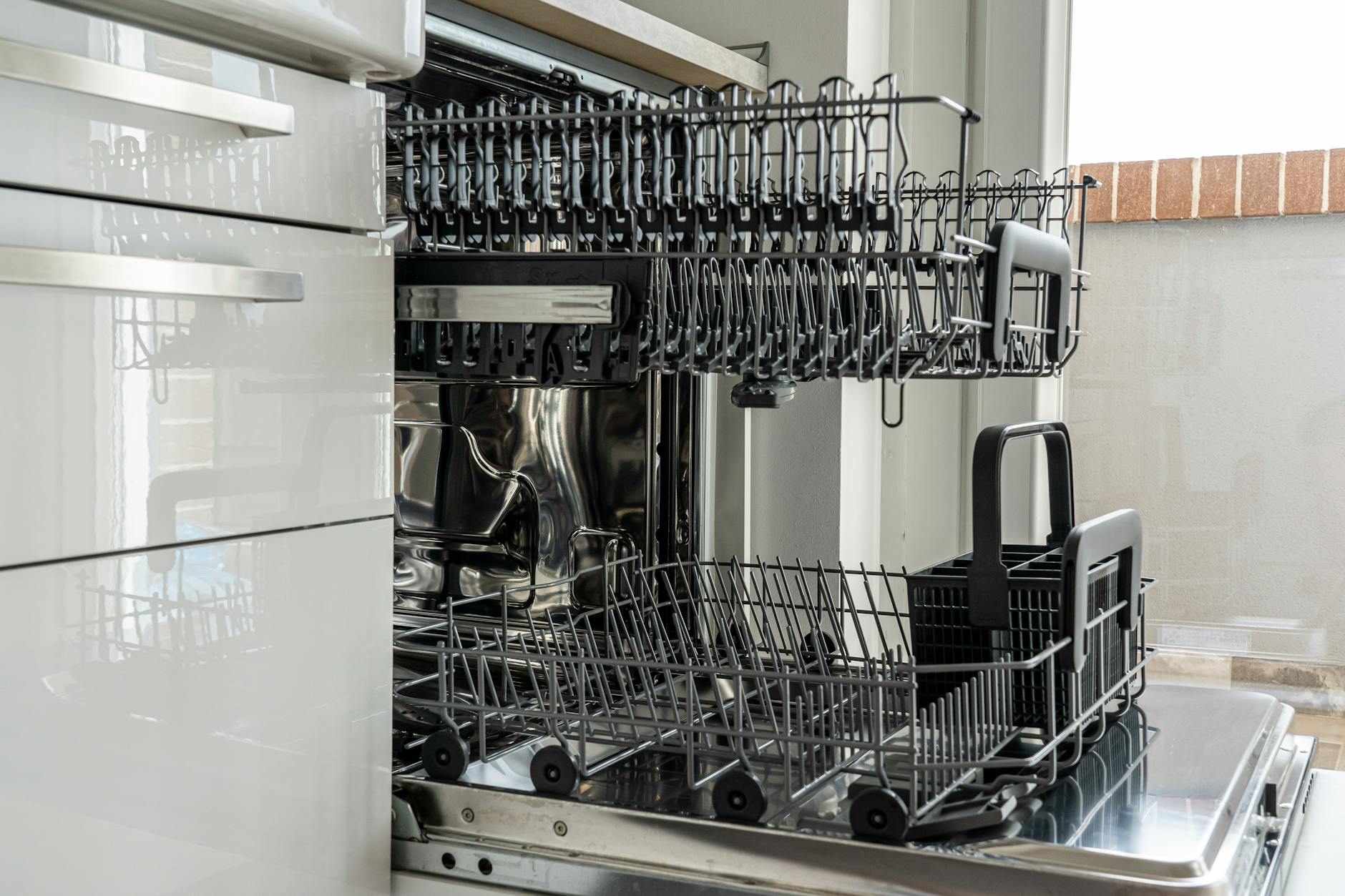
Connected dishwashers log operational data including cycle frequency duration temperature selection and time of use that collectively reveal information about household size meal frequency entertaining patterns and daily scheduling. Manufacturers have embedded data transmission capabilities into appliances whose purchasers primarily regard them as kitchen infrastructure rather than networked computing devices with ongoing external communication. Usage pattern analysis of dishwasher data has been used in academic research to infer the number of occupants in a home and their general lifestyle characteristics with an accuracy that surprised the researchers conducting the study. The absence of any visible indicator that data is being transmitted during each cycle means that most homeowners are entirely unaware this communication is taking place.
Smart Garage Doors

Connected garage door systems log every opening and closing event with precise timestamps and in some cases capture video of the driveway and garage interior during each activation. Vehicle recognition features available on premium models identify which specific vehicle triggered the door creating a record linking household members to their individual movement patterns in and out of the property. This data has appeared in legal proceedings including divorce cases and insurance investigations where the timestamped movement record provided evidence that contradicted the account given by the homeowner. The garage represents a primary entry point for most households making its access log an unusually sensitive record of residential comings and goings.
Smart Lawn Systems

Automated irrigation systems connected to weather services and soil sensors generate scheduling and usage records that serve as a proxy indicator of property occupancy providing information about when homeowners are present away traveling or maintaining unusual routines. Some systems incorporate cameras for property monitoring that capture movement on and around the property perimeter throughout the day and store that footage on cloud servers with retention policies the homeowner typically has not examined in detail. Interaction logs from mobile apps controlling these systems reveal the homeowner’s location at the time of each remote adjustment providing location data beyond the property itself. Aggregated data from connected lawn systems in a neighborhood has been used by researchers to map residential occupancy patterns across entire streets.
Smart Plugs for Adults
Intimate personal devices connected to smart plugs or incorporated into app-controlled product ecosystems generate usage logs that record the timing frequency and duration of deeply private activities within a home. Researchers and investigative journalists have documented cases in which this category of usage data was stored on manufacturer servers with inadequate security protections and in some instances shared with third party analytics partners without clear disclosure to the consumer. The metadata generated by these devices is subject to the same legal processes applicable to other connected device data meaning it can in certain jurisdictions be obtained through civil discovery or law enforcement request. Consumer awareness of the data practices governing this product category has historically been far lower than the sensitivity of the information being collected warrants.
Smart Printers
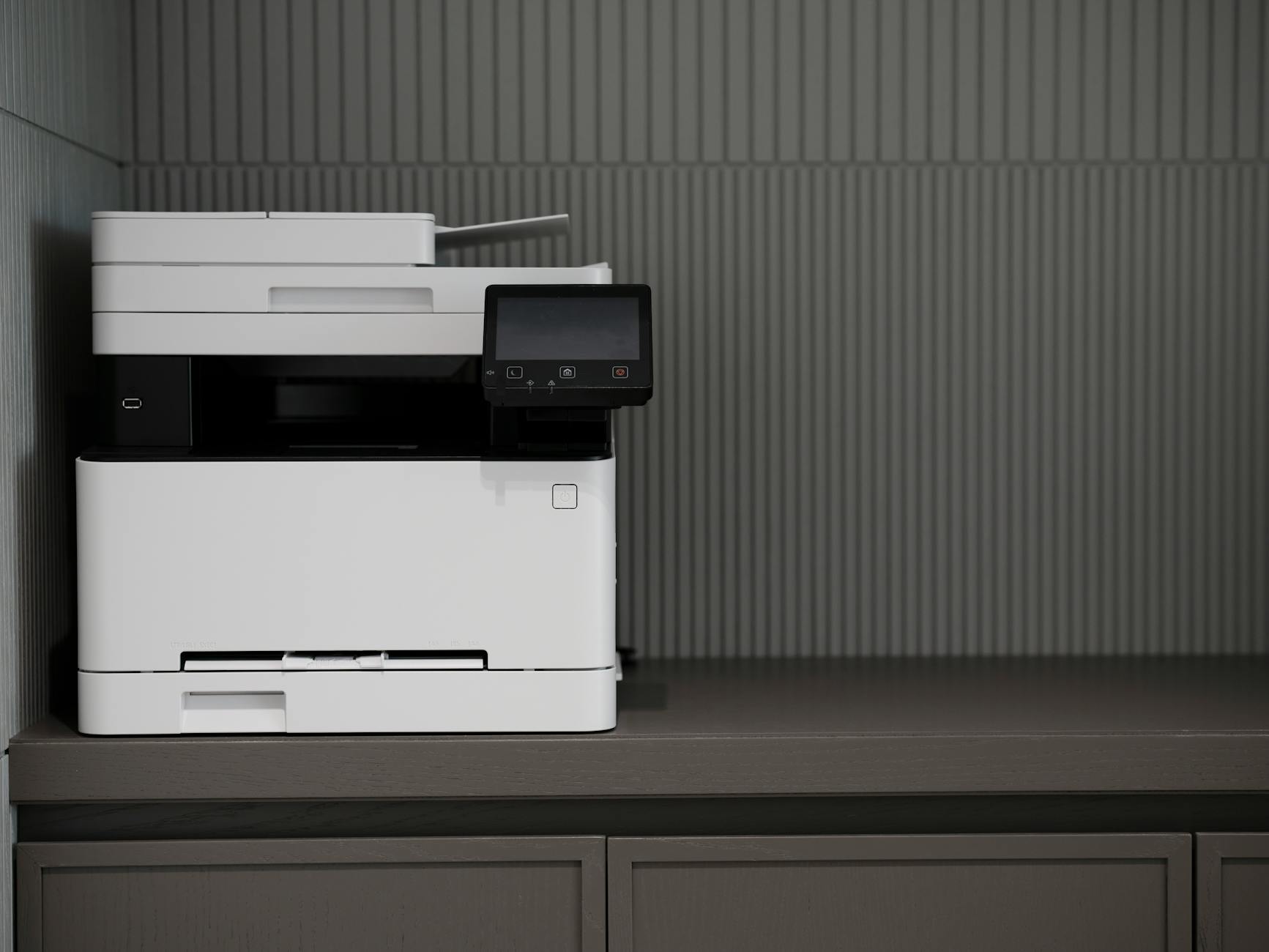
Network-connected printers maintain internal logs of every document printed including the date time and in many cases a stored image copy of the document itself that remains accessible through the device’s administrative interface long after the user believes the print job is complete. Security researchers have demonstrated that printer memory often retains recoverable copies of sensitive documents including financial statements legal correspondence medical records and personal communications. Some printer models transmit usage telemetry to manufacturer servers as standard operating procedure and the data collected extends beyond basic page counts to include document metadata. The assumption that a printed document is a private physical artifact ignores the digital record that the printing process creates and retains.
Smart Aquariums

Internet-connected aquarium systems designed to automate feeding lighting and water chemistry monitoring have been used as documented entry points for broader home network compromise with a notable case involving a casino’s network being breached through a connected fish tank serving as the initial access point. The sensors monitoring water conditions in these systems are continuously active on the home network and in compromised states can be used as persistent listening posts for network traffic. Homeowners who would never consider a fish tank a privacy risk have in documented cases discovered that the device was the weakest link in their home’s network security architecture. The lesson illustrated by this category of device is that network connectivity regardless of how mundane the primary function of a device appears creates a potential vector for broader access.
Smart Scales
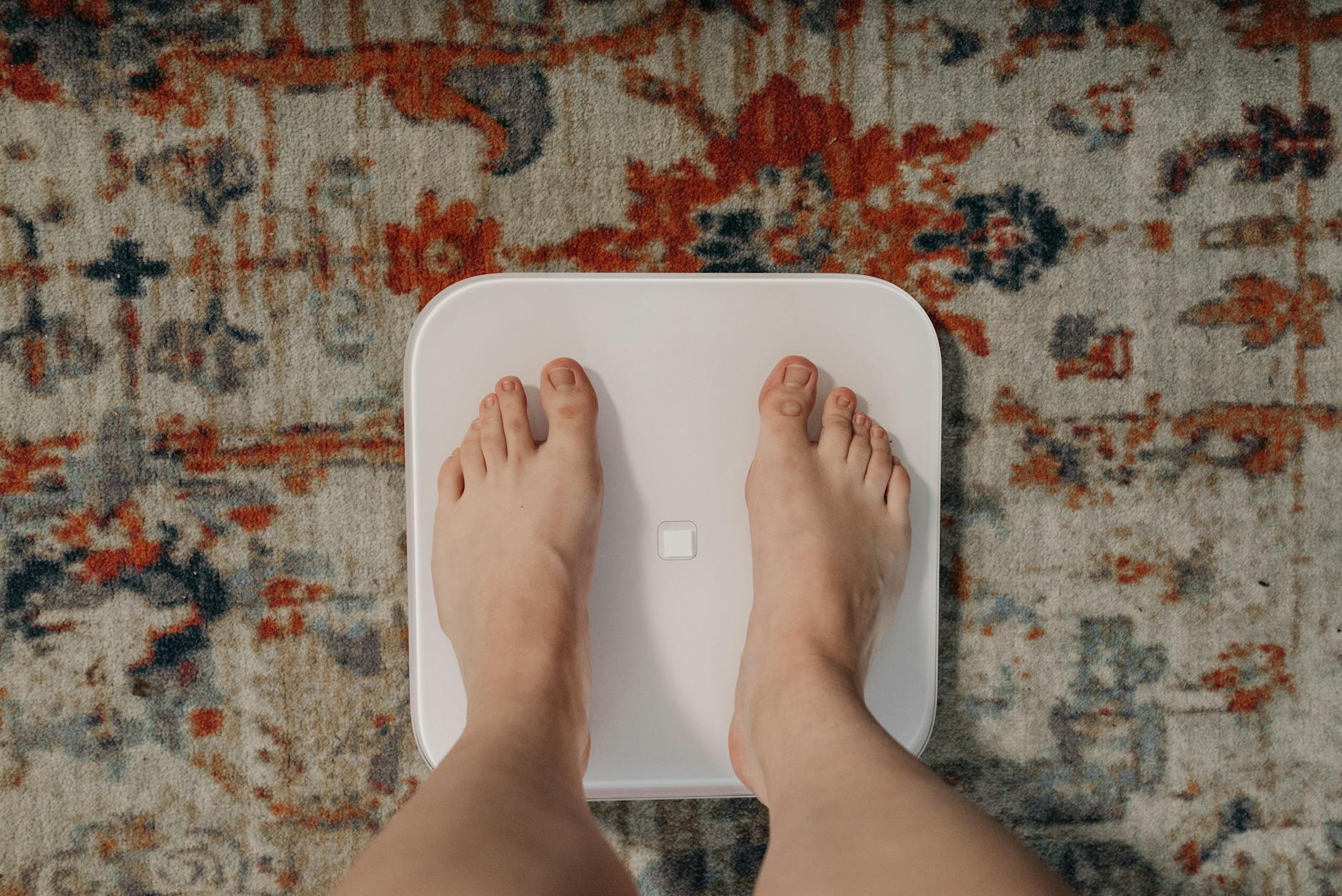
Body composition scales that connect to health apps transmit weight body fat percentage muscle mass hydration levels and other biometric measurements to cloud servers following every use by every member of the household who steps on the device. This longitudinal health record has commercial value to insurance companies pharmaceutical marketers and health platform operators and the terms governing potential data sharing are rarely examined by purchasers at the point of sale. Multiple users in a household who share a scale without individual profiles may have their biometric data commingled in ways that create inaccurate records or privacy risks for family members who never consented to data collection at all. The health implications of the data collected by these devices place them in a sensitivity category that their unassuming bathroom presence tends to obscure.
Smart Doorbells for Neighbors
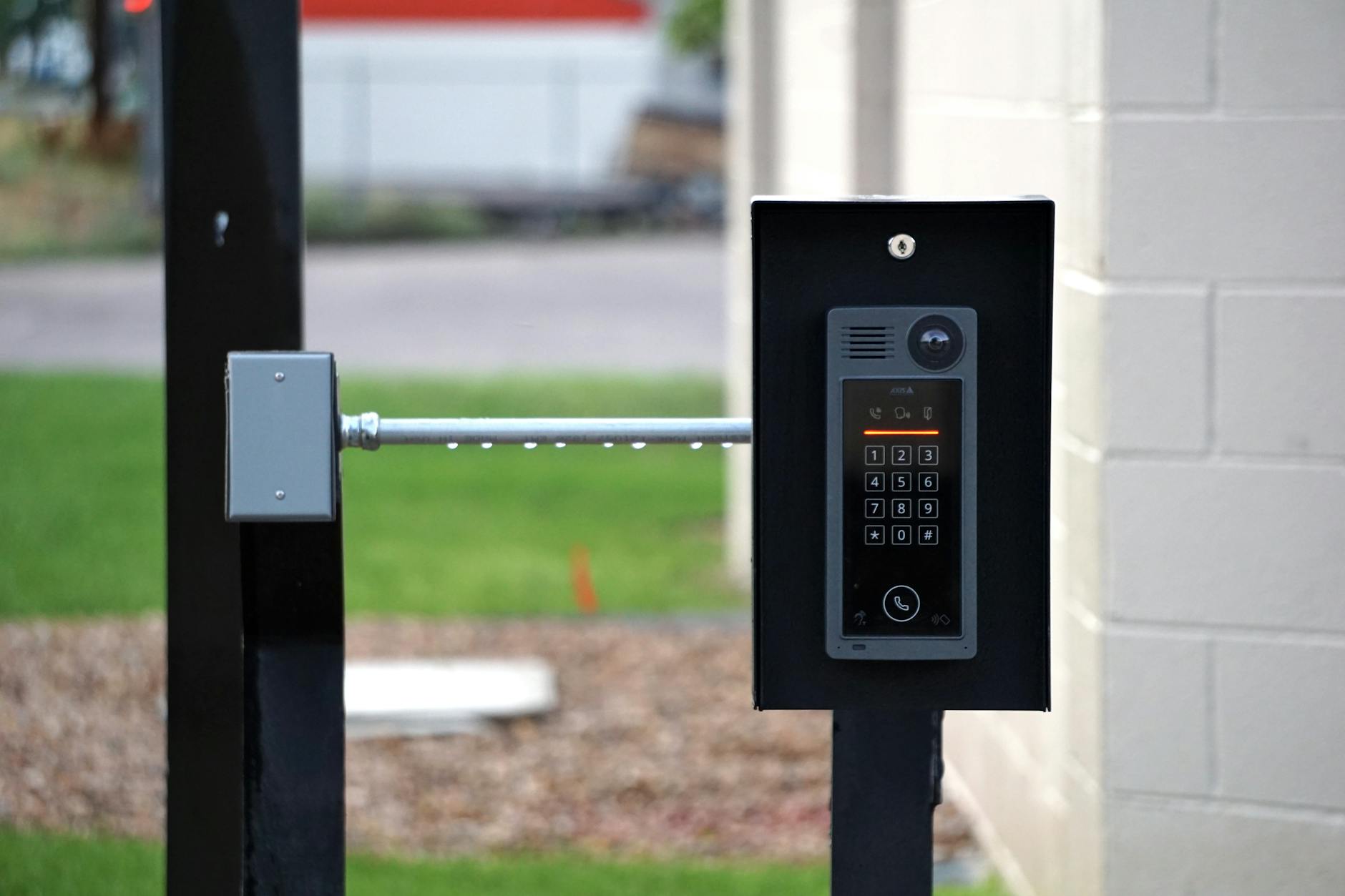
Doorbell camera systems pointed outward from residential properties capture footage of neighboring homes driveways yards and windows as a routine byproduct of their positioning creating surveillance records of private property that the neighboring homeowner has no knowledge of and no access to. In dense residential environments a single camera’s field of view may encompass the front door activity of multiple adjacent households including who visits when packages arrive and what vehicles are present at which times. Legal frameworks governing this type of incidental neighbor surveillance vary widely between jurisdictions and in many places the homeowner operating the camera bears no formal legal obligation to disclose its presence to neighbors. The proliferation of doorbell cameras has created de facto neighborhood surveillance networks whose data is stored on private corporate servers rather than any public infrastructure with accountability mechanisms.
Smart Appliance Microphones
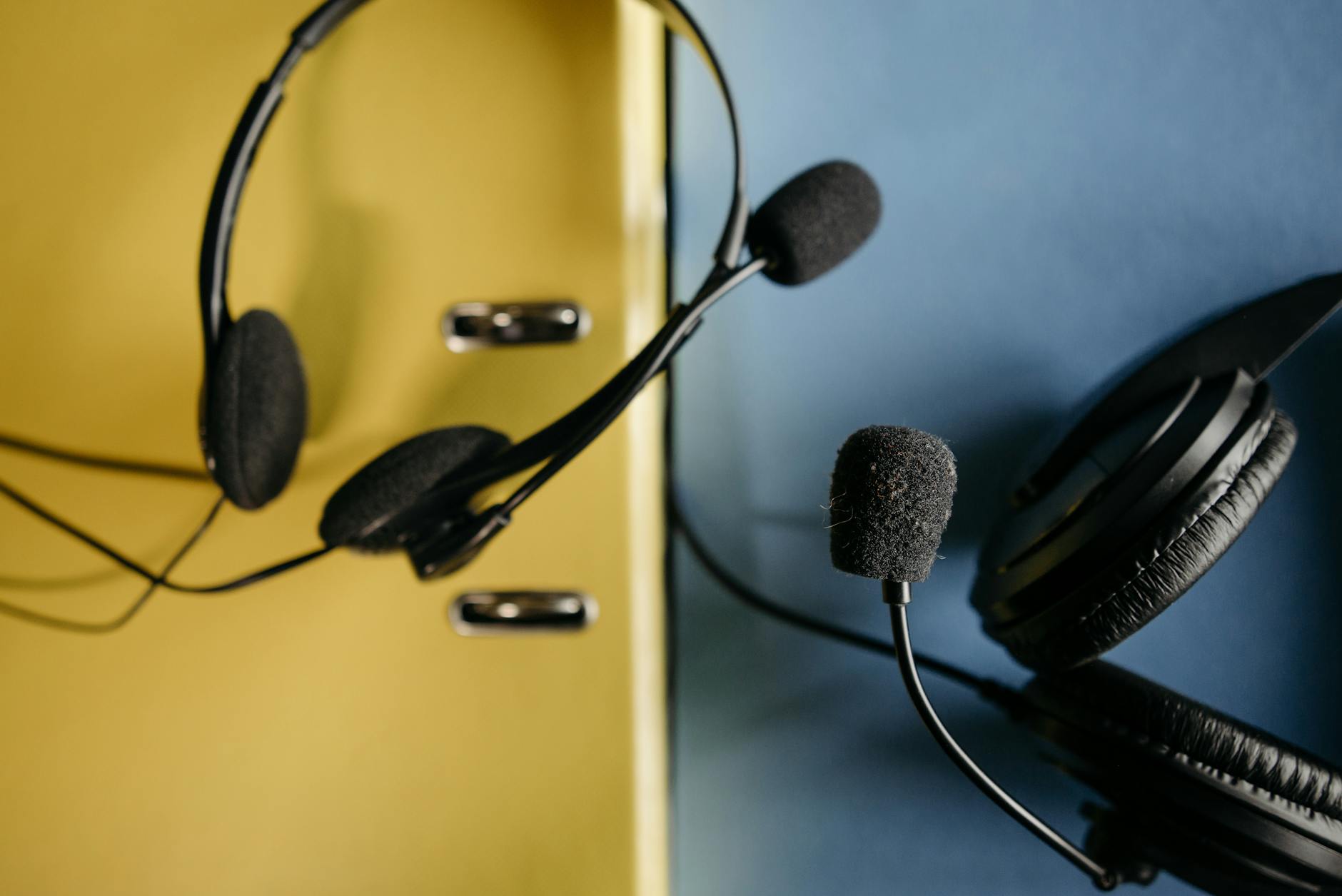
Voice activation features built into an expanding range of kitchen and laundry appliances have introduced microphones into rooms that previously contained no listening-capable technology creating acoustic coverage of domestic spaces where people speak candidly precisely because they do not expect to be heard. Appliance manufacturers have faced regulatory scrutiny in multiple jurisdictions over the activation thresholds their devices use and the duration and destination of audio captured during and after a recognized command. Conversations about health finances relationships and personal matters routinely occur in kitchens and laundry spaces and the presence of microphone-equipped appliances in those environments is not always visible or communicated clearly on the device’s exterior. The migration of voice interfaces from dedicated smart speakers into general household appliances has expanded acoustic monitoring into every room of the modern home.
Smart Home Hubs
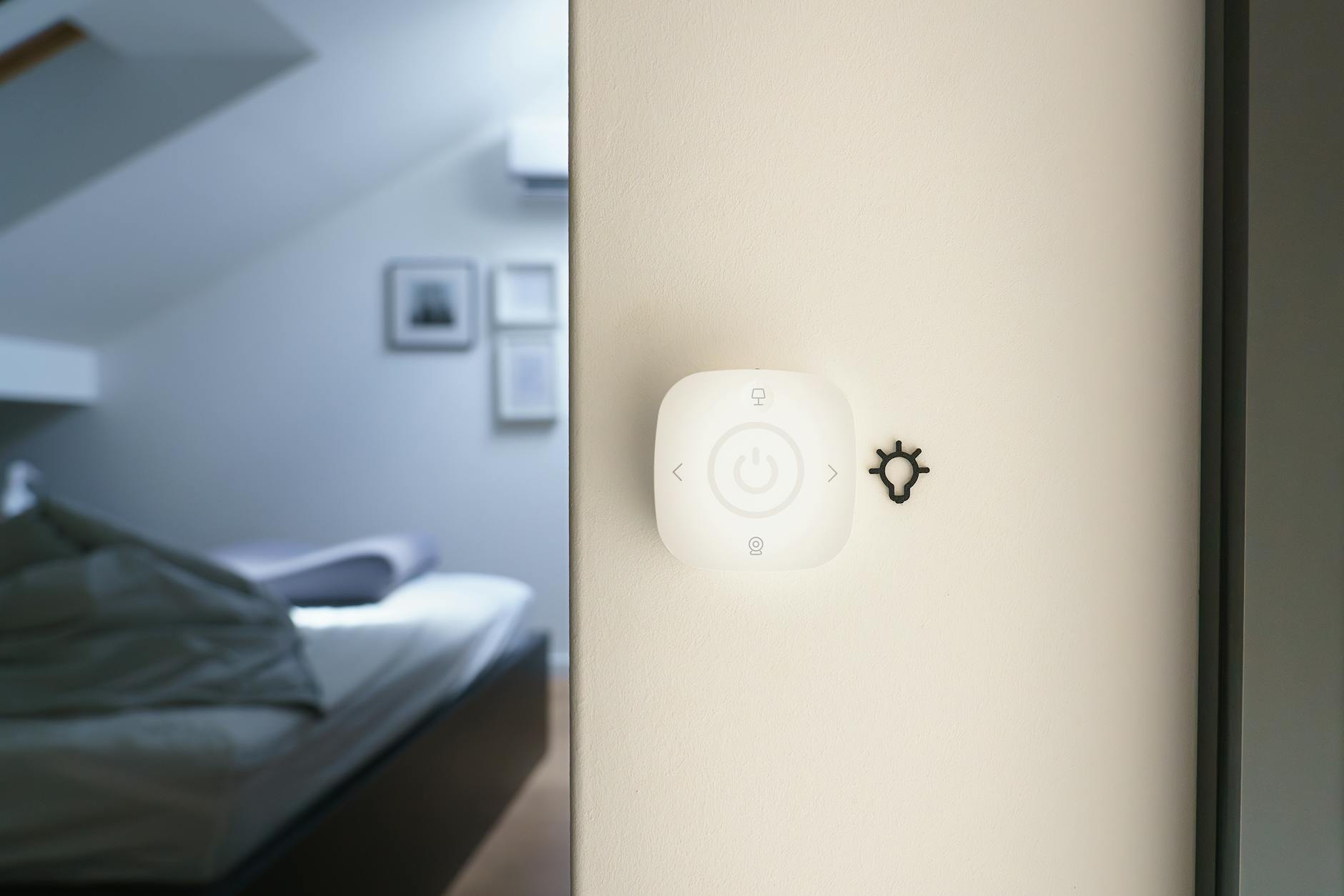
Central smart home hubs that coordinate communication between all connected devices in a household occupy a uniquely sensitive position in the home’s data architecture because they aggregate information streams from every other sensor camera and microphone on the network into a single system. A compromised hub provides access not merely to one device’s data stream but to the entire ecosystem of behavioral biometric and environmental information generated by every connected product in the home simultaneously. Security researchers have documented vulnerabilities in major hub platforms that allowed remote access to connected device controls audio feeds and behavioral logs without the homeowner’s knowledge. The consolidation of smart home management into a single hub creates a single point of failure whose breach consequences are proportionally more severe than the compromise of any individual device.
If any of these revelations match something you’ve noticed or suspected about your own devices share what you’ve experienced in the comments.