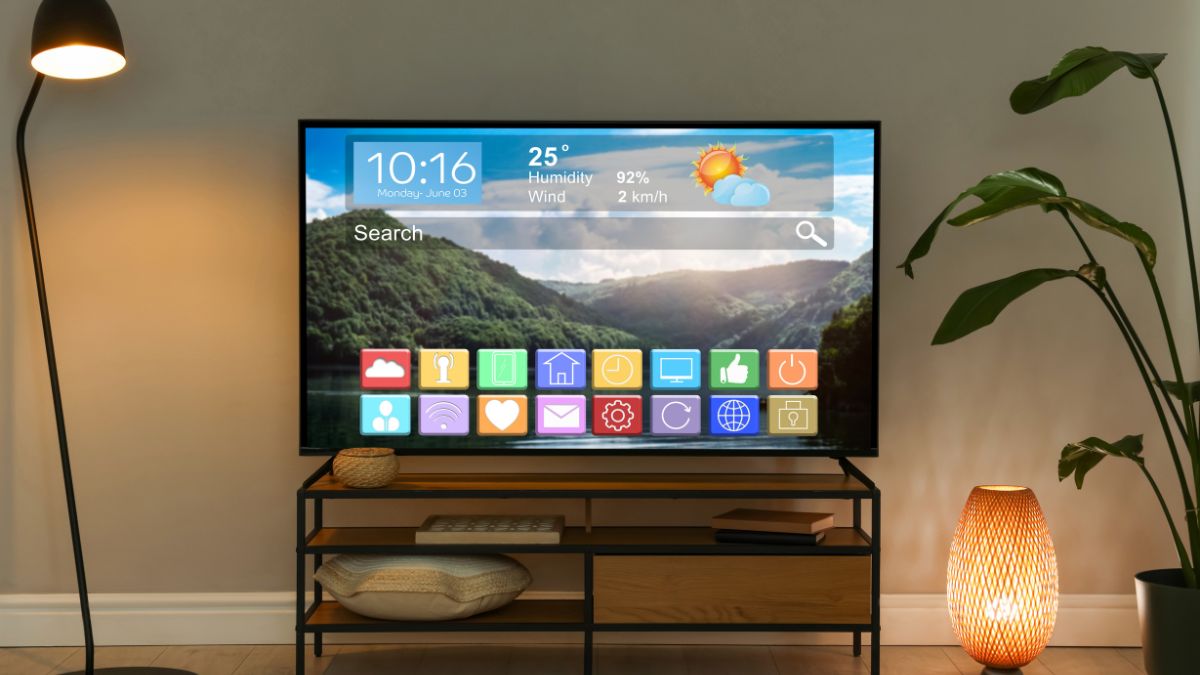
The television set that once represented a purely passive entertainment device has evolved into one of the most sophisticated surveillance-capable instruments in the modern home, and most owners have no practical awareness of its data collection architecture. Smart TVs manufactured by every major consumer electronics brand contain microphone arrays, camera systems, and continuous network communication protocols that operate independently of whether the screen is actively in use. Privacy researchers and consumer advocacy organizations have documented data collection behaviors by smart TV platforms that exceed what most owners would consent to if the mechanisms were described to them plainly. The following represent some of the most significant and least publicized ways that smart TV technology engages with the private audio environment of your home.
Always-On Microphones

Voice-activated smart TV systems require their microphone hardware to maintain a continuous listening state in order to detect wake words, which means the audio capture infrastructure is technically active throughout the operational period of the device. Consumer electronics researchers have demonstrated that the boundary between passive wake-word detection and active audio recording is architecturally blurred in ways that make third-party verification of manufacturer claims practically impossible from outside the device. Several major smart TV manufacturers have included language in their privacy policies explicitly acknowledging that conversations occurring near the television may be captured and transmitted to third-party voice processing services. The microphone sensitivity on modern smart TVs is calibrated for room-level audio capture rather than close-proximity input, meaning conversations occurring anywhere within a typical living room fall within the effective detection radius. Independent security researchers have documented instances where smart TV microphone activity continued after users believed they had disabled voice features through the settings menu.
ACR Technology
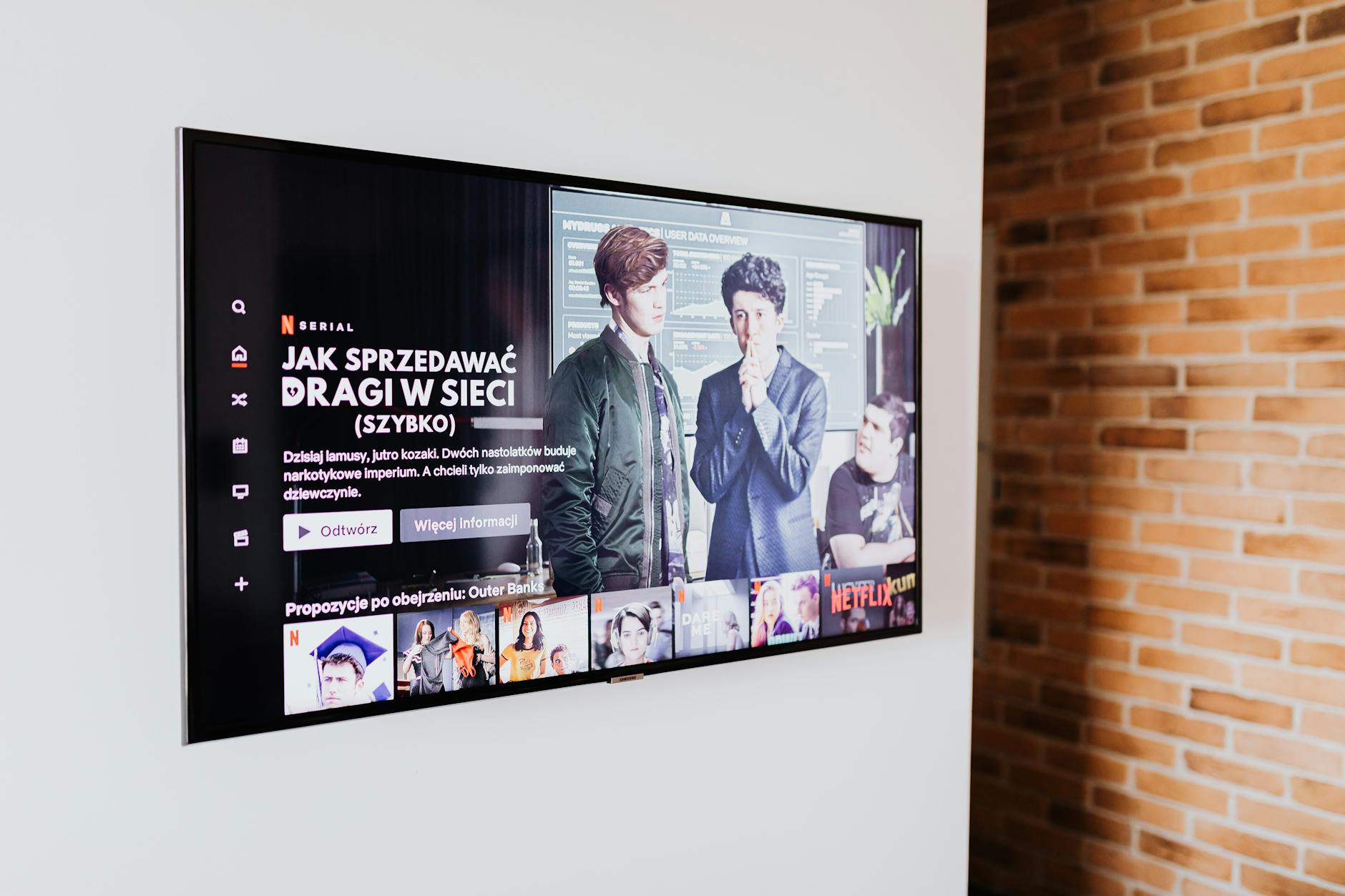
Automatic content recognition technology is embedded in virtually every major smart TV platform and functions by continuously capturing samples of audio and video content displayed on screen, converting them into data signatures, and transmitting those signatures to manufacturer servers for identification and behavioral profiling. The system operates regardless of the input source, meaning content from cable boxes, streaming devices, gaming consoles, and physical media players is sampled and analyzed in the same way as native smart TV applications. Samsung, LG, Vizio, and Roku-powered television systems have all been identified as using ACR technology with data transmission behaviors that most owners have never been informed of through accessible consumer communication. The profiles generated through ACR data allow advertisers and data brokers to build detailed pictures of viewing habits that are then correlated with purchasing behavior, location data, and demographic information sourced from other data streams. Disabling ACR typically requires navigating multiple menu layers with different names across different manufacturer platforms, and the option is frequently reset during firmware updates.
Third-Party Data Brokers
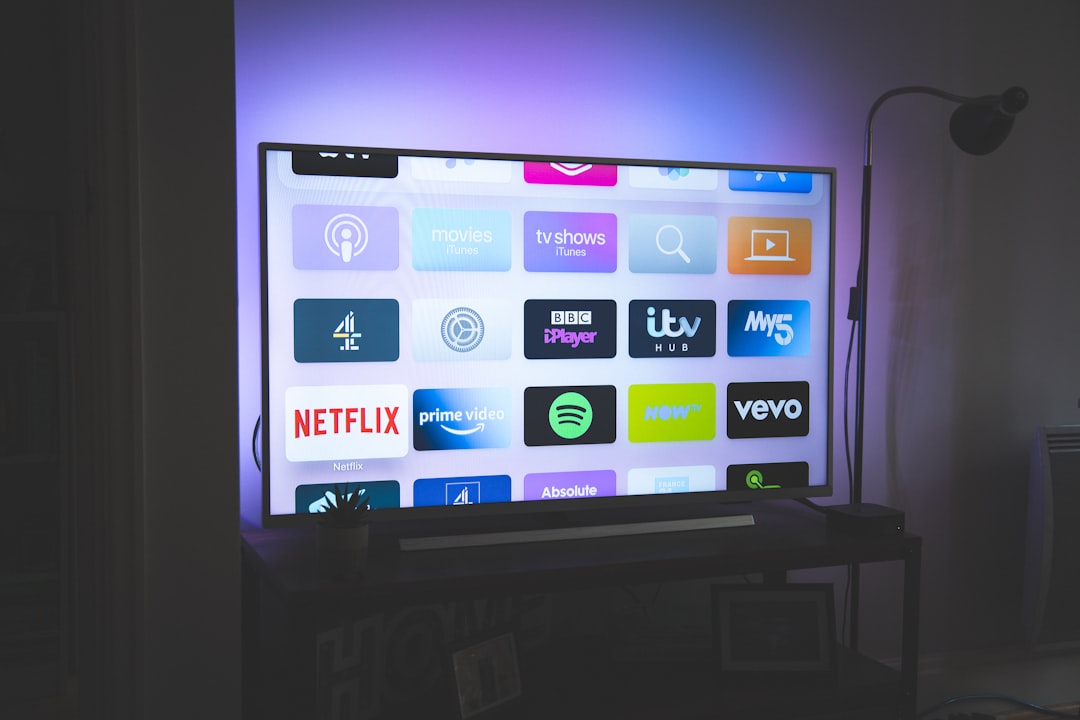
Smart TV manufacturers routinely sell or license the behavioral and audio-adjacent data collected from their devices to third-party data broker networks that aggregate it with information sourced from smartphones, web browsers, loyalty cards, and financial transaction records. Vizio was required to pay a settlement of 2.2 million dollars to the Federal Trade Commission following findings that it had collected and sold viewing data from 11 million televisions without adequate consumer disclosure or consent. The data sold to brokers is not limited to content identification signatures but includes temporal patterns of television use, audio environment characteristics, and in some cases raw interaction data from voice assistant sessions. Data broker networks that purchase smart TV data have documented client lists including insurance companies, political organizations, financial institutions, and law enforcement agencies seeking behavioral profiling information. The consumer has no practical visibility into where their television-sourced data travels once it enters the broker marketplace and no mechanism to request its deletion from downstream purchasers.
Firmware Updates

Automatic firmware updates delivered to smart TVs over residential internet connections can introduce new data collection capabilities, modify existing privacy settings, or activate previously dormant hardware features without any notification to the device owner. Security researchers analyzing firmware update packages for major smart TV brands have documented instances where post-update behavior diverged from pre-update privacy disclosures in ways that expanded the scope of data collection. Manufacturer terms of service agreements typically reserve the right to modify device functionality through software updates, and the privacy policy governing data collection is correspondingly updated simultaneously with no direct consumer notification required. The automatic nature of most smart TV update protocols means that owners who configure privacy settings at purchase may find those settings altered or overridden following a background update that installed while the household slept. Disabling automatic updates to prevent capability changes exposes the device to security vulnerabilities that manufacturers use as justification for the mandatory update architecture.
Built-In Cameras
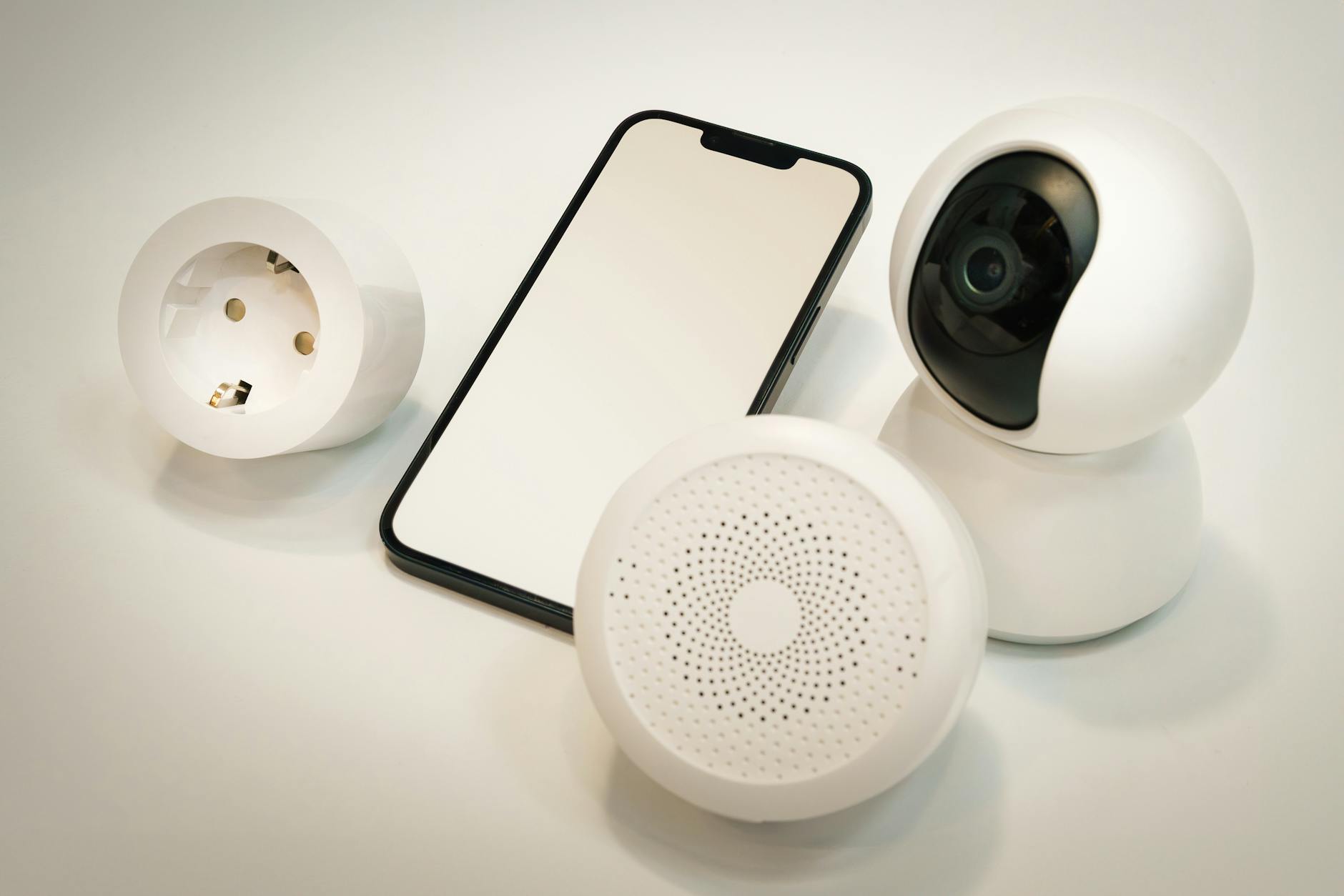
A significant number of smart TV models across premium and mid-range price categories include integrated camera hardware designed for video calling, facial recognition-based user switching, and gesture control interfaces that remains physically present in the device even when software access is nominally disabled. Security researchers have documented vulnerabilities in smart TV camera implementations that allowed remote access to the camera feed through network-based exploits requiring no physical access to the device. Samsung’s range of smart televisions has included facial recognition features that analyze the physical characteristics of viewers to serve personalized content, with the data generated through this process subject to the same broad data sharing provisions governing other collected information. Camera hardware integrated into the bezel of a television directed at a living room or bedroom captures environmental visual information that goes beyond the use cases manufacturers cite in marketing materials. Unlike laptop cameras which users routinely cover with physical tape, smart TV cameras are less frequently addressed through physical countermeasures because their presence is less widely known among general consumers.
Default Privacy Settings
The default configuration of smart TV privacy settings across all major manufacturers is uniformly oriented toward maximum data collection rather than minimum, meaning the device begins capturing and transmitting data from the moment of network connection without any affirmative opt-in action by the consumer. Research examining default settings across smart TV platforms found that enabling full privacy protection required an average of more than fifteen distinct menu interactions across multiple settings categories, a complexity level that functions as a practical deterrent to opt-out behavior. Settings that disable data collection are frequently described in interface language that obscures their function or frames their activation as a reduction in service quality rather than a privacy protection measure. Some manufacturers present data sharing consent as a condition of accessing core smart TV functionality including streaming application installation, creating a coercive architecture that provides no genuine alternative to data collection for users who want to use the device as marketed. Privacy researchers describe this design pattern as a deliberate dark pattern where interface friction is strategically deployed to minimize the rate of consumer opt-out.
Voice Command Storage

Audio data captured through smart TV voice command interactions is routinely stored on manufacturer and third-party cloud servers for periods that extend well beyond the functional requirement of processing the original command. Amazon’s Alexa integration in smart TV platforms, Google Assistant implementations, and proprietary voice systems from television manufacturers all operate under data retention policies that preserve voice recordings for purposes including product improvement, advertising profiling, and human review quality assurance programs. The human review component of voice assistant data processing programs, in which contracted workers listen to recordings of private interactions for accuracy evaluation purposes, was publicly disclosed for multiple major technology companies following investigative reporting and has been confirmed to include smart TV voice data. Users who issue voice commands to their televisions while discussing personal financial matters, health conditions, relationship situations, or political views generate audio records of those conversations that persist in cloud storage systems they have no mechanism to inspect or audit. The commands themselves represent only a fraction of what microphone systems capture during each activation event, with audio buffers typically recording several seconds before and after the detected interaction.
Behavioral Fingerprinting
Smart TV platforms construct detailed behavioral profiles of household members based on viewing patterns, interaction timing, content preferences, and usage duration data that allow statistical inferences about health status, psychological state, political orientation, and financial circumstances. Academic research has demonstrated that television viewing pattern data alone can be used to infer with meaningful statistical accuracy whether household members are experiencing depression, anxiety, relationship stress, or significant life disruption events. These inferred behavioral profiles are transmitted to advertising and data analytics partners who use them to target household members across other connected devices including smartphones and computers through device graph matching technology. The granularity of behavioral fingerprinting possible through smart TV data has advanced to the point where individual household members can be distinguished from one another through viewing pattern analysis even on accounts registered to a single user identity. Insurance industry interest in behavioral fingerprint data from connected home devices including smart TVs has been documented in multiple industry conference presentations and procurement inquiries that privacy advocates have made public.
Ambient Audio Sampling

Beyond deliberate voice command interactions, certain smart TV implementations have been documented capturing ambient audio from the surrounding room environment during periods of normal television operation and transmitting acoustic data to analytical systems for environmental profiling purposes. Patent filings from major consumer electronics manufacturers including Sony and Samsung have described systems designed to analyze background conversation content to infer viewer mood, identify products mentioned in household discussion, and serve contextually relevant advertising based on ambient speech detected during viewing sessions. The distinction between passive environmental audio monitoring and active recording is legally significant but technically difficult to enforce given that both processes use the same hardware and produce the same type of data output. Smart home integration frameworks that connect television platforms to other in-home devices create architectures where audio data originating near the television can inform the behavior of thermostats, lighting systems, and security devices in ways that require persistent environmental audio awareness. Consumer awareness of ambient audio sampling as a distinct practice separate from voice command recording is substantially lower than awareness of voice assistant data collection, making it one of the least scrutinized data collection behaviors in the smart TV ecosystem.
App Permission Exploitation
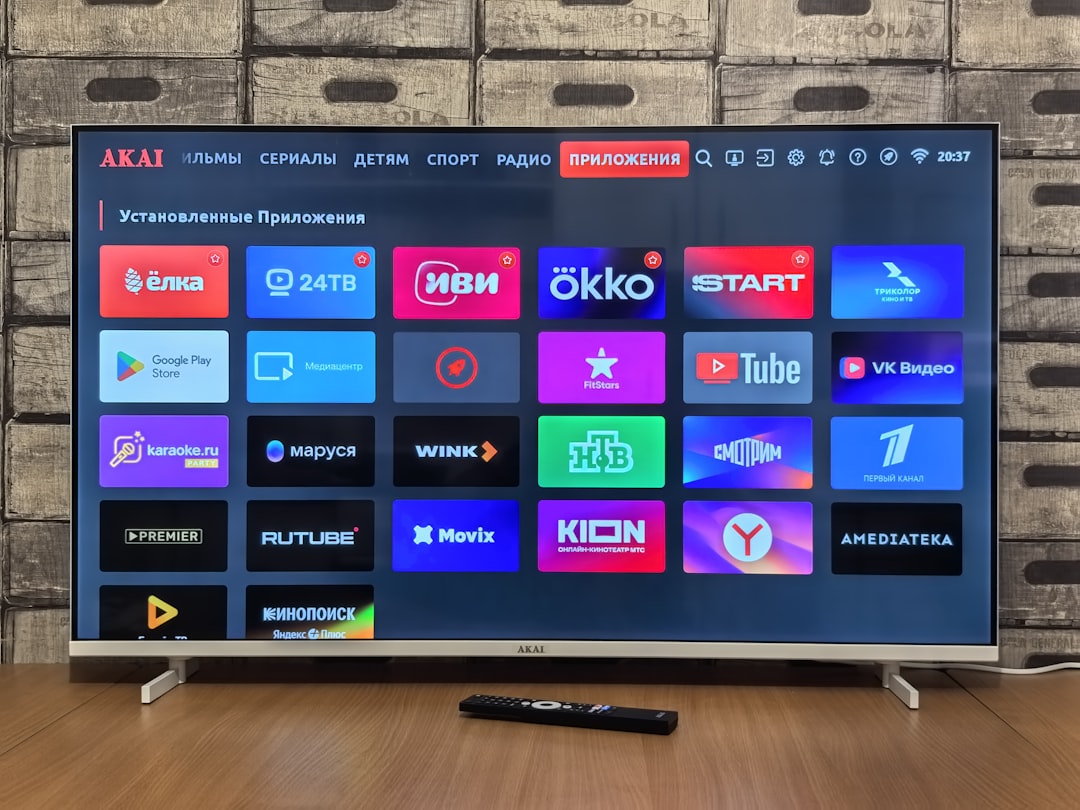
Third-party applications installed through smart TV platforms frequently request and are granted access to microphone and camera hardware far beyond the functional requirements of their stated service, with permission architectures that provide no granular user control over which features individual applications can access. A streaming application with no functional requirement for microphone access may nonetheless receive it through broad platform permission grants that users accept as part of installation terms without meaningful disclosure of what the permission enables. Security audits of popular smart TV applications have found data transmission to advertising networks, analytics platforms, and unidentified third-party servers occurring continuously during application operation regardless of whether the user is actively interacting with the app. The smart TV operating system layer that governs application permissions is maintained by the television manufacturer rather than an independent platform authority, creating a conflict of interest in permission grant decisions given that manufacturers profit from the data ecosystem their permission policies enable. Updates to installed applications can introduce new permission requests or expand existing ones through background processes that present no user-facing notification on most smart TV platforms.
Cross-Device Tracking
Smart TVs function as anchor points within cross-device tracking architectures that correlate television viewing behavior with activity on smartphones, tablets, computers, and other connected devices present on the same home network or associated with the same household identity. Advertising technology companies use smart TV viewing data as a high-confidence behavioral signal to bridge the identity gap between different devices used by the same individuals, enabling advertising campaigns that follow household members across every screen they interact with throughout the day. The IP address shared by smart TVs and other household devices provides a basic linking mechanism that more sophisticated identity resolution systems supplement with behavioral timing correlations, content interest matching, and demographic inference from multiple data sources. Connected television advertising platforms explicitly market cross-device audience reach as a premium capability to brand advertisers, with the smart TV’s living room position described in industry materials as providing access to household-level rather than individual-level behavioral intelligence. The household-level profiling that cross-device tracking enables is considered more valuable to data purchasers than individual profiles because it captures joint decision-making behaviors relevant to major consumer purchases.
Encryption Gaps
Security researchers examining smart TV network communication have identified data transmission behaviors occurring over insufficiently encrypted or entirely unencrypted channels that expose captured audio signatures, viewing behavior data, and device identification information to interception by third parties on the same network or at internet routing points. A 2018 study by Princeton University researchers monitoring smart TV network traffic found data being transmitted to advertising and analytics companies in ways that were inconsistent with the encryption standards applied to other sensitive consumer data categories. The gap between the security standards applied to financial transaction data and those applied to behavioral and audio-adjacent data from smart TVs reflects a regulatory environment that has not yet classified home audio surveillance data as requiring equivalent protection. Residential networks that include smart TVs alongside computers containing sensitive personal and professional information create a security architecture where the television represents a potential vulnerability point for broader household network compromise. Manufacturers have improved encryption implementation following public disclosure of specific vulnerabilities but the reactive rather than proactive nature of these improvements reflects an industry posture that prioritizes data access over data protection.
Hidden Service Ports
Smart TV devices maintain network service ports and communication protocols designed for manufacturer diagnostic access, software development testing, and retailer configuration that remain active in consumer devices and represent undisclosed channels through which device data can be accessed remotely. Security researchers have discovered open ports on consumer smart TV devices that provided unauthorized access to file systems, installed application data, and in some cases microphone and camera hardware without requiring authentication credentials. The presence of these service interfaces in consumer devices reflects a manufacturing practice where development and diagnostic infrastructure is incompletely removed before retail distribution, creating attack surfaces that neither consumers nor security researchers are informed about through standard product documentation. A documented case involving Vizio televisions revealed that devices were transmitting second-by-second viewing data through a communication channel not disclosed in consumer privacy documentation, discovered only through independent network traffic analysis by a security researcher. The technical expertise required to identify and evaluate hidden service port activity places this category of smart TV data collection behavior entirely outside the awareness of the general consumer population.
Smart Home Integration
The integration of smart TVs into broader connected home ecosystems including Amazon Alexa, Google Home, and Apple HomeKit creates data sharing architectures where audio and behavioral data captured by the television becomes accessible to and combinable with data from every other device in the connected home network. Voice commands issued to a smart home hub that direct television behavior are processed through cloud infrastructure operated by the hub manufacturer rather than the television manufacturer, meaning the data governance framework governing that audio capture is determined by a third party the consumer has no direct relationship with in the television purchase context. Smart home platform providers explicitly describe the data generated through connected device interactions as part of their core commercial asset base and reserve broad rights to its use in advertising, product development, and third-party partnership contexts. The conversational naturalness of voice-controlled smart home environments encourages households to discuss sensitive personal matters in proximity to always-listening devices in ways that would be behaviorally inhibited if the surveillance implications were consciously present. Security researchers studying smart home data flows have documented instances where audio events captured near smart TVs propagated through integration APIs to unrelated connected devices and third-party services in ways not anticipated or disclosed to consumers.
Retail Mode Persistence

Smart TV devices are configured at the factory in retail demonstration modes that maximize brightness, enable all data collection features, and activate remote diagnostic capabilities designed to support floor staff in retail environments, and these configurations are incompletely reset during consumer setup processes in ways that leave residual data collection behaviors active. Consumer electronics security researchers have documented smart TV devices retaining retail mode network connections and data transmission behaviors through factory reset procedures that users perform believing they are returning the device to a clean state. Retailer configuration tools used to prepare floor display units create persistent device states that normal consumer setup flows are not designed to fully overwrite, leaving manufacturer and retailer data access pathways active in devices that consumers believe they have fully personalized and controlled. The persistence of retail mode behaviors is not disclosed in consumer documentation and is discovered only through network traffic analysis or source code examination requiring technical skills unavailable to typical consumers. Some documented retail mode persistence cases have involved smart TVs transmitting location data and device usage information to manufacturer analytics systems through channels that remained active despite consumer privacy settings indicating these transmissions had been disabled.
Acoustic Environment Mapping
Advanced smart TV audio processing systems have been designed to analyze the acoustic characteristics of the room environment in which the device is installed, building models of room geometry, occupancy patterns, and ambient sound profiles that are transmitted to manufacturer analytics infrastructure as part of audio optimization features. The acoustic profile data generated through this process encodes information about household size, occupancy timing, construction materials, and daily routine patterns that constitutes a detailed behavioral map of the domestic environment without capturing intelligible speech content. Patent documentation from Samsung and Sony describes systems that use television speaker and microphone hardware to perform acoustic mapping equivalent to low-resolution spatial sensing, enabling applications including automatic audio calibration and occupancy detection for energy management. The behavioral inferences derivable from acoustic environment data are significant and include household composition, daily schedule, sleep patterns, and activity rhythms that advertising and insurance industry data purchasers have documented interest in acquiring. Consumer disclosure of acoustic mapping as a data collection practice distinct from voice capture is essentially nonexistent in current manufacturer communication, making it one of the most technically obscure collection behaviors in the smart TV ecosystem.
IP Address Logging
Every network request generated by a smart TV’s continuous data transmission activity is associated with the household’s IP address, creating a detailed temporal record that allows data recipients to construct precise timelines of household activity, device usage patterns, and behavioral rhythms that persist in server logs for periods determined entirely by the receiving organization’s data retention policies. The IP address associated with smart TV network traffic serves as a linking identifier that connects television behavior data to the same household’s activity across web browsing, mobile application use, and online purchasing, allowing data broker networks to construct comprehensive household behavioral profiles from multiple independent data streams. Smart TV manufacturers and their advertising partners have opposed regulatory proposals to classify IP addresses as personally identifiable information requiring equivalent protection to names and contact details, a position that preserves their ability to use IP-linked behavioral data without triggering consent requirements applicable to direct personal identifiers. Home network configurations that assign the same IP address to smart TVs and work-from-home computers create environments where professional communications and confidential work activity occur on a network whose traffic patterns are being logged and profiled by consumer electronics data infrastructure. The volume of IP-logged network requests generated by a continuously operating smart TV over a twelve-month period represents a behavioral dataset of a scale and resolution that most consumers would find deeply uncomfortable if its contents and recipients were disclosed to them directly.
Advertising SDK Embeds
Smart TV operating systems contain embedded software development kits from advertising technology companies that operate continuously within the device’s software environment, collecting interaction data, transmitting behavioral signals, and receiving targeting instructions through persistent background processes that run independently of any specific application the user has opened. Nielsen, Comscore, and multiple programmatic advertising technology companies have embedded data collection infrastructure directly within smart TV operating systems through commercial arrangements with manufacturers that provide ongoing revenue streams in exchange for behavioral data access. The advertising SDKs embedded in smart TV platforms are not disclosed individually in consumer documentation and their data collection scope, transmission frequency, and retention practices are governed by agreements between the manufacturer and the SDK provider rather than any consumer-facing privacy framework. Security researchers who have decompiled smart TV operating system packages have documented the presence of between twelve and forty distinct third-party data collection components in devices from major manufacturers, a figure that bears no relationship to the number of data partners mentioned in consumer privacy policies. The commercial incentive created by advertising SDK revenue arrangements means that manufacturer decisions about hardware and software design are systematically influenced by the data collection requirements of advertising partners rather than exclusively by consumer experience and privacy considerations.
Network Traffic Analysis
The volume, timing, and destination patterns of network traffic generated by smart TVs during periods of normal household activity reveal detailed behavioral information to anyone with access to residential network infrastructure regardless of whether the content of the transmissions is encrypted. Internet service providers, network equipment manufacturers, and any party with access to residential routing infrastructure can derive meaningful inferences about household activity patterns, content consumption, and device usage from traffic metadata alone without decrypting any individual data packet. Research demonstrating that encrypted smart TV traffic metadata can be used to identify specific content being watched with high accuracy has been published by computer science researchers at multiple institutions, establishing that encryption of content does not prevent behavioral inference from traffic patterns. Governmental agencies in multiple jurisdictions have documented accessing smart TV network traffic metadata through lawful intercept mechanisms and through voluntary data sharing arrangements with internet service providers that operate without consumer notification. The intelligence value of residential network traffic metadata generated by always-connected smart home devices including televisions has been explicitly discussed in public documents from signals intelligence agencies in the United States and United Kingdom as a category of domestic behavioral surveillance data with significant operational utility.
User Profile Resale
The comprehensive user profiles constructed by smart TV platforms from the combination of viewing behavior, voice interaction, ACR data, and cross-device correlation are treated by manufacturers as commercial assets that can be sold, licensed, or transferred as part of corporate transactions including mergers, acquisitions, and bankruptcy proceedings without any continuing obligation to the privacy commitments made at the time of data collection. Vizio’s acquisition of smart TV data company Inscape and subsequent integration of that data infrastructure into a standalone advertising business called Platform Plus exemplifies the corporate trajectory through which consumer television purchase decisions become entangled with commercial data enterprises whose existence postdates the original privacy disclosure. Privacy policies governing smart TV data collection routinely include provisions allowing data transfer to successor entities in corporate transactions, meaning that the manufacturer whose privacy commitments a consumer evaluated at purchase may no longer govern their data following a corporate event that receives no direct consumer notification. The resale value of smart TV user profiles in advertising data marketplaces has been estimated in industry analyses at between one and three dollars per household per month on an ongoing basis, representing a revenue stream that provides manufacturers with commercial incentive to maximize data collection scope regardless of consumer privacy preference. Consumers who dispose of their smart TVs without performing a factory reset leave device-linked profile data active in manufacturer systems where it continues to be associated with the household IP address and any linked account identities indefinitely.
Keyword Detection Expansion
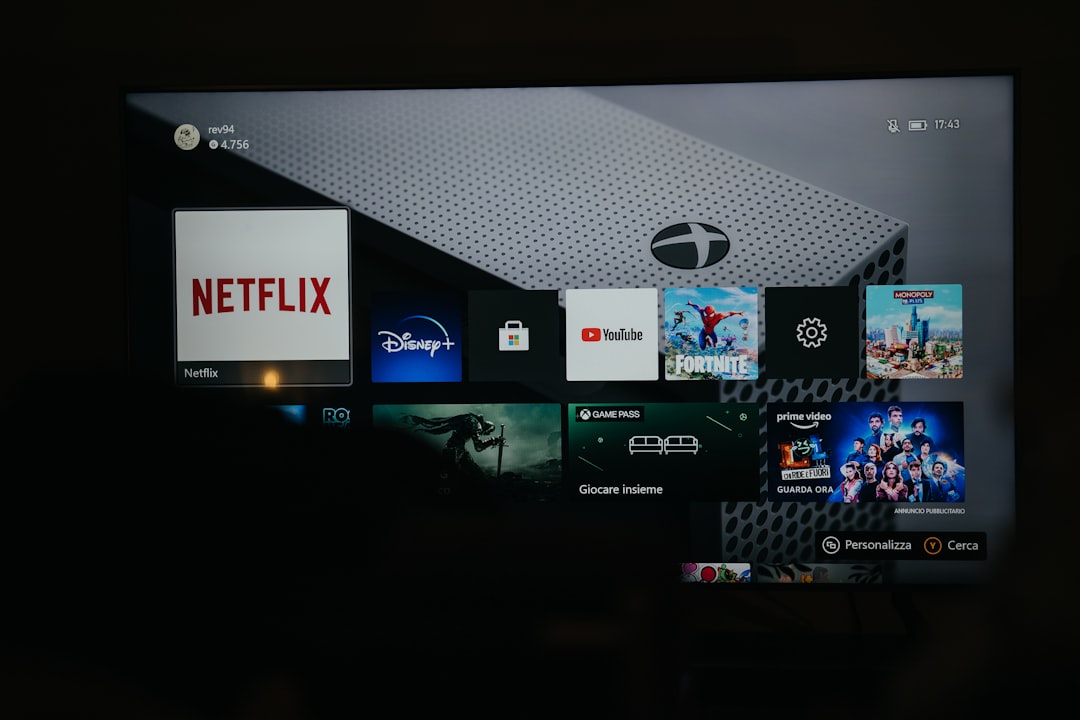
The keyword detection vocabulary programmed into smart TV listening systems extends substantially beyond the manufacturer-disclosed wake words and encompasses a broader set of terms and phrase patterns that trigger elevated audio capture and flagging behaviors without any corresponding visual or auditory indication to the household. Patent filings from major consumer electronics and advertising technology companies have described systems designed to detect brand names, product category terms, competitor mentions, and emotionally significant language in ambient household audio to generate advertising targeting signals of higher commercial value than general demographic data. The commercial logic driving keyword detection expansion is derived from the demonstrated advertising premium associated with reaching consumers at the moment of expressed product interest rather than on the basis of general behavioral inference. Smart TV platform terms of service agreements contain language broad enough to encompass undisclosed keyword detection expansion without requiring amendment or consumer notification, providing legal cover for capability expansions that are technically significant from a privacy perspective. Consumer privacy researchers have described keyword detection expansion as one of the most commercially motivated and least publicly accountable data collection behaviors in the connected home device ecosystem.
Guest Network Blindness
Households that connect smart TVs to separate guest network segments believing this configuration isolates the device’s data collection capabilities from sensitive home network activity are operating under a technical misunderstanding that smart TV manufacturers have no commercial incentive to correct. The data collection behaviors of smart TVs occur through the device’s own internet connection to manufacturer and third-party servers and are not dependent on access to other devices on the home network, meaning network segmentation does not prevent external data transmission, only lateral device-to-device communication within the home. Smart TV devices have been documented using ultrasonic audio signals and other side-channel communication methods to detect and correlate with nearby mobile devices even when they are on separate network segments, a capability described in advertising technology patents as enabling cross-device identity resolution without shared network access. The security advice to place IoT devices on isolated network segments is sound from a network intrusion prevention perspective but creates a false sense of data collection containment that may reduce the urgency with which households pursue other privacy configuration measures. Consumer education around smart TV privacy tends to conflate network security isolation with data collection prevention, a conflation that benefits manufacturers by redirecting household privacy concern toward a measure that does not address the primary data collection architecture.
Does your smart TV’s data collection concern you? Share your thoughts in the comments.