
Dinner parties are one of the oldest and most cherished social traditions, bringing people together around food, conversation, and shared experience. Whether the gathering is formal or relaxed, certain unspoken rules govern how guests and hosts conduct themselves at the table. Ignoring these expectations can create awkward moments and leave a lasting negative impression on everyone present. Understanding proper dinner party etiquette reflects respect for the host, fellow guests, and the effort that goes into creating a meaningful shared meal.
RSVP Etiquette
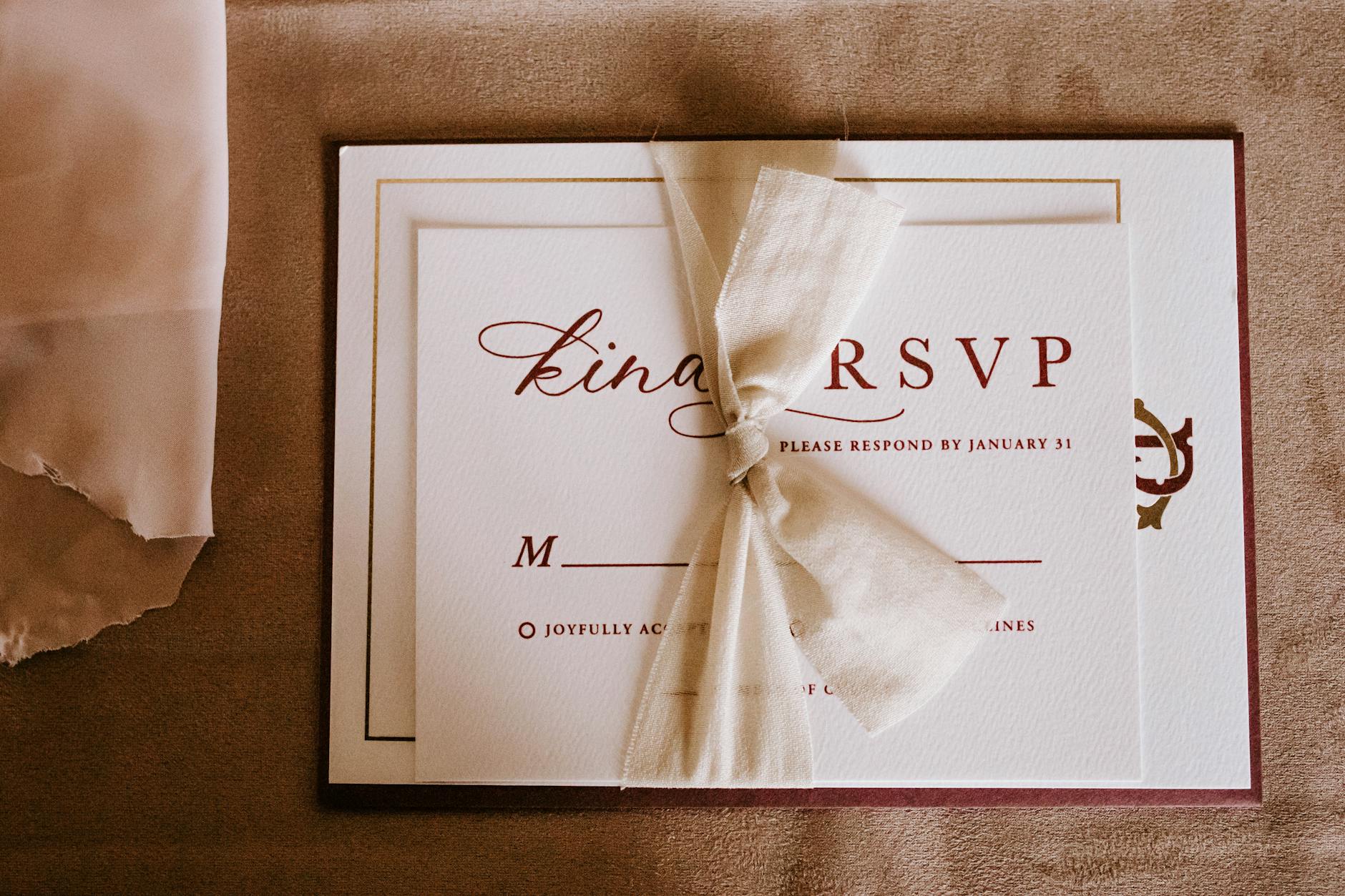
Responding promptly to a dinner party invitation is one of the most fundamental courtesies a guest can extend to a host. Hosts need accurate numbers to plan seating arrangements, prepare enough food, and manage the overall flow of the evening. Failing to respond or changing a confirmed answer at the last minute creates unnecessary stress and disrupts careful preparations. A timely and decisive response signals genuine appreciation for the invitation and respect for the host’s time and effort.
Punctuality
Arriving on time to a dinner party is a basic sign of respect that many guests overlook. Showing up too early can catch a host mid-preparation and create an uncomfortable situation for both parties. Arriving more than fifteen minutes late without prior notice disrupts the timing of dishes that have been carefully coordinated. The ideal arrival window is within five to ten minutes of the stated time, signaling reliability and consideration.
Host Gift

Bringing a small gift to a dinner party is a widely recognized gesture of appreciation across many cultures and social circles. A bottle of wine, a box of chocolates, or fresh flowers are classic and appropriate choices that require little explanation. The gift should be presented upon arrival rather than saved for later in the evening, as this acknowledges the host’s efforts from the outset. Overly extravagant gifts can feel awkward in casual settings, so the gesture is most effective when it is thoughtful rather than showy.
Phone Use

Placing a phone face-up on the dinner table or checking it repeatedly throughout the evening is considered one of the more disruptive modern habits a guest can bring to a dinner party. The presence of a phone signals divided attention and can make other guests feel they are competing with a screen for conversation. Keeping the device out of sight during the meal shows genuine engagement with the people and the experience at hand. Urgent messages or calls should be handled discreetly and briefly away from the table.
Seating Arrangements
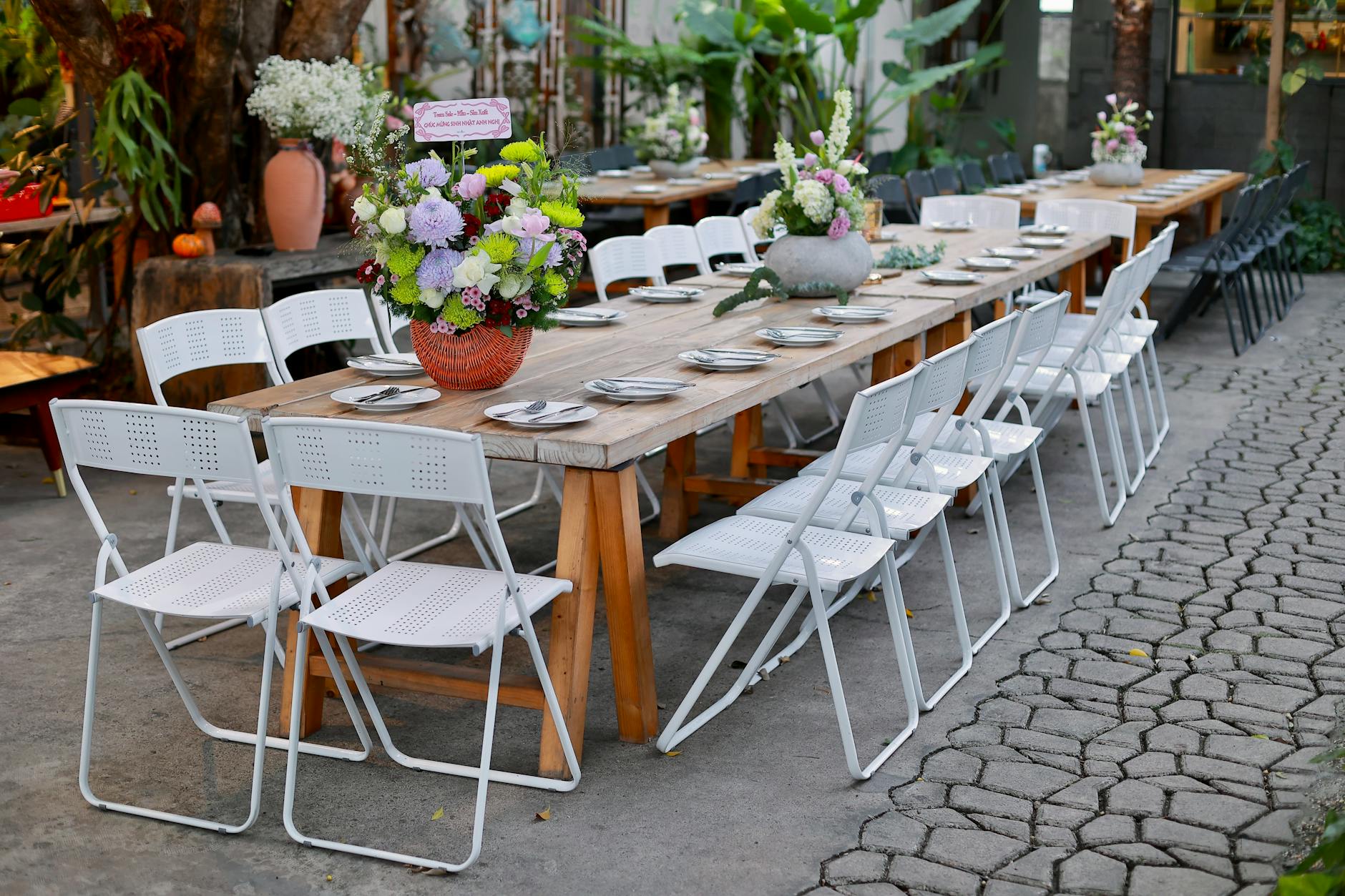
Respecting a host’s seating arrangement is an important part of dinner party etiquette that guests sometimes overlook. Hosts often put considerable thought into where each person sits, considering personality dynamics, conversation potential, and table balance. Moving place cards or choosing a different seat without asking can disrupt the carefully considered plan and create unnecessary confusion. Sitting where assigned and embracing the seating choice reflects trust in the host’s judgment.
Napkin Placement
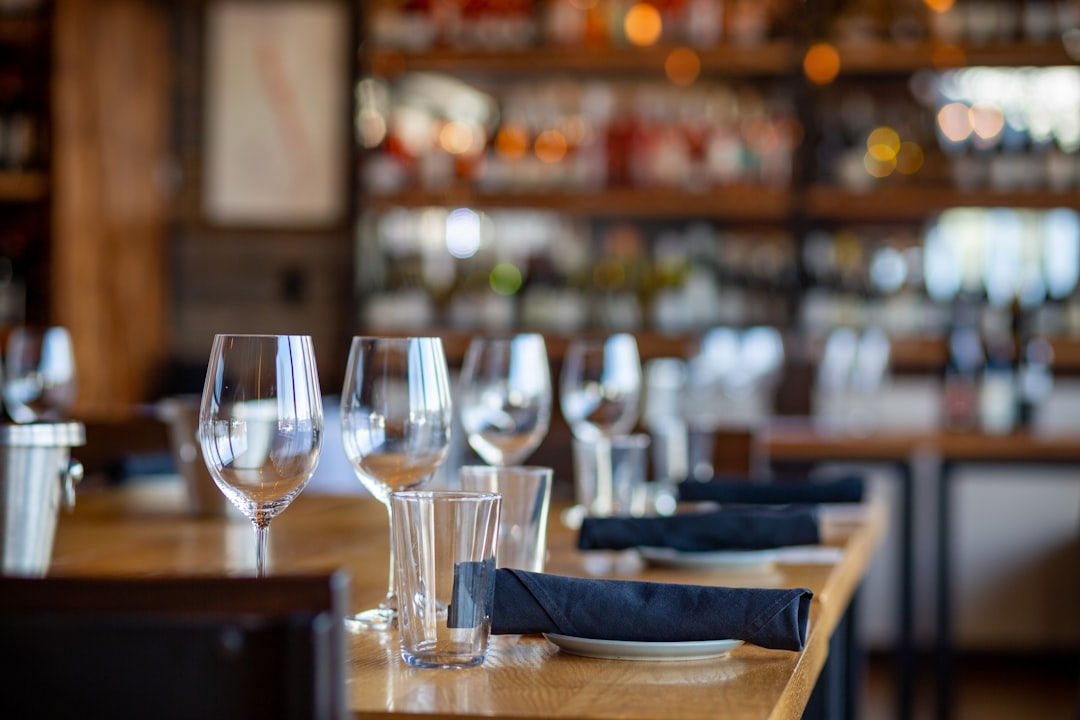
Using the table napkin correctly is a small but telling detail that reflects a guest’s familiarity with formal dining customs. The napkin should be unfolded and placed across the lap once everyone is seated rather than tucked into a collar or left on the table. During the meal it is used to gently dab the mouth rather than wipe it aggressively. At the end of the evening the napkin is loosely gathered and placed to the left of the plate rather than refolded or crumpled.
Dietary Restrictions
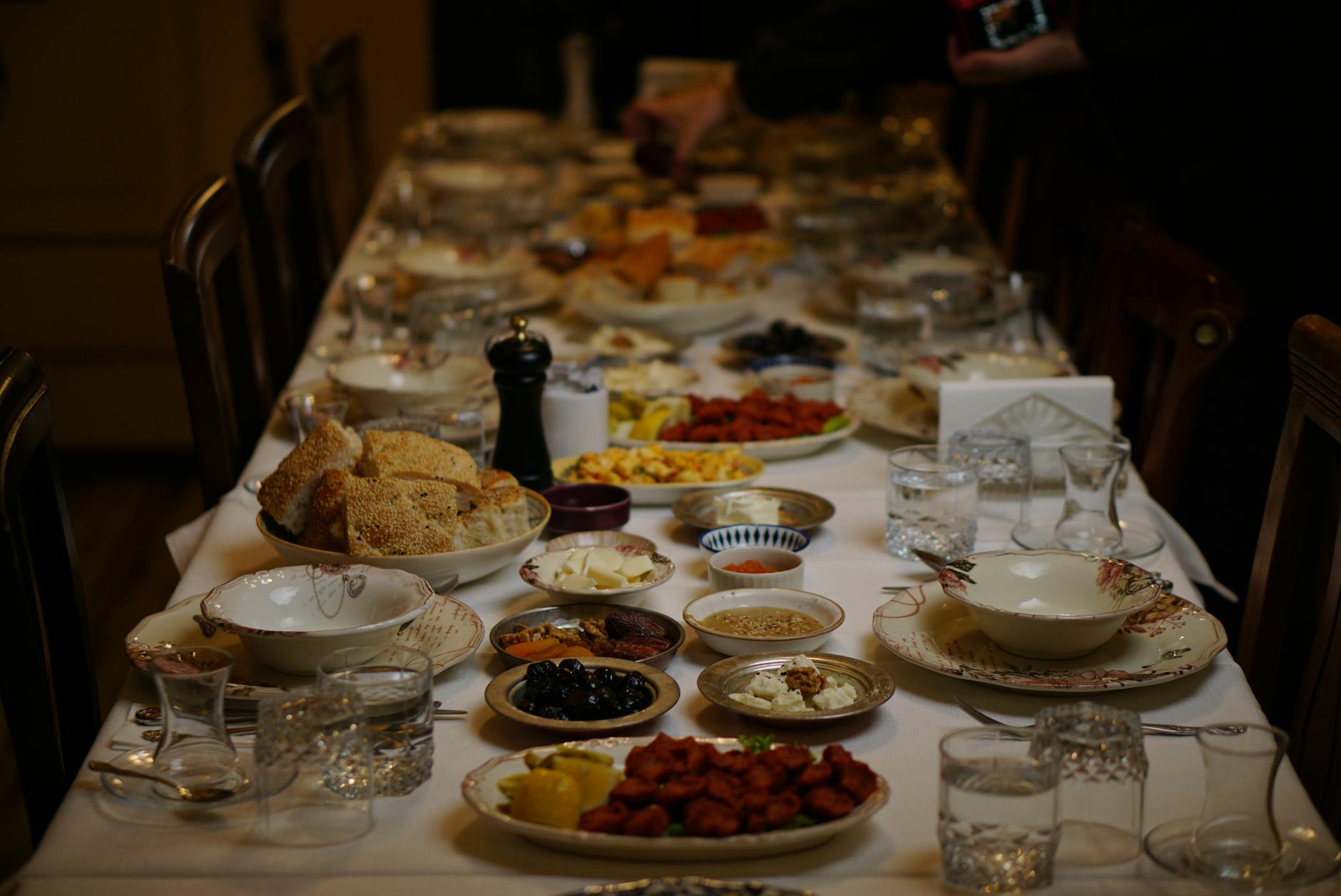
Communicating dietary restrictions or food allergies to the host well in advance is a responsibility that falls entirely on the guest. Raising restrictions at the table for the first time puts a host in an uncomfortable and often impossible position mid-meal. A brief note at the time of the RSVP gives the host the opportunity to accommodate needs without stress or embarrassment. Guests who fail to communicate their needs ahead of time should accept the available food as graciously as possible rather than drawing attention to the issue.
Conversation Topics

Choosing appropriate conversation topics at a dinner party helps maintain a warm and inclusive atmosphere for all guests. Controversial subjects such as politics, religion, or personal finances are best avoided unless the host deliberately steers the group in that direction. Engaging conversation draws in all guests rather than excluding those unfamiliar with a specific topic or social circle. The most appreciated dinner party guests are those who listen attentively and contribute thoughtfully rather than dominating the discussion.
Complimenting the Cook

Acknowledging the food prepared by a host is one of the simplest and most meaningful gestures a guest can offer. Commenting positively on specific dishes shows attentiveness and genuine appreciation for the effort involved in preparing a multi-course meal. Silence about the food or vague, unenthusiastic remarks can leave a host feeling their work went unnoticed. Even in cases where a dish did not appeal personally, expressing gratitude for the overall effort remains the courteous course of action.
Utensil Use
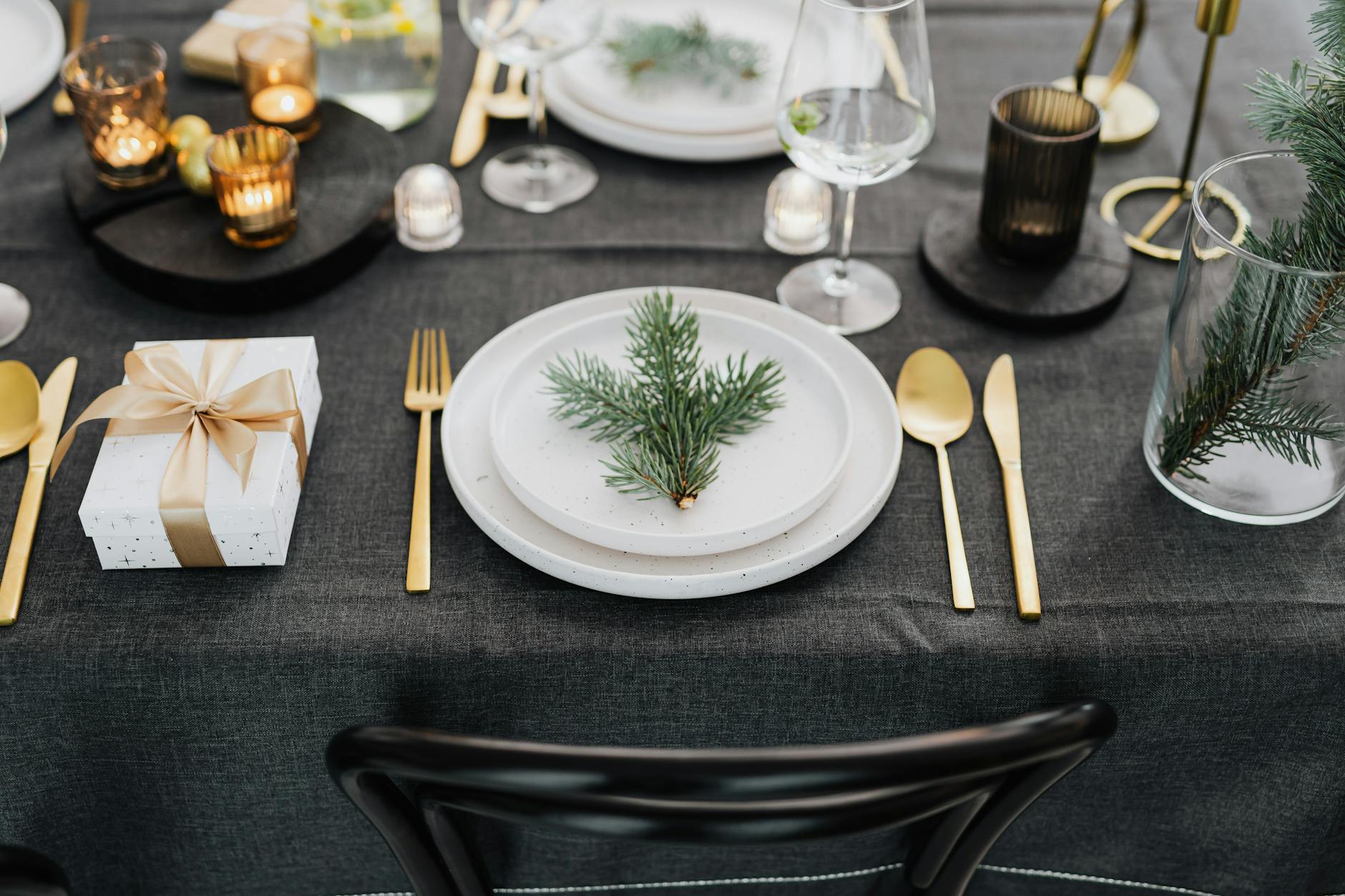
Understanding which utensils to use and in what order is a foundational aspect of formal dining etiquette. The general rule at a properly set table is to begin with the outermost utensils and work inward with each course. Pointing at others with cutlery, resting utensils on the tablecloth, or using the wrong fork for a course are among the more noticeable table manner missteps. Placing the knife and fork parallel across the plate signals to service staff or the host that a course is finished.
Chewing Habits

Eating with the mouth closed and refraining from speaking while chewing are among the most universally expected table manners across cultures. The sounds produced by open-mouth chewing are widely considered inconsiderate in social dining settings. Taking smaller bites and pacing the meal naturally reduces the likelihood of being caught mid-chew when drawn into conversation. These habits reflect basic respect for fellow diners and are among the first etiquette lessons taught in childhood.
Alcohol Moderation

Drinking responsibly at a dinner party is an important aspect of being a considerate guest. Overindulging in alcohol can lead to loud, inappropriate behavior that disrupts the tone the host has worked to create. Guests who drink excessively also risk creating uncomfortable situations for themselves, the host, and fellow guests. Pacing consumption throughout the evening and alternating with water is a practical approach that allows guests to enjoy the occasion without overstepping.
Waiting to Eat
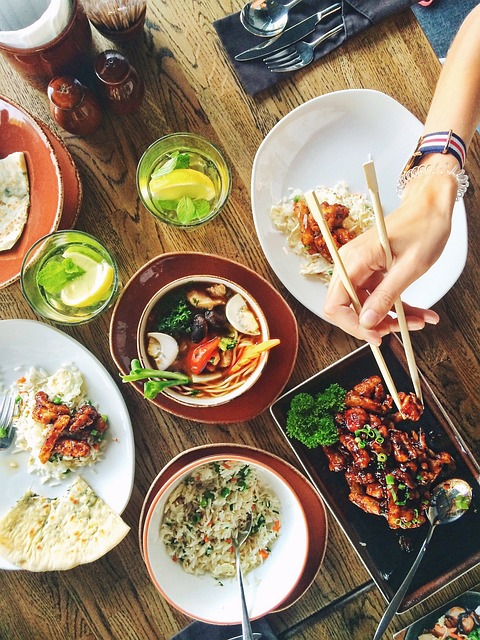
Waiting until all guests have been served before beginning to eat is a widely upheld rule of dinner party etiquette. Beginning a course before others have received their plate is considered impatient and can make slower diners feel rushed or self-conscious. In very formal settings it is also customary to wait for the host to indicate that the meal may begin. This small act of patience contributes significantly to a synchronized and harmonious dining experience for everyone at the table.
Reaching Across

Reaching across another guest or across the table to retrieve food, condiments, or utensils is considered poor table etiquette in most dining settings. The correct approach is to politely ask a nearby guest to pass the desired item rather than leaning over shared space. This rule applies regardless of how close the item may appear or how casual the gathering seems to be. Observing it consistently demonstrates spatial awareness and consideration for fellow diners.
Dish Criticism
Openly criticizing a dish that a host has prepared is one of the more socially damaging behaviors a guest can exhibit at a dinner table. Even when a meal falls short of expectations, the effort and hospitality behind it deserve acknowledgment rather than critique. Commenting negatively on food choices, flavors, or preparation in front of the group is rarely received well and can cause lasting damage to a friendship or professional relationship. Gratitude and discretion are always the more appropriate responses.
Leaving the Table
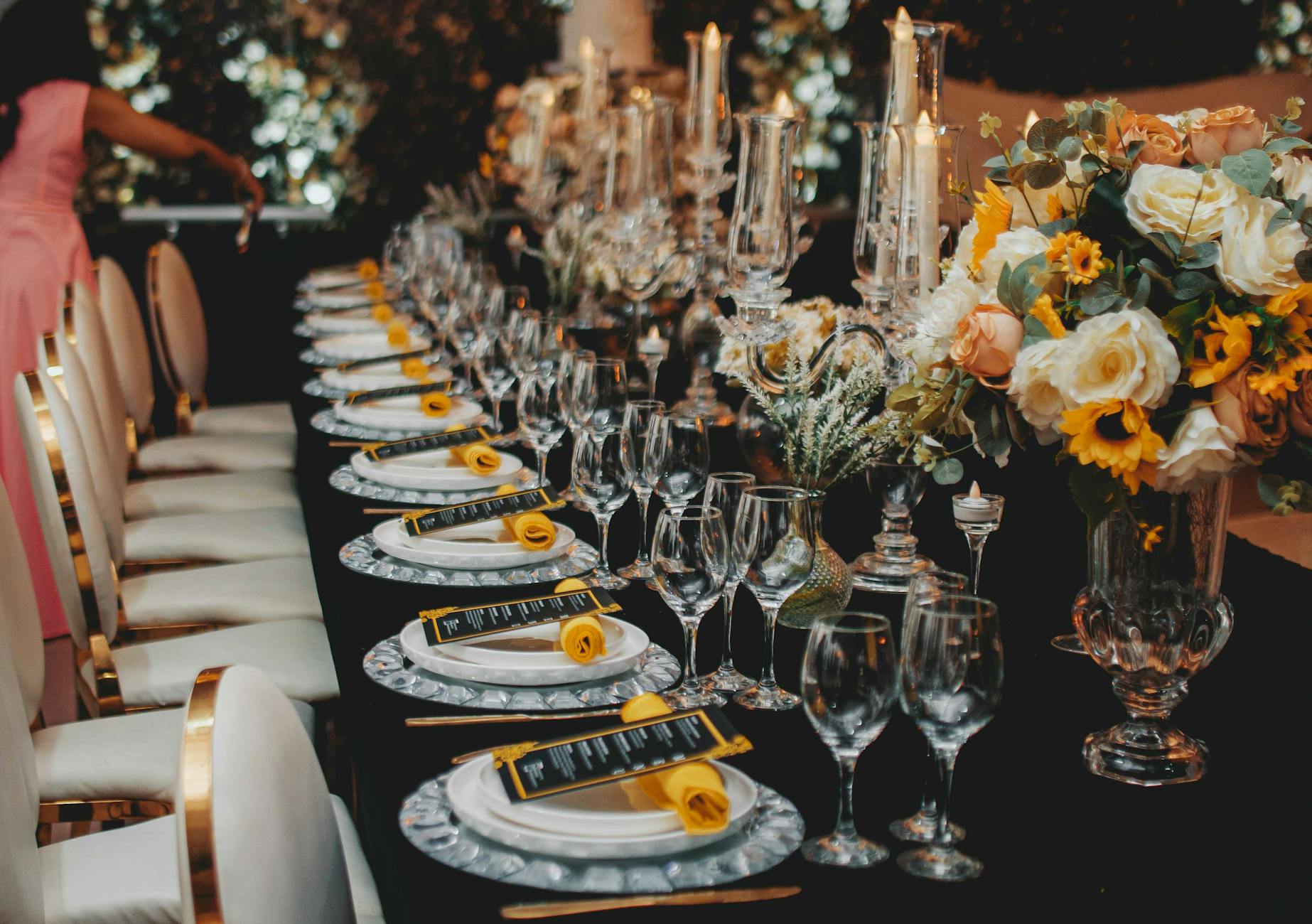
Excusing oneself from the table during a meal should be done discreetly and as infrequently as possible. Stepping away repeatedly or for extended periods disrupts the flow of conversation and draws unnecessary attention. When leaving is unavoidable, a quiet and brief apology to those nearby is the courteous approach. Phones, unless genuinely urgent, are not considered a sufficient reason to leave the table during a shared meal.
Pacing Your Meal

Matching the general eating pace of the group helps maintain a natural rhythm throughout the dinner. Finishing a course significantly faster than others can pressure slower diners into rushing their food, while eating too slowly can hold up service for the entire table. Paying attention to how the group is progressing allows a guest to adjust naturally without drawing attention to the disparity. Pacing also allows for more comfortable conversation between bites rather than long silences during heavy eating.
Clearing the Table
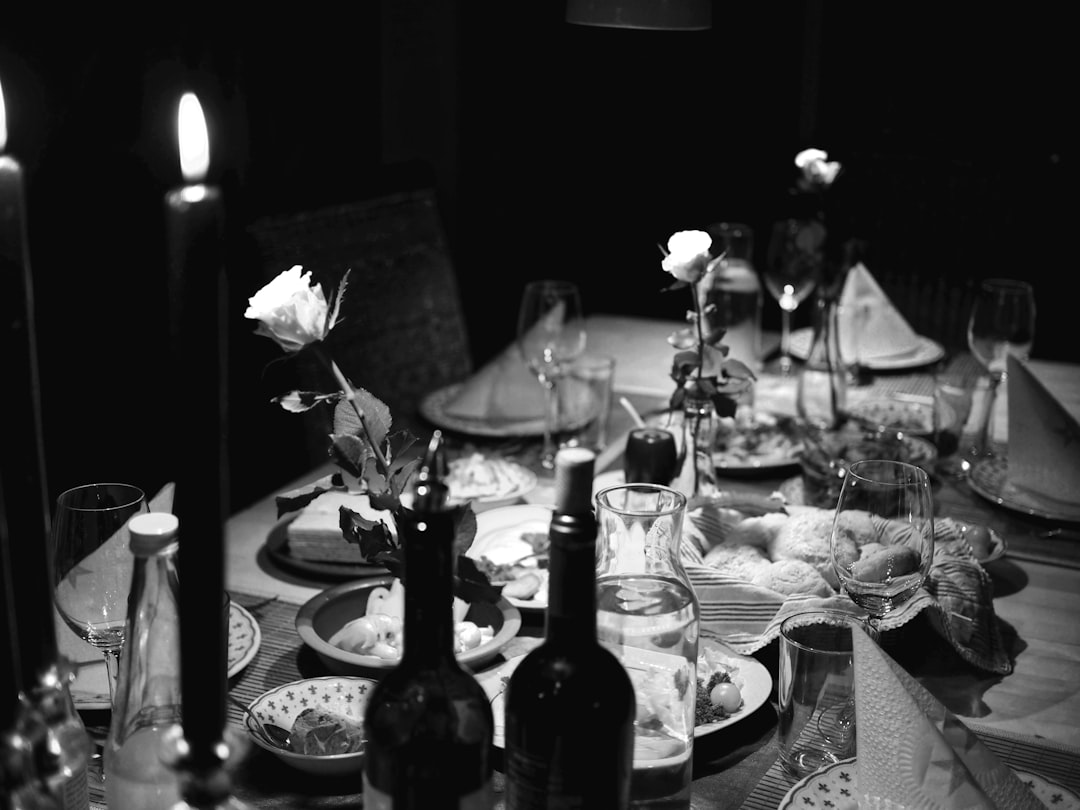
Guests should avoid stacking, clearing, or otherwise reorganizing dishes at the table unless specifically invited by the host to do so. While the intention behind such actions is usually helpful, it can interfere with the host’s planned service flow and may come across as presumptuous. Offering assistance is perfectly acceptable, but it should be a verbal offer rather than a unspoken action. Allowing the host to manage the pace of the meal demonstrates trust in their preparation and planning.
Thanking the Host
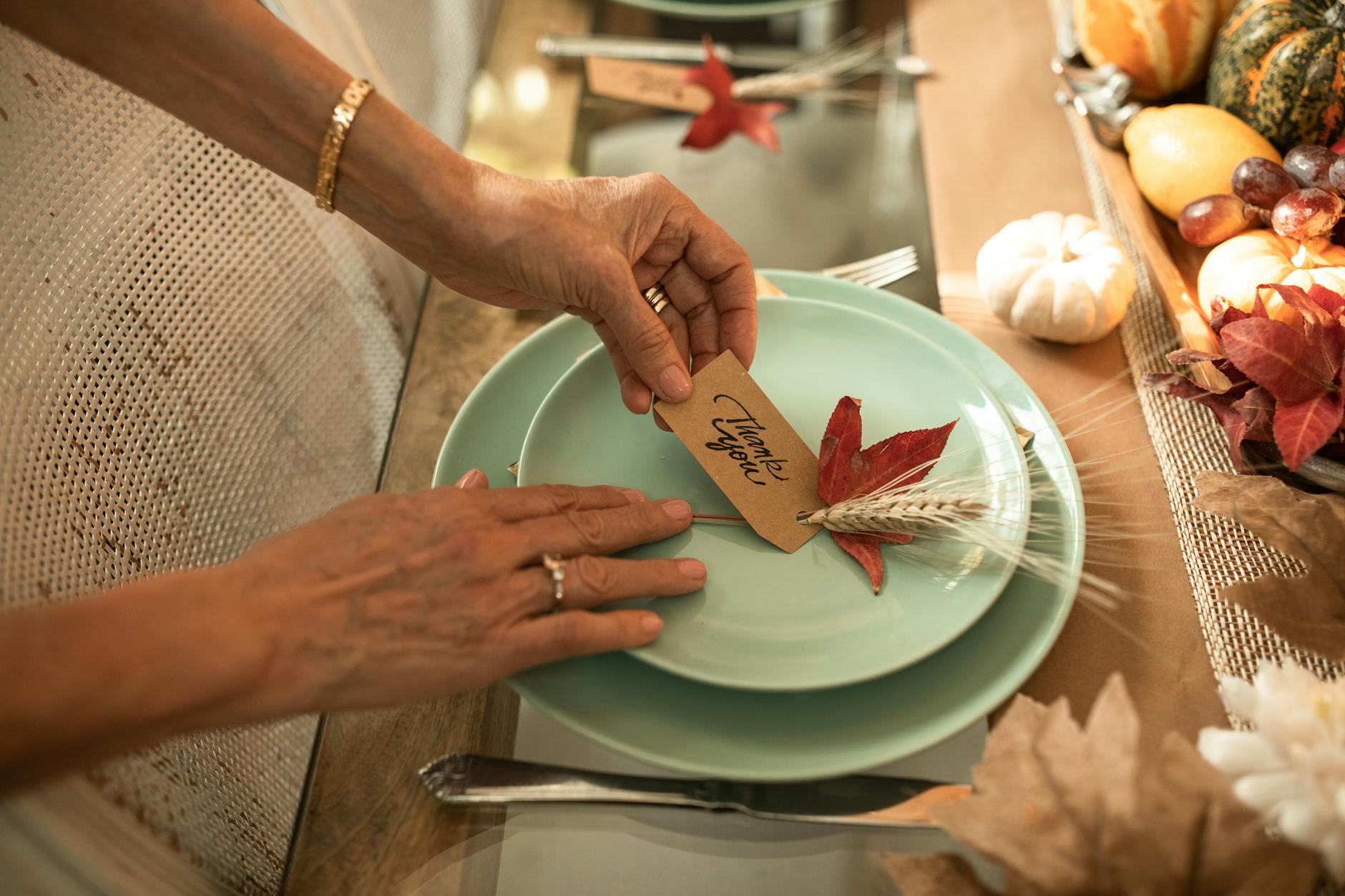
Expressing genuine gratitude to the host before leaving is one of the most important elements of dinner party etiquette. A brief and sincere thank-you in person at the end of the evening acknowledges the significant time and energy that went into planning and preparing the event. Following up with a message the next day reinforces the appreciation and leaves a lasting positive impression. Guests who leave without acknowledging the host risk appearing indifferent regardless of how well they conducted themselves throughout the meal.
Graceful Departure
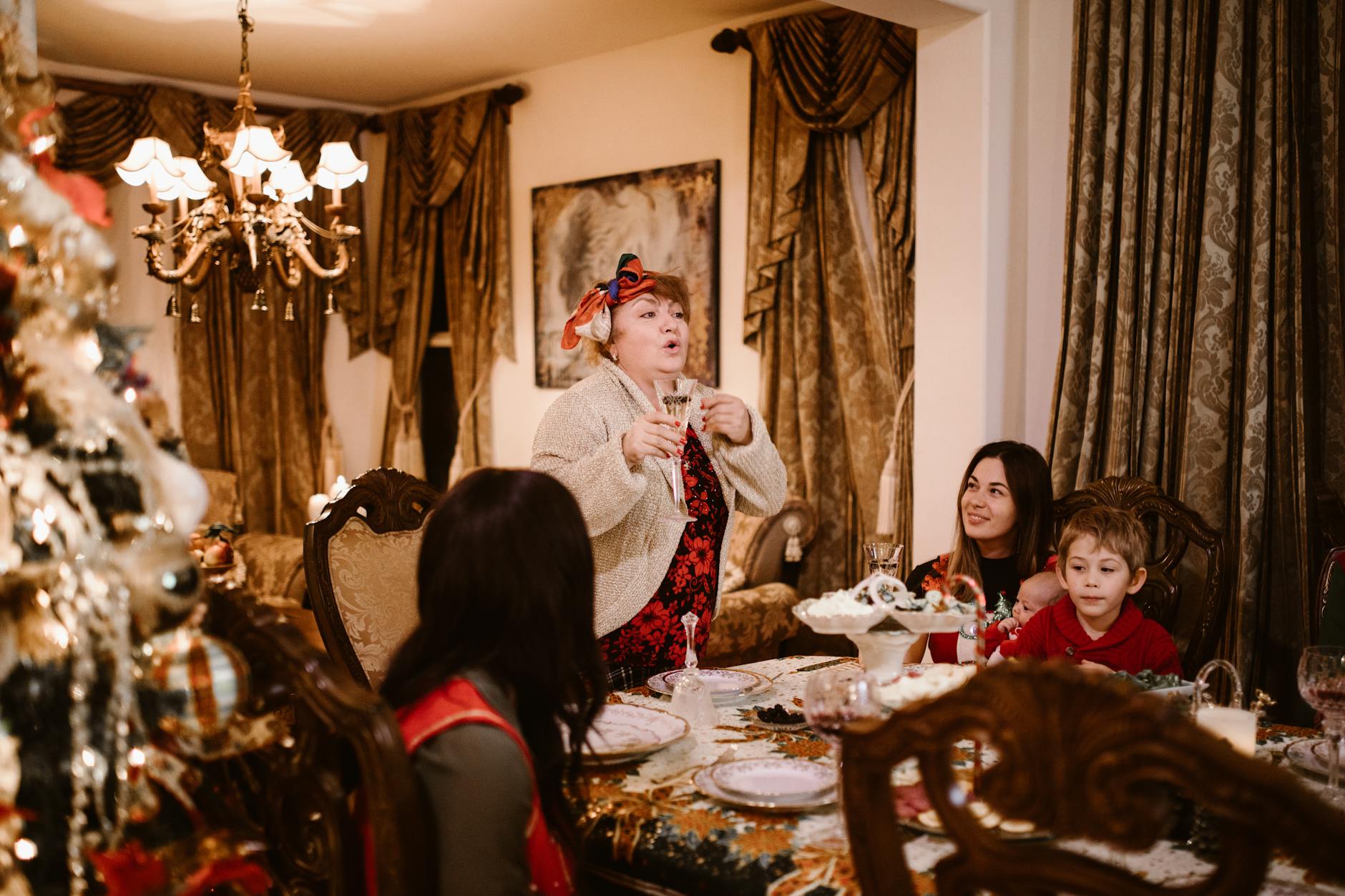
Knowing when and how to leave a dinner party reflects a guest’s awareness of social timing and consideration for the host. Lingering significantly past the natural end of an evening can exhaust a host who may need to clean up or simply rest. Equally, leaving too abruptly without proper farewells to fellow guests can feel dismissive and socially awkward. Reading the room, saying warm goodbyes, and departing gracefully completes the evening on the best possible note for everyone involved.
What dinner party etiquette rule do you consider the most important, and is there one you think more people need to follow? Share your thoughts in the comments.