
Most households are running dozens of silent financial leaks through their power sockets every single day. The devices responsible are rarely the obvious ones and many of them sit in the background of daily life completely unquestioned. Energy bills climb steadily while the actual culprits remain plugged in unused and entirely forgotten. Understanding exactly which items are working against your finances changes how you approach every room in your home.
Cable Box
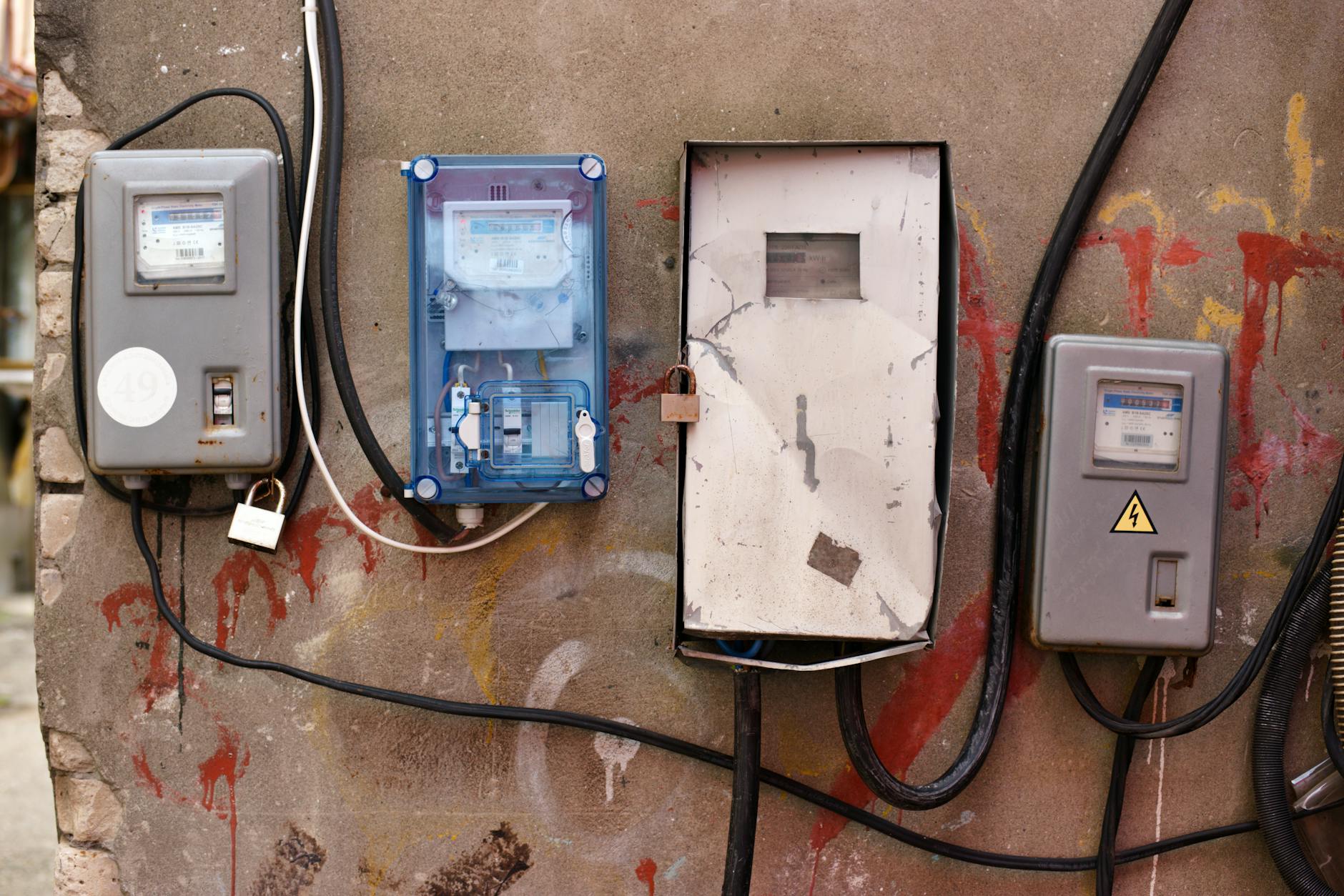
A cable or satellite set-top box is one of the single most energy-hungry devices in the average home and it draws close to its maximum power consumption around the clock regardless of whether the television is on or off. Many models never enter a genuine low-power state because they are continuously downloading programme guides updating software and preparing recordings in the background. Studies conducted across multiple countries have consistently found that a single cable box can consume as much annual electricity as a large refrigerator. Switching to a streaming device and cancelling a cable subscription eliminates this drain entirely while also removing the monthly service fee. Unplugging the box when leaving for extended periods produces measurable savings even when a full switch is not immediately practical.
Old Refrigerator
A refrigerator manufactured before 2000 can consume two to three times the electricity of a modern equivalent while delivering inferior cooling performance and running noticeably louder throughout the day and night. The compressor in an ageing unit cycles on and off more frequently as its efficiency degrades and the door seals deteriorate allowing cold air to escape continuously. Many households keep old refrigerators running in garages or utility rooms as secondary storage units without calculating the annual cost of doing so. The electricity consumed by a single inefficient secondary fridge can exceed the cost of replacing it with a modern energy-rated model within two to three years. Testing door seals by closing them over a piece of paper and checking for resistance is a simple way to identify whether a fridge is losing significant cold air.
Desktop Computer
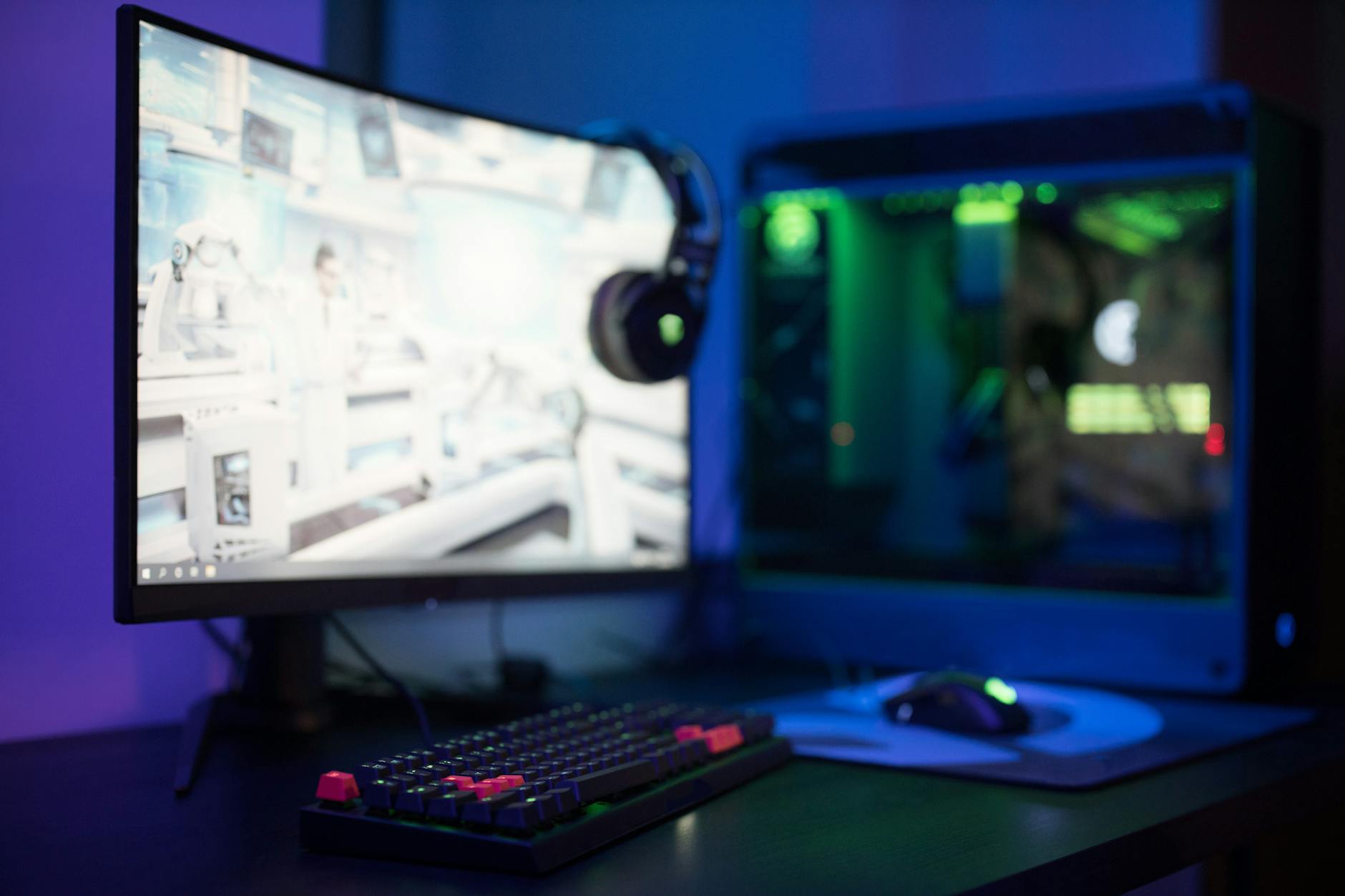
A full desktop computer setup including the tower monitor external speakers and peripherals left on standby or in sleep mode draws a continuous background load that accumulates into a significant annual cost across a typical working household. Many desktop towers default to a sleep state that still powers the motherboard memory and cooling fans at a reduced level rather than shutting down completely. External monitors in particular are frequently overlooked as standby energy consumers since they display no visible light when in sleep mode but continue drawing power to maintain their readiness state. Gaming desktops with high-performance graphics cards and large power supplies carry a substantially higher standby load than standard office machines. Enabling full shutdown rather than sleep at the end of each working day produces a consistent and compounding saving over the course of a year.
Inkjet Printer
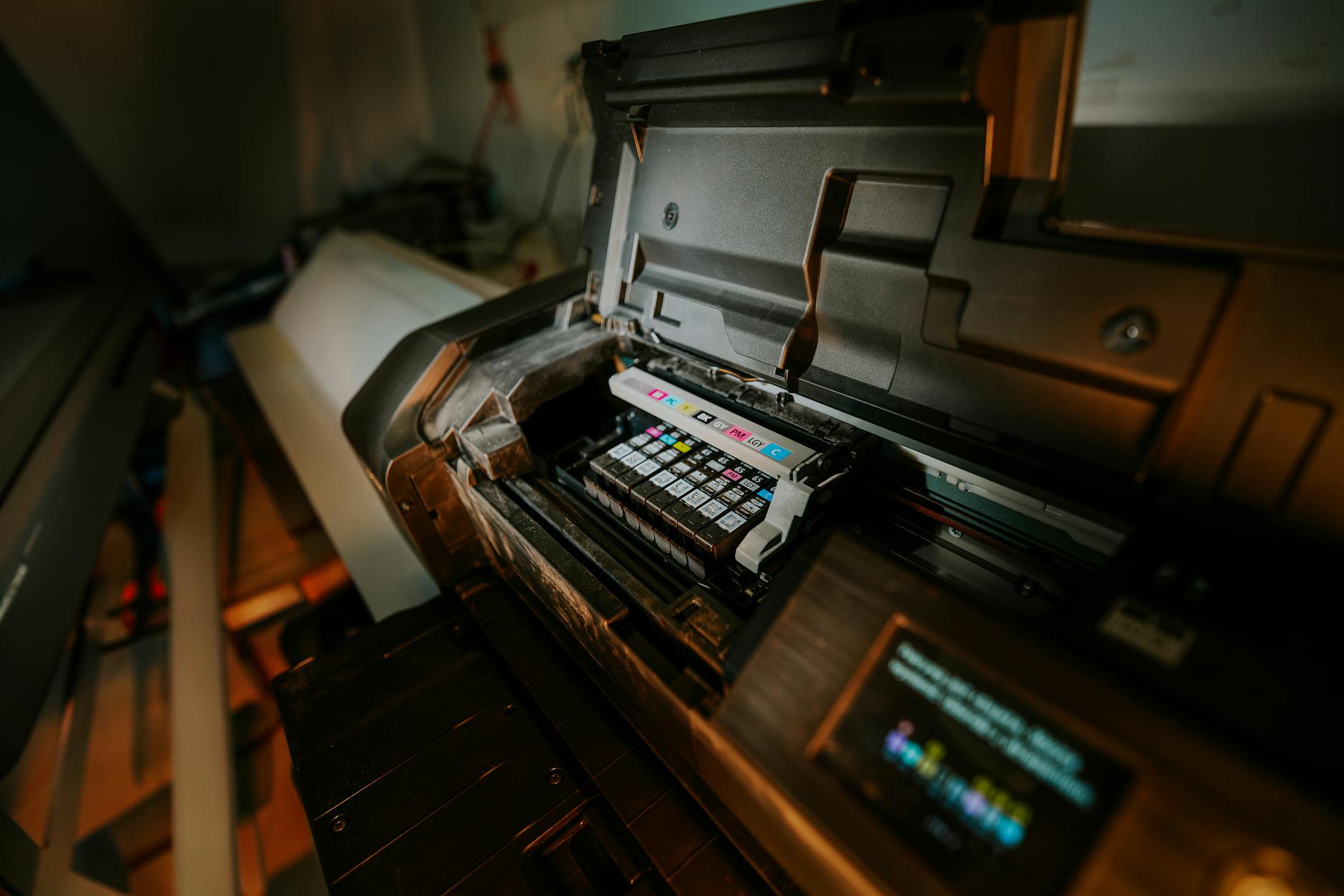
An inkjet printer left plugged in cycles through a maintenance routine multiple times per day even when it has not been used drawing power to run the print head cleaning mechanism and keep the ink from drying in the nozzles. This behaviour continues overnight and across weekends producing a weekly energy consumption that surprises most owners when they calculate it against their actual print volume. The maintenance cycles also consume a small amount of ink each time they run which shortens cartridge life and increases replacement frequency beyond what actual printing alone would cause. Laser printers share a similar standby consumption profile though their maintenance cycling differs in character. Connecting a printer to a switched power strip and turning it on only when needed eliminates both the energy drain and the unnecessary ink consumption from idle maintenance cycles.
Fish Tank
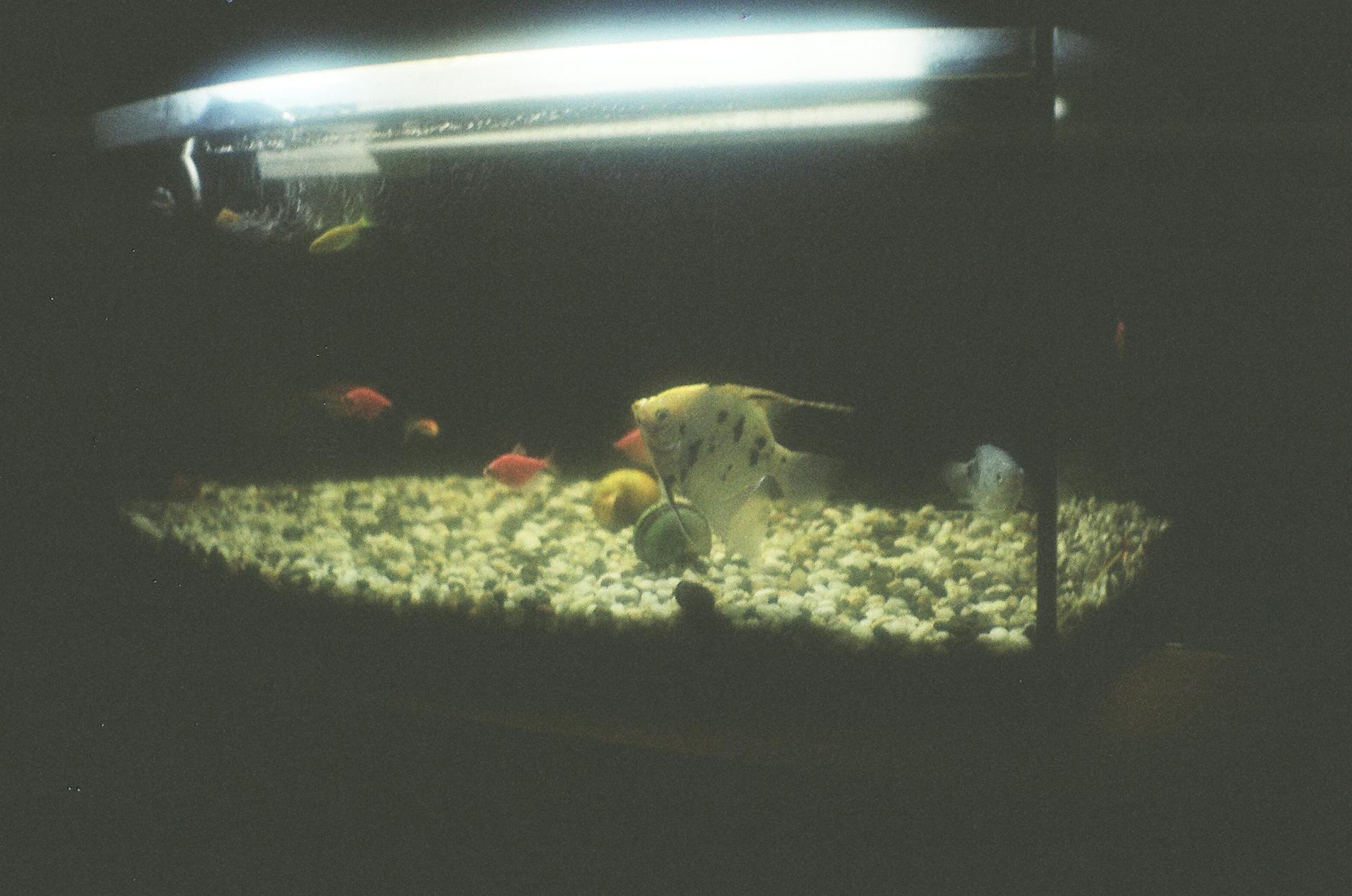
An aquarium running a heater filter lighting system and air pump simultaneously operates as a continuous high-draw appliance that many owners never associate with their rising electricity costs. The heater alone in a tropical tank must maintain a constant water temperature which requires regular cycling in any room that drops below the target temperature during cooler months. Larger tanks with multiple filtration stages UV sterilisers and CO2 systems for planted aquariums compound the consumption considerably. A moderately sized tropical aquarium can consume as much electricity annually as running a washing machine several times per week throughout the year. Upgrading to energy-efficient LED lighting and a variable-speed pump significantly reduces the ongoing running cost without affecting the health or appearance of the tank.
Wine Fridge
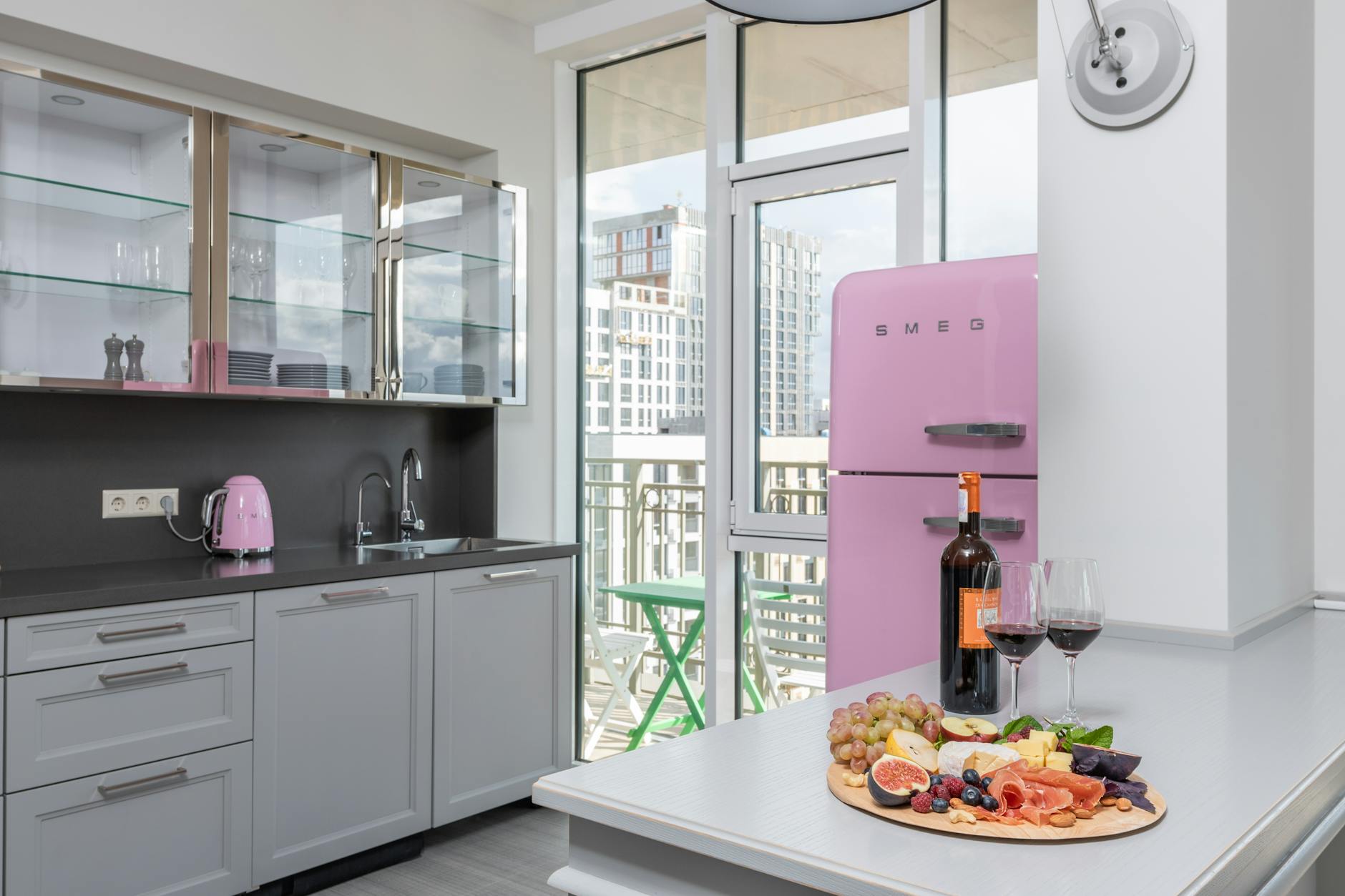
A wine refrigerator or beverage cooler operates on the same basic principle as a standard fridge but is typically less well insulated and runs a compressor or thermoelectric cooling system around the clock to maintain a precise and consistent temperature. Many models are placed in ambient-temperature environments such as dining rooms or home bars where the surrounding air is warmer than a kitchen causing the cooling system to work harder and cycle more frequently. A wine fridge that holds fewer than twenty bottles but runs continuously in a warm room can consume more annual electricity than a modern full-sized kitchen refrigerator. Models that use thermoelectric rather than compressor cooling are quieter but significantly less efficient in warm ambient conditions. Placing the unit in a naturally cool location and ensuring adequate ventilation around its sides and back reduces the workload on the cooling system substantially.
Plasma Television
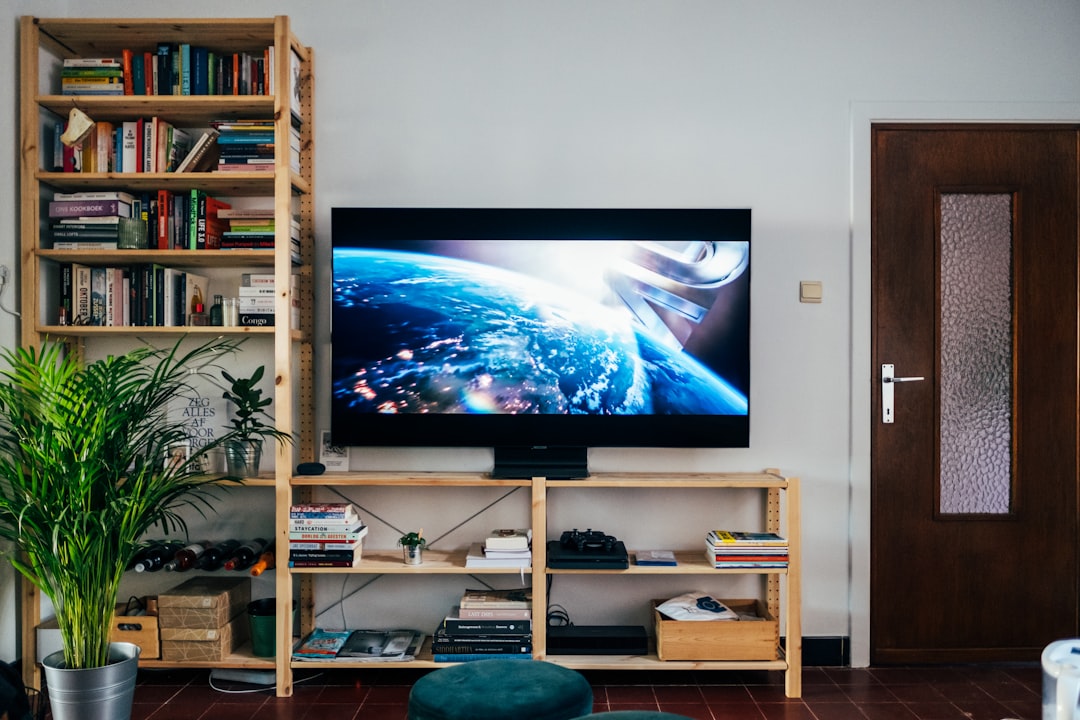
A plasma television set consumes substantially more electricity per hour of viewing than any equivalent LED or OLED display and continues drawing power in standby mode at a higher rate than most modern televisions. The plasma technology requires a continuous high-voltage charge across the screen’s gas cells which produces the characteristic warmth on the front surface of the panel during operation. Many plasma sets manufactured before 2013 draw between two hundred and four hundred watts during normal viewing compared to the forty to eighty watts typical of a modern equivalent screen size. Households that replaced their plasma televisions with modern displays routinely report noticeable reductions in their electricity bills in the billing period following the switch. Leaving a plasma television on in the background as ambient noise or lighting compounds the cost significantly compared to the same behaviour with a modern panel.
Slow Cooker
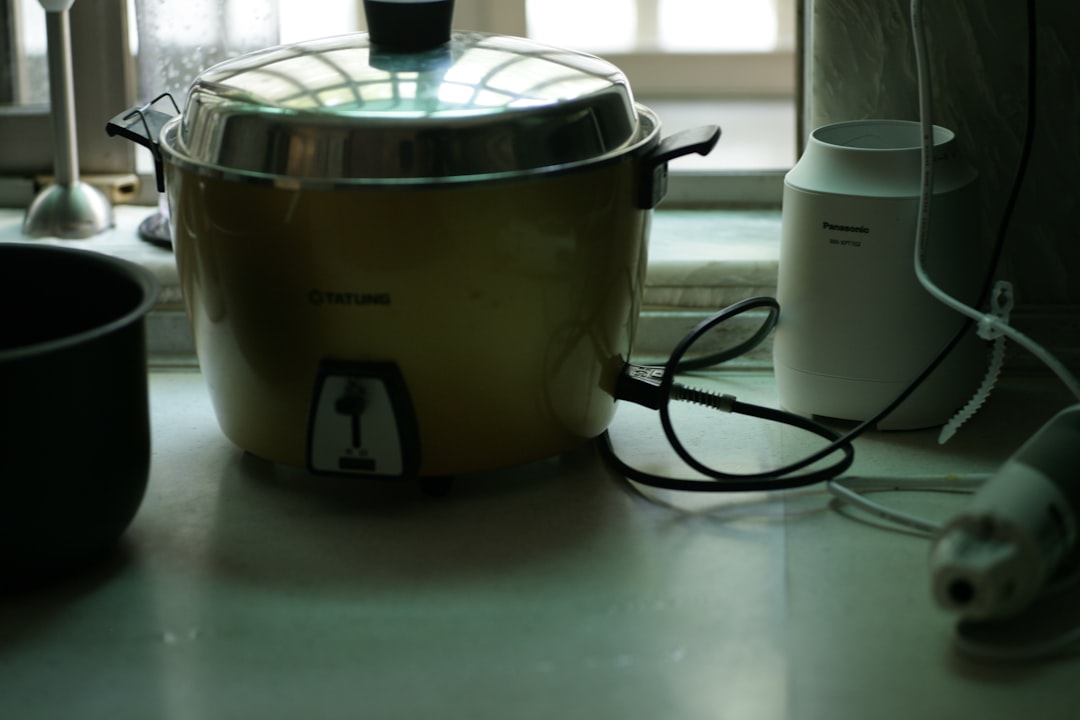
A slow cooker left running on its low setting for eight to ten hours while producing a single meal consumes a cumulative energy load that surprises many users who assume the low heat setting implies minimal electricity use. The appliance draws a modest wattage per hour but the extended duration of a typical slow-cooked meal means the total energy consumed per dish can match or exceed that of cooking the same meal in a conventional oven at higher heat for a shorter time. Older slow cooker models are often less efficient than current designs and some run warmer than their settings suggest due to degraded thermostatic control. Using a slow cooker during off-peak electricity tariff hours where variable tariffs are available reduces the cost per use considerably. Modern pressure cookers and multi-cookers achieve comparable results in a fraction of the time using a fraction of the total energy.
Microwave
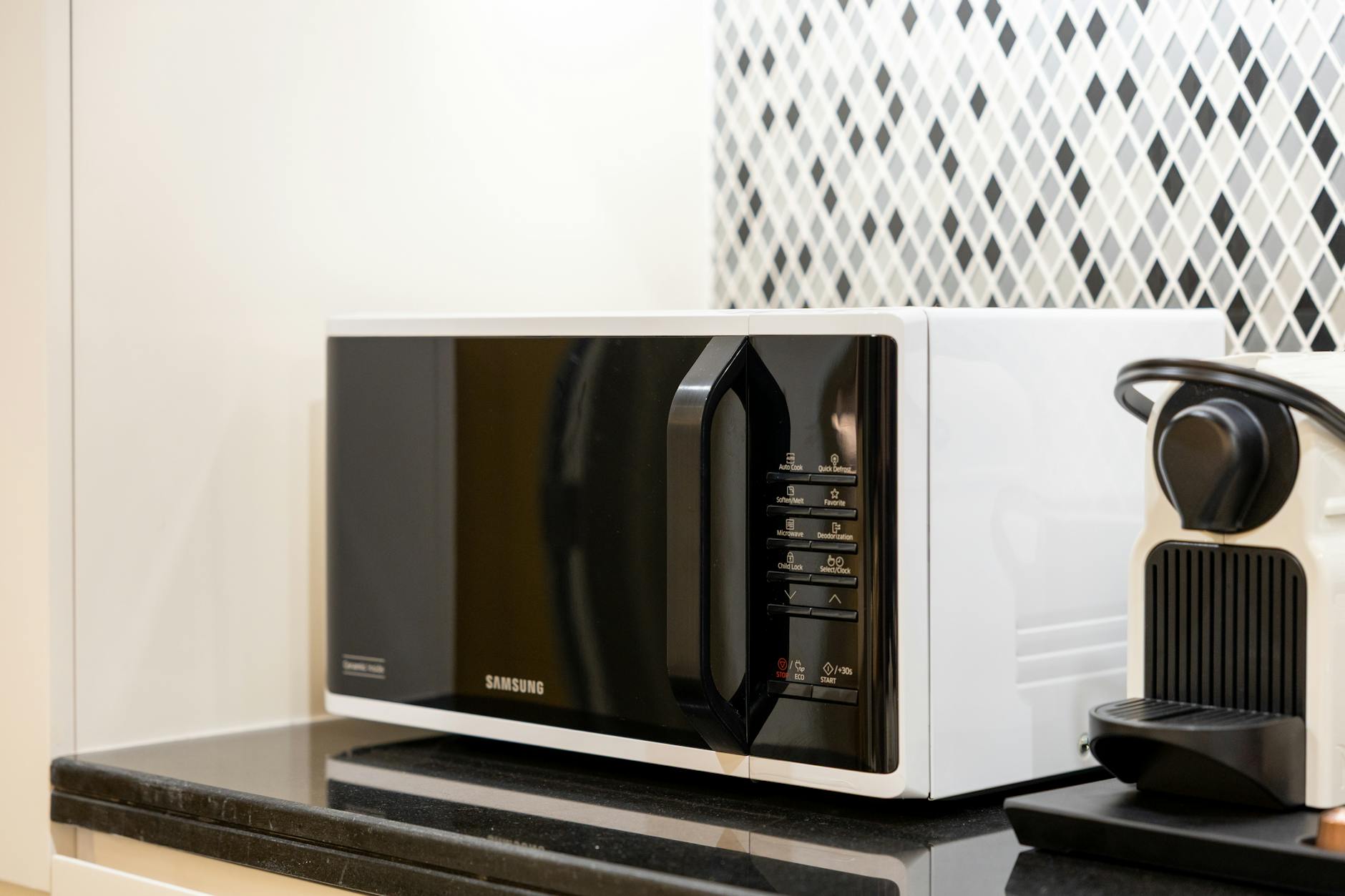
A microwave oven in standby mode displaying a clock and remaining ready to receive button presses draws a small but continuous current that runs twenty-four hours a day three hundred and sixty-five days a year regardless of how infrequently the appliance is actually used for cooking. Research measuring standby consumption across kitchen appliances consistently identifies microwaves as disproportionate standby consumers relative to their actual usage frequency in many households. A microwave used for ten minutes per day but left plugged in for the remaining twenty-three hours and fifty minutes spends the overwhelming majority of its connected time in a low-level power draw state. Unplugging the microwave when not in use and using a phone clock or separate kitchen timer as a replacement eliminates this drain entirely. The saving per unit is modest but households with multiple kitchen appliances in this category find the aggregate standby reduction meaningful on an annual basis.
Air Purifier
A whole-room air purifier running continuously on its medium or high setting consumes a significant annual load particularly in models that use UV sterilisation ionisation or multiple dense filter stages in addition to a standard fan mechanism. Many users leave purifiers running around the clock including during hours when rooms are unoccupied under the assumption that continuous operation maintains air quality more effectively than intermittent use. The filter replacement cost in high-end purifiers adds a recurring financial burden on top of the electricity consumption that is frequently underestimated at the point of purchase. Running a purifier only during occupied hours and on the lowest effective setting reduces consumption substantially without meaningfully compromising the air quality benefit the device provides. Smart purifiers with air quality sensors that adjust fan speed automatically tend to consume less total energy than manually operated units set to a fixed speed.
Dehumidifier
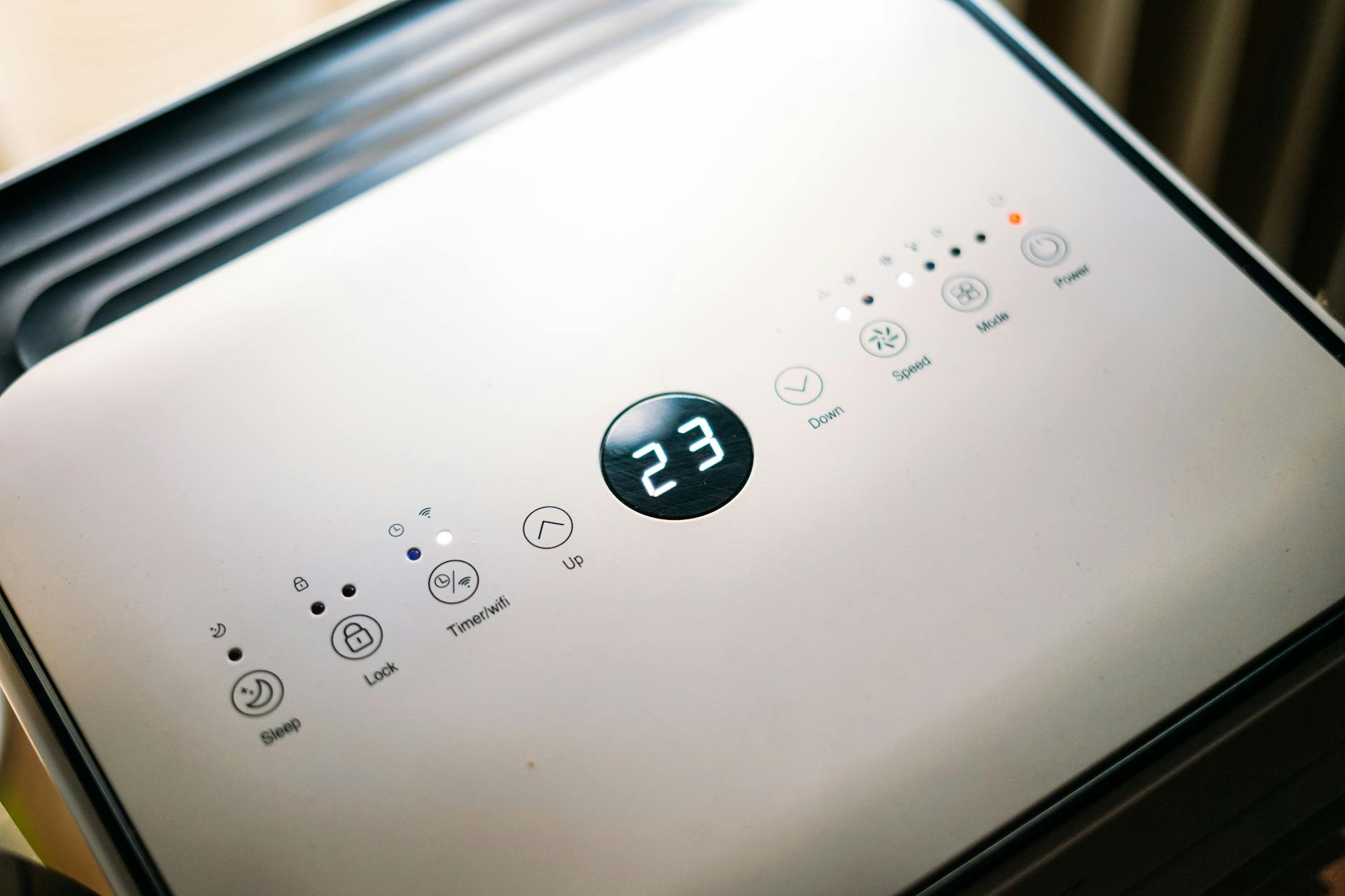
A dehumidifier running continuously in a basement utility room or bathroom draws a sustained electrical load that accumulates into one of the higher monthly appliance costs in damp-prone households. The compressor-based models that are most effective at moisture removal are also the most energy-intensive and their consumption climbs further in colder environments where the refrigeration cycle has to work harder to extract moisture from the air. Many households run dehumidifiers year-round without reassessing whether the underlying moisture source such as inadequate ventilation or a minor structural leak has been addressed. Addressing the source of moisture directly reduces or eliminates the need for continuous dehumidifier operation and produces a permanent rather than a managed solution to the problem. Running the unit on a timer or humidity sensor control rather than continuously reduces consumption by thirty to fifty percent in most household applications.
Games Console
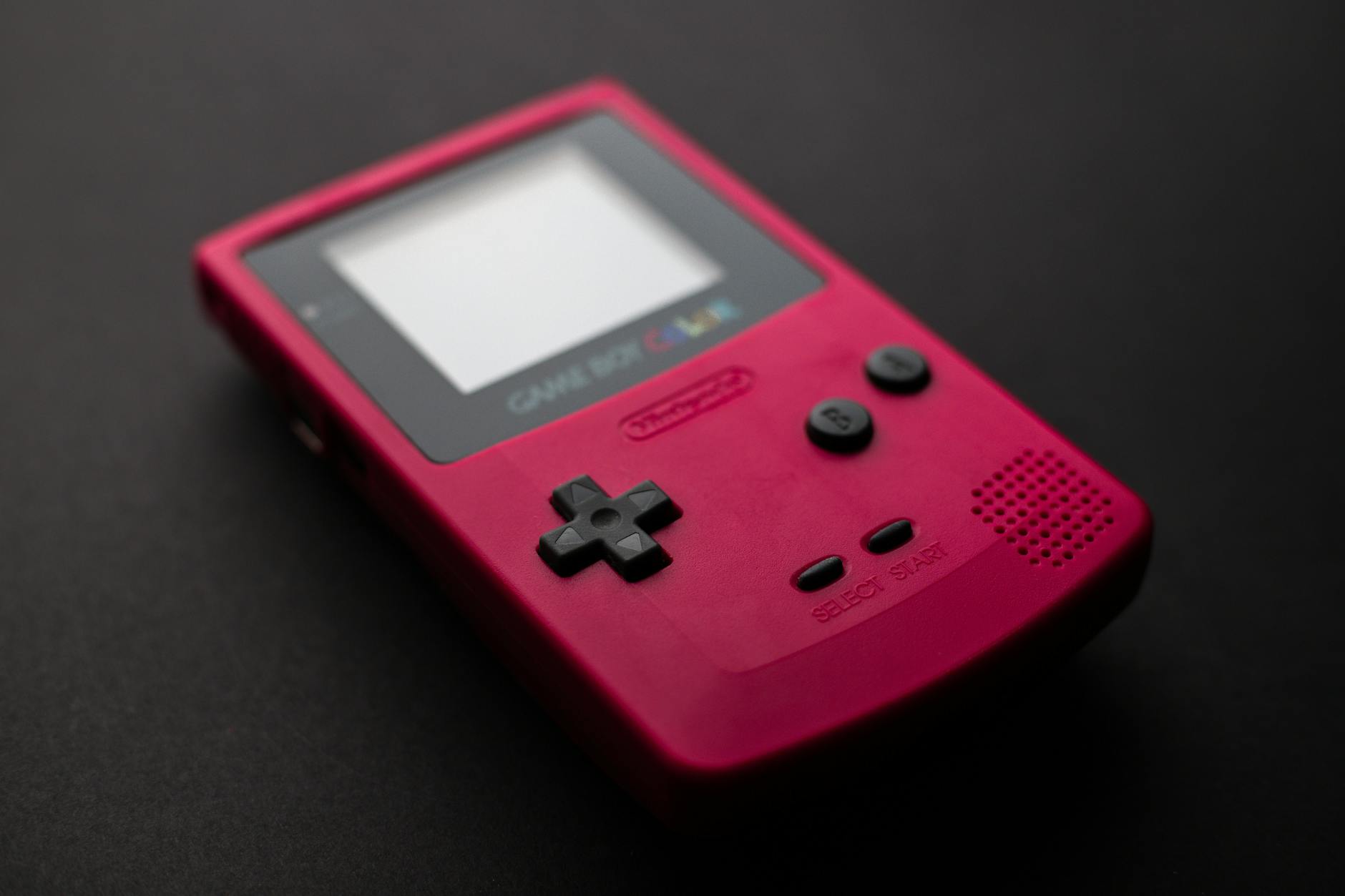
A games console left in its instant-on or rest mode rather than fully powered down maintains a network connection downloads updates and charges controllers using a background power draw that operates continuously regardless of whether anyone is playing. The instant-on feature which allows the console to start quickly from a near-ready state is responsible for a disproportionate share of the device’s annual energy consumption relative to its actual gaming hours in many households. Multiple consoles in a single home compound the effect significantly since each unit runs its background processes independently. Switching consoles to energy saving mode which allows for a genuine low-power shutdown rather than an active standby state reduces consumption to a negligible level during non-use periods. The download and update functions can be scheduled to run during specific windows rather than continuously which preserves their convenience while eliminating the always-on power draw.
Electric Blanket

An electric blanket left switched on throughout the night at a medium heat setting draws a continuous load across eight hours of sleep that compounds into a substantial monthly cost during the winter months when it is used most frequently. Many users leave electric blankets running at the same setting all night despite the fact that body heat under covers typically maintains adequate warmth after the initial warm-up period of twenty to thirty minutes. Older electric blanket models lack the thermostatic efficiency of modern equivalents and some run hotter than their dial settings suggest as their internal wiring ages. Using the blanket to pre-warm the bed for thirty minutes before sleep and then switching it off before getting in eliminates the overnight draw while maintaining the primary comfort benefit. Electric blankets with automatic shut-off timers remove the risk of overnight operation while making the habit of switching off entirely effortless.
Heated Towel Rail
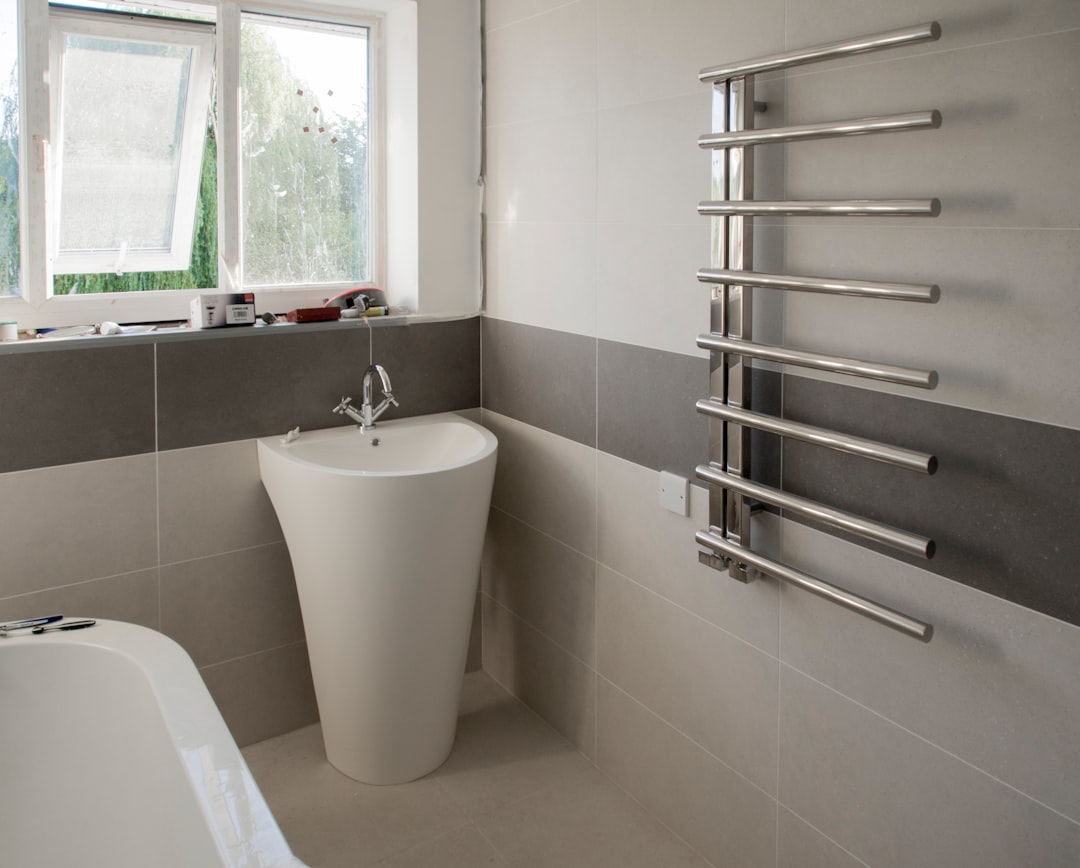
A hardwired or plug-in heated towel rail left running continuously in a bathroom draws a modest per-hour wattage that accumulates into a surprisingly significant annual cost when calculated across a full year of uninterrupted operation. Many plug-in models are installed without timers or thermostatic controls and run at full power around the clock including during summer months when their heat output is unwanted and occasionally counterproductive in small bathrooms. The primary function of drying towels efficiently requires only a few hours of operation per day at most yet continuous operation is the default in most households that have them. Installing a simple plug-in timer that restricts operation to morning and evening hours reduces annual consumption by seventy percent or more without any reduction in the towel-drying benefit. Hydronic models connected to a central heating system are typically more efficient than electric equivalents and their operation can be managed through the main heating controls.
Second Freezer

A standalone chest freezer or upright freezer kept in a garage or utility room as overflow storage draws a consistent electrical load year-round and in many households contains a quantity of food that does not justify its running cost when calculated honestly. Chest freezers are more efficient than upright models but both consume a meaningful share of household electricity particularly when operating in a warm garage environment where the ambient temperature forces the compressor to work harder than it would in a temperature-controlled indoor space. A freezer that is less than two-thirds full operates less efficiently than a well-stocked one because air rather than frozen food mass must be cooled each time the door is opened. Consolidating food from a secondary freezer into the main kitchen freezer and unplugging the secondary unit reduces electricity consumption and often prompts a useful audit of forgotten and expired frozen food. The annual saving from decommissioning one secondary freezer is typically enough to justify the inconvenience of the consolidation within a single billing quarter.
Treadmill

A motorised treadmill left plugged in maintains an active standby state that powers its console display motor controller and programme memory even when no one has used it for days or weeks. The console in particular remains lit or in a low-power ready state that draws a continuous background current from the moment the machine is connected to power. High-power motor treadmills with incline functions carry a higher standby draw than entry-level models due to the additional electronics required to manage their more complex drive systems. Many treadmills are used infrequently relative to their purchase cost and the combination of high standby draw and low usage frequency makes them a disproportionate contributor to electricity bills in the rooms where they are installed. Connecting the treadmill to a switched power strip and cutting power completely between uses eliminates the standby draw without affecting the machine’s functionality or settings.
Stereo System
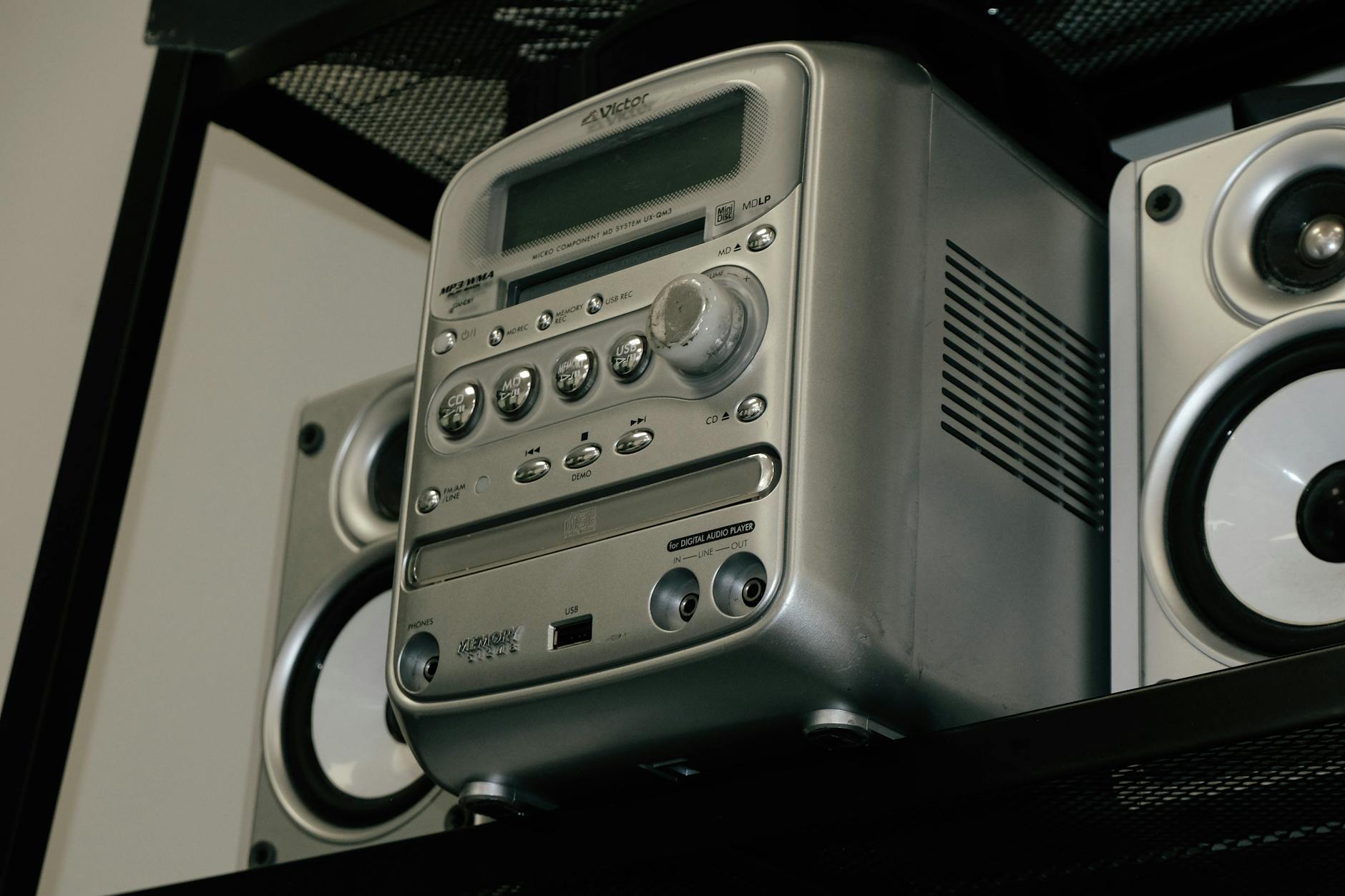
A traditional component stereo system including an amplifier tuner CD player and connected speakers left in standby mode draws a collective load from each individual component that adds up to more than most single-device standby consumers in the home. Amplifiers in particular maintain a low-level charge through their output stage capacitors in standby mode which is a design feature intended to reduce the warm-up time before audio quality reaches its optimal level. Vintage and high-end audio equipment from the 1980s and 1990s draws particularly high standby loads by current standards as energy efficiency was not a design priority in that era of audio manufacturing. A complete component system in standby can draw as much as twenty to forty watts continuously depending on the age and specification of each unit. Connecting the entire system to a single switched power strip and using it as a master power control eliminates all standby consumption with a single action.
Baby Monitor
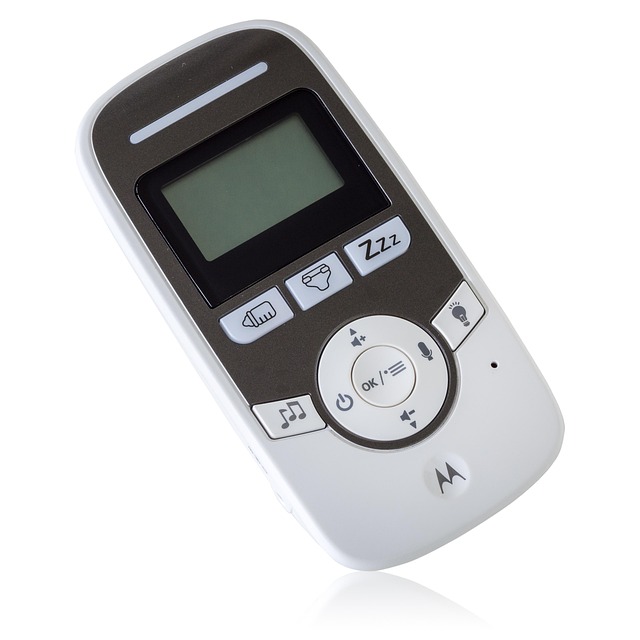
A plug-in baby monitor running continuously in parent and child units draws a combined standby load that operates twenty-four hours a day for months or years and in many households continues running long after it is genuinely needed as children grow older. The parent unit in particular maintains a continuous radio receiver circuit and display backlight that runs at full power regardless of whether sound is being transmitted from the child’s room. Video monitors with colour screens night vision and two-way audio carry a substantially higher power draw than basic audio-only equivalents. Many families continue running baby monitors out of habit well into the toddler and early childhood years when the monitoring need has largely passed. Switching to a basic audio model once a child is older or setting the monitor on a timer that activates only during sleep hours reduces consumption without compromising the safety function the device is intended to provide.
Landline Phone

A cordless landline telephone system including the base station and multiple handset charging cradles draws a continuous electrical load to maintain battery charge network connection and display backlighting across every unit in the home. Households that retain a landline primarily as a backup or for occasional use still bear the full annual energy cost of running the system regardless of how infrequently calls are made or received. The base station in a DECT cordless system maintains a continuous radio signal to all registered handsets which requires constant power independent of call activity. Multiple handsets in different rooms each with their own charging cradle multiply the consumption of the base unit by a meaningful factor in homes with three or more handsets. Households that have not made or received a meaningful landline call in over six months may find that the annual energy and line rental cost of retaining the service significantly exceeds its practical value.
Laptop Charger
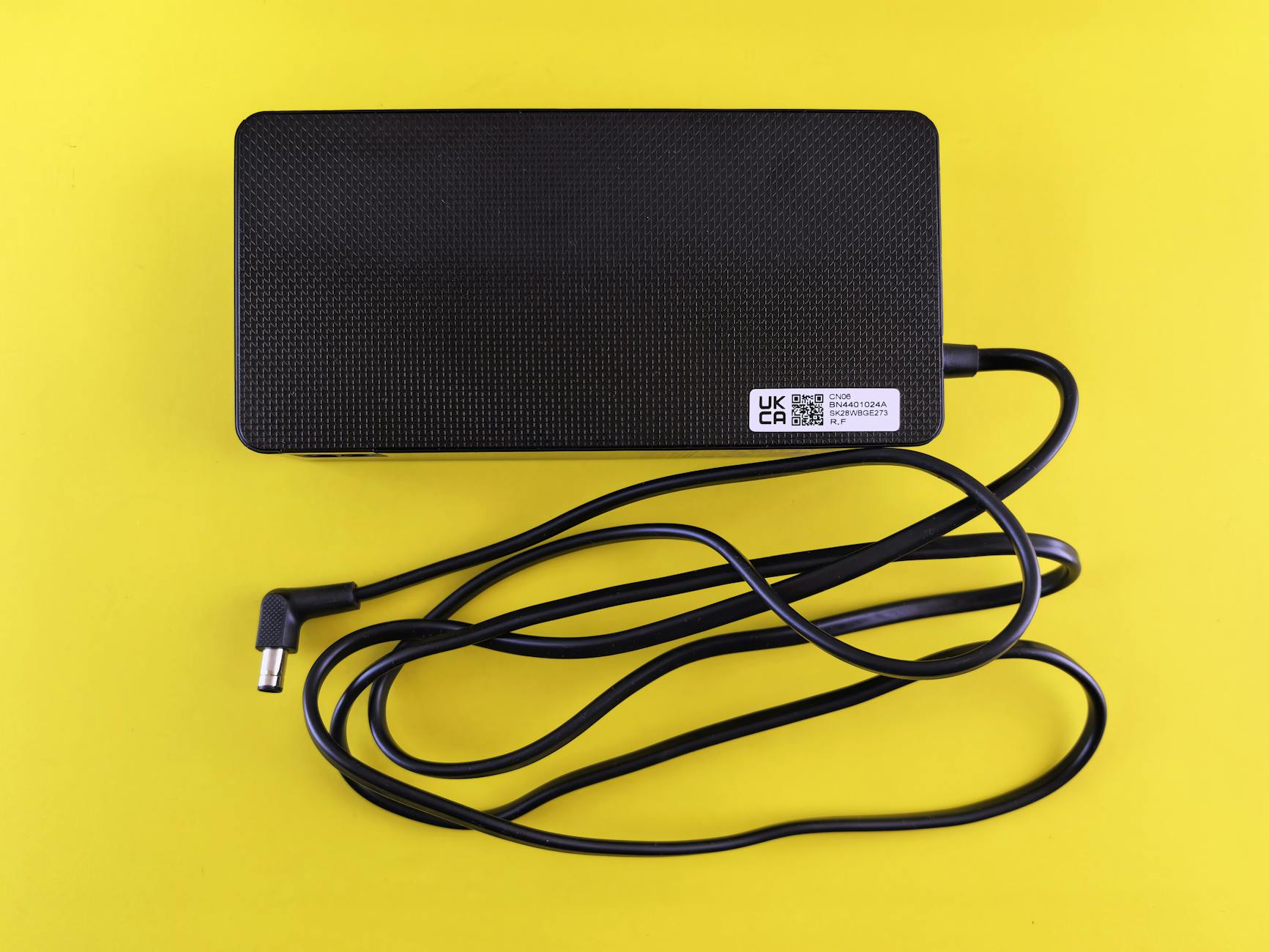
A laptop charger left plugged into the wall socket with no device connected continues drawing a small but measurable current as its transformer circuit remains energised and ready to deliver power. This behaviour is common to virtually all switched-mode power supply chargers regardless of brand or device type and it occurs because the transformer does not distinguish between a connected and a disconnected load at the wall end of the circuit. In a typical household with multiple laptop tablet and phone chargers left plugged in simultaneously the aggregate phantom load from unconnected chargers produces a meaningful annual cost that requires no device usage to accumulate. The saving from unplugging individual chargers when not in use is modest per unit but the habit applied consistently across all charging equipment in a home produces a compounding effect over a full billing year. Smart power strips that cut current to individual sockets when no load is detected automate this saving without requiring a change in daily behaviour.
Heated Airer
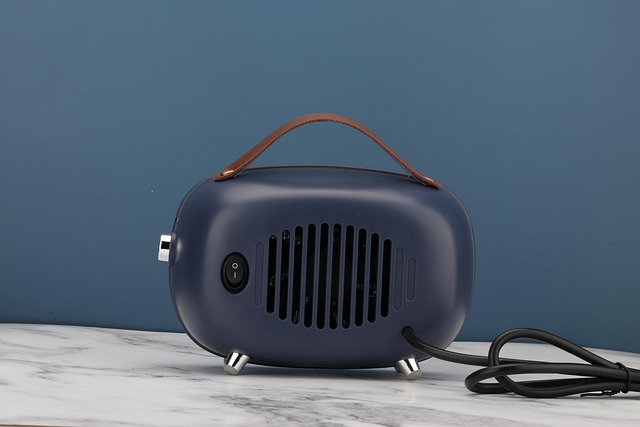
A plug-in heated clothes airer used as a replacement for a tumble dryer draws a lower per-hour wattage than a tumble dryer but operates for a much longer drying cycle which narrows the energy saving gap between the two appliances considerably in extended use. Models with multiple independently switchable heating rails allow the user to heat only the sections carrying laundry which produces a more efficient result than running all rails at full power for a lightly loaded drying session. Leaving a heated airer running overnight or through the working day to dry a small load of laundry accumulates a higher total consumption than a full dryer cycle completed in sixty to ninety minutes in some comparisons. Using a heated airer efficiently requires calculating the number of rails needed for each specific load and running only those sections on a timer timed to the actual drying requirement. Combined with good room ventilation to remove moisture-laden air a correctly used heated airer remains more economical than a tumble dryer but only when operated deliberately rather than left running indefinitely.
Neon Sign

A decorative LED or neon-effect sign used as ambient lighting in a bedroom home bar or living space draws a continuous load that many owners do not associate with their electricity costs because the sign is perceived as a decorative object rather than a lighting appliance. Traditional glass neon signs using gas discharge tubes draw a particularly high load relative to their light output and heat noticeably during operation. LED neon flex signs are more efficient than glass alternatives but still consume a meaningful amount of electricity when left running for twelve or more hours per day as is common in social media-influenced home decor contexts. A sign running at twenty watts for twelve hours per day consumes more annual electricity than leaving a modern LED ceiling light on for the same period. Connecting decorative signs to a smart plug with a set daily schedule limits their operation to the hours when they are actually providing value rather than running continuously as a default.
Smart Speaker
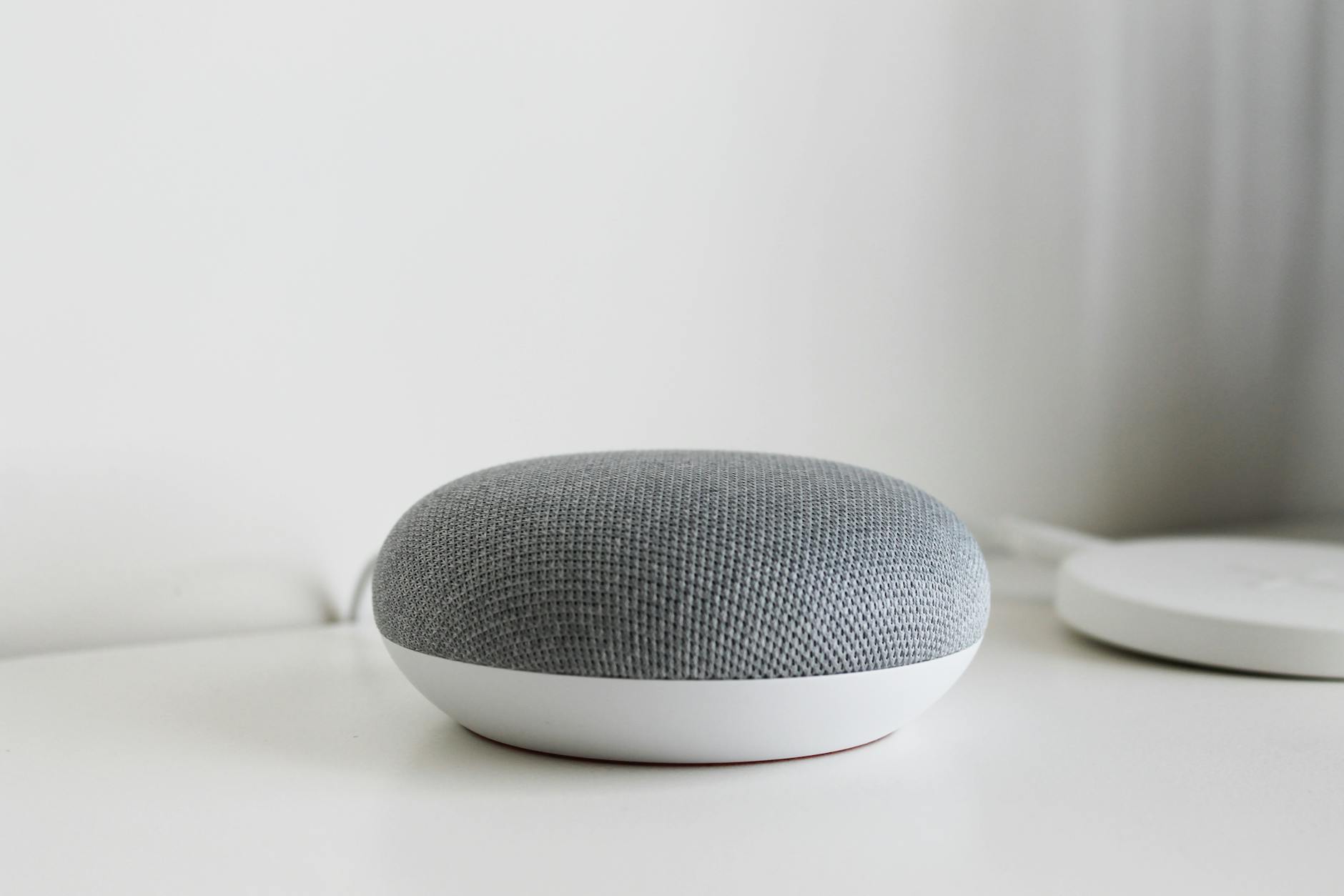
A smart speaker sitting on a kitchen counter or bedside table draws a continuous electrical load to maintain its always-listening wake-word detection circuit network connection and status lighting regardless of how infrequently it is actively used for commands or music playback. Households with multiple smart speakers in different rooms multiply this continuous draw by the number of devices deployed which in fully integrated smart homes can represent a meaningful aggregate load. The always-on listening function is the primary driver of consumption in smart speakers and it cannot be disabled without removing the device’s core functionality. Some smart speaker models draw two to four watts continuously which is modest per unit but accumulates into a significant annual cost when multiplied across devices and calculated across a full year. Unplugging smart speakers in rooms that are infrequently occupied and consolidating to fewer devices in genuinely used spaces reduces the aggregate load without meaningfully reducing the practical utility the devices provide.
Electric Toothbrush Charger
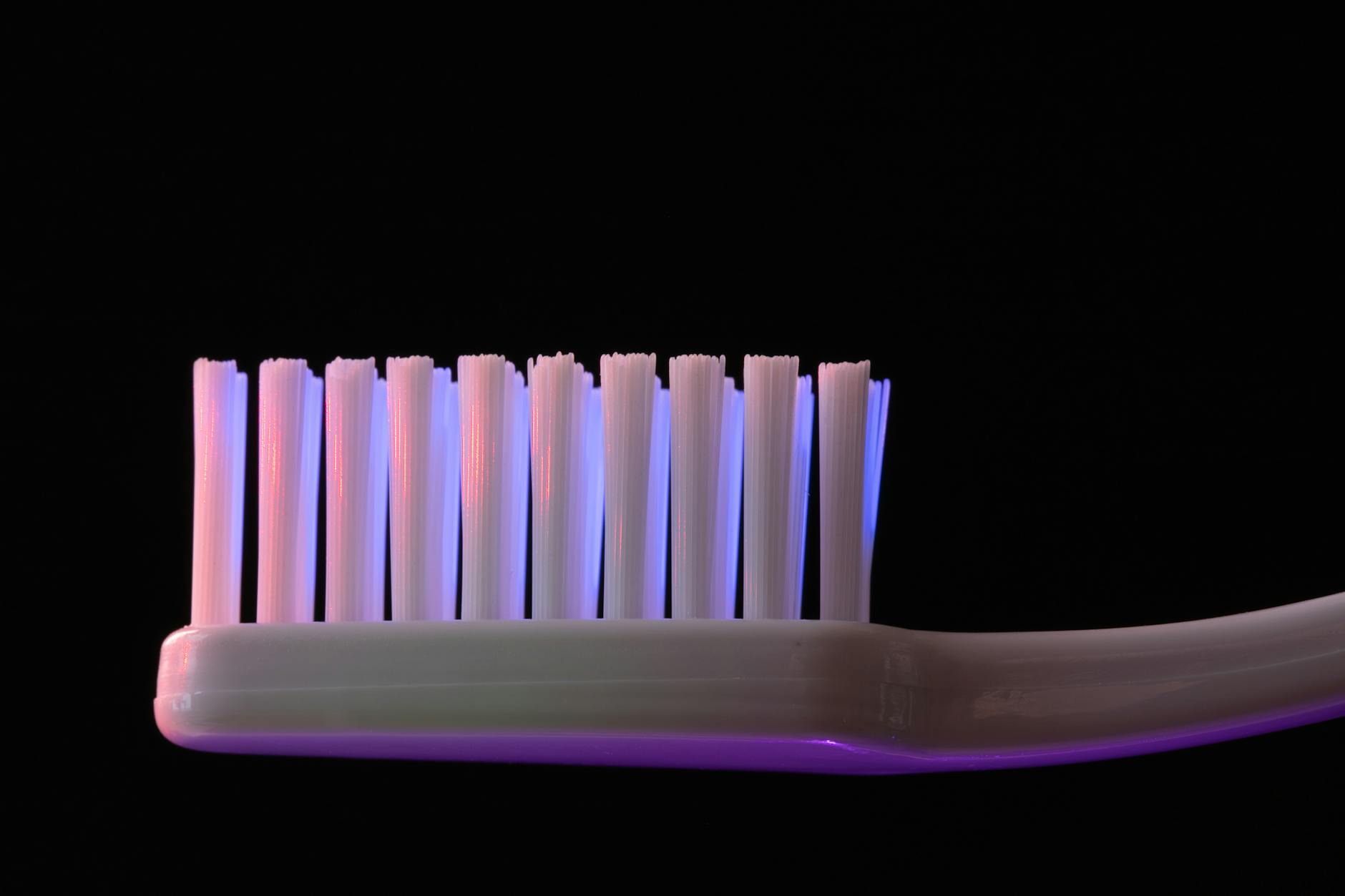
An electric toothbrush charging stand left plugged in permanently draws a continuous low-level current to maintain the inductive charging coil in a ready state whether or not the toothbrush is seated on it. Many electric toothbrush handles reach full charge within a few hours and then continue drawing trickle current through the charging stand indefinitely as the charger circuit has no automatic shutoff function in most models. The individual consumption per charger is very small but the habit of leaving it permanently connected is almost universal among electric toothbrush users and represents a genuine cost when calculated across the full year. The same principle applies to shavers water flossers and other bathroom appliances that use inductive or contact charging stands left permanently energised. Unplugging bathroom chargers between charging cycles takes seconds and produces a saving that while individually small contributes meaningfully to the aggregate phantom load reduction across a well-managed household.
Share your biggest energy-wasting discoveries and the plugged-in culprits that shocked you most in the comments.