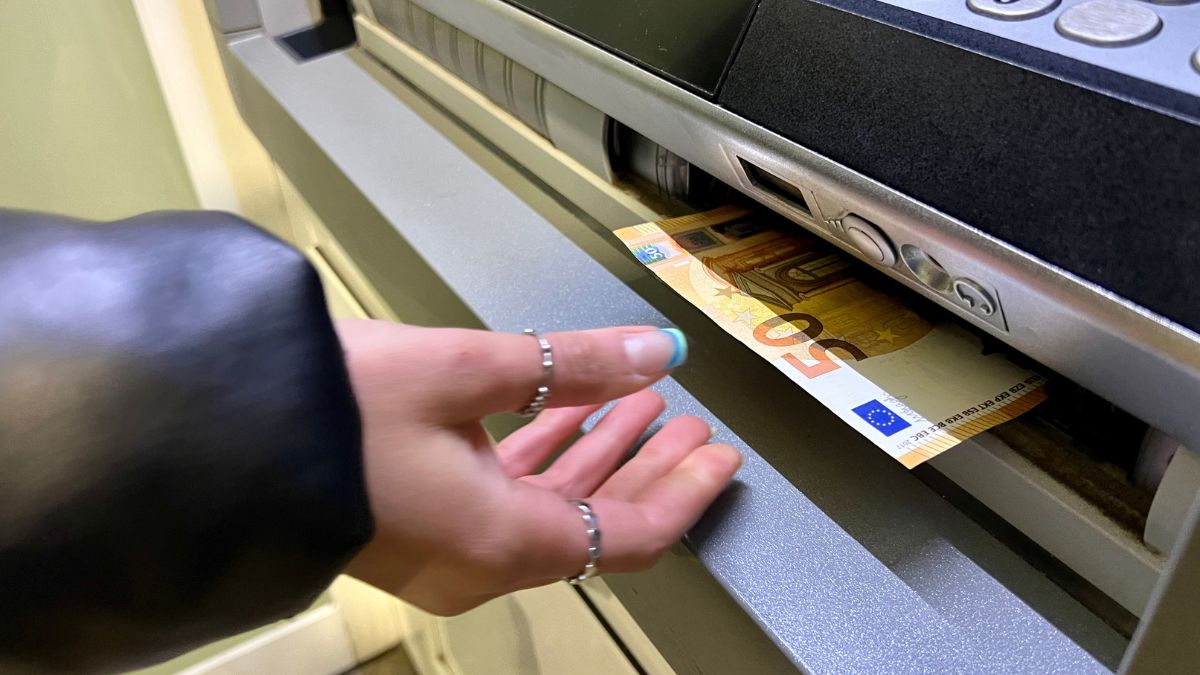
Standing at an ATM might feel like a routine moment in your day but criminals actively study this behavior to identify easy targets. Certain habits signal vulnerability and give opportunistic thieves the information and window they need to act. Small adjustments in how you approach and use an ATM can significantly reduce your risk. These are the habits that put you most at risk every single time you use a cash machine.
Phone Distraction
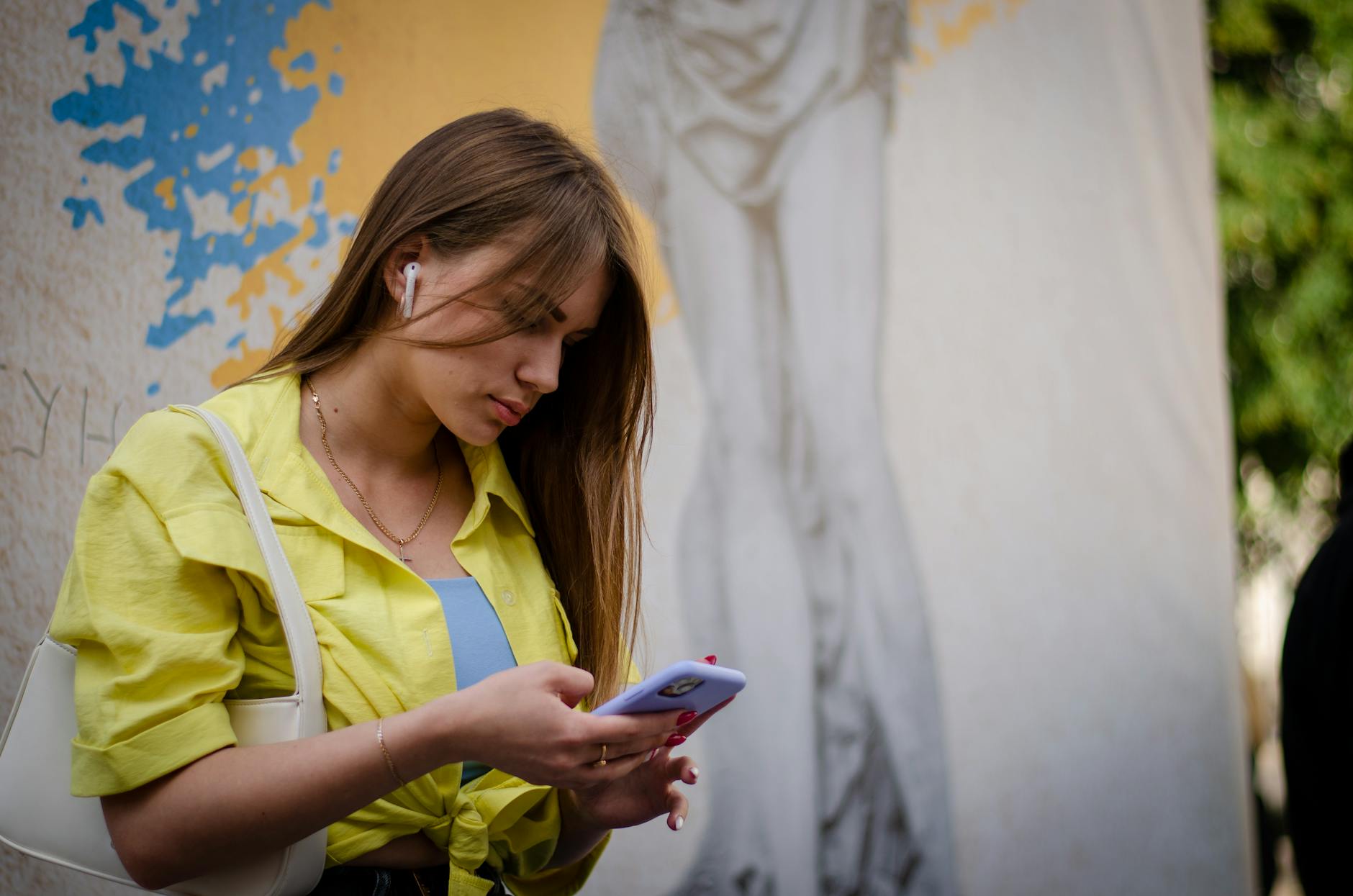
Scrolling through your phone while waiting in line or conducting a transaction removes your awareness from the surrounding environment entirely. Criminals look for people whose attention is divided because it gives them more time to approach undetected. Keeping your phone in your pocket until you are completely finished and away from the machine is a far safer habit. Distracted users also tend to forget to retrieve their cards or cash promptly which creates additional opportunity for theft.
Shoulder Exposure
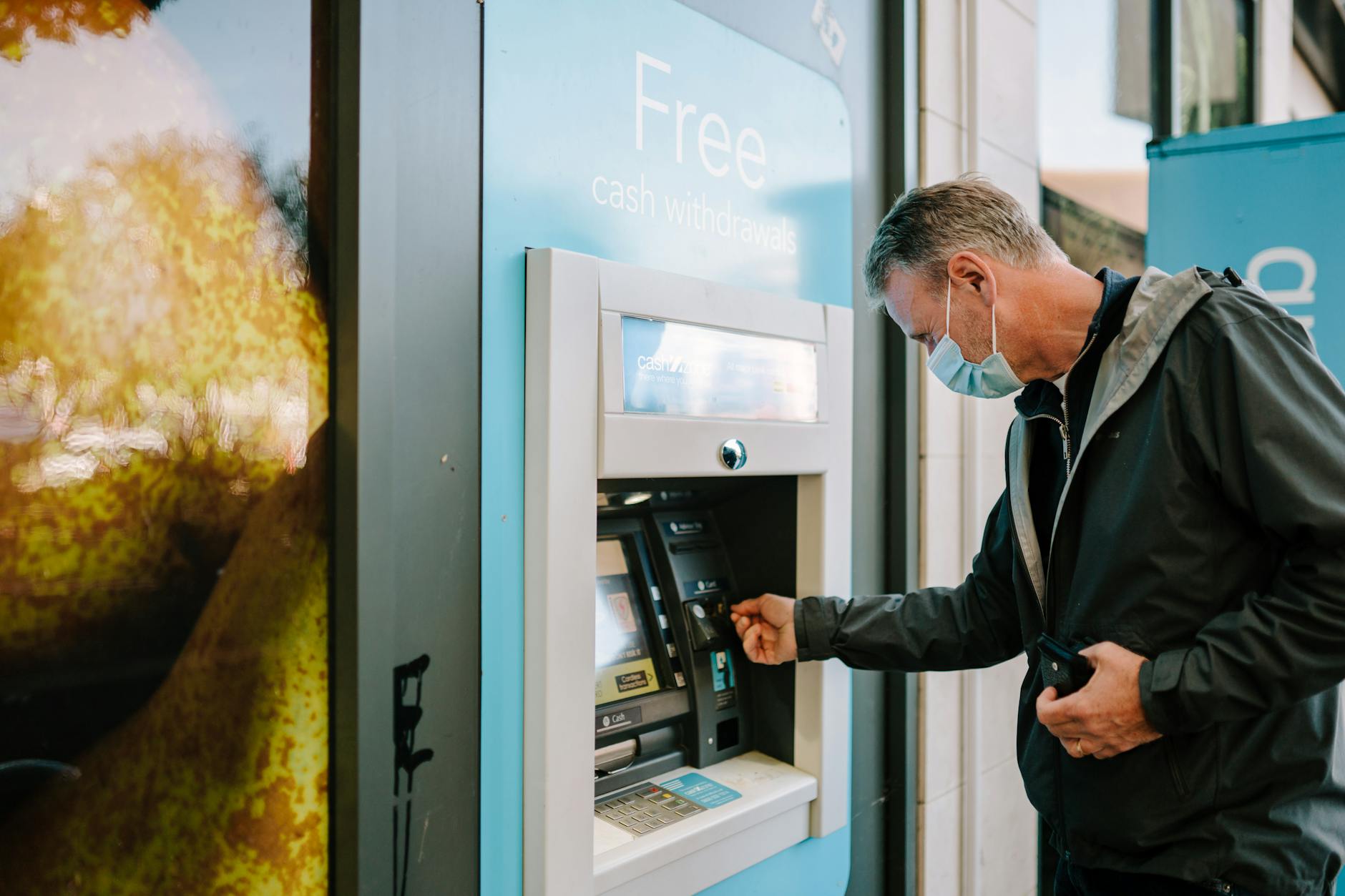
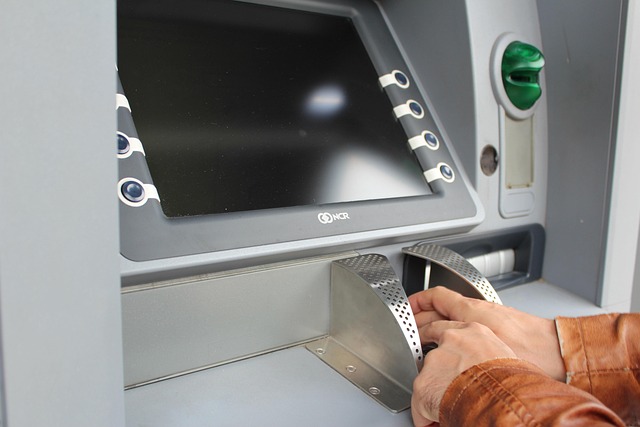
Positioning yourself too far from the screen while entering your PIN allows anyone nearby to observe your keystrokes without effort. Experienced thieves can memorize a four-digit code in a single glance from several feet away. Best practice is to stand close to the machine and use your free hand or body to shield the keypad at all times. This simple physical adjustment is one of the most effective deterrents against card cloning and PIN theft.
Nighttime Isolation
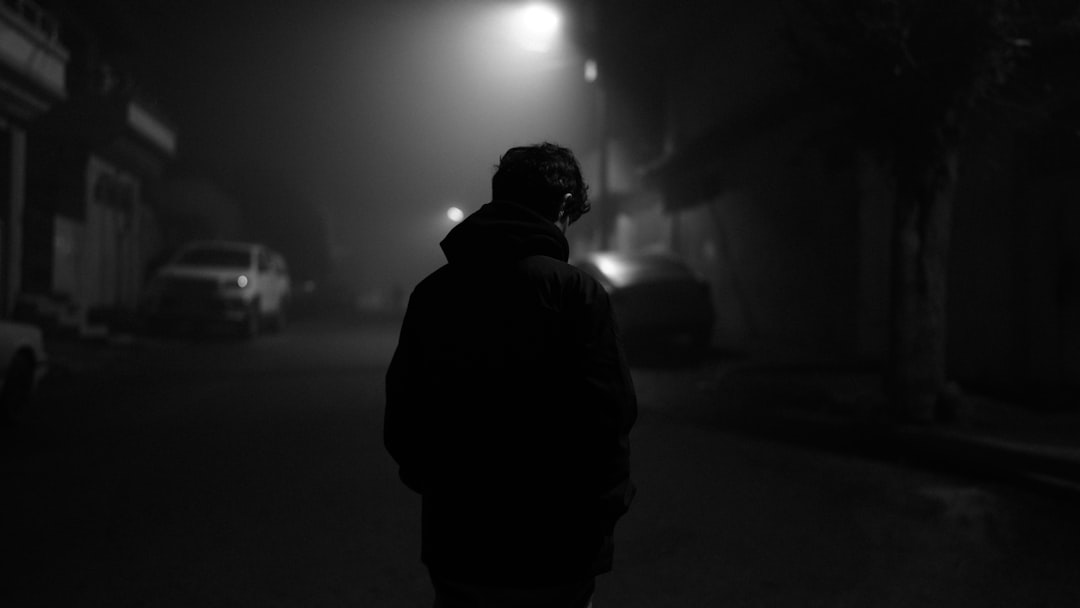
Using an ATM alone in a poorly lit or isolated location significantly increases your exposure to robbery. Criminals specifically patrol these spots during late hours because foot traffic is low and escape routes are clear. If an ATM visit cannot be avoided at night always choose a machine inside a well-lit convenience store or bank lobby. Letting someone you trust know your location adds an additional layer of personal safety.
Visible Cash
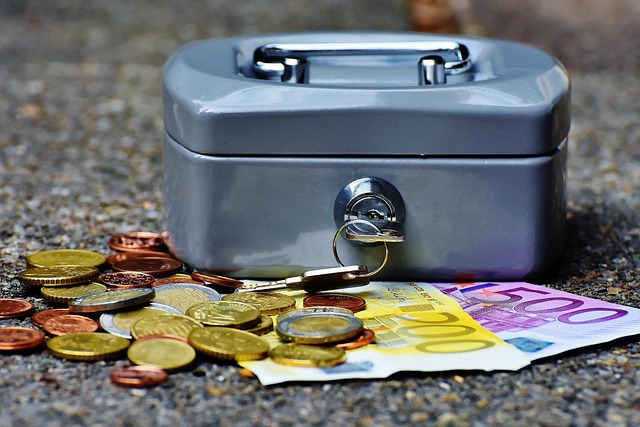
Counting your money openly at the machine or stuffing it loosely into your hand broadcasts exactly how much you have withdrawn to everyone nearby. This habit triggers opportunistic theft even from individuals who had no prior intention of targeting you. Pocket your cash immediately and discreetly before stepping away from the machine. Save any counting or organizing for a private secure location well away from the ATM area.
Predictable Timing

Visiting the same ATM at the same time every week creates a pattern that can be observed and exploited by someone watching the area. Criminals who case ATM locations pay close attention to regulars because predictability makes planning a robbery significantly easier. Varying your schedule and switching between different ATM locations removes this advantage entirely. Unpredictability is one of the simplest and most underestimated personal security strategies available.
Luggage Overload
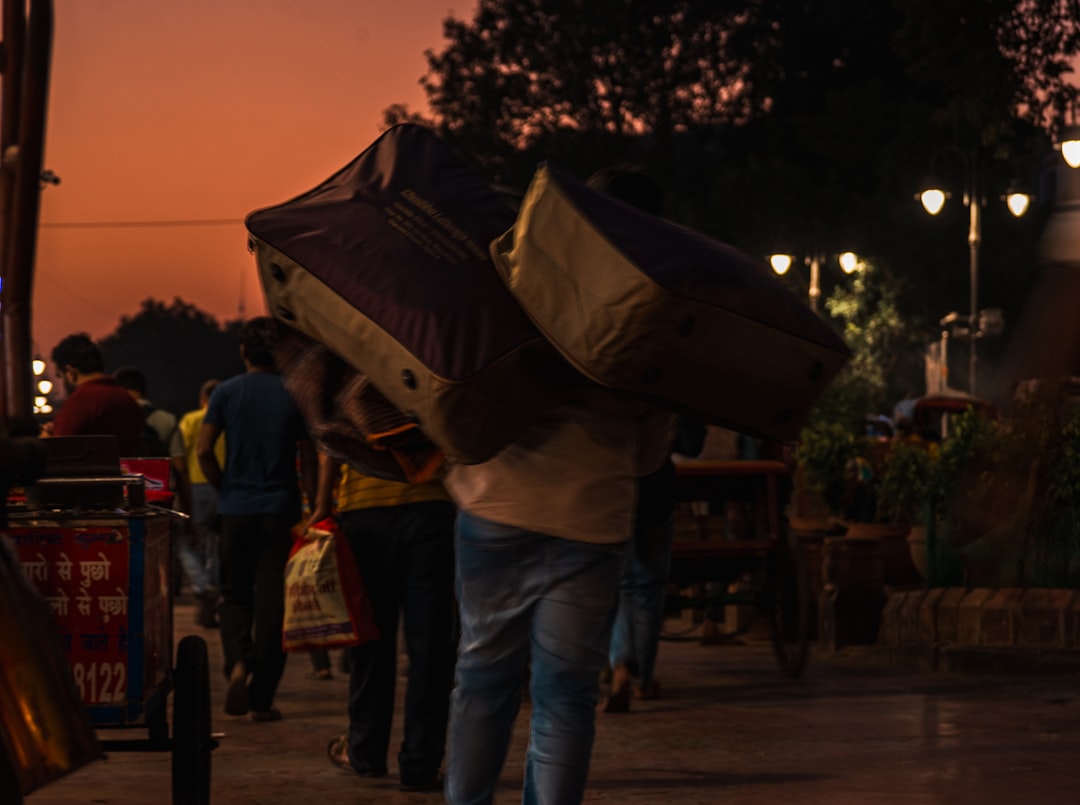
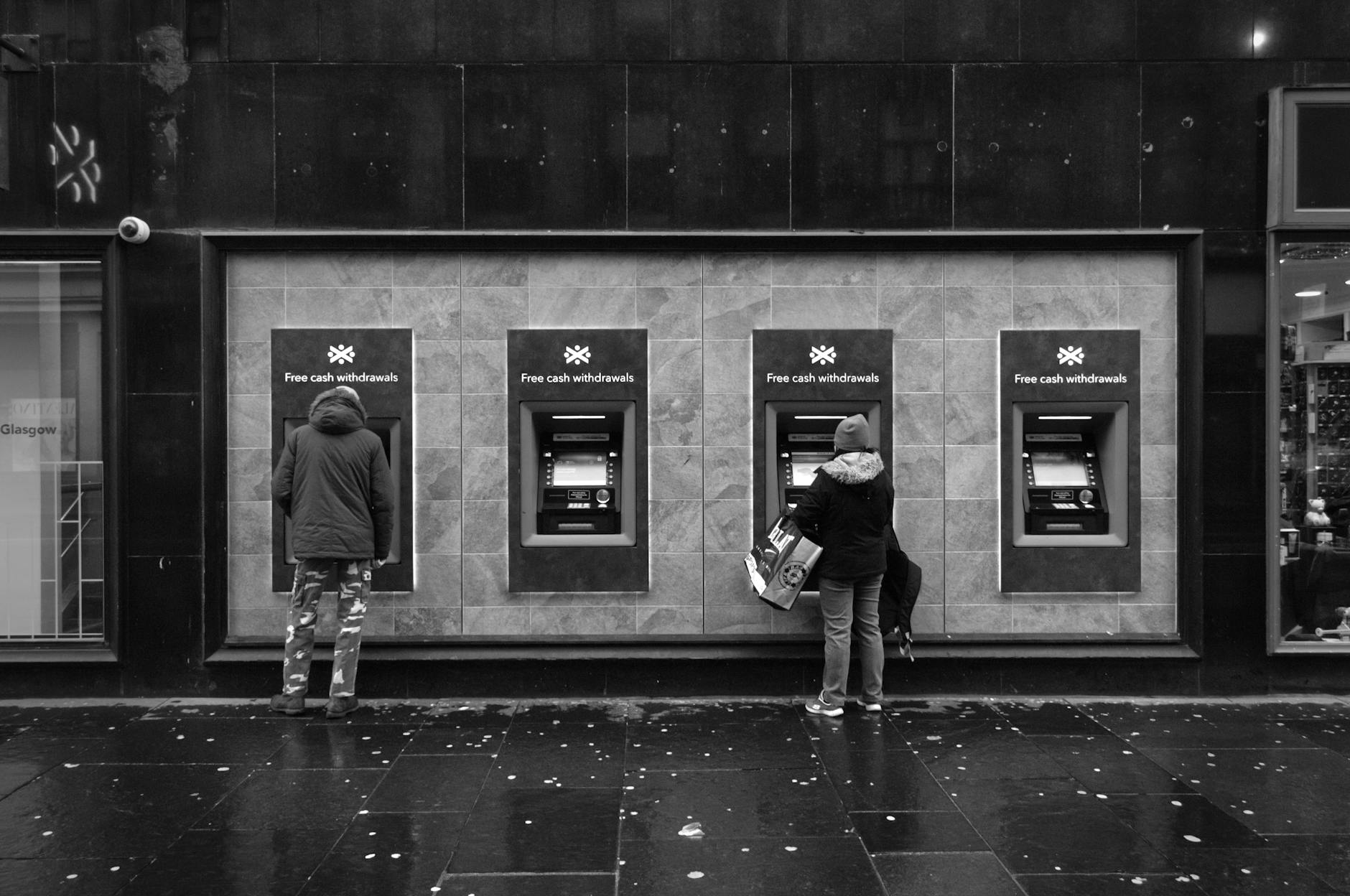
Approaching an ATM with both hands full of shopping bags or heavy luggage signals that you are physically occupied and unable to react quickly. This dramatically reduces your ability to move away fast or protect your belongings if a situation escalates. Whenever possible set bags down against your legs or find a safer location to store them before approaching the machine. Being physically unencumbered keeps your reaction time sharp and your options open.
Verbal Sharing
Announcing your transaction details out loud whether on the phone or to a companion creates an immediate security breach in a public space. Stating your PIN verbally even in a hushed tone can be overheard by individuals positioned nearby who appear uninterested. Financial information should always remain completely private during an ATM transaction. Any conversation involving account balances or withdrawal amounts should wait until you are in a fully private setting.
Unlocked Car
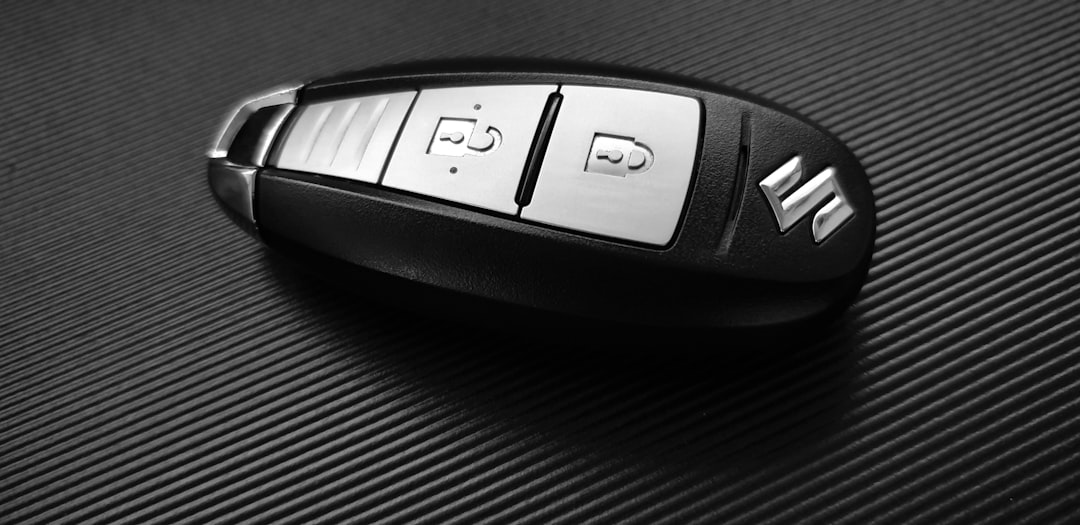
Withdrawing cash while leaving your car unlocked nearby with valuables visible inside creates a two-for-one opportunity for a thief. A criminal can take advantage of your distraction at the machine to raid your vehicle simultaneously. Always lock your car fully before stepping out and keep valuables stored out of sight in the boot or under seats. Removing the visual incentive from your vehicle reduces the chances of being targeted on multiple fronts.
Stranger Assistance
Accepting help from an unknown person at the ATM regardless of how genuine or friendly they appear is a well-documented scam tactic. Criminals often pose as helpful bystanders to gain proximity to your card and PIN or to distract you while an accomplice acts. If your card gets stuck or the machine malfunctions step away and contact your bank directly using the number on the back of your card. No legitimate interaction at an ATM requires the involvement of a stranger standing nearby.
Receipt Abandonment
Leaving your printed receipt in or around the ATM machine exposes partial account information that can be used in fraud and identity theft. Even truncated account numbers combined with transaction amounts give criminals useful data to work with. Always take your receipt with you and dispose of it securely at home using a shredder if possible. Treating financial paperwork with the same care as your card and PIN is a fundamental safety habit.
Headphone Use
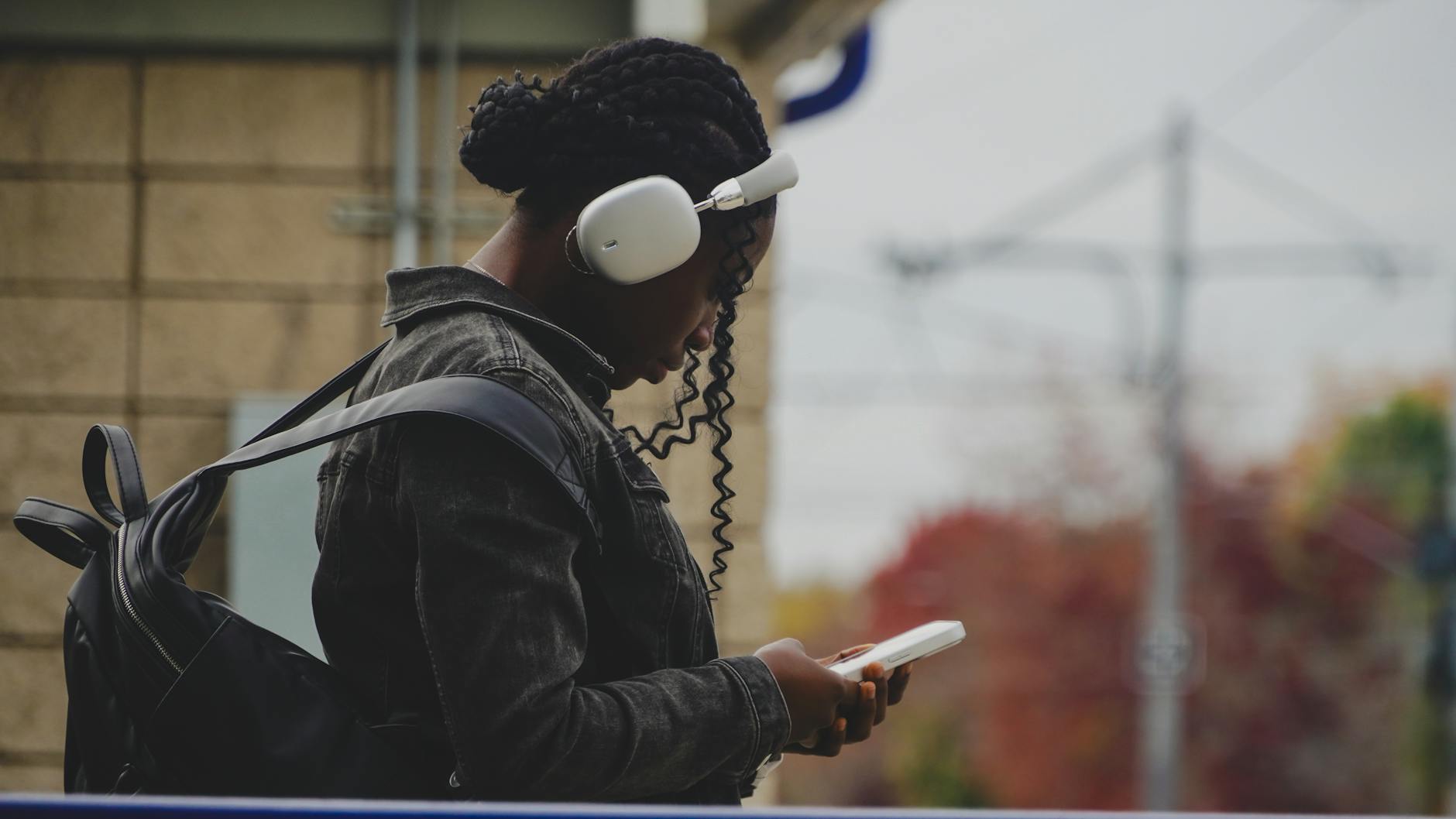
Wearing headphones or earbuds while using an ATM eliminates your ability to hear approaching footsteps or verbal warnings from people nearby. Audio awareness is one of your most important environmental sensors in any public space. Removing headphones before you begin your transaction takes only seconds and restores a crucial layer of situational awareness. Being fully present during a cash withdrawal is a small adjustment that carries significant protective value.
Queue Crowding
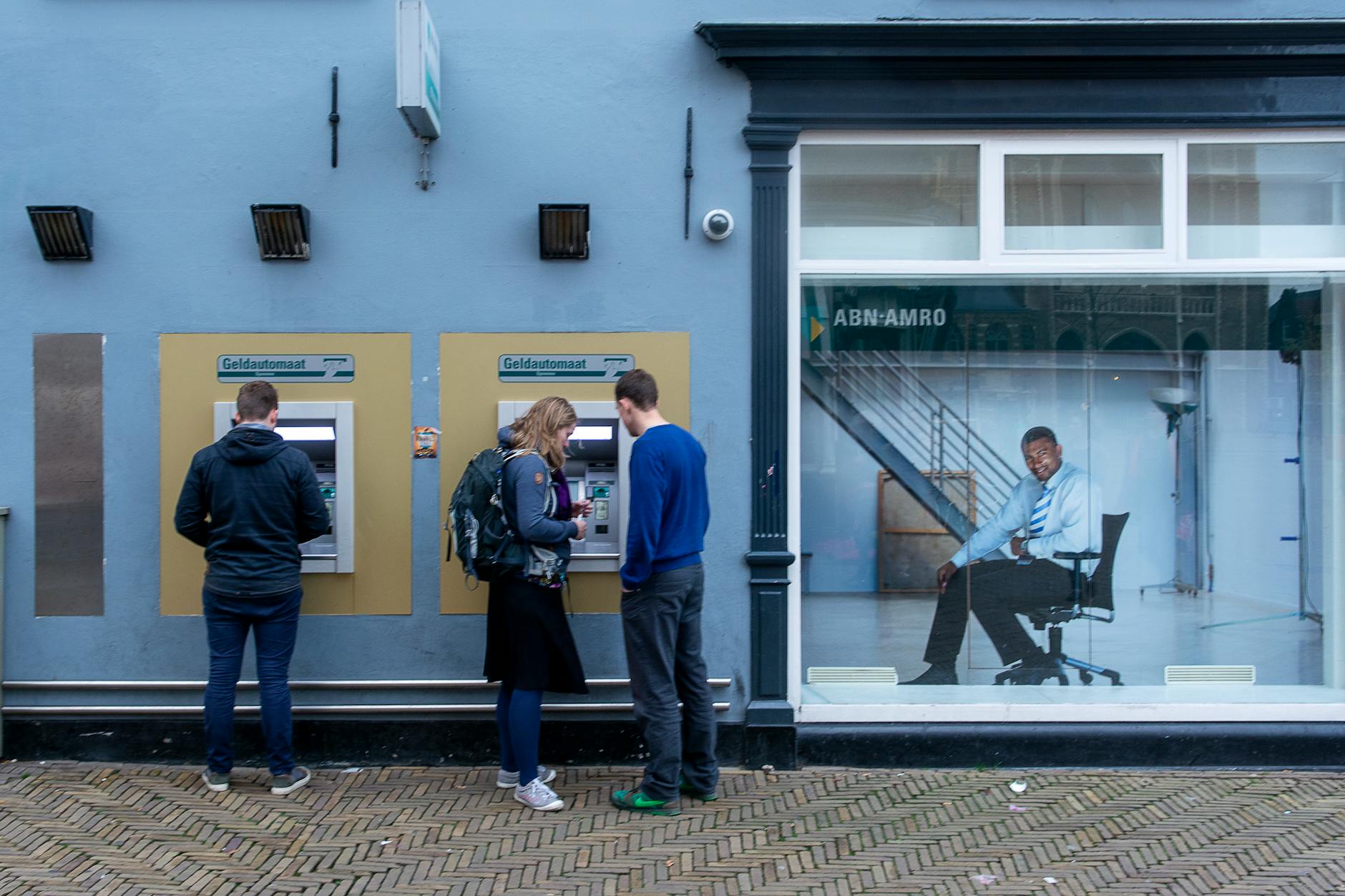
Allowing strangers to stand extremely close behind you while you conduct your transaction is an unnecessary risk that many people tolerate out of social awkwardness. Proximity gives individuals easy access to your card details and cash the moment the transaction completes. It is entirely appropriate to politely ask someone to step back or wait at a marked distance line while you finish. Asserting your personal space at an ATM is not rude but responsible.
Unlocked Phone Banking
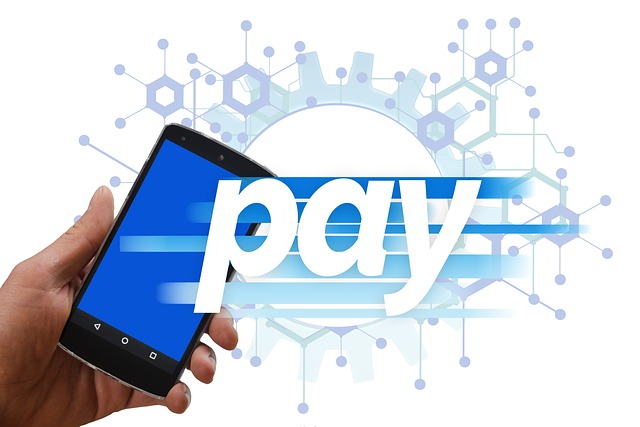
Having your mobile banking app open and unlocked on your phone while using a physical ATM doubles your financial exposure in a single location. If your phone is snatched in that moment a thief has instant access to your full account without needing your card or PIN. Always close financial apps fully before approaching any ATM and require biometric or PIN authentication to reopen them. Treating your phone as a second financial vault means protecting it with the same vigilance as your bank card.
Dark Parking
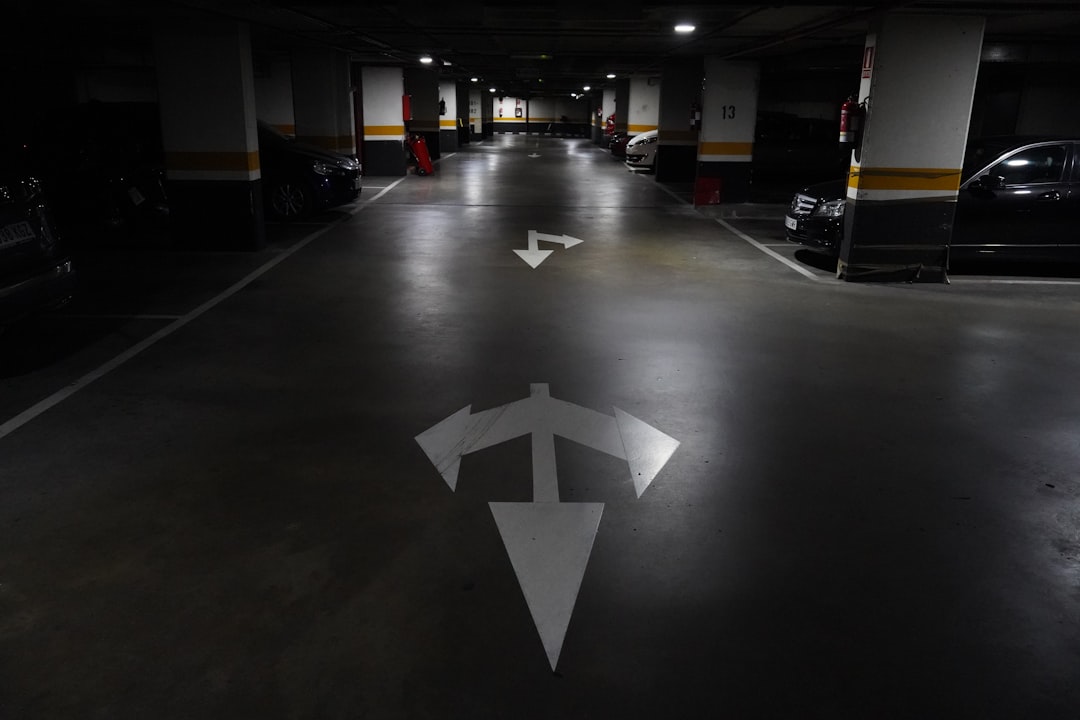
Using an ATM located in a dark corner of a car park rather than a visible street-facing machine creates conditions that strongly favor criminal activity. Poor lighting and low foot traffic are the two environmental factors most consistently linked to ATM-related robbery. Choosing machines positioned in high-visibility areas with active pedestrian movement dramatically lowers risk. The extra distance walked to reach a safer machine is always worth the trade-off.
Rushed Withdrawal
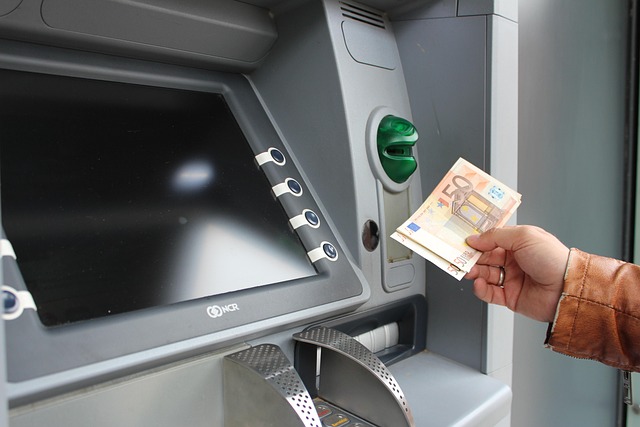
Rushing through a transaction without properly checking your surroundings before and after is a habit that leaves critical blind spots. The moments immediately after a withdrawal when cash is in hand are statistically among the most vulnerable in the entire interaction. Taking three to five seconds to glance around calmly before pocketing your money and walking away is a highly effective safety habit. Controlled awareness rather than speed is what keeps you protected during that final exposed moment.
Card Exposure
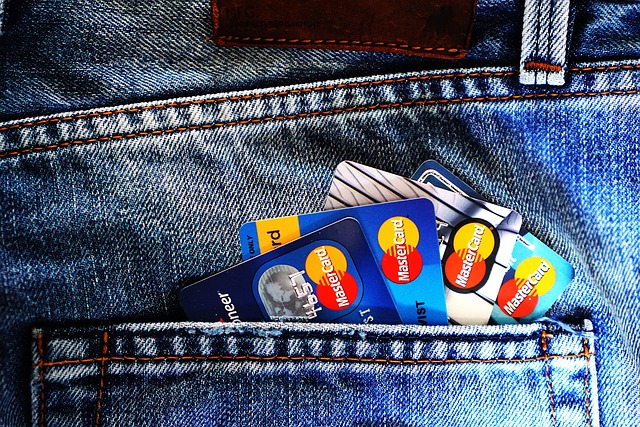
Holding your debit or credit card openly in your hand while waiting in a queue gives nearby individuals ample time to photograph or memorize the card number and expiry date. Modern phone cameras can capture card details clearly from a surprising distance without any indication. Keep your card stored securely until you are standing directly at the machine and immediately return it to your wallet upon completion. Minimizing the time your card spends visible in a public space is a straightforward but powerful protective habit.
Loose Valuables
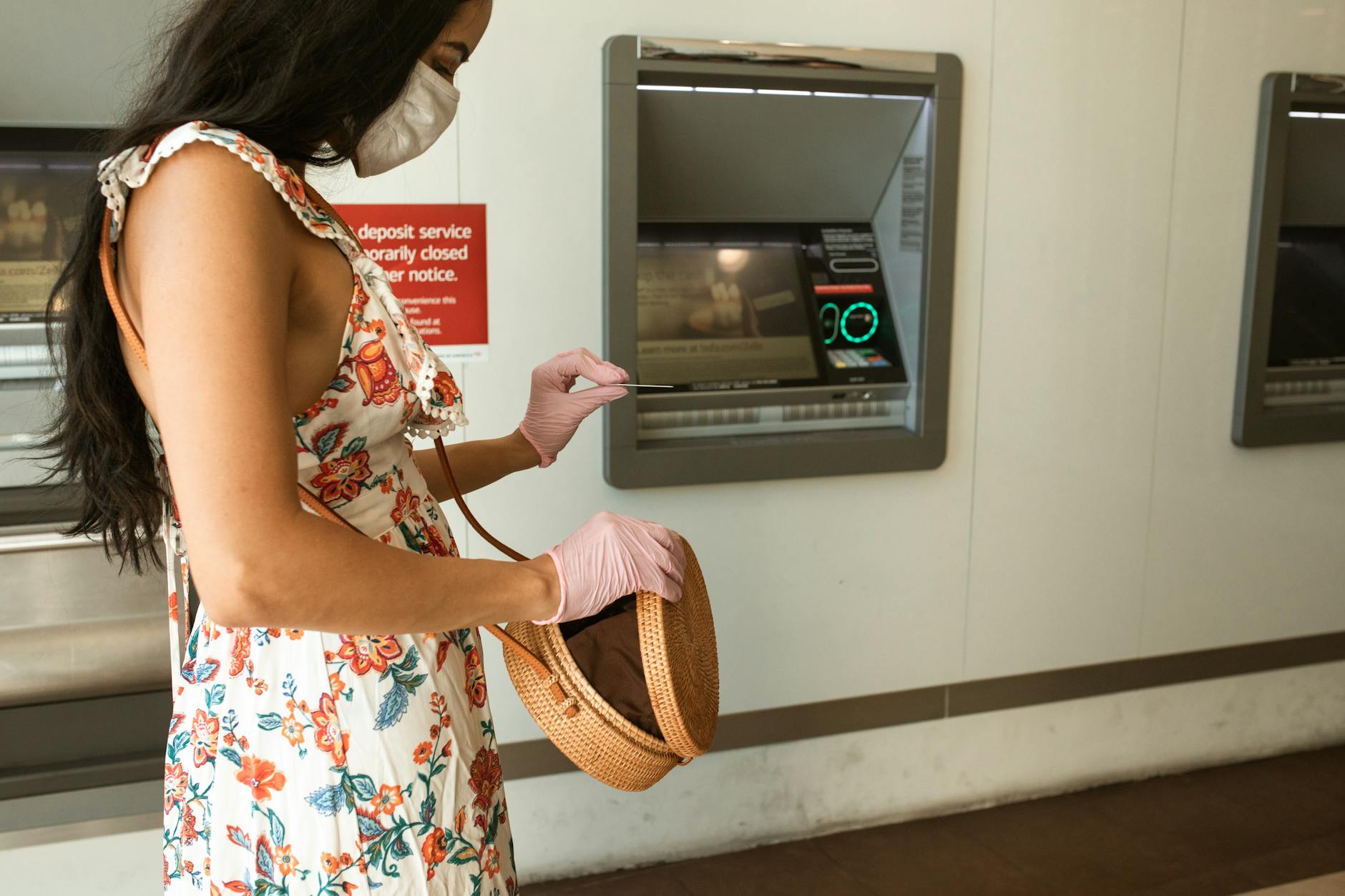
Wearing expensive visible jewelry or leaving a designer bag open and accessible while using an ATM signals high value and draws the attention of opportunistic thieves. These visual cues are consciously and unconsciously processed by individuals in the surrounding area within seconds. Tucking away visible luxury items before approaching a cash machine is a simple habit that reduces your profile as a target. The goal is to appear as unremarkable and low-value as possible during the transaction.
Talking Loudly
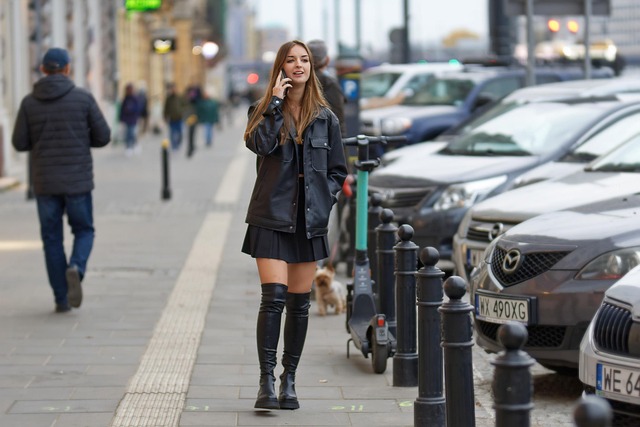
Conducting a loud personal phone conversation while using an ATM distracts your attention and broadcasts personal details to everyone within earshot. Criminals listen actively for mentions of financial stress urgency or large amounts of money which can influence how they target you. Ending or pausing your call before beginning a transaction is a small courtesy to yourself that carries real security benefits. Full attention during cash withdrawals should always be the standard practice.
Unobserved Machine
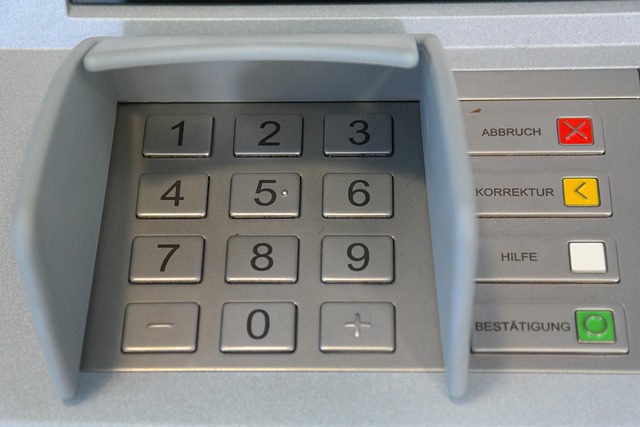
Using an ATM without first taking a moment to inspect the card reader and keypad for unusual attachments is a habit that enables card skimming on a wide scale. Skimming devices are designed to look nearly identical to original machine parts and are placed by criminals to harvest card data silently. A gentle tug on the card slot and a visual check of the keypad takes under ten seconds and can prevent significant financial damage. If anything feels loose wiggly or visually inconsistent choose a different machine immediately and report it to the bank.
Post-ATM Loitering
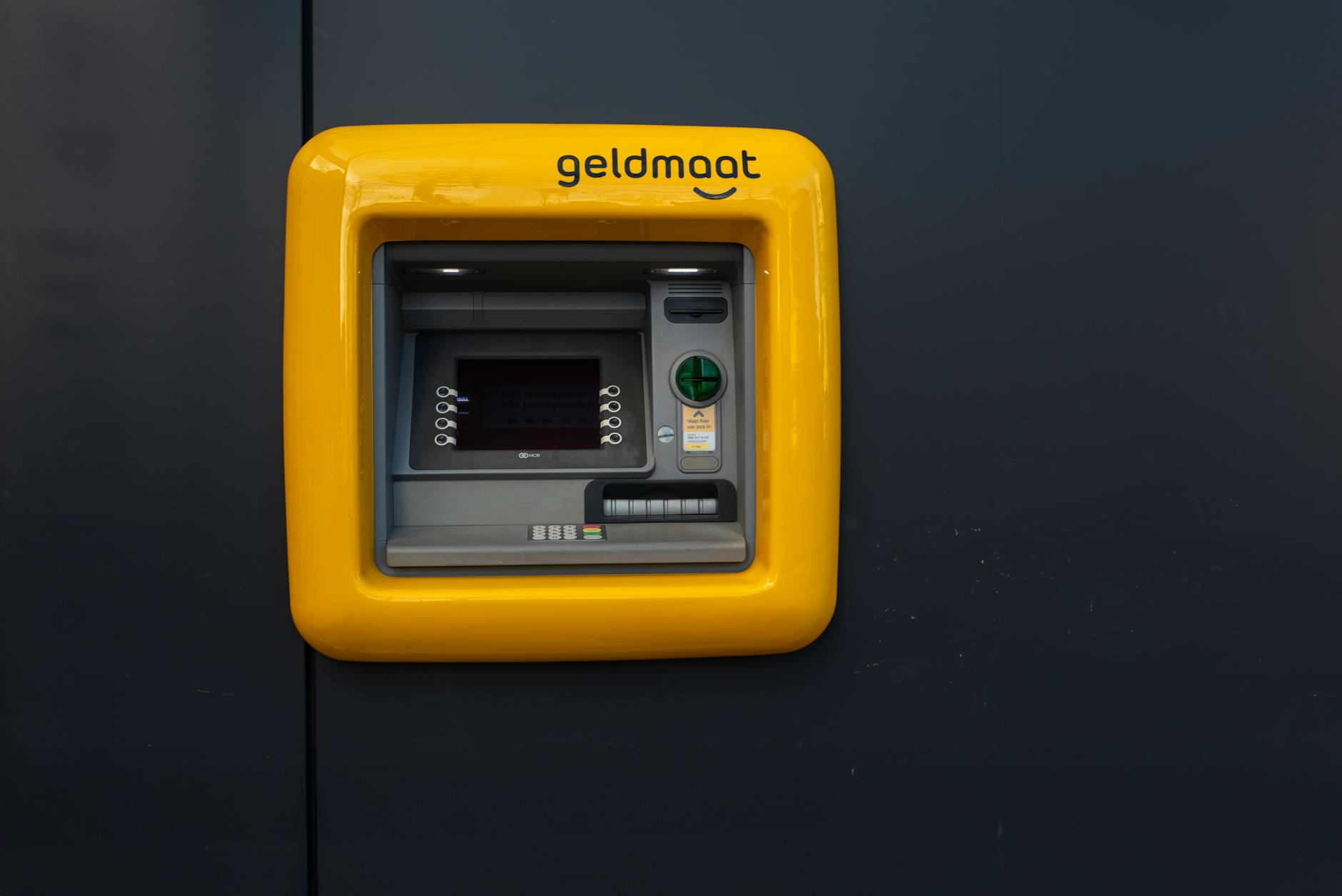
Lingering near the ATM after completing your transaction to check your balance review your receipt or organize your bag prolongs your exposure in a vulnerable location. Every additional second spent stationary in that spot after withdrawal is an invitation for a follow-up approach. Walk away with purpose and handle any post-transaction tasks only after you have moved to a safer and more private environment. Creating distance from the machine quickly after each use is one of the most consistently recommended safety behaviors by security experts.
Unfamiliar Machines
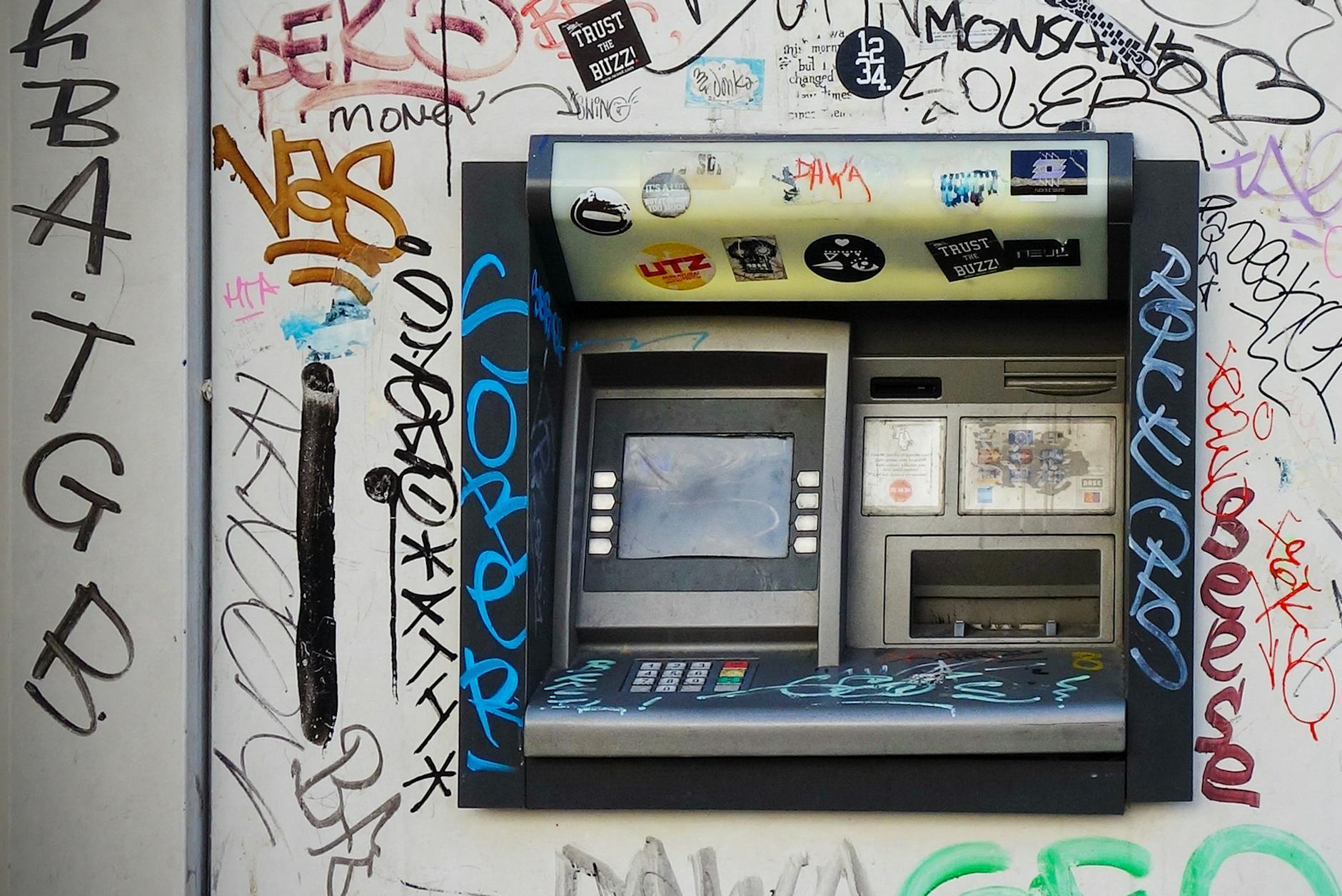
Using random unmarked or poorly maintained ATMs in tourist-heavy areas or unfamiliar neighborhoods significantly increases exposure to tampering and fraud. These machines are disproportionately targeted by criminals who know that visitors are less likely to notice irregularities or report them. Sticking to machines operated by well-known banks in busy commercial locations provides a meaningful baseline of physical and technical security. Familiarity with your preferred ATM network makes irregularities easier to spot and report.
Large Group Announcement
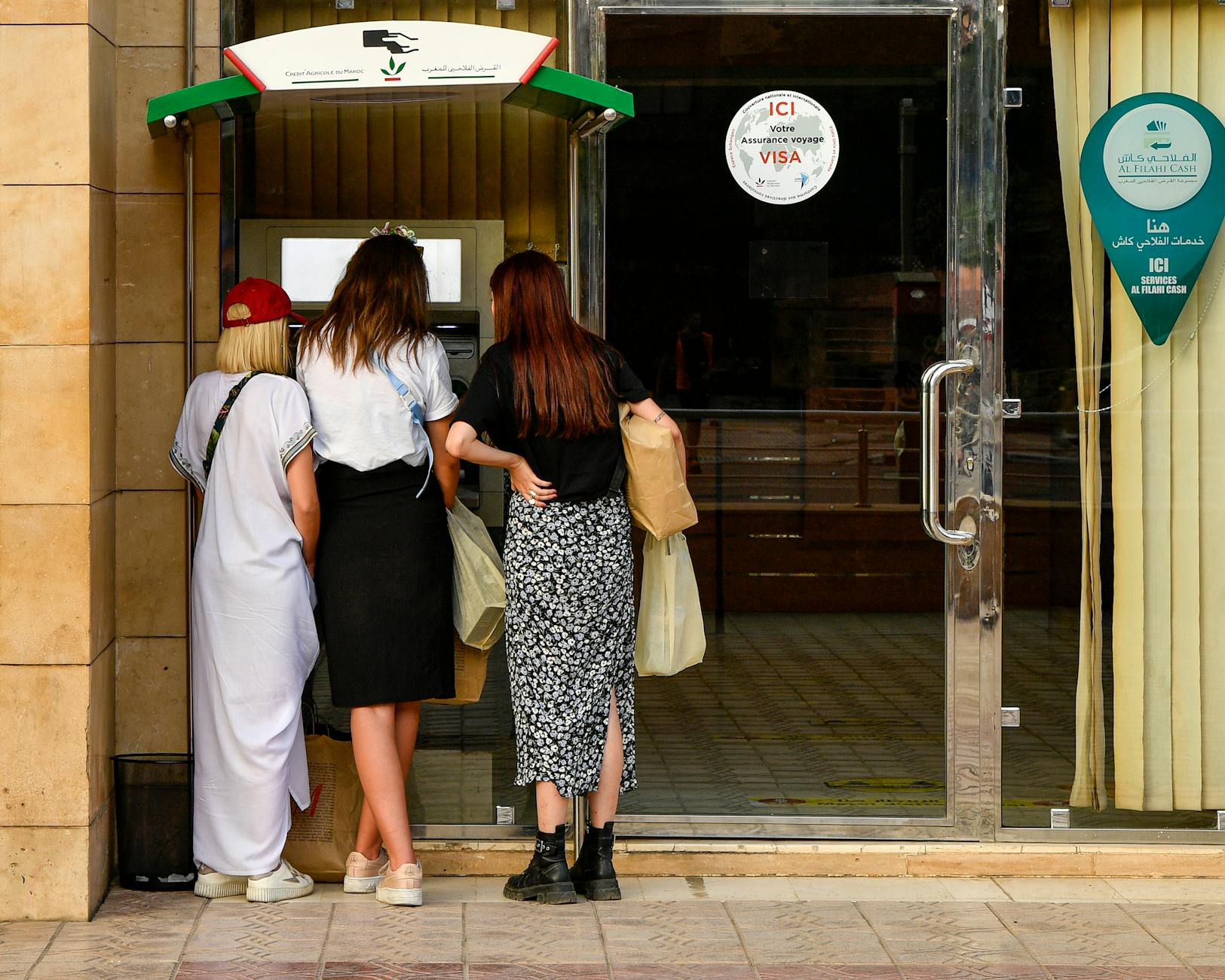
Telling friends or acquaintances that you are heading to the ATM to withdraw a large amount of cash in a social setting expands your circle of financial exposure unnecessarily. While the intention is casual and conversational the information can travel further than expected through social connections. Financial transactions should be treated as private matters regardless of how comfortable you feel in a given social environment. Keeping withdrawal plans undisclosed until after the fact is a discreet habit that protects both you and your finances.
Backpack Unzipped
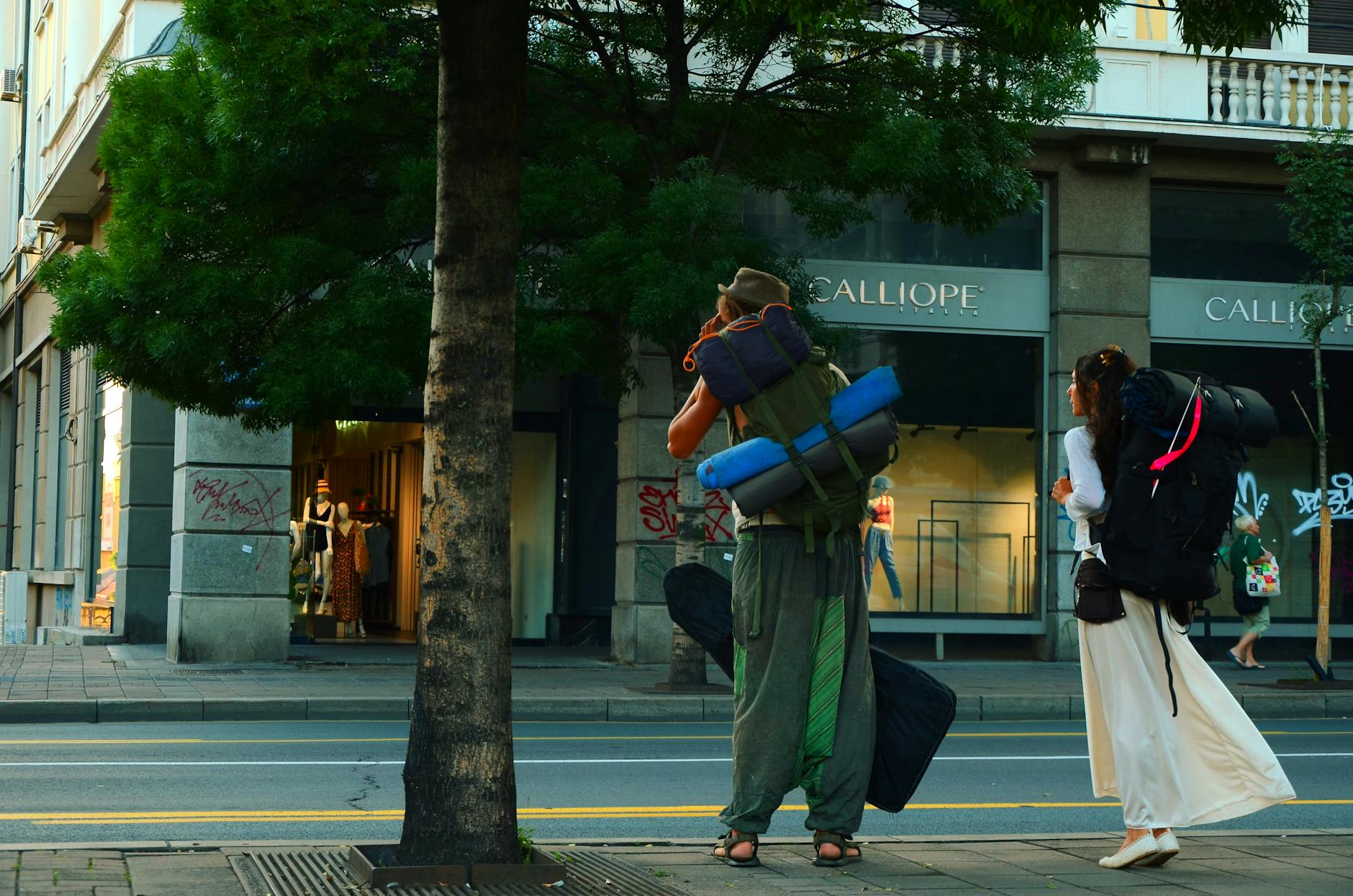
Approaching and using an ATM with your backpack unzipped and open behind you creates an effortless opportunity for a pickpocket or grab-and-run theft. An unzipped bag at the back is completely outside your field of vision during a transaction and takes only seconds to access. Zipping all compartments fully before stepping up to any machine is a basic physical security habit that requires no additional time or effort. Treat your bag as an extension of your personal security perimeter every time you handle cash in public.
If any of these habits sound familiar to you share your own ATM safety experiences and tips in the comments.