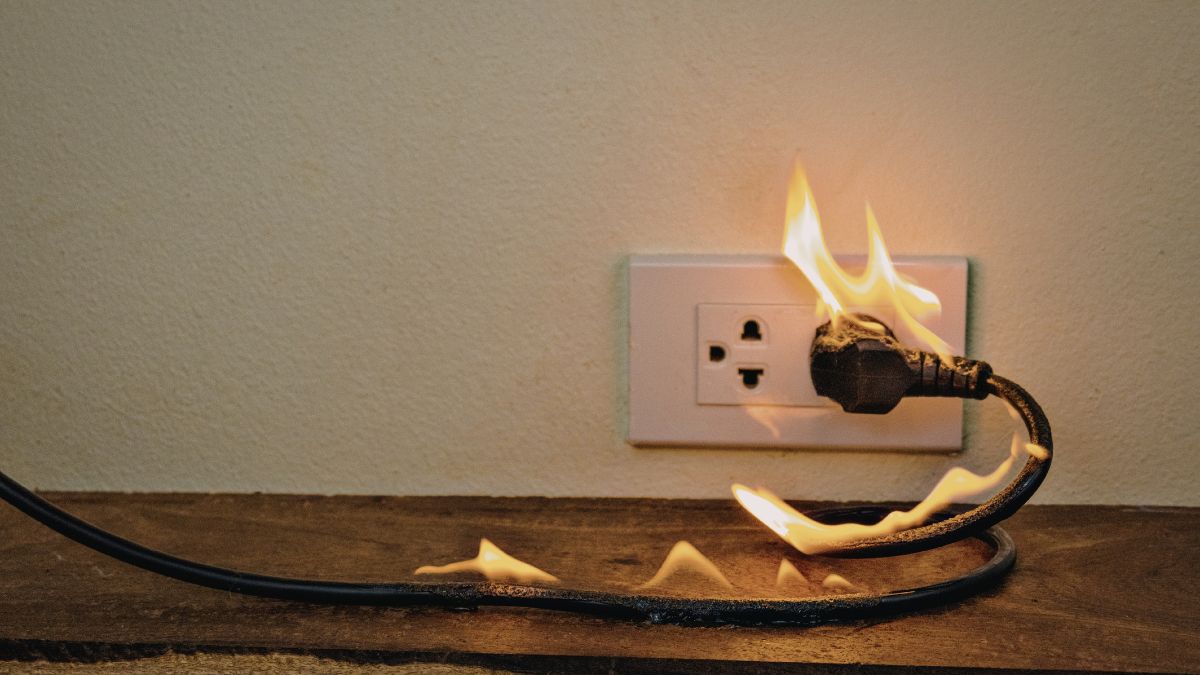
The electrical system inside the walls of most homes operates invisibly and silently until it does not, and by the time the consequences of a damaged wiring system become visible they have frequently progressed well beyond the point where the damage is easily reversible. Most house fires attributed to electrical causes do not begin with a dramatic failure or an obvious malfunction but with a slow and invisible accumulation of heat damage to insulation, connectors, and conductors that occurs over months or years before the ignition event that brings it to attention. The devices and habits most responsible for this damage are not the obviously hazardous ones that most homeowners already know to respect but the mundane, familiar, and widely marketed products that occupy outlets in virtually every room of virtually every home. Understanding which plugged-in devices create genuine wiring stress and why helps homeowners make decisions that protect their property and the people inside it. Here are 23 dangerous items that are quietly melting the wires in home electrical systems, ordered from the most seriously hazardous to the persistently underestimated.
Space Heaters
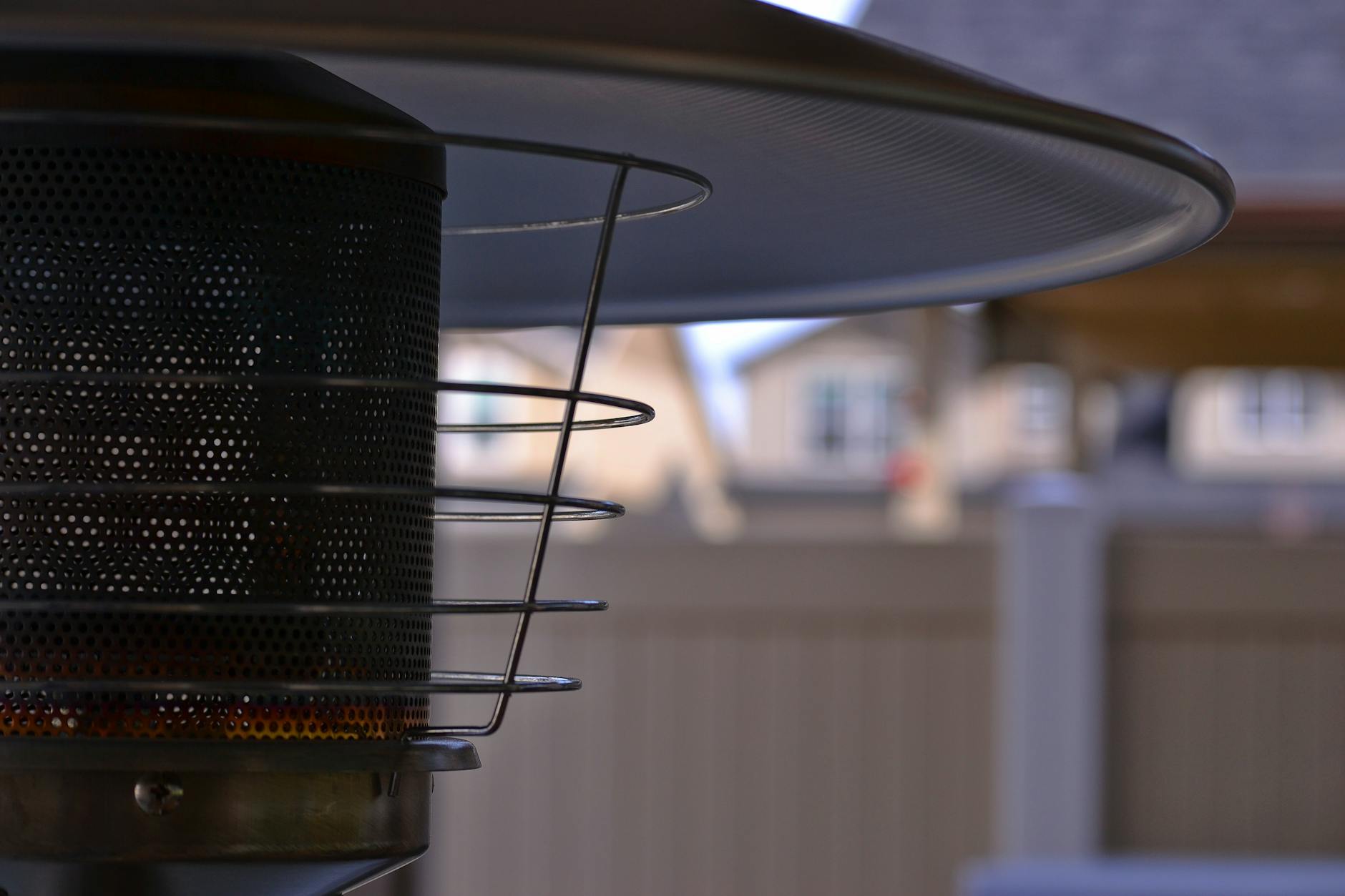
Space heaters are the single most common cause of electrical fire in residential properties and the mechanism of damage operates both at the outlet and deep within the branch circuit wiring that serves the room where the heater is used. A standard space heater drawing fifteen hundred watts operates at the absolute limit of what a fifteen-amp household circuit is rated to carry continuously and any additional load on the same circuit from lighting, devices, or other appliances pushes the circuit beyond its rated capacity and into a sustained overheating condition. The resistance heating element in the heater itself generates the radiant warmth it is sold to produce but also generates significant heat within the plug, the cord connections, and the outlet receptacle contacts where marginal or aged connections create localized hot spots that degrade insulation over repeated use cycles. Consumer product safety data consistently identifies space heaters as responsible for a disproportionate share of residential electrical fires relative to their market penetration, with the failure mode most commonly described as ignition of nearby combustible materials or wiring insulation rather than heater component failure. Using a space heater on a dedicated circuit, never with an extension cord, and replacing any unit that produces a warm plug or outlet after use are the minimum precautions that the device’s risk profile demands.
Cheap Extension Cords
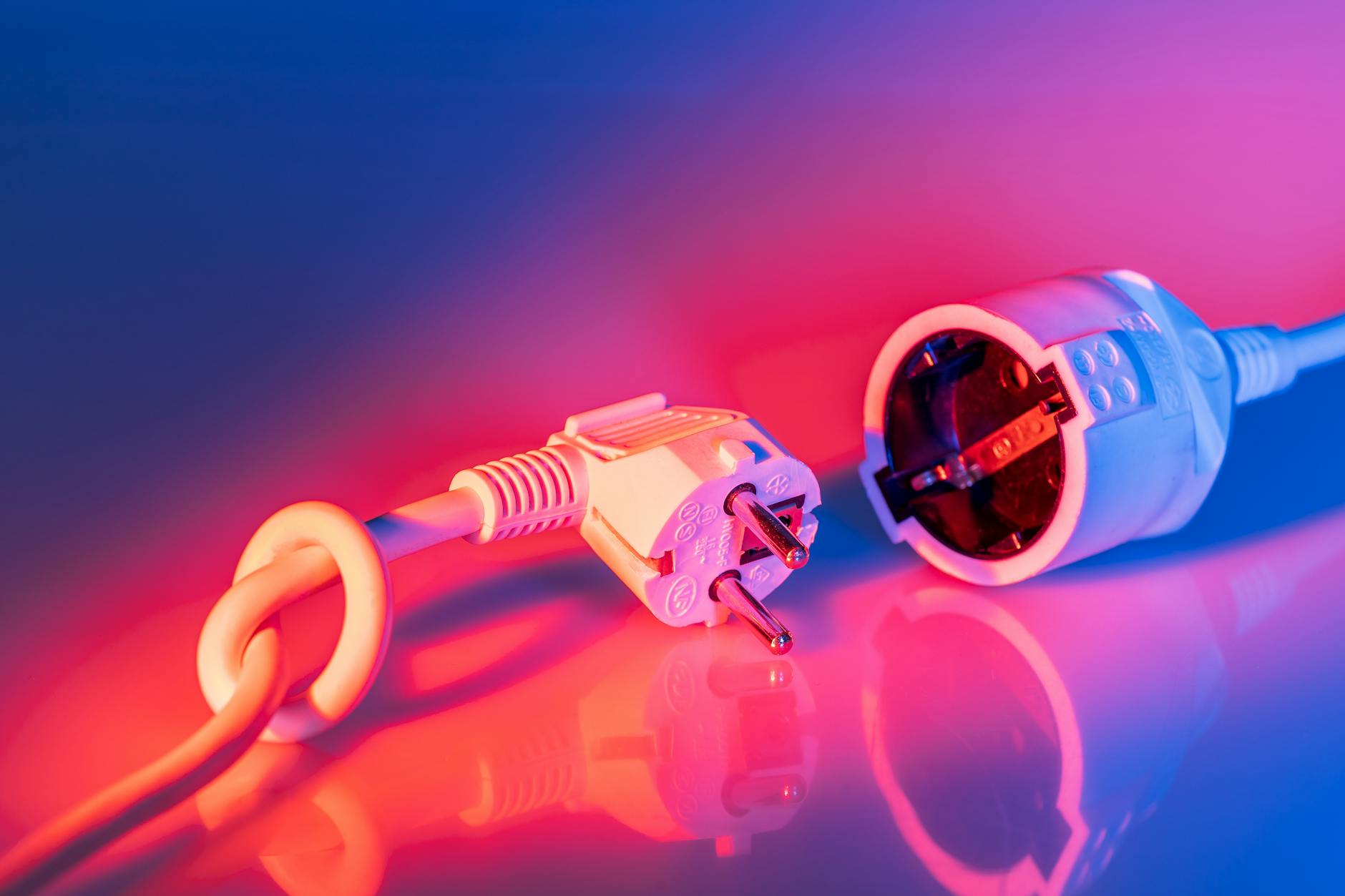
Low-cost extension cords sold through discount retailers and dollar stores are manufactured to wire gauges and insulation standards that are technically adequate only at the minimum load levels the product is theoretically rated for, with no safety margin for the real-world use conditions in which they are almost universally deployed. The wire gauge of an extension cord determines its resistance per foot and its resistance determines how much heat it generates per ampere of current flowing through it, with undersized wire in a budget cord generating significantly more heat per unit length than a properly gauged equivalent carrying the same load. The cumulative resistance of a long undersized extension cord adds to the effective impedance of the circuit in a way that causes heat generation distributed along the cord’s entire length rather than at a single identifiable point, making the damage invisible until insulation failure creates a fault. Multiple devices plugged into a single extension cord through a multi-outlet adapter create a load aggregation that can dramatically exceed the cord’s rated capacity while each individual device remains within its own specification, a common misunderstanding that contributes to thousands of cord-related fires annually. Extension cords are designed as temporary solutions and any cord that has been in continuous use for more than a few months in a fixed location should be replaced with a properly rated and installed permanent wiring solution.
Refrigerators

Residential refrigerators are continuous-duty appliances whose compressor motors draw significant surge current at each start cycle and whose cumulative effect on the outlet receptacle, plug contacts, and branch circuit wiring is substantially greater than their nameplate wattage suggests. The inductive load of a compressor motor generates a start current that is typically three to six times the running current, which means a refrigerator whose steady-state draw is modest is repeatedly subjecting its outlet connection to a high-current pulse every time the compressor cycles on throughout the day and night. Older refrigerators with worn compressors cycle more frequently and draw higher start currents than new units, creating an increasing electrical stress burden on the outlet and circuit as the appliance ages. The outlet behind a refrigerator is one of the least inspected receptacles in most homes and accumulated heat damage to the contact springs within an aging outlet can create a high-resistance connection that generates localized heat without tripping any protective device. A dedicated twenty-amp circuit for refrigerator use is code-required in modern residential construction for this reason and older homes where the refrigerator shares a circuit with other kitchen loads are at elevated risk.
Aquarium Equipment

A fully equipped aquarium represents a collection of simultaneous electrical loads including a heater, a filtration pump, lighting, a protein skimmer in marine setups, and potentially a chiller, all operating continuously in close proximity to a large body of water that creates an exceptionally hostile environment for electrical connections. The combination of continuous operation, high ambient humidity from evaporation, and the frequent splash and drip events associated with tank maintenance creates conditions where outlet receptacles, power strips, and plug connections experience accelerated corrosion, insulation degradation, and moisture-induced resistance increases that generate heat over time. Aquarium power strips positioned at tank level or below the water surface line are particularly vulnerable to the drip fault condition in which water travels down a cord and enters the outlet housing, creating a partial short circuit that heats the connection without necessarily tripping the breaker. The National Electrical Code requires ground fault circuit interrupter protection for all receptacles within six feet of water-containing vessels and aquarium setups that are not on GFCI-protected circuits are at genuine risk of both fire and electrocution. The practice of routing all aquarium cords in a drip loop before they reach the outlet, in which the cord hangs below the plug connection before rising to the receptacle, prevents the water migration path that makes aquarium electrical installations hazardous.
Laser Printers
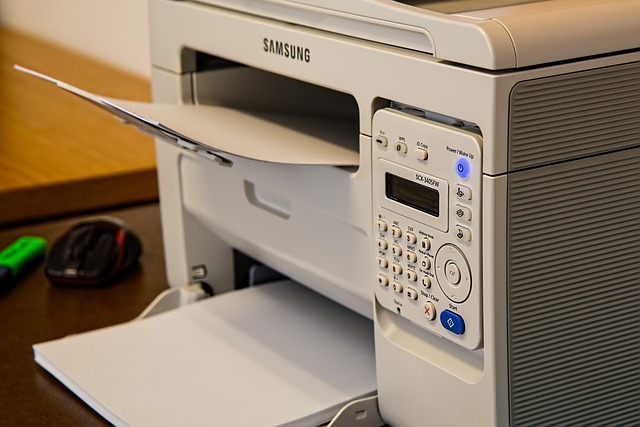
Laser printers contain a fusing unit that uses high-resistance heating elements to melt toner onto paper and the power demand of the fuser during a print cycle can spike to twelve hundred watts or more in a full-size office laser printer, a load that residential circuits and the power strips commonly used in home office environments are not always adequately sized to accommodate. The intermittent high-demand nature of laser printer power consumption is particularly stressful for power strip surge protectors whose thermal protection mechanisms are designed for sustained overload rather than the repeated short-duration current spikes that laser printing generates. Connecting a laser printer to a power strip that also serves a computer, monitor, and desk accessories creates a cumulative load during printing cycles that can exceed the strip’s rated capacity and generate heat at the strip’s internal wiring connections. The plug and outlet serving a laser printer in a home office environment where the printer is used multiple times daily experience repeated thermal cycling that fatigues the contact springs in the outlet receptacle over time. Laser printers are best served from a dedicated outlet with a direct wall plug connection rather than from a power strip shared with other office equipment.
Older Air Conditioners

Window and portable air conditioners manufactured before current efficiency standards were implemented draw substantially higher running currents than modern equivalents and impose a continuous heavy load on branch circuit wiring, outlet receptacles, and plug connections that was challenging for the residential wiring standards of the era in which they were manufactured. An older window air conditioner drawing twelve to fourteen amps on a fifteen-amp circuit leaves virtually no current headroom for any other load on that circuit and operates the branch circuit wiring at a sustained temperature elevation that accelerates insulation aging proportionally to the square of the current. The outlet receptacle serving an older air conditioner experiences the compressor start current surge repeatedly across a cooling season that may total hundreds of operational hours and the contact springs within the receptacle fatigue progressively under this stress. Aluminum branch circuit wiring, which was commonly installed in residential construction during the 1960s and 1970s, is particularly susceptible to the creep and loosening at connection points that high continuous loads produce, with the resulting loose connections generating potentially dangerous resistance heating. Any window air conditioner whose plug feels warm to the touch after operation should be treated as a wiring hazard indicator requiring professional inspection.
Poorly Made Power Strips
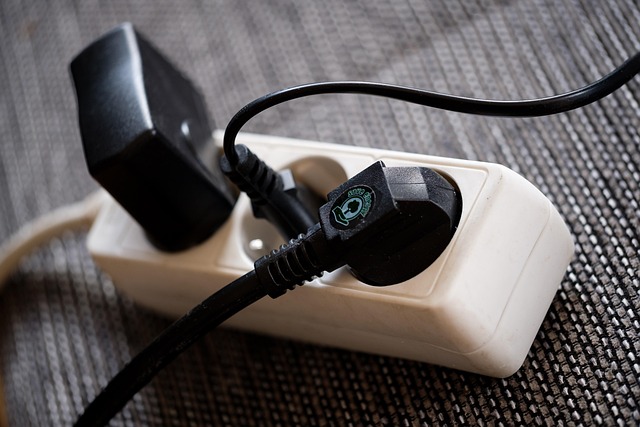
Power strips manufactured without internal thermal fusing, with undersized bus bar conductors, or with outlet contacts made from materials with poor spring retention properties are sold widely at low price points and used as permanent wiring infrastructure in home offices, entertainment centers, and bedrooms despite being designed as temporary convenience devices with a finite and often brief safe service life. The internal bus bar of a power strip connects all outlets in the strip to the incoming power feed and its cross-sectional area determines how much current the strip can carry without the bus bar itself becoming a heat source within the strip’s plastic housing. Budget power strips frequently use bus bar material that is adequate for rated current but provides no safety margin for the harmonic currents, micro-surge events, and connection resistance increases that characterize real-world use over time. The outlet contacts within a power strip are the components most prone to quality variation between manufacturers and contacts made from low-grade alloys lose their spring retention after moderate use, creating the loose-connection resistance heating that is responsible for the characteristic burnt plastic smell and discoloration that precedes power strip fires. Replacing power strips every three to five years regardless of apparent condition and choosing products with independent safety certification from recognized testing laboratories are the minimum precautions the category’s risk profile warrants.
Heated Blankets

Electric blankets and heated throws contain resistance wire elements distributed across their entire surface area and woven into a fabric matrix that is repeatedly folded, compressed, and laundered across a service life that the wiring within the blanket is not always designed to tolerate without developing insulation cracks, conductor fatigue fractures, and hot spots at flexure points. The damage accumulation in heated blanket wiring is typically invisible from the exterior because the resistance wire is embedded within layers of batting and fabric that conceal developing faults until they have progressed to the point where arcing or insulation failure occurs. Folding a heated blanket and sleeping on top of it, rather than under it as designed, traps heat in the folded layers and creates a thermal runaway condition in which the blanket’s own heat output prevents the dissipation that the safety design assumes will occur. Consumer product safety commission data identifies heated bedding products as a consistently significant contributor to residential fire statistics with the failure mode almost always described as smoldering ignition of the blanket itself or the bedding material in contact with it. Any heated blanket more than five years old, any unit that has been washed more than the manufacturer’s specified limit, and any blanket that shows visible kinking or creasing along former fold lines should be retired regardless of apparent electrical function.
Counterfeit Chargers
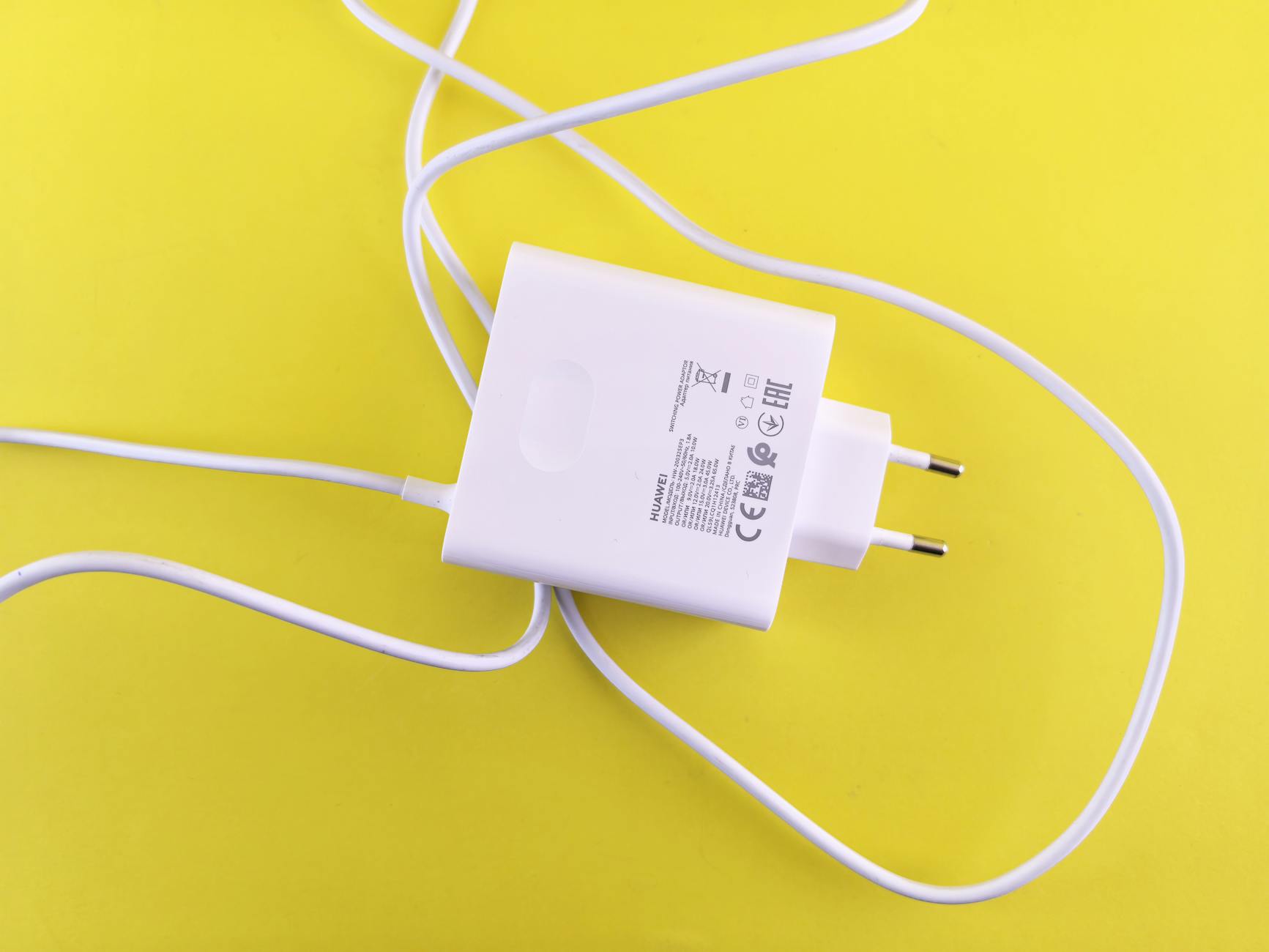
Counterfeit and uncertified chargers for smartphones, tablets, and laptops sold through online marketplaces and discount retail channels are manufactured without the safety-critical internal components that genuine and certified chargers contain, omitting or substituting the isolation transformers, transient voltage suppressors, and thermal protection circuits that prevent the charger from becoming a fire or electrocution hazard under fault conditions. A genuine charger from a reputable manufacturer contains several dollars worth of safety components whose entire function is to prevent failure modes that a counterfeit equivalent simply allows to occur because those components represent cost that counterfeit manufacturers eliminate to achieve their price point. The internal isolation between the high-voltage input side and the low-voltage output side of a charger is the safety feature whose absence in a counterfeit makes the device potentially lethal and numerous electrocution deaths have been attributed to counterfeit chargers that allowed mains voltage to reach the device and user through the charging cable. Counterfeit chargers also fail to regulate output voltage correctly under varying load conditions, generating voltage spikes that damage the devices they charge and creating thermal stress in the outlet and wiring serving them. The price differential between a genuine certified charger and a counterfeit is the most reliable available indicator of the safety compromise the lower price represents.
Treadmills
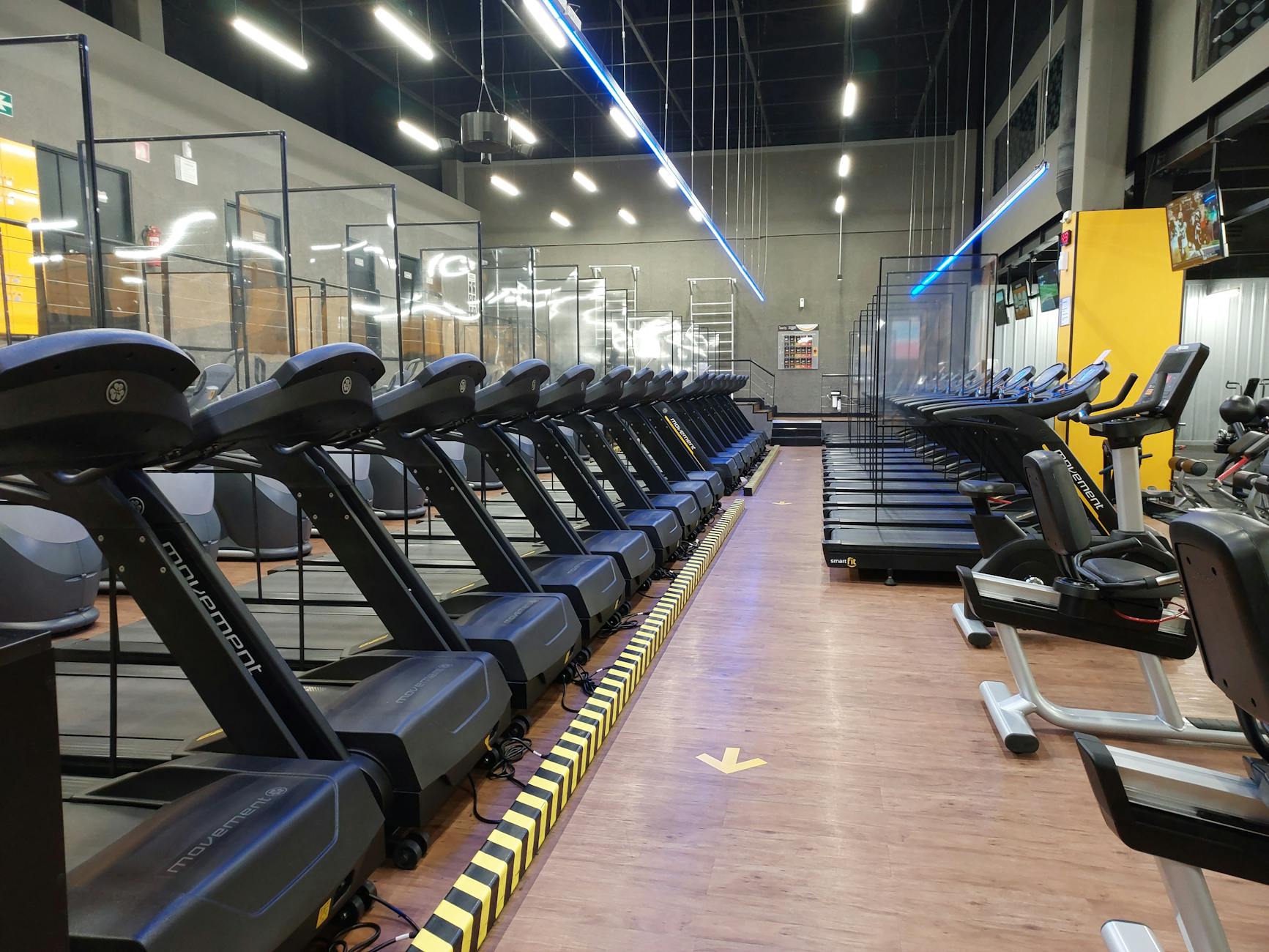
Residential treadmills contain drive motors that draw continuous high current during operation and generate significant electromagnetic interference that creates noise on the branch circuit serving them, with both the sustained current draw and the electrical noise contributing to wiring and outlet stress that accumulates invisibly across the service life of the installation. A treadmill motor operating at moderate speed draws between five and ten amps continuously and the sustained thermal load this imposes on outlet receptacle contacts, plug connections, and branch circuit wiring in the room where the treadmill is installed creates the same progressive contact degradation that any other high continuous load produces. The motor speed controller in a treadmill generates harmonic currents that do not appear in standard amperage measurements but contribute to heating in wiring and connections through mechanisms that differ from simple resistive heating. Treadmill manufacturers consistently specify dedicated circuits for their equipment and the failure of most residential treadmill owners to provide a dedicated circuit means the machine shares its substantial electrical demands with other room loads in a way that the circuit wiring was not designed to accommodate continuously. The outlet behind a treadmill is among the most thermally stressed receptacles in many homes and the combination of high continuous load and difficult access for inspection makes it a persistent unmonitored hazard.
Multi-Plug Adapters
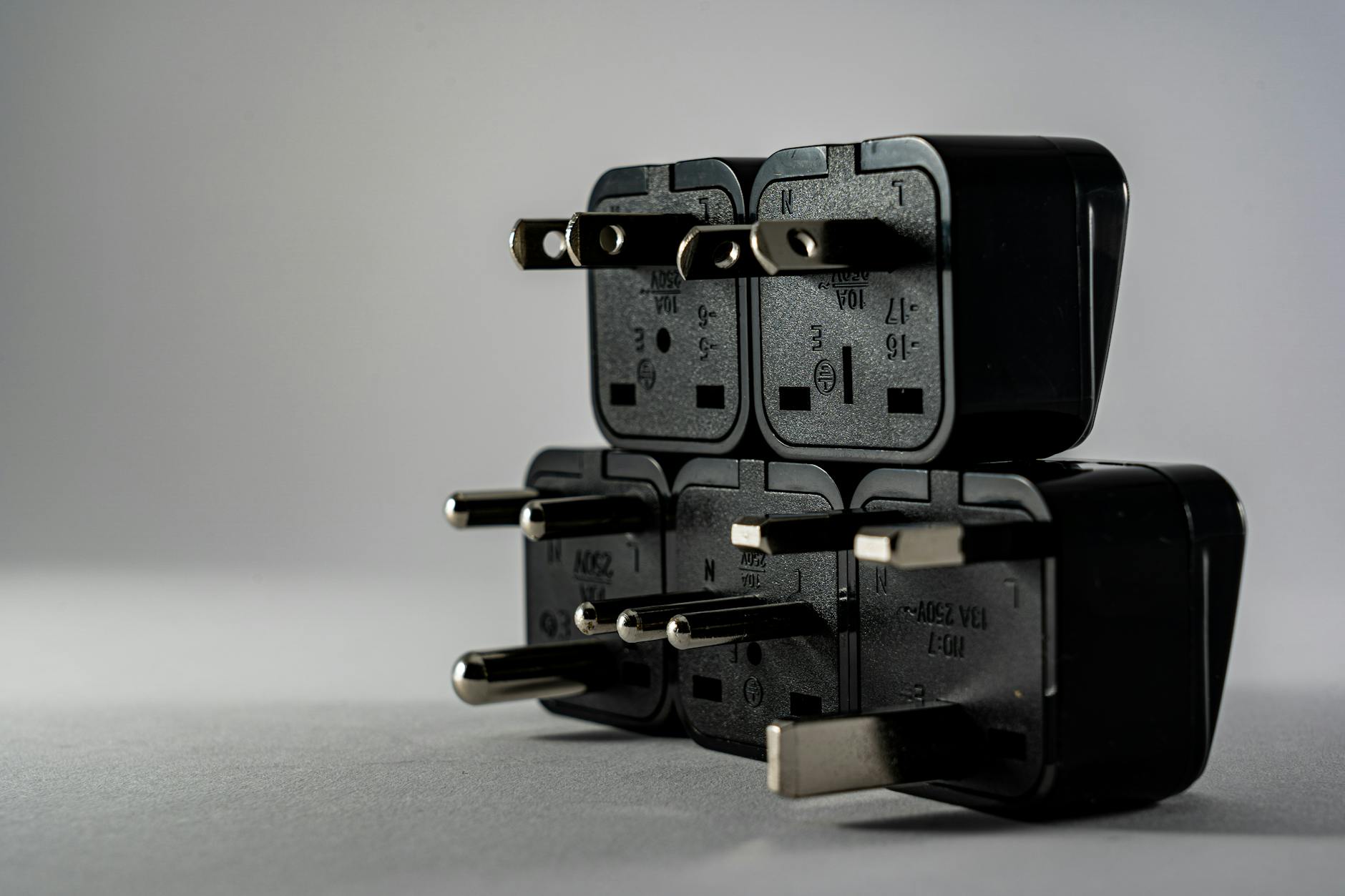
Cube-style multi-plug adapters that convert a single duplex outlet into a cluster of four to six outlets with no cord and no surge protection concentrate the load of multiple devices at a single outlet connection point that was designed to serve at most two devices and whose contact springs are rated for a maximum current that the adapter allows to be dramatically exceeded without any protective intervention. The contact springs within a standard duplex outlet are rated to maintain reliable low-resistance contact at currents up to the circuit’s breaker rating but the spring design assumes that load will be distributed between two outlet positions rather than concentrated through a single set of contacts serving an adapter. A multi-plug adapter loaded with a laptop charger, a phone charger, a desk lamp, and a small fan simultaneously draws the combined current of all four devices through the single pair of outlet contacts serving the adapter, creating a current density at that contact point that is two to four times what the outlet was designed to accommodate. The contact heating that results from this overconcentration is gradual and cumulative, occurring in a location that is permanently inaccessible behind furniture or equipment and therefore never observed until the damage has progressed to a visible or olfactory warning sign. Replacing multi-plug adapters with properly rated power strips that distribute load across a cord-connected bus bar is the minimum improvement the risk profile of these adapters warrants.
Older Microwaves

Residential microwaves manufactured before current efficiency and standby power standards were implemented draw significant current both during operation and in standby mode and impose a continuous thermal load on the outlet and branch circuit wiring serving the appliance through the combination of magnetron cycling current, control board standby draw, and the resistive heating of aged internal wiring connections that accumulates in a kitchen appliance subjected to heat, grease, and steam throughout its service life. An older countertop microwave operating at full power draws twelve to fifteen amps through its outlet connection and the outlet serving a microwave that has been in place for ten or more years has experienced thousands of on-off current cycling events that progressively fatigue the contact springs within the receptacle. The kitchen environment in which most microwaves operate subjects nearby wiring and outlet boxes to elevated temperatures, grease vapor deposition, and humidity that accelerate the insulation aging and contact corrosion that increase resistance and heat generation at connection points. Dedicated circuits for microwave ovens are required by modern electrical codes and the common older-home installation in which the microwave shares a kitchen circuit with other countertop appliances creates sustained overload conditions during simultaneous use that the circuit wiring was not sized to tolerate. A microwave whose plug or outlet feels warm after use is communicating a resistance heating problem at that connection that warrants professional inspection before continuing use.
Cheap LED Strip Lights
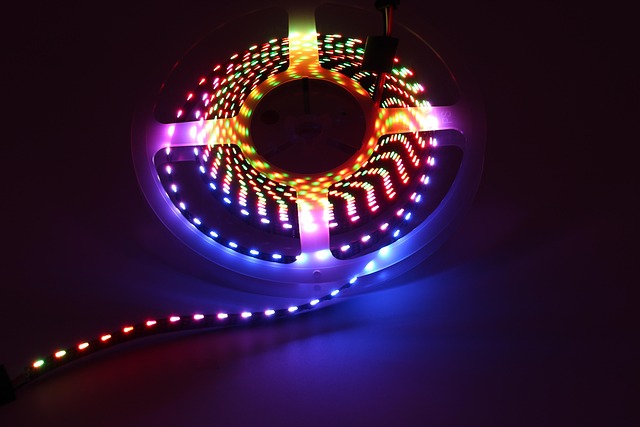
Low-cost LED strip light products sold through online marketplaces frequently contain power supply units with inadequate thermal management, undersized internal conductors, and absent or non-functional overcurrent protection that make them a persistent and underrecognized source of electrical damage in the bedrooms, living rooms, and entertainment spaces where they are most heavily deployed. The power supply brick of an LED strip light system is the component most prone to quality shortcutting in budget products and a power supply that runs hot to the touch during normal operation is dissipating energy as heat within its housing rather than converting it efficiently to the low-voltage output the strip requires. Budget LED strip products are commonly sold with power supplies rated at the maximum strip capacity with no derating margin, meaning any variation in input voltage, ambient temperature, or strip length beyond the nominal specification pushes the power supply into sustained thermal stress. The low-voltage wiring within the strip itself is a secondary hazard with many budget products using conductor cross-sections that are technically functional at rated current but generate measurable heat along their length during extended operation. LED strip installations that remain in place continuously for months or years should use products from manufacturers who provide independent safety certification and whose power supplies carry a thermal protection rating confirming they are designed for the continuous-duty operation that decorative lighting applications require.
Dehumidifiers
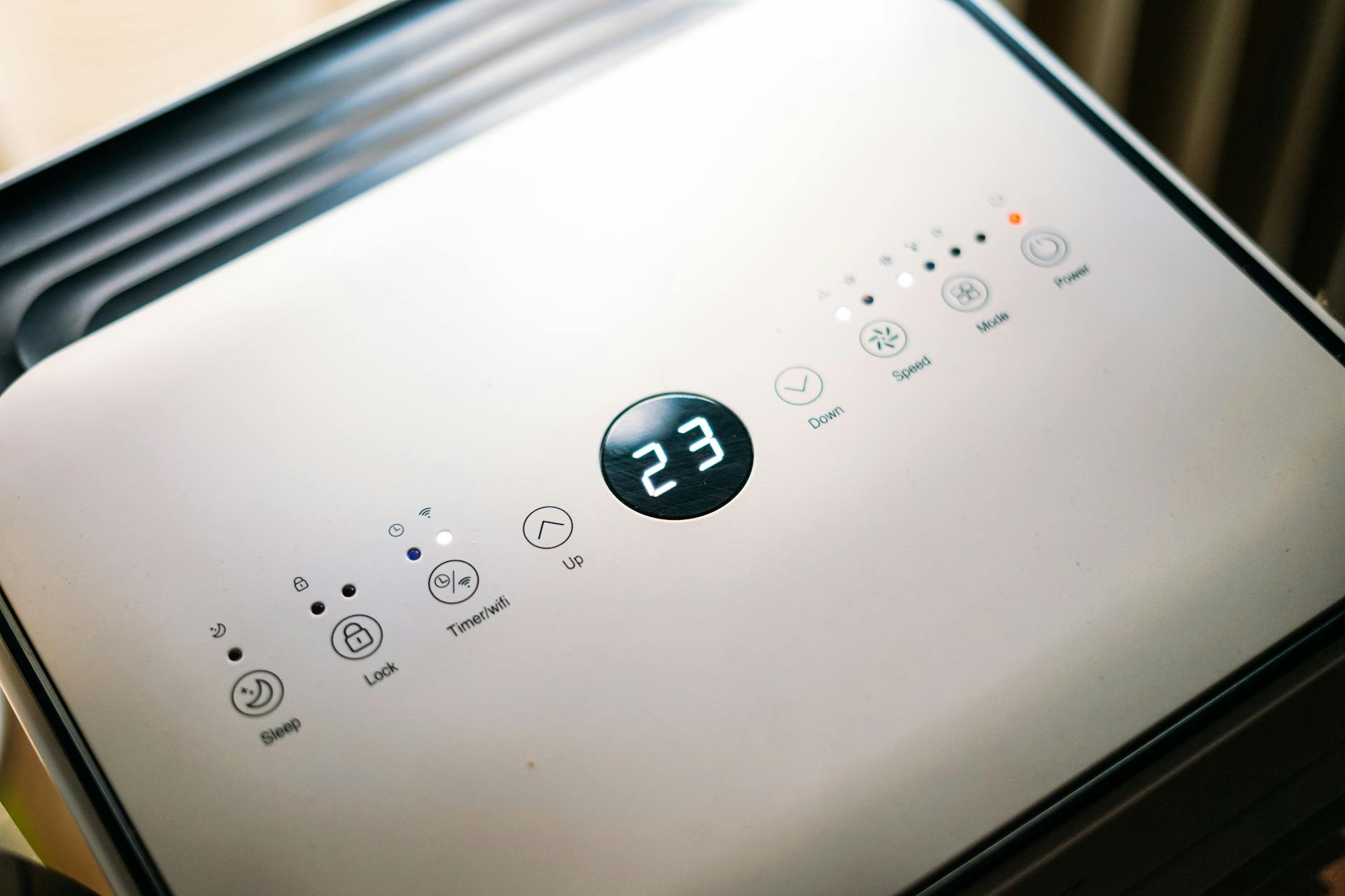
Residential dehumidifiers operate as continuous-duty appliances whose compressor-based refrigeration systems impose the same start-current and sustained-load electrical stresses as air conditioners and refrigerators but in applications where they are frequently plugged into extension cords, placed in basements with aging wiring infrastructure, and operated unattended for extended periods in environments where their own function creates the elevated humidity that accelerates corrosion of nearby electrical connections. A dehumidifier compressor drawing eight to ten amps continuously on a basement circuit that also serves lighting, a sump pump, and workshop equipment creates sustained circuit loading that marginal older wiring handles with a thermal stress that accumulates invisibly across the cooling season. The irony of the dehumidifier’s electrical hazard profile is that the appliance is removing moisture from an environment whose elevated humidity is simultaneously accelerating the corrosion and resistance increase at the outlet connection serving the dehumidifier itself. Consumer product safety commission recall data identifies dehumidifiers as one of the most frequently recalled appliance categories specifically for fire hazard, with overheating of electrical components and wiring connections consistently cited as the primary failure mechanism. Operating a dehumidifier on a dedicated circuit with a heavy-duty cord rated for the appliance’s full running current and inspecting the outlet and plug connection regularly for heat signs are the minimum precautions the category’s documented hazard history requires.
Deep Fryers

Countertop deep fryers contain high-wattage immersion heating elements that draw sustained currents of ten to fifteen amps during the temperature recovery cycles that follow food loading and whose thermal mass means they remain in a high-draw state for extended cooking sessions that impose prolonged thermal stress on the outlet and circuit serving the appliance. The combination of high sustained current draw, elevated ambient temperatures generated by the hot oil in the appliance’s immediate vicinity, and the grease vapor environment of kitchen use creates a particularly aggressive degradation condition for the outlet receptacle, plug contacts, and branch circuit wiring in the immediate area. Deep fryers are typically used on the same kitchen circuits serving other high-draw appliances including microwaves, toasters, and coffee makers and the cumulative circuit loading during meal preparation when multiple appliances operate simultaneously routinely exceeds what the circuit wiring was designed to carry continuously. The outlet serving a deep fryer in regular use accumulates carbonized grease contamination on its contact surfaces over time that increases contact resistance and localized heat generation in a way that is invisible without physically removing and inspecting the receptacle. The magnetic breakaway cord system found on some premium deep fryers is a safety feature whose primary function is preventing the appliance from being pulled off the counter by a trailing cord but whose secondary effect of ensuring the plug seats fully and evenly in the outlet reduces the partial-insertion contact heating that accounts for a significant proportion of outlet damage in kitchen environments.
Old Christmas Lights

Incandescent Christmas light strings manufactured before current safety standards and energy efficiency requirements replaced them in the market draw substantially more current per linear foot of string than modern LED equivalents and are used in conditions including outdoor exposure, dense packing in storage boxes, proximity to dry combustible decorations, and continuous multi-week operation that combine to create one of the most electrically hazardous seasonal use patterns in the residential environment. A full tree decorated with multiple strings of vintage incandescent lights can present a total connected load of several hundred watts drawing sustained current through the outlet and circuit serving the tree location for the eight to sixteen hours per day the lights are operated across a holiday season. The insulation on vintage light string wiring degrades with each annual heat and storage cycle and strings that have been stored folded or tangled in boxes for multiple years develop insulation cracks at flexure points that are invisible to exterior inspection but present genuine arc and ignition risk when the string is energized. The connection points between individual light sockets and the string wiring are the locations most prone to resistance increase in aged strings and a single high-resistance socket connection in a series-wired vintage string creates a localized hot spot that can char the socket housing and adjacent wiring without causing any other light in the string to fail. Replacing all vintage incandescent light strings with current LED equivalents eliminates this hazard entirely while reducing the electrical load on the serving circuit by approximately ninety percent.
Desktop Computers

Full-size desktop computers with high-performance processors and discrete graphics cards contain power supply units that draw sustained high currents during intensive processing tasks and whose power factor characteristics create reactive current components that contribute to branch circuit heating through mechanisms that the circuit’s overcurrent protection is not designed to detect or interrupt. A gaming desktop computer with a five-hundred to eight-hundred watt power supply draws five to seven amps continuously during gaming sessions and the power supply’s internal fan-cooled components generate heat within the computer housing that is exhausted into the immediate environment of the outlet and wiring serving the system. The power supply unit within a desktop computer is itself a potential fire source as it contains high-voltage capacitors, switching transistors, and magnetic components that can fail thermally under conditions of input voltage variation, inadequate ventilation, or simply accumulated component aging. Desktop computers connected to power strips shared with monitors, speakers, gaming peripherals, and desk lighting create cumulative strip loads that can approach or exceed the strip’s rated current during peak use. The combination of high continuous load, reactive current components, and shared power strip infrastructure makes the desktop gaming setup one of the more electrically demanding and underappreciated household wiring stress scenarios.
Coffee Makers

Automatic drip coffee makers contain resistive heating elements serving both the brewing function and the warming plate that draw between eight and twelve hundred watts during active brewing and between forty and eighty watts continuously during the warming cycle that many users leave engaged for hours after brewing. The warming plate continuous draw is modest in isolation but coffee makers are almost universally installed on kitchen counter circuits that simultaneously serve multiple other high-draw appliances and the aggregated continuous load of a warming plate, a toaster oven in standby, a phone charger, and a counter lamp can approach or exceed the circuit’s continuous rating during extended morning kitchen activity. The outlet behind a coffee maker in a fixed counter position is one of the most difficult kitchen receptacles to inspect and the combination of steam exposure from the brewing process, grease vapor from nearby cooking, and the continuous thermal cycling of the heating element creates an accelerated degradation environment for the outlet’s internal components. Coffee makers with integrated grinders add a motor inductive load to the resistive heating load during the grinding cycle, creating a brief but repeated current spike that contributes to outlet contact fatigue over the appliance’s service life. Any coffee maker whose power cord shows discoloration, stiffness, or cracking near the appliance body is exhibiting the heat damage signature of a failing connection within the appliance that represents a genuine fire hazard regardless of the unit’s operational normalcy.
Lava Lamps

Vintage and reproduction lava lamps contain incandescent bulbs of forty to one hundred watts that operate continuously for the hours required to heat the wax compound to its operational temperature and whose prolonged continuous operation creates a modest but persistent thermal load on the outlet and wiring serving them that is multiplied when multiple decorative lamps are operated simultaneously on the same circuit. The thermal environment inside a lava lamp base during operation is extreme with temperatures reaching levels that cause progressive degradation of the lamp’s internal wiring insulation, the socket connections, and the power cord entry point at the base of the appliance. Reproduction lava lamps manufactured outside strict safety standard jurisdictions frequently use cord and socket components that are marginal for the continuous high-temperature service the application requires, with the cord entry point at the lamp base being the specific location most prone to insulation failure from prolonged heat exposure. The practice of leaving lava lamps operating unattended for extended periods, which is necessary for achieving and maintaining the operational temperature that produces the intended visual effect, combines the continuous thermal stress of the lamp with the absence of monitoring that would allow early detection of developing problems. Consumer reports of lava lamp fires consistently describe the failure mode as charring at the cord entry point at the base of the lamp, the location where continuous heat from the operating bulb meets the plastic insulation of the power cord.
Ultrasonic Humidifiers
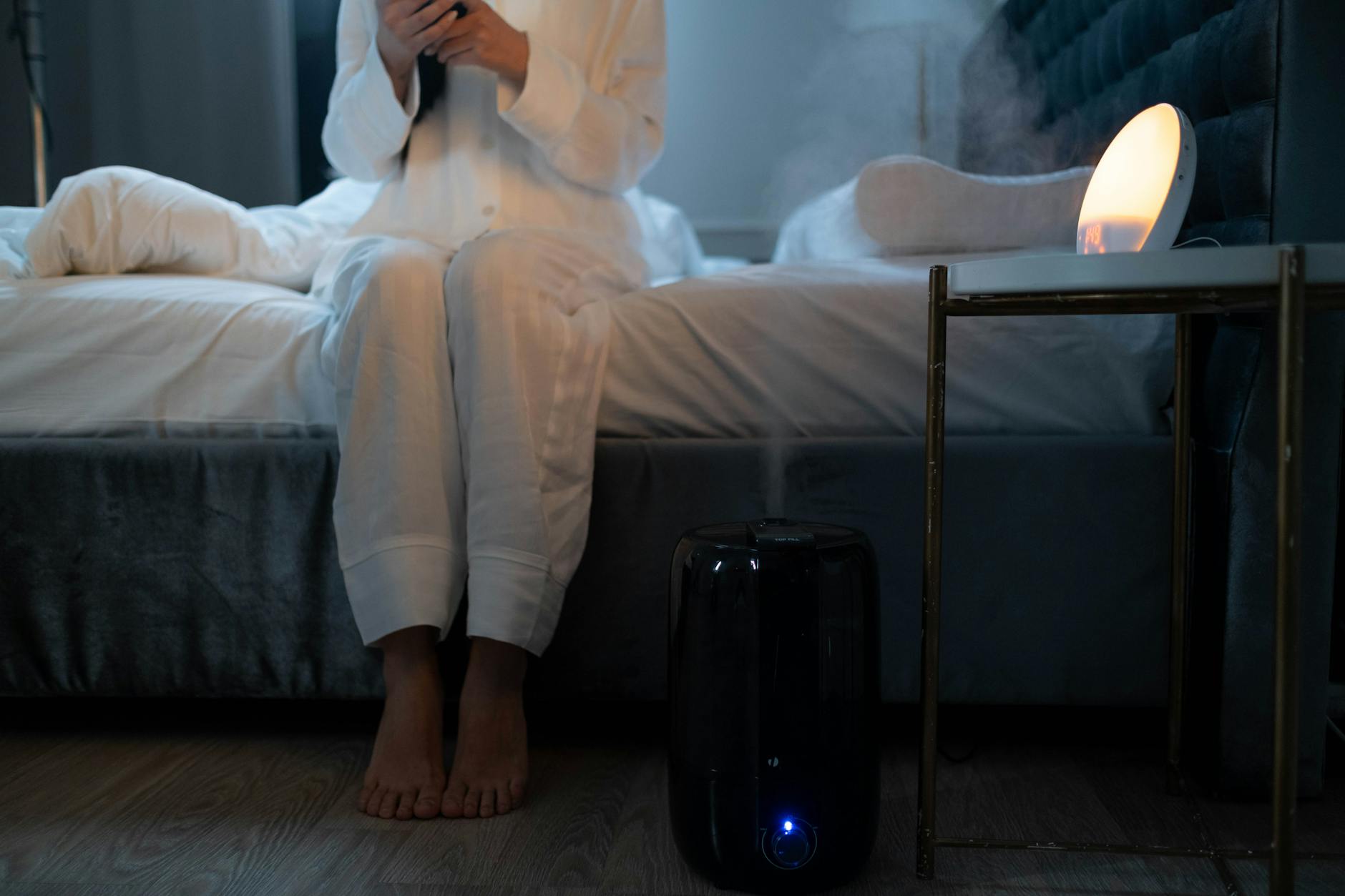
Ultrasonic humidifiers operate by vibrating a piezoelectric element at ultrasonic frequency to atomize water into a fine mist and while their operating current is modest compared to heating appliances their continuous operation in close proximity to the moisture they generate creates an electrical environment that progressively degrades the outlet connection, power cord, and any power strip in the immediate vicinity through moisture condensation and the mineral deposit accumulation that hard water misting produces. The fine mineral-laden mist produced by ultrasonic humidifiers using tap water deposits a thin film of dissolved minerals on all surfaces in the humidifier’s immediate environment including the power cord, outlet face, and any adjacent electrical accessories, with this mineral film becoming electrically conductive when re-wetted during subsequent operation cycles. The moisture accumulation at the outlet serving a floor or tabletop humidifier creates the conditions for tracking currents between outlet contacts that are too small to trip the circuit breaker but large enough to create sustained localized heating and progressive carbonization of the outlet’s internal insulation. Humidifiers operated in bedrooms where they run unattended through the night in close proximity to power strips serving bedside electronics create a particularly concerning moisture-plus-load combination whose electrical consequences are rarely considered by the users who deploy them. Using distilled water in ultrasonic humidifiers eliminates the mineral deposition problem and positioning the humidifier so that its mist output is directed away from all electrical accessories and outlet faces eliminates the moisture tracking hazard.
Old Wiring Itself
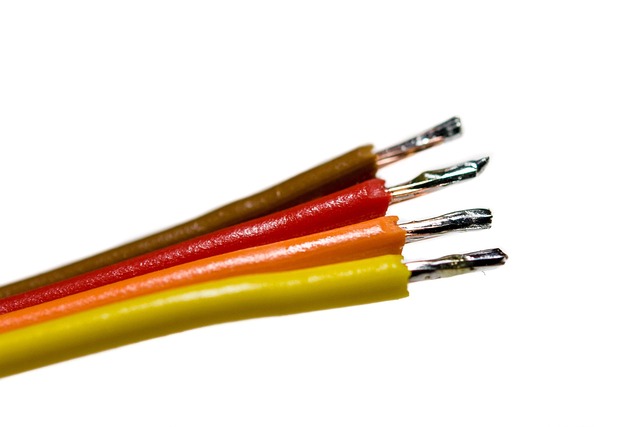
The branch circuit wiring installed in homes built before the 1970s using rubber-insulated cloth-wrapped conductors represents a passive ongoing hazard that is activated and accelerated by every high-draw device plugged into the outlets it serves, because the thermal tolerance of vintage insulation materials is substantially lower than the materials used in modern wiring and decades of thermal cycling have left most vintage insulation brittle, cracked, and close to the point where physical disturbance or sustained heat is sufficient to expose bare conductors within the wall cavity. Knob-and-tube wiring, which was the standard residential installation method until the mid-twentieth century, was designed to operate in open air where heat dissipation was unlimited and its enclosure within the insulated wall and ceiling cavities of modern energy-efficient homes removes the heat dissipation assumption on which its current-carrying capacity was calculated. The addition of attic insulation over knob-and-tube wiring is specifically prohibited by modern electrical codes because the insulation creates precisely the enclosed thermal environment that the wiring was not designed to tolerate. Aluminum branch circuit wiring installed in the late 1960s and early 1970s as a cost-saving alternative to copper presents a specific connection-point fire hazard caused by the differential thermal expansion between aluminum wire and the brass or steel terminals it connects to, which progressively loosens connections and creates resistance heating at every junction in the system. Every high-draw modern appliance plugged into a home with vintage wiring is asking that wiring to perform a continuous thermal duty that it was not designed for and that its current condition makes increasingly dangerous with each passing year.
If any of these items are currently plugged in at your home and this has changed how you think about your electrical safety, share your experience in the comments.