
Every driver, no matter how experienced, has developed habits behind the wheel that feel harmless but can have serious consequences. From momentary lapses in attention to deeply ingrained routines, these behaviors put you, your passengers, and everyone else on the road at risk. Roads are becoming busier and distractions more plentiful than ever, making it more important to assess your driving habits with honesty. Understanding where things go wrong is the first step toward becoming a genuinely safer driver.
Tailgating

Following the vehicle ahead too closely is one of the most frequent causes of rear-end collisions on highways and city roads alike. When you drive too close, your reaction time shrinks dramatically and even a sudden tap on the brakes can trigger a chain reaction crash. The recommended following distance is at least three seconds under normal conditions and significantly more in rain or fog. Many drivers underestimate how much space they actually need to stop safely at high speeds. Keeping a proper gap is a simple adjustment that drastically reduces your risk on any road.
Phone Use
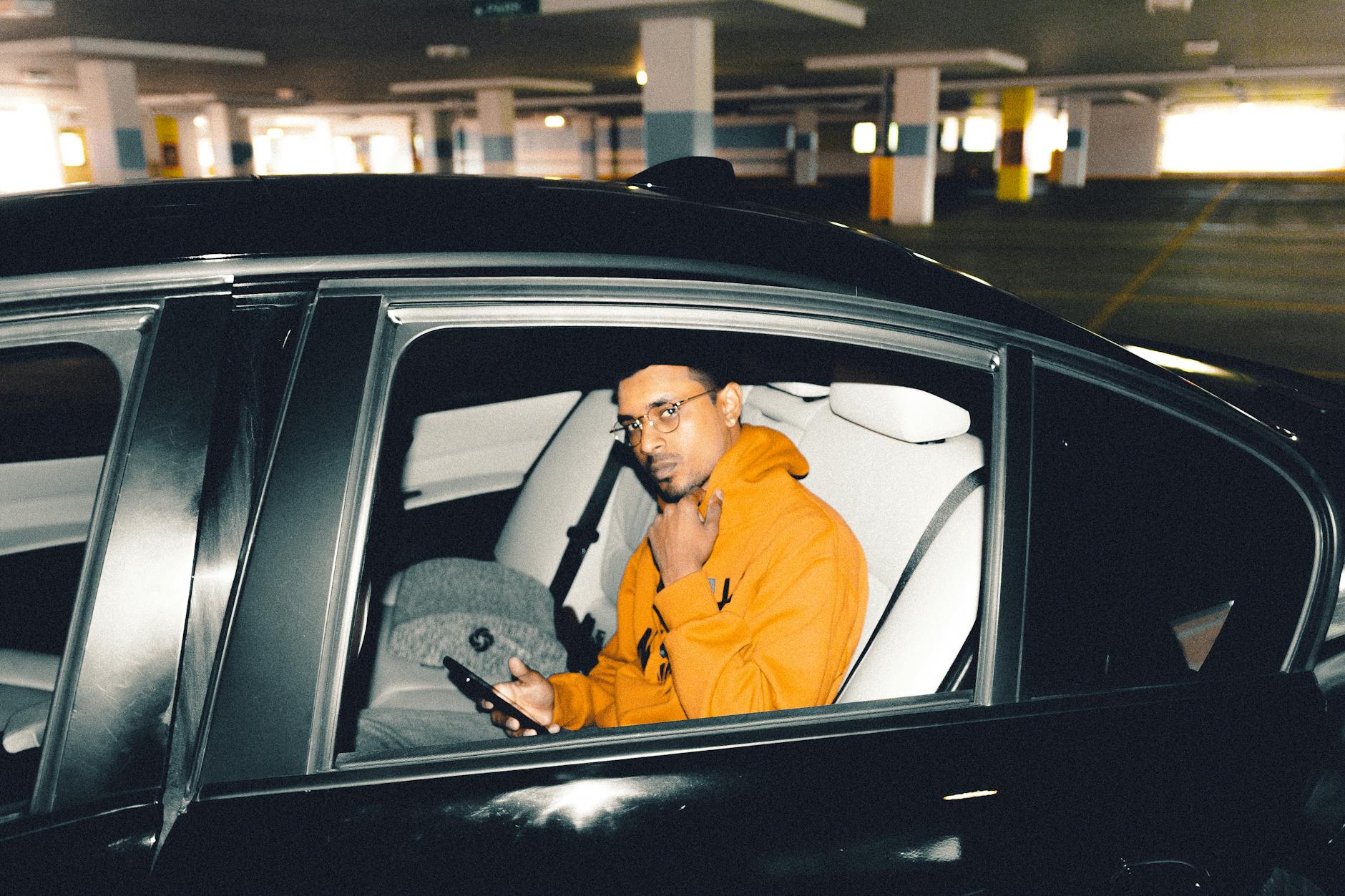
Glancing at a phone notification while driving takes your eyes off the road for an average of five seconds, which at highway speed means traveling the length of a football field without looking up. Even hands-free calling has been shown to reduce cognitive attention to the road significantly. The impulse to check messages feels manageable in the moment but the consequences can be catastrophic and irreversible. Many modern vehicles include do-not-disturb modes that silence notifications automatically while in motion. Placing the phone out of reach entirely remains the most reliable way to eliminate this dangerous temptation.
Speeding
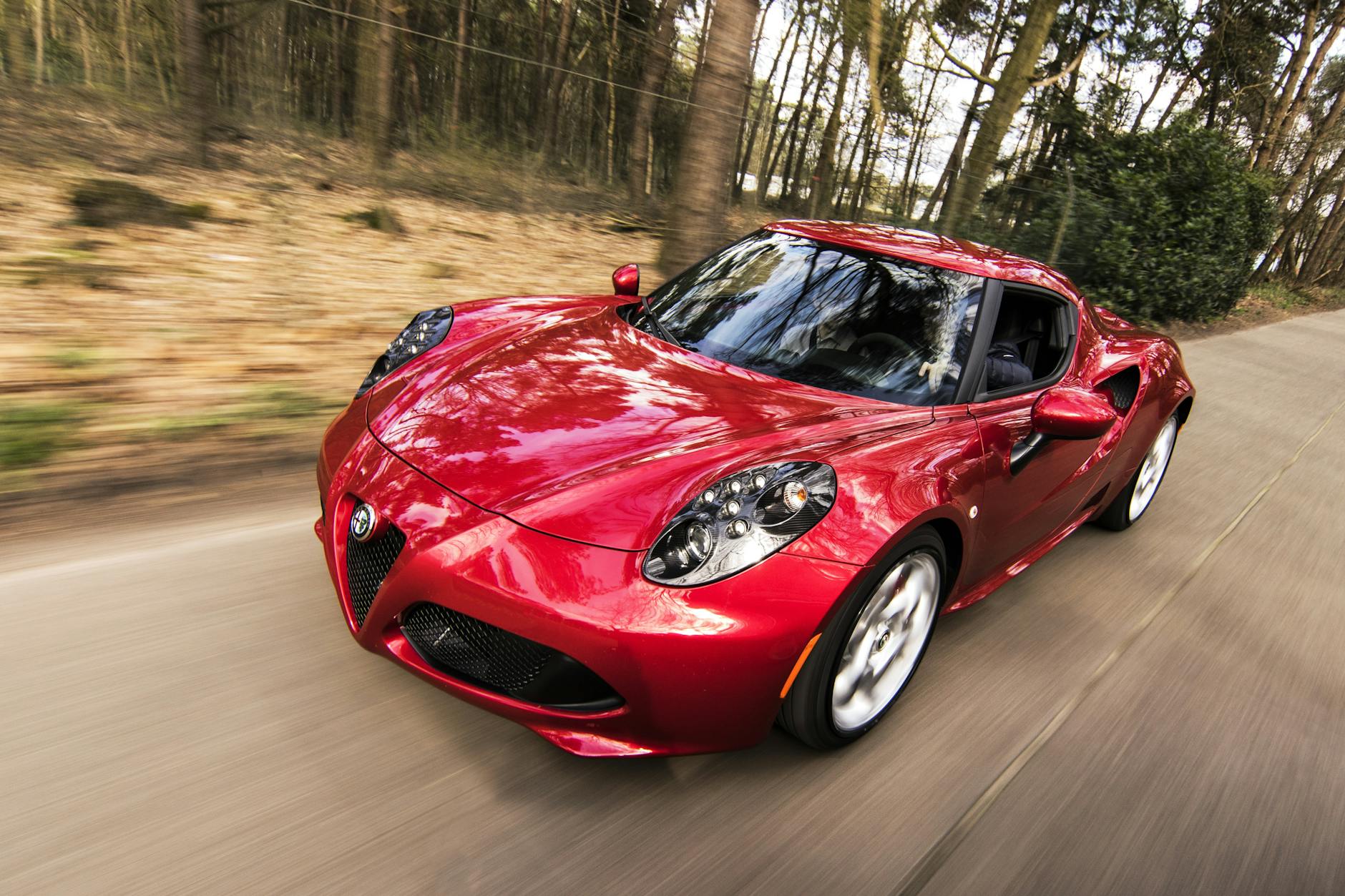
Driving above posted speed limits reduces the time available to react to sudden hazards and dramatically increases the force of any impact. Speed limits are calculated based on road design, pedestrian activity, and traffic density rather than arbitrary government preference. Even driving ten kilometers or miles above the limit meaningfully increases stopping distance and crash severity. Many drivers habitually exceed limits on familiar roads under the false belief that they know the route well enough to compensate. No level of familiarity with a road eliminates the physics involved in high-speed collisions.
Fatigue Driving

Operating a vehicle while fatigued impairs judgment and reaction time at levels comparable to drunk driving. The brain experiencing sleep deprivation struggles to process information quickly and tends toward microsleeps, which are brief unconscious lapses that can last several seconds. Shift workers, new parents, and long-distance drivers are particularly vulnerable to this underreported danger. Warning signs include difficulty keeping eyes open, drifting between lanes, and missing exits or turns. Pulling over for a rest is never an inconvenience when weighed against the alternative.
Blind Spot Neglect

Many drivers rely too heavily on mirrors and forget to physically check their blind spots before changing lanes or merging. Mirrors have significant gaps in coverage, particularly for motorcycles and compact vehicles that can disappear from view entirely. The habit of a quick shoulder check takes less than a second and can prevent a catastrophic side-impact collision. Modern blind spot monitoring systems are helpful tools but should not replace manual checking. Developing this habit early in your driving life can protect you across decades of time on the road.
Running Red Lights

Proceeding through an intersection on a late amber or outright red light is a decision many drivers make without fully registering the risk. Intersection crashes are among the deadliest types of road accidents because of the perpendicular angles involved in impact. Many drivers assume oncoming traffic will stop but there is no guarantee that another driver is paying attention or approaching at a safe speed. Red light cameras in urban areas have reduced intersection fatalities significantly in cities where they are deployed. Allowing a full stop at every red light, no matter how pressed for time you are, is a non-negotiable safety habit.
Improper Merging
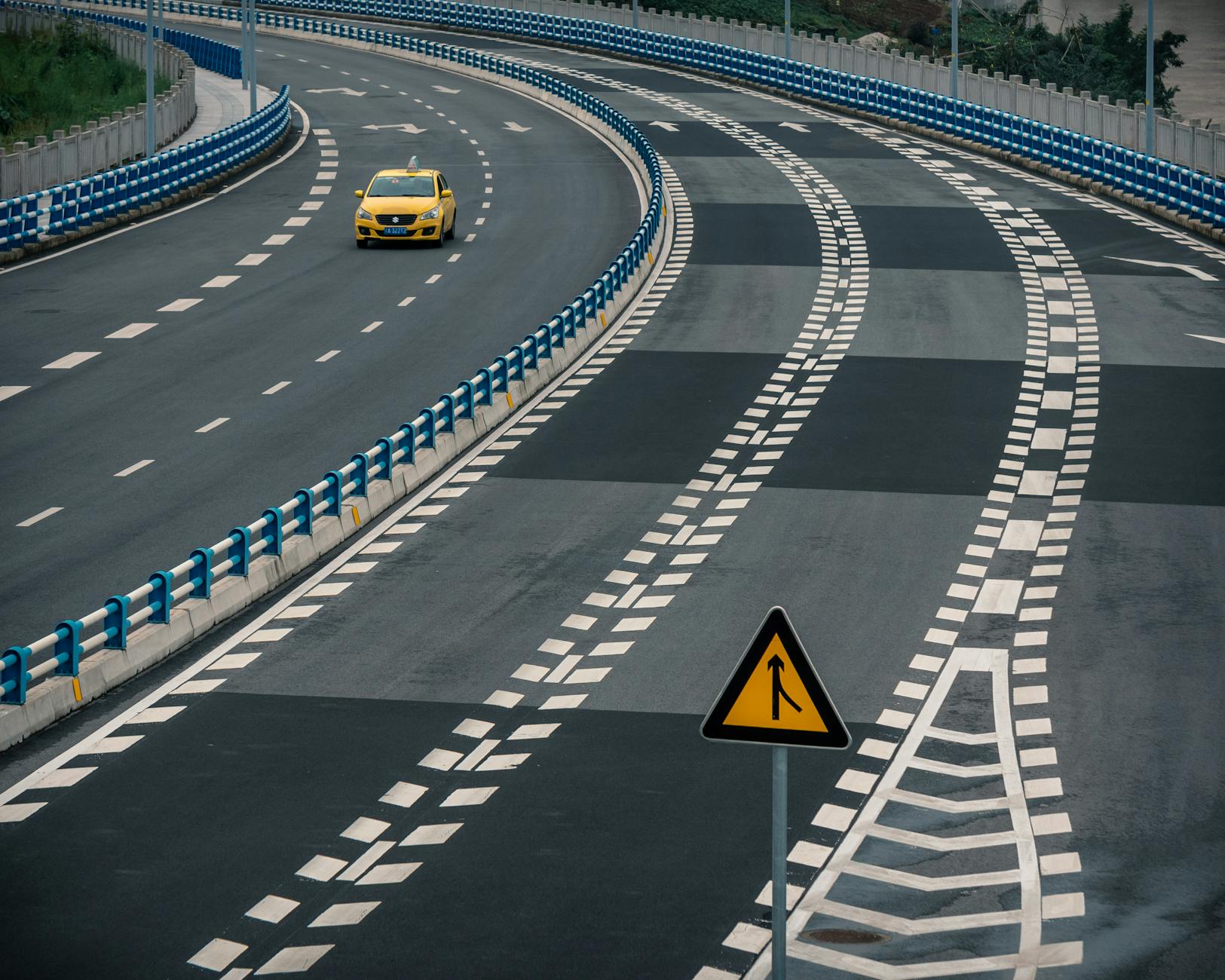
Failing to match the speed of traffic before merging onto a highway creates dangerous speed differentials that can trigger sudden braking across multiple lanes. Drivers who merge too slowly force vehicles behind them to brake abruptly and increase the risk of multi-car pileups. Conversely, merging too aggressively without yielding appropriately causes equal danger from the opposite direction. Using the full length of an on-ramp to build speed is exactly what it is designed for. Confident and correctly timed merging keeps traffic flowing safely for everyone involved.
No Seat Belt

Failing to wear a seat belt remains one of the most preventable contributors to road fatality statistics worldwide. In a collision, an unbelted driver or passenger becomes a projectile inside the vehicle, at risk of striking the dashboard, windshield, or other occupants. Seat belts distribute the force of a crash across the strongest parts of the body and are designed to work in coordination with airbag systems. Children and rear-seat passengers are frequently overlooked in households where belt-wearing is treated casually. Buckling up before the vehicle moves should be as automatic as turning the ignition.
Aggressive Driving
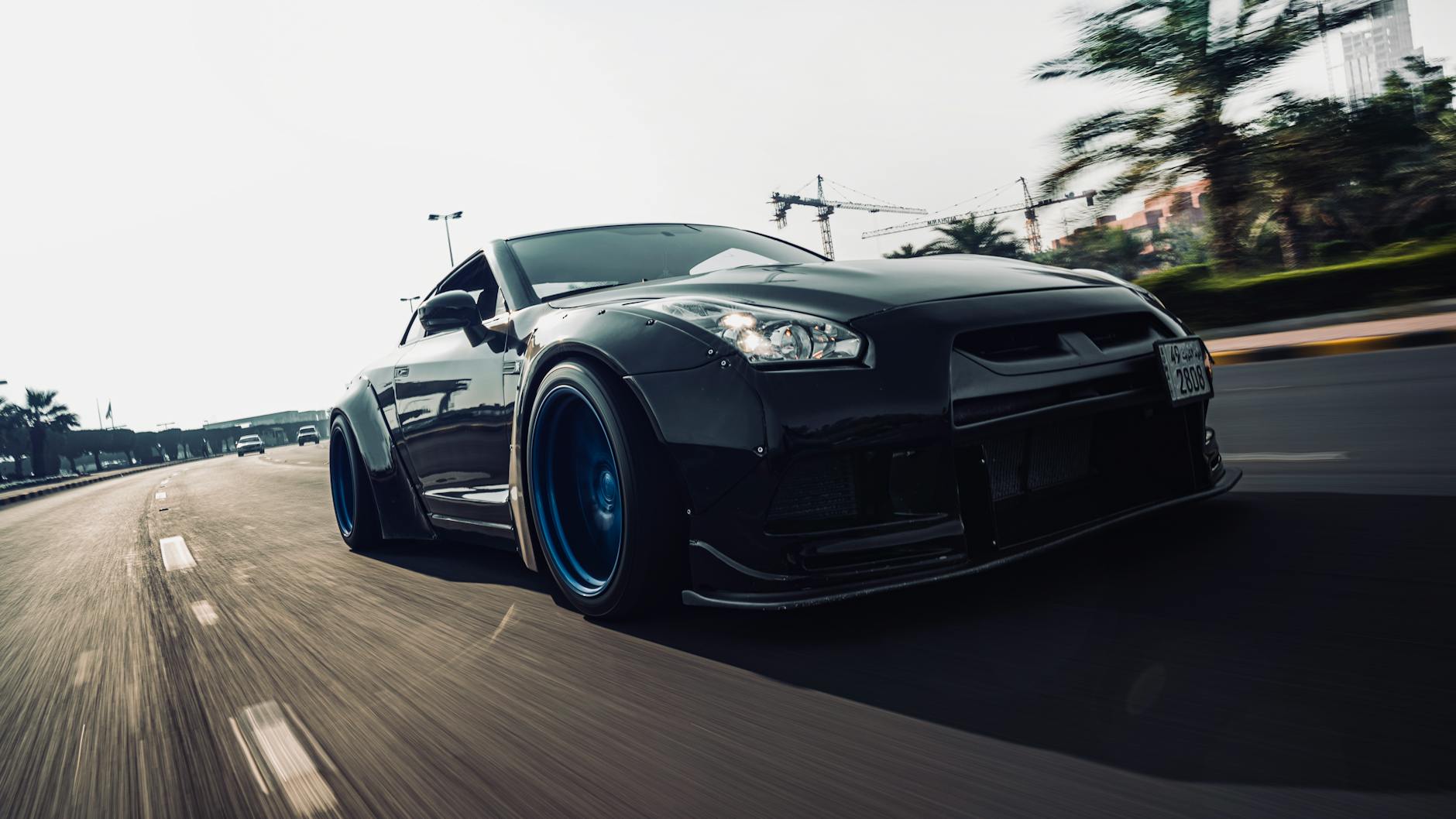
Weaving between lanes, cutting off other drivers, and reacting angrily to perceived slights on the road significantly elevates crash risk for everyone nearby. Aggressive driving escalates unpredictably and has been connected to road rage incidents with tragic outcomes. The frustration that triggers aggressive behavior is typically rooted in running late or general stress, neither of which is solved by dangerous driving. Keeping emotional reactions in check behind the wheel requires conscious effort, especially during high-traffic commutes. Arriving a few minutes later is always preferable to not arriving at all.
No Headlights

Driving without headlights during dawn, dusk, rain, or reduced visibility conditions is a surprisingly common oversight among otherwise cautious drivers. Many modern vehicles use daytime running lights that do not automatically activate the rear lights, creating a false sense of visibility. Other drivers and pedestrians rely heavily on headlights to detect your presence, particularly in poor weather conditions. Many jurisdictions legally require headlights to be on whenever windshield wipers are in use, a rule that reflects the genuine visibility risk involved. Making it a habit to switch on full headlights at the first sign of dimming daylight is a simple protective measure.
Eating While Driving

Consuming food while operating a vehicle is a manual, visual, and cognitive distraction rolled into one. Handling food packaging, managing spillage, and reaching across the center console all require taking at least one hand off the wheel. Studies have consistently found that eating behind the wheel slows reaction times and increases the likelihood of lane drift. The convenience of eating on the go is rarely worth the concentration it costs during a journey. Arriving at a destination hungry is far less costly than the consequences of a distracted driving incident.
Improper Mirrors

Incorrectly adjusted mirrors create blind zones that leave drivers unaware of vehicles in adjacent lanes and directly behind them. Many drivers set their side mirrors to show too much of their own vehicle rather than extending the field of view outward to cover the lanes beside them. The correct mirror adjustment significantly reduces blind spots and allows for a much clearer picture of surrounding traffic. Taking two minutes before departure to properly set all three mirrors is a foundational safety step that many skip entirely. Proper mirror discipline is one of the simplest upgrades an everyday driver can make.
Overconfidence

Experienced drivers frequently fall into a trap of overestimating their ability to handle road hazards and multitask effectively behind the wheel. Familiarity with a vehicle and a route creates a false sense of mastery that encourages risky shortcuts in attention and technique. Research consistently shows that drivers who rate themselves as above average are statistically no safer than those who acknowledge their limitations. Complacency is particularly dangerous because it erodes the attentiveness that prevents accidents in the first place. Approaching every drive with a measured, alert mindset regardless of experience level is a hallmark of genuinely skilled driving.
Improper Lane Use
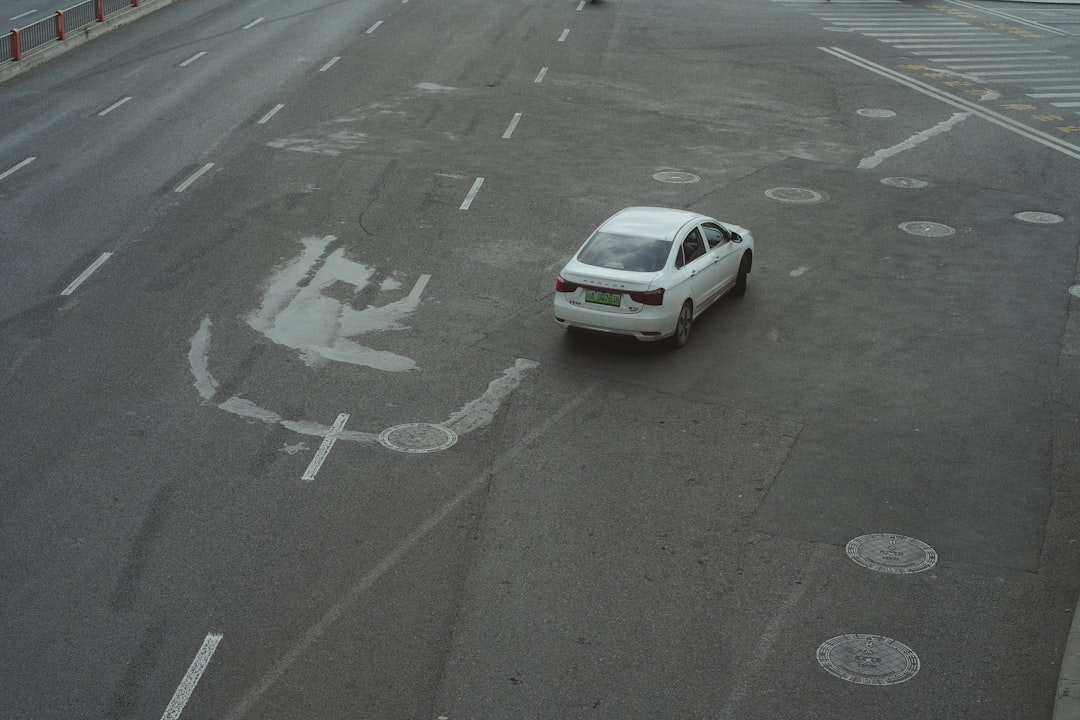
Lingering in the overtaking lane without passing, straddling lane markings, and cutting corners on turns are all lane-use errors that create confusion and friction in traffic flow. Each lane on a multi-lane road has a designated purpose, and using them incorrectly forces other drivers to make sudden adjustments. Keeping to the correct lane and indicating clearly before changing positions allows surrounding traffic to anticipate your movements. Improper lane use is a particularly common source of near-misses on roundabouts and multi-lane intersections. Predictable lane behavior is a cornerstone of safe group driving dynamics.
Ignoring Weather

Failing to adjust driving behavior during rain, snow, ice, or fog is responsible for a vast number of preventable accidents each year. Wet and icy roads reduce tire traction significantly, which means stopping distances increase far beyond what dry-weather drivers typically expect. Speed limits are set for ideal conditions and should be treated as a maximum rather than a target during adverse weather. Increasing following distance, reducing speed, and avoiding sudden steering inputs are all essential adaptations for poor conditions. Weather-related crashes are among the most tragic precisely because the risk was visible and the adjustment was never made.
Distracted Navigation
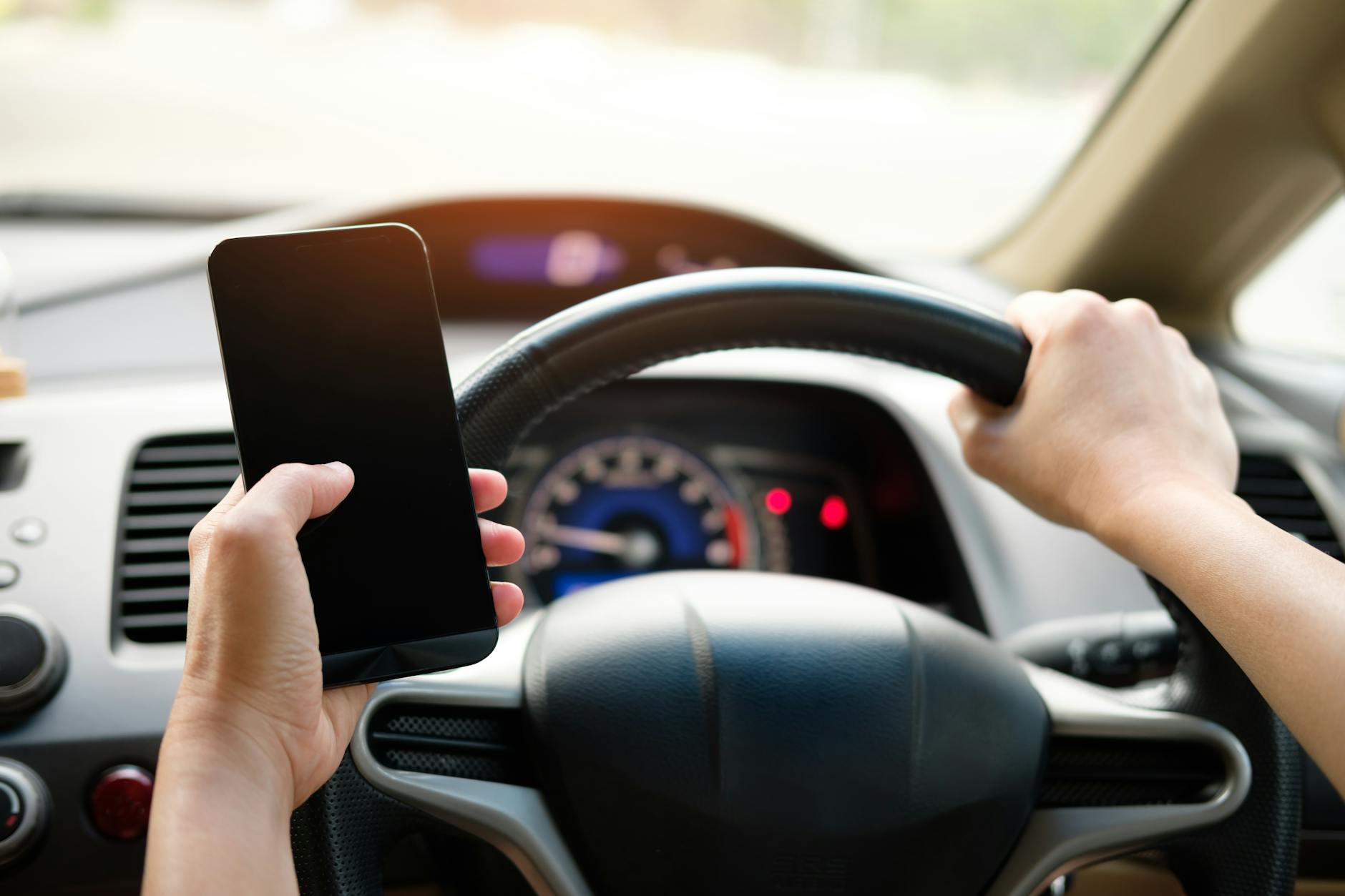
Fiddling with a GPS or navigation app while the vehicle is in motion is a form of distraction that rivals phone use in terms of danger. Inputting addresses, zooming into maps, or second-guessing route suggestions all require visual and cognitive resources that belong on the road. The correct approach is to set the navigation destination fully before the vehicle begins moving and trust the audio instructions during the journey. Pulling over briefly to correct a navigation error is far safer than attempting to do so at speed. A missed turn is a minor inconvenience that can be corrected by a simple reroute without endangering anyone.
Poor Parking Habits

Reversing into traffic without fully checking surroundings, parking too close to driveways, and ignoring marked zones all create hazards beyond the parking maneuver itself. Pedestrians, cyclists, and reversing drivers in adjacent spaces are all at risk from inattentive parking behavior. Many accidents in parking lots and residential streets happen at low speeds but still cause significant injury and vehicle damage. Using reverse cameras as a guide rather than a replacement for physical checking is the safest combination available. Deliberate, unhurried parking behavior reflects the same attentiveness that good driving requires at any speed.
Driving Unwell
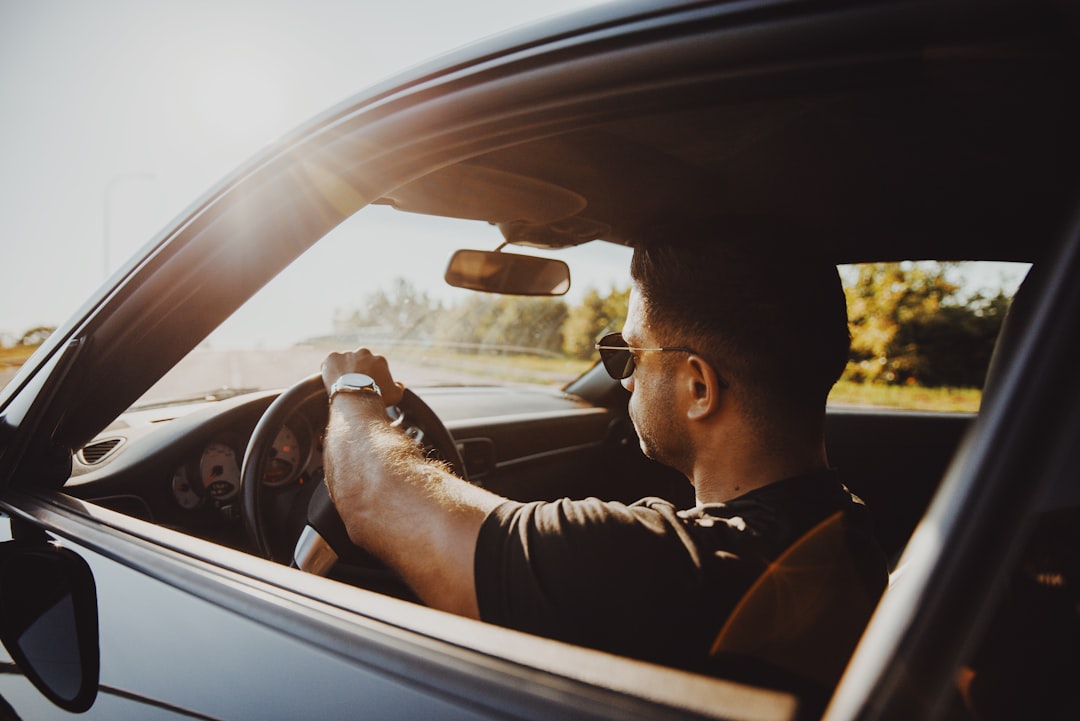
Driving while ill, particularly when experiencing dizziness, heavy congestion medication effects, or high fever, impairs coordination and cognitive function in ways drivers rarely self-assess accurately. Many over-the-counter medications carry explicit warnings about operating heavy machinery, and vehicles fall firmly into that category. The pressure to keep commitments despite feeling unwell leads many people to get behind the wheel in a state that genuinely compromises their ability to respond to road hazards. Asking someone else for a ride or using alternative transportation is a responsible choice that protects everyone on the road. Feeling unwell is a legitimate reason to hand over the keys.
Improper Child Restraints
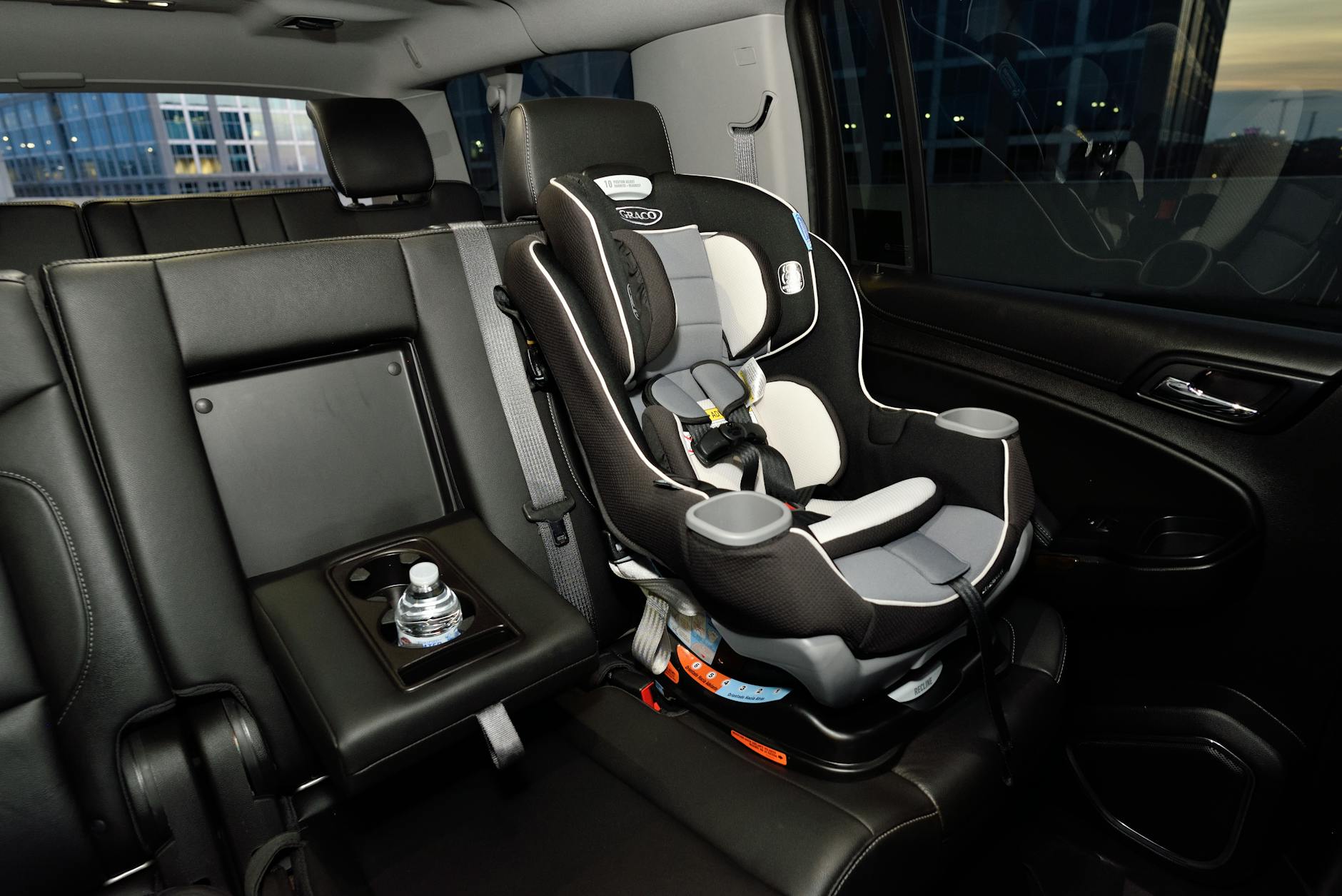
Using an incorrectly installed or age-inappropriate child restraint seat is one of the most serious safety oversights a parent or caregiver can make. Car seat regulations exist because children’s bodies are particularly vulnerable to injury in even low-speed crashes, and proper installation is essential for the restraint to function as designed. Many families use hand-me-down seats that have expired, been in a previous accident, or no longer meet current safety standards. Local road safety authorities and many retailers offer free child seat fitting checks that take only a few minutes. Verifying the correct installation of a child restraint before every journey is a responsibility that carries enormous weight.
Ignoring Tire Health
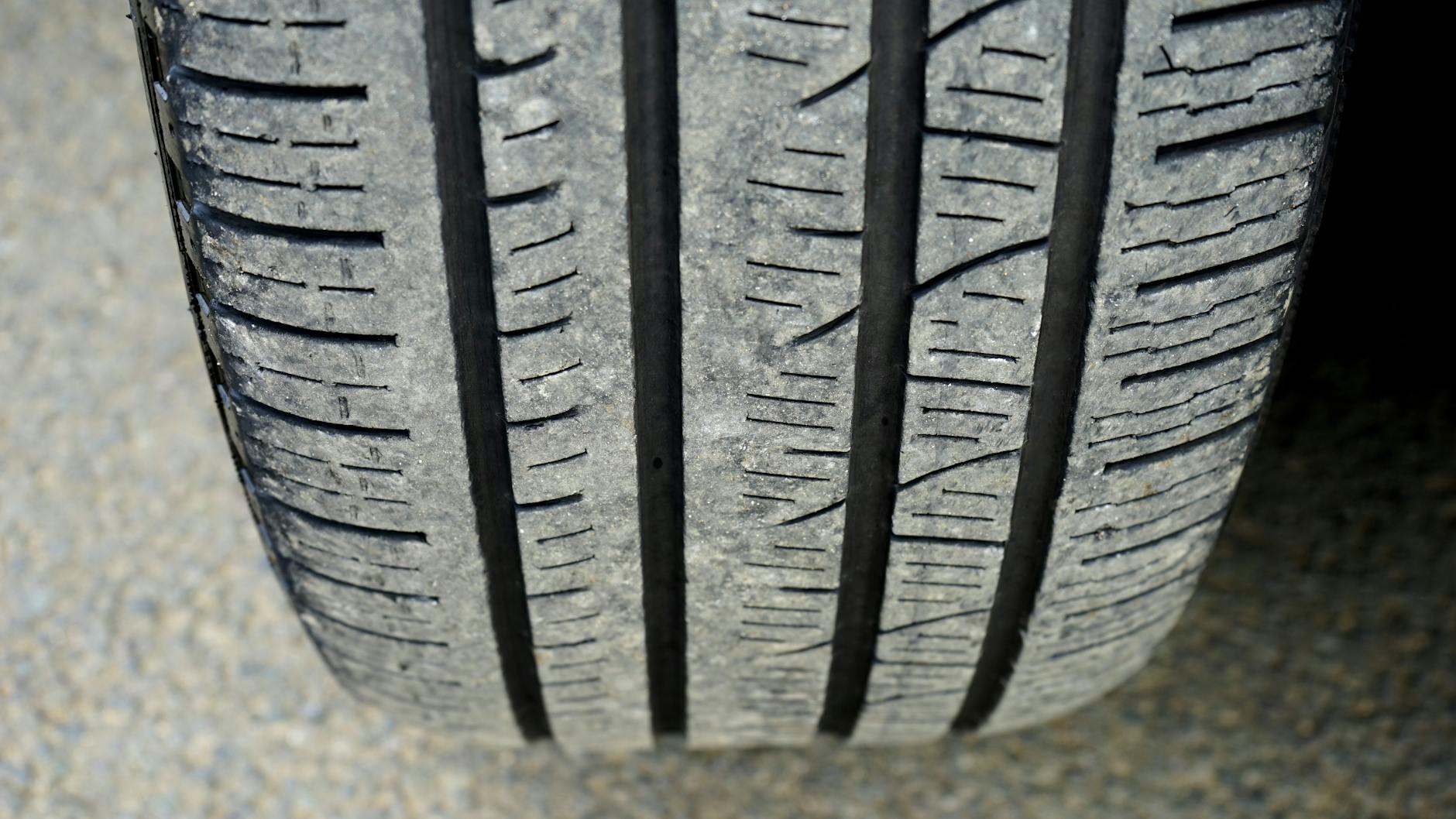
Driving on tires with insufficient tread depth, improper inflation, or visible damage is a rolling hazard that many drivers either overlook or delay addressing. Tire condition directly affects braking distance, cornering grip, and the risk of a blowout at speed, all of which become critical in emergency situations. Tread depth should be checked regularly and tires replaced before they reach the legal minimum, not after. Tire pressure fluctuates with temperature changes, particularly between seasons, and should be checked at least once a month with a proper gauge. No other single maintenance task has as direct and immediate an impact on your safety during every kilometer you drive.
Which of these driving mistakes surprised you most? Share your thoughts in the comments.