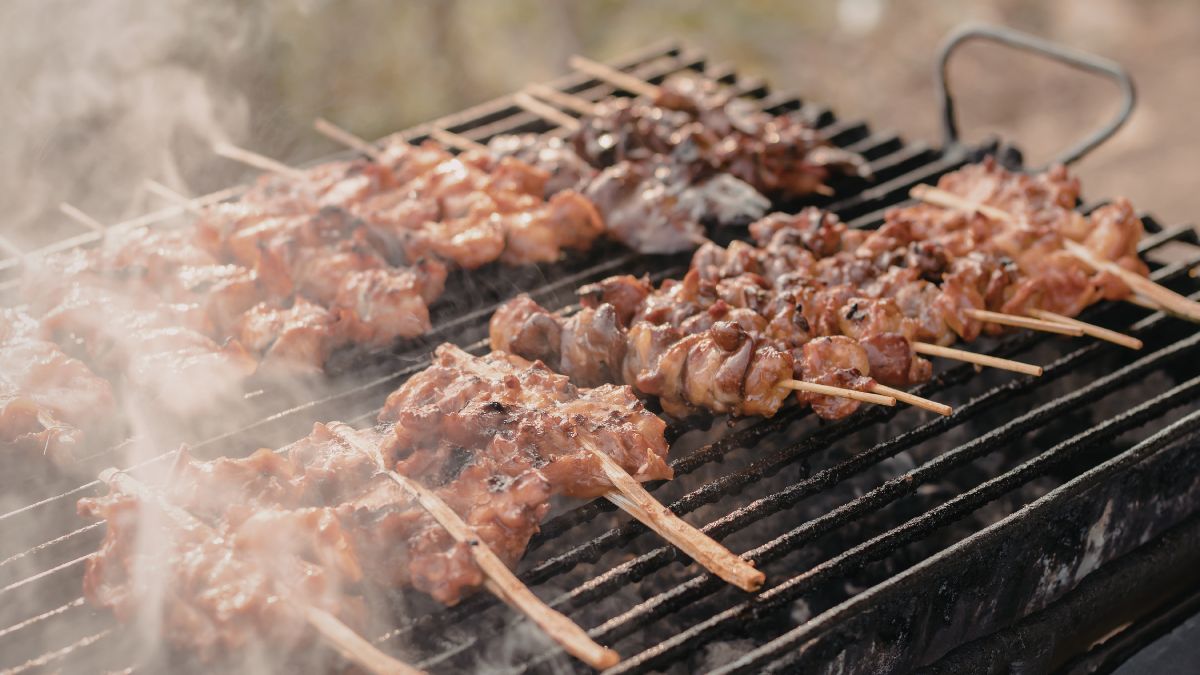
The backyard grill is one of the most enjoyed and least respected pieces of equipment in the average household, operated confidently by millions of people who have never read an instruction manual or received any form of safety guidance. Behind every grilling session is a combination of flammable gas or combustible charcoal, high heat, pressurized connections and human habits that create conditions where a serious accident can develop in seconds. Fire departments and emergency services in every country that maintains grilling culture respond to hundreds of grill-related explosions, fires and burn injuries every year, the vast majority of which are caused by avoidable mistakes. Understanding exactly where these errors occur and why they are dangerous is the first step toward eliminating them from every grilling routine. These are the most serious and most commonly made mistakes that put lives, property and the enjoyment of outdoor cooking at genuine risk.
Unchecked Hose
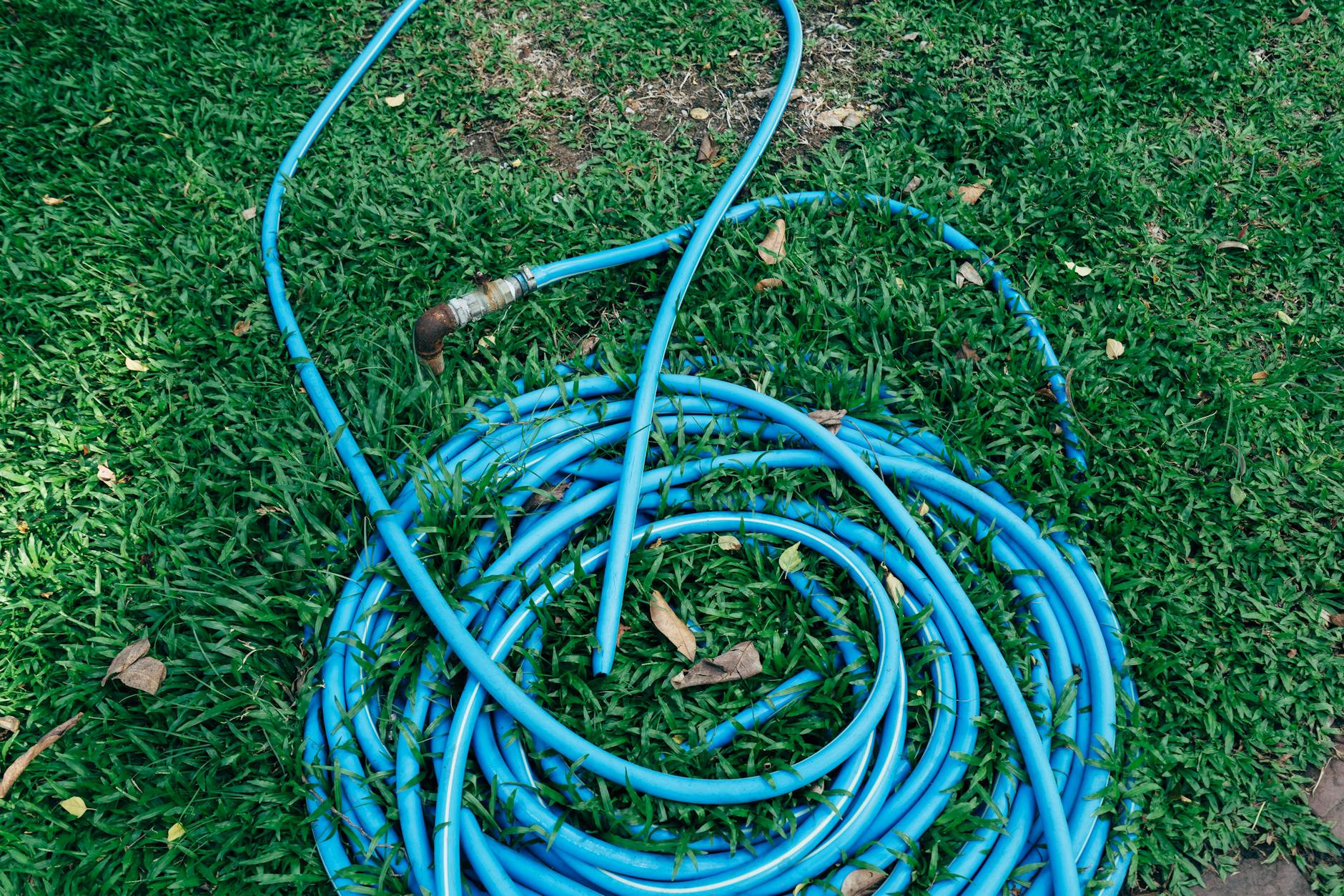
The flexible rubber or reinforced hose connecting a gas grill to its propane or natural gas supply is one of the most overlooked components in any grill setup despite being one of the most critical safety points in the entire system. Hoses degrade from the outside through UV exposure, heat cycling and physical contact with sharp edges, and from the inside through the corrosive effects of gas under pressure over extended periods. A hose that appears intact to casual visual inspection can harbor micro-fractures and pinhole leaks that allow a continuous low-level gas release invisible to the naked eye. Grilling enthusiasts who have owned the same hose for several years without ever replacing or testing it are operating with a component that may be well past its safe service life. Every grilling season should begin with a dedicated hose inspection using soapy water applied along the full length of the hose while the gas is turned on, with any bubbling treated as an immediate reason to replace the hose before the grill is used again.
Closed Lid Ignition
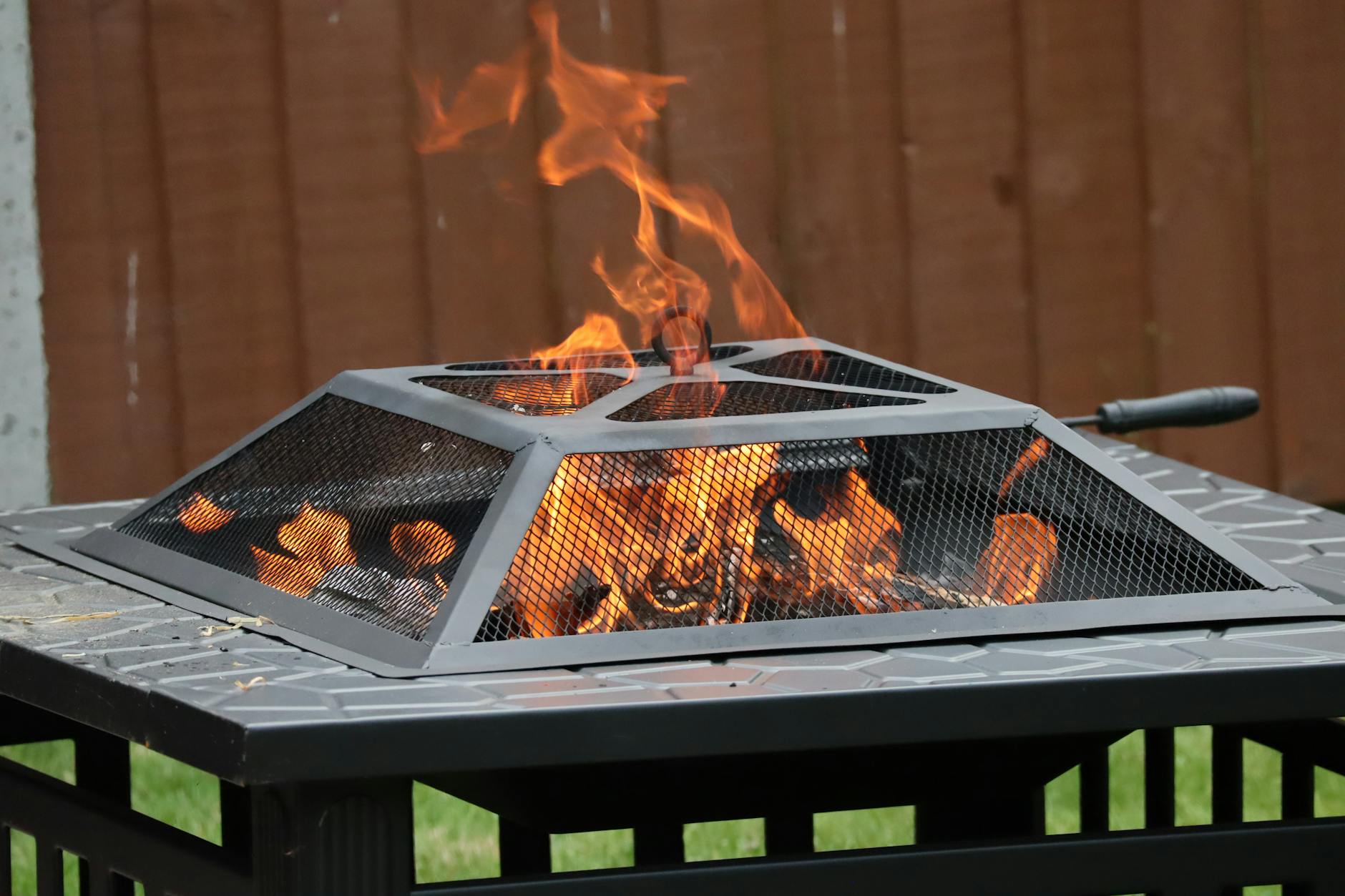
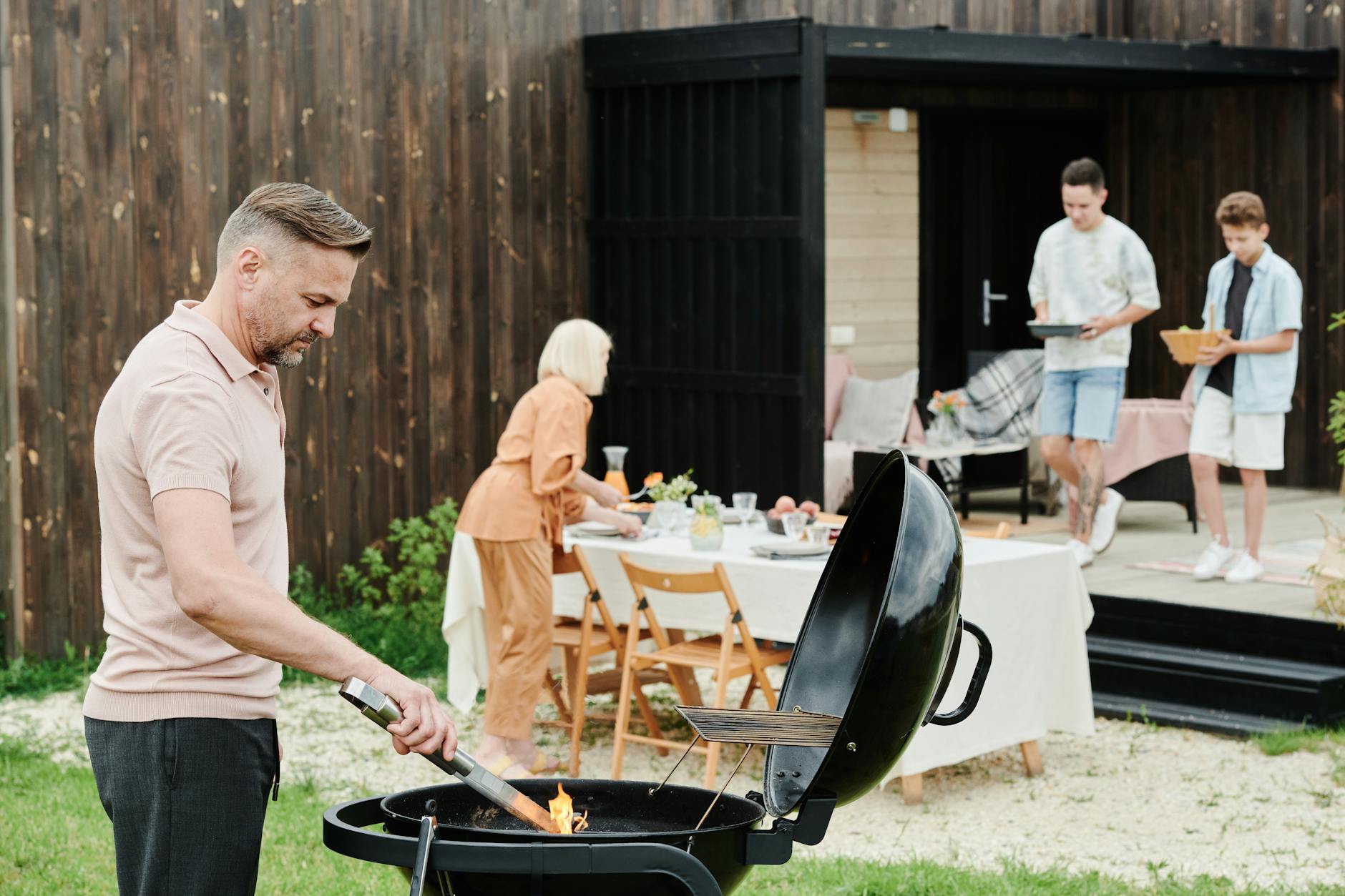
Attempting to ignite a gas grill with the lid closed is one of the single most dangerous actions a person can take with a backyard grill and is responsible for a significant proportion of grill explosion injuries recorded by emergency services. When the lid is closed during ignition, unburned gas that has accumulated inside the cooking chamber ignites simultaneously across its full volume, creating a pressure-driven explosion that blows the lid open with tremendous force. The fireball produced by a closed-lid ignition event can cause severe burns to the face, hands and upper body of anyone standing in front of the grill at the moment of ignition. Many grills are designed with visual cues and instructions against this practice, but the warnings are routinely ignored by experienced grillers who have developed an overconfident familiarity with their equipment. The correct procedure is always to open the lid fully, allow any accumulated gas to disperse for at least thirty seconds and then ignite with the lid in the open position.
Regulator Neglect
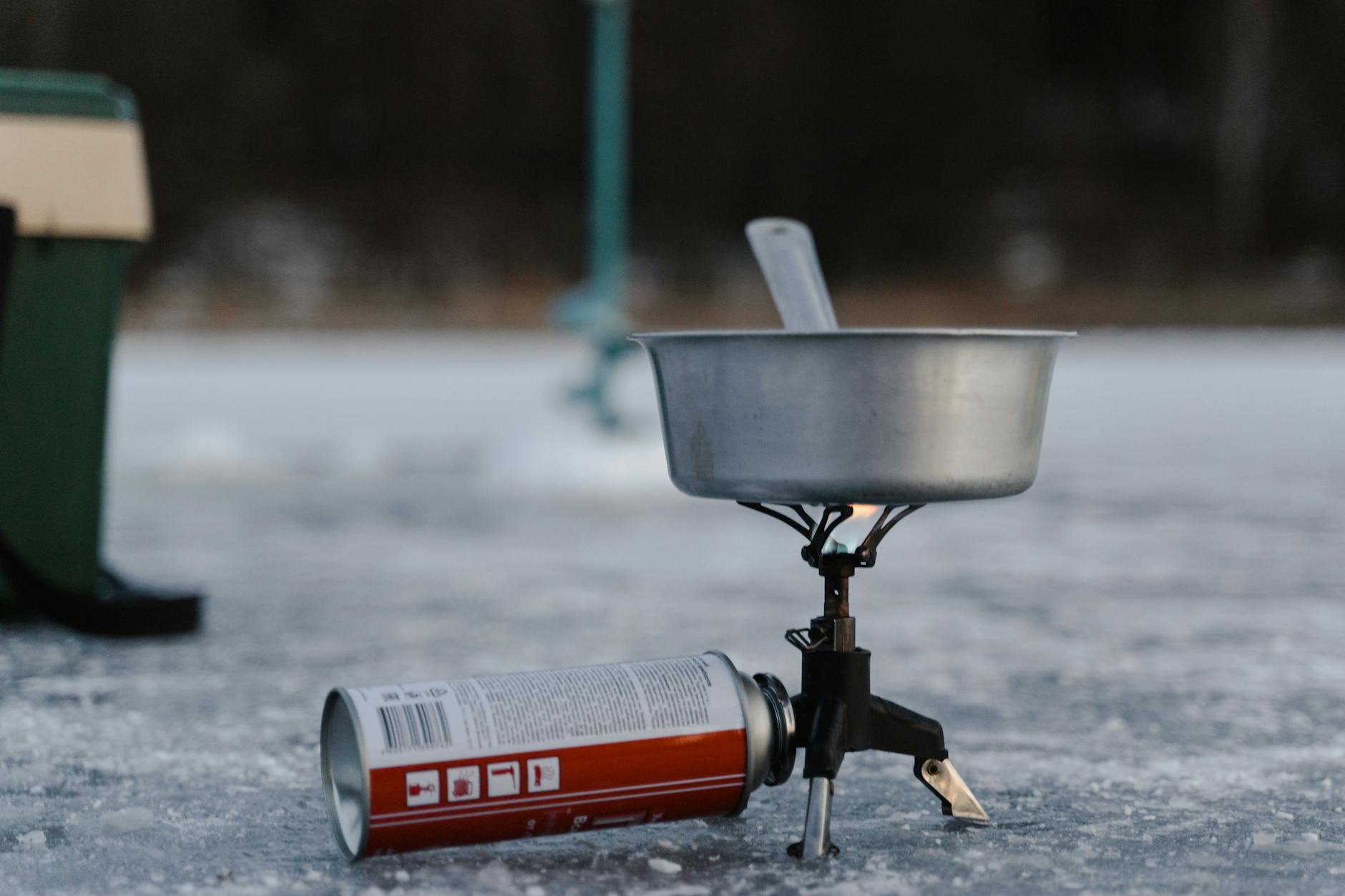
The pressure regulator attached between the propane tank and the grill hose is a precision mechanical component that controls gas flow and prevents dangerous pressure surges from reaching the burner system. Regulators are subject to internal deterioration from moisture ingress, debris accumulation and the gradual degradation of their internal diaphragm components over years of seasonal use. A failing regulator can restrict gas flow unpredictably, causing erratic burner behavior, or it can fail in the open position and allow unregulated high-pressure gas to enter the grill system. Most grill owners never inspect, service or replace their regulator unless an obvious mechanical failure forces the issue. Regulators should be replaced every five years as a precautionary measure regardless of apparent functionality, and any regulator that shows signs of corrosion, cracking or physical damage should be considered immediately unsafe.
Propane Tank Storage
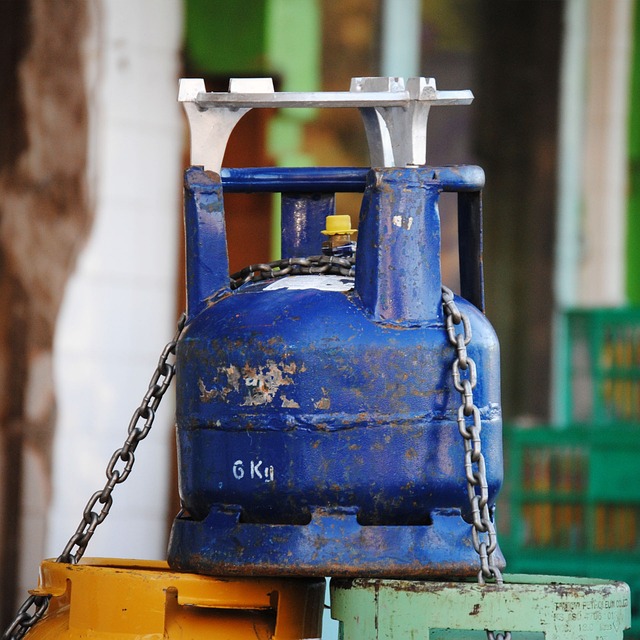
Storing a propane tank in an enclosed space such as a garage, basement, garden shed or any room within the home is a practice that creates conditions for a catastrophic gas accumulation event if the tank develops even a minor leak. Propane gas is heavier than air and sinks to the lowest available level when released, pooling invisibly in the floor-level space of any enclosed area until it reaches a concentration sufficient to ignite from a spark, pilot light or electrical switch. Many people store propane tanks indoors during winter months for convenience without understanding that even a tank valve that is not fully closed can release enough gas to create an explosive atmosphere within hours. A propane tank stored in a garage alongside a gas water heater, furnace pilot light or vehicle ignition source creates a combination of fuel accumulation and ignition risk that has been responsible for residential explosions resulting in fatalities. Propane tanks must always be stored outdoors in a well-ventilated upright position away from any heat source, ignition point or enclosed structure.
Grease Trap Overflow
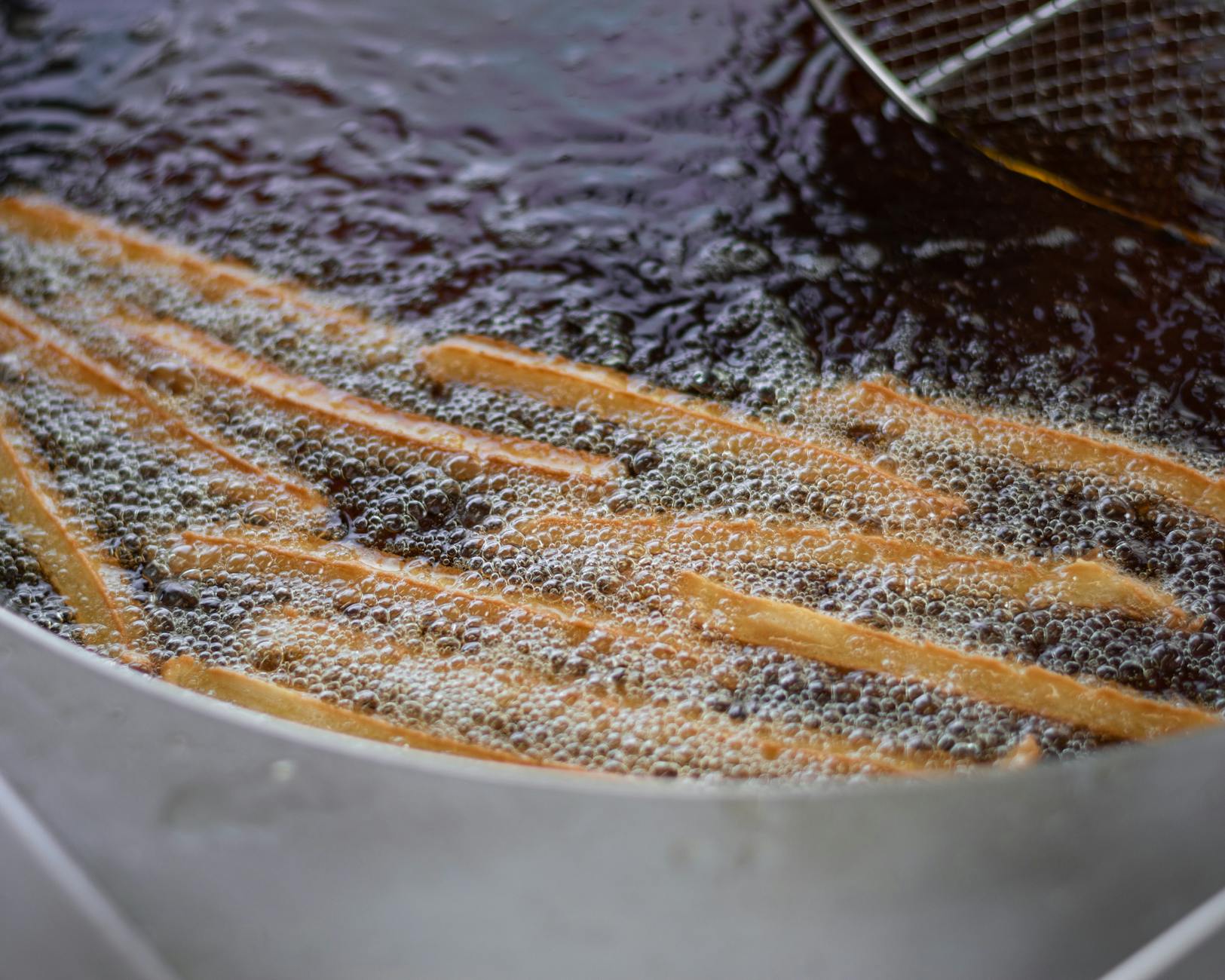
The grease collection tray beneath a gas grill accumulates rendered fat, cooking juices and carbonized debris from every grilling session and represents a persistent and growing fire risk if not emptied and cleaned on a regular schedule. A grease tray that has reached overflow capacity can spill flammable liquid fat directly onto the burner housing, gas lines and surrounding components during a cooking session, creating a grease fire that is qualitatively different from and far more dangerous than the normal flame of the grill. Grease fires cannot be controlled by closing the grill lid or reducing the gas flow because the fuel source is independent of the burner system. The dried and carbonized grease that accumulates on the interior of the grill body when the tray is not regularly cleaned is itself a combustible material that can ignite spontaneously when grill temperatures exceed a certain threshold. Cleaning the grease tray after every second use and inspecting it before every session is a minimum standard that most grill owners do not meet.
Leak Test Skipping
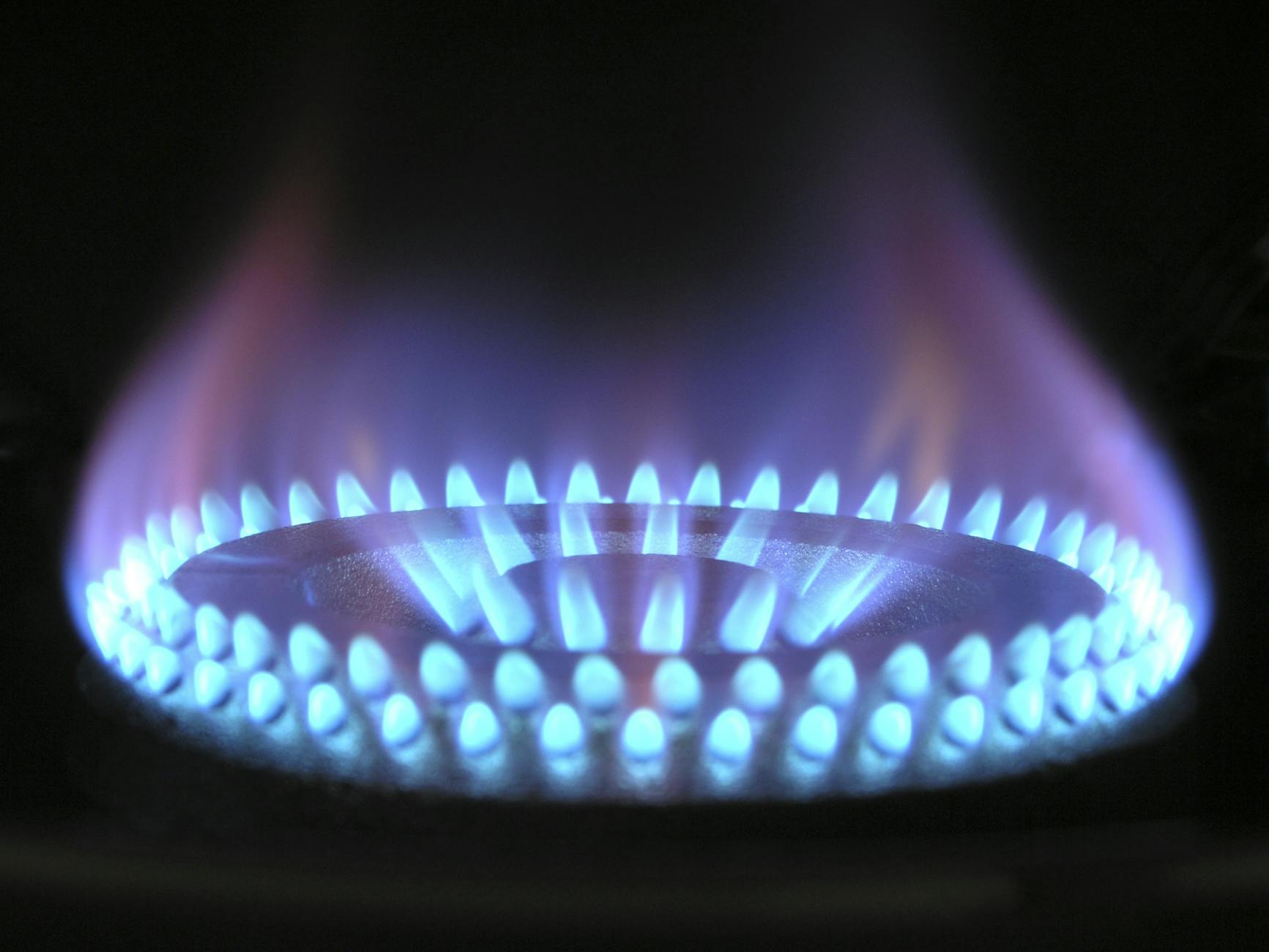
Performing a gas leak test before every grilling session, particularly after any period of disuse or after reconnecting the gas supply, is a safety step that is almost universally omitted by home grillers despite being explicitly recommended by every grill manufacturer and gas safety authority. The standard leak test involves applying a solution of dish soap and water to every gas connection point including the tank valve, regulator fitting and hose connections and observing for bubbling that indicates gas escaping under pressure. Many grillers assume that the absence of a gas smell is sufficient confirmation that no leak is present, but propane contains an odorant that can become less detectable through olfactory fatigue or in windy conditions where the scent disperses before reaching the user. A leak that is not detectable by smell may still be releasing enough gas to create a dangerous accumulation around the grill before ignition. Making the soap test a non-negotiable precondition of every grilling session removes one of the most common pathways to a grill-related gas explosion.
Flammable Liquid Use
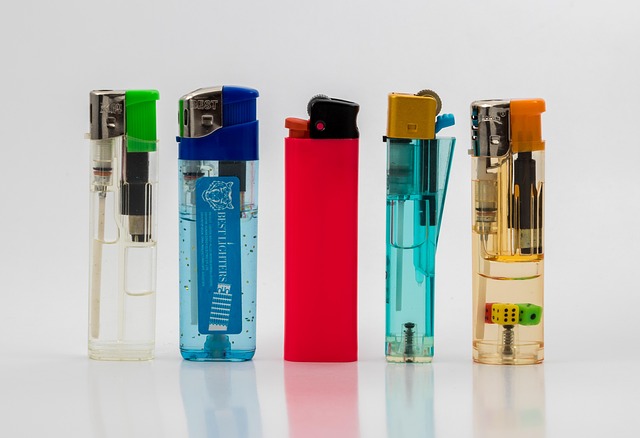
Adding lighter fluid, gasoline, kerosene or any other flammable liquid to a charcoal grill that already has lit or smoldering coals present is a practice that causes severe burn injuries and fire events at a rate that places it among the leading causes of grill-related emergency room admissions. The vapor produced by flammable liquids poured near hot coals ignites before the liquid itself, creating a flash fire that travels instantaneously up the stream of poured liquid toward the container in the user’s hand. Many people who have used lighter fluid on cold charcoal without incident assume the same approach is safe when the coals have not fully caught, not recognizing that partially ignited or very hot coals present the same flash ignition risk as fully lit ones. The appropriate response to underperforming charcoal is always to wait and use additional solid fire starters rather than to introduce a flammable liquid to a heat source. Gasoline must never be used as a grill ignition aid under any circumstances because its vapor ignition point is far lower and its explosive potential far greater than purpose-made lighter fluid.
Grill Placement
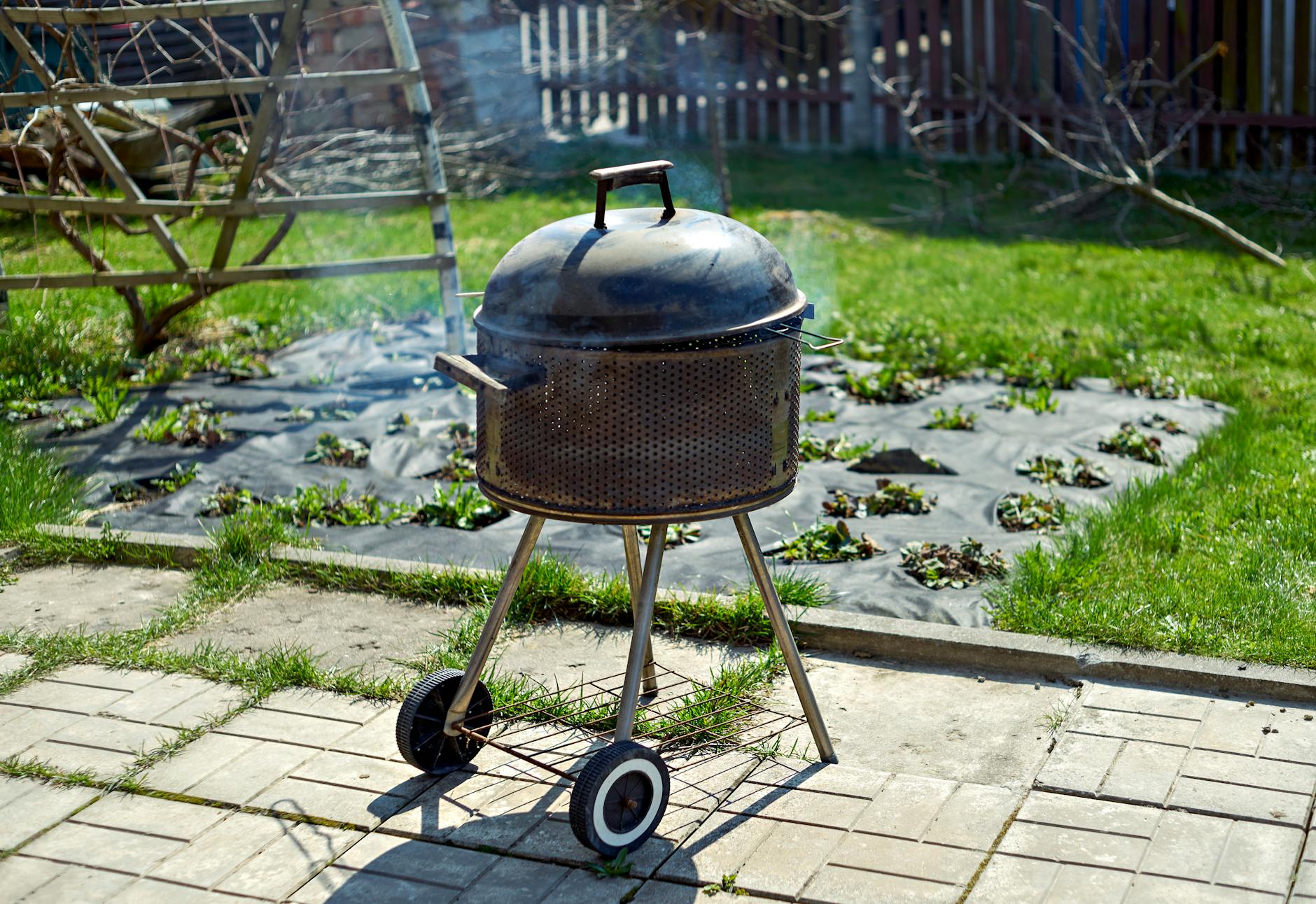
Positioning a grill too close to a fence, exterior wall, overhanging tree branches, deck railing, outdoor furniture or any combustible structure is a leading cause of grill-related residential fires that escalate beyond the grill itself. The minimum safe clearance distance between an operating grill and any combustible structure is generally stated as three meters in manufacturer guidelines, a distance that is routinely violated by grillers who position their equipment for convenience rather than safety. Wooden decking beneath and around a grill presents a fire risk not only from direct flame but from the radiant heat produced by the grill body during an extended cooking session, which can char and eventually ignite deck surfaces that are in close proximity. Overhead structures including pergola roofing, awning fabric and low branches can be ignited by convective heat rising from the grill without any direct flame contact. Relocating a grill that has been used in a fixed position for years feels unnecessary until the moment when a grease flare or wind event makes the proximity to combustible structures critically dangerous.
Tank Valve Habits
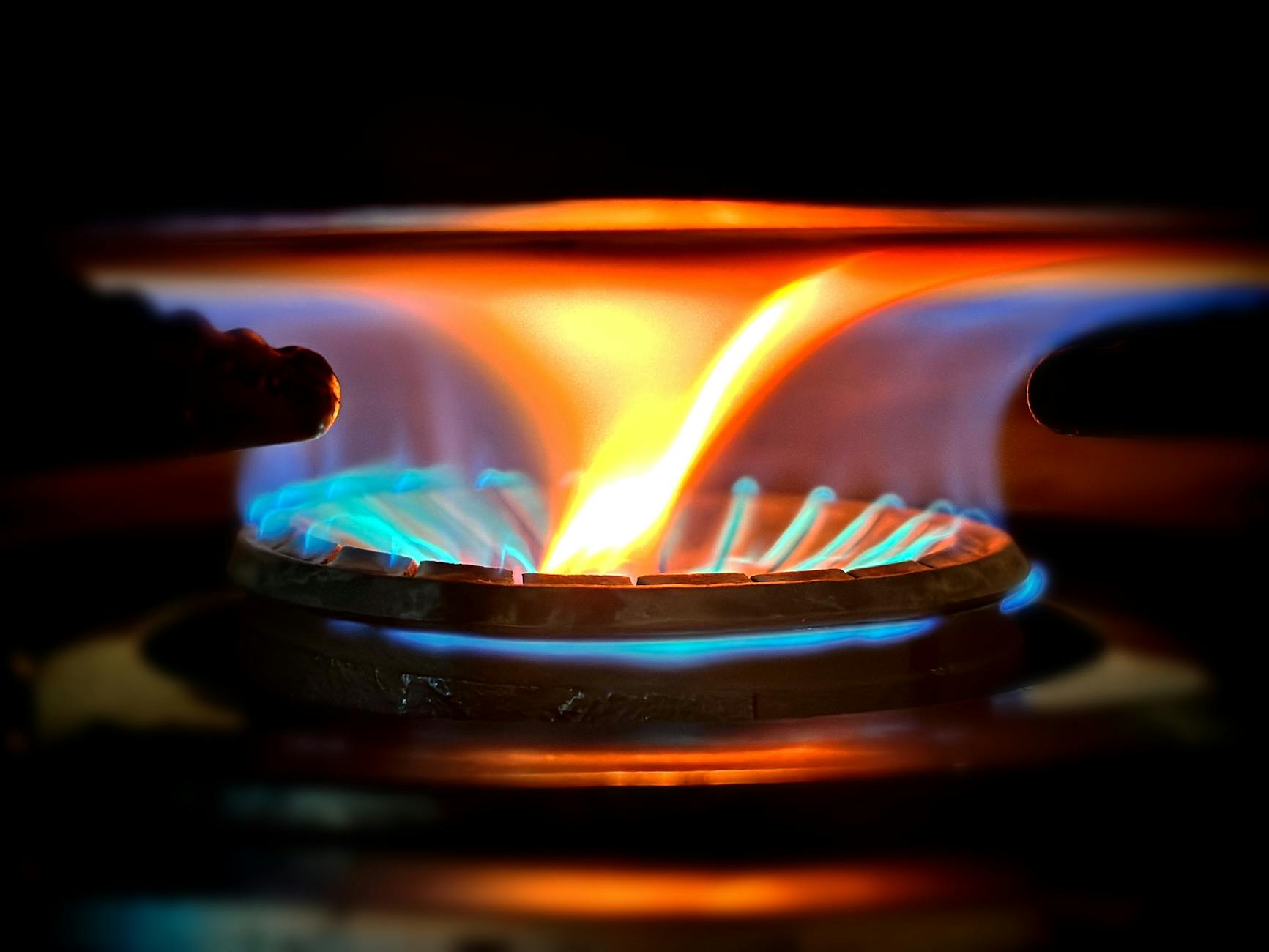
Leaving the propane tank valve in the open position when the grill is not in use is a habit that maintains a pressurized gas supply through the hose and regulator system even when the burner controls are closed, keeping every connection point under continuous gas pressure. A hose pinhole, a loose fitting or a regulator fault that develops while the tank valve is open can release gas continuously without any visible or immediately audible indication, allowing dangerous accumulation around the grill area. Many grills are stored on covered patios or in pergola enclosures where released gas can accumulate to explosive concentrations in a way that would not occur in fully open air. The correct practice is to close the tank valve firmly after every grilling session, allow the remaining gas in the hose to burn off through the burners and then confirm that all burner controls are in the off position before leaving the grill unattended. A tank valve that is difficult to fully close due to corrosion or damage should be treated as a safety fault requiring immediate attention.
Spider Web Blockages

Spiders, insects and small creatures that enter the burner tubes of a gas grill during storage or between uses build nests and leave debris that can partially or fully block the gas flow through the tube. A partially blocked burner tube causes gas to back up and exit the system at points other than the burner head, including through the connection points, the venturi tubes and in some cases directly into the grill body below the cooking grate. The result of a burner tube blockage is often a fire in the wrong location within the grill rather than at the burner itself, which can damage gas lines and create an uncontrolled fire or explosion risk. Yellow jacket wasps are particularly associated with burner tube nesting because the tube diameter and enclosed nature of the space closely matches their preferred nesting environment. Inspecting and clearing burner tubes with a flexible brush before every grilling season and after any extended period of disuse is a maintenance step that most grill owners are entirely unaware of.
Overfilling Tanks
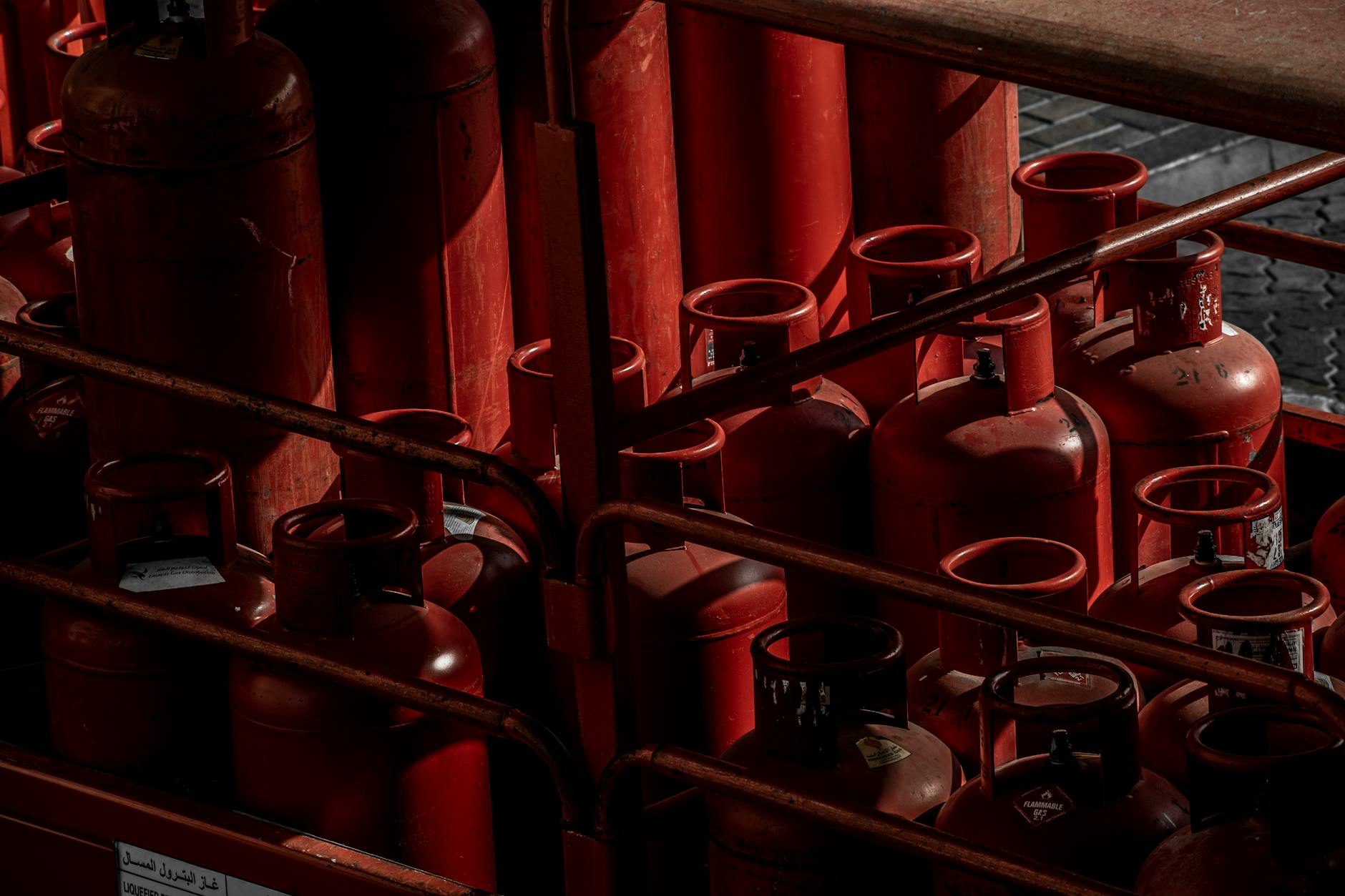
Propane tanks that are filled beyond their designated safe capacity leave insufficient space for the gas to expand as its temperature rises in warm weather, creating internal pressure that can exceed the rating of the pressure relief valve and the structural limits of the tank itself. A tank that has been overfilled and then left in direct sunlight during summer temperatures can reach internal pressures sufficient to cause the relief valve to open and vent gas, or in extreme cases to rupture the tank body. Overfilling most commonly occurs when a user attempts to fill a tank to maximum capacity rather than the standard eighty percent fill level that all propane tanks are designed to accommodate. The risk of an overfilled tank is greatest during transport in an enclosed vehicle and during storage in direct sunlight, both of which are common practices among home grill owners. Ensuring that refill stations adhere to the eighty percent fill standard and refusing to use a tank that feels unusually heavy or shows signs of pressure venting are basic protective measures against this specific risk.
Wind Ignoring

Attempting to use a grill in high wind conditions introduces a range of fire and explosion risks that are distinct from those present in still-air grilling and are routinely underestimated by experienced outdoor cooks. Wind can extinguish gas burner flames while the gas supply remains fully open, allowing unburned gas to accumulate around the grill until it reaches the ignition point of an adjacent flame source or a re-ignition attempt. Charcoal grills operated in high wind conditions can throw burning embers across significant distances, igniting dry vegetation, wooden decking or outdoor furniture at points far from the grill itself. Wind also affects the behavior of flare-ups by directing the flame horizontally rather than vertically, bringing it into contact with nearby surfaces that would not be threatened under normal conditions. The responsible decision to delay or relocate a grilling session when wind conditions are unsafe is one that grill culture consistently undervalues relative to the real risk involved.
Carbon Monoxide Risk
Using a grill designed for outdoor use in any enclosed or partially enclosed space including a garage, porch, tent, caravan or any room within a building creates a carbon monoxide accumulation risk that has caused fatalities in every country with a significant grilling culture. Carbon monoxide produced by both gas and charcoal combustion is odorless, colorless and produces incapacitation before a victim is aware of its presence, meaning that by the time symptoms of poisoning are felt the level of exposure has already reached a dangerous threshold. Charcoal grills are particularly associated with indoor carbon monoxide fatalities because their combustion characteristics produce higher carbon monoxide output than gas grills and because they are sometimes brought indoors after a session to preserve remaining coals or to provide warmth. The practice of using a grill in a garage with the door open is not a safe alternative to outdoor use because a standard garage door opening does not provide adequate ventilation to prevent dangerous carbon monoxide accumulation. A grill must be operated with complete open-air exposure on all sides with no overhead obstruction lower than a height that allows full gas dispersal.
Worn Burner Ignoring
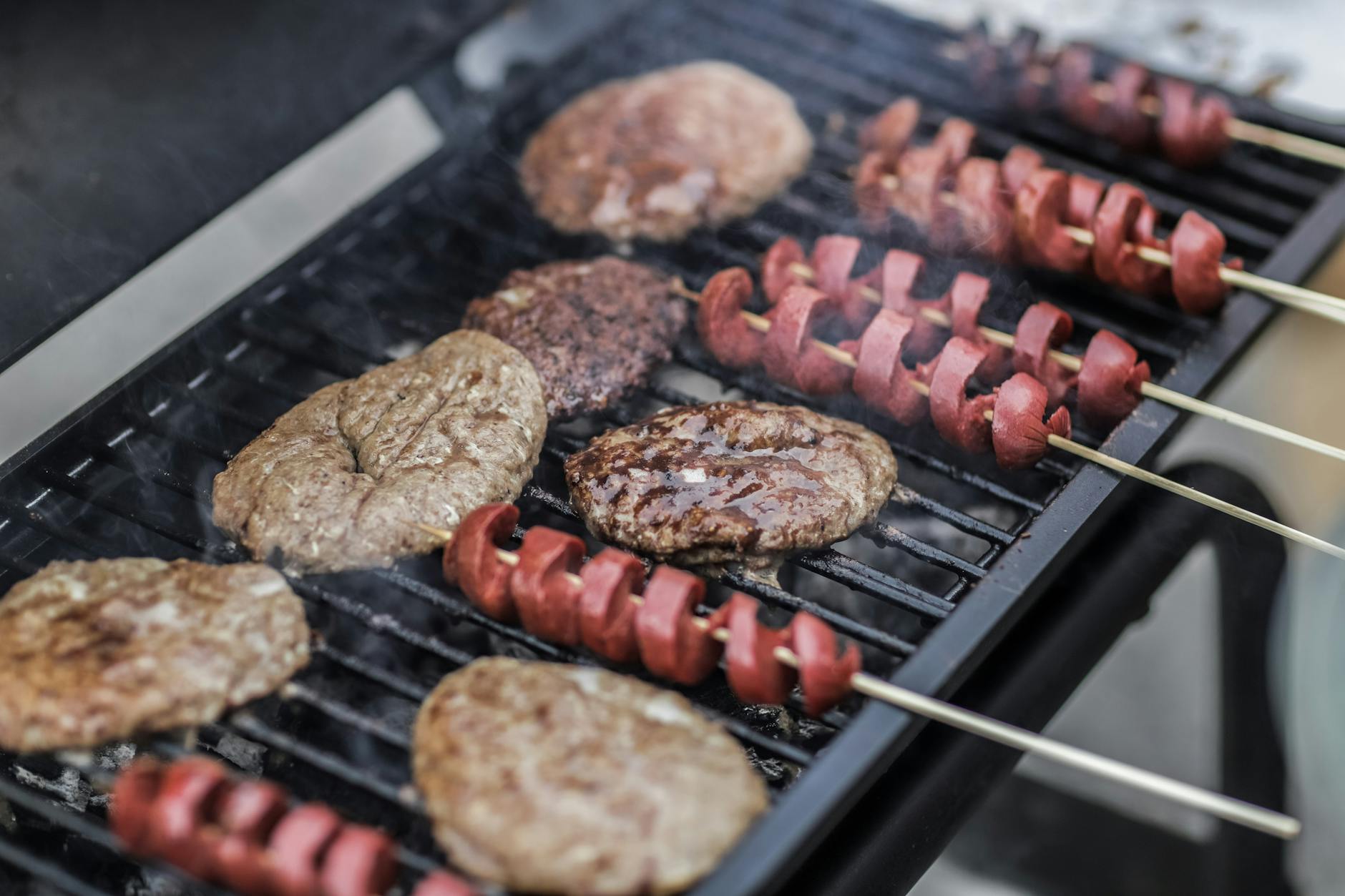
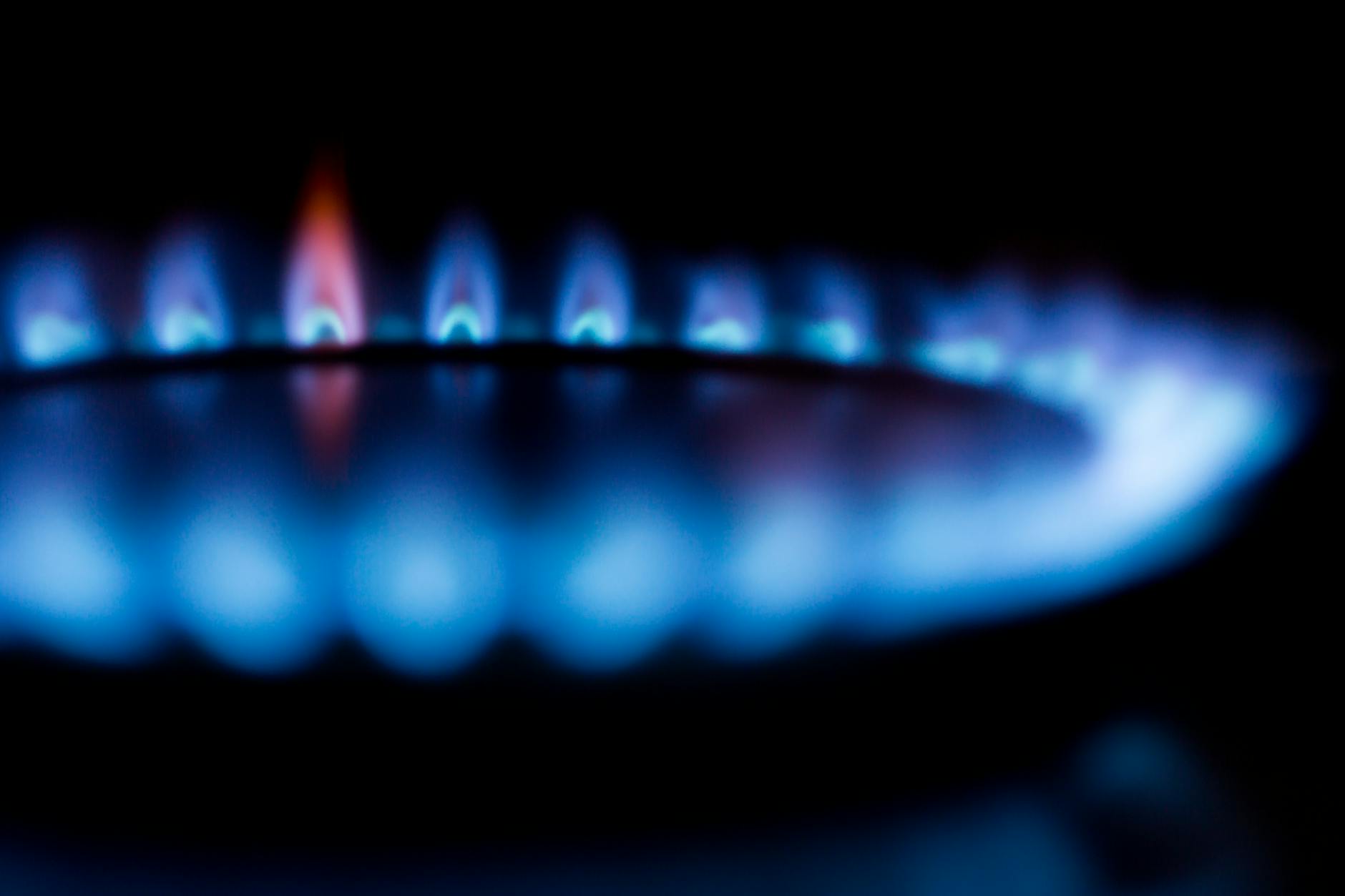
Gas burners that have developed corrosion, warping, uneven flame distribution or physical cracks represent a significant safety fault that many grill owners manage around rather than repair or replace. A burner with a cracked or corroded surface distributes gas unevenly, directing it away from the intended combustion zone and toward the interior of the grill body or adjacent components where it can accumulate before igniting. Uneven flame distribution that causes hot spots in unexpected areas of the grill indicates a burner fault that will worsen with continued use. Many grill owners interpret visible rust on burner components as cosmetic rather than functional deterioration, not recognizing that corrosion penetrates the metal and compromises its structural integrity under the thermal stress of repeated heating and cooling cycles. Replacing corroded or damaged burners at the beginning of each grilling season rather than continuing to operate with known faults is one of the most effective preventive measures available to the home griller.
Children and Pet Proximity

Operating a grill with young children or pets in the immediate vicinity without physical barriers or consistent supervision creates conditions where a serious burn injury can occur in the time it takes to turn away from the grill for a moment. The exterior surfaces of both gas and charcoal grills reach temperatures sufficient to cause immediate deep burns on contact and remain dangerously hot for a significant period after the cooking session has ended. Children who are too young to understand the concept of a hot surface and dogs attracted to the smell of cooking food represent unpredictable movement around a stationary hazard in a way that adult supervision alone cannot reliably manage. A grill that tips or falls when a child or pet makes contact with it can spill burning coals or ignite a gas leak that creates a fire beyond the capacity of the immediate area to contain. Physical exclusion zones created with barriers or consistent verbal management of children and pets during grilling sessions represent a minimum safety standard that many families do not maintain.
Old Tank Usage
Continuing to use a propane tank beyond its certified inspection date is a safety violation that many home grillers commit unknowingly because they have never been informed of the inspection and recertification requirements that apply to pressurized gas containers. Propane tanks carry a manufacture date stamped on the collar and are certified for a standard period of twelve years from that date, after which they must be inspected and recertified before being legally refilled in most regulatory jurisdictions. A tank that has passed its certification date may have developed internal corrosion, valve deterioration or structural fatigue that reduces its ability to safely contain pressurized gas under the temperature variations of normal outdoor use. Many propane refill and exchange services will refuse to fill an out-of-date tank, but customers who transfer their own gas or use informal refill sources may use expired tanks without any official checkpoint intervening. Checking the manufacture date stamped on every propane tank in use and retiring those that have reached their certification limit is a safety obligation that is almost universally ignored.
Grill Cover Timing
Placing a fabric or vinyl grill cover over a grill that has not fully cooled after a cooking session creates a fire and melting risk that has destroyed grill covers, damaged grill surfaces and in some cases ignited fires in surrounding areas. The residual heat retained in a grill body, particularly in the ceramic and cast iron components of higher-specification grills, can remain sufficient to scorch or ignite a fabric cover for two hours or longer after the last burner has been turned off. A cover placed over a smoldering grease fire that was not fully extinguished before the grill appeared to be cooling will trap oxygen and heat in a way that can allow the fire to develop undetected. Grill owners who place a cover immediately after cooking as part of a cleanup routine may not realize that the cover has been damaged or has itself become a fire source until significant harm has already occurred. The only safe standard is to allow a minimum of two hours of uncovered cooling before placing any covering material over a recently used grill.
Dual Gas Source
Connecting a gas grill to both a propane tank and a natural gas supply simultaneously, or failing to fully disconnect one supply before connecting another during a fuel type conversion, creates a configuration where gas can escape through an unintended pathway without detection. Some grill models are designed to be convertible between propane and natural gas supply with the installation of conversion components, but operating a grill during or after an incomplete conversion introduces unregulated gas flow into the system. Customers who purchase a second-hand grill with an unknown modification history may not be aware that the gas supply connections have been altered in ways that do not match the original safety specifications. Connecting any gas appliance to a supply type or pressure level that does not match its design specifications invalidates its safety certification and removes the engineering margins that protect against failure under normal operating conditions. Any grill that has been modified from its original gas supply specification should be inspected by a qualified gas technician before use.
Flare-Up Response
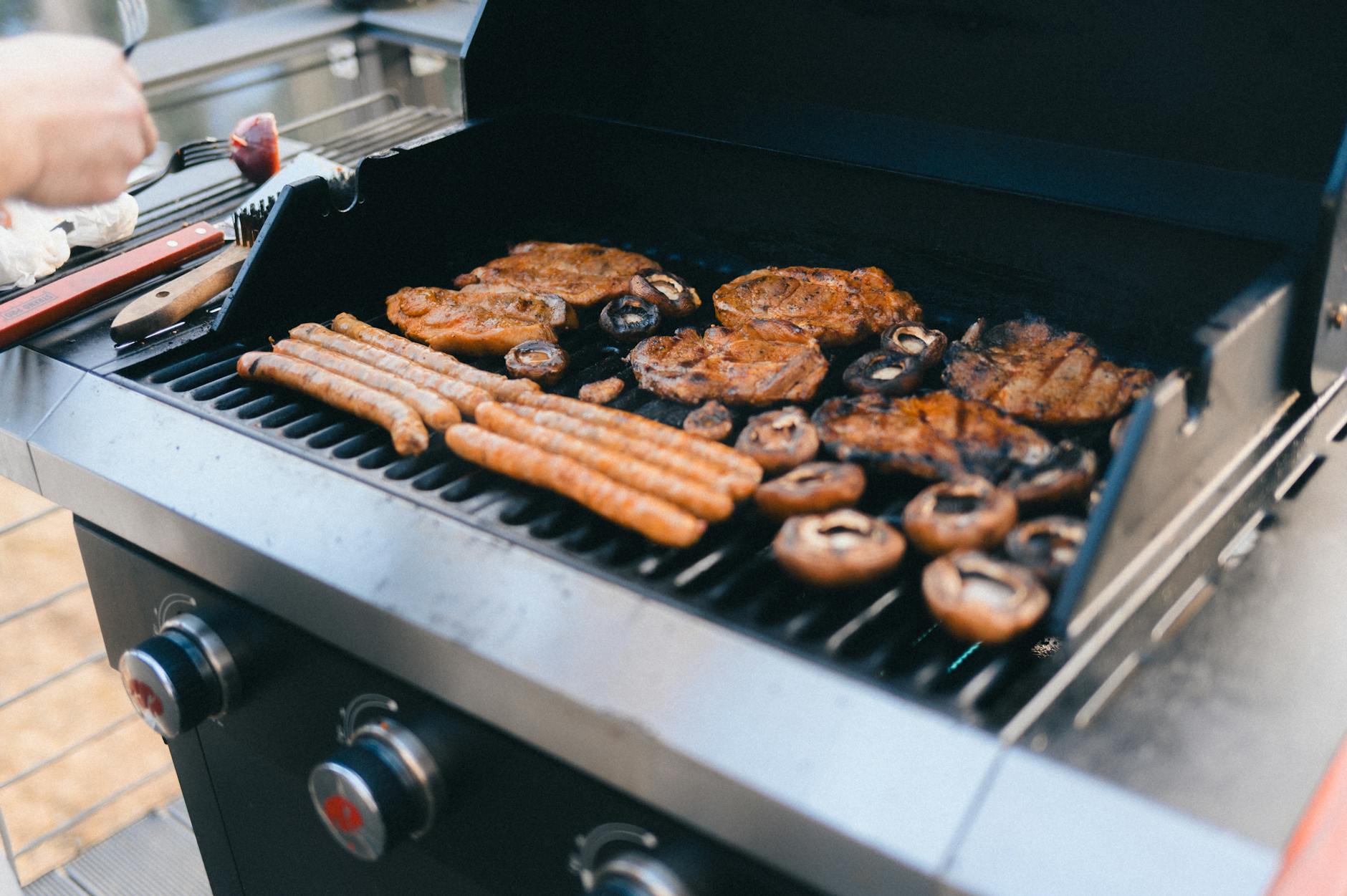
Responding to a flare-up by adding water to a gas or charcoal grill is an instinctive but dangerous reaction that can cause a steam explosion, spread burning grease to surrounding areas and crack the ceramic or cast iron components of the grill through thermal shock. The correct response to a flare-up on a gas grill is to close the lid to reduce oxygen supply, reduce the burner settings and wait for the excess grease to burn off within the controlled environment of the closed cooking chamber. On a charcoal grill a flare-up should be managed by moving food away from the direct flame zone and partially closing the vents to reduce airflow. Many grillers who have responded to flare-ups with a water spray bottle for years without serious incident are operating on statistical luck rather than sound practice, because the conditions under which a water response becomes seriously dangerous are present in every grilling session. A spray bottle of water near a grill represents a hazard that creates a false sense of control over a situation that is better managed through heat and oxygen management.
Gas Smell Dismissal
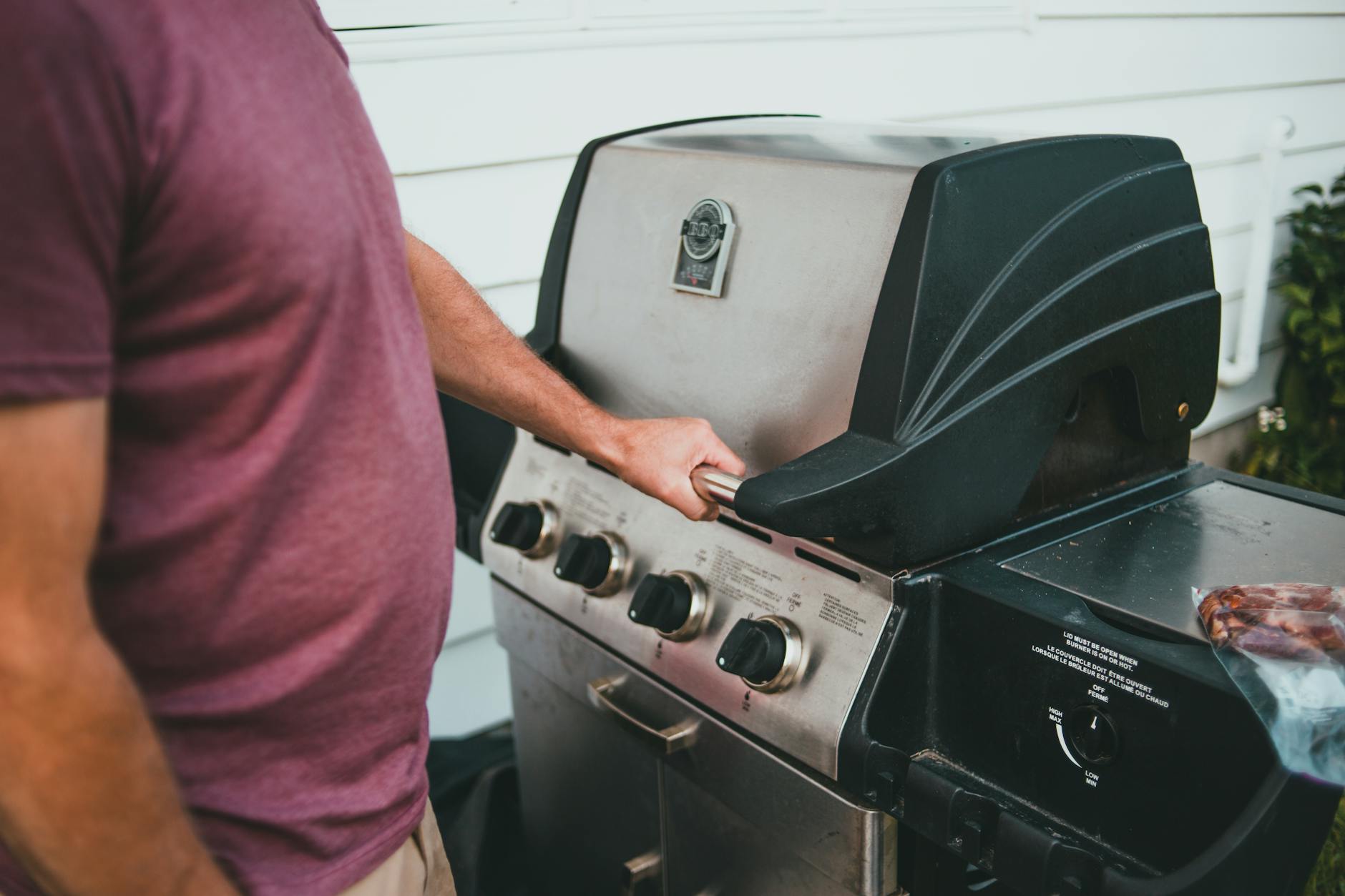
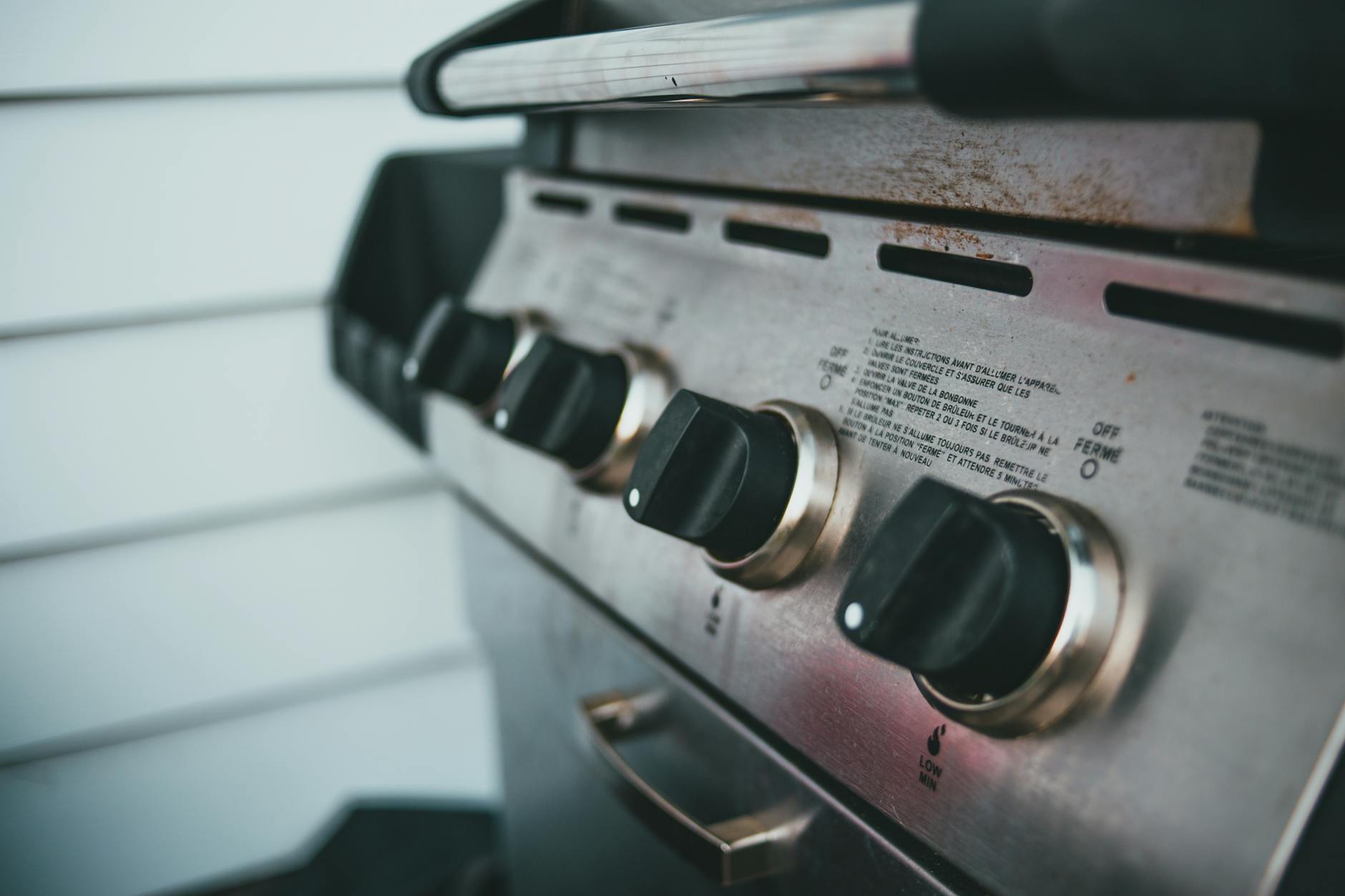
Dismissing or minimizing the detection of a gas smell near a grill as a normal operating characteristic rather than treating it as an immediate safety alert is one of the most dangerous judgment errors in all of grill safety. A gas smell in proximity to a grill indicates that unburned gas is present in the atmosphere around the equipment, and the source of that gas is by definition a leak somewhere in the supply system between the tank and the burner. Many experienced grillers have become so accustomed to brief gas smells during ignition or tank connection that they have normalized the perception of gas odor in a way that prevents them from recognizing an abnormal release event. The correct response to any unexpected gas smell near a grill is to immediately turn off the tank valve without using any ignition source, move away from the area and not return until the source has been identified and rectified. A gas smell that persists after the tank valve has been closed indicates a fault that requires professional gas technician assessment before the equipment is used again.
Ash Disposal
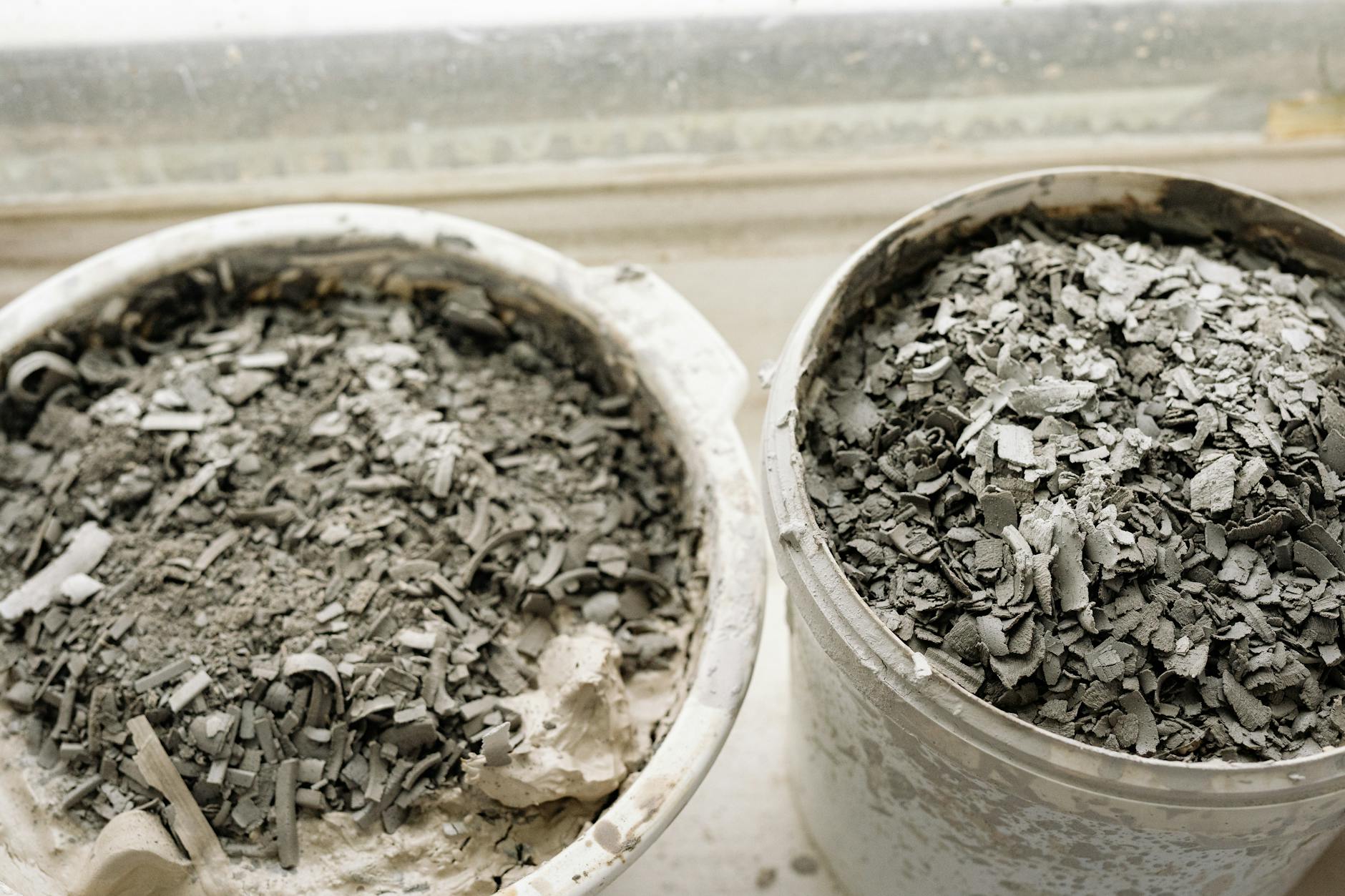
Disposing of charcoal ash before it has fully cooled by tipping it into a plastic bin, a paper bag, a cardboard container or directly onto dry ground represents a fire ignition risk that persists for significantly longer than most people assume. Charcoal ash retains enough heat to ignite combustible materials for up to forty-eight hours after the fire has appeared to be fully extinguished, and the insulating properties of ash mean that live embers can survive buried within a pile of apparently cold ash without any visible indication of their presence. Ash tipped into a plastic bin that is then placed against a fence or wooden structure has caused residential fires that originated hours after the grilling session ended and the cook had gone inside. The only safe method of charcoal ash disposal is to transfer it using a metal tool into a metal container with a lid and allow it to sit for a minimum of forty-eight hours before introducing it to any waste stream or organic material. Water can be added to ash in a metal container to accelerate safe cooling but should never be poured directly into a grill that is still hot due to the steam and cracking risks that result.
Grill Cleaning Neglect
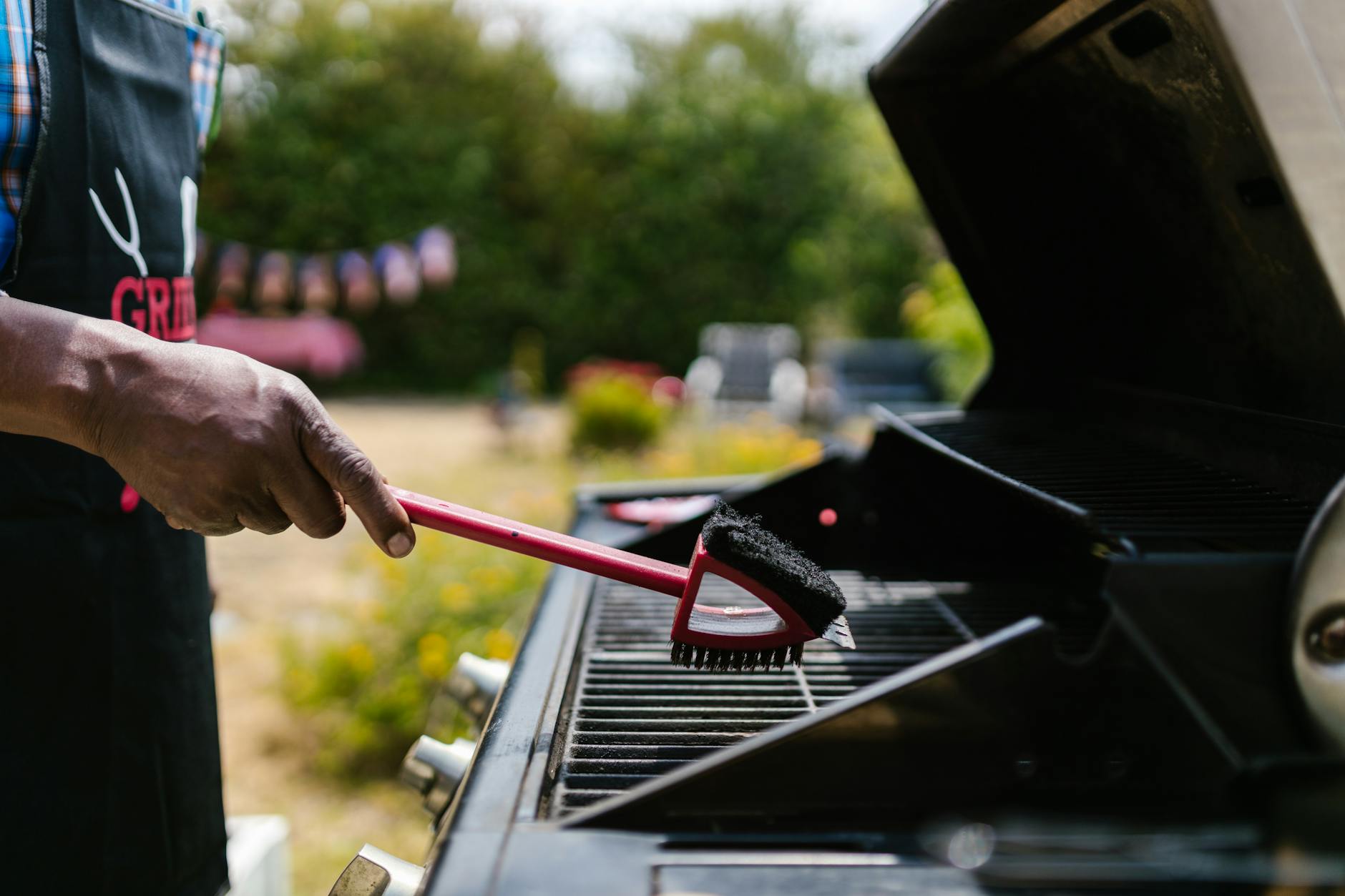
Failing to clean the cooking grates, interior surfaces, burner covers and grease management components of a grill on a regular schedule allows the progressive accumulation of carbonized grease and food debris that represents a persistent and growing fire risk with every subsequent use. The carbon buildup on poorly maintained grill surfaces is combustible and can reach ignition temperature when exposed to the normal operating heat of the grill, creating fires on the cooking surface that are independent of and in addition to the controlled burner flame below. Grill brushes with wire bristles that have shed individual wires onto cooking grates represent an additional hazard in that these bristles can embed in food and cause internal injuries when ingested. The interior of the grill hood and body accumulates a layer of grease that drips back onto the burners during cooking, creating an ignition pathway between the food contact zone and the gas supply components below. A grill that has not been cleaned within the current cooking season should be considered a fire risk and cleaned before use regardless of how recently it was last operated.
Alcohol and Grilling
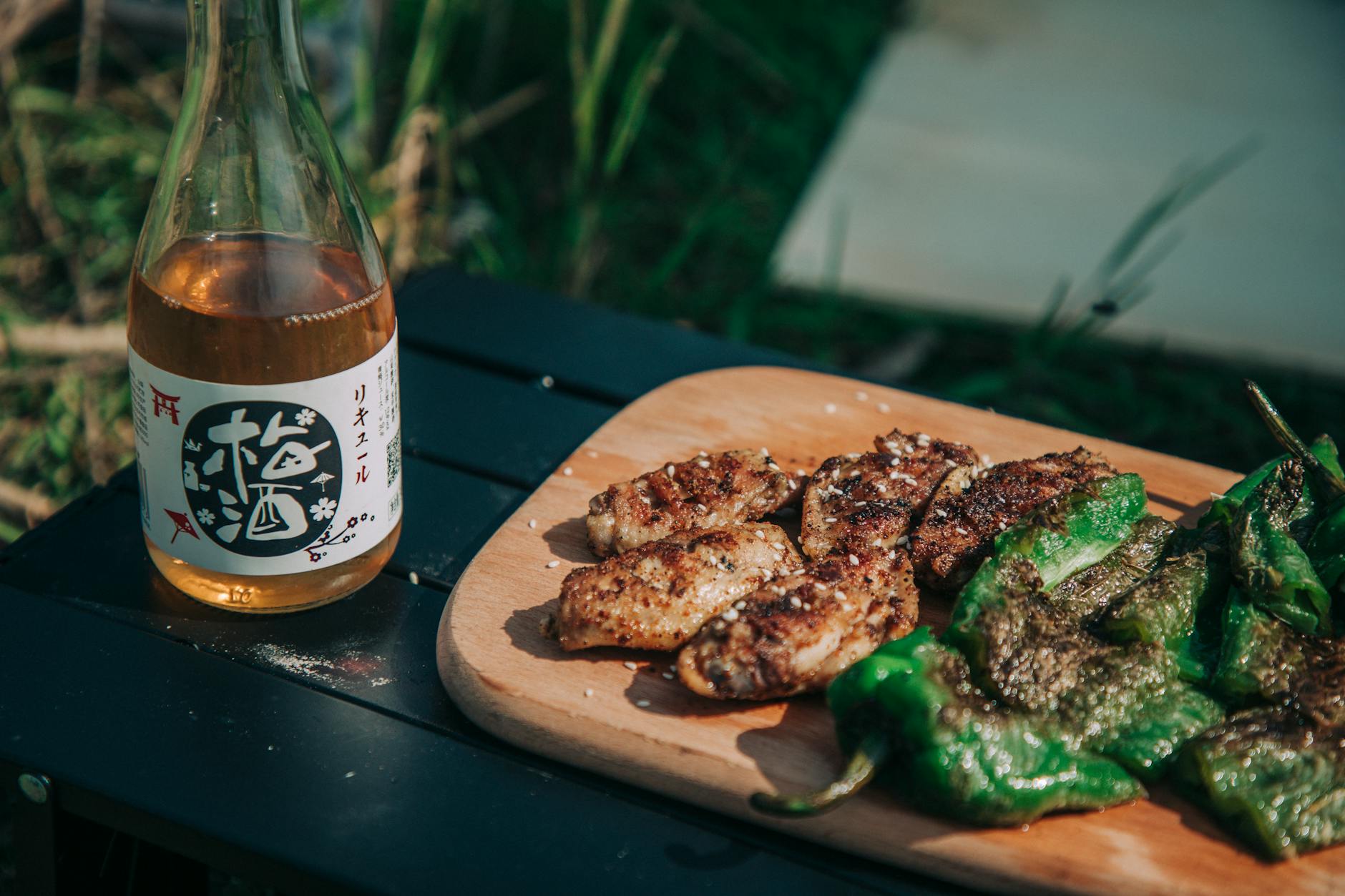
Operating a grill while under the influence of alcohol is a behavioral risk factor that appears disproportionately in the circumstances surrounding grill-related fire and explosion incidents reported to emergency services. Alcohol impairs the judgment, reaction speed and risk perception of the operator in ways that directly affect the safety decisions that grilling requires, including recognizing a gas leak, responding appropriately to a flare-up and maintaining awareness of the grill’s effect on surrounding areas. The social context in which grilling most commonly occurs, which involves gatherings where alcohol consumption is also taking place, creates a normalized environment where impaired grilling operation is treated as ordinary rather than recognized as dangerous. A grill operator who has consumed alcohol is less likely to perform pre-ignition safety checks, more likely to make impulsive responses to unexpected events and less capable of managing an escalating fire or gas release situation effectively. Designating a sober individual as the responsible grill operator for any social occasion involving alcohol is a safety practice that is almost never implemented in the casual outdoor cooking culture where it would have the most impact.
Pressure Relief Valve
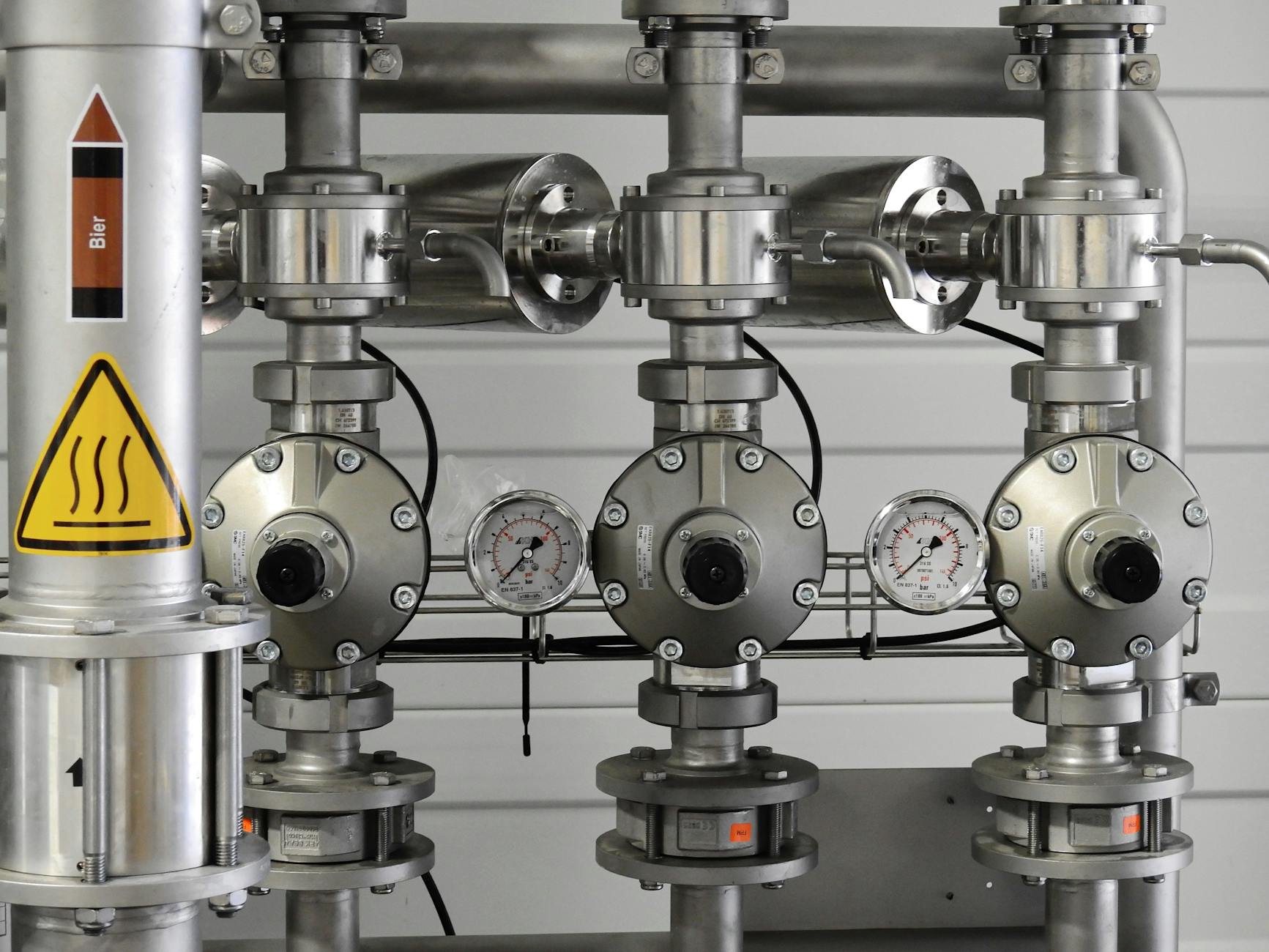
The pressure relief valve on a propane tank is a safety device designed to vent gas in a controlled manner if internal pressure exceeds safe limits, but this valve can fail in both the open and closed position in ways that create serious hazards. A relief valve that is stuck in the open position will continuously vent gas regardless of the internal pressure, creating a persistent release that can accumulate to dangerous concentrations in the area around the stored tank. A relief valve that is stuck in the closed position will fail to protect the tank from overpressure events, removing the last engineered safety barrier against tank rupture under high temperature conditions. Many grill owners are unaware that the pressure relief valve is a component with its own service life and failure modes and treat it as a permanent passive safety feature that requires no attention. Any propane tank that shows signs of a continuously open relief valve, including a persistent gas hiss or smell from the top of the tank, should be moved to an open outdoor area away from any ignition source and the supplier contacted immediately.
Night Grilling
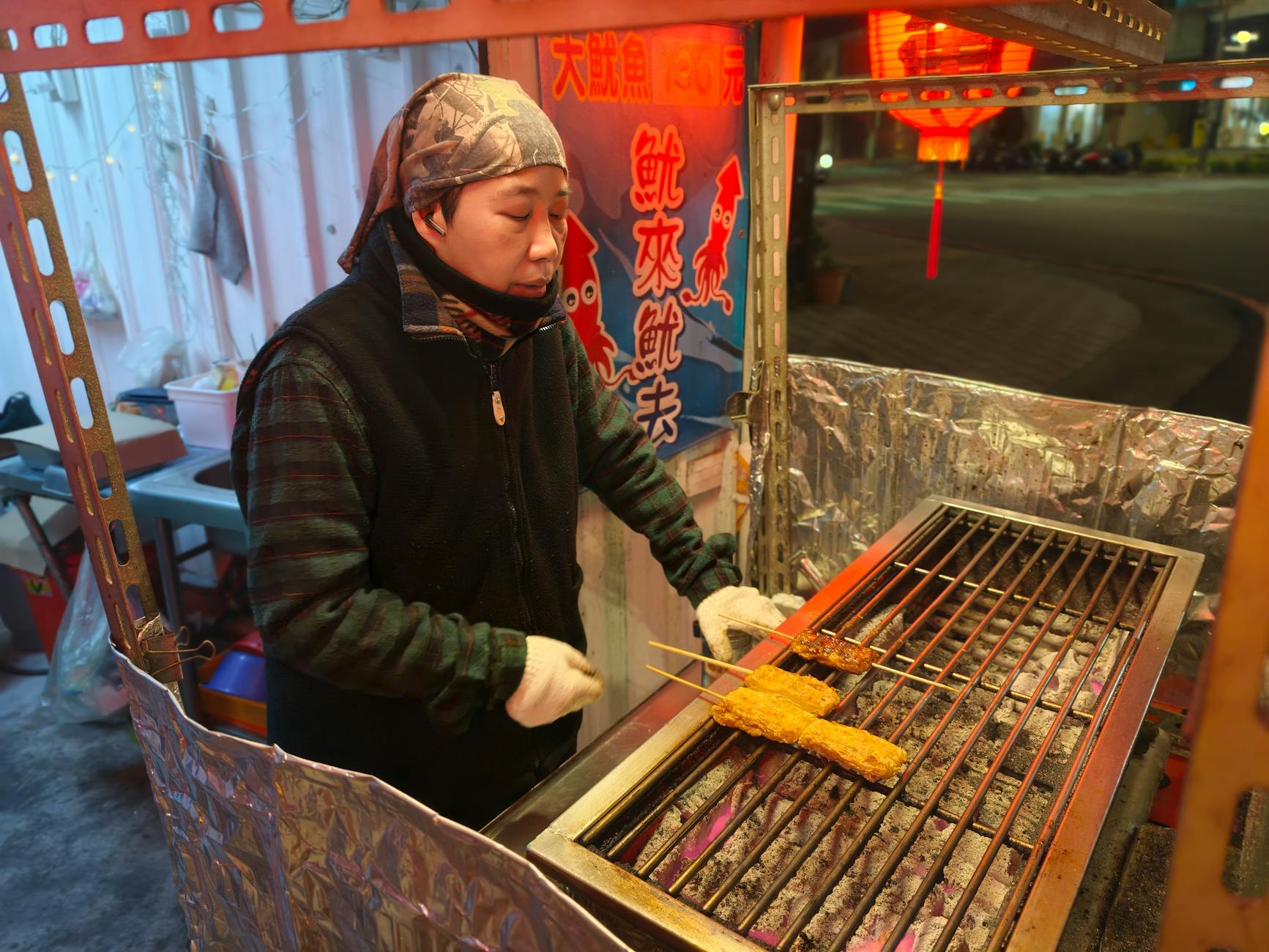
Operating a grill after dark without adequate lighting around the equipment creates conditions where visual safety checks are impossible and the early indicators of a developing problem such as a gas leak, an encroaching grease fire or structural damage to a component cannot be detected in time to prevent escalation. The visual inspection that an alert griller naturally performs during daytime cooking, including monitoring flame color and height, checking for unusual smoke patterns and observing the behavior of the grill surface, becomes impossible in low-light conditions. Portable lighting positioned to illuminate the grill and its immediate surroundings during nighttime cooking sessions is a basic precaution that most nighttime grillers do not use. Grill controls including burner knobs, igniter buttons and tank valve handles can be misidentified in the dark, creating the risk of inadvertently opening a gas supply that the operator believes they are closing. The combination of reduced visual capacity and the social relaxation that typically accompanies evening outdoor gatherings makes nighttime grilling a statistically higher-risk activity than daytime cooking on the same equipment.
Grill Recall Ignorance
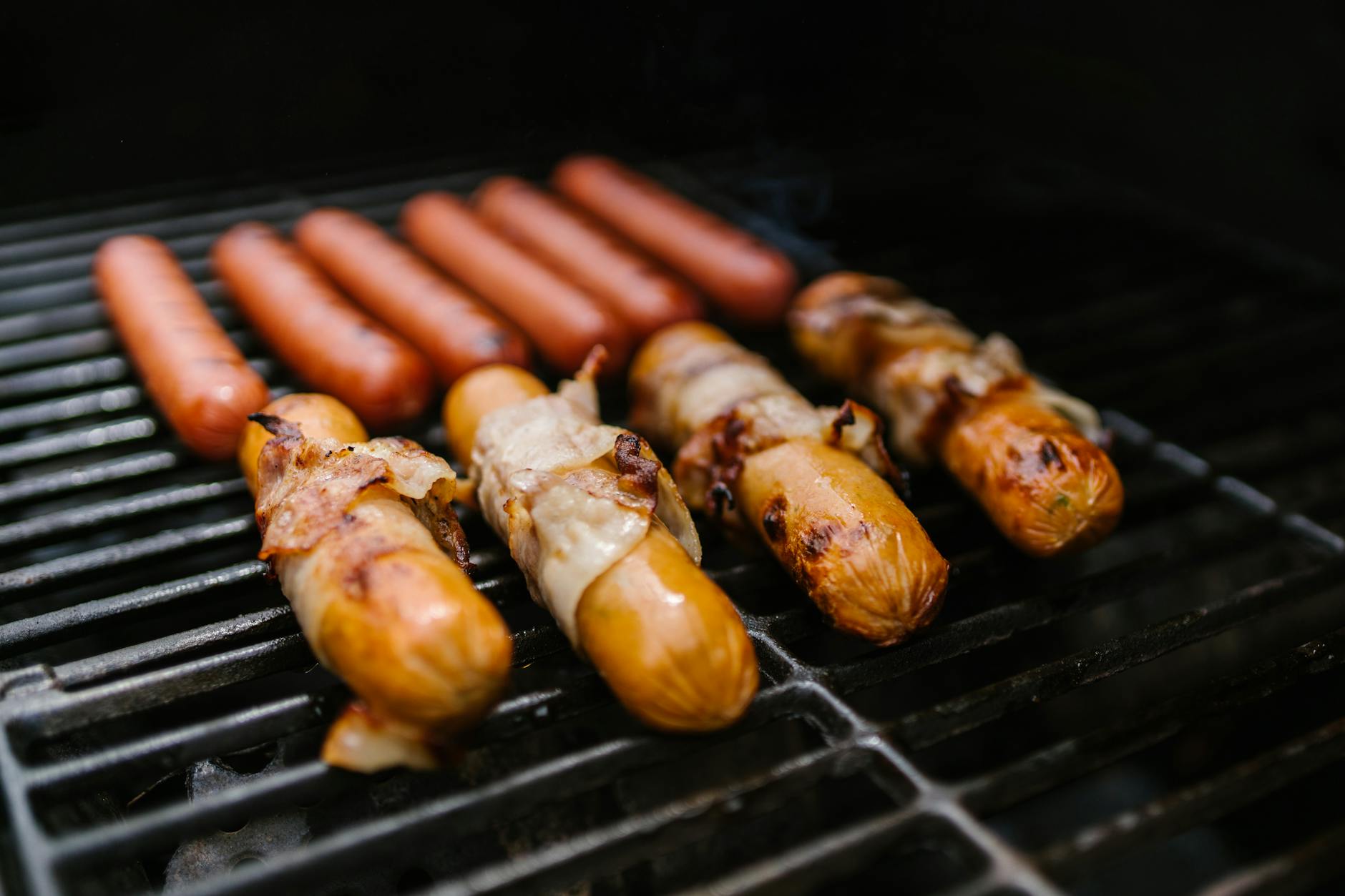
Continuing to use a grill model that is subject to a manufacturer safety recall without investigating or acting on the recall notice represents a specific and preventable risk category that affects a significant number of active grills in domestic use at any given time. Grill recalls are issued when a manufacturing defect, design fault or component failure pattern is identified that creates a risk of fire, explosion or injury under normal operating conditions. Many recalls affect components including regulators, hose assemblies, burner valves and ignition systems that are central to the safety of gas management within the grill. Consumers who purchased a grill several years ago and have not maintained contact with the manufacturer or registered their product may be entirely unaware that a recall affecting their specific model has been issued. Checking the model and serial number of every grill in regular use against the current recall database of the relevant national consumer safety authority is a check that takes minutes and can identify a known and unremedied safety fault before it causes harm.
Share the grilling safety habits you follow and the close calls that changed the way you cook outdoors in the comments.