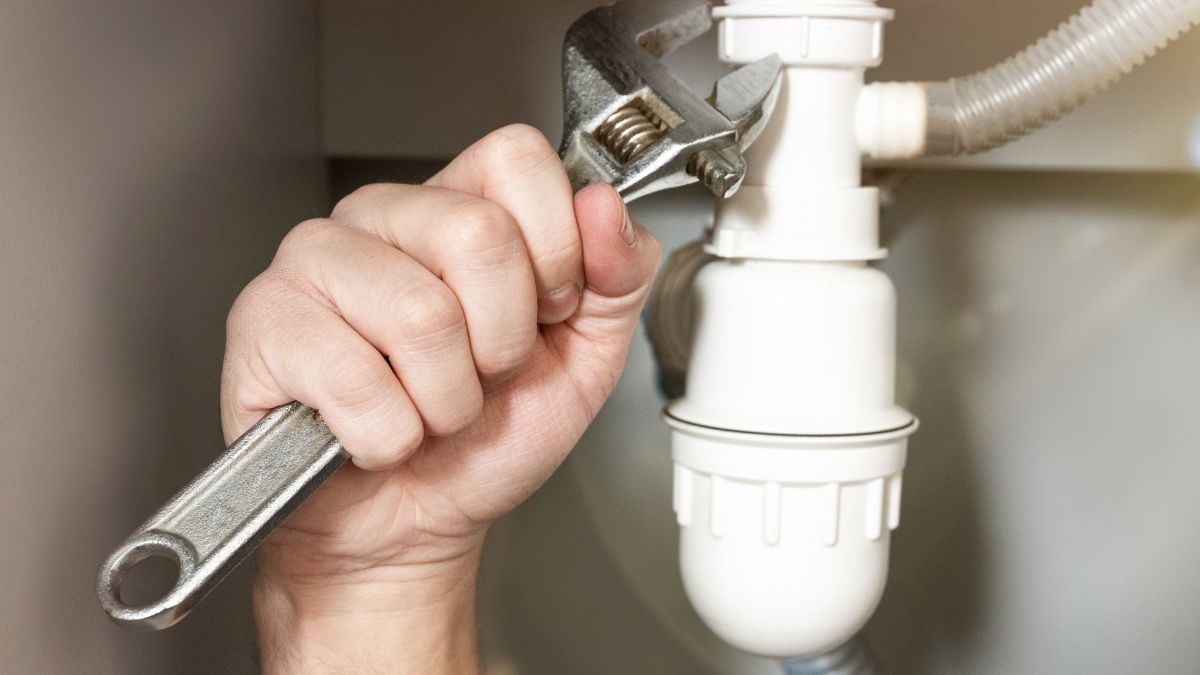
This common kitchen appliance handles daily scraps yet certain items create blockages corrosion and expensive repairs when forced through the system. Grease and oils solidify inside pipes forming stubborn clogs that reduce water flow over time. Hard materials damage the blades and motor while fibrous foods wrap around components causing jams. Recognizing these hazards helps homeowners maintain smooth operation and avoid plumbing emergencies.
Grease
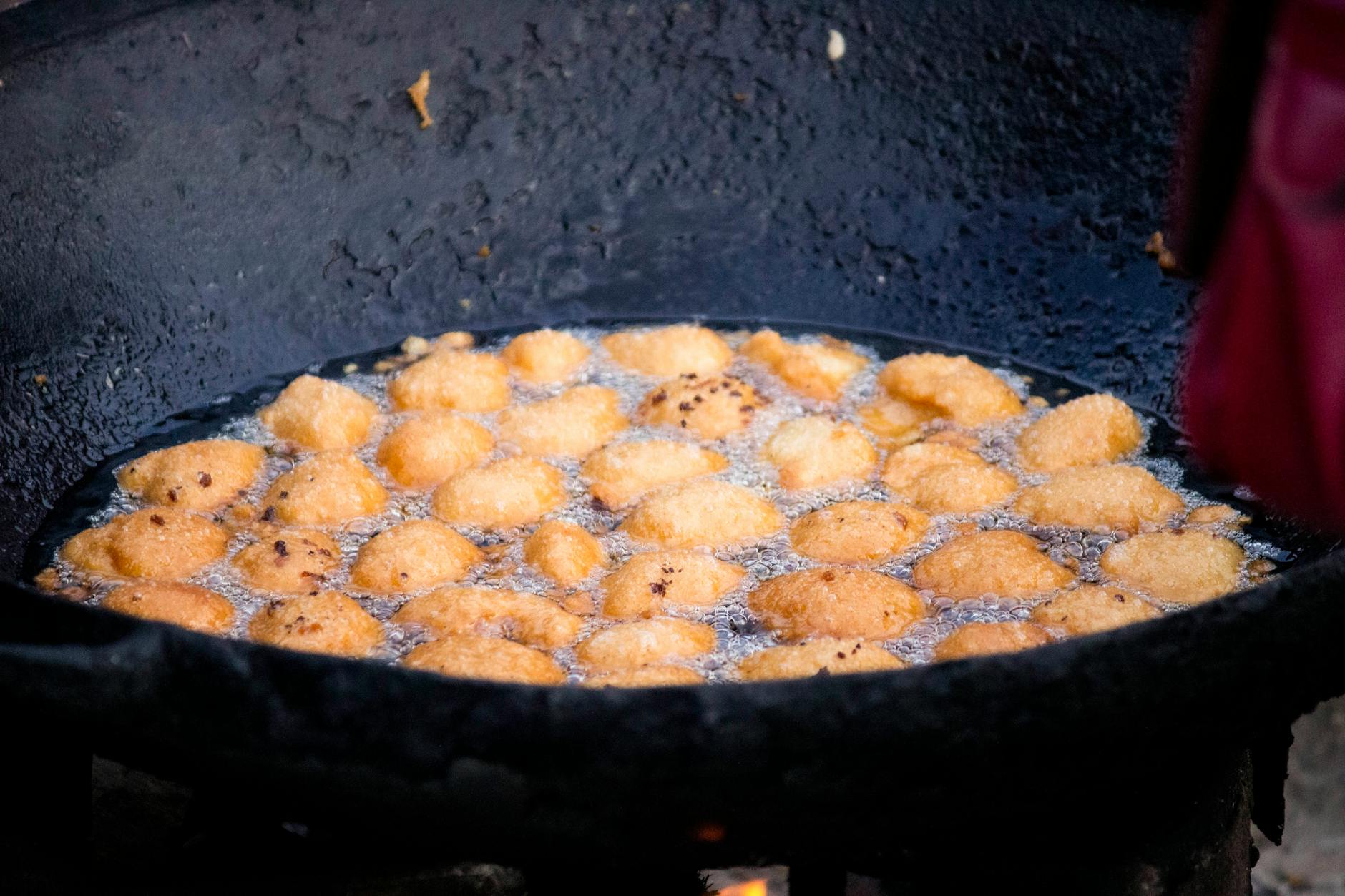
Grease from cooking bacon or frying foods coats the inside of pipes and solidifies as it cools creating thick buildup. This layer traps additional debris and narrows the drainage path leading to slow drains or complete backups. Repeated exposure also promotes bacterial growth that produces foul odors in the kitchen. Regular maintenance becomes essential once grease accumulation begins affecting performance.
Coffee Grounds
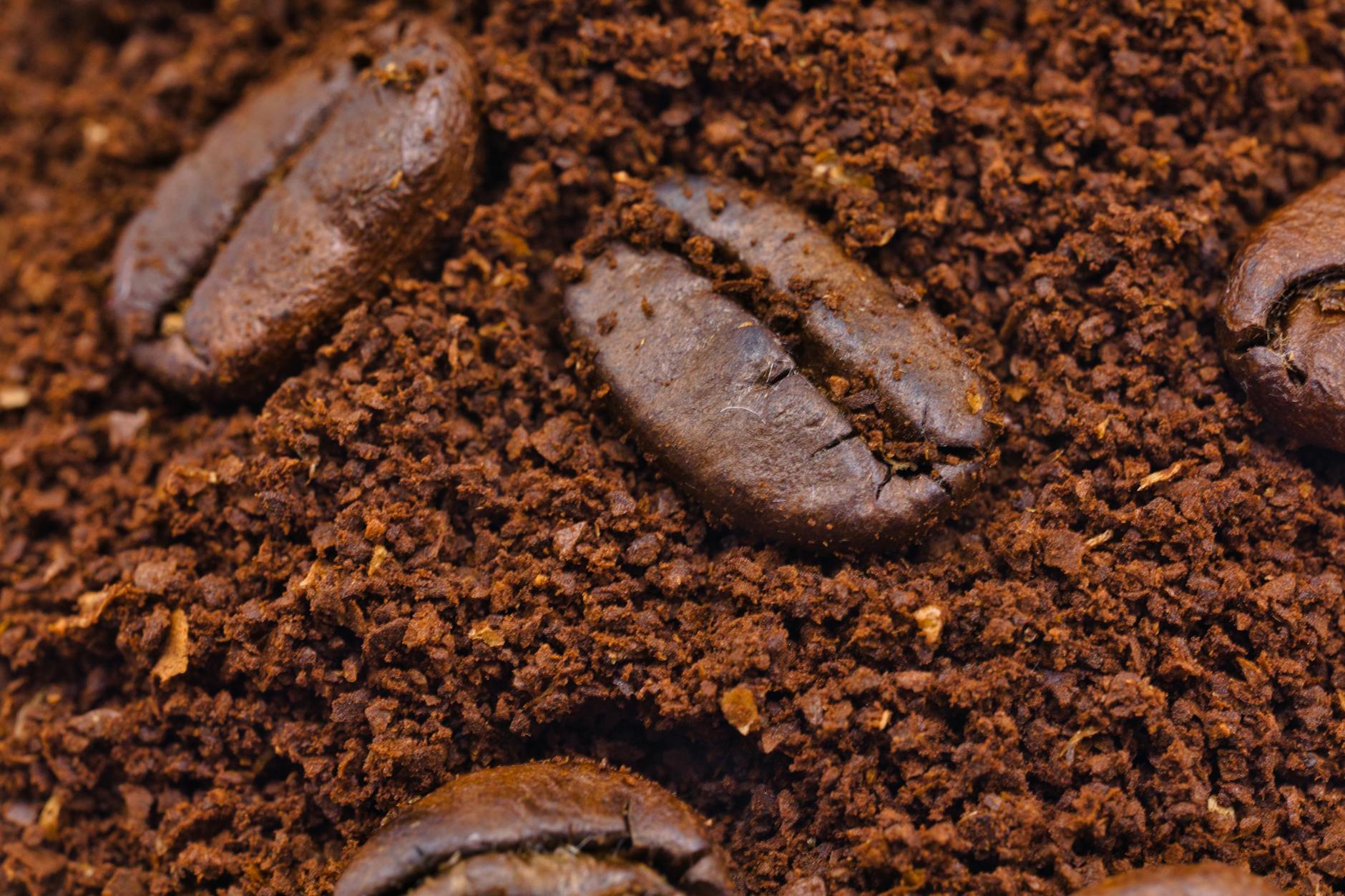
Coffee grounds resemble fine sand and clump together when wet forming dense sludge that settles in pipes. The particles do not dissolve and instead accumulate over weeks creating stubborn blockages. Even small daily amounts contribute to long term pipe restriction and reduced flow rates. Many homeowners discover the issue only after multiple slow drain incidents occur.
Pasta
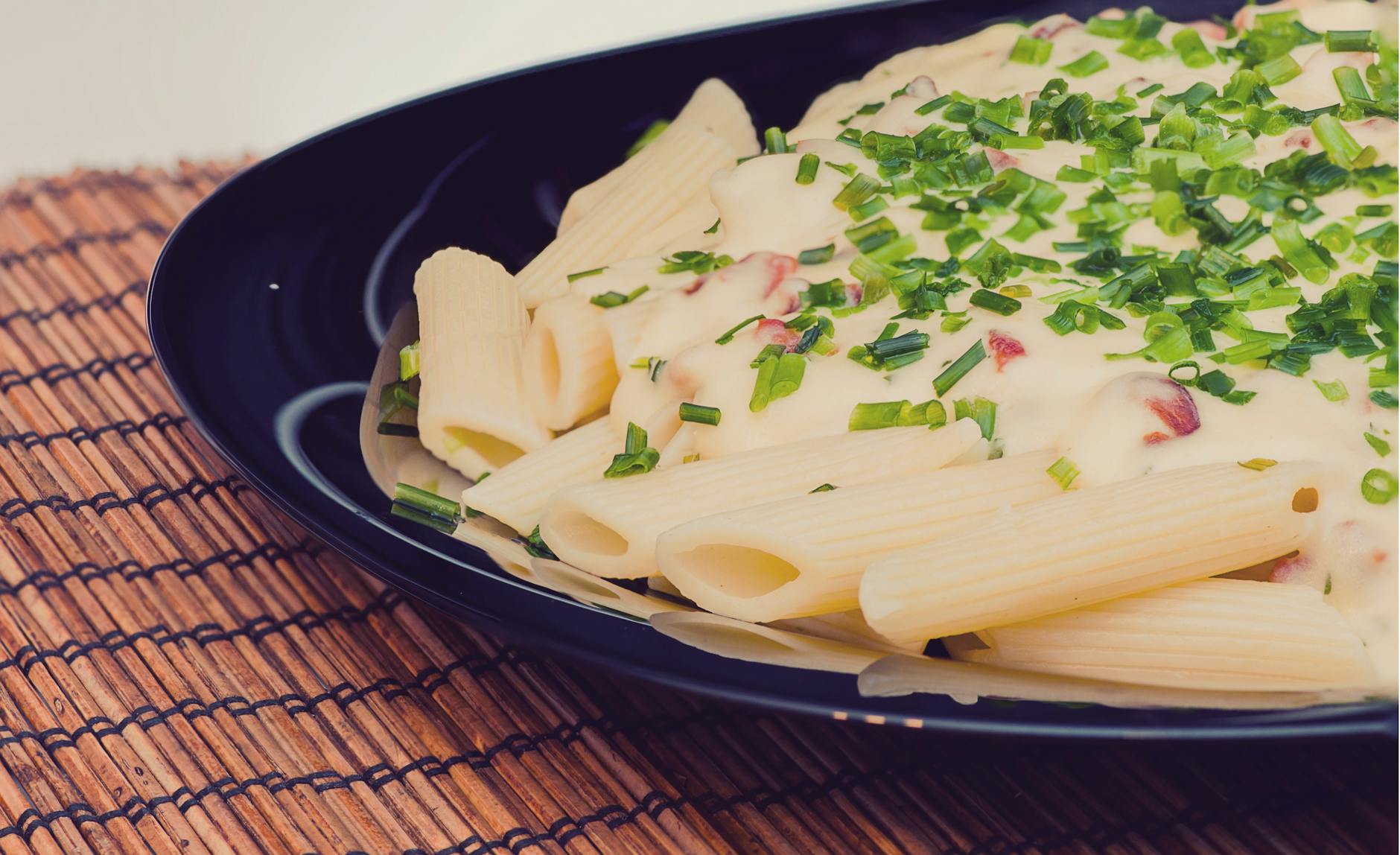
Pasta expands significantly when exposed to water inside the disposal and pipes. Cooked remnants swell and turn starchy creating a glue like mass that adheres to surfaces. This expansion traps other food particles and accelerates clog formation throughout the plumbing line. The problem worsens with larger quantities or frequent disposal use.
Rice
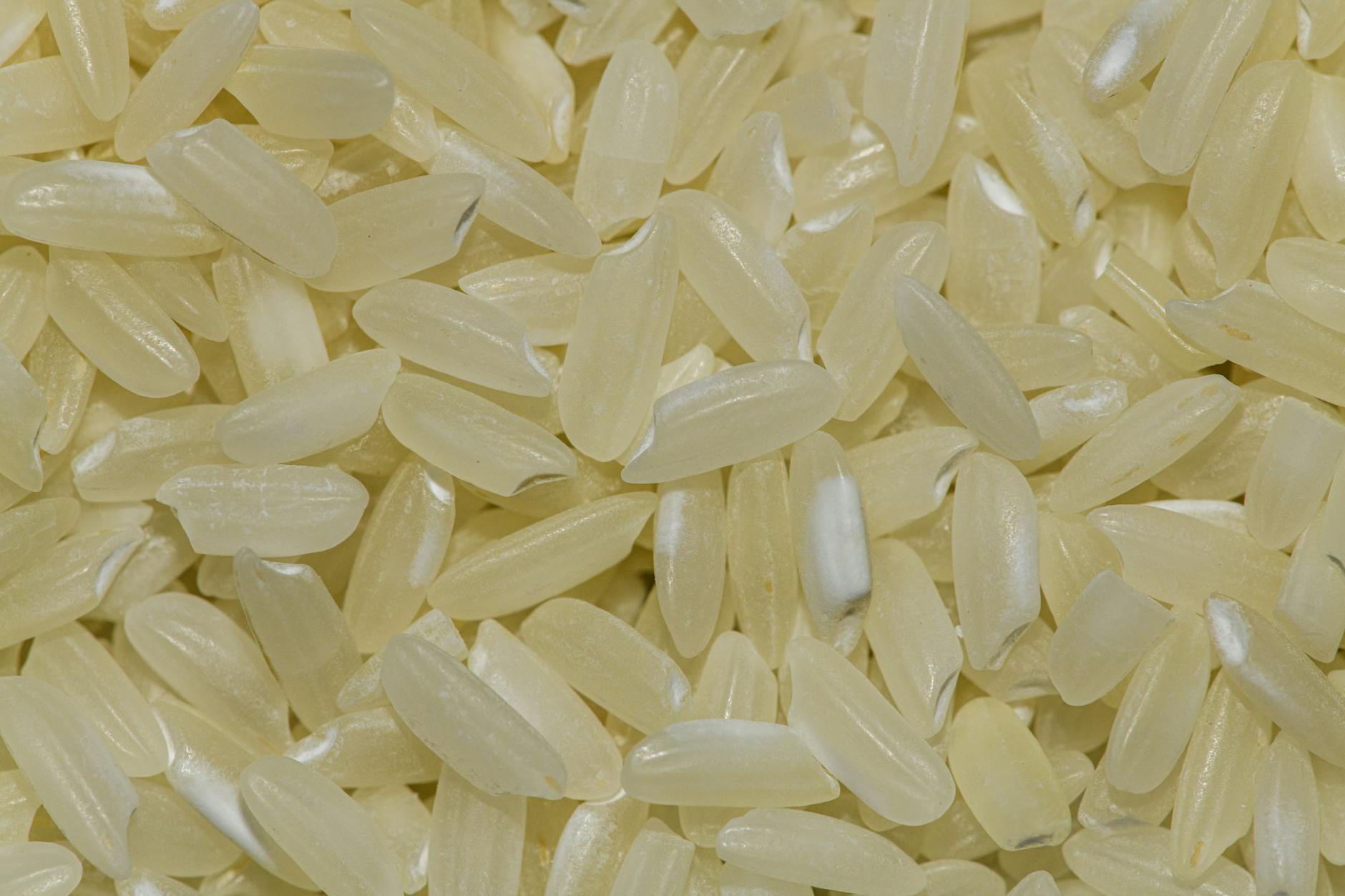
Rice grains absorb moisture and expand dramatically similar to pasta creating obstructive masses. The starchy residue sticks to pipe walls and combines with other debris to form solid barriers. Even rinsed rice leaves behind particles that contribute to gradual buildup over time. Homeowners often underestimate the cumulative effect until drainage slows noticeably.
Bones
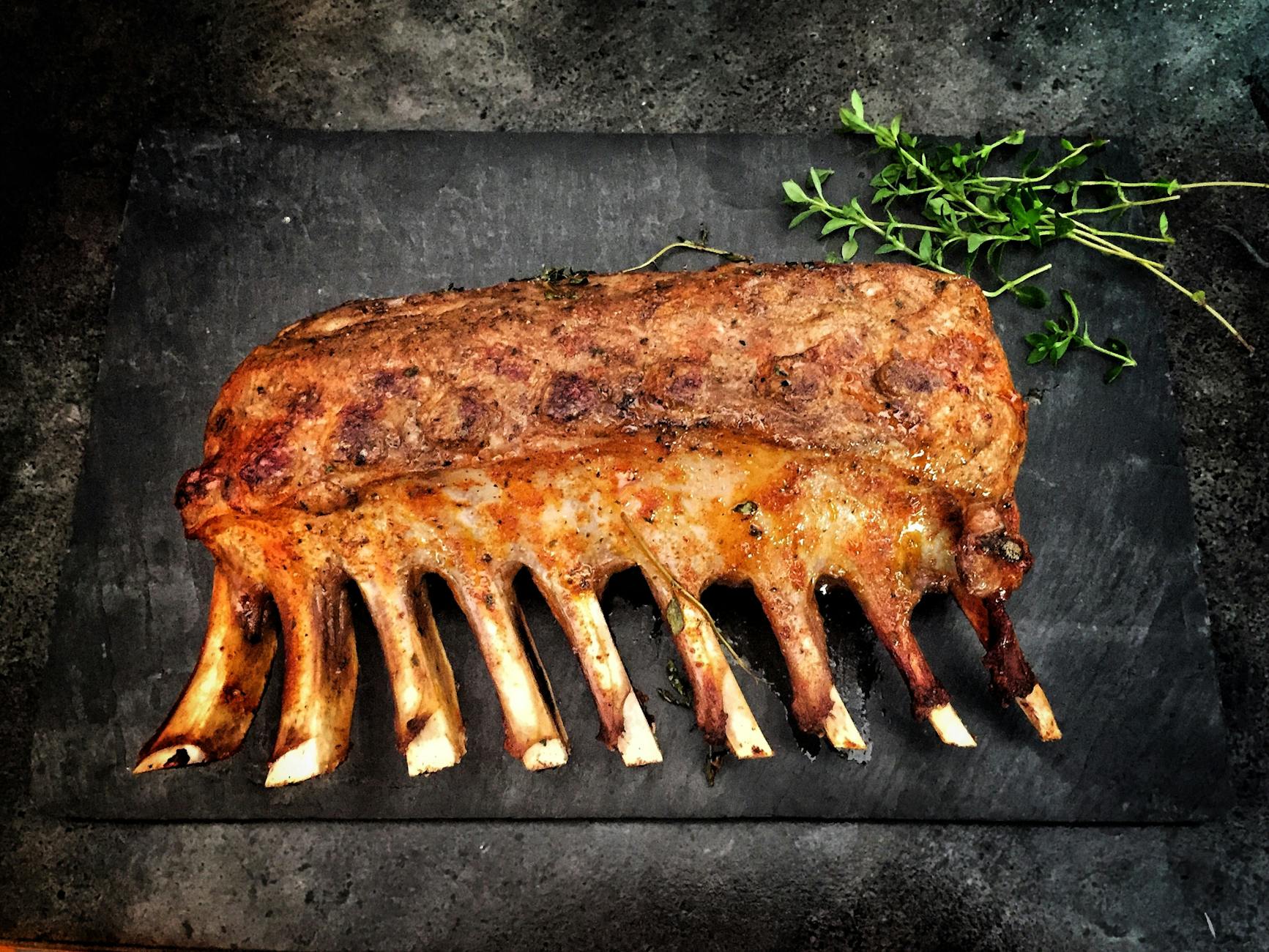
Chicken bones and other small animal bones are too hard for the disposal blades to process effectively. They chip the grinding components and can lodge in the pipes causing immediate jams. Larger fragments may pass through initially but create restrictions further down the line. Professional intervention is frequently required to clear resulting damage.
Fruit Pits
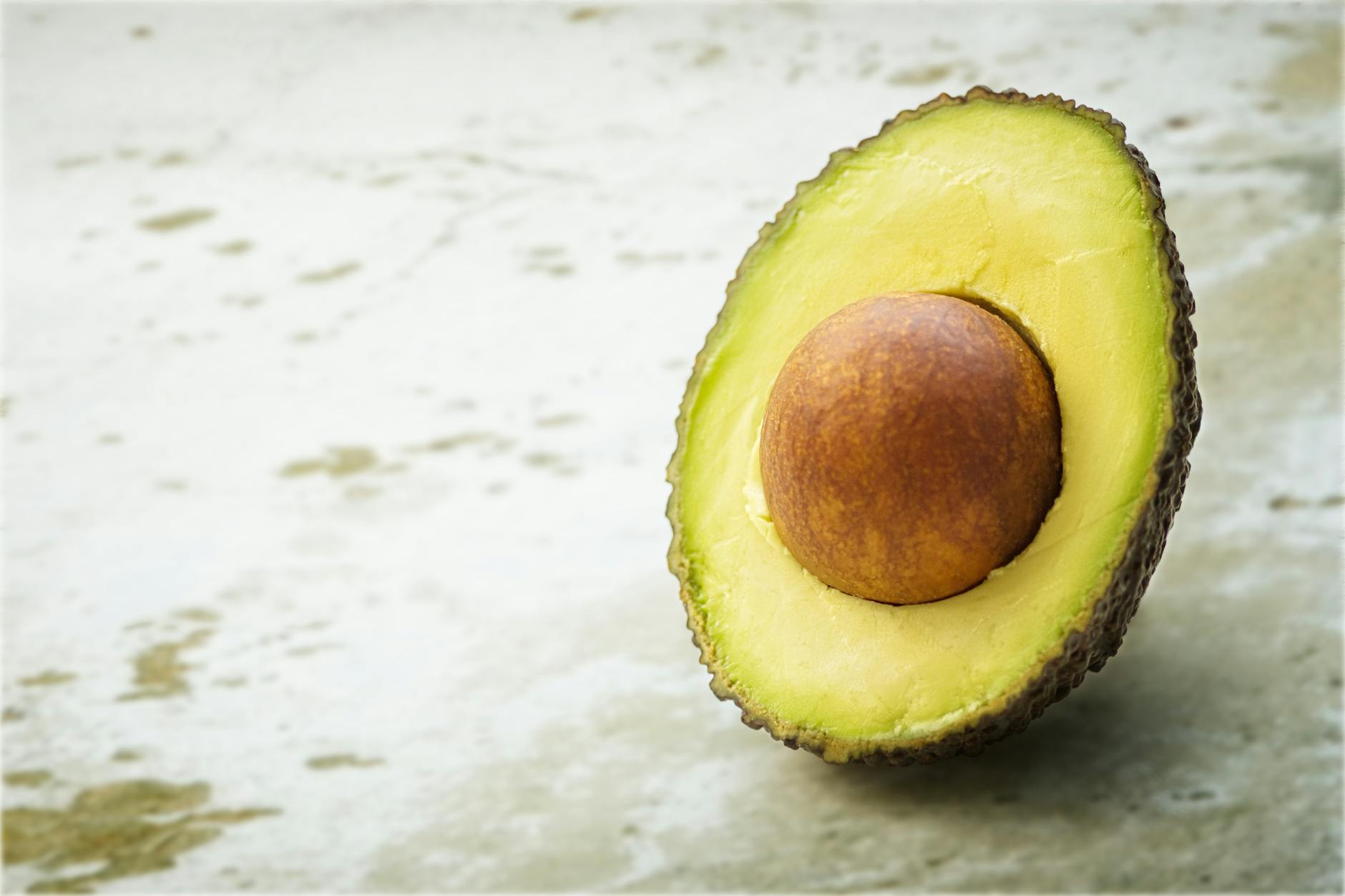
Avocado pits peach pits and similar hard seeds resist grinding and damage the disposal mechanism. These dense items can crack blades or become wedged in the drain pipe. The impact also sends vibrations through the system that loosen connections over repeated uses. Avoiding them entirely prevents both immediate failure and long term wear.
Potato Peels
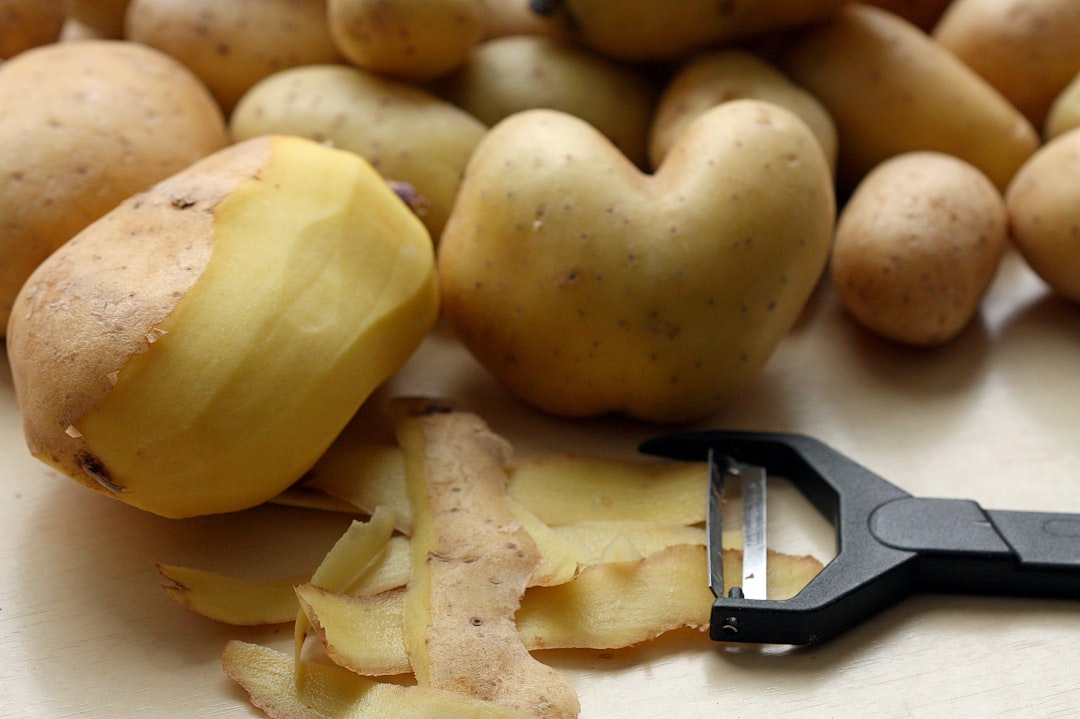
Potato peels contain high levels of starch that turns into a thick paste when processed. This starchy material coats pipes and binds with other waste creating resistant clogs. The sliminess makes removal difficult even with professional tools. Small amounts may seem harmless yet daily use leads to progressive restriction.
Celery
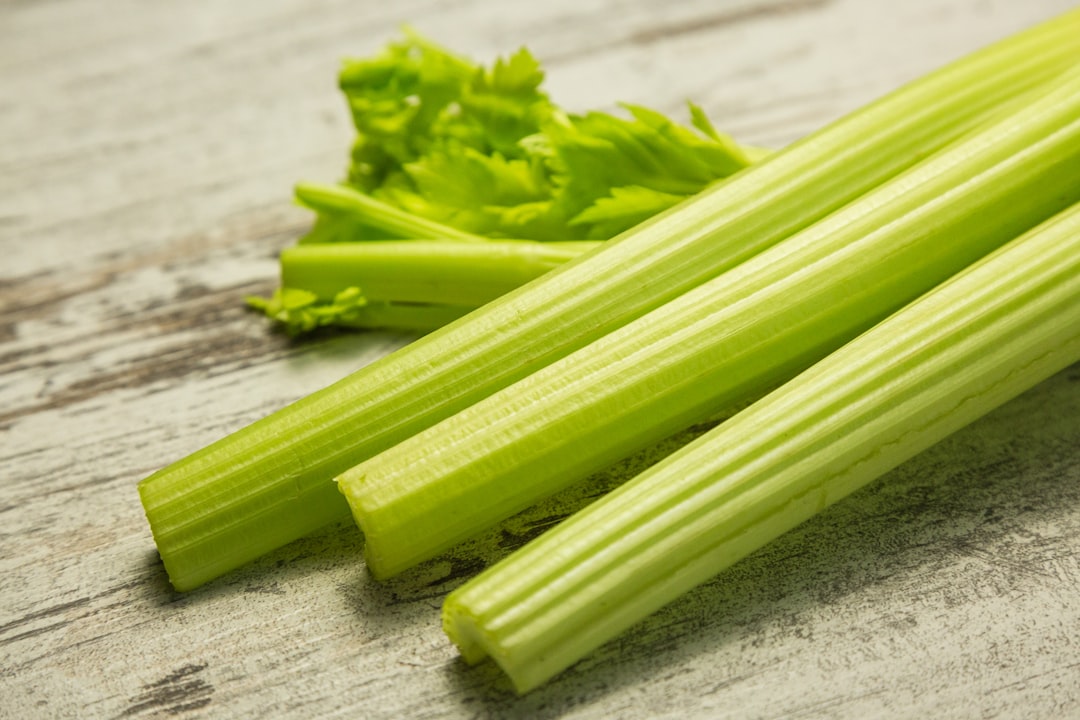
Celery strings are fibrous and wrap tightly around the disposal blades like threads on a spool. These long strands do not break down and instead tangle causing motor strain and eventual burnout. The fibers also travel into pipes creating net like blockages that trap additional debris. Removing celery from the disposal routine prevents recurring mechanical issues.
Onion Skins
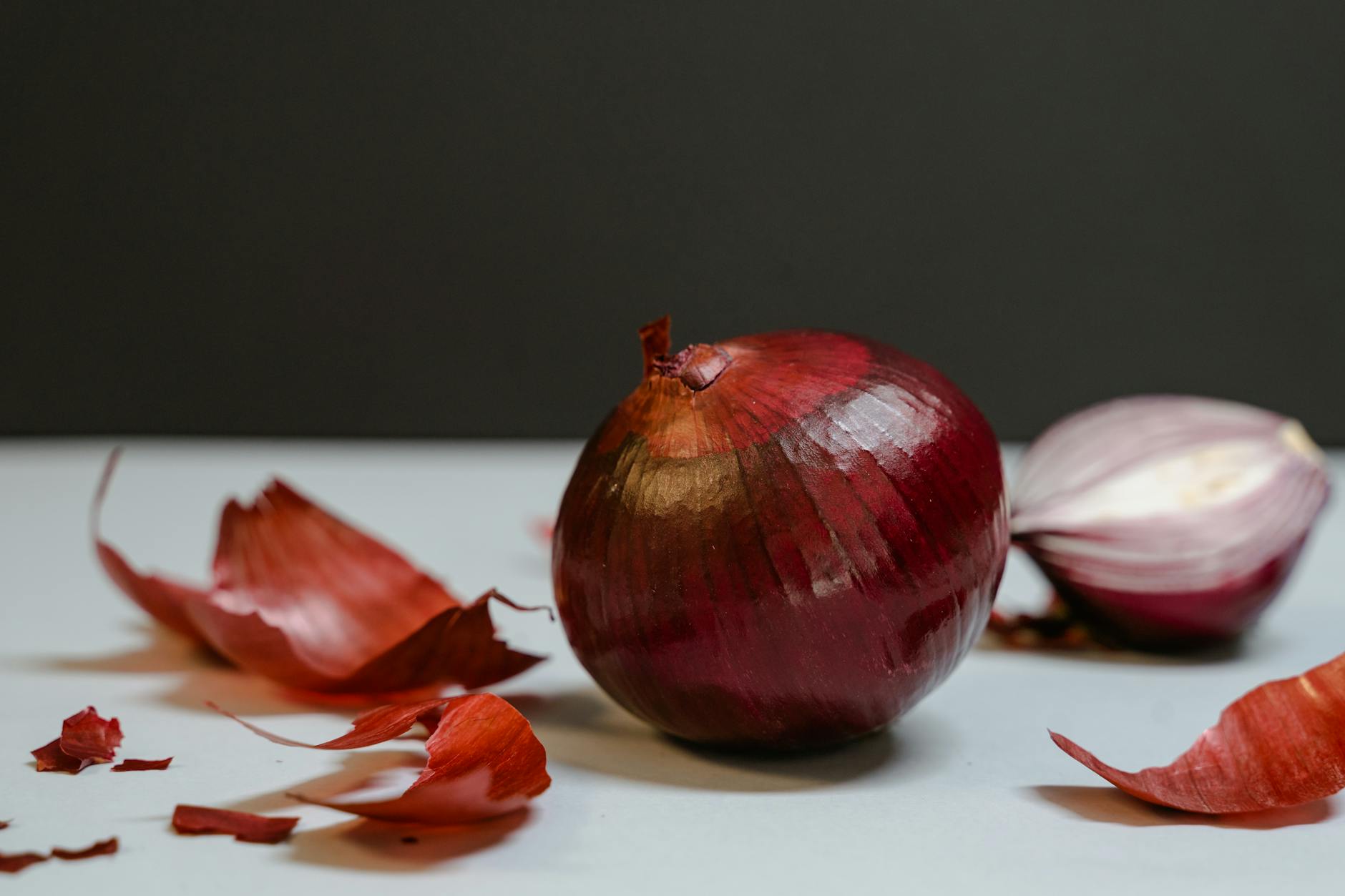
Onion skins possess a papery texture that resists breakdown and floats in water. They accumulate in elbows and joints of the plumbing system forming layered obstructions. The thin material combines with grease to create especially stubborn clogs. Consistent avoidance maintains clearer pipes and reduces maintenance frequency.
Eggshells
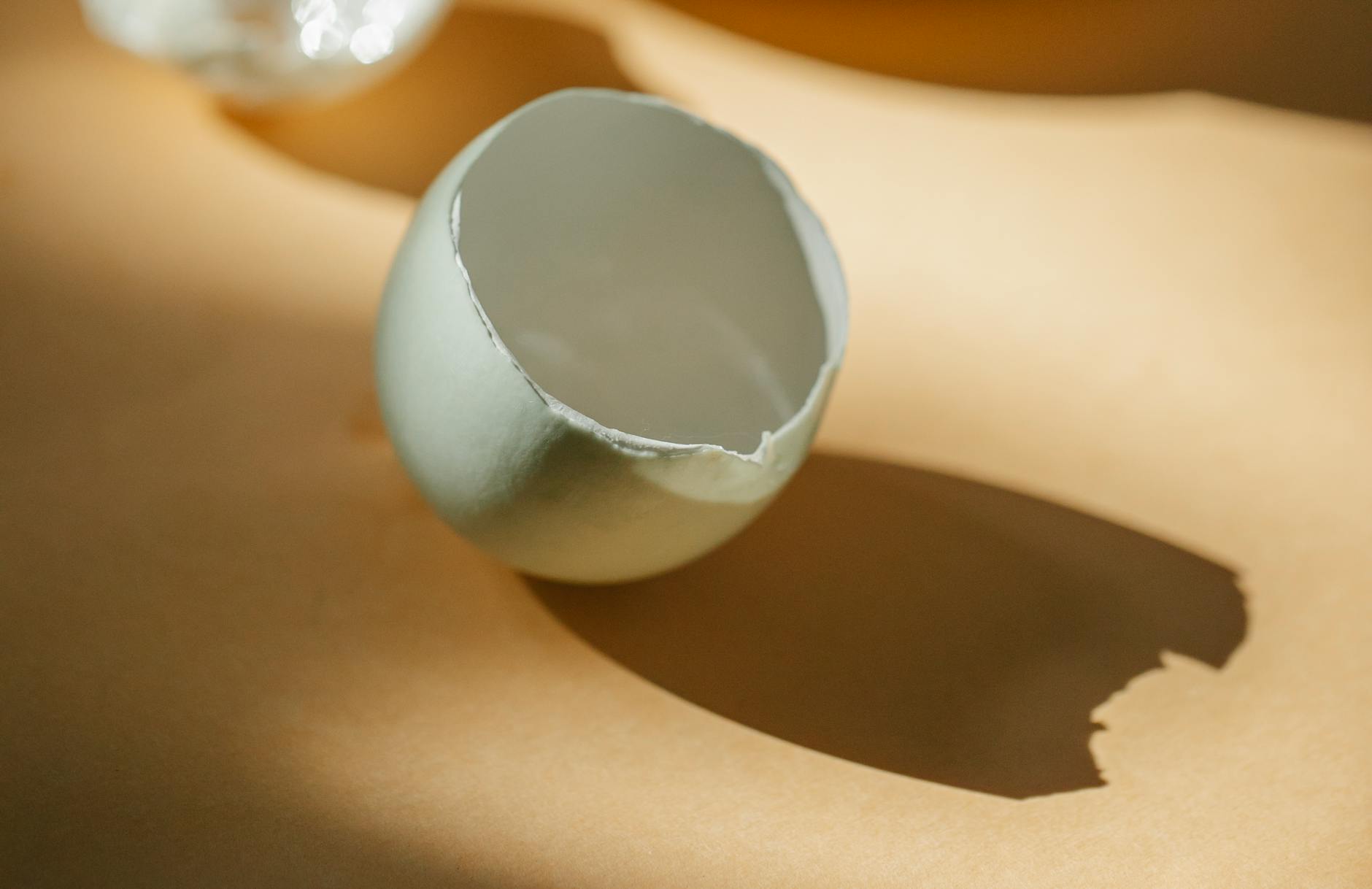
Eggshell membranes are tough and flexible rather than brittle causing them to wrap around components. The fragments do not dissolve and instead create abrasive buildup inside pipes. While some myths suggest they sharpen blades the reality involves increased wear and potential membrane clogs. Safer disposal methods protect the entire system.
Corn Husks
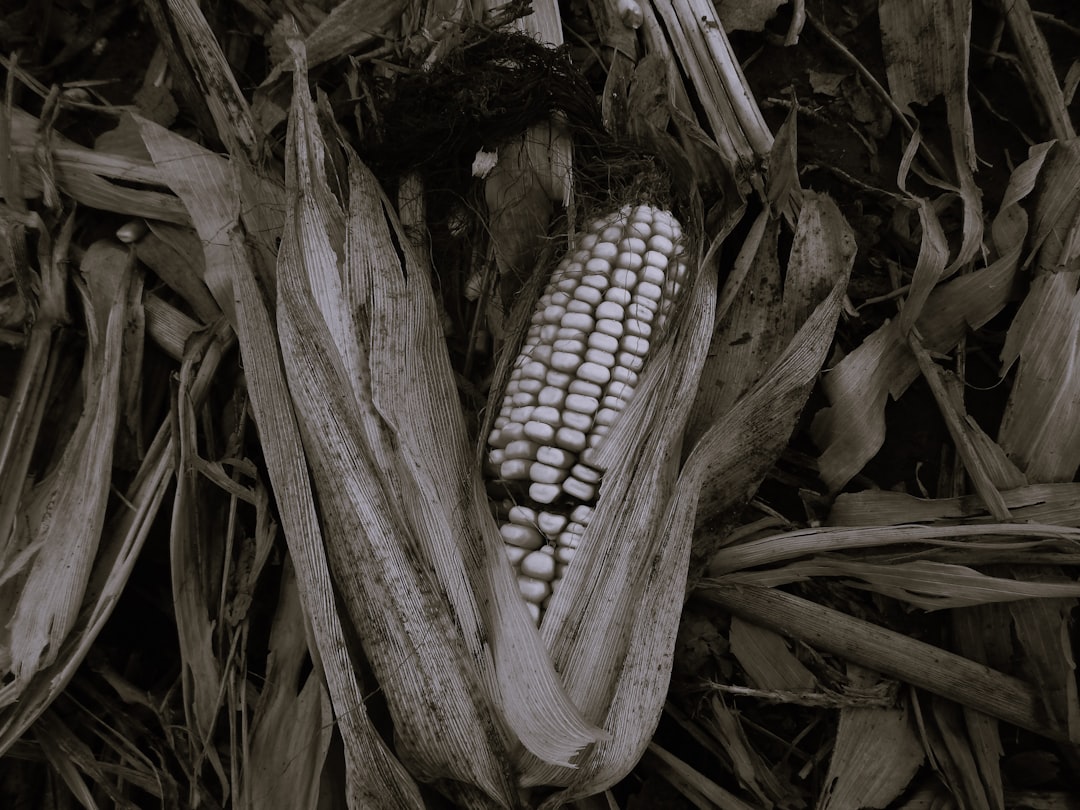
Corn husks are tough and fibrous similar to celery creating wrapping hazards for the blades. Large pieces resist grinding and travel into pipes where they expand and trap particles. The material breaks down slowly leading to persistent blockages over weeks. Keeping husks out of the disposal preserves both motor and drain integrity.
Nutshells
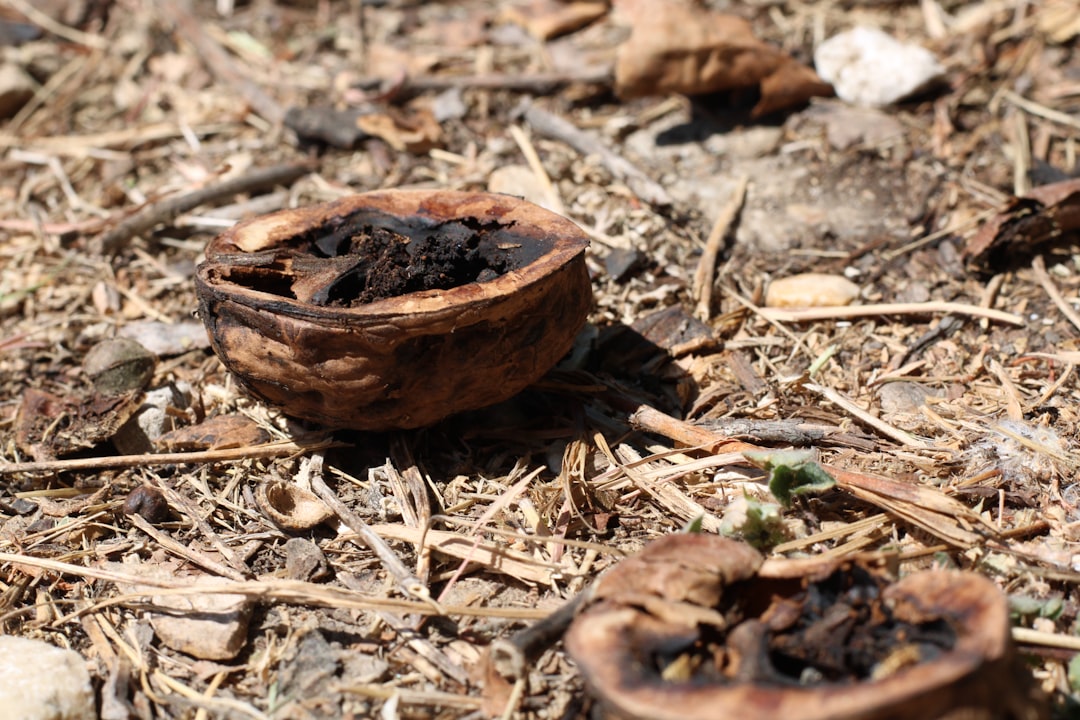
Nut shells from walnuts almonds and similar items are extremely hard and splinter into sharp fragments. These pieces damage blades and lodge in pipe joints causing punctures or restrictions. The irregular shapes prevent smooth passage and promote debris collection. Manual disposal in trash prevents costly repairs.
Meat
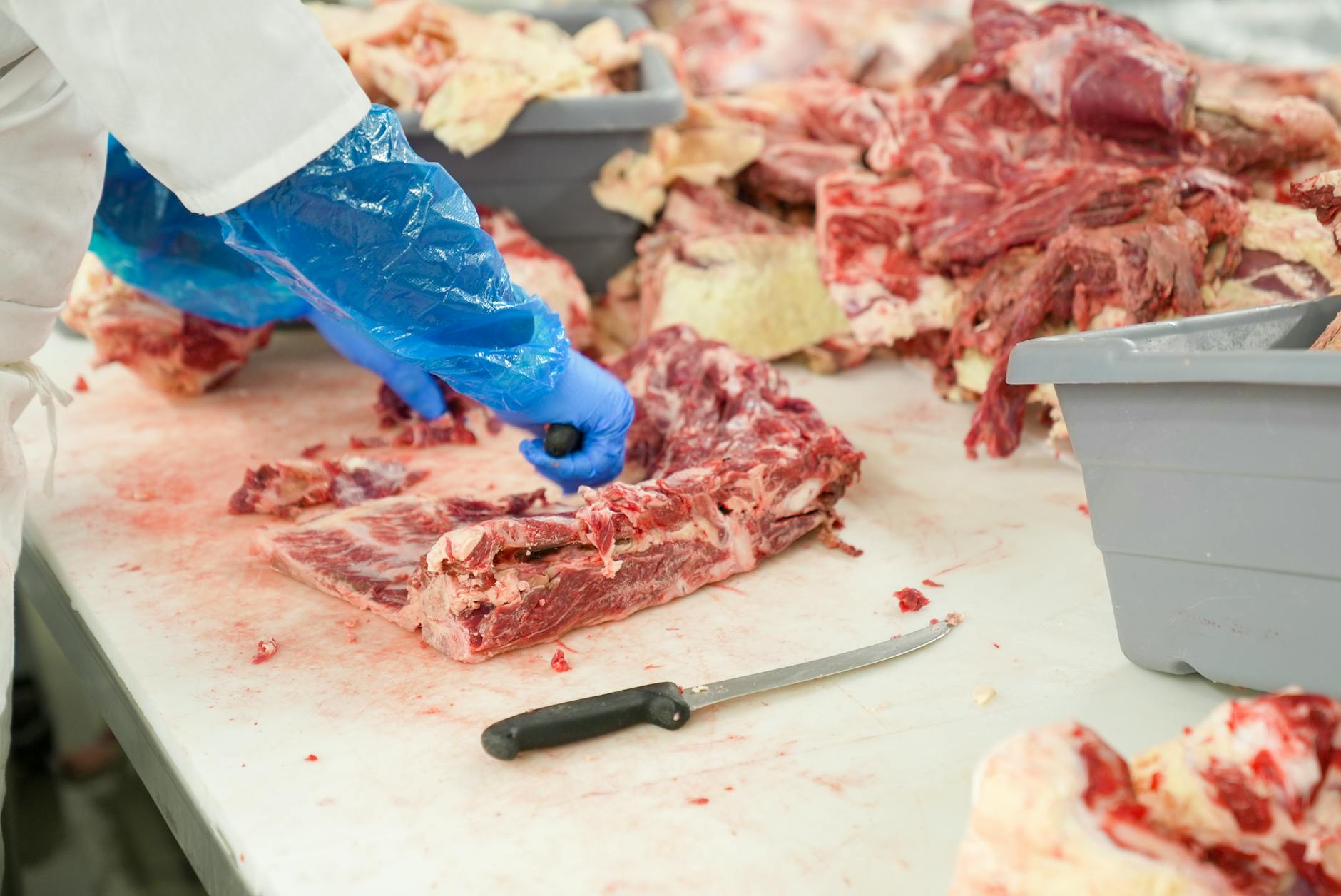
Raw or cooked meat scraps contain fats and proteins that combine to form dense clogs. The material decomposes inside pipes producing strong odors and bacterial growth. Fibrous tissues wrap around blades while fats solidify further down the line. Limiting meat waste to trash bags avoids multiple layers of plumbing problems.
Banana Peels
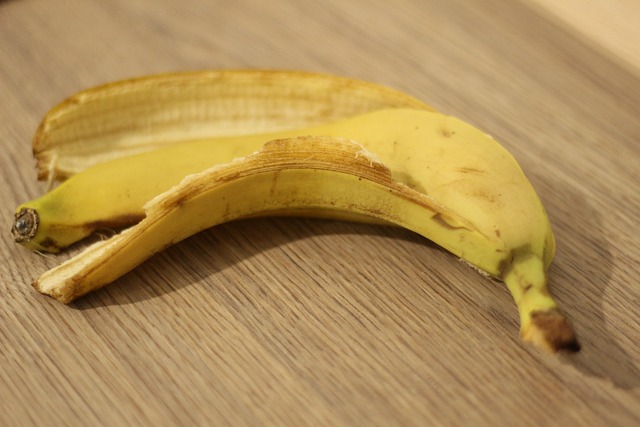
Banana peels are slippery yet fibrous and break into stringy pieces during grinding. These strands tangle in the disposal and extend into pipes creating net like traps. The peels also release starches that contribute to sticky buildup. Consistent avoidance prevents both immediate jams and gradual flow reduction.
Citrus Peels
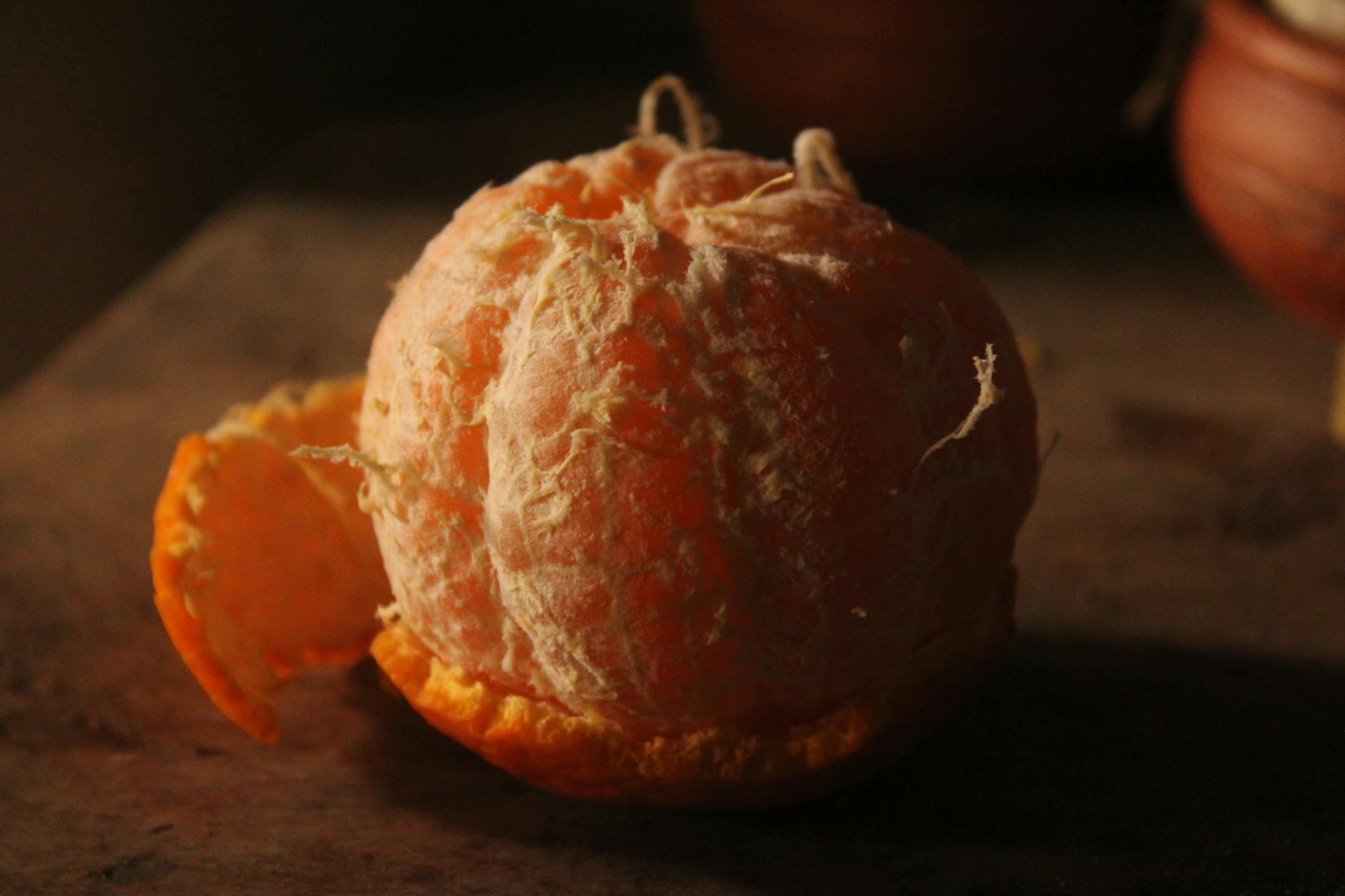
Citrus peels contain oils that coat pipes and resist water breakdown. The pithy interior breaks into fibrous chunks that combine with other waste. Acids in the peels can also corrode older metal pipes over time. While they add temporary freshness the long term damage outweighs any benefit.
Bread

Bread and dough products absorb water and expand into doughy masses inside the system. These clumps stick to pipe walls and harden as they dry creating solid barriers. Even small amounts contribute to cumulative buildup especially in curved sections. Trash disposal keeps the plumbing clear and functional.
Pumpkin
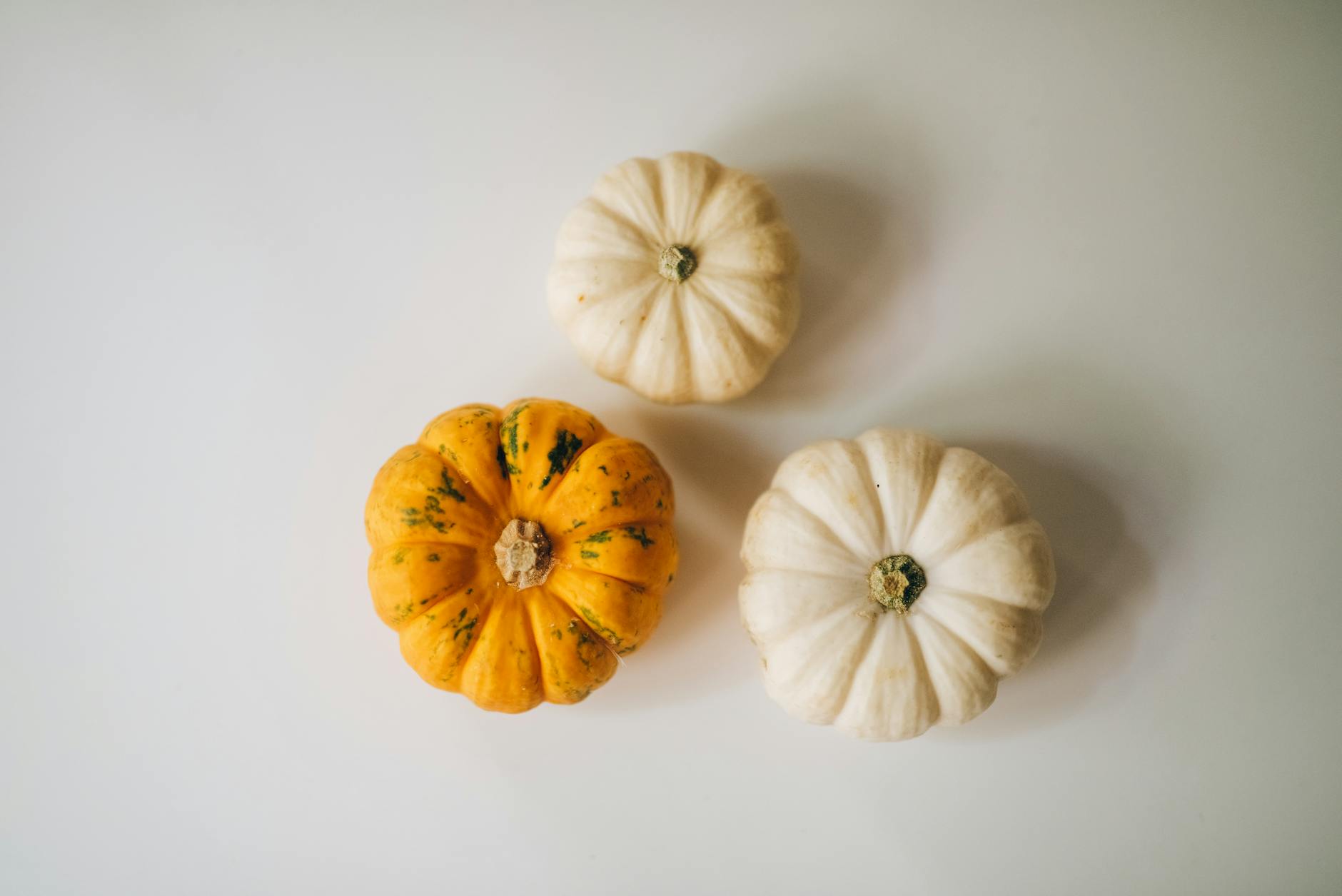
Pumpkin flesh and strings are fibrous and starchy creating thick pastes when ground. The material clogs both the disposal and downstream pipes quickly. Seasonal large quantities amplify the problem leading to immediate backups. Avoiding disposal use during holidays prevents emergency service calls.
Avocado Skins
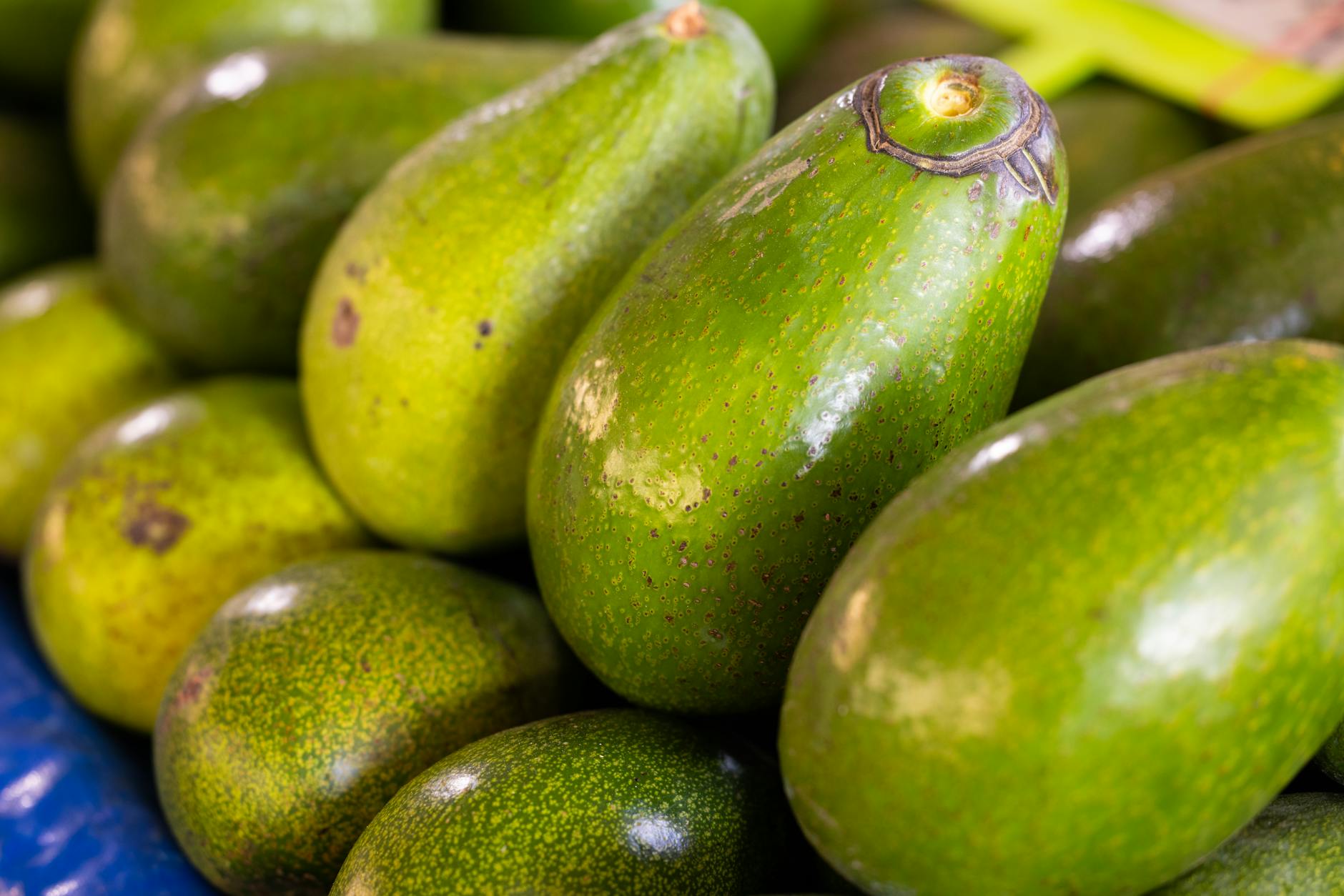
Avocado skins are tough and leathery resisting complete breakdown in the disposal. Fragments travel into pipes where they trap grease and other debris. The oily residue from the fruit adds to coating effects inside the plumbing. Proper trash disposal maintains smoother operation year round.
Seafood Shells
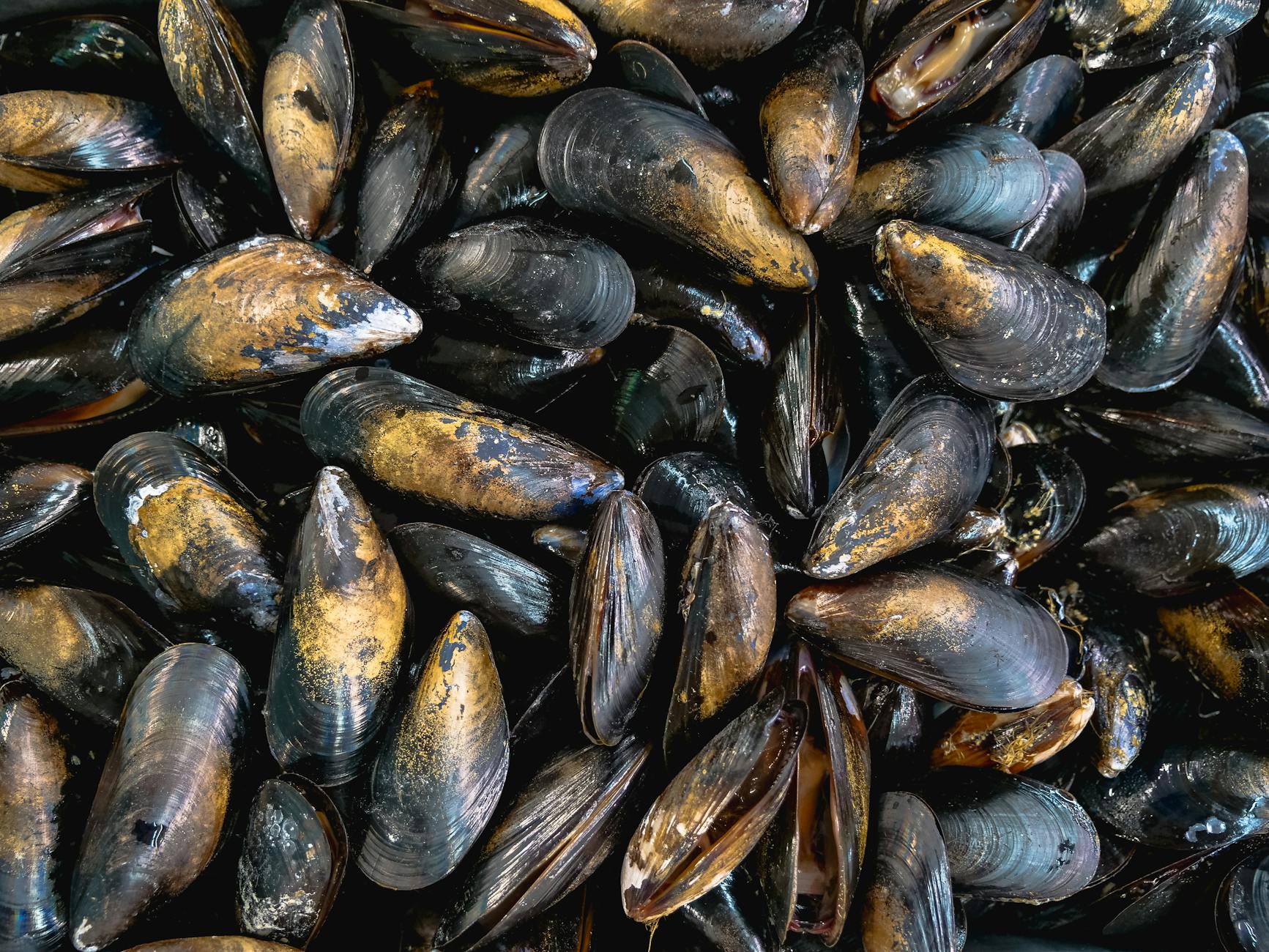
Shrimp shells crab shells and similar hard materials damage blades with their sharp edges. They splinter into fragments that lodge in pipes creating abrasive blockages. The organic matter also decomposes producing unpleasant odors in the kitchen. Trash separation protects both the appliance and entire drain system.
Cheese
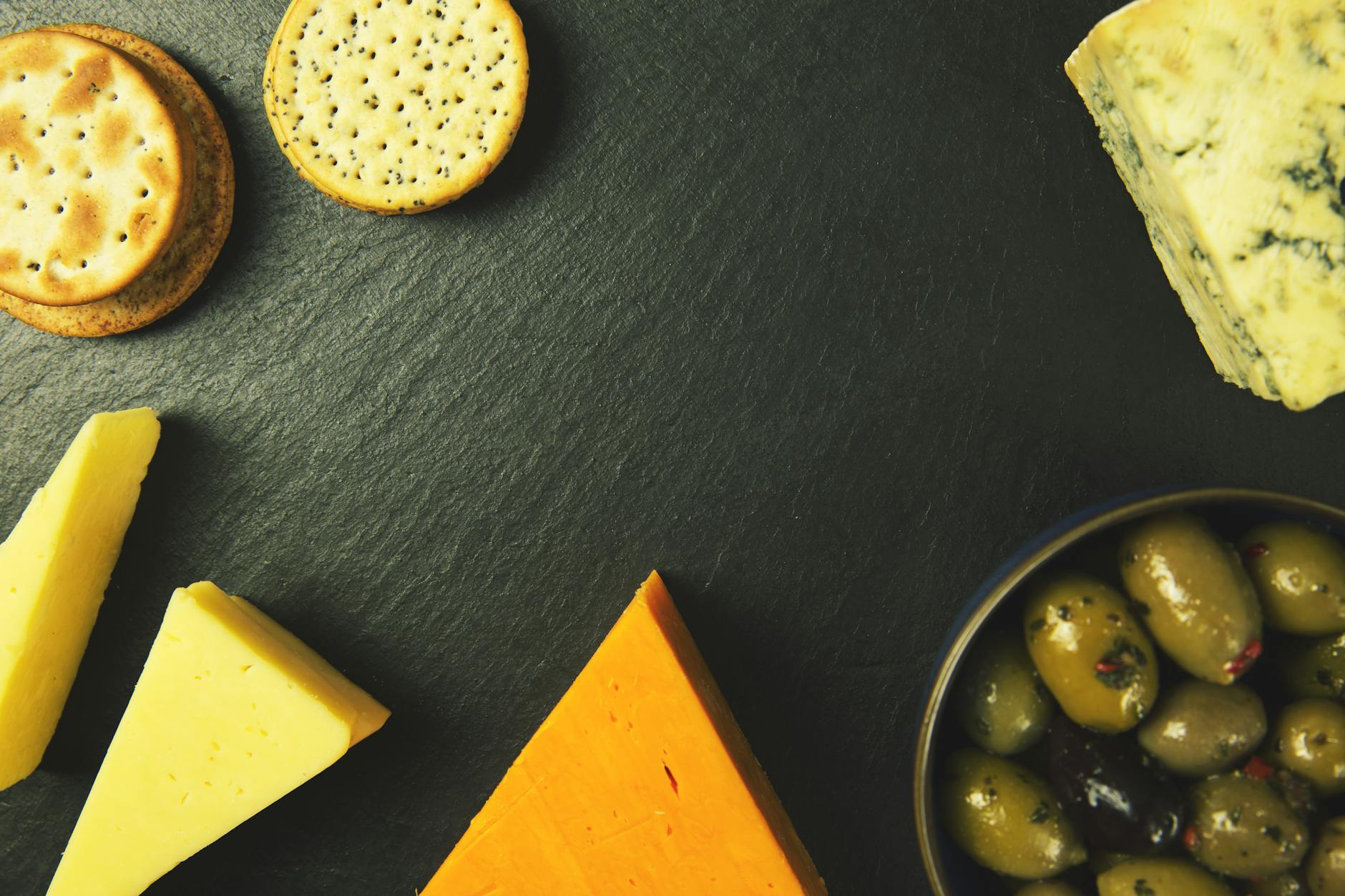
Cheese melts under friction then resolidifies in cooler pipe sections forming waxy plugs. The sticky texture traps additional particles accelerating clog development. Even small shreds contribute to buildup over repeated uses. Keeping cheese waste out of the disposal prevents recurring slow drain issues.
Popcorn Kernels
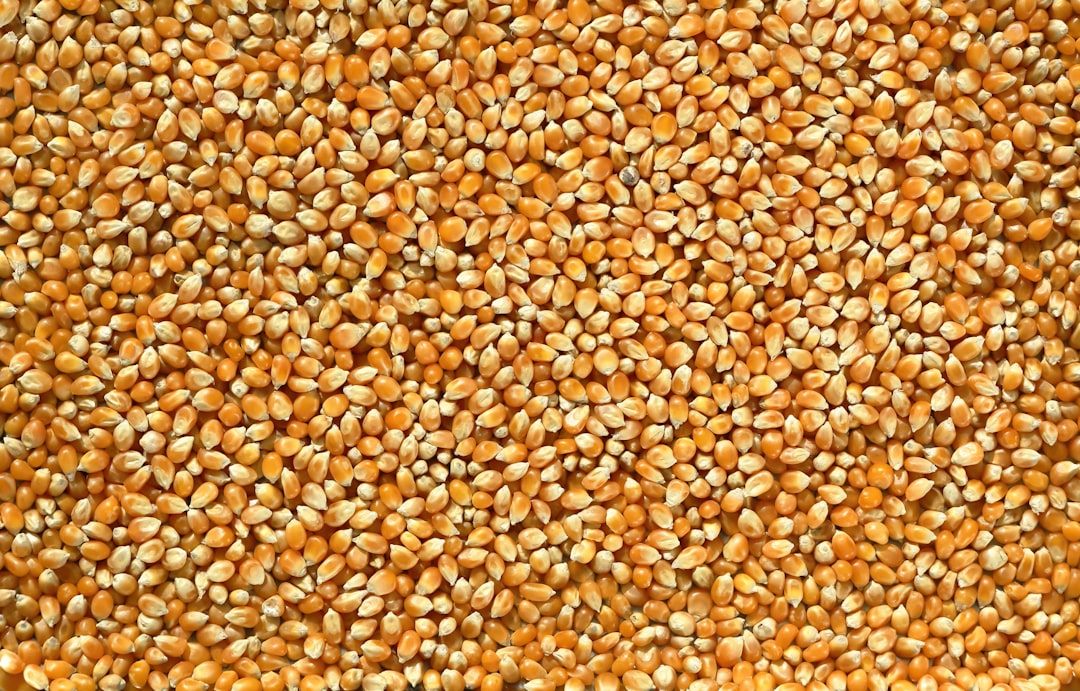
Unpopped popcorn kernels are hard and dense resisting the grinding action completely. They bounce around damaging blades and eventually lodge in narrow pipe sections. The accumulation creates random but persistent restrictions. Simple trash disposal eliminates unnecessary wear and potential emergencies.
Tea Bags
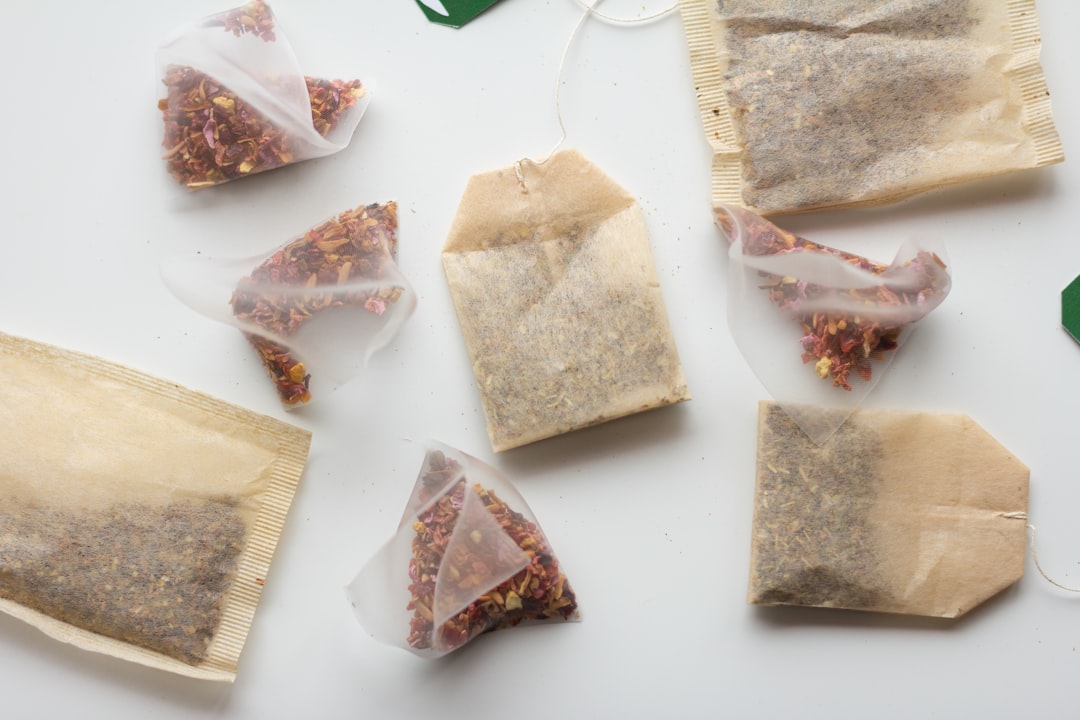
Tea bags contain fine leaves and paper materials that escape into the pipes. The contents settle and combine with moisture to form sludge layers. Strings from the bags wrap around components adding to mechanical strain. Avoiding disposal use keeps the system free from these lightweight yet problematic particles.
Paper Towels
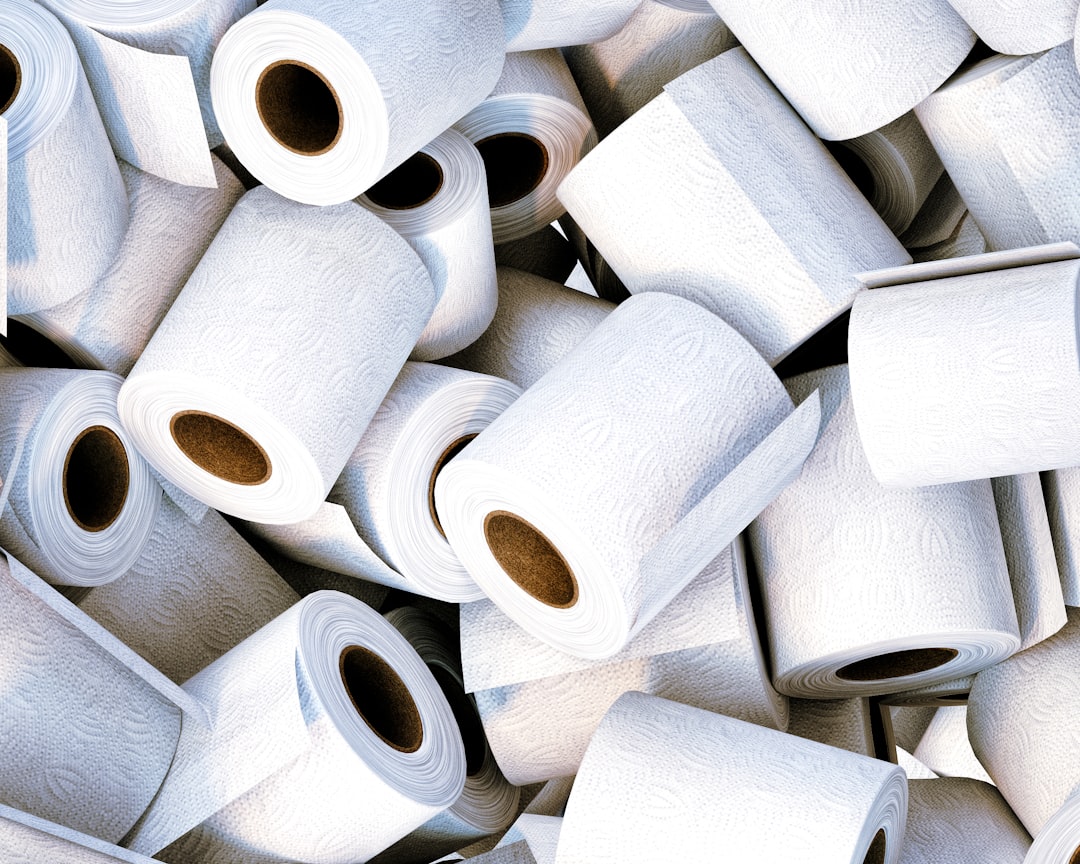
Paper towels and napkins do not dissolve like toilet paper and instead break into fibrous clumps. These pieces absorb grease and expand creating thick obstructive layers in pipes. The material also strains the disposal motor during processing. Trash disposal remains the only safe option for these items.
Plastic
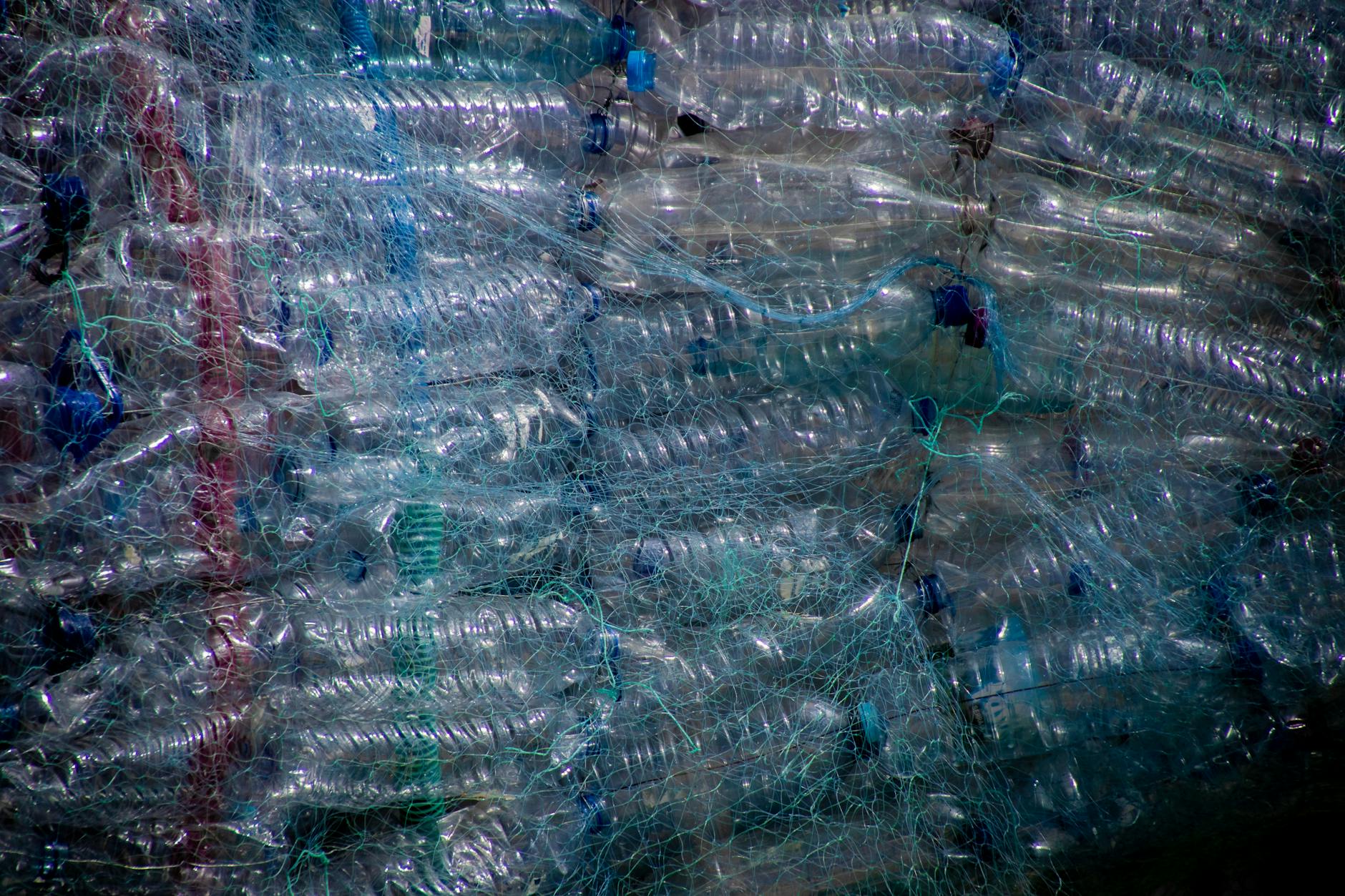
Any plastic wrap twist ties or small utensils accidentally dropped into the disposal cause immediate damage. They wrap around blades halting operation and can crack the housing. Fragments then travel into pipes creating permanent blockages. Careful inspection before running the unit prevents such accidents.
Paint
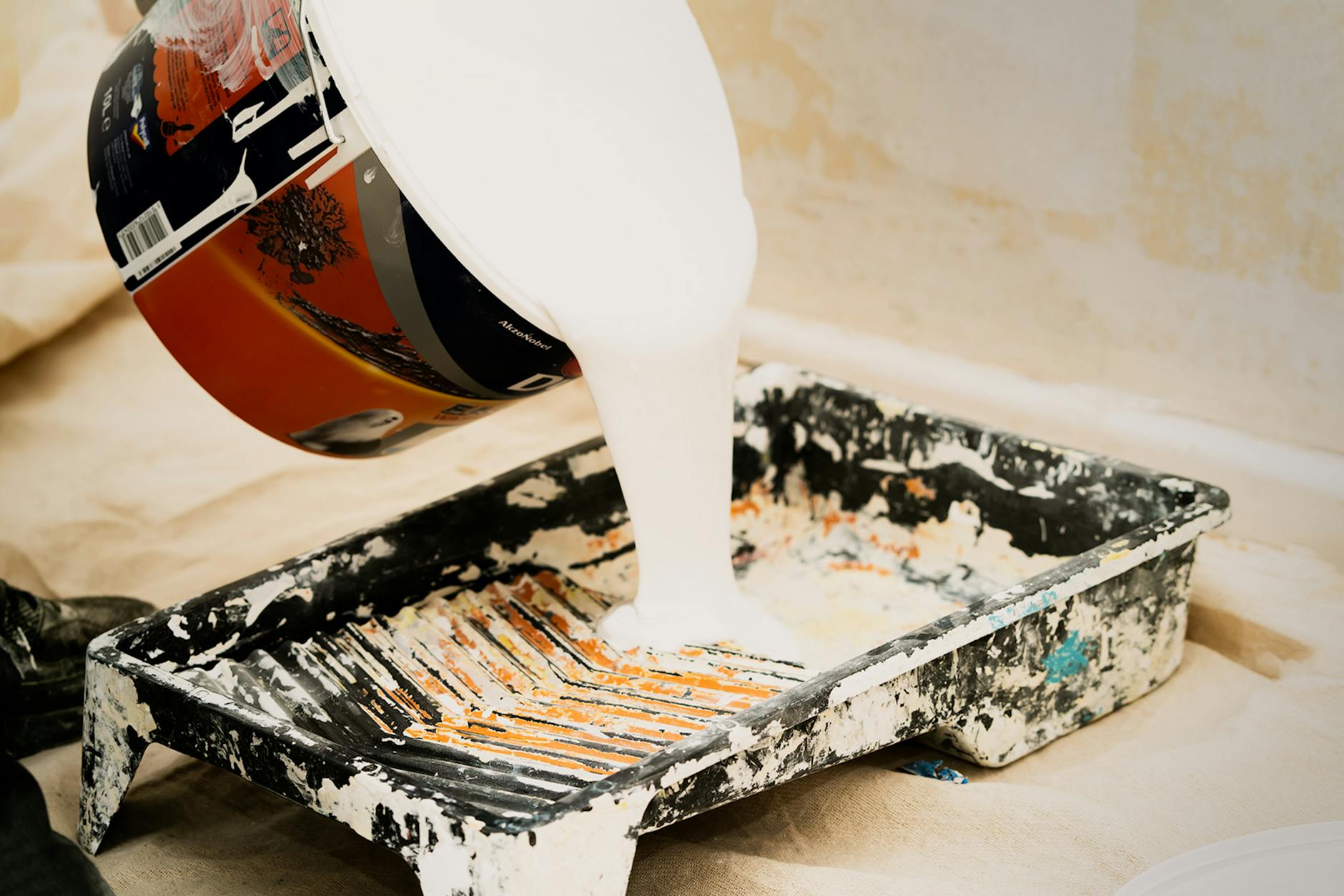
Paint residues even in small amounts solidify inside pipes forming rock hard deposits. The chemicals can corrode metal components and contaminate the entire system. Water based varieties still create buildup that resists normal cleaning methods. Proper disposal through hazardous waste channels protects plumbing integrity.
Medications
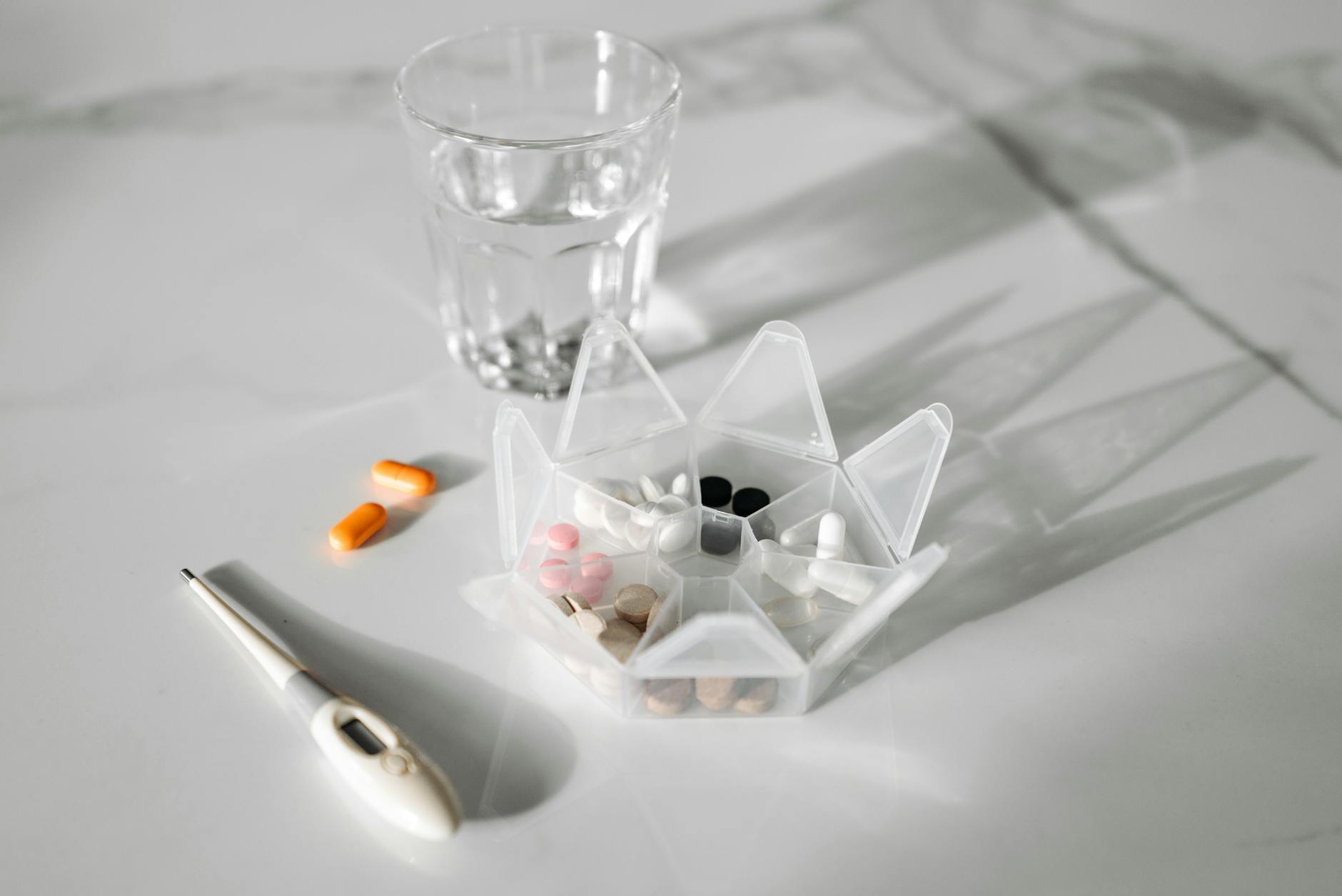
Expired pills and liquids introduce chemicals that damage pipe materials over time. They do not break down and can create localized blockages or reactions with other waste. Environmental concerns also arise from improper drainage into water systems. Designated take back programs offer safer disposal alternatives.
Kitty Litter
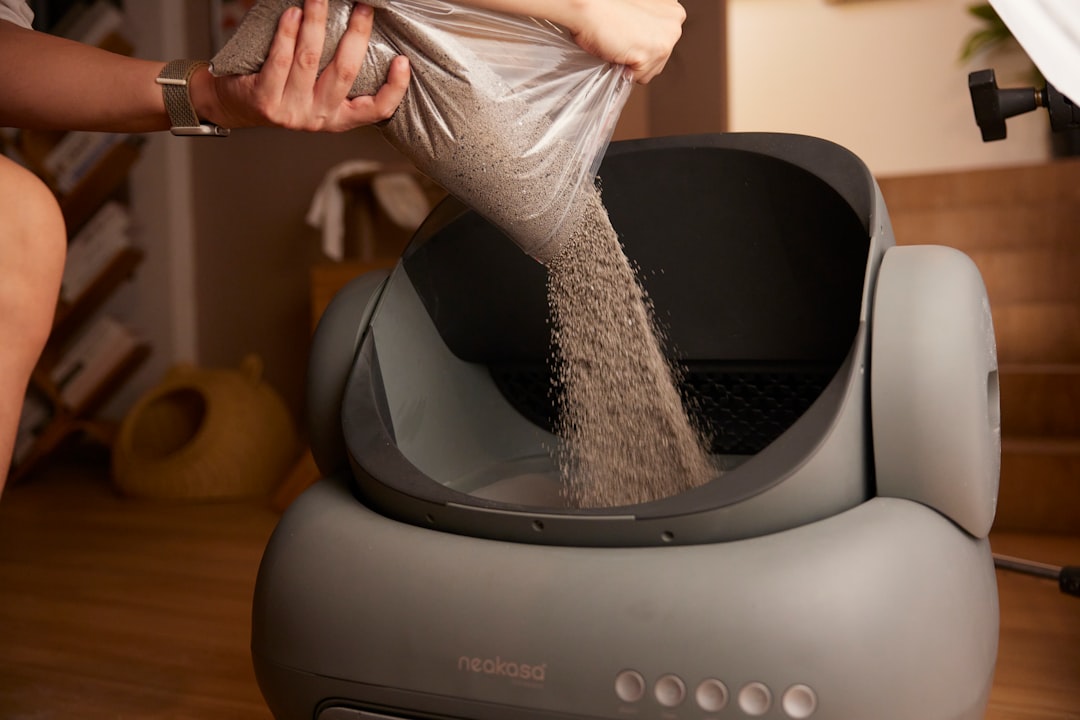
Clay based kitty litter absorbs water and expands into cement like masses inside pipes. The fine particles create abrasive sludge that wears down components. Even clumping varieties contribute to rapid clog formation. Trash disposal prevents expensive plumbing replacements and repeated service calls.
Cigarette Butts
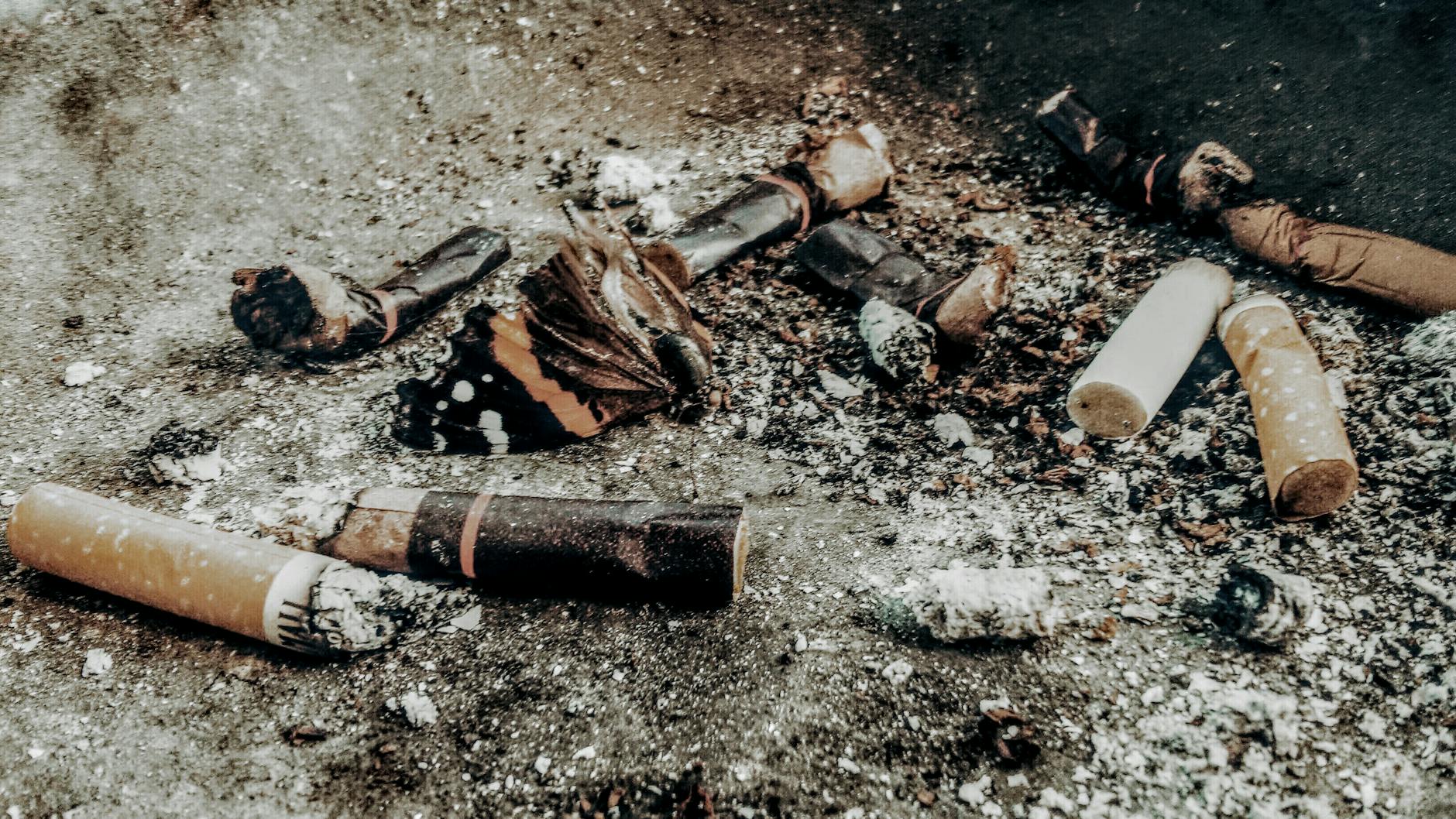
Cigarette filters contain non biodegradable materials that accumulate in the disposal and pipes. Tobacco residues add sticky buildup and unpleasant odors to the system. The filters resist breakdown and trap other debris effectively. Proper trash disposal maintains cleaner operation and reduces maintenance needs.
Hair
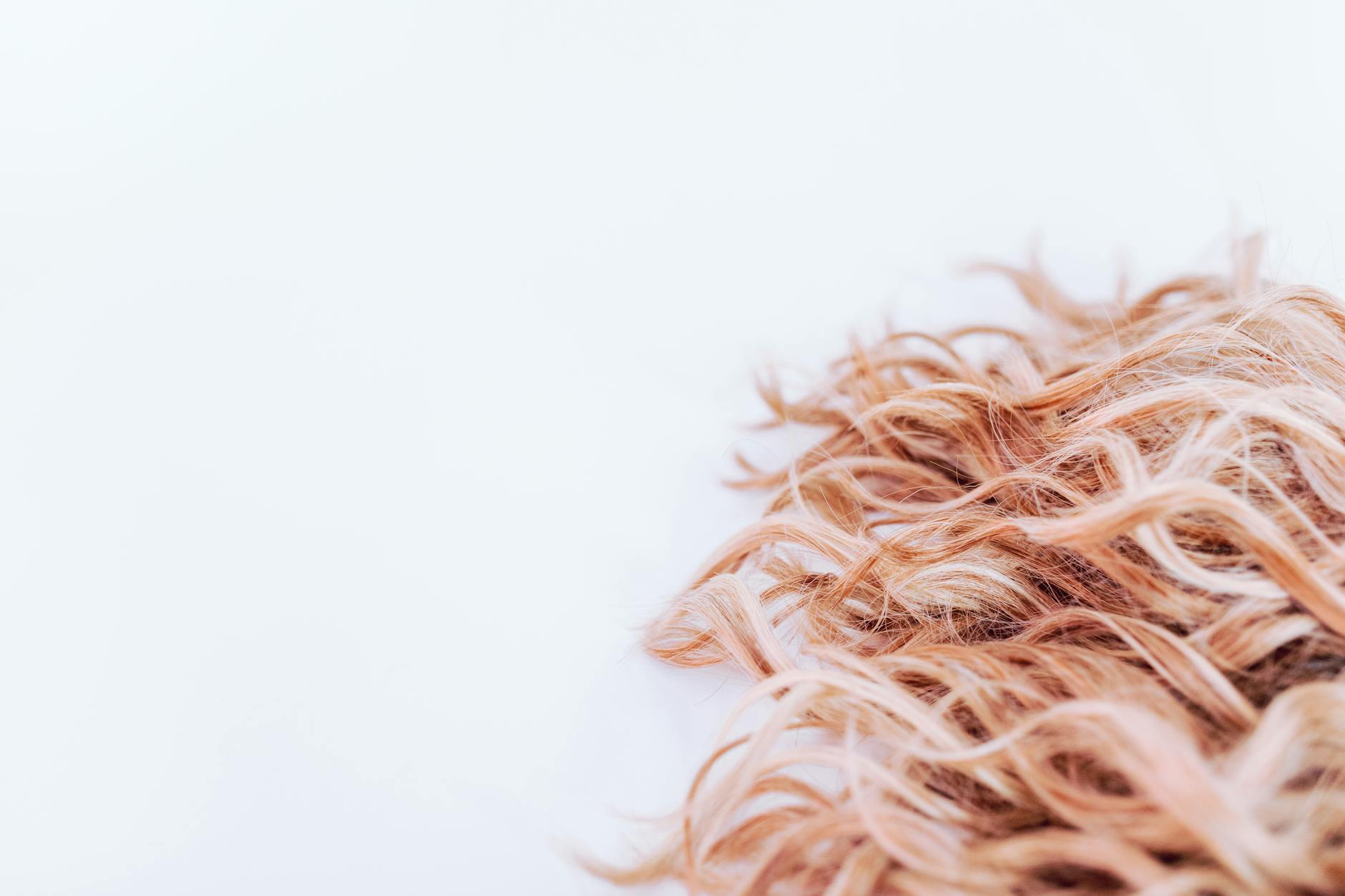
Hair from cleaning brushes or pet grooming wraps around blades similar to fibrous foods. It travels into pipes creating net like structures that catch grease and particles. Accumulation leads to slow drains and eventual complete stoppages. Separate disposal in trash avoids these common yet persistent issues.
Diapers
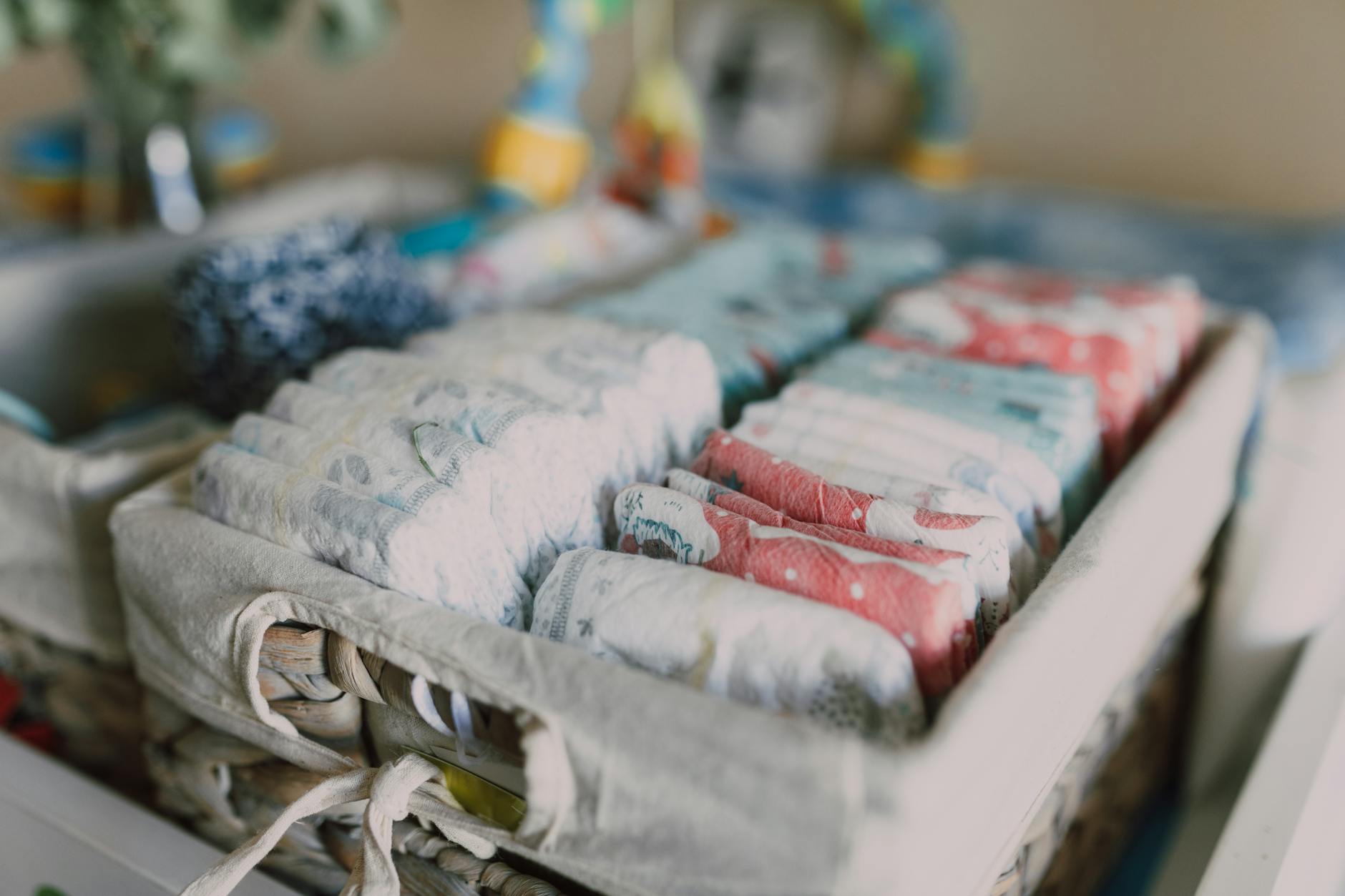
Disposable diapers contain super absorbent polymers that swell dramatically with moisture. The materials expand and create massive blockages throughout the plumbing line. Plastics and fibers add layers of permanent obstruction. Trash disposal is essential to prevent catastrophic pipe damage and costly repairs.
What kitchen item surprised you most on this list share your experiences in the comments.