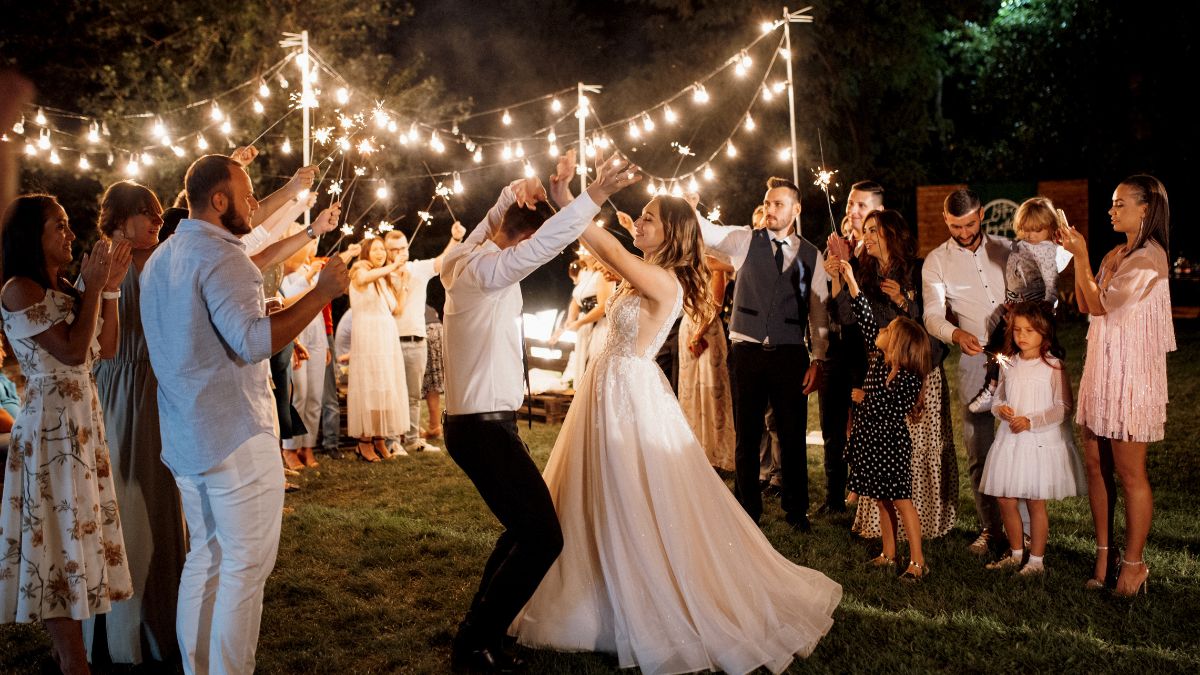
Wedding planning can bring out unexpected sides of even the most grounded people, and for some bridesmaids, the breaking point arrives not at the altar but somewhere in the chaos leading up to it. From extreme appearance demands to financial pressure and emotional manipulation, the stories of bridesmaids walking away mid-wedding reveal just how much tension can build beneath the surface of a celebration. These real-world situations shed light on the boundaries that matter most when relationships are tested by one of life’s biggest events.
Spray Tan Mandate

A bride required every bridesmaid to get a professional spray tan exactly 48 hours before the ceremony, specifying a precise shade that matched her vision for the wedding photos. One bridesmaid with a known skin allergy raised concerns multiple times but was repeatedly dismissed by the bride. When she developed a visible reaction after complying under pressure, she quietly gathered her things and left the venue before the reception began. The incident highlighted how physical demands that affect health should never be non-negotiable in a wedding party. What began as an aesthetic preference ended a years-long friendship in a matter of hours.
Hair Length Rule
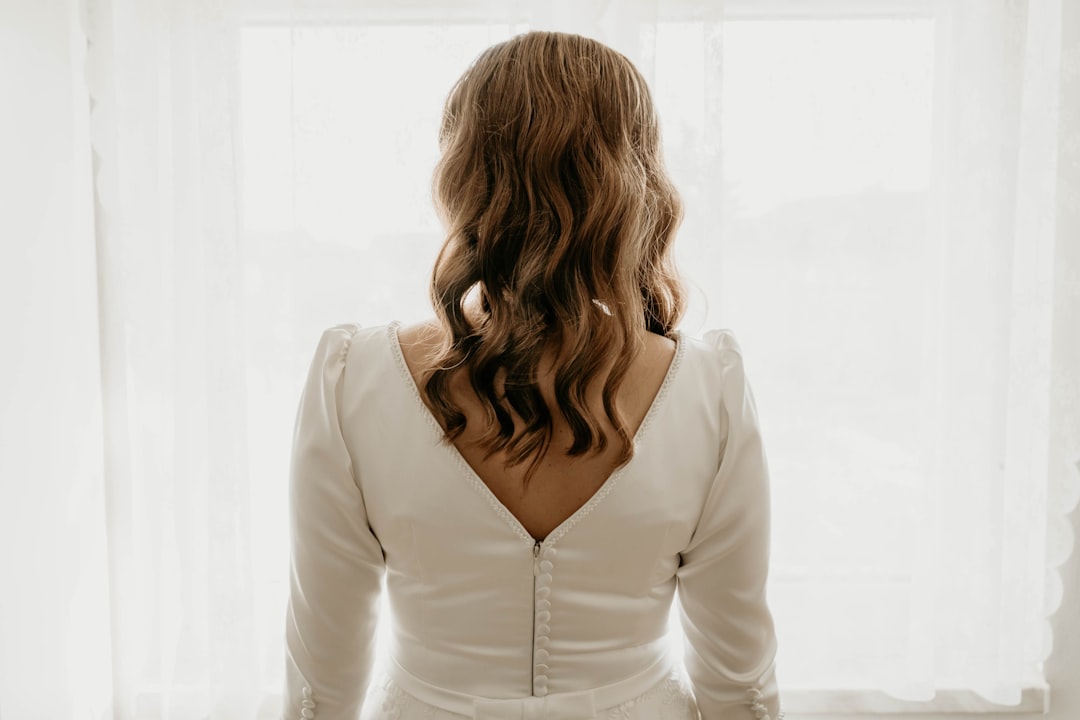
The bride sent a written directive months before the wedding stating that all bridesmaids were required to grow their hair to a minimum shoulder length before the ceremony. One bridesmaid who had recently undergone chemotherapy and was just beginning to see regrowth found the demand deeply insensitive. Despite multiple private conversations attempting to explain her situation, the bride refused to make any exceptions. On the morning of the wedding, after being told she would need to wear a wig to meet the standard, the bridesmaid chose to leave. The situation drew significant attention when it was later shared online and sparked widespread debate about compassion in wedding planning.
Weight Loss Contract
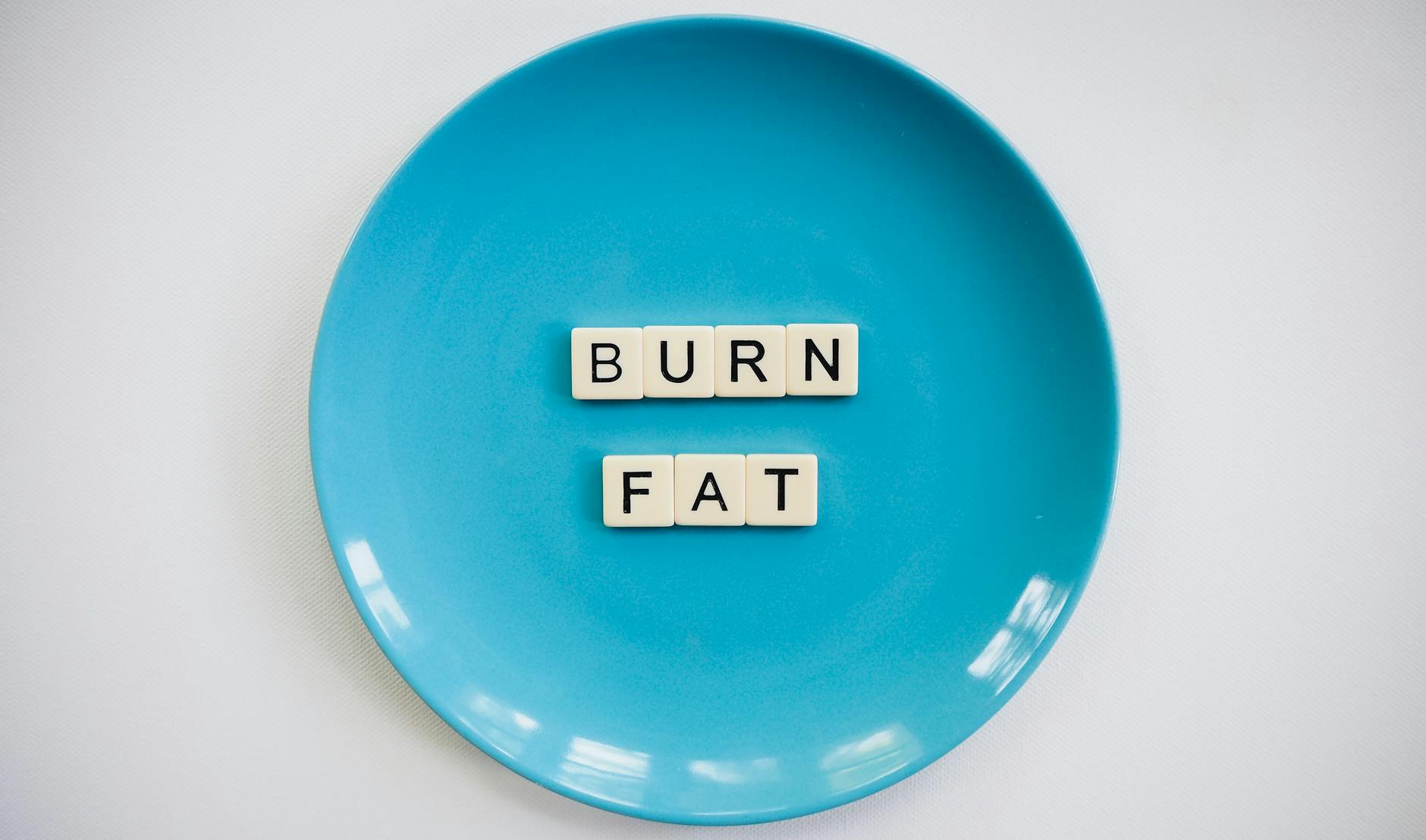
A bride presented her bridesmaids with an informal written agreement outlining expected weight loss goals to be achieved before the wedding date. The document included monthly check-ins and a warning that dresses would only be ordered once targets were met. Several bridesmaids complied under social pressure, but one refused to sign and was subsequently excluded from group fittings. When she arrived at the wedding and was handed an ill-fitting dress with no alterations made, she declined to walk down the aisle. The story became a widely discussed example of how body-related demands cross a clear line in bridesmaid expectations.
Botox Requirement

Before finalizing the bridesmaid lineup, the bride informed two of her older friends that she expected them to get cosmetic procedures to appear more uniform in photographs. She framed the request as a group investment in the overall aesthetic of the wedding. One bridesmaid, unwilling to undergo any medical procedure for cosmetic reasons, attempted to reason with the bride over several weeks. After being told her natural appearance would affect the look of the photos, she withdrew from the wedding party entirely and did not attend the ceremony. The incident raised serious questions about where personal requests end and unreasonable control begins.
Phone Confiscation
The bride hired a coordinator whose first act was to collect every bridesmaid’s personal phone at the start of the wedding morning, placing them in sealed envelopes not to be returned until after the reception. One bridesmaid who was a single mother with a young child at home refused to surrender her device in case of an emergency. The bride sided with the coordinator and insisted the rule applied to everyone without exception. Unable to be unreachable for an entire day, the bridesmaid left before the ceremony began. The policy, intended to minimize distractions, instead created a crisis that removed a key member of the wedding party.
Diet Menu Demand

In the weeks leading up to the wedding, the bride circulated a strict meal plan she expected all bridesmaids to follow in order to fit their dresses and look consistent in photos. The plan excluded entire food groups and was not developed with any medical professional. One bridesmaid managing a chronic health condition found the prescribed diet incompatible with her treatment plan and informed the bride accordingly. Rather than accommodating her, the bride suggested she find a workaround and stick to the plan as closely as possible. The bridesmaid attended the rehearsal dinner but did not return for the wedding day itself.
Matching Tattoo Ask
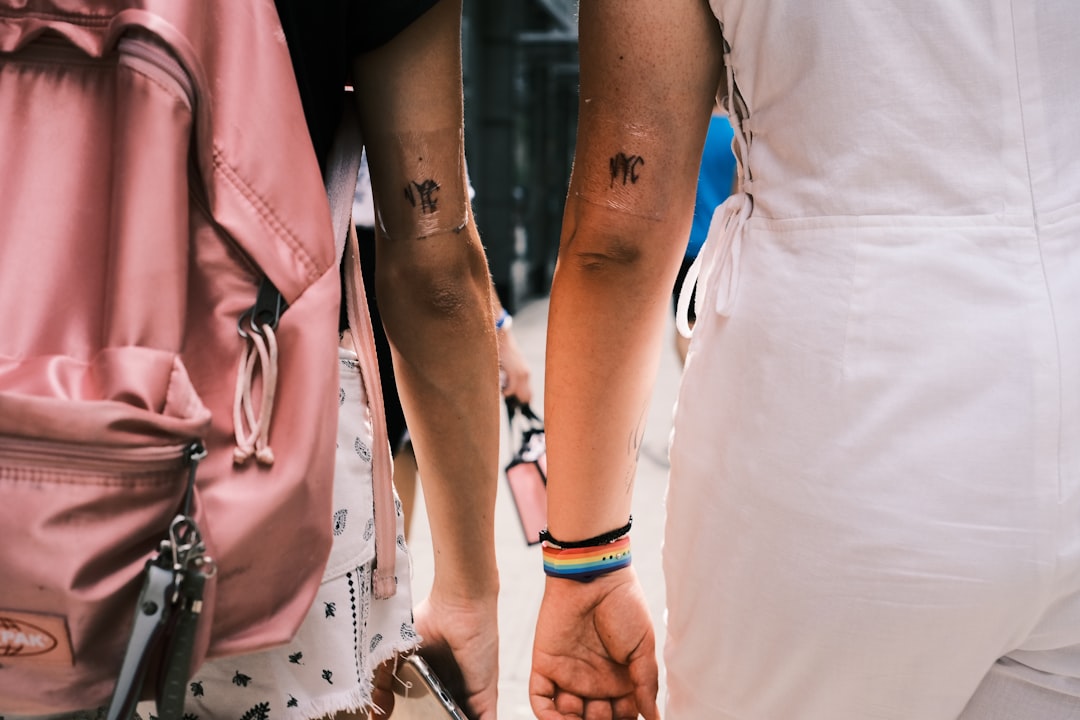
The bride proposed that her four bridesmaids get small matching tattoos as a symbol of lifelong friendship and shared commitment to the wedding. She framed it as a bonding experience and booked a group appointment without first confirming everyone was on board. One bridesmaid had a personal and religious objection to tattoos and felt blindsided by the booking. When the bride refused to cancel the appointment and suggested she could get a temporary version instead, the bridesmaid felt her beliefs had been dismissed entirely. She stepped down from the wedding party that same week and was not replaced before the ceremony.
Accent Coaching Sessions
A bride marrying into a family with strong cultural expectations asked her bridesmaids to attend accent coaching sessions to sound more refined during the ceremony and reception. The sessions were scheduled on weekday evenings and attendance was marked as mandatory by the bride. One bridesmaid who worked night shifts and had no flexibility in her schedule was told she needed to rearrange her work commitments for the sake of the wedding. After weeks of pressure and no workable compromise, she informed the bride she would not be participating further. Her departure left a visible gap in the ceremony that was not addressed until the day of the event.
Dress Code Enforcement
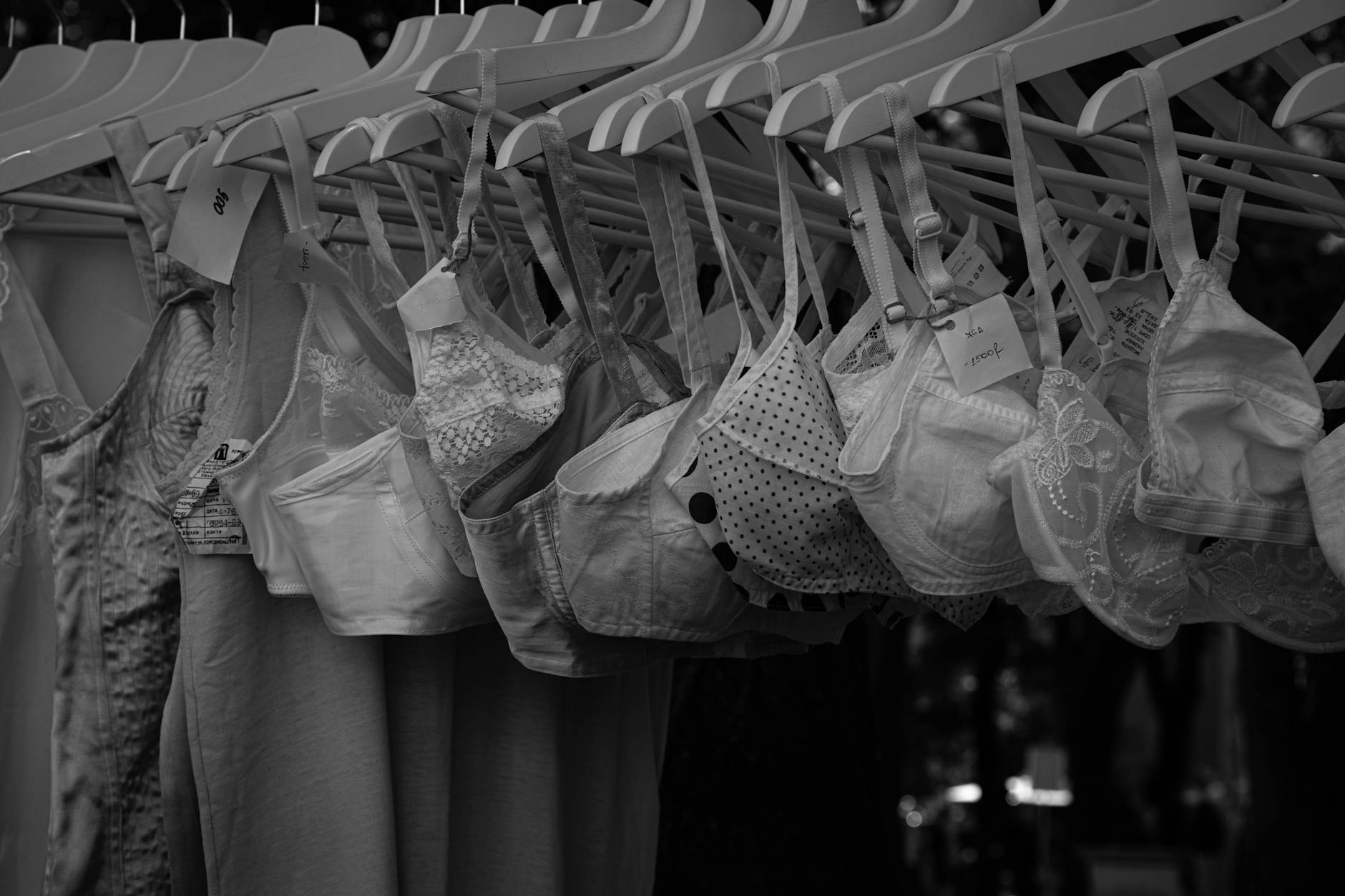
The bride required bridesmaids to wear a specific undergarment brand beneath their dresses and sent each woman a link to purchase it at her own expense. The undergarments were described as essential to achieving the smooth silhouette the bride had envisioned for the photos. One bridesmaid found the garments physically uncomfortable during a fitting and asked whether an alternative brand could be substituted. The bride refused and insisted uniformity was non-negotiable down to what was worn underneath. On the morning of the wedding, unable to tolerate the discomfort for an all-day event, the bridesmaid chose not to continue.
Social Media Freeze
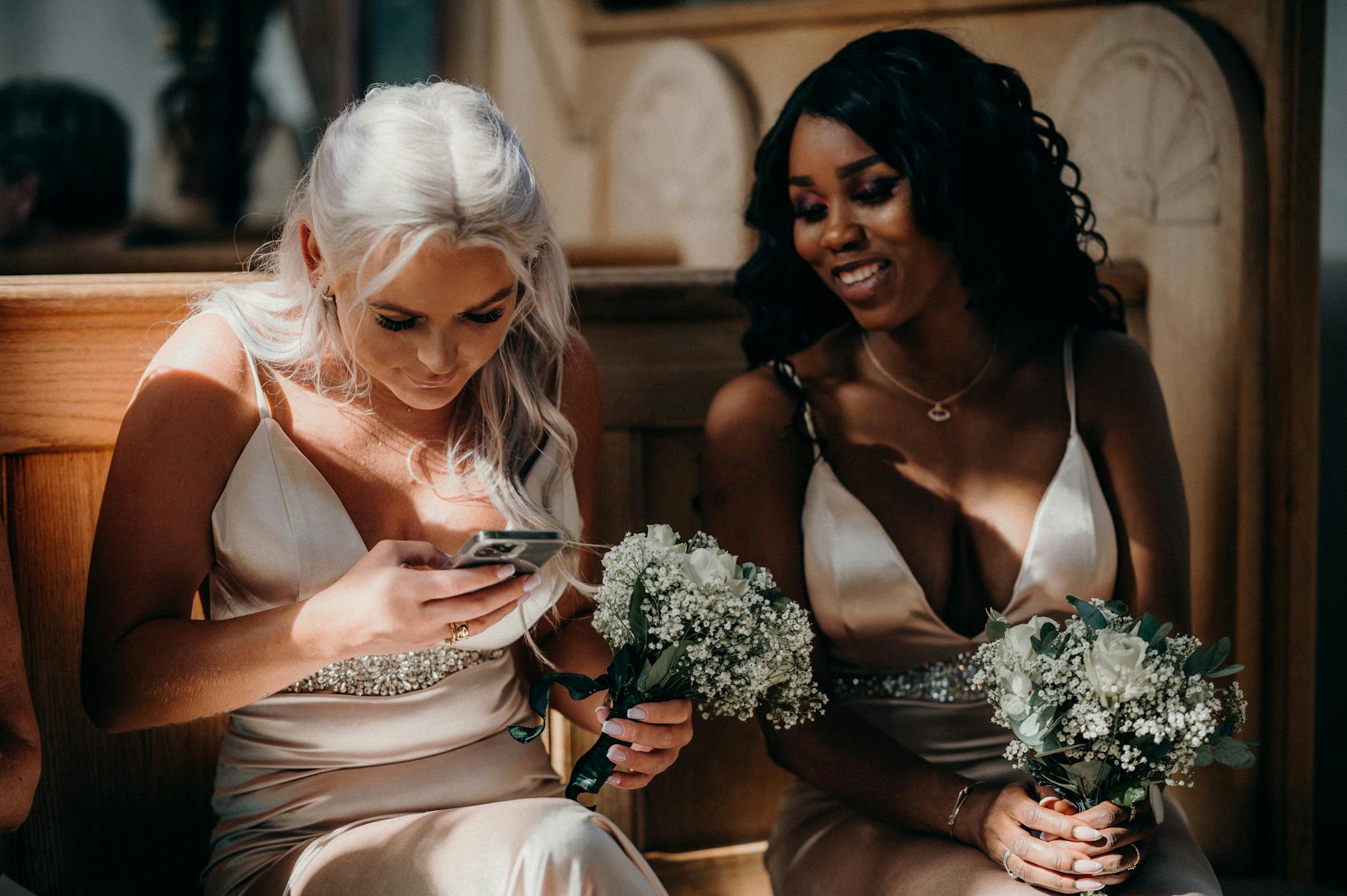
Two weeks before the wedding, the bride issued a directive banning all bridesmaids from posting any personal content on social media until after the official wedding photos were released by the photographer. The freeze was intended to preserve the visual narrative the bride had planned but extended well beyond wedding-related content. One bridesmaid who ran a small business that depended on daily social media activity found the restriction professionally damaging. After the bride refused to adjust the terms or allow any exception for business content, the bridesmaid withdrew from the wedding party. The demand, initially framed as a small ask, proved far more consequential than the bride had anticipated.
Childcare Denial
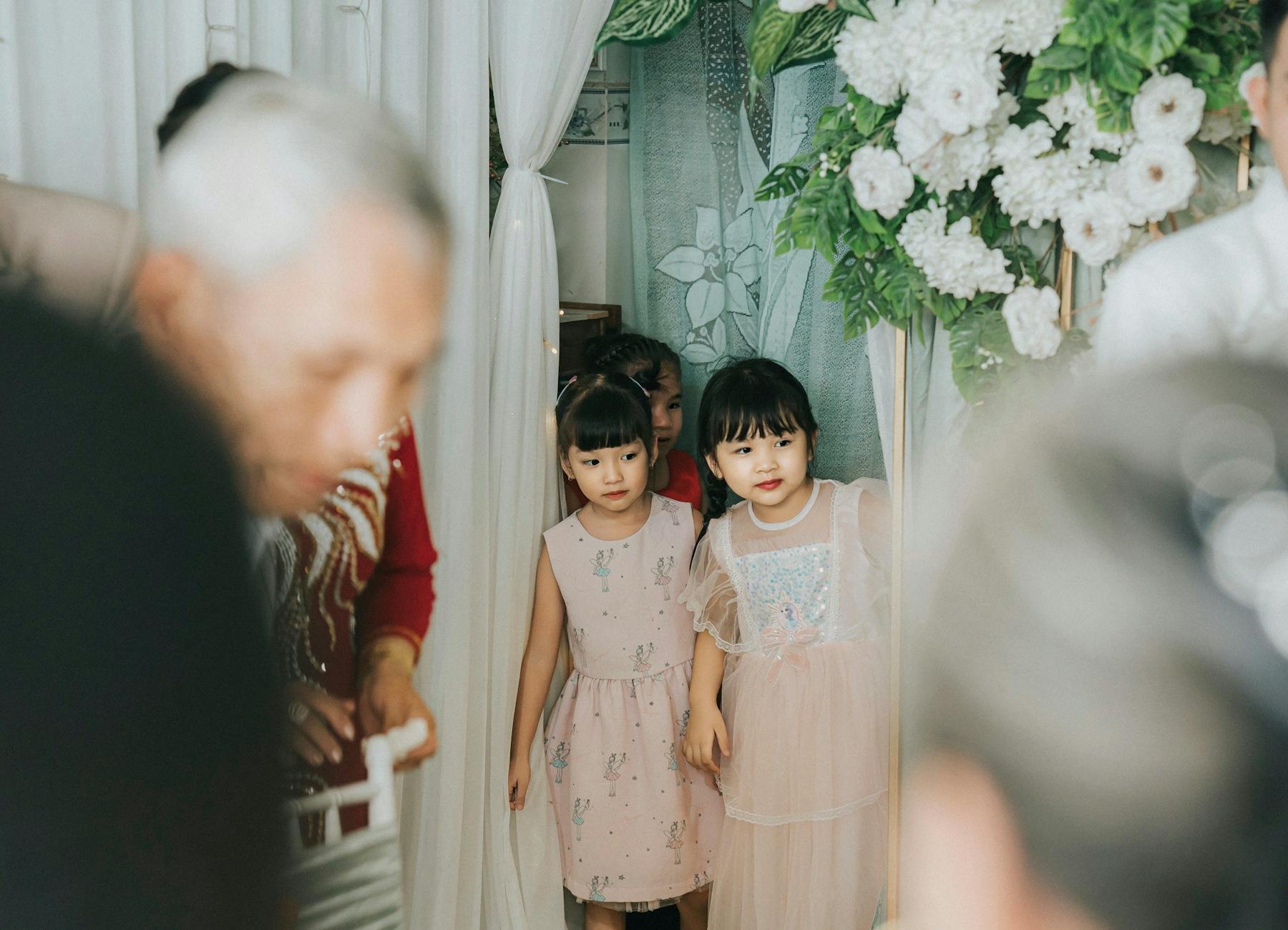
The bride announced that no children would be allowed at any wedding-related event including the getting-ready morning, ruling out any possibility of bridesmaids bringing nursing infants or toddlers to the preparations. One bridesmaid who was still breastfeeding her infant had no childcare arrangement that would cover a full day away from home. She approached the bride privately and explained the situation in detail, offering to step outside during any feeding. The bride held firm and suggested she was welcome to attend without her child or not attend at all. Faced with an impossible choice, the bridesmaid chose her infant and did not return to the wedding party.
Breakup Ultimatum
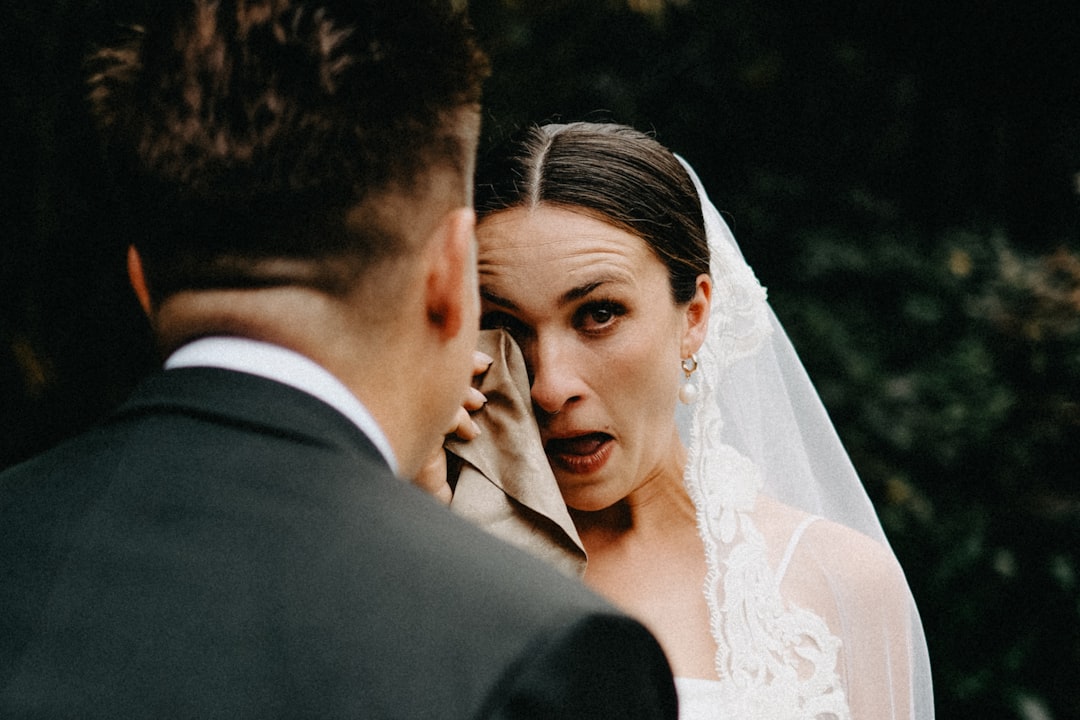
A bride became uncomfortable with the relationship status of one of her bridesmaids, whose boyfriend had previously dated the groom. She made it clear that she expected the bridesmaid to end the relationship before the wedding to avoid what she called unnecessary tension. The bridesmaid was given a private deadline and told her place in the wedding party depended on her compliance. After consulting with the groom privately and learning he had no personal objection to the situation, the bridesmaid refused to comply with the ultimatum. She left the wedding party immediately and later shared her account of the events with mutual friends.
Fake Pregnancy Concealment
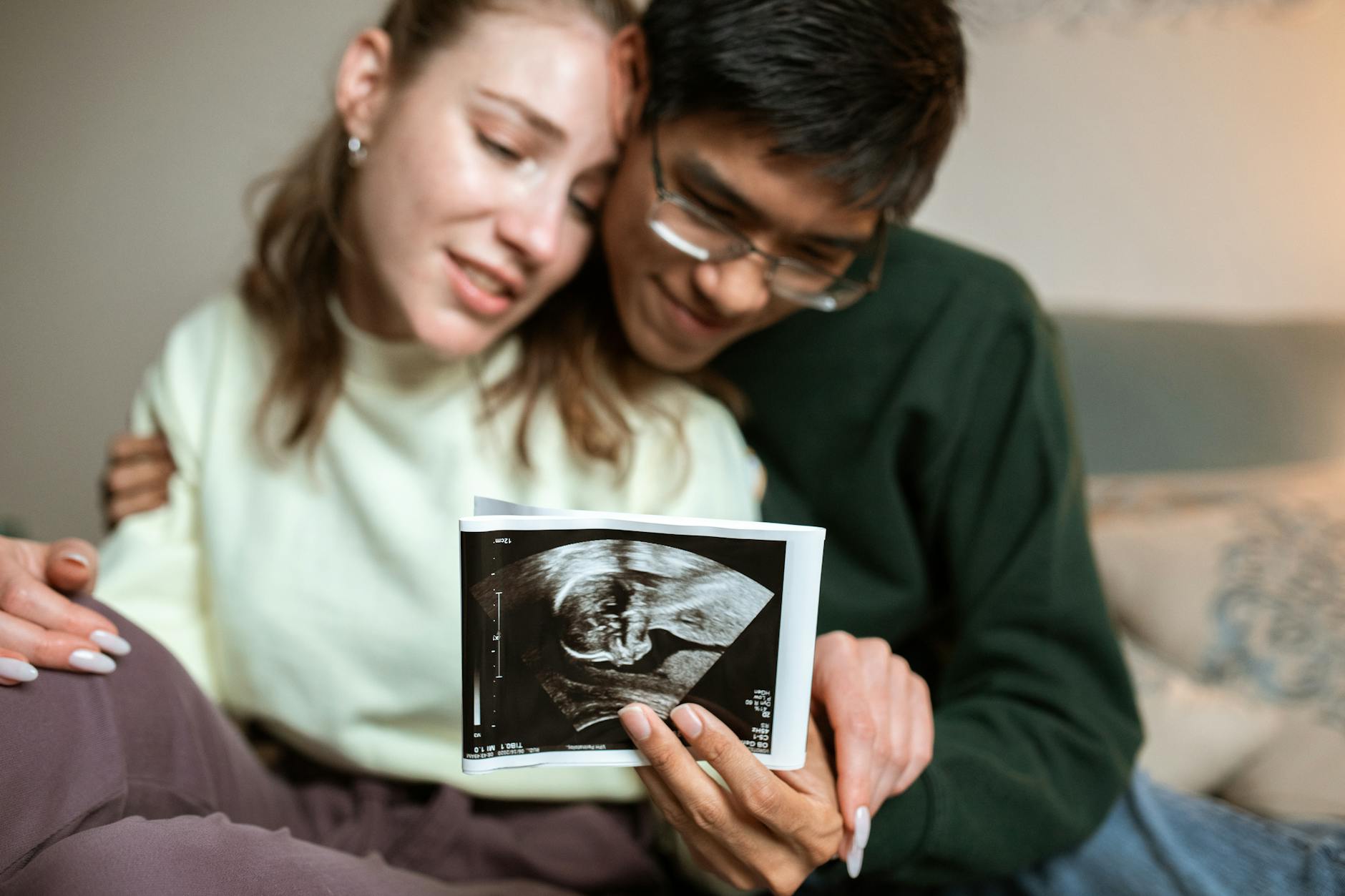
A bridesmaid who was newly pregnant informed the bride in confidence, hoping to discuss how to manage the day comfortably. Rather than offering support, the bride asked her to keep the pregnancy entirely hidden from all guests and to avoid any behavior that might draw attention to her condition. The request extended to avoiding crackers at the reception, excusing herself discreetly during nausea episodes, and not sharing the news with any other bridesmaids. The bridesmaid found the expectation that she conceal a health condition for the sake of the wedding atmosphere deeply troubling. She withdrew from the wedding party the following day and informed the other bridesmaids of her pregnancy on her own terms.
Personality Coaching
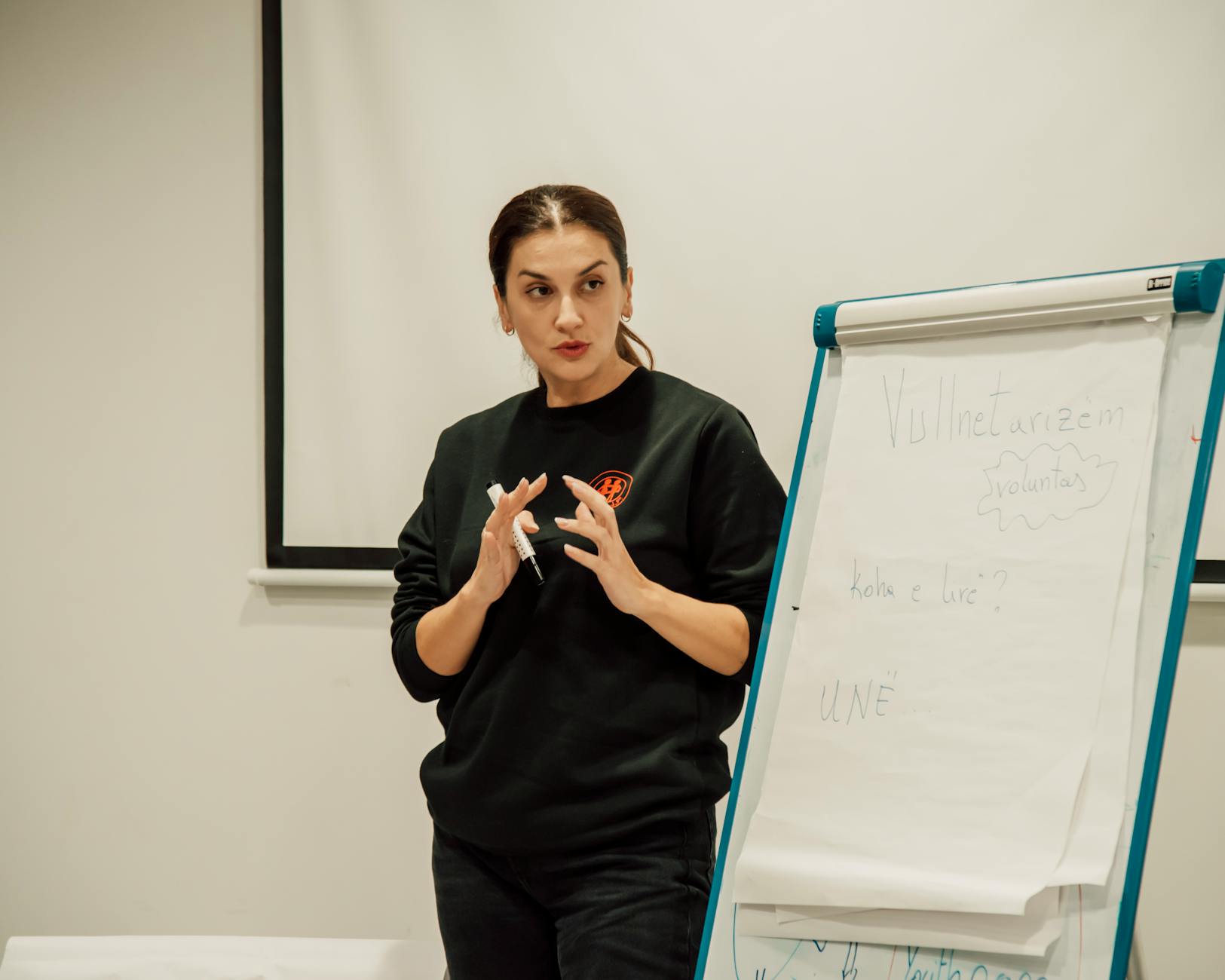
The bride hired a communication consultant to work with her bridesmaids on how to speak, present themselves, and interact with guests in ways that aligned with the image she wanted to project at the wedding. Attendance at three sessions was described as compulsory, and feedback from the consultant was to be taken seriously. One bridesmaid who found the sessions condescending and unnecessary began to push back after the second meeting. When the bride sided fully with the consultant and suggested she had areas requiring significant improvement, the bridesmaid decided she had reached her limit. She exited the wedding party that evening and sent a brief message to the bride explaining her reasoning.
Name Change Demand
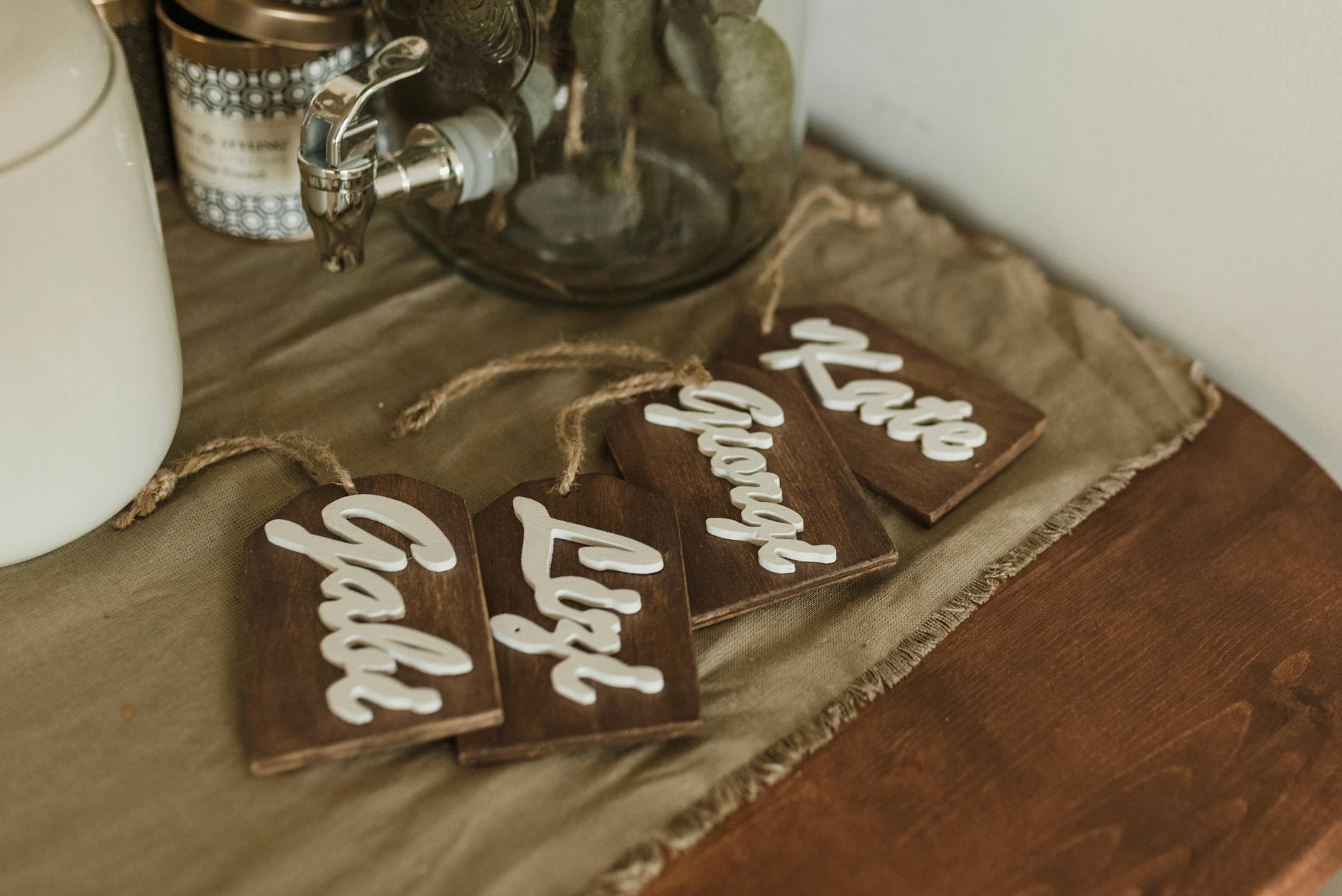
The bride asked one of her bridesmaids to go by a nickname throughout all wedding events because her legal first name was too similar to that of the groom’s former partner. The request was framed as a small and easy accommodation that would prevent awkwardness during toasts and introductions. The bridesmaid, who felt strongly about her name as part of her identity, declined politely and suggested a simple introduction strategy instead. The bride rejected the alternative and maintained that using the nickname was the only acceptable solution. When it became clear no compromise would be reached, the bridesmaid withdrew before the rehearsal dinner.
Matching Fitness Levels
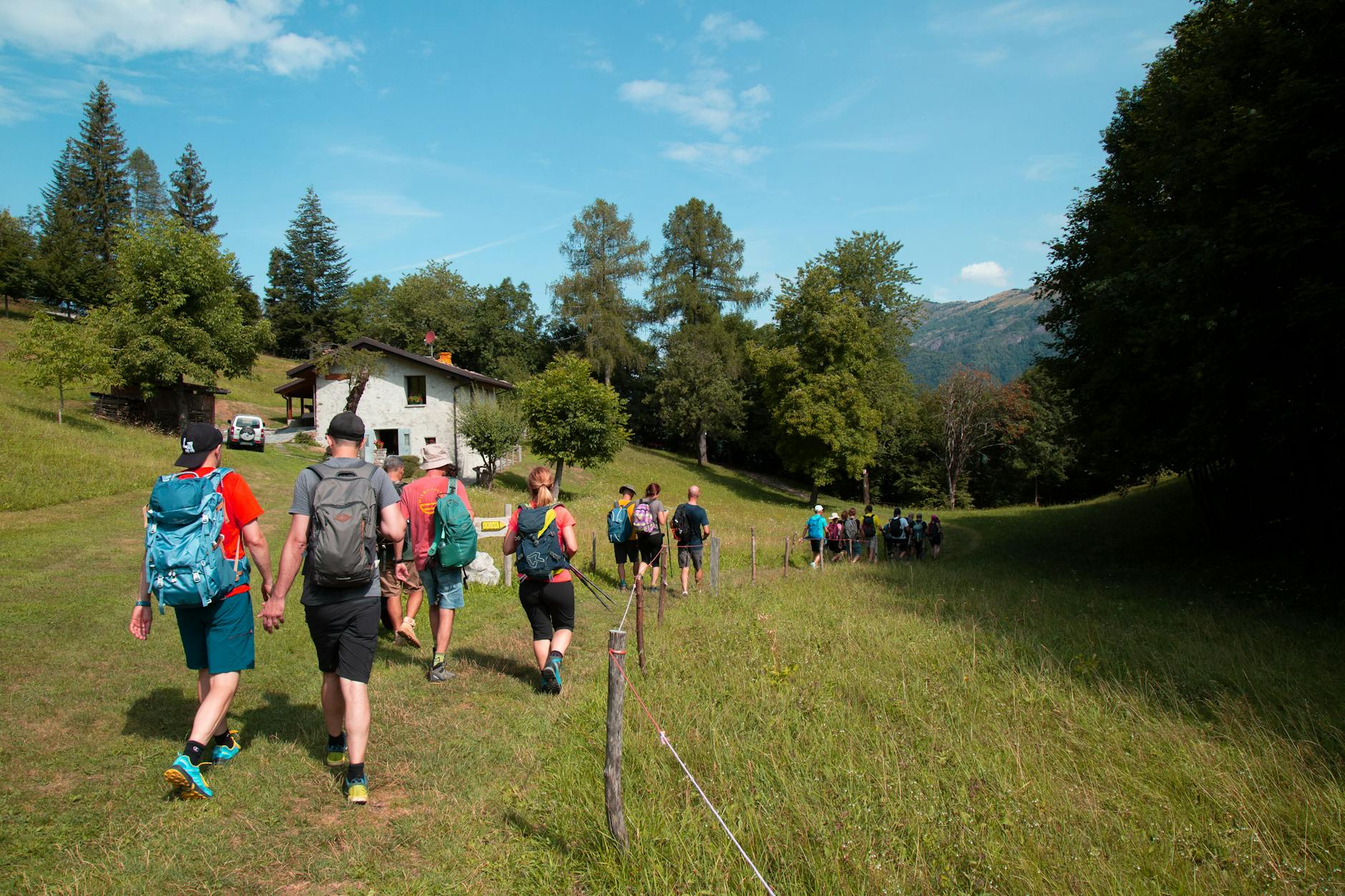
The bride scheduled a series of weekend hikes as pre-wedding bonding activities and made it clear she expected all bridesmaids to complete them without complaint as part of building group cohesion. One bridesmaid with a chronic joint condition had limited physical capacity and requested modified participation or alternative activities. The bride suggested she push through and implied that opting out reflected a lack of commitment to the friendship. After the second hike left the bridesmaid in significant pain, she chose to step back from the wedding party rather than risk further injury. The situation drew attention to how physical expectations in wedding planning often go unexamined.
Dialect Restriction
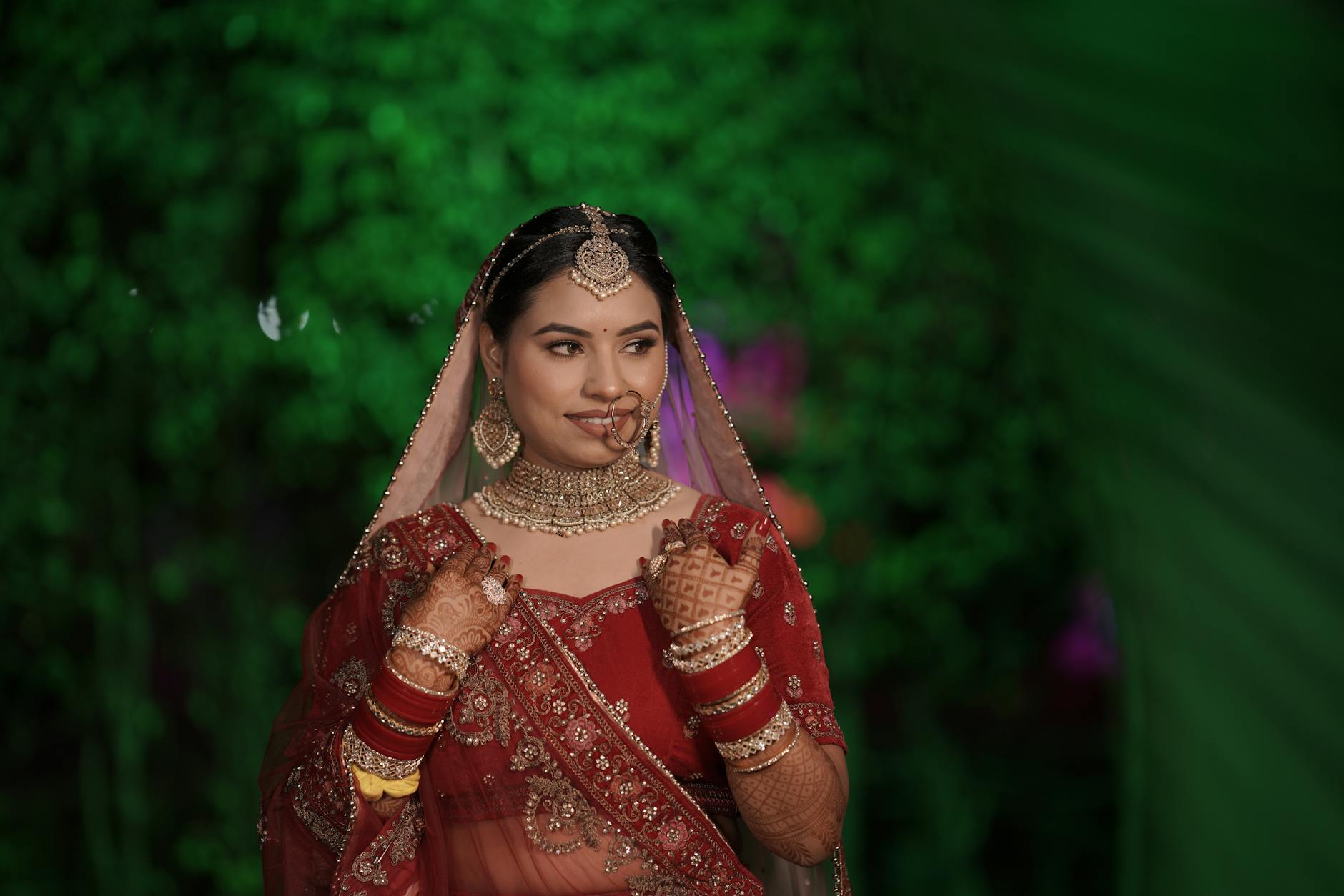
A bride with strong opinions about how her wedding would be perceived asked one of her bridesmaids to avoid using regional expressions or colloquialisms during the ceremony and reception. The request was framed around the presence of international guests and a desire for what the bride described as polished conversation. The bridesmaid, who felt the request targeted her cultural background, asked for clarification on which specific phrases were considered problematic. The bride’s response was vague and sweeping, essentially asking her to adopt a different manner of speaking for the entire day. Finding the request impossible to honor without erasing a significant part of her identity, the bridesmaid declined to participate further.
Friendship Ranking
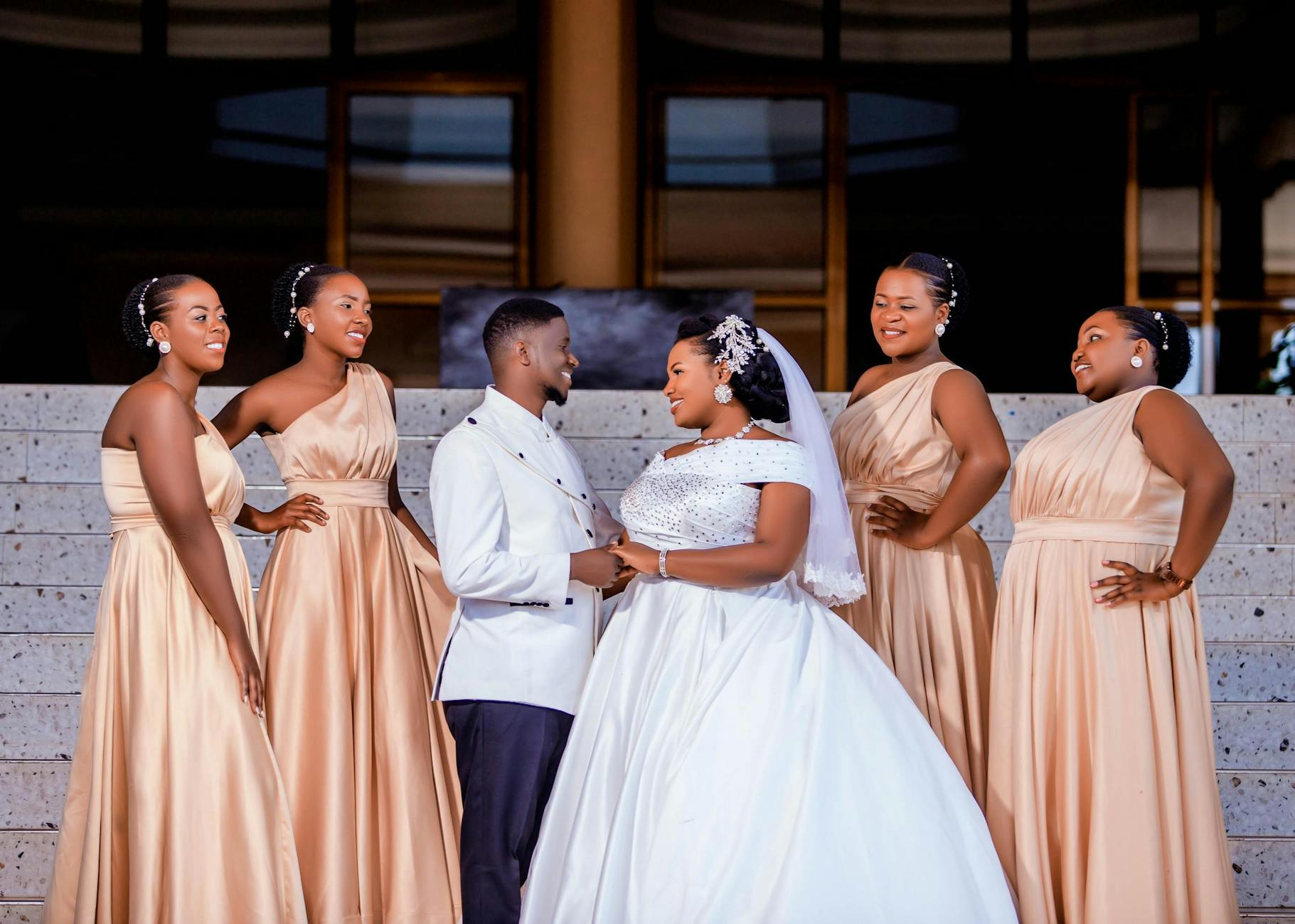
The bride revealed to her bridesmaids that she had ranked them internally by closeness and expected their level of involvement in planning and preparation to reflect that hierarchy. Tasks, levels of access to the bride on the wedding morning, and seating assignments for the getting-ready suite were all distributed according to the ranking. One bridesmaid who had considered the bride one of her closest friends discovered she had been placed near the bottom of the hierarchy with no explanation. The revelation felt humiliating rather than clarifying, and she confronted the bride privately before the ceremony. When the conversation went poorly, she removed herself from the wedding party on the spot.
Crying Prohibition

The bride distributed a half-joking but genuinely enforced memo asking bridesmaids not to cry during the ceremony to preserve their makeup and avoid drawing attention away from the emotional moments between the couple. The rule was reinforced during the rehearsal when the officiant jokingly reminded the wedding party to hold it together. One bridesmaid who had recently lost a close family member found the prohibition emotionally stifling in a space that was meant to celebrate love and connection. When she was quietly reprimanded after becoming emotional during the rehearsal dinner toast, she felt she could no longer participate authentically. She did not return for the wedding day and later wrote about the experience publicly.
Friendship Audit

In the months leading up to the wedding, the bride asked her bridesmaids to distance themselves from certain mutual friends she considered toxic and who had not been invited to the wedding. The request was framed as a show of loyalty during a sensitive time in the bride’s life. One bridesmaid who had a close independent friendship with one of the excluded individuals refused to sever ties outside of the wedding context. The bride escalated the request and suggested that maintaining the friendship was a sign of divided loyalty. When the bridesmaid declined to end the friendship, she was removed from the wedding party and later learned she had also been disinvited from the wedding entirely.
Have you ever witnessed or experienced a bridesmaid walking out of a wedding and what do you think crossed the line in the comments?