For many travelers, the appeal of stepping away from screens and notifications has never been stronger. A digital detox vacation offers the rare chance to reconnect with the physical world, slow down the pace of daily life, and return home feeling genuinely restored. The destinations on this list share a common quality in that they naturally encourage presence, calm, and a break from the constant pull of technology. Whether surrounded by mountains, ocean, or ancient culture, each location creates the conditions for a meaningful reset.
Faroe Islands, Denmark
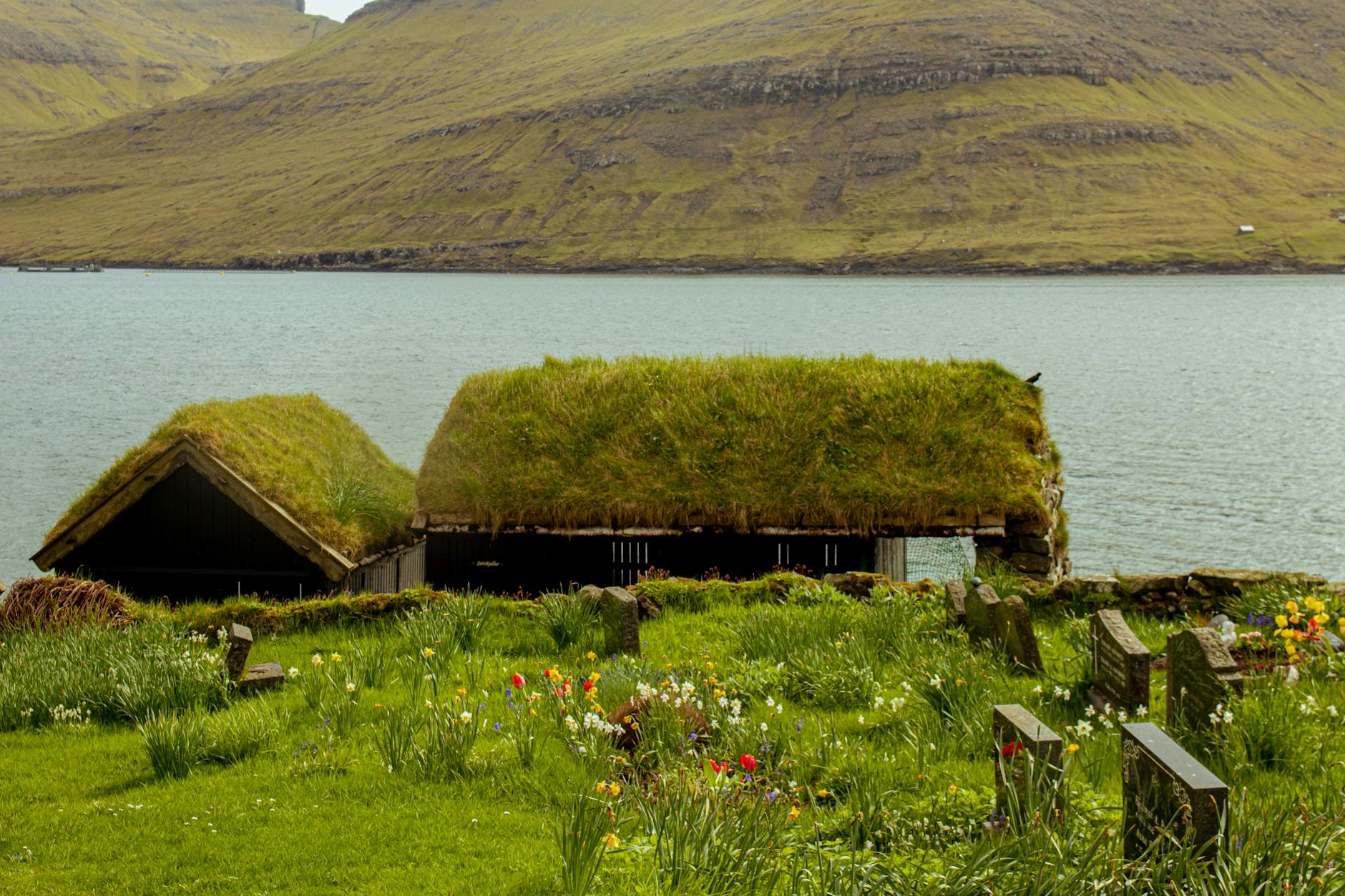
This remote North Atlantic archipelago sits far enough off the beaten path to make constant connectivity feel almost beside the point. Dramatic cliffs, roaming sheep, and mist-covered valleys demand full attention in a way that no social media feed can compete with. Villages are small and life moves slowly, encouraging visitors to adopt a similar rhythm during their stay. Hiking trails connect communities and lead to sweeping viewpoints that have no need for a filter. The natural isolation of the islands makes unplugging feel effortless rather than forced.
Bhutan
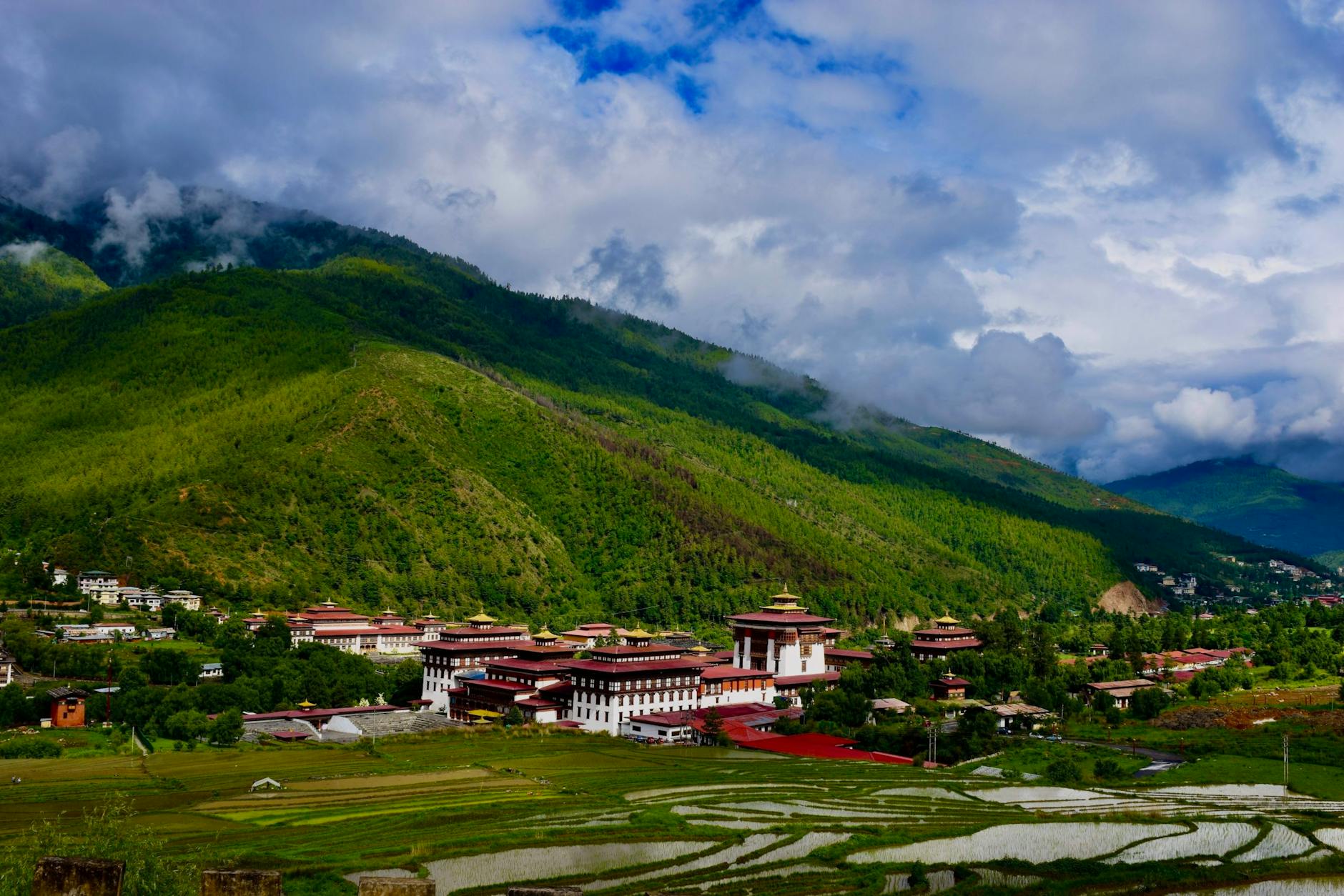
This landlocked Himalayan kingdom has long prioritized national happiness over economic growth, and that philosophy extends to the pace of daily life. Tourism is deliberately limited through a sustainable visitor policy that keeps crowds small and the atmosphere contemplative. Ancient monasteries, forested valleys, and mountain passes set the stage for a journey that is as much inward as it is geographic. The local culture places great value on mindfulness and spiritual practice, which naturally encourages visitors to slow down and observe. Bhutan is one of the few places in the world where disconnecting feels like the most respectful thing a traveler can do.
Isle of Skye, Scotland
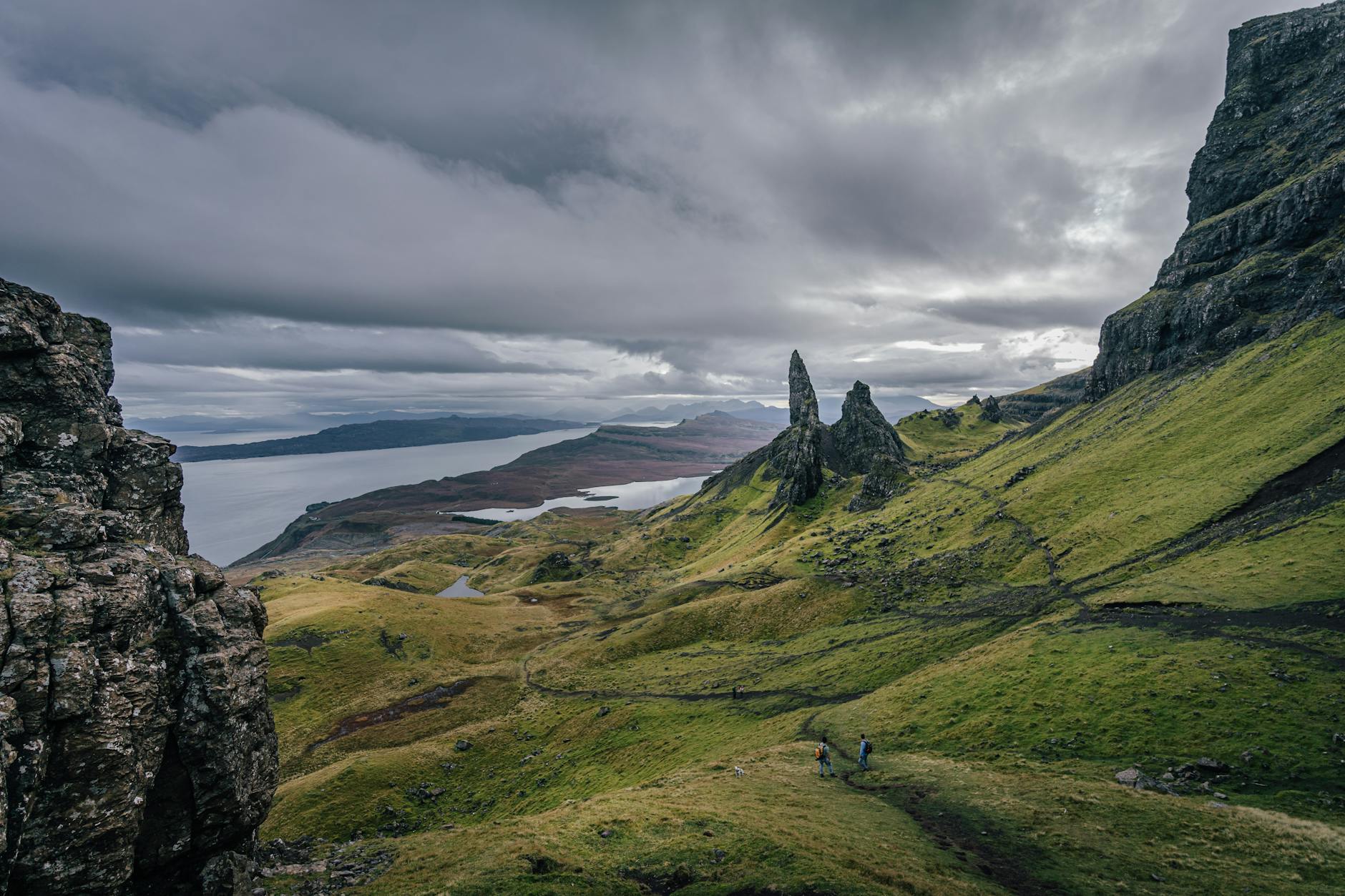
The rugged coastline and moody highland landscape of this Scottish island have a way of making the outside world feel very far away. Walking routes like the Quiraing and the Old Man of Storr wind through terrain so visually arresting that reaching for a phone seems almost disrespectful to the scenery. Small guesthouses and traditional crofting communities offer a warm but unhurried welcome. Fog rolls in from the sea with regularity, softening the landscape and creating an atmosphere that is deeply conducive to reflection. The sheer physical beauty of Skye has a grounding effect that few other destinations can match.
Tuscany, Italy
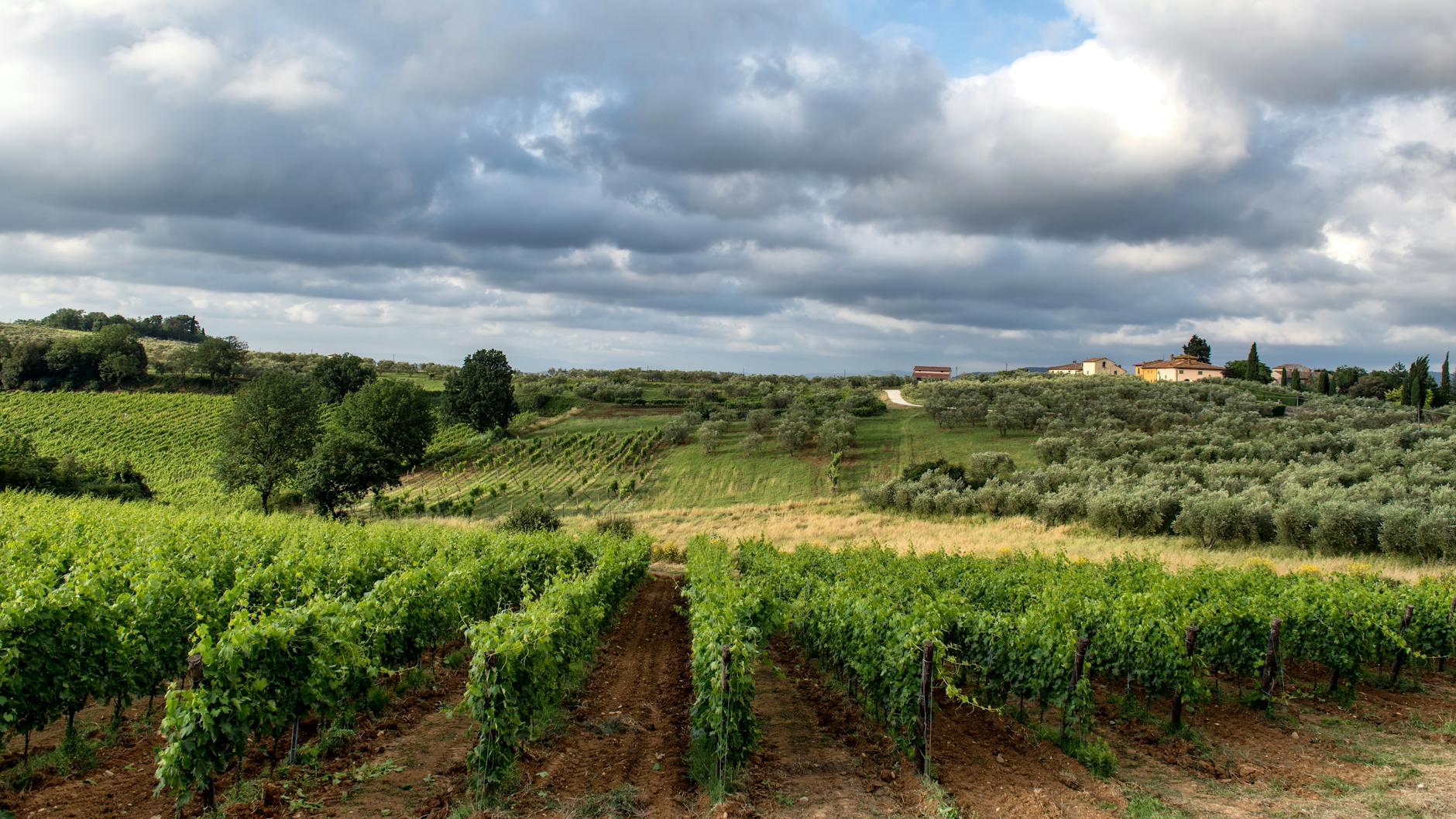
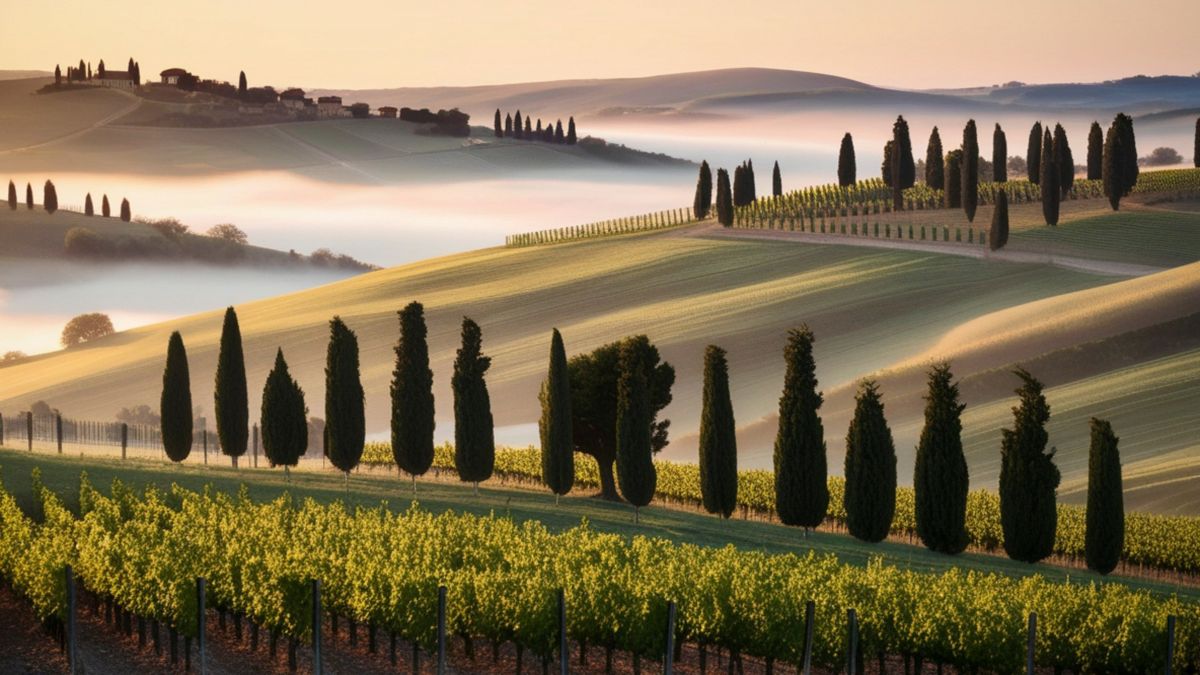
Rolling vineyards, cypress-lined roads, and hilltop villages define the landscape of this beloved Italian region in a way that feels designed for slow living. Agriturismos across the countryside invite visitors to take part in the rhythms of rural life, from harvesting olives to sharing long meals prepared from local ingredients. The food and wine culture here is so absorbing that mealtimes become meaningful events rather than something to scroll through. Renaissance art and medieval architecture give every town a depth of history that rewards careful, unhurried exploration. Tuscany has long attracted those seeking beauty without distraction, and it continues to deliver on that promise.
Kyoto, Japan
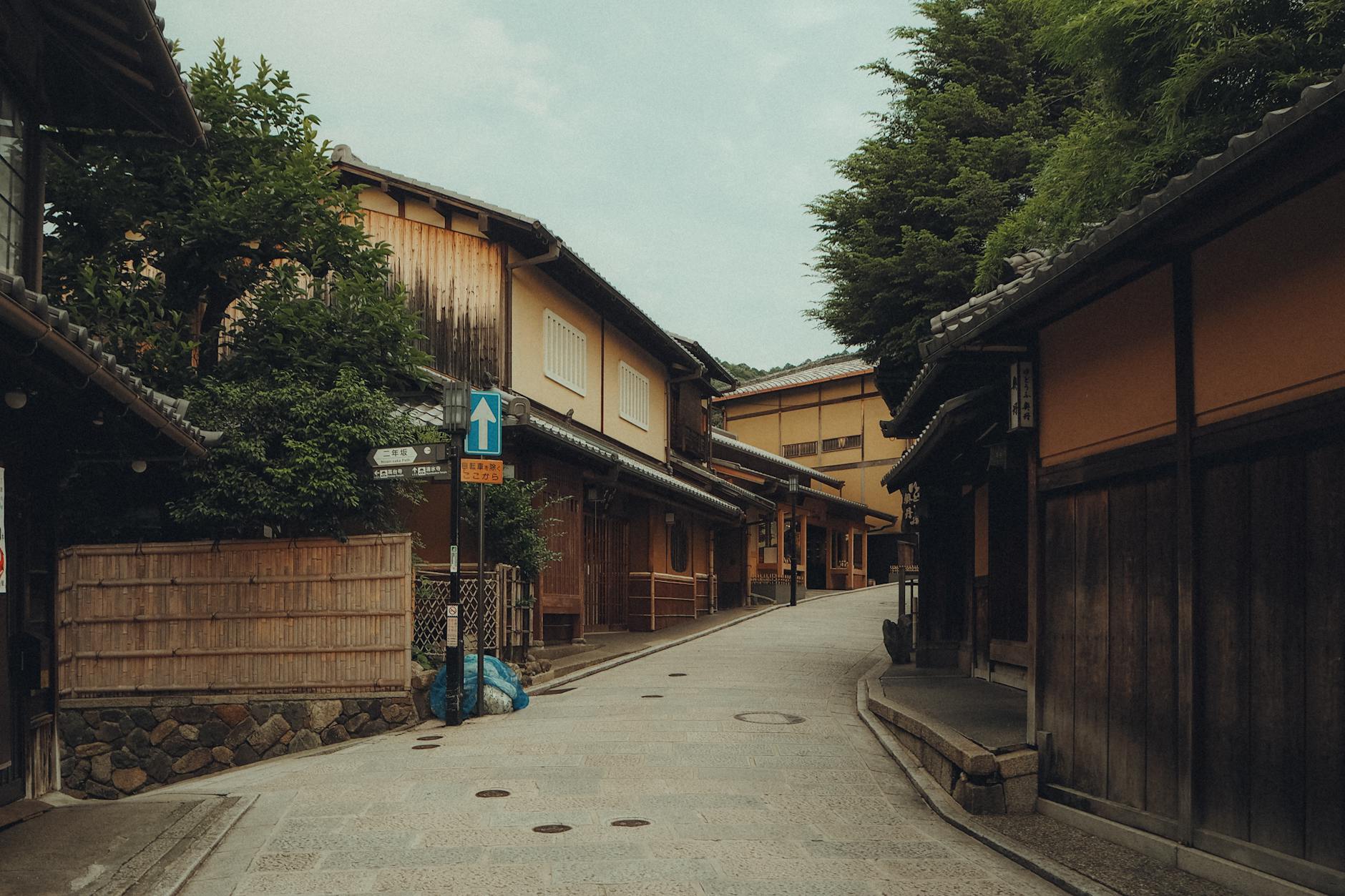
Ancient temples, moss-covered gardens, and the quiet ceremony of tea culture make Kyoto one of the most naturally meditative cities in the world. The city operates at a pace that is noticeably different from other urban centers, with a strong cultural emphasis on ritual, craft, and presence. Bamboo groves and stone lantern pathways invite contemplative walks that have no particular destination or deadline. Traditional ryokan accommodations encourage guests to slow down through practices like communal bathing and seasonal kaiseki dining. Kyoto rewards the traveler who arrives without an agenda and allows the city to set the tempo.
Patagonia, Argentina and Chile
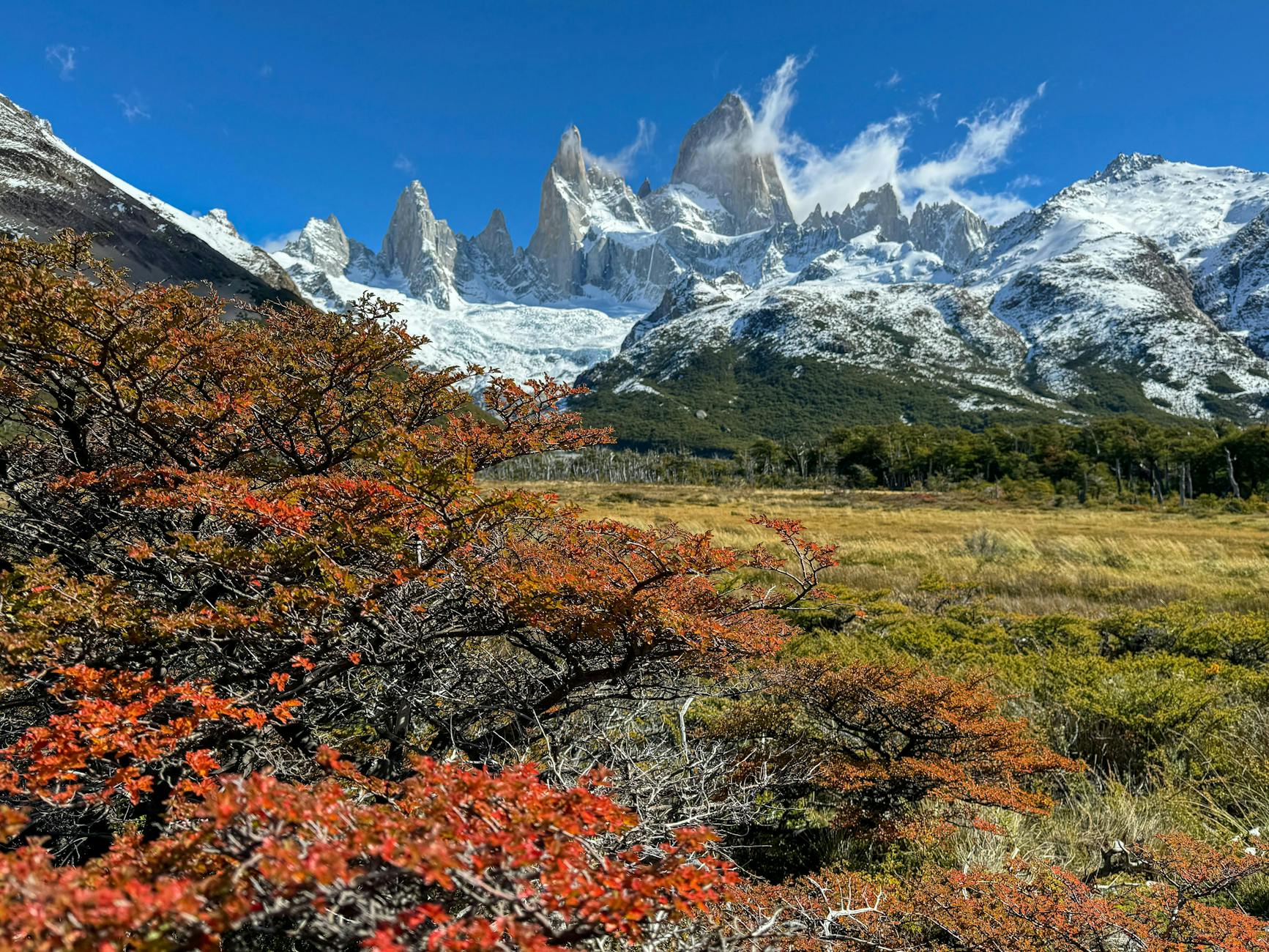
The sheer scale of Patagonia has a humbling effect that makes personal screens feel almost absurdly small by comparison. Wind-swept plains, glacial lakes, and jagged granite peaks define a landscape that exists entirely on its own terms. Long trekking days in places like Torres del Paine and Los Glaciares National Park leave little energy or inclination for digital distraction. Connectivity is genuinely limited across much of the region, which removes the temptation before it can take hold. Few places on earth so effectively remind a visitor of their place within the natural world.
Lofoten Islands, Norway
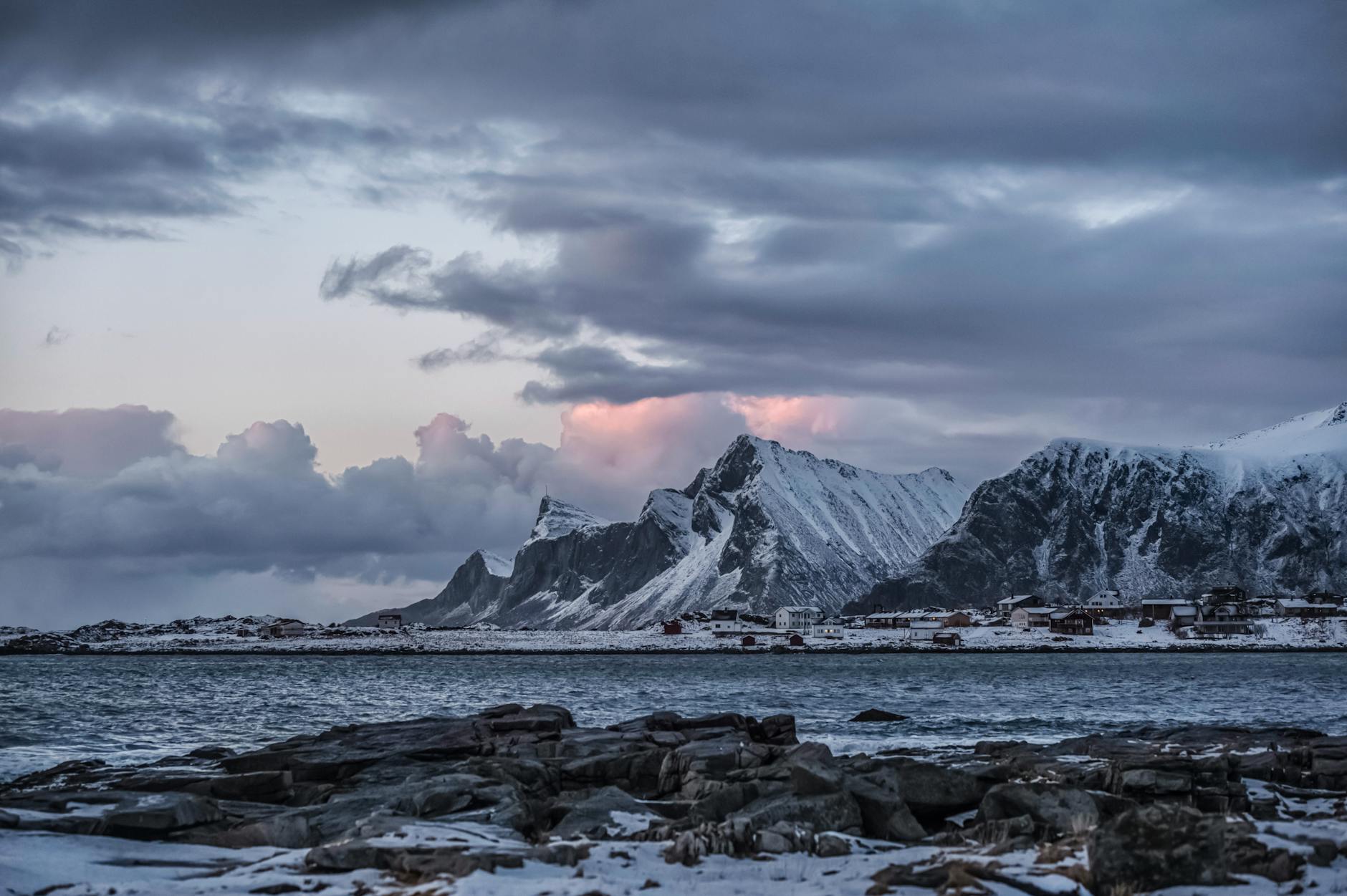
Perched above the Arctic Circle, this Norwegian archipelago is one of the most visually striking landscapes on the planet. Colorful fishing cabins known as rorbuer line the shoreline against a backdrop of dramatic peaks that plunge directly into the sea. In summer, the midnight sun creates an otherworldly quality of light that makes time itself feel suspended. Winter brings the possibility of witnessing the northern lights, an experience that demands complete, undivided presence. The fishing heritage and quiet village life of Lofoten provide a natural framework for days spent away from digital noise.
Bali, Indonesia
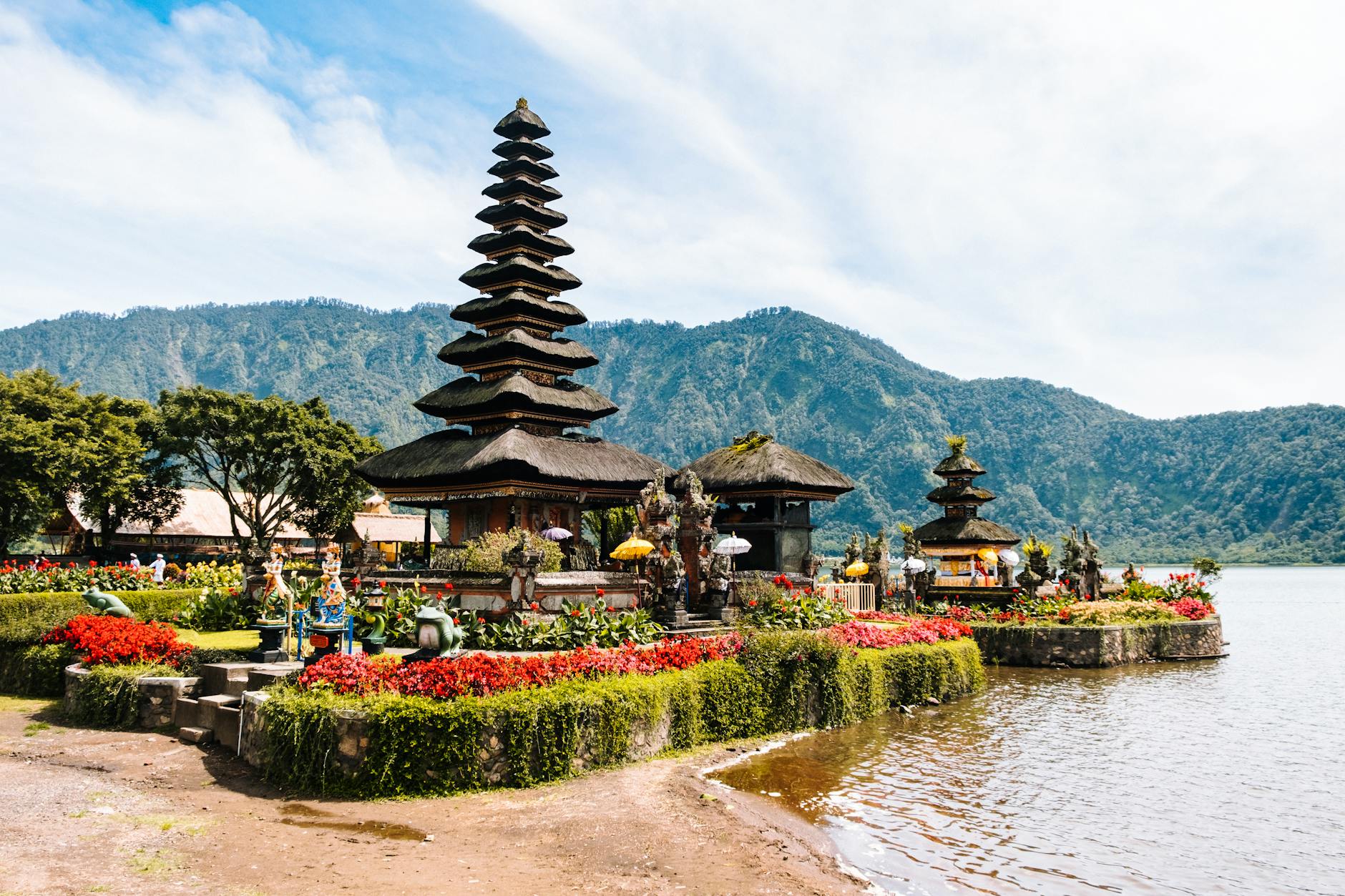
While parts of Bali have become well-known on the global travel circuit, pockets of the island remain deeply rooted in spiritual practice and community ritual. The rice terraces of Tegallalang and the temple forests of Ubud offer environments that are genuinely conducive to stillness and reflection. Balinese Hindu culture integrates ceremony into daily life in a way that invites respectful participation rather than passive observation. Traditional healing practices and yoga retreats have long drawn those seeking a reset for both body and mind. Away from the busier southern beaches, the island has a quietude that makes it easy to let the hours pass without a glance at a device.
New Zealand’s South Island
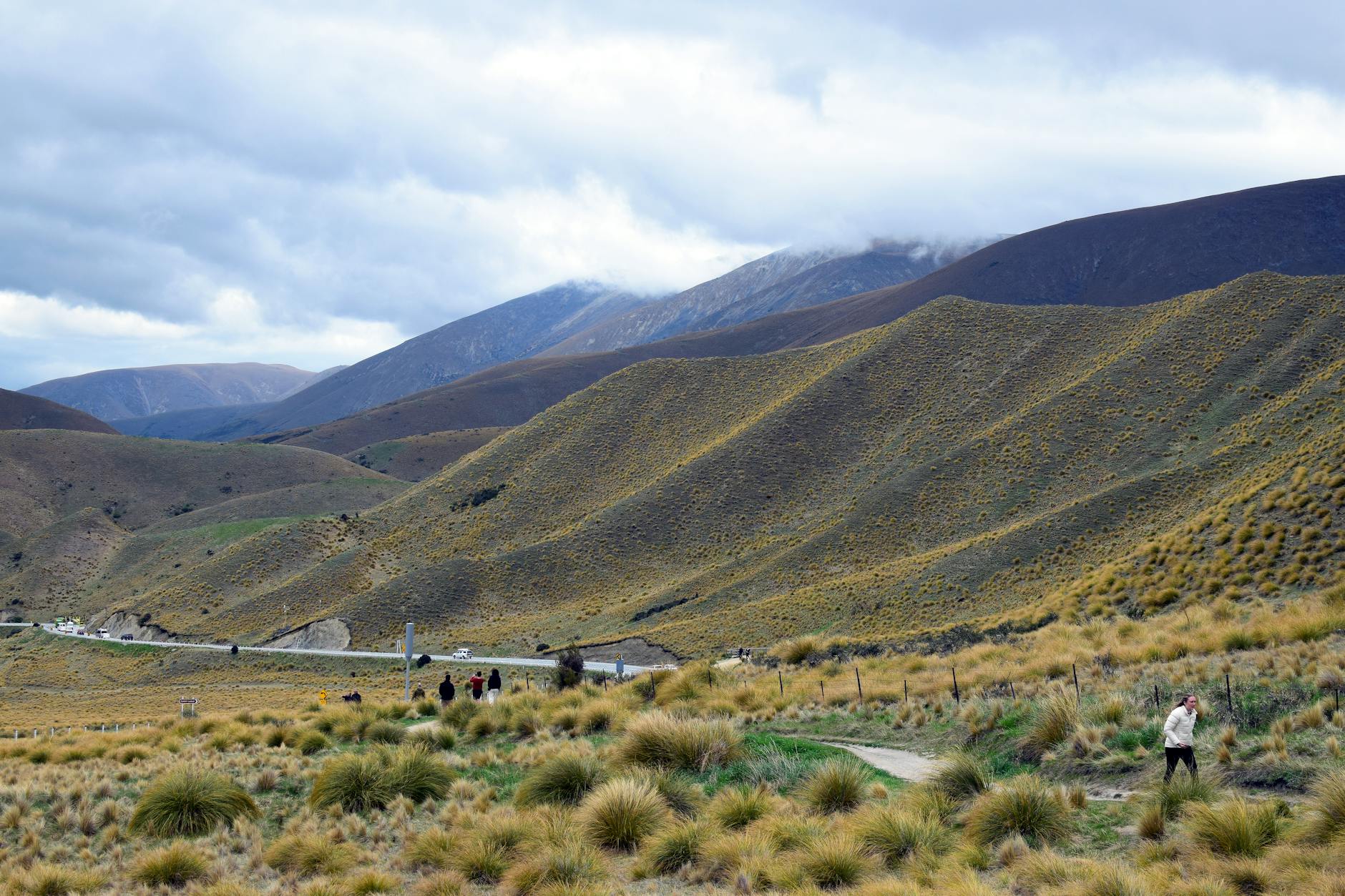
From the fiords of Milford Sound to the Southern Alps and the windswept coastlines of the Catlins, the South Island presents an overwhelming abundance of natural wonder. The scale and diversity of the landscape make it easy to fill days with hiking, kayaking, and wildlife encounters that require full physical presence. Many of the most rewarding experiences here take place far from town centers and reliable mobile coverage. The clean air and uncrowded trails create conditions that are almost inherently restorative. New Zealand’s outdoor culture actively encourages travelers to engage deeply with the natural environment rather than document it from a distance.
Provence, France
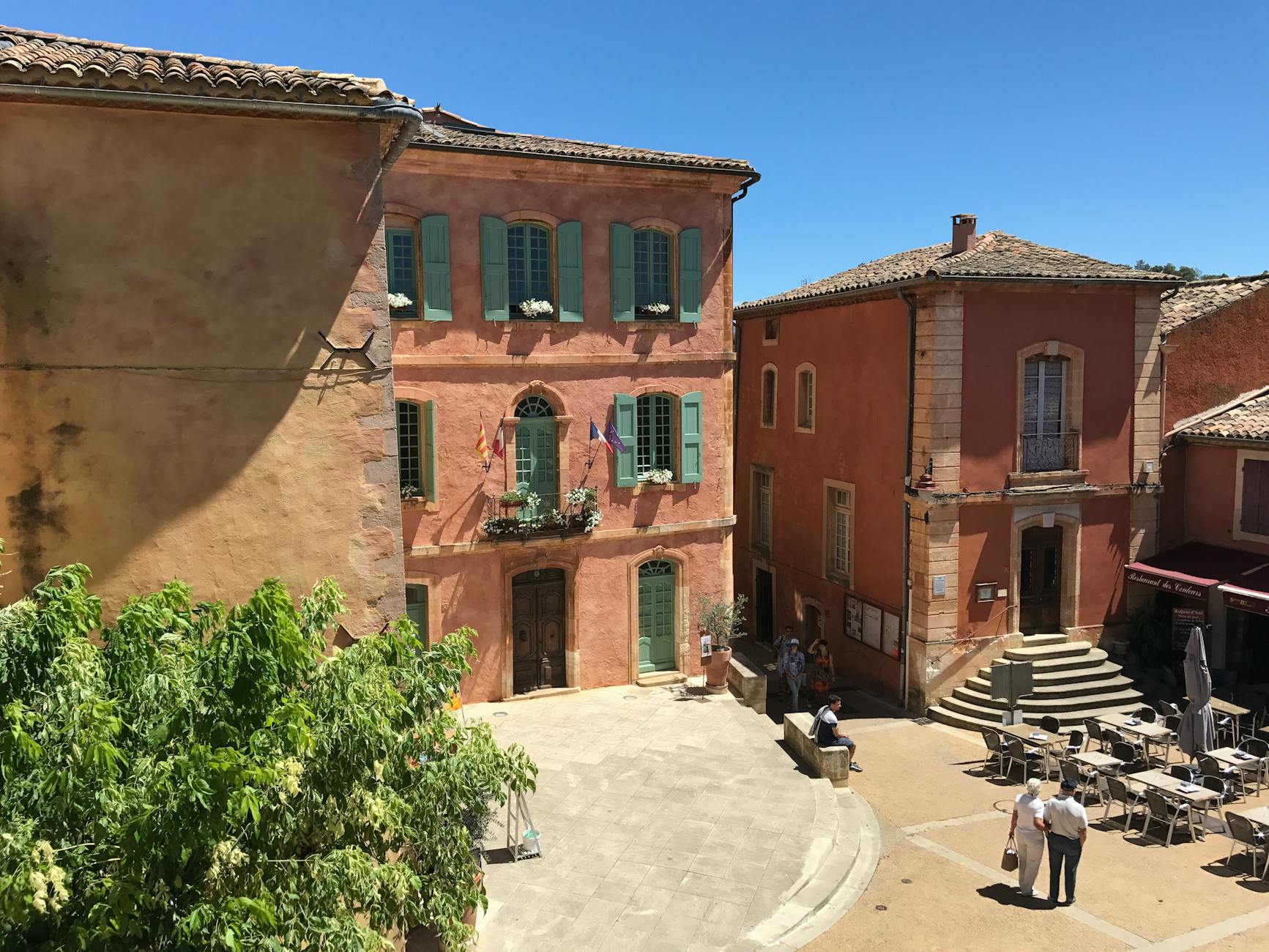
Lavender fields, sun-warmed stone villages, and a food culture built around seasonal simplicity define the sensory experience of this southern French region. Markets, vineyards, and olive groves provide a daily rhythm that feels rooted in something much older and more deliberate than modern life. The region’s long tradition of attracting painters and writers speaks to its capacity for inspiring focused attention and creative quiet. Cycling between villages along country lanes is a common and deeply pleasurable way to experience the landscape without distraction. Provence has a way of making the present moment feel entirely sufficient.
Costa Rica
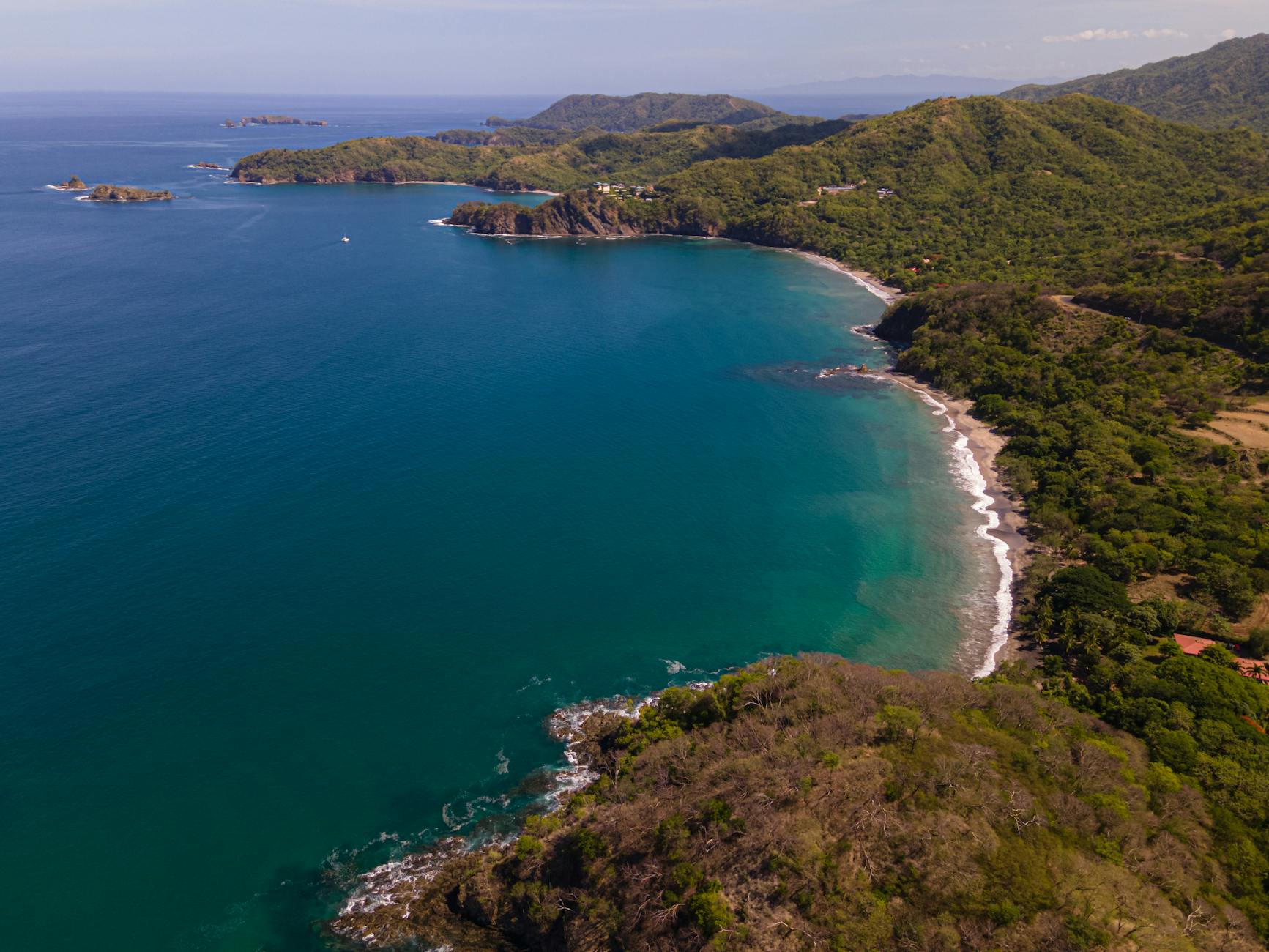
Dense rainforest, active volcanoes, and some of the world’s most biodiverse coastlines make Costa Rica a destination where nature demands full engagement. Wildlife encounters, from resplendent quetzals to sea turtle nesting events, happen on their own schedule and require patient, phone-free attention. Eco-lodges embedded in cloud forest and jungle settings create immersive environments where the sounds of the natural world replace digital noise. The national philosophy of pura vida extends a genuine invitation to slow down and appreciate what is immediately present. Outdoor adventure here is so absorbing that disconnecting happens almost as a side effect.
Santorini, Greece (Off-Season)
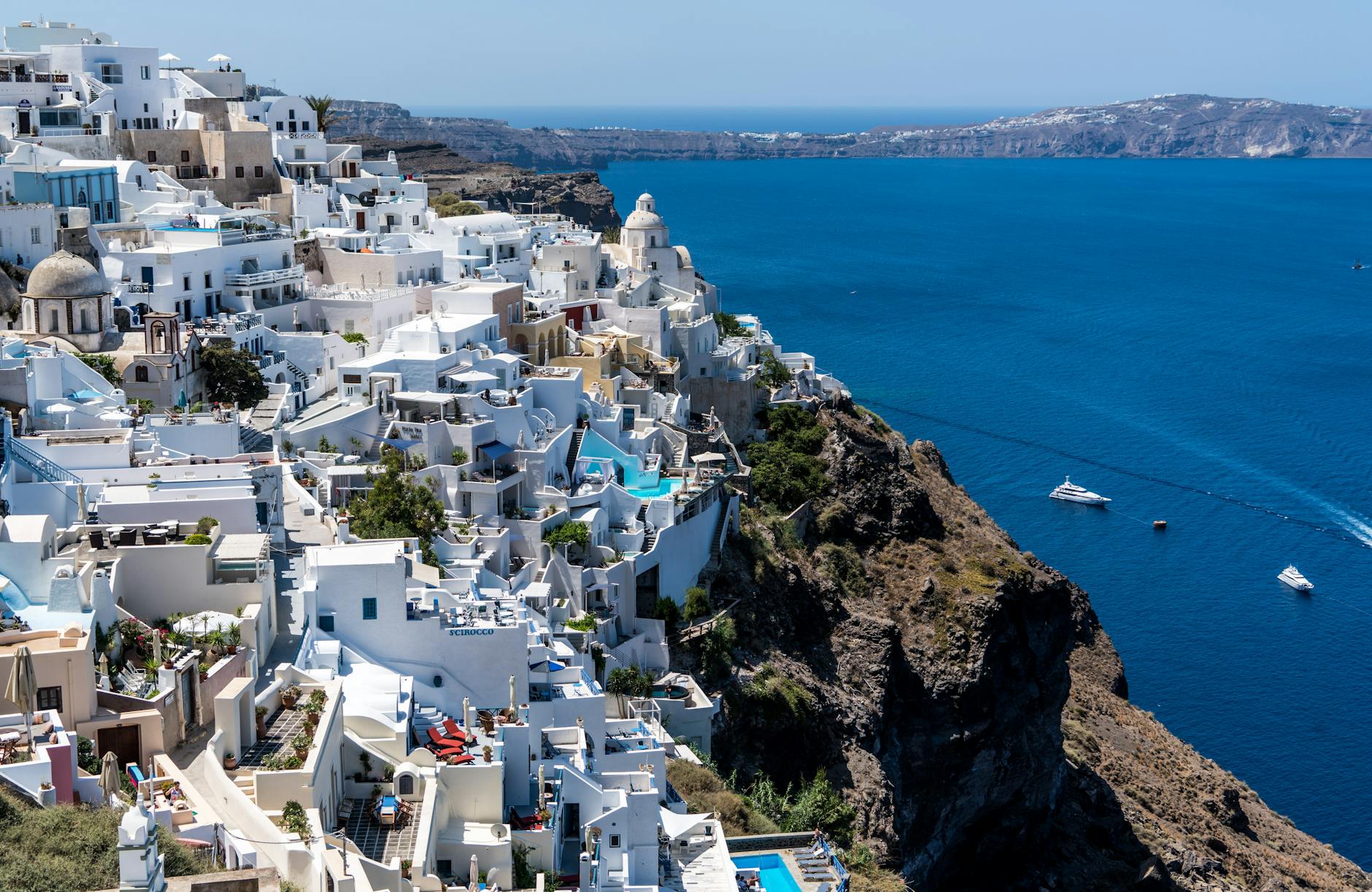
Stripped of its peak summer crowds, Santorini in the shoulder and off-season months reveals itself as a place of quiet beauty and genuine solitude. Caldera views, whitewashed architecture, and the deep blue of the Aegean create a visual environment that encourages stillness. Walking the coastal paths between villages becomes a meditative practice when the island is unhurried and uncrowded. Local tavernas, family-run wineries, and fishing boats define an atmosphere that has changed little over generations. The unhurried pace of the off-season Santorini experience is one of the most effective natural antidotes to digital overload.
The Scottish Highlands
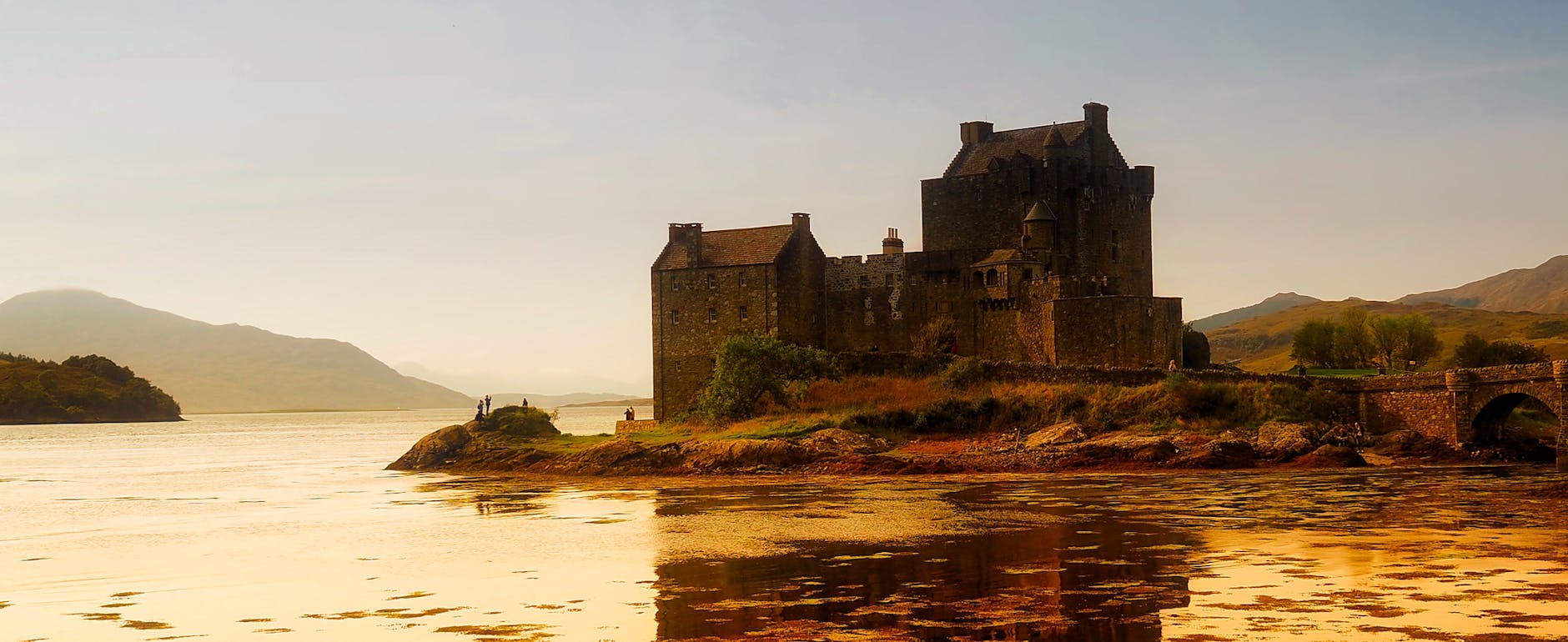
Vast moorlands, ancient lochs, and a landscape shaped by centuries of wind and weather give the Scottish Highlands an atmosphere of genuine remoteness. Mobile coverage thins considerably across much of the region, which makes disconnecting a practical reality rather than just an intention. Walks through glen and forest follow routes that have been traveled for hundreds of years without need for a navigation app. Small distilleries and historic castles provide points of interest that reward curiosity and conversation over documentation. The Highlands have a quality of silence that is increasingly rare and correspondingly valuable.
Maldives
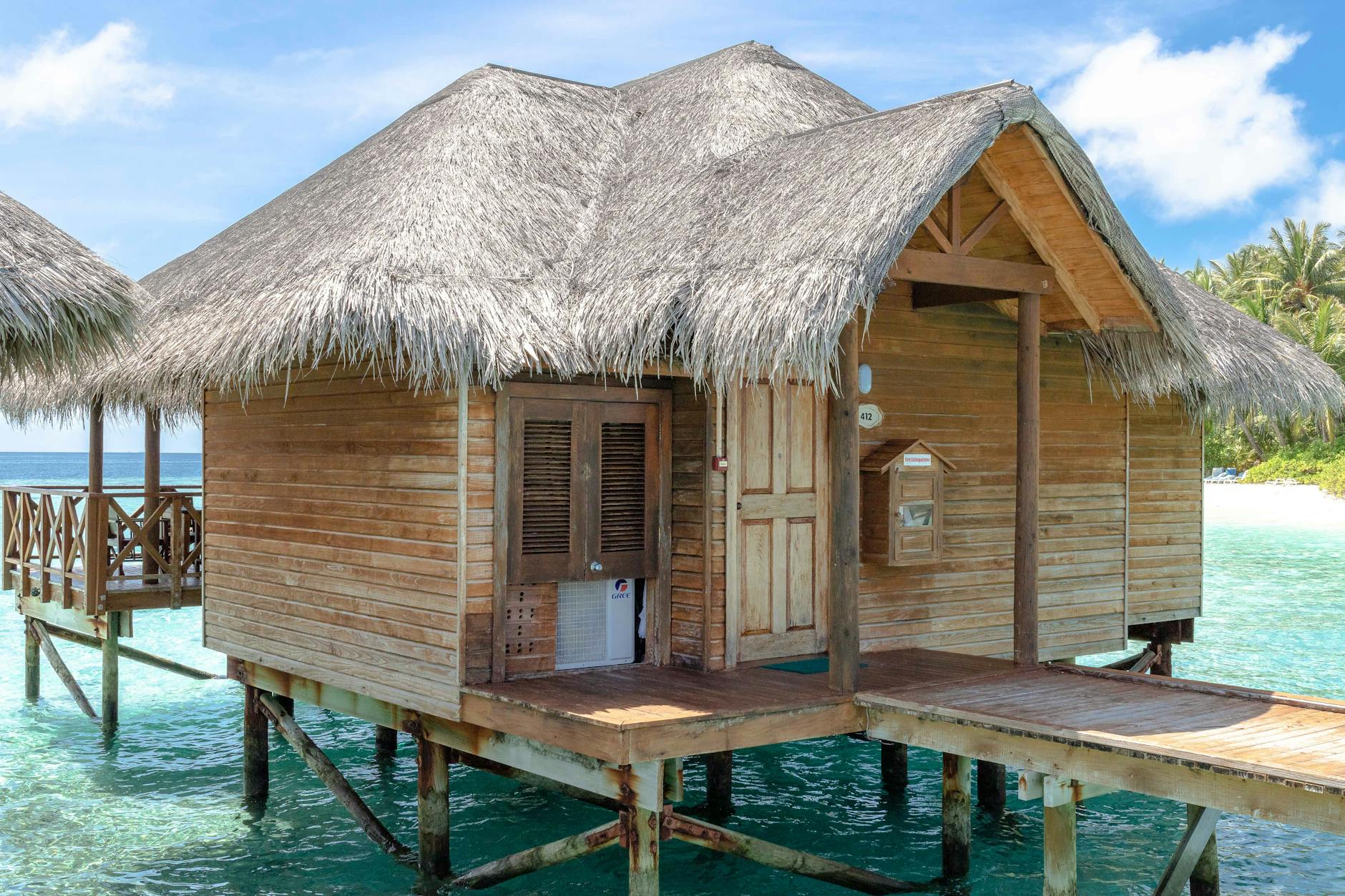
Beyond the well-known luxury resort image, the Maldives offers an environment of profound natural calm defined by clear lagoons, coral reefs, and unhurried island life. The physical separation of atolls from the mainland creates a natural boundary that supports genuine retreat. Snorkeling and diving in waters home to mantas and whale sharks demand a quality of presence that no screen can compete with. The rhythm of island days, shaped by tides, sunrises, and communal meals, naturally replaces the pull of digital habits. Few environments on earth make the case for full sensory presence quite so compellingly.
Oaxaca, Mexico
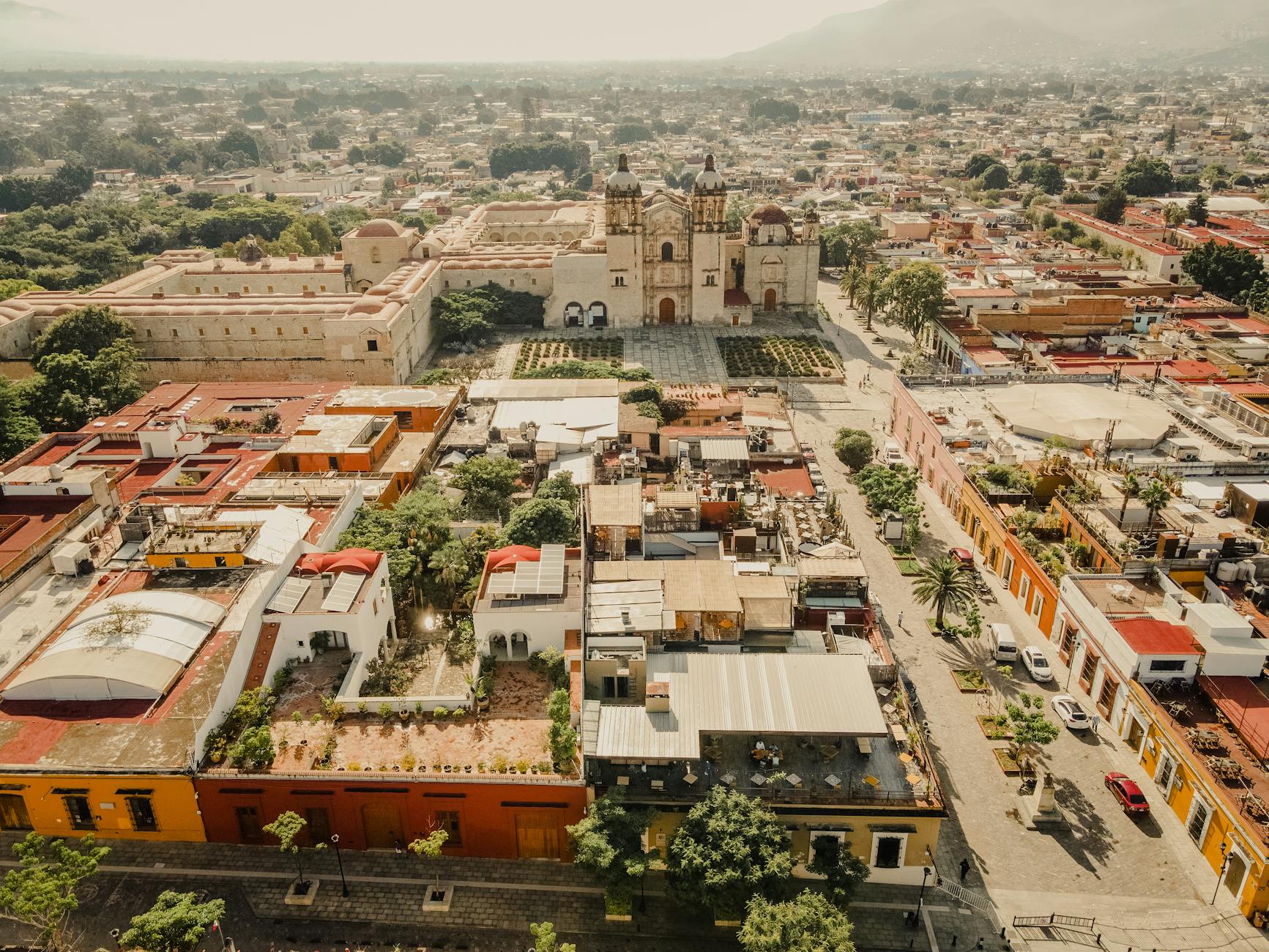
This southern Mexican state combines extraordinary culinary culture, living indigenous traditions, and a landscape that ranges from highland valleys to Pacific coastline. Markets, mezcal producers, and textile workshops offer immersive encounters with craft and community that reward genuine engagement. The ancient ruins of Monte Albán and the nearby archaeological sites provide historical depth that invites careful, unhurried attention. Oaxaca City’s walkable streets and independent bookshops create an atmosphere more conducive to conversation and discovery than to scrolling. The richness of the cultural experience here makes it easy to set a device aside without a second thought.
Azores, Portugal
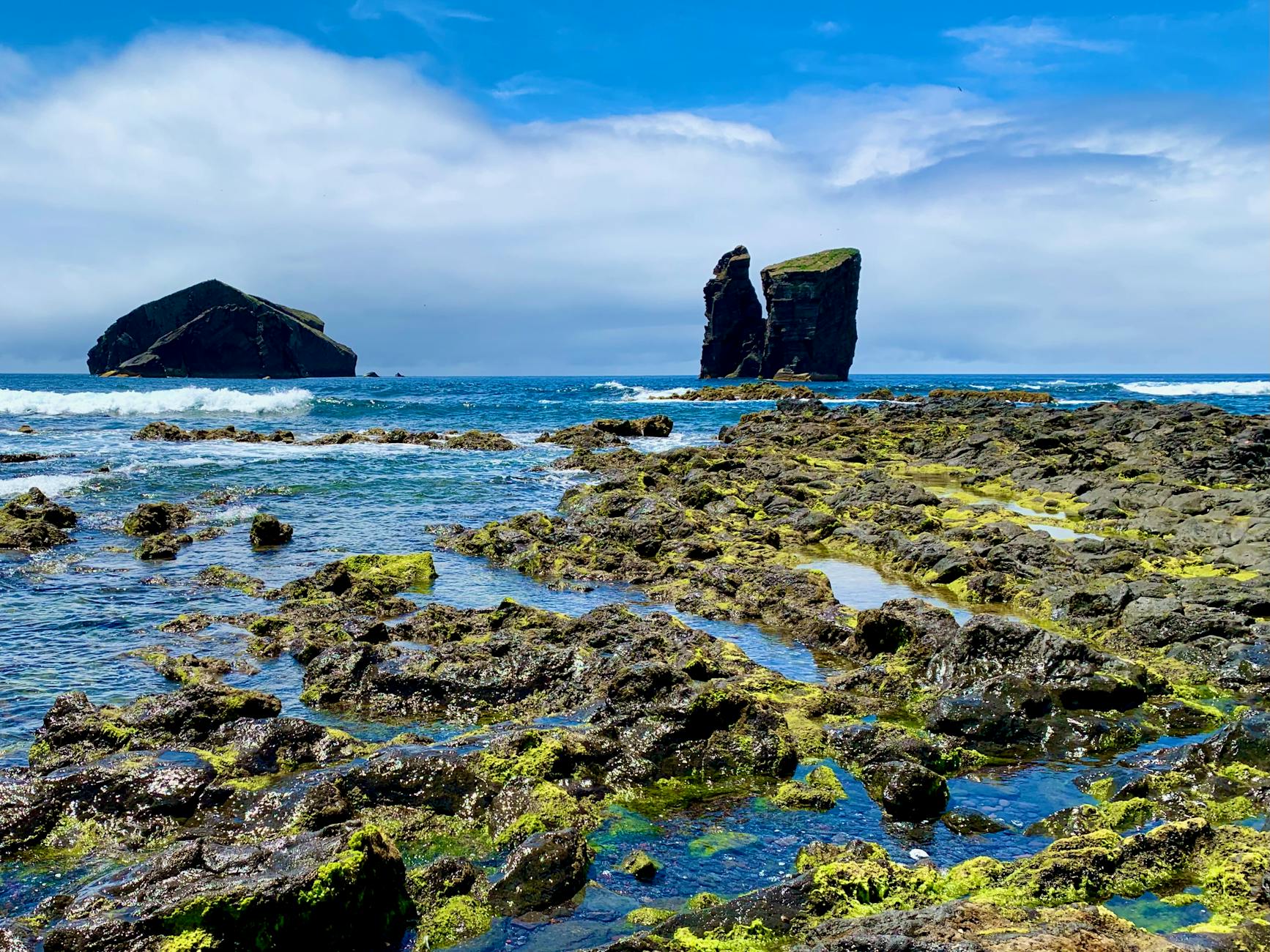
This mid-Atlantic Portuguese archipelago combines volcanic landscapes, thermal springs, whale watching, and a pace of life that feels deliberately unhurried. The islands are genuinely remote, and the lack of mass tourism infrastructure keeps daily rhythms gentle and local. Calderas, crater lakes, and hydrangea-lined roads provide a landscape that changes dramatically within very short distances. The ocean is ever-present and plays a central role in island culture, whether through fishing, swimming, or simply sitting at its edge. The Azores offer a rare combination of natural drama and human quietude that makes them ideally suited to a meaningful break from digital life.
Luang Prabang, Laos
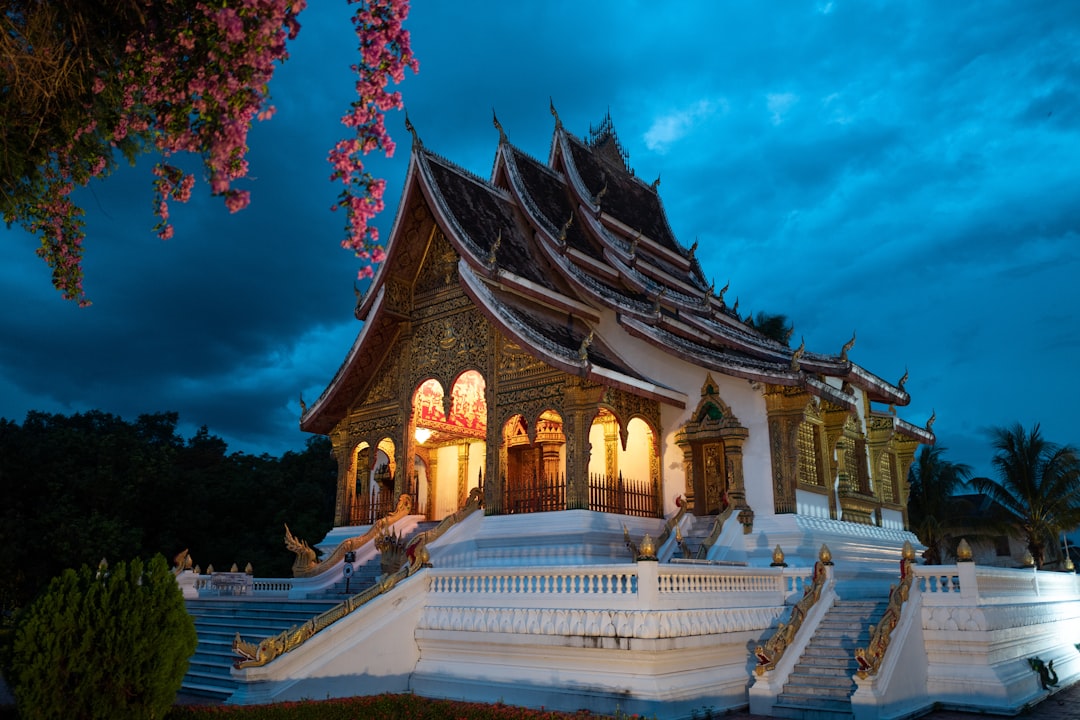
This small UNESCO-listed city on the banks of the Mekong River moves to a tempo set by Buddhist monastic life and the river’s own slow current. The daily almsgiving ceremony at dawn is a quiet, deeply moving practice that anchors the morning in something ancient and communal. Waterfall walks, night markets, and temple visits fill days without ever creating the pressure of a packed itinerary. French colonial architecture and traditional Lao wooden buildings create a streetscape that invites wandering rather than navigating. Luang Prabang is a place that seems to actively resist hurry, which makes it one of Southeast Asia’s most effective digital detox destinations.
Vermont, USA
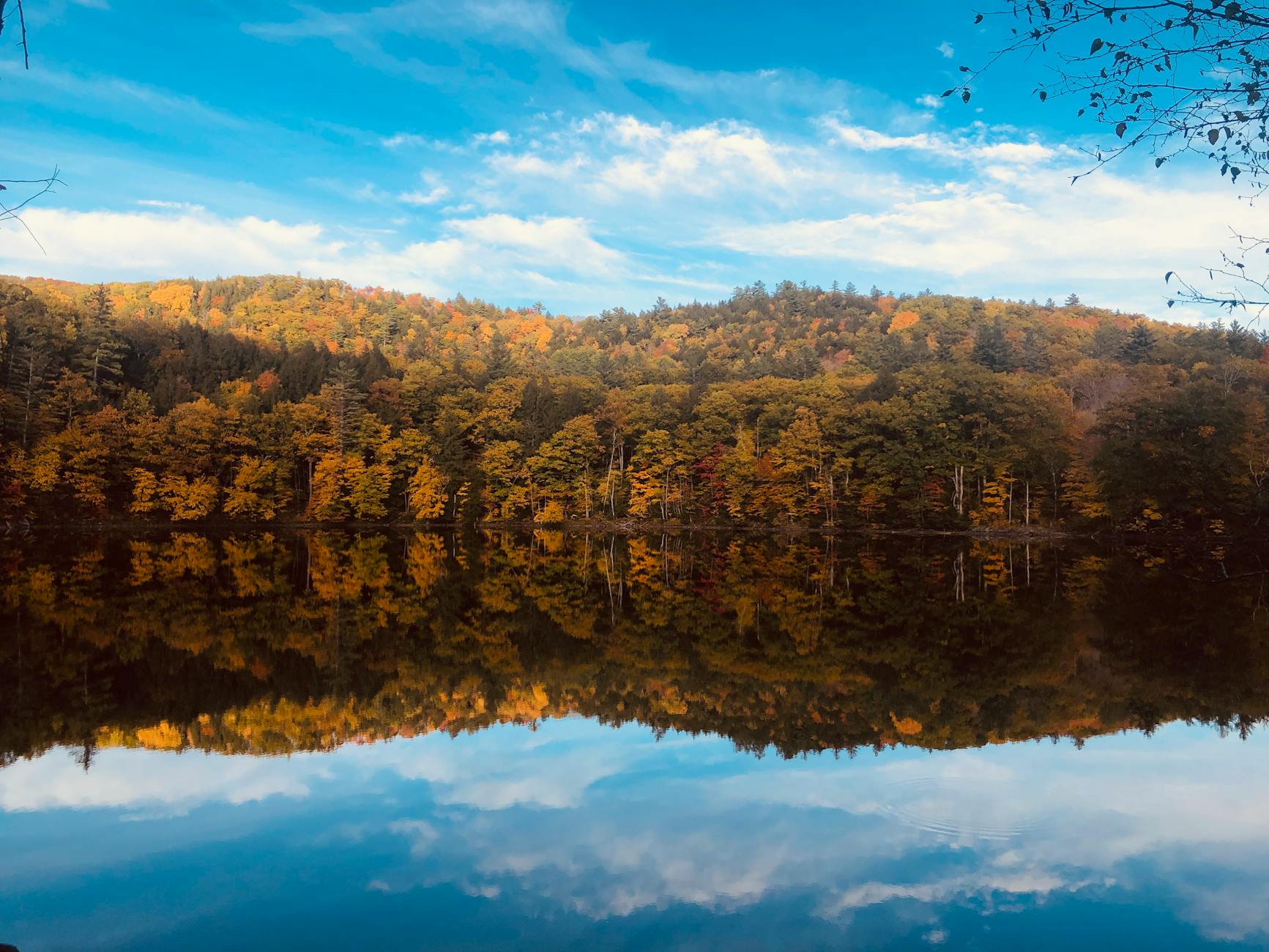
New England’s most rural state offers a four-season landscape of covered bridges, maple forests, and farm-to-table communities that make slow living feel like the obvious choice. Small towns throughout the state have preserved an independent character built around local farms, craft breweries, and community gathering spaces. Hiking the Long Trail or paddling across a quiet lake provides physical engagement with the natural world that is deeply grounding. The agricultural calendar still shapes daily life in many communities here, lending a sense of rhythm and purpose that feels genuinely restorative. Vermont’s quietude is not accidental but reflects a longstanding cultural commitment to a certain quality of life.
Sri Lanka
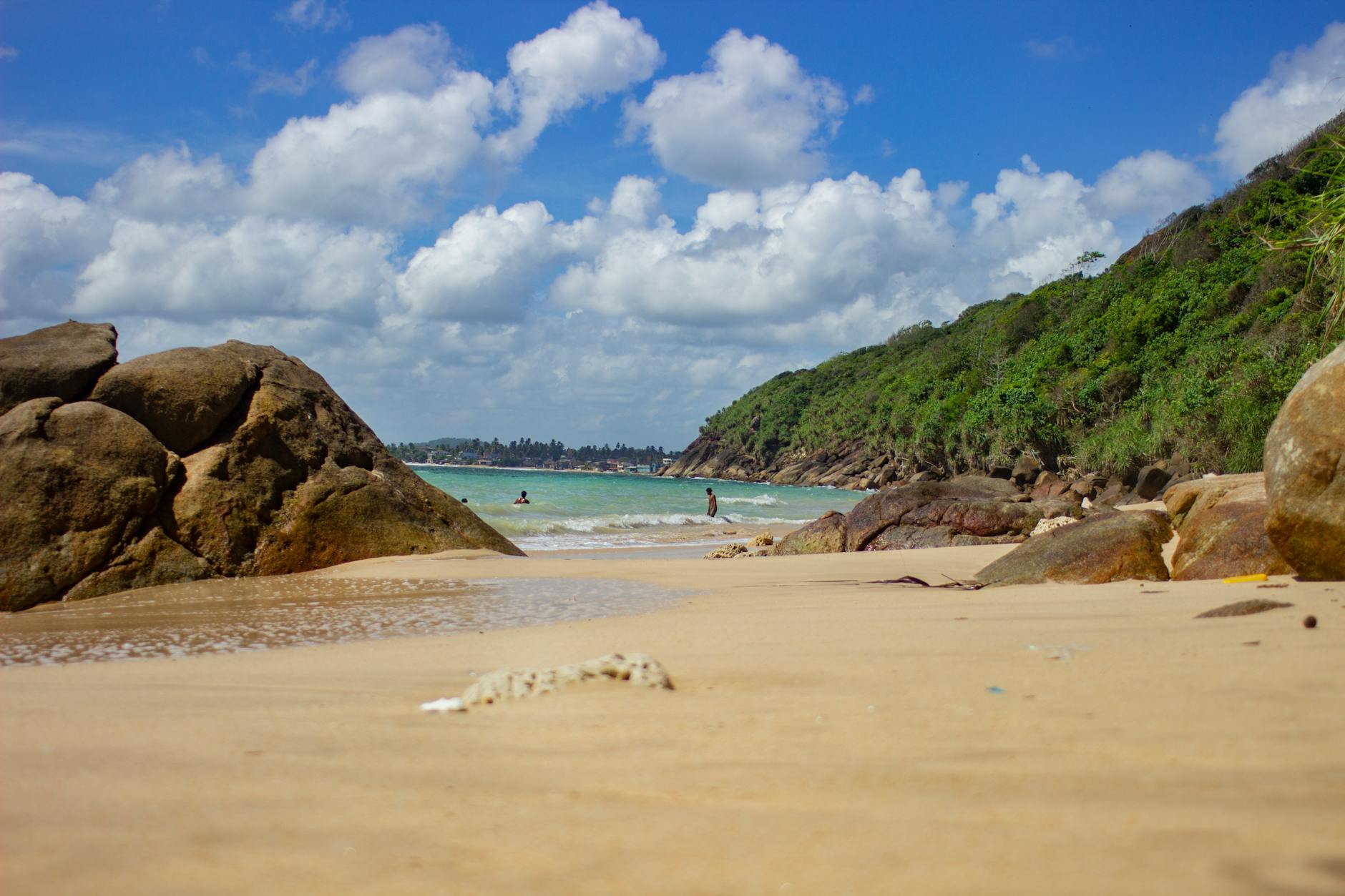
From ancient temple complexes and tea-covered highlands to wildlife-rich national parks and unspoiled southern beaches, Sri Lanka offers a depth of experience that fills days with genuine discovery. Elephant gatherings at Minneriya, whale watching off Mirissa, and train journeys through misty hill country are experiences that command full and willing presence. The island’s Buddhist heritage infuses many aspects of daily life with an emphasis on mindfulness and simplicity. Homestays and guesthouses in smaller towns and villages provide warm hospitality in settings where life operates far from digital tempo. Sri Lanka rewards travelers who arrive with curiosity and patience rather than a loaded itinerary.
Hokkaido, Japan
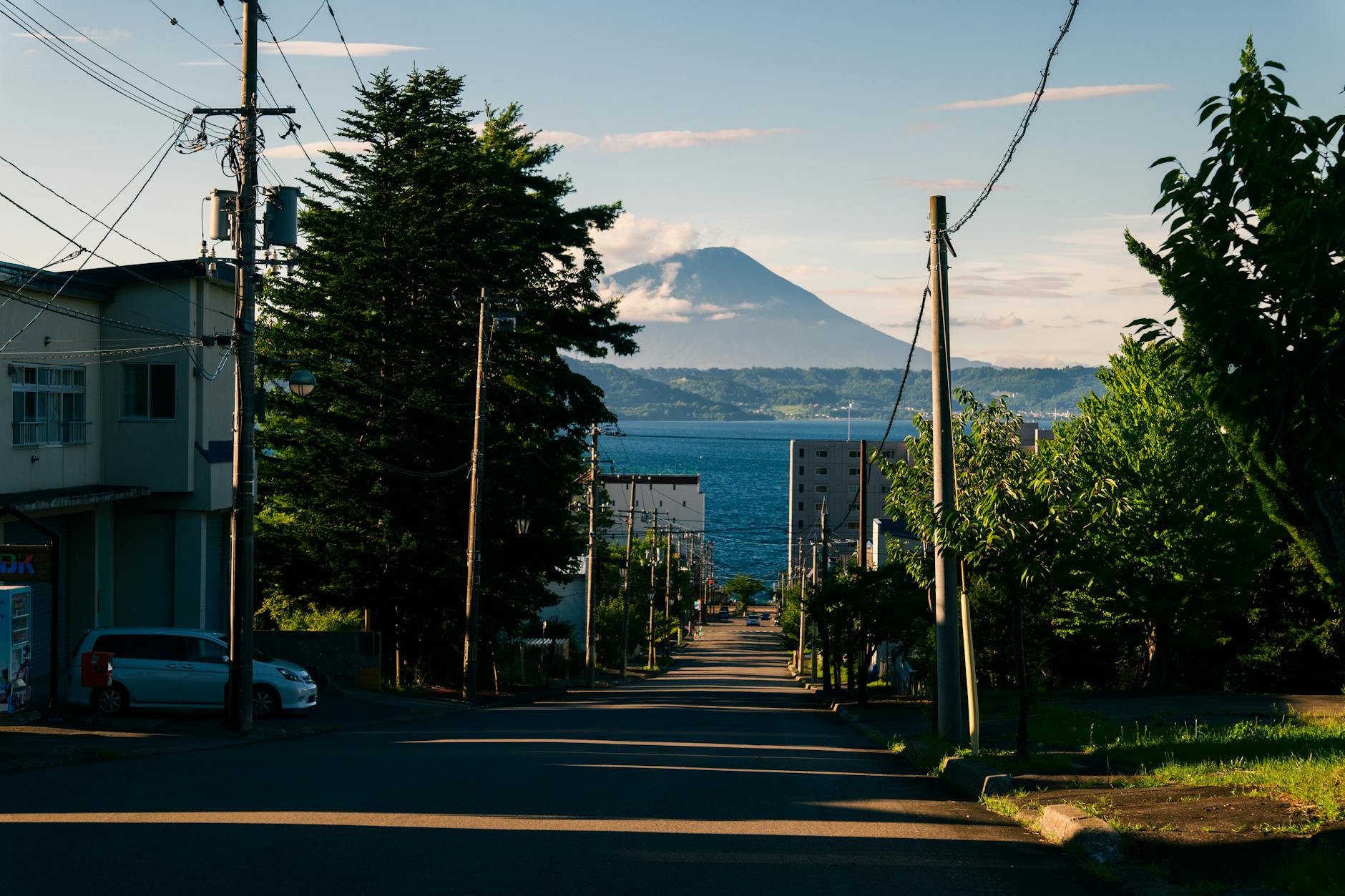
Japan’s northernmost island combines dramatic seasonal landscapes with a quietude that sets it apart from the country’s more densely populated regions. In winter, snow-blanketed forests and natural hot springs create an environment that seems almost engineered for rest and physical warmth. The flower fields of Furano and the wetlands of Kushiro provide summer and autumn experiences defined by natural beauty and open space. Small towns across the island maintain a pace of life and a connection to agriculture and fishing that feels uncomplicated and deeply human. Hokkaido offers a version of Japan that moves slowly enough to make digital silence feel like the most natural thing in the world.
If you have a favorite destination that helped you step away from screens and reconnect with the world around you, share it in the comments.