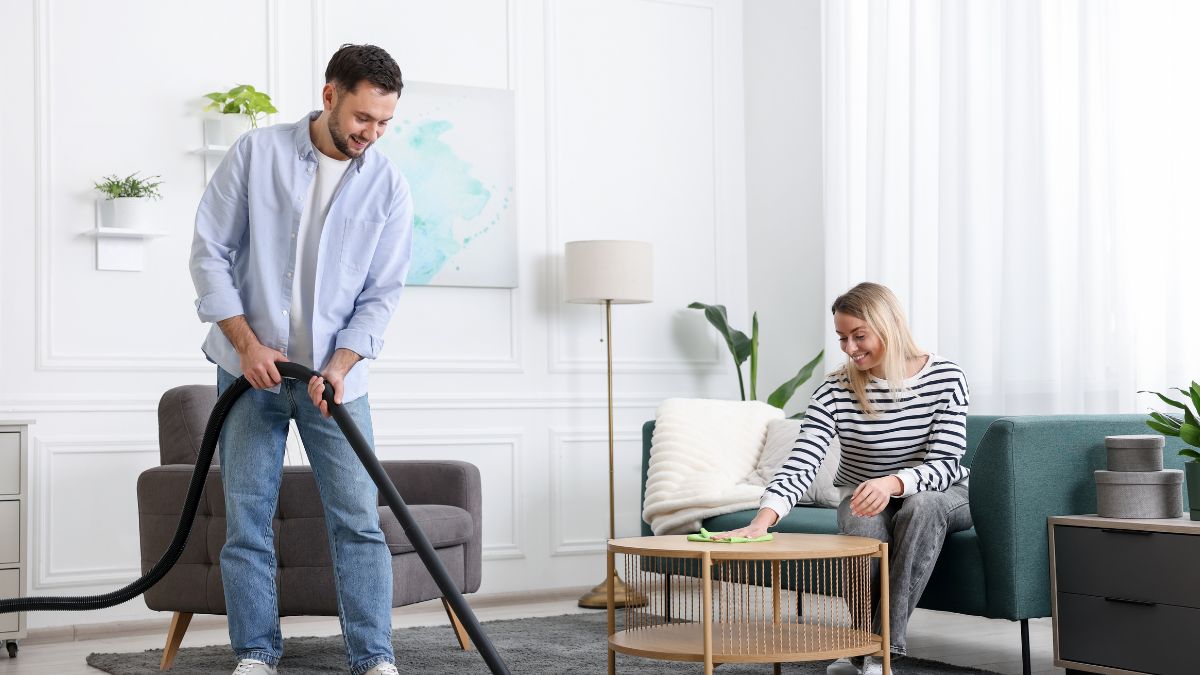
Moving in together is often celebrated as a romantic milestone, but it comes with an unexpected education in human behavior. The honeymoon phase has a way of masking the quirks and habits that only emerge once two people share the same walls, bathroom, and kitchen. What follows is a look at the most commonly hidden habits that tend to surface the moment the moving boxes are unpacked.
Toilet Seat Leaving
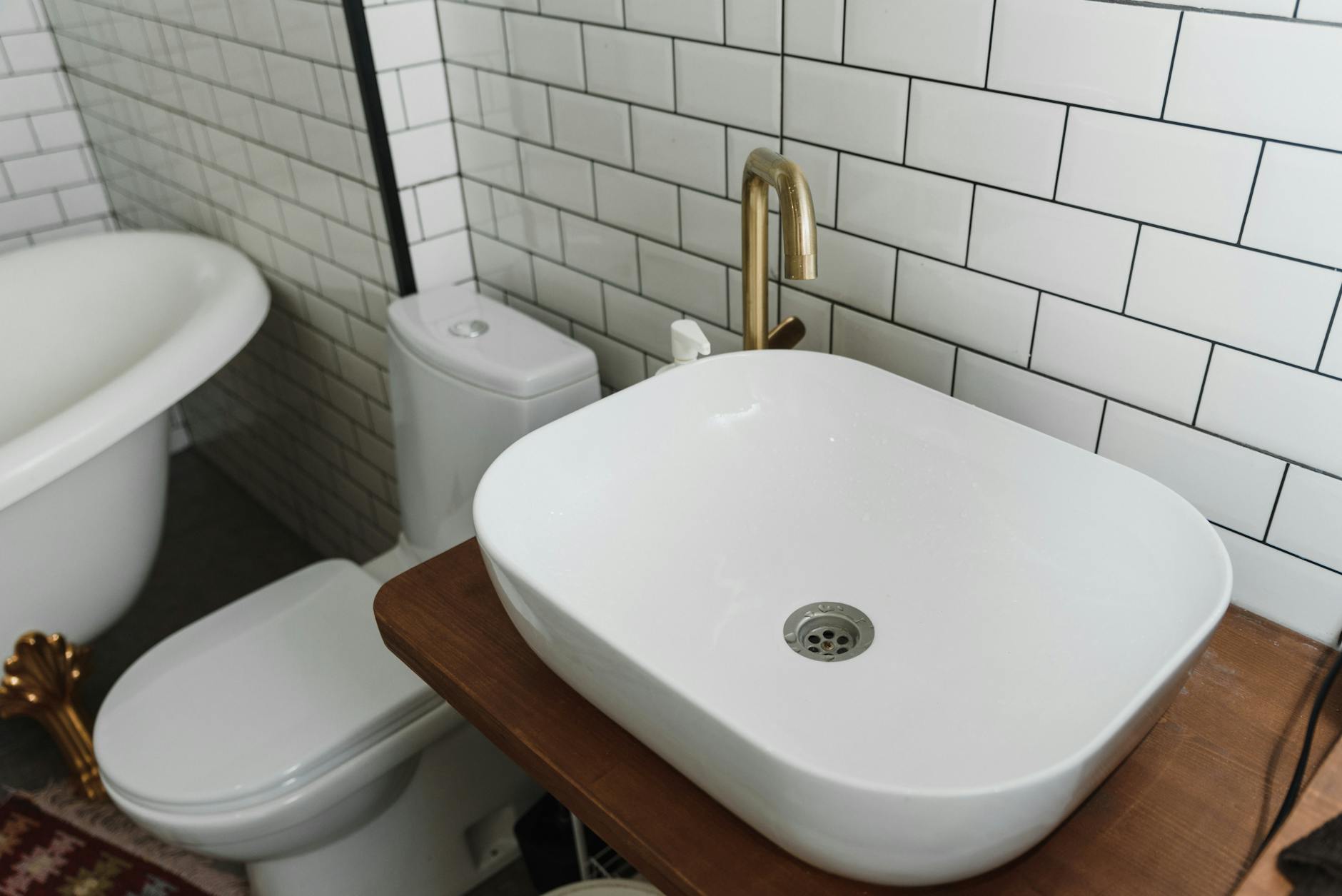
One partner leaves the toilet seat up without a second thought, having done so their entire adult life. The other discovers this on their first groggy trip to the bathroom in the dark. What was once a non-issue in separate households suddenly becomes a recurring source of friction. Gentle reminders rarely stick immediately, and the habit tends to persist for weeks before it becomes a genuine conversation. It ranks among the most universally reported adjustment surprises between newly cohabiting couples.
Dish Neglect

Dirty dishes left in the sink for extended periods are something many people conveniently forget to mention before signing a lease together. One person may assume a dish soaking overnight is perfectly acceptable while the other views it as a form of domestic chaos. The kitchen becomes a quiet battleground where expectations around cleanliness are tested daily. This habit often reveals deeper incompatibilities around tidiness standards and shared responsibility. Many couples point to dish management as the first real test of their cohabitation dynamic.
Food Hoarding

Secret snack stashes tucked in drawers, closets, or personal bags emerge quickly once two people share a living space. One partner may discover an entire shelf of hidden sweets that never appeared during dating. This habit is rooted in everything from childhood scarcity to simply not wanting to share comfort foods. It rarely signals something deeply troubling but does invite necessary conversations about shared groceries and personal boundaries. Couples often laugh about these discoveries in hindsight while quietly negotiating snack territory.
Passive Rewatching

The habit of rewatching the same show or film on a loop becomes impossible to hide once both people share a television. What seemed like an occasional comfort rewatch turns out to be a nightly ritual spanning entire seasons repeatedly. The newly cohabiting partner quickly realizes this is a deeply entrenched form of unwinding. Renegotiating screen time and viewing preferences becomes one of the earliest household negotiations. This habit often surprises people more than they expect given how invisible it is during dating.
Nail Clipping
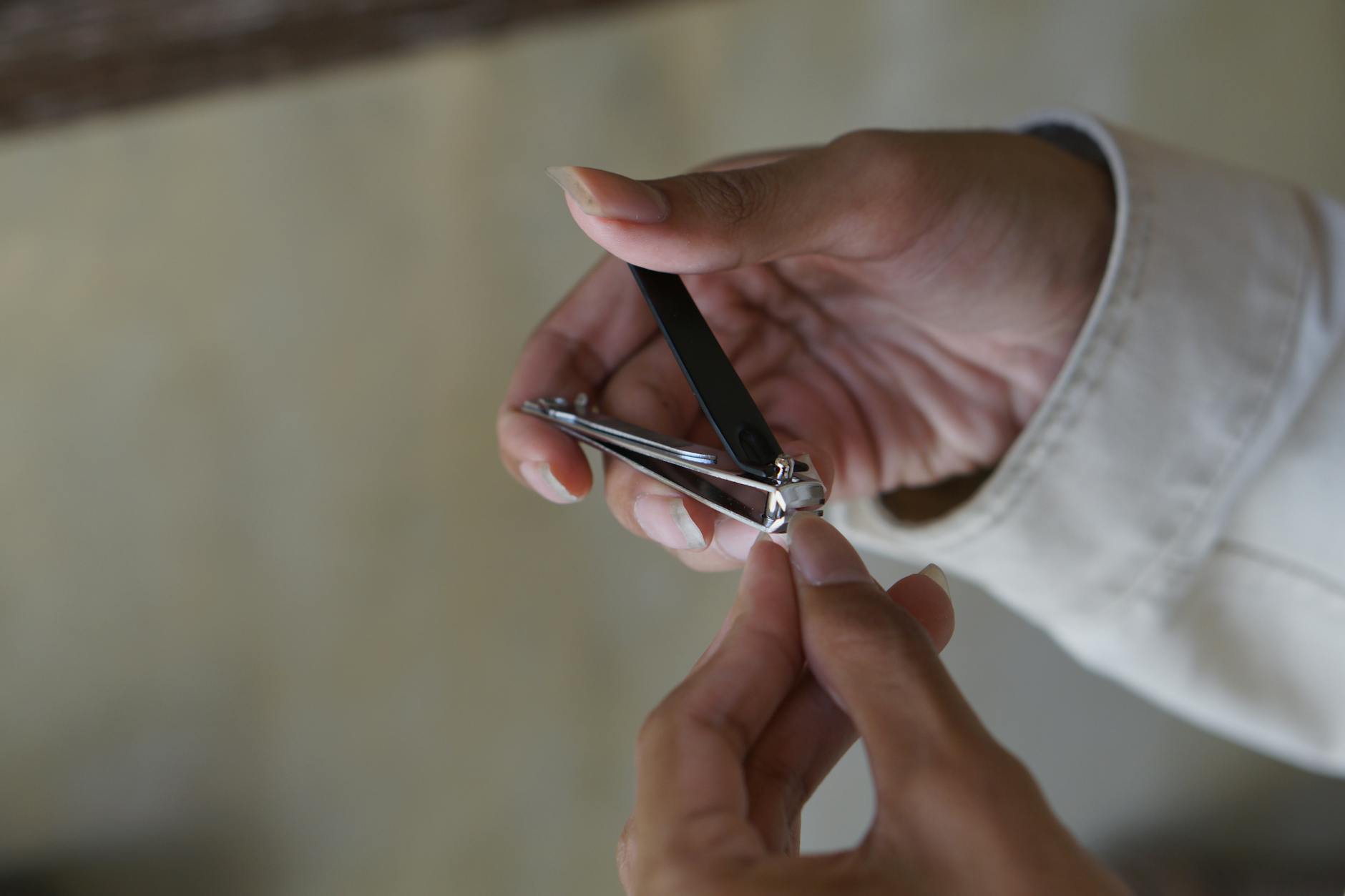
Clipping fingernails or toenails in shared spaces such as the couch or bed is a habit that tends to surface with alarming speed after moving in. Many people do this routinely without considering it unusual since they have always done it alone. The sound and the stray clippings quickly register as unacceptable to the other person. This habit generates some of the most visceral reactions among cohabiting couples and requires early redirection to appropriate spaces. It is rarely discussed before sharing a home because neither person anticipates it being an issue.
Shower Duration

Excessively long showers that drain the hot water tank were easy to conceal when both people showered in their own homes. The reality sets in during the first shared morning routine when one partner emerges from the bathroom forty minutes later in a cloud of steam. Hot water availability becomes a genuine scheduling concern rather than a minor inconvenience. This habit also surfaces in higher utility bills that neither person had previously factored into the relationship. Negotiating shower schedules is one of the more practical and surprisingly intimate early cohabitation conversations.
Midnight Snacking
Getting up repeatedly during the night to raid the kitchen is a habit that only reveals itself once two people share a bedroom. The sounds of wrappers, footsteps, and refrigerator light become part of the shared nighttime experience. One partner may have no memory of these excursions at all, adding a layer of confusion to the conversation when the other brings it up. This habit can affect sleep quality for both people and requires honest discussion about solutions. It is one of the more genuinely surprising discoveries for partners who assumed they knew each other’s routines well.
Pillow Hoarding

Gradually migrating to the center of the bed and commandeering pillows throughout the night is a sleep habit that cannot be observed until two people share a mattress regularly. The offending partner is often entirely unaware they do this, having slept alone for years without consequence. The other person wakes up clinging to the mattress edge with one thin pillow and a growing sense of injustice. This habit tends to escalate before it gets addressed because neither party wants to be the first to complain about sleep. It is among the most common and most underestimated cohabitation adjustments.
Laundry Abandonment

Leaving laundry in the washing machine for hours or days before moving it to the dryer is a habit that quickly becomes a shared household problem. One person’s laundry routine inevitably blocks the other’s access to the only appliance both people need. The damp clothing develops an odor that requires rewashing and compounds the original inconvenience. This habit reveals a fundamentally different relationship with household task completion that neither partner fully disclosed while dating. Establishing laundry schedules early is one of the more practical steps cohabiting couples learn to take.
Toothpaste Squeezing

Squeezing the toothpaste tube from the middle rather than rolling it up from the bottom is a small habit that somehow provokes outsized reactions in shared bathrooms. The person who does it rarely considers it relevant to mention during any stage of a relationship. The first time the other person picks up a mangled tube in the morning it registers as a personal affront. This bathroom dynamic has been cited in relationship studies as a surprisingly common source of minor daily tension. It has also inspired an entire product category of toothpaste dispensers designed to sidestep the conflict entirely.
Passive Phone Scrolling

Spending significant time scrolling through a phone in silence directly beside a partner was easy to conceal during shorter visits. Once cohabiting, this habit occupies large portions of shared evenings in a way that begins to feel like disconnection. One partner may not register it as unusual since they have done it every night for years. The other person starts to feel invisible in their own shared space. This habit becomes one of the earliest conversations couples have about quality time and the boundaries of technology in a shared home.
Intense Grooming Rituals

Elaborate multi-step skincare or grooming routines that occupy the bathroom for long stretches emerge as a genuine scheduling obstacle after moving in. During dating these routines were completed privately and presented no inconvenience to anyone else. Sharing a single bathroom suddenly means one person is locked out during a critical window of the morning. The other partner may be genuinely surprised by the number of products and steps involved in a routine they never witnessed before. Bathroom scheduling becomes one of the more delicate logistics early in cohabitation.
Volume Creep

Gradually increasing the volume on the television or music until it reaches genuinely loud levels is a solitary living habit that does not translate smoothly to shared space. One person spent years watching shows at volumes that would concern a hearing specialist and simply did not notice. The other person finds their concentration shattered and their ears ringing in their own home. This habit is rarely malicious and almost always unconscious which makes the initial conversation somewhat awkward. Calibrating household volume levels is one of the quieter but more persistent early negotiations.
Clutter Tolerance

A dramatically higher tolerance for visual clutter than previously disclosed becomes apparent within days of moving in together. Surfaces that one partner considers acceptably lived-in are viewed by the other as chaotic and stressful. Bags, mail, clothing, and miscellaneous items accumulate in patterns that feel completely natural to one person and deeply unsettling to the other. This habit reflects deeply ingrained standards formed over years of living alone or in one’s family home. Establishing shared expectations around surface clutter is one of the foundational exercises of building a shared household.
Thermostat Wars

Strong personal preferences about indoor temperature that were never discussed during dating become a daily source of negotiation once two people share a home. One partner runs warm and the other runs cold and both have been setting their own thermostats for years without compromise. The first few weeks involve a quiet but persistent battle of incremental adjustments. This habit is biological in many cases and genuinely difficult to change through effort alone. Blankets, fans, and scheduled thermostat agreements become the practical tools of resolution.
Produce Neglect

Buying fresh produce with excellent intentions and then leaving it to slowly wilt in the refrigerator is a hidden habit that reveals itself through smell before it reveals itself through conversation. One partner arrives home to find the vegetable drawer functioning as a compost bin. This habit speaks to a broader gap between aspirational and actual cooking frequency that dating rarely exposes. It also creates friction around grocery budgeting when the same items are purchased and wasted repeatedly. Couples often find that meal planning conversations become necessary far earlier than anticipated.
Sink Spitting

Leaving toothpaste residue or other traces in the sink without rinsing it away is a bathroom habit that surfaces almost immediately in a shared space. This is something many people do without registering it as anything requiring attention since they always cleaned it during their own infrequent deep cleans. The partner who notices it first is usually confronted with the uncomfortable position of raising what feels like a very small but viscerally unpleasant issue. These kinds of minor hygiene discrepancies are among the most awkward to bring up early in cohabitation. They are also among the most consistently reported by couples reflecting on their first weeks of living together.
Shoe Scattering

Leaving shoes scattered near the entrance or throughout the living space is a deeply habitual behavior that requires no conscious decision and therefore rarely crosses the mind before moving in. One partner navigates around a growing pile of footwear that the other considers an entirely reasonable arrangement. This habit often reflects a broader difference in how each person mentally maps their home environment and what counts as clutter. It is visually prominent enough to register immediately but feels too minor to raise in the early weeks. The gradual accumulation eventually forces the conversation about entryway organization.
Aggressive Alarm Habits

Setting multiple alarms at short intervals or hitting snooze repeatedly without consideration for the other person is a sleep habit with immediate shared consequences. The person who does it has built their entire morning around this system and rarely considers it disruptive since they have never had to answer to anyone for it. The other person is pulled from sleep repeatedly during what were once peaceful early morning hours. This habit generates more early-stage resentment than most couples anticipate because it affects rest quality directly. Alarm negotiations tend to happen within the first two weeks of cohabitation without exception.
Humming and Muttering

Unconscious humming, muttering, or narrating tasks aloud throughout the day is a solitary living habit that was never an issue when no one else was around to hear it. The newly cohabiting partner becomes aware of a near-constant low-level soundtrack that the other person produces entirely without realizing it. Pointing it out feels unkind because the habit is completely involuntary. Over time it either becomes background noise or a source of gentle teasing depending on the couple. It is one of the more endearing entries on this list in retrospect and one of the more startling ones in the moment.
What disgusting or surprising habit did your partner reveal the moment you moved in together? Share your stories in the comments.