The kitchen sponge is one of the most used and least scrutinized objects in any home. Research consistently identifies it as among the most bacterially dense items in the domestic environment, harboring organisms that cause foodborne illness, gastrointestinal distress and skin infections. Most people replace sponges far less frequently than hygiene standards recommend and use them in ways that actively concentrate and redistribute harmful microorganisms. The habits that make sponges dangerous are deeply routine and that normalcy is exactly what makes them so effective at spreading contamination. Understanding what goes wrong with sponge use is the first step toward meaningfully reducing microbial risk in the kitchen.
Raw Meat Wiping
Using a kitchen sponge to wipe surfaces that have come into contact with raw meat is one of the fastest ways to create a contamination vehicle that affects every subsequent surface it touches. Pathogens including salmonella and campylobacter transfer from meat juices into the sponge’s porous interior where they find warmth and moisture ideal for rapid multiplication. The sponge then carries that bacterial load to cutting boards, countertops, appliance handles and dish surfaces during normal cleaning use. Heat from cooking does not reach the interior of a contaminated sponge and therefore does not neutralize the organisms living inside it. Surfaces that have contacted raw meat should be cleaned with disposable materials or disinfectant sprays rather than a reusable sponge.
Never Replacing
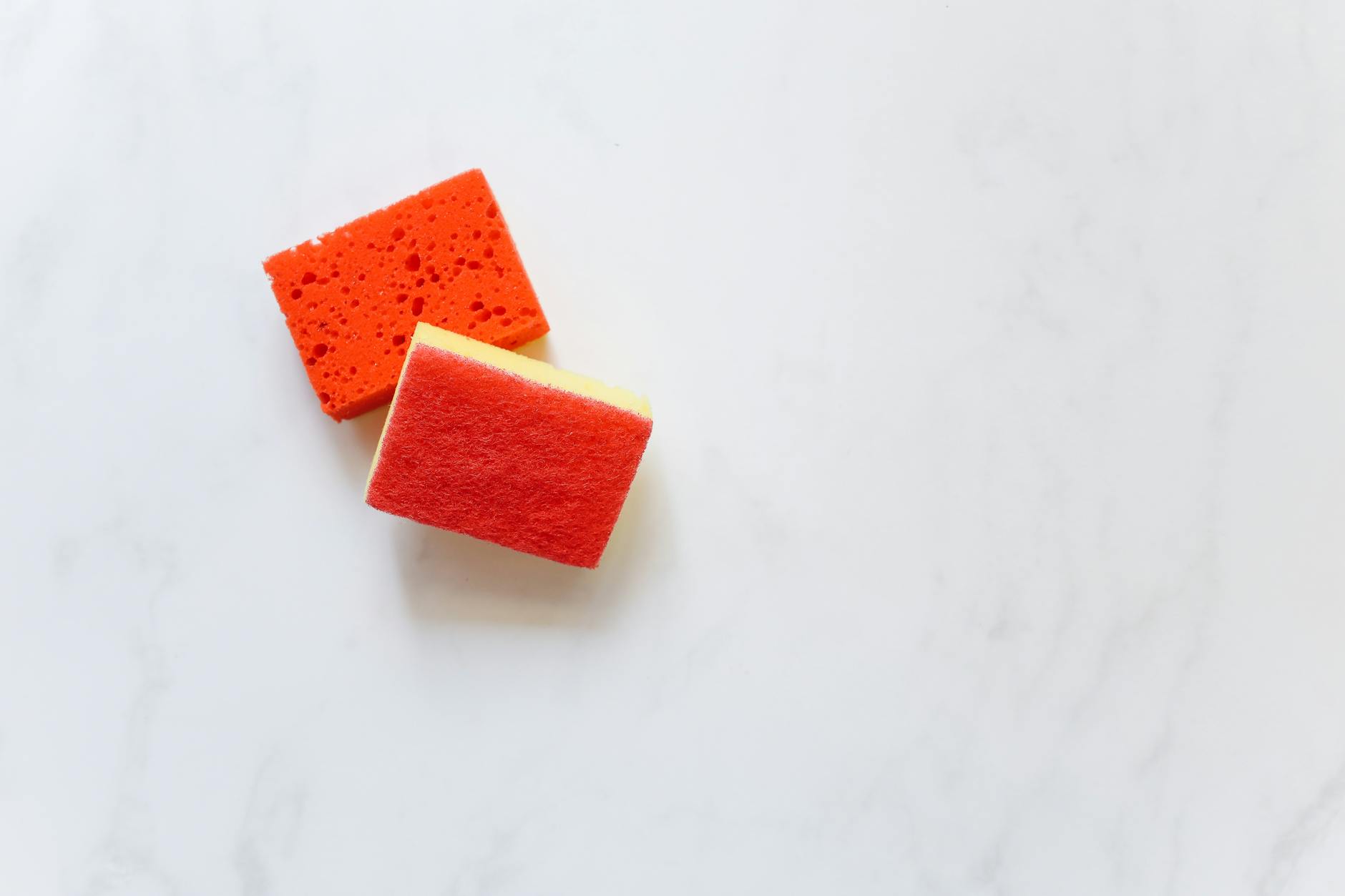
Keeping a kitchen sponge in use for weeks or months without replacement allows bacterial populations to reach concentrations that make routine cleaning counterproductive. Studies examining used kitchen sponges have found bacterial cell counts in the billions per square centimeter after extended periods of use. The physical degradation of the sponge over time creates more internal surface area and deeper pockets where microorganisms are sheltered from rinsing and mild cleaning agents. Many households replace sponges only when they begin to visibly deteriorate or produce an obvious odor which occurs well after dangerous contamination levels have been established. Hygiene guidelines consistently recommend replacing kitchen sponges at intervals of one to two weeks under normal use conditions.
Sink Leaving
Leaving a wet sponge sitting in or beside the kitchen sink between uses creates near-perfect conditions for microbial growth. The combination of residual food particles, ambient warmth, persistent moisture and limited airflow allows bacteria to double in population at intervals measured in minutes under favorable conditions. A sponge left pooled in standing water at the bottom of a sink absorbs whatever drains across it including raw food residue and dishwater backwash. The sink environment is already one of the most contaminated surfaces in a kitchen and a sponge left there continuously absorbs and amplifies that contamination. Sponges should be wrung thoroughly dry and stored upright in a position that allows full airflow between uses.
Dish Washing
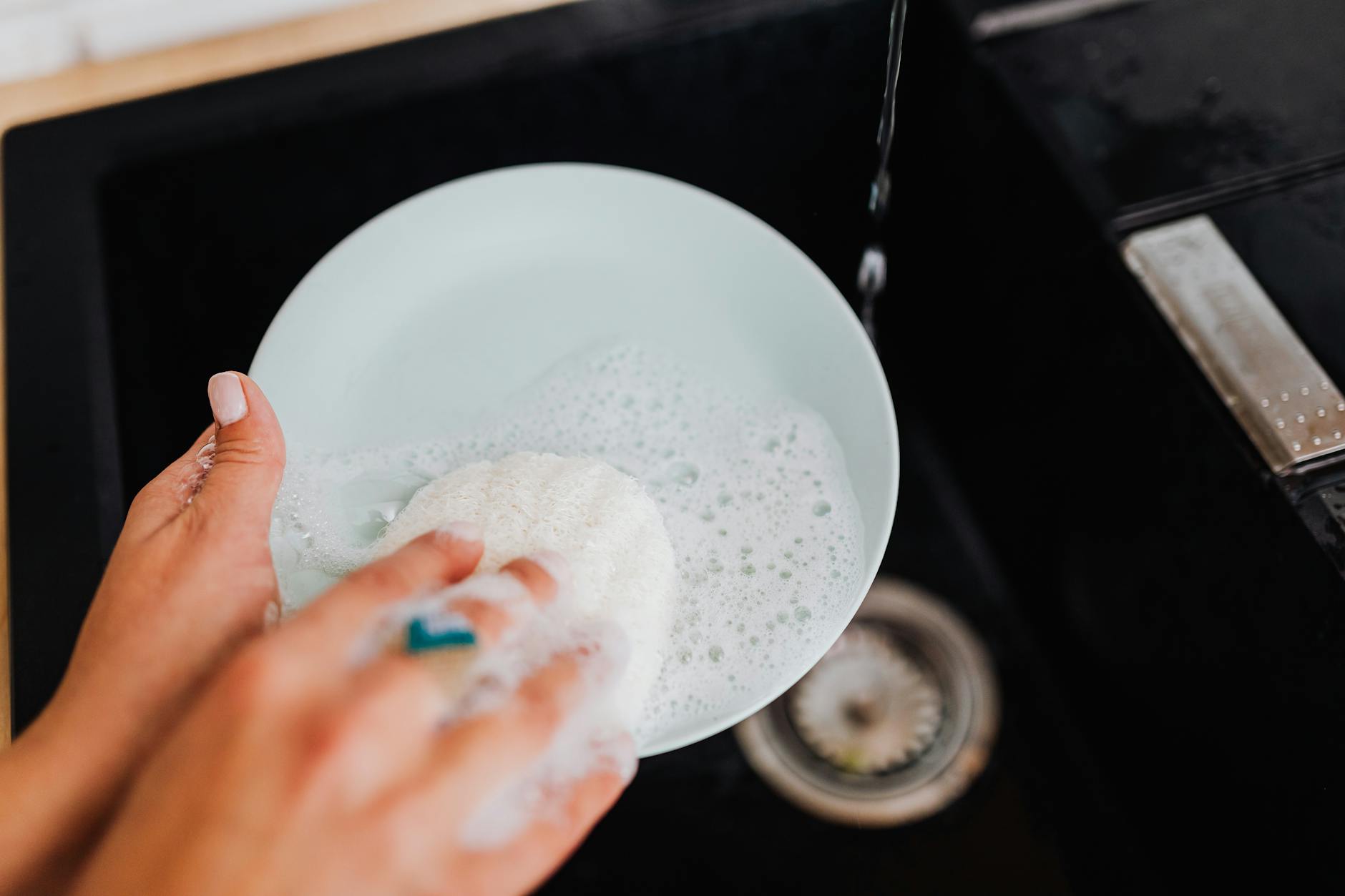
Using the same sponge to wash dishes that is also used to wipe counters and clean up spills blends contamination streams that should remain entirely separate. Food residue on dishes provides nutrient material that feeds bacterial colonies within the sponge during and after washing. A sponge used across all kitchen tasks carries a composite microbial population derived from every surface it has contacted throughout its lifespan. Dishes washed with a heavily contaminated sponge may carry more surface bacteria after washing than they did before. Designated sponges or cloths for specific tasks including a separate one for dishes only is a practical method for reducing cross-task contamination.
Floor Spill Use
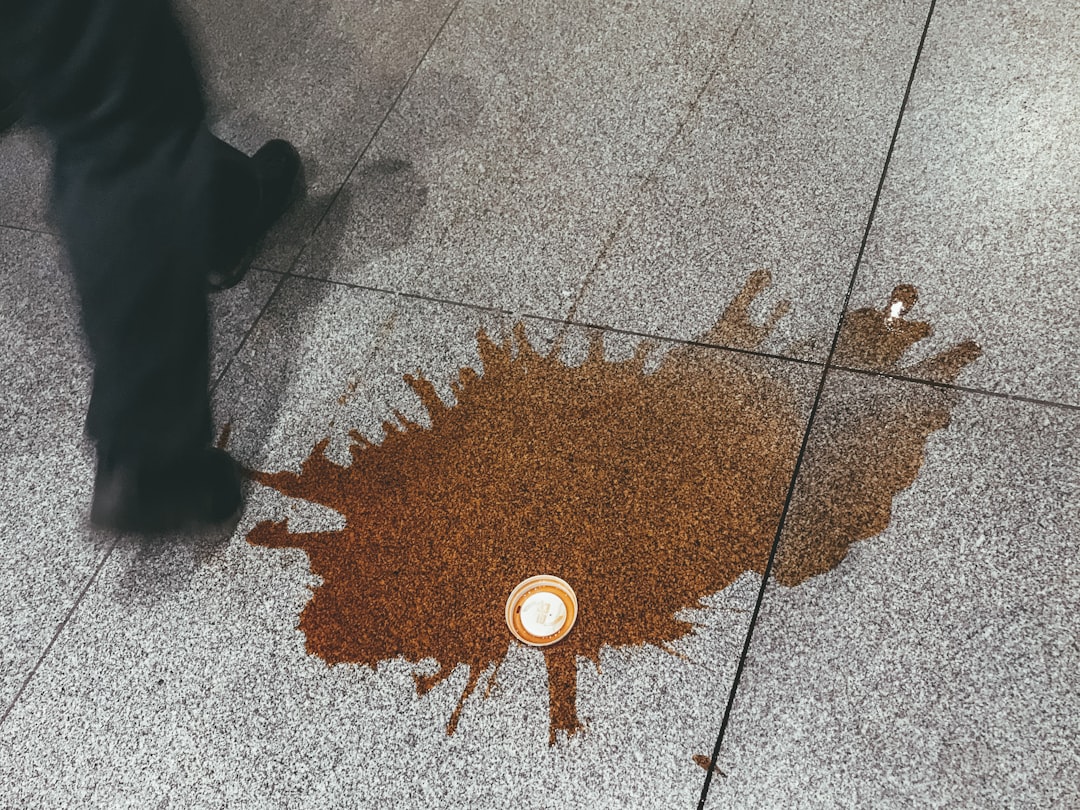
Reaching for the kitchen sponge to clean up a floor spill introduces floor-level contamination into an object that will subsequently be used on food preparation and eating surfaces. Kitchen floors carry bacteria, mold spores and particulate matter that accumulates between mopping sessions and is not visible to the naked eye. A sponge used on the floor absorbs that microbial content directly into its core structure. The same sponge then redistributes floor contamination across countertops, stovetops and dishes during its next use without any visible indication that cross-contamination has occurred. Floor spills should always be addressed with a dedicated mop, paper towels or disposable cloths rather than the kitchen sponge.
Microwave Myth
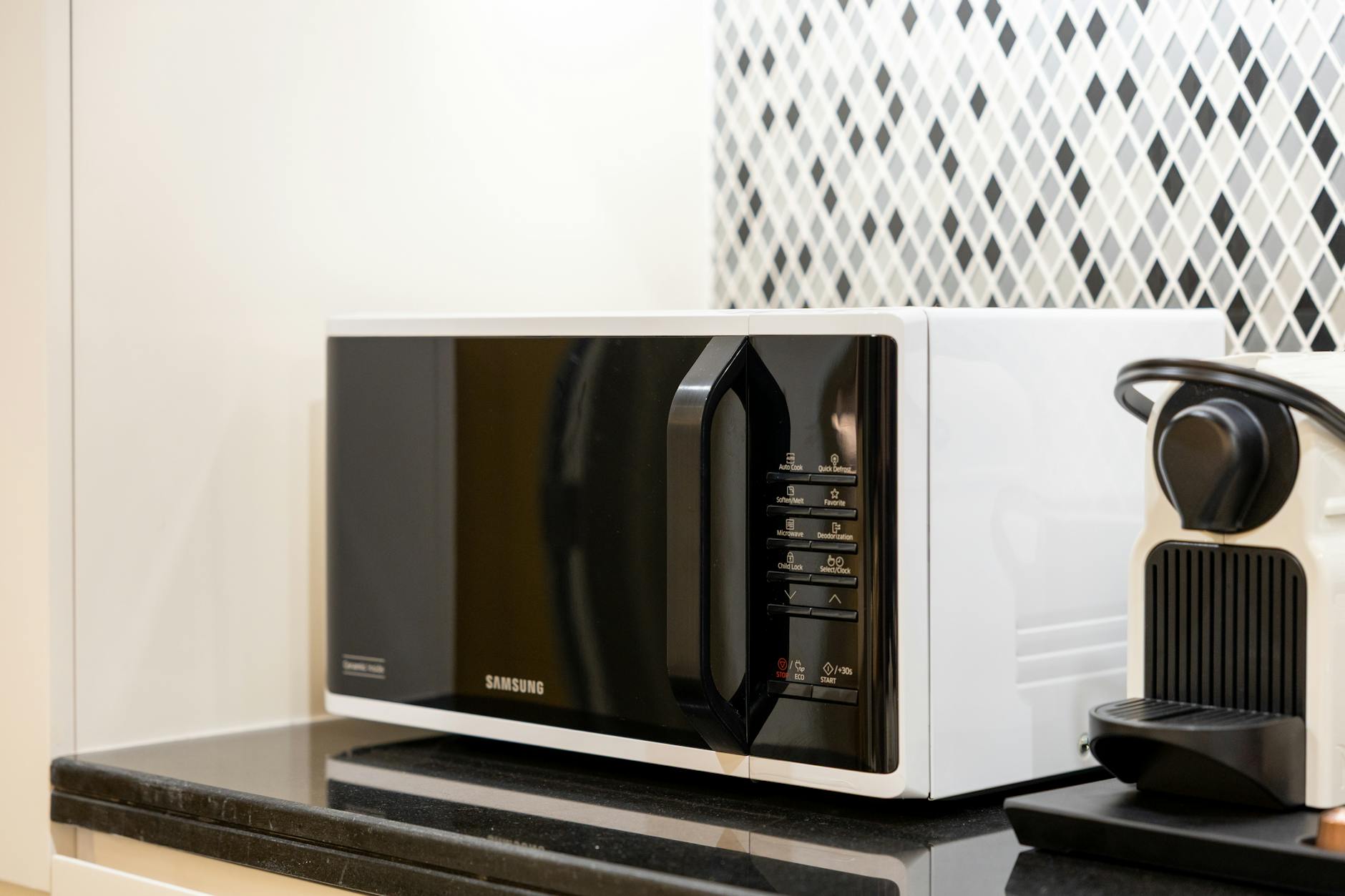
The widespread belief that microwaving a wet sponge for two minutes effectively sterilizes it has led many people to continue using sponges far beyond a safe service life under the assumption that they are regularly decontaminated. While microwaving can reduce some bacterial populations it does not eliminate all organisms and studies have found that the most resistant bacteria actually survive and may come to dominate the sponge’s microbial community after repeated microwave treatments. The process also does not remove the food debris and organic material inside the sponge that sustains ongoing bacterial growth between treatments. A sponge that is microwaved regularly but never replaced can develop a concentrated population of heat-tolerant pathogens that are more difficult to address than those in an untreated sponge. Microwave treatment is not a substitute for regular sponge replacement.
Egg Residue Wiping
Wiping up raw egg residue with a kitchen sponge introduces salmonella directly into the sponge’s internal structure where it can survive and multiply. Eggs are among the most common sources of salmonella contamination in residential kitchens and broken or cracked shells release bacterial content onto surrounding surfaces quickly. A sponge used to wipe egg splatter from stovetops, bowls or countertops absorbs that contamination and retains it through subsequent uses unless the sponge is immediately discarded. Egg proteins also provide a nutrient-rich medium that accelerates bacterial growth within the sponge’s interior structure. Raw egg cleanup should always be handled with disposable paper products followed by surface disinfection.
Sponge Sharing
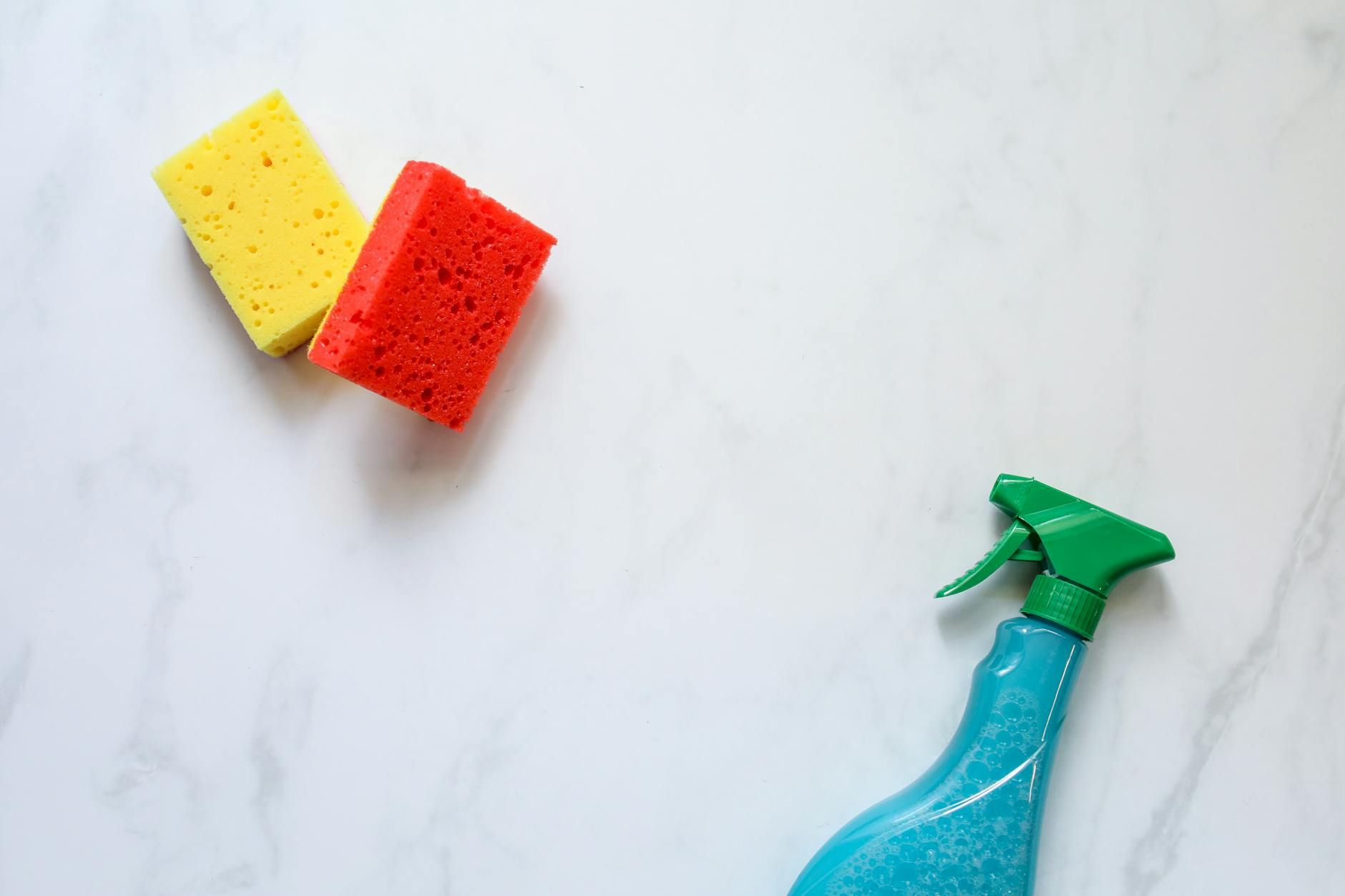
Using one sponge across multiple household members’ dishes and personal items without any form of rotation or designation means that one object becomes a shared vehicle for every individual’s oral microbiome, food residue and surface contamination. Bacteria introduced by one household member including those associated with illness can transfer to another person’s dishes and from there to their mouth and digestive system. This transmission pathway is particularly significant in households where one member is experiencing a gastrointestinal illness and continues using shared kitchen items. The sponge functions as a physical bridge between individuals in a way that other kitchen tools do not because of its porous, moisture-retaining structure. Designated sponges or a strict replacement protocol during periods of household illness meaningfully reduces this transmission risk.
Baby Bottle Cleaning
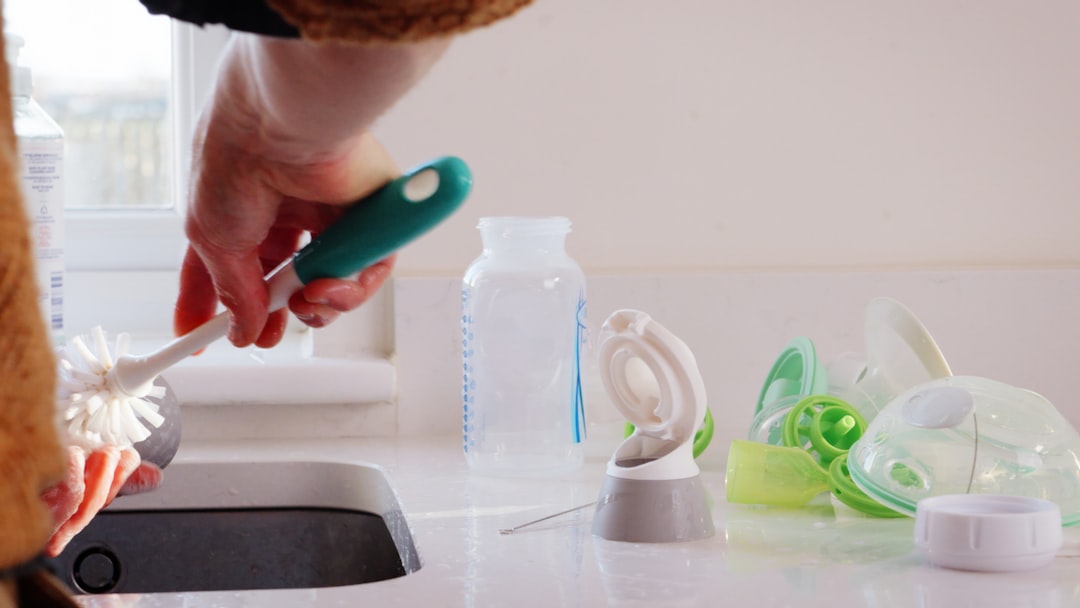
Using a standard kitchen sponge to clean infant feeding bottles, nipples and pacifiers introduces bacterial contamination into items that go directly into a baby’s mouth. Infants have developing immune systems that are less equipped to manage bacterial exposure than those of healthy adults and the threshold for illness-causing contamination is correspondingly lower. A kitchen sponge carrying even moderate levels of bacterial contamination can deposit organisms onto bottle interiors that are then incubated in residual milk during storage. Steam sterilization or dishwasher cycling of feeding equipment does not compensate for contamination introduced through a bacterially loaded cleaning implement. Infant feeding equipment should be cleaned with a dedicated brush used exclusively for that purpose and replaced frequently.
Cutting Board Use
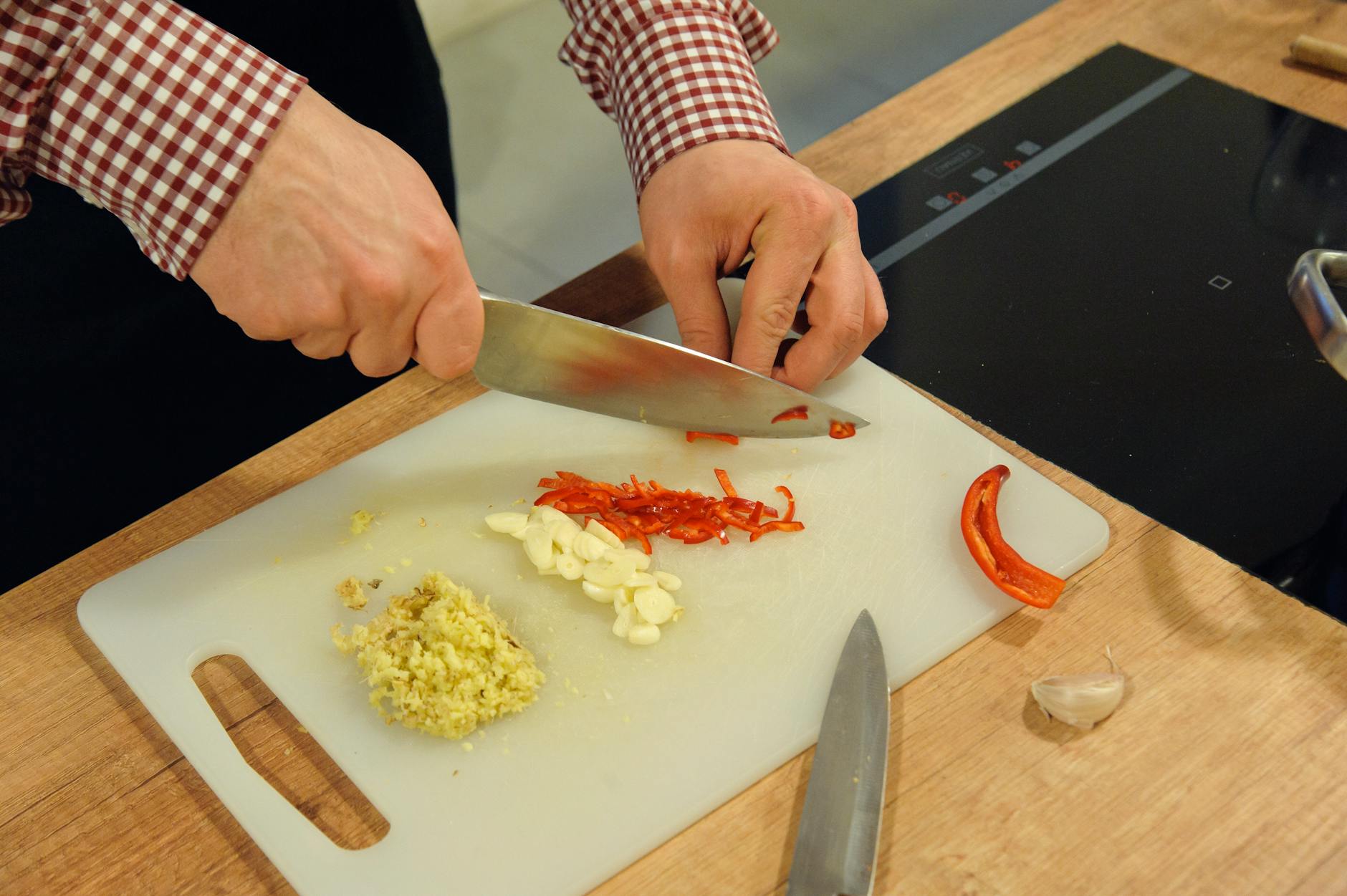
Wiping a cutting board with a kitchen sponge after food preparation spreads rather than removes bacterial contamination from the board’s surface. Cutting boards develop microscopic grooves during use that harbor bacteria below the surface level that a sponge can effectively reach. The wiping action of a sponge distributes surface bacteria laterally across the board and transfers a portion into the sponge itself. A board that has been used for multiple food types including produce, protein and cooked foods carries a layered contamination profile that a sponge absorbs and redistributes. Cutting boards should be cleaned with hot water, dish soap and a scrubbing brush followed by air drying or dishwasher processing depending on the board material.
Pet Bowl Cleaning
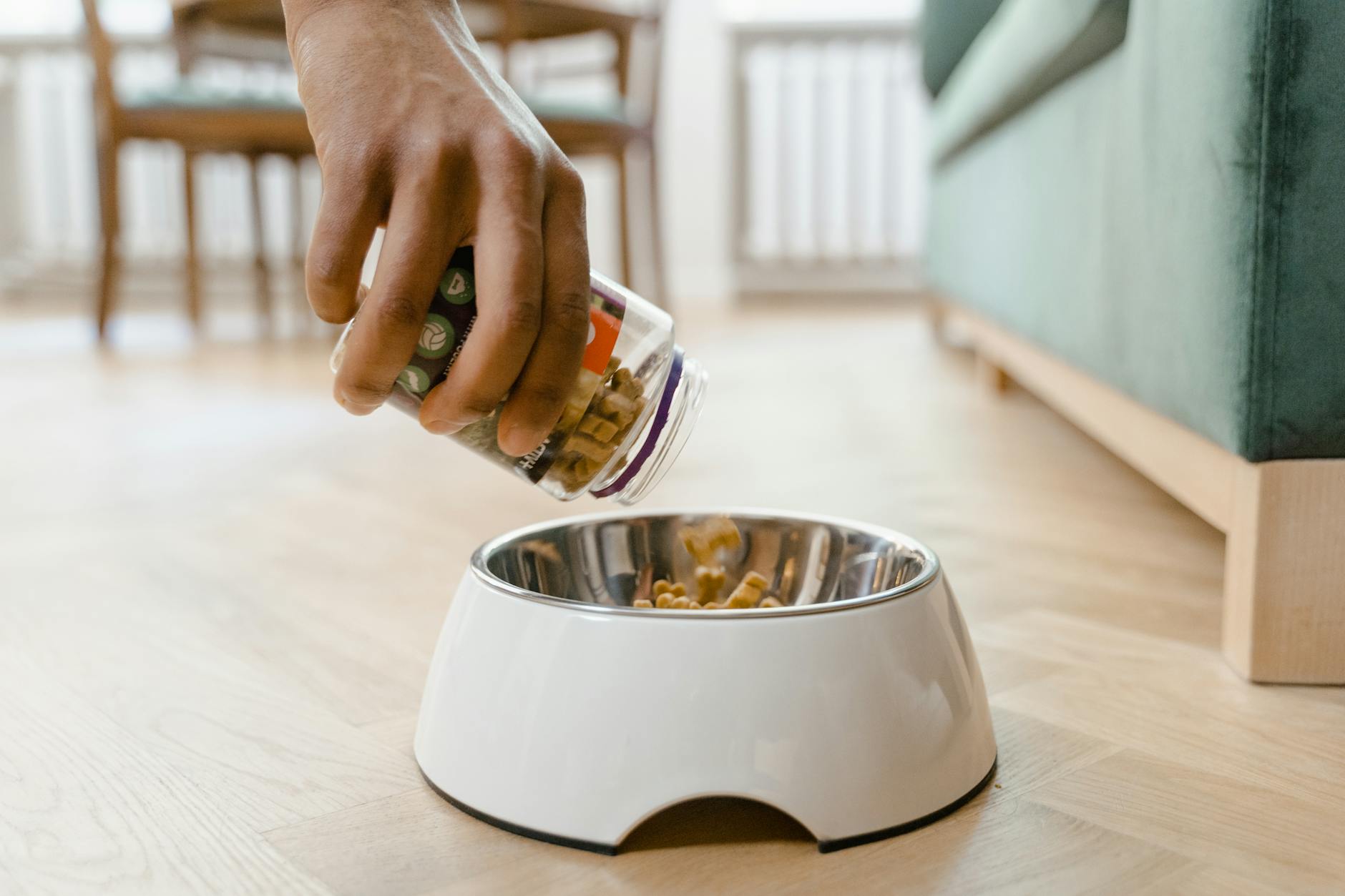
Washing a pet’s food and water bowls with the kitchen sponge used for human dishes creates a cross-species contamination pathway that most pet owners do not consider. Pet bowls harbor bacteria including those associated with pet saliva, raw food diets and ambient environmental contamination specific to where the bowl is kept. Some organisms commonly found in pet bowl biofilm are zoonotic meaning they can cause illness in humans upon sufficient exposure. Washing pet bowls with the household sponge and then continuing to use that sponge for human dishes transfers this contamination without any obvious warning sign. Pet dishes should be washed separately with a dedicated implement and kept on a separate drying surface from human tableware.
Garbage Area Wiping
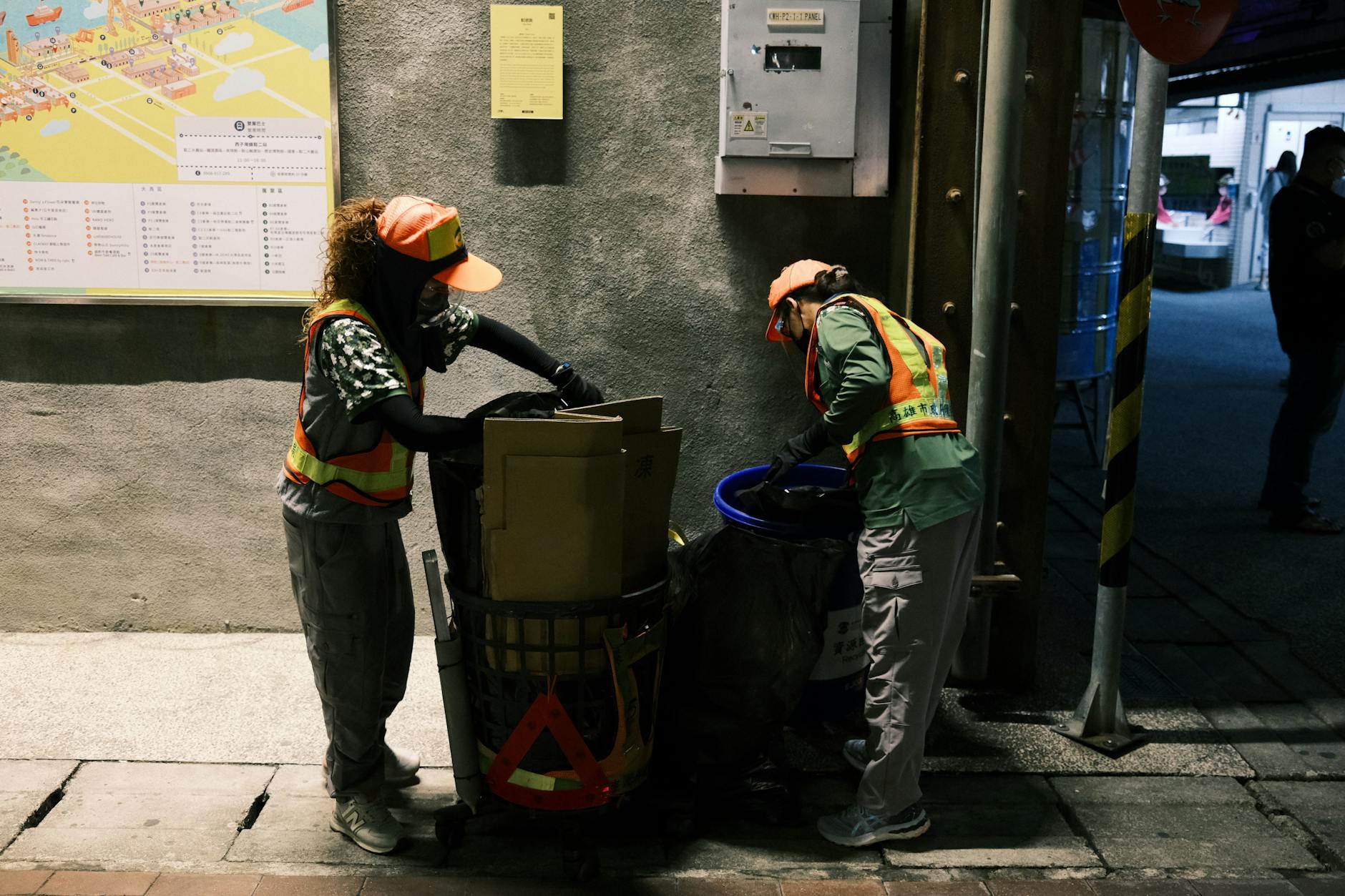
Using the kitchen sponge to wipe around the garbage bin, under the bin or near the area where trash bags are handled introduces contamination from one of the most bacterially active zones in any kitchen. Garbage areas accumulate leakage, decomposing food material and environmental bacteria at concentrations well above those found elsewhere in the kitchen. A sponge used in this zone absorbs that content and carries it back to food preparation areas during its next deployment. Many people perform this cleaning without thinking of it as categorically different from wiping a clean countertop. Any cleaning that occurs in proximity to waste disposal should involve disposable materials that are discarded immediately after use.
Dishcloth Mixing

Storing a kitchen sponge in direct contact with dishcloths, hand towels or other fabric items allows microbial transfer between materials that then carry contamination to hands, dishes and surfaces independently. Damp fabric in contact with a bacterially loaded sponge absorbs moisture along with the microbial content it carries. The dishcloth then becomes a secondary contamination vehicle that contacts hands and surfaces throughout the day. This cross-storage problem is compounded when multiple damp items are stored together in an enclosed drawer or bunched on a countertop without adequate airflow. Kitchen sponges should be stored separately from fabric items and both should be allowed to dry fully between uses.
Sponge Squeezing
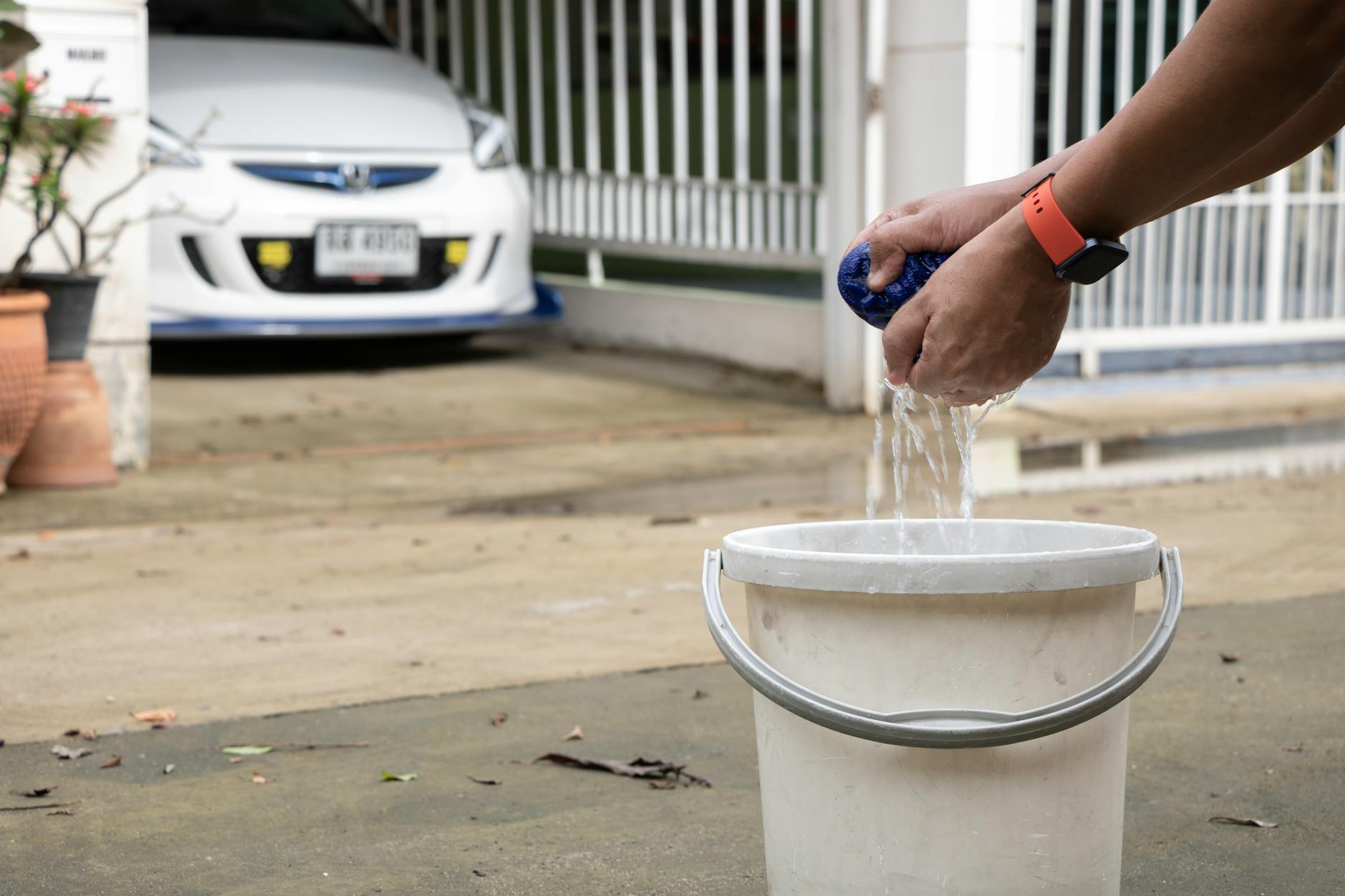
Squeezing a kitchen sponge over the sink and then handling food, utensils or dishes without washing hands transfers bacterial content from the sponge directly onto the hands and from there to everything they subsequently touch. The act of squeezing a wet sponge expels water that has been sitting in contact with millions of bacteria and that water coats the hand during the process. Many people squeeze and wring a sponge as part of their pre-cleaning routine without recognizing that this constitutes a meaningful hand contamination event. The bacteria most commonly found in kitchen sponges are capable of causing gastrointestinal illness upon ingestion and hand-to-mouth transfer is a well-documented transmission route. Hands should always be washed with soap after handling a kitchen sponge before touching food or clean surfaces.
Smell Testing

Bringing a kitchen sponge close to the face and smelling it to determine whether it needs replacing is a behavior that brings a heavily contaminated object into direct proximity with the nose and mouth. The odor that develops in an old sponge is produced by anaerobic bacteria and their metabolic byproducts but the sponge can carry dangerous levels of pathogenic bacteria long before any smell develops. Using odor as the primary indicator of replacement need means that the sponge is almost always in use well past a safe service life. Bringing the sponge toward the face during this assessment also risks inhaling aerosolized water droplets from the sponge’s surface. Replacement schedules should be based on time and usage rather than sensory indicators.
Coffee Mug Scrubbing
Using a kitchen sponge to scrub the interior of coffee mugs introduces bacterial contamination into a vessel that contacts the mouth with every use. The tannin staining that accumulates inside coffee mugs provides a nutrient surface that bacteria from the sponge can colonize after washing. A sponge that has been used across multiple kitchen tasks carries a mixed microbial load that transfers readily to the porous interior surface of ceramic mugs. Mugs that are wiped rather than rinsed after sponge washing retain sponge water and its bacterial content on their drinking surface. Mugs should be washed with dish soap and hot water using a dedicated clean implement and rinsed thoroughly before drying.
Refrigerator Wiping
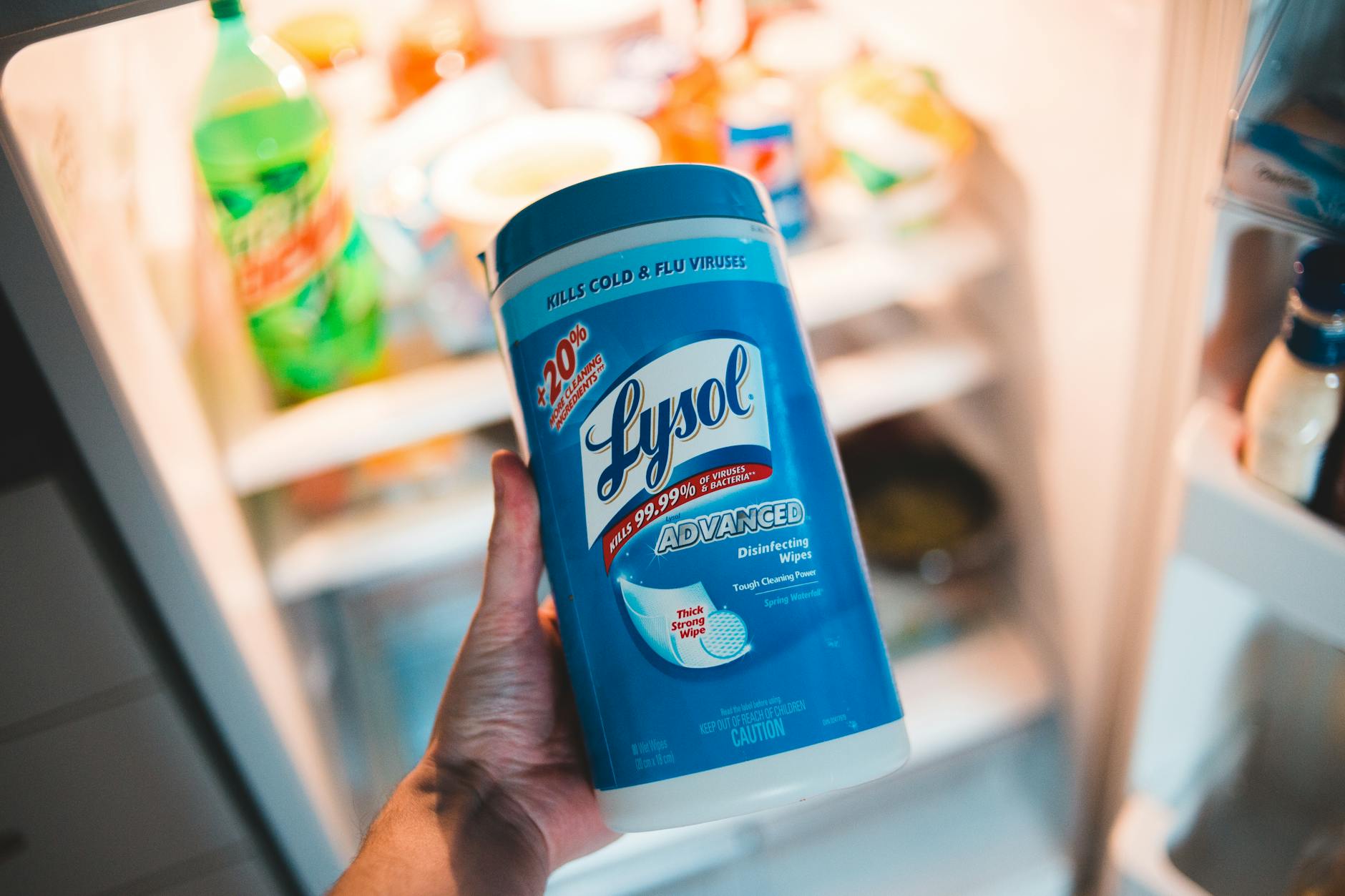
Using the kitchen sponge to wipe interior refrigerator surfaces spreads bacterial and mold contamination from the sponge into the cool environment where food is stored. Refrigerator interiors that have experienced food spills or produce decay carry their own microbial populations and wiping with a contaminated sponge adds to rather than reduces that burden. Mold spores present in a sponge can establish colonies on refrigerator surfaces and on food items stored nearby. The cool temperature of the refrigerator does not kill bacteria deposited by the sponge but simply slows their reproduction until the items are removed to room temperature. Refrigerator interior cleaning should involve a fresh cloth or paper towel and a food-safe disinfecting solution.
Stove Burner Wiping
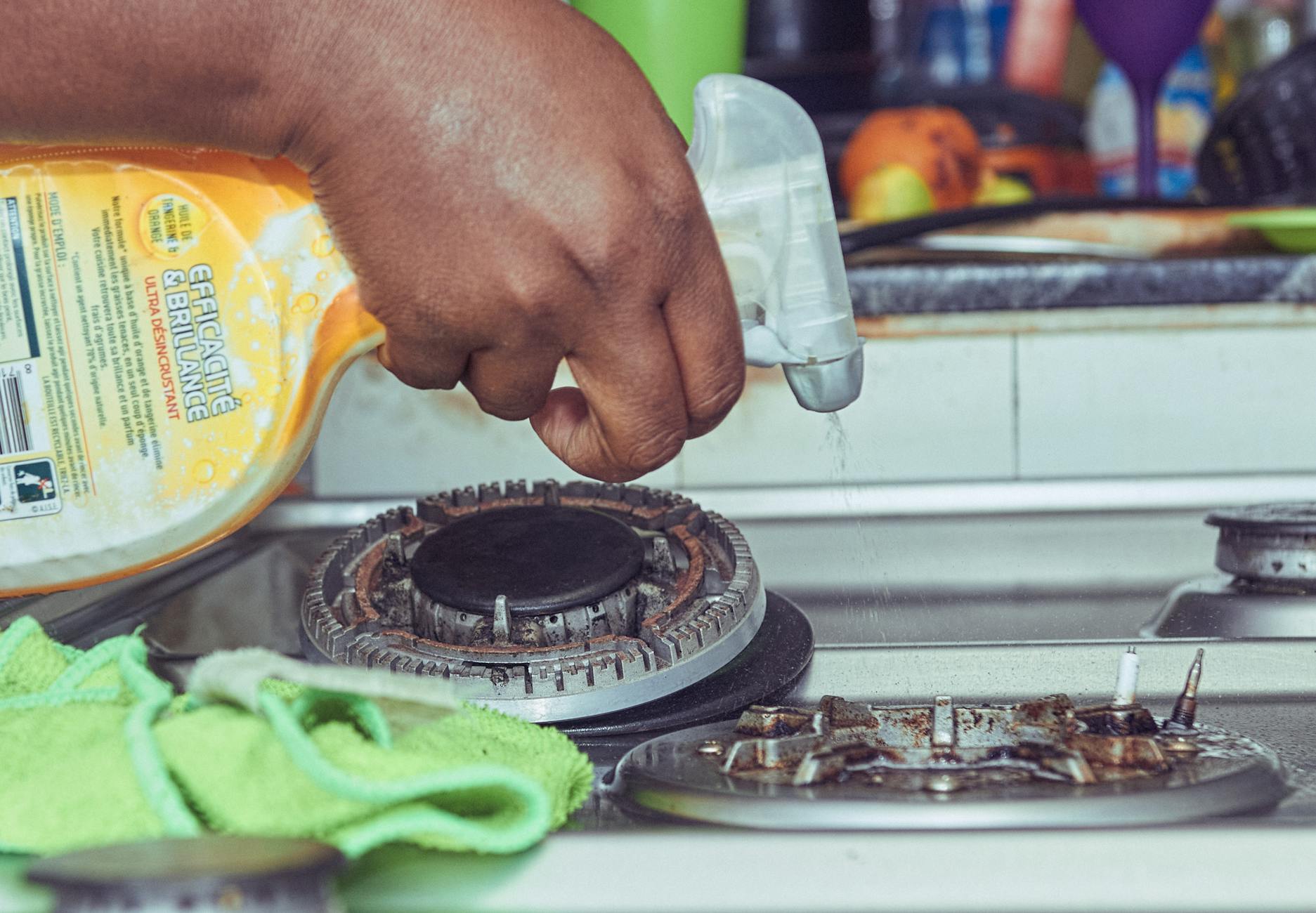
Wiping around gas or electric stove burners with a kitchen sponge deposits bacterial content onto a surface that reaches high temperatures during cooking, potentially aerosolizing some of those organisms when the burner is next ignited. Stove surfaces around burners accumulate grease, food splatter and carbonized residue that a sponge absorbs and adds to its internal contamination load. The sponge then carries that grease-and-bacteria combination back to other surfaces it is used on throughout the day. Grease-laden sponges also become fire-adjacent hazards when placed near active burners after use. Stove surfaces benefit from purpose-specific degreasers applied with disposable cloths rather than a multi-use kitchen sponge.
Soap Dispensing
Pumping dish soap directly onto a kitchen sponge that has not been rinsed from its previous use mixes fresh soap with contaminated water and food residue already present in the sponge’s interior. The foam produced during subsequent use gives the appearance of effective cleaning while the contaminated water expelled from the sponge during scrubbing deposits bacteria onto dishes. Many people treat the presence of soap as confirmation that the cleaning process is sanitary regardless of the condition of the sponge itself. Soap reduces surface tension and helps lift debris but does not sterilize or significantly reduce the bacterial load inside a heavily used sponge. A sponge should be thoroughly rinsed and wrung dry before fresh soap is applied for each new cleaning task.
Countertop Raw Produce
Wiping countertop surfaces with a sponge and then using that same sponge on raw produce to clean it before cooking reverses the purpose of food preparation hygiene entirely. A countertop sponge carries bacteria from every surface and task it has previously encountered and applying it to food creates a direct ingestion pathway for those organisms. Raw produce has a surface structure that can trap and retain bacteria deposited during sponge contact making subsequent rinsing less effective at removal. This habit is particularly common when washing root vegetables or firm fruits that seem to need scrubbing rather than gentle rinsing. Produce should be cleaned under running water using hands or a dedicated produce brush rather than a general-purpose kitchen sponge.
Hand Drying

Using a kitchen sponge to dry or wipe hands after washing them defeats the purpose of handwashing and reintroduces bacterial contamination onto clean skin. The hands pick up whatever microbial content the sponge carries during the brief contact of drying and that content then transfers to every surface and food item touched afterward. This habit is particularly prevalent when paper towels are unavailable and the sponge is the nearest available absorbent object. Even a sponge that appears clean and has been recently rinsed retains sufficient bacterial content to meaningfully contaminate clean hands. Hands should always be dried with paper towels or a dedicated clean hand towel that is laundered frequently.
Sponge Boiling
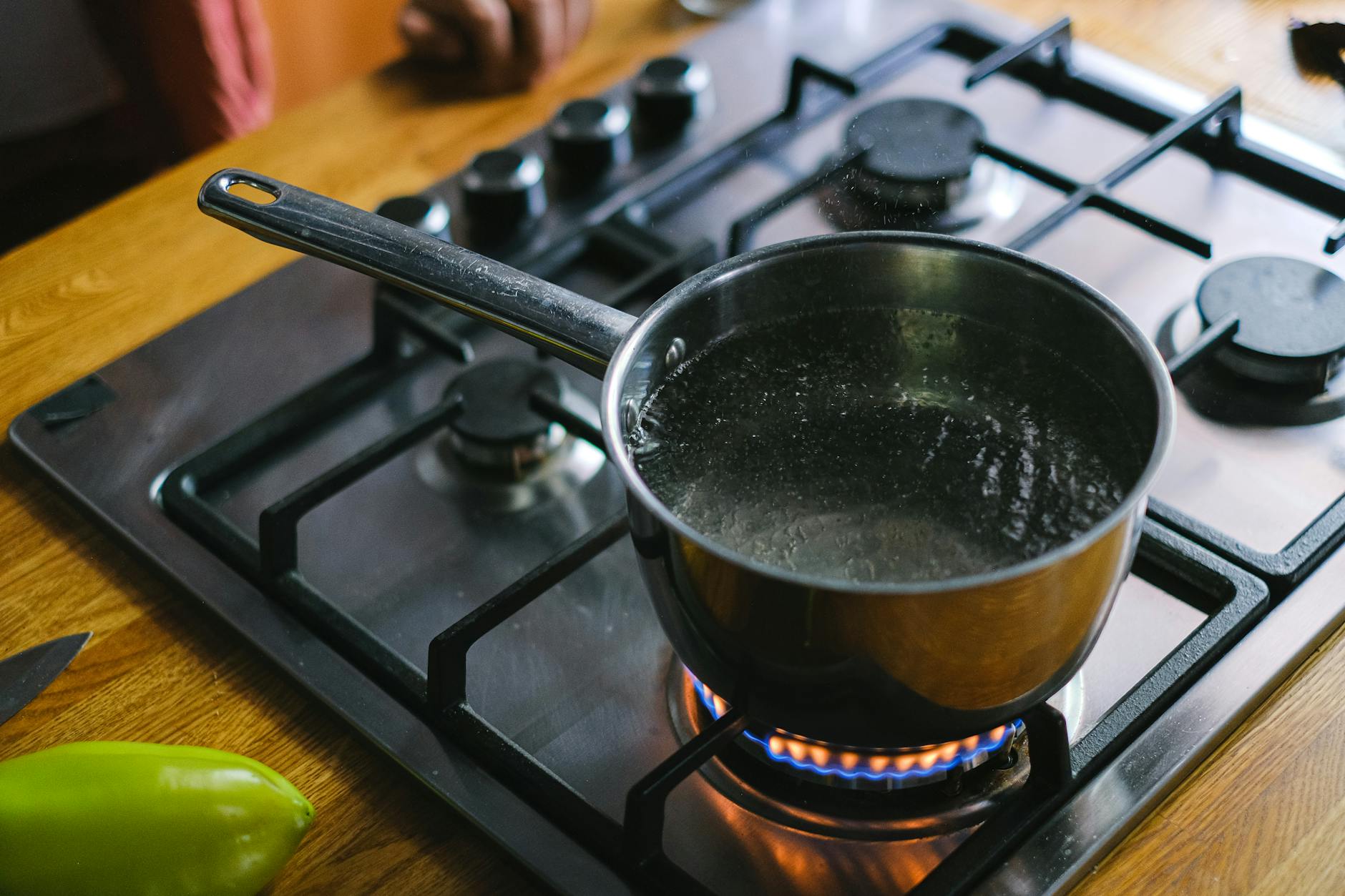
Boiling a kitchen sponge as a decontamination strategy is a more aggressive version of the microwave myth and carries similarly incomplete results alongside additional risks. While sustained boiling can reduce bacterial counts it does not eliminate heat-resistant spore-forming organisms and does nothing to remove the organic material inside the sponge that sustains bacterial regrowth. The structural integrity of many sponge materials degrades with repeated boiling creating more internal cavities where organisms can shelter from subsequent cleaning attempts. A boiled sponge returned to normal kitchen use without replacement gives users a false sense of safety that extends its lifespan well past the point of hygiene. Decontamination treatments of any kind are not a reliable substitute for replacing sponges on a consistent schedule.
Visiting Guest Use

Handing a household’s regular kitchen sponge to a visiting guest to use for washing dishes or wiping surfaces introduces an external microbial profile into the sponge that the household has not previously been exposed to. Each person carries a unique oral and skin microbiome and the organisms from a guest’s hands transfer readily into a porous sponge during use. The household members who subsequently use that sponge are then exposed to those organisms through every surface the sponge subsequently contacts. While the risk in any single interaction is relatively low the principle of accumulating unfamiliar microbial content into a shared household object is a genuine hygiene concern. Disposable cloths or a fresh sponge designated for guest use is a straightforward way to manage this exposure.
Illness Continuance
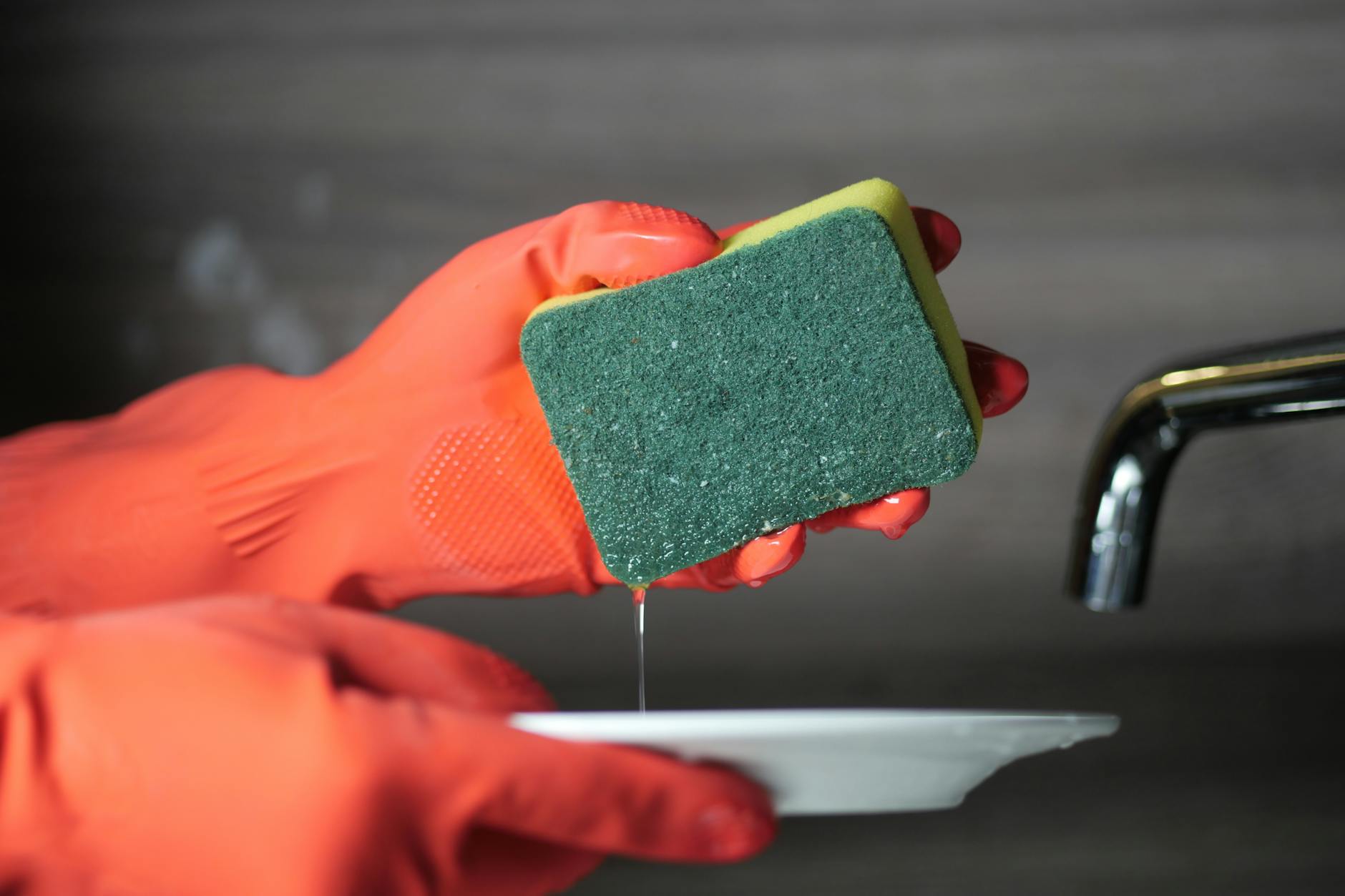
Continuing to use the household kitchen sponge without replacement during and immediately after a period of gastrointestinal illness in the home allows the causative organisms to persist in an active transmission vehicle. Hands contaminated during illness transfer organisms to the sponge during normal kitchen use and those organisms survive and reproduce within the sponge’s moist interior. Family members who use the same sponge after the initial illness has appeared are then exposed to the pathogen through the surfaces and dishes the sponge contacts. This cycle of sponge-mediated reinfection is a recognized contributor to the phenomenon of illness that appears to repeatedly circulate through households. Replacing the kitchen sponge immediately at the onset of any gastrointestinal illness in the home is one of the simplest and most effective steps in preventing secondary transmission.
If you have changed your sponge habits after learning about bacterial risks share your experience in the comments.