From mystery leftovers to pungent personal care products, the items passengers carry onto flights can turn a routine workday into a genuine ordeal for cabin crew. Flight attendants operate in an enclosed space with recirculated air, meaning smells and messes spread quickly and affect everyone on board. Passengers often underestimate how confined and shared the airplane environment truly is. The items on this list have been consistently flagged by flight attendants across airlines worldwide as the most stomach-turning offenders they encounter.
Durian Fruit
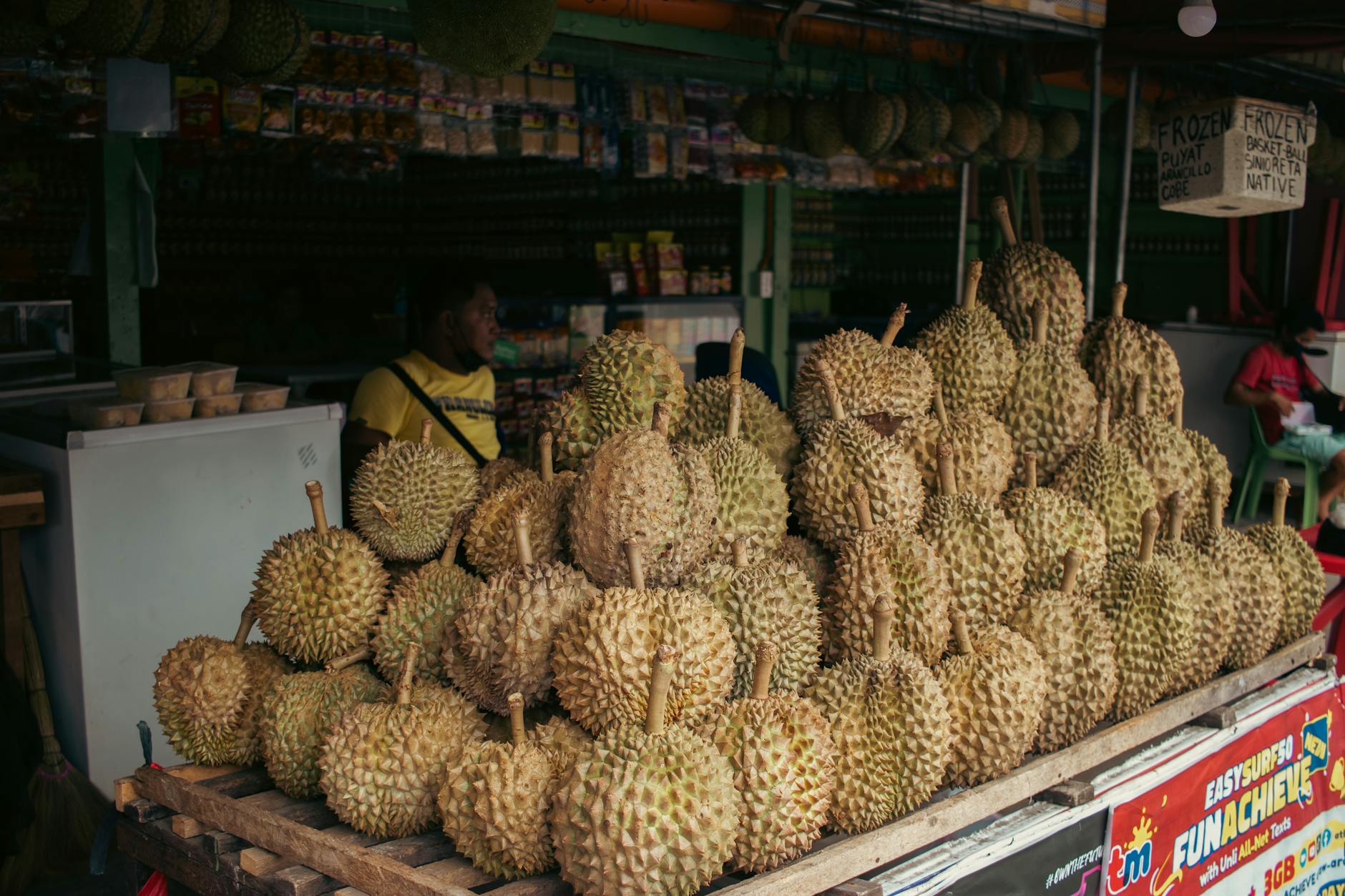
Durian is a tropical fruit notorious for its extraordinarily powerful odor, which many describe as a combination of rotting onion and gym socks. Several major airlines across Southeast Asia have officially banned it from flights due to the overwhelming complaints it generates. When brought into a pressurized cabin, the smell becomes impossible to escape or dilute. Flight attendants report that even a sealed bag does little to contain the odor at altitude. The fruit is beloved in certain cultures but universally dreaded by airline crews worldwide.
Dirty Diapers

Some passengers dispose of used diapers by leaving them stuffed into seat pockets or placed loosely on tray tables for crew to collect. Flight attendants are not obligated to handle biohazard waste in this manner and are often deeply uncomfortable when confronted with it. The enclosed air circulation system means odors from improperly disposed diapers travel throughout the cabin rapidly. Most aircraft have dedicated disposal bags and changing tables in lavatories specifically to address this issue. Leaving a soiled diaper in the open cabin is considered one of the most inconsiderate things a passenger can do.
Nail Polish
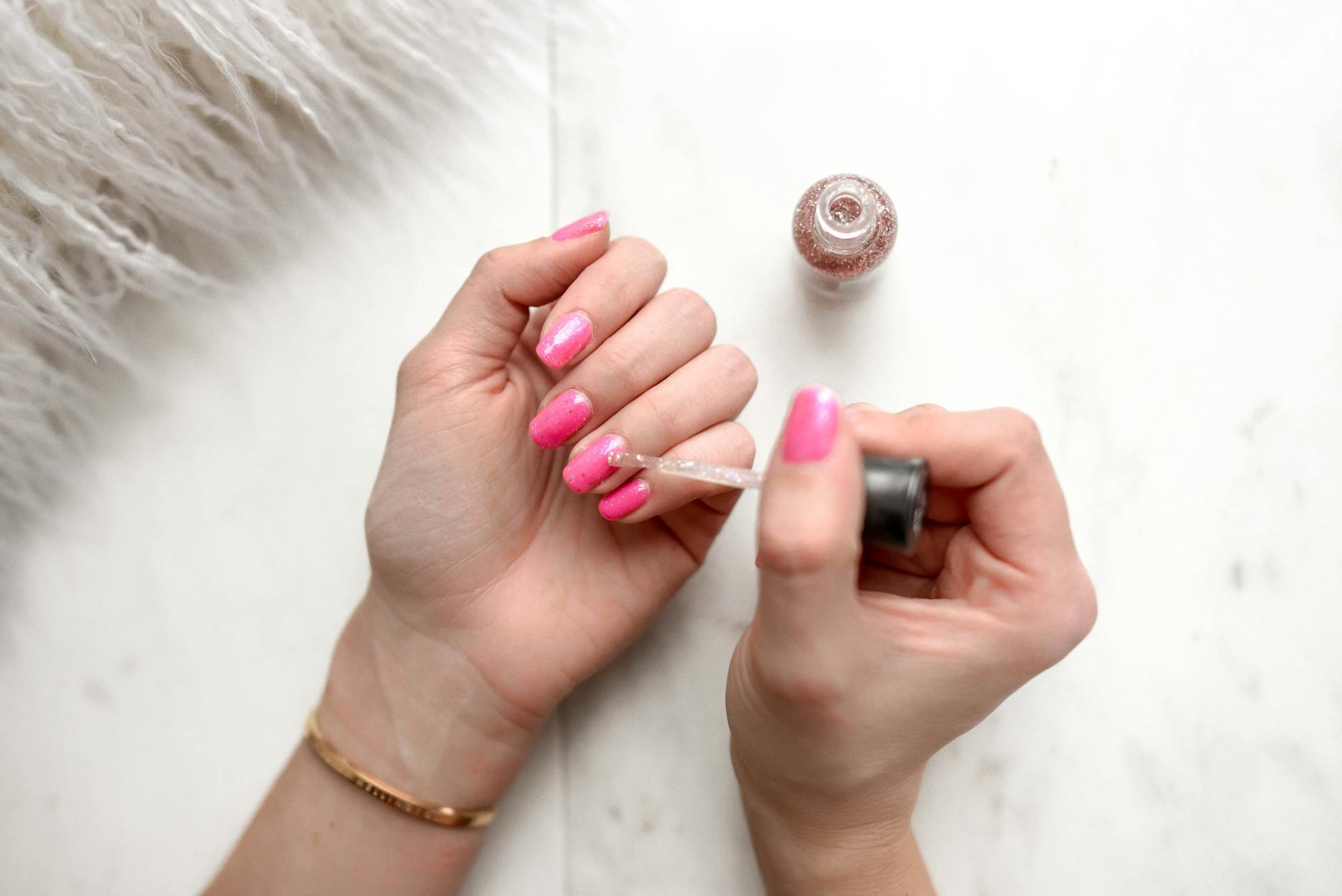
Passengers who apply nail polish or nail polish remover during a flight subject the entire cabin to a wave of harsh chemical fumes. The acetone compounds in these products are particularly potent in a sealed, pressurized environment with limited fresh air intake. Flight attendants have reported headaches, nausea and eye irritation triggered by passengers grooming their nails mid-flight. Beyond the smell, open nail polish containers present a spill risk on upholstery that is extremely difficult to clean at altitude. Many airlines explicitly discourage this practice in their onboard etiquette guidelines.
Smelly Takeout

Fast food and heavily spiced takeout containers are among the most frequent odor complaints logged by flight attendants on short and medium-haul routes. Fried chicken, fish sandwiches and curry dishes are particular offenders due to their lingering and penetrating aromas. The smell embeds itself into seat fabric, headrests and carpeting, often persisting across multiple flights. Crew members who work back-to-back shifts describe the cumulative effect as genuinely nauseating by the end of their day. Most airlines permit outside food but strongly encourage passengers to choose odor-neutral options out of courtesy.
Unwashed Feet
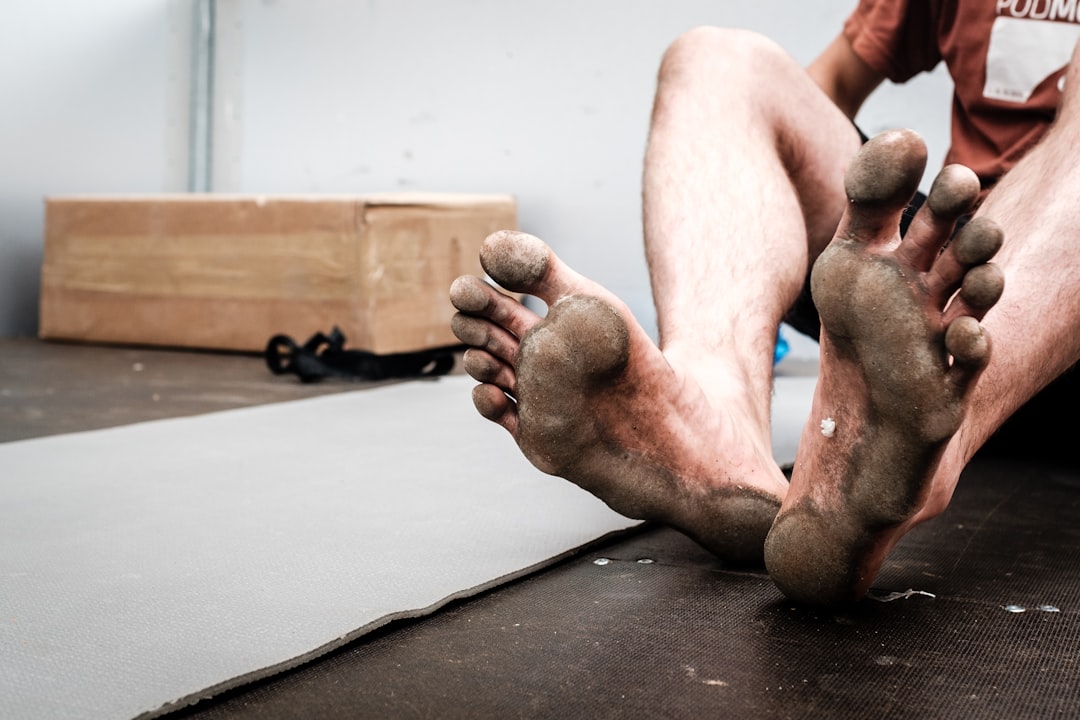
Passengers who remove their shoes and socks and rest their bare feet on armrests, tray tables or seat backs are a recurring nightmare for flight attendants. Feet that have spent hours in enclosed shoes carry significant bacterial buildup and odor that spreads easily in recirculated cabin air. Flight attendants have reported cases where the smell was strong enough to prompt complaints from multiple rows of passengers simultaneously. Placing bare feet on shared surfaces also raises serious hygiene concerns for subsequent passengers using those same spaces. Airlines recommend that travelers wear compression socks rather than going barefoot to manage circulation without causing offense.
Raw Meat
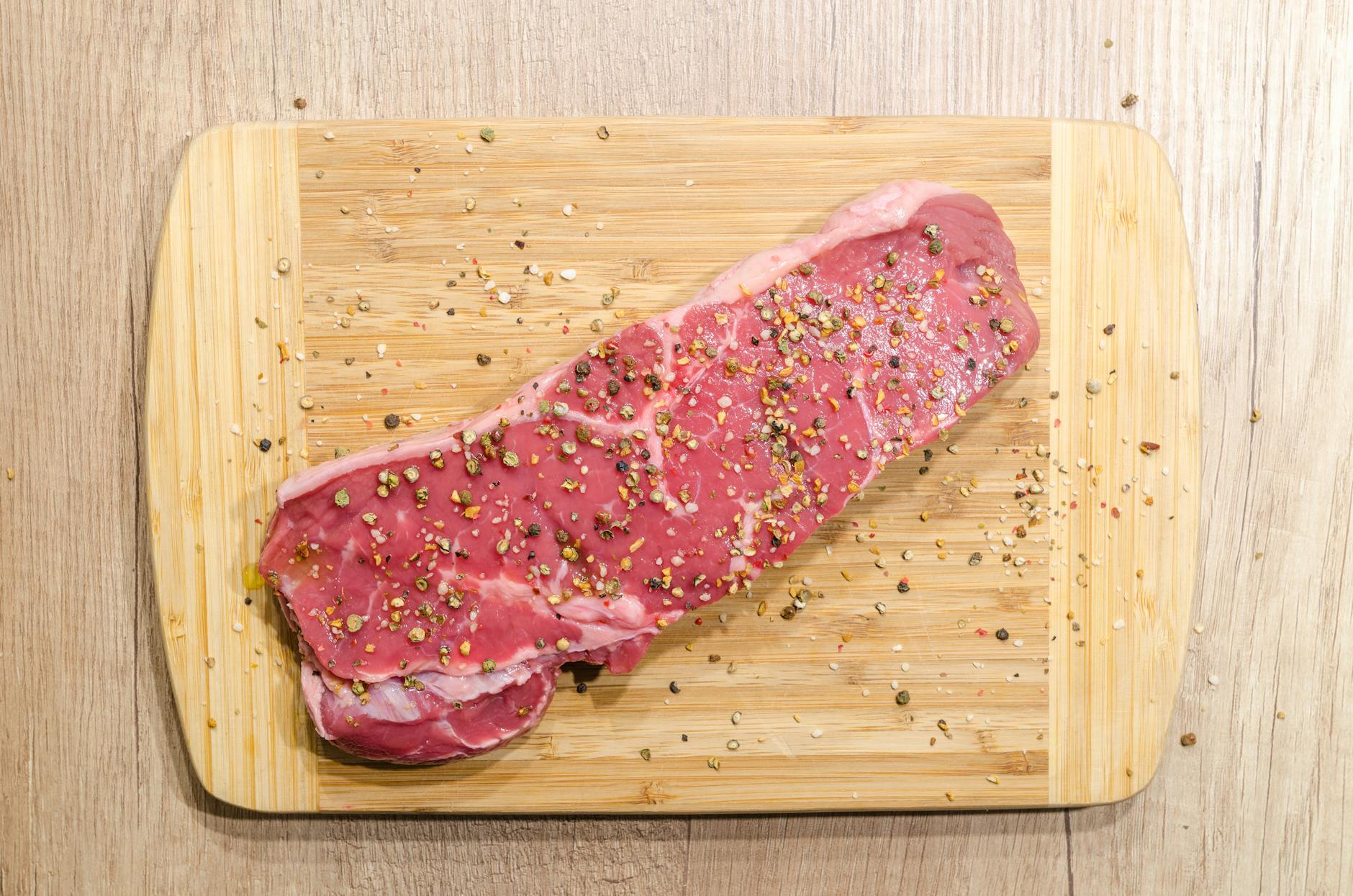
Passengers traveling internationally sometimes carry raw or undercooked meat products in their carry-on luggage, either packed in bags or wrapped loosely. At room temperature during a long flight, raw meat begins to emit powerful odors and poses a food safety risk if it starts to spoil. Flight attendants have encountered leaking packages that left fluids on seat upholstery and in overhead compartments. Many countries have strict customs regulations prohibiting the importation of raw meat products precisely because of contamination concerns. Transporting these items in carry-on bags rather than checked luggage significantly amplifies the problem for everyone nearby.
Gym Clothes

Passengers who board directly from a workout wearing unwashed athletic clothing bring a concentrated and enclosed odor source into the cabin. Synthetic fabrics used in most activewear are particularly effective at trapping and holding body odor compounds. Flight attendants working economy class on full flights describe this as one of the most difficult situations to manage professionally. Unlike a single strong food smell that may dissipate, body odor from workout clothing tends to intensify as the cabin warms during flight. Travelers are universally encouraged to change and shower before boarding whenever possible.
Open Alcohol
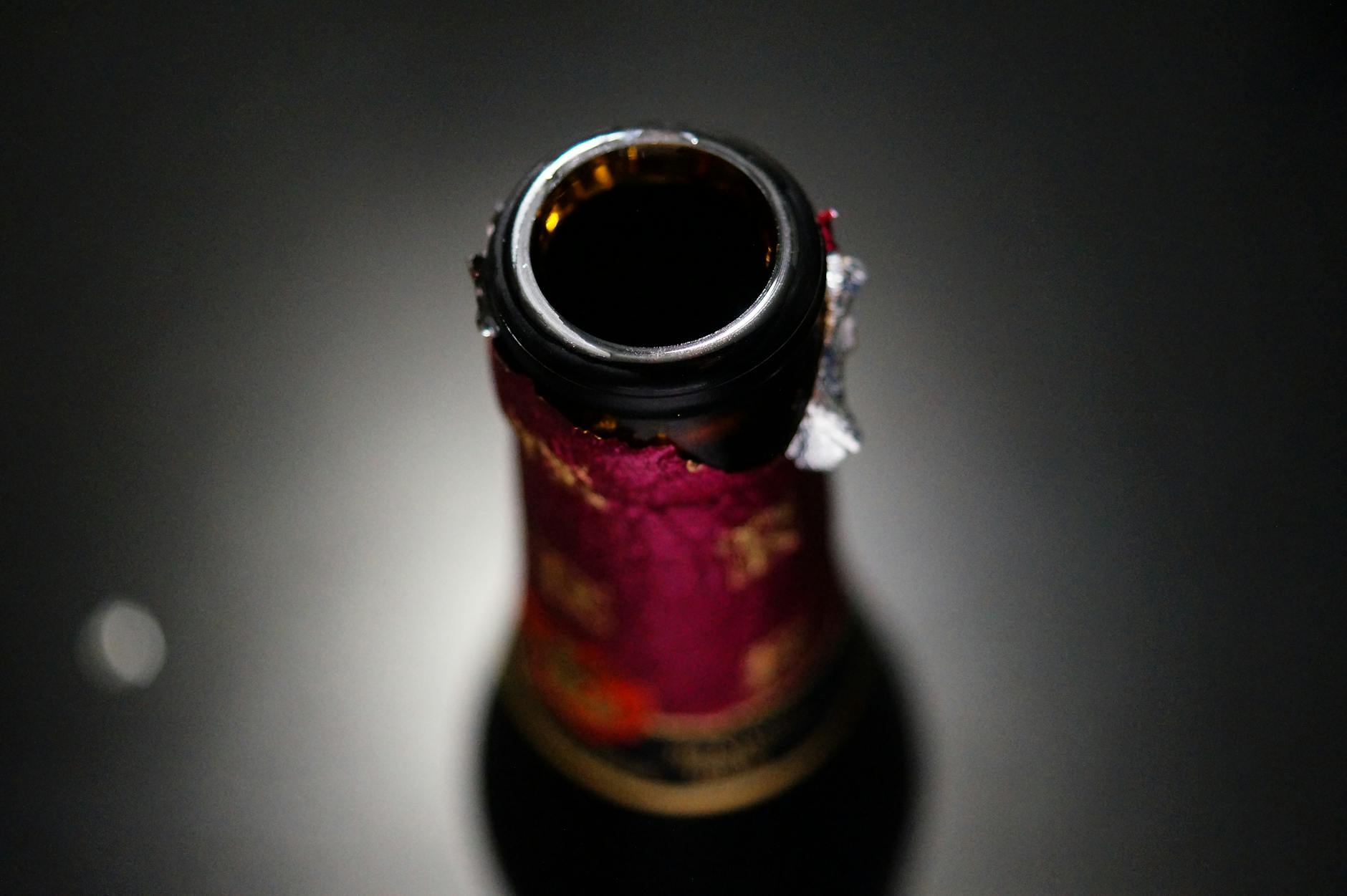
Some passengers bring open or loosely sealed bottles of alcohol purchased at duty-free shops and attempt to consume them onboard outside of the standard service. Beyond the regulatory issue of consuming non-airline-provided alcohol on most carriers, open bottles frequently spill due to turbulence. Spilled spirits soak into carpet and upholstery and create a stale, fermented smell that is extremely difficult to remove between flights. Flight attendants are required to intervene when they observe passengers drinking their own alcohol, which creates tense and uncomfortable interactions. Duty-free alcohol is intended to be transported sealed and consumed after reaching the final destination.
Garbage Hoarding
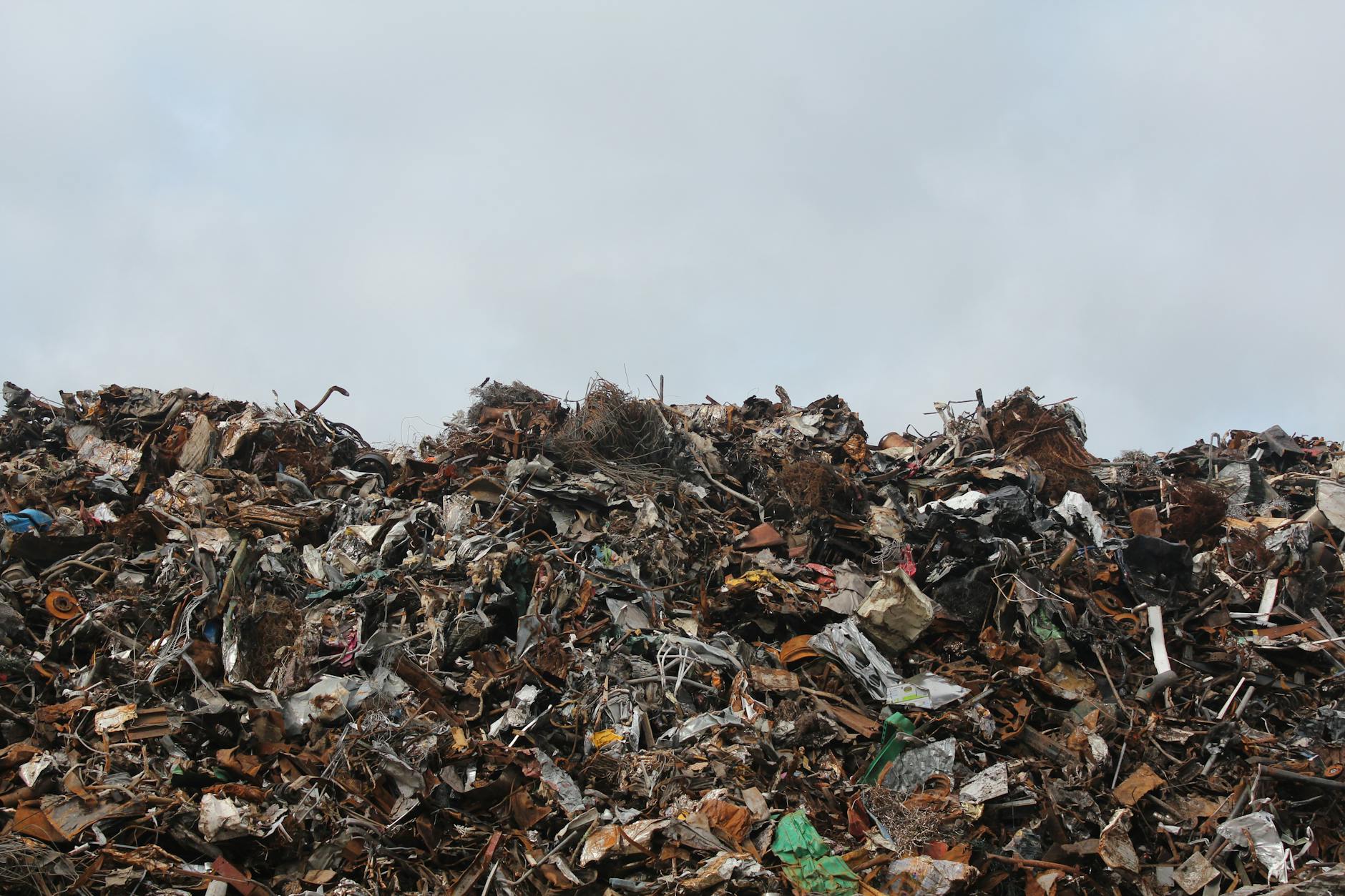
A subset of passengers accumulates a significant pile of food wrappers, cups, tissues and other waste throughout a flight and refuses to hand it over during collection rounds. By the end of a long-haul flight, a single seat area can contain an alarming volume of decomposing food waste and used personal items. Flight attendants describe approaching these rows at the end of a flight as one of the more unpleasant aspects of their job. The waste often falls beneath seats or becomes lodged in seat pockets, requiring extra cleaning time that delays turnaround for the next flight. Keeping a small collection bag and responding to waste collection passes makes an enormous difference for cabin crew.
Medicated Patches

Certain strong medicated patches used for pain relief or motion sickness contain camphor, menthol or other volatile compounds that release powerful fumes continuously. When multiple passengers in an enclosed space use these products simultaneously, the cumulative medicinal smell becomes overwhelming. Flight attendants with fragrance sensitivities or respiratory conditions find these products particularly difficult to tolerate during long shifts. The patches are legal and often medically necessary, but passengers are rarely aware of how strongly their effects project into shared air. Opting for odorless alternatives when available is a considerate choice for shared travel environments.
Pungent Cheese
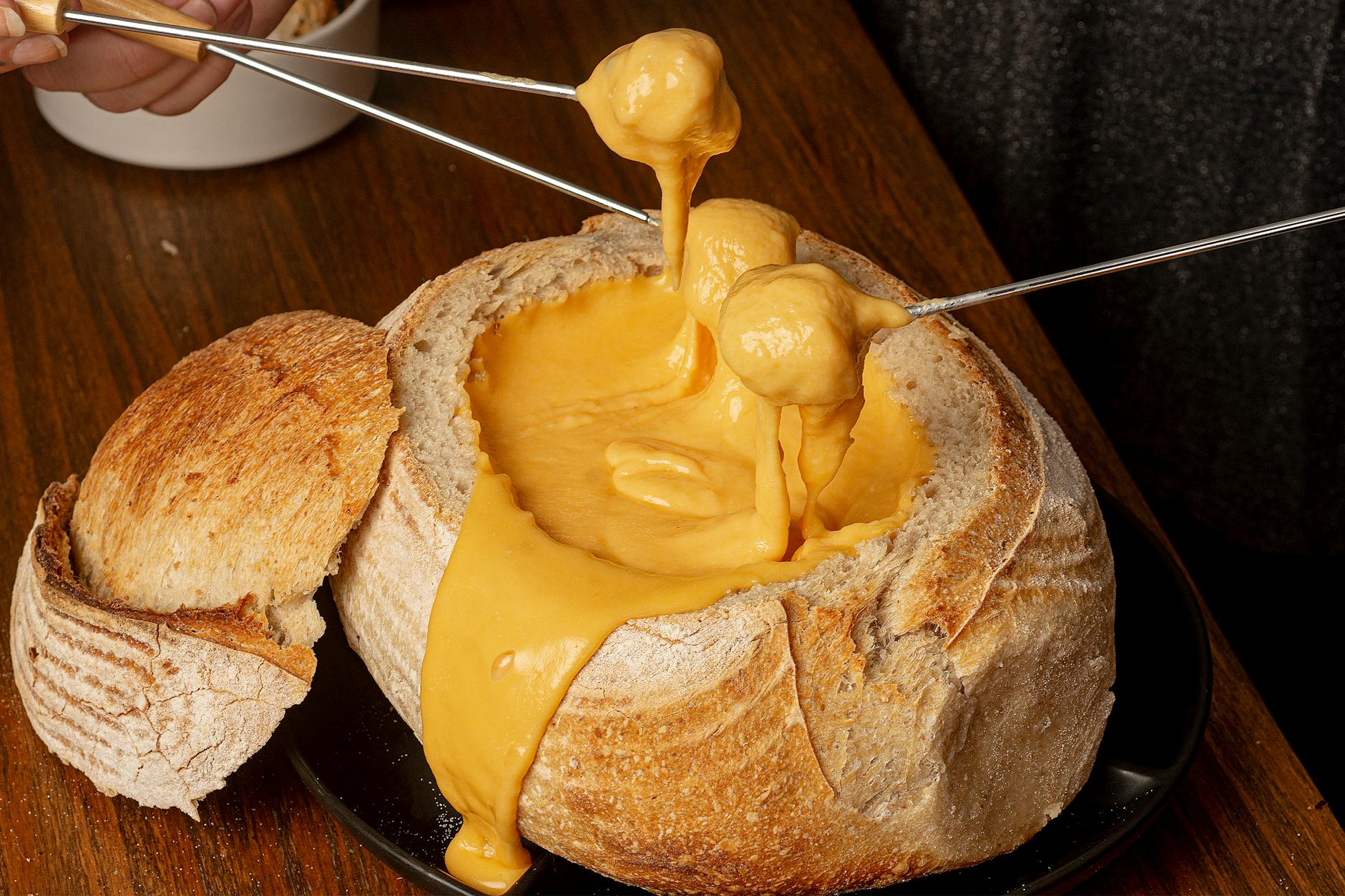
Strong aged cheeses such as certain varieties of blue cheese, limburger or washed-rind styles are capable of filling an aircraft cabin with their distinctive and polarizing aroma within minutes of being opened. Passengers who bring these as snacks often underestimate how dramatically confined spaces amplify the smell. Flight attendants have reported that opening a container of particularly pungent cheese in economy class can trigger complaints from passengers several rows away. The fat content in cheese also means that any spillage leaves a lasting residue that is difficult to fully eliminate. Choosing milder dairy options for in-flight snacking is a widely recommended practice among frequent travelers.
Pets in Bags
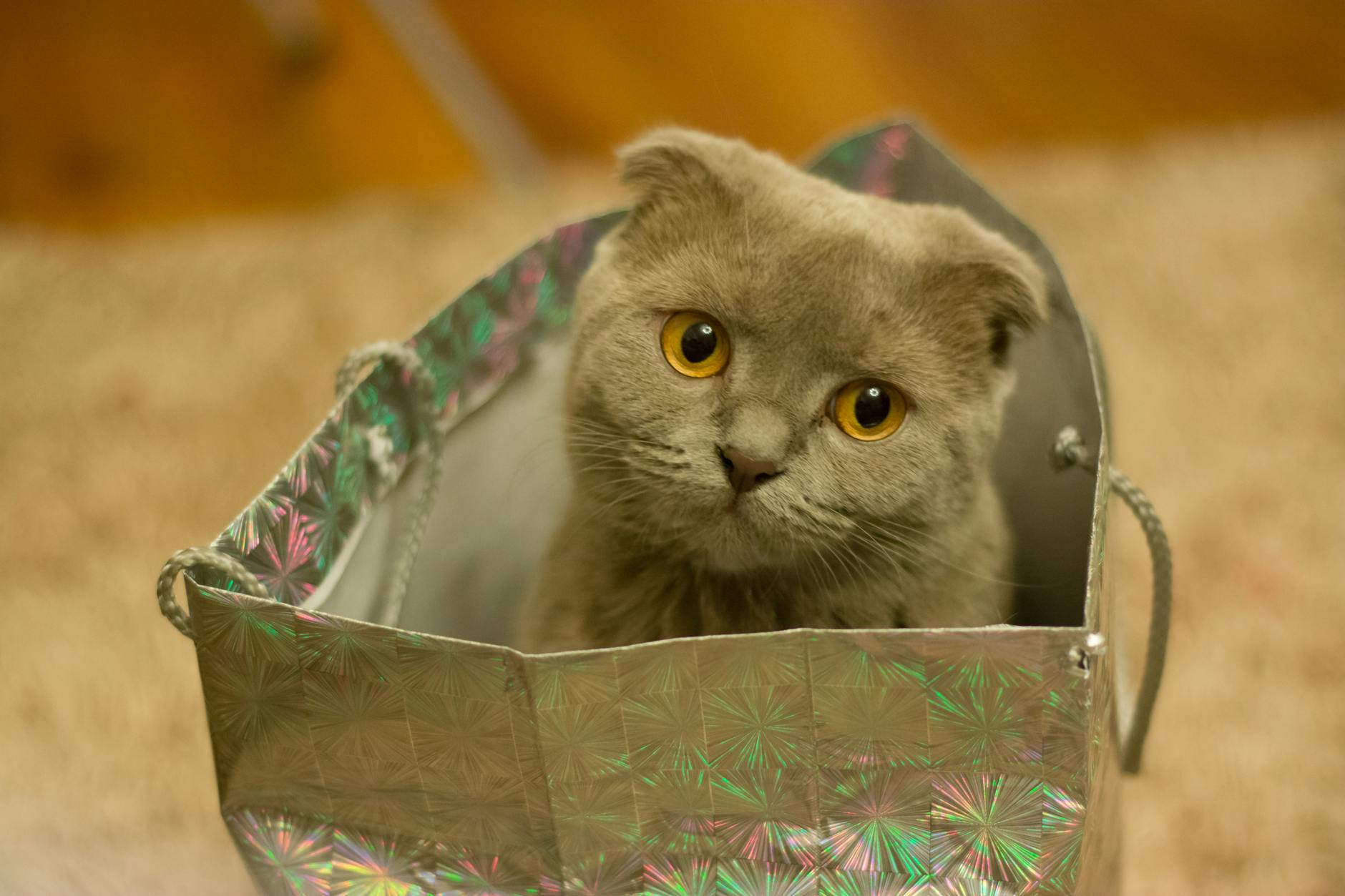
While airlines permit small pets in approved carriers in the cabin, the odors associated with animals in enclosed spaces can become significant over the course of a long flight. Animals that are stressed by the travel environment may soil their carriers, creating an odor that spreads through the cabin quickly. Flight attendants are responsible for reminding passengers to keep carriers fully closed and properly ventilated but cannot always intervene when smell becomes an issue. Pet dander also circulates through the cabin air system, affecting passengers with allergies who may not have anticipated animal contact. Proper preparation including exercising and limiting food intake for pets before flying significantly reduces cabin odor incidents.
Fermenting Kombucha
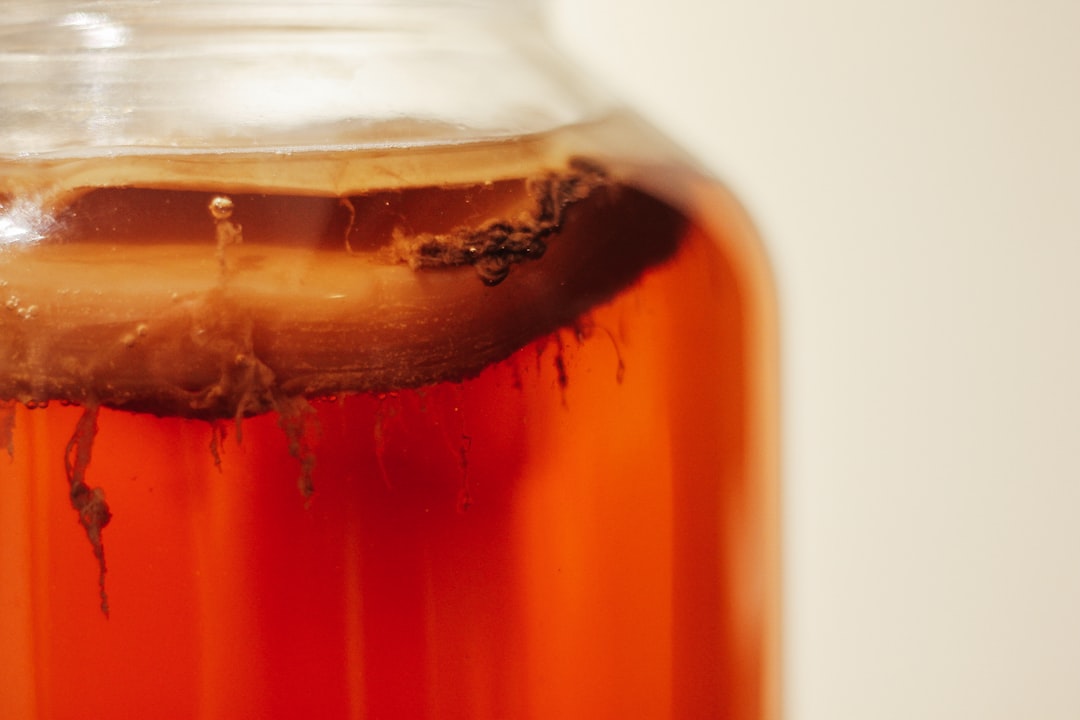
Kombucha and other naturally fermented beverages continue to undergo active fermentation, and when subjected to changes in cabin pressure the carbonation and gases produced can intensify dramatically. Bottles can leak, fizz over or in rare cases pop open, releasing a powerfully sour vinegar-like smell throughout the immediate area. Flight attendants have reported arriving to discover entire tray tables soaked in fermented liquid that has dripped into seat cushions. The smell of spilled kombucha in particular is described as exceptionally difficult to mask or remove quickly. Transferring fermented drinks to sealed and pressure-tested containers before flying is the safest approach.
Excessive Perfume
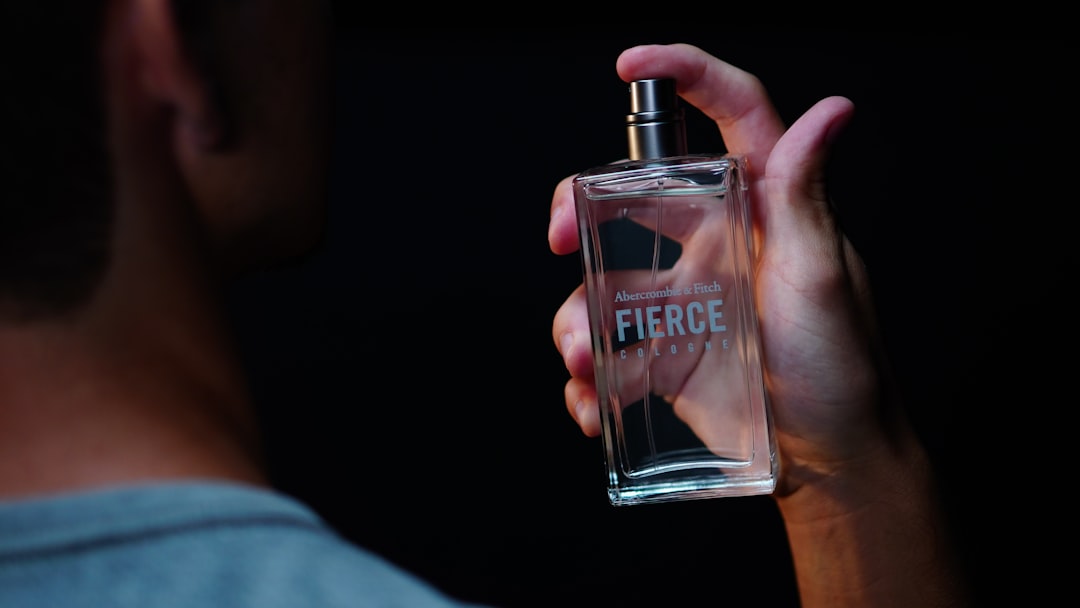
Passengers who apply very heavy amounts of cologne or perfume before boarding bring a concentrated fragrance cloud into an enclosed environment from which other passengers cannot escape. Many individuals have documented allergies or sensitivities to synthetic fragrance compounds that can trigger headaches, asthma episodes or skin reactions. Flight attendants who work long shifts in heavy fragrance environments report cumulative fatigue and sinus irritation that carries into their rest periods. The World Health Organization recognizes fragrance sensitivity as a legitimate environmental health concern in shared spaces. Many airlines have begun adding fragrance awareness notes to their pre-boarding travel tips in response to growing passenger complaints.
Street Food

Strongly aromatic street food purchased just before boarding is a common source of cabin odor complaints on flights departing from markets and food-heavy transit hubs. Items like fish sauce-based dishes, fermented foods and heavily spiced wraps release volatile aroma compounds that dissipate slowly in still, recirculated air. Flight attendants working routes through Southeast Asia, South Asia and the Middle East cite street food odors as a daily occupational reality. Some airports have introduced designated eating areas before security checkpoints specifically to reduce the volume of pungent food making it onto aircraft. Finishing strong-smelling food before the gate area is the most straightforward solution available to travelers.
Liquid Medications
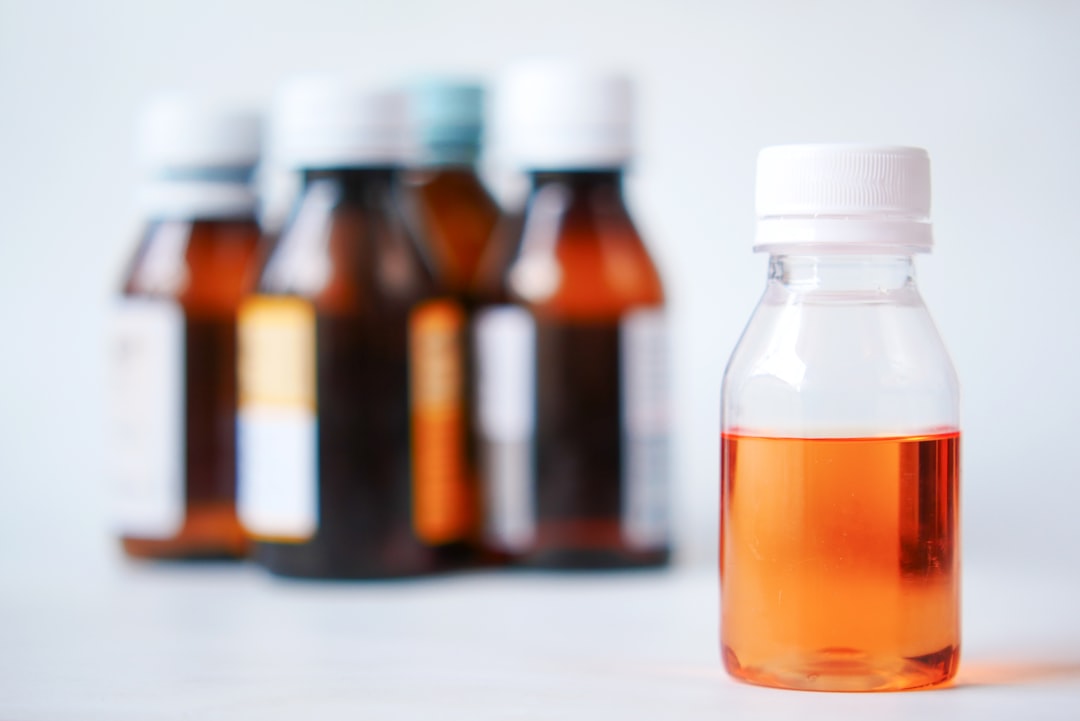
Passengers who transport liquid medications in unsealed or poorly secured containers risk spills that release pharmaceutical odors and residues into the cabin environment. Certain medications including topical ointments and oral suspension antibiotics have very strong chemical or medicinal smells that immediately alert cabin crew. Flight attendants have encountered bags where leaked medication has saturated clothing and spread into the seat area below. Airlines require that all liquids including medications be stored in compliant containers, though enforcement during boarding varies widely. Using pharmaceutical-grade sealed travel containers for liquid medications protects both the medication and the comfort of fellow passengers.
Homemade Ferments
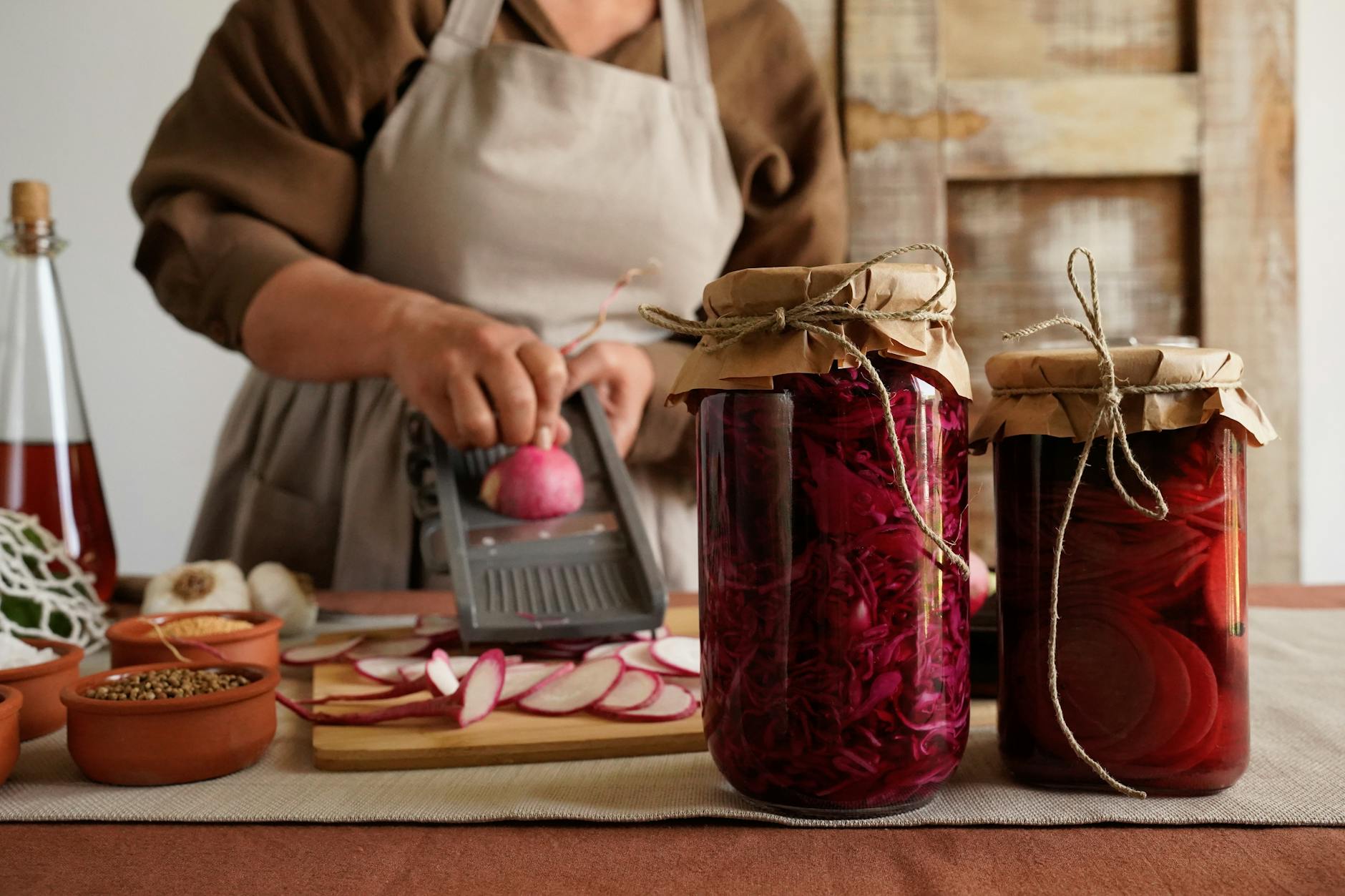
Home-fermented foods such as kimchi, sauerkraut and pickled vegetables are beloved globally but carry intensely sour and sulfurous aromas that are difficult to contain even in sealed packaging. The ongoing microbial activity in these products means they continue to produce gases and intensify in smell under the temperature and pressure changes of flight. Flight attendants working routes popular with passengers carrying traditional homemade foods describe the smell as one of the most recognizable and persistent they encounter. Commercial versions of these products are typically pasteurized and sealed in ways that significantly reduce the odor risk compared to homemade preparations. Opting for commercially sealed versions when traveling is a practical compromise that preserves culinary traditions without affecting fellow passengers.
Cigarettes and Cigars

Despite comprehensive smoking bans on virtually all commercial flights worldwide, some passengers still attempt to board with recently smoked or unlit cigars and cigarettes that carry significant residual tobacco odors. The smoke smell embedded in clothing, hair and unlit tobacco products can be powerful enough to generate complaints from surrounding passengers within minutes of boarding. Flight attendants working premium cabins report that expensive cigars being transported as gifts or purchases are among the most odor-intensive items they encounter. Smoke odor compounds are particularly stubborn in the fabric-heavy environment of an aircraft interior. Storing tobacco products in airtight cases and wearing freshly laundered clothing when flying after smoking significantly reduces the impact on others.
Unwashed Retainers
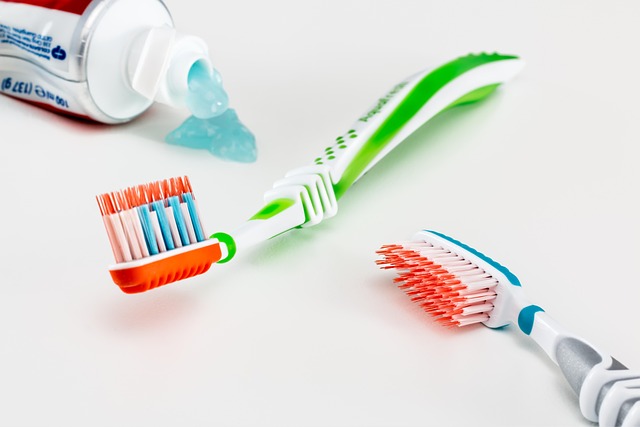
Dental retainers and other orthodontic devices that have not been properly cleaned carry bacterial buildup that produces a distinct and unpleasant odor when removed from the mouth. Passengers who take out their retainers and leave them sitting open on tray tables expose nearby travelers and crew to both the visual and olfactory reality of accumulated oral bacteria. Flight attendants report that requests to clean up or contain these items are among the more awkward passenger interactions they must navigate. Retainer cases are inexpensive and widely available, making it straightforward to store these devices hygienically during a flight. Cleaning retainers with appropriate tablets before travel eliminates the odor concern entirely.
Energy Drinks
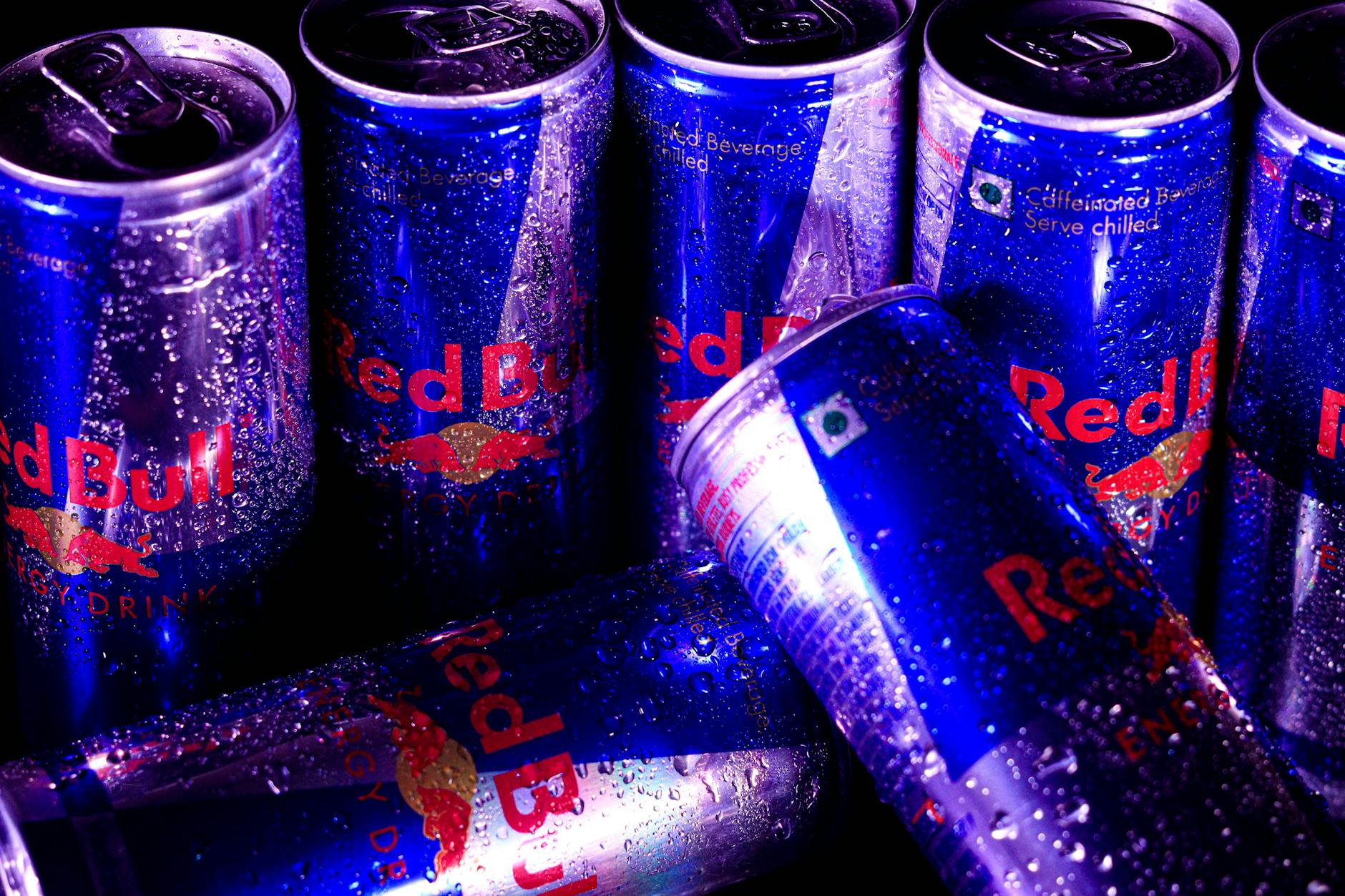
Certain highly caffeinated energy drinks emit a sharp, synthetic chemical smell when opened that is immediately noticeable in an enclosed space. Passengers who bring multiple cans for a long-haul flight can create a sustained artificial fruit and chemical aroma in their seating area that cabin crew find difficult to ignore. Spills from energy drink cans are also a frequent tray table and seat incident due to the high carbonation levels combined with turbulence. The artificial sweetener compounds in many energy drink formulations are particularly volatile and linger in fabric. Flight attendants frequently cite the combination of smell and spill risk as making these beverages among the least welcome passenger choices in the cabin.
Moldy Containers
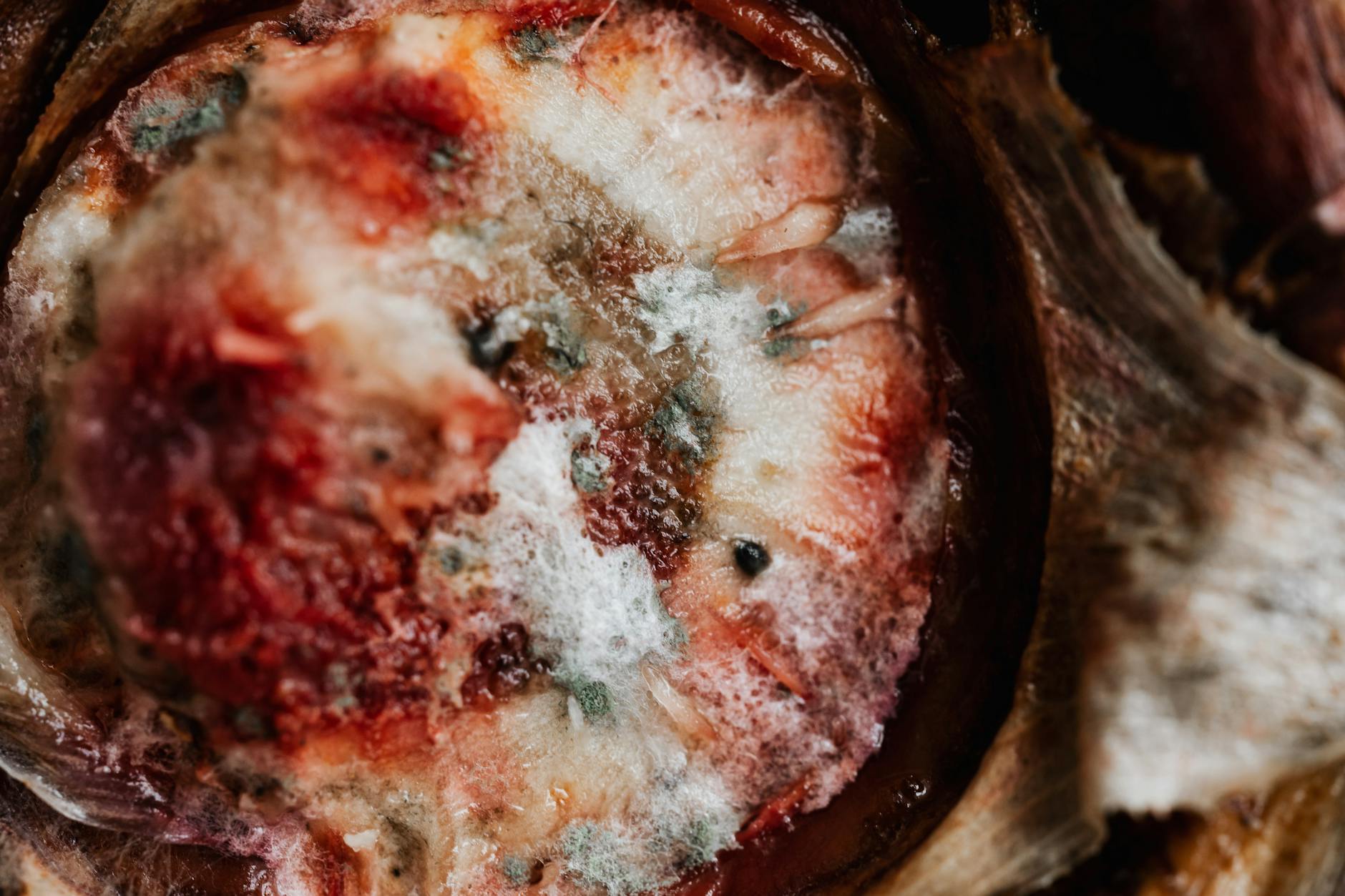
Reusable food containers that have not been fully cleaned between uses can carry mold spores and the accompanying musty smell that becomes noticeable quickly when lids are removed. Flight attendants have encountered passengers opening containers mid-flight only to discover that previously stored food had begun to grow mold during the journey. The combination of food residue, mold and the warmth of a pressurized cabin creates a very distinctive and difficult odor to neutralize. Cabin crew operating on high-frequency short-haul routes describe encountering at least one instance of this scenario per week during peak travel seasons. Inspecting and washing reusable containers immediately before packing is a simple habit that prevents this situation entirely.
Chewing Tobacco
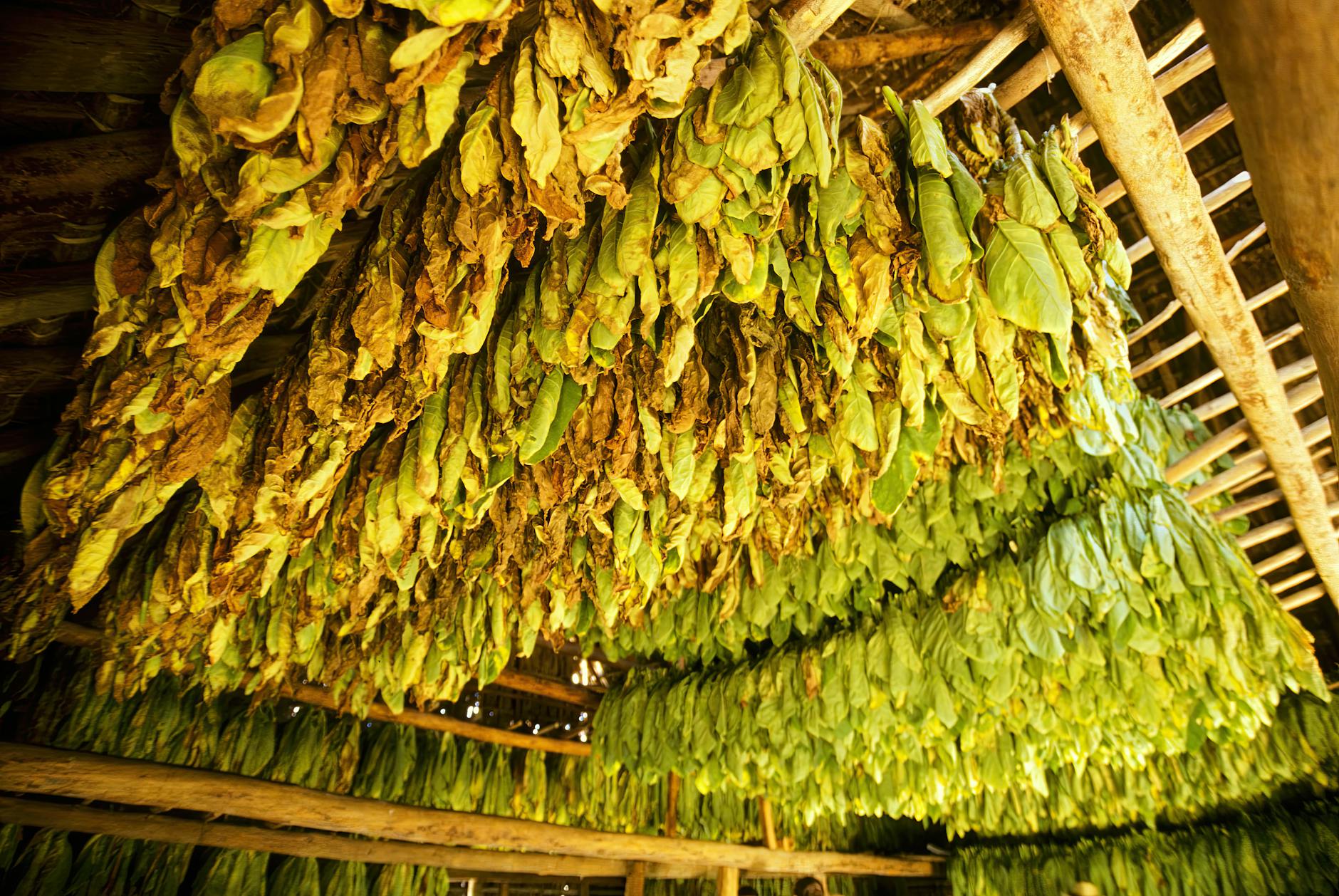
Chewing tobacco and dip products are not smoke-based but produce a strong, earthy and fermented smell from both the product itself and the spit cups or bottles that users sometimes carry openly onto aircraft. Flight attendants report that the sight and smell of these items are among the most viscerally unpleasant encounters they experience in the cabin. Airlines technically permit these products as carry-on items in most jurisdictions, leaving crew members with limited ability to intervene. The disposal challenge is also significant, as passengers using these products must manage waste discreetly in a space with limited privacy and few suitable disposal options. Awareness of the impact on shared cabin air is rarely part of the conversation around these products.
Seafood Meals
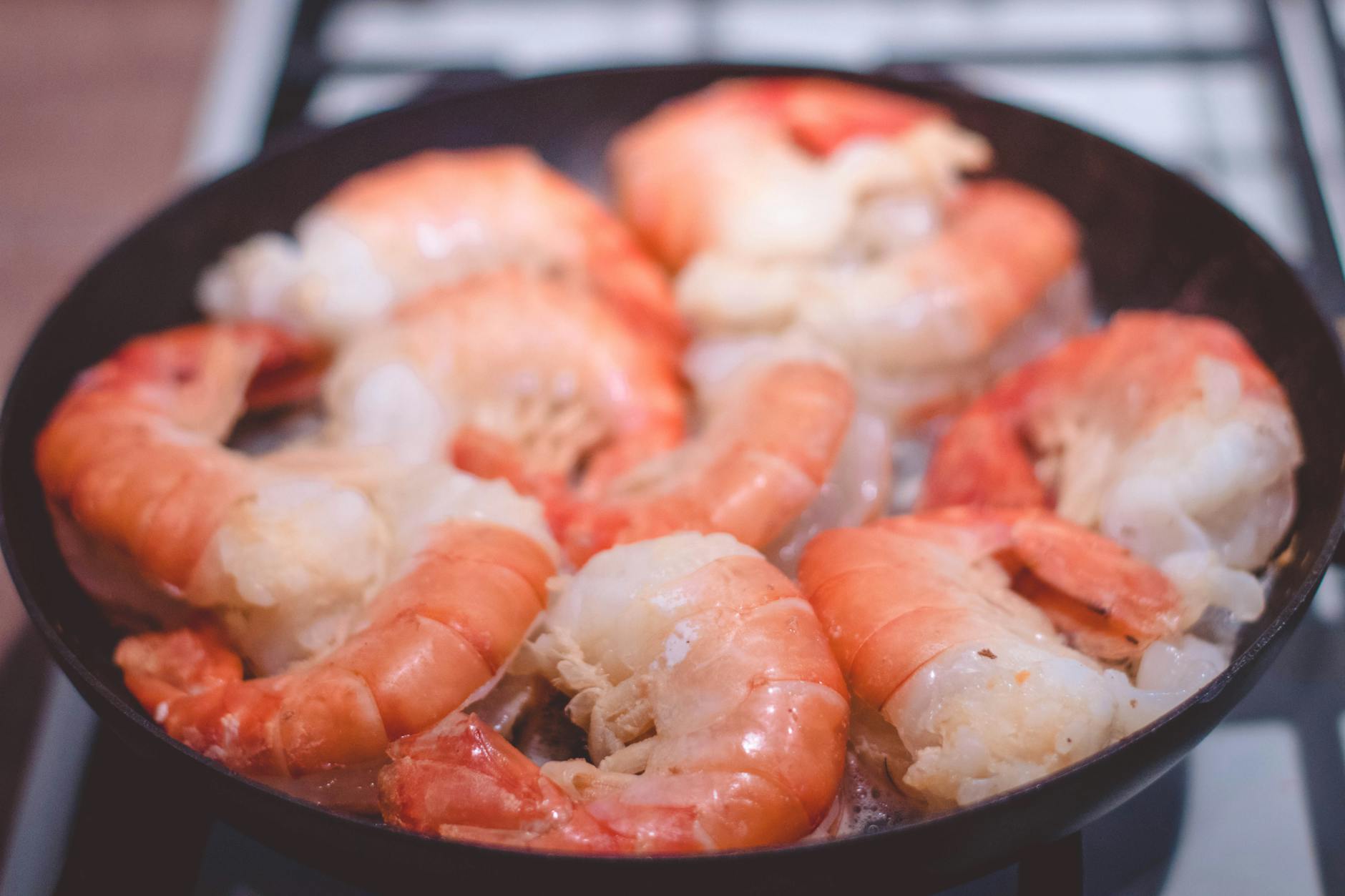
Pre-packed seafood meals including cold shrimp platters, smoked salmon and tuna-based salads are brought aboard with surprising frequency despite the powerful and immediate odor they release when opened. The proteins in seafood begin breaking down quickly at room temperature, and cold items warm up rapidly once removed from refrigeration in the cabin environment. Flight attendants on domestic routes report that the smell of a tuna sandwich opened in a full economy cabin can prompt complaints within minutes from passengers three to four rows away. The smell also lingers in seat fabric and overhead bin areas long after the meal has been consumed and disposed of. Many frequent flyers and travel etiquette guides place seafood at the top of foods to avoid bringing onto an aircraft.
Trash Bag Collections
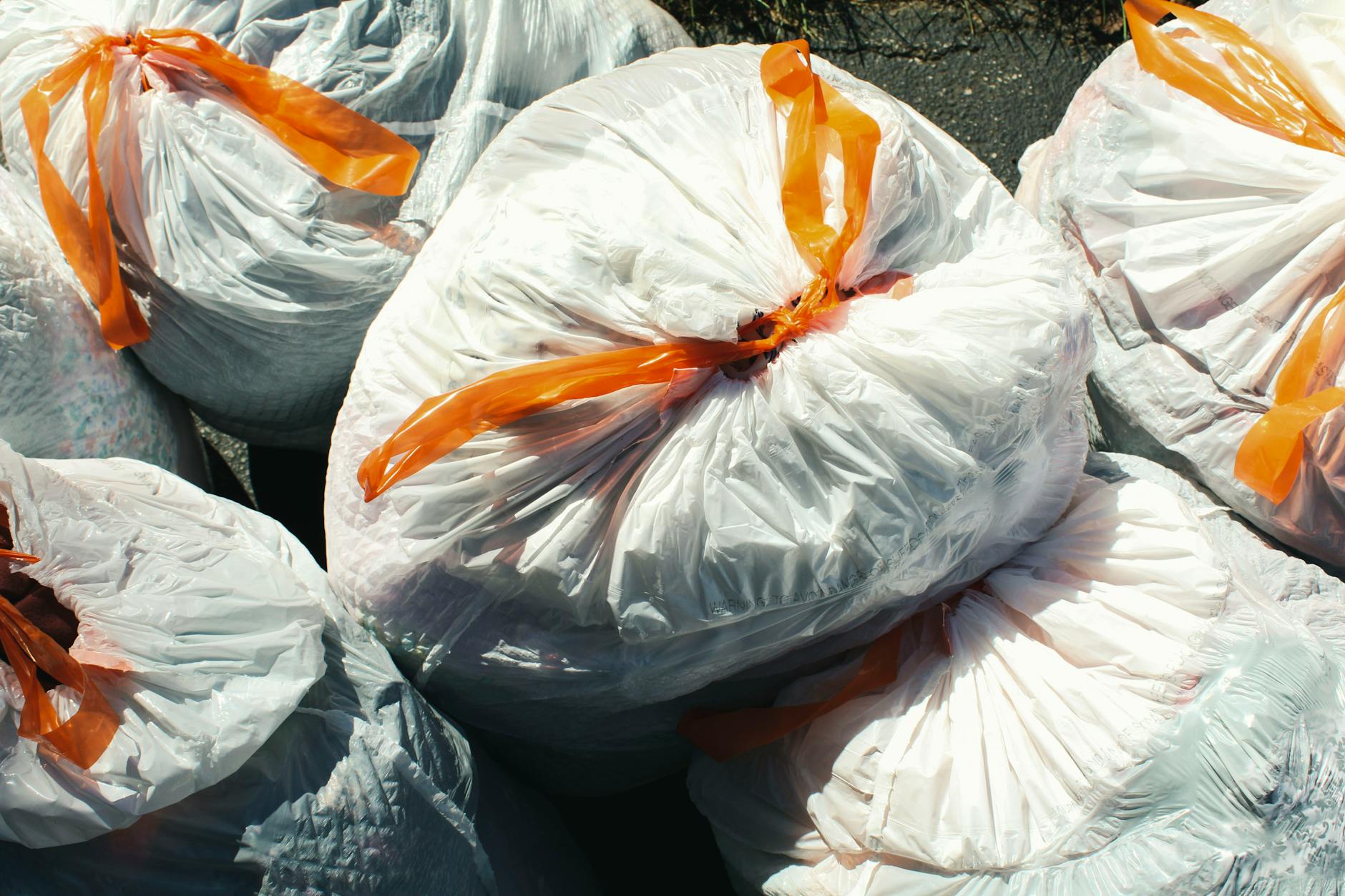
A small number of passengers treat the seat pocket as a personal trash can throughout a flight and consolidate everything into the airsickness bag before disembarking, leaving it for crew to handle. The combination of food waste, used tissues, chewed gum and drink residue packed together in a single bag creates a concentrated odor that cabin crew describe as genuinely gag-inducing. These bags frequently leak during collection, transferring waste onto crew members’ gloves and uniforms. On high-frequency routes where turnaround time is minimal, discovery of these collections delays cleaning and affects on-time departure for the next flight. Simple awareness of where trash collection receptacles are located in lavatories and responding to in-flight collection rounds completely eliminates this issue.
If you have encountered any of these items on a flight or have your own cabin horror story to add, share your experience in the comments.