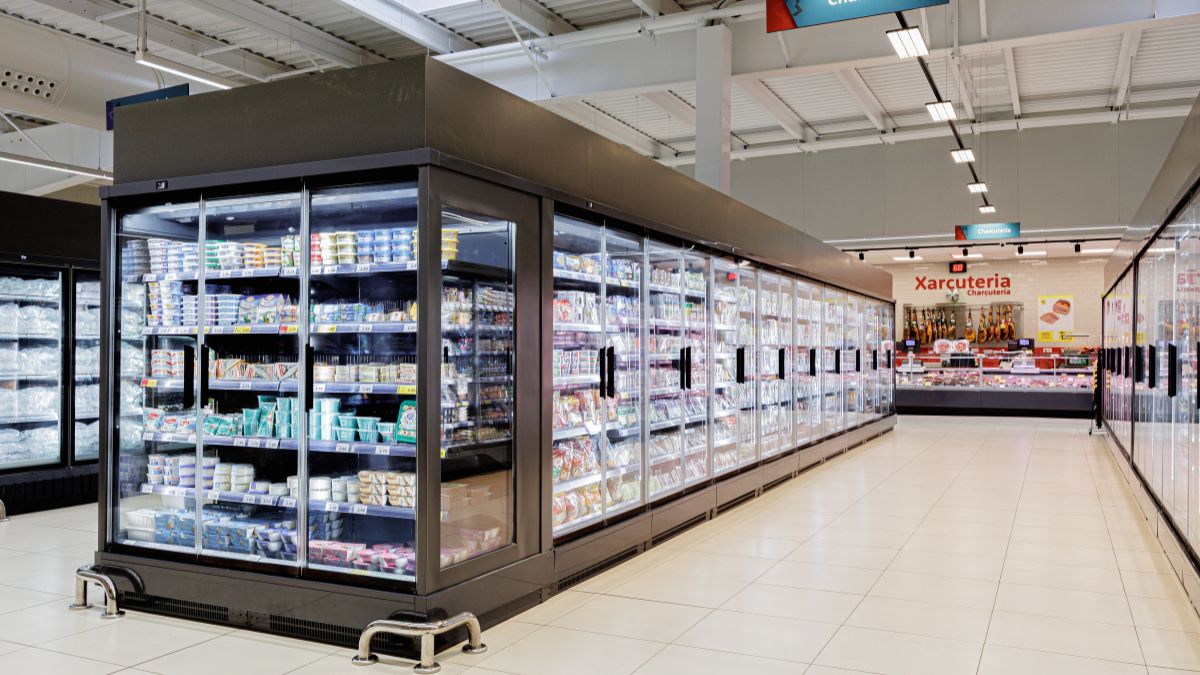
The supermarket presents itself as a clean, organized and safe environment, but beneath the bright lighting and polished floors lies a microbial landscape that most shoppers never consider. Every surface that passes through multiple hands across hundreds of daily transactions becomes a transfer point for the bacteria, viruses and pathogens that humans carry on their skin, in their breath and on their clothing. Microbiological studies conducted in retail grocery environments consistently identify alarming bacterial loads on the surfaces shoppers touch most frequently and most casually. Understanding which contact points carry the highest risk transforms an ordinary shopping trip into a more hygienically conscious experience. These are the items and surfaces that laboratory testing and food safety research have identified as among the most bacterially contaminated in the average supermarket.
Shopping Cart Handles
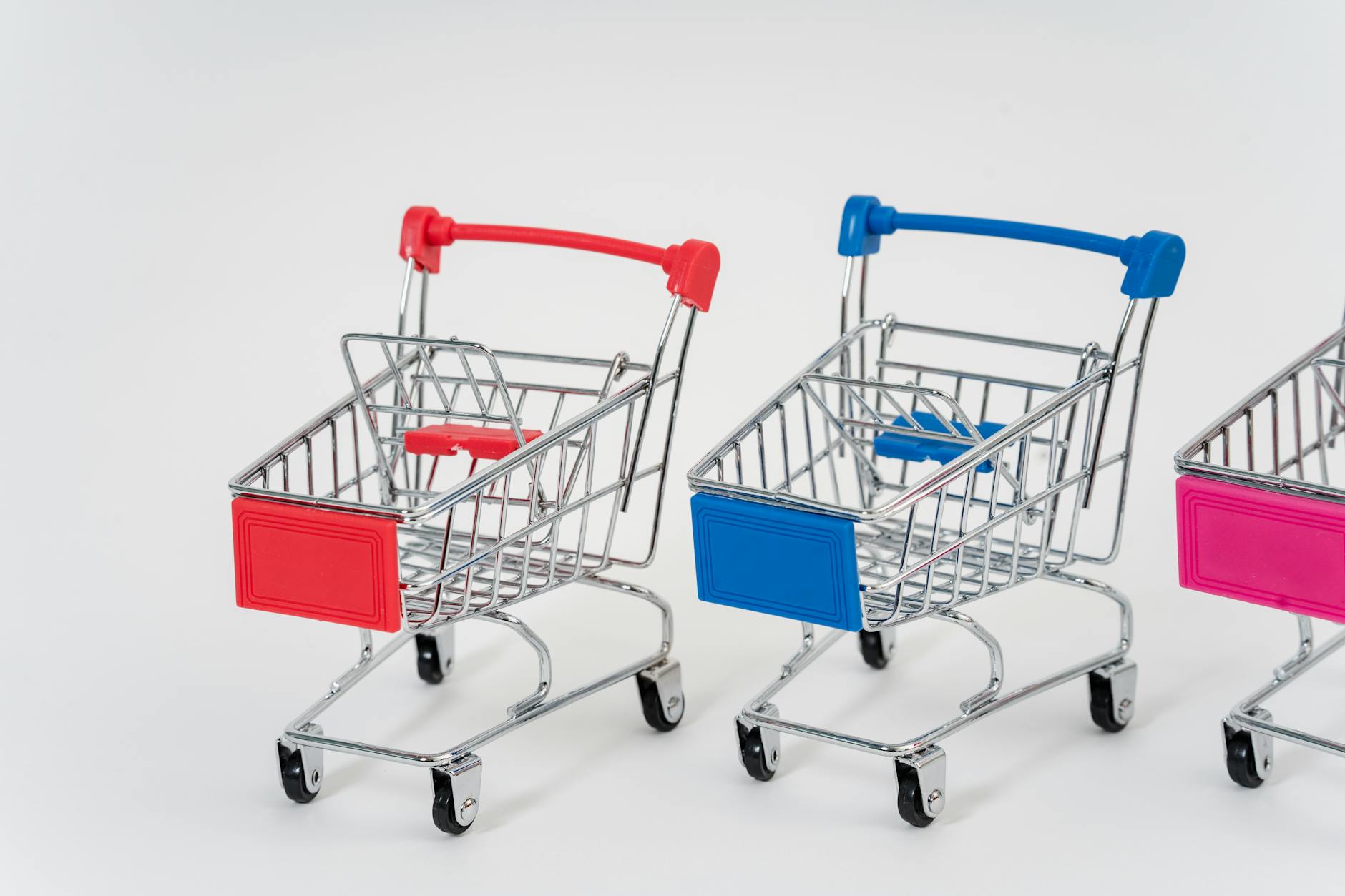
The handlebar of a shopping cart is one of the most consistently contaminated surfaces in any retail environment, contacted by every customer who enters the store and rarely sanitized between uses. Studies testing supermarket cart handles have detected the presence of coliform bacteria, Listeria, Salmonella and in some cases E. coli at levels that exceed those found on many public toilet seats. The moist warm environment created by hand contact encourages bacterial survival and multiplication across the metal and plastic surfaces of the handle. Many stores provide sanitizing wipe dispensers near cart stations but customer compliance with wiping before use is inconsistent and the wipes themselves are often inadequate for full bacterial reduction. Parents who allow young children to sit in the cart seat face additional contamination risk because the seat area contacts clothing and skin for an extended period.
Produce Scales
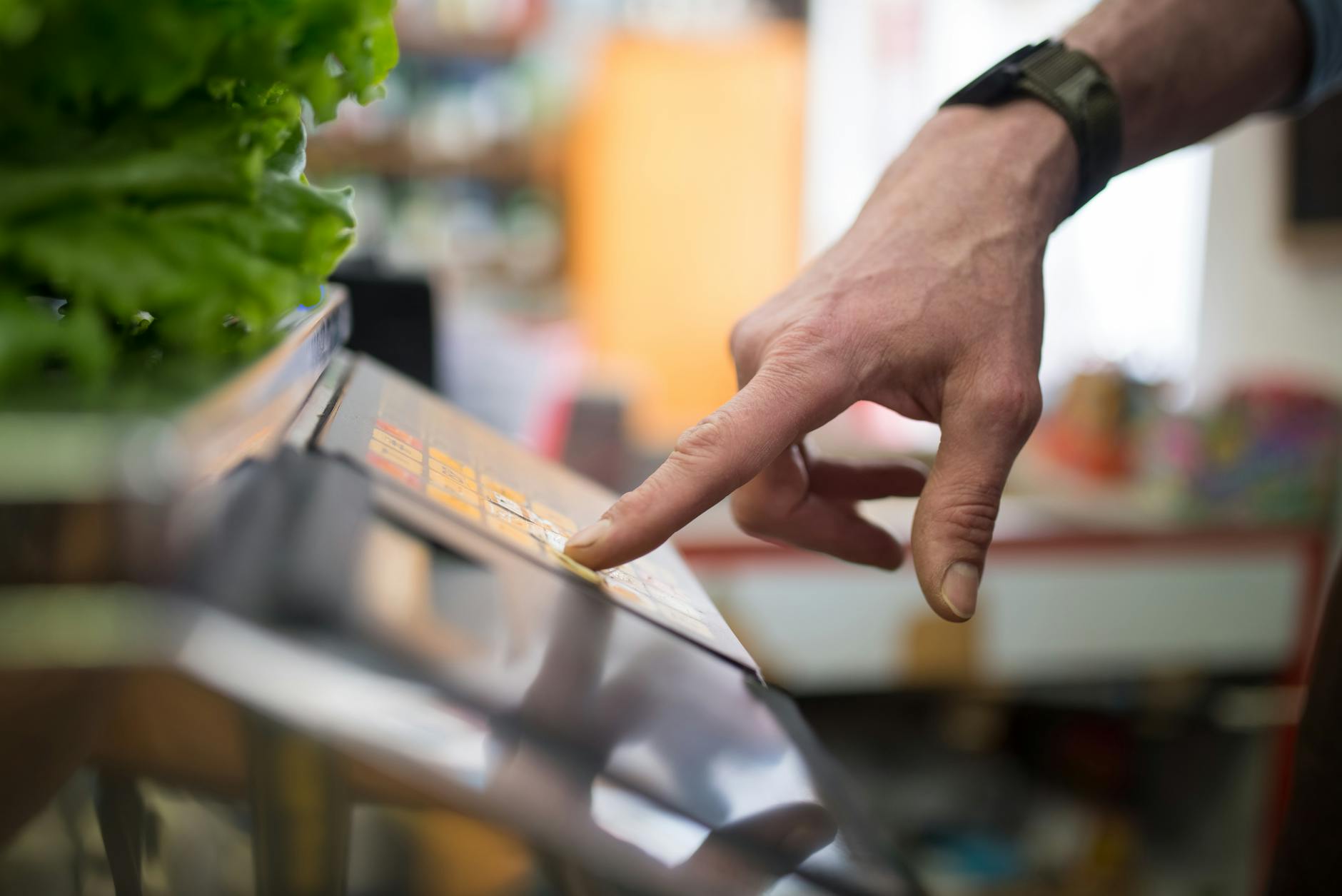
The touch screens and buttons of self-service produce weighing scales are contacted by dozens of customers per hour and are rarely if ever sanitized between uses during a busy trading day. Customers operating these scales have typically already handled raw produce, touched their face or mouth or transferred material from other contaminated surfaces before pressing the buttons. The recessed edges and textured surfaces of scale keypads trap organic debris including soil from unwashed produce and moisture from wet hands, creating a persistent environment for bacterial growth. Studies of supermarket touch interfaces consistently find high bacterial counts on produce scale surfaces compared to other areas of the store. The routine use of these scales immediately before handling food items that will be consumed raw creates a direct pathway from the contaminated surface to the food itself.
Plastic Produce Bags
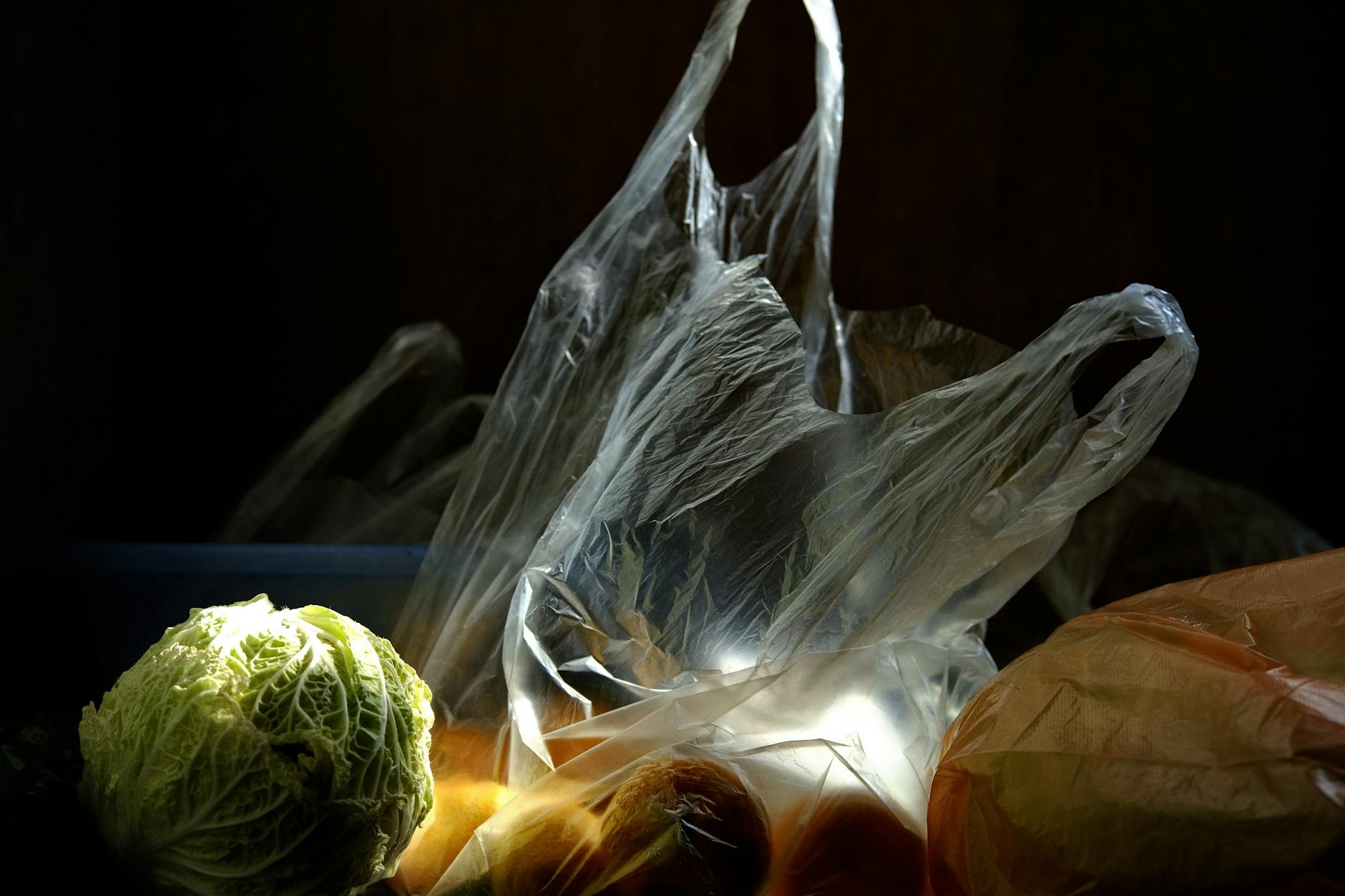
The rolls of thin plastic bags provided for loose produce are contacted by every customer in the fresh produce section and present a particular challenge because the action of opening them requires prolonged fingertip contact with the bag surface. Customers who lick their fingers to separate the bag opening transfer oral bacteria directly to a surface that subsequent shoppers will contact and that will encase food intended for consumption. The communal nature of a shared bag roll means that a single customer with unwashed hands or an active infection can contaminate the leading edge of a bag roll that is then handled by every person who follows. The bags themselves are typically stored in open dispensers at accessible height that children, sneezing customers and anyone reaching past produce items will contact repeatedly during a shopping visit. Microbiological testing of produce bag dispensers in grocery stores has found bacterial transfer rates high enough to place them among the most contaminated non-food surfaces in the supermarket.
Bulk Bin Scoops
The metal and plastic scoops provided in bulk food sections for dispensing nuts, grains, dried fruit and confectionery are handled by every customer who uses the section and are rarely removed for cleaning more than once per day in most retail environments. The scoop surface contacts both the food in the bin and the hands of every customer, creating a bidirectional transfer pathway between shoppers and the communal food supply. Customers who taste a bulk bin product directly from the scoop before purchasing, a behavior observed regularly on supermarket floors, introduce oral bacteria into the food supply that will be consumed by other shoppers. Moisture introduced by wet or freshly washed hands promotes bacterial growth on both the scoop and the surface of the food it contacts. Regulatory guidance on bulk bin hygiene in most retail environments does not mandate a cleaning frequency that matches the actual rate of contamination during peak trading hours.
Deli Counter Ticket Dispensers
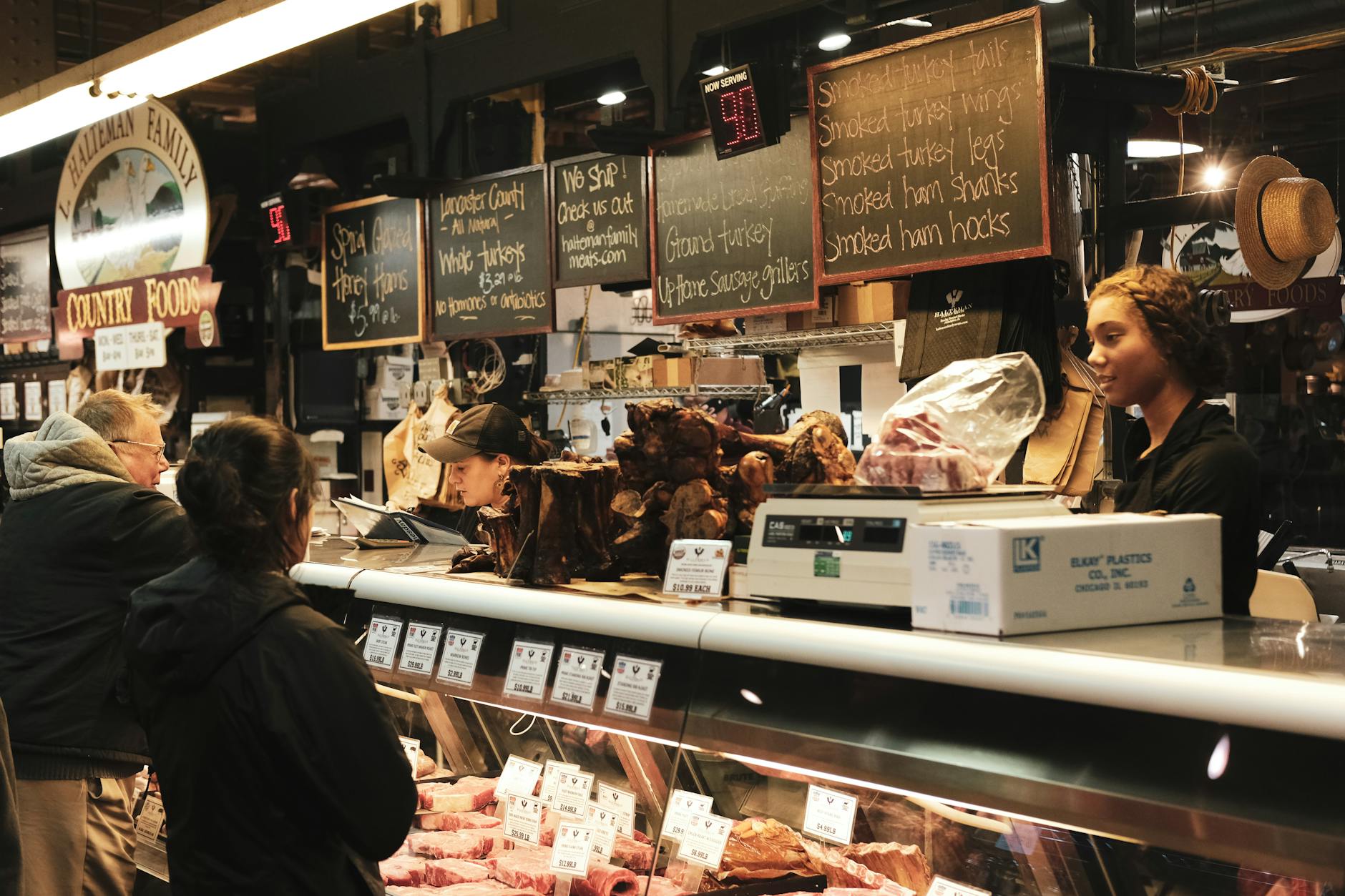
The ticket or number dispensers at deli and butcher counters are touched by every customer waiting for service and are rarely included in routine surface sanitizing schedules. The small lever or button that dispenses a ticket requires direct fingertip contact and is handled by customers who have just come from produce sections, restrooms or the car park without washing their hands. The plastic casing of ticket dispensers traps debris and moisture in its seams and edges, sustaining bacterial populations between cleaning cycles. Cross-contamination between the ticket dispenser and the raw meat and fish products sold at the adjacent counter represents a specific concern because customers move between these contact points within seconds. Microbiological testing of deli counter surfaces including ticket dispensers consistently identifies them as high-transfer points for coliform and staphylococcal bacteria.
Refrigerator Door Handles

The handles of glass-fronted refrigeration units in the dairy, drinks and chilled foods sections are among the most frequently touched surfaces in the entire supermarket, contacted by virtually every customer during a standard shopping visit. The cool temperature of refrigerator handles slows some forms of bacterial growth but does not eliminate it, and certain cold-tolerant pathogens including Listeria monocytogenes thrive in chilled environments. Handles that are shared between a section containing raw meat products and adjacent chilled sections represent a cross-contamination risk that is rarely communicated to shoppers. The elongated shape of most refrigerator door handles means that multiple points of contact exist across the length of the handle, and contamination from one end does not prevent simultaneous transfer at the other. Cleaning schedules for refrigerator handles in busy supermarkets rarely match the rate at which bacterial loads accumulate during peak trading hours.
Self-Checkout Screens
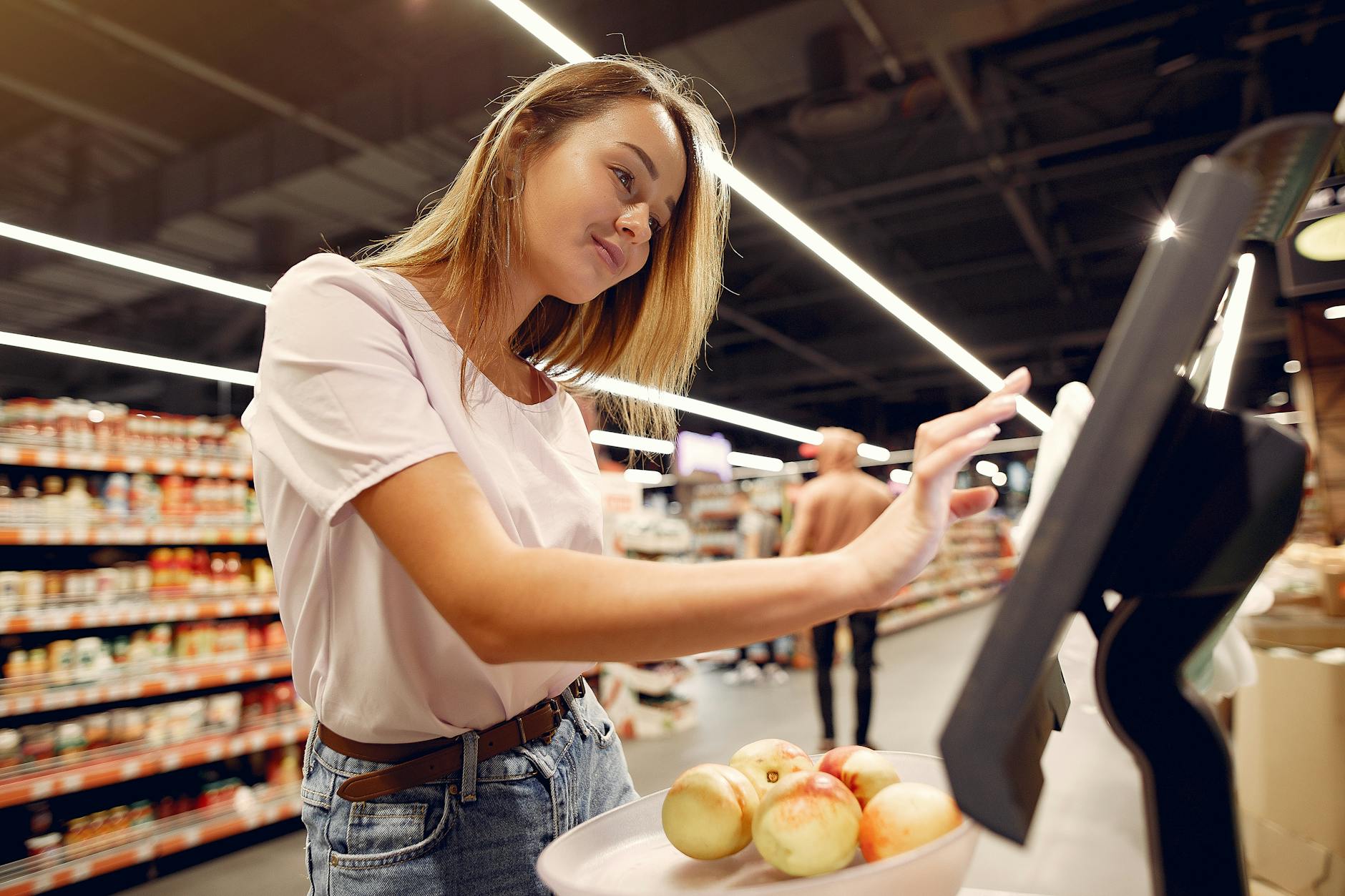
Touch screens at self-checkout terminals are among the highest-traffic contact surfaces in any modern supermarket, processed by continuous customer use throughout a trading day of twelve or more hours. Each customer interaction involves multiple deliberate taps and swipes across the screen surface, transferring bacteria from hands that have previously handled raw produce, meat packaging, dirty coins and every other contaminated surface in the store. Studies of self-checkout terminal surfaces have detected a wide range of bacterial species including Staphylococcus aureus, which can survive on hard surfaces for extended periods and cause skin and gastrointestinal infections. The warm environment generated by the terminal’s own electronics creates a favorable temperature for bacterial maintenance between cleaning cycles. Cleaning of self-checkout screens in most supermarkets occurs once or twice during a trading day, which is wholly inadequate relative to the number of customer contacts the surface receives.
Reusable Shopping Bags
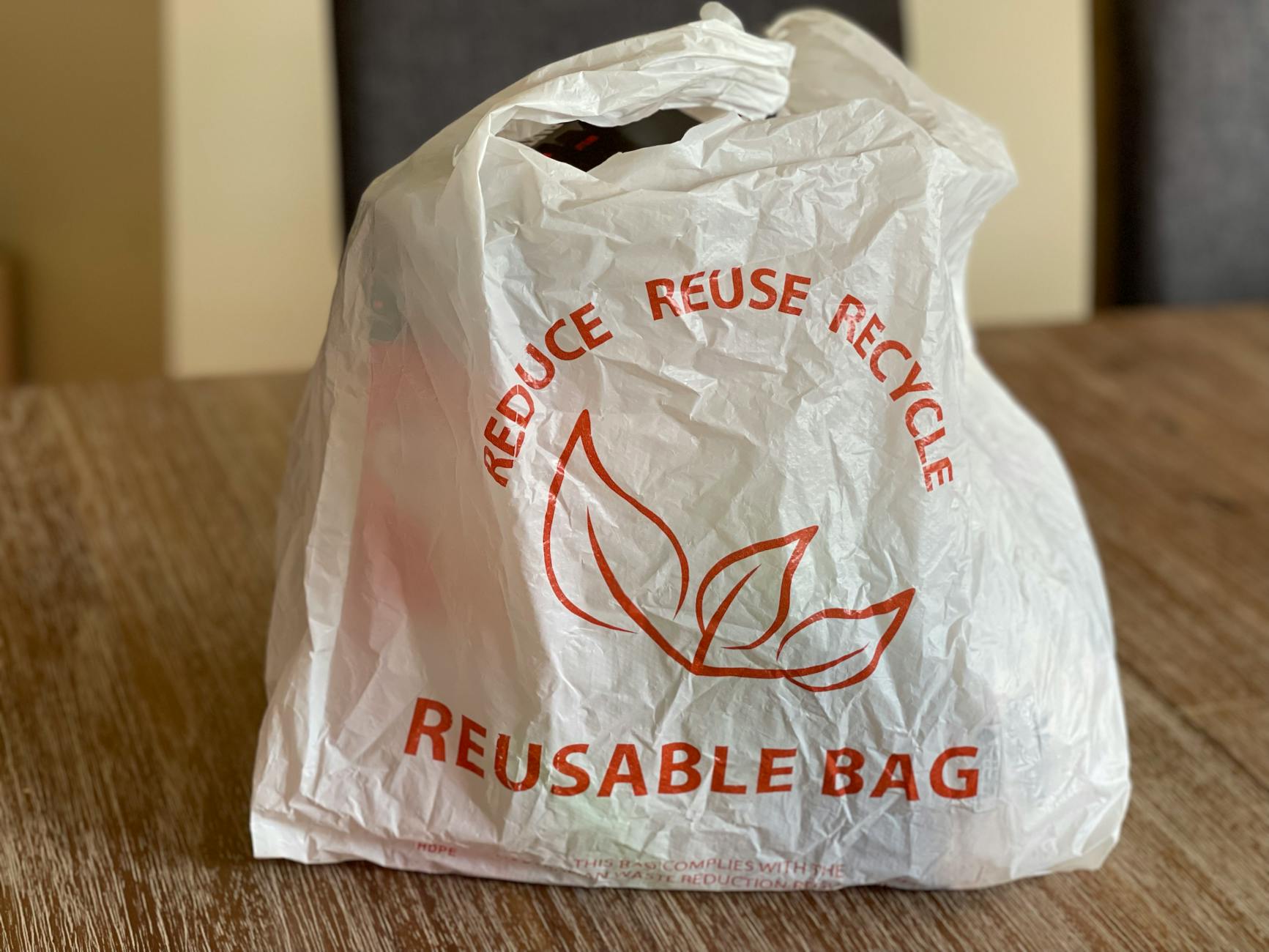
Reusable grocery bags carried by customers and rested on checkout belts, floors, car boots and shopping cart seats accumulate bacteria from every surface they contact between shopping trips. Studies of reusable bags in regular use have found coliform bacteria, Salmonella and mold in significant quantities, particularly in bags used for raw meat or produce and not laundered between uses. The interior of a reusable bag that has carried leaking meat packaging or unwashed vegetables becomes a self-contained bacterial incubator, particularly in warm weather when bags are stored in car boots between shopping trips. Customers who place a reusable bag on the checkout belt and then pack fresh produce or ready-to-eat items directly into it create a direct transfer pathway from a heavily contaminated surface to food consumed without further cooking. Surveys of consumer habits consistently find that the majority of reusable bag owners wash them far less frequently than food safety guidelines recommend.
Coin Slots and Payment Terminals
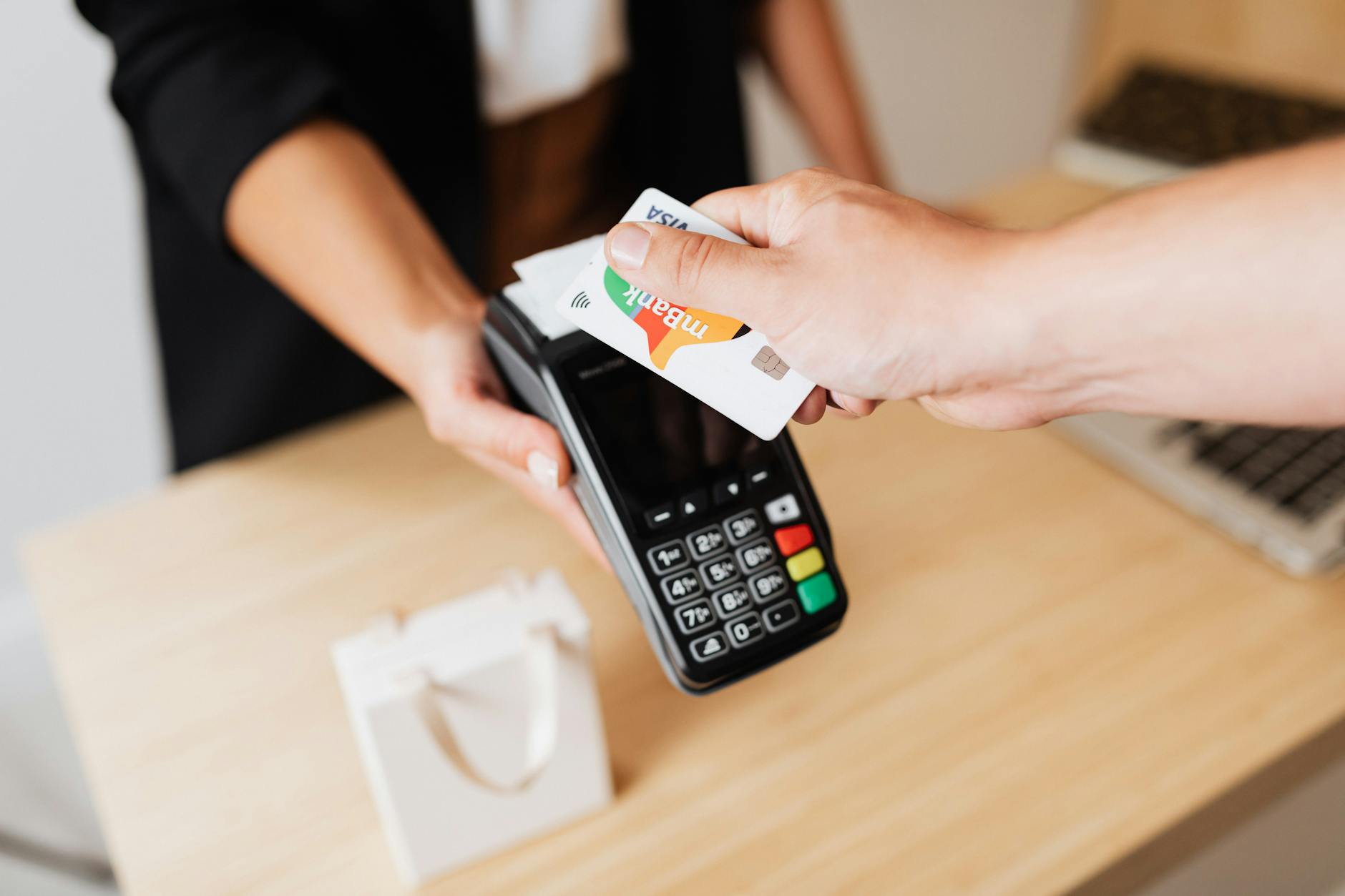
The physical keypad and coin slots of payment terminals at checkouts and self-service machines represent some of the densest bacterial contact points in the supermarket environment. Currency itself is a well-documented carrier of bacteria including E. coli, Staphylococcus and various mold species, and the coin slot of a payment terminal concentrates this contamination into a single repeatedly touched surface. PIN entry keypads require deliberate fingertip pressure on each key, maximizing skin-to-surface contact and bacterial transfer with every transaction. Contactless payment has reduced the duration of hand contact with terminals but has not eliminated it, as many customers still handle cards, phones and wallets in ways that transfer material to and from terminal surfaces. The warm enclosed environment of a payment terminal casing maintains favorable conditions for bacterial survival between cleaning cycles that occur once or twice per trading day at most.
Meat Packaging
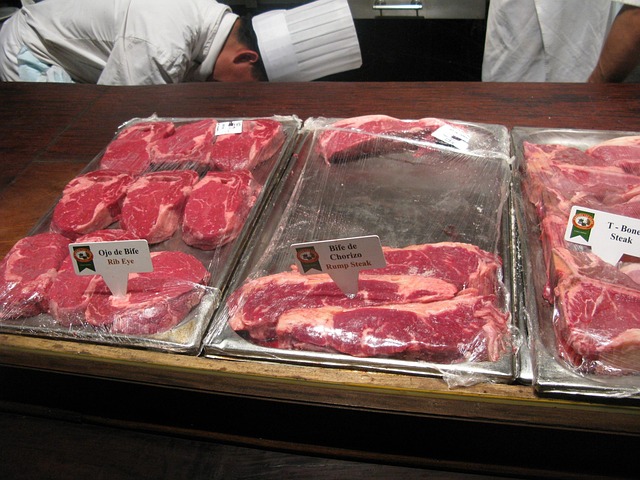
Pre-packaged raw meat products in the chilled section introduce a specific set of high-risk bacteria including Campylobacter, Salmonella and E. coli to the hands of any customer who handles them, even briefly. The exterior of meat packaging is contaminated by contact with processing surfaces, handling during distribution and any leakage of juices through imperfect seals during transit and storage. Customers who pick up a chicken or mince package to read the label and then return it to the shelf before selecting another product transfer bacteria to every subsequent item they handle during the same shopping trip. The cold surface of chilled meat packaging slows but does not halt bacterial activity, and Campylobacter in particular is cold-tolerant enough to remain active and transferable at refrigeration temperatures. Hand hygiene after handling raw meat packaging in a supermarket is rarely practical in the middle of a shopping trip, creating a contamination chain that extends across the entire basket of goods.
Bakery Tongs
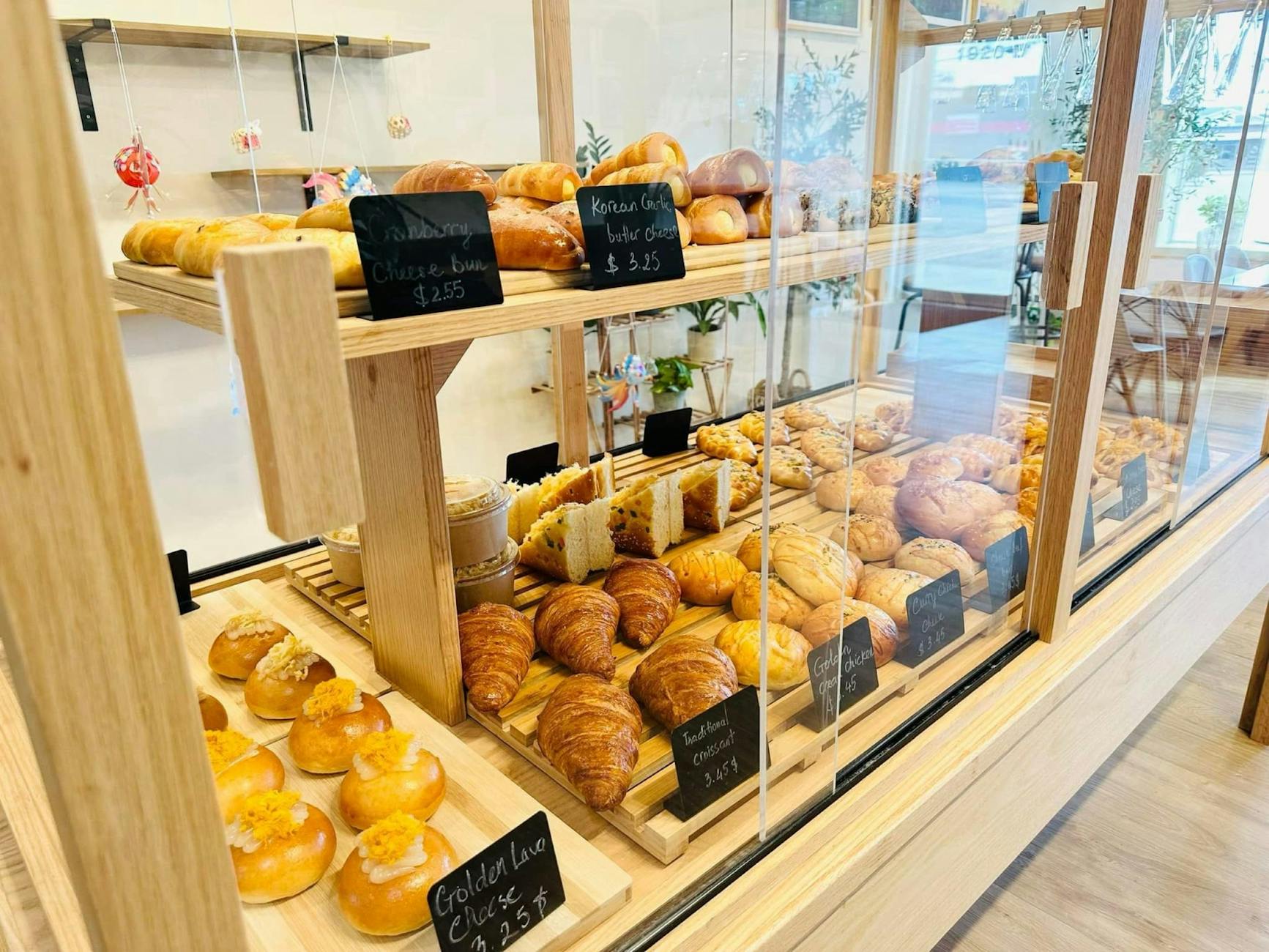
The shared tongs provided in supermarket bakery sections for self-service selection of bread, pastries and rolls are handled by every customer who visits the section and are cleaned on a schedule that does not match their rate of use. Unlike most other contaminated surfaces in the supermarket, bakery tongs make direct contact with food that is typically consumed without any subsequent cooking or washing. Customers who handle the tong grips and then contact the tong head before placing it on a product create a direct pathway from their hands to the food surface. Children who reach for tongs, tap them together or place them in their mouths before a parent can intervene are a recognized source of direct oral bacterial introduction to a shared food-contact utensil. Bakery sections in self-service format present one of the most direct farm-to-mouth contamination pathways in the entire supermarket environment.
Trolley Child Seats
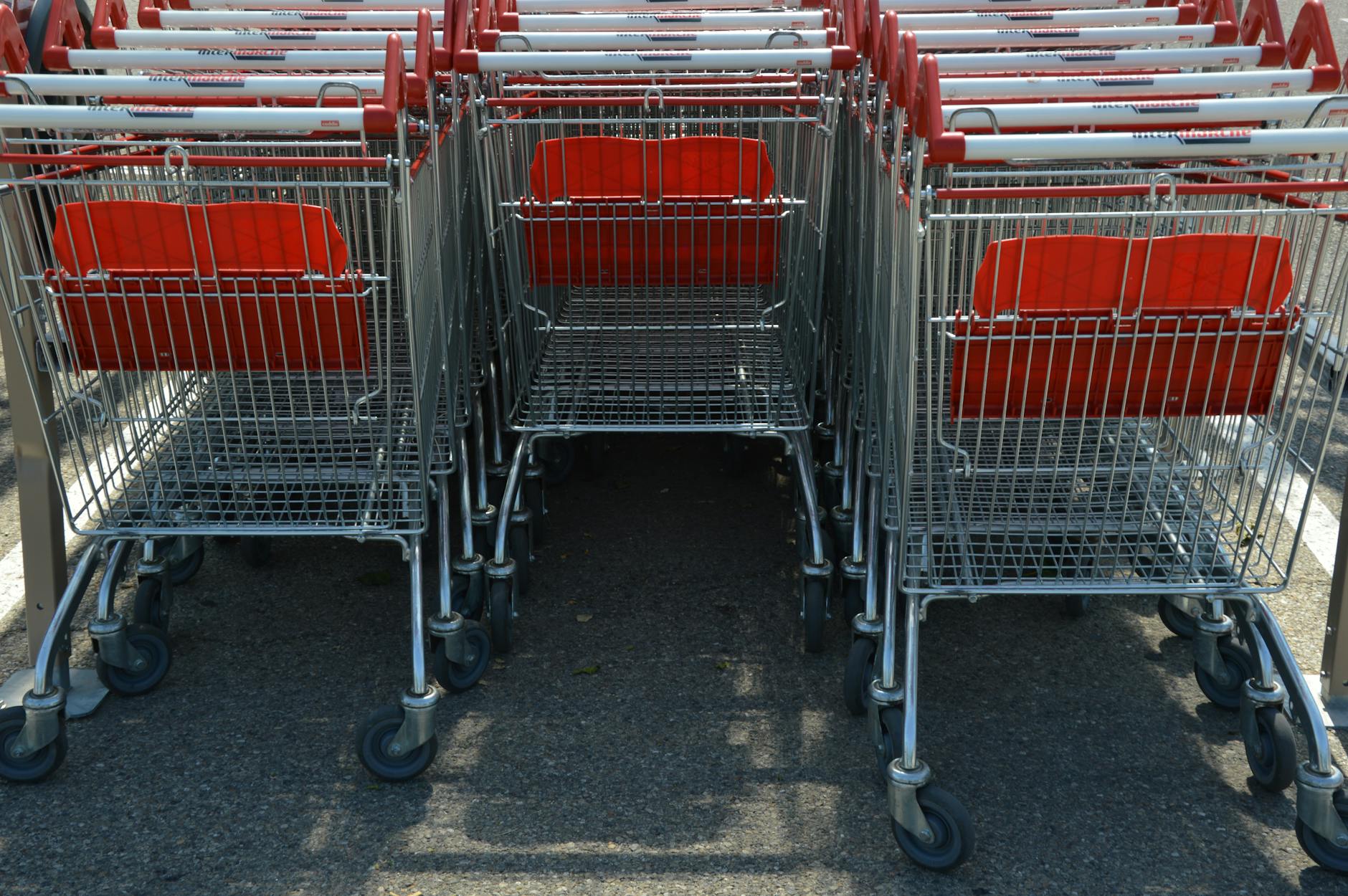
The child seat integrated into a shopping cart is contacted by nappies, shoes, bare skin and clothing throughout a trading day and is almost never sanitized between individual uses by store staff. Fecal bacteria including E. coli and coliform species are consistently detected on child seat surfaces in studies of supermarket cart hygiene, reflecting the reality that young children in nappies sit directly on these surfaces for extended periods. The plastic and metal surfaces of child seats trap debris in joints and recesses that are difficult to clean thoroughly even during dedicated sanitizing sessions. Parents who then allow the same child to handle produce items, touch their own face or mouth, or contact the contents of the shopping cart create a bacterial transfer pathway from a heavily contaminated surface to food and family members. The child seat is among the most reliably contaminated surfaces identified in supermarket microbiological studies, yet it receives less consistent cleaning attention than cart handles.
Floor-Level Shelving
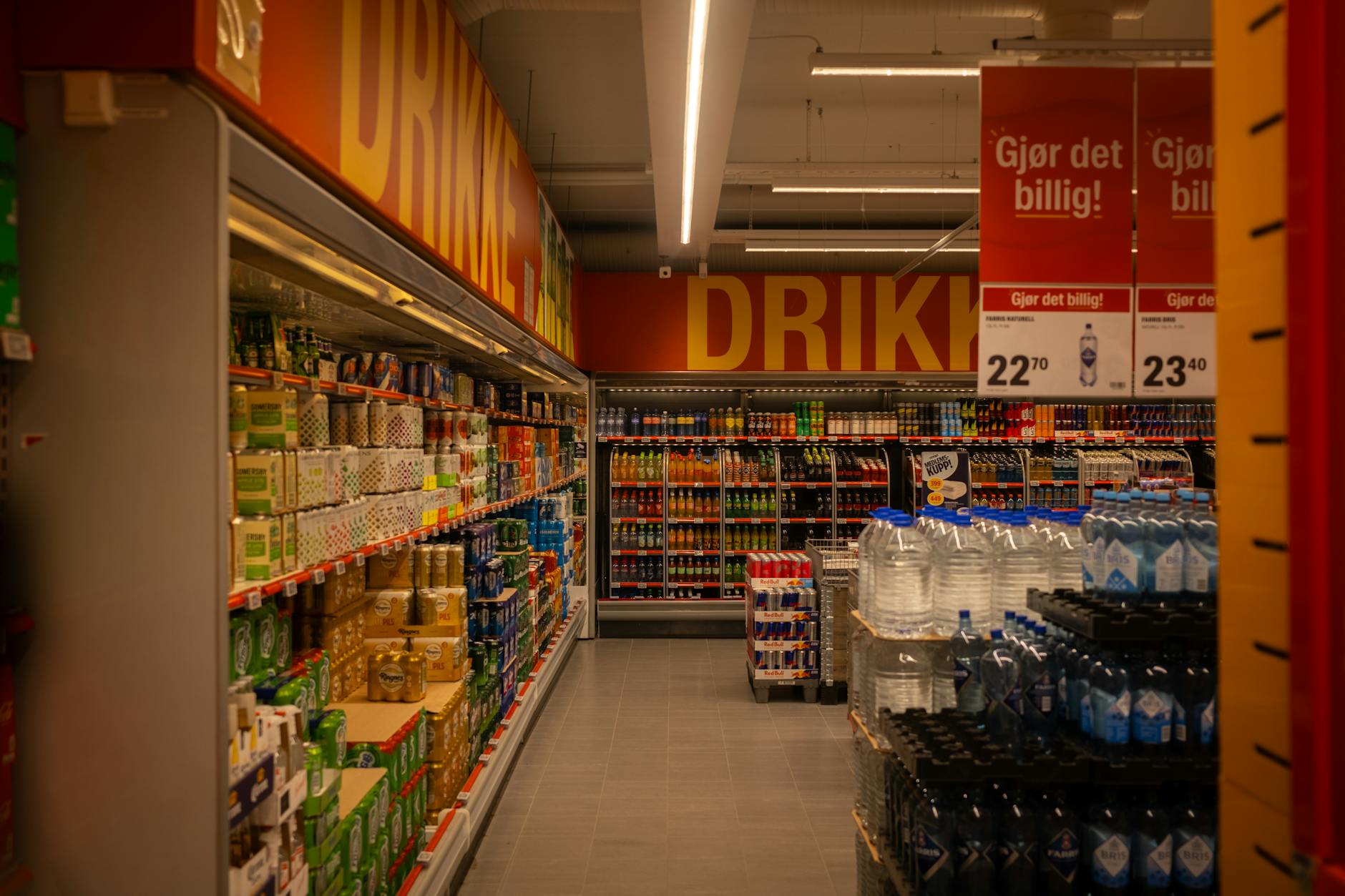
Products stored at the lowest shelf level in supermarket aisles are positioned in the zone of maximum contamination from floor cleaning chemicals, shoe transfer, dropped items and the wheels of shopping carts and cleaning equipment. Customers who crouch or kneel to retrieve items from floor-level shelving bring their hands into contact with both the product and the shelf surface itself, which accumulates debris and bacterial material from the floor environment. Children who reach independently for items at floor level or who touch the shelf surface while accompanying a parent are particularly exposed to the bacterial load present at this height. Shelf surfaces at floor level are typically cleaned less frequently than those at eye level because they require more physical effort to access during routine store cleaning. Products stored at floor level in the chilled section face additional contamination risk from water runoff and condensation that creates a persistently moist surface favorable to bacterial growth.
Bottle Return Machines
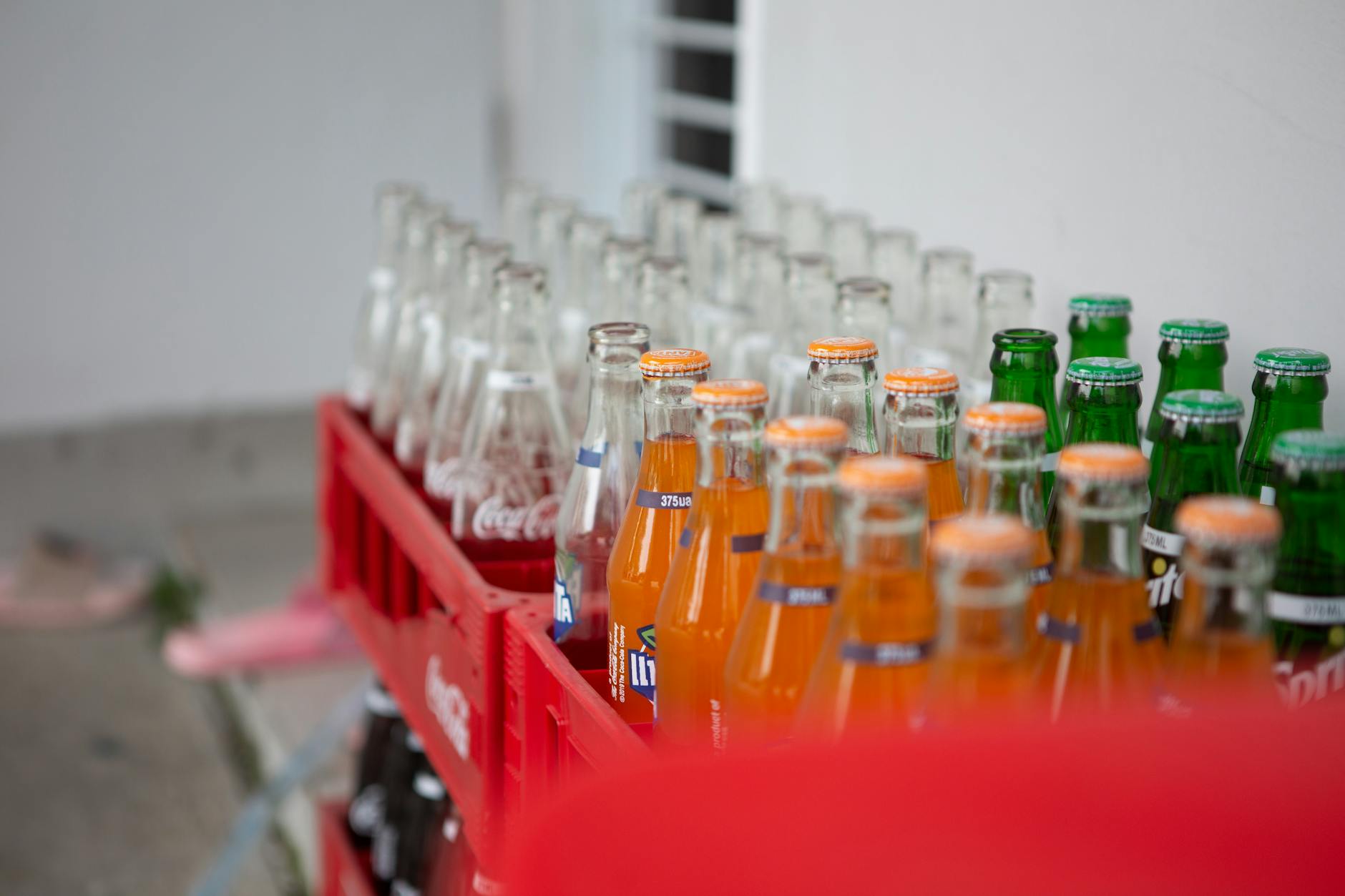
Reverse vending machines that accept returned bottles and cans for deposit refunds are among the most heavily contaminated pieces of equipment in any supermarket that operates them. The insertion slot of a bottle return machine is contacted by unwashed hands, sticky bottle residues, mold from containers that have been stored for extended periods and the general contamination present on the exterior of any used beverage container. The interior of the machine accumulates organic residue from thousands of returned containers and creates a warm moist environment highly favorable to mold and bacterial proliferation. Customers who use the bottle return machine immediately before handling fresh produce or food items create a direct contamination pathway from one of the store’s most microbiologically active surfaces to the food supply. Cleaning protocols for bottle return machines in most supermarket environments focus on mechanical maintenance rather than microbiological hygiene.
Greeting Card Displays

Greeting card racks and their surrounding display infrastructure are handled by customers spending extended browsing time reading individual cards, replacing them, and selecting between multiple options in a single visit. The amount of sustained fingertip contact involved in browsing a greeting card display is higher than most other touch points in the supermarket because the activity encourages deliberate slow handling of multiple items. Cards returned to the rack after being read carry the full bacterial load of the handler’s fingertips, which is then transferred to any customer who selects the same card afterward. The paper surface of greeting cards is more absorbent than plastic or metal surfaces and retains transferred organic material in a way that sustains bacterial populations for longer than non-porous surfaces. Greeting card displays are almost never included in standard supermarket cleaning routines because they fall outside the food-adjacent zones that receive the most hygiene attention.
Magazine Racks
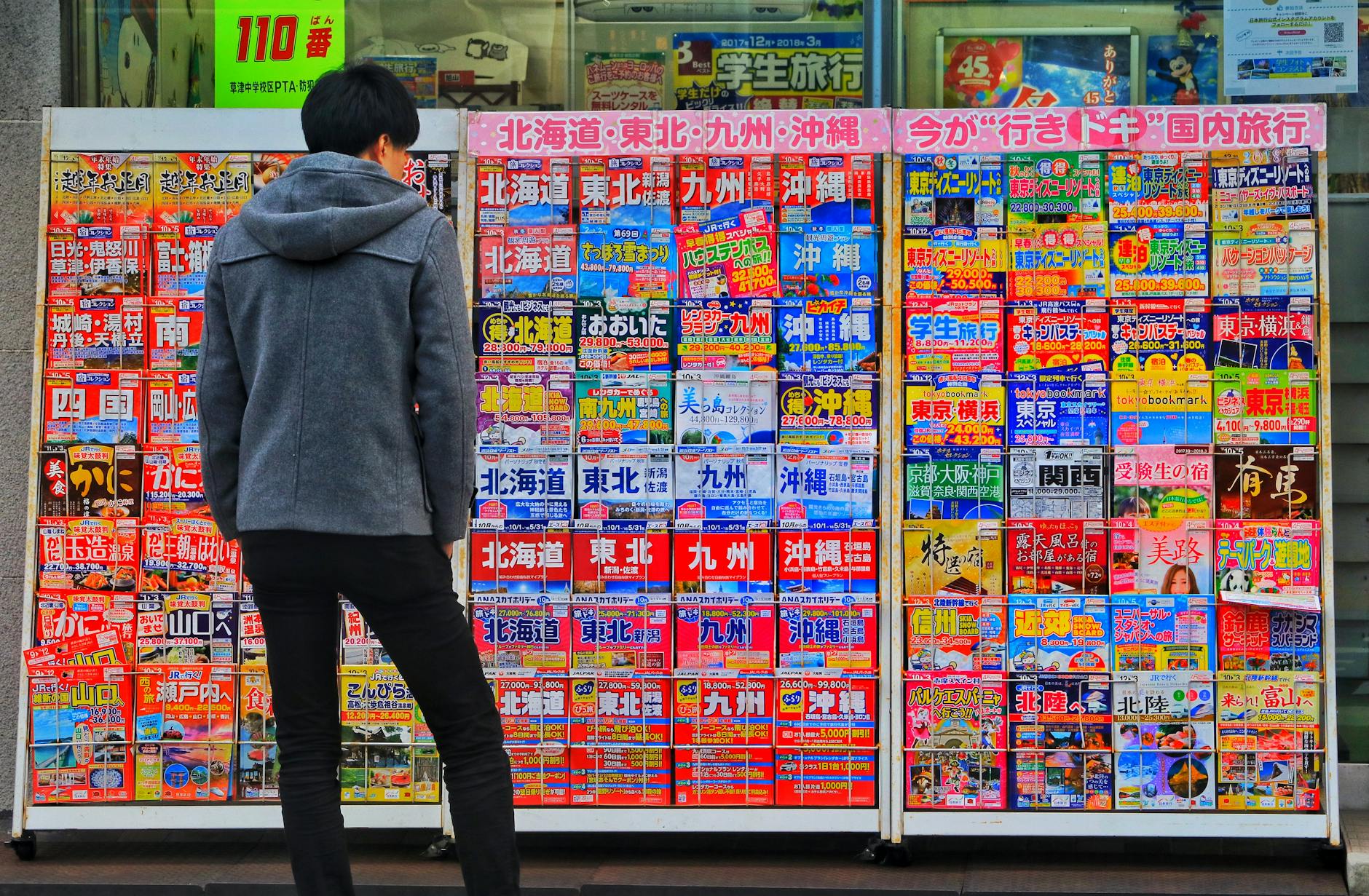
Shared magazines and periodicals at checkout zones and within the supermarket environment are browsed, replaced and re-browsed by customers throughout the trading day in conditions that are never monitored for hygiene. The paper and glossy surfaces of magazines absorb oils, skin cells and moisture from handling and create a biological substrate that supports bacterial survival for periods extending well beyond a single trading day. Studies of shared reading material in public environments consistently find high bacterial loads including respiratory pathogens transferred through hand-to-face contact during browsing. Checkout zone magazine racks are contacted at a point in the shopping trip when a customer’s hands carry the accumulated contamination from every surface they have touched since entering the store. The browsing behavior associated with magazine selection, which involves prolonged holding and repeated page turning, maximizes the surface area and duration of bacterial transfer.
Loyalty Card Scanners
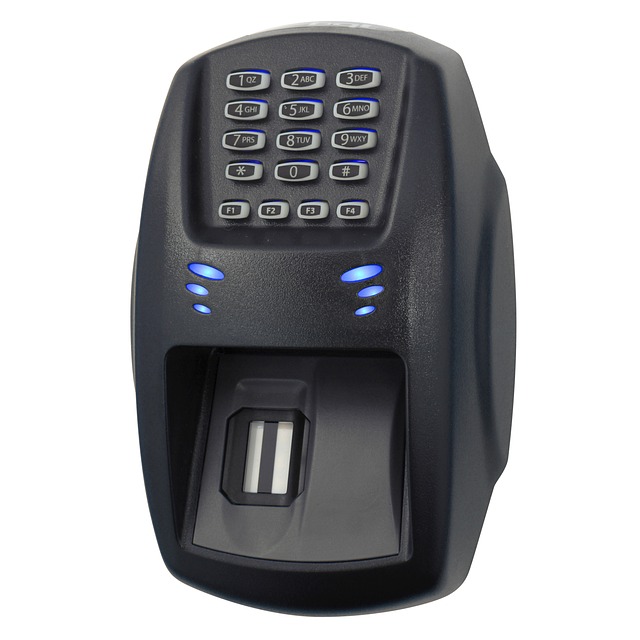
Handheld loyalty card scanners and the fixed scanner panels at checkout desks require direct contact with the customer’s card or phone screen and in many cases with the customer’s hand itself when staff assist with scanning. The scanner surface concentrates the bacterial transfer from hundreds of daily customer interactions onto a small high-contact area that is rarely included in focused sanitizing routines. Customers who hand their loyalty card to a checkout operator introduce a two-way transfer pathway between their own hand contamination and that of the operator, who then handles food items and packaging for subsequent customers. Keychain loyalty fobs that are handled alongside car keys, coins and other high-contamination items carry additional bacterial loads to the scanner surface. The brief duration of the scanning interaction does not eliminate the transfer risk because bacterial movement from surface to surface occurs within fractions of a second of contact.
Freezer Chest Lids
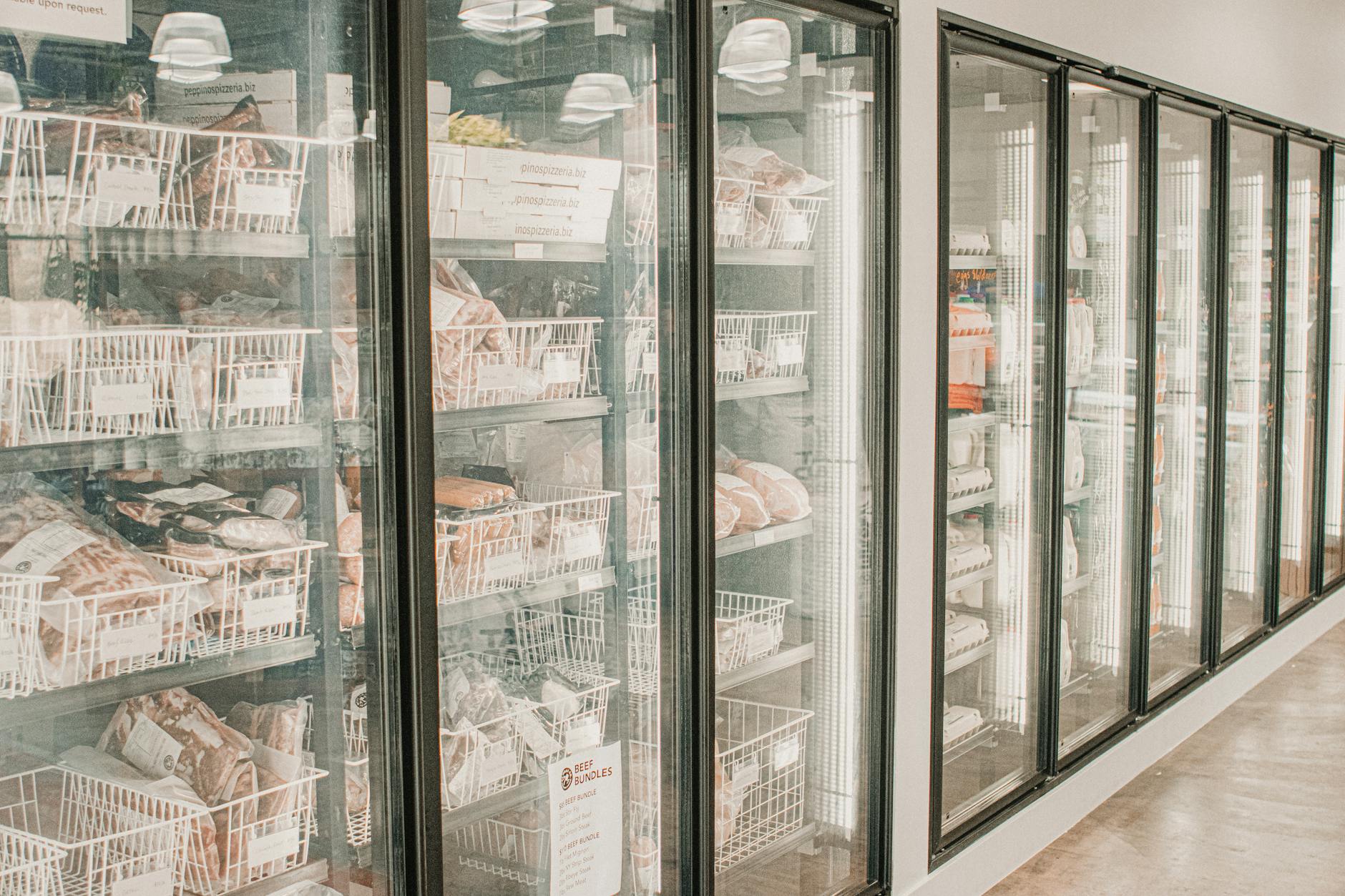
Open-top chest freezers used for frozen fish, party food and promotional items require customers to reach inside with bare hands while leaning over or pressing against the exterior rim of the chest. The rim surface of a chest freezer accumulates contamination from every customer who leans against it or grips it for balance while reaching for items at the bottom of the chest. The interior of the chest is contacted by the hands, sleeves and sometimes the torsos of customers retrieving deeply stored items, and these contacts are never sanitized between individual customer interactions. Frozen items retrieved from the bottom of a chest freezer have typically been handled and replaced by multiple customers before being purchased, accumulating contact contamination from each interaction. The physical demands of retrieving items from a deep chest freezer also increase the likelihood of prolonged and broad skin contact with both interior and exterior surfaces.
Sample Station Surfaces
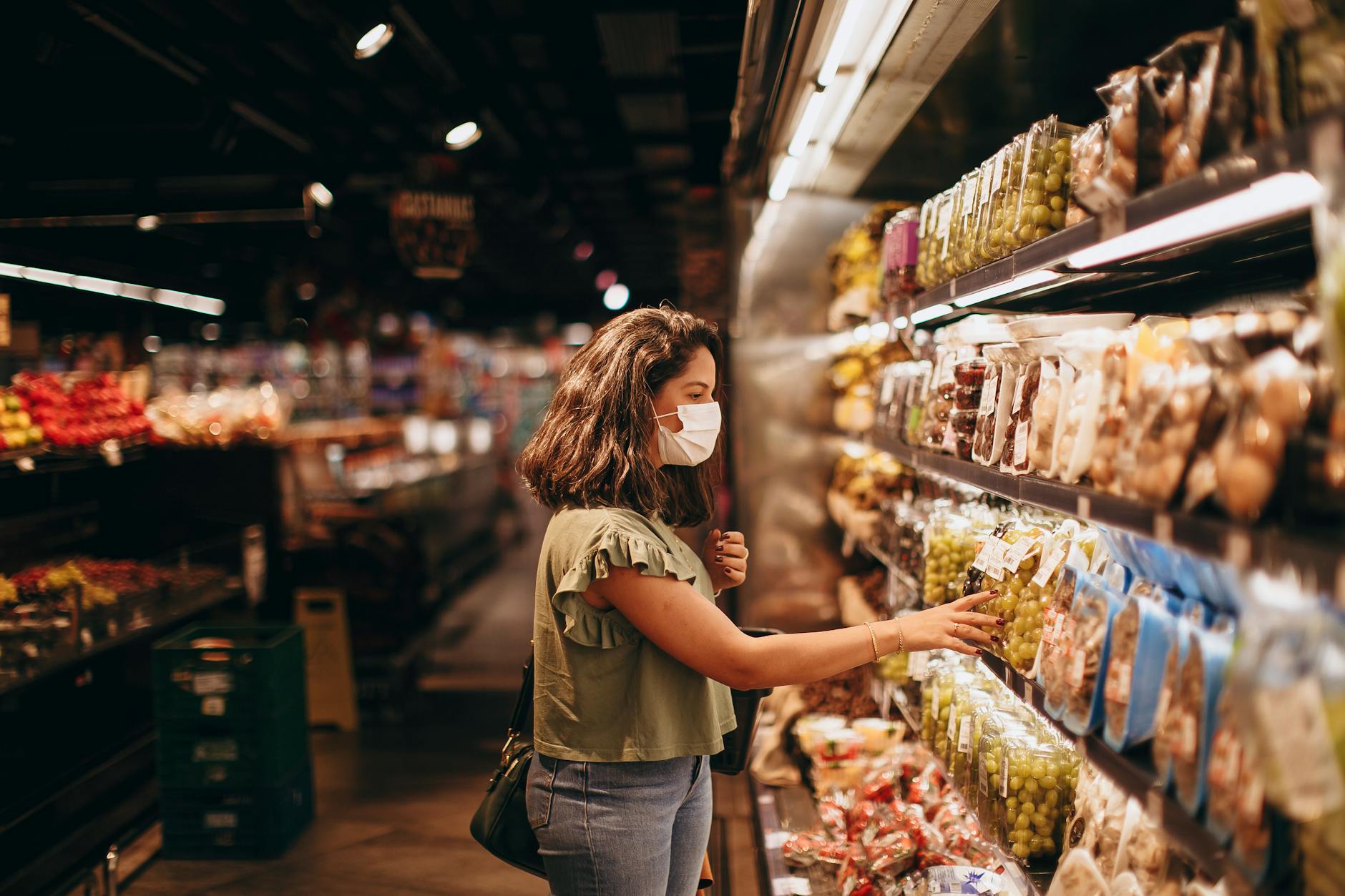
In-store food sampling stations where products are presented for customer tasting introduce a specific bacterial risk because the surface area and shared utensils of the station are contacted by every participating customer. Toothpicks, small cups, serving spoons and the countertop surface of a sampling station accumulate the bacterial load of every customer who reaches across, leans against or picks up items from the display. Children who touch multiple sample items, place unused toothpicks back into a communal holder or contact the surface with food already in their mouths create direct oral bacterial introduction to a shared food-contact environment. Sampling stations in busy supermarkets may serve hundreds of customers in a single trading session with cleaning occurring only between formally scheduled demonstration periods. The combination of food, shared utensils and high customer contact density makes sampling stations one of the most concentrated bacterial environments in the entire store.
Receipt Paper
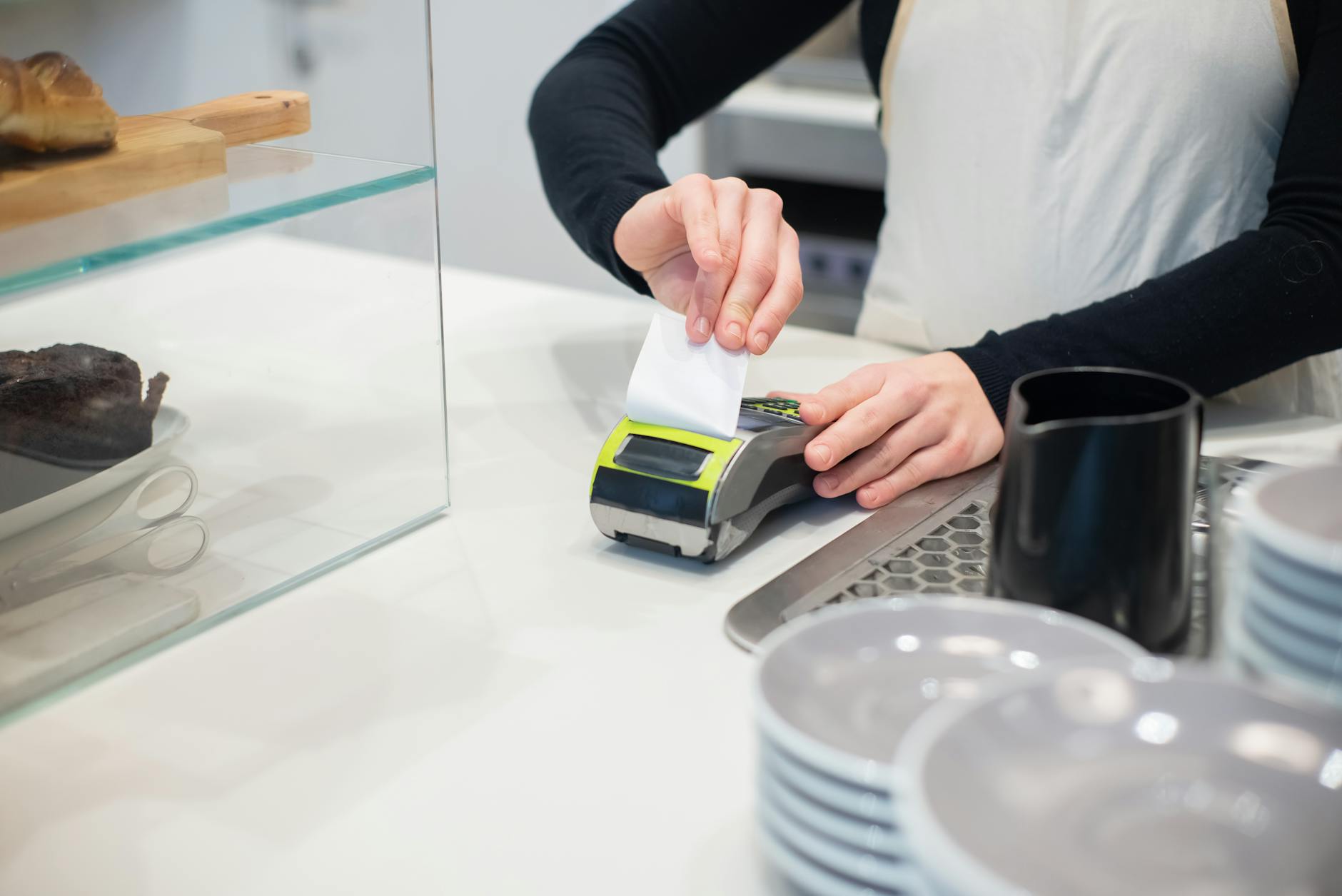
Thermal paper receipts handed to customers at checkout contain bisphenol compounds on their surface that are absorbed through skin contact, but the receipt surface also carries the bacterial load transferred from the hands of the checkout operator who handled it and every surface they contacted during the transaction. A receipt folded and placed directly into a wallet or bag creates a secondary transfer pathway that introduces supermarket-sourced bacteria into a personal item that subsequently contacts the home environment. Customers who place a receipt into their mouth while freeing their hands to pack bags introduce direct oral contact with a surface that has been handled in a high-contamination environment. The thermal coating on receipt paper makes it non-recyclable through standard paper channels, meaning it accumulates in wallets and bags for extended periods during which bacterial transfer to adjacent items continues. The combination of chemical and microbiological concerns associated with thermal receipts has accelerated the adoption of digital receipt options in many retail chains.
Pharmacy Counters

The countertop surface of an in-store pharmacy consultation area is contacted by customers presenting prescriptions, handling medication packaging, placing personal items such as phones and bags on the surface and leaning against the counter during consultation. The healthcare-seeking population who interact most frequently with a pharmacy counter surface include a disproportionate representation of individuals managing active infections, which elevates the bacterial and viral load present on this specific surface. Prescription bags and medication boxes handled by pharmacy staff and then placed on a shared counter surface introduce a bidirectional transfer pathway between staff and customer bacterial populations. The pen or stylus used for signing electronic prescription forms is shared between every customer who visits the counter and is rarely sanitized between individual interactions. Despite operating within a healthcare-adjacent environment, pharmacy counter surfaces in supermarkets are typically cleaned on the same schedule as general retail surfaces rather than on a medically appropriate hygiene protocol.
ATM Keypads
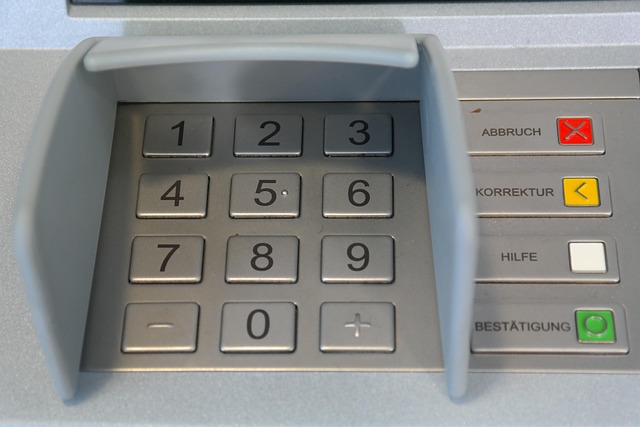
In-store ATM machines located within supermarket premises are among the most densely bacterially contaminated surfaces in the retail environment, combining the contamination profile of a payment terminal with the additional bacterial load introduced by currency handling immediately before and after use. Studies of ATM keypads in public locations have identified bacterial species associated with fecal contamination, respiratory transmission and skin infection at levels that make them among the most consistently contaminated public touch surfaces in any environment. Customers who use an in-store ATM immediately before handling fresh produce or food items carry a direct contamination pathway from one of the highest-risk surfaces in the building to food that may be consumed without cooking. The recessed design of ATM keypad buttons traps debris and organic material in the gaps between keys, creating a protected environment for bacterial survival between cleaning cycles. Supermarket ATMs are typically serviced and cleaned on a schedule determined by the ATM operator rather than the store, resulting in hygiene standards that may be inconsistent with the food retail environment surrounding them.
Children’s Ride-On Machines

Coin-operated ride-on toys and interactive entertainment machines positioned near supermarket entrances and exits are contacted by the hands, faces and mouths of young children throughout the trading day and are cleaned on a schedule that bears no relationship to their actual rate of use. Toddlers and young children who mouth surfaces, press their faces against screens or windows and contact the machine with unwashed hands following a shopping trip represent both a high-contamination introduction source and a high-risk population for acquiring infections from the surface. The plastic and metal surfaces of ride-on machines trap debris in joins and textured areas that are difficult to clean thoroughly without disassembly. Fecal bacteria are consistently detected on children’s ride-on machines in studies of public entertainment equipment, reflecting both nappy-wearing users and the general hand-hygiene challenges of the age group that uses them most. Parents who lift young children onto and off these machines transfer the machine’s bacterial load directly to their own hands and then to every surface they subsequently contact during the remainder of their supermarket visit.
Fruit and Vegetable Misters
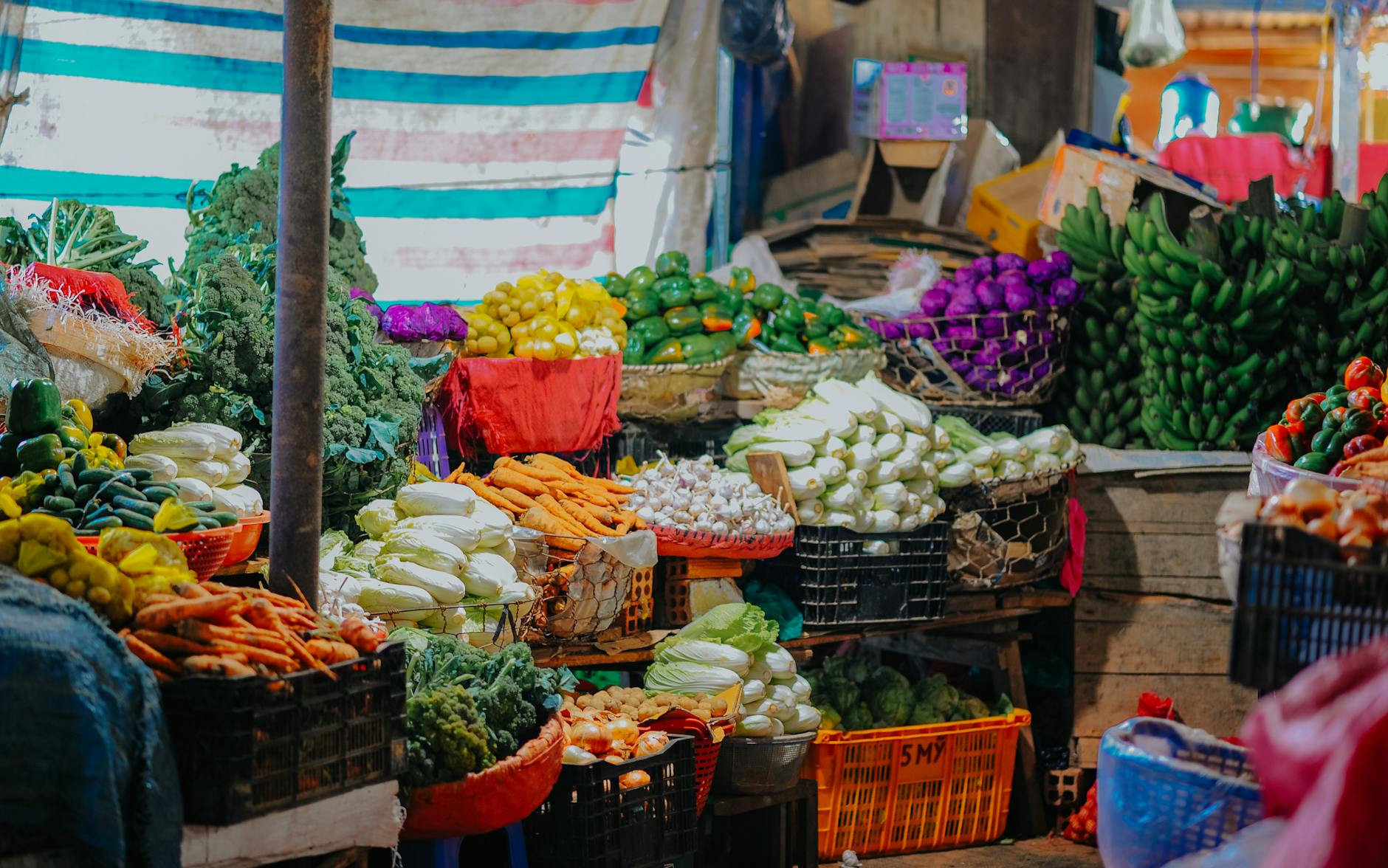
The automated misting systems used to keep fresh produce hydrated in supermarket displays create a fine moisture film across the surface of every product in the misted section, but the water used in these systems is not always monitored to the standard required to prevent bacterial growth within the misting equipment itself. Biofilm development within misting nozzles and water reservoir systems can introduce Pseudomonas, Legionella and other moisture-loving bacterial species directly onto produce surfaces in the form of fine aerosolized droplets. The mist also settles on shelf surfaces, display signage and the hands and faces of customers browsing in the immediate vicinity of active misters. Produce that is consumed raw after being misted with water from a system that has not been recently cleaned and tested carries a bacterial introduction risk that is additional to any contamination present from the supply chain. The warm ambient temperature of the produce section combined with the moisture introduced by misting creates surface conditions on produce that favor rapid bacterial multiplication between misting cycles.
Share the supermarket surfaces that concern you most and the hygiene habits you rely on during your weekly shop in the comments.