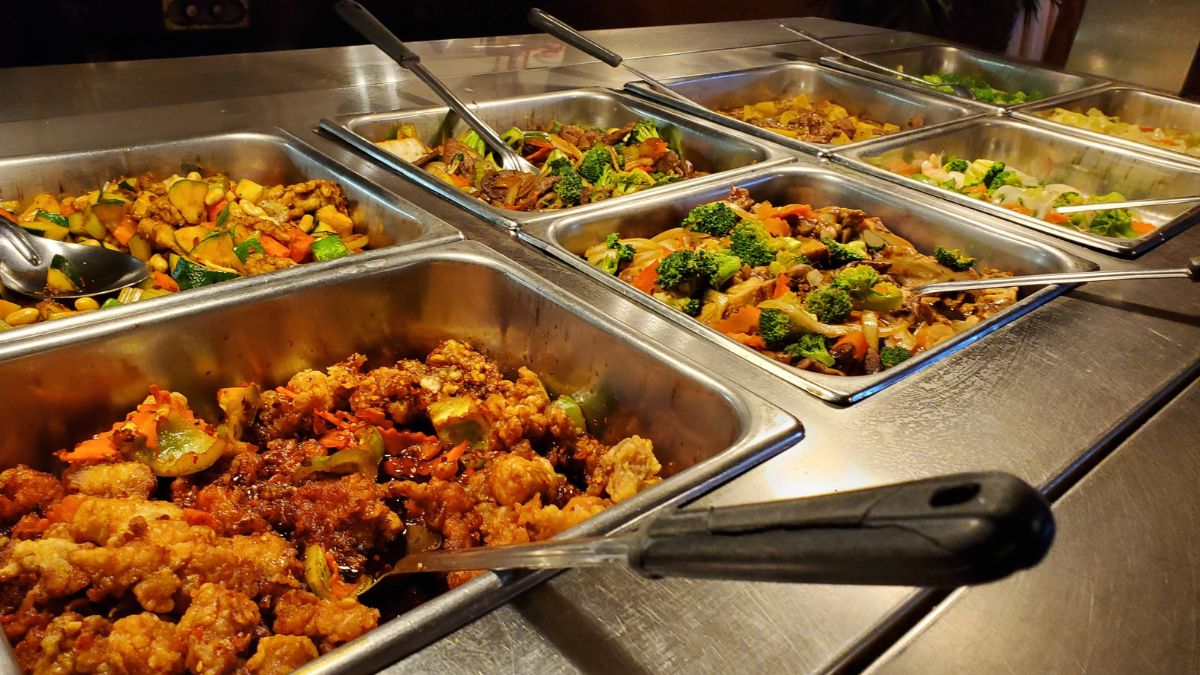
Buffet restaurants promise unlimited abundance and great value, but behind the gleaming chafing dishes lies a world most diners would rather not think about. Food safety experts and former restaurant workers have long raised concerns about the hygiene realities hiding in plain sight at all-you-can-eat establishments. The sheer volume of customers cycling through these spaces creates conditions that make consistent sanitation extremely difficult to maintain. Understanding what really goes on can help you make smarter choices the next time you reach for those tongs.
Sneeze Guards
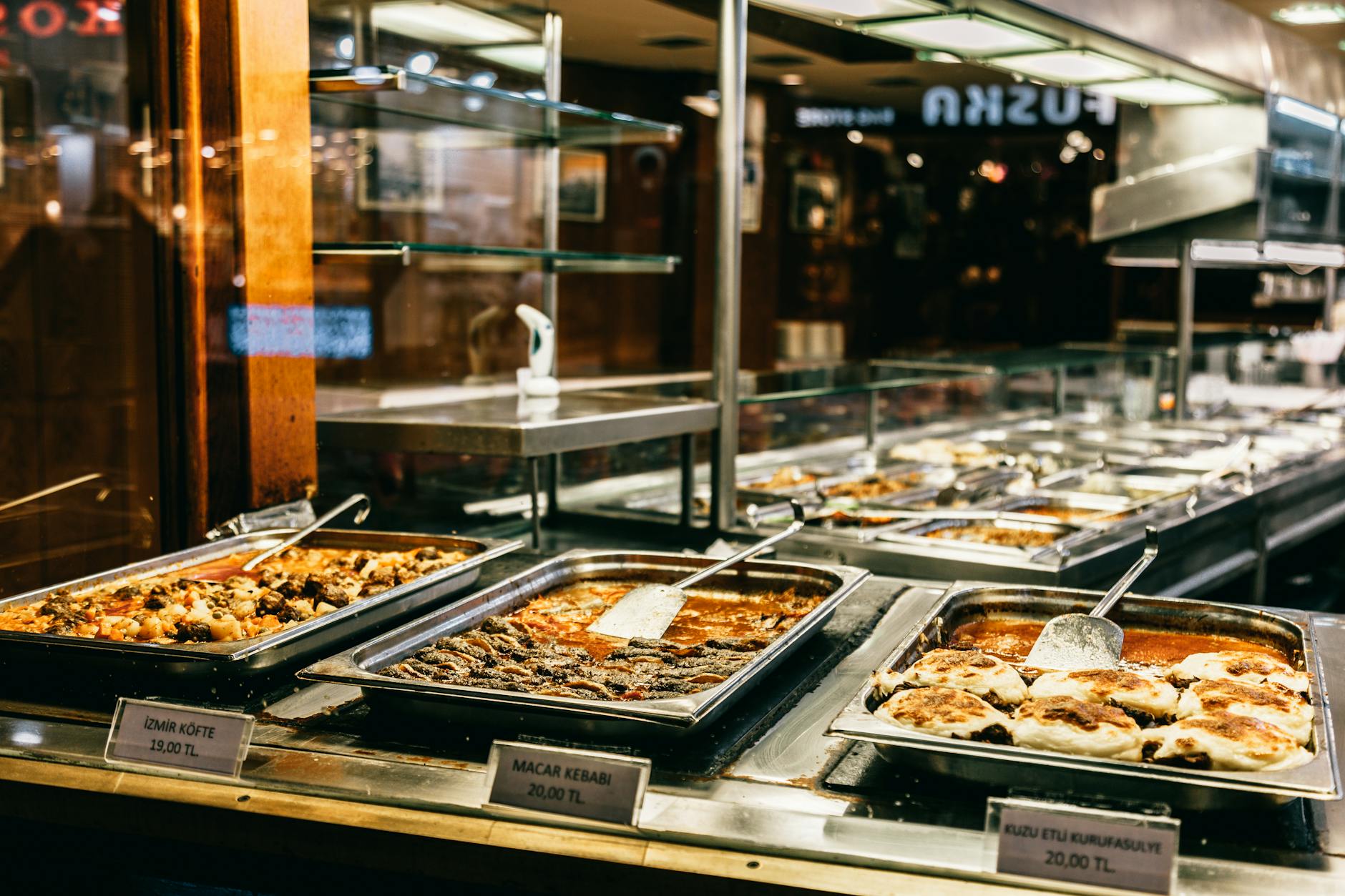
The plastic shields hovering above buffet food are designed to block airborne particles from reaching the dishes below. In practice, they are rarely cleaned between service periods and can harbor layers of grease, condensation, and bacteria on their surfaces. Studies have shown that sneeze guards often fail to fully protect food from contaminants, particularly when children are involved. Droplets from coughs and sneezes can still travel at angles that bypass the barrier entirely. The false sense of security they provide may actually encourage complacency among both diners and staff.
Serving Tongs
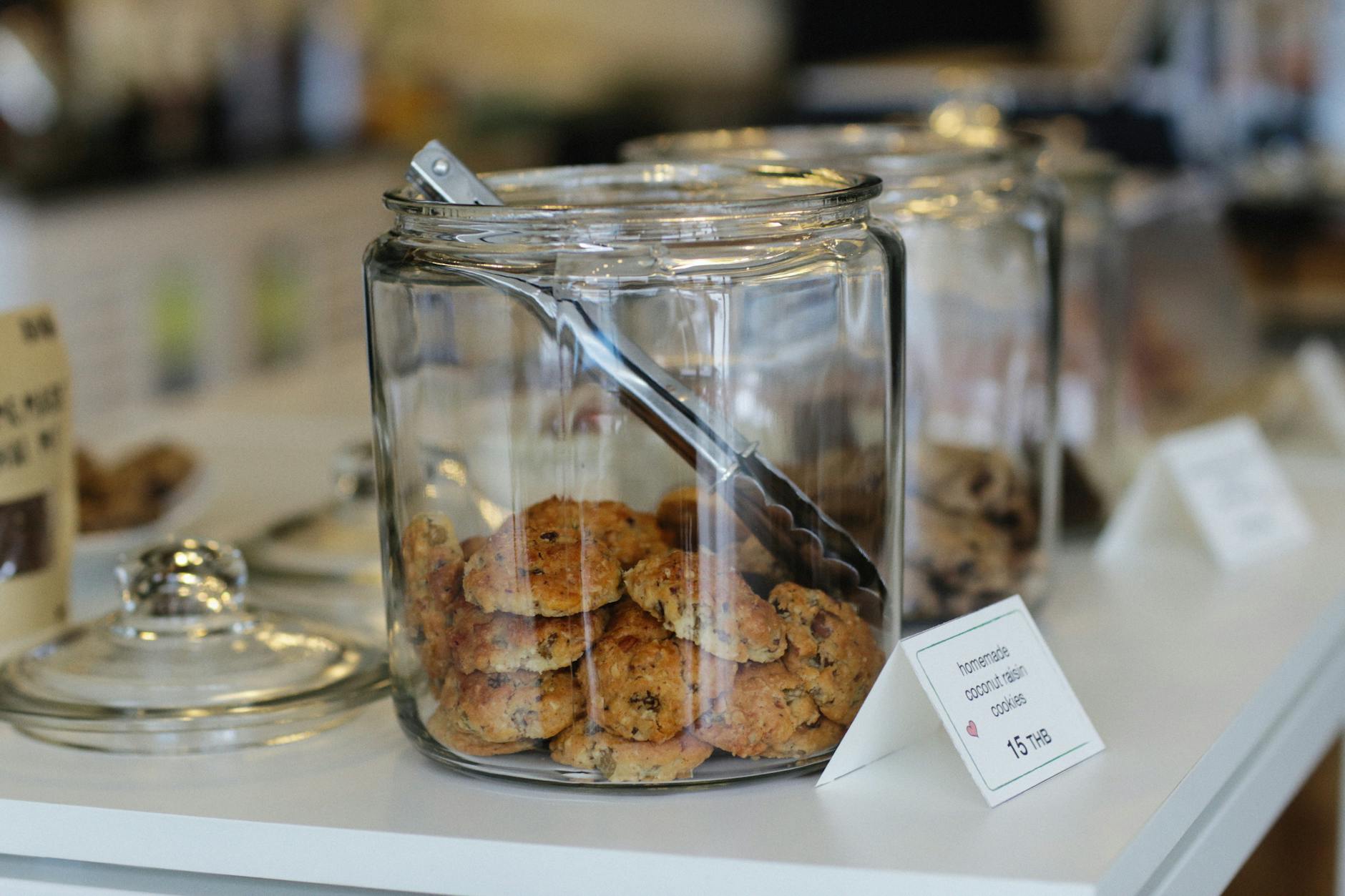
Serving tongs are among the most touched surfaces in any public dining environment, passing through hundreds of hands during a single lunch service. Most buffets do not replace or sanitize tongs frequently enough to prevent the transfer of bacteria from one dish to another. A customer who handles raw proteins at one station and then moves to the salad bar carries contaminants directly into fresh food. Health inspectors have cited improper tong management as one of the most common violations found during buffet restaurant audits. Dropping a tong on the floor and simply rinsing it quickly is a practice that happens far more often than diners would like to imagine.
Buffet Plates
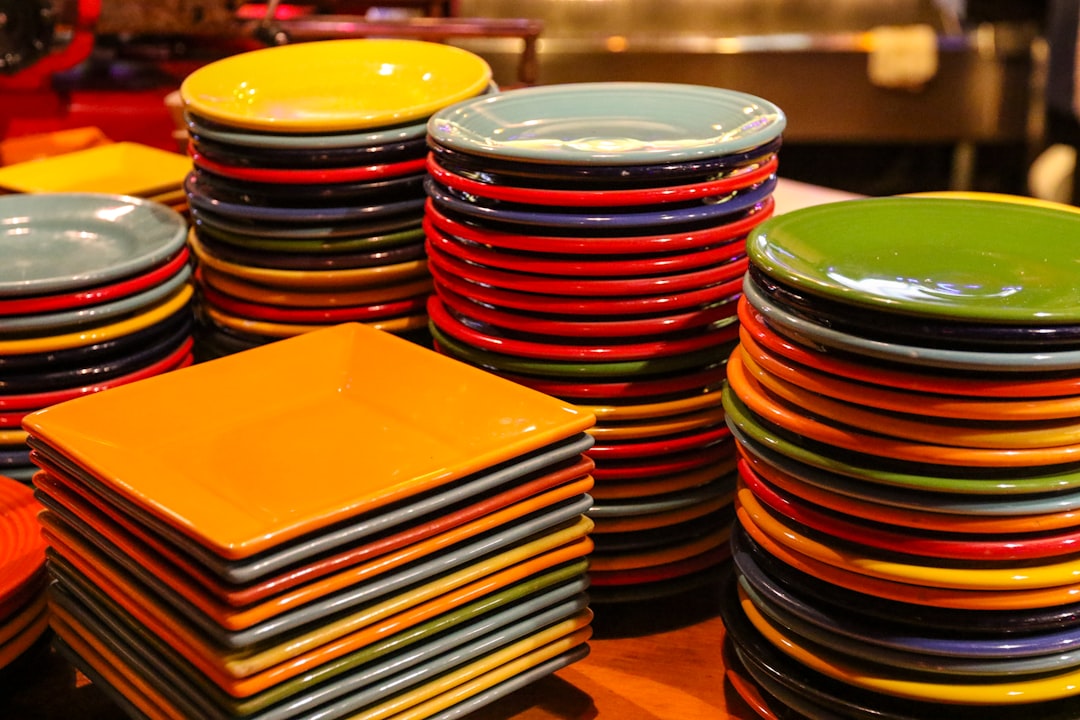
Clean buffet plates are stacked and left exposed near the serving area, where they collect airborne particles, kitchen grease, and microbes throughout the day. Many establishments pre-stack plates for hours before service begins, meaning the top plate acts as a cover for the rest but accumulates considerable contamination itself. Dishwashing equipment at high-volume restaurants is sometimes run at lower temperatures than recommended in order to speed up the cycle. Lipstick residue, food particles, and detergent film have all been found on supposedly clean plates during third-party inspections. Always inspecting your plate before loading it up is a basic precaution that most people overlook.
Food Temperature
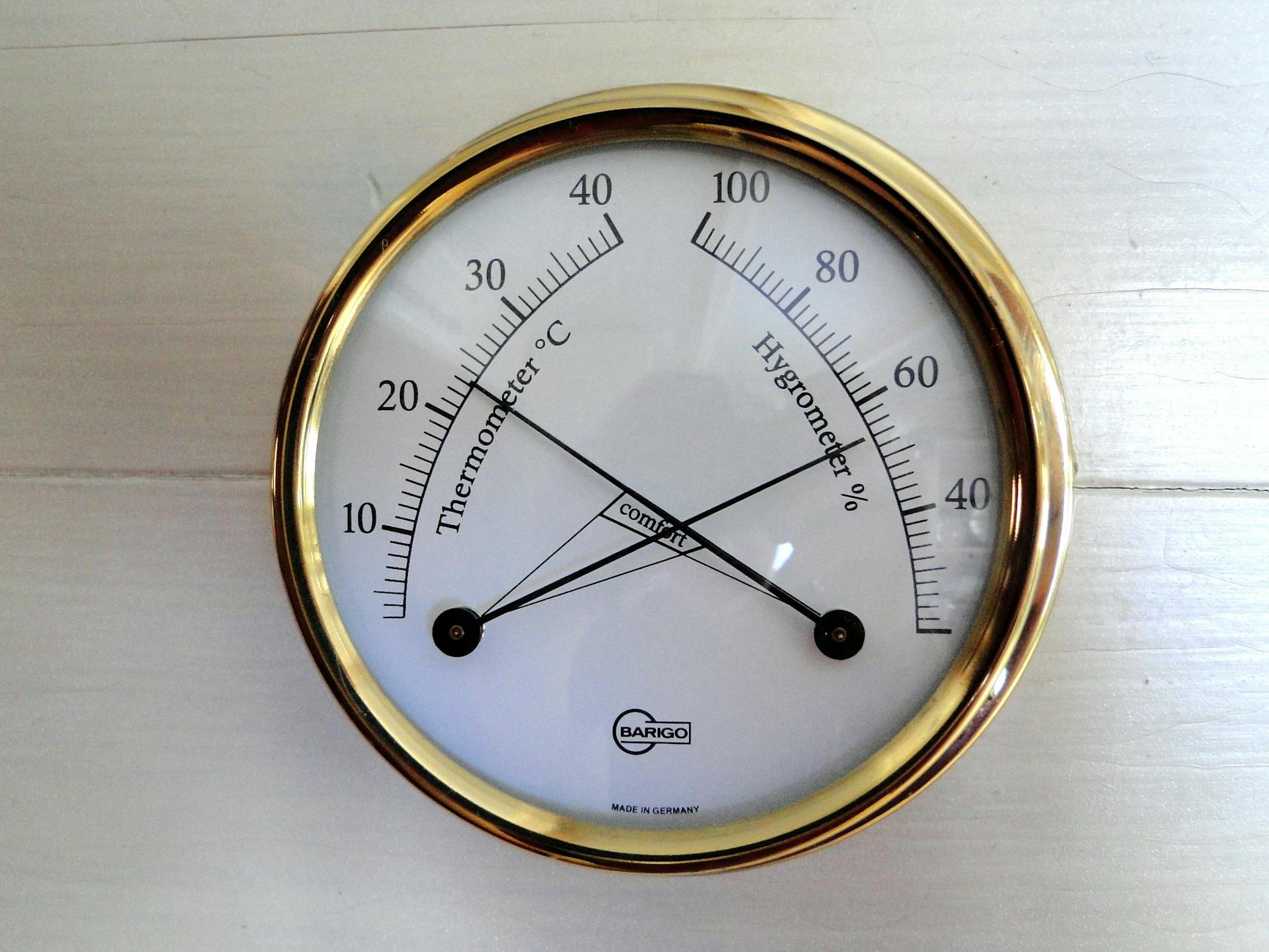
The temperature danger zone between 40 and 140 degrees Fahrenheit is where bacteria multiply most rapidly, and buffet food spends a significant amount of time in exactly that range. Hot dishes that should be held at or above 140 degrees frequently cool down as the volume of food decreases and the chafing dish fuel weakens. Cold items on ice displays are similarly at risk when the ice melts faster than staff can replace it during busy periods. Regulatory guidelines require food to be replaced or discarded after a set number of hours, but enforcement varies considerably from one establishment to another. Temperature abuse is consistently identified as one of the leading causes of foodborne illness outbreaks traced back to buffet-style dining.
Ice Cream Machines
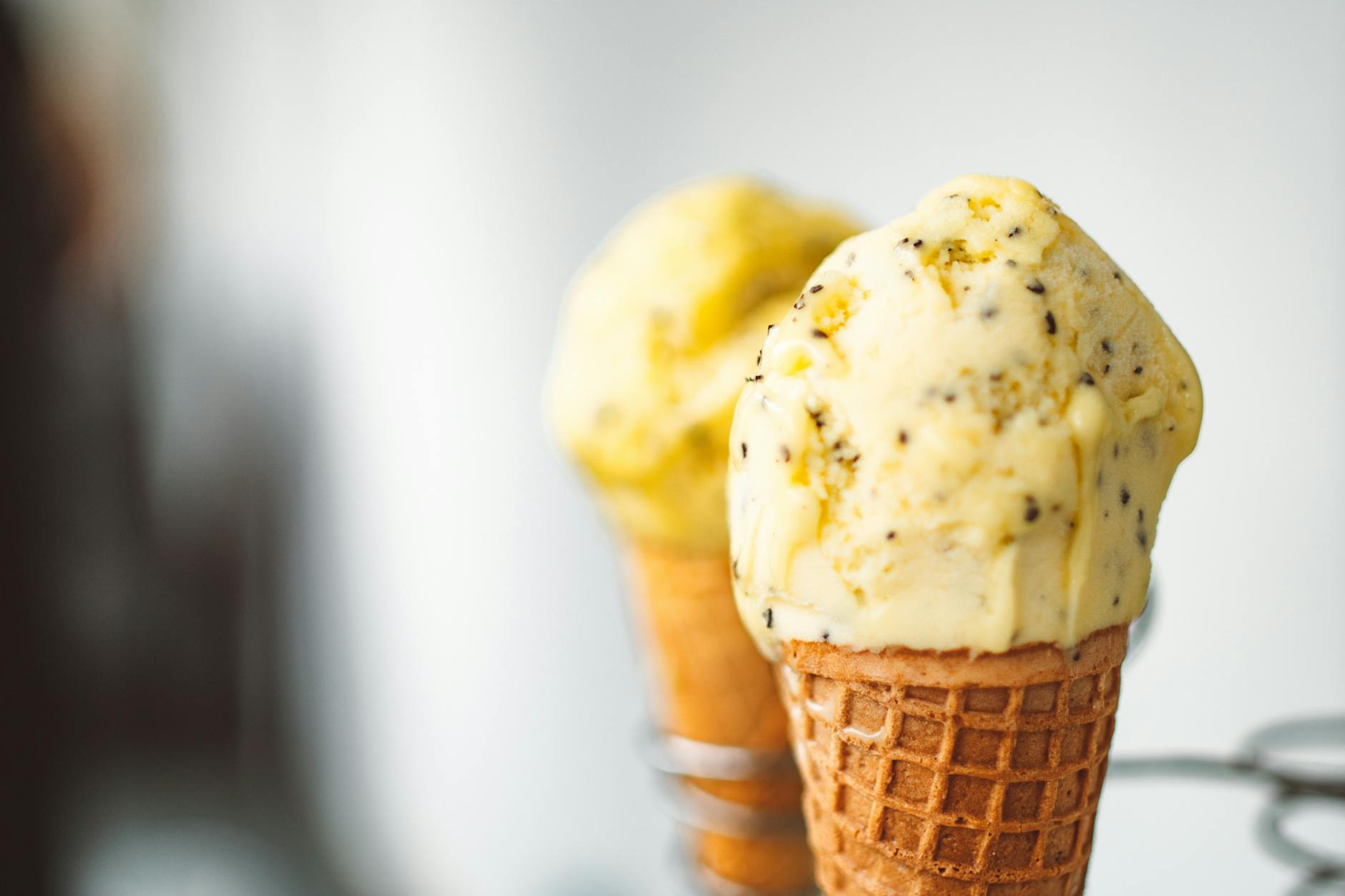
Soft-serve ice cream machines are notoriously difficult to clean properly and require daily disassembly and sanitization to prevent bacterial growth inside the nozzle and reservoir. Health department reports have documented alarming levels of coliform bacteria and other pathogens inside machines that appeared perfectly clean from the outside. The warm, moist interior of a soft-serve machine creates an ideal environment for listeria and other dangerous microorganisms to thrive. Many buffet operators lack the staff training or motivation to perform the labor-intensive cleaning process as often as required. Inspectors in multiple countries have ordered the immediate shutdown of ice cream stations at buffet restaurants following routine bacterial testing.
Soup Ladles
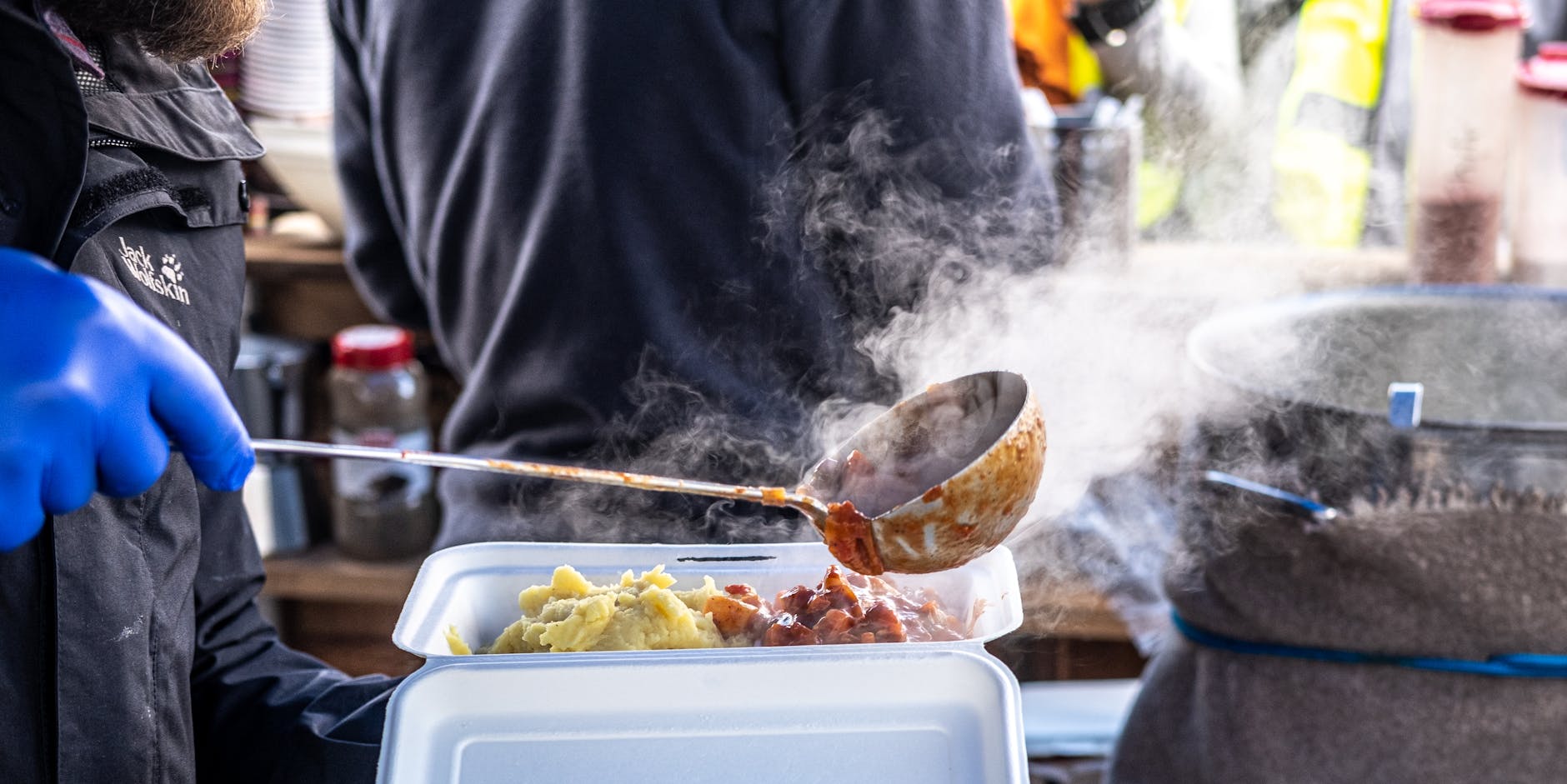
Soup ladles sit submerged in warm liquid for hours, creating an environment where bacteria from multiple customers’ hands can accumulate and multiply. Diners frequently dip the ladle back into the soup after it has touched the edge of their bowl or even their hands directly. The warm temperature of soup is not always high enough to kill pathogens that are introduced through repeated human contact with the serving utensil. Handles that extend above the pot are touched by virtually every customer who approaches the station and are almost never wiped down between uses. What appears to be a comforting bowl of soup may carry a surprising microbial load by the time it reaches the end of a busy dinner service.
Cross Contamination

Cross contamination at buffets occurs on a scale that most diners never consider, as the same serving spoon can travel between dishes containing allergens, raw proteins, and fresh vegetables. A customer with unwashed hands reaching into a bread basket or touching a piece of fruit affects everyone who comes after them. Children are particularly likely to touch multiple food items before making a selection, introducing saliva and bacteria into dishes they ultimately do not take. The open layout that makes buffets visually appealing is the same design feature that makes contamination almost impossible to fully control. Allergen cross contact is a serious concern for people with dietary restrictions, as buffet environments offer no reliable separation between potentially harmful ingredients.
Food Handlers
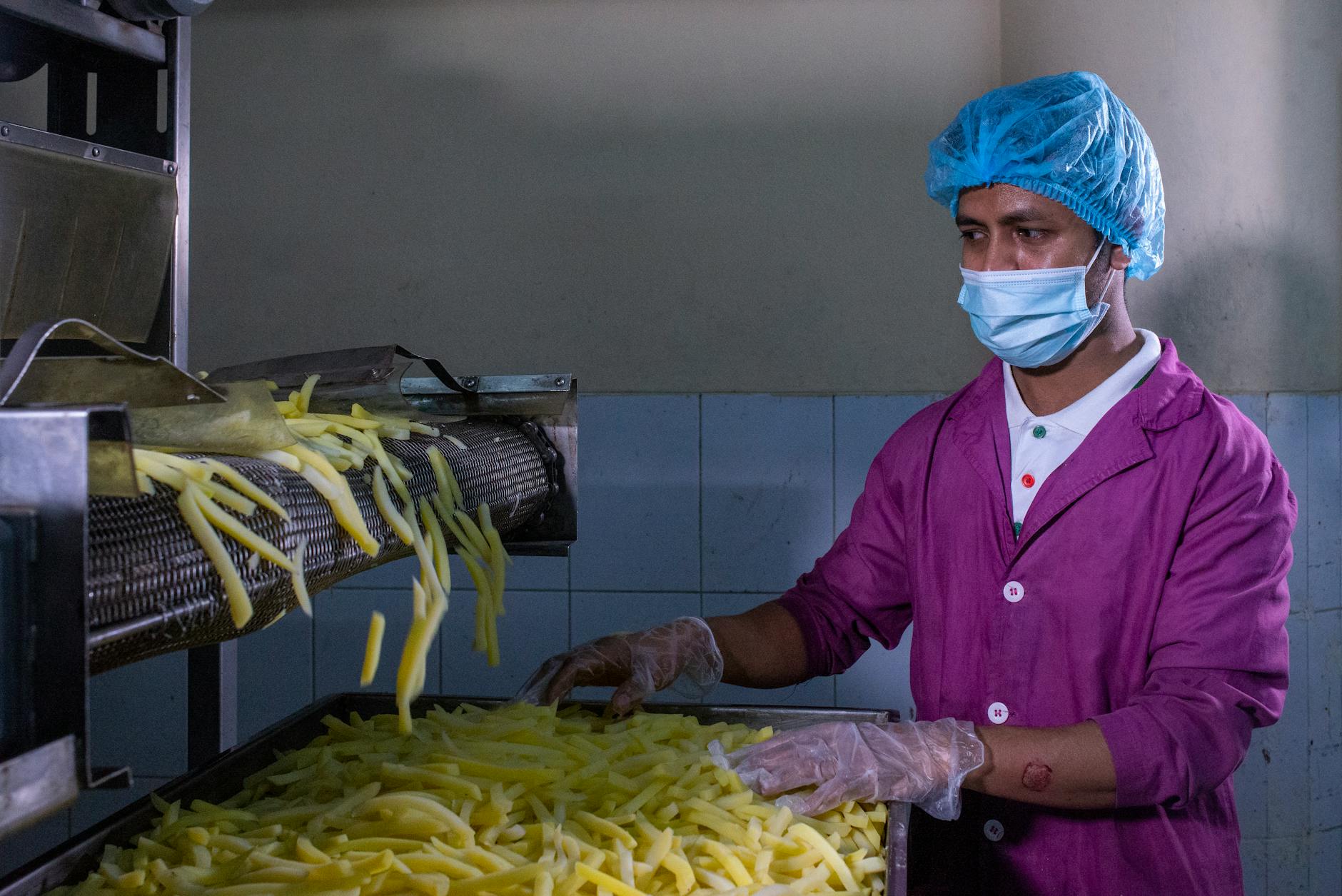
Staff at busy buffet restaurants are under constant pressure to refill dishes quickly, which can lead to shortcuts in proper food handling procedures. Gloves are not always changed between handling different food types, and handwashing compliance among kitchen workers has been found to be inconsistently practiced during peak hours. Workers who are mildly ill sometimes continue working due to staffing pressures, creating a direct transmission pathway from employee to food supply. Norovirus outbreaks have been traced to single infected employees working at buffet stations who contaminated shared serving equipment. The high turnover rate common in restaurant work also means that food safety training may be rushed or incomplete for many front-of-house and kitchen staff members.
Dessert Stations

Dessert stations attract the highest density of children in any buffet environment, and children are among the most likely diners to touch, lick, or breathe directly onto food before deciding against it. Whipped cream dispensers and chocolate fountains are particularly difficult to clean and are known to harbor bacteria when not properly maintained. Cakes and pastries displayed at room temperature can sit for several hours past their safe holding window, especially at establishments that prioritize visual appeal over food safety protocols. Fruit displays are frequently topped with fresh pieces added on top of older ones rather than having the entire tray replaced, a practice that accelerates spoilage. Sugar-rich dessert environments also attract insects at a higher rate than savory sections of the buffet line.
Restocking Practices
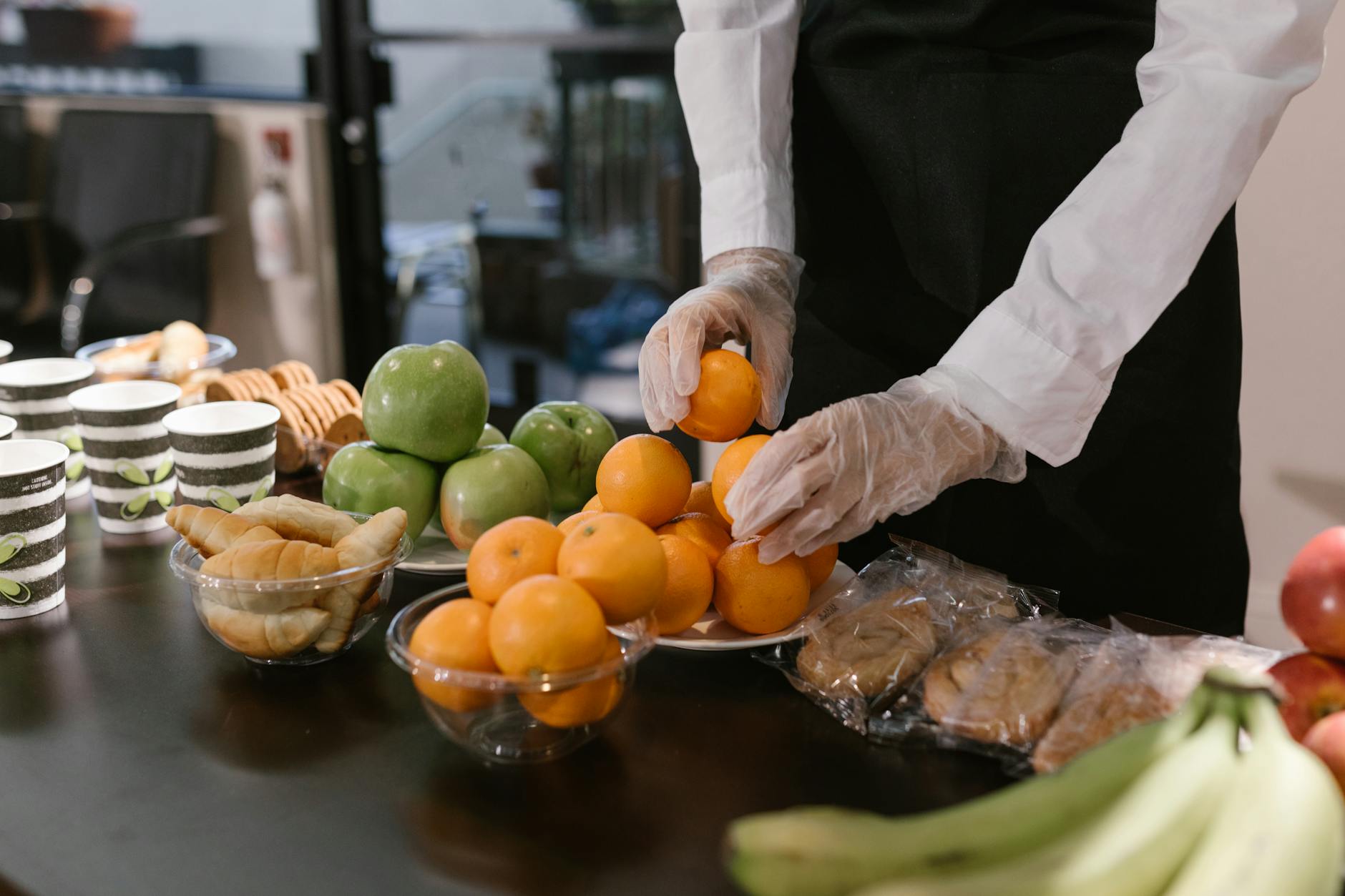
The common practice of topping off existing food with fresh portions rather than fully replacing the pan is a significant food safety concern at most buffet restaurants. Old food sitting at the bottom of a chafing dish continues to age and potentially spoil while new food is added on top, creating a misleadingly fresh appearance. This technique is used almost universally because it saves time and reduces visible waste, despite running counter to standard food safety guidelines. The commingling of old and new food means that bacteria already present in the older portion can rapidly spread into the fresher batch. Health inspectors specifically watch for this practice during routine evaluations, yet it persists widely because it is difficult to monitor during every service period.
Pest Activity

Commercial kitchens connected to buffet restaurants are among the most challenging environments to keep pest-free due to the constant presence of exposed food and the high foot traffic that can introduce pests from outside. Cockroaches, fruit flies, and rodents are attracted to the warmth, moisture, and food availability that large-scale food service operations provide. Pest activity in the kitchen does not always remain contained there, and insects in particular can travel freely between back-of-house areas and the dining buffet line. Many infestations go undetected for extended periods because visible signs are found in areas customers never access. Restaurant inspection records, which are publicly available in many regions, frequently reveal pest-related violations at establishments that maintain an entirely clean and welcoming front-of-house appearance.
Buffet Lighting
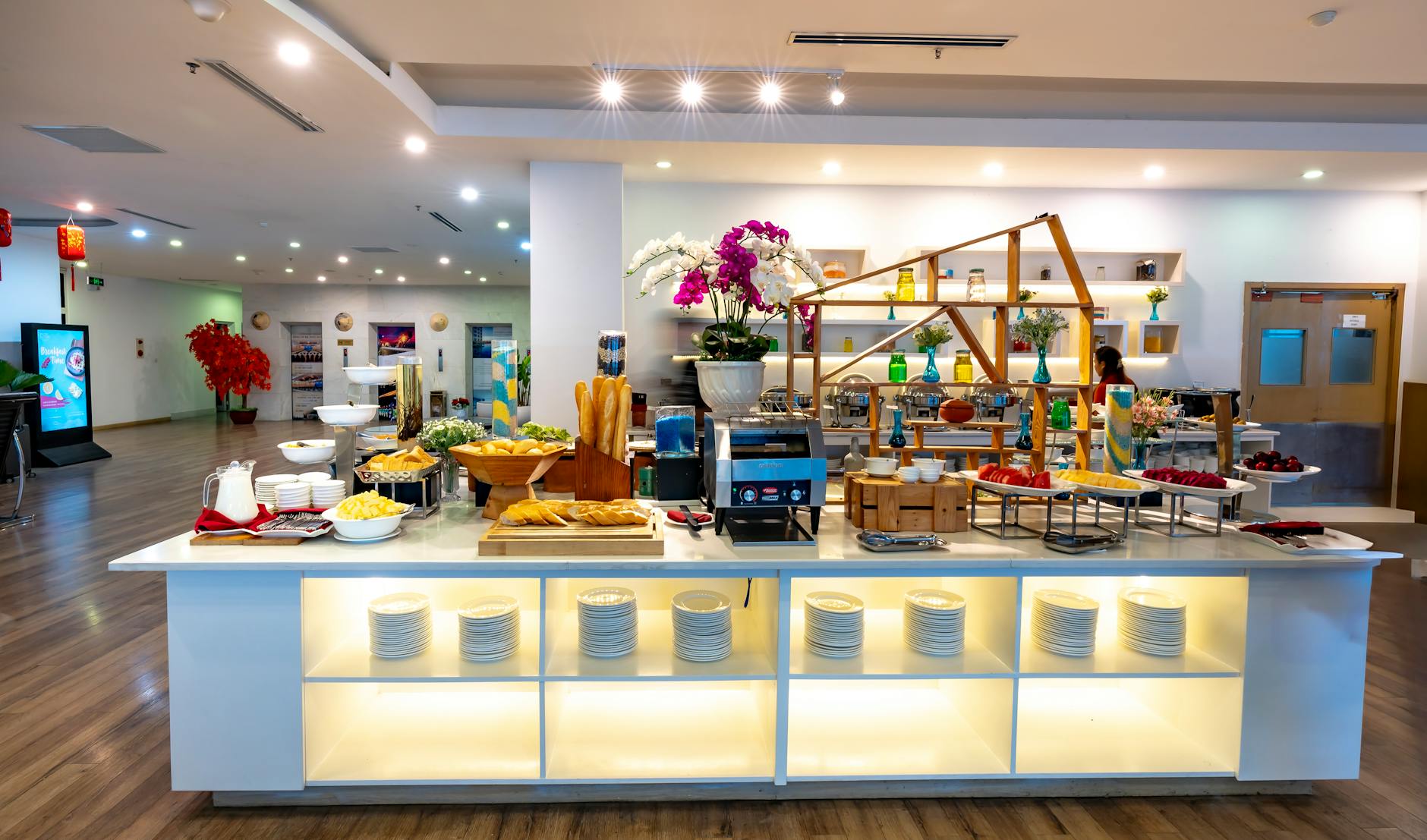
Low and warm buffet lighting is a deliberate design choice intended to make food appear more appetizing and the dining environment more inviting. This same lighting makes it considerably harder for diners to spot visual warning signs of spoilage such as discoloration, mold, or an off-putting sheen on proteins. Food that would look obviously questionable under bright white light can appear perfectly acceptable under the amber glow typical of all-you-can-eat dining rooms. The lighting also affects the ability of floor staff to spot spills, dropped utensils, or contamination events that require immediate attention. Diners who feel uncertain about a particular dish are rarely in a position to examine it closely enough under these conditions to make a genuinely informed decision.
Have you had a memorable buffet experience that made you question your choices? Share your thoughts in the comments.