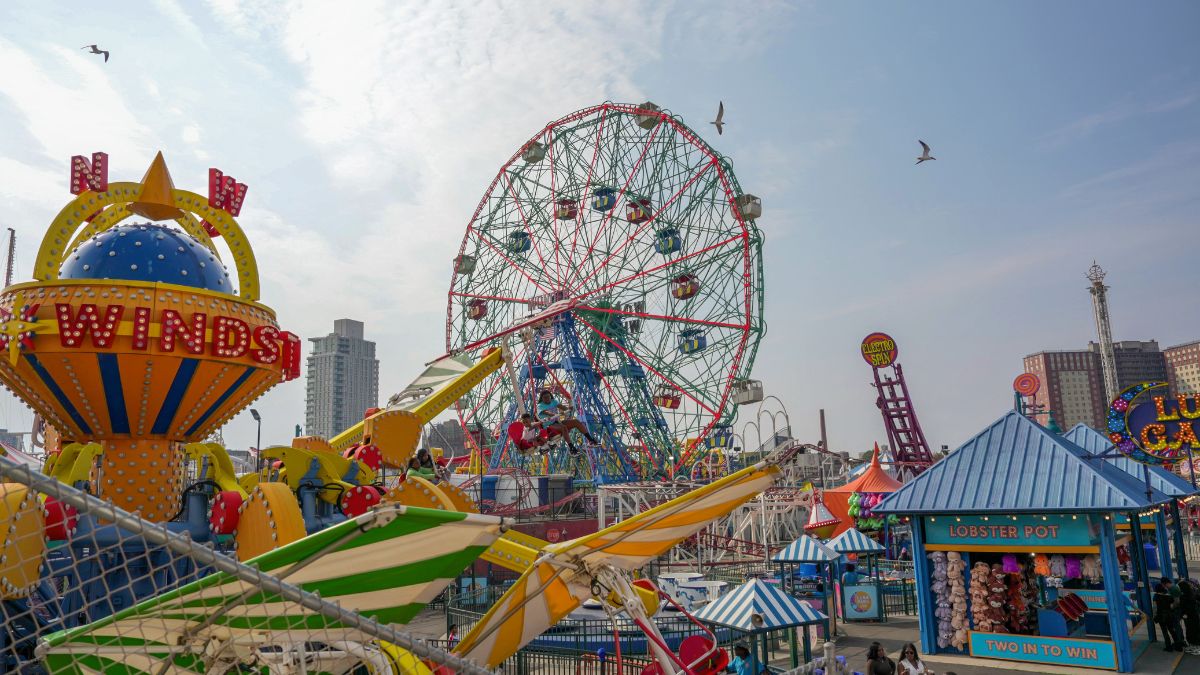
Amusement parks represent one of the most carefully managed public image operations in the entertainment industry with significant resources devoted to projecting an atmosphere of clean family-friendly fun. Water rides occupy a unique position within this image management challenge because they combine the physical intimacy of shared water contact with the logistical complexity of high-volume public attraction operation. The gap between the sanitized experience marketed to guests and the biological and chemical realities of water ride operation is wider than most visitors would choose to contemplate before boarding. Industry insiders maintenance workers and public health researchers have collectively documented a body of knowledge about water ride conditions that park marketing departments work consistently hard to keep out of public conversation. Understanding what actually exists in that water transforms an innocent family outing into a more informed and self-protective experience without necessarily diminishing the enjoyment it can provide.
Fecal Contamination
The presence of fecal matter in amusement park water rides is not a rare or exceptional occurrence but a statistically predictable feature of any attraction that combines large numbers of human bodies with shared recirculating water. Public health research consistently identifies fecal coliform bacteria in water ride samples collected from parks that passed their most recent inspection indicating contamination levels that exist between official testing intervals. The primary sources include young children who are not reliably continent adults with gastrointestinal conditions that produce involuntary release and the residual contamination present on every human body that enters the water regardless of visible hygiene. A single contamination event in a recirculating system introduces biological material that circulates continuously until chemical treatment can neutralize it which in large volume systems can take significantly longer than parks publicly acknowledge. The gap between contamination event and effective chemical neutralization represents a window of exposure that the industry has no reliable mechanism for communicating to guests in real time.
Chlorine Myths
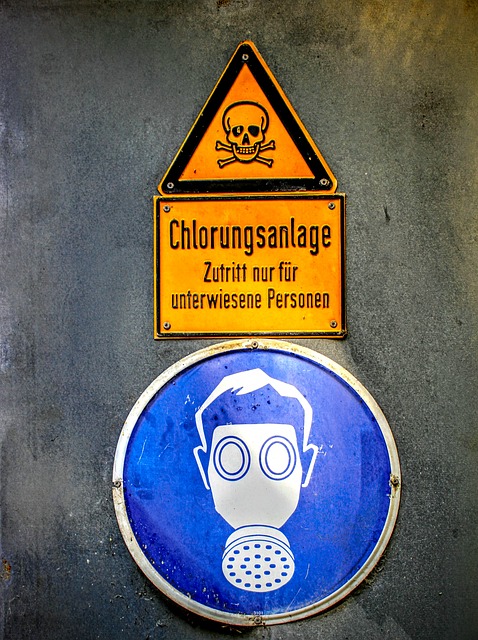
The widespread public belief that chlorine in water attractions kills pathogens immediately and completely upon contact represents one of the most consequential misconceptions in recreational water safety. Chlorine is an effective sanitizer but its efficacy is dramatically reduced by organic material including sweat urine sunscreen and body oils all of which are introduced in enormous quantities into water ride systems by thousands of daily guests. The chemical compounds formed when chlorine reacts with these organic materials known as chloramines are responsible for the distinctive chemical smell most people associate with clean water when it is in fact a marker of a heavily contaminated system struggling to maintain sanitization. Cryptosporidium a waterborne parasite of particular concern in recreational water environments is chlorine-resistant and can survive in properly maintained systems for days after introduction. The chemical complexity of a heavily used water ride environment bears very little resemblance to the simple chlorine-kills-everything model most guests carry into the experience.
Testing Frequency
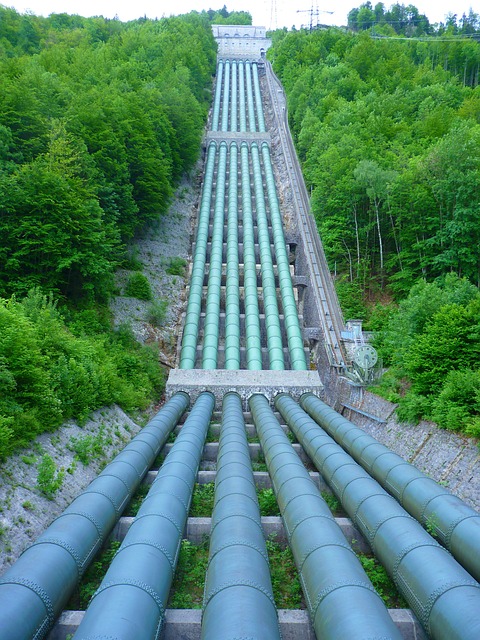
The intervals between official water quality testing at amusement parks create windows of unmonitored operation that are substantially longer than most guests would consider acceptable if they were aware of them. Regulatory requirements for water testing frequency vary significantly by jurisdiction with some regions requiring only weekly testing of water attractions serving thousands of daily guests. The testing samples submitted for laboratory analysis reflect conditions at a single moment in time and provide no information about the water quality experienced by guests in the hours or days between tests. Parks operating at maximum capacity on peak summer weekends may process more guests through a single water ride in one afternoon than the testing frequency was designed to monitor across an entire week. The regulatory framework governing recreational water quality at amusement parks was developed for lower-volume environments and has not kept pace with the scale of modern theme park operations.
Sunscreen Chemistry
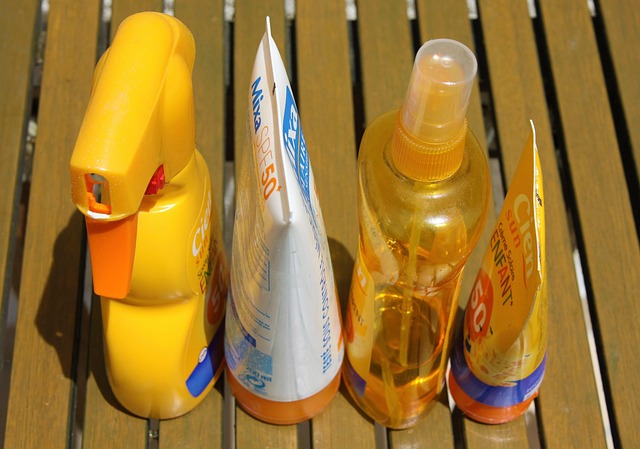
The volume of sunscreen introduced into water ride systems by guests on a typical operating day creates a chemical management challenge that parks rarely acknowledge publicly and that has measurable consequences for water quality and sanitization effectiveness. A single high-attendance day can introduce hundreds of liters of sunscreen product into a recirculating water system representing a massive influx of organic chemical compounds that react unpredictably with chlorine and other treatment agents. These reactions reduce the effective sanitizing capacity of the treatment system while simultaneously producing new chemical compounds whose health implications in recreational water exposure have not been comprehensively studied. The visible oily film on the surface of many water ride pools and splash zones is largely composed of this accumulated sunscreen residue combined with body oils and represents a layer of chemical complexity that treatment systems are not fully equipped to process. Parks have a financial and reputational incentive to continue encouraging sunscreen use given liability concerns around sun exposure while having no practical mechanism for managing the water chemistry consequences of that encouragement.
Queue Contamination
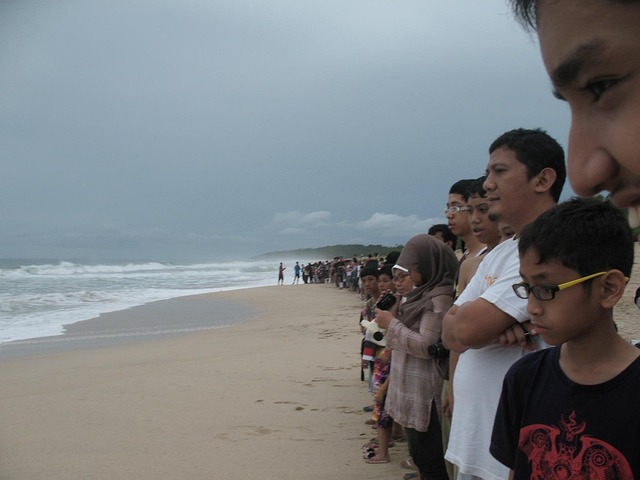
The queuing areas for water rides represent a significant but overlooked contamination vector that connects the external environment to the water attraction through the wet feet and bodies of guests transitioning between the two. Barefoot guests walking through queue areas track biological material from bathrooms changing areas and general park surfaces directly into the loading zones and boarding areas of water attractions. The water that splashes back from ride impact zones reaches queue areas and seating surfaces creating a contamination zone that extends well beyond the ride channel itself. Regular sanitization of these transitional areas is operationally challenging during peak operating hours when continuous guest flow makes cleaning access difficult and commercially unappealing. The queue experience at a water ride involves substantially more biological contact than most guests register consciously while waiting for what they perceive as the contamination experience to begin.
Animal Intrusion
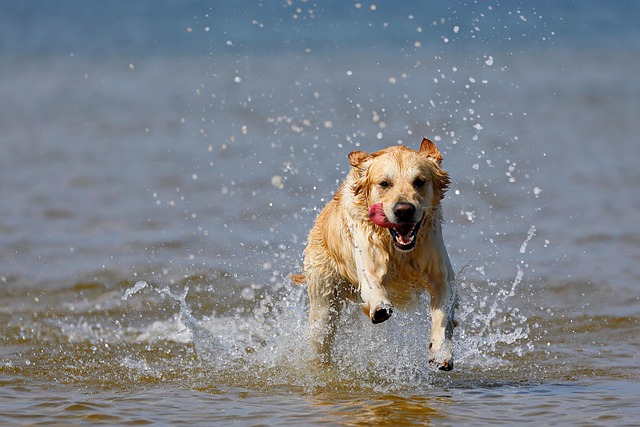
Water ride systems that include outdoor channels lagoons or splash zones are routinely accessed by birds rodents and insects whose biological contributions to the water are neither monitored nor disclosed in any guest-facing communication. Birds in particular represent a significant contamination source with studies of outdoor recreational water environments consistently identifying avian fecal matter as a contributor to coliform bacteria counts that would trigger health interventions in indoor pool settings. The overnight hours during which parks are closed represent an extended period of unmonitored animal access to water systems that are not actively treating or circulating water at operational levels. Morning water quality before the first ride cycle of the day reflects the cumulative biological contributions of an overnight period of animal access that guests on early entry programs experience without awareness. The landscaping and theming elements that make outdoor water rides visually appealing create ideal habitat conditions for the animal populations that contribute most significantly to baseline contamination levels.
Biofilm Buildup
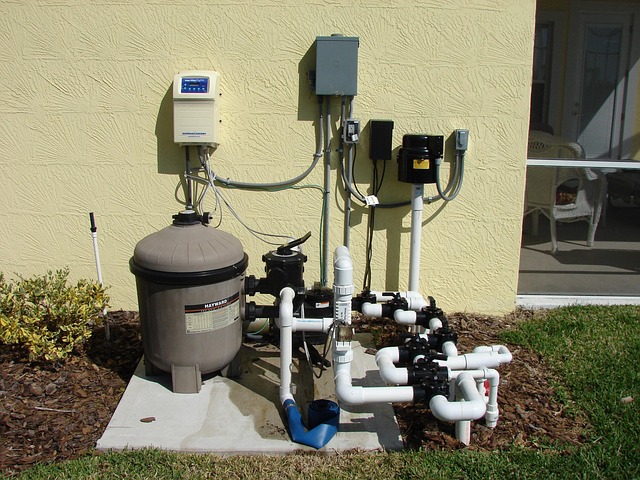
The interior surfaces of water ride channels pipes pumps and filtration components develop layers of biofilm over time that represent one of the most persistent and difficult-to-eliminate sources of microbial contamination in recreational water systems. Biofilm is a structured community of microorganisms embedded in a self-produced matrix that adheres to surfaces and provides protection against chemical disinfectants including chlorine at the concentrations typically maintained in water attractions. Legionella bacteria which causes Legionnaires disease is a documented biofilm resident in water systems and has been identified in amusement park water attraction investigations following illness cluster reports. Complete biofilm elimination requires physical removal of affected components and treatment protocols that cannot be performed during normal operating periods meaning that biofilm accumulation is a continuous feature of operating water ride systems rather than an occasional maintenance failure. The industry’s public communications about water ride maintenance focus almost exclusively on chemical treatment protocols that are specifically less effective against the contamination form most likely to persist in the system.
Body Fluid Load
The cumulative volume of bodily fluids introduced into water ride systems by thousands of daily guests represents a biological load that chemical treatment systems are continuously managing against rather than eliminating. Urine introduction into recreational water is so prevalent that researchers have developed indirect measurement methods using artificial sweeteners excreted in urine to quantify load without requiring direct chemical detection. Studies using these methods have produced findings about the volume of urine in public recreational water that have attracted significant media attention and that water park operators have consistently declined to comment on in specific terms. Sweat introduction adds additional biological complexity with a single active adult producing sufficient perspiration in a theme park environment to represent a meaningful chemical input to any water system they enter. The combined biological fluid load of a peak attendance day at a major water attraction represents a management challenge that is real continuous and fundamentally different from the clean water experience implied by park marketing.
Filter Maintenance
The filtration systems responsible for removing particulate biological and chemical contamination from water ride recirculation systems require maintenance intervals that create predictable windows of reduced operational effectiveness during peak season operation. Filter media that has reached saturation point passes contamination that fresh media would capture making filter replacement timing a direct determinant of water quality experienced by guests. The commercial pressure to maximize operating days during the limited summer season creates documented tension with the maintenance schedules that filtration systems require for optimal performance. Filter replacement and system cleaning typically requires attraction closure for periods that represent significant revenue loss during peak demand periods creating a financial incentive structure that does not consistently favor maintenance prioritization. Regulatory inspection regimes that focus on chemical parameters rather than filtration system condition leave this maintenance variable largely outside the formal accountability framework.
Chemical Exposure

The chemical environment of water ride systems extends beyond chlorine to include a complex mixture of treatment agents stabilizers pH adjusters and the reaction byproducts generated when these chemicals interact with biological material introduced by guests. Trihalomethanes a class of disinfection byproducts formed when chlorine reacts with organic material are classified as probable human carcinogens and are produced continuously in heavily used recreational water systems. Exposure through skin contact eye contact and incidental ingestion during water ride participation represents a route of chemical intake that receives far less public health attention than drinking water trihalomethane limits despite involving direct body contact with the source. Children who spend extended periods in water attractions during summer seasons accumulate chemical exposures that have not been comprehensively studied in the specific context of recreational water systems at amusement parks. The industry’s communication around water quality focuses almost exclusively on microbiological parameters while chemical exposure profiles remain largely outside both regulatory scrutiny and public awareness.
Wound Exposure
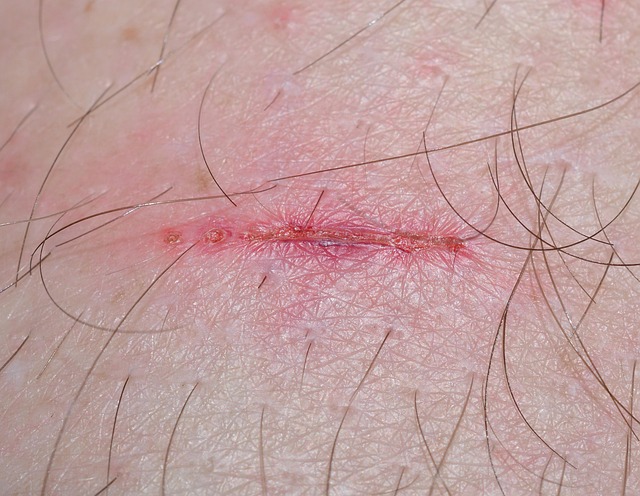
Open wounds cuts abrasions and skin conditions present on guests entering water rides create bidirectional contamination pathways that introduce blood-borne material into the water while simultaneously exposing the wound to the full microbiological content of the system. Staff are not positioned to screen for wound presence in fast-moving guest loading operations and guests are not systematically informed that wound exposure in recreational water environments carries documented infection risks. Pseudomonas aeruginosa a bacterium commonly found in recreational water systems and capable of causing serious wound infections and ear infections thrives in the warm water temperatures and organic-rich chemical environments characteristic of heavily used water attractions. The ear canal represents a particularly vulnerable entry point for water-borne pathogens with swimmer’s ear representing the most common but least severe outcome of this exposure pathway. Guests with compromised skin integrity who would be advised against swimming pool use by medical professionals enter water rides without any equivalent guidance or screening mechanism.
Overnight Stagnation
The water in ride systems during overnight closure periods undergoes biological and chemical changes that are not fully reversed by the pre-opening treatment protocols parks implement before the first guests board. Reduced circulation during non-operational hours allows particulate matter to settle bacterial populations to recover toward baseline and temperature gradients to develop that affect chemical distribution throughout the system. The first operational period of each day begins with water that reflects this overnight equilibration and that has not been exposed to the biological load of active guests creating a baseline quality that differs from the conditions experienced during peak afternoon operation. Parks that experience technical difficulties requiring extended mid-day shutdowns reintroduce guests to water that has undergone partial stagnation without implementing the full overnight treatment protocol that would typically precede resumption of operation. The dynamic between operational and non-operational water chemistry represents a dimension of ride water quality that guests have no visibility into and that is rarely addressed in industry maintenance communications.
Vomit Response

The protocol for managing vomit introduction into water ride systems represents one of the most commercially sensitive areas of park operations because complete appropriate response requires attraction closure for periods that parks are financially motivated to minimize. Vomit introduction into a recirculating water system distributes biological and chemical material throughout the circuit within minutes of the event making localized treatment inadequate for full remediation. The appropriate response as defined by public health guidance involves draining the affected system treating all surfaces and refilling before resuming operation representing a closure of multiple hours that parks on peak attendance days are under significant commercial pressure to abbreviate or avoid. Industry insiders have documented cases of chemical shock treatment being applied as a substitute for full drainage protocols in situations where the contamination event was not witnessed by management or recorded in the operational log. Guests who experience a chemical odor intensification during a water ride may be experiencing the aftermath of a shock treatment response to a contamination event that preceded their boarding.
Skin Condition Transfer

Dermatological conditions including fungal infections bacterial skin infections and viral conditions such as molluscum contagiosum can be transmitted through shared recreational water environments and the surfaces guests contact during water ride participation. The warm water temperature of many water ride systems combined with the organic load and chemical profile of heavily used attractions creates conditions that support the survival and transmission of skin-affecting microorganisms. Molluscum contagiosum in particular has shown increasing prevalence in children with recreational water contact identified as a significant transmission pathway in pediatric dermatology research. The loading and unloading surfaces of water rides represent high-contact transmission points where the concentration of skin microorganism transfer is highest due to the physical contact between wet skin and shared surfaces. Guests who develop unexplained skin conditions in the days following amusement park visits with water ride participation have a plausible exposure pathway that most would not identify without specific awareness of this transmission dynamic.
Staff Knowledge Gap
The operational staff responsible for day-to-day water ride management frequently possess training focused on ride mechanics and guest safety protocols rather than the water chemistry and microbiology that determines the health quality of the experience they are managing. Water quality monitoring in many parks is handled by a separate maintenance or facilities team whose communication with operational staff during the ride day is limited and whose findings are not shared with guests in any systematic way. Operational staff asked directly about water quality by concerned guests typically provide reassuring responses that reflect the park’s communication guidelines rather than any direct knowledge of current water chemistry parameters. The separation between operational knowledge and water quality knowledge within park staffing structures creates an accountability gap that is rarely bridged in the guest’s favor during the operating day. Training investment in water quality awareness for frontline water ride staff varies significantly across operators with no industry-wide standard establishing minimum competency requirements.
Drain Design
The drainage and recirculation architecture of water ride systems creates zones of differential water quality within the same attraction that guests experience without awareness of the variation. Areas of the ride channel distant from filtration return points accumulate higher concentrations of contaminants than areas near active filtration intake creating a spatial water quality gradient that is invisible to guests but represents genuinely different exposure conditions across different sections of the ride. Splash zones and impact areas where riders make initial water contact generate the highest concentration of airborne water droplets which carry the full microbiological and chemical profile of the water into the respiratory tract of riders and bystanders. The design of many classic water ride splash zones positions the maximum droplet generation point directly in front of the viewing area where non-riding spectators congregate creating a significant exposure pathway for people who never intended to make water contact. Drainage design decisions made primarily for hydraulic and operational efficiency rather than contamination management create water quality distributions within rides that have never been communicated to the guests they affect.
Health Disclosure
The health disclosure framework governing water ride operations in most jurisdictions requires parks to report illness clusters only after a defined threshold of cases has been identified and reported creating a systematic lag between contamination events and any public communication about them. Individual cases of illness following water ride exposure are almost never traced back to their source because the connection between recreational water exposure and subsequent illness typically manifests one to five days later when the epidemiological link is difficult to establish without active investigation. Parks are not required in most jurisdictions to proactively disclose water quality testing results to guests making the information asymmetry between operator and guest a structural feature of the regulatory environment rather than an incidental oversight. The illness reporting systems that would generate the data needed to identify water ride-associated illness clusters rely on self-reporting by healthcare providers and patients that is acknowledged to capture only a small fraction of actual cases. The absence of reported illness outbreaks associated with a particular attraction is therefore not evidence of safe water quality but rather evidence of a reporting system that was not designed to detect the problem it would need to detect.
Algae Presence

Outdoor water ride systems in warm climates are continuously managing algae growth that is stimulated by sunlight warm temperatures and the nutrient-rich environment created by biological material introduced by guests. Visible algae growth on ride channel surfaces represents a late-stage manifestation of a process that begins at the microscopic level well before any visible discoloration or surface coating appears. Some algae species produce toxins that cause skin irritation gastrointestinal symptoms and respiratory effects in exposed individuals with cyanobacteria being of particular concern in warm outdoor water environments with high organic nutrient loads. The aesthetic problem of visible algae receives urgent remediation attention from parks because of its immediate impact on guest perception while the invisible early stages of algae development that may carry greater health significance receive less operationally urgent attention. The chemical management of algae in outdoor water systems involves additional treatment compounds whose interaction with the existing chemical profile of the water creates complexity that standard recreational water quality frameworks were not designed to fully address.
Maintenance Windows

The scheduled maintenance periods during which water ride systems receive comprehensive cleaning filtration replacement and structural inspection are concentrated in the off-season closure periods that may be separated from the peak operating season by only weeks of preparation time. The accelerating compression of maintenance windows as parks extend their operating seasons in response to commercial pressure means that systems designed for a specific annual maintenance cycle are increasingly operating on extended intervals between comprehensive service. Deferred maintenance items that require attraction closure during the operating season accumulate across the summer and are addressed in sequence during the compressed off-season window representing a systematic reduction in the overall maintenance standard achieved before peak season operation resumes. The public facing communication about water ride maintenance focuses on safety inspections of mechanical components rather than the water quality management systems that most directly affect guest health outcomes. Guests who visit water attractions in the final weeks of a long operating season are experiencing the cumulative result of the longest interval since the last comprehensive maintenance event.
Shared Equipment

Tubes mats vests and other shared equipment used on water rides accumulate biological material across thousands of daily uses in conditions that make comprehensive sanitization between individual guests operationally impossible during peak operation. The foam and fabric materials used in many shared water ride accessories are particularly hospitable environments for microbial retention because their porous structure protects microorganisms from surface disinfectants while maintaining the moisture necessary for survival. Shared equipment cleaning protocols typically involve submersion in or spray application of dilute disinfectant solution at intervals determined by operational rather than microbiological logic. The contact time required for effective disinfection of porous materials substantially exceeds what is achievable in the turnaround time between sequential guests during high-throughput operation. Guests who select shared equipment accessories for their water ride experience are accepting a contact exposure to the accumulated biological material of all previous users that day in ways that exceed the water contact they would experience from the ride itself.
Runoff Integration
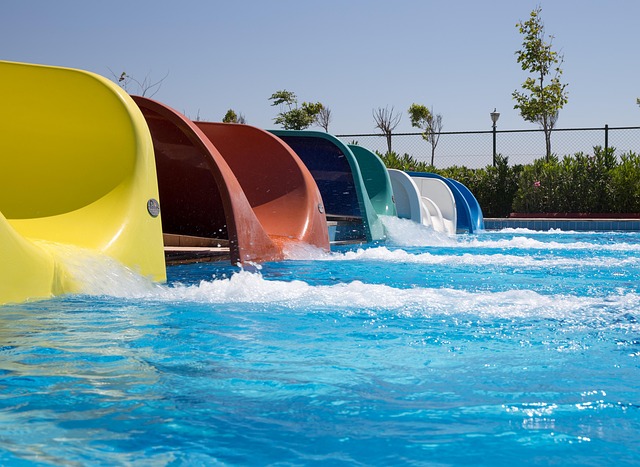
Water ride systems in outdoor park environments receive runoff from surrounding landscaped areas hardscaped paths and theming structures that introduces soil-borne microorganisms pesticide residues and organic material into the water chemistry management challenge. Heavy rainfall events during the operating season represent acute runoff integration events that dramatically increase the biological and chemical load entering outdoor water systems within a short timeframe. The treatment capacity of water ride filtration and chemical systems is designed around normal operating conditions rather than the elevated load produced by significant rainfall making post-rain water quality a particularly challenging management period. Parks operating through rain events without attraction closure continue guest operations in systems whose treatment capacity is being exceeded by runoff-driven contamination load increases. The absence of any guest communication protocol around post-rainfall water quality at outdoor water attractions reflects the industry’s consistent prioritization of operational continuity over health disclosure in ambiguous situations.
Illness Underreporting
The epidemiological invisibility of water ride-associated illness is maintained by a combination of delayed symptom onset variable individual susceptibility and the absence of any systematic mechanism linking recreational water exposure to subsequent healthcare presentations. Gastrointestinal illness following Cryptosporidium exposure from recreational water typically manifests two to ten days after the exposure event when most affected individuals have returned to their normal routines and have no reason to associate their symptoms with a theme park visit. Healthcare providers treating these presentations rarely ask specifically about recreational water exposure in their intake assessments meaning that the epidemiological connection is almost never captured in clinical records. The true incidence of illness attributable to water ride exposure is therefore unknown and by the structure of current reporting systems essentially unknowable at the population level. The compelling cleanliness of the park environment and the positive emotional associations of the visit create a cognitive context in which water ride exposure is among the last explanatory frameworks most affected individuals would apply to subsequent illness.
Temperature Management
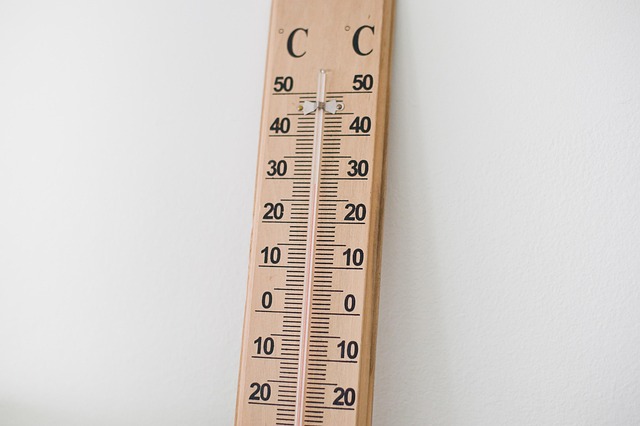
The water temperature maintained in ride systems represents a compromise between guest comfort operational practicality and the microbiological management implications of different thermal environments. Warm water temperatures that guests prefer for comfort reasons accelerate bacterial growth rates and reduce the efficacy of chemical disinfectants creating a direct tension between the guest experience optimization and water safety management. Cooler water temperatures that would support better microbiological control are associated with guest discomfort complaints that generate negative feedback and reduced attendance satisfaction scores creating a commercial incentive to maintain warmer conditions than water safety considerations would recommend. The seasonal temperature of outdoor water in warm climate parks during peak summer operation frequently reaches levels that microbiologists would classify as actively supporting rather than suppressing the growth of pathogens of concern. Temperature as a water quality management variable receives almost no attention in public communications about water ride safety despite its direct and well-understood relationship with the microbiological profile of the system.
Corporate Inspection

The relationship between amusement park operators and the regulatory inspection bodies responsible for water ride oversight involves dynamics of information asymmetry and commercial relationship that affect the rigor of public health protection the inspection system provides. Scheduled inspections allow parks to optimize conditions for the inspection event rather than maintaining equivalent conditions throughout the operating season creating a systematic divergence between inspected and typical operational water quality. The technical expertise required to evaluate modern water ride systems comprehensively exceeds the resources available to many local health departments whose inspectors may evaluate dozens of different facility types rather than specializing in recreational water systems. Industry self-regulatory frameworks and third-party audit systems have developed partly in response to the acknowledged limitations of government inspection but operate with disclosure protocols determined by the industry rather than public health authorities. The confidence guests place in inspection certificates displayed at water attractions reflects an assumption about the rigor and frequency of oversight that the actual regulatory framework does not consistently support.
Incident Documentation
The documentation practices surrounding health and contamination incidents at water rides involve information management approaches that consistently limit external visibility into the frequency and severity of water quality events during normal operation. Incident logs maintained by parks are proprietary business records in most jurisdictions and are not subject to routine public disclosure or proactive regulatory review between inspection events. Staff who observe or respond to contamination events including vomit introduction fecal incidents and chemical treatment failures operate within communication frameworks that channel information upward through management rather than outward toward guests or regulators. The commercial sensitivity of water quality incident information creates organizational incentives for documentation practices that minimize the recorded severity and frequency of events whose accumulation would present a concerning operational picture. Guests who have experienced adverse health outcomes following water ride participation and who seek accountability through park incident records encounter documentation that was not designed to support the disclosure they are seeking.
If any of these revelations change how you think about your next amusement park visit share your thoughts in the comments.