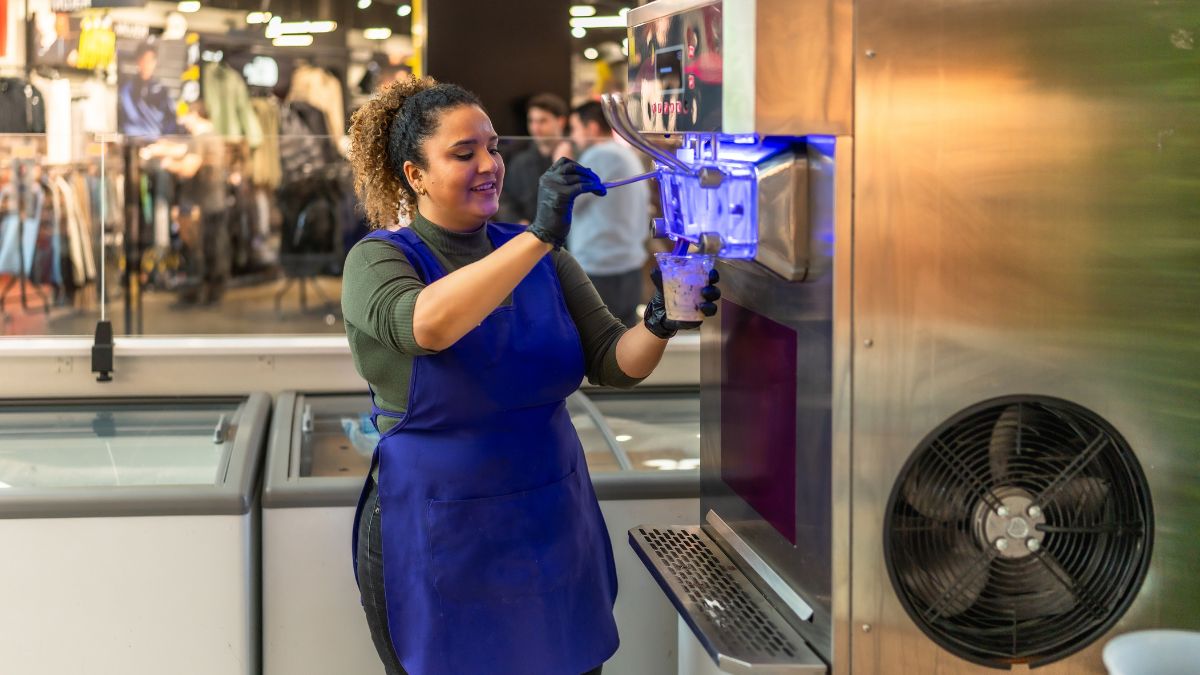
Ice machines at fast food restaurants are among the most frequently overlooked pieces of equipment when it comes to routine sanitation. Health inspectors across multiple countries have repeatedly flagged these units as hotspots for bacterial growth due to their dark and perpetually damp interiors. Studies comparing fast food ice samples to toilet water have found comparable or even higher levels of fecal bacteria in the ice. Most customers have no idea that the ice in their cold drink may carry more microbial risk than the food itself. Understanding what goes into your cup is the first step toward making more informed choices at the counter.
Mold Growth

Ice machines create the ideal environment for mold because they combine constant moisture with limited airflow and darkness. Many fast food locations only schedule deep cleaning of these units once a month or less frequently depending on the franchise. Mold colonies can develop within as little as a few days when cleaning cycles are skipped or rushed. The ice that forms around mold-contaminated surfaces carries those particles directly into beverages. Health department reports frequently cite visible mold inside ice machines as one of the most common violations found during surprise inspections.
Biofilm

Biofilm is a thin and often invisible layer of bacteria that adheres to the interior walls of ice machines and resists standard wiping. It forms when microorganisms bond together and produce a protective coating that allows them to survive routine surface cleaning. Common bacteria found in fast food ice machine biofilm include Listeria and E. coli strains that can cause serious gastrointestinal illness. Biofilm requires specialized enzymatic cleaning agents and rigorous scrubbing to remove fully which many busy locations do not perform consistently. Once established it acts as a reservoir that continuously reintroduces bacteria into freshly frozen ice.
Cleaning Schedules
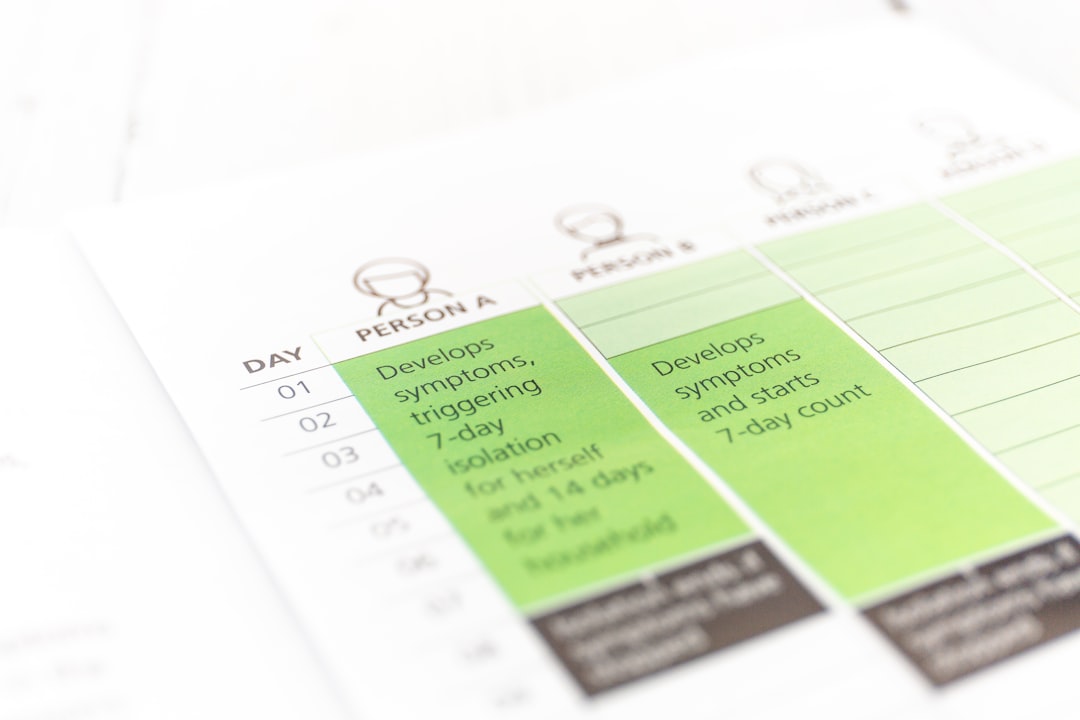
Most fast food chains publish internal guidelines recommending that ice machines be cleaned and sanitized every two weeks at minimum. In practice many locations stretch those intervals significantly due to staff shortages or competing operational priorities. Cleaning an ice machine properly requires shutting it down completely which creates service disruptions during peak hours that managers often want to avoid. Franchised locations operate with varying degrees of oversight meaning standards can differ dramatically even within the same chain. Regulatory agencies only inspect these machines periodically leaving long gaps during which substandard hygiene can go undetected.
Employee Handling
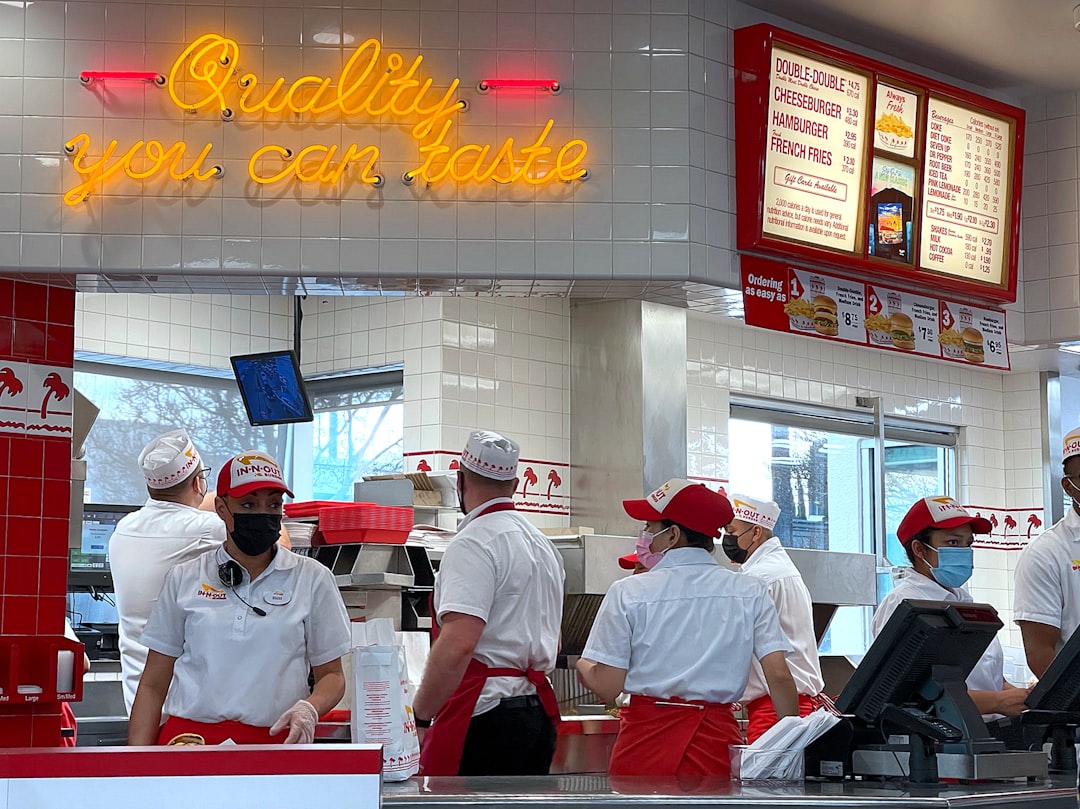
Ice is legally classified as a food product in most countries yet it is routinely handled with far less care than other menu items. Workers have been documented scooping ice with their bare hands or using cups instead of designated food-safe scoops. Bare hand contact introduces skin bacteria as well as traces of whatever surfaces the employee touched previously during their shift. Shared scoops that are stored inside the machine or balanced on the edge of the bin collect airborne contaminants between uses. Training on proper ice handling is often brief and inconsistently reinforced in high-turnover fast food environments.
Drain Pans
The drain pan sits beneath the ice-making mechanism and collects meltwater along with any debris that falls into the machine during normal use. This area is one of the least frequently cleaned components despite being a primary site for bacterial and fungal accumulation. Standing water in drain pans that are not emptied and dried regularly becomes a breeding ground for Pseudomonas and other opportunistic pathogens. Slime buildup in drain pans can transfer bacteria upward through condensation and airflow back into the ice-making components. Many cleaning protocols focus on visible surfaces while the drain pan is overlooked entirely.
FDA Violations

The United States Food and Drug Administration and equivalent agencies in other countries log ice machine violations as a recurring category in food safety inspection databases. Violations range from minor issues like improper scoop storage to critical findings like mold contamination and broken seals that allow pest access. Chains with large numbers of locations generate a statistically significant volume of ice-related citations every year. These records are publicly accessible in many jurisdictions yet are rarely sought out by consumers before choosing where to eat. Repeat violations at the same location are a particularly strong indicator of systemic hygiene failures rather than isolated incidents.
Hard Water Deposits

In regions with hard tap water mineral deposits build up rapidly inside ice machines on coils evaporator plates and distribution tubes. Calcium and magnesium scale not only affects the taste and clarity of ice but also creates rough surfaces where bacteria can anchor and multiply. Descaling requires acid-based cleaning agents applied on a regular cycle that is separate from standard sanitization procedures. When descaling is neglected the machine efficiency drops and the structural integrity of internal components deteriorates accelerating contamination risk. The resulting ice often appears cloudy or has an off flavor that many customers attribute to the drink rather than the ice itself.
Pest Contamination

Ice machines are located in back-of-house areas that are also frequented by insects and rodents attracted to food residue and warm equipment. Gaps in machine housing doors and drainage lines provide entry points for cockroaches and flies which are drawn to the moisture inside. Pest droppings and exoskeletons have been found inside ice bins during health inspections at multiple major chain locations. Because the ice bin lid is not always sealed tightly airborne particles from nearby pest activity can also settle directly onto stored ice. Pest-related ice machine contamination typically results in the most severe health code penalties and in some cases temporary closure orders.
Ice Bin Hygiene
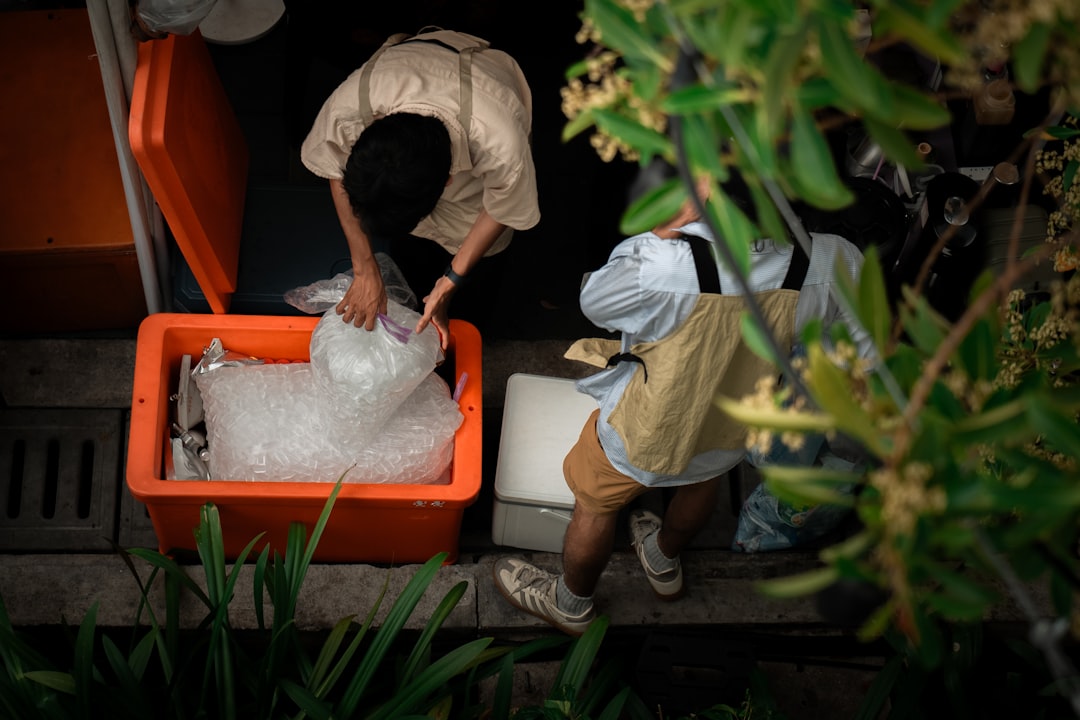
The ice storage bin is a separate component from the ice-making mechanism and requires its own dedicated cleaning routine. Residue from cups drinks and employee contact accumulates along the bin walls and around the dispensing chute over time. Many locations wipe down the exterior of the bin regularly while leaving the interior untouched for extended periods. The chute through which ice travels into cups is a particularly high-contact area that harbors bacteria from both machine residue and airborne kitchen particles. Inconsistent bin cleaning means that even ice produced under clean conditions can become contaminated before it reaches the customer.
Third-Party Audits
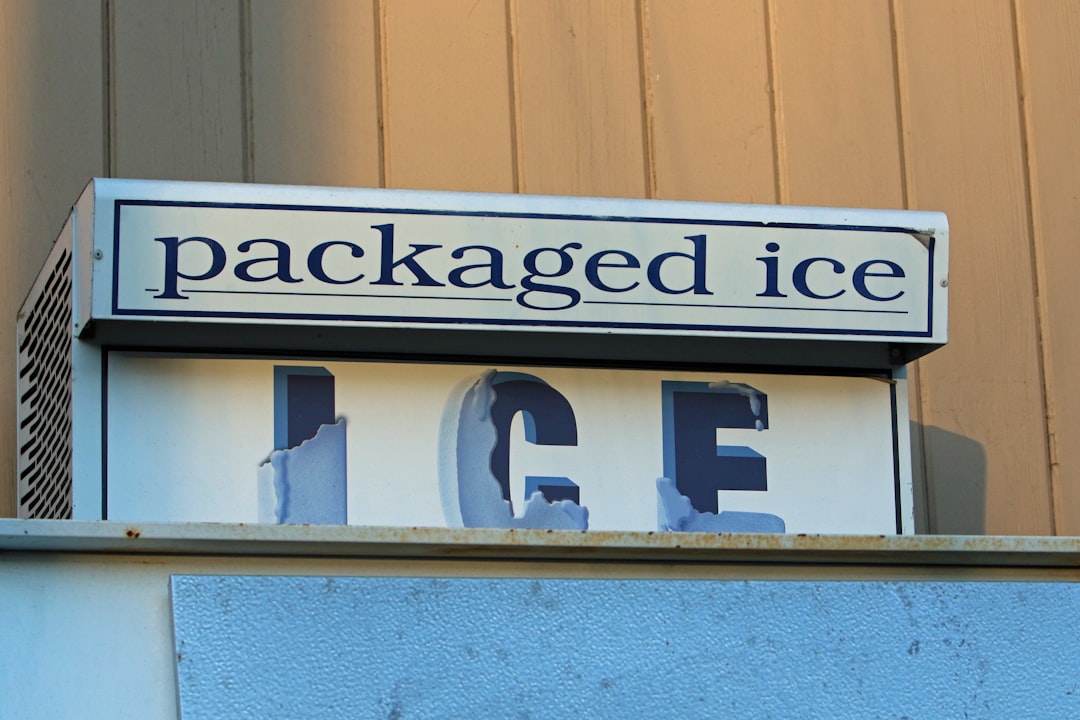
Many large fast food corporations rely on third-party food safety auditors to assess hygiene compliance across franchise networks. These audits are typically scheduled in advance giving locations time to prepare and address visible deficiencies before inspectors arrive. The gap between audited performance and everyday operational standards is a well-documented phenomenon in the food service industry. Surprise inspections conducted by government health authorities tend to reveal far higher rates of violation than prescheduled corporate audits. Consumer advocacy groups have repeatedly called for more frequent and unannounced assessments specifically targeting high-risk equipment like ice machines.
Cross Contamination
Ice machines positioned near food preparation areas are exposed to grease particles flour dust and airborne pathogens generated during cooking. Ventilation systems in fast food kitchens can carry these contaminants directly toward ice machine intake vents if positioning and airflow are not carefully managed. Shared cleaning equipment such as mops and cloths used near ice machines can transfer floor bacteria onto machine surfaces during routine tidying. Workers who handle raw proteins and then interact with ice machines without proper handwashing create direct cross-contamination pathways. Regulatory guidelines on machine placement and surrounding hygiene zones exist but enforcement at the location level is highly inconsistent.
Ice Machine Age
Many fast food locations operate ice machines that are significantly past their recommended service lifespan because replacement represents a substantial capital expense. Aging machines develop cracks warped seals and failing components that create new surfaces for bacterial colonization and are difficult to clean effectively. Refrigerant leaks in older units can compromise the freezing mechanism leading to partial thawing and refreezing cycles that accelerate microbial growth. Corporate standards may specify equipment replacement timelines but franchisees operating on thin margins often delay these investments as long as possible. An old machine that looks functional from the outside may be harboring years of accumulated contamination within its internal components.
Water Filtration
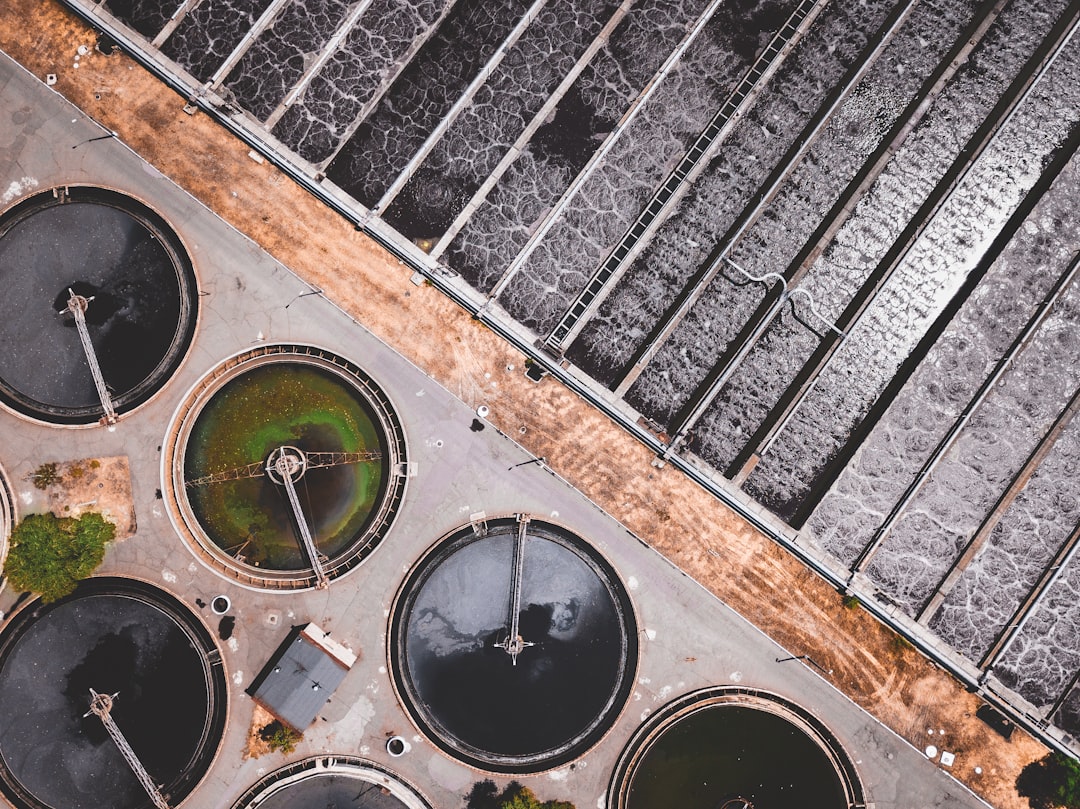
The quality of water entering an ice machine directly affects both the safety and the taste of the ice it produces. Many fast food locations use basic sediment filters that remove particles but do not address dissolved chemicals heavy metals or microbial contaminants effectively. Filter replacement schedules are frequently neglected meaning degraded filters may actually introduce additional contamination rather than reducing it. Locations in areas with aging municipal water infrastructure face higher baseline contamination risk that a substandard filtration setup cannot adequately address. Investment in high-grade water filtration is not mandated across most major chains leaving significant variation in water quality from one location to the next.
Staff Training
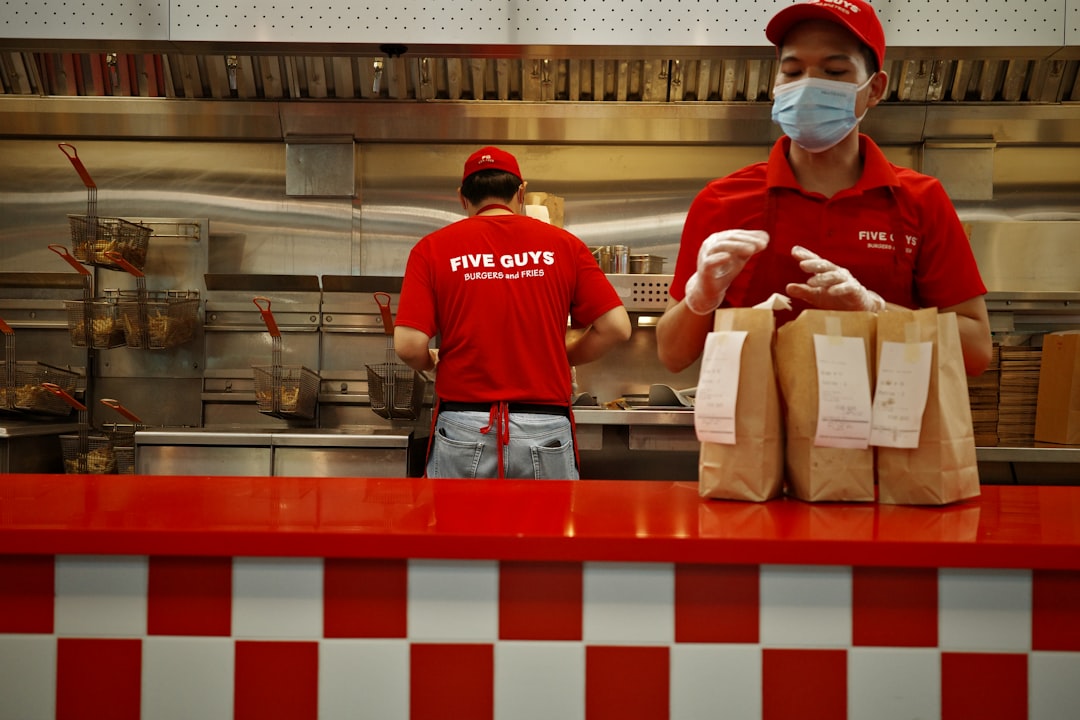
The effectiveness of any ice machine hygiene protocol depends entirely on the quality and consistency of staff training. High turnover rates in fast food mean that new employees are constantly cycling through cleaning responsibilities with minimal hands-on instruction time. Training materials often cover ice machine hygiene in a single brief module that does not adequately convey the health risks associated with improper maintenance. Managers under pressure to maintain service speed frequently deprioritize thorough cleaning training in favor of operational throughput skills. Without a culture of food safety accountability at the location level even well-designed corporate protocols fail to translate into consistent daily practice.
Fecal Bacteria
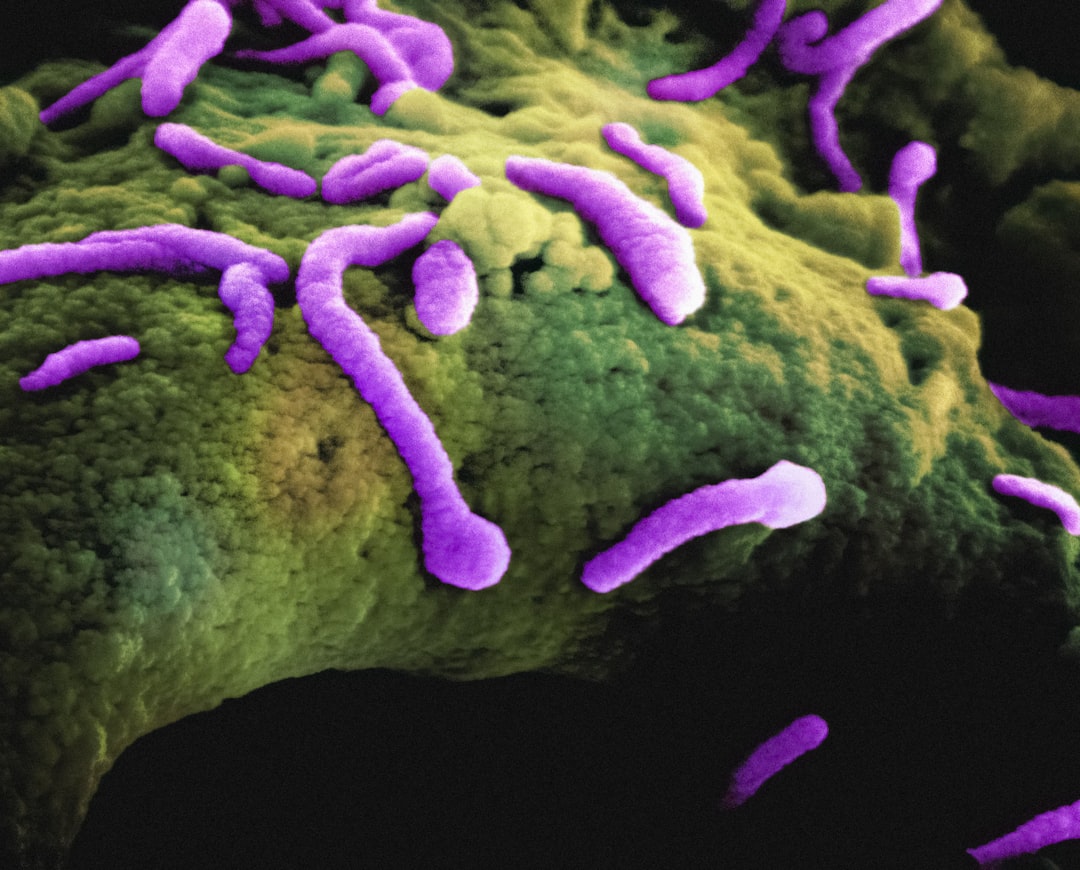
Multiple independent laboratory studies conducted across the United Kingdom the United States and Australia have found fecal indicator bacteria in fast food ice samples from major chains. These organisms including coliforms and enterococci originate from human contact and indicate a breakdown in basic hygiene somewhere in the ice handling process. The presence of fecal bacteria does not always result from dramatic sanitation failures but can reflect something as routine as an employee not washing their hands adequately. Health authorities treat fecal contamination of ice as a serious violation because it signals potential exposure to a range of gastrointestinal pathogens. Consumer-led testing campaigns have repeatedly produced results that generated significant media coverage and temporary improvements in chain-wide cleaning compliance.
Tap Water Source

Fast food ice is made from the same municipal tap water supply that feeds the rest of the restaurant and its quality is subject to local infrastructure conditions. In older urban areas or regions experiencing drought and infrastructure stress tap water quality can fluctuate significantly affecting what goes into ice machines. Unlike bottled water suppliers who are required to meet specific purity benchmarks tap-based ice production carries whatever variables exist in the local supply at any given time. Boil water advisories and temporary contamination events do not always result in immediate suspension of ice service at nearby fast food locations. Customers ordering cold drinks in unfamiliar regions or during known water quality events face an additional layer of risk they are rarely informed about.
Norovirus Risk

Norovirus is one of the most common foodborne illnesses worldwide and ice has been identified as a confirmed transmission vehicle in multiple documented outbreak investigations. The virus survives freezing temperatures and can remain infectious in ice for extended periods making it particularly difficult to control in machine-based production environments. A single infected food handler who touches ice machine components or stored ice without adequate protective measures can introduce the virus into hundreds of drinks. Norovirus outbreaks linked to contaminated ice at food service establishments have been traced back to both employee illness and inadequately sanitized machine interiors. Health authorities recommend that employees showing any gastrointestinal symptoms be excluded from all ice-handling duties immediately yet compliance with this guideline varies widely.
Liquid Waste
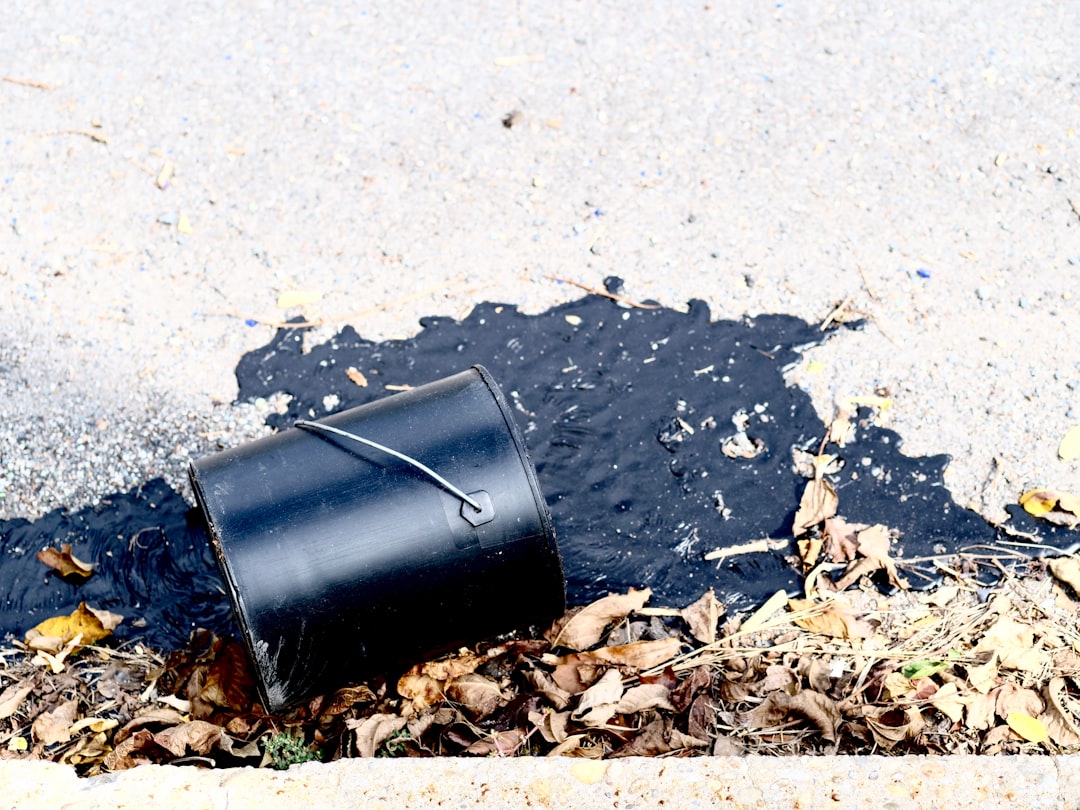
Beverages spilled near or inside the ice bin introduce sugars proteins and microorganisms that accelerate bacterial growth in an already vulnerable environment. Customers who dip their cups into the ice bin or allow drinks to backwash into the dispensing chute create contamination events that affect all subsequent servings. Some machines use gravity-fed dispensing chutes that are nearly impossible to clean without full disassembly making liquid waste accumulation a persistent problem. Syrup residue from fountain drink systems positioned near ice machines can migrate into ice handling areas through drip lines and shared drainage. Regular inspection of the area surrounding ice machines is as important as internal cleaning yet it is rarely incorporated into daily hygiene routines.
Legionella Risk

Legionella bacteria which causes the severe respiratory illness known as Legionnaires disease has been detected in water systems associated with food service equipment in rare but documented cases. Ice machines with stagnant water reservoirs or slow water turnover create conditions that can support Legionella growth particularly in warmer back-of-house environments. The bacterium is not destroyed by freezing and can survive in ice until it is consumed or melts and is inhaled as aerosol mist near the machine. Regulatory frameworks for Legionella risk management in food service are less comprehensive than those applied to cooling towers and hospital water systems. While the risk in fast food ice machines is considered low by most health agencies the documented cases underscore the importance of consistent water quality management and machine maintenance.
Inspection Frequency

Government health inspections of food service establishments occur at varying frequencies depending on jurisdiction budget constraints and risk classification. Most fast food restaurants fall into a standard inspection tier that results in an official visit once or twice per year at best. Between inspections there is no external verification that ice machines are being cleaned according to published standards or that violations identified during the last visit have been corrected. Consumer access to inspection records varies significantly with some jurisdictions publishing detailed online databases and others making records available only through formal request processes. Advocates for food safety reform have consistently highlighted inspection frequency as a critical gap in the oversight framework for high-volume food service environments.
Franchise Variability
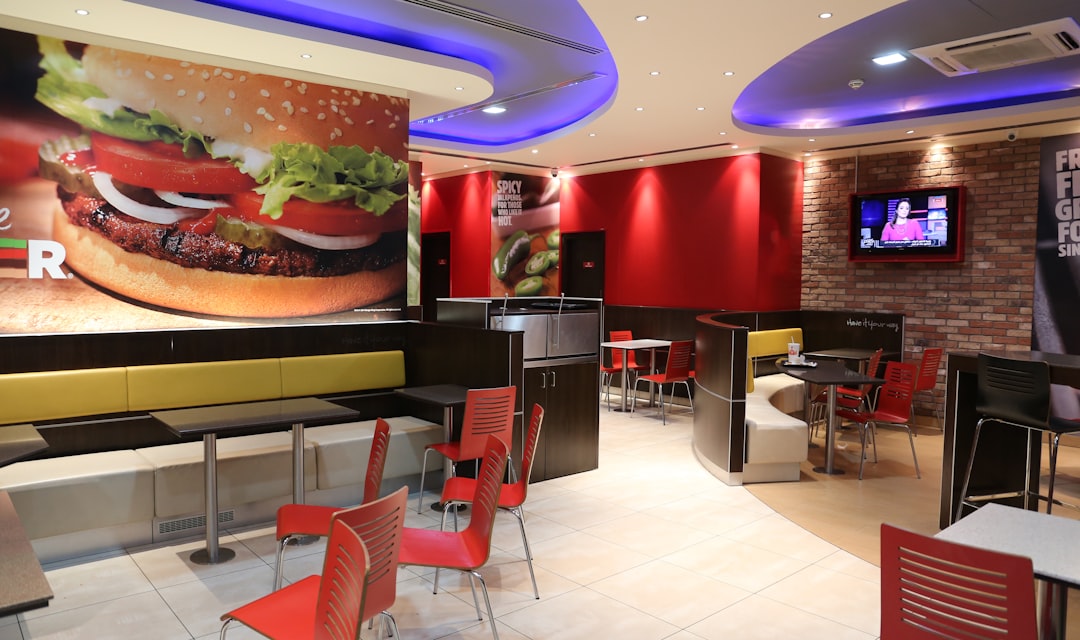
Large fast food chains operate through franchise models that create significant variation in how corporate hygiene standards are applied at the individual location level. Franchisees are independent business owners who license the brand and its systems but ultimately make day-to-day operational decisions including how rigorously cleaning protocols are followed. Corporate compliance teams conduct periodic visits but cannot monitor every location continuously and enforcement of hygiene standards relies heavily on self-reporting and local management culture. Locations in high-traffic urban areas or those operating under financial pressure may cut corners on maintenance in ways that are not immediately visible to customers or regional managers. The same brand logo above the door does not guarantee the same standard of ice machine hygiene inside.
Antimicrobial Resistance

Research into food service environments has identified ice machines as potential reservoirs for antibiotic-resistant bacteria due to chronic low-level antimicrobial exposure from sanitizing agents. When cleaning products are used in diluted or incorrect concentrations they may suppress but not fully eliminate bacterial populations creating selective pressure for resistant strains. Studies have isolated multi-drug resistant organisms from ice and water-contact surfaces in commercial food service settings including fast food establishments. The public health implications of antimicrobial resistance emerging from everyday food environments are considered a growing area of concern by infectious disease researchers. Proper concentration compliance and rotation of approved sanitizing compounds are recommended practices that require training and monitoring to implement consistently.
Temperature Abuse
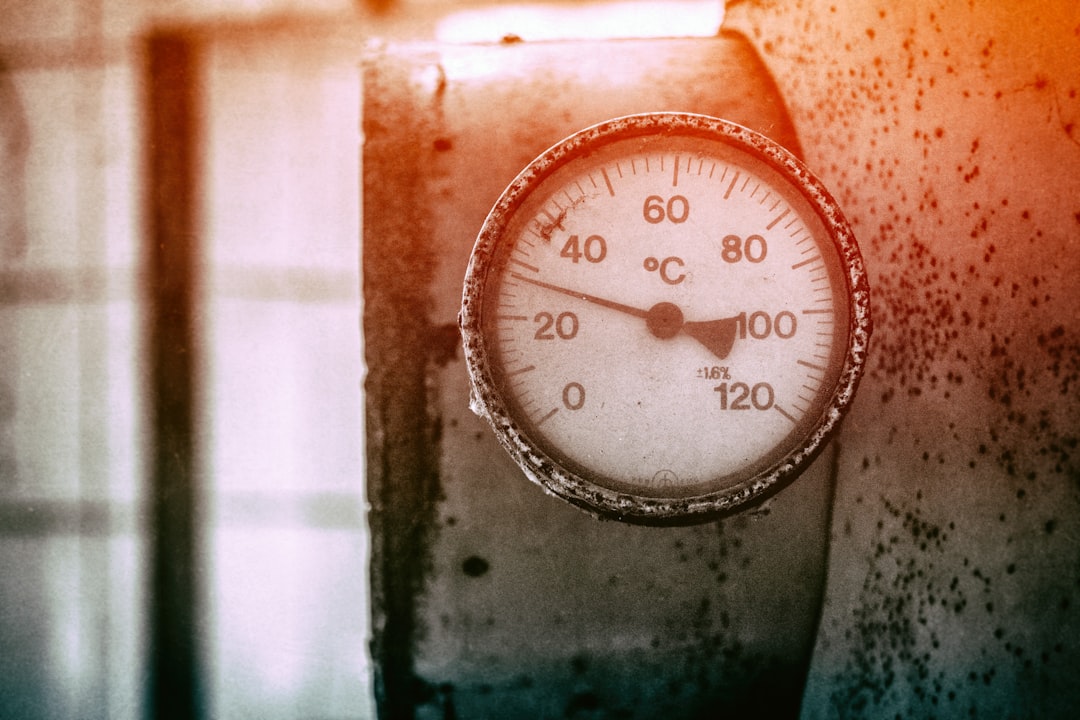
Ice machines that malfunction or are not maintained at correct operating temperatures produce ice that partially melts and refreezes creating cycles that accelerate bacterial proliferation. Equipment located in poorly ventilated kitchen areas may experience ambient temperature stress that pushes the machine beyond its optimal performance range. Partial thaw events allow liquid water to pool around stored ice and along internal surfaces providing a medium for rapid microbial growth before freezing resumes. Many locations lack real-time monitoring systems that would alert staff to temperature deviations before they result in compromised product. Manual temperature checks of ice machine performance are often not included in daily opening or closing procedures leaving thermal abuse events undetected for extended periods.
Chemical Residue
Sanitizing chemicals used to clean ice machines must be thoroughly rinsed and purged before the unit is returned to service to prevent chemical residue from entering the ice supply. Inadequate rinsing after cleaning cycles has been documented as a cause of off-tasting ice and in more serious cases mild chemical exposure for consumers. Chlorine-based and quaternary ammonium compounds are the most commonly used sanitizers in commercial ice machine cleaning and both require careful neutralization and flushing protocols. Staff who are rushed to return machines to service quickly after cleaning may abbreviate the rinsing process in ways that leave detectable residue levels. Food safety guidelines specify exact contact times and rinsing volumes for each approved chemical compound but adherence to these specifications requires ongoing reinforcement and supervision.
Supplier Water Quality

Water supplied to fast food chains comes from municipal systems or in some regions private wells that are subject to seasonal and infrastructure-related quality fluctuations. Chains operating in developing markets or in rural areas of industrialized countries may face baseline water quality challenges that are not fully addressed by standard in-house filtration. Supply chain disruptions infrastructure failures and contamination events upstream of the restaurant can introduce new variables into water quality without immediate notification to the establishment. Ice made during a period of elevated turbidity or microbial load in the water supply carries those contaminants regardless of how clean the machine itself is. Proactive water quality monitoring at the point of intake is a practice adopted by some larger operators but is not universally required or consistently enforced across the fast food industry.
Consumer Awareness

Most fast food customers are unaware that ice is classified as a food product and subject to the same contamination risks as other items on the menu. Surveys conducted in multiple countries have found that the majority of respondents had never considered the hygiene conditions of the ice machine when ordering a cold drink. Awareness campaigns led by consumer advocacy organizations and investigative journalism outlets have periodically brought the issue to public attention but long-term behavioral change among consumers has been limited. Opting for drinks served without ice or choosing sealed bottled beverages are practical strategies for reducing exposure in environments where machine hygiene cannot be verified. Informed consumers who request information about cleaning records or raise hygiene concerns with staff and management can create accountability pressure that encourages better compliance at the location level.
If this article made you rethink what goes into your next cold drink, share your thoughts and experiences with fast food ice in the comments.