Public restrooms are a daily reality for most people, yet the full picture of what happens inside them remains carefully hidden from casual observation. The hand dryer mounted on the wall has become a standard fixture in facilities worldwide, marketed as a hygienic and environmentally responsible alternative to paper towels. What microbiologists, health inspectors, and environmental researchers have uncovered about these machines and the spaces surrounding them tells a very different story. These are 24 of the most disturbing secrets lurking inside public restrooms that the facilities industry would prefer you never think about too hard.
Hand Dryers
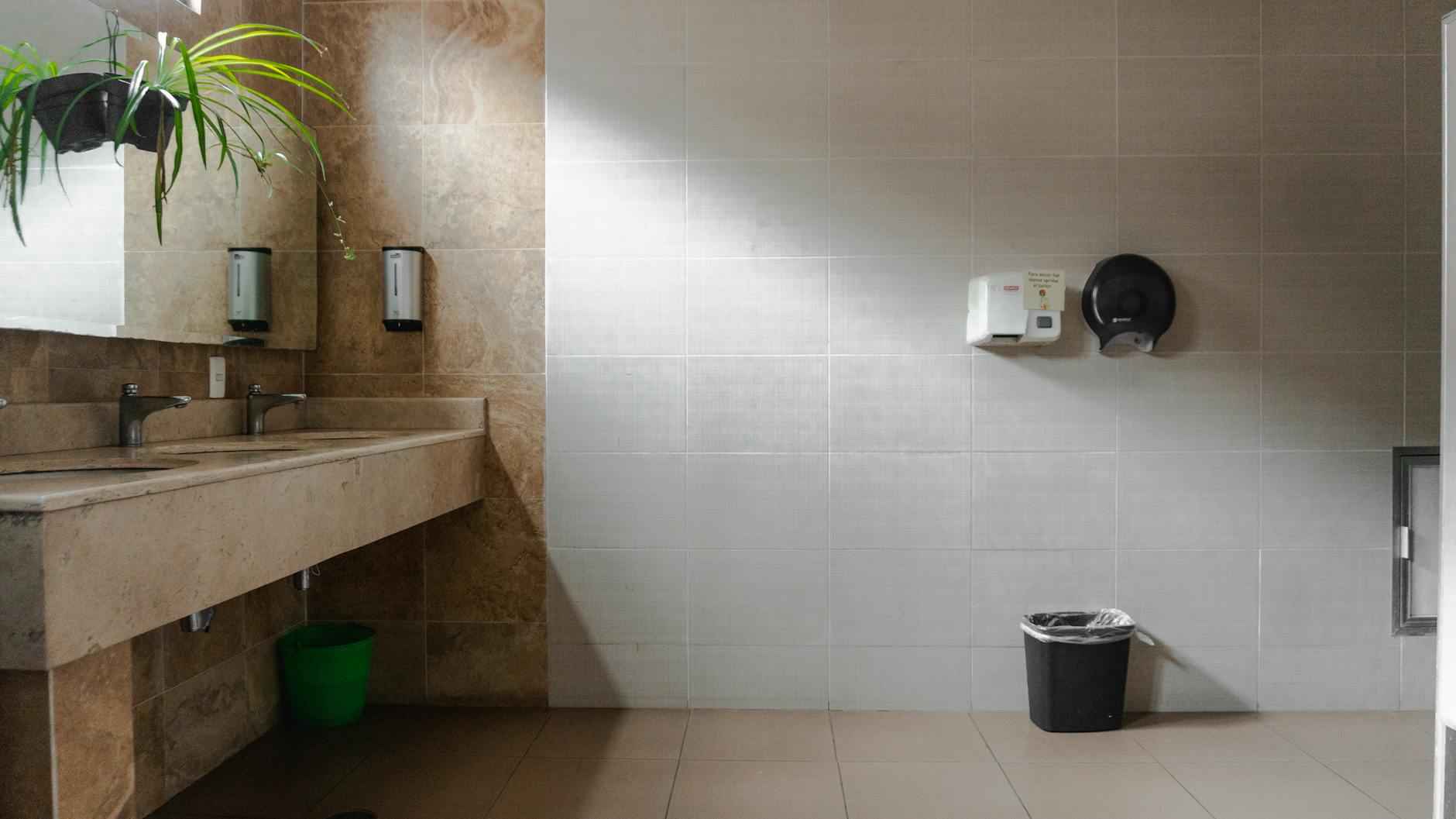
Hand dryers do not clean hands or the surrounding air. They actively pull in bacteria-laden air from the restroom environment and blast it back onto freshly washed skin at high velocity. Research conducted at major universities has found that jet air dryers can disperse bacteria up to three meters away from the unit during a single drying cycle. The interior cavities of these machines are warm, moist, and almost never cleaned, making them ideal incubators for microbial colonies between uses.
Fecal Particles
Every time a toilet is flushed without a lid in a public restroom, a fine aerosol mist of fecal particles is propelled into the surrounding air. These particles remain suspended for extended periods and settle on every surface in the room including sinks, door handles, and the intake vents of hand dryers. Studies measuring fecal coliform presence in restroom air have found detectable levels at distances well beyond what most people assume is safe. The enclosed and often poorly ventilated nature of public restrooms concentrates this contamination rather than dispersing it.
Soap Dispensers
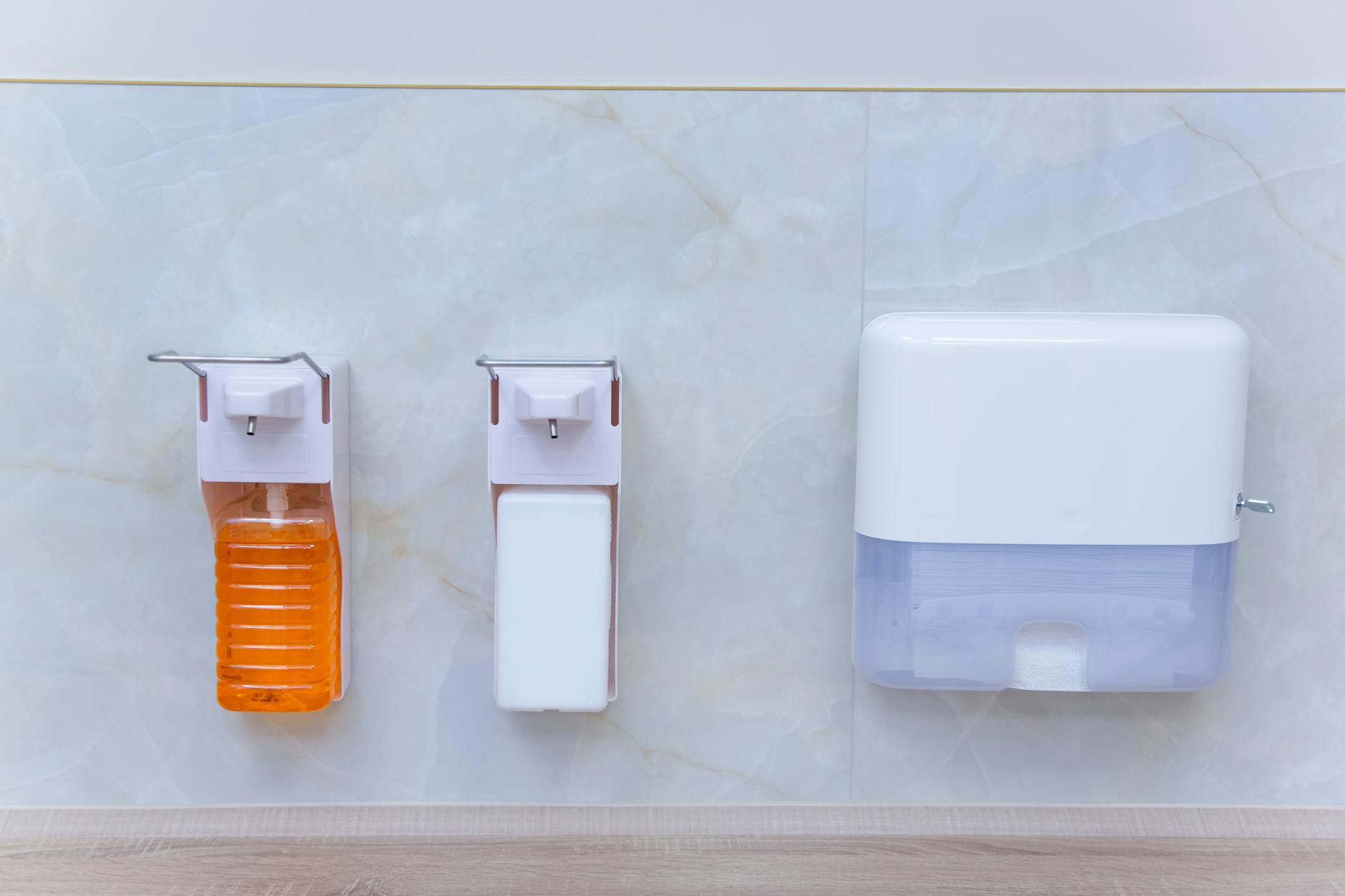
Refillable bulk soap dispensers found in most public restrooms are among the most bacterially contaminated surfaces in the entire facility. When these dispensers are refilled by topping up old soap rather than cleaning and replacing the reservoir, contaminated product accumulates at the bottom indefinitely. Research has documented that washing hands with bacteria-laden soap from a dirty dispenser can actually increase the microbial load on hands rather than reduce it. The pump mechanism itself is touched by every person who uses the sink and is rarely if ever sanitized.
Air Quality

The air inside a public restroom contains a measurably higher concentration of airborne pathogens than virtually any other indoor environment most people regularly occupy. Ammonia compounds, volatile organic chemicals from cleaning products, and aerosolized biological material combine in an atmosphere that circulates continuously through ventilation systems. Hand dryers draw this air directly through their heating elements and redistribute it across the room with every cycle. Independent air quality testing of public restrooms has produced results that researchers describe as significantly worse than most people would find acceptable if they were aware of them.
Drain Biofilm
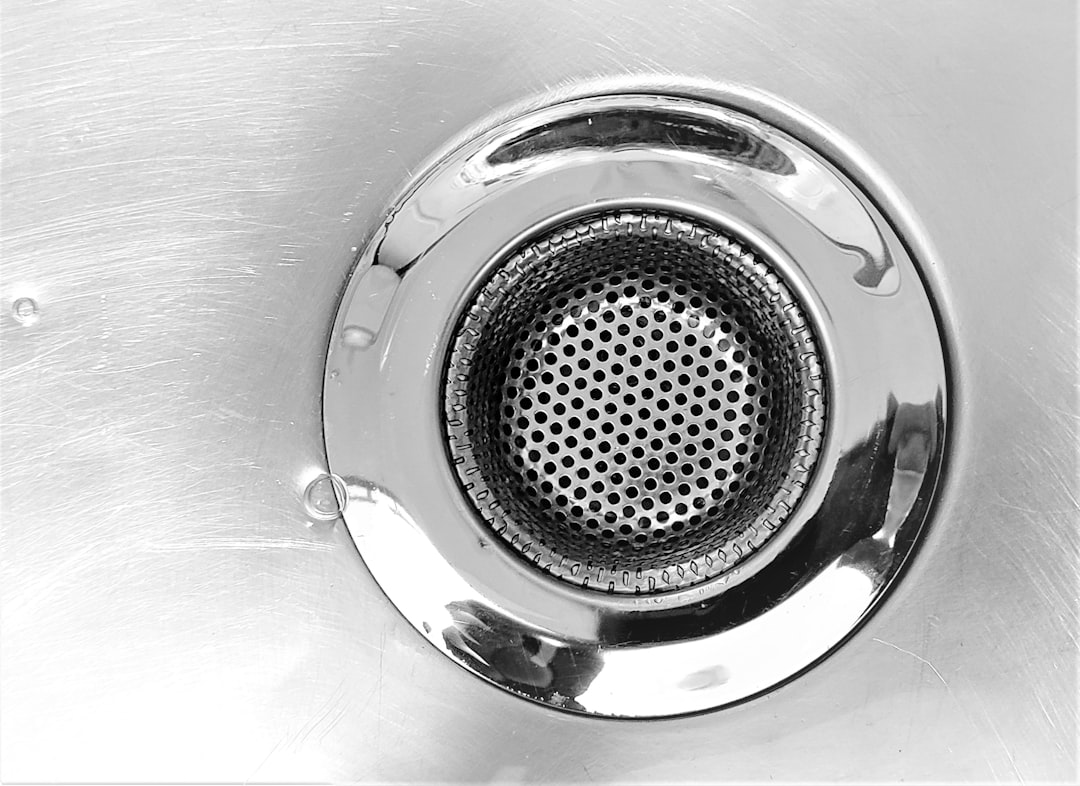
The drains in public restroom sinks harbor thick biofilm communities composed of bacteria, fungi, and other microorganisms that grow undisturbed in the perpetually moist environment. These biofilms are highly resistant to standard cleaning products applied during routine janitorial maintenance. Water splashing into and out of contaminated drains during handwashing disperses biofilm material onto surrounding sink surfaces and the hands of people in the process of washing. The sink basin itself frequently shows evidence of drain biofilm contamination spreading outward from the drain opening.
Cleaning Schedules
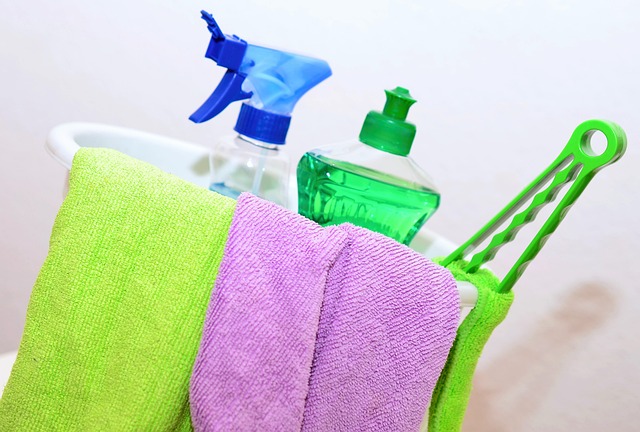
The posted cleaning schedule visible on the back of most public restroom doors reflects intended maintenance intervals rather than actual completed cleaning events. Janitorial staff in high-traffic facilities are typically allocated insufficient time per restroom to conduct anything beyond a surface-level wipe and mop. Deep cleaning of fixtures, vents, grout lines, and high-touch surfaces requires significantly more time and specialized products than standard contracted cleaning services provide. Health inspections of public facilities regularly find discrepancies between documented cleaning records and actual observable cleanliness.
Grout Lines
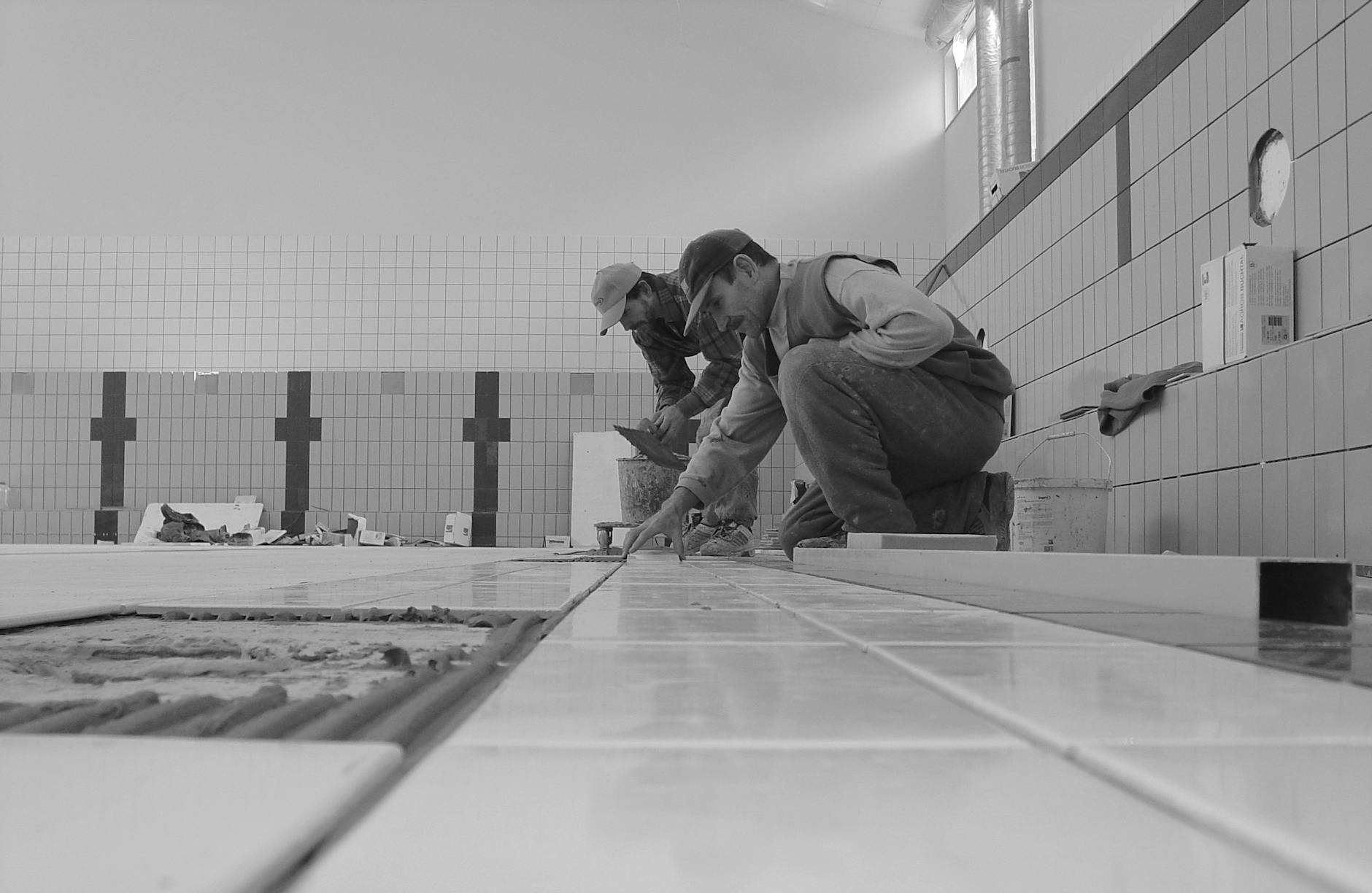
The grout between floor and wall tiles in public restrooms absorbs biological material from splashing, foot traffic, and aerosolized contamination continuously throughout the day. Standard mopping does not remove material embedded in grout lines and may in fact spread contamination further across the floor surface. The dark discoloration visible in the grout of most public restrooms represents accumulated biological growth including mold, bacteria, and decomposed organic material. Steam cleaning or chemical treatment capable of addressing grout contamination requires a facility closure and is almost never performed in routine maintenance cycles.
Door Handles

The door handle on the exit side of a public restroom is one of the most contaminated high-touch surfaces in any public building. A significant proportion of restroom users either do not wash their hands at all or do so inadequately before exiting, transferring contamination directly to the handle. Observation studies conducted in public restrooms have consistently found that handwashing compliance rates are far lower than self-reported surveys suggest. The handle represents the final point of contact before a person re-enters a shared public space, carrying whatever was on it with them.
Paper Towel Dispensers
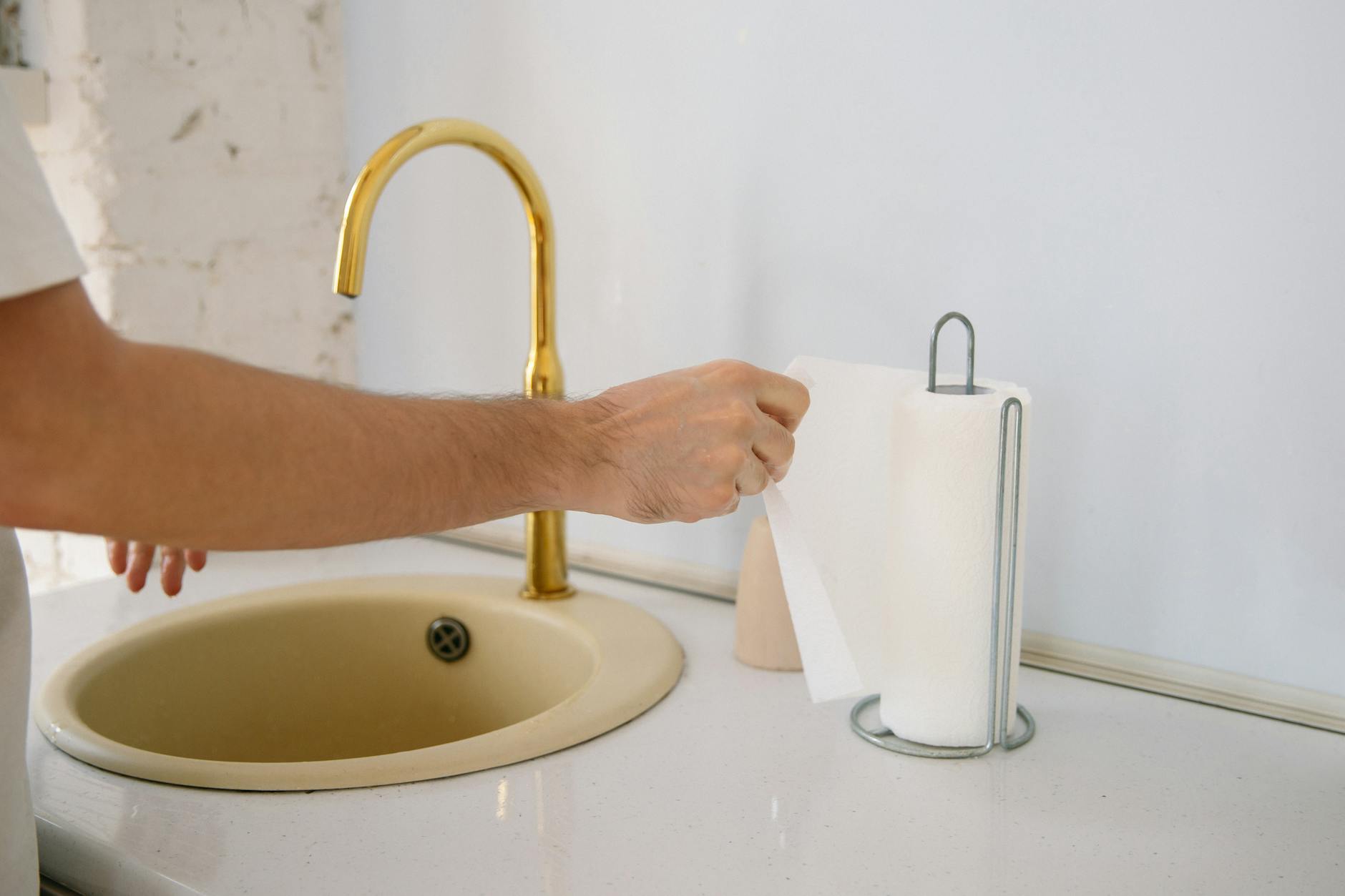
The opening slot of a paper towel dispenser is touched by every person who uses it and is positioned directly in the splash zone of nearby sinks. Internal paper towel stacks are loaded by maintenance staff whose glove use and hand hygiene during restocking is not consistently monitored. Studies comparing hand drying methods have found that paper towels remove residual bacteria from hands more effectively than air dryers by physically wiping away contaminants. The towel dispenser itself however contributes its own bacterial load at the moment of contact.
Restroom Floors
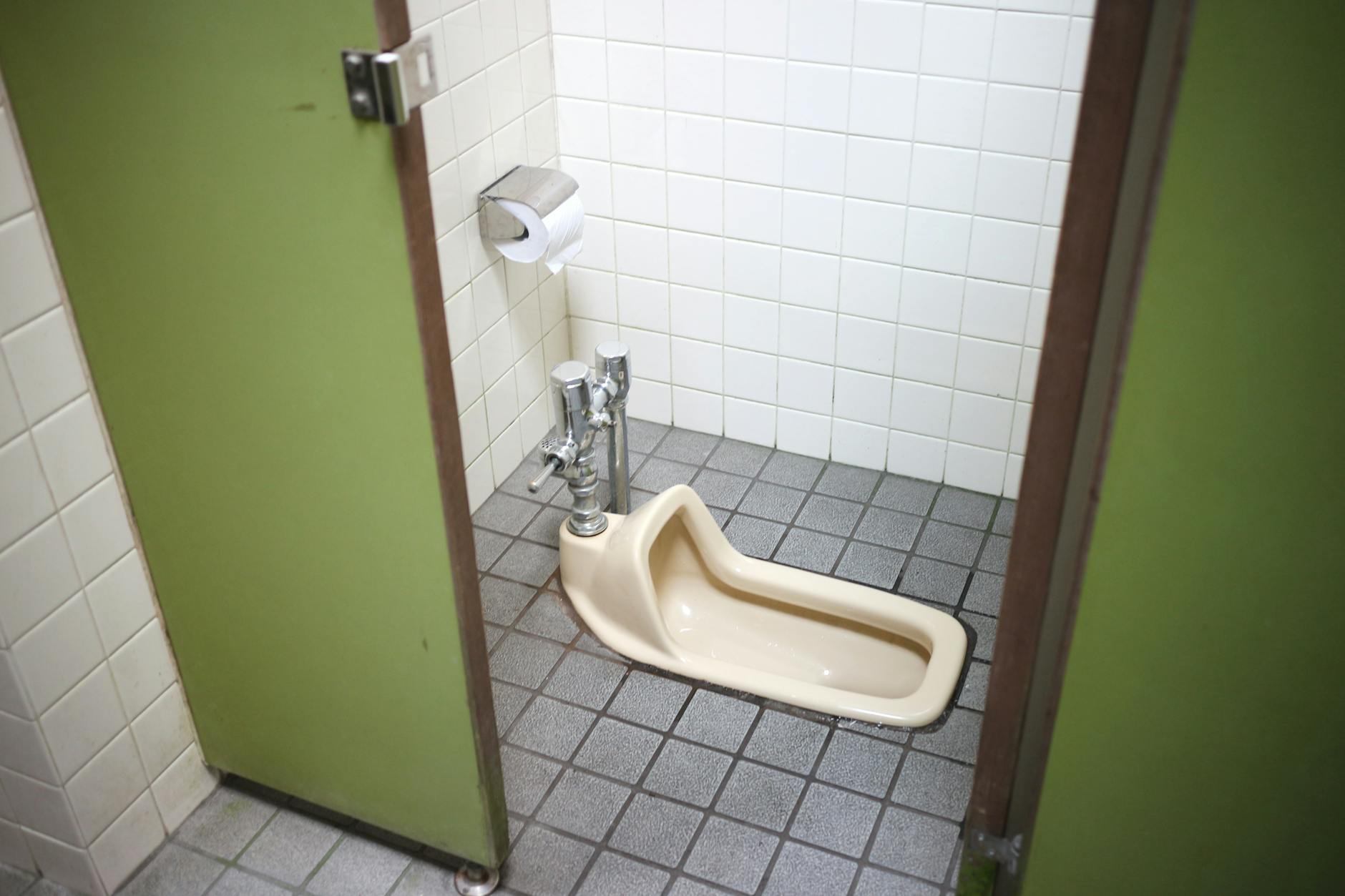
Public restroom floors are among the most heavily contaminated surfaces in any indoor environment, with bacterial counts that exceed those found on toilet seats by a significant margin. The combination of moisture, biological material, cleaning chemical residue, and constant foot traffic creates an environment where pathogens persist and proliferate. Anything placed on a restroom floor including bags, shoes with thin soles, and dropped items picks up this contamination and carries it into every subsequent environment. Floor contamination is also redistributed into the air during high foot traffic periods through the movement of people walking through the space.
Ventilation Ducts
The ventilation ducts servicing public restrooms accumulate biological material from the air they continuously cycle and are cleaned on schedules that range from infrequent to never. Mold growth inside ductwork is a commonly documented finding in facilities maintenance inspections and can distribute spores throughout the restroom environment during normal airflow operation. Hand dryers connected to the same ventilation system draw from this circulating air supply before projecting it onto users’ hands. Duct cleaning in commercial facilities is typically triggered by visible obstruction or mechanical failure rather than by preventive hygiene protocols.
Stall Latches
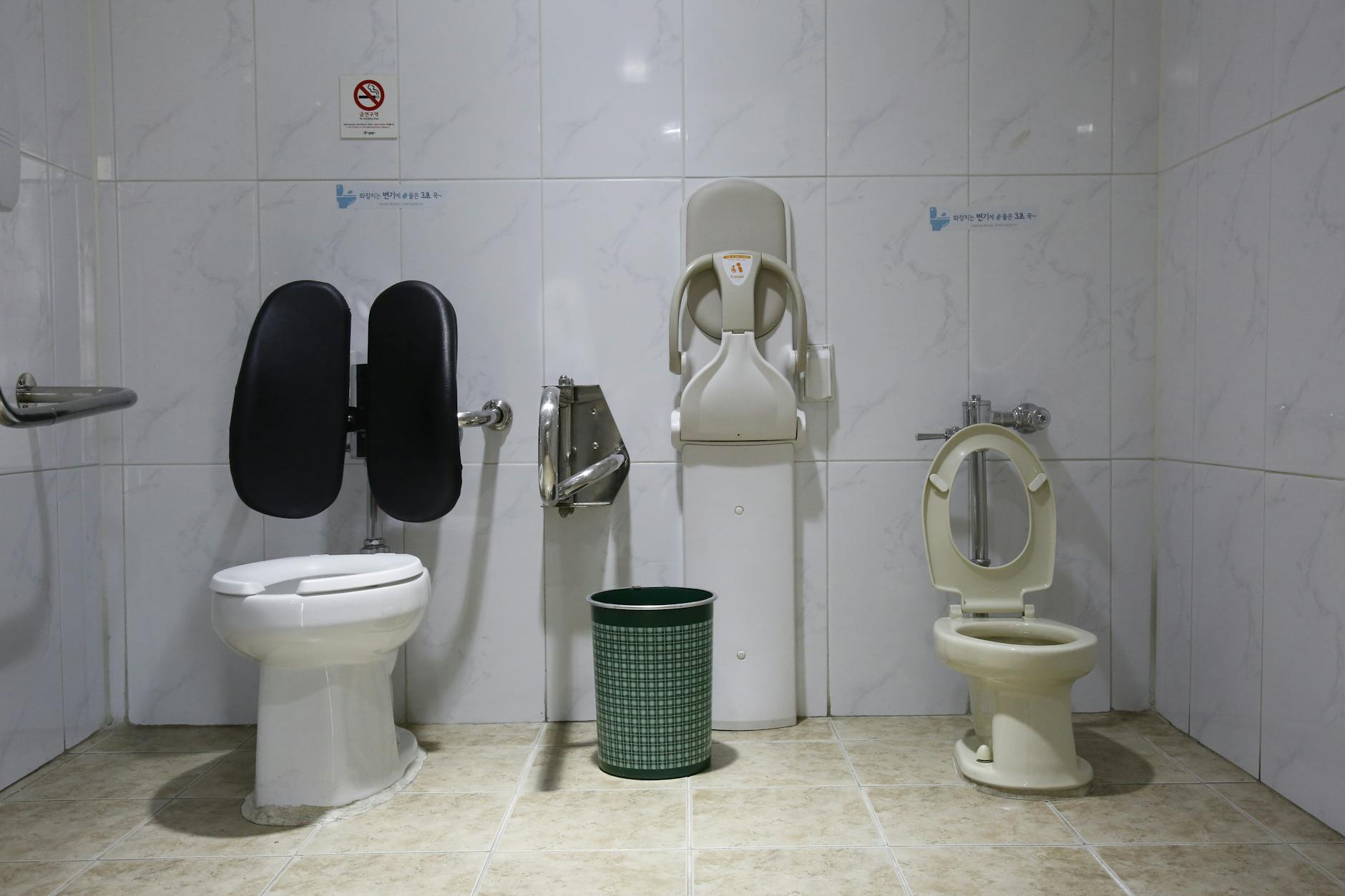
The interior latch of a toilet stall is the single most-touched surface in the entire restroom by people who have not yet washed their hands. Every person who enters a stall touches this latch before using the toilet and again after, regardless of their subsequent handwashing behavior. Swab testing of stall latches has returned some of the highest bacterial diversity counts of any surface tested in restroom hygiene research. These findings include detection of fecal indicator organisms at levels that would trigger remediation requirements if found in food preparation environments.
Automatic Sensors
Sensor-operated taps, soap dispensers, and flush mechanisms were introduced in part to reduce contact contamination in public restrooms. The sensors themselves however accumulate a fine coating of soap residue, water minerals, and airborne biological material that is rarely cleaned. False activations triggered by movement near the sensors cause unnecessary water and soap release that contributes to surface moisture and the conditions in which bacteria thrive. The housing units surrounding sensor equipment are typically overlooked entirely during routine cleaning.
Restroom Attendants
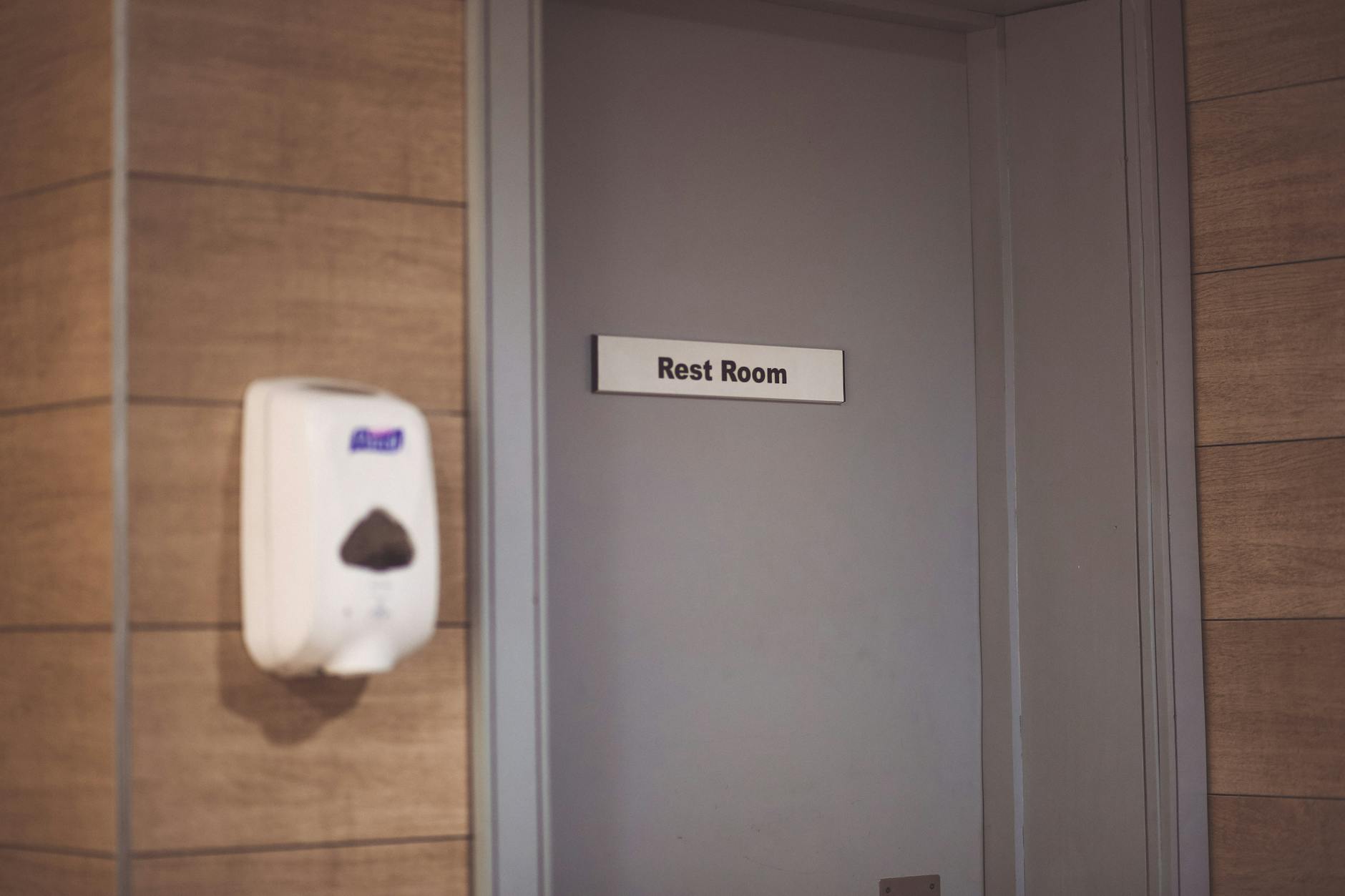
In facilities with restroom attendants, the attendant’s presence creates a false sense of enhanced cleanliness that does not necessarily correspond to measurably better hygiene conditions. Attendants typically perform surface-level tidying tasks between scheduled deep cleans rather than meaningful sanitation. The communal amenity items sometimes provided at attendant-staffed restrooms including lotions, combs, and mints represent significant cross-contamination risks. Tips collected by attendants in shared dishes pass through hands at various stages of restroom use before and after handwashing.
Baby Changing Tables
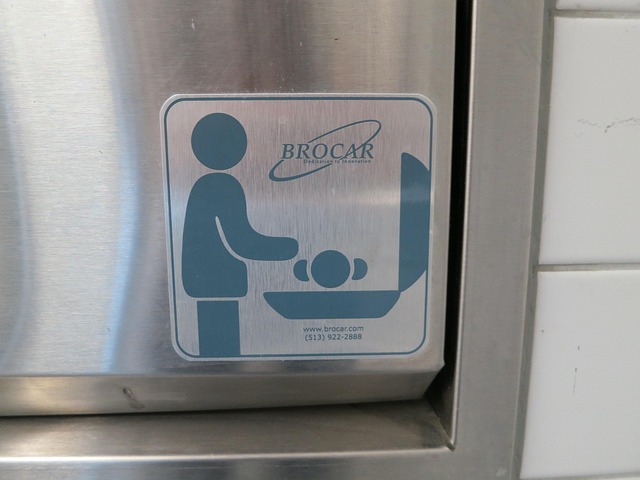
The fold-down changing tables found in public restrooms are among the least frequently sanitized surfaces in the facility despite being used for direct contact with infants. These surfaces are wiped by individual parents if materials are available but receive no systematic cleaning between uses in most facilities. Fecal contamination on changing table surfaces has been documented at high rates in research swabbing studies of public restroom fixtures. The table position near or directly adjacent to the sink area means contamination can transfer to surrounding surfaces through water splash and contact.
Mirror Surfaces
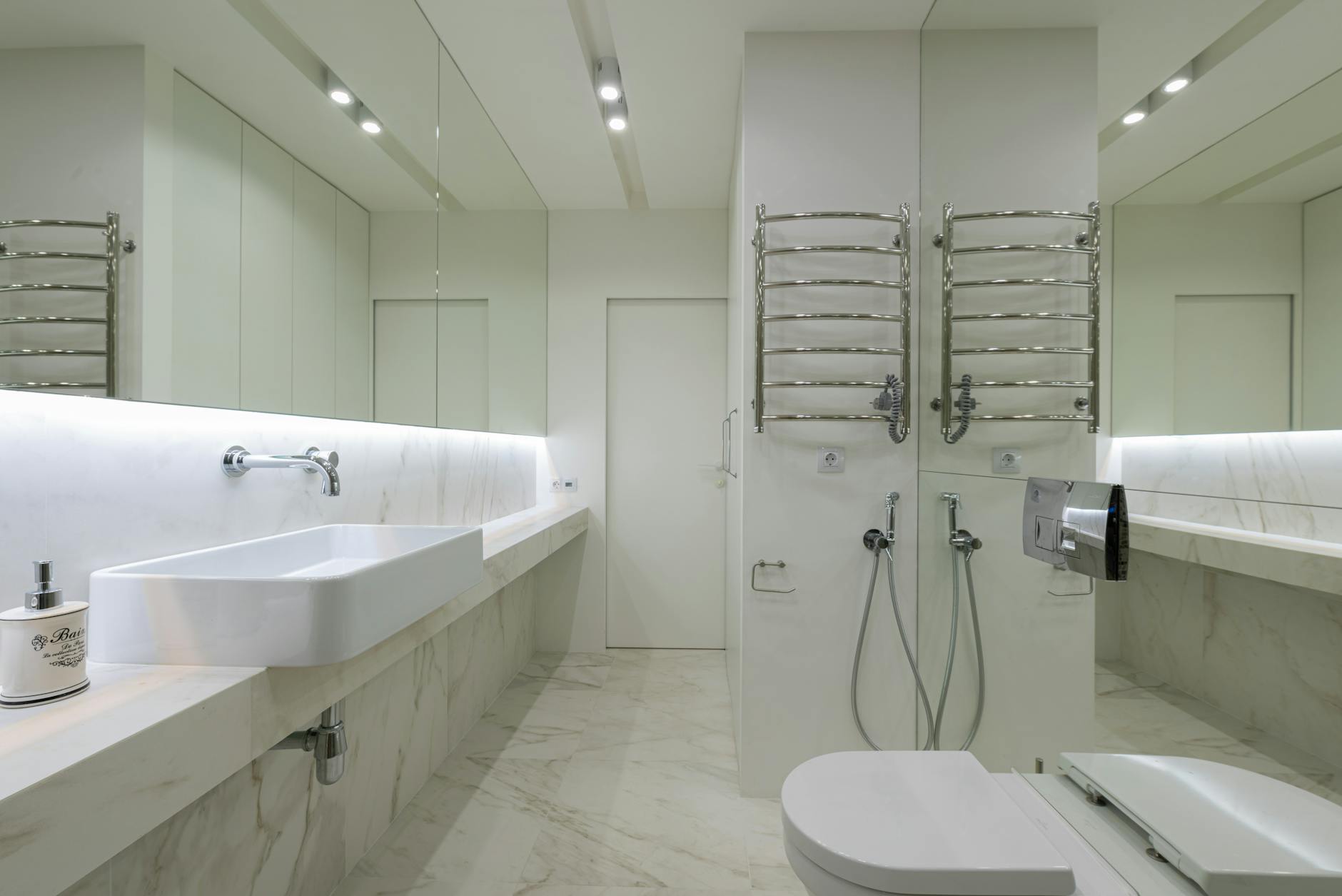
Restroom mirrors extend from above the sink basin to eye level and collect aerosol deposits from handwashing splash, coughing, sneezing, and toilet flushing events throughout the day. Cleaning staff typically wipe mirrors with general-purpose cloths that may spread rather than remove contamination. The lower sections of mirrors closest to the sink are the most heavily exposed to splash contamination and are also within the projection range of hand dryer airflow. Mirror surfaces appear clean to the naked eye while harboring detectable microbial contamination across their entire face.
Trash Receptacles
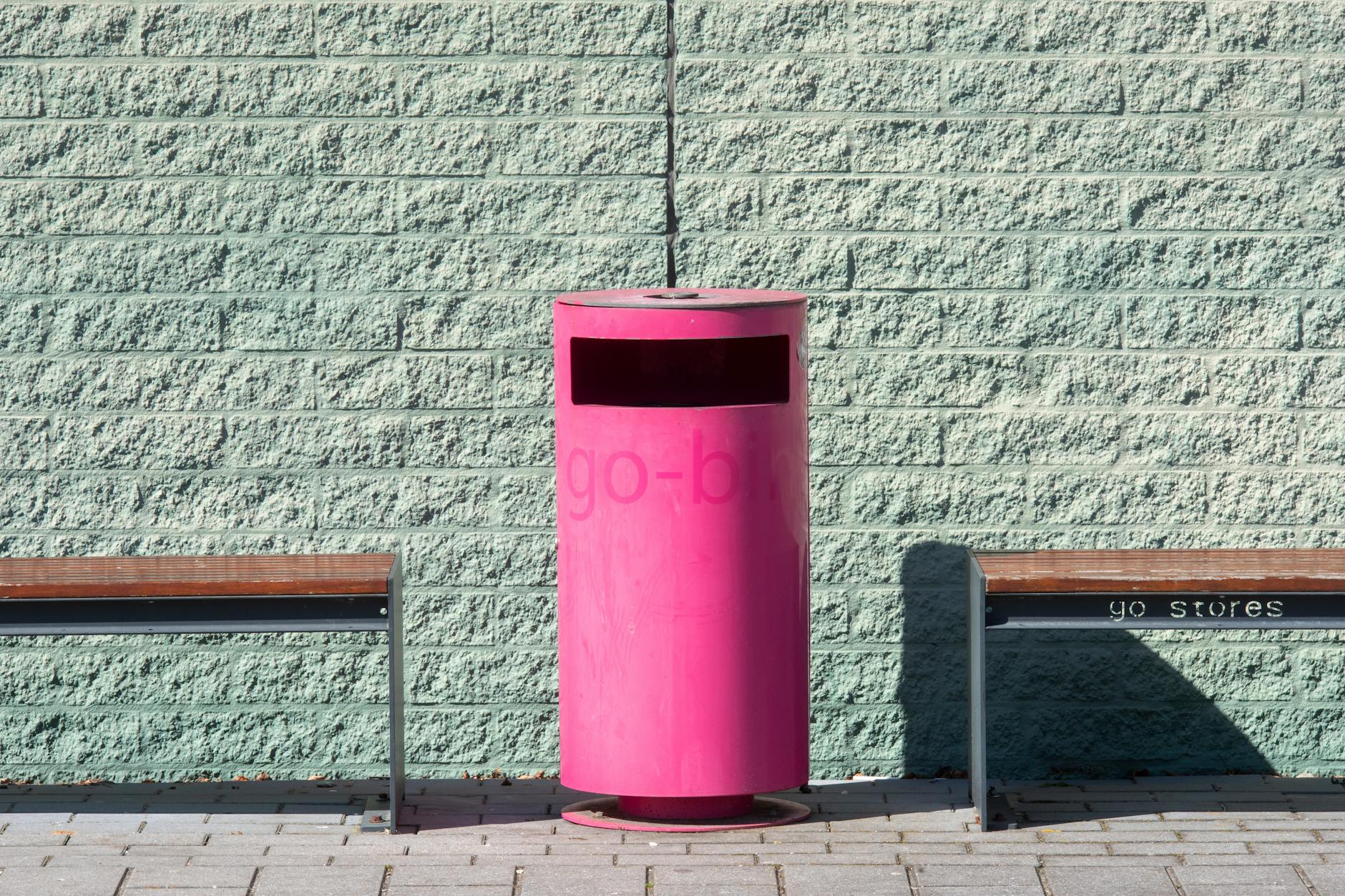
Restroom waste bins fill with used paper towels, sanitary products, and other biological waste throughout the day and are emptied on schedules that frequently lag behind actual capacity needs. The area immediately surrounding an overflowing or heavily used bin becomes contaminated through contact with discarded materials and through the airflow generated by hand dryers directed across the room. Bin lids operated by foot pedal are touched by hands at a surprisingly high rate among actual users. Liquid seepage from waste bins onto restroom floors creates localized contamination zones that spread through foot traffic.
Water Temperature
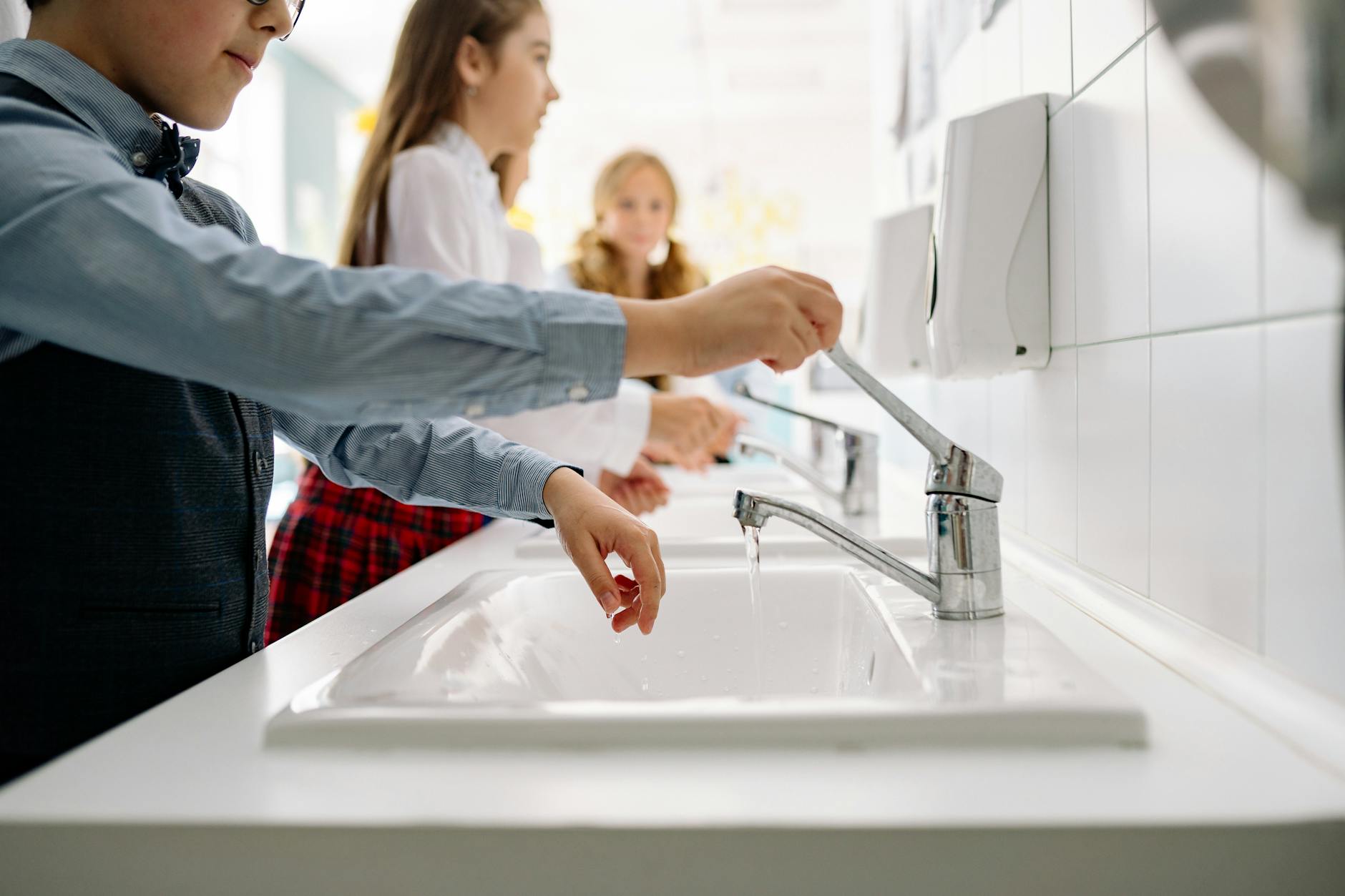
The water temperature at public restroom sinks is frequently insufficient to provide the thermal assistance in pathogen reduction that most people assume warm water delivers. Facility managers often limit hot water temperature to prevent scalding liability, resulting in lukewarm output that provides no meaningful microbicidal benefit. The effectiveness of handwashing in any temperature of water depends almost entirely on the mechanical action of rubbing and the surfactant quality of the soap used. Temperature perception gives users a false sense of efficacy that may lead to shortened or less thorough washing technique.
Ceiling Surfaces

Restroom ceilings accumulate moisture and biological aerosol material that condenses and creates ideal conditions for mold growth directly above the spaces where people wash and dry their hands. Ceiling mold releases spores into the downward airflow of the room continuously and these spores are captured and redistributed by hand dryer intake systems. Cleaning programs for public restrooms almost universally focus on below-shoulder-height surfaces, leaving ceilings untreated for months or years between facility renovations. Discoloration patterns visible on restroom ceilings in older facilities represent established mold colonies rather than simple water staining.
Feminine Hygiene Units
The sealed feminine hygiene disposal units mounted inside toilet stalls are serviced by contracted providers on schedules that can leave units at capacity for extended periods. When units reach or exceed capacity, biological material can become exposed within the enclosed stall environment. The exterior of these units is touched frequently and cleaned rarely as it falls outside the scope of standard janitorial restroom protocols. Service contractors handling these units operate on their own hygiene protocols which are not always subject to the same oversight as the facility’s internal cleaning staff.
Hand Dryer Nozzles
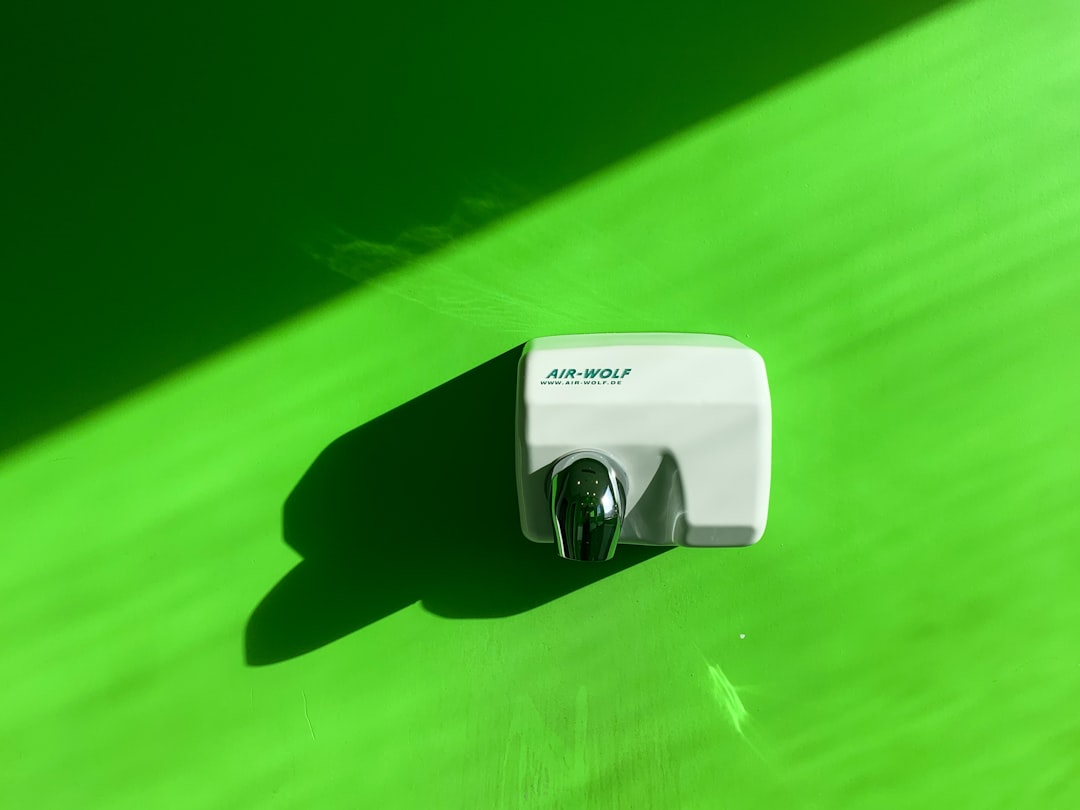
The nozzle or opening of a high-speed hand dryer accumulates a visible dark residue over time that represents concentrated biological material drawn in from the restroom air and deposited at the point of highest airflow velocity. This residue has been sampled in multiple research settings and found to contain diverse bacterial communities including organisms associated with fecal contamination. Facilities maintenance staff rarely clean inside hand dryer nozzles as part of standard restroom servicing. The residue is deposited directly onto wet hands held at the nozzle opening during each drying cycle.
Shared Facilities
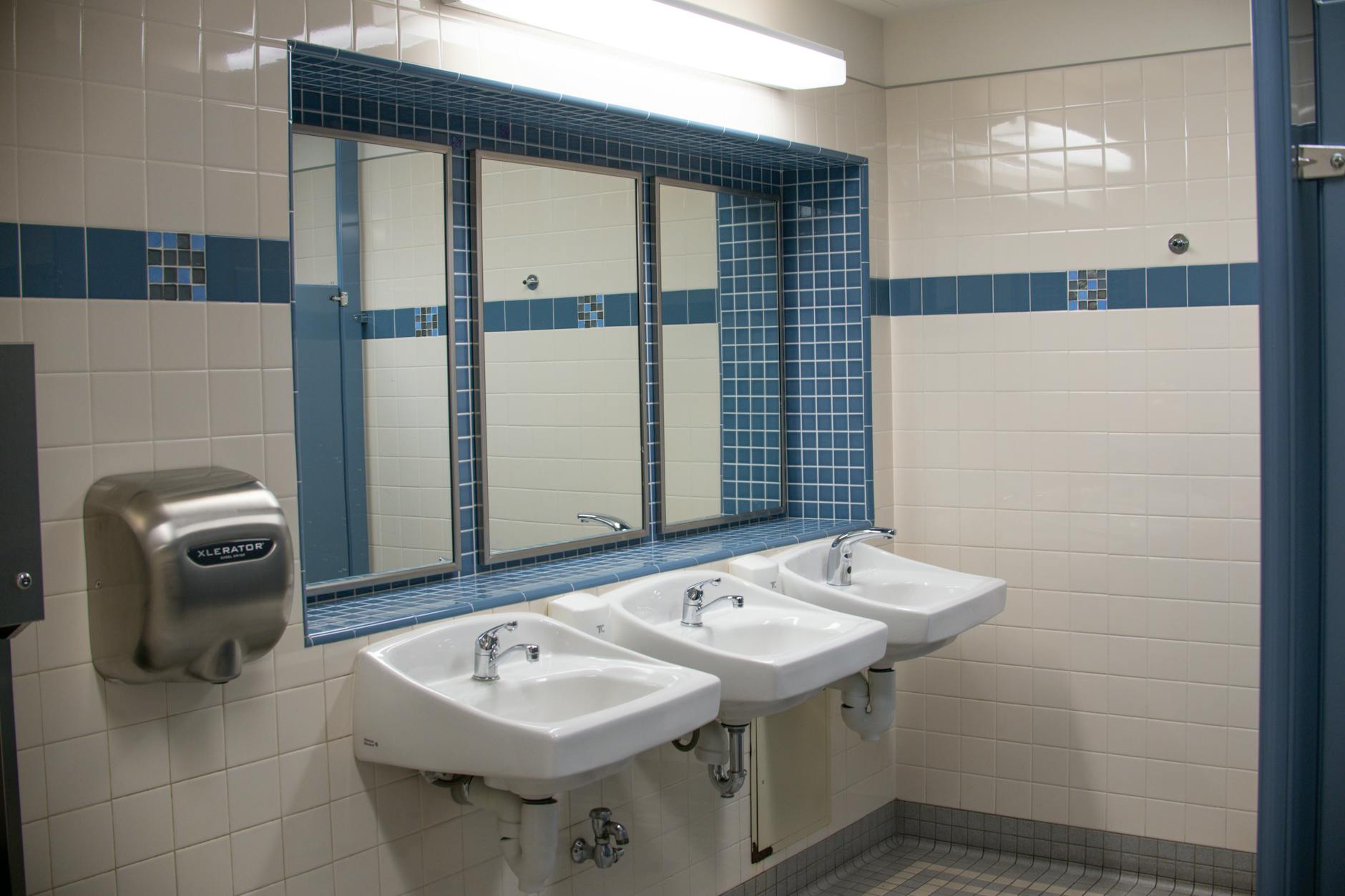
Public restrooms serving high-traffic venues including transit hubs, stadiums, and shopping centers see thousands of users between any two cleaning events. The cumulative contamination load deposited on surfaces during these intervals compounds with each additional user in a way that standard hourly checks cannot meaningfully address. Facilities operating at high capacity during peak periods stretch cleaning staff coverage to intervals that bear no relationship to actual contamination rates. The visible cleanliness of a high-traffic restroom immediately after a cleaning visit degrades within minutes under normal usage conditions.
Plumbing Infrastructure

The plumbing infrastructure behind public restroom walls can harbor Legionella bacteria and other waterborne pathogens in systems where water temperature, flow rate, and pipe age create favorable conditions for growth. Older facilities with aging pipe networks are particularly susceptible to biofilm development inside water supply lines. Routine water testing in public facilities focuses on drinking water sources rather than handwashing supply lines, leaving a significant monitoring gap. Exposure to aerosolized water from contaminated plumbing during handwashing represents a transmission pathway that most public health messaging does not address.
Inspection Records
Public health inspection records for restroom facilities in most jurisdictions are technically available to the public but are stored in formats and locations that make practical access unlikely for the average person. Inspection frequencies for non-food-service public restrooms are significantly lower than those applied to restaurant kitchens despite comparable or greater public health relevance. Violations documented during inspections are assigned correction timelines that can extend weeks or months before follow-up verification occurs. The gap between documented standards and actual day-to-day restroom conditions in public facilities is rarely visible to the people using them.
If this has changed the way you think about public restrooms and hand dryers, share your reactions and any experiences of your own in the comments.