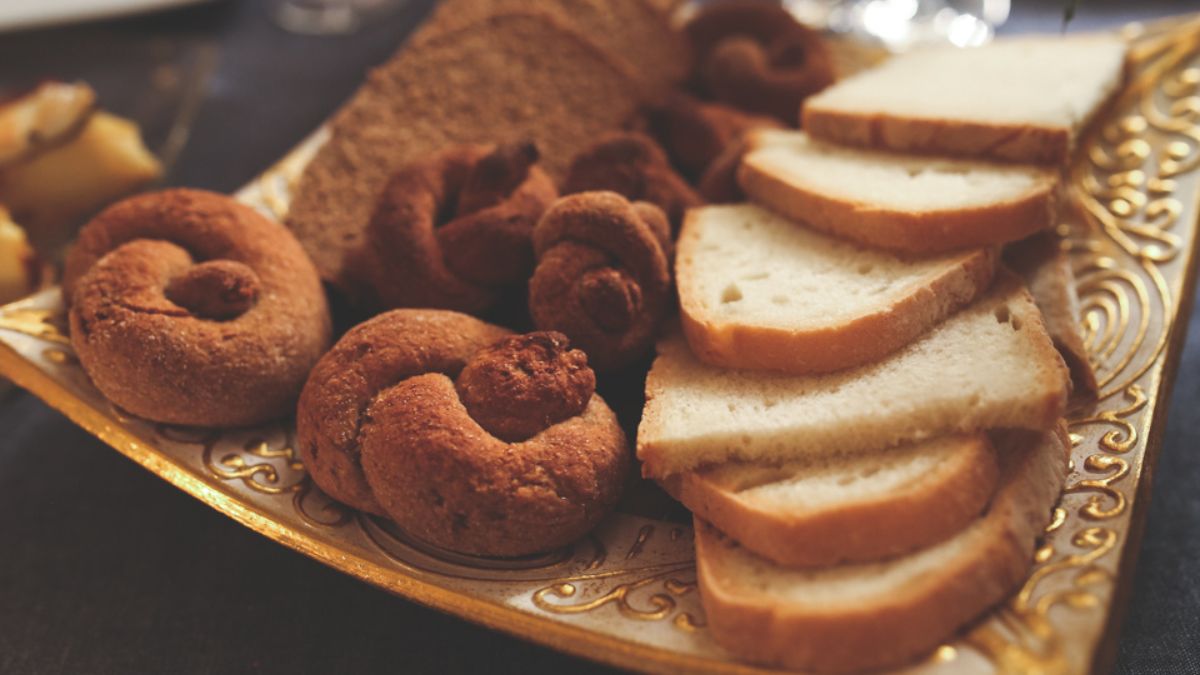
Few dining experiences feel as welcoming as a basket of warm bread arriving at the table before a meal and few restaurant practices are as quietly unsettling as what happens to that bread once a table is cleared. The bread basket has become such a standard feature of the restaurant experience that most diners never stop to question its journey from the kitchen to their table or what happens to whatever is left behind when they leave. Food handling regulations vary enormously between jurisdictions and even where clear rules exist enforcement is inconsistent and largely dependent on whether an inspector happens to be present. What follows is a frank account of practices that occur across the industry with a frequency that most restaurant marketing would prefer to keep entirely invisible.
The Rebreadding
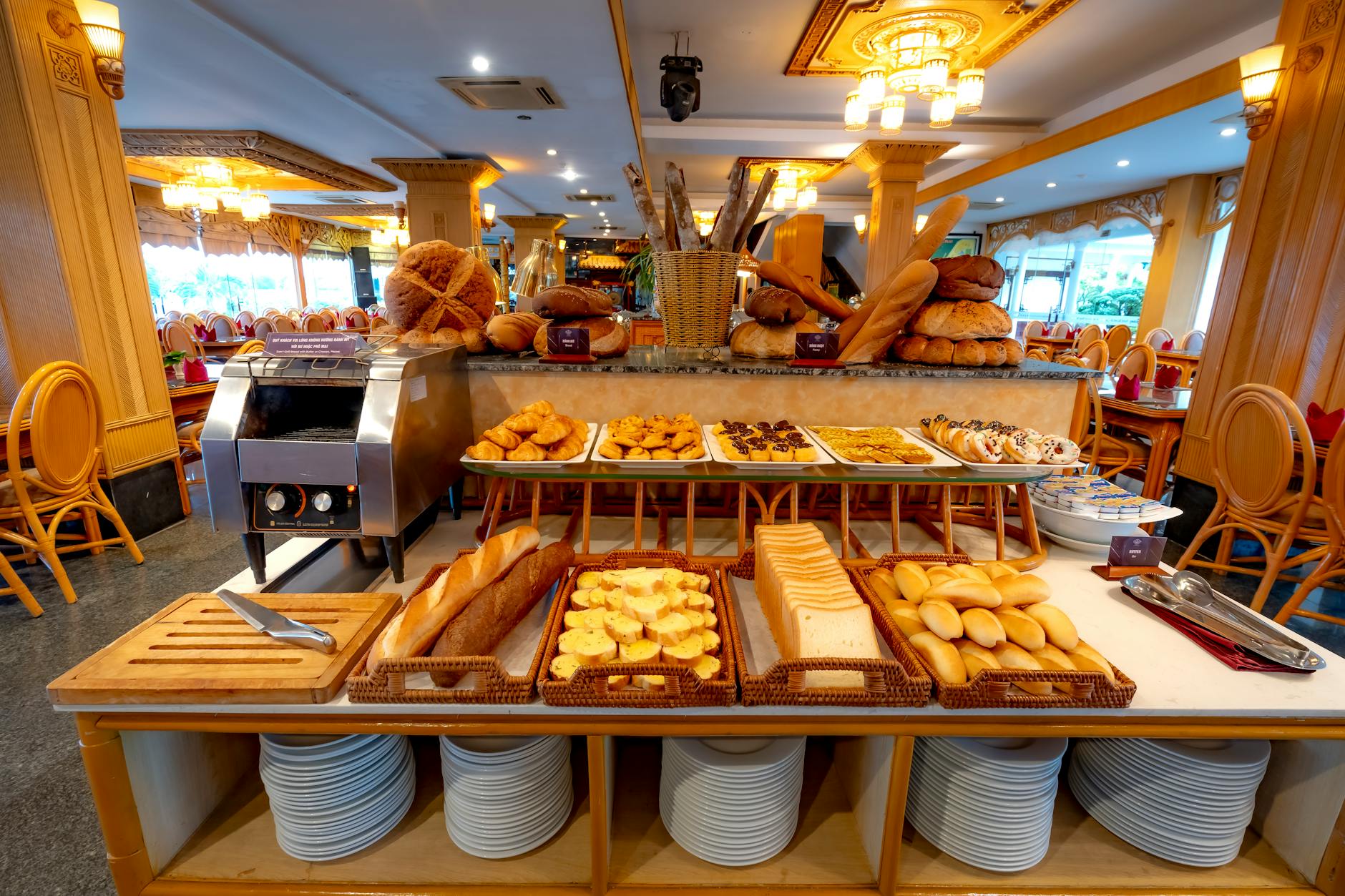
The most widespread and least discussed practice in restaurant bread service is the return of untouched or minimally touched bread from one table’s basket directly into rotation for service at the next table without any intervening process of inspection heating or hygiene intervention. Staff who are moving quickly through a busy service period make rapid visual assessments of returned baskets and bread that appears unhandled is routinely considered acceptable for reuse regardless of how long it sat in an open dining room environment. The assumption that bread not visibly touched by human hands is safe to serve again ignores the aerosol transmission of pathogens the presence of airborne particles from sneezing and coughing at nearby tables and the contact that occurs during handling by multiple staff members between tables. Health department investigations in multiple jurisdictions have documented this practice and found it occurring in establishments across the full price spectrum from casual dining chains to upscale independent restaurants.
Napkin Concealment
Bread that has been partially handled or visibly touched is sometimes buried beneath a fresh linen napkin or paper liner within the same basket before being returned to service in a practice designed specifically to obscure evidence of prior use from incoming diners. The napkin creates a visual reset that psychologically signals freshness to a new table without any actual change having occurred to the bread beneath it. Kitchen staff and servers who engage in this practice are typically operating under implicit pressure from management to minimize waste and food cost percentages rather than acting on any personal initiative to deceive customers. A diner who lifts the linen from a bread basket to examine what is underneath is engaging in one of the most effective and simplest forms of personal food safety assessment available in a restaurant setting.
Reheating Cycles

Bread that has cooled and been returned from one or more previous tables is frequently run through a warming oven or briefly placed near a heat source to restore the surface temperature and texture that signals freshness to a new table receiving it. Multiple reheating cycles progressively degrade both the internal moisture content and the structural integrity of bread while doing nothing to address whatever biological contamination may have occurred during the time it spent on previous tables. The warm exterior of reheated bread creates a sensory impression of freshness that directly contradicts the actual history of the product and is specifically exploited in this context for that misleading effect. Food safety guidelines in most jurisdictions require that foods served to the public meet temperature standards at the point of service but say relatively little about how many times the same item may cycle through that warming process before reaching a plate.
Floor Bread Returns
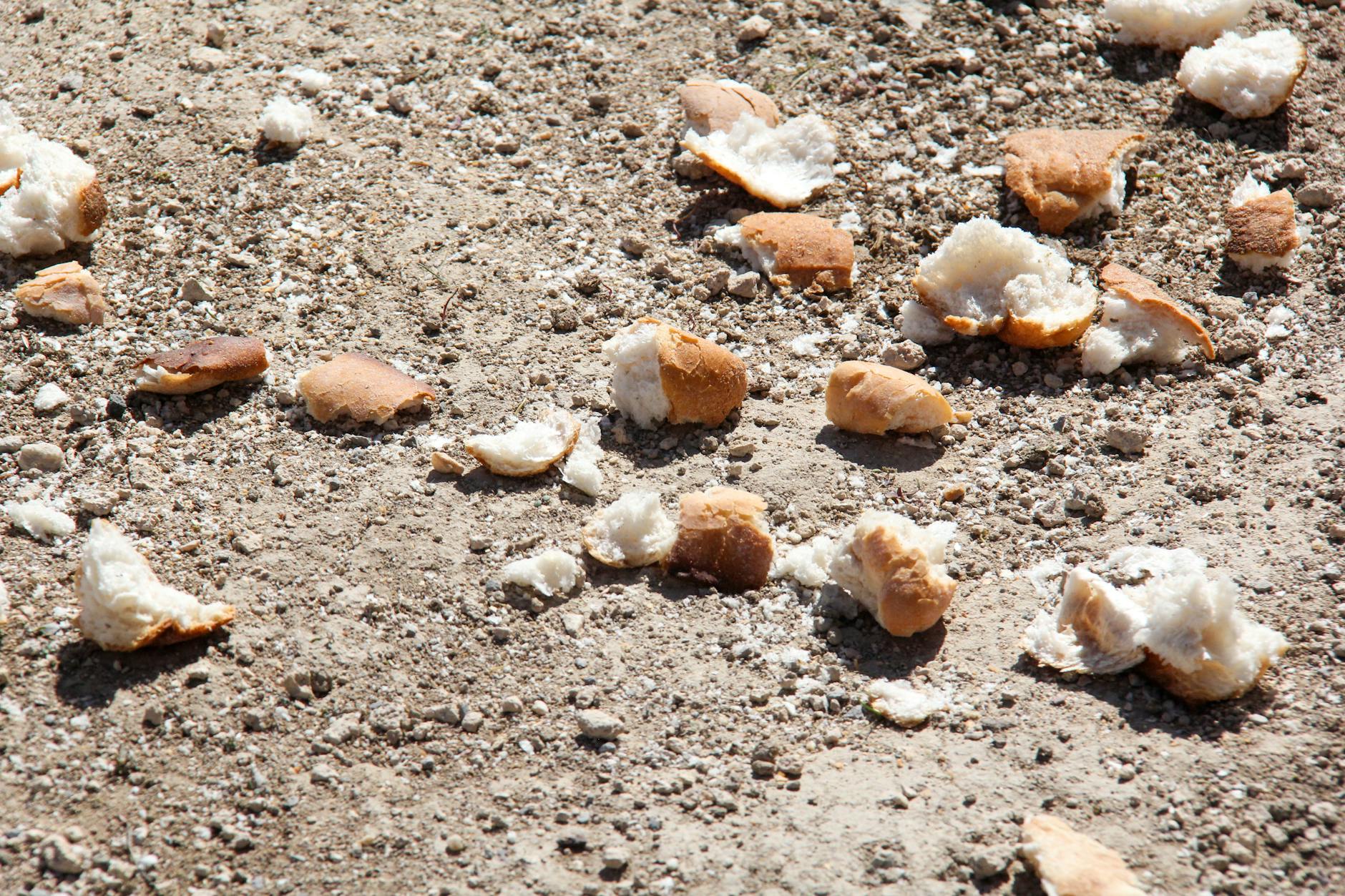
Bread that has been dropped on the floor of a commercial kitchen or dining area during the chaos of a busy service period is sometimes retrieved dusted off and returned to a basket for service in establishments where management pressure on food cost and waste creates an environment in which discarding dropped food feels economically unjustifiable to frontline staff. Commercial kitchen floors regardless of how recently they were mopped host a complex microbial environment that includes bacteria transferred from raw proteins produce and the foot traffic of multiple staff members moving continuously through the space. The five-second rule has no scientific validity in any environment but it is particularly irrelevant in a commercial kitchen where floor contamination is significantly more complex than it would be in a domestic setting. Servers and kitchen staff who operate under fear of reprimand for wasting product are placed in an impossible position that predictably results in compromised food safety decisions that diners have no mechanism to observe or detect.
Repurposed for Soup
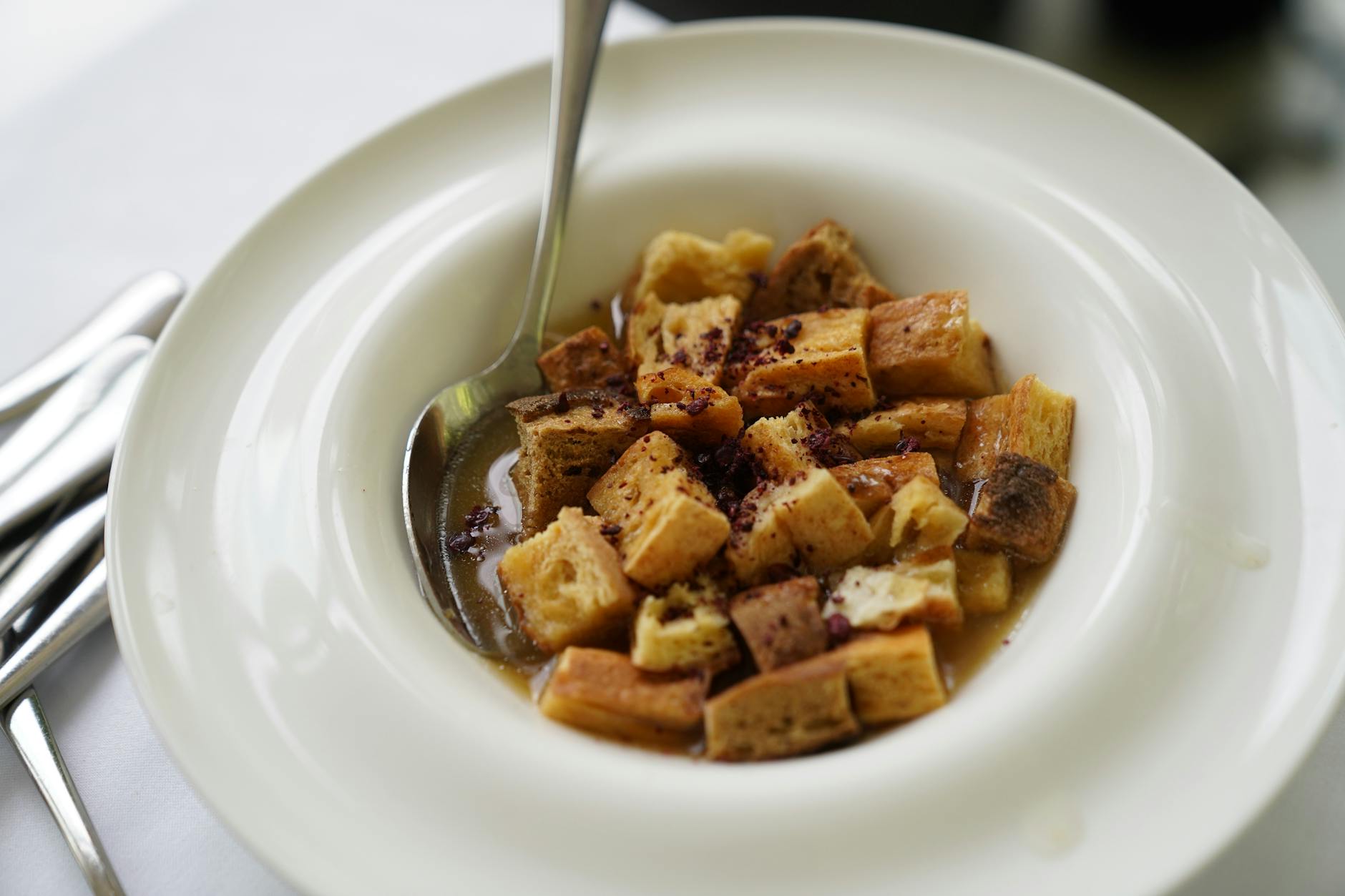
Bread that has been served to a table and returned uneaten is in many restaurants diverted into the kitchen for use in the preparation of dishes where its original form is no longer recognizable including bread-based soups croutons stuffing components and thickening agents for sauces. This practice transforms a direct food safety concern into a hidden one because the diner receiving a bowl of bread soup or a salad topped with croutons has no way of knowing that the base ingredient was previously placed on another table and returned. Cooking temperatures applied during these secondary uses may or may not reach levels sufficient to neutralize all pathogens that could have accumulated during the bread’s time in the dining room depending on the preparation method used. Restaurants that market themselves as sustainable or zero-waste operations sometimes use this framing as a public relations positive without disclosing the specific journey that diners’ leftover bread takes on its way to becoming a menu component.
Staff Consumption
Leftover bread returned from tables is a common food source in restaurant staff meal culture where eating food that would otherwise be discarded is normalized as both a practical benefit of the job and a form of sanctioned compensation during long shifts with limited formal break structures. While staff eating returned bread is less immediately alarming from a public health perspective than returning it to service it reflects the same absence of a formal discard protocol that allows the same bread to end up back in front of paying customers. Establishments that have no clearly enforced policy about what happens to returned bread create an environment in which individual judgment fills the gap and individual judgment under time and economic pressure is an unreliable food safety mechanism. The normalization of eating served-and-returned food within kitchen culture also reduces the psychological barrier to returning that same food to service when waste pressure or supervision levels shift.
Donation Deception

Some restaurants that publicly promote food donation partnerships as a component of their community responsibility narrative use those partnerships to dispose of bread and other served items that have already been through table service rather than setting aside unspoiled pre-service food for charitable distribution. The reputational benefit of a food donation program is entirely legitimate when it involves properly handled surplus food diverted before service but becomes ethically complicated when it functions as a disposal pathway for items that have already been placed before paying customers. Food banks and charitable meal programs that accept restaurant donations operate with varying levels of oversight regarding the condition and handling history of what they receive. Diners who select a restaurant partly on the basis of its stated community values deserve transparency about what those programs actually involve at the level of operational practice rather than marketing communication.
Breadcrumb Factories
Large volumes of leftover bread accumulate in restaurant operations over the course of a week and establishments with in-house kitchen production often process this returned bread into breadcrumbs that are then used across the menu in coatings toppings and fillings without any disclosure to the diner receiving the finished dish. A customer with a wheat sensitivity who carefully avoids ordering bread-containing dishes may nonetheless receive a dish topped with breadcrumbs produced from bread that was served to multiple previous tables in the same dining room. The transformation of returned bread into a processed ingredient creates a traceability gap that is very difficult to close without specific kitchen protocols designed to separate pre-service surplus from post-service returns at the point of disposal. Asking specifically whether breadcrumbs used in a dish are produced in-house and from what source material is a question that very few diners think to ask and that most servers are not trained to answer accurately.
Mold Concealment
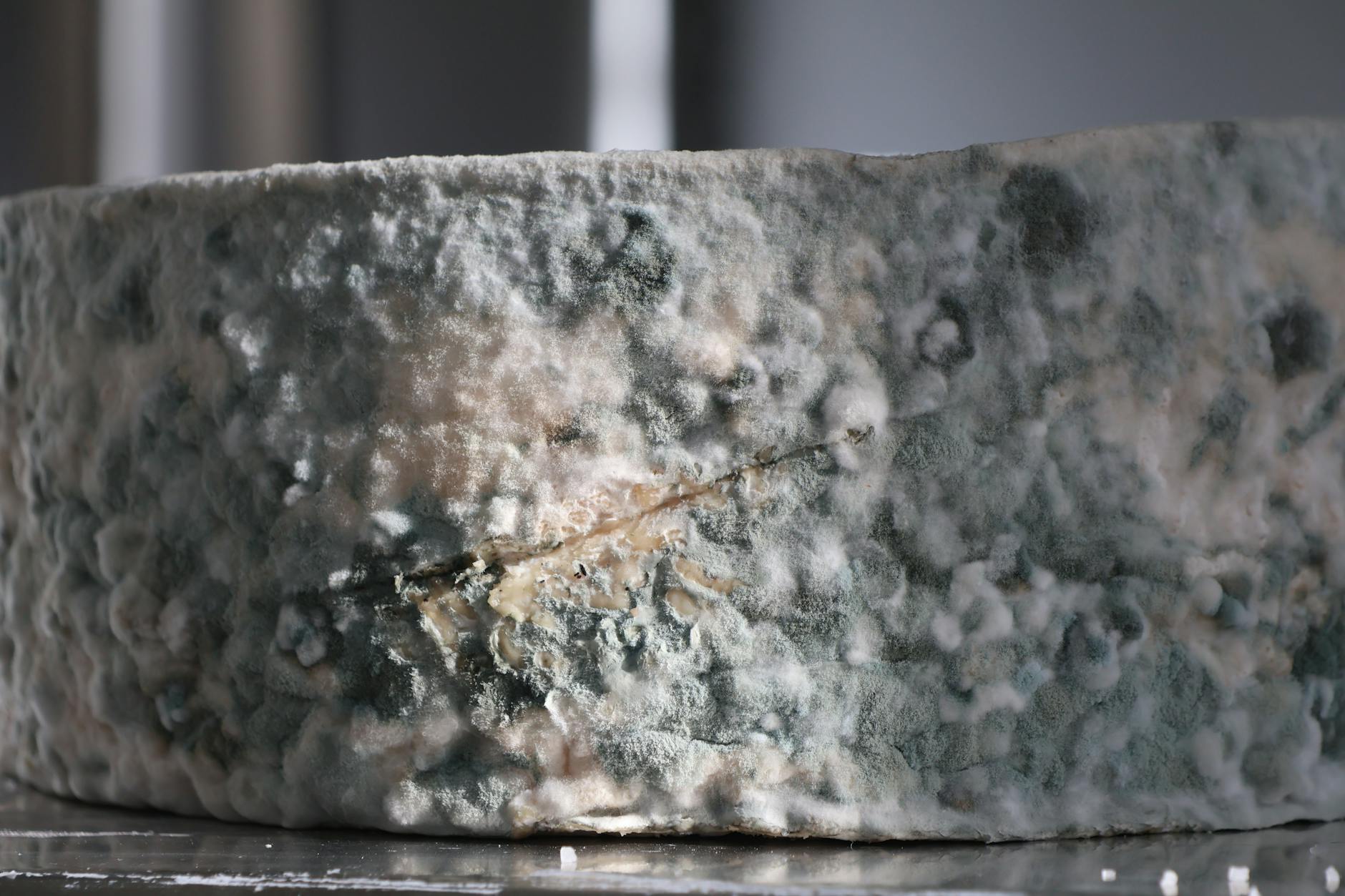
Bread that has begun to show early signs of mold growth visible as faint discoloration or soft spots is sometimes partially trimmed in a kitchen environment where time pressure and food cost concerns reduce the threshold for what is considered acceptable to serve. Food science research is unambiguous on this point as mold colonies visible on the surface of bread represent only the visible portion of a fungal structure whose threads penetrate significantly deeper into the bread’s interior than what is detectable by eye. Trimming the visible portion of a molding bread product and serving the remainder is not a safe food handling practice under any mainstream food safety standard but it is a practice that occurs in commercial kitchens where waste has financial consequences and supervision is inconsistent. Diners who notice an unusual taste or texture in bread that was not immediately apparent on visual inspection are experiencing exactly the kind of outcome that results from this category of concealment.
Shared Dipping Bowls
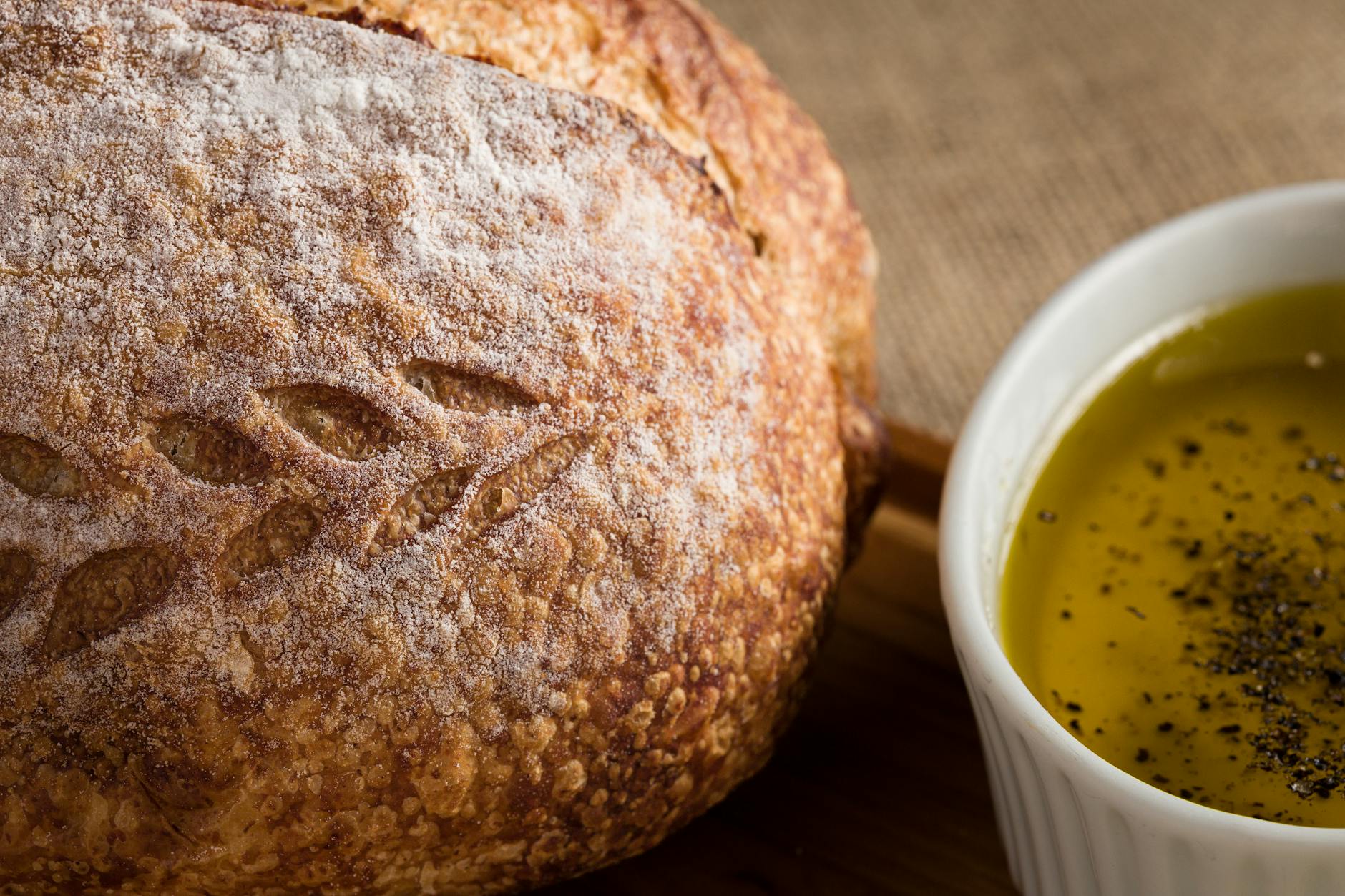
Oil vinegar and butter served communally at a table for bread dipping represent an additional layer of contamination risk that is compounded by the practice of returning those same condiment vessels to service for subsequent tables without washing them between uses. A shared oil bowl that has received bread dipped by multiple diners at one table contains residual saliva-transferred bacteria on the surface of the liquid and on the interior walls of the vessel that cannot be addressed by simply topping up the contents with fresh product. Restaurants that refill rather than replace dipping condiments between tables are operating a direct biological continuity between strangers that most diners would find deeply objectionable if it were made explicit during the ordering process. The visual cleanliness of a small ceramic oil dish gives no indication of how many previous tables it has served or whether the washing process between uses meets any meaningful hygiene standard.
Pest Contact Cover-Up
Restaurants operating in urban environments with established pest pressures face a persistent challenge in keeping storage and preparation areas free of rodents and insects and bread stored overnight in improperly sealed containers is among the most attractive targets for these animals. Bread that has been accessed by a rodent overnight may show bite marks or disturbed packaging that are addressed through trimming rather than full disposal in kitchens where management is more concerned with waste reduction than with the health implications of rodent contact with served food. Pest droppings in bread storage areas represent a serious public health risk that food safety inspectors specifically look for during official assessments but that may go undetected and unaddressed in the intervals between those inspections. A restaurant that has failed a pest control inspection or received notices of violation for storage area hygiene is an establishment where the bread arriving at a table has a meaningfully elevated probability of having been stored in conditions that no diner would knowingly accept.
Temperature Abuse
Bread that sits at room temperature for extended periods either during service in the dining room or during storage between service periods occupies a thermal range that food safety science identifies as the danger zone in which bacterial multiplication occurs at the most rapid rate. A basket of bread placed on a table at the beginning of service that remains there through multiple course changes over a two-hour meal has been held at ambient dining room temperature for a period that would be flagged as a violation if applied to most other food categories. The return of this thermally compromised bread to a warming cycle and then to a new table creates a product that has experienced a complex temperature history entirely inconsistent with the food safety standards applied to comparable items in a retail environment. The categorical exemption that bread enjoys from the scrutiny applied to proteins and dairy in food service settings is based on convention and economic habit rather than on any evidence that bread is microbiologically inert during extended ambient exposure.
Stale Bread Steaming
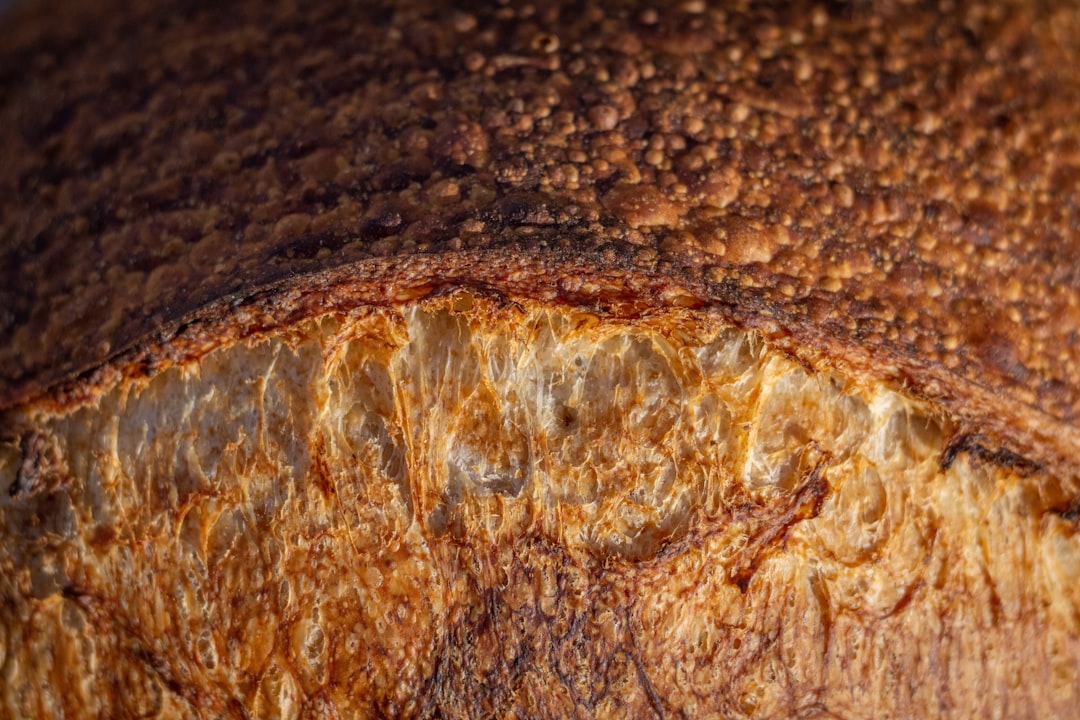
Bread that has gone stale through moisture loss is revived in some kitchens by briefly exposing it to steam heat which restores surface softness and creates the sensory impression of freshness without addressing the age of the product or any contamination it may have acquired during its journey through the service cycle. A diner who receives bread that feels warm and yielding on the exterior and dense and compressed on the interior is frequently experiencing the result of this steaming revival process applied to a product that is anywhere from one to several days old. Artisan and sourdough breads with substantial crusts are particularly amenable to this revival technique because their robust exterior structure maintains its appearance through multiple steam exposures while the interior undergoes changes that a casual consumer may not immediately identify as indicators of age. The revival of stale bread is not inherently a food safety issue when applied to bread that has been properly stored and not previously served but it becomes one when it functions as a mechanism to extend the service life of bread that has already been on tables.
Allergen Contamination

Bread baskets served in restaurants that offer multiple bread varieties including those containing nuts seeds dairy or specific grain types create cross-contamination risks that are poorly managed in most commercial kitchen environments where speed takes precedence over the careful separation of allergen-containing products. A diner with a tree nut allergy who requests plain bread may receive a product from a basket that previously contained walnut bread or that was handled by staff whose hands had recently contacted allergen-containing items. The practice of returning partially used bread baskets to service without allergen tracking means that the contamination history of any given piece of bread served to a table is entirely unknown at the point of service. Restaurant allergy protocols that cover main course preparation frequently do not extend with the same rigor to the bread service that precedes it precisely because bread is treated as a complimentary afterthought rather than as a food item requiring the same level of ingredient management.
Unlabeled Storage
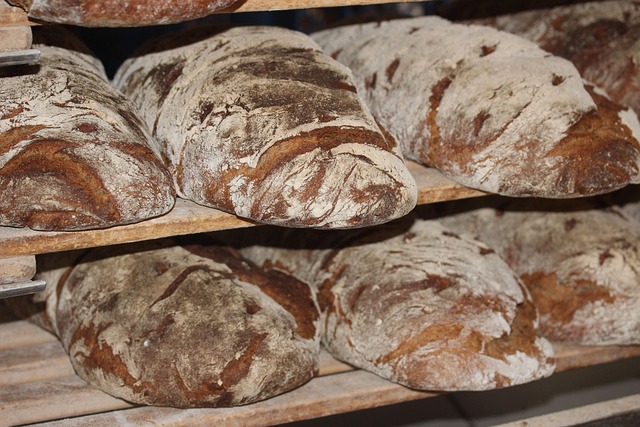
Bread produced in-house or delivered from a supplier is frequently stored in unlabeled containers in restaurant kitchens where the absence of date marking makes it impossible for any staff member other than the person who placed it in storage to know how old the product is or when it should be discarded. First-in-first-out storage management which is a fundamental principle of commercial food safety requires that products be labeled with their production or delivery date so that older stock is used before newer stock regardless of which is more physically accessible in a storage unit. Kitchens that do not maintain date labeling discipline rely on staff memory and visual assessment to determine bread freshness both of which are unreliable indicators that consistently result in older product being served past its appropriate use window. A food safety inspection that finds unlabeled bread storage is identifying a systemic failure of kitchen management rather than an isolated incident and the conditions that produce unlabeled storage typically also produce the other practices described across this list.
Holiday Surplus Reuse
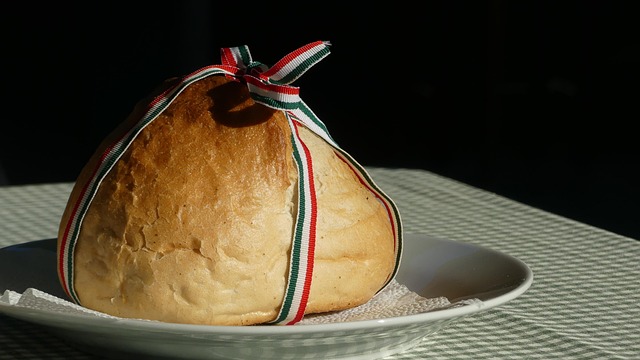
The periods immediately following major holidays and high-volume catering events produce significant bread surpluses in restaurants that have over-ordered to ensure adequate supply during peak periods and those surpluses are routinely carried forward into regular service in the following days without disclosure to diners receiving what they understand to be freshly prepared product. A restaurant that served five hundred covers on a Saturday and has a large quantity of unused bread remaining will not absorb that cost through disposal when it can be warmed and served across Sunday and Monday service to diners with no knowledge of the product’s actual age. Catering and event bread that was produced for buffet service where it may have sat at ambient temperature for several hours during an event is subject to particularly significant thermal and time abuse before entering this surplus reuse cycle. Diners who visit a restaurant in the days following a major holiday or weekend event and receive bread with unusual density or inconsistent freshness are sometimes experiencing the downstream consequence of this surplus management practice.
Plastic Wrap Theater

Bread that is stored between service periods with a loose or inadequately sealed plastic wrap covering creates a visual impression of hygienic storage that does not correspond to any meaningful protection against airborne contamination environmental moisture fluctuation or pest access in kitchen storage areas. The wrapping gesture is performed and recognized as a signal of appropriate food handling rather than functioning as an effective barrier that actually preserves the product in a controlled condition between uses. Staff members who wrap bread loosely at the end of service and unwrap it at the beginning of the next service period have completed a ritual that satisfies a surface-level expectation of proper procedure without engaging with any of the actual mechanisms of food preservation. Kitchens that invest in proper sealed containers temperature-controlled bread storage and consistent date-labeling systems do not need the plastic wrap gesture because their storage infrastructure makes it redundant.
Supplier Deception
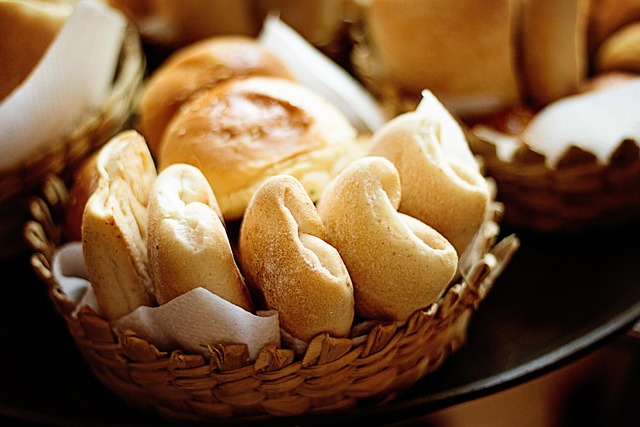
Restaurants that market their bread as locally baked artisan product sometimes serve bread sourced from large commercial suppliers whose production methods bear no relationship to the artisan narrative being presented to diners willing to pay premium prices for an authentic experience. The markup applied to bread described as house-baked or sourced from a named local bakery represents a significant revenue differential from commercially produced product and the temptation to present one as the other is well-documented in food industry reporting. A restaurant that runs out of its genuine artisan supplier’s product mid-service may substitute commercially produced bread without updating descriptions on the menu or verbal communications from serving staff about the evening’s bread offering. Diners who specifically select a restaurant based on its food sourcing narrative and pay accordingly deserve accurate information about whether that narrative applies to every component of the meal including the bread that arrives before anything else.
Waitstaff Handling
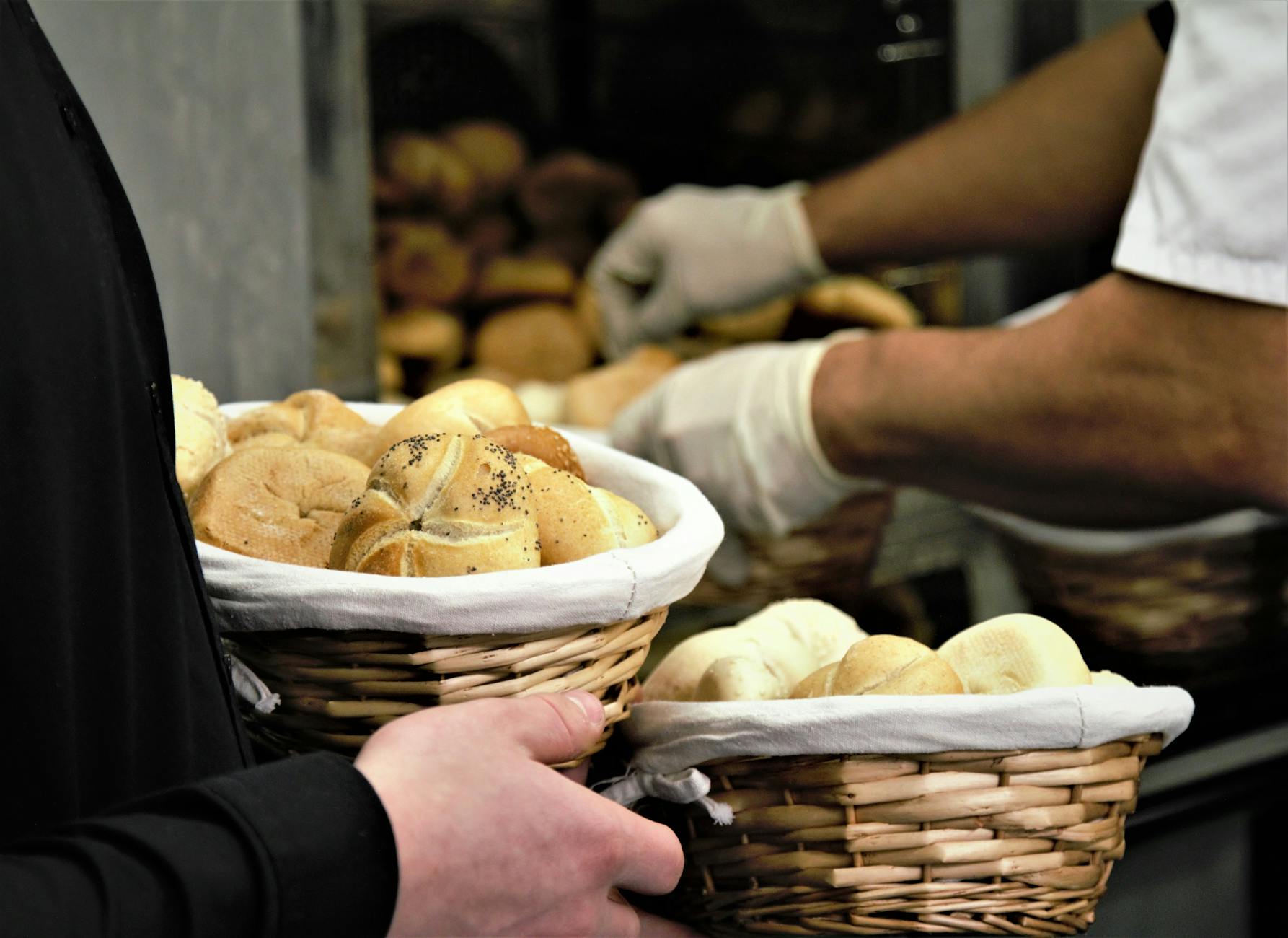
Bread is handled by serving staff using bare hands in most restaurant settings where glove use is reserved for specific food preparation tasks rather than applied consistently across service contexts including the transfer of bread from kitchen to table. A server who has handled payment terminals touched door handles assisted at multiple tables and moved through a busy dining room environment before reaching into a bread basket to arrange its contents has transferred whatever pathogen load those activities generated directly to the food being served. The tactile nature of bread service including the adjustment of individual pieces in a basket the replacement of a fallen slice and the transfer of bread to a bread plate creates multiple points of direct hand-to-food contact that are structurally absent from the service of plated dishes where handling is limited by the physical format of the presentation. Tong use for bread service is a simple and effective mitigation for this specific transmission pathway that the industry has been slow to standardize precisely because the familiarity and warmth of hand-served bread is considered a feature of the dining experience rather than a food safety compromise.
Ice Bucket Logic

The logic applied to bread in many restaurant settings directly mirrors the historically problematic practice of reusing ice across tables without replacement which was once universal in food service until its transmission risks were formally acknowledged and regulated. Both practices involve a complimentary table item that is returned visually intact from one table and presented as fresh to the next based on a surface assessment that ignores the invisible biological activity that has occurred during its time in the dining room. The regulatory attention that eventually addressed ice handling practices has not been applied with equivalent force to bread service despite the fact that the biological principles involved are essentially the same. Consumer awareness of ice hygiene has changed industry practice in that area over time and a comparable shift in awareness about bread handling would likely produce equivalent pressure for change in an industry that responds to customer expectation more reliably than it responds to voluntary compliance with food safety best practice.
No Discard Protocols
The most fundamental driver of every practice described in this account is the absence in many restaurants of a clearly defined written enforced protocol specifying exactly what must happen to bread that has been placed on a table and returned to the kitchen regardless of how much of it was consumed or how it appears upon return. Without a non-negotiable discard rule everything that follows the return of bread to the kitchen becomes a matter of individual judgment exercised under economic pressure time pressure and varying levels of food safety knowledge by staff members who are rarely empowered to make the decision that prioritizes hygiene over cost. Restaurants that have implemented clear single-use bread policies report initial increases in food cost that are offset over time by reduced liability exposure improved inspection outcomes and the reputational benefit of being able to honestly answer the question that every diner at a bread-serving table should be asking. The presence or absence of that protocol is the single most reliable differentiator between an establishment that takes food safety seriously as an operational standard and one that manages it selectively as a compliance performance.
Table Exposure Time
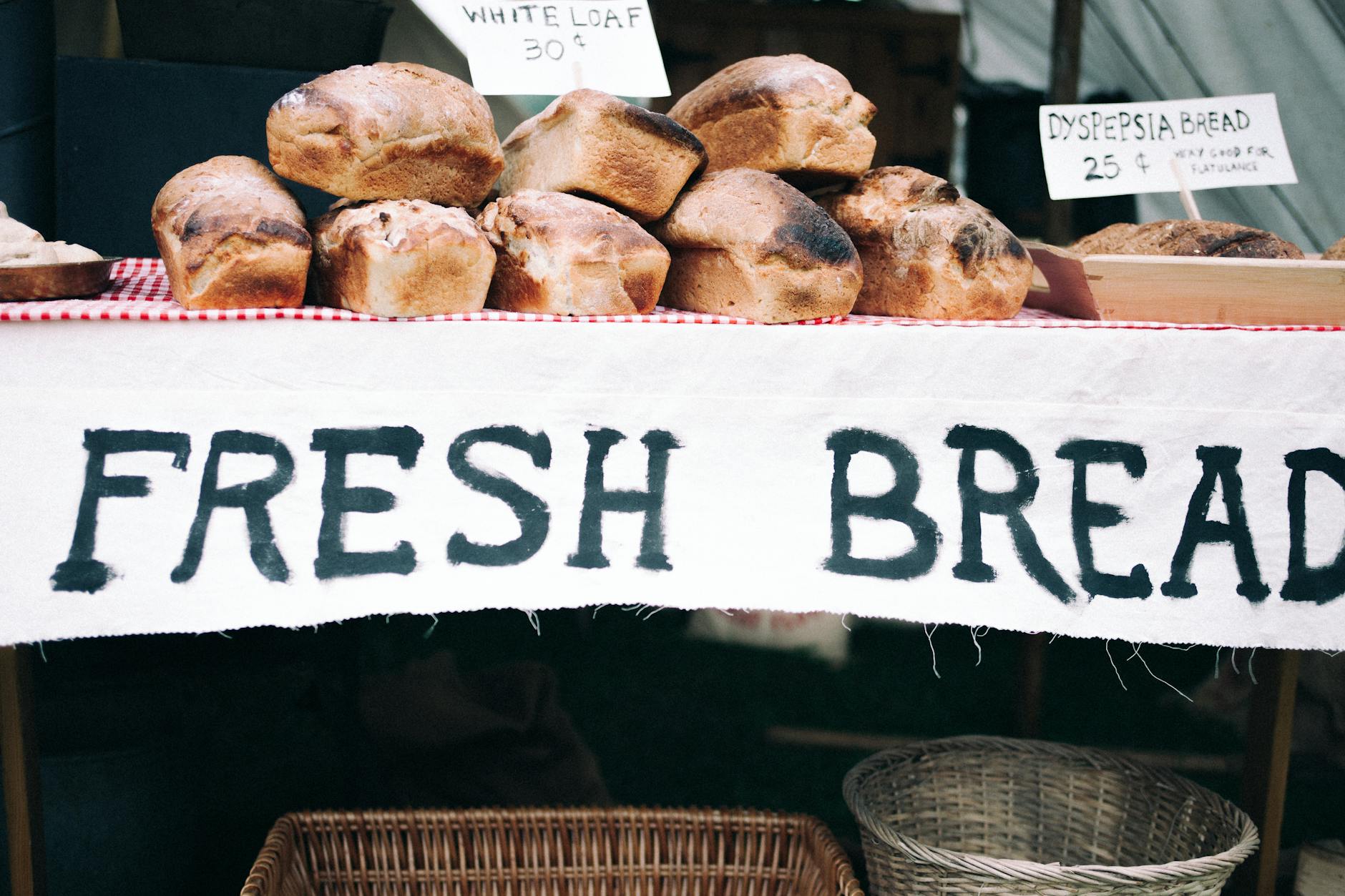
The cumulative time that bread spends exposed on a restaurant table across multiple service periods in a single day represents a food safety timeline that most diners have never been prompted to consider and that most restaurants have no interest in making transparent. A piece of bread that is served at lunch service remains on a table for ninety minutes is returned to the kitchen warmed and placed on a dinner table ninety minutes later has spent three or more hours in open ambient conditions before reaching the second diner who receives it with every expectation that it is a freshly prepared product. The dining room environment during service contains elevated levels of airborne particles generated by conversation movement and the proximity of multiple people eating and breathing in a shared space and bread sitting open on a table absorbs that environment continuously throughout its exposure period. Requesting bread that has been freshly prepared for the current service period specifically is a reasonable ask that well-run establishments should be able to accommodate and that poorly-run ones will be unable to fulfill honestly.
If this list has changed the way you think about the bread basket share what you will be doing differently in the comments.