
Coffee shop culture has its own unspoken social contract, and most customers never think twice about what happens between the moment they place their order and the moment a cup lands in their hands. Baristas occupy a unique position in the service industry, spending long shifts in close quarters with hundreds of strangers while managing complex orders, equipment malfunctions, and the relentless pace of a busy counter. What follows is a documented collection of behaviors that have been reported, discussed, and confirmed across barista communities online and in interviews with former and current coffee shop employees. None of these are endorsed, and all of them are a direct consequence of the same thing: a customer who decided that the person making their coffee was not worth basic human decency.
Expired Milk
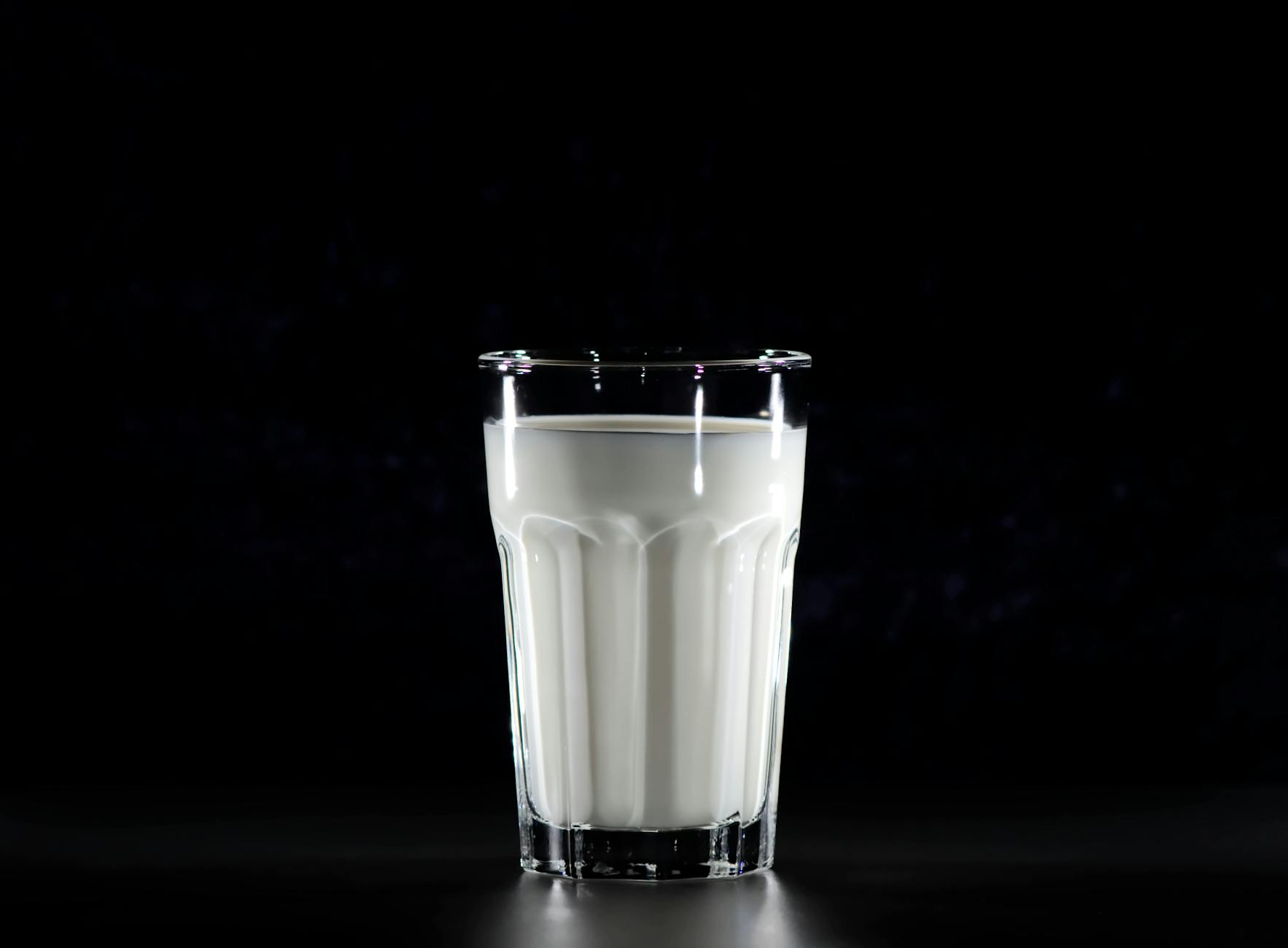
Milk that is technically past its best but not yet visibly curdled has a flat, slightly sour undertone that most casual coffee drinkers would never identify as spoilage. Baristas who manage the refrigeration stock know exactly which containers are oldest and which are approaching the end of their usable window. A rude customer’s latte made with the oldest available milk is indistinguishable from a fresh one in appearance and largely in taste, but the quality is quietly and deliberately inferior. This practice has been openly discussed in barista forums as one of the most passive and undetectable forms of retaliation available behind the counter. The customer receives what looks like a perfectly normal drink while the barista has expressed a very clear, invisible opinion about the interaction.
Wrong Temperature
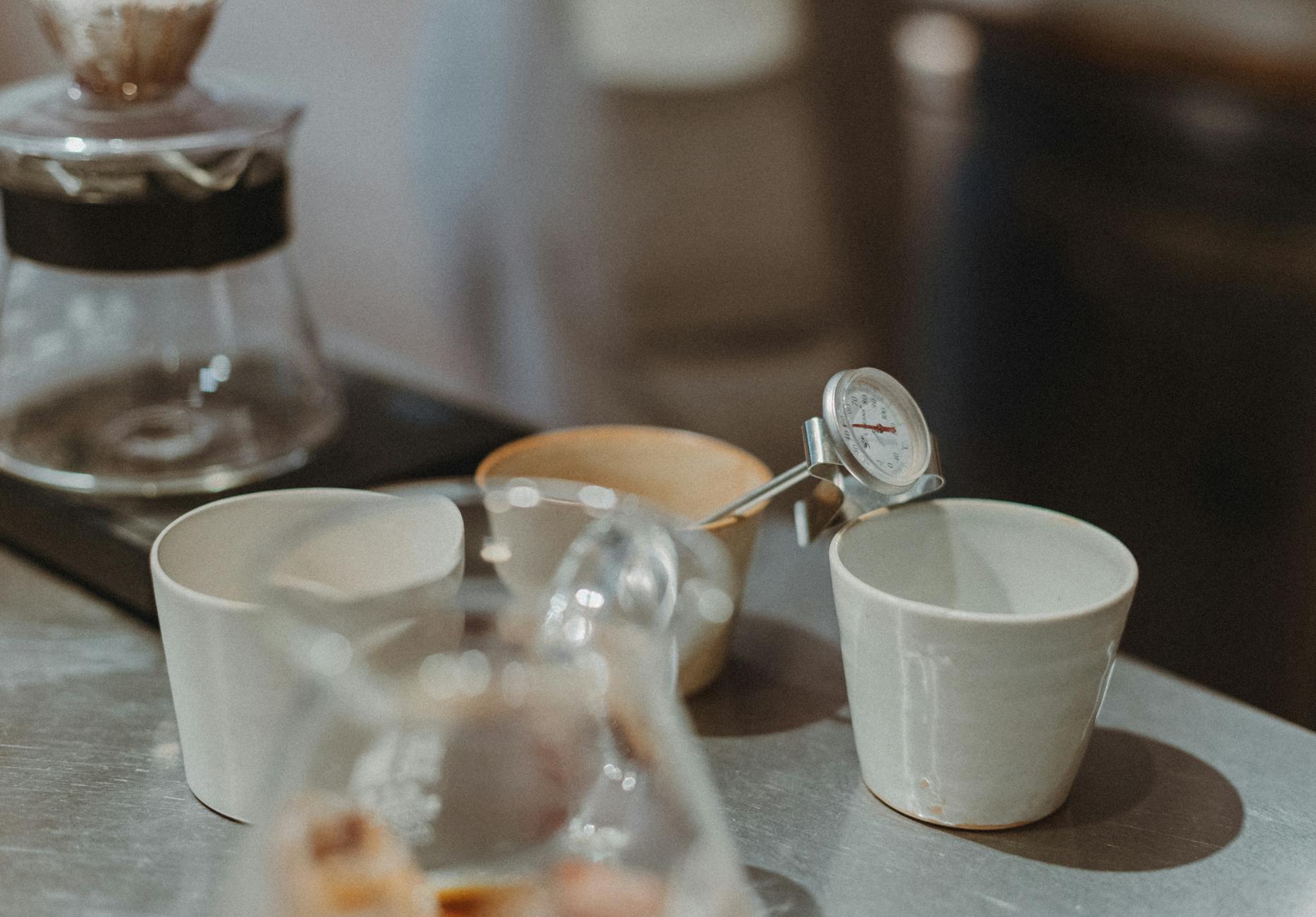
Espresso drinks have a precise temperature range within which the milk texture, foam quality, and flavor balance are optimal, and baristas know this range intimately. A customer who has been rude will sometimes receive a drink steamed to a temperature that is either uncomfortably scalding or noticeably lukewarm, depending on the barista’s preference for the particular insult. Neither extreme ruins the drink in an obvious or complain-worthy way, but both produce an experience that is meaningfully worse than what a polite customer receives. The scalding version is particularly effective because the customer cannot drink their order immediately and must wait, extending the inconvenience. Former baristas have described this as one of the most commonly applied adjustments because it requires no extra effort and leaves no evidence whatsoever.
Decaf Substitution
A full or partial substitution of regular espresso with decaf is one of the most frequently cited forms of barista retaliation across online communities and hospitality industry discussions. The taste difference between a properly pulled decaf shot and a regular one is minimal to imperceptible for the majority of coffee drinkers, which makes this substitution essentially undetectable under normal conditions. A customer who ordered a triple shot to power through an afternoon meeting and was rude about it may find that their productivity boost never materializes. Baristas who work in shops where decaf beans are always available describe this as a completely seamless and satisfying adjustment to make. The customer has no grounds for complaint, receives exactly what they ordered in appearance and taste, and simply does not get the effect they were counting on.
Diluted Espresso
Over-extracting or under-dosing an espresso shot produces a noticeably weaker, more watery result that technically constitutes a pulled espresso but delivers far less intensity than a properly prepared one. Baristas with strong technical knowledge can produce a deliberately inferior shot that still passes visual inspection and arrives in a cup that looks entirely normal. A diluted americano or latte made with a weak shot tastes flat and vaguely unsatisfying in a way that most customers attribute to their own palate rather than anything the barista did. This practice requires a degree of skill to execute convincingly, which means it tends to be deployed by more experienced staff rather than newer employees. The customer who complained about waiting thirty seconds too long now has a five-dollar cup of expensive warm water with a faint memory of coffee in it.
Skipped Syrup
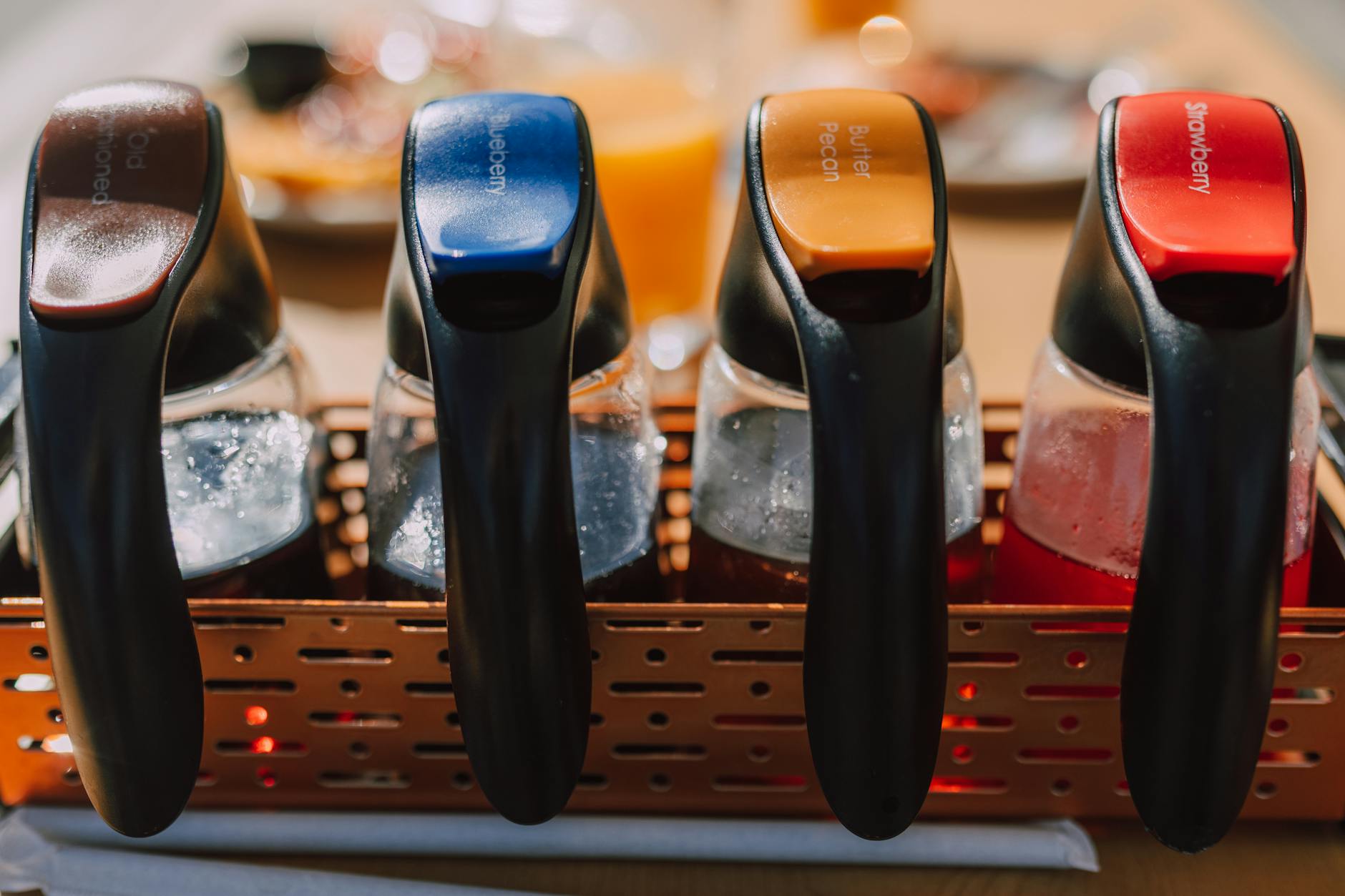
A flavored drink ordered with a specific number of pumps of syrup can have that syrup omitted entirely, reduced significantly, or replaced with a cheaper or older syrup variant without the customer having any practical way of knowing. Syrup bottles are stored behind the counter and the pouring process is not visible to customers in most shop layouts, making this one of the cleanest forms of quiet retaliation available to a barista. A customer who ordered a caramel macchiato and was dismissive about it may receive a drink with no caramel whatsoever, leaving them with a much less sweet and less satisfying experience. This adjustment is so simple that it requires no additional time or effort and produces no visual difference in the finished drink. Baristas who have disclosed this practice in anonymous industry discussions describe it as the low-effort option reserved for customers who were rude in a particularly entitled way.
Intentional Overfill
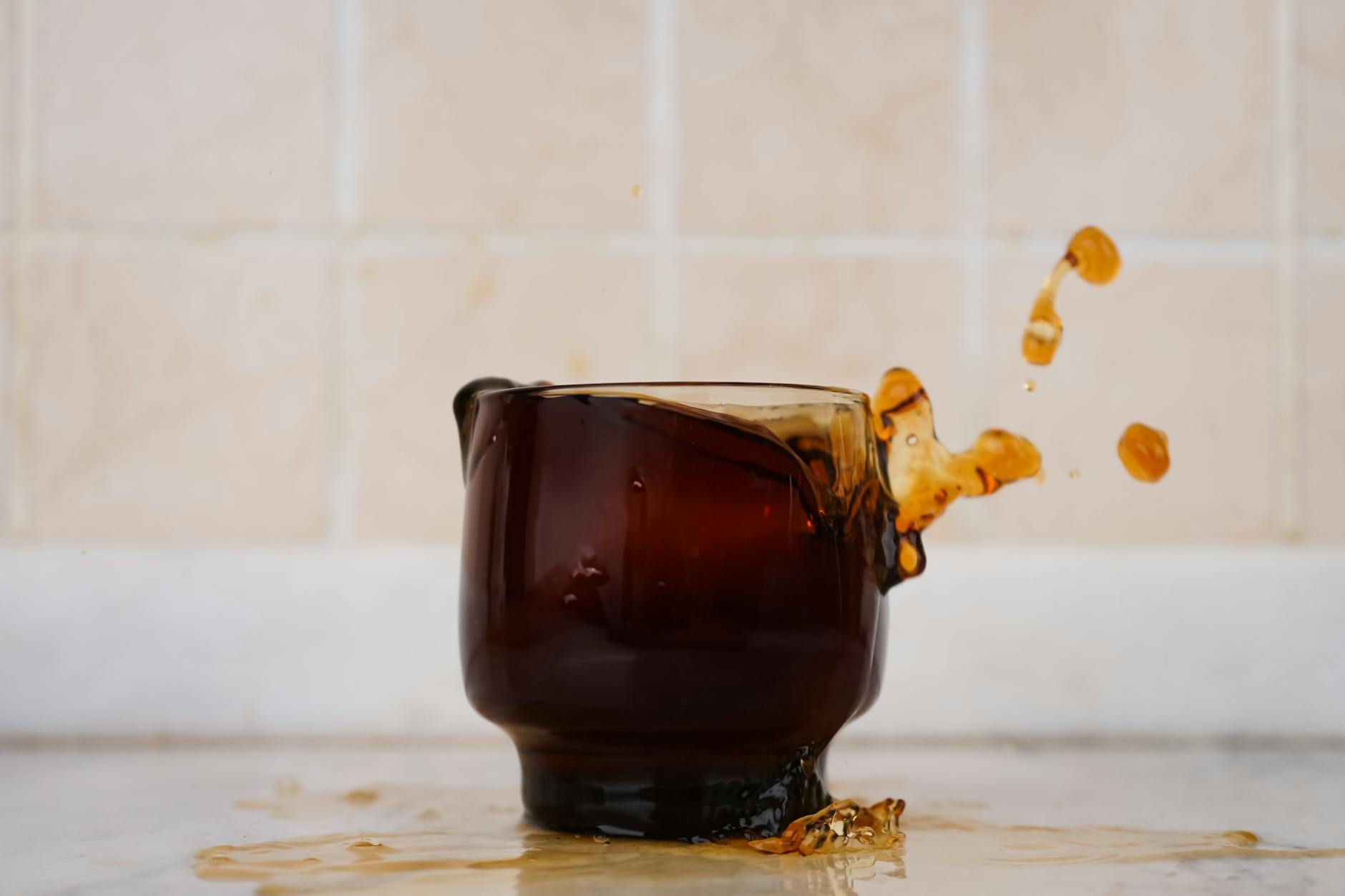
A cup filled deliberately to the absolute brim is a physical hazard that forces the customer to navigate to their seat, their car, or the door without spilling scalding liquid on themselves. This is not an accident and experienced baristas know exactly how much space to leave in a cup to make it comfortably portable. A rude customer’s cup filled to the very edge requires immediate problem-solving on their part, usually involving an awkward shuffle, a burned hand, or a spill on the counter that they must then clean up themselves. The barista has done nothing technically wrong and the drink contains everything the customer paid for, including a small amount of extra product they did not ask for. The inconvenience is entirely the customer’s problem to manage, which is precisely the point.
Cold Foam Texture
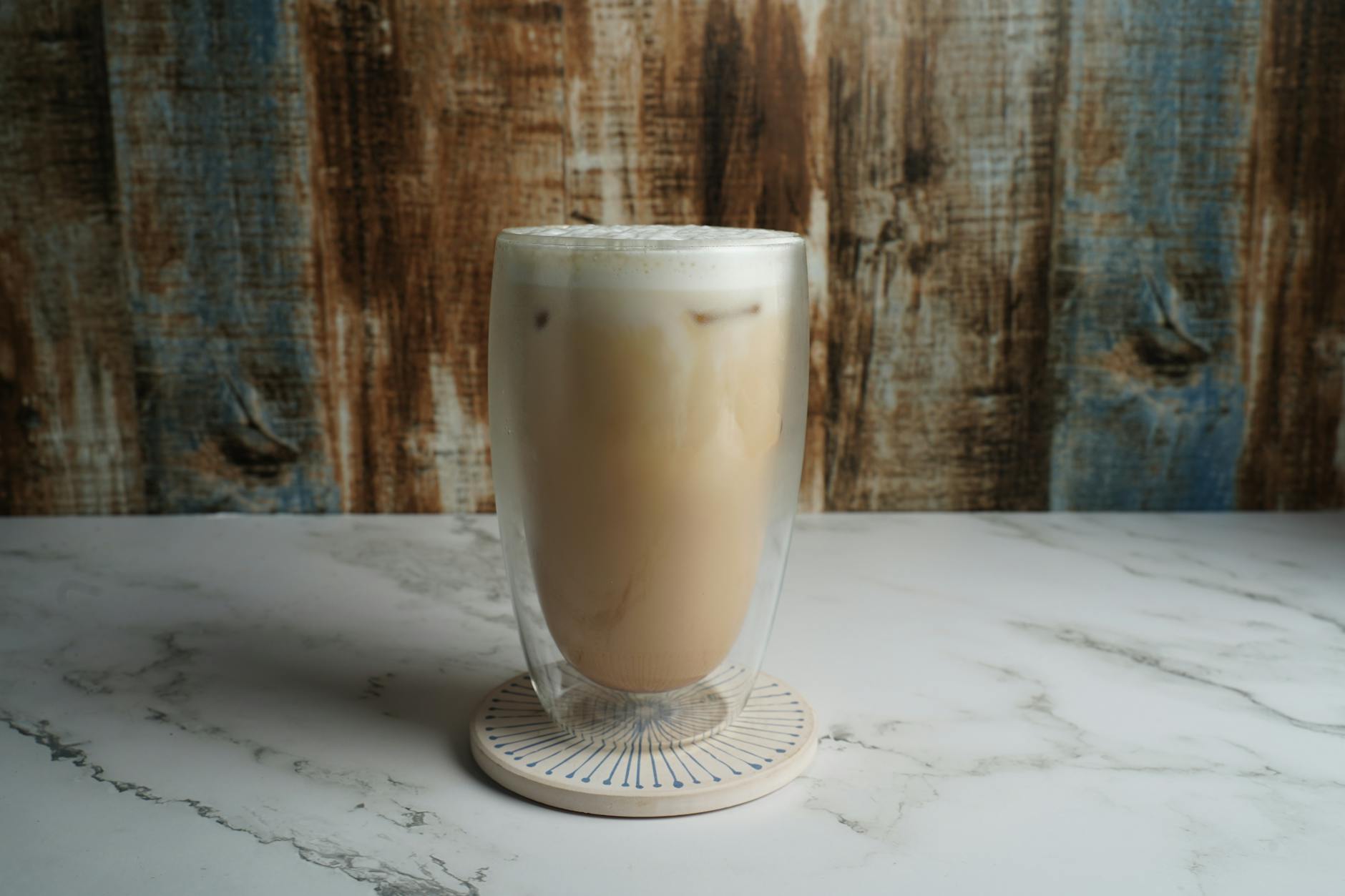
Cold foam is a finicky component that requires specific preparation to achieve the light, stable texture that sits cleanly on top of an iced drink. When prepared carelessly or with deliberate inattention to the frothing technique, it produces a watery, uneven layer that sinks immediately into the drink rather than sitting on top. A customer who ordered a cold foam beverage and was condescending about the process will sometimes receive a version where the foam has been rushed or incorrectly prepared, turning their premium add-on into a thin, unsatisfying layer of slightly thicker milk. The visual difference at the moment of handoff is minimal enough that the customer rarely notices until they take their first sip and find that the textural experience they paid extra for is simply not there. Former baristas describe this as particularly satisfying in its precision because it targets exactly what the customer believed they were getting.
Extra Ice
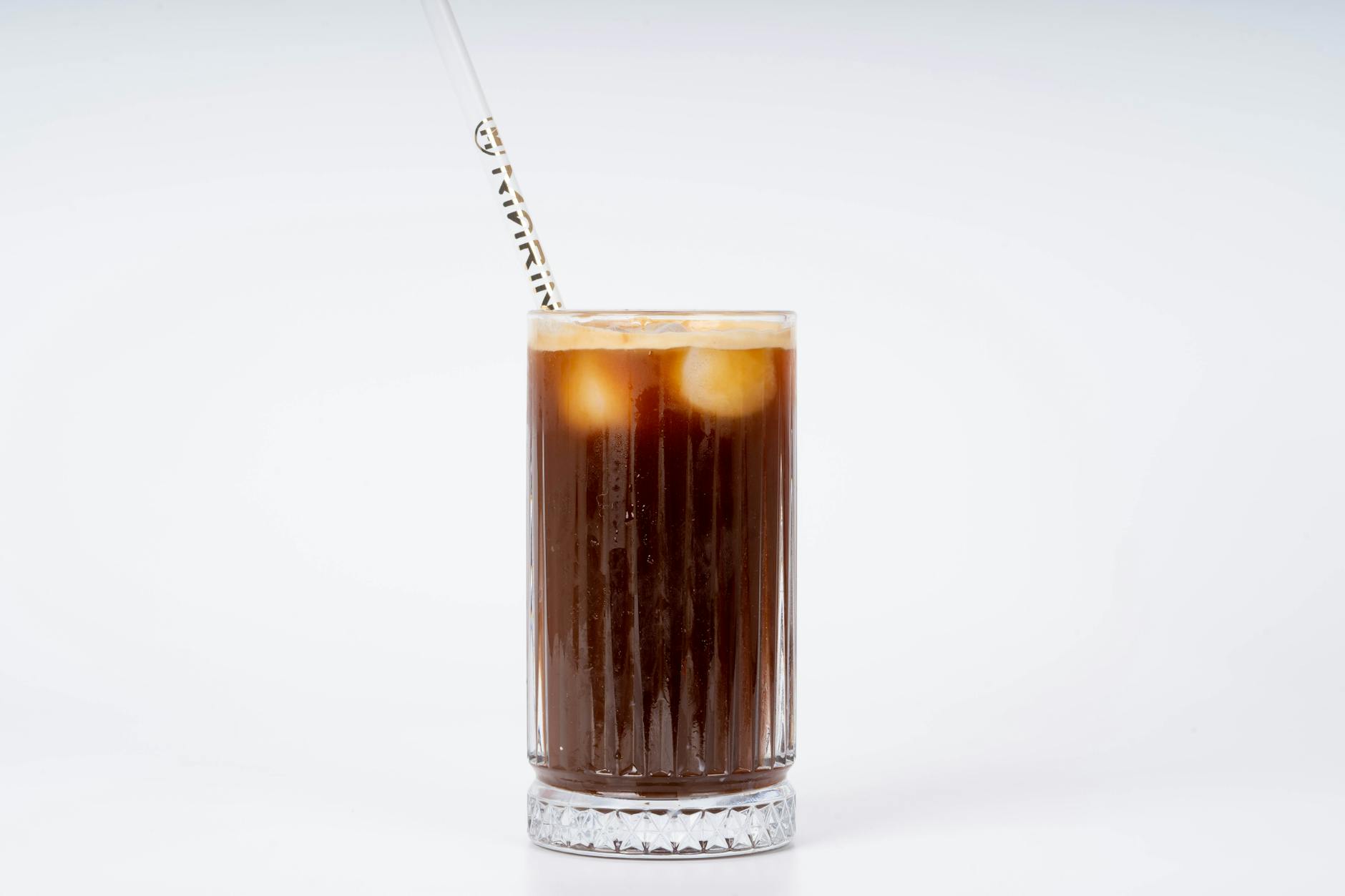
Adding significantly more ice than requested or than the standard fill level for a drink is a widely documented practice that reduces the actual beverage volume the customer receives while technically filling the cup. A customer who is paying for a large cold brew or iced latte receives a cup that appears full but contains substantially more frozen water than drink, meaning the flavor dilutes faster and the quantity of actual coffee is less than they paid for. Iced drink preparation is not visible in most counter configurations, so the customer accepts the cup without any way of assessing how much of it is ice. By the time the drink has been partially consumed and the ratio becomes apparent, the customer is no longer in the shop. Barista communities have discussed this practice openly as one of the most passive and financially ironic forms of retaliation available.
Slow Service Priority
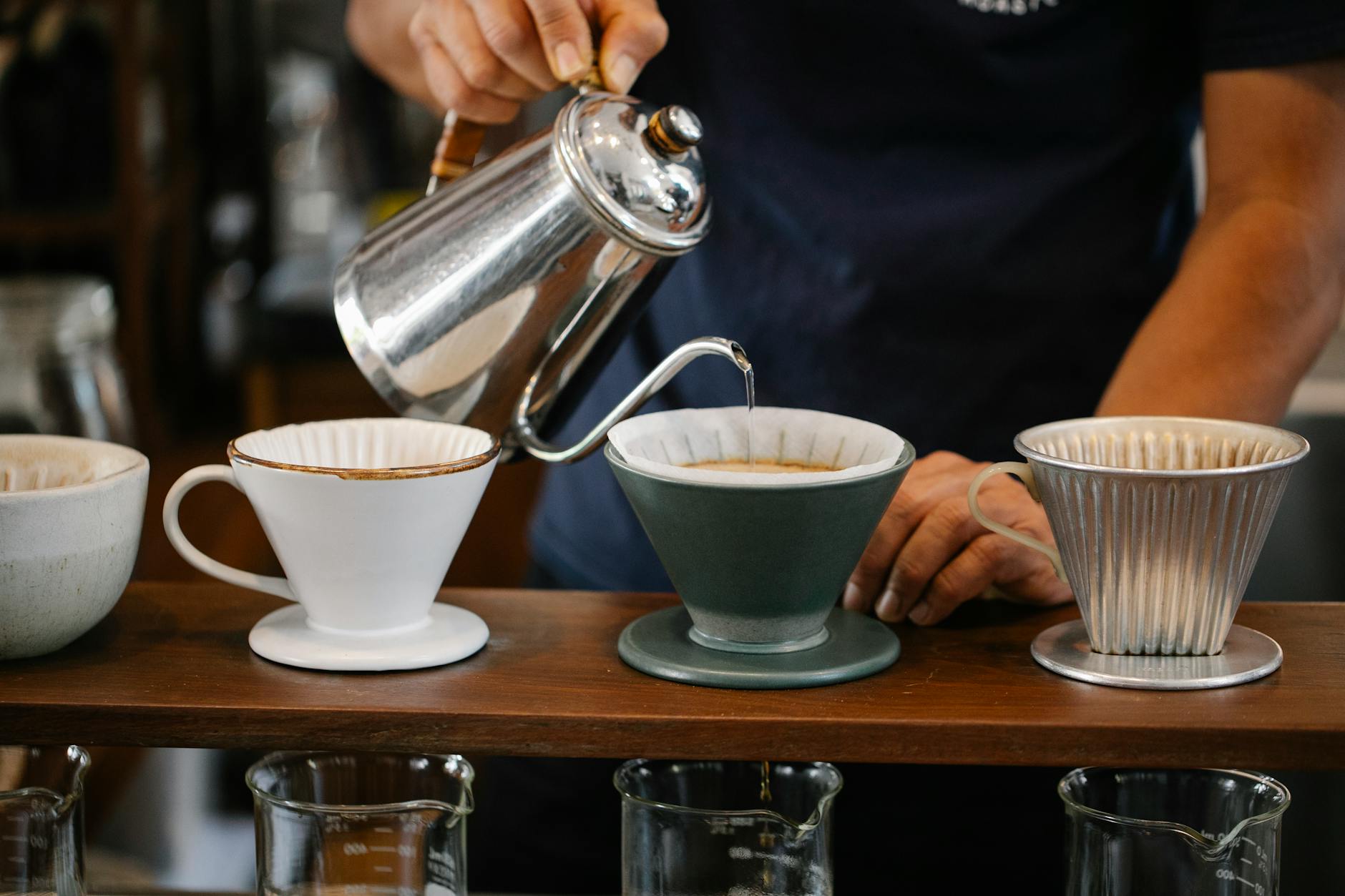
Queue management in a busy coffee shop involves a degree of discretion about which orders get prioritized when multiple tickets are active simultaneously. A rude customer’s order being consistently moved to the back of the mental priority queue, while technically never being forgotten, means their wait time extends in a way that is entirely invisible and entirely plausible given the general busyness of the environment. The barista has not done anything wrong by any observable metric, but the customer who snapped at the counter now waits three minutes longer than the person who smiled. This practice becomes most effective during peak hours when the general noise and activity of the shop provide complete cover for the prioritization decisions being made. Customers who have been rude and then complain about wait times while watching other orders go out first are experiencing something that is not an accident.
Wrongly Labeled Cup
A drink handed to the wrong person in a busy shop is a common genuine mistake, and baristas are well aware that a deliberately mislabeled cup is entirely explainable within that context. A rude customer’s cup marked with a slightly wrong name or called out with a name that sounds similar to theirs can create a moment of confusion that delays them further and requires additional interaction at the counter. In shops where multiple orders are being called simultaneously, this creates a small but irritating disruption that forces the customer to re-engage with the staff member they were unpleasant to. The barista has a ready explanation in the form of the general chaos of a busy service period and the customer has no way of distinguishing a deliberate mislabel from an innocent error. The exchange that follows is an opportunity for the customer to reflect on whether their earlier behavior was worth this particular outcome.
Skimped Portions
Portion control for add-ons such as whipped cream, chocolate drizzle, vanilla powder, or cinnamon involves a degree of discretion that is invisible to the customer. A barista who applies these finishing elements generously to standard orders can apply them minimally or not at all to the drink belonging to a customer who was dismissive. The customer receives a drink that meets the technical definition of their order but lacks the finishing details that make it feel complete and considered. Whipped cream applied at half the normal volume with a quick flick rather than a full swirl produces a visually diminished result that signals the level of care invested. For customers who are particular about the presentation and finishing of their order, this adjustment lands precisely where it was intended.
Incorrect Size
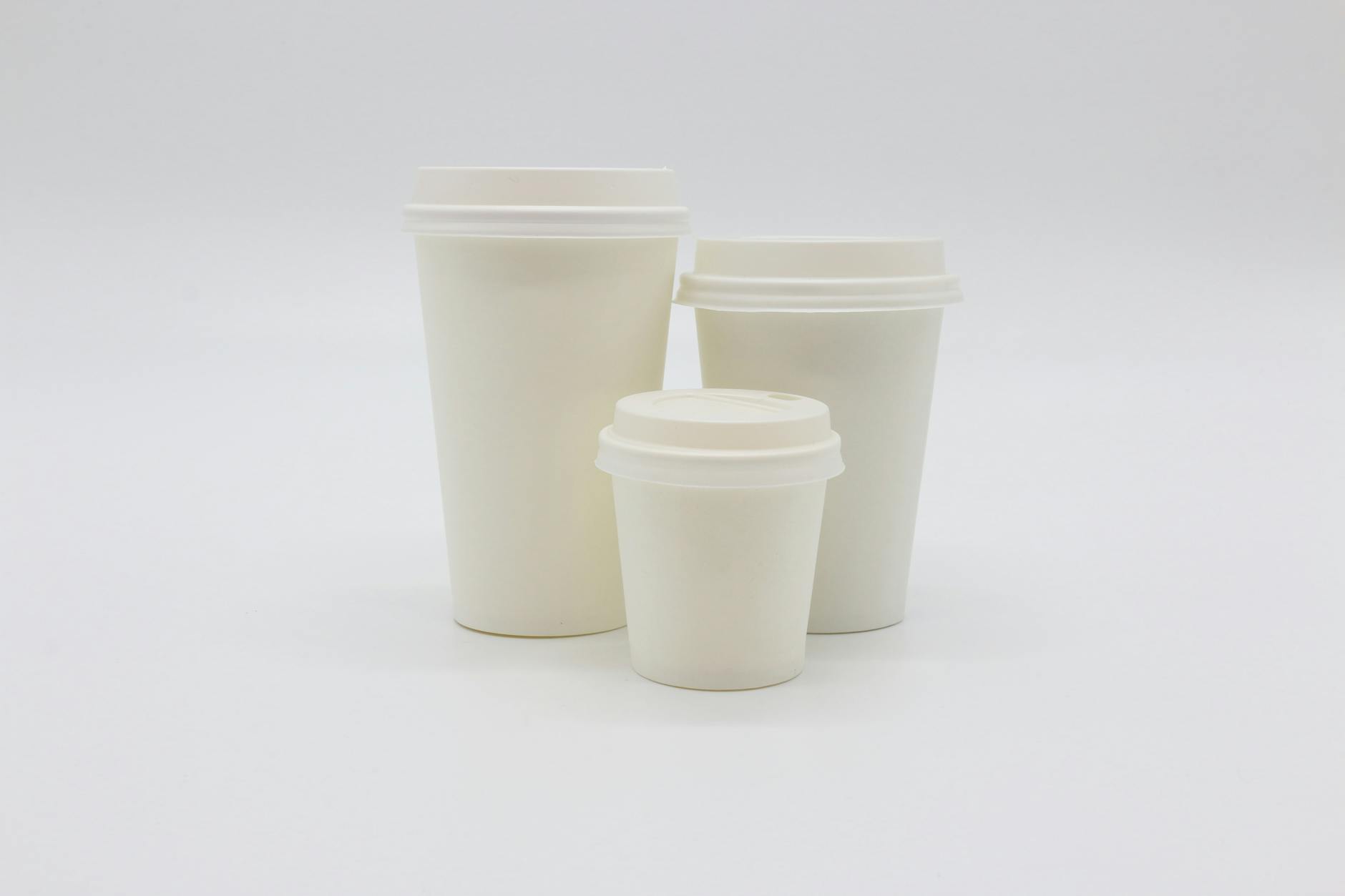
Preparing a drink in a size one step below what was ordered is a practice that requires the barista to transfer the drink into the correct cup size before handing it over, with the volume difference being essentially imperceptible in a tall cup. A customer who ordered a large and receives a medium-volume drink in a large cup has paid for more than they received without any way of measuring the discrepancy at the point of handoff. The visual cues of cup size create a perception of correct service while the actual quantity falls short of what was purchased. This practice has been described in barista accounts as requiring minimal effort and producing no observable evidence because the cup itself is the correct size even when the contents are not. The financial aspect of this adjustment makes it one of the more pointed forms of retaliation available.
Unnecessary Delays

A drink that has been prepared and is sitting complete on the back counter can be held there for an additional period before being called out, with the barista finding small tasks to attend to in the interim. Hot drinks cool during this window, cold drinks begin to melt, and the customer waiting at the collection point grows increasingly frustrated while nothing technically wrong is happening. The barista is working, the drink is being cared for, and the thirty to sixty second delay before the name is called is entirely within the plausible variation of normal service time. This practice is most effective combined with steady eye contact avoidance by the barista, who continues working while the finished drink sits just out of the customer’s line of sight. The customer who drummed their fingers on the counter and sighed loudly now has a slightly cooler latte and no grounds for complaint.
Reused Grounds
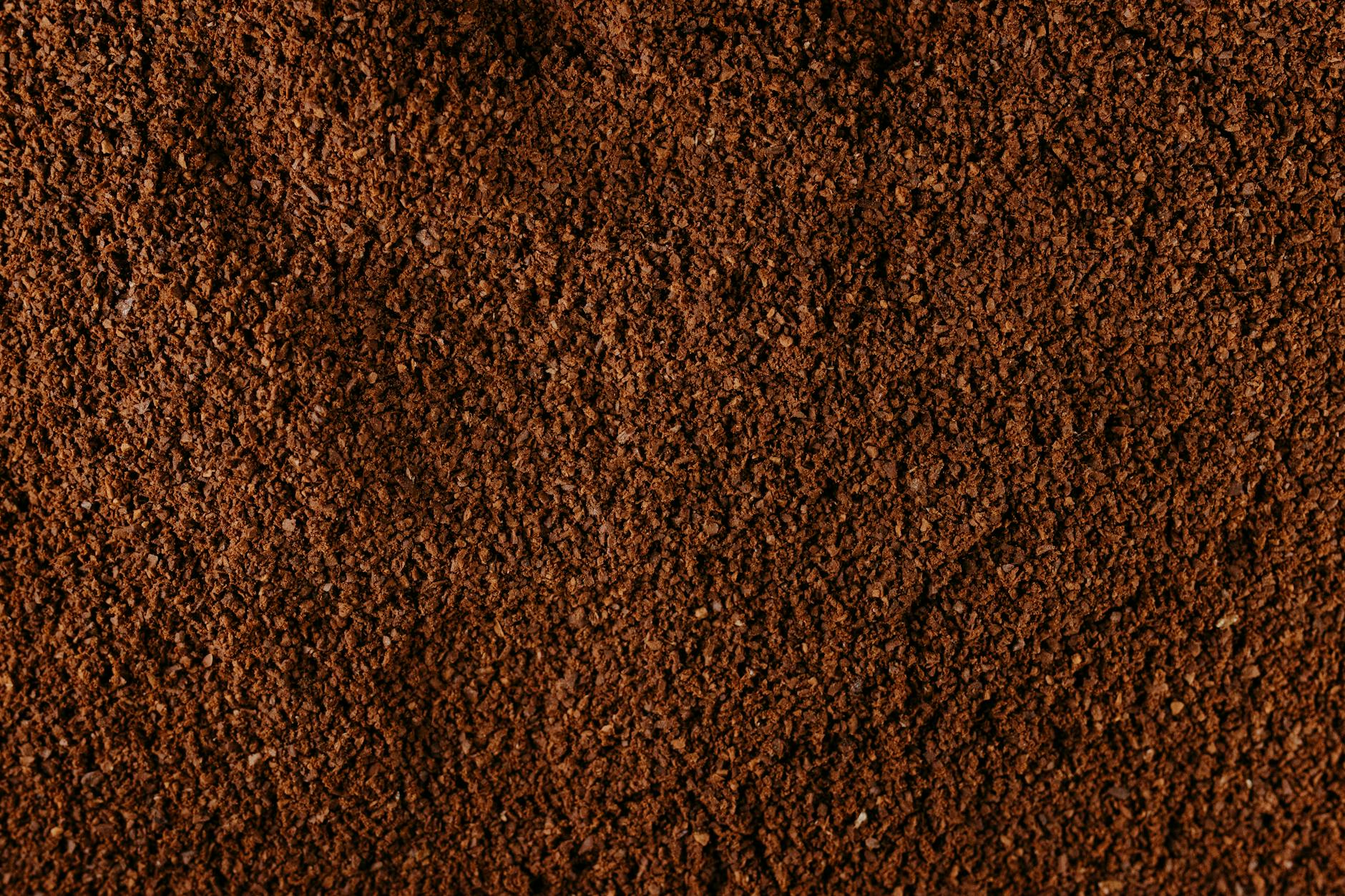
Fresh grounds are essential to a properly extracted espresso, and using spent or partially spent grounds produces a flat, bitter, under-extracted result that tastes noticeably inferior to a fresh pull. In shops where this is technically possible due to equipment setup or workflow, a barista may use slightly depleted grounds for a rude customer’s shot rather than discarding and repacking fresh ones. The resulting espresso lacks the crema, the body, and the flavor complexity of a properly prepared shot, producing a drink that tastes cheap and poorly made. Since most customers do not have a reference point for what a fresh shot tastes like in isolation, the deficiency tends to register as general dissatisfaction with the drink rather than a specific identifiable problem. The customer who implied that making coffee was not a real skill has now been served a demonstration of exactly what happens when the skill is deliberately withheld.
Wrong Milk Type
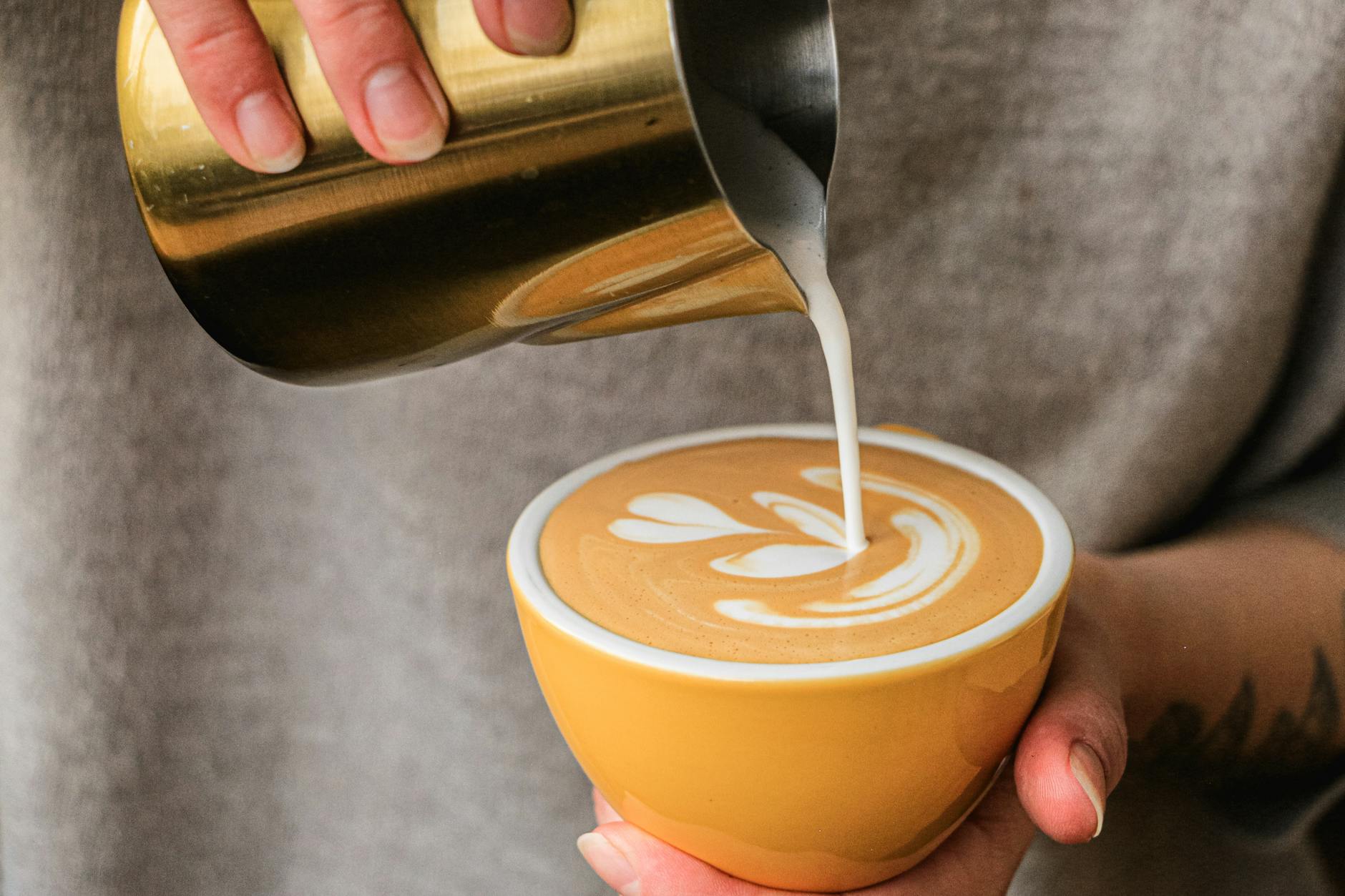
A customer with a strong preference for oat milk, almond milk, or any non-dairy alternative can receive a drink made with whole dairy milk if the barista decides to make that substitution quietly. For customers without a clinical allergy this produces no physical harm but creates an experience that is inconsistent with what they ordered and, if the customer has a strong palate for the distinction, noticeably wrong. The substitution is risk-calibrated by the barista based on observable cues about whether the customer is likely to detect the difference, meaning customers who were rude and who ordered without indicating an allergy are the most likely targets. This practice is considered more serious than most in barista communities and is generally reserved for customers who were particularly offensive rather than merely impatient. The disclosure of this practice in industry forums has consistently generated debate about where the line sits between retaliation and genuine misconduct.
Unmixed Drinks
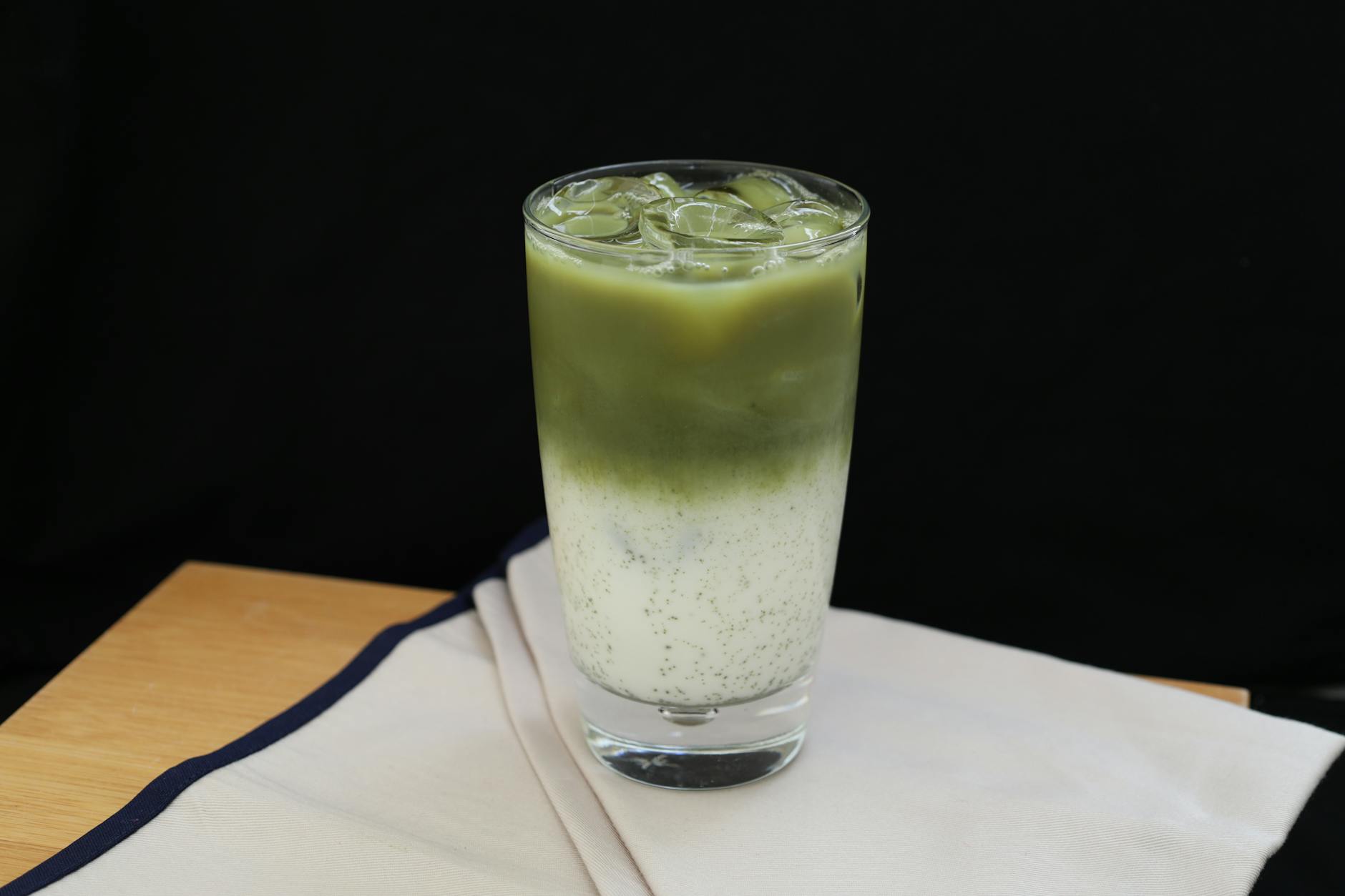
Layered drinks such as matcha lattes, chai lattes, and flavored cold brews are designed to be mixed or come pre-mixed to distribute flavor evenly through the beverage. A drink handed over without adequate mixing delivers an uneven experience where the first sips are intensely sweet or bitter and the remainder is thin and flavorless. The barista has prepared each component correctly but simply declined to give the cup the standard stir or shake that completes the preparation process. The customer assumes the drink is complete because it looks correct from the outside, then encounters a flavor imbalance that they are likely to attribute to the recipe or the product rather than the preparation. An unmixed matcha latte in particular separates quickly and dramatically, making the customer’s entire drinking experience a progressively worse version of what they expected.
Shortened Shot Time
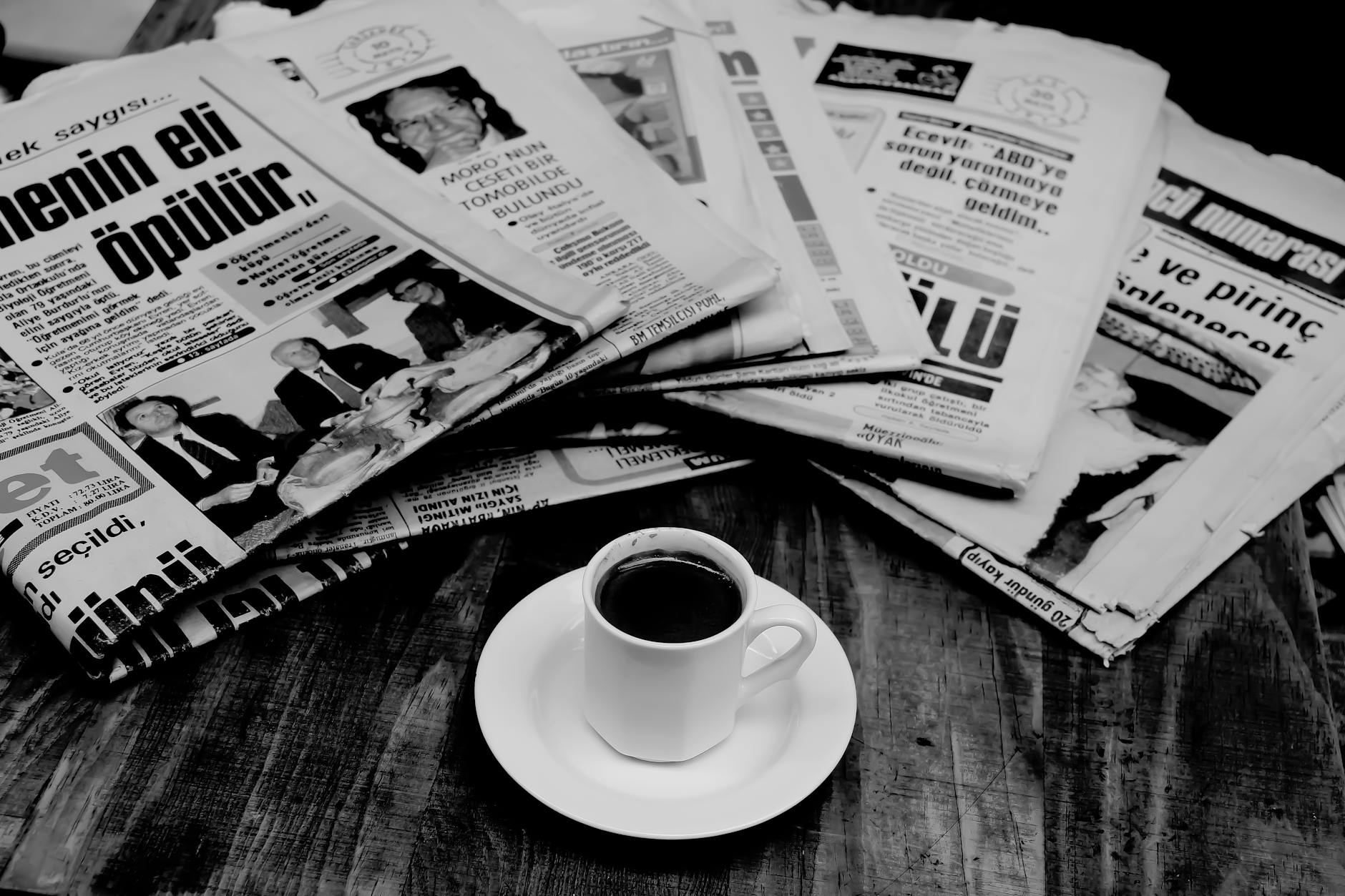
Espresso extraction time is a precisely managed variable that determines the flavor, body, and quality of the finished shot. Cutting the extraction short by several seconds produces a sour, underdeveloped shot that lacks the sweetness and balance of a properly timed pull. The visual difference in the cup is minimal but the flavor impact is significant, particularly in drinks where the espresso is not heavily masked by milk or syrup. Baristas who have fine control over their equipment can produce a technically acceptable-looking shot that is fundamentally flawed at the extraction level in a way that no amount of milk or sweetener can fully correct. A customer who complained about the speed of service is now experiencing firsthand what an actual rushed espresso tastes like.
Foam Overload

Excessive foam on a latte or cappuccino dramatically reduces the actual liquid content of the drink, replacing substance with air in a way that looks generous but is functionally the opposite. A customer who is particular about their drink and paid for a full-volume latte receives a cup that appears full but contains significantly less liquid than standard because the top third of the cup is aerated milk with no substance. Hot foam also collapses faster than properly textured milk, meaning the drink deteriorates quickly and the customer ends up with a half-full cup of liquid with a layer of flat, deflated foam on top. This adjustment requires no additional time and involves a straightforward technique that any trained barista executes by simply over-aerating during the steaming process. The customer receives a beautifully presented drink that becomes progressively worse with every passing minute.
Cup Contamination

Handling the rim of the cup, placing a thumb inside a lid, or touching the drinking edge of a straw before installation are practices that cross from retaliation into the territory of genuine hygiene violation and are the most seriously discussed in barista communities. These behaviors are documented in online discussions as the most extreme end of the spectrum and are universally described as reserved for customers who were genuinely abusive rather than simply rude or impatient. Coffee shop equipment, cups, and lids are handled by staff throughout a shift, and the deliberate introduction of contact with a drinking surface is a level of retaliation that most baristas describe as going too far even in the most extreme provocation. This category is included here not to normalize it but to document that it exists in reported accounts of barista behavior. The gap between passive adjustments and deliberate contamination is the gap between a frustrated employee making a quiet point and someone who has genuinely crossed a professional and ethical line.
Salty Addition
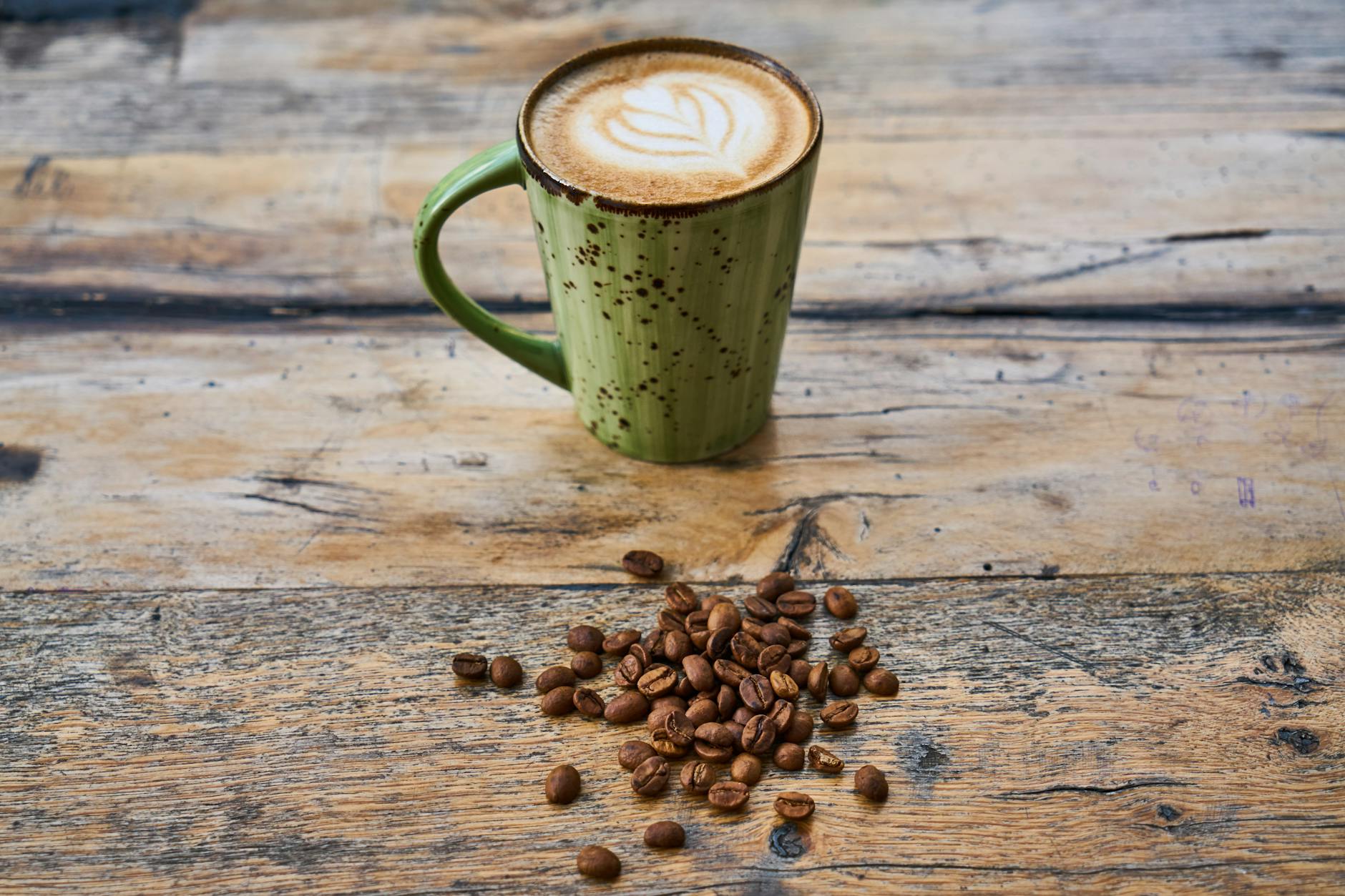
A small amount of salt added to a drink is not detectable visually and can be masked effectively by the other flavor elements in a sweetened espresso beverage. Salt in small quantities alters the flavor balance of a latte or flavored drink in a way that registers as something being slightly off rather than as a specifically identifiable ingredient. This practice appears in barista discussion threads as one of the more creative forms of retaliation, requiring knowledge of flavor chemistry and confidence that the quantity used will be below the threshold of obvious detection. The customer experiences a drink that tastes inexplicably wrong without being able to identify the cause, which produces a particular kind of dissatisfaction with no actionable outcome. Former baristas who admit to this practice describe it as being used rarely and only in response to interactions they describe as the worst of their careers.
Rushed Latte Art
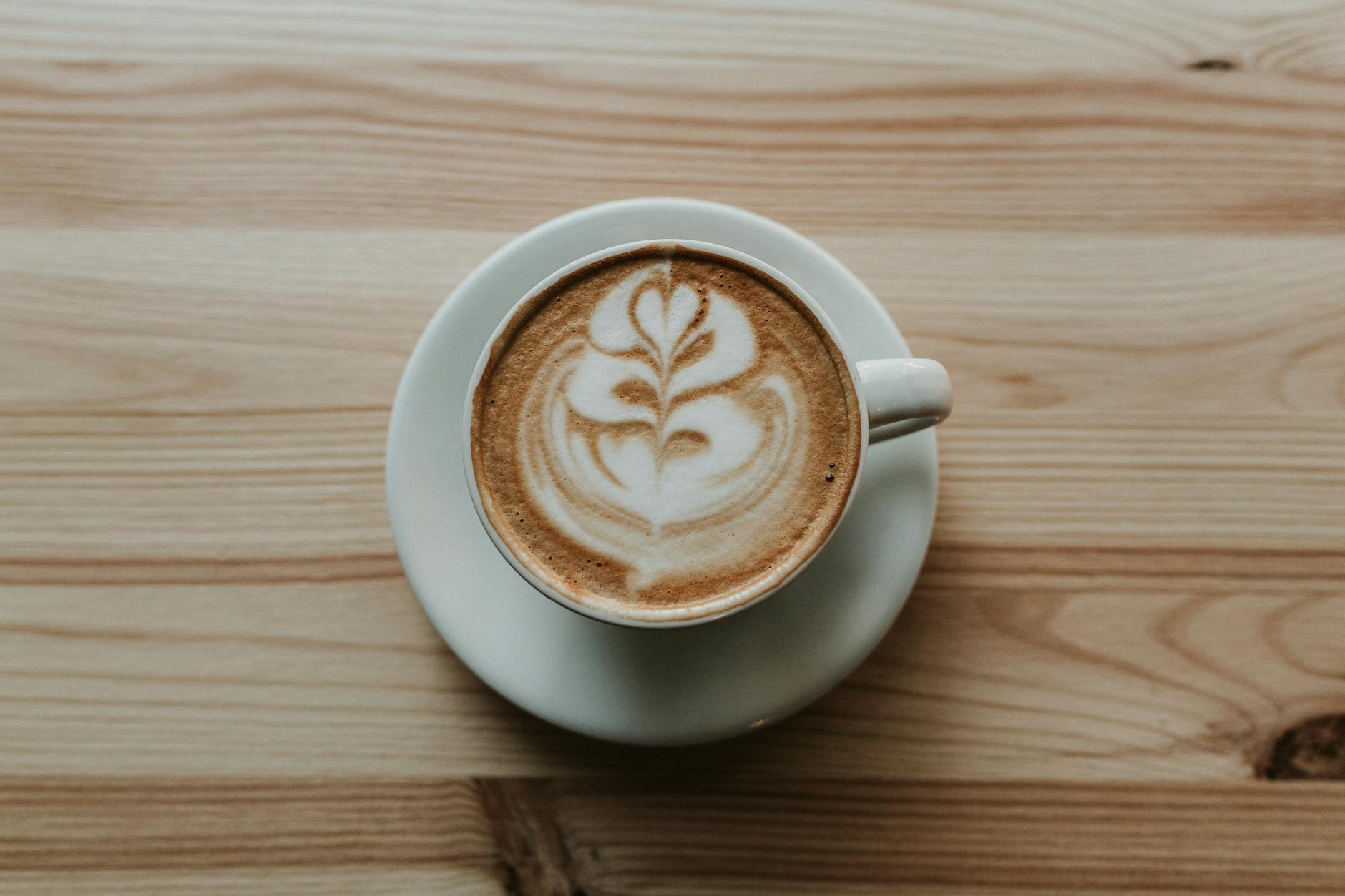
Latte art is a visible signal of care and skill that regular customers have come to expect as part of the premium coffee experience. A barista who pours without attention to milk distribution or pattern creates a blotchy, asymmetrical result that communicates, at a glance, exactly how much effort went into the preparation of that particular drink. The drink itself is not meaningfully different in flavor from a properly poured one, but the presentation signals something to customers who pay attention to it. For the customer who was dismissive about the craft involved in coffee preparation, receiving a visually careless pour is a quiet and entirely deniable commentary on their behavior. Baristas describe this as one of the most satisfying adjustments precisely because the statement it makes is legible only to someone who already understands the skill being withheld.
Delayed Acknowledgment
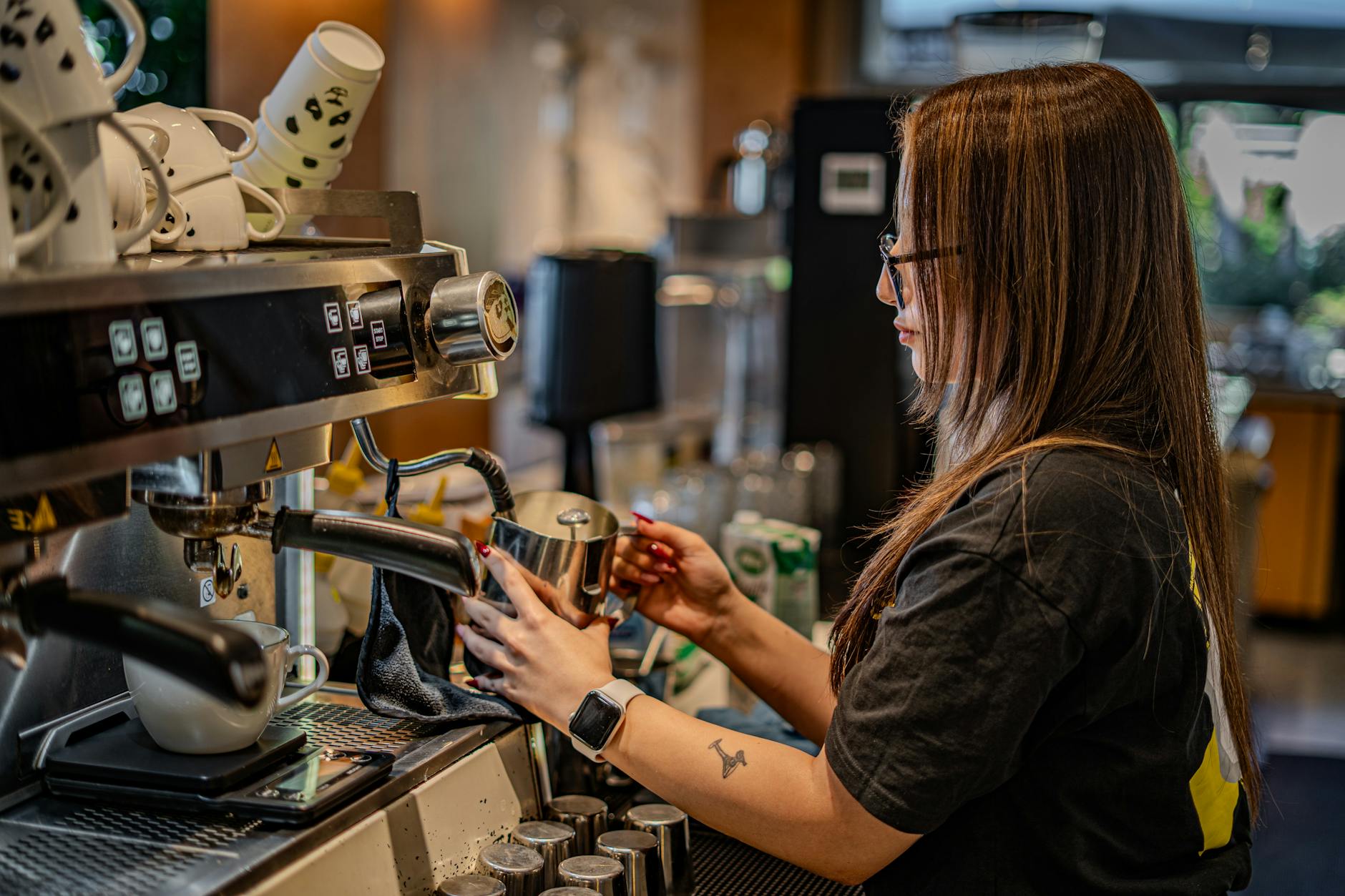
Being visibly ignored for a period after approaching the counter, when the barista is demonstrably not occupied with anything urgent, is a form of social retaliation that costs nothing and requires no drink modification at all. Counter staff who make deliberate eye contact and then return to non-essential tasks before acknowledging a customer are communicating a clear message through the language of service. This practice is reported most frequently in specialty coffee environments where staff operate with a degree of autonomy and where the power dynamic between customer and barista is somewhat more balanced than in large chain environments. The customer who walked in with an attitude now stands at an empty counter while a staff member wipes down an already clean machine with focused deliberateness. No drink has been altered, no policy has been violated, and the point has been made with complete plausible deniability.
Mispronounced Order Callout
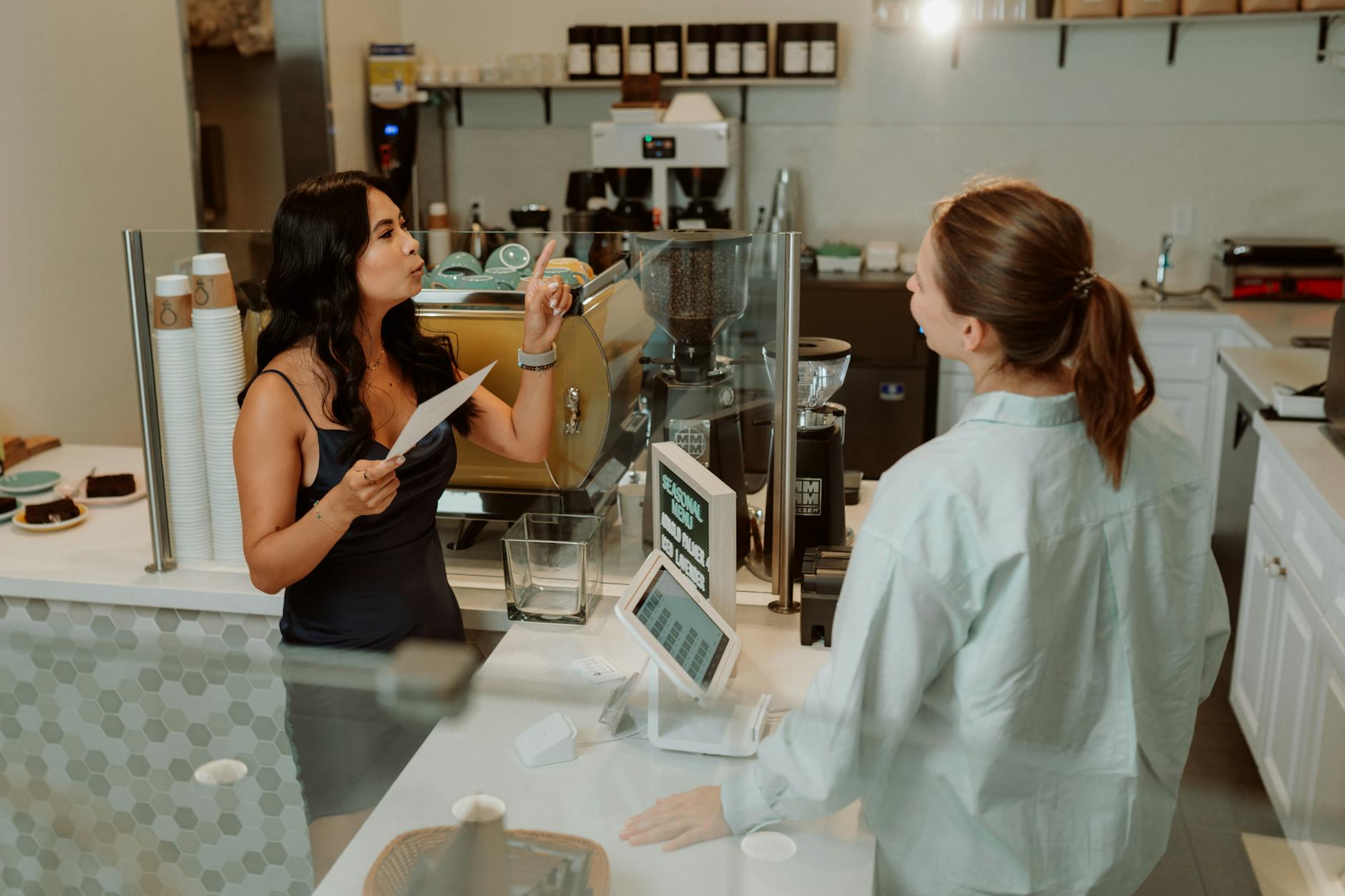
A drink called out with a deliberately garbled version of the customer’s name, a wrong pronunciation of the drink name, or a slightly incorrect description creates a moment of public uncertainty about whether the order belongs to them. In a busy shop where multiple orders are being called, this produces hesitation, potential confusion with other customers, and an interaction where the rude customer must now approach the counter and clarify rather than simply collecting their order. Baristas who have described this practice online emphasize that it is performed with a completely neutral expression and a tone of total sincerity, making it indistinguishable from a genuine error. The customer who was condescending about the difficulty of remembering a name now experiences the minor but pointed inconvenience of their own order being unclear. It requires no preparation, leaves no evidence, and produces exactly the calibrated amount of friction that the situation warranted.
Forgotten Extras
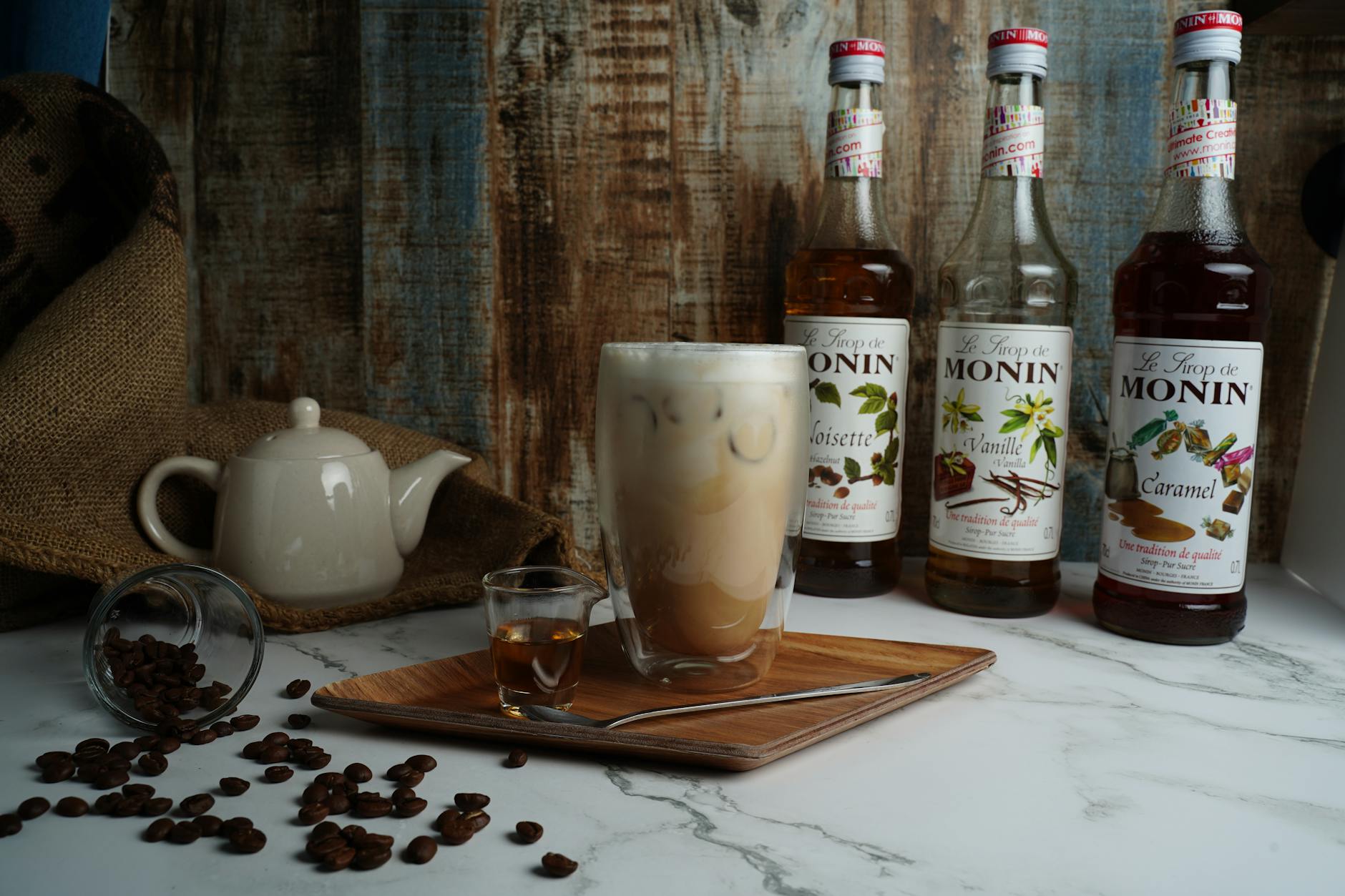
A customer who requested an extra shot, an extra pump of syrup, a specific sweetener, or any other add-on that was paid for and confirmed can simply not receive it. The omission is invisible, the drink looks complete, and the oversight is entirely explainable as a genuine error during a busy service period. For customers who are sensitive to caffeine, sweetness levels, or specific dietary requirements, the missing component alters their experience in a way they notice but cannot prove was intentional. This practice is described across barista communities as the most common form of low-stakes retaliation because it requires no action whatsoever, only inaction, and the probability of being called out for it is essentially zero. The customer who demanded multiple modifications while being dismissive about the complexity of their order now discovers that complexity apparently cuts both ways.
Lid Placement
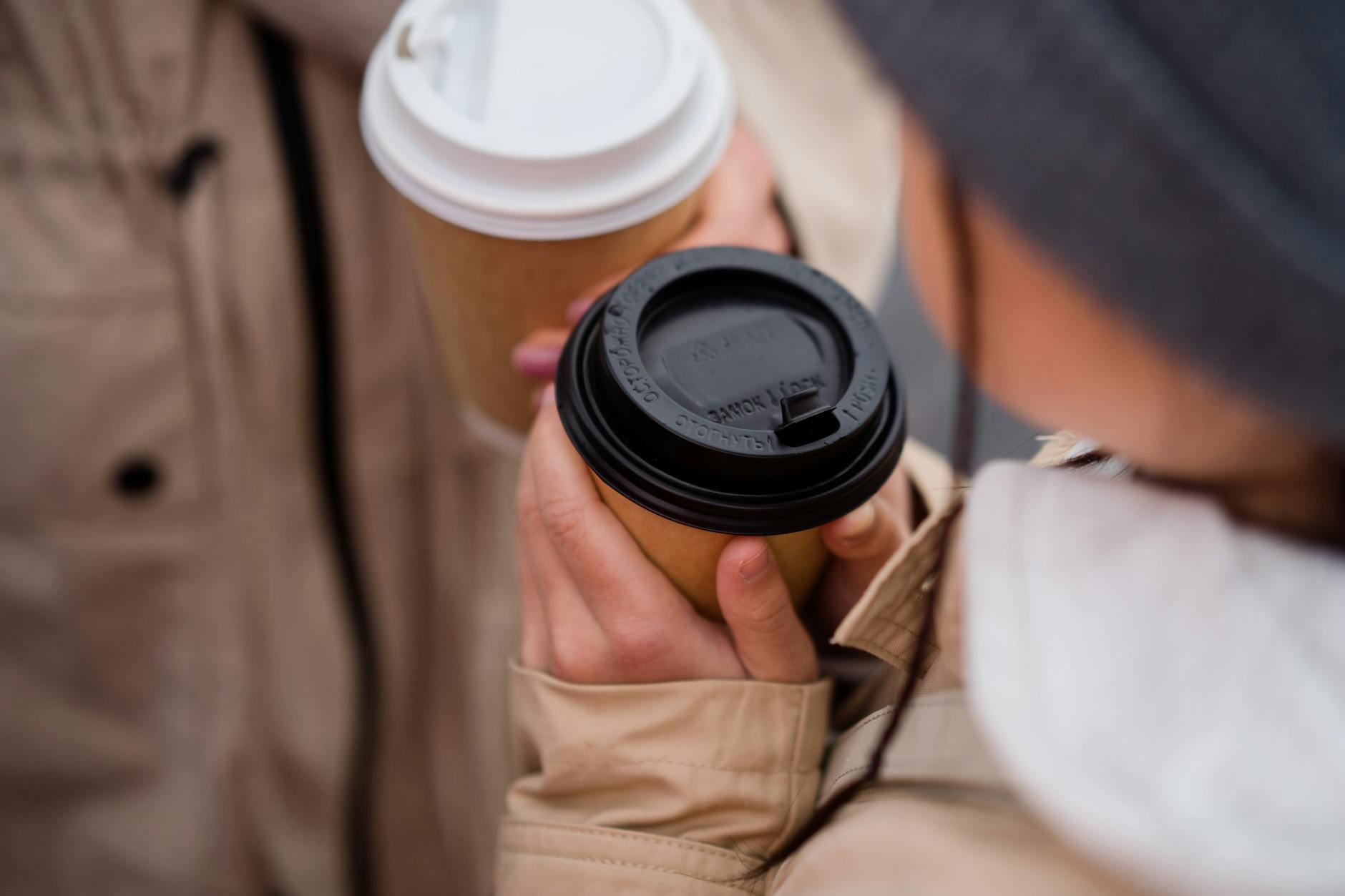
A lid placed slightly off-center on a cup, without being secured properly, creates a spillage risk that materializes the moment the customer applies normal drinking pressure. The lid appears to be correctly placed from a visual inspection at the counter and the customer accepts the cup without testing it, typically not discovering the problem until they are already walking or driving. Hot liquid spilled on a hand or lap because a lid was not properly secured is painful, damaging to clothing, and an entirely predictable outcome of the improper placement. Baristas who have disclosed this practice are careful to note that it is applied with precise calibration, not enough to cause an immediate spill at the counter but enough to create a near-certainty of one shortly after departure. The customer who left a string of one-star reviews threatening to do so while ordering now has a very specific and personal reason to return home and change their shirt.
Next time you step up to the counter, remember that the person on the other side of the machine is both an artist and a human being, and share your own coffee shop stories in the comments.