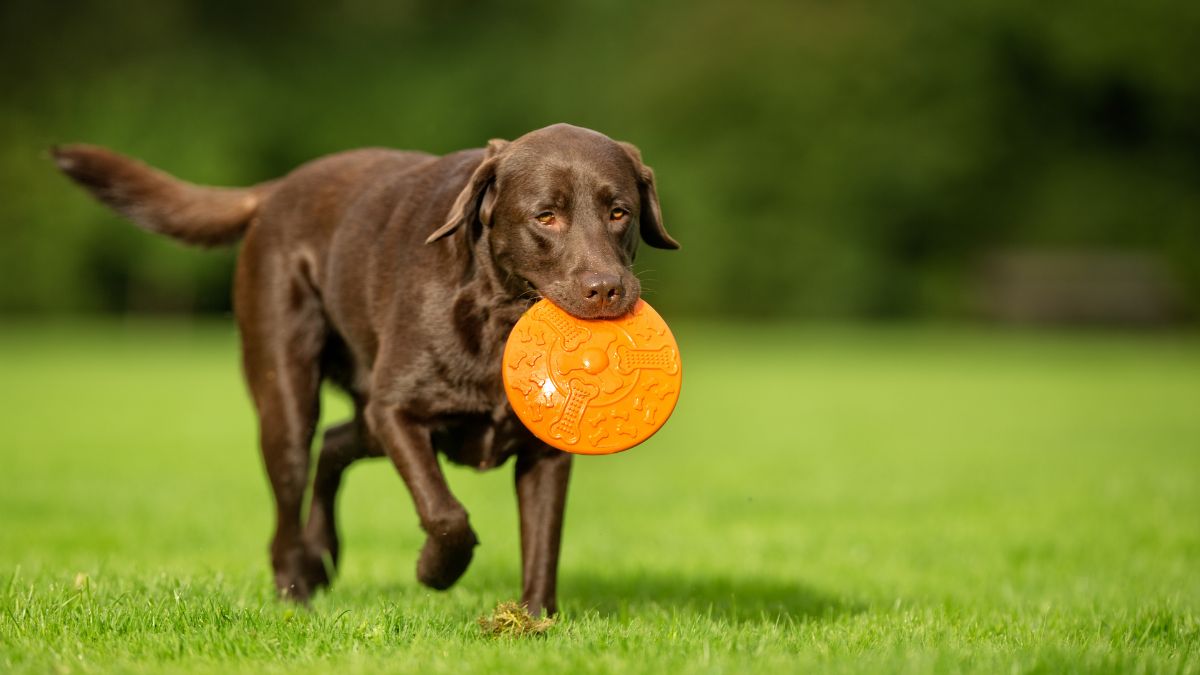
Every trip to the park should be a pleasant experience for everyone, yet certain dog owner habits consistently turn shared green spaces into sources of frustration and genuine health hazards. From hygiene oversights to outright negligence, these behaviors affect children, elderly visitors, other pet owners and the wider community. Understanding what these habits are and why they matter is the first step toward cleaner and safer parks for all.
Bag Skipping
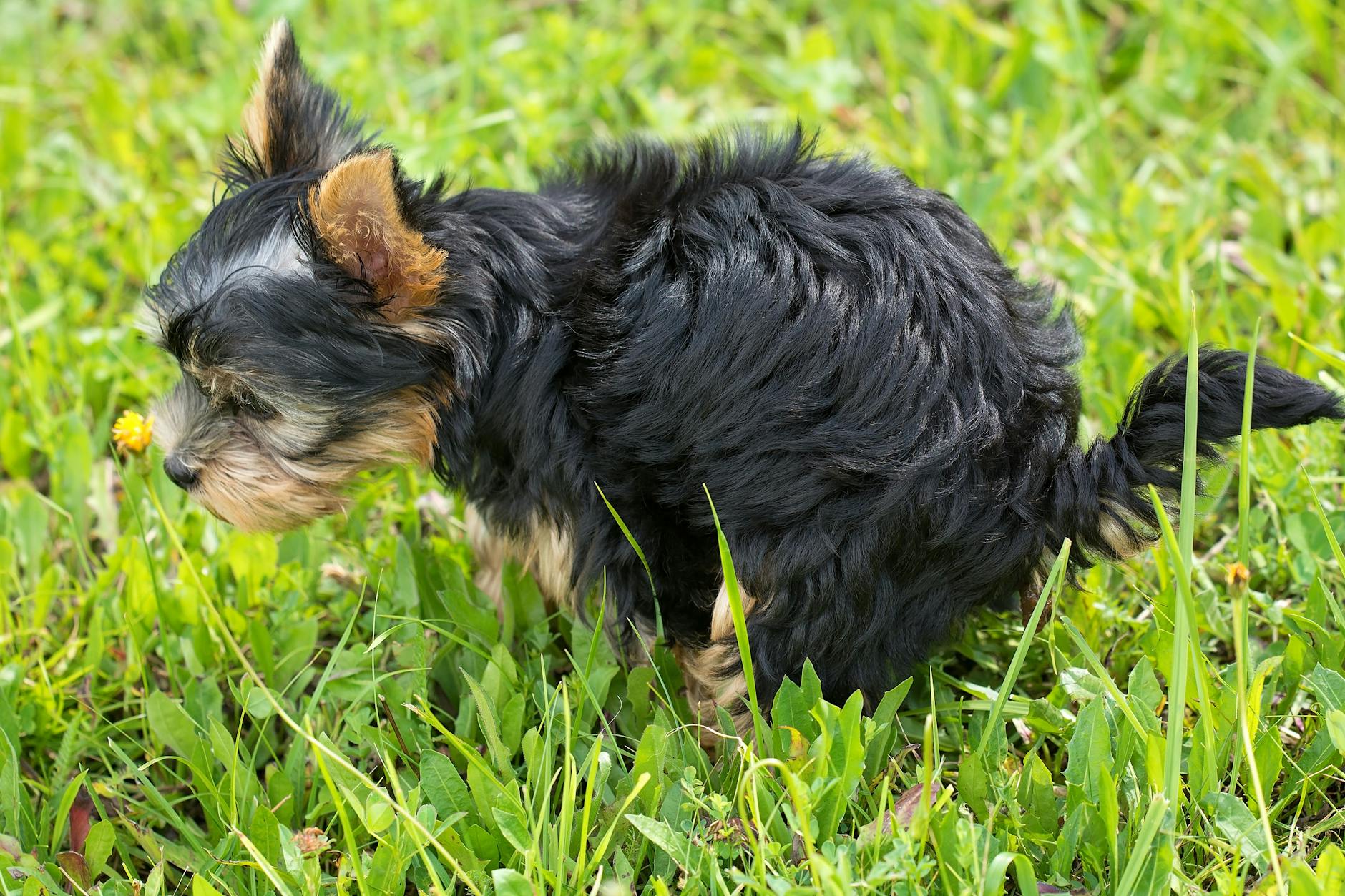
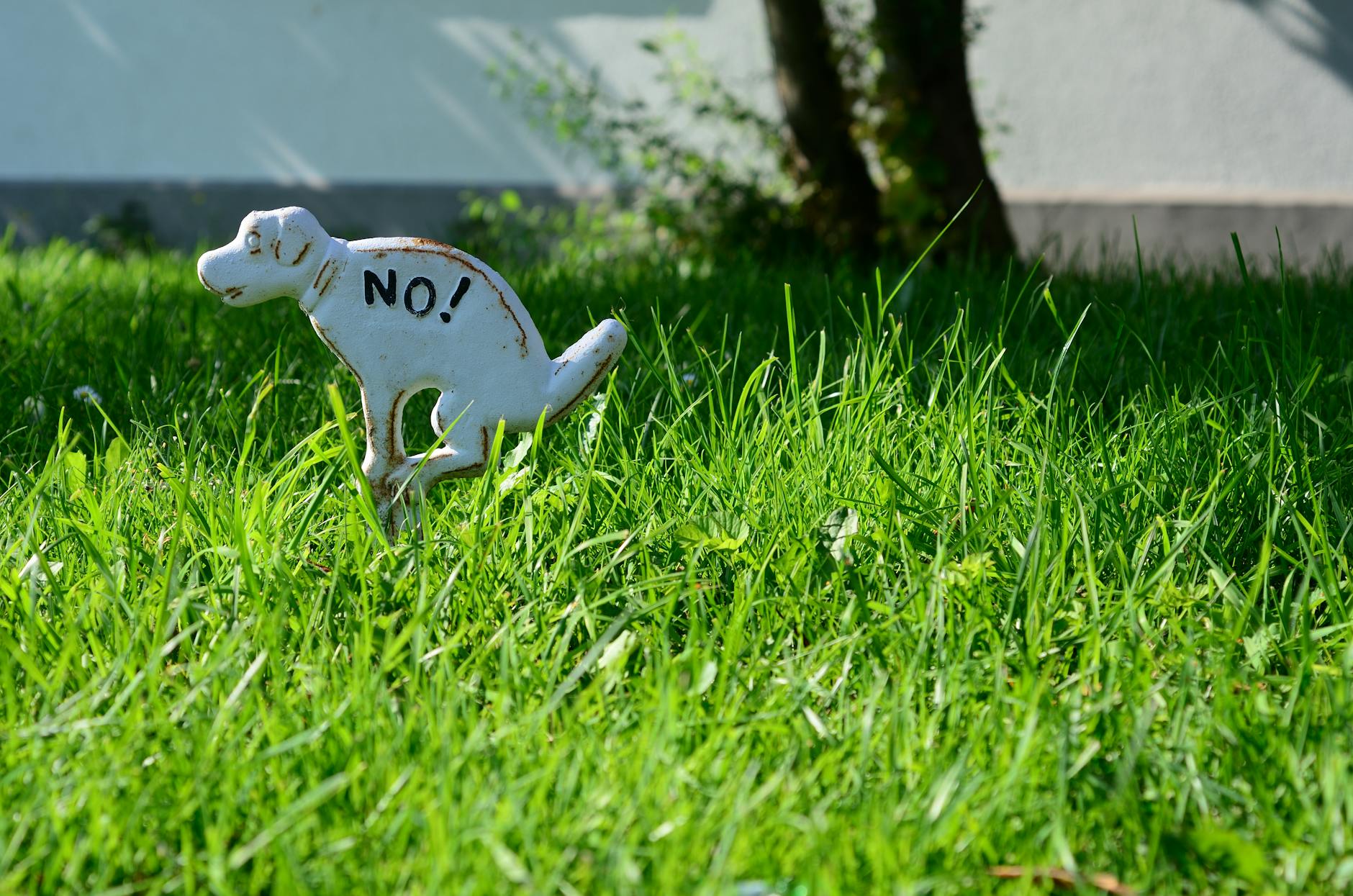
Leaving dog waste on the grass or path is one of the most widespread and harmful habits seen in public parks. Dog feces carries bacteria such as E. coli and parasites including roundworm and giardia that can survive in soil for months. Children who play on the ground are particularly vulnerable to accidental contact and subsequent infection. Many parks provide free waste bags at stations throughout the grounds making the act of skipping cleanup entirely inexcusable. The environmental impact extends to local waterways when rain washes untreated waste into drainage systems.
Fake Bagging

Some owners make a show of bending down with a bag only to leave the waste behind or toss the bag into the bushes rather than a bin. This deceptive behavior is arguably worse than straightforward neglect because it creates a false impression of a clean environment. Groundskeepers and other visitors may not notice the hidden waste until someone steps in it or a child picks it up. Studies on urban park contamination consistently identify bagged waste left outside bins as a significant contributor to pest activity. The practice undermines community trust and makes it harder for park authorities to assess the true scale of the problem.
Off Leash Rushing
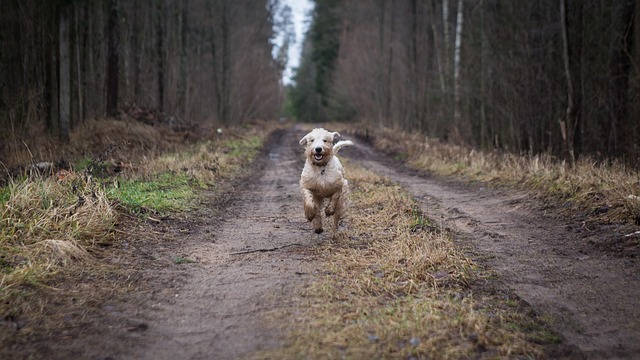
Allowing a dog to charge at full speed toward strangers, children or other animals without warning is a behavior that causes real physical and psychological harm. Even a friendly dog can knock over a toddler or an older adult resulting in serious injury from the fall alone. Many people have phobias of dogs rooted in past trauma and an uncontrolled approach can trigger significant distress. Off leash rules in designated on leash zones exist specifically to manage these risks and protect all park users equally. A dog that rushes others signals a lack of basic recall training that the owner has a responsibility to address.
Pond Contamination
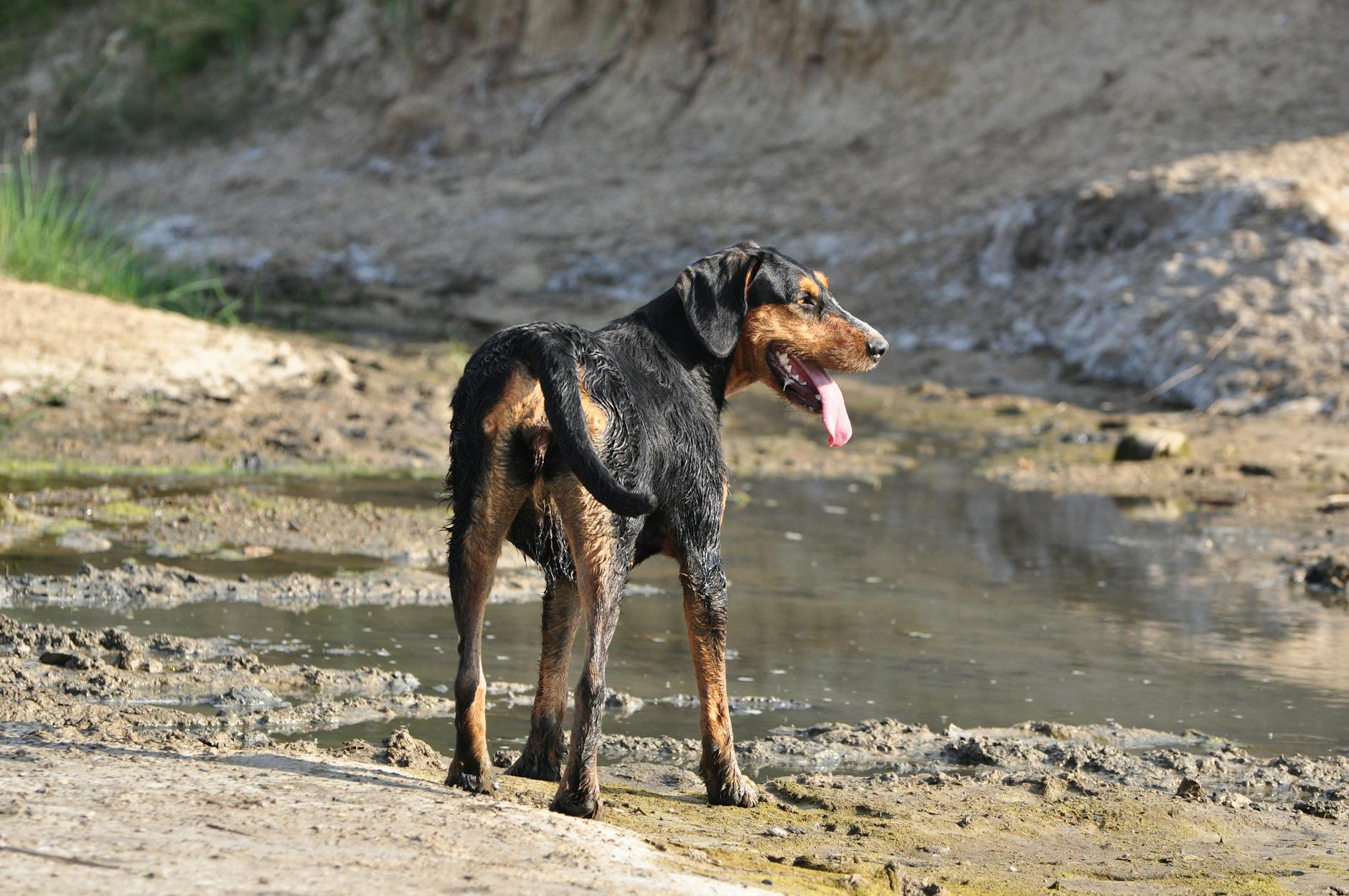
Allowing dogs to defecate near or directly into park ponds and water features creates a serious contamination risk that affects wildlife and human visitors alike. Dog waste introduces nitrogen and phosphorus into water causing algal blooms that deplete oxygen and kill aquatic life. Waterfowl and ducks that rely on these ponds for feeding and nesting are particularly susceptible to the pathogens introduced through contaminated water. Children who trail hands in decorative ponds or paddle in shallow park water features face direct exposure to harmful bacteria. Water quality monitoring in urban parks frequently identifies dog waste as a primary driver of failed safety standards.
Wound Ignoring
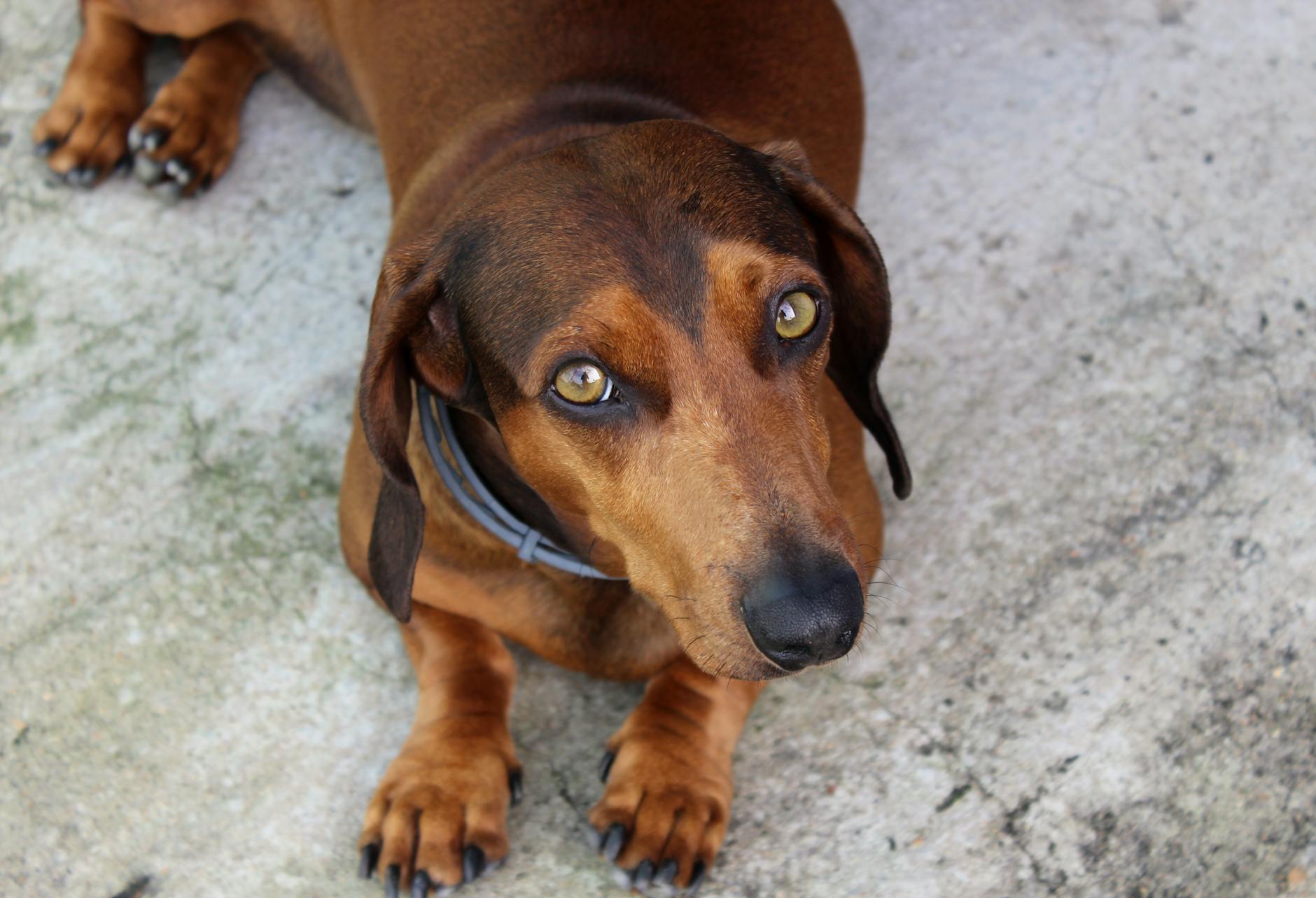
Bringing a visibly sick or injured dog to a shared public space puts other animals and occasionally humans at direct risk of disease transmission. Contagious conditions such as kennel cough, mange and canine parvovirus spread rapidly in environments where dogs sniff and interact with one another. An open wound on a dog can also attract flies and other insects that then land on picnic food or playground equipment. Owners sometimes dismiss symptoms as minor without realizing how easily certain conditions pass between animals in close proximity. Veterinary guidance consistently advises keeping unwell dogs away from parks until they receive a clean bill of health.
Water Bowl Sharing
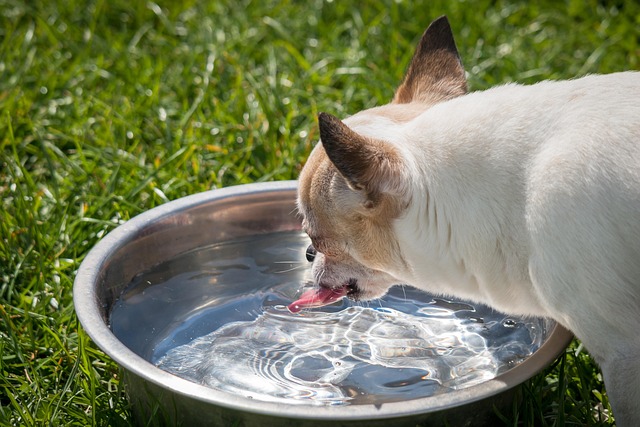
Leaving a communal water bowl unattended and shared between multiple unknown dogs is a hygiene practice that veterinarians widely discourage. Shared bowls facilitate the transmission of bacterial infections including leptospirosis as well as viral conditions and oral parasites. The bowl surface itself becomes a reservoir for pathogens especially in warm weather when bacterial growth accelerates rapidly. Owners who bring their own portable bowl and fresh water protect their dog while also avoiding contribution to a shared contamination source. Park managers in several cities have begun removing communal bowls and replacing them with tap attachments that deliver fresh running water to reduce this risk.
Aggressive Posturing
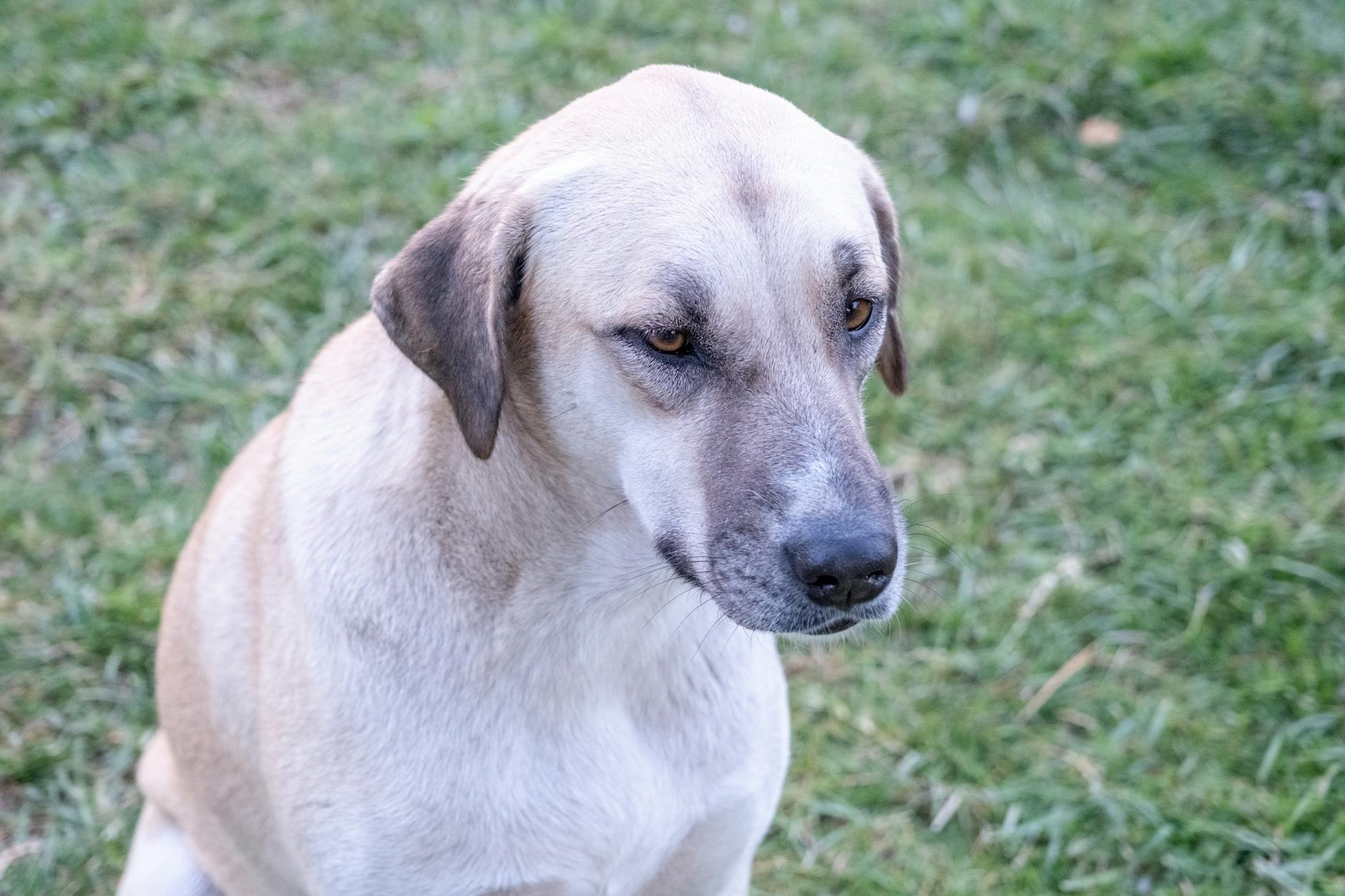
Standing back and doing nothing while a dog growls, snaps or displays repeated aggressive behavior toward other park visitors is a form of negligence that endangers the entire space. Aggressive posturing in dogs is a recognized warning sequence that precedes biting in a significant proportion of recorded incidents. Children and smaller dogs are statistically the most common victims of park-based dog attacks in urban environments. Owners who dismiss warning signs as personality quirks rather than seeking professional behavioral training place the burden of risk on everyone around them. Local councils in many countries hold owners legally liable for injury caused by dogs that have previously displayed aggressive behavior in public.
Dig Leaving
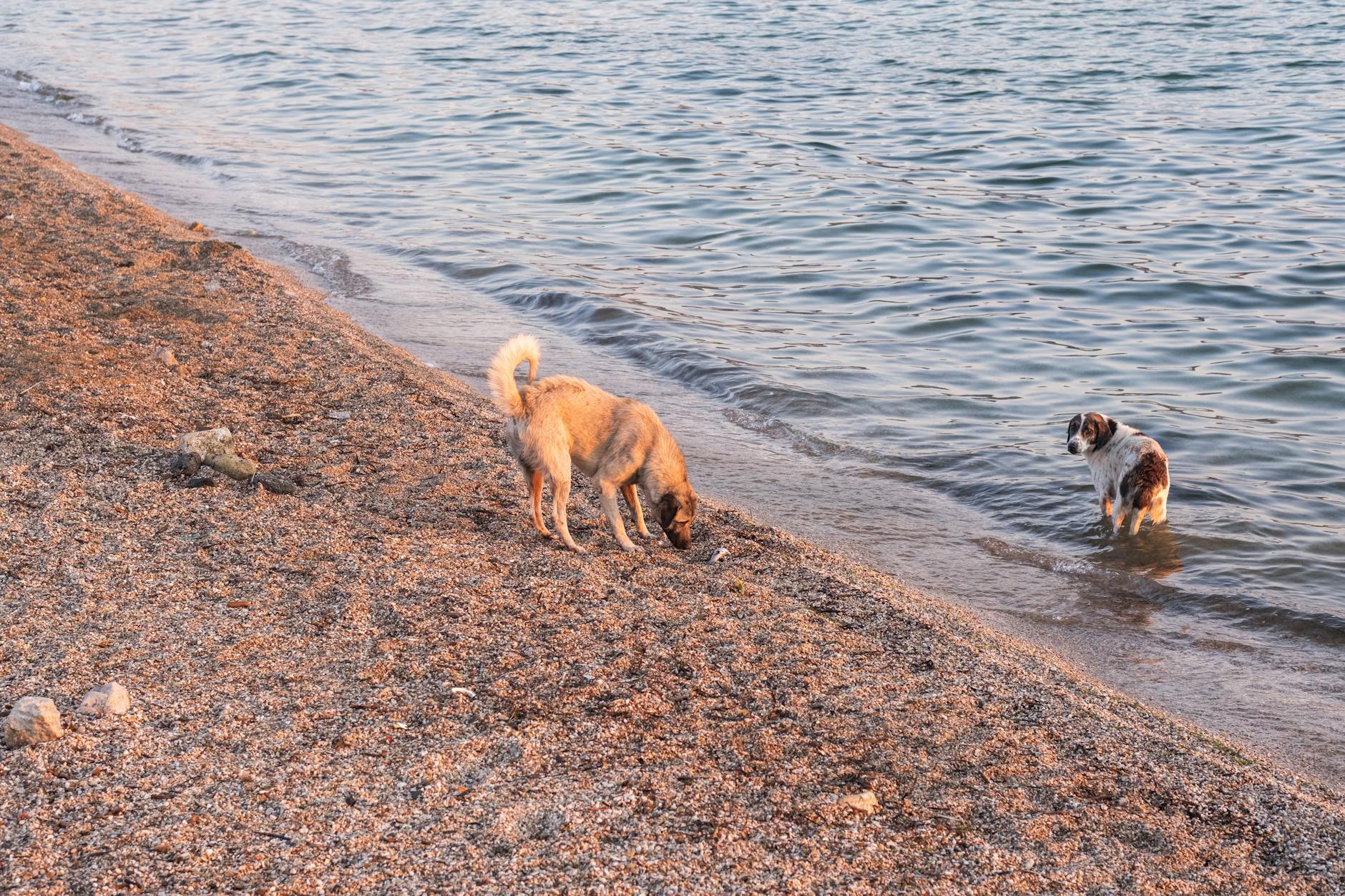
Allowing a dog to excavate large holes in park lawns and grassy areas and then walking away without attempting to refill them creates a tripping hazard that disproportionately affects elderly visitors and young children. Deep holes hidden by overgrown grass have been responsible for ankle fractures and knee injuries reported to park authorities in multiple urban areas. Beyond the safety risk, repeated digging destroys the root systems of grass and ground cover plants that parks rely on for erosion control. Some breeds have a strong instinctive drive to dig that requires active management and redirection rather than passive acceptance. Carrying a small garden trowel or using a foot to push loose soil back into excavated areas is a minimal effort that prevents real harm.
Urine Scaling
Allowing a dog to urinate repeatedly on playground equipment, benches, picnic tables or children’s play structures is a hygiene violation that most owners treat as insignificant. Dog urine contains urea, ammonia and bacteria that linger on surfaces long after the liquid has dried particularly in hot weather. Young children who touch contaminated surfaces and then put hands near their mouths face a direct exposure pathway to urinary tract pathogens. Some parks post clear signage prohibiting dogs from entering playground zones yet owners routinely ignore these boundaries. Regular cleaning schedules are not sufficient to counter the volume of contamination produced when multiple dogs use the same fixed structures throughout the day.
Heat Ignoring
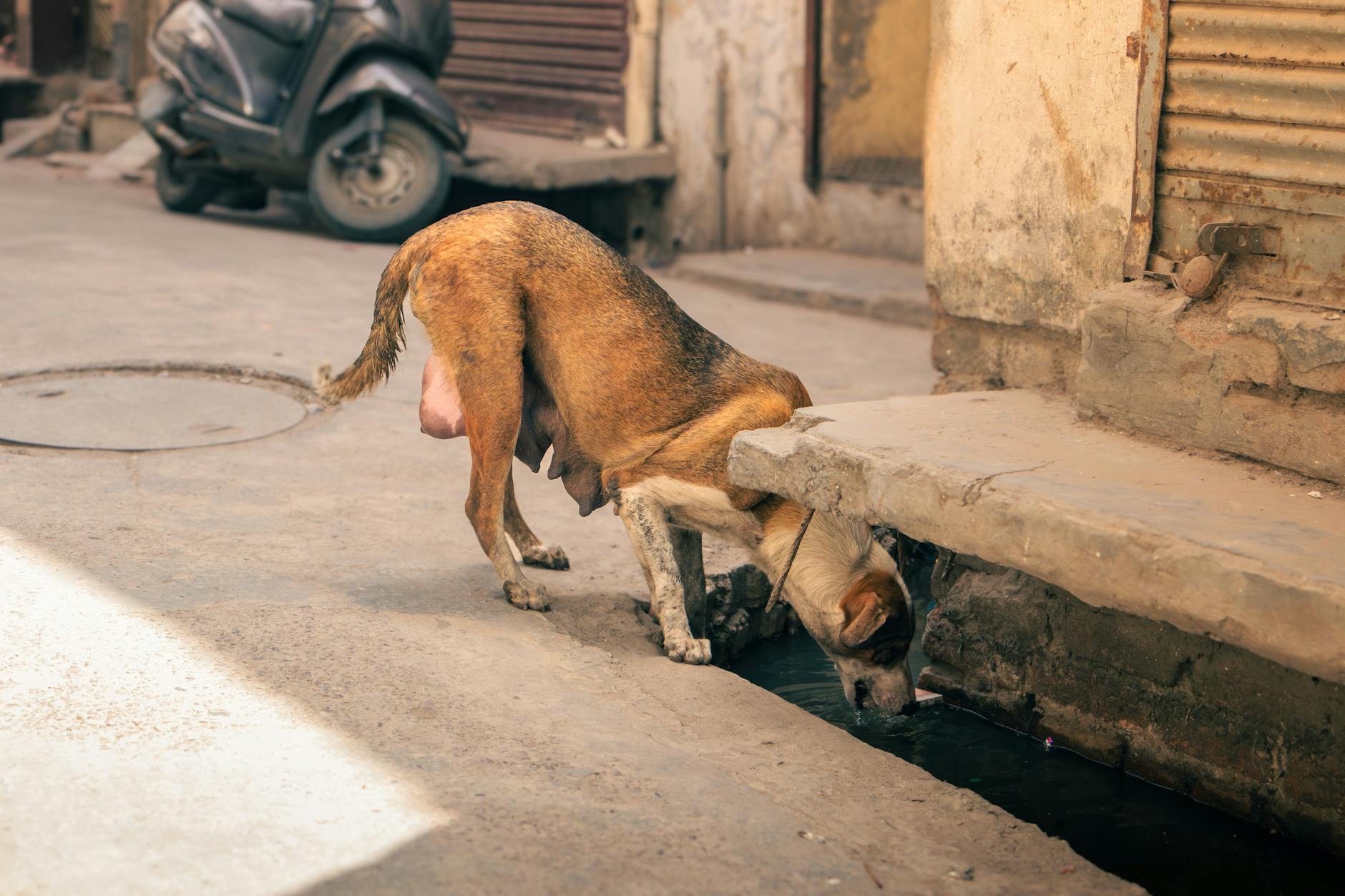
Walking a dog on asphalt or sand during peak summer heat without checking the ground temperature is a welfare issue that also creates secondary risks for other park users. Burned paw pads leave traces of blood on shared pathways that other visitors then walk through or children fall onto. A dog in pain from heat stress is also significantly more likely to snap or bite when approached by strangers trying to help. The standard test of holding the back of a hand to the pavement for seven seconds is a widely recommended method for assessing whether a surface is safe for paw contact. Heat exhaustion in dogs can escalate quickly in public spaces placing pressure on other visitors who witness the emergency and feel compelled to intervene.
Litter Dropping
Using a park visit as an opportunity to discard dog-related waste items including empty treat bags, chewed toys, broken leads and soiled packaging is a littering habit that compounds the existing cleanliness problems of shared green spaces. Discarded plastic packaging poses an ingestion hazard for wildlife including birds and hedgehogs that forage in park undergrowth after hours. Sharp components from broken leads or plastic clips left on the ground can puncture the paws of other dogs or cut the bare feet of children. The cumulative volume of dog-owner litter in popular urban parks places an unsustainable burden on underfunded groundskeeping teams. Carrying a small secondary bag for non-waste litter is a straightforward habit that requires no additional equipment beyond what most owners already bring to the park.
Reactive Excusing
Repeatedly excusing a dog’s reactive or antisocial behavior toward other animals and people with the phrase “he’s just being friendly” or “she’s never done this before” is a deflection pattern that normalizes dangerous behavior. Reactivity in dogs is a documented behavioral condition that worsens without structured intervention and consistent management by the owner. Other dog owners have no obligation to expose their own animals to an uncontrolled dog simply because the owner believes the intention is playful. The psychological impact on people who have experienced dog-related trauma is significant and dismissive language from owners compounds that distress. Professional trainers and canine behaviorists offer accessible resources both in person and online that address reactive behavior at its root rather than managing it through social avoidance.
Nighttime Neglect
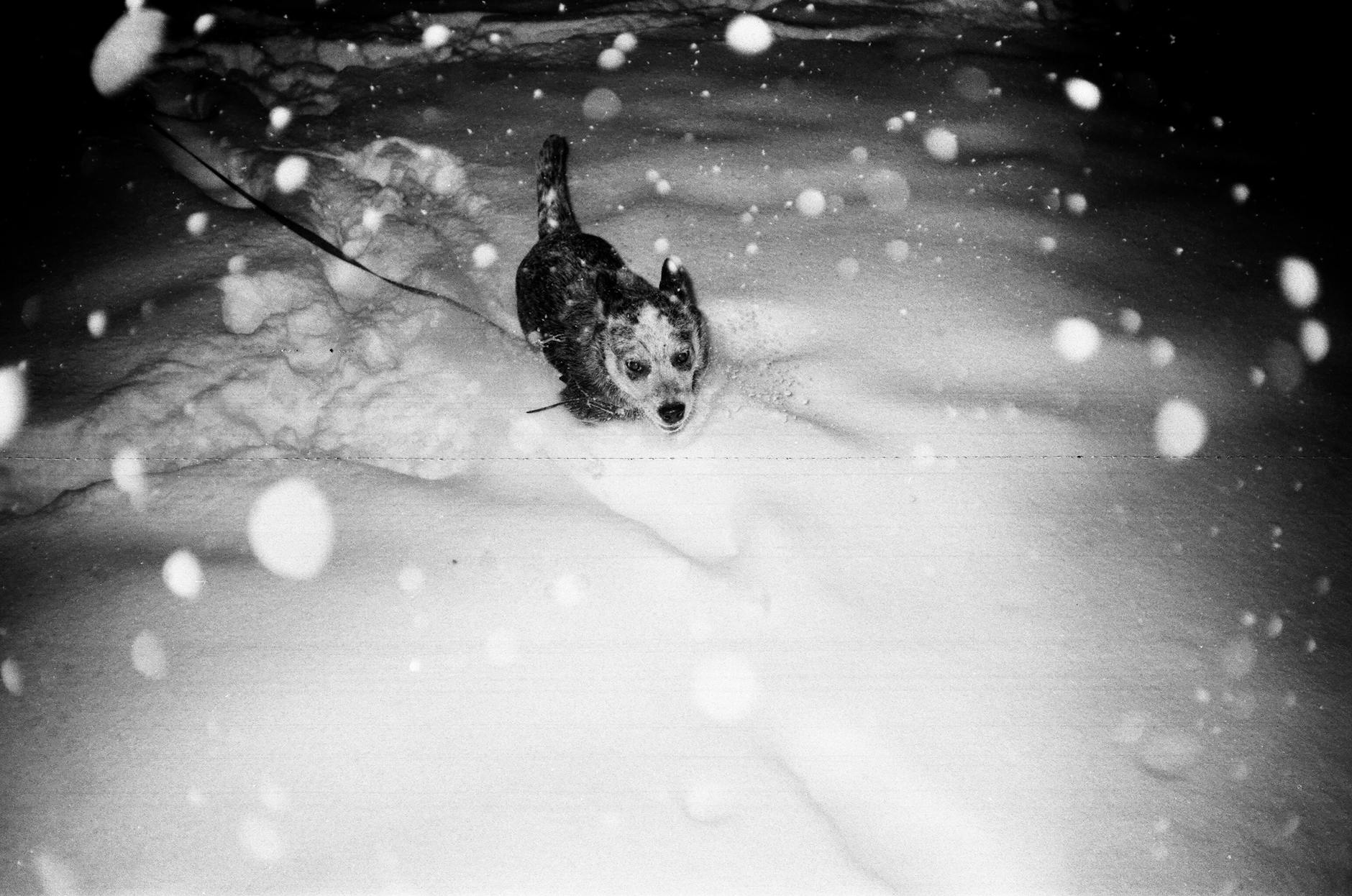
Walking a dog in a public park after dark without adequate lighting, reflective gear or close supervision creates hazards that extend well beyond the owner and their animal. Cyclists, joggers and other late evening park users face a genuine collision risk when an unleashed dark-colored dog crosses a path without warning. Dog waste left at night is far less likely to be located and cleaned up creating a concentrated hygiene problem that accumulates before morning groundskeeping begins. Security research on urban parks shows that irresponsible nighttime dog walking is one of the most commonly cited complaints from local residents in community safety surveys. Simple equipment including clip-on LED lights and reflective leash covers is inexpensive and widely available making this one of the most easily preventable items on this list.
Feeding Strangers
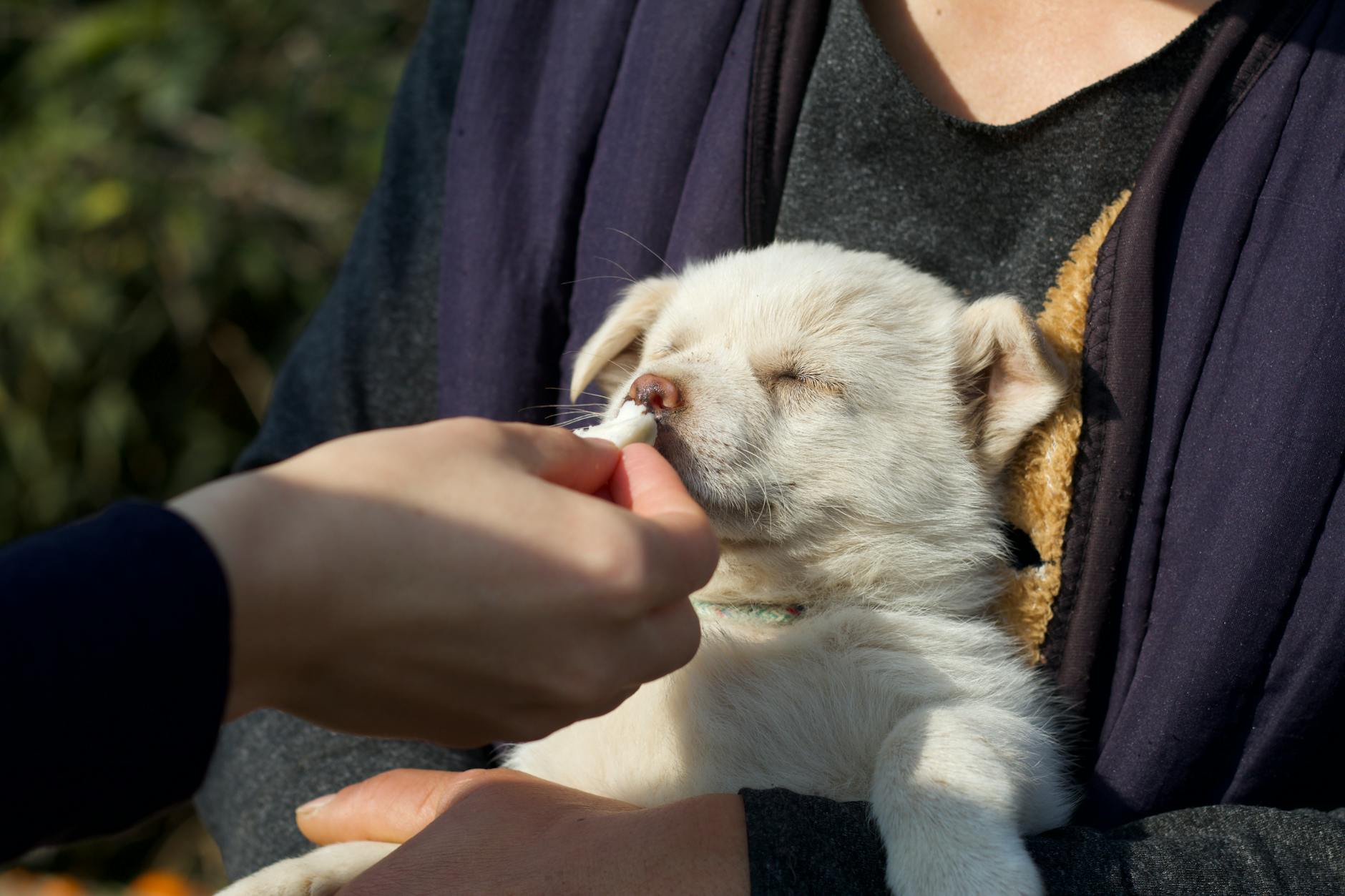
Offering food to unfamiliar dogs in a park without asking the owner’s permission first is a habit that creates medical risks and behavioral complications that many owners fail to anticipate. Dogs on prescription diets or undergoing allergy testing can suffer serious setbacks from a single piece of an unsuitable food item given by a well-meaning stranger. The behavioral impact is also significant as unsolicited feeding rewards dogs for approaching and demanding attention from strangers which reinforces jumping and pestering behavior. In some documented cases treats containing xylitol, raisins or macadamia nuts have been offered by park visitors who were unaware these ingredients are toxic to dogs. The rule of always asking before feeding applies equally to professional dog handlers and casual visitors regardless of how harmless the offered item appears.
Grooming Dumping
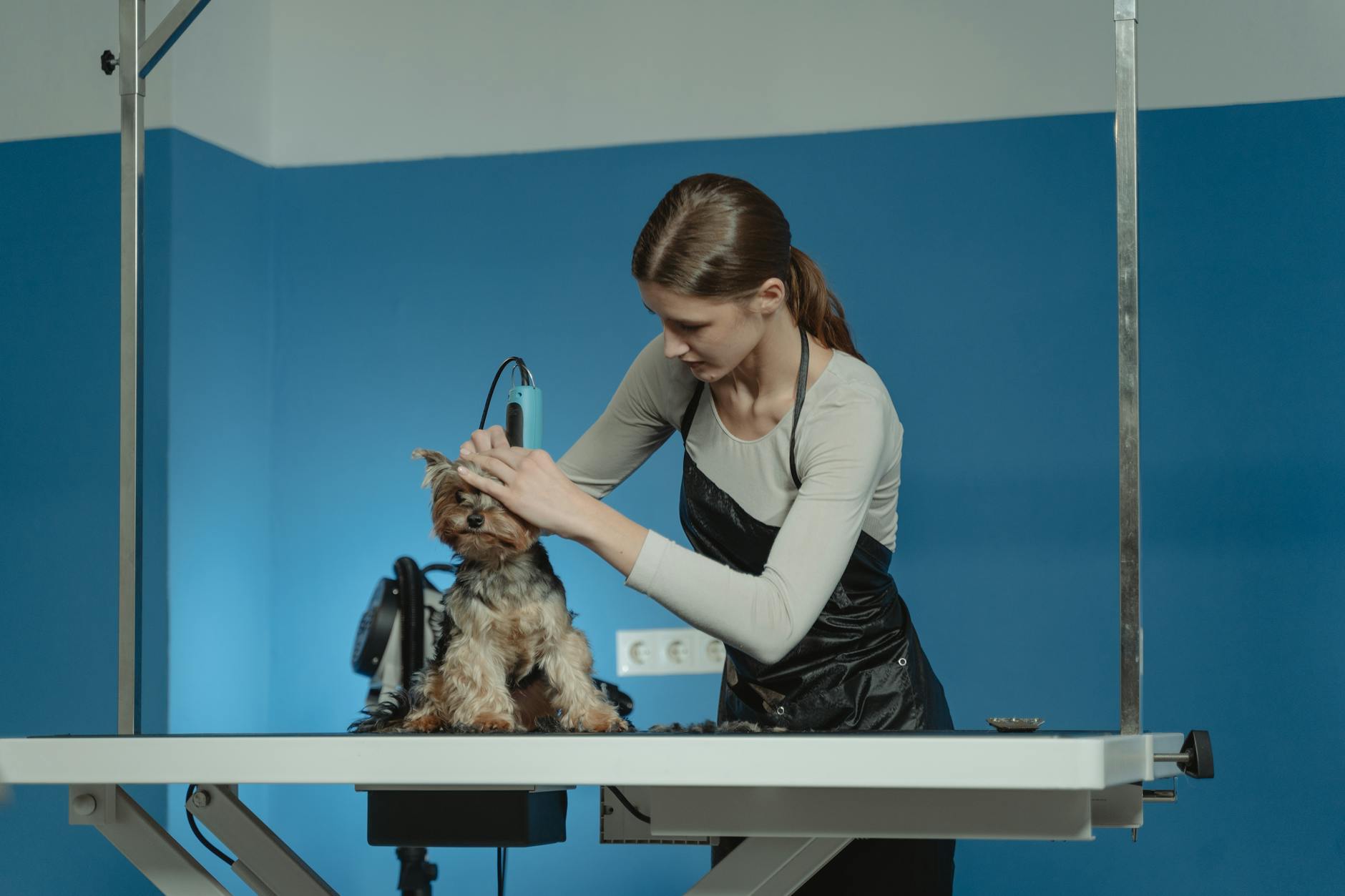
Brushing a dog’s coat in a shared park area and leaving the collected fur scattered across benches, grass and pathways is an overlooked hygiene issue that affects allergy sufferers and park cleanliness. Dog dander and loose fur are recognized allergens that trigger respiratory symptoms in sensitive individuals including children and adults with asthma. Shed fur collected by the wind distributes dander across a much wider area than the immediate grooming spot creating an invisible contamination radius. Birds and small mammals sometimes incorporate large quantities of shed domestic animal fur into nests where it can introduce fleas or mites into the local wildlife population. Carrying a sealable bag for collected fur and disposing of it in a park bin requires minimal additional effort and completely eliminates the shared-space impact of this habit.
If any of these habits sound uncomfortably familiar, share your own park experiences and thoughts in the comments.