Professional cleaners and hospitality staff encounter the same unwelcome discoveries time and again when stripping beds after guests have stayed. What guests leave behind in a bed reveals habits, routines and a surprising lack of awareness about shared spaces. The findings range from mildly baffling to genuinely stomach-turning and span every category of human activity from eating to grooming to personal care. Understanding what ends up in guest bedding can prompt more mindful behavior and better hygiene standards on both sides of the hosting relationship. These are the discoveries that cleaning professionals encounter most frequently and speak about only among themselves.
Food Crumbs
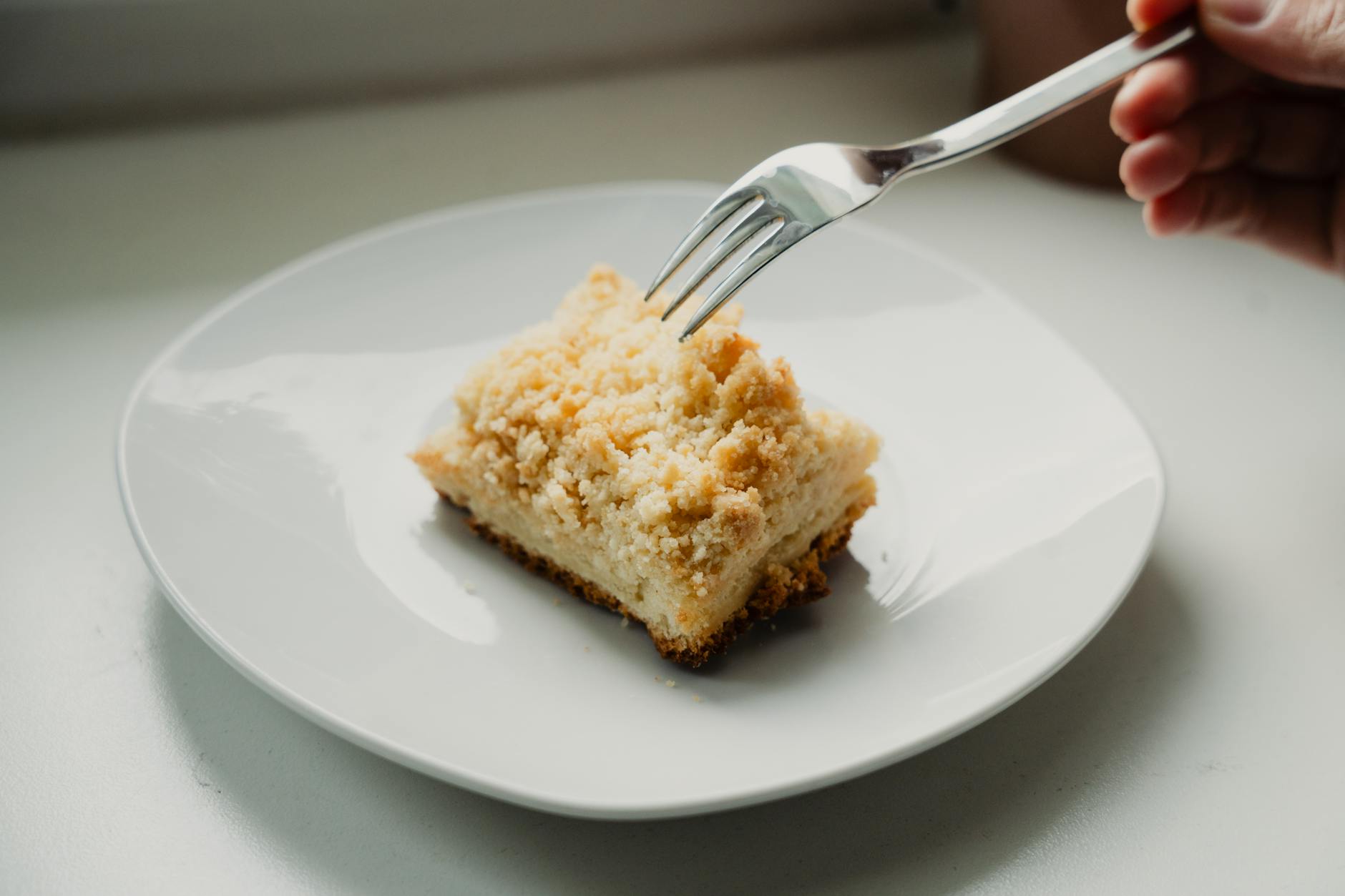
Eating in bed is one of the most common habits that guests bring with them from their own homes without considering the impact on someone else’s linens. Crackers, toast, cookies and chips leave behind a layer of fine debris that settles between the sheets and works its way into the mattress surface over time. The crumbs attract insects, particularly in warmer months, and can cause skin irritation for the next person who sleeps in the bed. Cleaners frequently find entire meals worth of remnants compressed into the lower half of the bedding where feet have pushed everything down. Sugary crumbs are especially problematic because they can attract ants and other pests within hours of being left undisturbed.
Nail Clippings
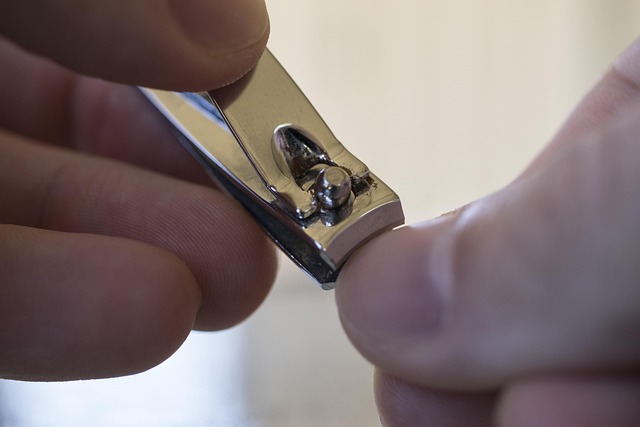
Fingernail and toenail clippings are among the most commonly reported discoveries made by professional cleaners in guest bedding. Guests who clip their nails while sitting or lying in bed rarely consider where the clippings land once they leave the mattress surface. The small hard fragments settle into folds of the sheet, collect near the foot of the bed and occasionally embed themselves in the mattress fabric itself. Cleaners describe finding both fingernail and toenail clippings in quantities that suggest the habit was practiced over several nights rather than once. The discovery is considered one of the more unpleasant routine findings in a standard bed change.
Hair
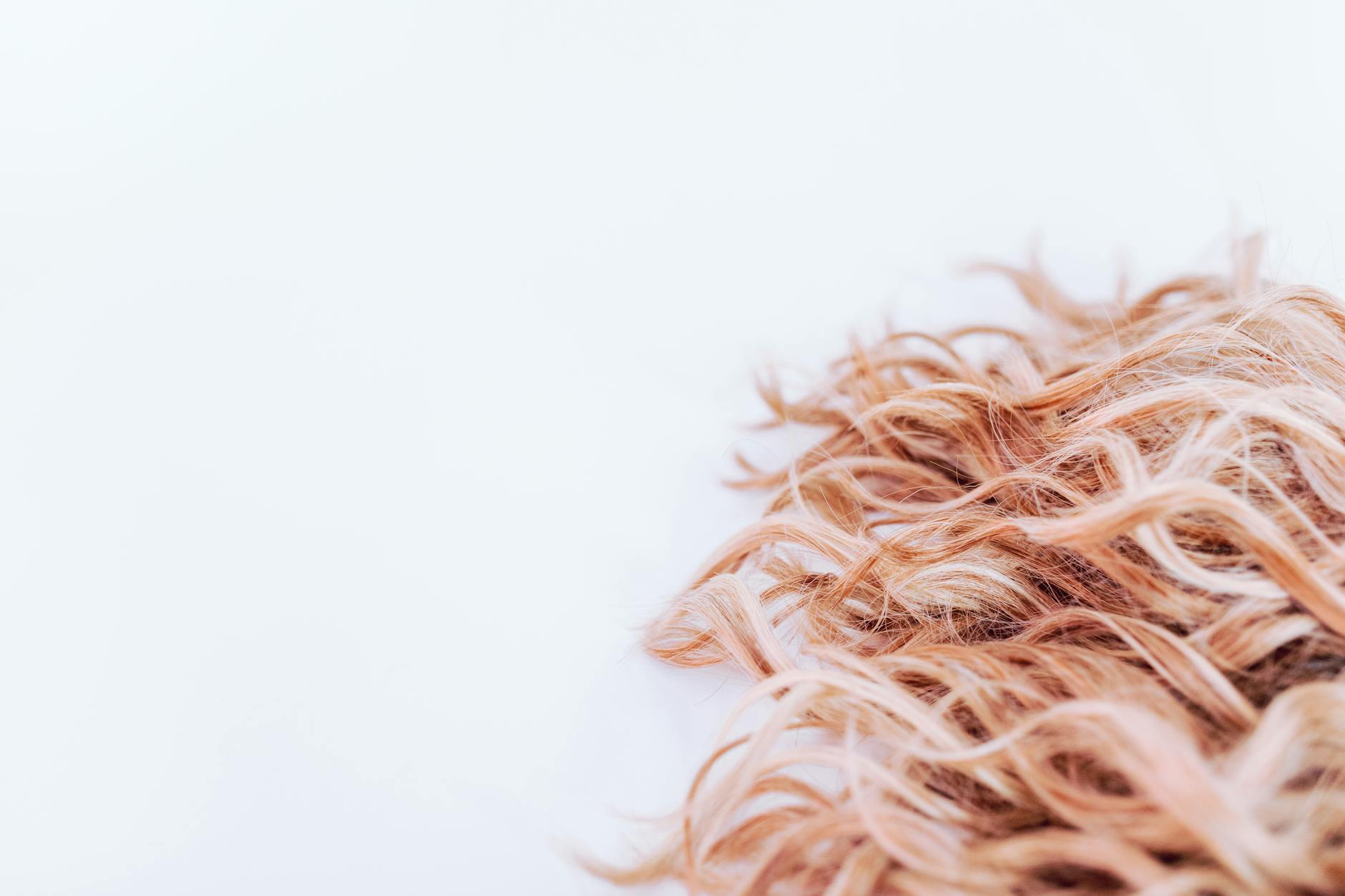
Both scalp hair and body hair accumulate in bedding at a rate that surprises most guests who are unaware of how much hair the human body naturally sheds overnight. Long hair forms tangled clumps in the center of the bed and wraps itself around the elastic edges of fitted sheets during washing. Short body hair is more difficult to remove because it embeds itself into the weave of the fabric and resists standard washing cycles. Cleaners often find significant quantities of hair under pillows and along the edges of the mattress where it has been pushed by movement during sleep. Hair from multiple guests can accumulate in a mattress over time if a mattress protector is not used consistently.
Makeup Residue
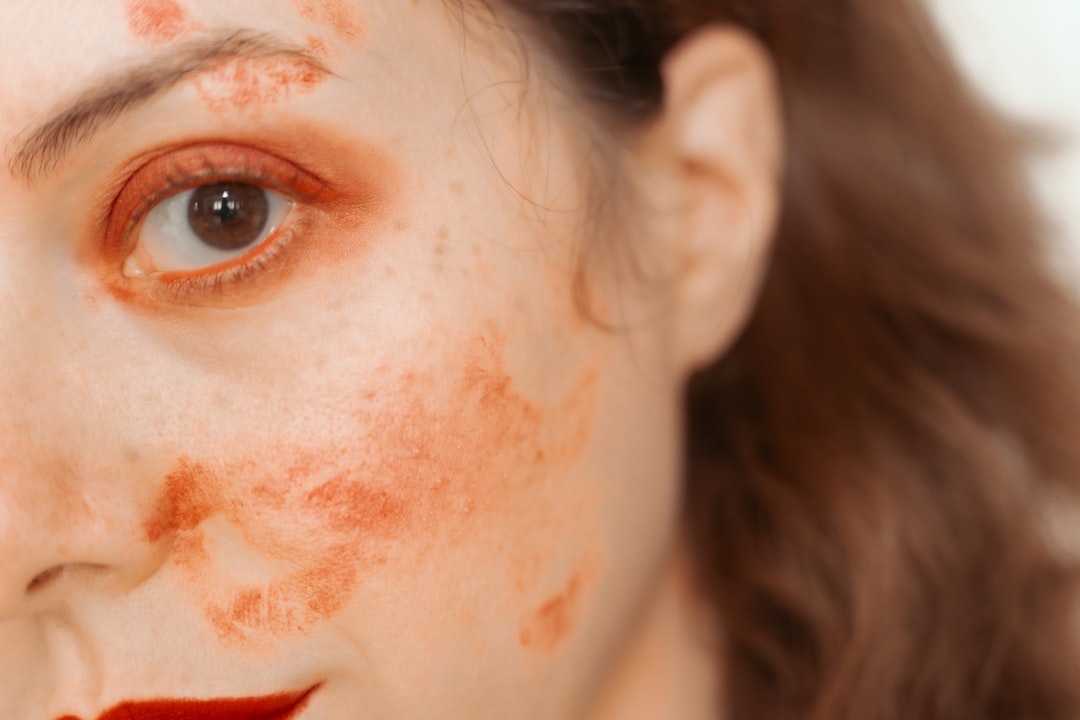
Foundation, mascara, bronzer and skincare products transfer from a guest’s face and neck to pillowcases and sheets throughout the night. The oils in these products bond with fabric fibers and create stains that are resistant to standard laundering if not treated with a specific stain remover before washing. Cleaners frequently find full face-shaped impressions on white pillowcases where guests have slept without removing their makeup. Self-tanning products are particularly problematic because they oxidize overnight and leave orange or brown streaks that are difficult to reverse even with professional cleaning products. Heavy foundation stains on good quality pillow cases often result in the linens being retired from regular use earlier than expected.
Pet Hair
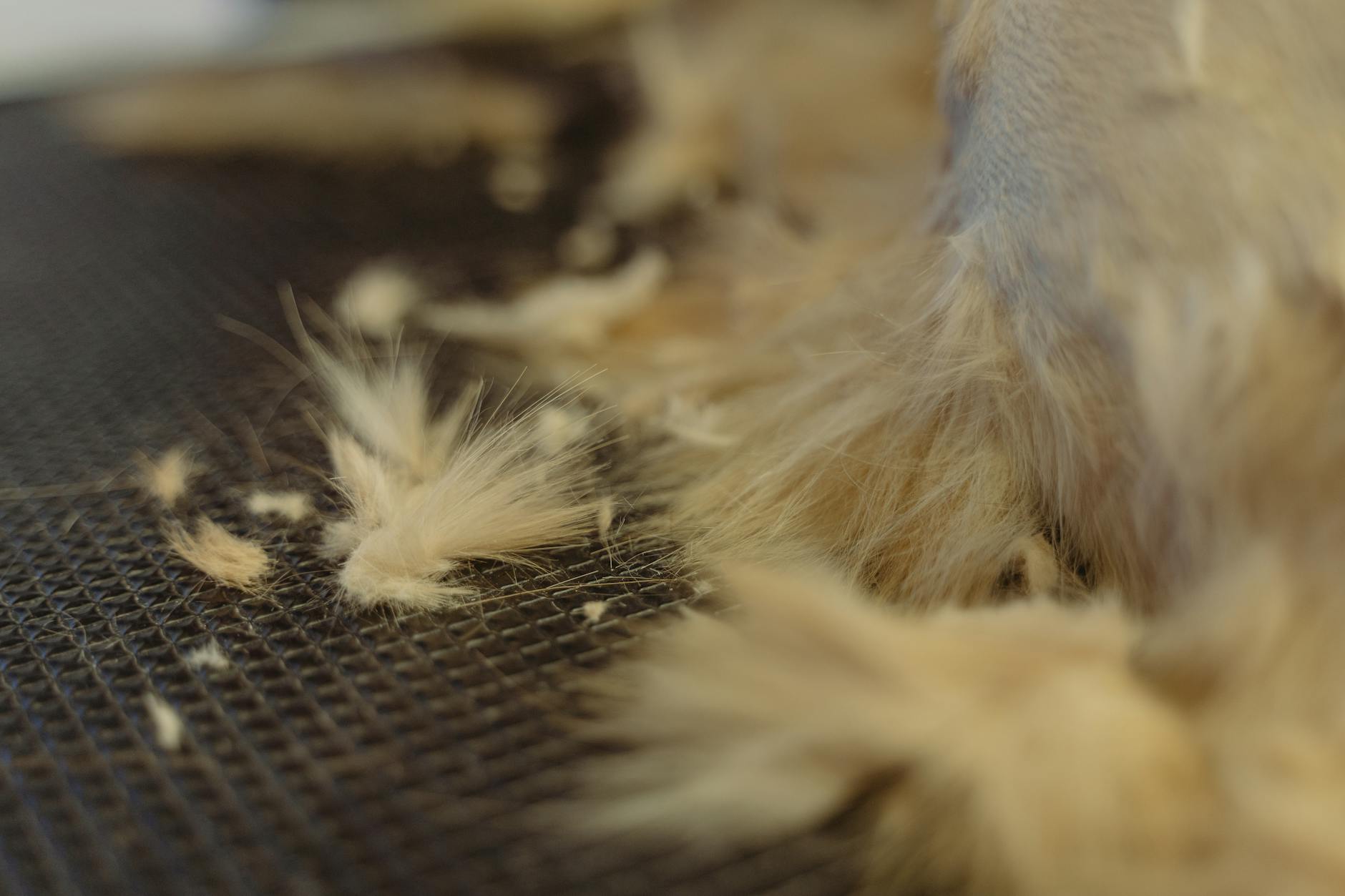
Guests who travel with pets or who live with animals carry pet hair on their clothing, luggage and personal items which then transfers to the bedding of their host. Dog and cat hair works its way deep into mattress fabric and cannot be fully removed by vacuuming alone. Cleaners find pet hair even in homes that do not allow animals on the furniture, having arrived entirely through contact with a guest’s belongings. The hair can trigger allergic reactions in subsequent guests who have no knowledge that an animal was ever in the room. Professional cleaners rate pet hair as one of the most time-consuming residues to fully remove from a set of bedding.
Sand

Guests who have visited a beach, a park or any outdoor sandy environment before sleeping bring microscopic and visible sand particles into the bed through their feet, hair and clothing. Sand functions as an abrasive that damages fabric fibers over repeated wash cycles and creates an uncomfortable gritty sensation for anyone sleeping in the same bed afterward. Cleaners in coastal holiday properties and Airbnb rentals near beaches list sand as a near-constant presence in guest bedding regardless of whether a shower was taken before sleeping. The fine particles settle into the mattress and cannot be fully removed without a thorough vacuuming of the entire surface. Even a brief walk on a sandy surface before bed is enough to introduce a measurable quantity of grit into the sheets.
Skincare Products

Overnight moisturizers, prescription creams, acne treatments and body lotions transfer from skin to sheets in significant quantities during a full night of sleep. Some of these products contain active ingredients that can bleach or discolor dark-colored bedding and leave white residue patterns on darker linens. Retinol and benzoyl peroxide products are particularly damaging to fabric and are frequently identified as the cause of unexpected staining during a post-guest laundry cycle. Cleaners working in high-turnover rental properties describe finding greasy yellow patches on pillow cases and mattress protectors where heavy overnight creams have soaked through. The cumulative effect of repeated skincare transfer shortens the lifespan of quality bedding considerably.
Chewing Gum
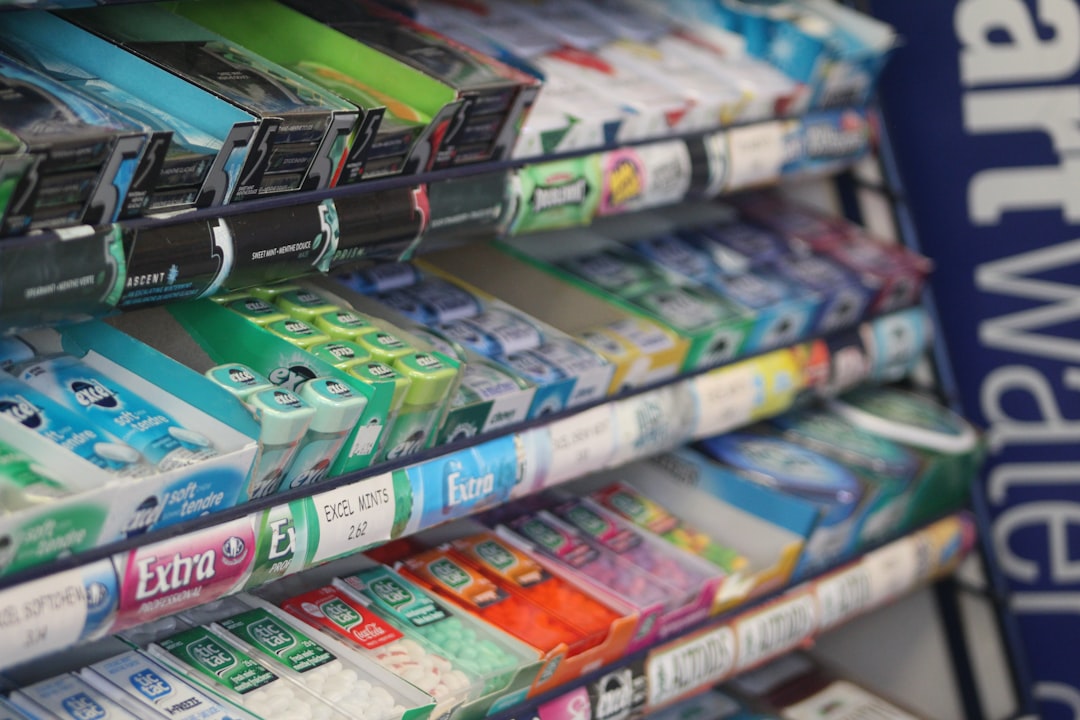
Chewing gum found stuck to sheets, mattress surfaces and the undersides of pillows is a discovery that cleaning professionals rank among the most frustrating to resolve. The adhesive properties of gum mean it bonds tightly with fabric fibers and becomes more difficult to remove as it warms to body temperature during sleep. Finding it already fully embedded into a woven sheet typically requires freezing the fabric before attempting removal, which is rarely practical in a fast-turnaround cleaning situation. Cleaners working in guest rooms and rental properties report finding gum that has been pressed directly onto the mattress surface, suggesting it was placed there deliberately or carelessly discarded in the dark. The residue left behind even after removal often requires the affected area to be covered rather than restored to its original condition.
Dead Skin
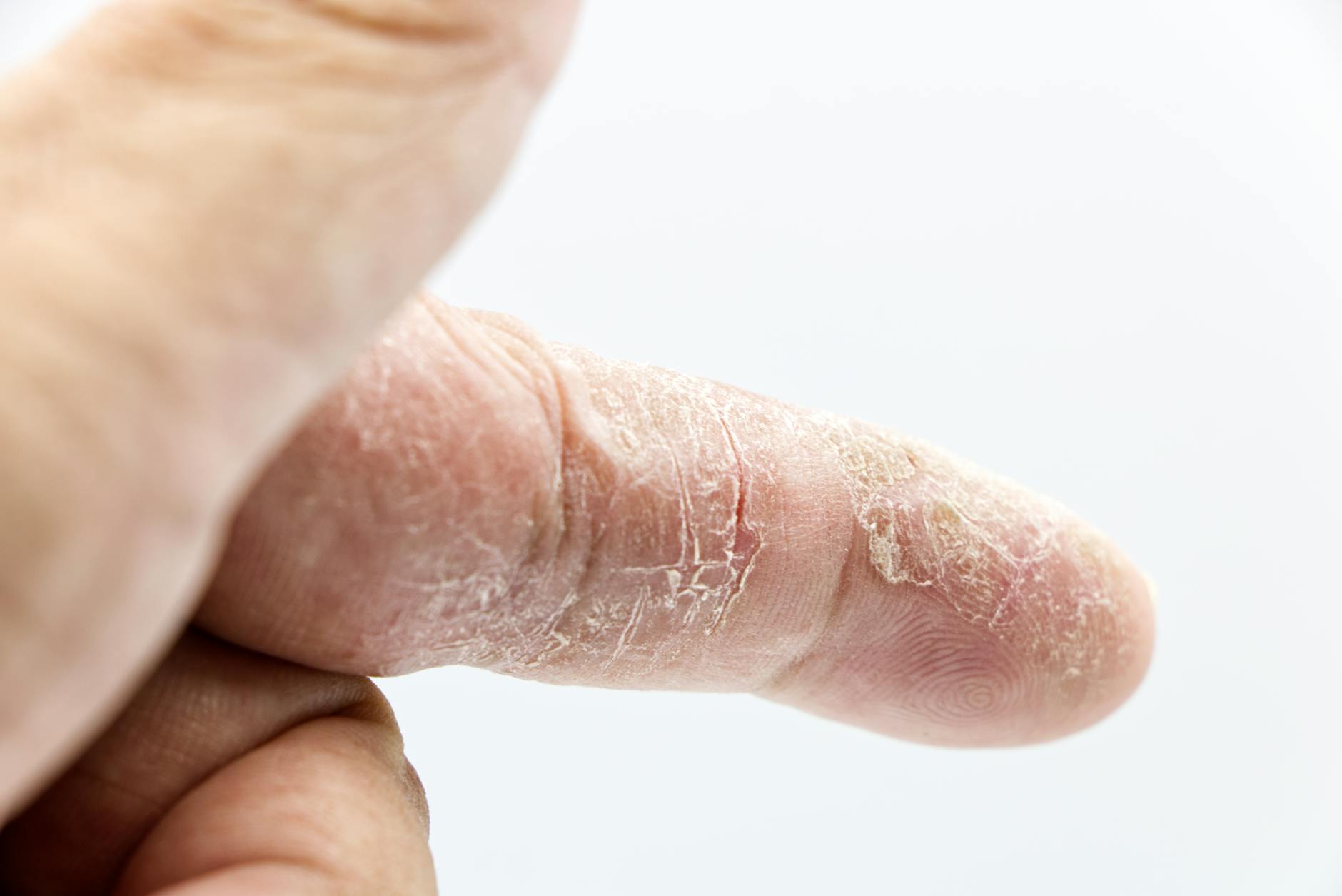
The human body sheds approximately thirty to forty thousand dead skin cells every hour, which means a single night in bed deposits a significant quantity of cellular material into the sheets and mattress. This biological residue is invisible to the naked eye in small quantities but accumulates rapidly into a visible layer in mattresses that are not protected or regularly cleaned. Dust mites feed on dead skin cells and thrive in the warm, slightly humid environment of an unmaintained mattress, creating a secondary hygiene concern beyond the skin itself. Cleaners describe stripping beds after extended guest stays and finding a visible dusty film on the mattress surface beneath the fitted sheet. Mattress protectors significantly reduce the buildup but do not eliminate it entirely.
Medication
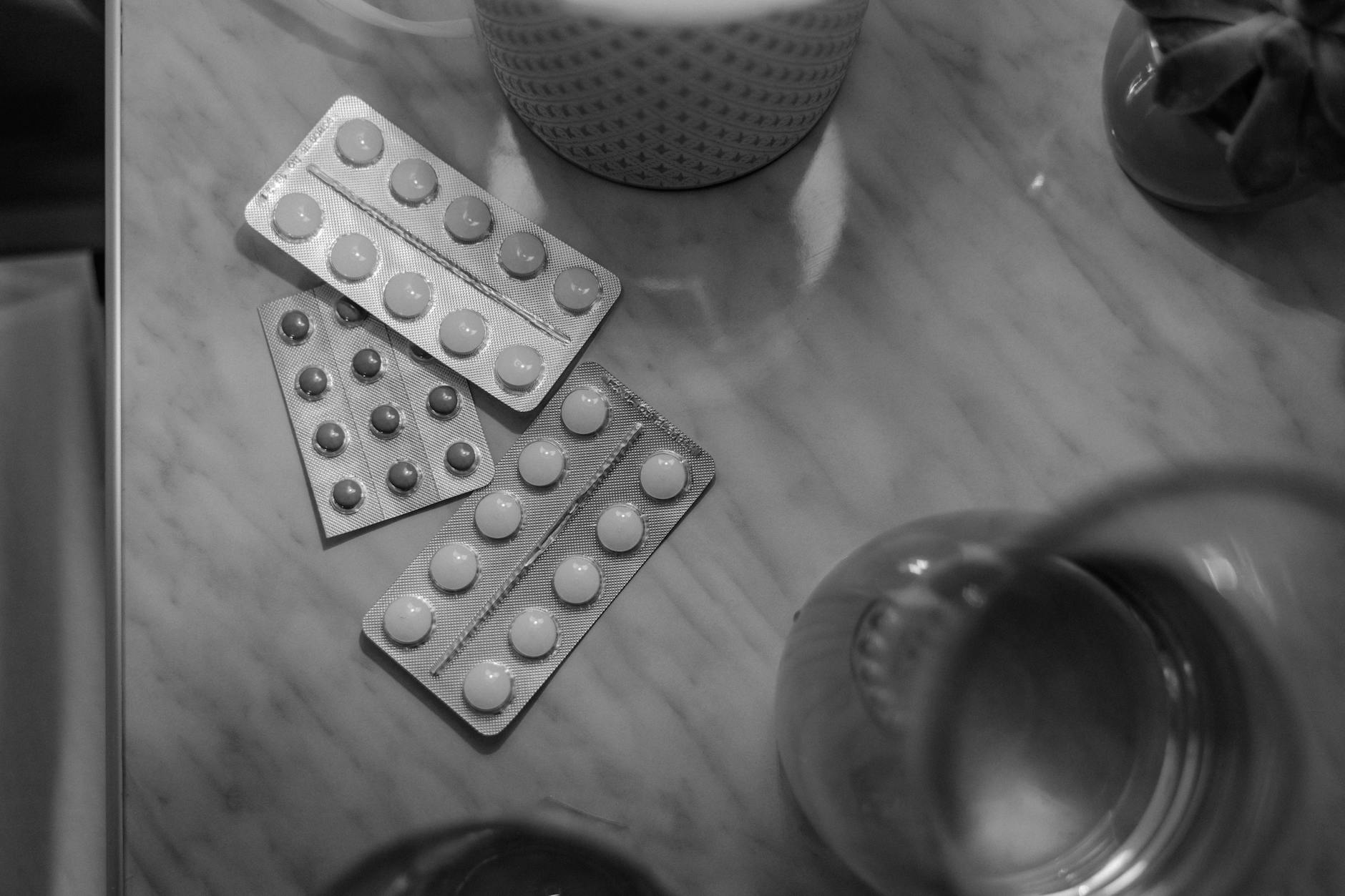
Loose pills, tablets and capsules that have fallen from a nightstand or been placed on the bed for convenience are regularly found in guest bedding during a standard clean. Small tablets can work their way into the folds of a fitted sheet or fall between the mattress and the bed frame during sleep, becoming nearly impossible to spot during a quick visual check. Some medications found by cleaners are prescription-strength and their presence in a shared space creates both a safety concern and an uncomfortable privacy situation for the guest who left them. Cleaning staff in professional hospitality environments are trained to report found medications rather than dispose of them because of liability considerations. The frequency of this discovery suggests that a bedside table or a secure travel pouch is rarely used as consistently as intended.
Glitter

Guests who have attended events, worn heavily decorated clothing or used cosmetic glitter products deposit this material onto bedding in quantities that professional cleaners describe as disproportionate to any visible source. Glitter is one of the most difficult substances to fully remove from fabric because its flat reflective shape allows it to cling electrostatically to individual fibers and resist both washing and vacuuming. A single guest who attended an event involving glitter the same evening can transfer enough of it to render a set of white sheets visibly sparkled for several washes afterward. Cleaners working in event-adjacent rental properties near festival venues and party locations report glitter as a persistent presence that outlasts multiple laundry cycles. The material also travels from the sheets into the washing machine drum and can transfer faintly onto subsequent loads of unrelated laundry.
Fake Tan Residue

Self-tanning products continue developing color for several hours after application and transfer heavily to any fabric they contact during that development window. Guests who apply fake tan in the evening and sleep before it has fully processed leave behind orange and brown streaks on pillow cases, sheets and sometimes the mattress protector underneath. The color compounds in self-tanning products are resistant to standard laundry detergents and often require specialized stain treatment or enzymatic cleaners to fully lift. Cleaners working in holiday rental properties note that fake tan staining is one of the most reliable predictors of needing to replace pillow cases after a guest stay. White and pale-colored bedding is particularly vulnerable because the color contrast makes even faint transfer immediately visible.
Confetti

Paper and metallic confetti carried on clothing or in luggage from parties, weddings or celebrations transfers to bedding in the same persistent way as glitter. The small lightweight pieces find their way into every fold and corner of a made bed and reappear even after the sheets have been stripped and replaced. Cleaners working in properties near event venues describe finding confetti weeks after the guest responsible for it has checked out, suggesting it migrates from the mattress back into freshly made beds during routine turnovers. Colored paper confetti can also bleed its dye onto damp sheets when exposed to body heat and perspiration overnight. The sheer volume of confetti that a single guest can unknowingly transport is consistently surprising to cleaning professionals.
Used Bandages
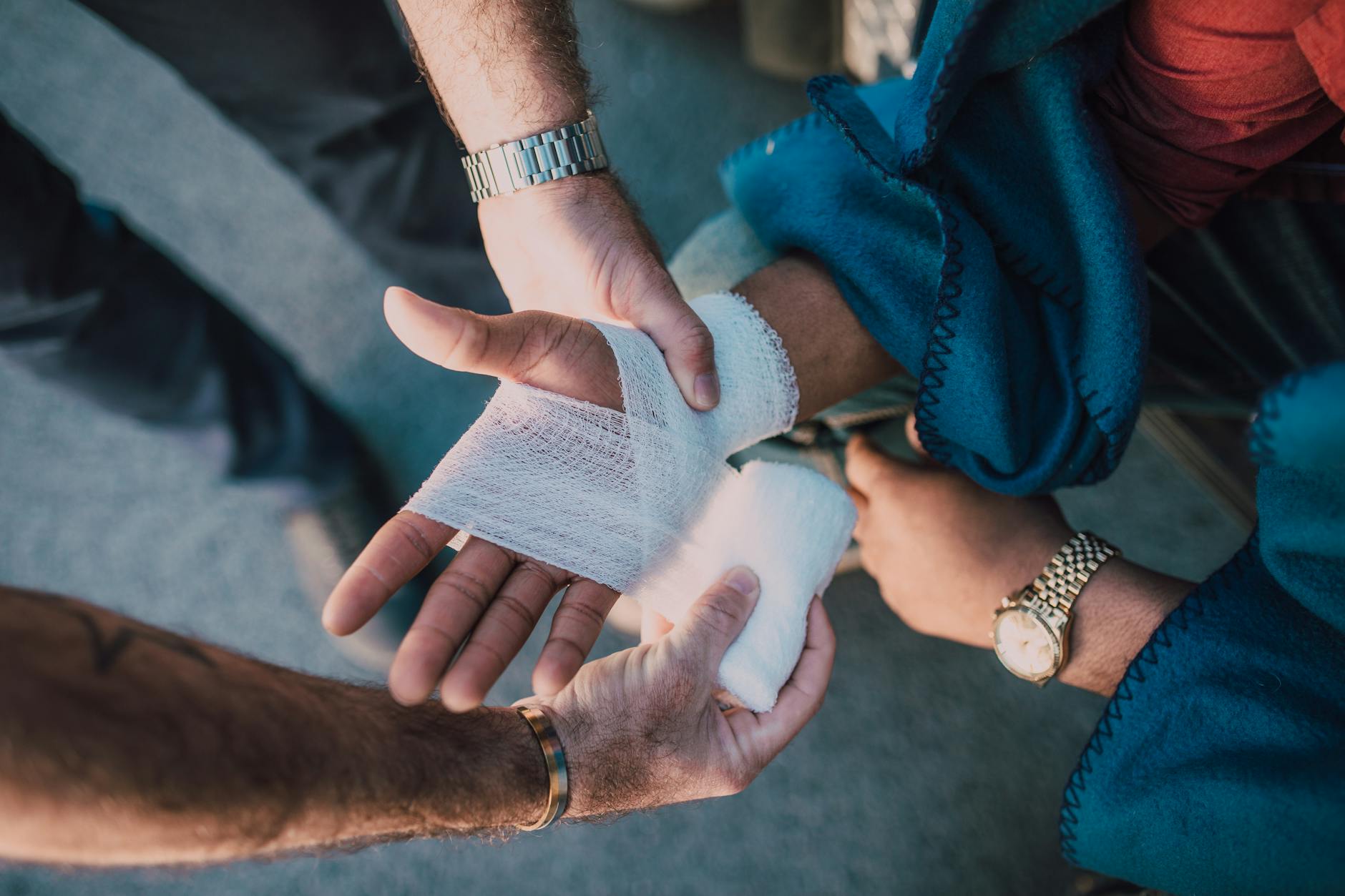
Adhesive bandages removed and left in the bed rather than disposed of properly are encountered regularly by cleaners during post-guest linen changes. The adhesive side of a used bandage bonds to fabric easily and can be difficult to peel away without leaving a sticky residue behind on the sheet. Cleaners must also handle used bandages carefully due to the potential presence of blood or wound discharge, which introduces a biohazard concern into an otherwise routine cleaning task. Professional hospitality cleaning protocols classify used bandages as contaminated material requiring gloved handling and specific disposal procedures. The discovery is considered both an unpleasant and avoidable finding that reflects a lack of awareness about shared spaces.
Receipts and Wrappers

Paper receipts, snack wrappers, packaging inserts and cardboard tags removed from new clothing are found regularly in the folds of guest bedding during standard cleans. These items are typically emptied from pockets or bags while sitting on the bed and then forgotten as they slip beneath the covers during sleep. Cleaners describe finding crumpled wrappers at the foot of the bed, receipts tucked between the mattress and the fitted sheet and price tags from newly unpacked items scattered across the mattress surface. While these discoveries are not biologically problematic they add time to a standard clean and reflect the degree to which guests treat a hosted bed as an extension of their personal space. The paper wrappers from individually wrapped sweets are among the most frequently encountered items in this category.
Soil and Debris
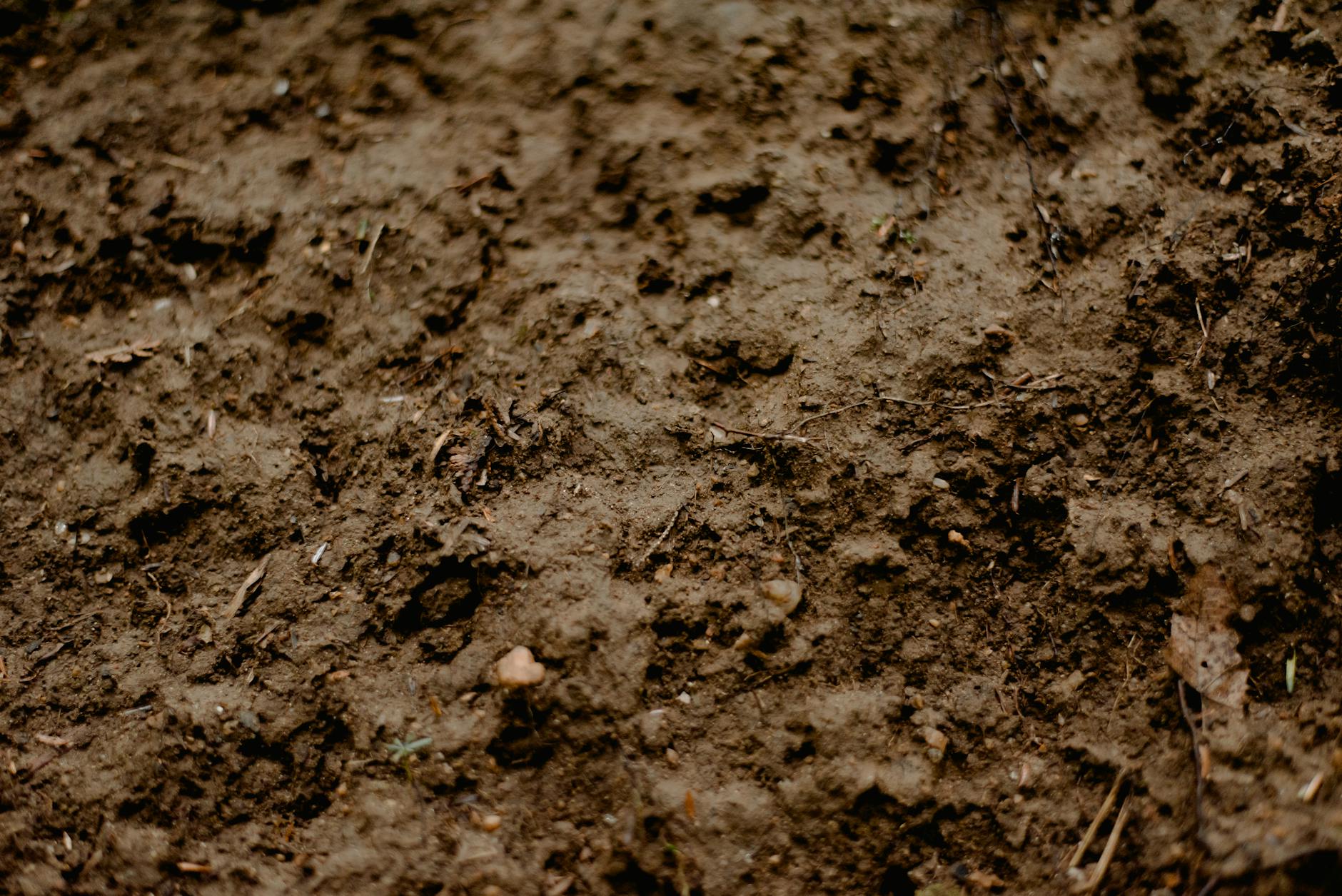
Guests who sit or lie on the bed while still wearing outdoor clothing or shoes introduce soil, pollen, grass and general outdoor debris directly into the bedding. Dirt particles that are too fine to see individually accumulate into a visible greyish film on the underside of the fitted sheet after a multi-night stay. Cleaners working in rural holiday rentals and properties near hiking trails or gardens consistently report higher levels of outdoor debris in guest bedding compared to urban properties. The debris also works into the mattress fabric and affects the longevity of the mattress itself if a quality protector is not in place. Guests who wear their outdoor shoes onto the bed are responsible for the most concentrated and visible examples of this particular discovery.
Insect Repellent
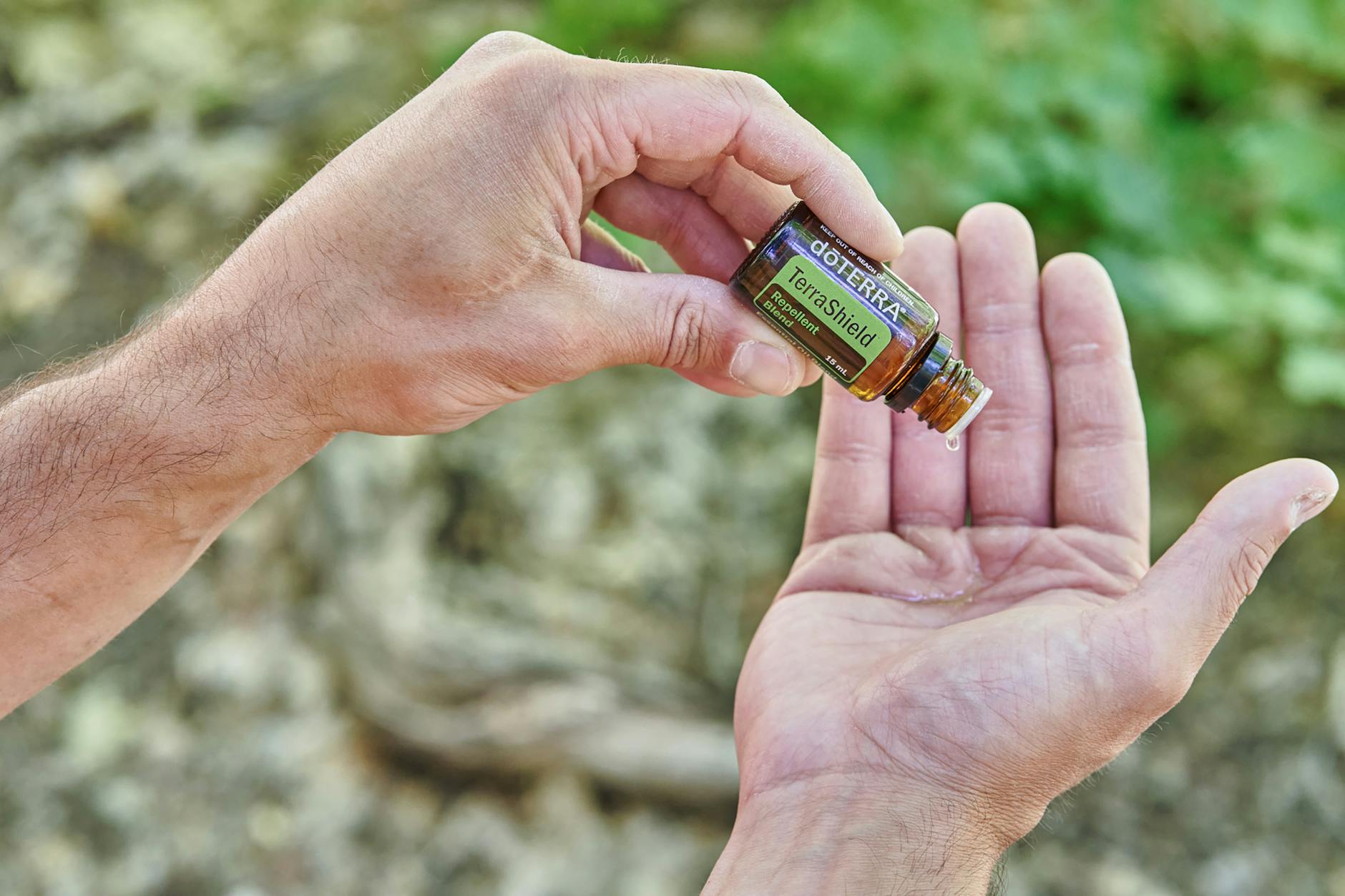
Topical insect repellent products applied to skin before outdoor activities or evening events transfer readily to bedding when guests do not wash them off before sleeping. The chemical compounds in repellent sprays leave a tacky residue on fabric that attracts and traps other particulate matter including hair, skin cells and dust. Repeated exposure to DEET-based products can degrade the elastic in fitted sheets and weaken the thread structure of finer pillow cases over time. Cleaners in rural and warm-climate properties report a strong chemical smell on bedding that they identify as insect repellent even before stripping the bed. The residue does not fully wash out in a standard domestic cycle and often requires a pre-soak or additional treatment step.
Candle Wax
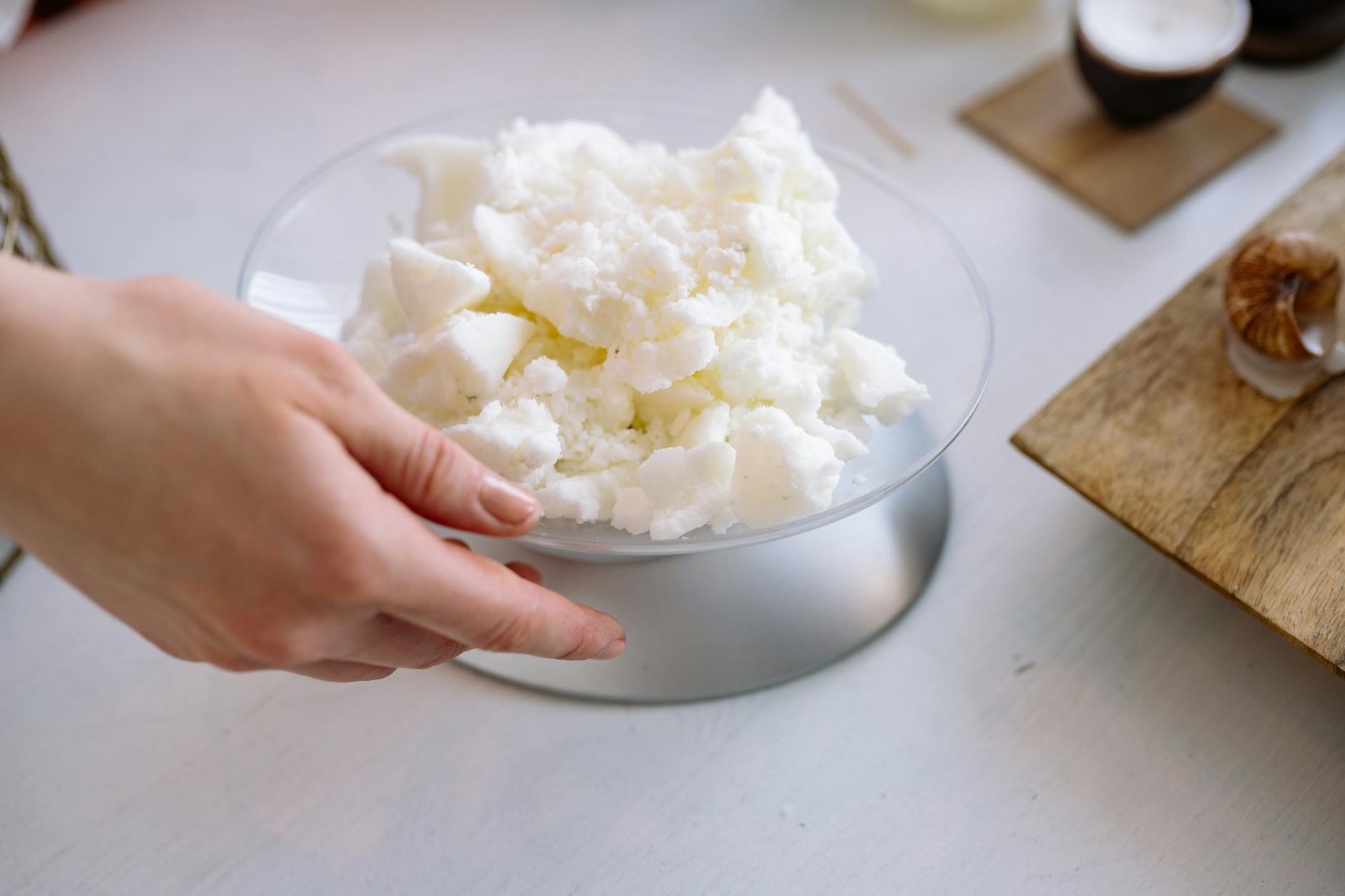
Guests who burn candles in a bedroom and allow wax to drip or spill transfer hardened wax deposits onto bedding, mattress surfaces and the headboard fabric of upholstered beds. Removing hardened wax from woven sheet fabric requires careful application of heat followed by blotting, a process that is time-consuming and risks spreading the stain if done incorrectly. Scented candle wax leaves an additional fragrance residue that can be overpowering and difficult to neutralize even after washing. Cleaners who find candle wax on bedding must also inspect for singeing or heat damage to the fabric, which can occur when a candle is placed too close to the bed surface. The discovery of wax is also an indicator of an unaddressed fire risk that cleaning staff in rental properties are required to report.
Pen and Ink
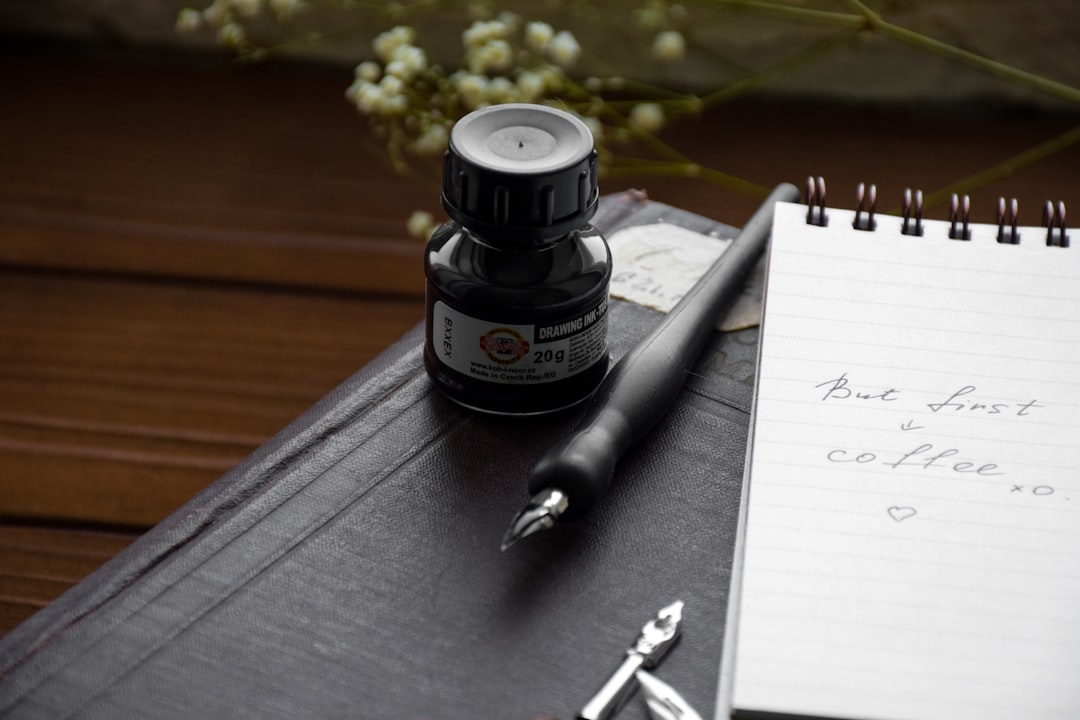
Ink stains from leaking ballpoint pens, felt-tip markers and fountain pen cartridges are found regularly in guest bedding by cleaners who encounter them typically on pillowcases and the upper sheet. Guests who work, read or write in bed carry pens that roll loose under the covers and uncap under body pressure during sleep, depositing ink directly onto the fabric. Ballpoint ink stains bond chemically with fabric fibers and require alcohol-based treatment to break down before washing. A single pen that fully empties its ink cartridge onto a white pillowcase typically results in the item being discarded rather than cleaned. Cleaners describe ink stains as one of the more permanent discoveries because even successfully treated stains often leave a faint residue that remains visible in certain lighting.
Alcohol Spills

Drinks consumed in bed, whether wine, beer or spirits, leave behind sticky residue that ferments slightly as it dries and produces a detectable sour odor in the bedding. The sugar content in most alcoholic drinks makes the dried stain a target for mold growth if the bedding is left unchanged for any length of time after the spill. Cleaners working in short-term rental properties describe finding pillow cases and upper sheets with large circular staining patterns that indicate a glass was spilled and then covered over rather than reported. Red wine in particular leaves a tannin stain that resists standard laundering and requires targeted treatment with enzymatic cleaners or oxygen-based stain removers. The accompanying smell of soured alcohol is often detectable in the room before the bed has even been stripped.
Sunscreen
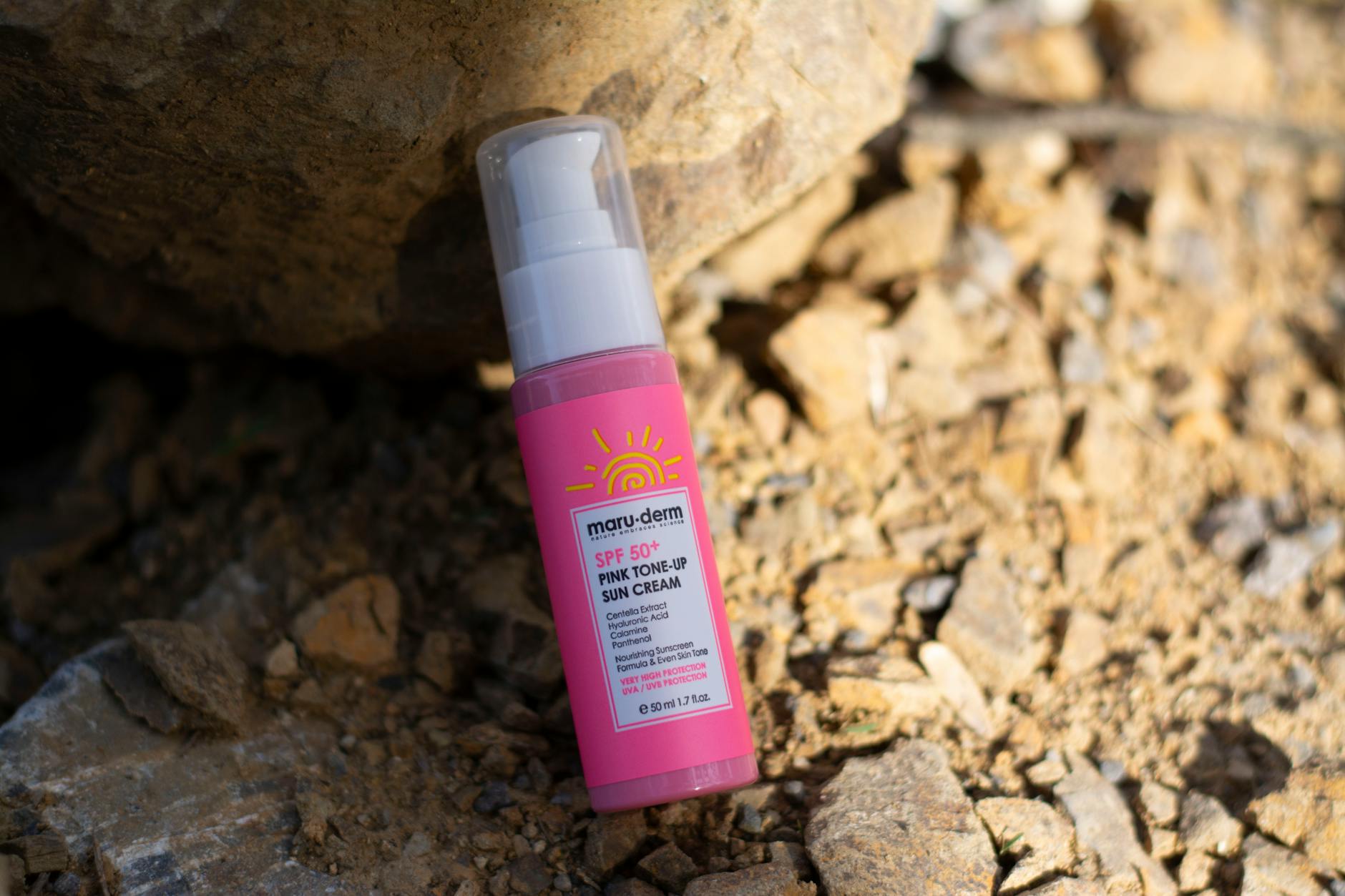
Sunscreen applied before outdoor activity and not fully washed off before sleeping leaves a white or yellowish oily residue on pillowcases and sheets that is resistant to standard laundry detergents. The mineral compounds in physical sunscreens are particularly difficult to remove from fabric because they do not fully dissolve in water and instead smear across a wider area during washing. Chemical sunscreens react with fabric over time and can cause a subtle yellowing of white linens that worsens with each wash cycle if not properly pre-treated. Cleaners working in warm-weather vacation rentals and coastal properties list sunscreen residue as one of the most consistent and damaging substances they encounter in guest bedding. A single application left overnight is enough to visibly affect the appearance of a white pillowcase after washing.
Jewelry

Small items of jewelry including earring backs, broken chain links, individual beads and charm pendants are found regularly in the folds and lower sections of guest bedding during post-stay cleans. These items fall from nightstands, roll off skin during sleep or are deliberately removed and forgotten on the mattress surface when guests are preparing for bed in the dark. Earring backs in particular are small enough to pass through the mesh of a washing machine drum and potentially cause damage to the appliance if not caught before laundering. Cleaners working in hotel and rental environments maintain a found-items log and are required to hold jewelry for a designated period before it can be disposed of or donated. The quantity of jewelry recovered from bedding over the course of a cleaning career is consistently described as surprising by experienced hospitality staff.
Sand Flies and Insects

Guests returning from wooded areas, beaches or gardens occasionally introduce live or dead insects into bedding through contact with clothing and hair that has not been changed before sleeping. Cleaners in rural and coastal properties find dead insects ranging from midges and flies to beetles and moths compressed into the layers of guest bedding during routine changes. The presence of certain insects, including fleas introduced via contact with an animal rather than a pet brought into the home, creates a secondary infestation risk that extends well beyond a single bed change. Live insects discovered in bedding during a clean must be identified and reported in professional hospitality environments to determine whether a pest control response is needed. The frequency of insect-related discoveries increases significantly in summer months and in properties adjacent to natural outdoor environments.
Blood
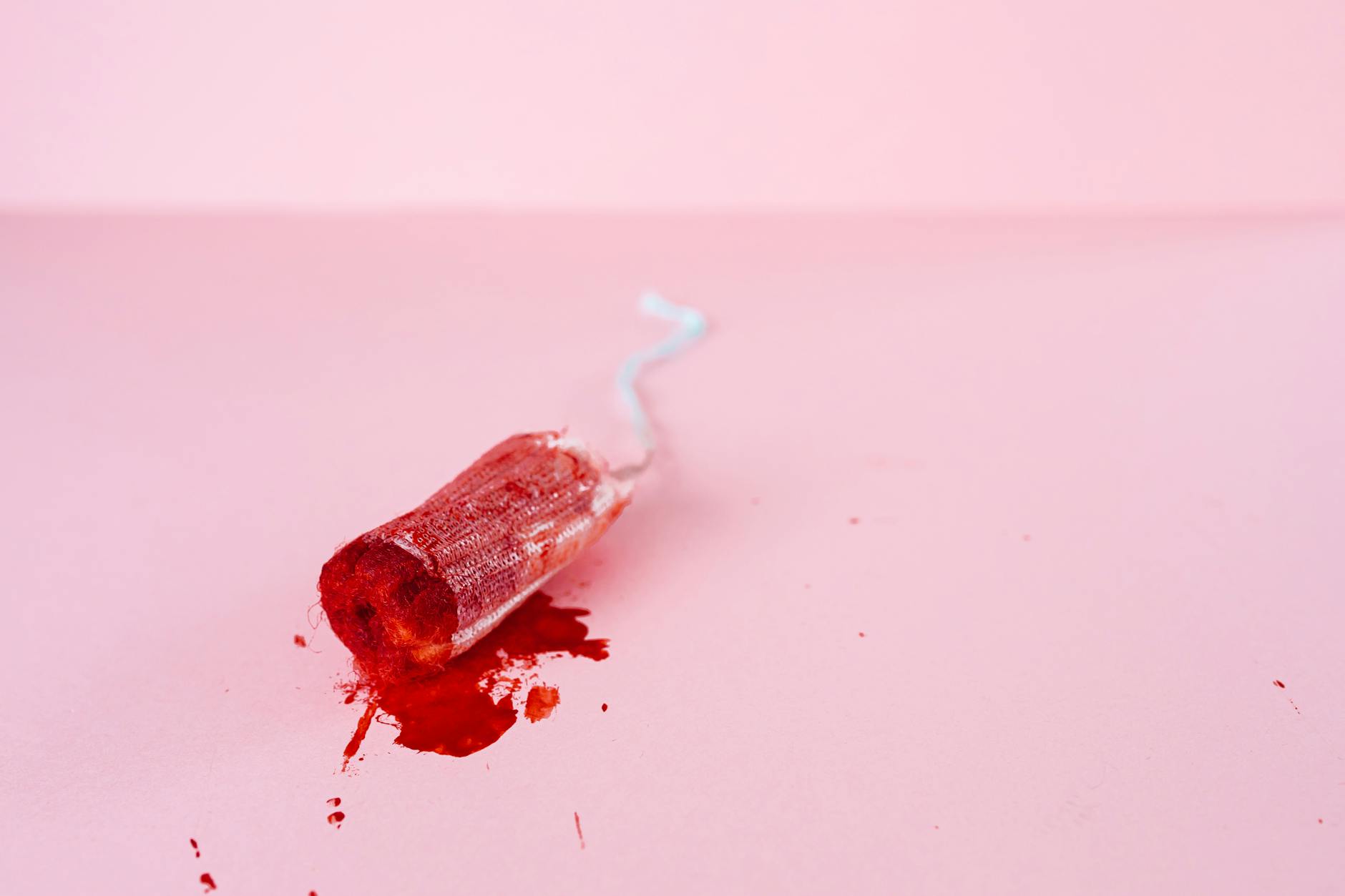
Small bloodstains on bedding from minor cuts, insect bites, nosebleeds or skincare procedures are among the most commonly reported biological discoveries made by professional cleaners during post-guest linen changes. Blood bonds with fabric fibers rapidly as it dries and requires cold water treatment rather than hot washing because heat sets the stain permanently into the material. Cleaners working under professional hospitality protocols treat bloodstained items as potentially contaminated materials and handle them with gloves regardless of the quantity present. Guests who experience a minor bleed during the night frequently pull the affected area of the sheet beneath the mattress or tuck it out of sight rather than reporting the issue, which allows the stain to fully set before the cleaning team arrives. Professional cleaning products formulated for biological stains can remove fresh or lightly set bloodstains with good results but older or deeply embedded staining typically renders the item unsuitable for further use.
Chewed Food

Partially chewed food and discarded crusts or food fragments in conditions suggesting they were chewed and then removed from the mouth are among the more stomach-turning discoveries reported by experienced cleaning professionals. The moisture content in chewed food accelerates mold growth significantly when the material is trapped between sheets and left undiscovered for more than a day. Cleaners report finding items including bread, fruit pieces and confectionery in states suggesting they were placed on the bed and then covered over during sleep rather than disposed of in a bin. The organic material attracts insects within a short period and can cause permanent staining and odor absorption in mattress fabric if it reaches the surface beneath the fitted sheet. Hospitality cleaning professionals describe this discovery as one that requires both immediate linen disposal and a thorough inspection and treatment of the mattress itself.
Share the most surprising or unexpected thing you have ever found in a guest bed in the comments.