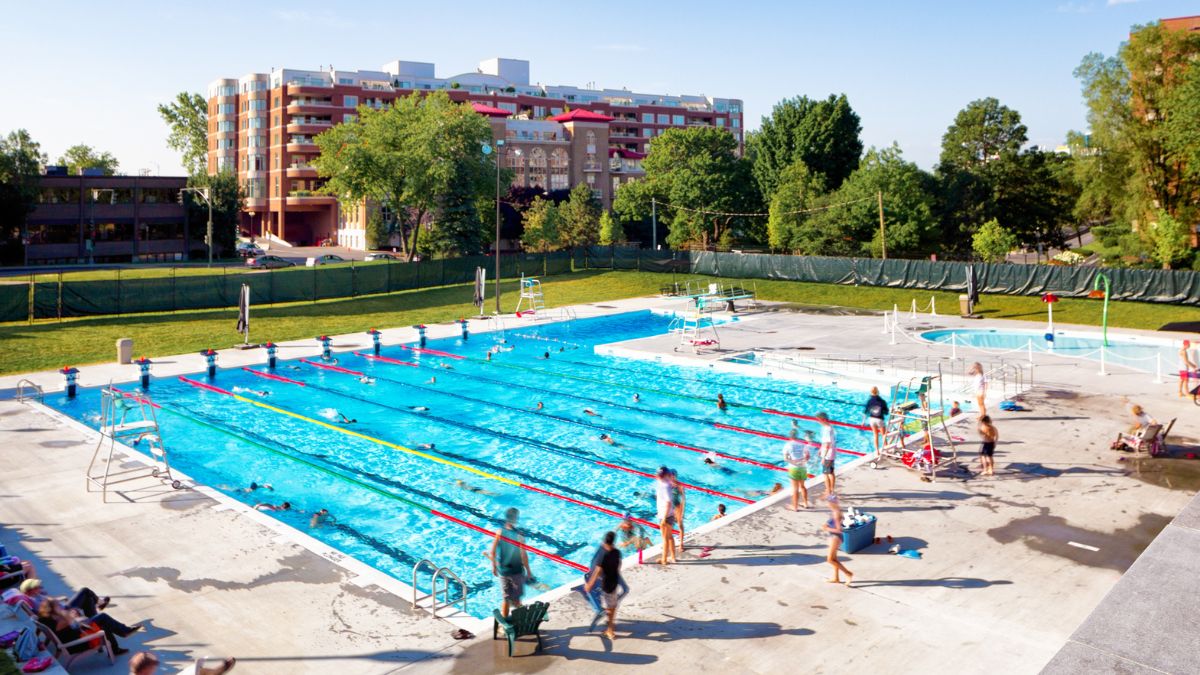
The public swimming pool presents a particular social contract that an alarming number of people treat as entirely optional the moment they step through the gate. Lifeguards occupy one of the most paradoxically powerless authority positions in any public recreational setting, armed with whistles and rulebooks but frequently undermined by management reluctance to cause conflict, the threat of complaints from paying customers, and the social dynamics of confronting adults about behaviors that should never require confrontation in the first place. What follows are the most prevalent and least addressed behaviors that aquatic staff observe daily, discuss privately with considerable frustration, and intervene on far less frequently than public health and basic human decency would demand.
Urinating

The assumption that pool water’s chemical treatment renders urination harmless is one of the most consequential and widespread misconceptions in public aquatic facility use. When urine combines with chlorine in pool water it produces a family of chemical compounds known as chloramines, which are responsible for the eye irritation, respiratory discomfort, and distinctive smell that most people incorrectly attribute to chlorine itself. Aquatic chemistry researchers have found that a significant proportion of the chloramine load in a busy public pool on any given day originates from urination rather than from environmental contamination, meaning that the discomfort experienced by swimmers is a direct product of this behavior. Lifeguards who cannot see below the water surface have no mechanism for detecting or proving the behavior in real time, and the social cost of accusing an adult of urinating without evidence makes intervention effectively impossible. The Centers for Disease Control has identified urination as one of the primary contributors to recreational water illness risk in public pools and has conducted public awareness campaigns that have produced minimal change in actual behavior.
Open Wound Swimming
Entering a pool with an uncovered or inadequately covered open wound creates a bidirectional contamination risk that pool chemistry is not designed to fully neutralize within the timeframes relevant to a single swimming session. Bloodborne pathogens and bacteria present in wound exudate enter the water column and distribute throughout the circulation system before any chemical intervention can render them harmless, creating an exposure risk for every swimmer in contact with that water during the period of contamination. The swimmer with the open wound is simultaneously at elevated risk of acquiring opportunistic infections from the bacterial load present in any shared aquatic environment, as open tissue provides direct access that intact skin would otherwise prevent. Pool staff who notice a bandaged wound on an entering swimmer are frequently unsure of their authority to deny entry and reluctant to create a confrontation over an injury whose nature and severity they cannot assess from a distance. Public health guidelines are unambiguous on this point but enforcement depends entirely on individual staff confidence and management backing that is not consistently available.
Diaper Neglect

Bringing an infant or toddler into a pool in a standard disposable diaper rather than a properly fitted swim diaper introduces a fecal contamination risk that has been directly linked to documented outbreaks of recreational water illness at public facilities. Standard disposable diapers are not designed to contain fecal matter in an aquatic environment and rapidly lose their structural integrity when submerged, releasing their contents directly into the pool water within minutes of immersion. The parasites most commonly associated with recreational water illness outbreaks, particularly Cryptosporidium, are highly resistant to standard chlorine concentrations at the levels maintained in public pools and can survive for days in treated water. Lifeguards who observe a child in an inadequate swim diaper are required by most facility policies to ask the family to use proper containment, but the confrontation with parents who interpret the request as a personal criticism frequently escalates in ways that junior staff are poorly equipped to manage. Aquatic health inspectors who investigate recreational water illness outbreaks consistently identify improper infant containment as the most common point of origin.
Spitting
Expectorating directly into pool water, onto pool decks, or over lane rope dividers is a behavior observed with sufficient frequency in competitive and recreational swimming environments that lifeguards have effectively normalized their own non-response to it. Saliva carries a bacterial and viral load that, while typically benign in healthy individuals, includes pathogens that can cause illness in immunocompromised swimmers, young children, and elderly pool users who represent a significant proportion of public aquatic facility attendance. The pool deck spitting variant is particularly hazardous because wet surfaces create direct contact exposure for barefoot swimmers who walk through the expectorate before entering the water, bypassing even the limited protection that pool chemistry provides. Staff who intervene on spitting behavior typically encounter genuine confusion from the offending swimmer, who has not considered that the behavior is prohibited or problematic in an environment where everything is already wet. The absence of visible consequences combined with the social awkwardness of the confrontation produces a consistent pattern of staff non-intervention that effectively communicates tacit permission.
Food in Water

Consuming food while actively in the pool rather than at the designated pool deck area introduces organic matter into the water that accelerates chlorine depletion and creates a feeding environment for microbial growth. Crumbs, oils, sugars, and food particles released into pool water consume the free chlorine that should be available to neutralize biological contaminants, temporarily reducing the water’s disinfection capacity during the period when organic load is highest. Competitive swimmers and parents of young children are the most frequent offenders in this category, with snack consumption in the shallow end during lessons and recreational sessions being particularly common. Pool chemistry operators who test water during and after periods of heavy recreational use consistently identify organic load from food contamination as a measurable contributor to chlorine demand spikes that require additional chemical treatment to correct. Lifeguards who enforce no-food rules in the water frequently face resistance from parents who view the pool as an extension of a supervised play environment where normal snacking rules apply.
Fake Lap Swimming
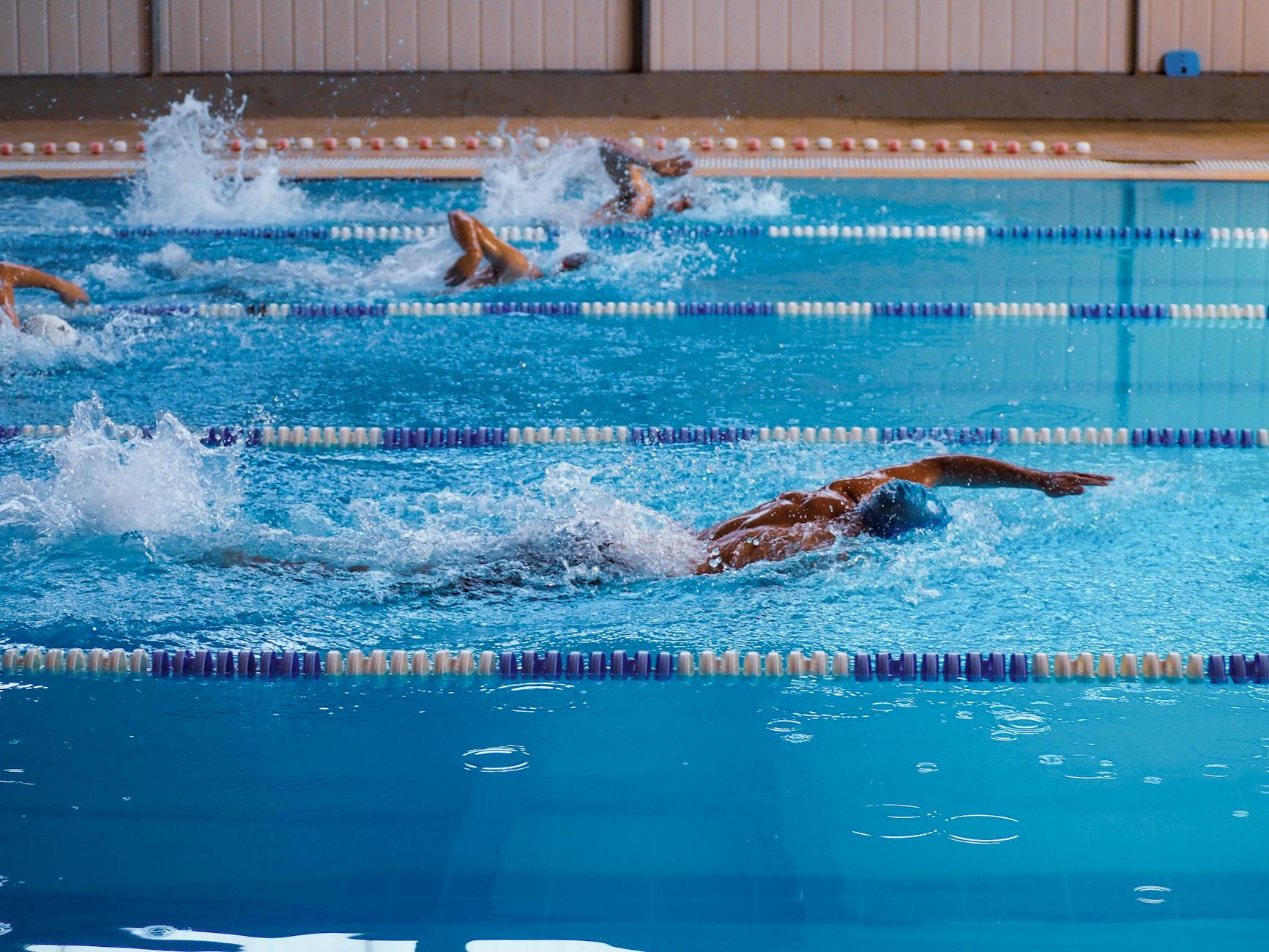
Occupying a designated lap lane during peak hours while performing social activities including standing conversations, stationary floating, or non-directional movement prevents genuinely athletic swimmers from accessing the facility’s limited high-speed swimming space and represents a consistent source of conflict that staff are expected to manage but rarely do effectively. Lap lanes carry an implicit code of conduct that is understood by experienced swimmers but is invisible to recreational users who see an available lane as simply an available space without recognizing its designated purpose. Lifeguards who ask recreational users to relocate to open swim areas frequently encounter indignation from individuals who have paid the same entry fee as the lap swimmers they are displacing. Aquatic center managers who set lane allocation policies typically leave enforcement discretion to individual lifeguards, who then bear the entire social cost of implementing a rule they did not create. The resulting inconsistency in enforcement teaches regular visitors that the lap lane designation is advisory rather than binding.
Excessive Chemical Contamination

Entering the pool immediately after applying sunscreen, body lotion, hair products, or cosmetics without any shower or rinse introduces a chemical load that combines with pool treatment compounds to create irritants and deplete disinfection capacity. Sunscreen in particular has been identified by aquatic chemistry researchers as one of the most significant contributors to the oily film that forms on pool surfaces during heavy use days, which is a visible indicator of the chemical interference that is occurring throughout the water column below. The pre-swim shower requirement that is posted at virtually every public aquatic facility in the world exists specifically to remove this surface contamination before it enters the pool and is ignored by the overwhelming majority of recreational swimmers. Lifeguards who enforce the shower requirement are bucking a behavior so universally ignored that their intervention feels arbitrary and punitive to the swimmer being stopped. Water quality testing data collected before and after heavy recreational use periods shows a consistent correlation between attendance volume and chemical interference that the shower requirement, if followed, would substantially reduce.
Alcohol Concealment

Consuming alcohol from disguised containers in pool areas where it is prohibited creates a safety environment that directly undermines the lifeguard’s ability to assess the actual impairment status of swimmers under their supervision. An intoxicated swimmer presents a drowning risk profile that is significantly elevated above baseline, as alcohol impairs the judgment, physical coordination, and thermal regulation that aquatic safety depends on, while simultaneously making the individual more likely to engage in the risk-taking behaviors that lifeguard intervention is designed to prevent. The staff member who suspects intoxication but cannot confirm it without a confrontational assessment is placed in an impossible position between patron dignity and public safety responsibility. Pool managers at facilities that prohibit alcohol typically instruct staff to observe behavioral indicators rather than challenge concealed consumption directly, which means that an individual who is impaired but not yet visibly disruptive may continue swimming until an incident occurs. Aquatic safety incident data consistently identifies intoxication as a contributing factor in a disproportionate number of near-miss events at recreational facilities.
Running

Persistent running on wet pool deck surfaces despite verbal warnings represents one of the most accurately named and least effectively managed safety risks in public aquatics, with lifeguards reporting that the same individuals frequently require multiple interventions during a single session before modifying their behavior even temporarily. The slip-and-fall injury risk on wet pool deck surfaces is not theoretical but is the leading cause of aquatic facility injury claims in most insurance data, with head and orthopedic injuries from deck falls outnumbering pool submersion incidents at many facilities. Young adolescent males are disproportionately represented in both the offending behavior category and the resulting injury statistics, reflecting a developmental risk tolerance profile that responds poorly to authority figures whose enforcement capacity is limited to verbal redirection. Lifeguards who lack backing from management to issue formal warnings or remove persistent offenders from the facility are effectively reduced to repetitive verbal requests that the experienced offender has learned to treat as temporary inconveniences rather than meaningful deterrents. The physical layout of most pool decks, with long uninterrupted stretches of wet tile connecting the changing areas to the water, creates an environmental invitation to running that signage alone has proven consistently insufficient to counteract.
Excessive Roughhousing
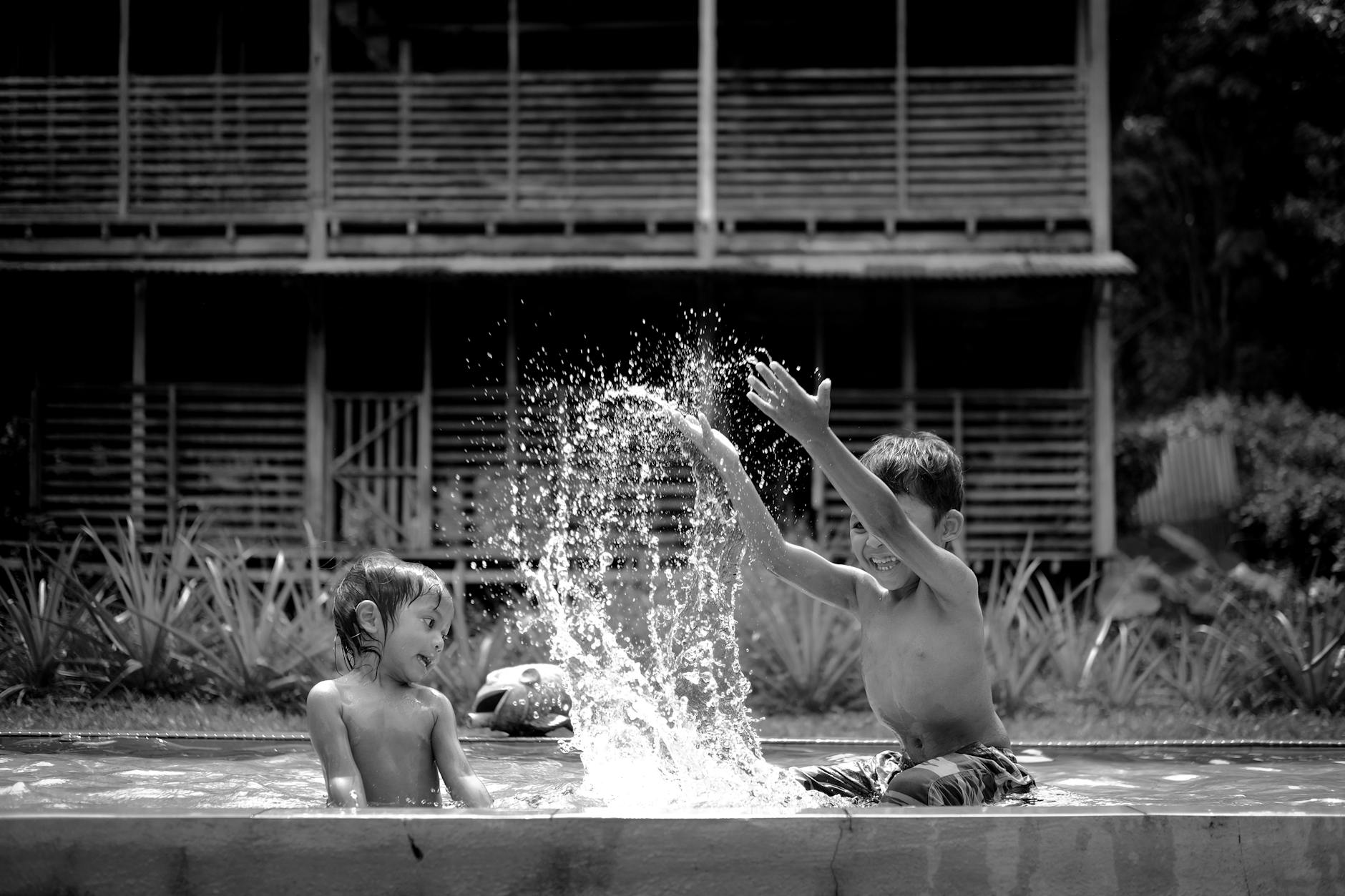
Physical contact play that exceeds the threshold of safe recreational activity and approaches the level of violence, including dunking, forcible submersion, throwing, and aggressive wrestling, creates both injury risk and a social environment where younger or less physically capable swimmers feel unsafe and unable to use the facility effectively. Lifeguards who intervene in roughhousing among groups of teenagers or adults frequently face the accusation of overreaction, as the participants typically frame their activity as consensual play and resent the implication that external oversight is warranted. The consent framing obscures the actual risk, which includes not only injury to the participants but the creation of uncontrolled physical dynamics in a crowded pool environment where uninvolved swimmers can be struck, submerged, or frightened by activity they had no role in initiating. Aquatic safety researchers note that the transition from play to genuine distress during forcible submersion can be rapid enough that bystanders including lifeguards cannot reliably distinguish voluntary play from actual drowning without very close observation. Staff who have been trained to identify submersion distress signals find that the roughhousing environment creates a specific monitoring challenge because the behavioral indicators of distress are masked by the apparent playfulness of the surrounding context.
Lane Rope Misuse
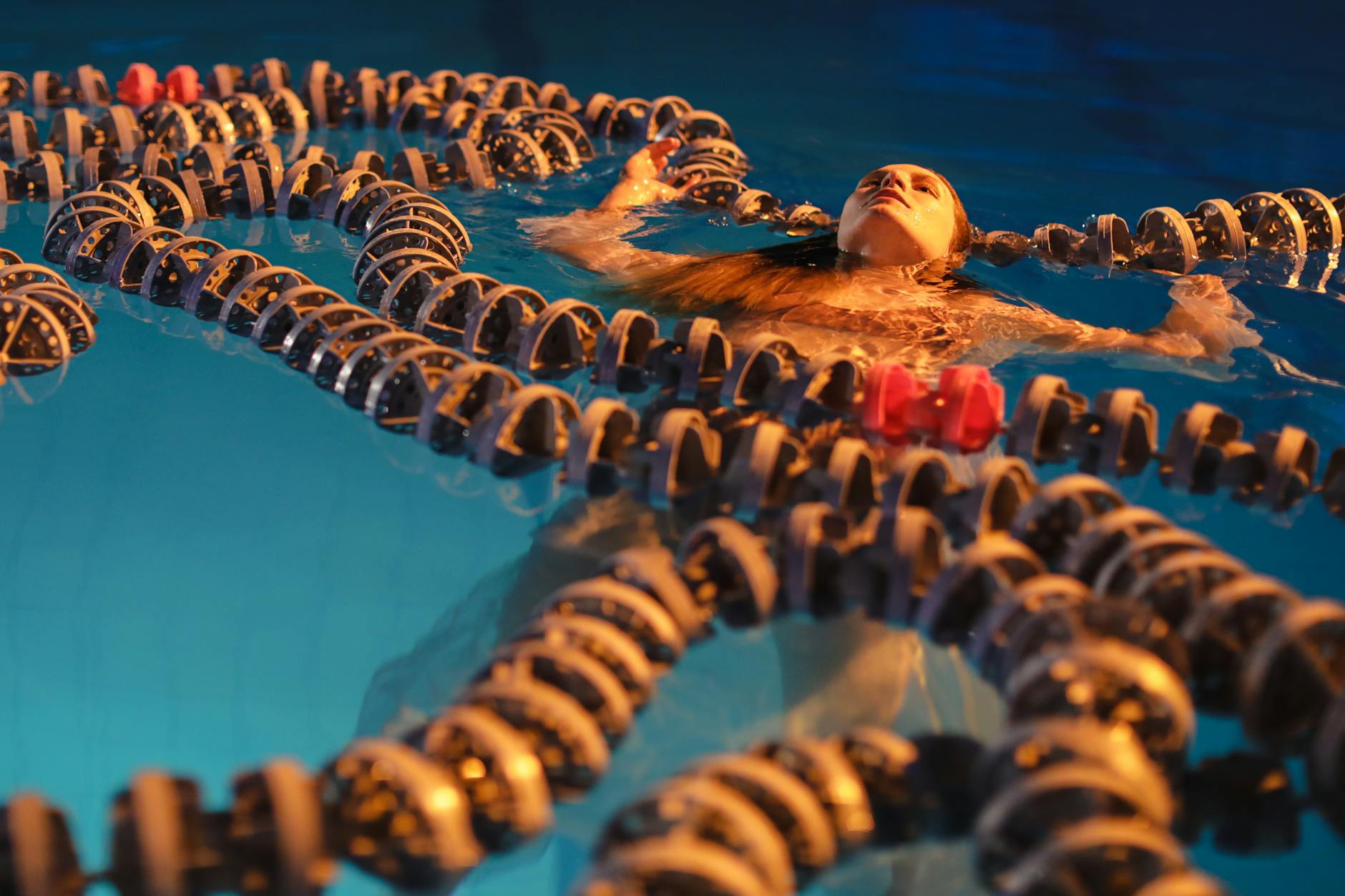
Using lane divider ropes as handhold supports, resting bars, swing apparatus, or territorial markers rather than as the passive navigational boundaries they are designed to be damages expensive equipment and creates navigation hazards for other swimmers using the adjacent lanes. Lane ropes in competitive and recreational pools are calibrated to specific tensions and buoyancy profiles that are disrupted when body weight is applied, and the repeated stress of being used as a support structure causes premature failure that represents a significant replacement cost to the facility. Children who use lane ropes as play equipment frequently pull themselves under the rope into adjacent lanes occupied by faster swimmers, creating collision risks that the faster swimmer cannot anticipate or avoid. Lifeguards who correct lane rope behavior often find themselves in protracted negotiations with parents who view the lane rope as a convenient child management tool and resist having it removed from their child’s recreational options. The replacement cost of a full competition pool lane rope system runs into thousands of dollars, making this form of equipment abuse a genuine financial concern that facility managers are often unaware is driven by behavioral patterns that go uncorrected at the pool deck level.
Changing Poolside

Changing clothing, adjusting swimwear, or removing and replacing garments at the pool deck or in the water rather than in the designated changing facilities exposes other facility users to a level of public nudity that most jurisdictions classify as a public decency violation regardless of the aquatic context. The behavior is most common among parents assisting young children but extends to adults who find the changing room inconvenient or insufficiently private, apparently unaware that the pool deck they have selected as an alternative offers considerably less privacy than the facility they are avoiding. Facilities with family changing areas specifically designed for assisted dressing have reduced this behavior among parents, but the reduction is incomplete and the adult variant persists regardless of changing facility quality. Lifeguards who are required to address public nudity complaints are trained for aquatic safety emergencies rather than for the social management of public decency situations, creating a competency gap that leaves them poorly equipped for an intervention they are nonetheless expected to execute. The presence of minors at public aquatic facilities makes the persistent occurrence of this behavior a safeguarding concern that extends beyond simple rule enforcement into child protection territory.
Goggle Sharing
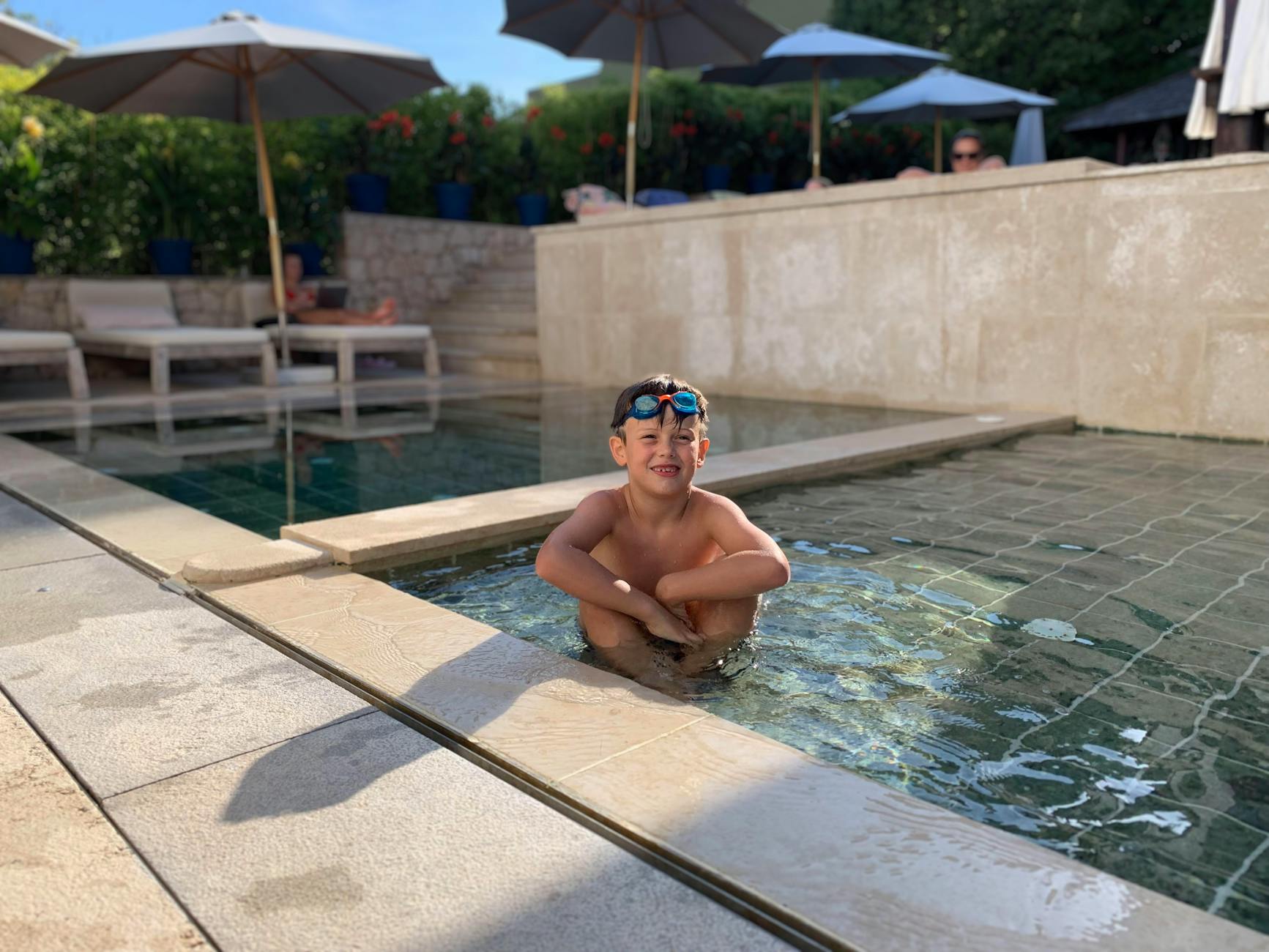
Passing swim goggles between multiple users during a single session without any cleaning or disinfection intermediate step transfers the bacterial and viral contents of the eye environment of one swimmer directly into the eyes of the next, creating a transmission pathway for conjunctivitis, adenoviral infections, and other ocular conditions that thrive in aquatic recreational environments. Eye infections acquired at public swimming pools are among the most commonly reported recreational water illness categories, and shared goggle use is a documented transmission vector that compounds the baseline exposure risk from pool water contact. Children are the most frequent practitioners of goggle sharing and are also the most immunologically vulnerable to the eye infections that result, creating a demographic overlap that makes the behavior particularly consequential. Lifeguards who observe goggle sharing are typically not trained to identify it as a health risk and are therefore unlikely to intervene even when they notice the behavior. The hygiene education gap around goggle sharing reflects a broader pattern in which recreational water illness prevention messaging focuses on pool water ingestion while neglecting the contact transmission routes that equipment sharing represents.
Unsupervised Minors

Leaving children under the minimum independent swimming age unattended in or at the edge of the pool while the accompanying adult uses a phone, reads, or socializes at a distance creates a supervision vacuum that transfers the child’s safety responsibility to the lifeguard without consent or acknowledgment. Drowning in supervised aquatic facilities among young children almost invariably involves a lapse in adult supervision that the lifeguard staff-to-swimmer ratio was not designed to compensate for, as a single lifeguard monitoring an entire pool deck cannot provide the level of individual attention that a non-swimming child requires. The assumption that a paid lifeguard’s presence constitutes adequate supervision for an unaccompanied non-swimmer reflects a fundamental misunderstanding of the lifeguard role that aquatic safety organizations spend considerable resources attempting to correct. Lifeguards who approach adults to request closer supervision of their children are among the most likely staff members to receive formal complaints, creating a perverse incentive structure in which the safety-motivated intervention is penalized and the unsafe behavior it is addressing is permitted to continue. Child drowning incident investigations at public pools consistently identify a pattern in which the child was technically within a supervised facility while being practically unsupervised by any adult with specific responsibility for their safety.
Illness Swimming
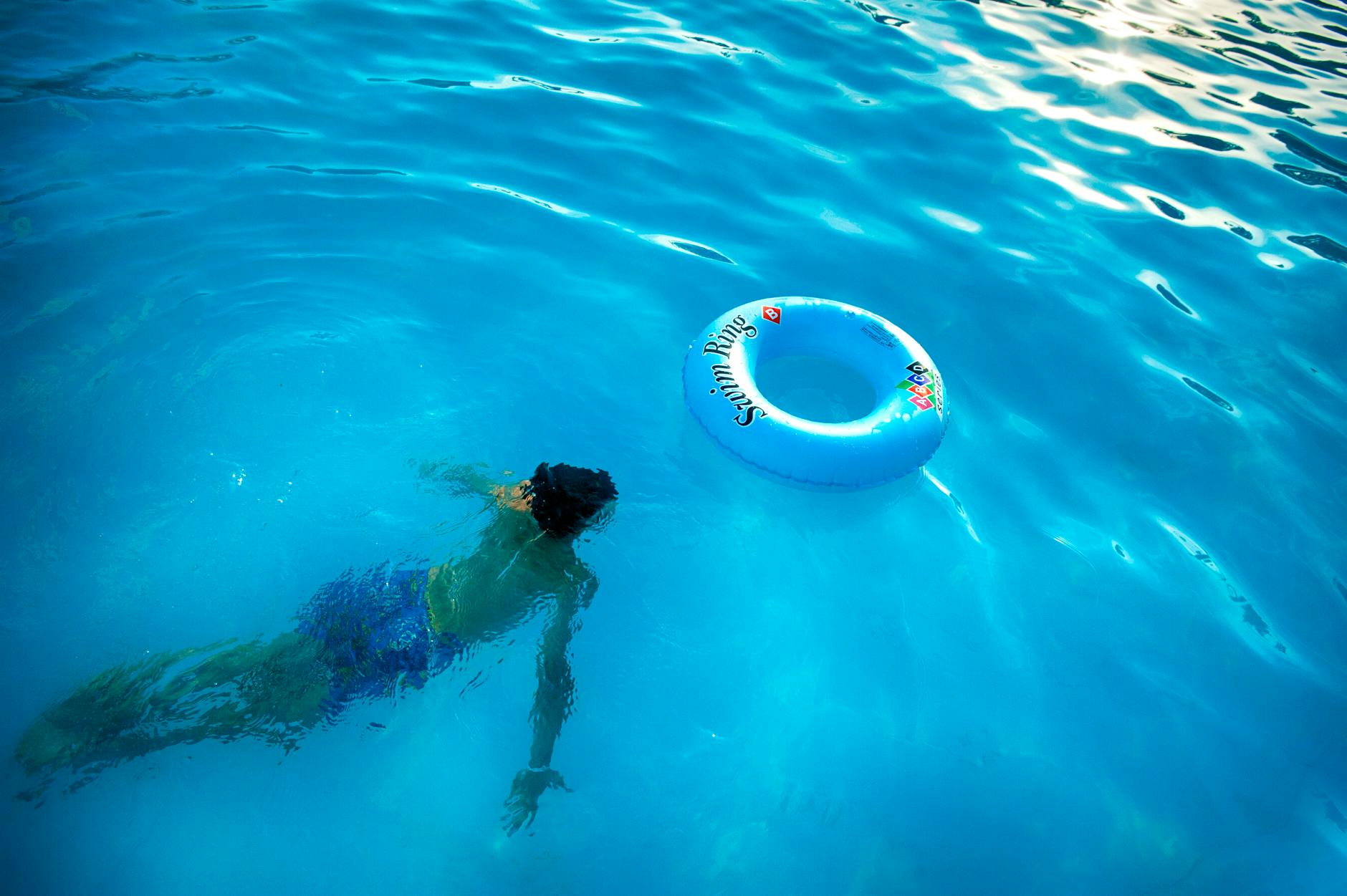
Entering a pool while experiencing active gastrointestinal illness, skin infections, respiratory infections, or any other communicable condition contaminates the shared water environment with pathogens that the facility’s chemical treatment system was not designed to manage at the volume that a symptomatic individual introduces. The exclusion period recommended by public health authorities for swimmers who have recently experienced diarrhea extends to two weeks after symptoms resolve because the fecal shedding of the causative organisms, particularly Cryptosporidium and E. coli O157:H7, continues well beyond the visible symptom window. Recreational water illness outbreaks that have been investigated by public health departments consistently trace the index case to a symptomatic swimmer who entered a facility during or shortly after their illness, with secondary cases distributed across the facility’s user population in the days that follow. Pool staff have no mechanism for screening symptomatic swimmers at entry and are entirely dependent on self-disclosure and signage to prevent this category of contamination. The social and financial pressure on parents who have paid for swimming lessons or planned a pool outing creates a powerful incentive to minimize illness symptoms and proceed with pool attendance that public health messaging has struggled to counteract.
Aggressive Lap Passing
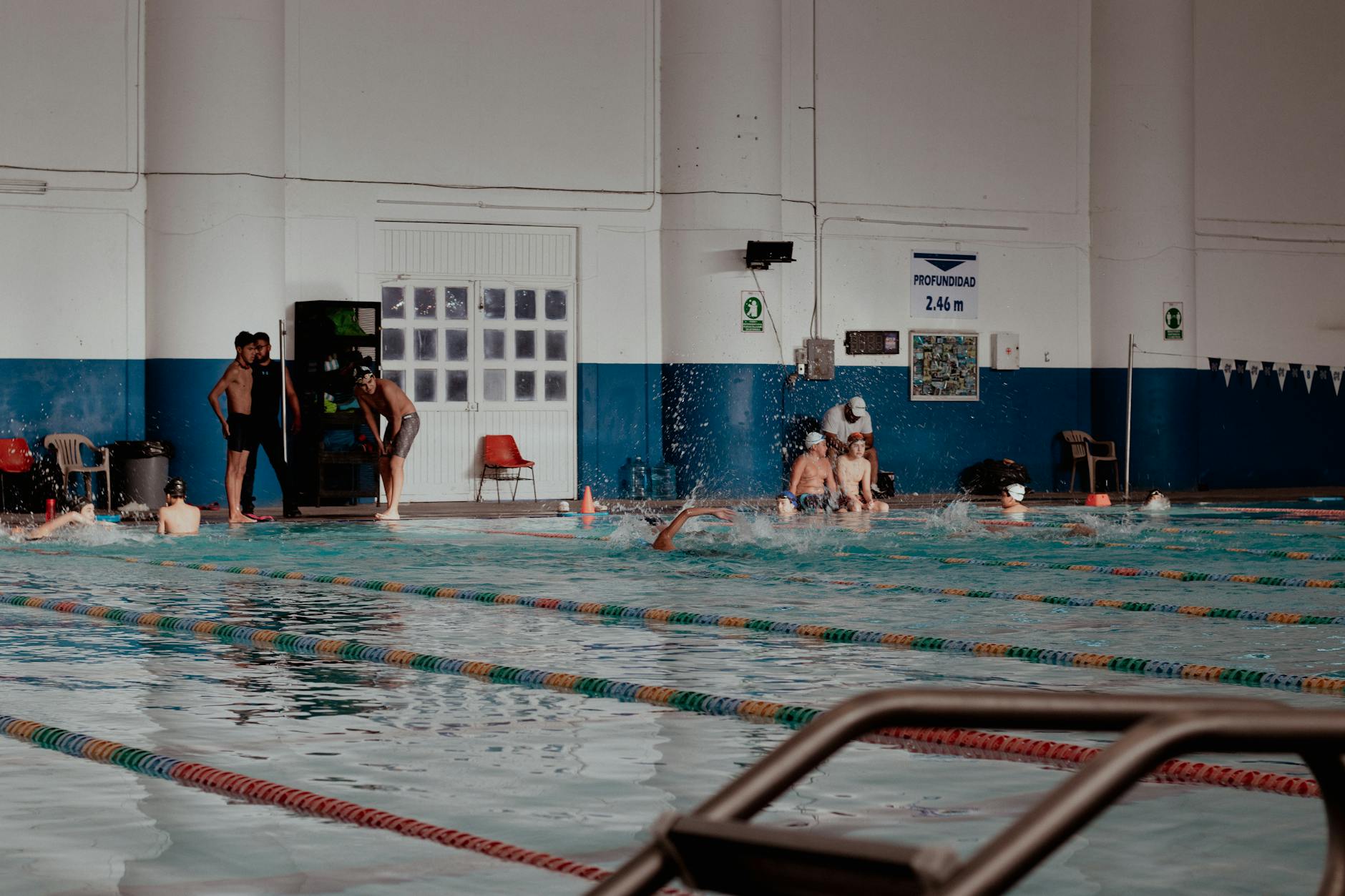
Touching, tapping, or physically contacting another swimmer to signal an intention to pass rather than using established lap swimming etiquette protocols creates an unwanted contact dynamic in a space where physical boundaries are already compressed and interpersonal comfort levels vary dramatically. Competitive swimmers who are accustomed to structured lane etiquette systems sometimes apply these conventions in recreational settings where other users are unaware of them and experience the physical contact as aggressive or threatening rather than as a conventional communication. The power differential between an experienced competitive swimmer and a recreational user who is simply trying to complete a slow lap creates a social dynamic that lifeguards are rarely positioned to observe clearly enough to assess accurately from the deck. Recreational swimmers who are physically contacted by a faster swimmer and do not understand the convention often stop abruptly in the lane, creating the collision risk that the contact was intended to prevent. The absence of a universally understood lap swimming etiquette in multi-use public pool environments means that the conventions of competitive swimming are applied by some users to a space where they have never been collectively agreed upon.
Excessive Perfume
Arriving at an aquatic facility wearing heavy fragrance, scented body products, or freshly applied cosmetics in concentrations that are detectable to nearby swimmers represents a chemical introduction that is both a personal irritant and a pool chemistry concern. Fragrance compounds released from body products into pool water react with chlorine to form disinfection byproducts whose health implications are an area of ongoing research by environmental health scientists. Swimmers with fragrance sensitivities, asthma, or chemical hypersensitivity conditions find that heavily scented fellow users make pool attendance genuinely uncomfortable and sometimes medically inadvisable, restricting their access to a shared public facility because of another patron’s grooming choices. The pre-swim shower requirement that is universally posted but universally ignored would remove a significant proportion of this chemical load before pool entry if it were followed, but lifeguard enforcement of the shower rule is sufficiently rare that fragrance enters the pool environment alongside every other surface contamination category. Pool chemical operators who identify unexplained chlorine demand increases during specific periods sometimes attribute them partly to heavy cosmetic and fragrance load from high-attendance recreational sessions.
Drain Interference
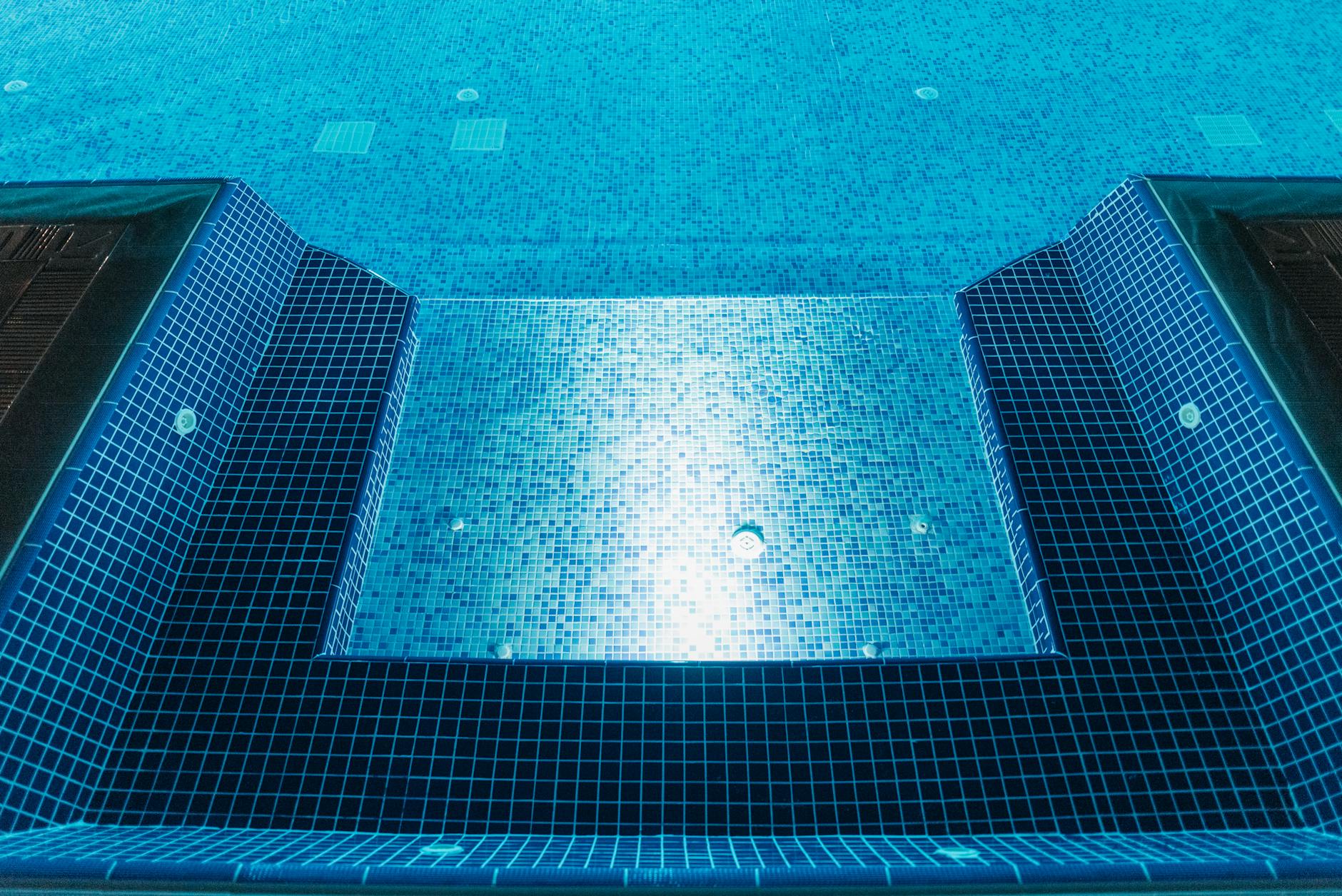
Blocking, covering, or attempting to manipulate pool drainage and circulation hardware including main drains, return jets, and overflow gutters creates a serious physical safety risk that goes beyond the immediate behavior of the individual engaging in it. Main drain entrapment is a documented and occasionally fatal aquatic safety hazard in which suction from an uncovered or inadequately covered drain can trap hair, clothing, or limbs against the drain cover with a force that a swimmer cannot overcome without external assistance. Children who are attracted to the sensory experience of jets and drains and who attempt to play with or obstruct them are engaging in behavior whose risks are entirely invisible to them and incompletely communicated by staff who may not themselves have a complete understanding of the hydraulic forces involved. Lifeguards who observe drain interference must intervene immediately under both safety protocols and the federal Virginia Graeme Baker Pool and Spa Safety Act standards that govern drain cover requirements in commercial aquatic facilities. The combination of mandatory intervention requirement and potentially serious safety consequences makes this one of the few behaviors where lifeguard response is reliably immediate, though the frequency of the behavior suggests that the intervention is not always retained as a lesson by the swimmer receiving it.
Photography
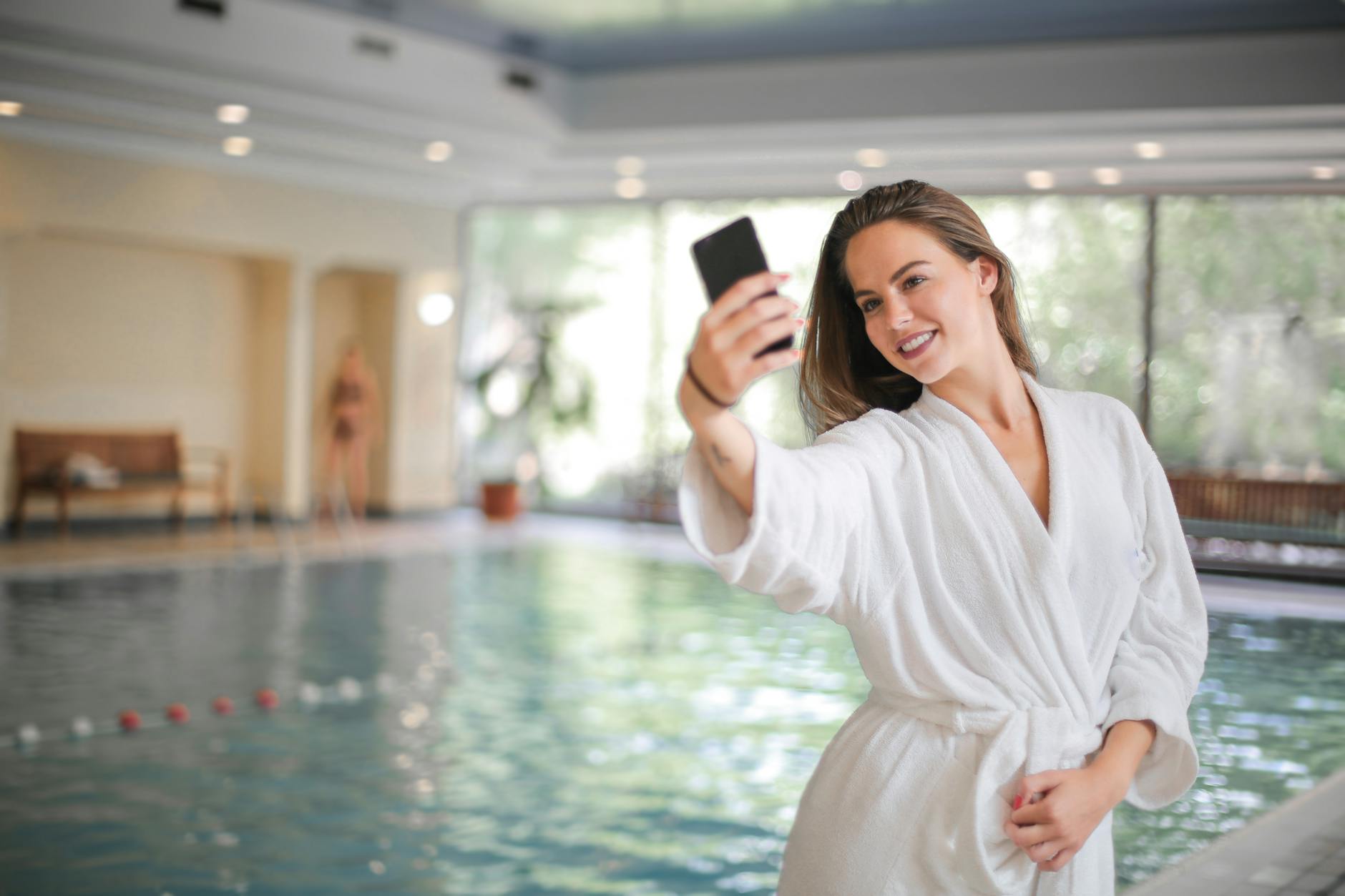
Taking photographs or video at public aquatic facilities without the knowledge or consent of other swimmers raises significant privacy and safeguarding concerns that pool management policies have struggled to address in the era of ubiquitous smartphone cameras. Public pools are environments where swimmers are minimally clothed by necessity, where children are present in large numbers, and where the expectation of a degree of privacy from unsanctioned photography is reasonable regardless of the public nature of the venue. Lifeguards who observe poolside photography face an intervention challenge because the behavior is not always prohibited by facility rules, the intent of the photographer cannot be assessed from a distance, and the confrontation required to address it involves a level of accusatory implication that most junior staff are not trained or comfortable to navigate. Facilities that have implemented explicit no-photography policies have given their staff a clear enforcement framework, but the implementation of those policies is inconsistent and the technological ease of discreet smartphone photography makes enforcement practically difficult even where the rule is clear. Child safeguarding organizations that advise aquatic facilities consistently recommend explicit photography policies as a minimum protective standard that remains unadopted by a significant proportion of public pools.
Noise Pollution
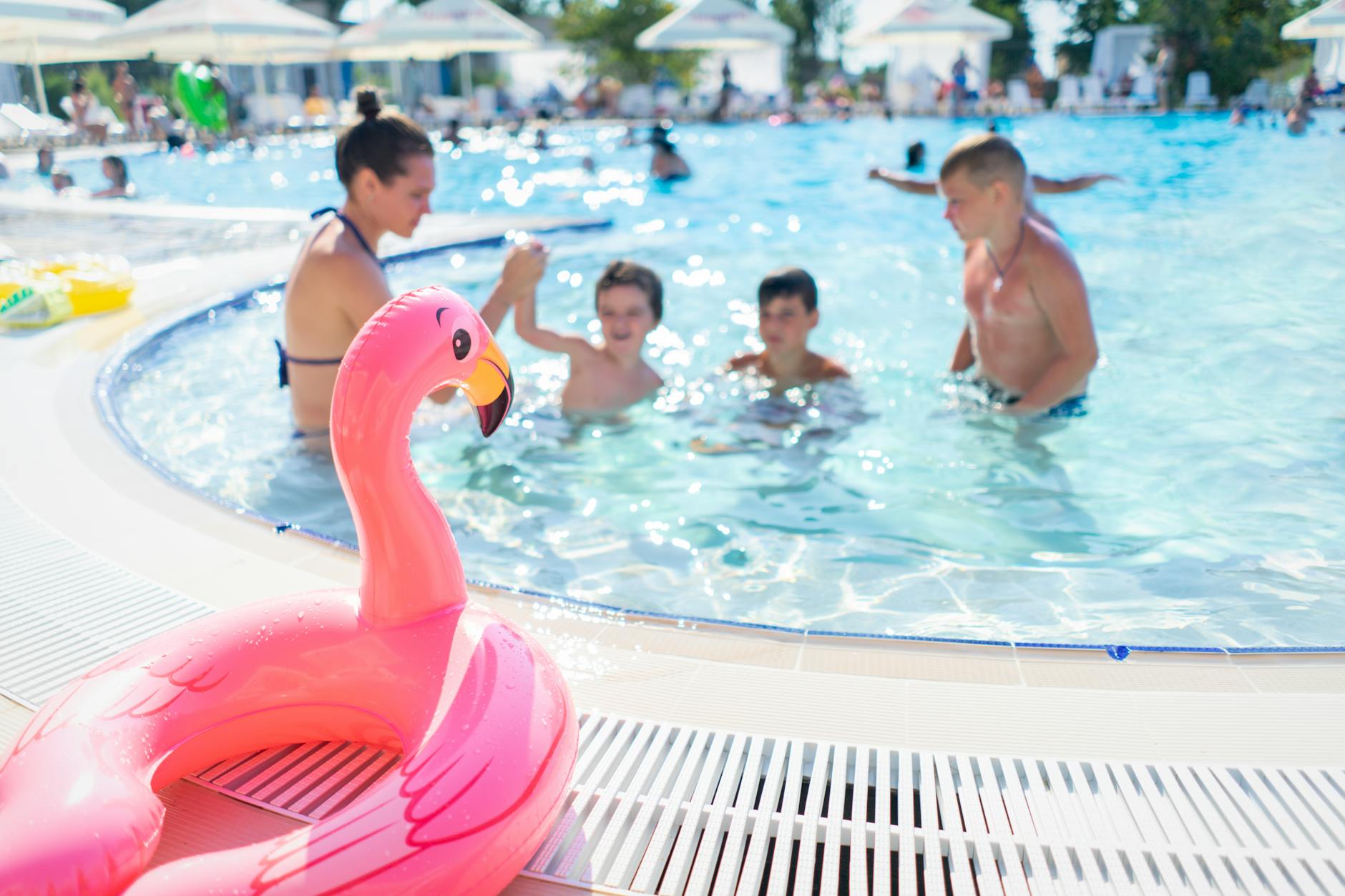
Generating sustained noise levels through shouting, screaming, loud music from personal devices, and group behavior that prevents other users from hearing safety instructions, communicating distress, or simply using the facility without auditory distress is a quality-of-use issue that carries genuine safety implications. Lifeguards who cannot hear a distress call, a whistle signal from a colleague, or the sound of a swimmer in difficulty because of sustained ambient noise from other pool users are operating with a sensory limitation that degrades their ability to perform their primary safety function. The acoustic properties of enclosed pool halls amplify sound in ways that make even moderate noise sources significantly more disruptive than equivalent sound levels in open environments, concentrating the impact of noisy behavior onto every other user in the facility simultaneously. Lifeguards who address excessive noise typically do so with a verbal warning that is temporarily effective and frequently abandoned within minutes as the behavior gradually returns to its previous level. The management of noise in public aquatic facilities represents a quality of experience challenge that most facilities address through signage rather than through staffing levels or acoustic design that would make the problem more manageable.
Hair Product Release
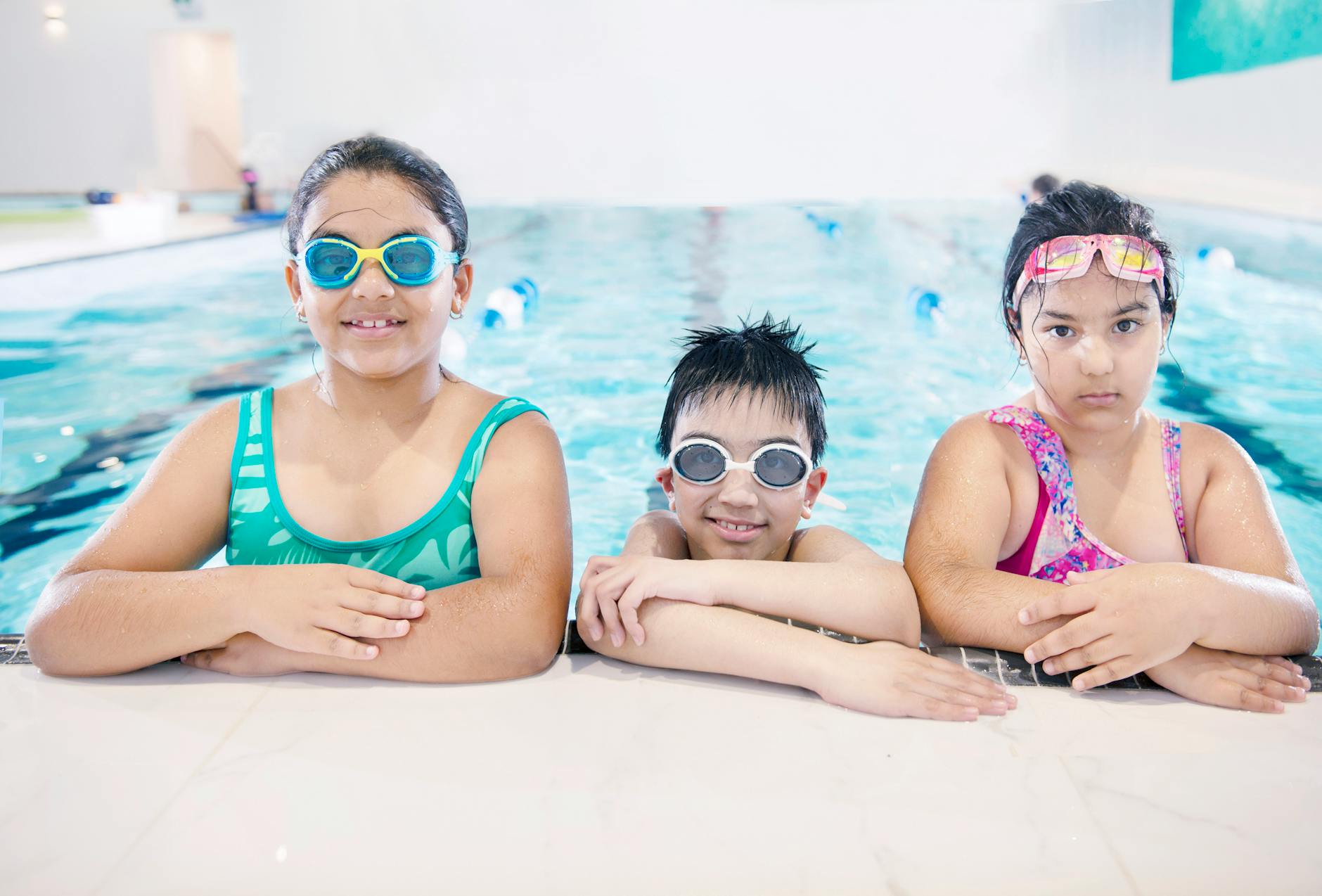
Entering the pool with hair that has been treated with chemical straighteners, dyes, bleaching agents, or intensive conditioning treatments releases those compounds into the water in concentrations that react with pool chemistry and contribute to the disinfection byproduct load that all swimmers are then exposed to through skin contact, inhalation, and incidental ingestion. The interaction between hair chemical treatments and pool chlorine is well documented in the cosmetology literature and results in both the degradation of the hair treatment and the introduction of reactive compounds into the pool water that contribute to the formation of trihalomethanes and other regulated disinfection byproducts. Swimmers who complain that pool water damages their chemically treated hair are observing the same reaction from the opposite direction, as the mutual degradation between hair chemistry and pool chemistry is bidirectional and affects both the water quality and the hair treatment simultaneously. The pre-swim shower and hair rinsing guidance that pool facilities post is specifically designed to reduce the volume of chemical introduction from this source but is almost universally ignored by swimmers with chemically treated hair who are often unaware that the guidance applies to them specifically. Water quality managers at facilities with high attendance by swimmers who use chemical hair treatments note measurably higher chemical maintenance demands during peak periods that reflect the cumulative contribution of this contamination source.
Complaint Weaponization

Using the formal complaint process against lifeguards who have appropriately enforced pool rules as a mechanism for avoiding accountability and deterring future intervention is a behavioral pattern that has a measurable chilling effect on staff willingness to enforce safety and hygiene standards. When a pool manager receives a complaint about a staff member who correctly asked a swimmer to shower before entering, to leave the lap lane, or to supervise their child more closely, the management response to that complaint shapes the staff member’s future enforcement behavior more reliably than any training program. Aquatic center managers who prioritize customer satisfaction metrics over staff safety authority consistently produce environments where enforcement rates for pool rules decline over time as staff learn that intervention carries professional risk while non-intervention does not. The weaponization of the complaint system is particularly effective because it operates entirely within legitimate channels, meaning the staff member has no defense against the complaint and the manager is responding to real customer feedback rather than to bad faith. Public health researchers who study recreational water illness prevention note that staff enforcement confidence is one of the strongest predictors of rule compliance rates in aquatic facilities, making the complaint weaponization pattern one of the most consequential behavioral dynamics in public pool safety management.
Faking Ability
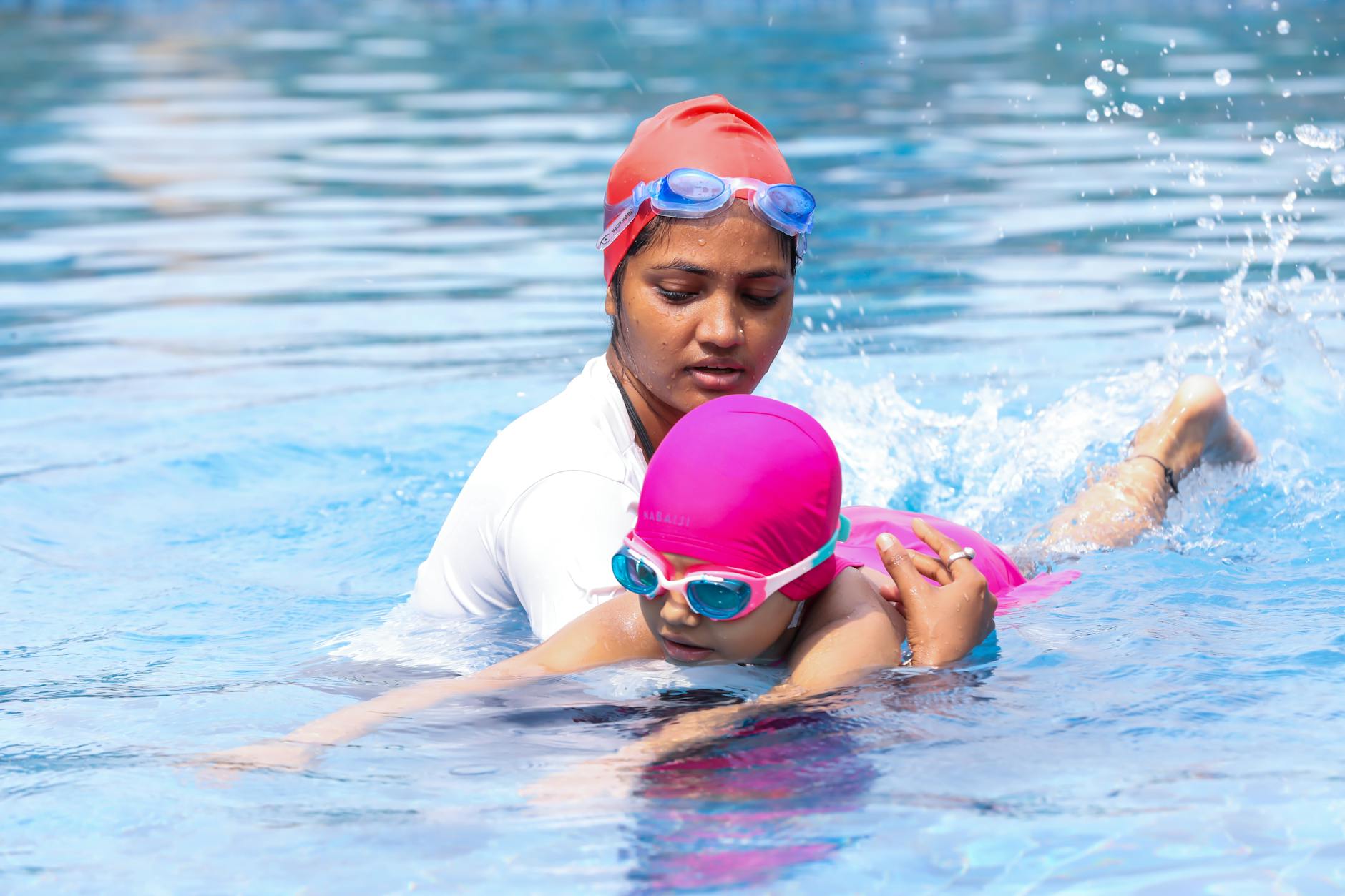
Misrepresenting swimming competence level when assigned to lanes or activity groups places the individual in a water environment that exceeds their actual skill level and creates a drowning risk that the surrounding swimmers and lifeguard may not anticipate because the individual’s presence in an advanced area implies a competence that has not been verified. Adults who are embarrassed to be placed in a beginner lane and who represent themselves as stronger swimmers than they are, or parents who overstate their child’s ability to secure enrollment in a more advanced lesson group, create situations where genuine distress may develop gradually in a context where staff are not monitoring for it. The social embarrassment associated with being identified as a weaker swimmer than one’s lane assignment implies is a powerful enough motivator that individuals will sustain the deception through considerable discomfort before signaling that they are struggling. Swim instructors who work in adult beginner programs note that the resistance to accurate ability self-reporting among adults is one of the primary safety challenges in recreational swimming education and that the incidents they find most alarming typically involve individuals who declined to disclose their actual experience level. Ability verification systems that assess rather than rely on self-reported competence before lane or group assignment address this risk more reliably than disclosure-dependent protocols that depend on honesty the social environment makes difficult.
Towel Territory
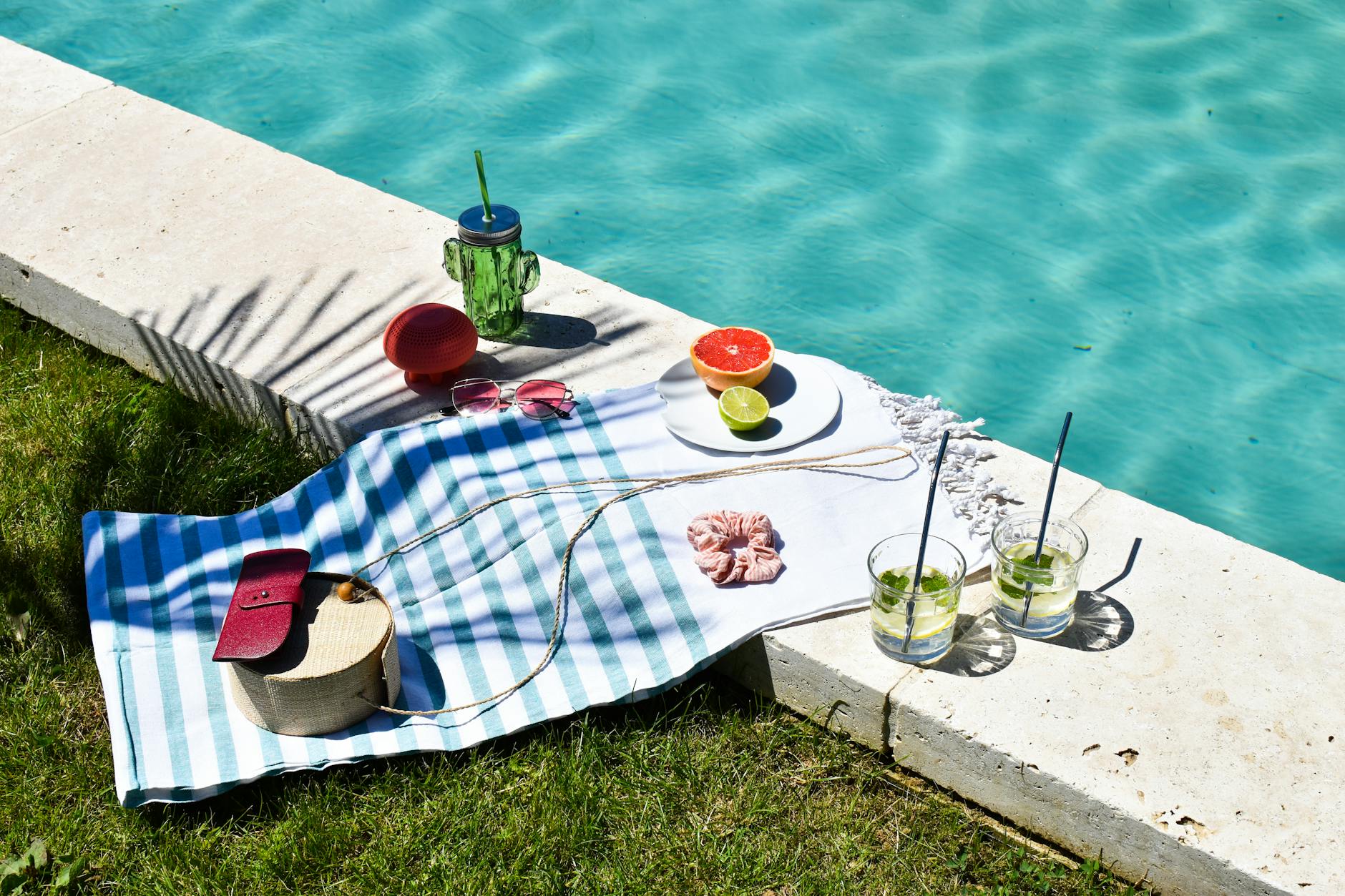
Reserving large areas of pool deck, seating, and lounge infrastructure with unattended towels, bags, and personal items for extended periods while not actively using the space creates access and equity issues at overcrowded public facilities that staff are expected to manage without the authority to move other people’s belongings. The practice of towel-based territorial reservation is so common at public pools that facilities in high-attendance environments have implemented specific policies including time limits on unattended reserved spaces and staff authority to remove items left for extended periods. Lifeguards assigned to enforce towel policies report that returning to find their possessions moved is consistently one of the most confrontational interactions they have with pool patrons, despite the patron having been in clear violation of a posted rule. The social norm around personal property is strong enough that the act of moving an unattended bag to free up poolside space feels transgressive to the staff member even when it is entirely within policy. The equitable access dimension of this behavior is most acutely felt at public pools that serve lower-income communities where the pool deck is the primary recreational space available and where territorial reservation by a small number of users meaningfully reduces the facility’s functional capacity for everyone else.
Have you witnessed any of these behaviors at your local pool or do you work in aquatics and have your own stories to share? Tell us in the comments.