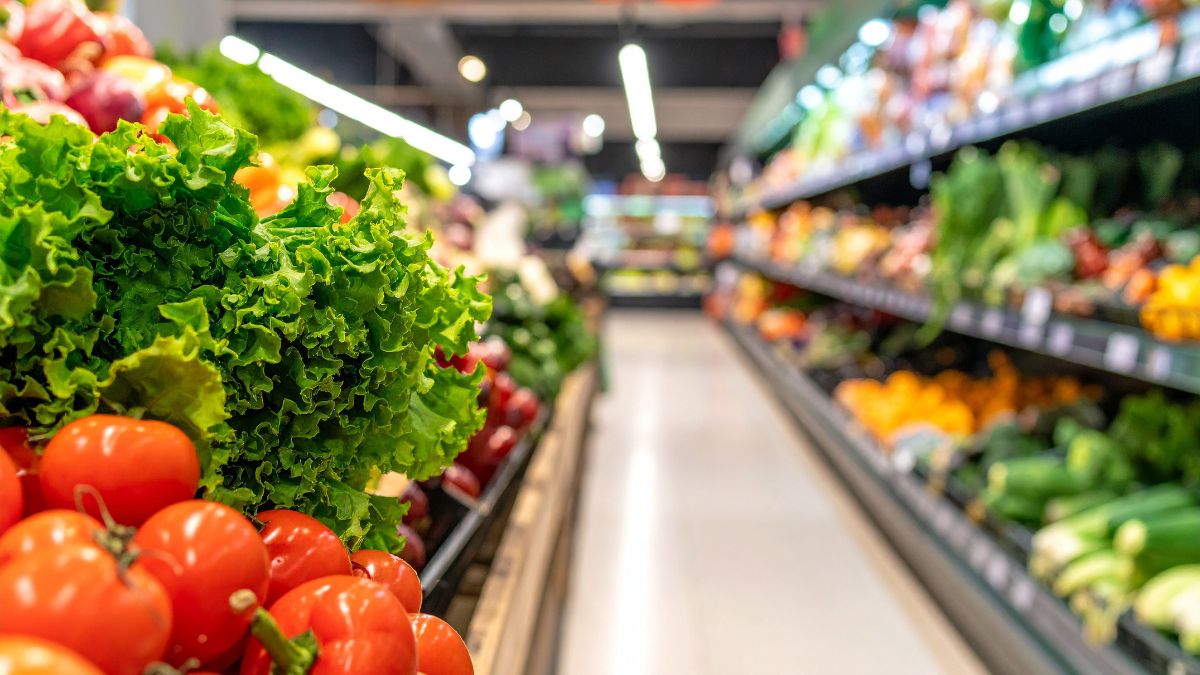
The modern supermarket is one of the highest-touch shared environments that most people visit multiple times every week and the gap between how hygienically people believe they behave in this space and how they actually behave is consistently wider than anyone is comfortable acknowledging. Contamination in a retail food environment does not require dramatic action and the most consequential hygiene failures are the ones that happen automatically through habit distraction and the general social permission that anonymity in a public space tends to create. Understanding the specific pathways through which contamination travels in a supermarket environment is the first step toward genuinely reducing your contribution to a shared hygiene problem that affects every person who shops in the same space. These are the behaviors that spread pathogens allergens and biological material onto food and surfaces that other people will handle and ultimately consume.
Unwashed Hand Contact

Arriving at a supermarket directly from public transport a workplace keyboard a petrol station pump or any other high-touch public surface and immediately handling loose produce packaged goods and shelf items without any hand hygiene intervention transfers the accumulated microbial load from every surface touched since the last handwash directly onto the food and packaging that other shoppers will subsequently handle and in many cases consume without any intervening decontamination step. The hands of a person who has used public transport touched door handles and operated a fuel pump before entering a supermarket carry a microbial profile that includes respiratory pathogens gastrointestinal organisms and skin-associated bacteria at concentrations that are not visible but are clinically significant in the context of repeated transfer to food contact surfaces. The supermarket provides a hand sanitizer station at the entrance in many jurisdictions specifically because the hygiene gap between arriving hands and food contact surfaces is well understood by food safety professionals even when it is not well understood by the shopping public. Using the entrance sanitizer or washing hands before beginning food handling is not an excessive precaution but a recognition of the actual microbial reality of a human hand after routine public movement.
Produce Squeezing

Repeatedly squeezing pressing and manually assessing the ripeness of multiple pieces of loose fruit and vegetables with unwashed hands before selecting one and returning the others to the display transfers skin microbiota respiratory droplets and any pathogen present on the hands to every piece of produce contacted during the selection process in a way that accumulates across every customer who performs the same assessment throughout the day. The surfaces of loose produce carry no protective barrier between the contamination deposited by handling customers and the consumption experience of the person who ultimately purchases the item and the fact that many produce items are eaten raw or minimally processed means that the contamination applied during supermarket handling reaches the consumer without any heat treatment that would otherwise reduce the microbial load. Food safety research that has swabbed supermarket produce surfaces has consistently found fecal indicator organisms skin bacteria and respiratory pathogens at concentrations that reflect the cumulative handling of dozens of customers over a trading day. Selecting produce with the intention of purchasing rather than as a sensory exploration exercise and minimizing contact with items that will be returned to the display is a specific behavior change with a direct and measurable impact on produce contamination levels.
Sneezing Over Displays

Sneezing or coughing without covering the mouth and nose while standing near open produce displays refrigerated deli cases or bulk food bins deposits a respiratory aerosol plume containing viral and bacterial particles across a surface area that can extend over a meter from the point of emission landing on multiple food items and surfaces that will be handled and consumed by other shoppers without any knowledge of the contamination event. The respiratory droplets produced by an uncovered sneeze carry the full microbial content of the upper respiratory tract of the sneezing individual including any viral infection in progress and the aerosol fraction of the emission remains suspended in the air of the supermarket aisle for extended periods following the event. Open food displays including fruit and vegetable sections bulk bins and deli counters with no physical barrier between the customer and the product are particularly vulnerable to respiratory contamination because the food surface is directly exposed to the sneezing plume without any packaging to intercept it. Turning away from food displays and covering the mouth and nose with a bent elbow or tissue before sneezing or coughing is the basic respiratory hygiene behavior that prevents a single uncontrolled emission from contaminating food that multiple strangers will subsequently handle and consume.
Tasting Grapes

Eating individual grapes berries or other loose produce items directly from the display before purchasing is a behavior that introduces saliva and oral bacteria directly onto produce that remains in the shared display for subsequent customers to handle and potentially purchase while also representing a straightforward theft of product that the individual has not paid for. The oral microbiome contains hundreds of bacterial species including Streptococcus mutans and various periodontal bacteria that are not ordinarily present on fresh produce surfaces and their introduction through direct oral contact creates a contamination type that differs from the hand contact contamination that is the more commonly discussed produce hygiene concern. Beyond the microbial dimension the visual evidence of a partially eaten bunch of grapes or a display missing individual berries communicates to other shoppers and staff that the produce has been interfered with in ways that damage the commercial presentation and hygiene integrity of the entire display. The normalization of produce tasting as a pre-purchase quality check in some retail cultures does not change its status as a behavior that contaminates shared food and deprives retailers of revenue for product consumed on premises.
Phone Handling

Using a smartphone throughout a supermarket shopping trip and alternating between touching the phone screen and handling food packages produce items and shopping cart surfaces creates a bidirectional transfer pathway between one of the highest-contamination personal objects in everyday life and the food contact surfaces of a shared retail environment. Smartphone screens carry an average bacterial load that multiple studies have found exceeds the contamination level of a public toilet seat because phones are handled constantly without hygiene intervention warmed by body heat and touched repeatedly by the same hands that contact every surface encountered during daily life. The transfer of this contamination to supermarket produce packaging and shared surfaces occurs every time a phone user touches their screen between food handling contacts and the continuous nature of phone use during shopping creates dozens of these transfer events within a single shopping trip. Placing the phone in a pocket or bag before beginning food handling and retrieving it only after using hand sanitizer significantly reduces the bidirectional contamination pathway that phone use during shopping creates.
Open Wound Contact

Handling food items and shared supermarket surfaces including cart handles basket grips and produce displays with uncovered cuts abrasions or skin lesions on the hands deposits Staphylococcus aureus and potentially other pathogens present in wound fluid at concentrations that are particularly relevant to food safety because Staphylococcus aureus is a leading cause of food poisoning and thrives on the skin surfaces surrounding wounds. The hands and fingers are the most commonly injured area of the body and the proportion of supermarket customers handling shared food contact surfaces with uncovered minor wounds at any given time is significant enough to represent a meaningful contamination pathway in food safety risk assessment. Food handlers in commercial kitchen environments are legally required in most jurisdictions to cover wounds with brightly colored waterproof plasters specifically because the food safety risk of wound-contact contamination is well established in professional food handling contexts. Applying a waterproof covering to any open skin injury before handling food in a shared retail environment applies the same logic that food safety regulation requires of professional handlers to the equally relevant context of consumer food handling.
Baby Seat Placement

Placing infants and toddlers directly into the seat of a supermarket shopping cart without a hygiene barrier between the child and the cart surface and then allowing the child to handle touch mouth and lean over loose produce and packaged food items introduces fecal bacteria from the nappy area diaper leakage residue and the full oral microbiome of a young child onto food contact surfaces that subsequent shoppers will use without any knowledge of the prior contamination. The underside of an infant in a nappy presents a contamination source that is qualitatively different from adult hand contact because the concentration of fecal organisms in the nappy contact zone is orders of magnitude higher than on a washed adult hand and the transfer of this contamination to cart surfaces occurs through direct pressure contact over the duration of the shopping trip. Cart sanitizing wipes available at the entrance of most supermarkets are specifically provided to address this contamination pathway but their use before placing a child in the seat is inconsistent in practice and they do not address the ongoing contamination from children who are allowed to handle produce and food packaging during the shopping trip. Using a purpose-designed cart seat liner placing a cloth barrier between the child and the cart surface and preventing young children from handling produce and food packaging are specific practices that address the most significant contamination pathways associated with shopping with young children.
Returning Thawed Items
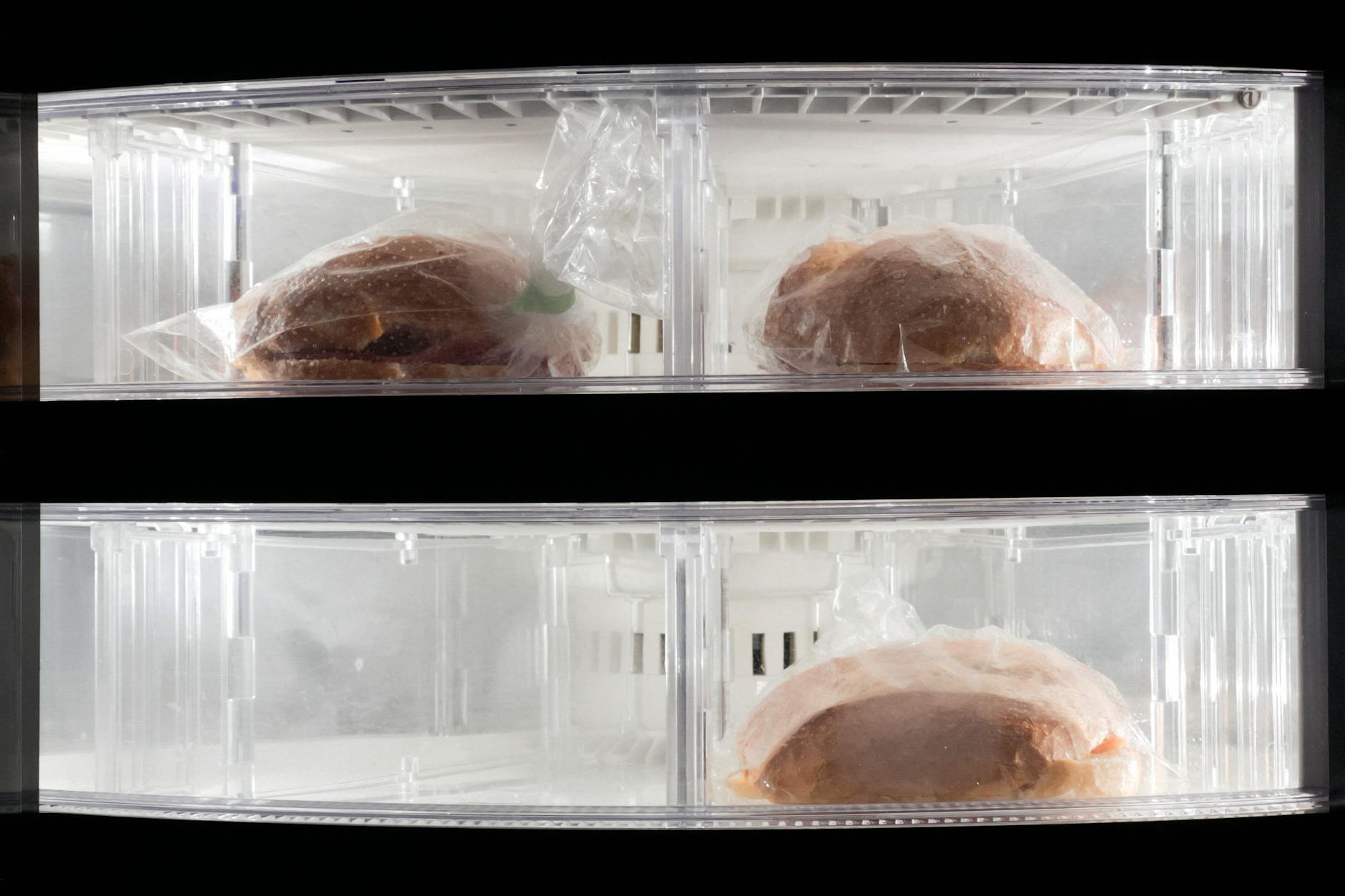
Selecting a frozen food item from a freezer cabinet opening the packaging to inspect the contents and then returning the item to the freezer after it has been handled and the cold chain has been interrupted introduces both a food safety risk for the next purchaser and a physical contamination from handling directly into a product that will be sold as intact and properly stored. Partially thawed food that has been handled and returned to frozen storage develops a different ice crystal structure and surface microbial profile than product that has remained continuously frozen and the consumer who ultimately purchases this returned item has no knowledge of the handling and thawing event that occurred before their purchase. The practice of opening packaging in the store to inspect contents before purchase is a behavior that food retailers are generally unable to prevent and that represents one of the more consequential food safety behaviors in a retail environment because of the direct food surface contact it involves. Purchasing sealed products on the basis of their packaging information and inspecting the actual product after purchase at home is the behavior that prevents this contamination pathway entirely.
Bare Foot Contact

Walking through supermarket produce sections in bare feet or open sandals that allow foot skin contact with the floor and then handling produce items creates an indirect contamination pathway through floor contact that is rarely considered but that is relevant in environments where produce that falls to the floor is returned to displays and where foot traffic from outside brings a full range of environmental pathogens onto surfaces that are continuously in contact with the food handling environment. The floor of a supermarket accumulates the soil biological material and pathogens tracked in on the footwear of every customer and staff member who has entered from outside and the concentration of floor contamination is particularly high near entrance areas and checkout zones where traffic is densest. The relevance of foot hygiene to food contamination is indirect compared to hand hygiene but the pathway from floor to foot to hand to food exists whenever individuals handle food after floor contact without an intervening hygiene step. Standard footwear that creates a barrier between foot skin and floor surfaces eliminates this contamination pathway entirely and represents the minimum appropriate standard for a shared food retail environment.
Meat Package Leakage
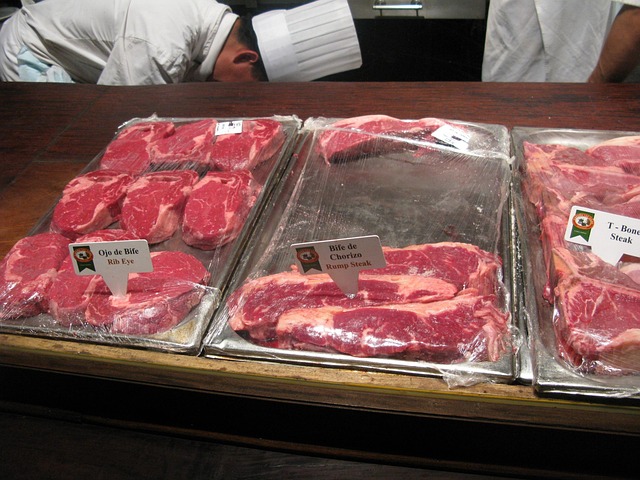
Placing raw meat or poultry packages that are leaking blood or packaging fluid directly into a shopping cart without containment allows the liquid to pool in the cart basin and contact every subsequent item placed in the same cart creating a cross-contamination pathway from raw meat bacteria to ready-to-eat foods that represents one of the most clinically significant food safety risks in the retail shopping environment. Raw poultry packaging fluid carries Campylobacter and Salmonella at concentrations that are sufficient to cause serious gastrointestinal illness from relatively small exposures and the presence of this fluid in a shared cart basin creates a direct contact pathway to salad items bread packaging and any other ready-to-eat food placed in the same space. Supermarkets provide plastic bags specifically for containing meat and poultry packages in the meat section precisely because this cross-contamination pathway is understood by food safety professionals to be one of the highest-risk behaviors in retail food handling. Using the provided containment bags for all raw meat and poultry purchases regardless of whether the packaging appears to be leaking at the time of selection is the only reliable way to prevent this contamination pathway because packaging integrity can fail after selection.
Self-Checkout Screen Contact
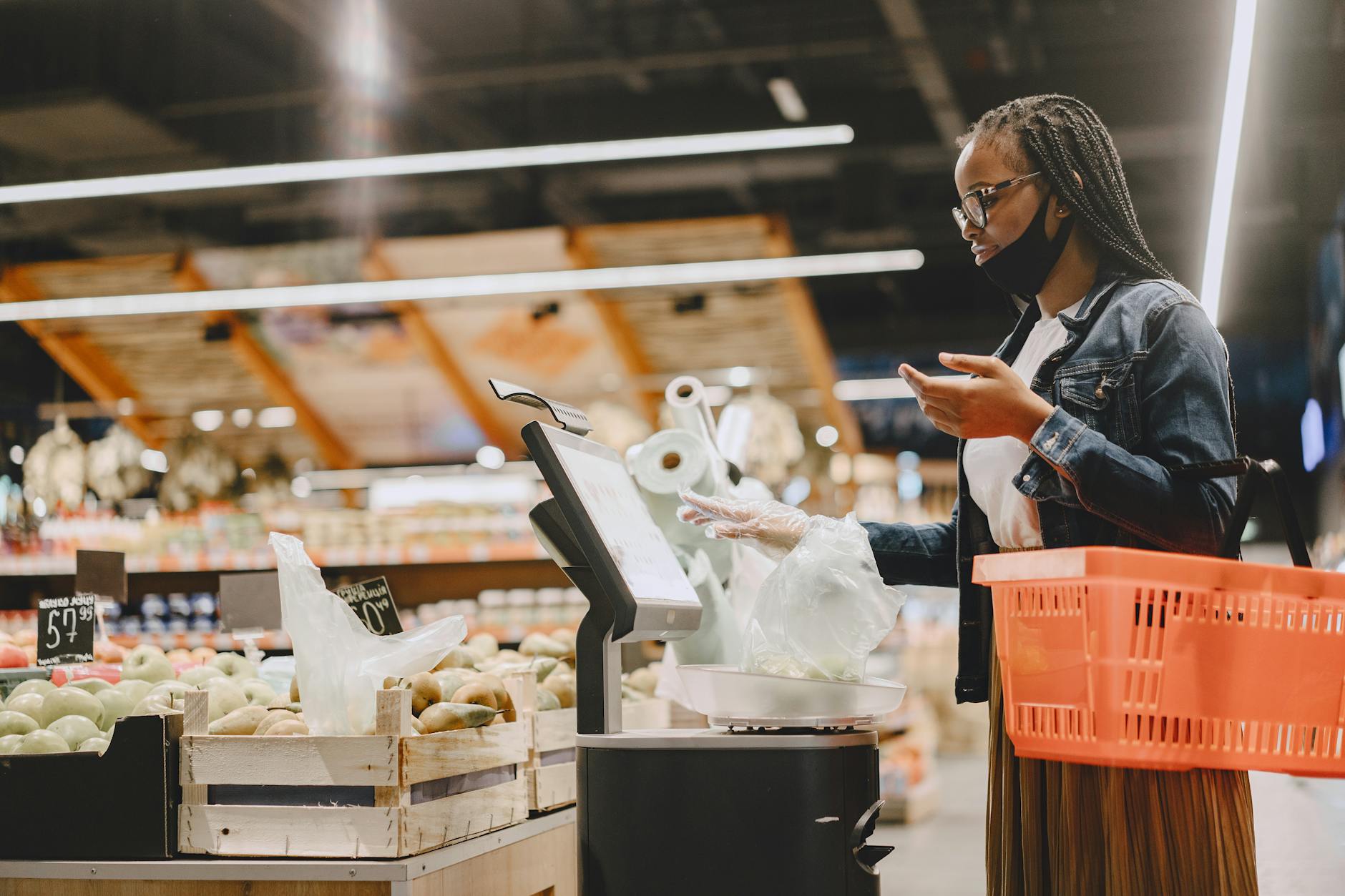
Touching the self-checkout touchscreen repeatedly during a transaction immediately after handling raw produce meat packages and refrigerated items without any hand hygiene intervention between the food contact and the screen contact creates a bidirectional contamination exchange between the food handling environment and one of the highest-touch shared surfaces in the retail space that is touched by hundreds of customers throughout a trading day. Self-checkout screens are shared surfaces that receive the hand contamination of every customer who uses them across the entire trading day and the infrequency with which these screens are cleaned relative to the number of customer contacts they receive means that their contamination profile at any given moment reflects the cumulative hygiene status of dozens of prior users. The directional contamination from food to screen and from screen to subsequent food contact represents a contamination amplification pathway that is unique to the self-checkout format because it does not exist in the staffed checkout format where a trained food handler is managing the transaction. Using the hand sanitizer available at most self-checkout stations before beginning the transaction and again before bagging food items reduces the bidirectional contamination exchange that this shared high-touch surface creates.
Reusable Bag Contamination

Carrying reusable shopping bags that have not been regularly laundered accumulate the combined contamination from every shopping trip they have been used for including raw meat leakage produce soil residue and the hand contamination of everything packed into them across their entire use history in a way that makes them a significant cross-contamination source when used to transport ready-to-eat foods. Research into the bacterial load of unwashed reusable shopping bags has found coliform bacteria including fecal coliforms in a significant proportion of tested bags particularly in the internal base zone where meat and produce packaging makes direct contact with the bag surface. The environmental benefit of reusable bags is genuine and significant but it is contingent on a laundering practice that most reusable bag users do not maintain with the regularity that the contamination accumulation rate of these bags actually requires. Washing fabric shopping bags after every use that involves raw meat or produce and designating separate bags for raw meat and ready-to-eat food categories applies the same cross-contamination prevention logic that professional food handling requires to the consumer shopping behavior that makes cross-contamination possible.
Deli Counter Hovering

Leaning over the deli counter glass with the face positioned close to the display breathing directly onto unwrapped prepared foods cold cuts and ready-to-eat items while making selection decisions deposits respiratory aerosol containing oral and nasal bacteria directly onto food that will be served without any subsequent heat treatment to the customer who purchases it. The deli counter presents an unusually direct exposure pathway between customer respiratory output and ready-to-eat food because the food is unwrapped stored at face height and positioned in the direct line of respiratory emission from a customer leaning forward to examine the selection. Food service regulations require deli staff to use sneeze guards and barriers between staff and food precisely because the direct respiratory contamination pathway to ready-to-eat food is a recognized and regulated food safety concern yet the same pathway from customer respiratory output operates on the customer side of the counter with limited physical mitigation in most retail formats. Maintaining an upright posture at sufficient distance from deli displays to prevent direct respiratory contact with food surfaces is the specific behavior adjustment that prevents this contamination pathway.
Aisle Floor Consumption
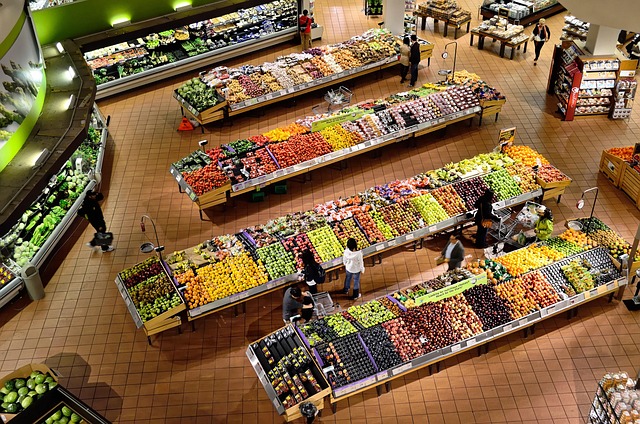
Eating food purchased from or brought into the supermarket while walking through the store produces food debris crumb scatter and hand contact with partially eaten food followed by immediate handling of shared surfaces and packaged goods in a way that distributes oral bacteria and food residue throughout the store environment. The combination of eating and shopping creates a continuous cycle of food contact hand contamination and subsequent surface transfer that is not present when eating and shopping are maintained as separate activities. Food debris on supermarket floors attracts pest activity that represents a further contamination pathway in the store environment and the presence of partially consumed food in an area where food is sold creates regulatory concerns in most retail food environments. Completing food consumption before entering a supermarket or confining eating to designated customer seating areas outside the food handling zone separates the eating activity from the shopping environment in a way that prevents the contamination pathways that concurrent eating and shopping create.
Bulk Bin Scooping
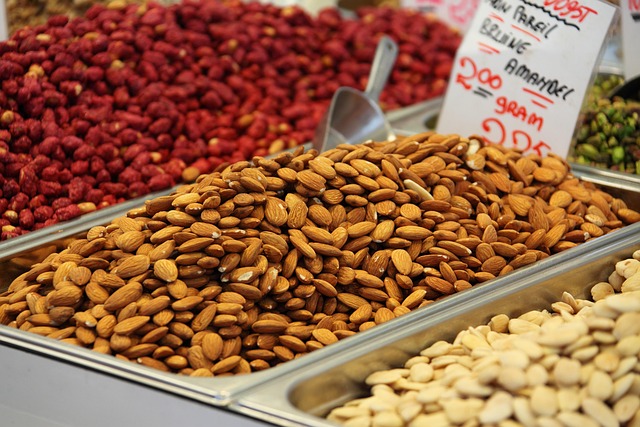
Using bare hands rather than the provided scoop or tongs to select items from bulk food bins including nuts dried fruit grains and confectionery introduces the full hand contamination load including whatever has been touched since the last handwash directly into a shared food supply that other customers will scoop from using the same bin. Bulk bins are among the highest cross-contamination risk formats in retail food because the entire contents of the bin are shared without individual packaging barriers between customers and because the handling practice of multiple customers across a trading day accumulates in the shared food volume in ways that are invisible to any individual customer. The provided scooping implements are themselves a shared surface that accumulates contamination from customer hand contact but their use maintains a barrier between hand skin microbiota and the food that direct hand contact eliminates. Using the provided implements for all bulk bin selection and avoiding any direct hand contact with bulk bin contents is the specific behavior that maintains the contamination barrier that the bulk format depends on for its food safety integrity.
Trolley Handle Neglect

Using a supermarket trolley for an entire shopping trip including handling raw meat packages produce and packaged foods without cleaning the handle before or during use and then touching the face eyes and mouth during the same trip creates a self-contamination pathway that operates alongside the environmental contamination contribution made by not cleaning the handle before use. Trolley handles are touched by every customer who uses the trolley across its entire trading day without cleaning between uses and their contamination profile reflects the cumulative hand hygiene status of every prior user. The specific relevance of trolley handle hygiene to food safety is the bidirectional transfer it creates between the handle’s accumulated contamination and the food items being handled by the same hands throughout the trip. Wiping the trolley handle with the sanitizing wipes provided at store entrances before beginning the shop and using hand sanitizer after completing loading and before touching the face or consuming food eliminates the most direct contamination pathways created by shared trolley infrastructure.
Misplaced Returns

Returning a refrigerated or frozen item to an ambient shelf a produce item to a packaged goods aisle or a raw meat product to any location other than its intended refrigerated display because it is more convenient than walking back to the correct section creates both a food safety risk through temperature abuse and a contamination transfer from the incorrectly placed item to the surfaces and products around it in its incorrect location. A raw chicken package placed on an ambient snack foods shelf transfers any surface contamination from the packaging to the shelf surface where ambient products with no protective outer packaging may subsequently contact it and the temperature abuse of the raw protein during the period before staff identify and remove it creates an additional safety concern for the product itself. Retailers rely on customers to return unwanted items to staff or to the correct section rather than placing them in arbitrary convenient locations because the food safety implications of incorrect placement are understood at the operational level even when they are not communicated to customers. The two-minute inconvenience of returning an item to its correct section or handing it to a staff member eliminates both the food safety and the contamination transfer risks that arbitrary placement creates.
Excessive Garlic Peeling

Peeling garlic cloves or breaking apart produce items including artichoke leaves corn husks and citrus peel directly over the open produce display rather than in a contained manner deposits the discarded material the expressed juice and the hand contamination from the peeling process directly onto the produce display surface and the items remaining in it. Produce displays that accumulate discarded peel skin and organic debris from in-store customer preparation become contaminated surfaces that transfer this material and its associated microbial load to every item and hand that subsequently contacts the display. The expressed juice from cut or broken produce items including citrus and garlic has direct antimicrobial properties in isolation but in the context of a shared food display creates a moist organic residue that supports bacterial proliferation on the surface where it is deposited. Purchasing produce items intact and performing any preparation including peeling shelling and trimming at home maintains the cleanliness of shared displays and ensures that the preparation debris and expressed juices from your selection do not contaminate the produce remaining for other customers.
Medication Handling

Handling prescription or over-the-counter medication bottles in the pharmacy section while symptomatic with a contagious illness reading labels and replacing bottles with unwashed hands creates a contamination deposit on frequently touched pharmacy merchandise surfaces that is specifically concentrated with the pathogen responsible for the current illness at a location visited disproportionately by other sick and immunocompromised customers. The pharmacy section of a supermarket attracts customers who are already unwell or who are caring for unwell individuals creating a customer contamination profile at that location that differs from the general shopping floor and that includes a higher baseline concentration of active pathogens relative to other store sections. The irony of contaminating a pharmacy section specifically during active illness while seeking treatment is not lost on infection control specialists who consistently identify retail pharmacy surfaces as high-concern contamination zones during respiratory illness seasons. Using hand sanitizer before handling pharmacy merchandise and minimizing unnecessary contact with packaging that will be returned to display are specific behaviors that reduce contamination at a location where vulnerable customers are concentrated.
Perfume Testing

Spraying perfume or cologne testers on wrists and then immediately handling produce packaging and food items transfers the chemical compounds of the fragrance product including known contact allergens directly onto food surfaces where they become a contamination source for shoppers with fragrance allergies or chemical sensitivities who have no mechanism for identifying the contamination before it affects them. Fragrance allergens are among the most prevalent contact allergens in the general population and their presence on food packaging surfaces through secondary transfer from tester-using customers creates an invisible exposure pathway for sensitive individuals who are managing fragrance avoidance as a health requirement rather than a preference. The beauty and personal care sections of supermarkets that stock accessible testers are positioned adjacent to or within the same shopping flow as food sections in many retail formats making the transfer pathway from tester application to food contact physically immediate. Testing fragrances by spraying onto a tester card rather than onto skin eliminates the transfer pathway to food contact surfaces that wrist application followed by food handling creates.
Cart Child Snacking
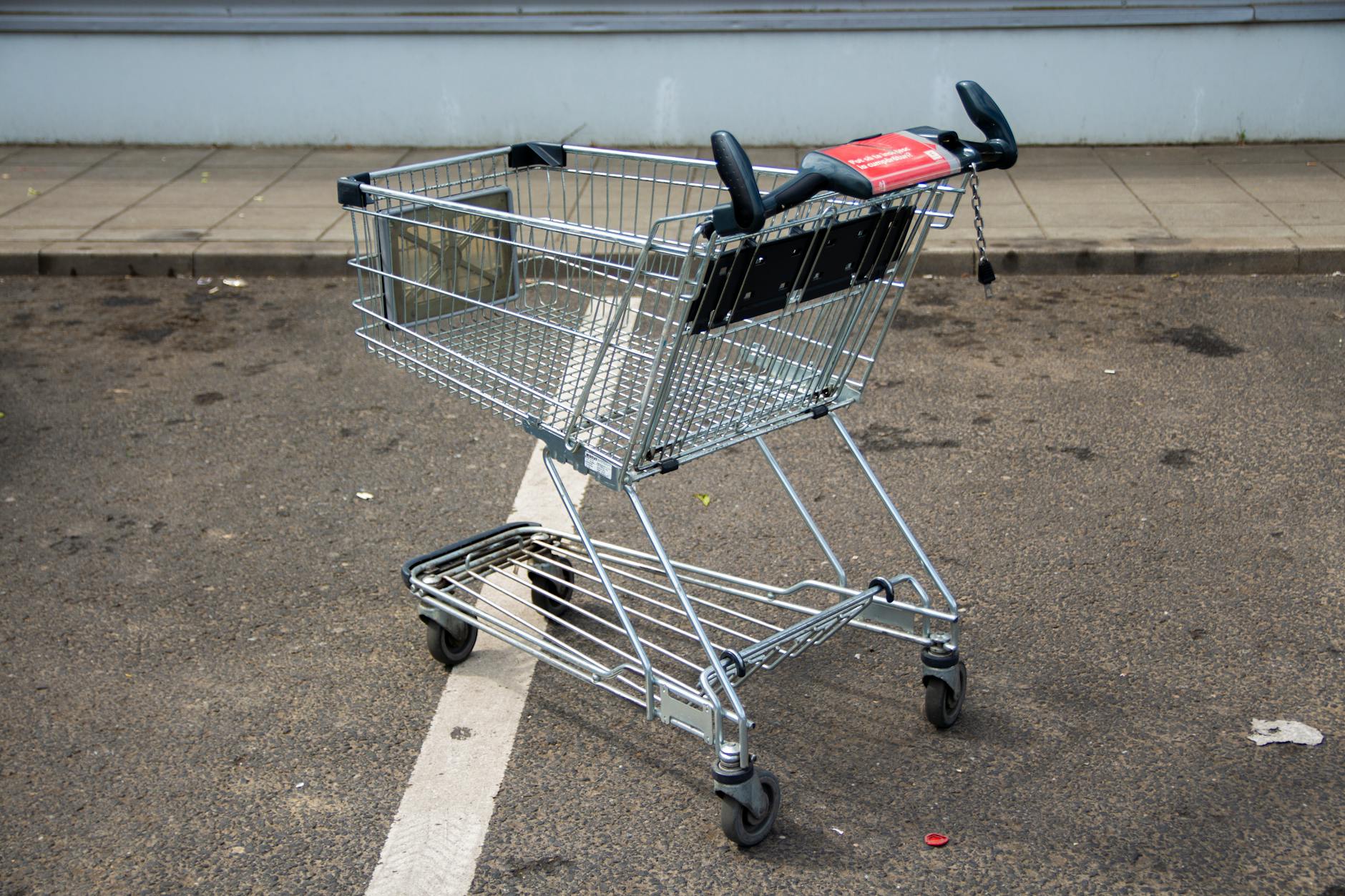
Allowing children seated in shopping cart seats to eat snacks during the shopping trip without managing the inevitable food scatter crumb distribution and hand-to-surface contamination that accompanies young children eating in a contained space deposits food debris oral bacteria and potentially allergen-containing food residue throughout the cart and onto the produce and food packages within reach of the child’s hands throughout the trip. Young children eating in a cart seat touch their food their face their clothing and every surface within reach in a continuous cycle that distributes the oral microbiome of the child and the food allergen profile of the snack across every surface contacted. The allergen dimension of child cart snacking is specifically significant because the eight major food allergens including peanuts tree nuts milk and egg are among the most common child snack foods and their transfer to cart surfaces and food packaging creates an exposure pathway for severely allergic customers who subsequently handle the same surfaces or products. Confining child snacking to a time when the child is not in direct contact with shared food retail surfaces eliminates both the microbial and the allergen contamination pathways that in-cart snacking creates.
Visible Illness Shopping
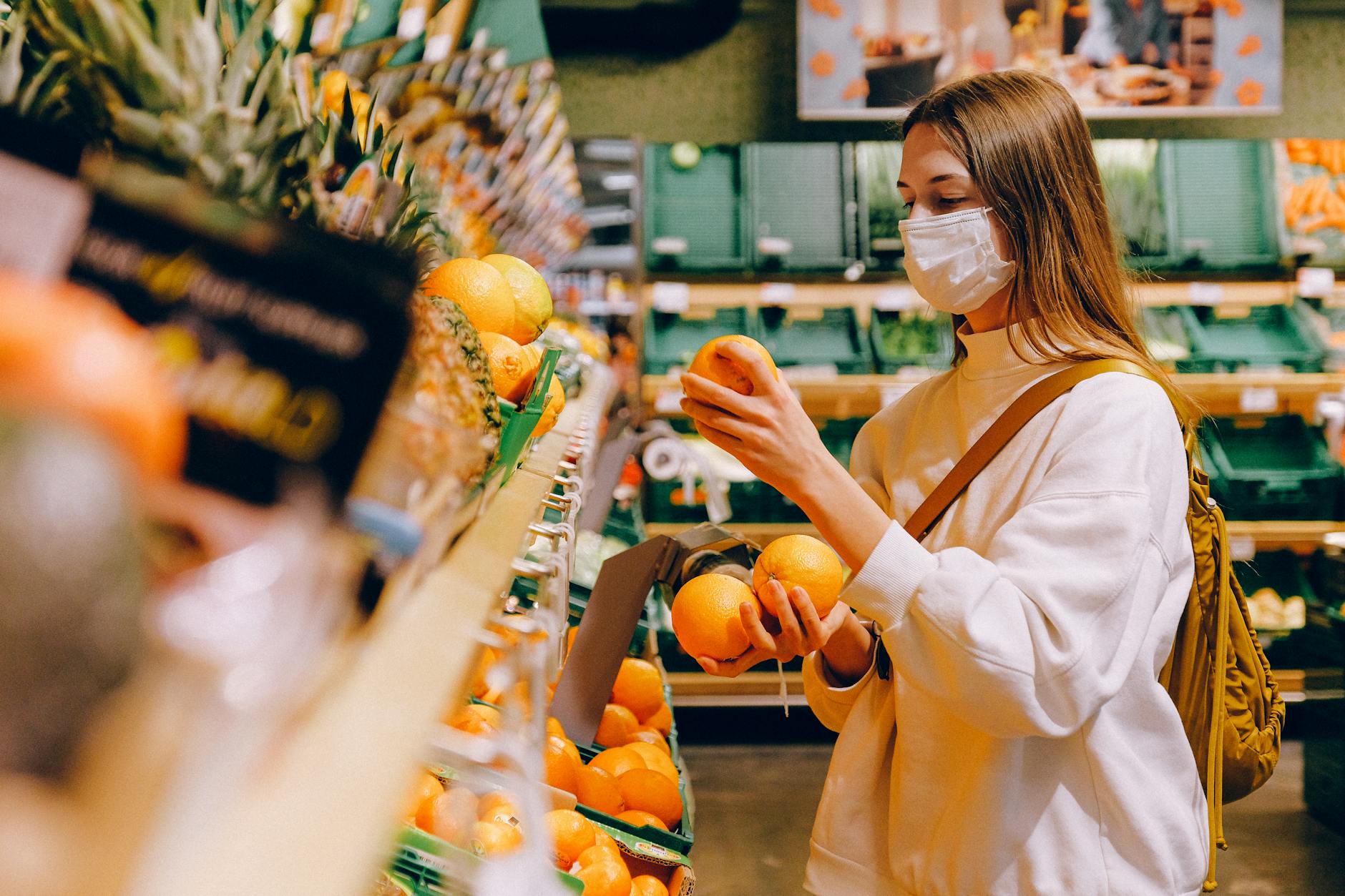
Continuing to shop in person while experiencing active symptoms of a contagious illness including sneezing coughing fever and gastrointestinal disturbance rather than using delivery or collection alternatives introduces an active pathogen source into a shared food environment where the contamination is deposited on surfaces and food items that will be handled by people who have no knowledge of their exposure and no ability to consent to the associated risk. The social and economic pressures that lead people to shop in person while symptomatic are real and understandable but the food safety and public health consequences of pathogen introduction into a high-touch shared food environment are disproportionate to the convenience gained relative to available alternatives. A person with an active gastrointestinal illness who handles shared supermarket surfaces introduces the causative pathogen at concentrations and to locations that create genuine illness risk for the other customers and staff who contact those surfaces in the hours following. Using grocery delivery services click and collect options or asking a healthy household member to shop during periods of active contagious illness is the specific behavior change that eliminates the most significant single-source contamination event that an individual can introduce into a shared food retail environment.
If any of these supermarket habits have made you rethink your own shopping behavior or if you have observed particularly memorable examples of public food hygiene failures share your thoughts in the comments.