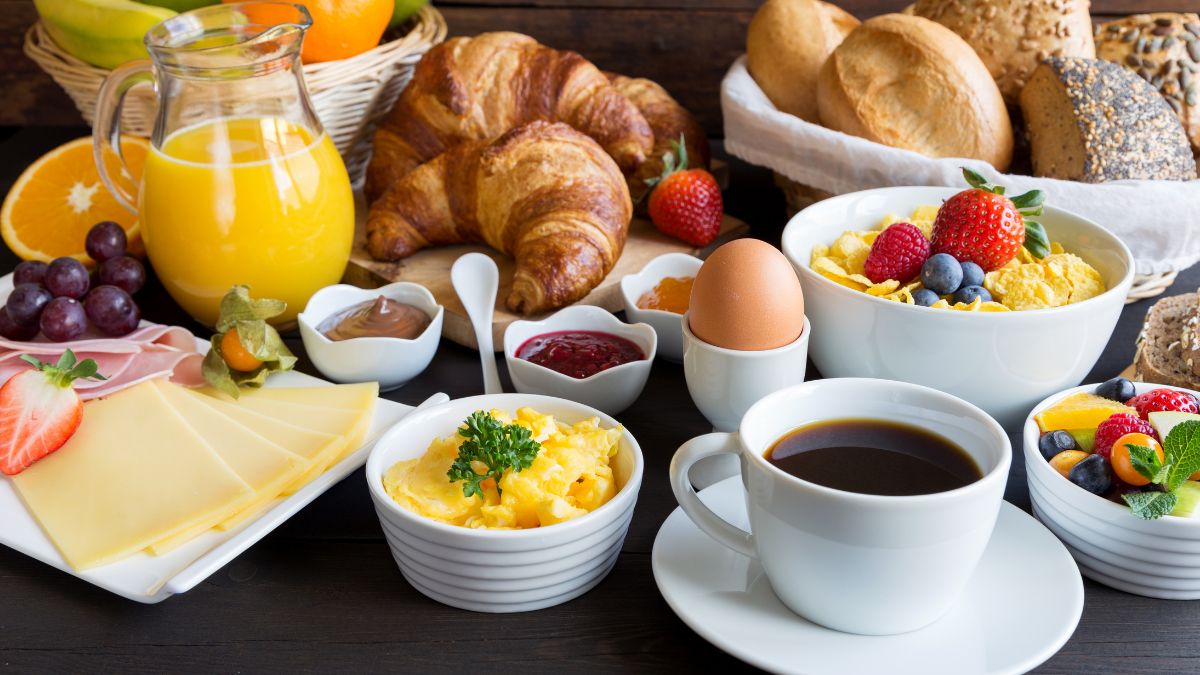
The hotel breakfast buffet is one of travel’s most reliable comforts, promising a warm and satisfying start to a day of adventure. What most guests never consider is the complex and often troubling journey that food takes before it arrives in those gleaming chafing dishes and neatly arranged display cases. Food safety regulations for buffet service vary enormously between countries, hotel categories, and even individual kitchen management styles, leaving significant room for practices that would shock the average traveler. The gap between the fresh and abundant spread that marketing images promise and the operational reality of high-volume hotel catering is wider than most people realize. Here are 23 disgusting things you eat at hotel breakfasts that are actually days old.
Scrambled Eggs
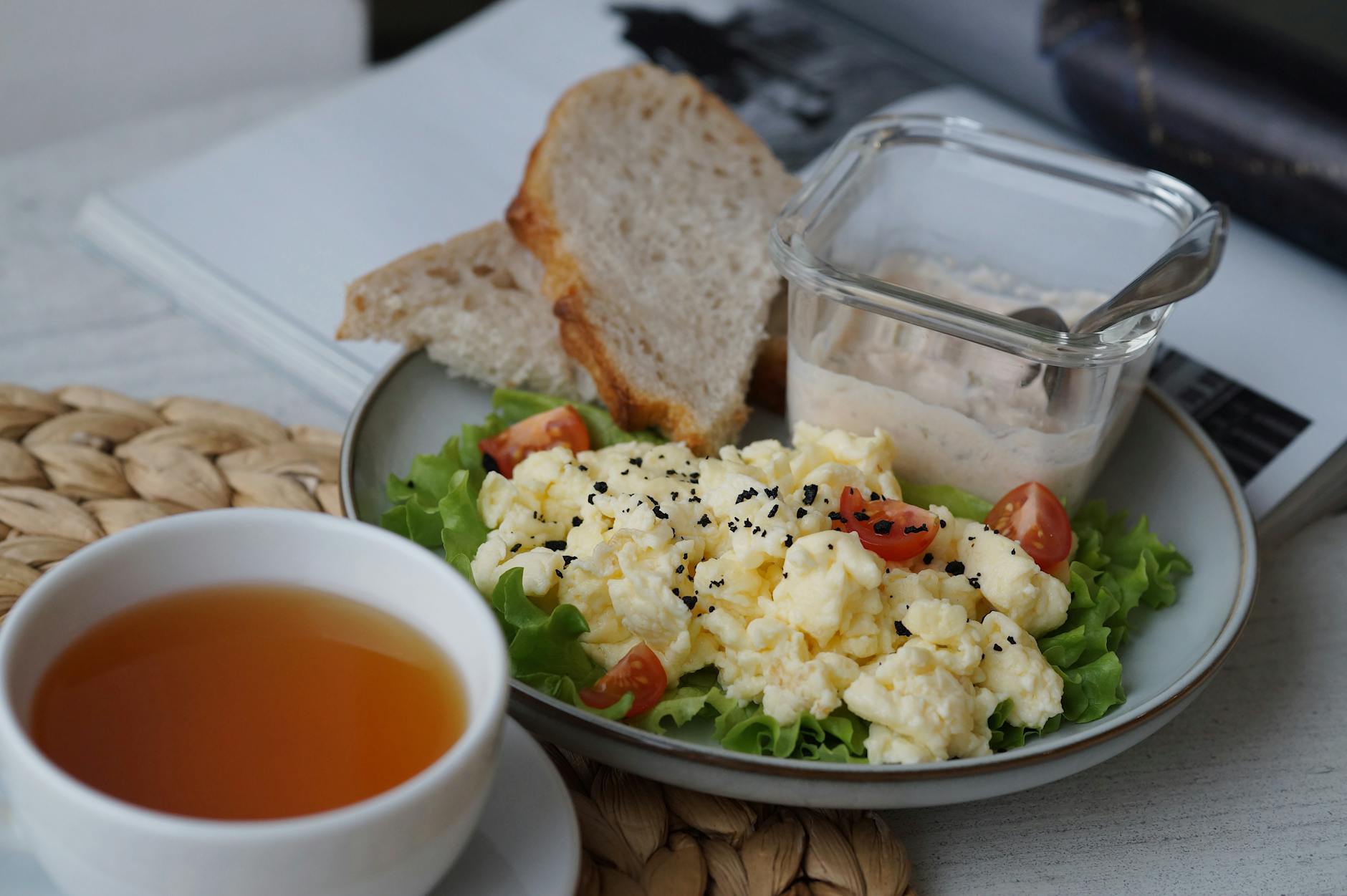
Hotel scrambled eggs are among the most consistently mishandled items on any breakfast buffet. Large hotels frequently prepare eggs in enormous batches during the early morning hours, meaning the first guests receive eggs that have already been sitting in a warming tray for up to an hour before the buffet even opens. Powdered egg reconstitution is standard practice at budget and mid-range properties, and the reconstituted mixture is often prepared the night before and refrigerated until cooking. The rubbery texture that buffet scrambled eggs are notorious for is a direct result of extended heat exposure and repeated batch consolidation throughout the morning. What appears freshly made is frequently the third or fourth consolidation of egg batches from different preparation times.
Pastry Basket
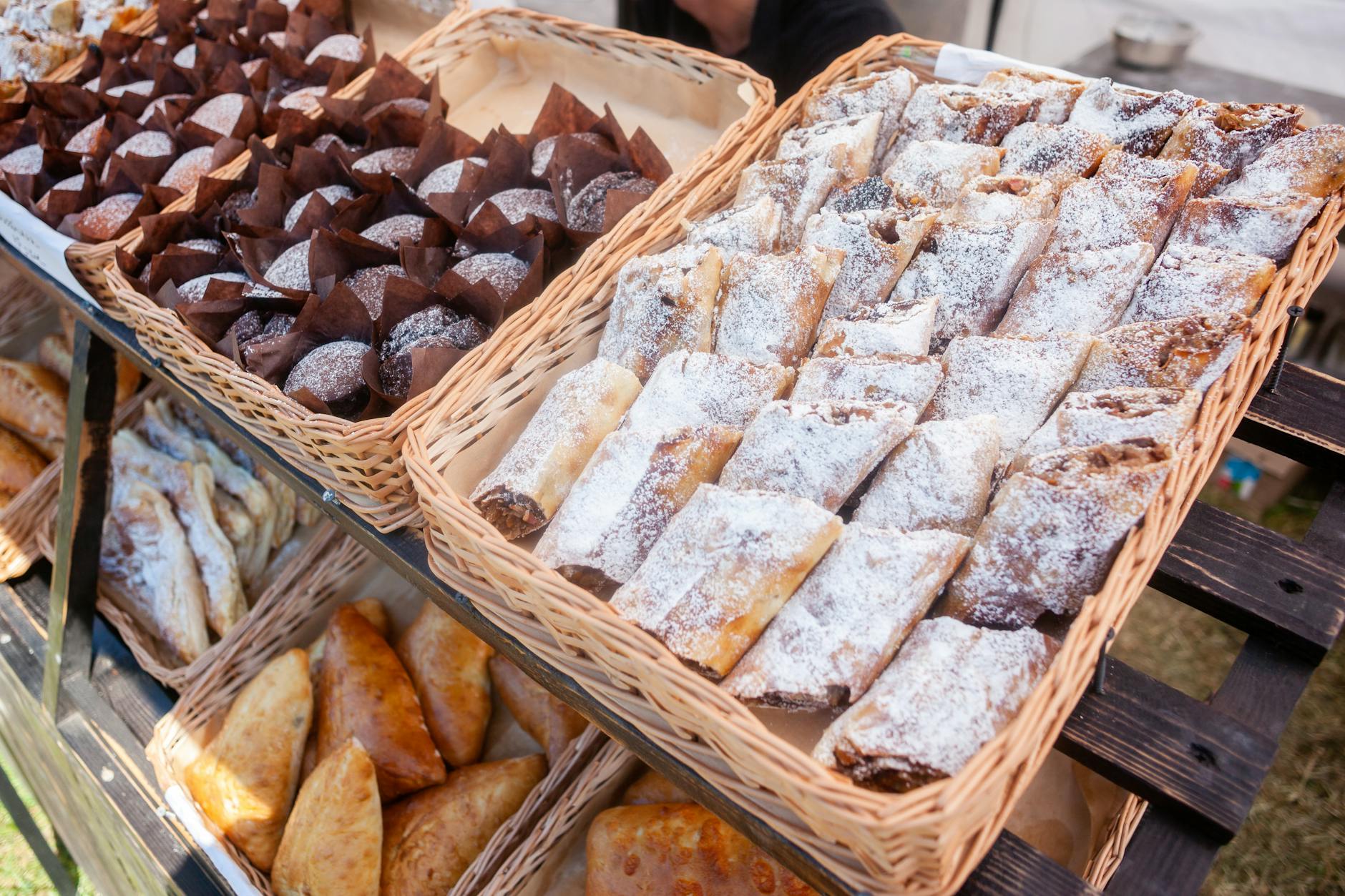
The croissants, Danish pastries, and muffins arranged in that inviting basket are almost universally baked off-site at a central commissary and delivered on a schedule that does not align with daily freshness. Most hotel pastry deliveries occur two to three times per week at budget and mid-scale properties, meaning the croissant on Wednesday may have been baked on Monday. Pastries that remain unsold at the end of a breakfast service are frequently returned to storage, refreshed in a warming oven the following morning, and represented as part of the daily spread. The laminated dough of croissants loses its characteristic crispness within hours of baking, so a soft and chewy croissant is a reliable indicator of age. Even luxury hotels often rely on external bakery suppliers operating on multi-day delivery cycles.
Smoked Salmon
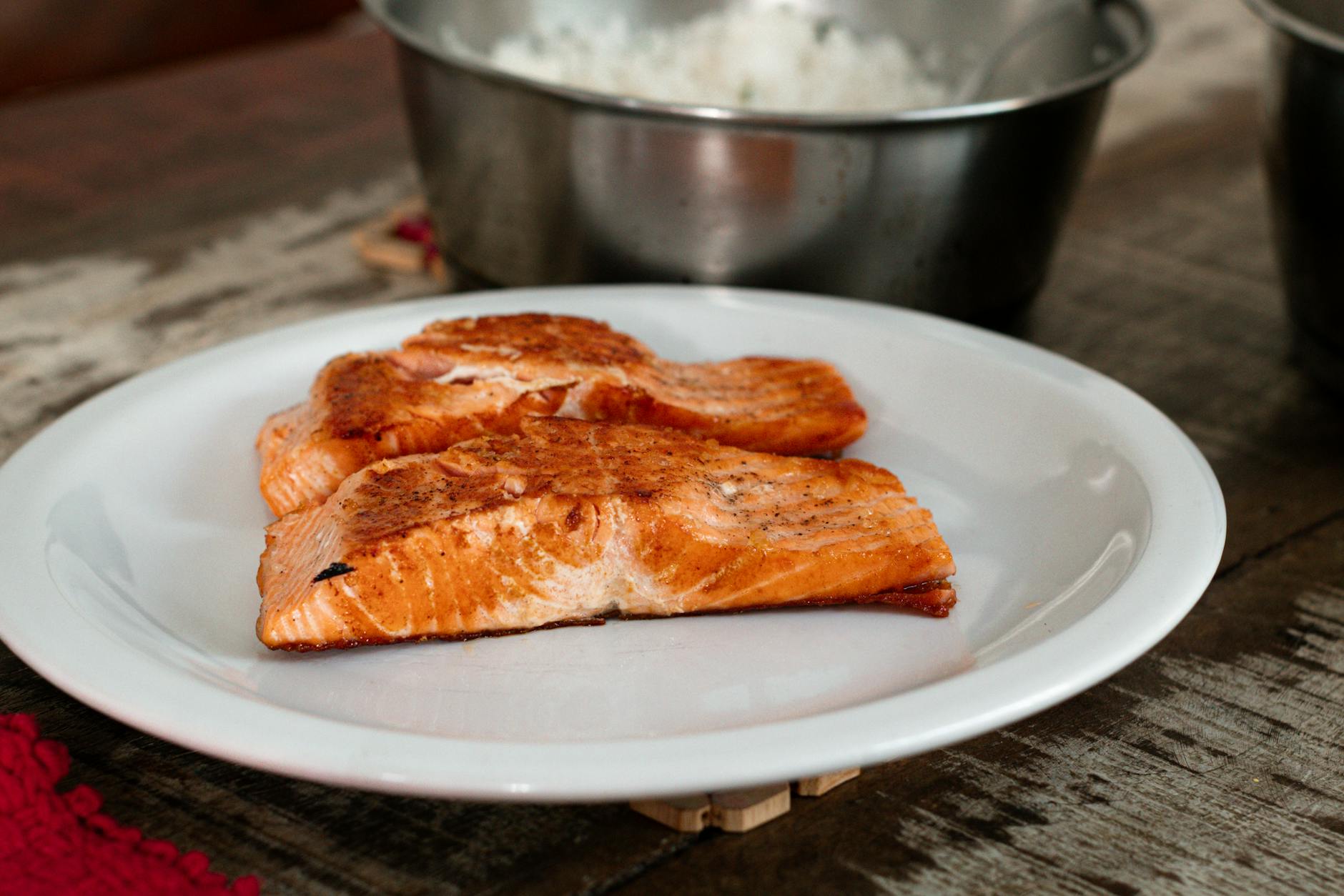
Smoked salmon is a fixture of upscale hotel breakfast spreads and carries an air of premium freshness that its actual handling rarely supports. Pre-sliced smoked salmon is typically purchased in vacuum-sealed multi-day portions that are opened and arranged on display platters, then covered and refrigerated between service periods. A single opened package may be used across two or three consecutive breakfast services before being discarded, as the product remains technically within food safety guidelines for several days after opening. The oils in smoked salmon oxidize with air exposure, producing subtle rancidity that is often masked by the strong smoke flavoring. Garnishes of capers and lemon are regularly refreshed while the salmon beneath them remains from a previous day’s service.
Sliced Meats
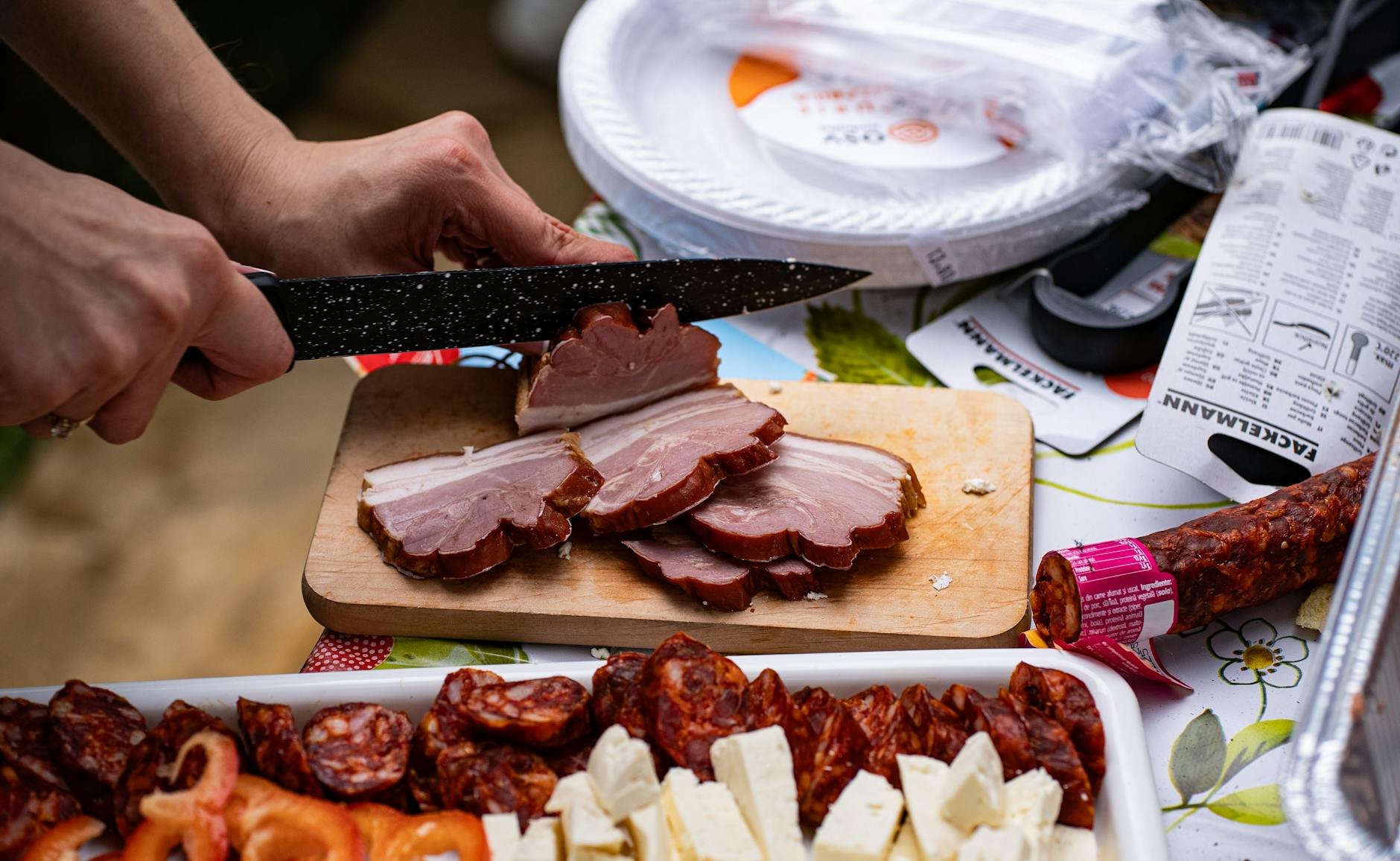
Cold cut displays featuring ham, turkey, salami, and other processed meats are prepared in large quantities at the start of each week at many hotel properties. Pre-sliced deli meats have a significantly shorter window of peak quality than their whole-piece counterparts, as the increased surface area accelerates both oxidation and bacterial growth. Hotels operating under tight food cost controls will hold opened packages of sliced meat through multiple service cycles, relying on proper refrigeration temperature to justify extended use. The glossy appearance of buffet cold cuts is often maintained through plastic wrap pressing overnight rather than through actual freshness. Sliced processed meats near the edges of the display tray are most likely to have experienced the longest air exposure.
Yogurt Cups
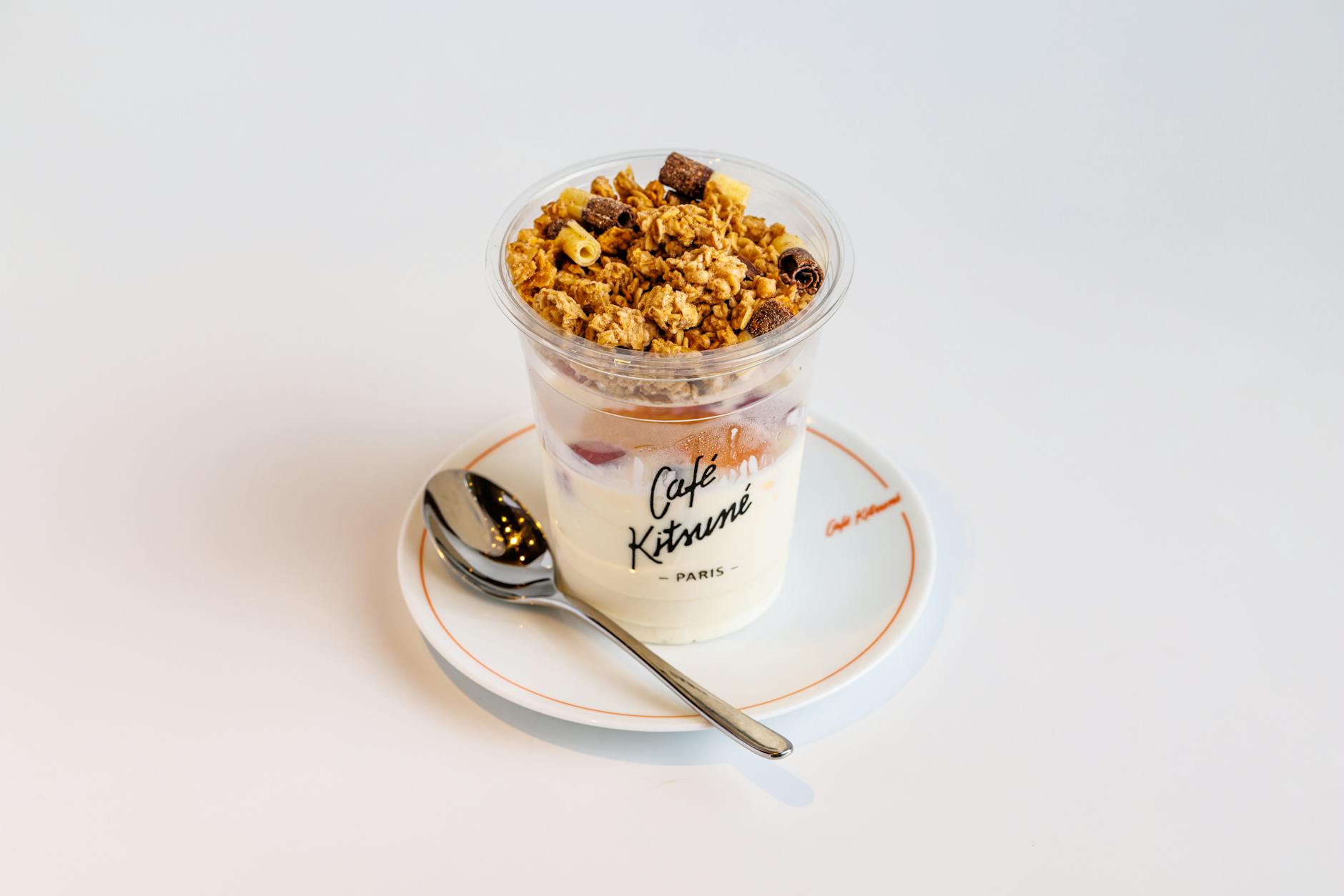
Individual yogurt cups or portioned bowls at the breakfast buffet appear to be the safest and most tamper-proof items on display, but the reality of their handling introduces significant concerns. Hotels purchase yogurt in bulk tubs and portion it into display cups the evening before service, meaning the product has already been opened and exposed to kitchen air well before any guest encounters it. Bulk yogurt tubs at budget properties may be purchased on weekly delivery schedules, with the final portions of a tub used up to five days after initial opening. Fruit compotes and toppings spooned onto yogurt displays are frequently prepared in large batches and refrigerated over multiple days before being fully consumed. The sealed individual cup from a reputable dairy brand remains the only reliably fresh yogurt option at a hotel breakfast.
Bacon Strips
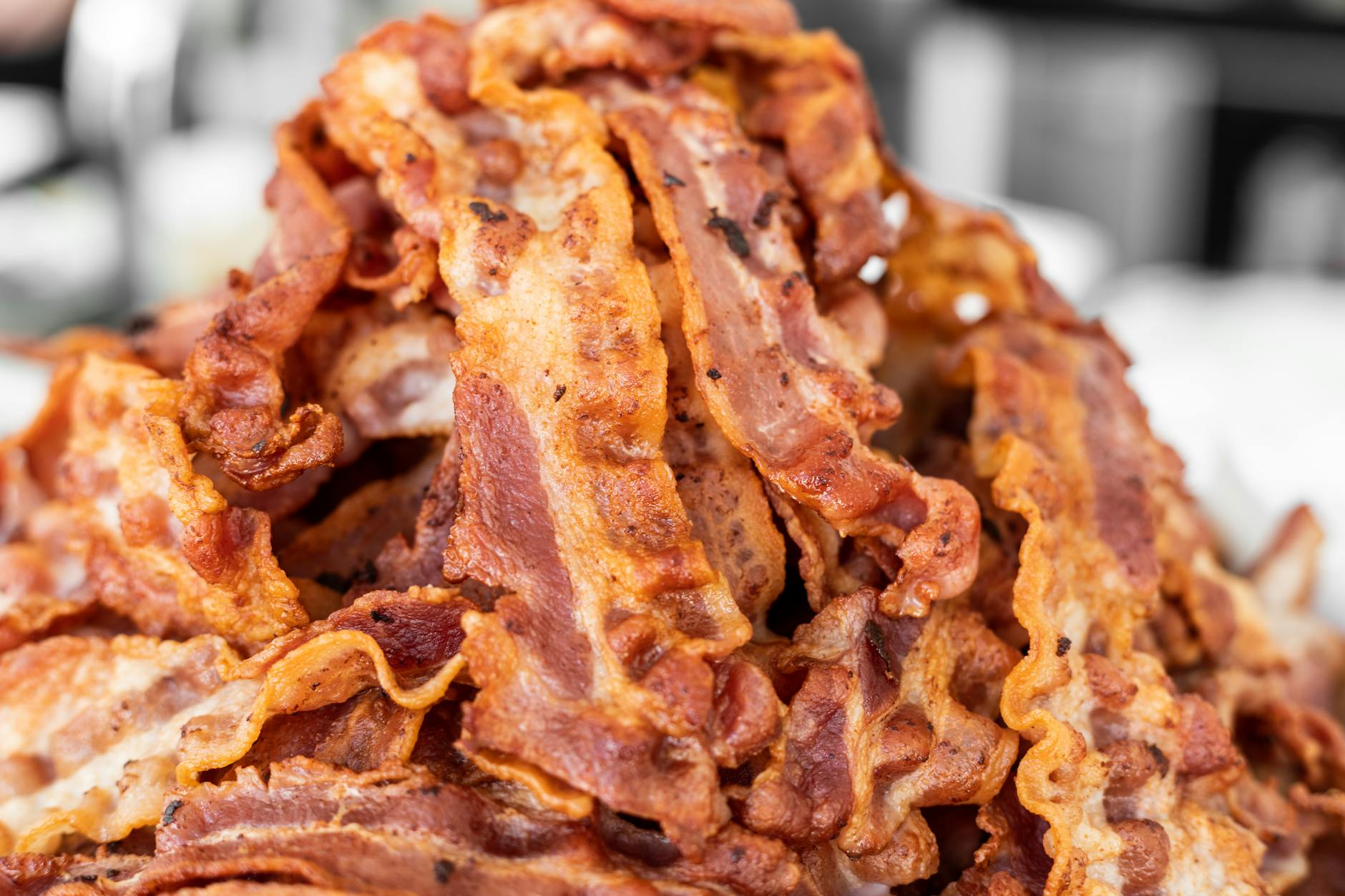
Buffet bacon occupies warming trays for the entirety of the breakfast service period, which at many hotels spans three hours or more. Kitchens managing a busy breakfast operation cook bacon in large batches at the start of service and replenish the tray from pre-cooked backup batches held in warming ovens rather than cooking fresh strips to order. Pre-cooked bacon is a widely used product in hotel catering, arriving already fully cooked and packaged for reheating, sometimes manufactured days or weeks before delivery. The dark and brittle strips typically found at the end of breakfast service represent the combination of original cook time, holding time, and repeated reheating. Hotels that advertise freshly cooked bacon at the buffet are describing the final reheating step rather than any original cooking process performed that morning.
Fruit Salad
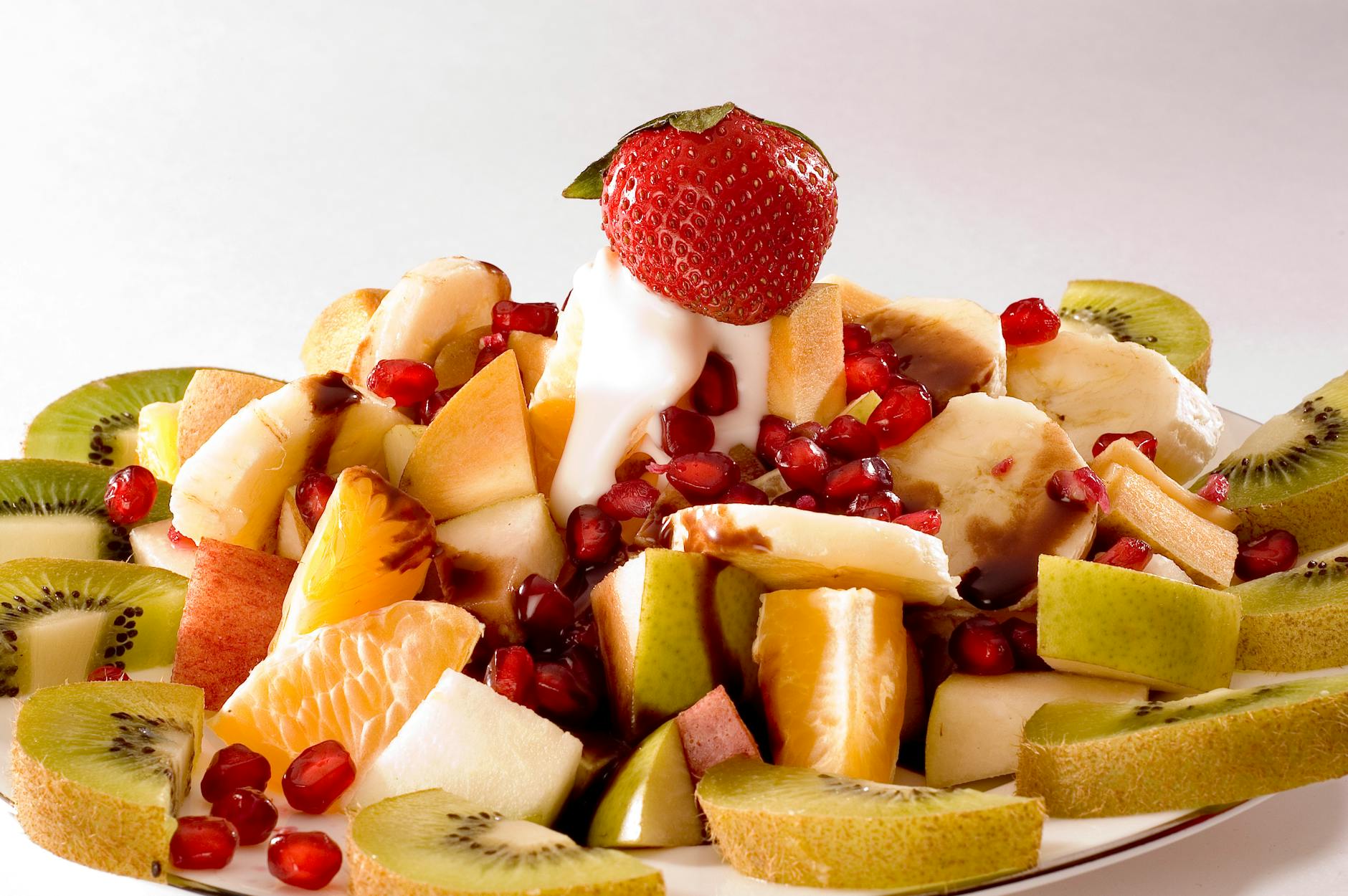
Pre-cut fruit salad is one of the most deceptively aged items on the hotel breakfast buffet. Cutting fruit dramatically accelerates enzymatic browning and moisture loss, making the preparation timeline of any fruit salad immediately visible to an attentive guest. High-volume hotels prepare fruit salad in large batches once or twice during the week, using preservation techniques including citric acid solutions and tight refrigeration to extend the display life of cut fruit. Melon cubes and pineapple chunks hold their texture reasonably well over several days, which is precisely why these are the dominant components of hotel fruit salads rather than more delicate berries or stone fruit. Berries added to the top of fruit salad displays are frequently the freshest component, placed there specifically to create a visual impression of same-day preparation.
Cereal Dispensers
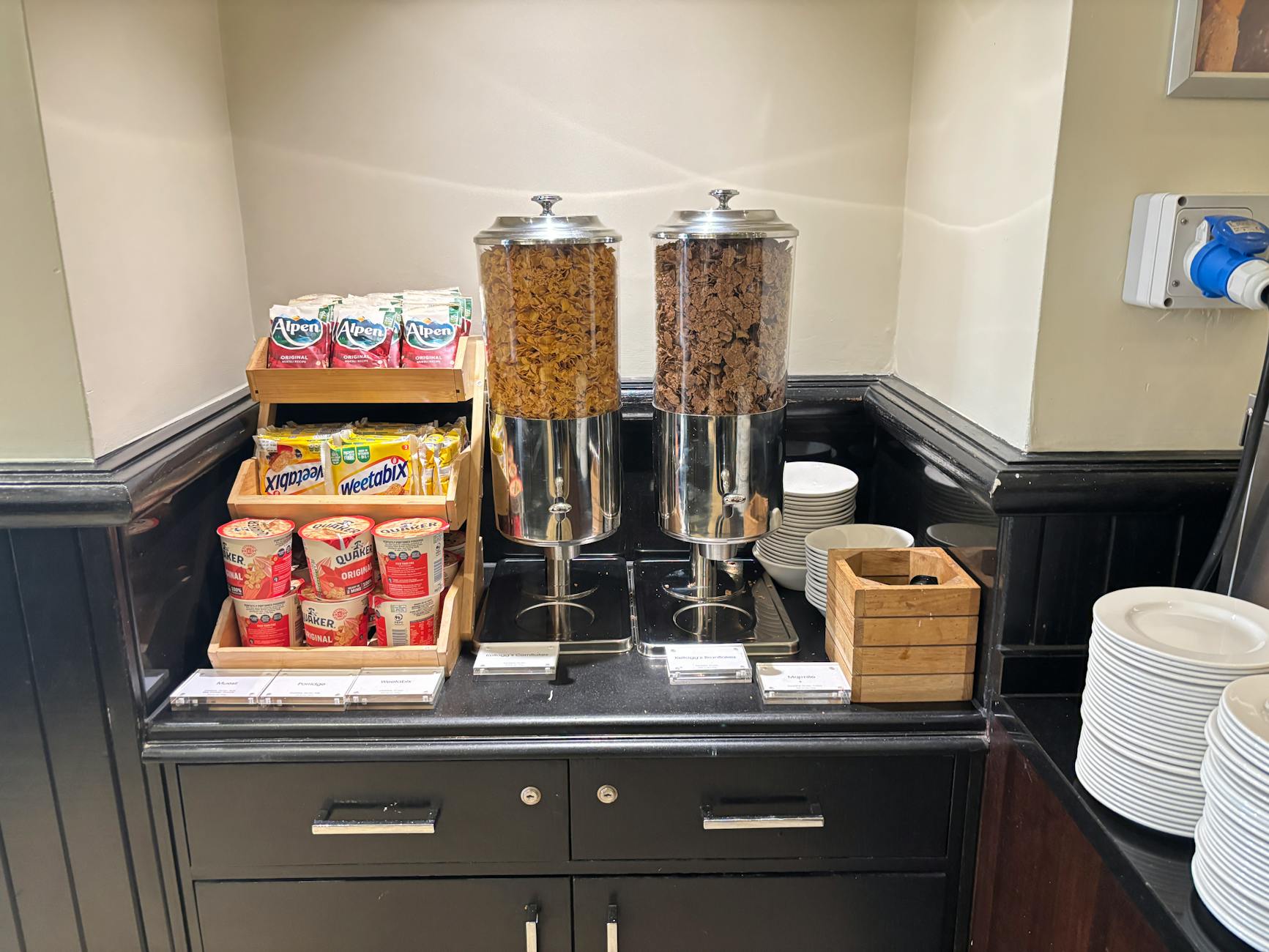
Cereal dispensers are among the most neglected hygiene points of the entire hotel breakfast operation. The dispensing mechanism and interior reservoir are rarely cleaned between refills, meaning residue from previous cereal batches accumulates in the dispensing chute over time. Hotels purchase catering-size cereal bags designed to minimize the frequency of refills, and partially emptied dispensers are topped up rather than emptied, cleaned, and refilled with fresh product. Moisture from the ambient breakfast environment enters the dispenser mechanism during service, gradually softening the cereal at the bottom of the reservoir. The oldest cereal in the dispenser is always the last to be consumed, as each fresh top-up pushes it further toward the bottom where it sits until the bag is finally exhausted.
Waffle Batter
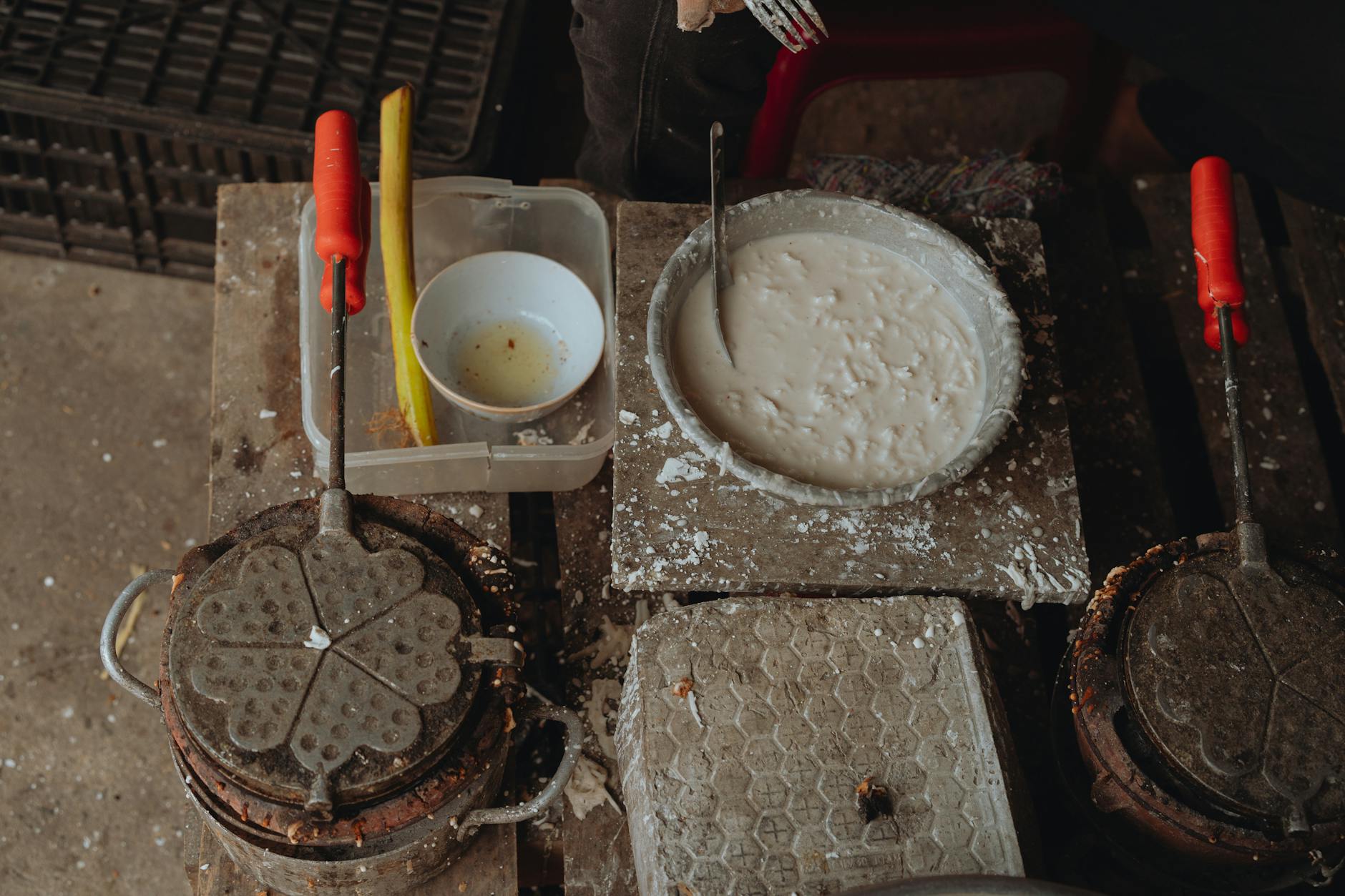
Make-your-own waffle stations are a popular feature at American-style hotel breakfasts and carry a strong impression of freshness due to the interactive cooking element. The batter dispensed into the waffle iron is almost never prepared fresh that morning, as the volume required for a full service period makes same-day preparation impractical for most hotel kitchens. Waffle batter is typically prepared in large quantities the previous afternoon or evening and refrigerated overnight before being transferred to the dispenser for morning service. Batter that is not fully consumed during morning service may be stored and used across multiple service periods at properties with less rigorous waste management practices. The waffle iron cooking process creates a genuinely fresh-cooked product, but the batter itself may have been prepared more than eighteen hours before it reaches the iron.
Hash Browns
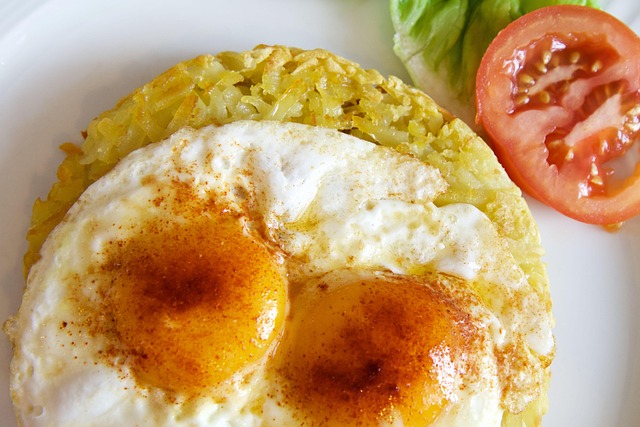
Buffet hash browns and home fries are subject to the same extended holding conditions as most other hot items, but their texture makes the impact particularly noticeable. Potato products lose moisture rapidly under heat lamp conditions, transitioning from crispy to soggy and then to leathery as holding time extends. Hotels frequently cook large trays of hash browns in the early morning and transfer portions to chafing dishes throughout the service period rather than cooking in smaller, more frequent batches. Pre-formed frozen hash brown patties are the dominant product used in hotel catering due to their consistency and ease of volume preparation, and these are often cooked in bulk and held well before the breakfast period begins. The crispy exterior that makes hash browns appealing is typically gone within twenty minutes of the product entering a steam-heated chafing dish.
Cheese Display
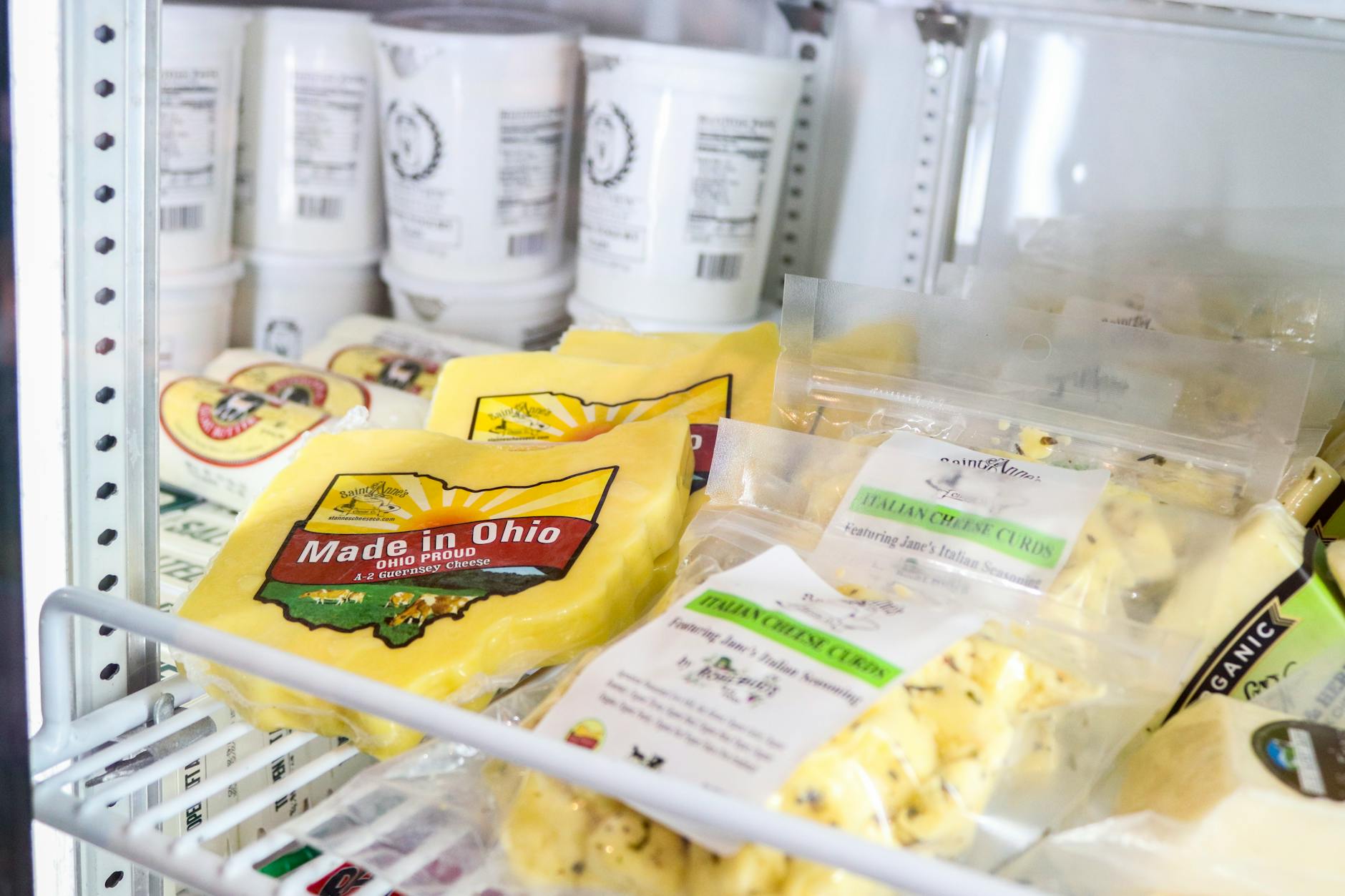
Cheese selections at the hotel breakfast buffet, particularly common at European properties, are handled in ways that significantly extend their time outside of optimal storage conditions. Large blocks or pre-sliced portions of cheese are unwrapped and arranged on display boards at the beginning of service, then collected, rewrapped, and refrigerated at the end of each breakfast period. This cycle of unwrapping, air exposure, and rewrapping can repeat across three to five consecutive mornings before a cheese portion is finally discarded or incorporated into kitchen cooking. The rind and cut surfaces of cheese that has been through multiple exposure cycles develop a dried, slightly discolored crust that is trimmed away before re-display but represents genuine deterioration of the product. Soft cheeses including brie and camembert are particularly vulnerable to this cycle and are often considerably past their optimal state by the time they appear at the buffet.
Orange Juice

Freshly squeezed orange juice is one of the most aggressively marketed features of the hotel breakfast experience and one of the most consistently misrepresented. Juice marketed as fresh-squeezed at hotel properties is frequently a high-quality pasteurized not-from-concentrate product delivered in bulk refrigerated containers on a weekly or bi-weekly schedule. Hotels that do operate visible juicing machines often prepare juice in large batches at the start of service rather than juicing on demand, meaning even genuinely squeezed juice may have been sitting for several hours before the first guest arrives. Fresh-squeezed orange juice begins losing its vitamin content and flavor complexity within two to four hours of juicing, well within the window of a standard hotel breakfast service. The juice dispenser itself is rarely sanitized between morning services with the thoroughness that its daily use requires.
Chafing Dish Sauces
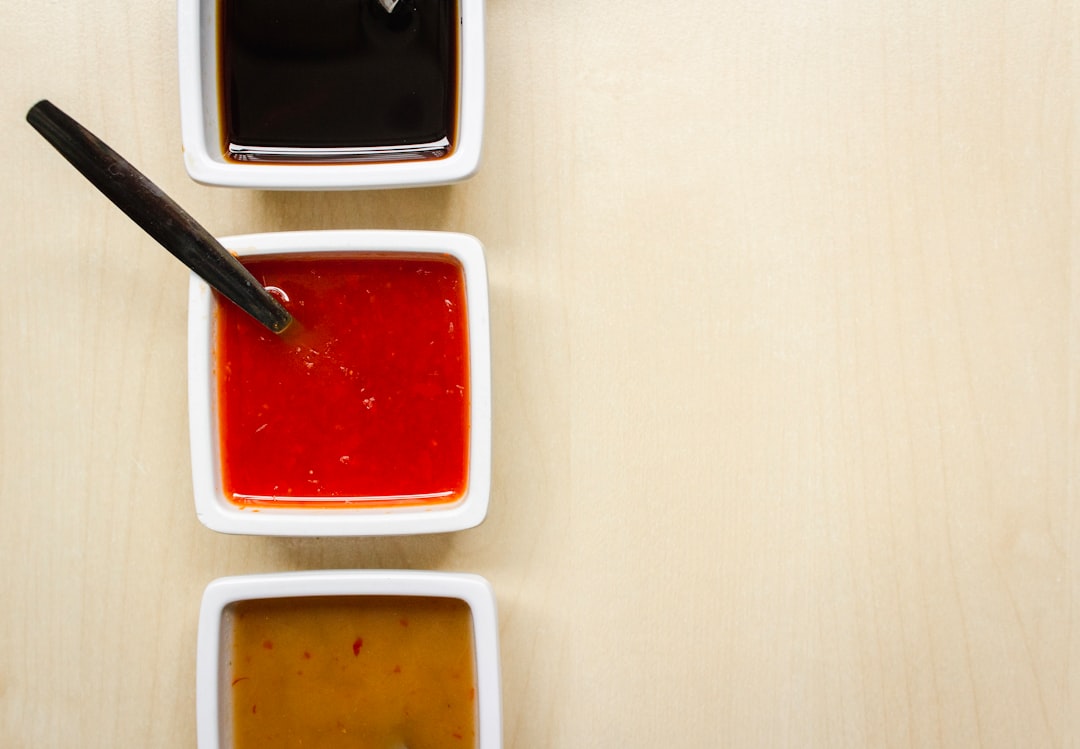
Tomato-based sauces, baked beans, and mushroom gravies that accompany hot breakfast items are prepared in large volumes and cycled through service in ways that extend their age well beyond same-day preparation. These sauce-based items are among the easiest for kitchen operations to hold across multiple days, as their texture and appearance change minimally with proper refrigeration and reheating. Hotels operating on tight food cost parameters will prepare large batches of baked beans or breakfast gravies at the start of the week and reheat portions for each subsequent service. The high sugar and salt content of these preparations acts as a natural preservative that extends their usable life and masks flavor changes that would otherwise signal age. Visual inspection provides almost no useful information about how many times these items have been chilled and reheated.
Bread Loaves

Sliced bread and toast station loaves appear straightforward but follow a supply chain that frequently results in days-old product being presented for service. Hotel bread purchasing typically follows a two to three delivery schedule per week, with the final slices of a loaf used up to four days after the delivery date. Bread stored in hotel kitchen conditions is vulnerable to moisture fluctuation that accelerates staling, and many properties use commercial bread with extended shelf-life formulations that maintain structural integrity well past the point of optimal flavor. Toast made from stale bread produces a noticeably different texture than fresh bread toast, with a hollow crispness and absence of the slight chew that indicates fresh product. The bread bin or basket at the toast station is rarely emptied and sanitized between daily services.
Muesli Bins
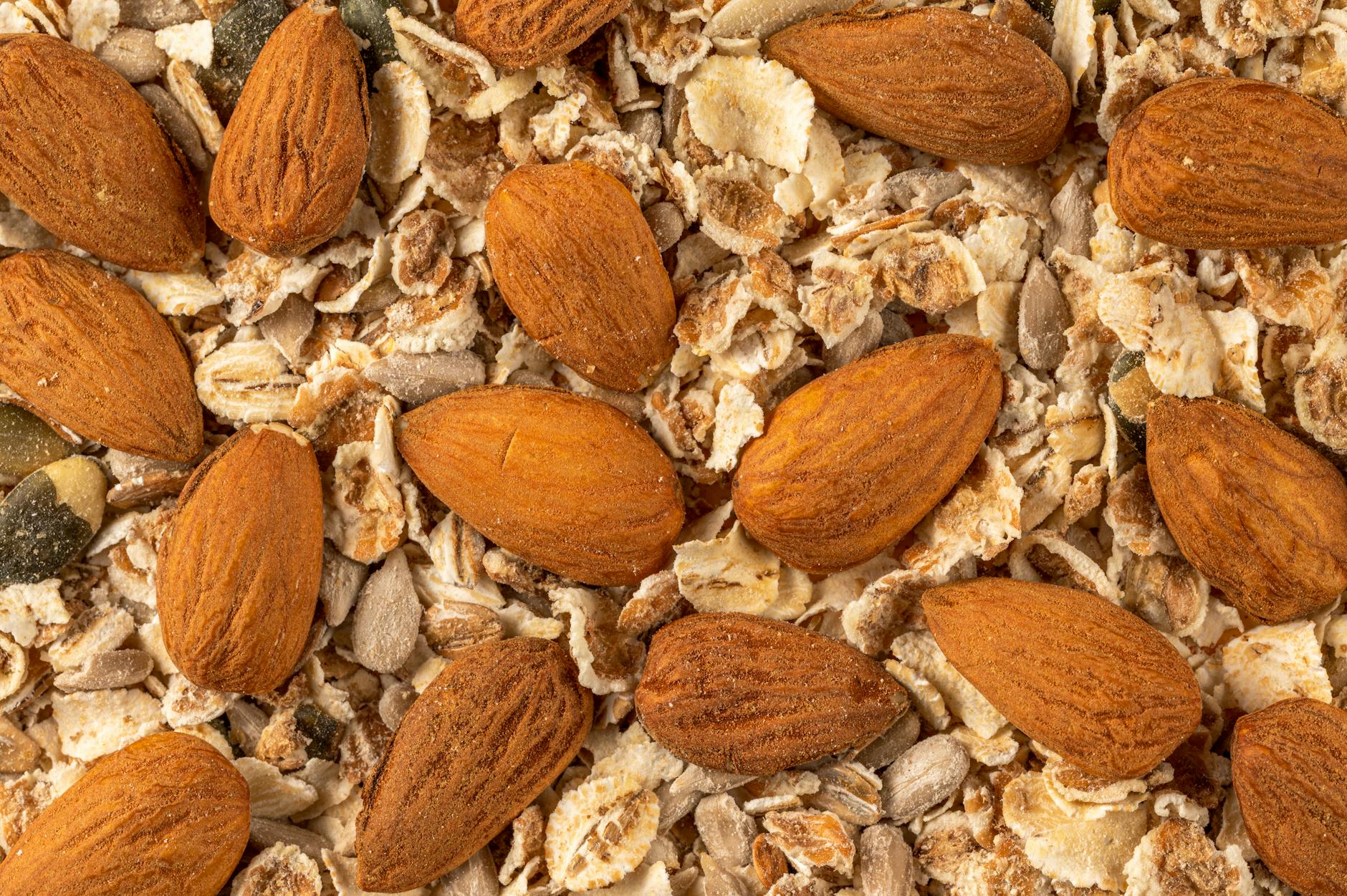
Open muesli and granola bins at the breakfast buffet accumulate a troubling combination of age-related issues that most guests never consider. Bulk muesli is purchased in large catering sacks and poured into display bins that are topped up rather than emptied and cleaned between refills. The dried fruit components of muesli absorb ambient moisture during service hours, becoming progressively stickier and more prone to clumping as the week progresses. Nut components in granola and muesli begin to oxidize and develop rancidity within days of air exposure, producing subtle off-flavors that are difficult to detect against the backdrop of sweetened oat and grain flavors. The product at the very bottom of the display bin may have been there since the previous delivery cycle, gradually compressed under successive top-ups of fresh product.
Boiled Eggs
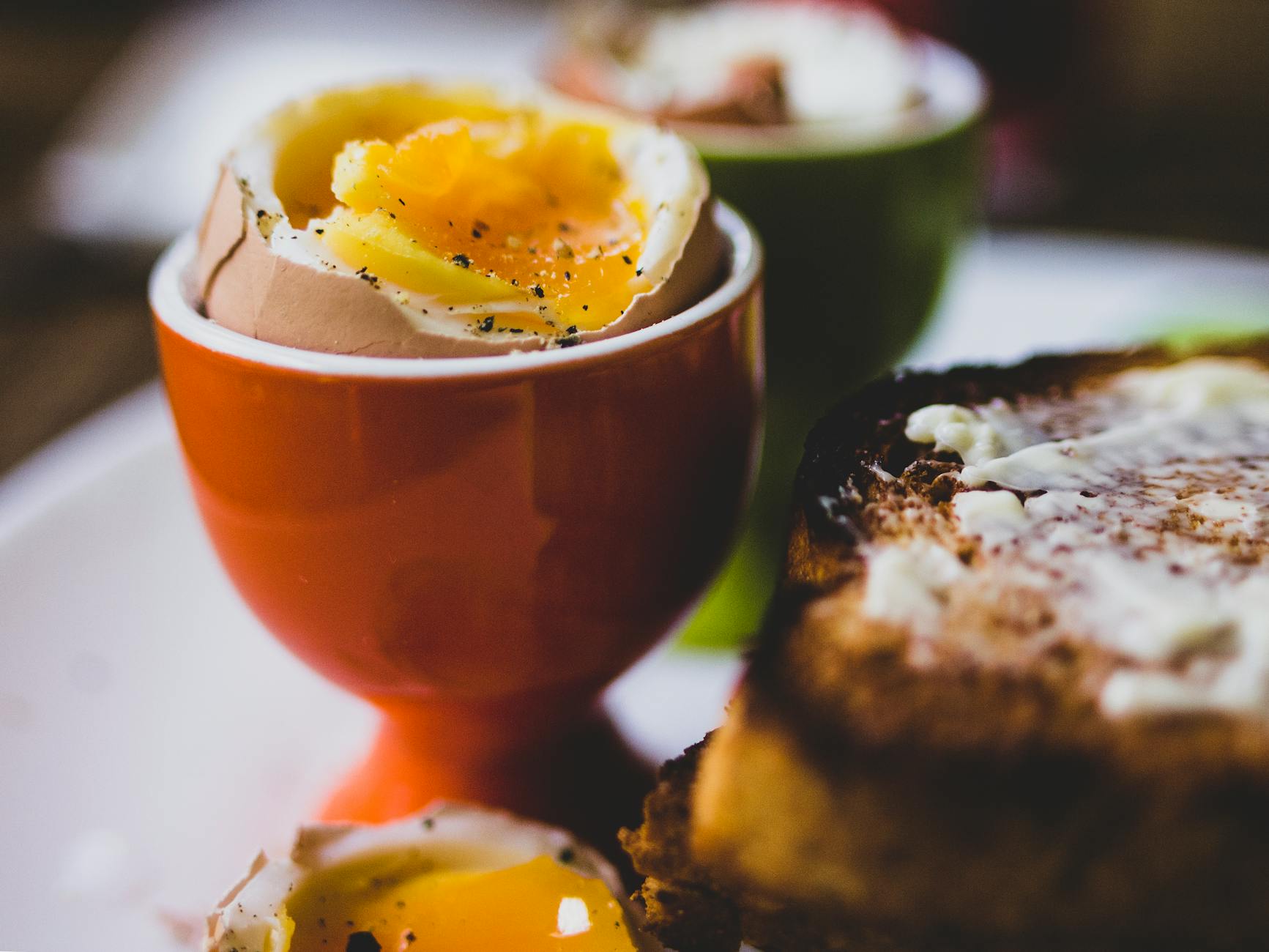
Pre-boiled eggs presented in their shells carry one of the most misleading appearances of freshness on the entire breakfast buffet. The intact shell suggests a recently cooked product, but hotels routinely boil large batches of eggs at the beginning of the week and refrigerate them for gradual deployment across multiple breakfast services. A boiled egg in its shell remains food-safe for up to one week under refrigeration, which means the egg cracked open on Friday morning may have been boiled on Monday. The greenish-grey ring that sometimes appears around the yolk of a hard-boiled egg is a reliable indicator of either prolonged cooking or extended storage after cooking, as the reaction continues slowly even in refrigerated conditions. Hotels displaying boiled eggs in warm water baths to maintain serving temperature are accelerating this chemical process further.
Sausage Links
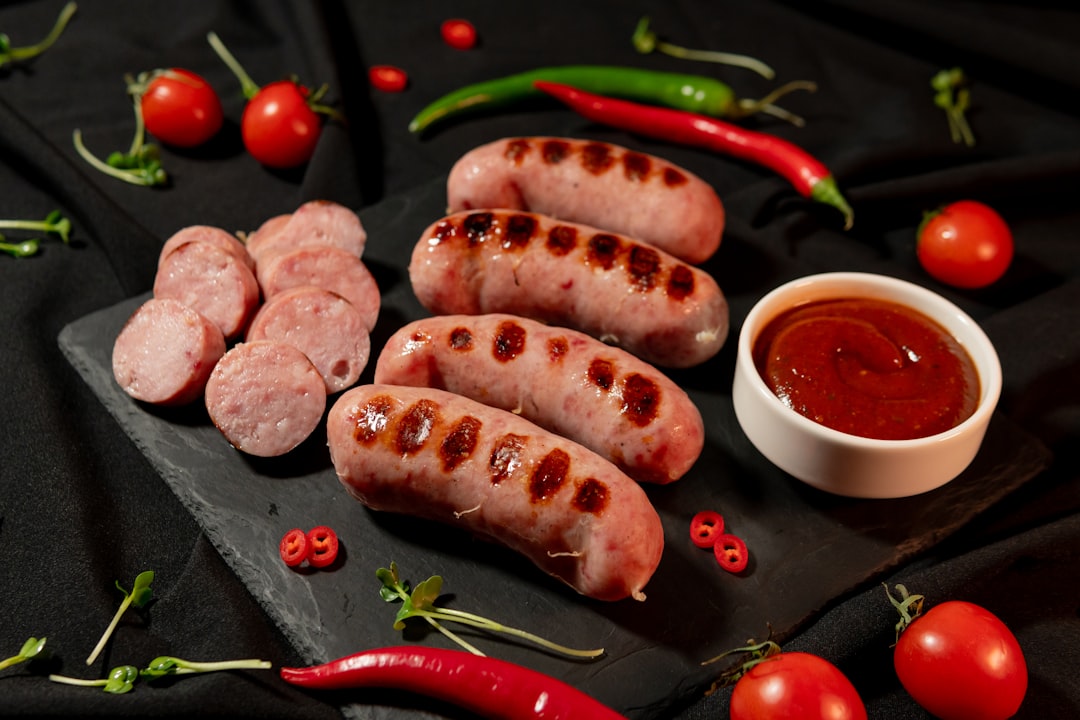
Breakfast sausages at hotel buffets experience a holding and reheating cycle that affects both safety margins and eating quality in ways that most guests never investigate. Large batches of sausage are fully cooked in the hotel kitchen during the early morning preparation window and loaded into chafing dishes before the breakfast period begins. Any sausages remaining at the close of service are frequently collected and incorporated into kitchen meals for staff or used in kitchen preparations such as breakfast casseroles prepared for the following day’s service. Pre-cooked frozen sausage products designed specifically for buffet holding are standard across budget and mid-range hotel catering, as they maintain their appearance under heat lamp conditions more reliably than fresh-cooked product. The shriveled appearance and darkened casing that breakfast sausages develop over extended holding times are direct visible indicators of time under heat.
Condiment Jars
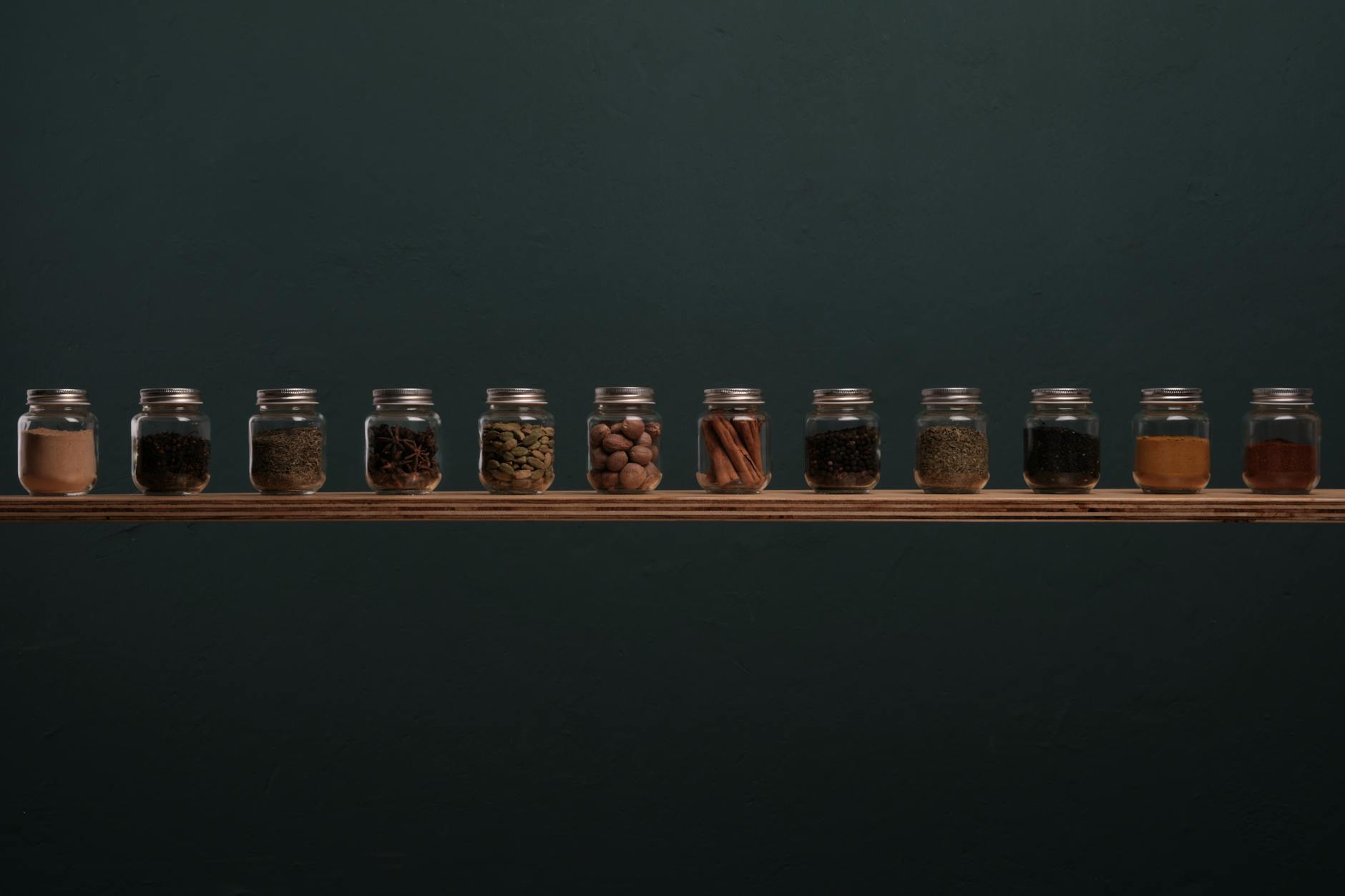
Jam, honey, marmalade, and nut butter jars placed open on the breakfast table or buffet surface accumulate contamination from repeated guest contact throughout the service period. Hotels often decant bulk condiment purchases into smaller display jars that are refilled rather than replaced, meaning the jar itself may carry residue from days of consecutive use without thorough sanitization. Shared spreading knives left in communal condiment jars introduce cross-contamination from multiple guests and multiple food items across the entire duration of service. Honey and high-sugar jams resist microbial growth due to their sugar content, but nut butters and low-sugar fruit spreads in open shared containers represent a more significant hygiene concern. The practice of refilling display jars from bulk containers is prohibited under the food safety regulations of some jurisdictions but remains widespread in practice.
Pancake Stacks
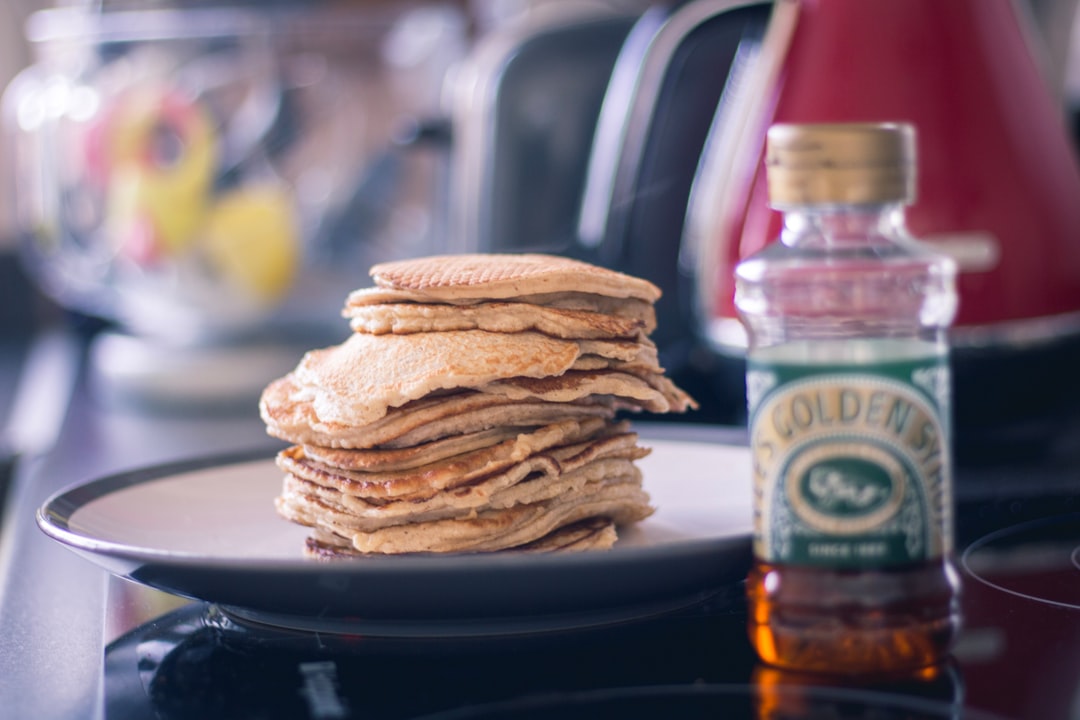
Pre-cooked pancake stacks held in chafing dishes are a breakfast buffet staple that deteriorates faster than almost any other item on display. Pancakes release steam as they cool, and when stacked in a covered chafing dish, this steam condenses and is reabsorbed into the pancakes, producing the characteristic soggy and gummy texture of buffet pancakes. Hotels producing pancakes in advance of service cook them in large batches, stack them in warming trays, and replenish the display from backup trays held in the kitchen throughout the morning. The structural integrity of a pancake is almost entirely dependent on the Maillard reaction products formed during cooking, which break down rapidly under humid warming conditions. A pancake that has been in a covered chafing dish for more than thirty minutes has already lost the textural qualities that define it as a desirable food item.
Cooked Mushrooms
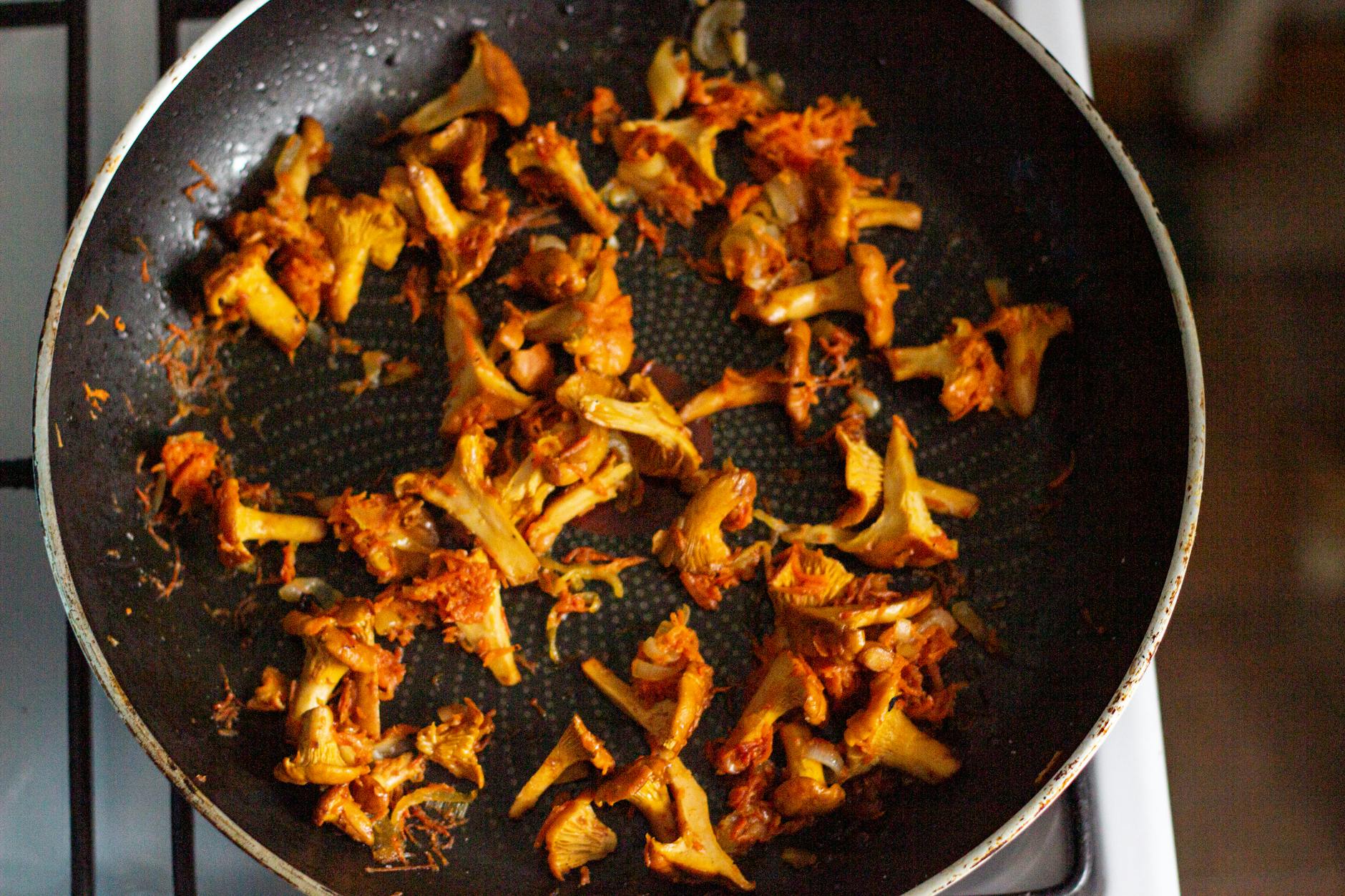
Sautéed mushrooms are a standard component of full English and European-style hot breakfast buffets and are among the most rapidly deteriorating items in any chafing dish. Mushrooms release a significant volume of water as they cook, and this liquid continues to accumulate in the holding vessel throughout the service period, gradually transforming sautéed mushrooms into a stewed and waterlogged product. Hotels prepare mushrooms in large batches using bulk catering product that may have been delivered and stored for several days before cooking. The high moisture content and surface area of cooked mushrooms make them one of the fastest foods to cross into conditions favorable to bacterial proliferation when holding temperatures fluctuate. Mushrooms at the end of a breakfast service represent the combined effect of original ingredient age, extended cooking, and hours of liquid accumulation in a warm environment.
Butter Portions
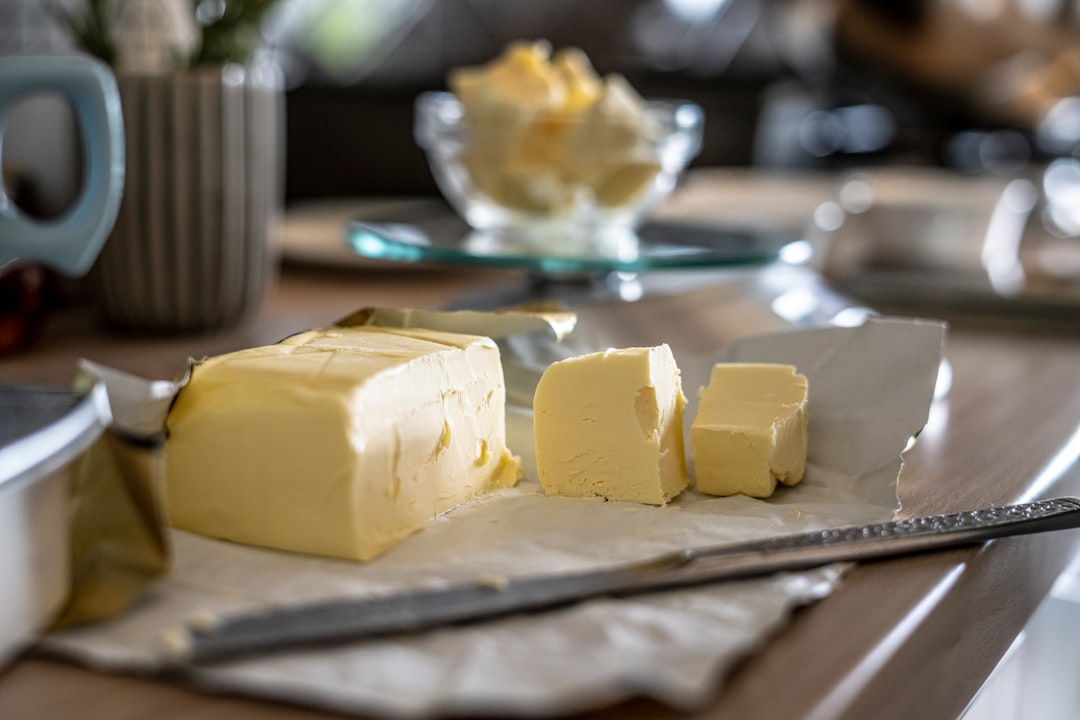
Individually wrapped butter portions appear hygienic and fresh but follow a supply and storage chain that frequently places them far from their production date by the time they reach the breakfast table. Hotels purchase butter in bulk catering packs and either leave pre-portioned wrapped pats in ambient room-temperature dishes for the duration of service or set out small ceramic dishes of soft butter from bulk tubs. Butter left at room temperature for a full three-hour breakfast service undergoes measurable oxidative changes, particularly when exposed to light from overhead buffet lamps. Soft butter served from bulk tubs in open dishes is subject to the same cross-contamination dynamics as shared condiment jars, with multiple guests using communal utensils throughout service. Wrapped butter portions from catering supply chains are routinely within specification but may be approaching the end of their shelf life given the purchasing and storage cycles of high-volume hotel operations.
Soup Station
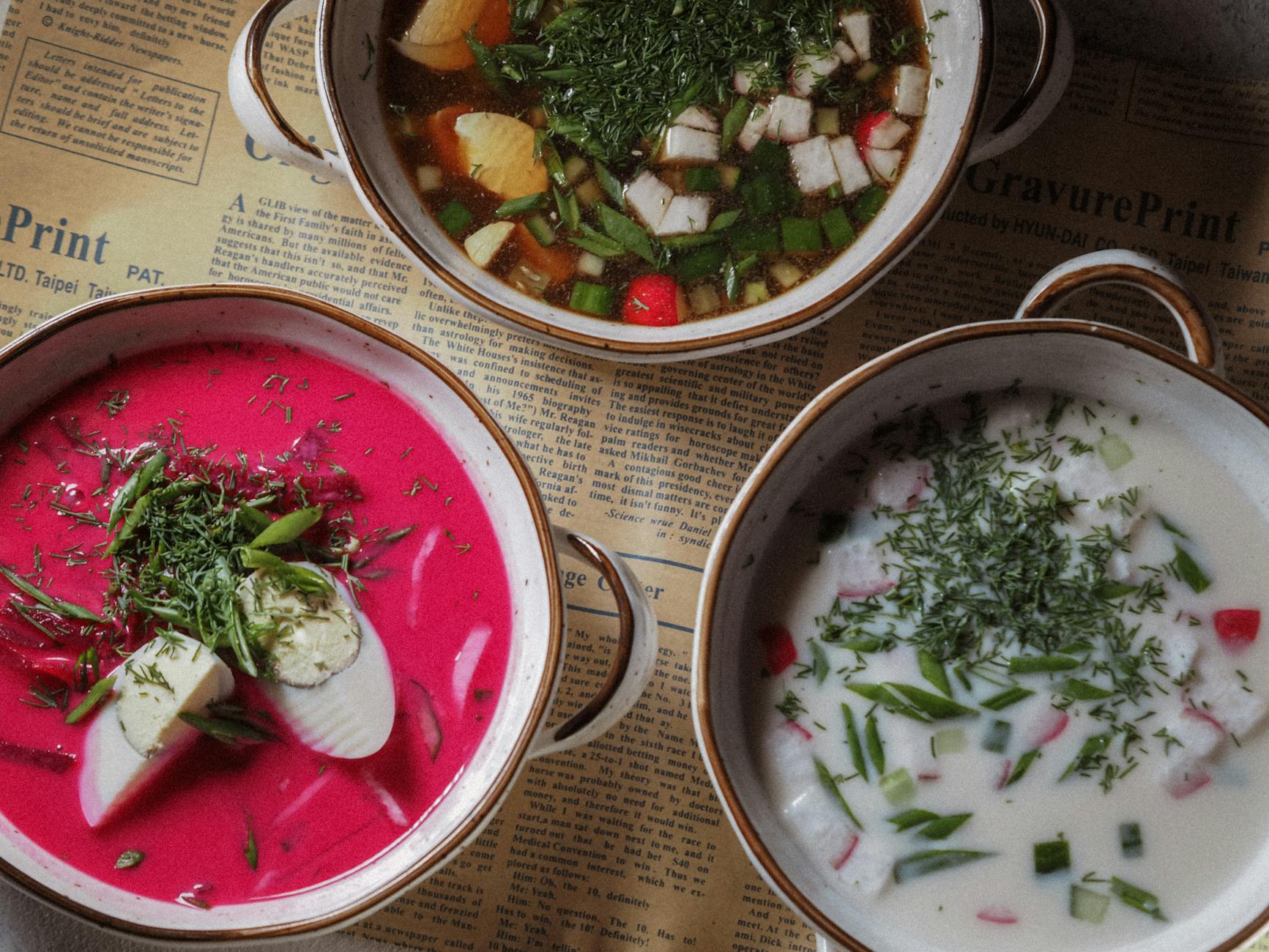
Hotels offering soup as part of an extended breakfast buffet, common at properties catering to Asian markets, manage their soup inventory in ways that bridge the gap between dinner service and breakfast service with the same product. Large-batch soups are prepared in hotel kitchens and held across multiple service periods, with water or stock added periodically to compensate for evaporation during extended heating. The rolling boil maintained in a soup station urn kills active bacteria but does not eliminate the byproducts of bacterial activity that may have occurred during previous storage cycles. Flavor compounds in soup continue to break down and recombine with extended heat exposure, which is why buffet soups often have a flat, overcooked quality despite appearing hot and freshly maintained. The ladle resting in the soup throughout service introduces cross-contamination from every guest who has handled it during the morning.
Dried Fruit Bowls
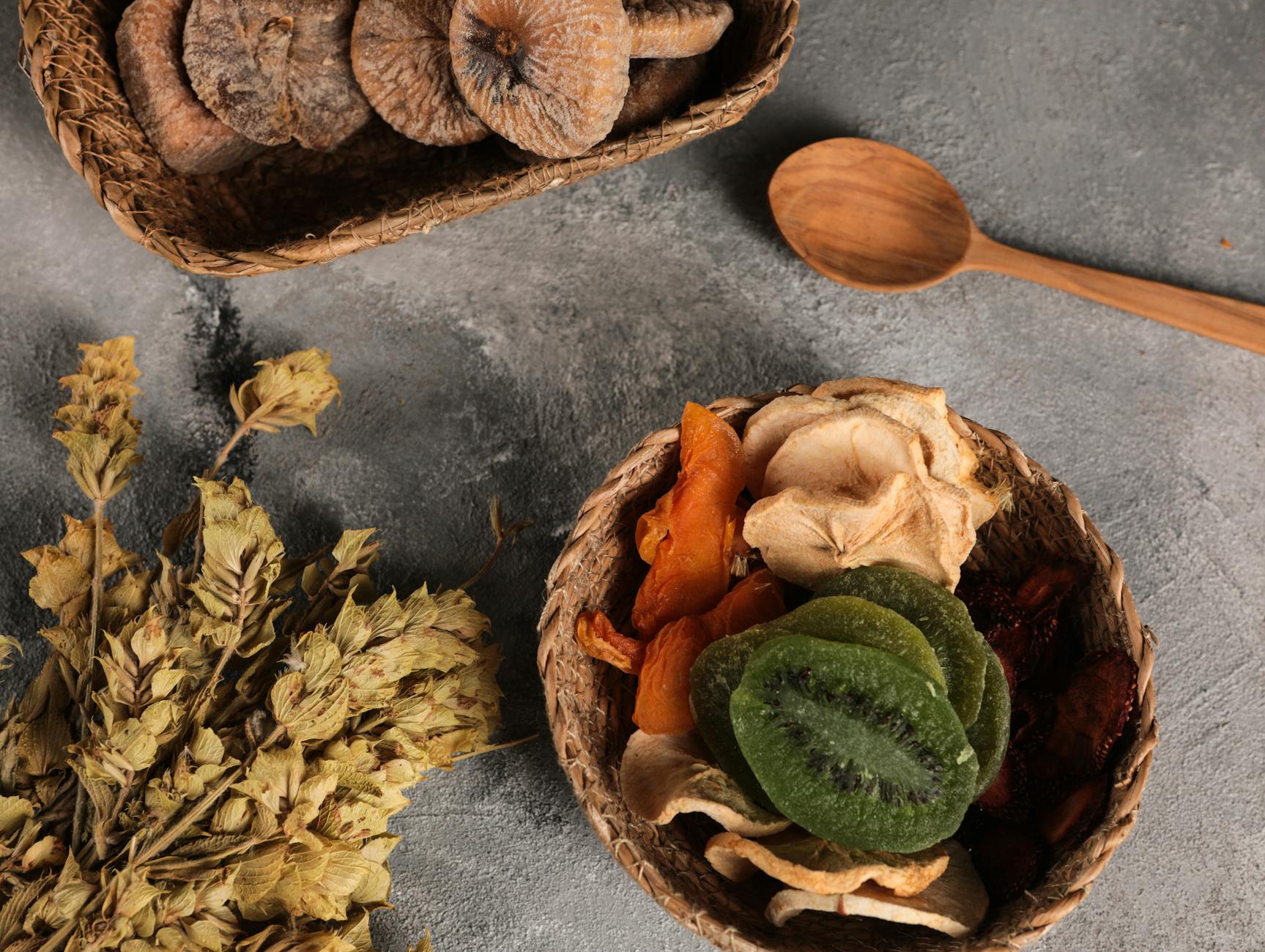
Decorative bowls of dried fruit placed alongside the muesli and cereal section of the breakfast buffet accumulate ambient moisture and handling contamination throughout the service period. Dried fruits including raisins, apricots, and cranberries are purchased in large catering bags and poured into display vessels that are topped up and refreshed visually rather than emptied and sanitized between services. The sticky surface texture of most dried fruits makes them highly effective at trapping airborne particles, kitchen residues, and contaminants introduced through guest contact during service. Sugar bloom, the white crystalline coating that develops on dried fruits over time, is a reliable indicator that the product has been stored and exposed to temperature fluctuation for a significant period before reaching the display bowl. Dried fruit in bulk catering formats is purchased on extended delivery schedules that mean the product in the bowl may have been manufactured and packaged many weeks before it arrives at the buffet.
Next time you reach for a plate at the hotel breakfast buffet, share what surprised you most about this list in the comments.