The surfaces most people interact with daily in shared public spaces carry microbial loads that would genuinely alter behavior if they were visible to the naked eye. Most hygiene awareness focuses on obvious culprits while entirely overlooking the objects that hands come into contact with dozens of times throughout an ordinary day. Research in environmental microbiology has consistently identified bacterial and viral concentrations on everyday public surfaces that exceed those found in spaces most people would instinctively consider dirty. The following items represent some of the most contaminated surfaces in regular public circulation and the science behind why they accumulate the organisms they do.
ATM Keypads
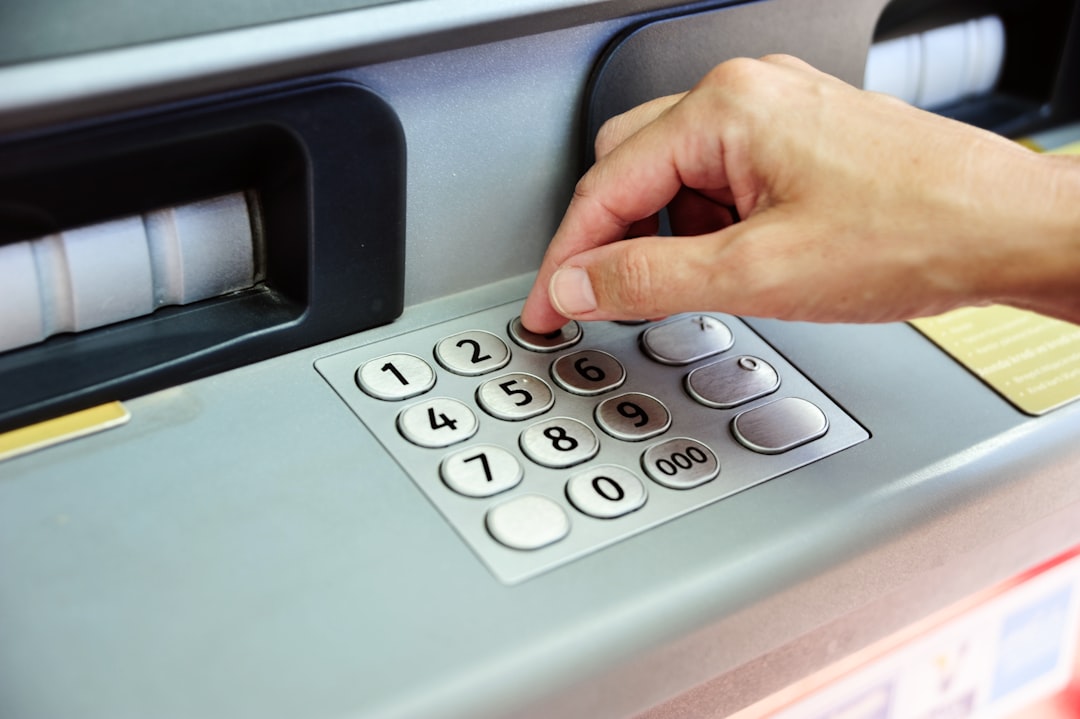
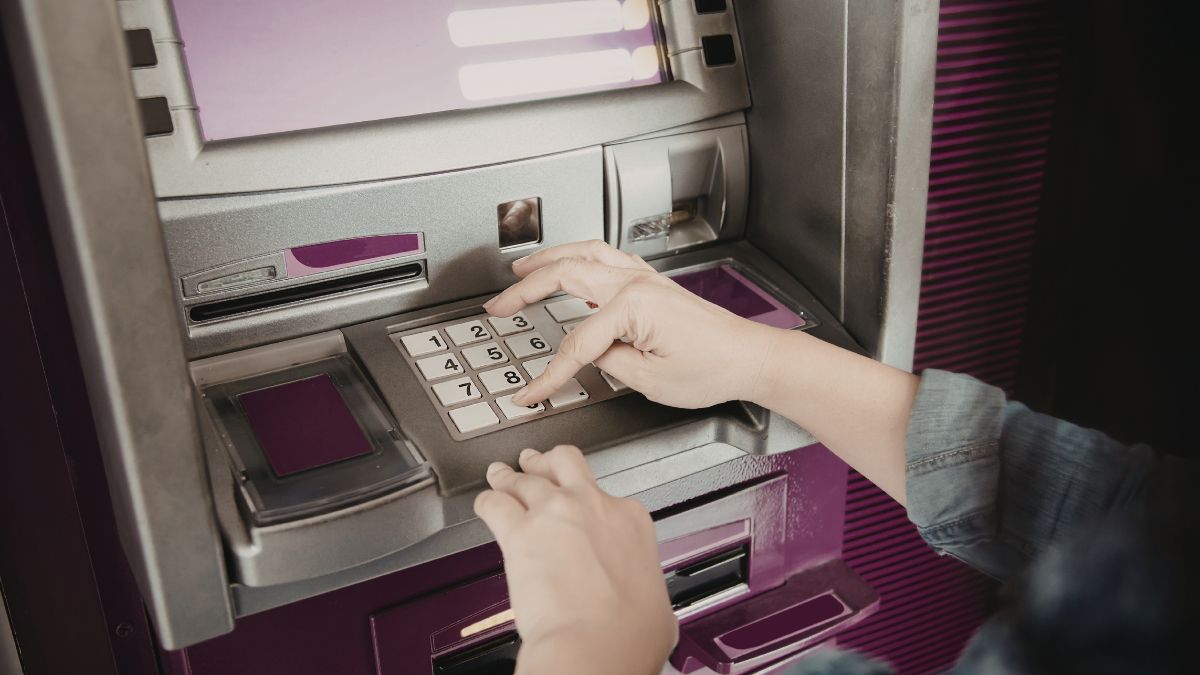
Bank machine keypads are touched by hundreds of individual users daily and are almost never subjected to any form of systematic cleaning or disinfection between uses. Studies examining ATM surfaces in urban environments have identified bacteria associated with fecal contamination, skin flora, and respiratory pathogens across virtually every key on tested machines. The recessed design of most keypad buttons creates physical cavities where organic matter and moisture accumulate, providing ideal conditions for microbial survival and proliferation. Plastic and rubber key surfaces retain viable bacteria for significantly longer periods than metal or glass alternatives under normal ambient temperature conditions. The combination of high touch frequency, zero cleaning protocols, and material properties makes ATM keypads one of the most reliably contaminated surfaces in the urban environment.
Shopping Cart Handles
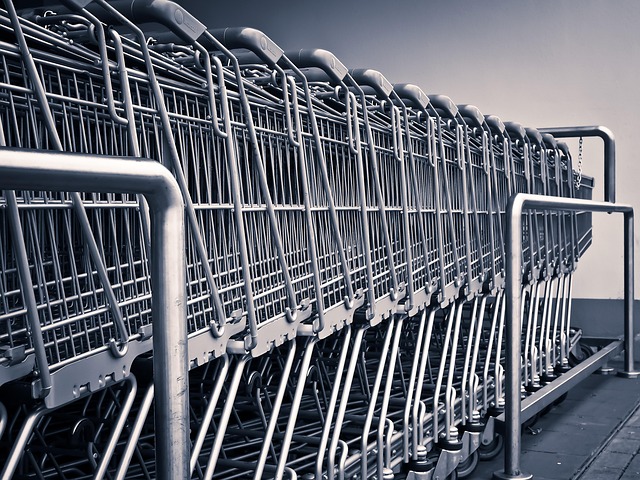
Grocery cart handles are gripped continuously throughout busy retail days by an uninterrupted succession of shoppers and are cleaned with variable frequency depending entirely on individual store policy. University of Arizona research identified coliform bacteria on a substantial majority of shopping cart handles tested across multiple retail locations, with concentrations in some cases exceeding those found on public toilet seats. The tubular metal or plastic construction of most handles allows liquid contamination from raw food packaging, children’s hands, and general skin contact to accumulate in surface irregularities over time. Many shoppers place raw meat packages or unwashed produce directly in the cart basin before handling the same grip surface repeatedly throughout their visit. The antibacterial wipes available at many store entrances are used inconsistently and rarely applied with the dwell time required to achieve meaningful microbial reduction.
Elevator Buttons
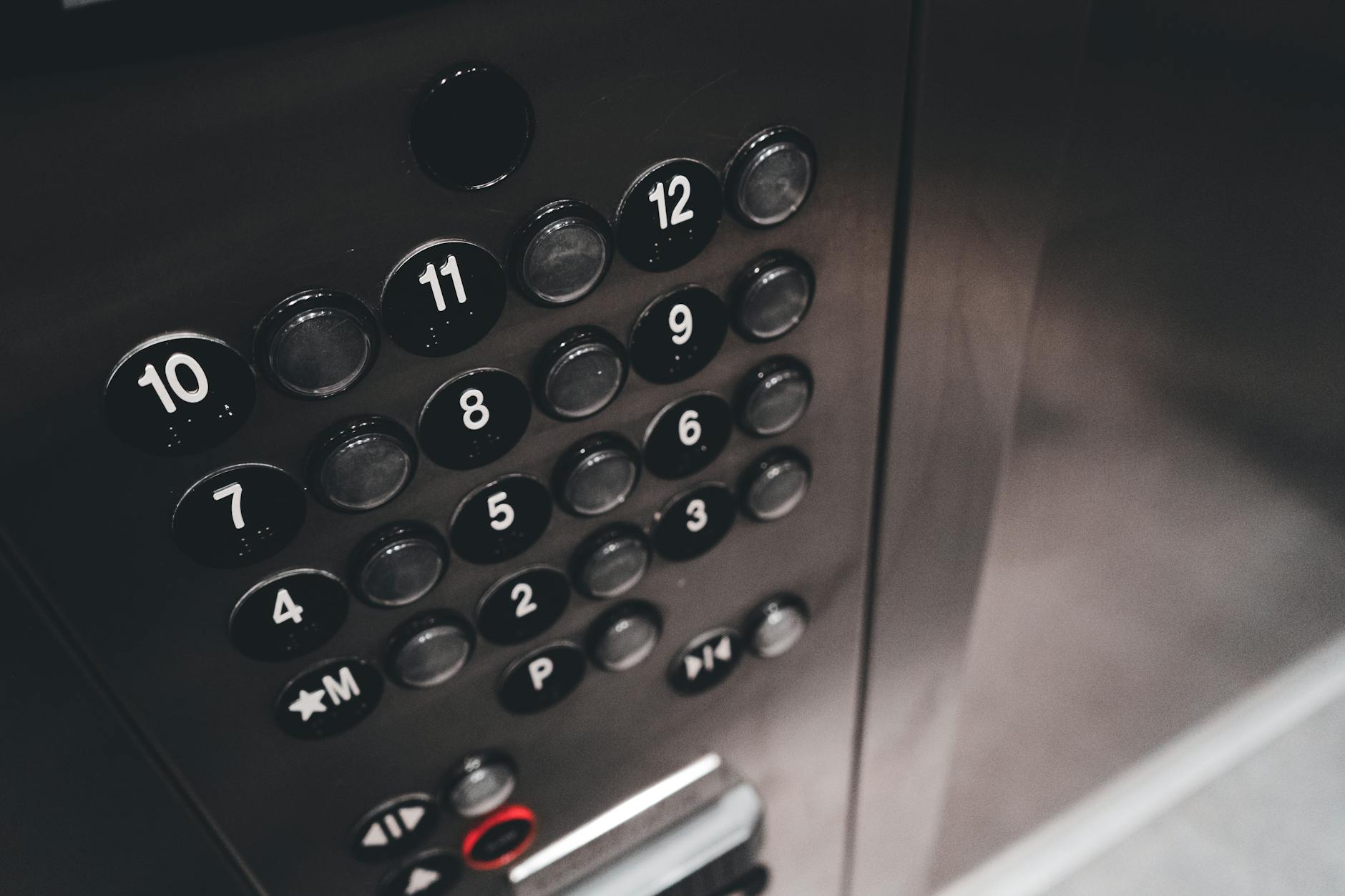
Elevator call buttons and interior floor selection panels are among the most frequently touched surfaces in any multi-story building while remaining almost entirely outside standard cleaning schedules in most facilities. A single elevator button in a busy commercial building may be pressed by several hundred individuals within a standard working day, with each contact depositing and retrieving a fresh microbial transfer. Research has detected influenza virus, norovirus genetic material, and a wide range of bacterial pathogens on elevator button surfaces across hospital, office, and retail environments. The metallic surface composition of most buttons actually supports longer bacterial survival than porous materials under certain humidity conditions. In healthcare settings elevator buttons have been directly implicated in the transmission chains of hospital-acquired infections in multiple documented outbreak investigations.
Restaurant Menus
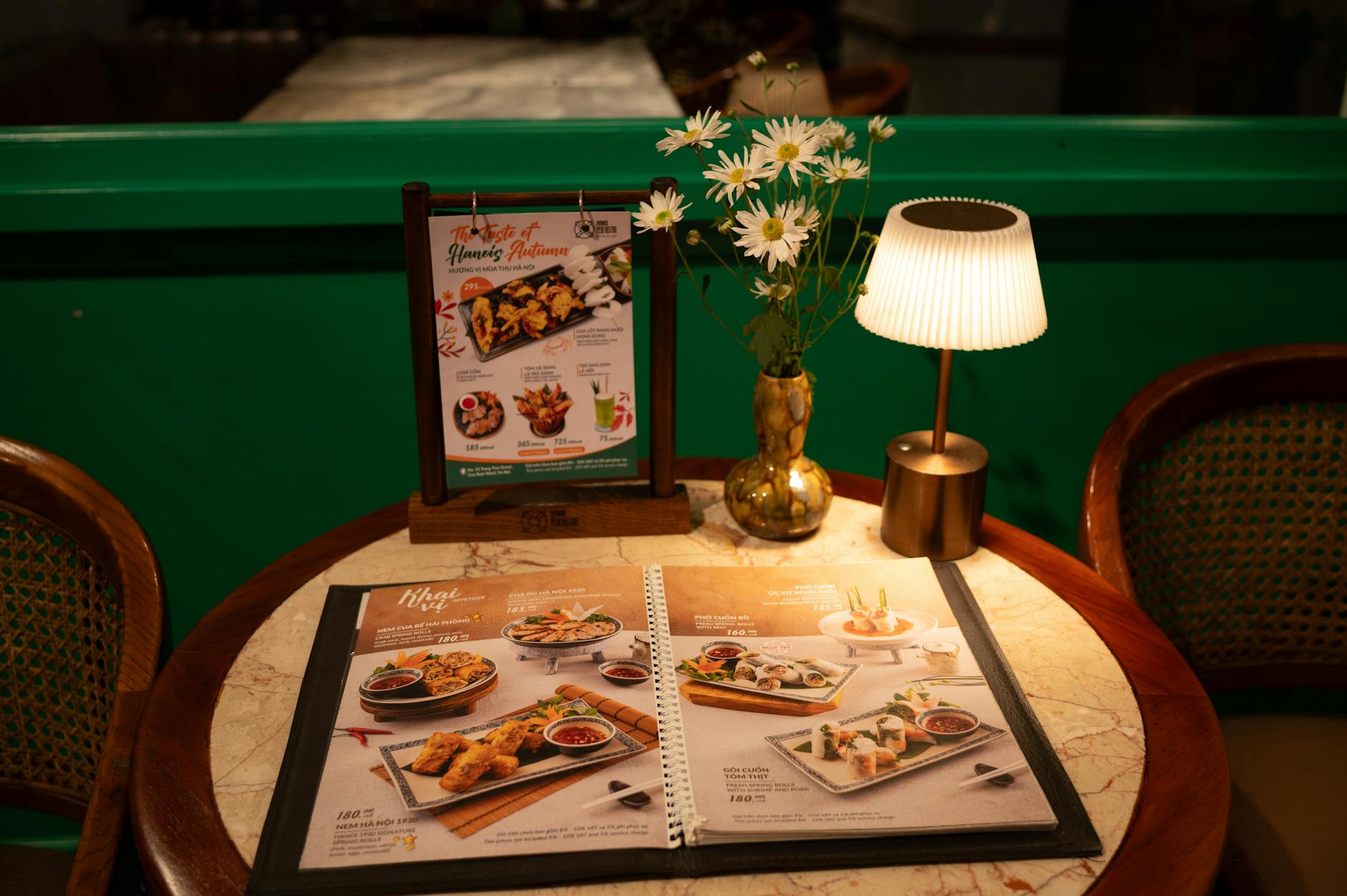
Physical menus passed between diners across continuous table seatings throughout a service day accumulate layered microbial deposits from dozens of different hands before any cleaning intervention typically occurs. Studies have detected bacteria associated with respiratory illness, gastrointestinal pathogens, and skin-origin organisms on laminated and fabric-bound menus in casual dining establishments. The laminated surface that most operators assume is hygienic actually supports biofilm formation when not cleaned with appropriate agents and adequate contact time. Most front-of-house cleaning protocols involve a quick wipe between covers rather than the systematic surface disinfection required to meaningfully reduce pathogen load. Menus are then handled immediately before eating, typically without any hand hygiene intervention between contact and food consumption.
Playground Equipment
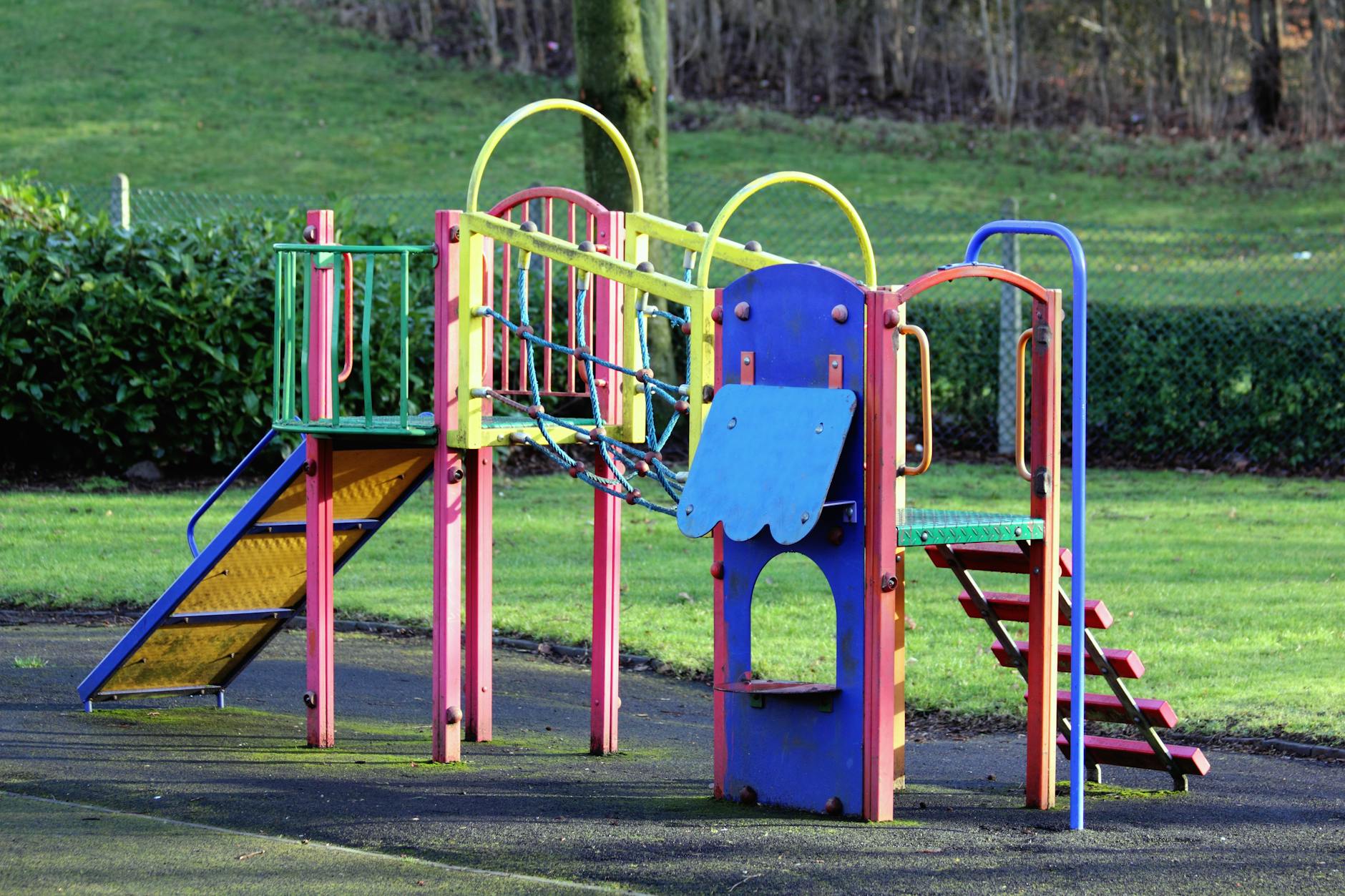
Public playground structures experience continuous use by children across all weather conditions, seasonal illness cycles, and hygiene backgrounds without systematic disinfection between visits. Surfaces including slide rails, climbing holds, swing chains, and tunnel interiors have been found to carry respiratory viruses, enteric pathogens, and bacteria associated with soil and fecal matter in environmental sampling studies. Metal components in particular can harbor viable pathogens for extended periods especially when sheltered from direct ultraviolet radiation by structural design features. Children are among the most efficient vectors for respiratory and gastrointestinal pathogen transmission due to their hand-to-face contact frequency and developing immune and hygiene awareness. Municipal cleaning schedules for playground equipment vary enormously and in many locations amount to a periodic rinse rather than a targeted antimicrobial intervention.
Gas Pump Handles
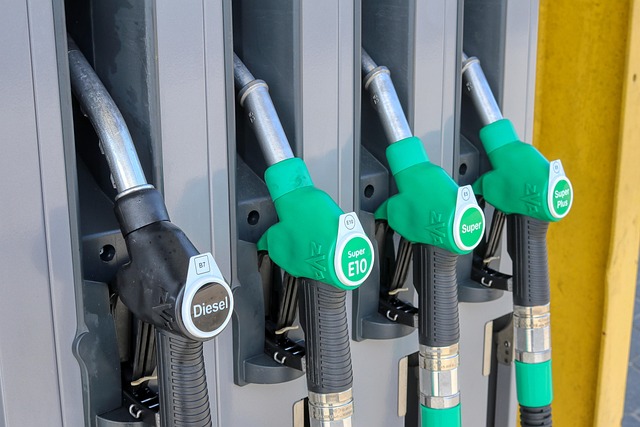
Fuel pump handles are gripped by a continuous succession of drivers throughout every operating hour of a fuel station and are rarely disinfected between users under standard operational protocols. Studies conducted across fuel stations in multiple American cities have identified coliform bacteria, methicillin-resistant Staphylococcus aureus, and multiple other clinically relevant organisms on pump handle surfaces. The textured rubber grip material used on most pump handles is specifically engineered to maximize hand traction, which incidentally also maximizes the retention of organic matter and microbial contaminants within its surface topology. Handling a fuel pump involves sustained firm grip contact lasting thirty seconds to several minutes, which is a significantly longer dwell time than most incidental surface touches. The combination of contaminated surface, prolonged contact, and immediate return to vehicle interiors where the same hands touch steering wheels and faces creates an efficient transmission pathway.
Office Coffee Machines
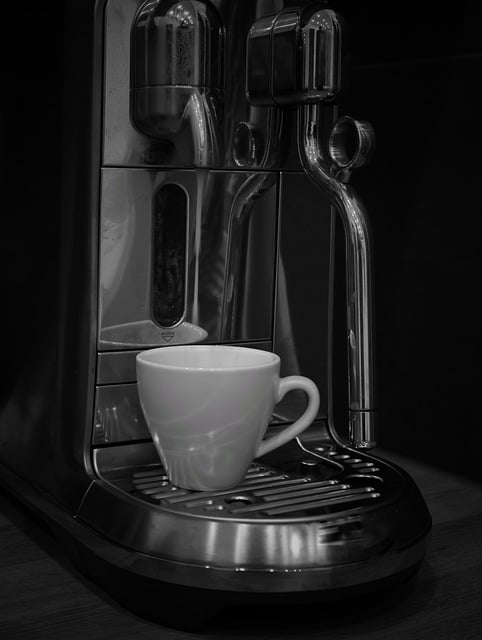
Shared workplace coffee machines accumulate microbial contamination across multiple contact points including drip trays, milk frother attachments, cup placement platforms, and control touchscreens that are rarely included in office cleaning protocols. The warm and intermittently moist internal environment of coffee machines provides conditions favorable to the growth of bacteria and mold colonies that can then be transferred to surfaces touched before and after drink preparation. Research on office kitchen hygiene has consistently identified coffee machine components among the highest-contamination surfaces in workplace environments. The social normalization of shared beverage equipment in professional settings creates a blind spot in individual hygiene awareness that would not exist if the same contamination were found on a more obviously public surface. Cleaning responsibilities for these machines are typically unassigned in communal kitchen environments, resulting in intervals between thorough cleaning that can extend for weeks.
Library Books

Circulating library books pass through the hands of multiple borrowers across borrowing cycles that may span years without any systematic surface decontamination between users. Studies on library book microbiology have detected viable cold and flu viruses, skin bacteria, and food-origin contamination on covers and page edges of high-circulation titles. People read library books in a wide range of environments including during illness, while eating, and in bed, all of which increase the variety of biological material deposited on surfaces. The porous nature of paper and fabric binding materials supports longer pathogen survival than hard non-porous surfaces under certain humidity and temperature conditions. The cultural reverence for books as objects of learning and the institutional trust associated with library environments tends to suppress the hygiene instincts that the same pathogen load would trigger on a less intellectually coded surface.
Clothing Store Items

Garments on retail display rails are handled by an unknown number of shoppers, tried on directly against skin in fitting rooms, and returned to display without any cleaning intervention in the vast majority of retail operations. Dermatological and microbiological studies have detected head lice, scabies mites, bacteria associated with skin infections, and residual traces of bodily fluids on tried-on garments across mainstream retail environments. Fitting rooms themselves are among the least hygienically monitored spaces in commercial retail, with floors and seating surfaces accumulating contamination from continuous traffic throughout trading hours. The intimate nature of clothing contact with skin, mucous membranes, and sensitive body areas makes the pathogen transfer risk associated with unwashed new garments clinically meaningful rather than merely theoretical. Washing new clothing before wearing it is a recommendation made consistently by dermatologists that retail industry practices make far more medically justified than most consumers realize.
Bathroom Door Handles
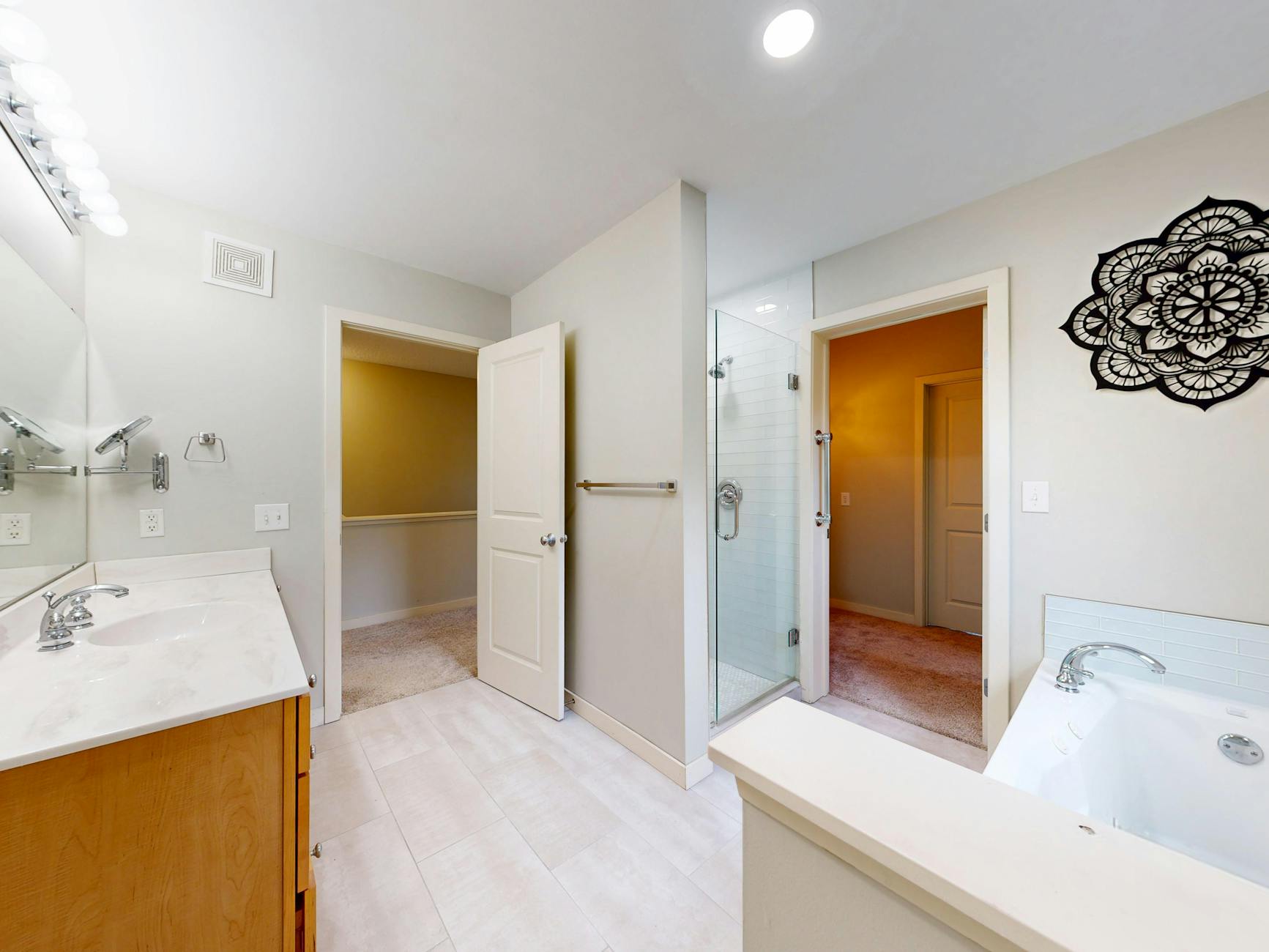
Restroom exit door handles present a particular contamination problem because they are touched by individuals who have just completed hand washing as well as those who have not, with the unwashed minority depositing the highest microbial loads on a surface that all exiting users must contact. Research in hospital and public facility settings has detected fecal bacteria, norovirus, and respiratory pathogens on restroom door handles across diverse venue categories. The exit handle is touched at the precise moment when an individual is transitioning from a hygiene behavior back to general public interaction, creating a concentrated point of cross-contamination risk. Touchless exit mechanisms address this problem directly and are installed in some modern facilities, but the majority of public restrooms globally continue to rely on manual door hardware at the exit point. Paper towel use as a handle barrier upon exit is a well-documented behavioral workaround that hygiene-aware individuals employ with measurable effectiveness.
Hotel Remote Controls
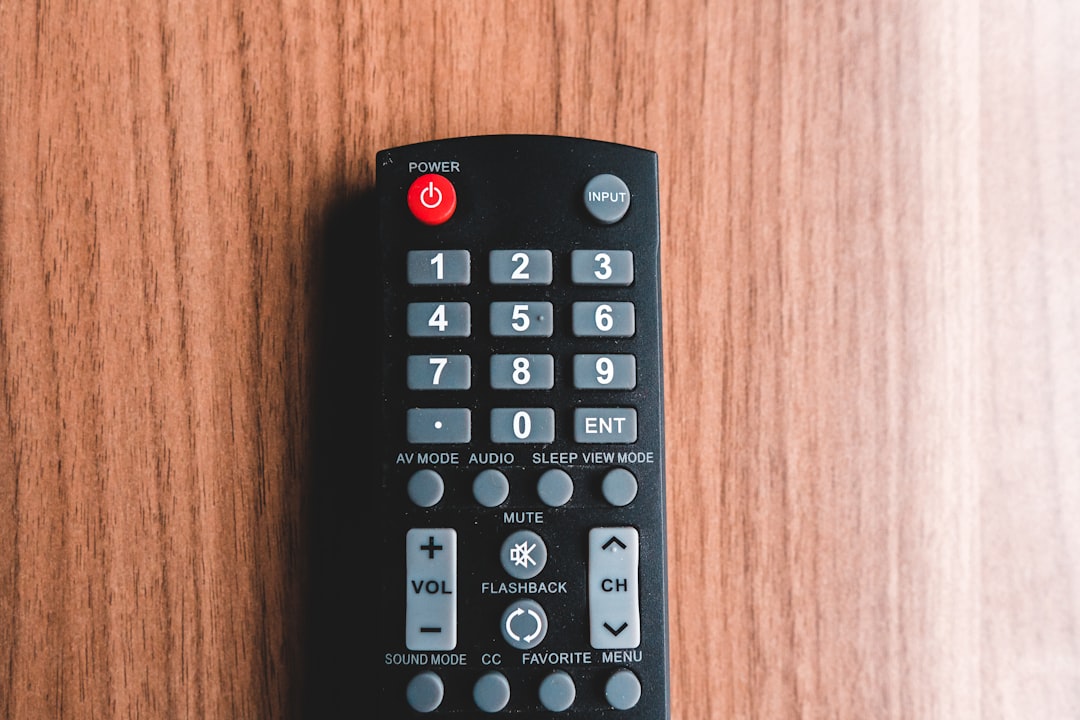
Television remote controls in hotel rooms are among the least frequently cleaned items in hospitality housekeeping protocols, with studies detecting some of the highest bacterial concentrations measured anywhere in the hotel room environment. Research commissioned by several consumer organizations has found that remote controls in hotel rooms test positive for fecal bacteria at rates significantly exceeding those found on bathroom surfaces that receive daily cleaning attention. The button-heavy surface topology of remote controls creates numerous recessed areas where organic matter accumulates and resists removal even when wiping is attempted. These devices are handled by successive room occupants across check-in cycles without any standard disinfection procedure in the majority of hospitality operations. The television remote is typically one of the first items guests reach for after settling in, often before washing hands following transit.
Escalator Handrails

Moving handrail surfaces on escalators in transit hubs, shopping centers, and airports are continuously recirculated through a loop mechanism that passes the same surface through contact with hundreds of hands before returning to the mechanical housing below. Studies of escalator handrail contamination have identified blood, mucus, urine traces, bacteria associated with respiratory and gastrointestinal illness, and food-origin contamination on tested surfaces across public venues. The looped rubber material collects contamination in transit and returns it to the accessible surface in a continuous cycle that no cleaning intervention addresses in real time. Children who grip handrails and then engage in hand-to-mouth behavior represent a particularly high-risk subgroup for pathogen acquisition through this route. Public health researchers have noted that the design of escalator handrail systems makes meaningful cleaning practically impossible without halting operation entirely.
Gym Equipment

Shared fitness equipment including weight handles, machine grips, bench surfaces, and mat areas experiences intensive contact with sweat, skin cells, and respiratory droplets across continuous daily use by large membership populations. Research on gymnasium microbiology has identified methicillin-resistant Staphylococcus aureus, rhinovirus, and multiple other clinically significant organisms on gym equipment surfaces across commercial fitness facilities. The absorbent padding materials used on bench surfaces and machine seats support longer pathogen survival and more complex contamination profiles than non-porous hard surfaces. Many gym members wipe equipment after use rather than before, which means each individual begins their session on a surface contaminated by the previous user. Skin abrasions and microlesions that commonly result from resistance training create direct portals for cutaneous pathogen entry that intact skin would otherwise prevent.
Airplane Tray Tables
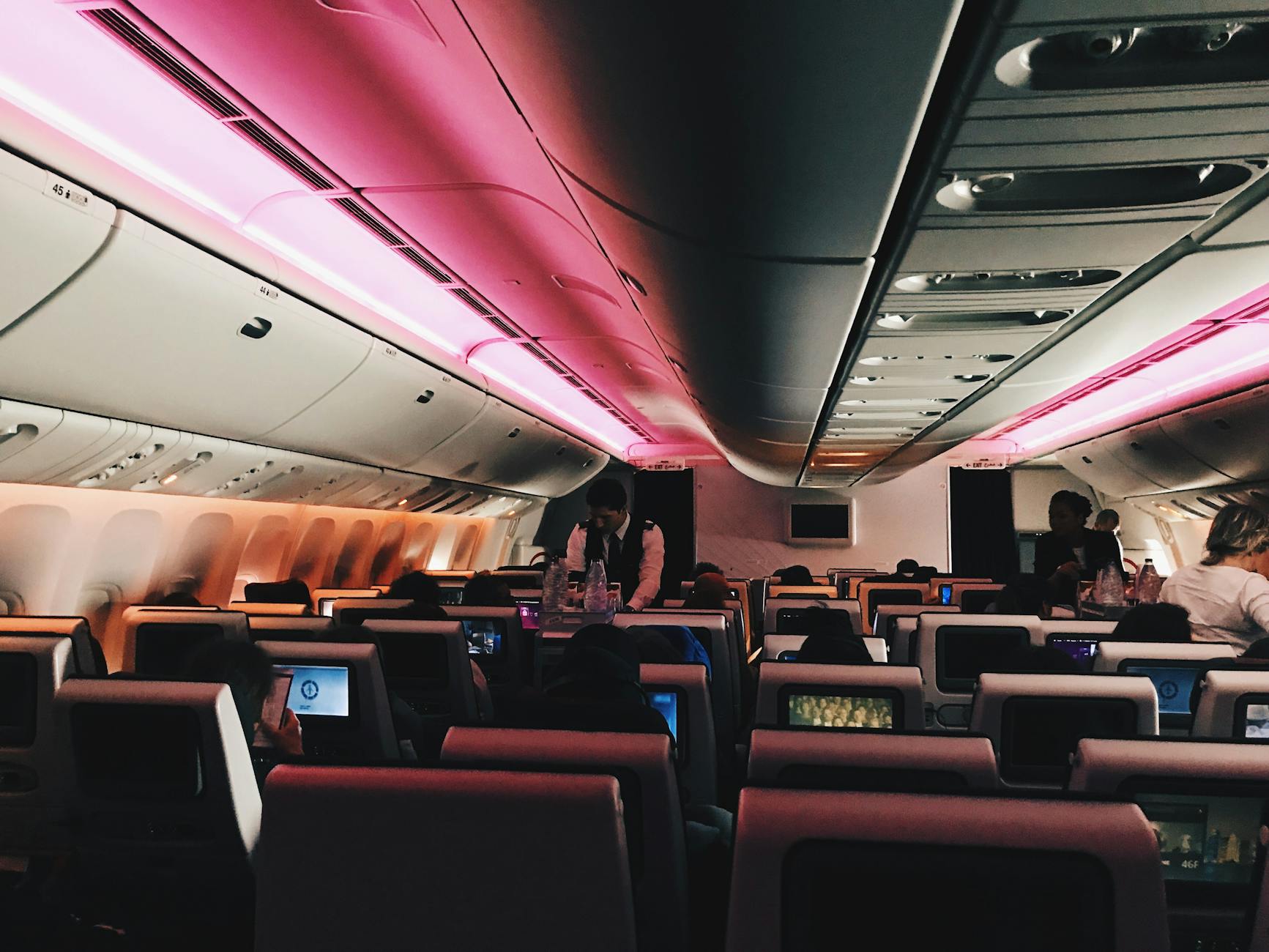
Aircraft tray tables fold out from seat-back housings and are used across consecutive flights for eating, working, and as resting surfaces for carry-on items without standard disinfection between most passenger rotations. A widely cited study conducted by researchers testing tray table surfaces across multiple aircraft found bacterial contamination levels substantially higher than many other surfaces tested in the same travel environment. Parents frequently use tray tables as changing surfaces for infants during flights, introducing fecal bacteria to a surface that the next passenger will use as a food platform. The textured plastic surface of most tray tables supports biofilm formation and harbors contamination in surface micro-topography that airline cleaning wipes rarely penetrate adequately. Cleaning protocols between flights vary significantly by airline, route duration, and turnaround time, with shorter domestic routes receiving the least thorough attention.
Touchscreen Kiosks
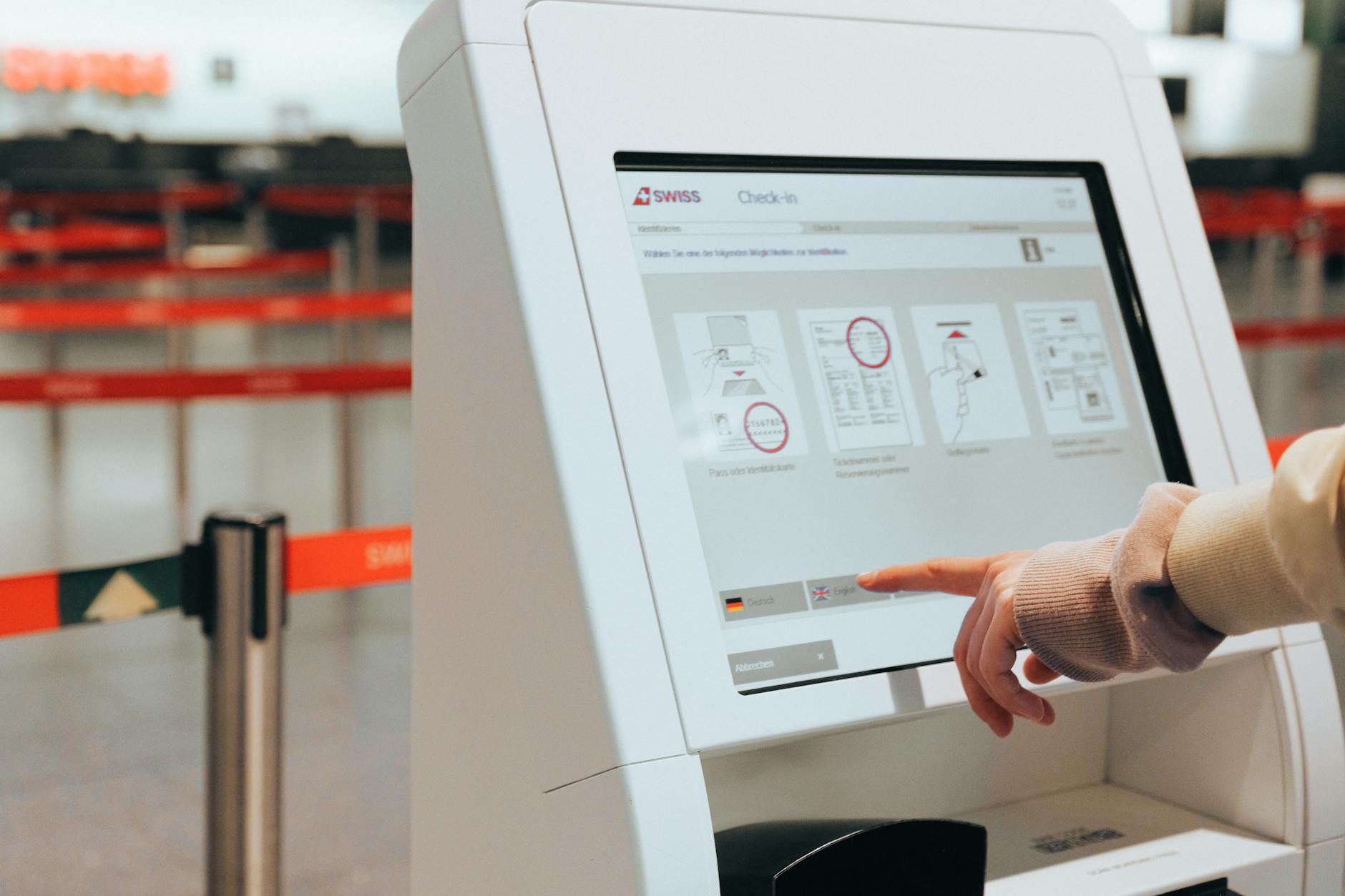
Self-service touchscreen kiosks at fast food counters, airport check-in stations, and retail payment terminals are operated by an uninterrupted succession of users throughout operating hours and are cleaned on schedules that rarely reflect actual contact frequency. Studies examining fast food ordering kiosks specifically have detected fecal bacteria on a majority of tested screens, with some samples also yielding organisms associated with serious clinical infections. The smooth glass surface of touchscreens might appear more cleanable than textured materials but it supports the survival of enveloped viruses including influenza for periods of up to seventy-two hours under normal indoor conditions. Many kiosk users interact with the screen and then proceed directly to food handling or face touching without any intervening hand hygiene. The rapid proliferation of touchscreen interfaces across public service environments has outpaced any corresponding development in cleaning standards or surface antimicrobial technology.
Water Fountain Spigots

Public drinking fountain spigots and surrounding basin surfaces represent a convergence of oral microflora from direct contact drinkers, airborne contamination, and environmental bacteria from the surrounding installation environment. Studies have detected coliform bacteria, Pseudomonas species, and various opportunistic pathogens in water fountain basin samples from schools, parks, and public buildings. The curved metal spigot that delivers water is frequently contacted directly by the mouths of young children and by hands adjusting water direction, creating a highly efficient oral-to-surface-to-oral transmission route. Biofilm accumulation within the internal water delivery components of fountain hardware can introduce contamination into the water stream itself in addition to the external contact surfaces. Many public fountains in institutional settings receive periodic surface wiping but no internal sanitization at frequencies commensurate with their usage intensity.
Pen Pots
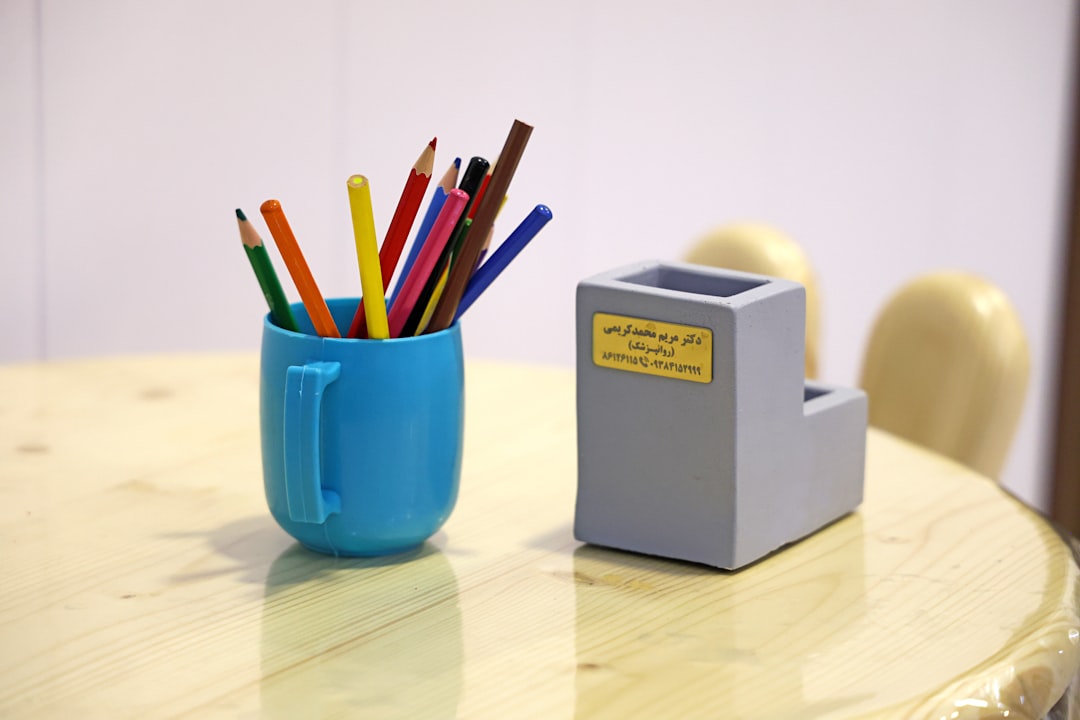
Communal writing instruments at bank counters, doctor’s office reception desks, hotel check-in stations, and post offices are handled continuously throughout business hours by individuals spanning the full spectrum of health status and hygiene behavior. Studies examining shared pen contamination have found organisms associated with upper respiratory infections, skin infections, and gastrointestinal illness on pen barrels in high-traffic service environments. People handle shared pens immediately following coughing, nose blowing, and other high-contamination behaviors without any hygiene intervention, then return them to communal holders for the next user. The cylindrical surface of pen barrels is touched across its full length and occasionally brought into contact with oral surfaces by habitual pen chewers, creating a particularly direct contamination and acquisition pathway. The healthcare setting placement of shared pens is especially notable given the elevated vulnerability of many patients encountered in those environments.
Grocery Conveyor Belts

Supermarket checkout conveyor belt surfaces receive direct contact with the underside of every item passing through a checkout lane, including raw meat packaging, unwashed produce, household chemical containers, and shoe-contaminated shopping bags. Environmental sampling of conveyor belt surfaces in grocery environments has identified a wide range of bacteria including those associated with foodborne illness alongside mold spores and opportunistic environmental organisms. The belt material is typically a textured rubber or plastic composite that retains organic residue in its surface structure despite periodic wiping by checkout staff. Cleaning frequency for conveyor surfaces is inconsistent across retail operations and rarely approaches the standard required to maintain meaningful microbial reduction given continuous throughput volumes. Items placed on the belt are then handled and brought directly into domestic food preparation environments where any acquired surface contamination can be transferred to food contact surfaces.
Bus and Train Poles

Vertical and horizontal handholds in public transit vehicles are gripped continuously across passenger cycles spanning the entire operating day without disinfection between individual contacts in the vast majority of transit systems globally. Studies analyzing surface contamination on public transit poles and handrails have found bacteria associated with skin infections, gastrointestinal illness, and respiratory disease alongside environmental organisms transferred from soil and outdoor surfaces. Transit riders grip poles during conditions ranging from perfect health to active illness, with no behavioral or structural mechanism preventing contamination deposition. The smooth metal surface of most transit poles supports the survival of influenza virus for periods substantially longer than the average interval between successive rush-hour passenger contacts. Research conducted during seasonal respiratory illness peaks has documented significantly elevated pathogen concentrations on transit surfaces during high-circulation periods.
Hotel Carpets

Floor carpeting in hotel corridors and room interiors accumulates layered biological contamination across extended periods between deep cleaning interventions that can span months or years in heavily trafficked zones. Studies of hotel carpet microbiology have identified bacteria, mold spores, dust mite populations, shed skin cells, and residual traces from spills and pet contact accumulated within fiber structures that standard vacuuming does not penetrate. Guests walking barefoot or in socks transfer this contamination directly onto foot skin surfaces from which it can subsequently reach hands and face through normal incidental contact. The fiber density of commercial carpeting creates a reservoir effect that retains contamination far below the visible surface layer where routine cleaning acts. Hotel room carpets in particular experience intimate contact from sleeping guests who drop pillows and personal items directly onto a surface whose microbial profile would alarm most occupants if disclosed.
Reusable Grocery Bags

Fabric and insulated reusable shopping bags used across repeated grocery trips accumulate food residue, raw meat drip contamination, and soil transfer from produce in their interior surfaces between washes that most users perform infrequently. Studies have found coliform bacteria and other foodborne pathogens in a significant proportion of tested reusable bags whose owners reported not washing them regularly. Interior surfaces that absorb meat drip fluid create ideal conditions for bacterial proliferation particularly when bags are stored in warm car trunks between shopping trips. Cross-contamination between food categories within the same bag is a related concern that operates independently of external surface contamination. The environmental benefit of reusable bags is well established but maximizing hygiene requires a washing frequency that consumer behavior research suggests the majority of users do not maintain.
Office Keyboards
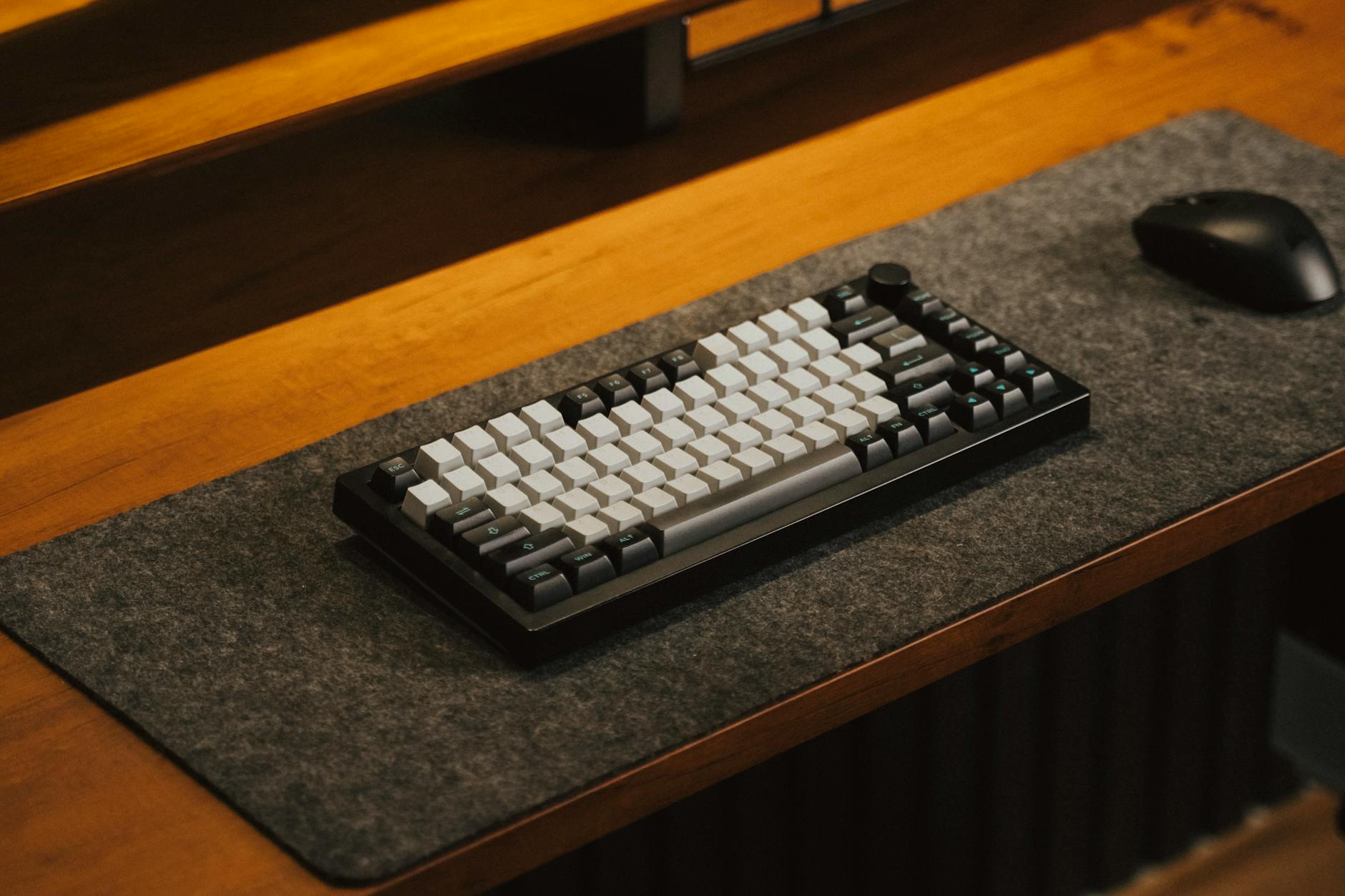
Shared and personal workplace keyboards accumulate biological debris between keys across months or years of continuous use with minimal cleaning intervention in most professional environments. Studies examining office keyboard contamination have found keyboards to harbor more bacteria per square centimeter than the average toilet seat in the same building, a comparison that has been replicated across multiple independent research contexts. The spaces between keys trap food particles, skin cells, and oral droplets from talking and sneezing that provide sustained nutritional support for bacterial colonies. Keyboards used in healthcare settings have been directly implicated in nosocomial infection events where pathogen transfer from surface to hand to patient created demonstrable clinical harm. Most office cleaning services wipe visible desk surfaces without addressing keyboard hardware, leaving contamination undisturbed across timeframes that allow significant microbial accumulation.
Door Knobs
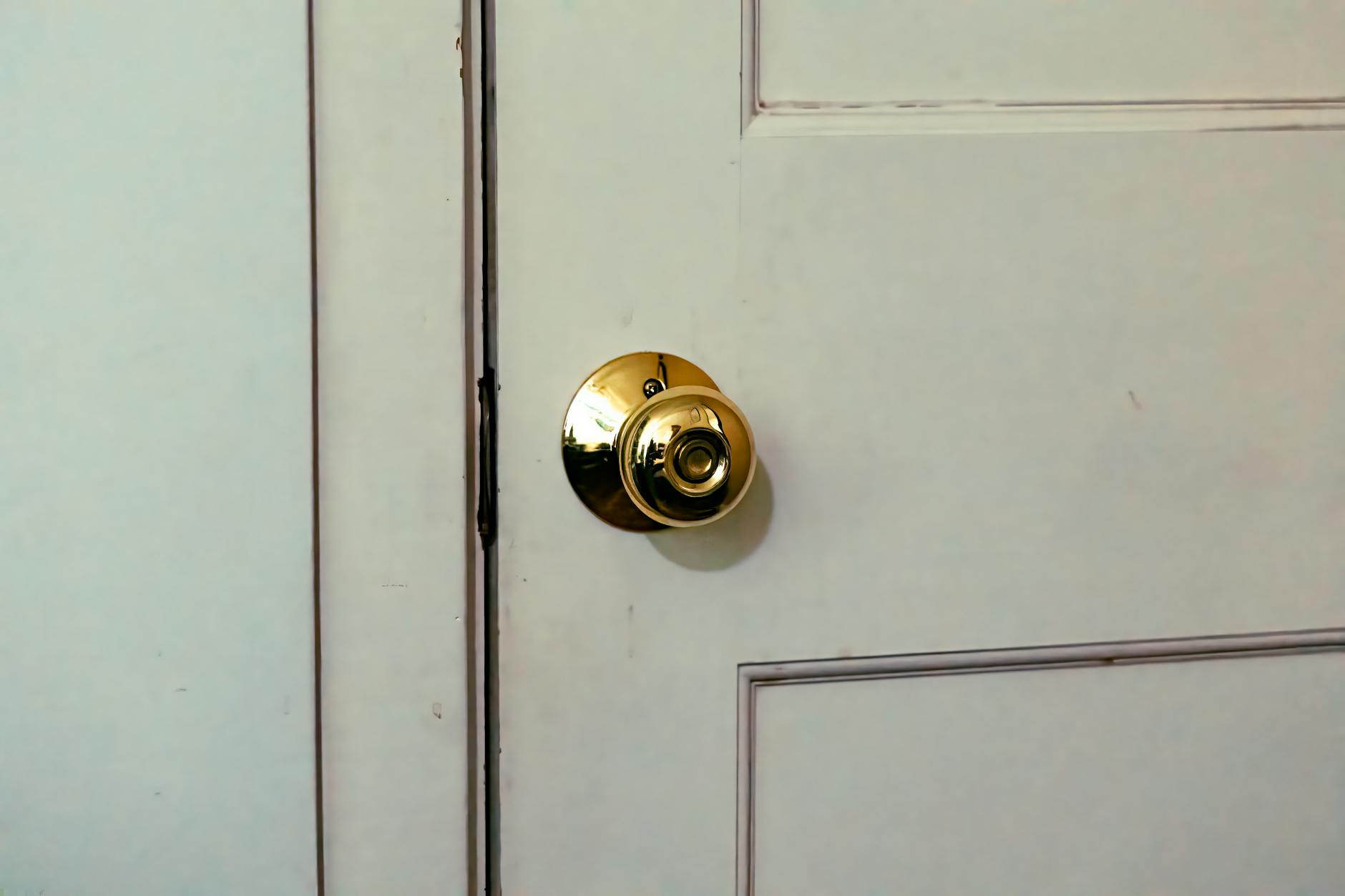
Spherical and lever door handles in commercial buildings, public institutions, and retail environments are touched by every person transiting through a doorway and are included in cleaning schedules with a frequency that rarely reflects actual contact rates. Research on door handle contamination has demonstrated that a single contaminated individual touching a door handle in a busy office environment can distribute that contamination to a majority of building occupants within four hours through secondary and tertiary surface contact chains. Round knobs require a full palm grip that maximizes skin surface area contact and therefore both contamination acquisition and deposition per touch event. Door handles at building entrances carry additional contamination profiles reflecting outdoor contact from transportation, street surfaces, and the full diversity of prior environment interactions that entering individuals carry. The mundane ubiquity of door handles makes them among the most consistently overlooked contamination risks in daily hygiene awareness.
Cash Currency

Paper banknotes circulate through a continuous chain of anonymous hands across economic transactions in retail, food service, entertainment, and informal exchange environments without any cleaning or decontamination between contacts. Studies examining currency microbiology across multiple countries have identified hundreds of distinct microbial species on circulating banknotes including bacteria associated with skin and respiratory infections, food contamination organisms, and in some samples drug-resistant hospital-acquired pathogens. The cotton and linen fiber blend used in most national currencies creates a highly absorbent substrate that retains moisture and organic matter within its fibrous matrix in ways that support prolonged microbial viability. Banknotes used in food service transactions move directly between cash handling and food contact without any intervening hygiene intervention in a significant proportion of observed real-world service interactions. The social normalization of currency as an abstract economic instrument effectively suppresses the intuitive hygiene response that the same microbial profile would generate in any other context.
Ice Machine Scoops

Shared ice scoops at hotel self-service ice stations, restaurant service areas, and commercial beverage stations are handled across successive uses without disinfection and are frequently stored in ways that maximize their exposure to environmental contamination between uses. Health department inspections across hospitality and foodservice settings consistently identify ice machine areas and shared scoops among the most common sources of microbial contamination violations discovered during routine assessments. Storing the scoop inside the ice machine bin is a widespread practice that exposes it to any contamination introduced by previous users while also transferring that contamination into the ice supply itself. Ice consumed directly in beverages bypasses the cooking or heat treatment that eliminates pathogens from most other food items, meaning contamination introduced at the scoop level is delivered directly to the consumer without any intervening safety step. Norovirus in particular has been traced to ice machine contamination in multiple documented outbreak investigations across restaurant and hotel settings.
Public Toilet Flush Handles
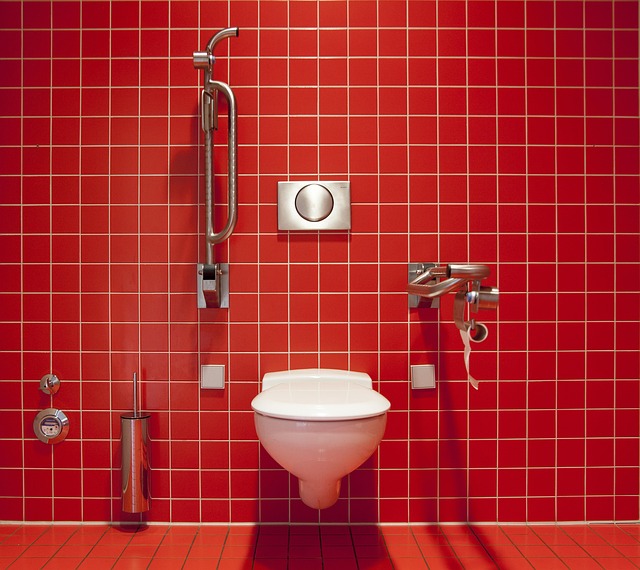
Manual toilet flush levers and buttons in public restroom facilities are activated at the precise moment of maximum personal contamination proximity and are touched by all users regardless of individual hand hygiene compliance immediately before exiting the cubicle. Microbiological sampling of flush handle surfaces has detected fecal coliforms, norovirus genetic material, and antibiotic-resistant organisms on tested surfaces across public, workplace, and healthcare restroom environments. The aerosol release associated with flushing deposits pathogen-containing droplets onto surrounding surfaces including the flush mechanism itself, creating a self-reinforcing contamination cycle with each activation. Most cubicle cleaning protocols address visible soiling and seat surfaces while giving flush hardware less systematic attention despite its measurably higher contamination profile. The development of touchless flush technology addresses this risk directly but its installation remains inconsistent across public facility categories.
Children’s Play Areas
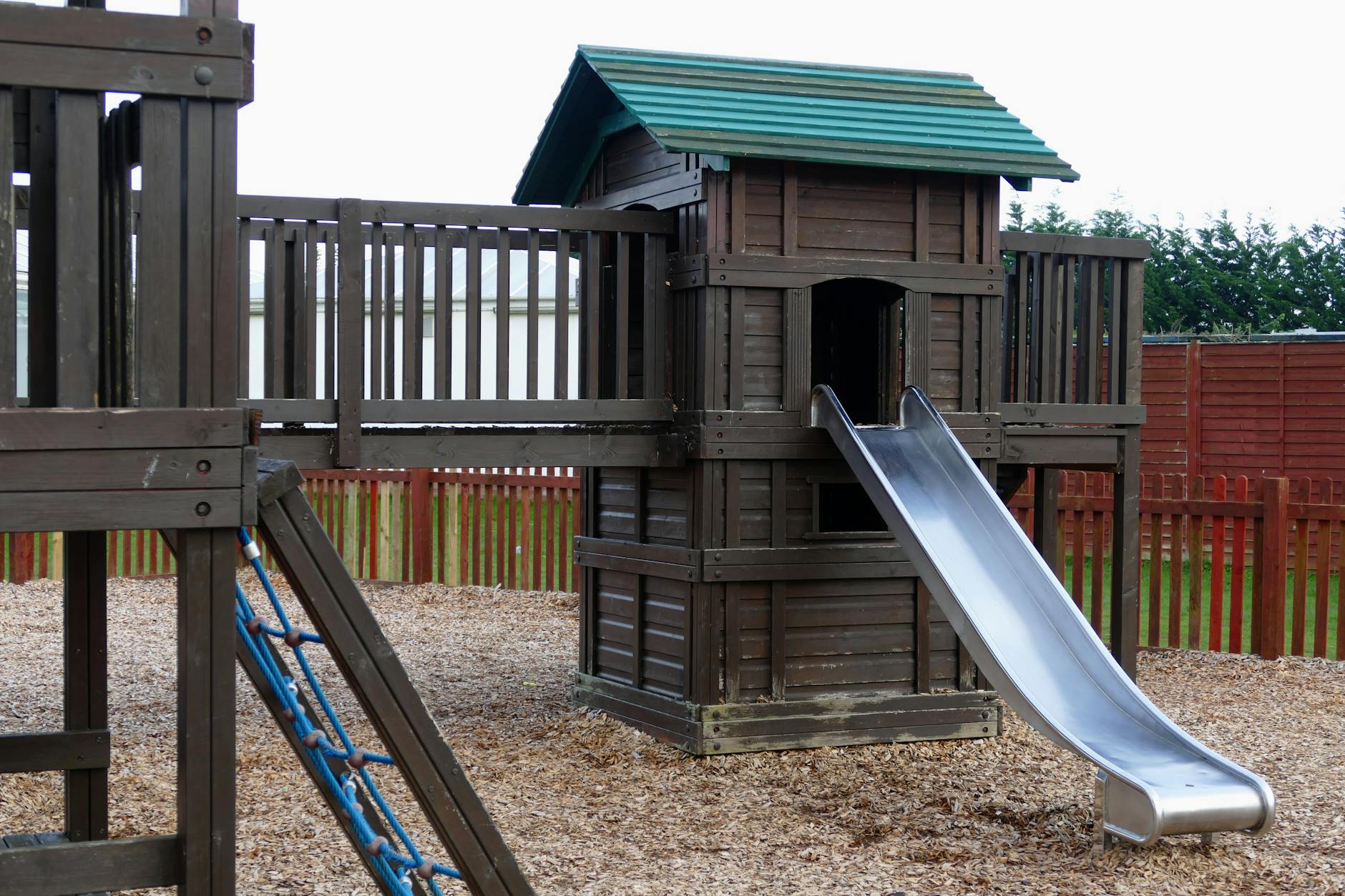
Indoor soft play environments, ball pits, and padded climbing structures in fast food restaurants, shopping centers, and dedicated play facilities accumulate biological contamination from children across operating days that can span twelve or more hours without systematic surface decontamination. Studies examining ball pit microbiology specifically have recovered bacteria associated with urinary tract infections, skin infections, and gastrointestinal illness from plastic balls sampled across commercial play facilities. The soft foam and fabric surfaces used in padded play structures are resistant to the spray-and-wipe protocols that can be applied to hard surfaces and require specialized cleaning approaches that most venue operators do not employ at adequate frequency. Children in these environments are in prolonged full-body contact with surfaces while engaging in behaviors that maximize hand-to-face transfer including crawling, rolling, and play eating. The visual appeal and apparent safety of these environments communicates a level of hygiene assurance that is systematically inconsistent with microbiological reality.
Which surface surprised you most? Share your thoughts in the comments.