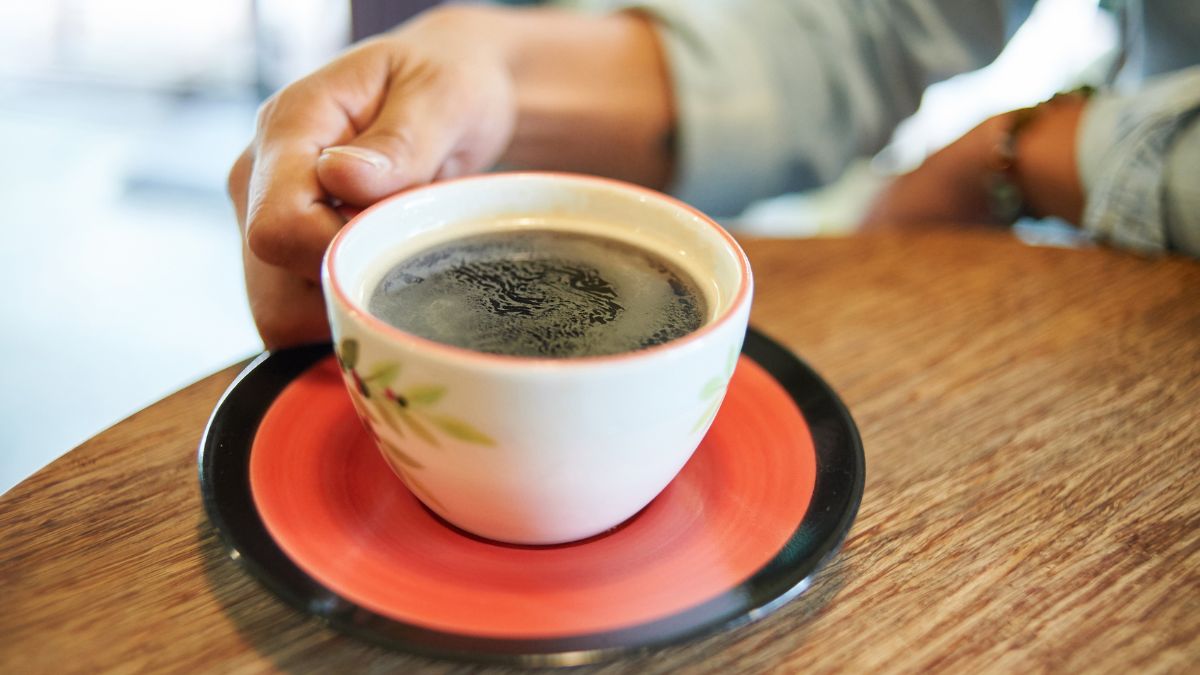
Many people reach for a cup of coffee expecting a pleasant energy lift, yet end up dealing with jitters, a racing heart, or an overall uneasy sensation instead. This contrast happens because caffeine works as a powerful stimulant that blocks adenosine receptors in the brain, which normally help you feel calm and sleepy. As a result, your body releases more adrenaline, ramps up your heart rate, and heightens alertness, effects that feel great for some but overwhelming for others. Individual differences play a huge role here, with genetics influencing how quickly your liver breaks down caffeine. Those who process it slowly experience prolonged stimulation, making negative reactions more likely even from a single cup.
One common culprit is simply not having built up tolerance to caffeine over time. Regular drinkers often adapt, so their bodies handle the stimulant without much fuss, but infrequent consumers or those who skip it for days can feel immediate discomfort. Symptoms frequently include shaky hands, a pounding heart, nervousness, dizziness, or even mild anxiety and nausea in more intense cases. Combining coffee with other stimulants like energy drinks or facing it during high-stress moments can amplify these issues, turning a minor buzz into something far less enjoyable. In extreme overconsumption, weakness or a sense of unease might set in as the body struggles to cope.
Caffeine sensitivity varies widely from person to person, shaped partly by how your body metabolizes the compound in the liver. Some individuals naturally have slower metabolism, so the effects linger longer and hit harder, leading to that familiar jittery or anxious feeling. Experts note that caffeine triggers the central nervous system in a way that mimics aspects of the fight-or-flight response, increasing blood pressure slightly and promoting restlessness. While many enjoy the dopamine and norepinephrine boost for focus and mood, sensitive folks interpret these changes as discomfort rather than energy. This explains why the same amount that perks up one person leaves another feeling off-balance.
Beyond sensitivity, other everyday habits contribute to feeling rough after coffee. Drinking it on an empty stomach often irritates the stomach lining due to increased acid production, which can lead to queasiness or bloating for some. Dehydration plays a part too, since caffeine has a mild diuretic effect that might leave you feeling worse if you’re not well-hydrated already. Mixing in high doses or pairing coffee with alcohol or intense stress only heightens the potential for adverse reactions. Paying attention to these patterns helps explain why the experience differs so much between people.
The good news is that you can often adjust things to enjoy coffee without the downsides. Start by tuning into your body’s signals and gradually finding a dose that works for your tolerance level, perhaps opting for smaller amounts or lower-caffeine options on some days. Building tolerance through consistent moderate intake can reduce symptoms for many, while eating something first helps buffer the stomach against acidity. Switching to alternatives with less caffeine occasionally lets you keep the ritual without the discomfort. Everyone’s response is unique, so experimenting mindfully tends to yield the best results.
What experiences have you had with coffee making you feel off, and how do you handle it in the comments.