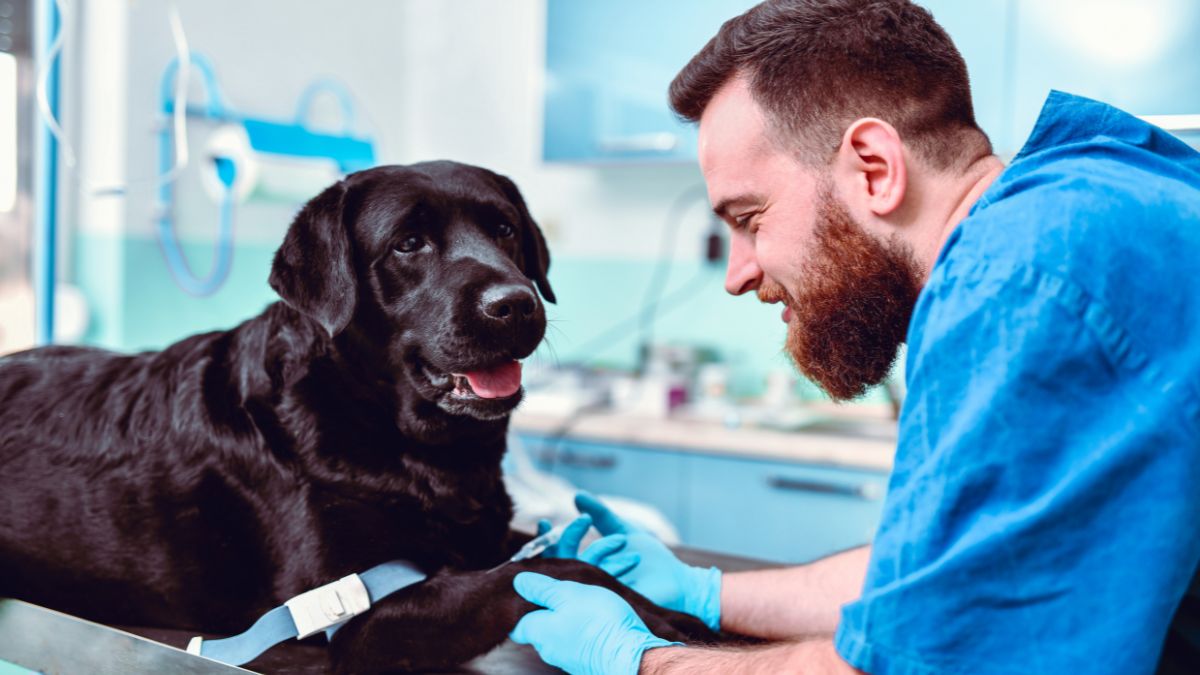
Just like people, dogs have different blood types that play a big role in their health, especially during emergencies. Knowing your pet’s blood group can make all the difference when a transfusion becomes necessary after an accident, surgery, or serious illness. Mismatched blood leads to dangerous reactions where the immune system attacks the donated cells, potentially causing organ damage or even death. While dogs handle incompatibilities better than cats or humans in many cases, the risk still exists and grows after the first exposure. Veterinary experts stress that understanding these basics helps pet owners prepare for unexpected situations.
Blood types in dogs come from antigens on the surface of red blood cells, which the immune system recognizes as friendly or foreign. If a dog lacks a particular antigen, it counts as negative for that type, and the presence makes it positive. These traits pass down through genetics, so no two dogs are exactly alike in every way. The main system uses the term Dog Erythrocyte Antigen, shortened to DEA, with several key groups identified over the years. Among them, six stand out as the most clinically relevant in everyday veterinary practice.
The DEA 1.1 antigen draws the most attention because it triggers the strongest immune responses. Dogs negative for DEA 1.1 qualify as universal donors, safely giving blood to any other dog without causing major issues. In contrast, positive dogs usually donate only to others with the same status. Most dogs fall into the positive category for DEA 1.1, though exact numbers vary by region and breed. Certain breeds show higher chances of being negative, including greyhounds, boxers, Irish wolfhounds, German shepherds, Dobermans, and pit bulls. Popular breeds such as golden retrievers and Labradors tend to lean positive more often.
One reassuring fact about canine transfusions is that dogs do not usually have natural antibodies against other blood types from birth. This means a first transfusion often goes smoothly even with mismatched blood in urgent cases. The immune system needs that initial exposure to build up defenses, which happens over days or weeks afterward. Once sensitized, any future incompatible donation can spark severe symptoms like rapid heart rate changes, breathing trouble, collapse, vomiting, fever, or convulsions. Veterinarians always monitor closely during the process and prefer typing the blood ahead of time whenever possible.
Modern veterinary medicine has made great strides in handling these needs safely. Simple in-clinic card tests quickly identify the most critical types, such as DEA 1.1. For added assurance, a cross-match checks compatibility without fully typing both samples. Blood banks for pets have grown since the late 1980s, with donation programs now common at hospitals and specialized centers. Healthy dogs meeting age, weight, and health standards can donate, and some facilities maintain colonies of ideal donors, frequently greyhounds due to their frequent negative status. Screening also prevents the spread of parasites or viruses through donated blood.
Beyond emergencies, knowing your dog’s blood type supports long-term care decisions. It guides choices if chronic conditions require repeated support or if breeding plans enter the picture in certain contexts. While not every pet needs routine typing, those in active breeds or with higher-risk lifestyles benefit from the knowledge. Pet owners who stay informed about these details contribute to better outcomes when seconds count.
Share your experiences with dog blood typing or transfusions in the comments.