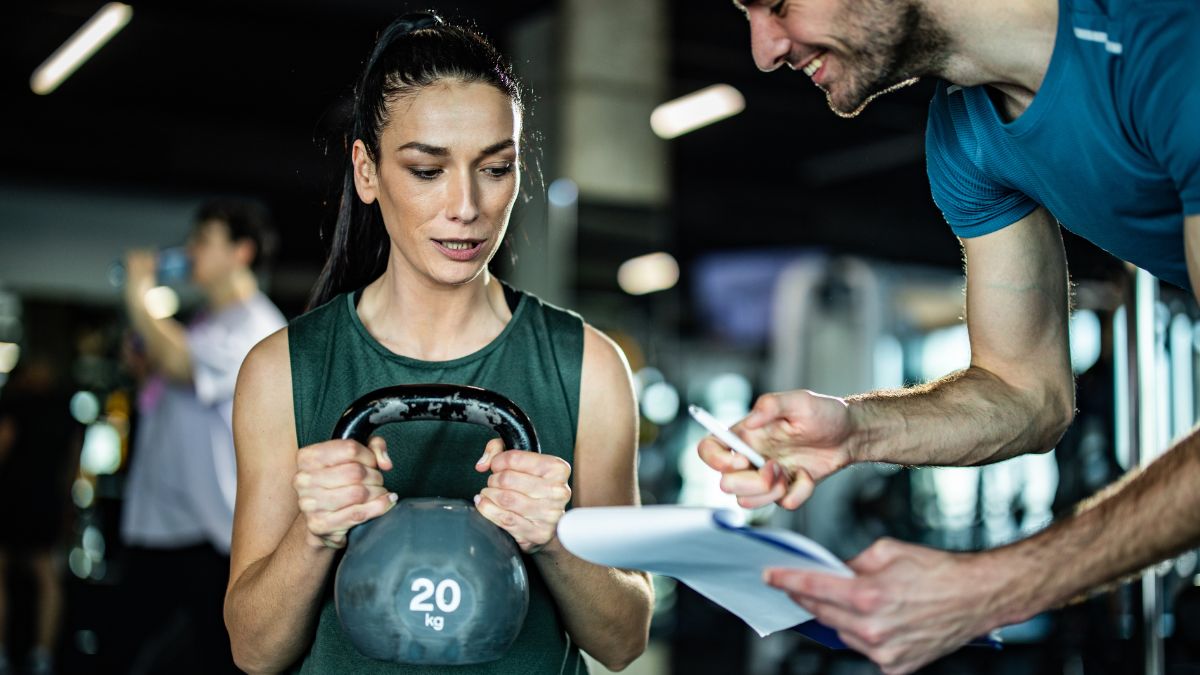
Life between the ages of 40 and 65 brings a wave of changes for women, and not all of them are easy to navigate. From shifts in mood and metabolism to the physical toll of perimenopause and menopause, the body undergoes a transformation that demands a fresh approach to health and wellness. Doctors are increasingly vocal about one habit that can make a genuine difference through all of it, and that habit is strength training. Far from being the exclusive domain of bodybuilders and gym enthusiasts, resistance exercise is now being positioned by medical professionals as one of the most important and accessible tools available to women in midlife.
The hormonal changes that accompany perimenopause and menopause don’t just affect mood; they quietly chip away at muscle mass and bone density in ways that can have long-term consequences. Dr. Alexandra Dubinskaya, a urogynecologist and menopause specialist, put it plainly: “We are increasingly aware of what is really happening during perimenopause: metabolic changes, muscle loss, changes to bones, and mood swings.” Strength-based exercise addresses all of these concerns simultaneously, building mineral density in bones, supporting muscle mass, promoting metabolic health, reducing fall risk, and even improving emotional wellbeing. The breadth of benefits is striking, and yet resistance training remains one of the most underused tools in women’s health.
The statistics around bone health alone make a compelling case. According to Dr. Clarinda Hougen, a sports medicine specialist, one in three women over the age of 50 will experience a fracture related to osteoporosis. Bone density can decline by as much as 20 percent in the first five to seven years following menopause, a window during which intervention matters enormously. “Strength training is one of the most important and least used ways women can protect their health and independence in older age,” Dr. Hougen emphasized. Dr. Dubinskaya added that resistance work is “one of the most effective non-pharmacological tools we have to slow that process,” making it a genuine alternative or complement to medication for many women.
For those who are new to this kind of exercise, the good news is that getting started does not require a gym membership or expensive equipment. Physical therapist Yvonne Di Edwardo recommends beginning with bodyweight movements such as squats, step lunges, modified push-ups, and planks, emphasizing that proper form matters more than the weight being lifted. Resistance bands are another practical starting point, and Di Edwardo suggests simple exercises like chair stands without using the arms, back-lying marching, band rows, and lateral steps. A brief warm-up before any session, whether that is a short walk or a few minutes on a stationary bike, helps prepare the body and reduces injury risk.
Pelvic floor health is another dimension of this conversation that often gets overlooked. Menopause can weaken the pelvic floor muscles, contributing to urinary incontinence and discomfort during everyday activities. Di Edwardo explained that weaving pelvic floor work and proper breathing techniques into strength sessions can make activities like running, lifting, and climbing stairs significantly less taxing on that area of the body. Kegel exercises, bridges, and squats are among the movements she recommends for supporting bladder control and overall pelvic strength.
Nutrition plays an equally important supporting role. Dr. Hougen stresses the value of adequate lean protein for muscle repair and growth, pointing to chicken, turkey, and beef as solid sources. Hydration is just as critical, with Di Edwardo noting that under-hydrated muscles are more prone to cramping and slower to recover. On the question of intensity, the message from doctors is consistent: more is not always better. “Lifting weights is good, but more is not always more,” Dr. Dubinskaya said, and Di Edwardo echoed the point by reminding women to respect their limits and allow adequate rest between sessions. The goal, as Dr. Dubinskaya framed it, is longevity rather than extremes: “It’s about being able to exercise safely 20 years from now.”
Muscle tissue is actually more metabolically active than fat, meaning that a pound of muscle burns roughly three times more calories at rest than a pound of fat — which is part of why losing muscle mass during menopause can make weight management feel so much harder despite no change in eating habits. Studies have also found that regular strength training can reduce the severity of hot flashes in some women, a benefit that tends to surprise people. The social element of exercise is worth noting too; research consistently shows that women who work out with others, whether in a water aerobics class or a small group, are more likely to stick with their routines over the long term.
Do you incorporate strength training into your routine, and have you noticed a difference in how you feel? Share your experience in the comments.