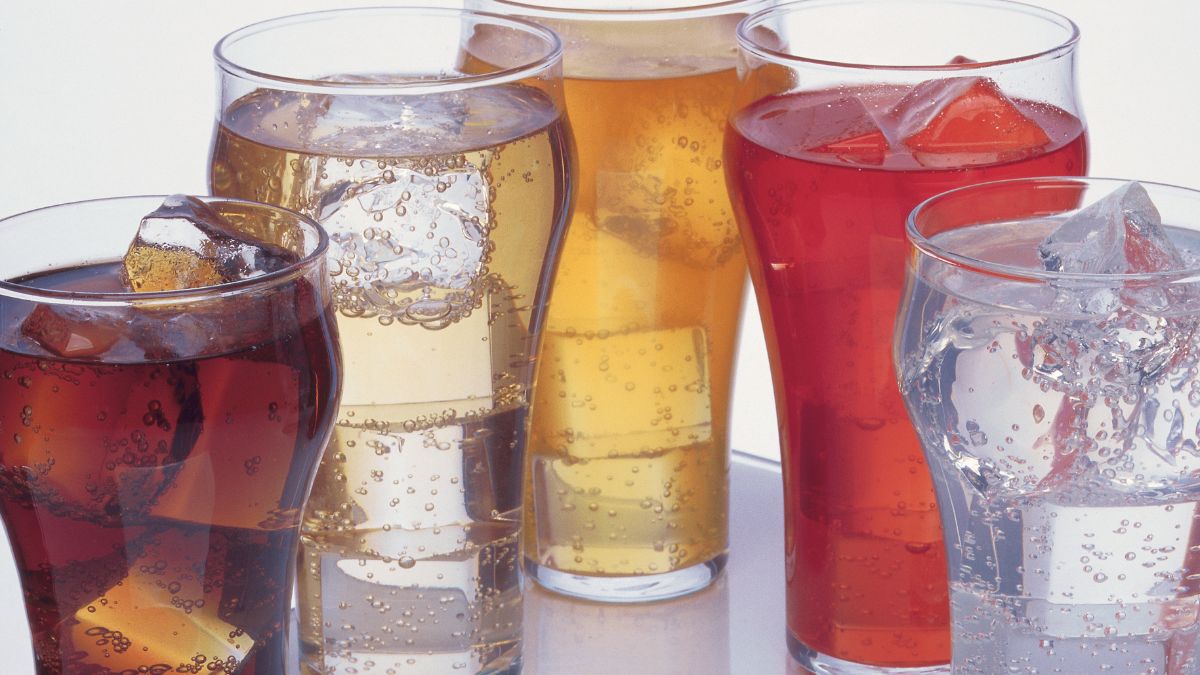
Your daily drink choices have a far greater impact on your skin and overall vitality than most people realise. Certain beverages silently accelerate the breakdown of collagen, disrupt hydration levels, and trigger inflammation throughout the body. The effects often go unnoticed for years until fine lines, dullness, and fatigue begin to surface prematurely. Understanding which drinks are working against your body is one of the most powerful steps toward preserving a youthful appearance. From morning habits to evening rituals, these 25 beverages are doing more damage than most people suspect.
Energy Drinks
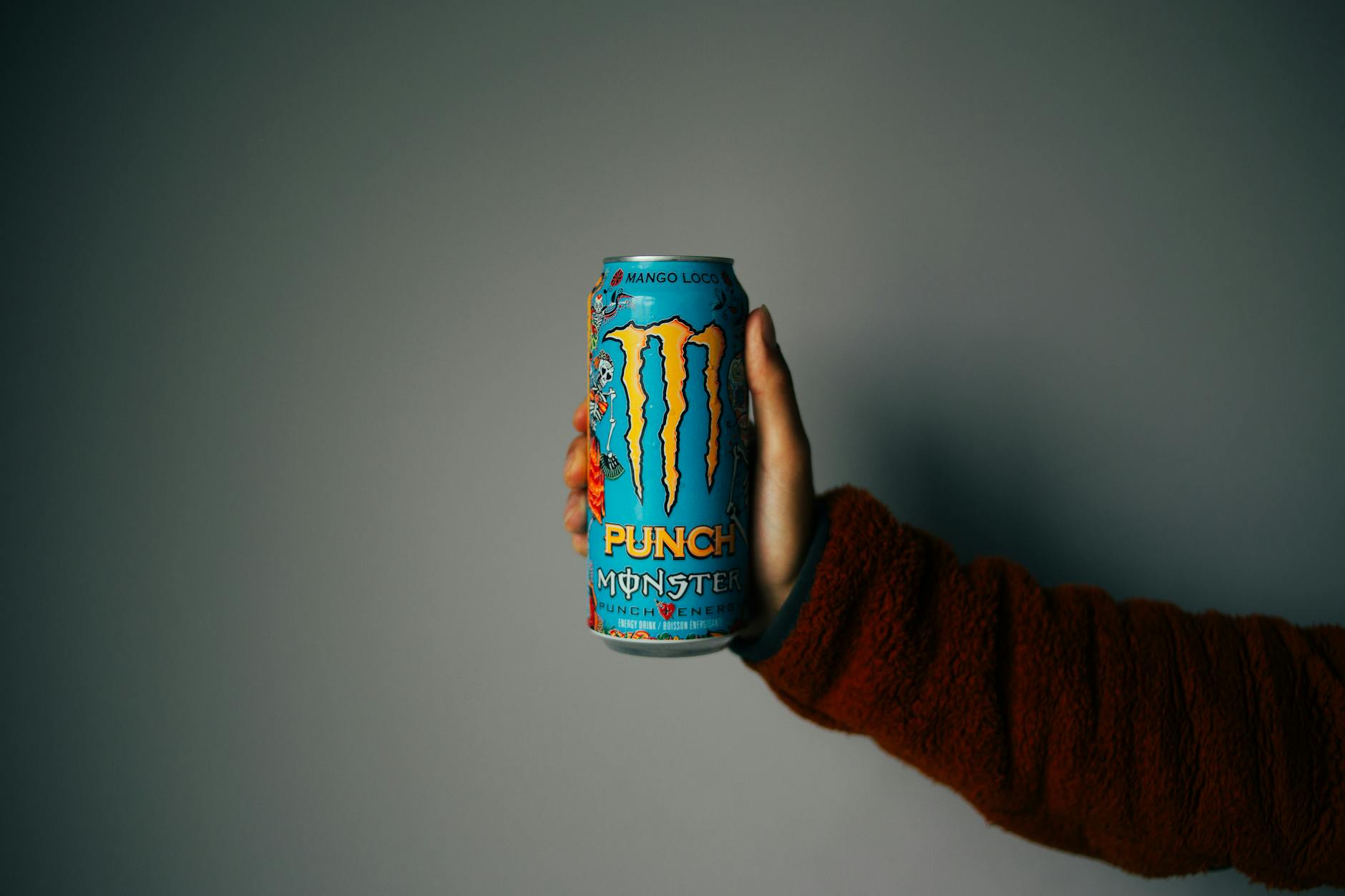
These highly processed beverages are loaded with sugar, artificial additives, and excessive caffeine that place enormous stress on the body. The combination of stimulants and sweeteners triggers cortisol spikes which accelerate collagen degradation over time. High sugar content promotes glycation, a process that stiffens and damages skin proteins responsible for elasticity. Regular consumption has also been linked to chronic dehydration, one of the most visible drivers of premature skin aging. The acidity of most energy drinks further erodes enamel and disrupts the body’s internal pH balance.
Bubble Tea

This popular sweet drink typically contains extraordinarily high levels of refined sugar packed into a single serving. The tapioca pearls add dense carbohydrate content that contributes to blood sugar spikes and subsequent inflammatory responses in the body. Chronic inflammation is a well-established accelerant of cellular aging and is visibly reflected in skin texture and tone. Many commercial versions also contain artificial flavourings and preservatives that place additional burden on the liver. Frequent consumption offers very little nutritional value while delivering a significant glycation load to the skin.
Soda
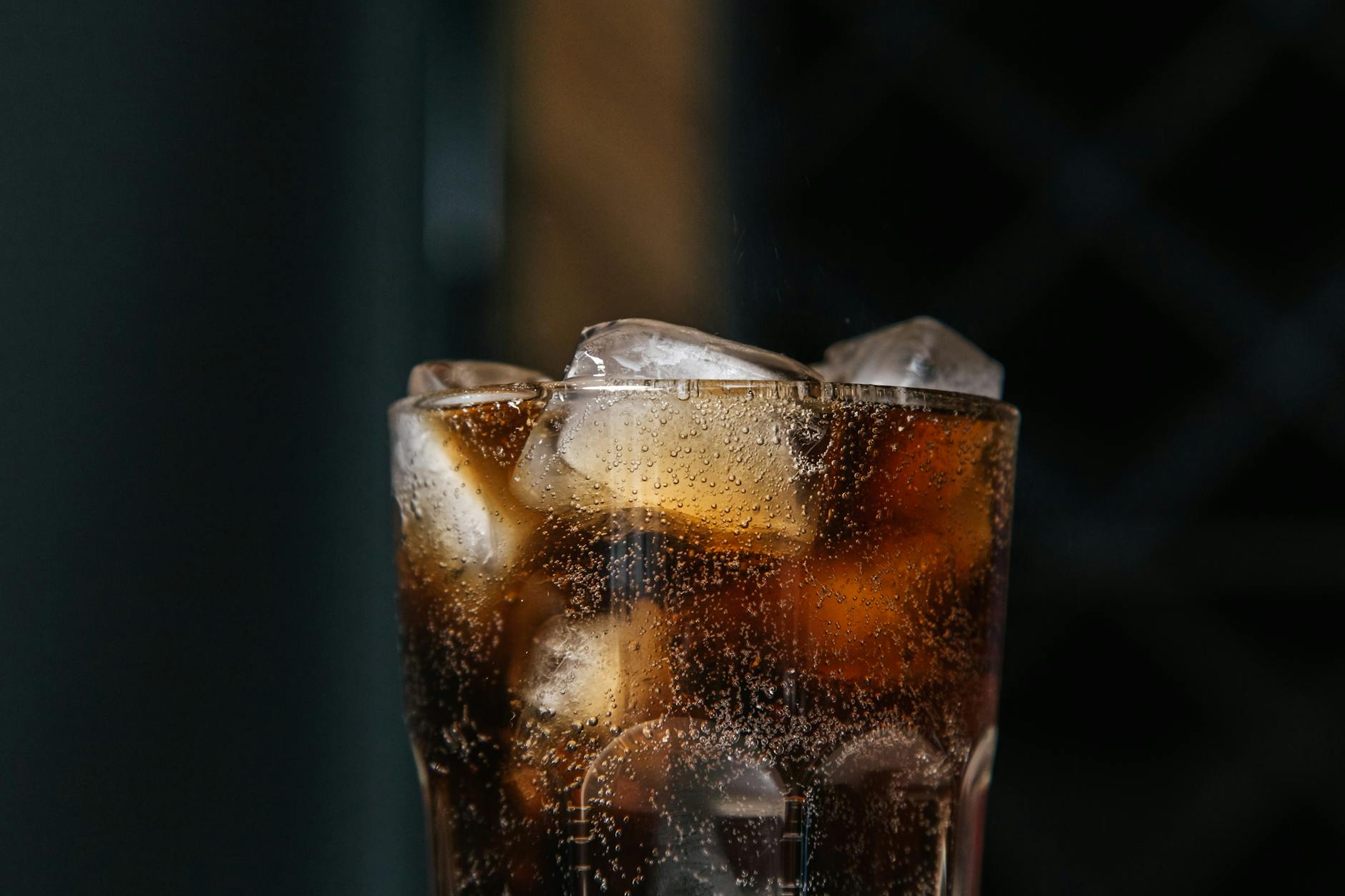
Carbonated soft drinks rank among the most studied dietary contributors to accelerated biological aging. The phosphoric acid found in many sodas has been shown to interfere with calcium absorption and contribute to bone density loss over time. Refined sugar content in a single can far exceeds recommended daily limits, driving insulin spikes and glycation at the cellular level. Artificial colourings and preservatives found in dark sodas add a toxic load that the liver must work overtime to process. Even sugar-free versions contain compounds that research has associated with gut microbiome disruption, which directly affects skin health.
Diet Soda
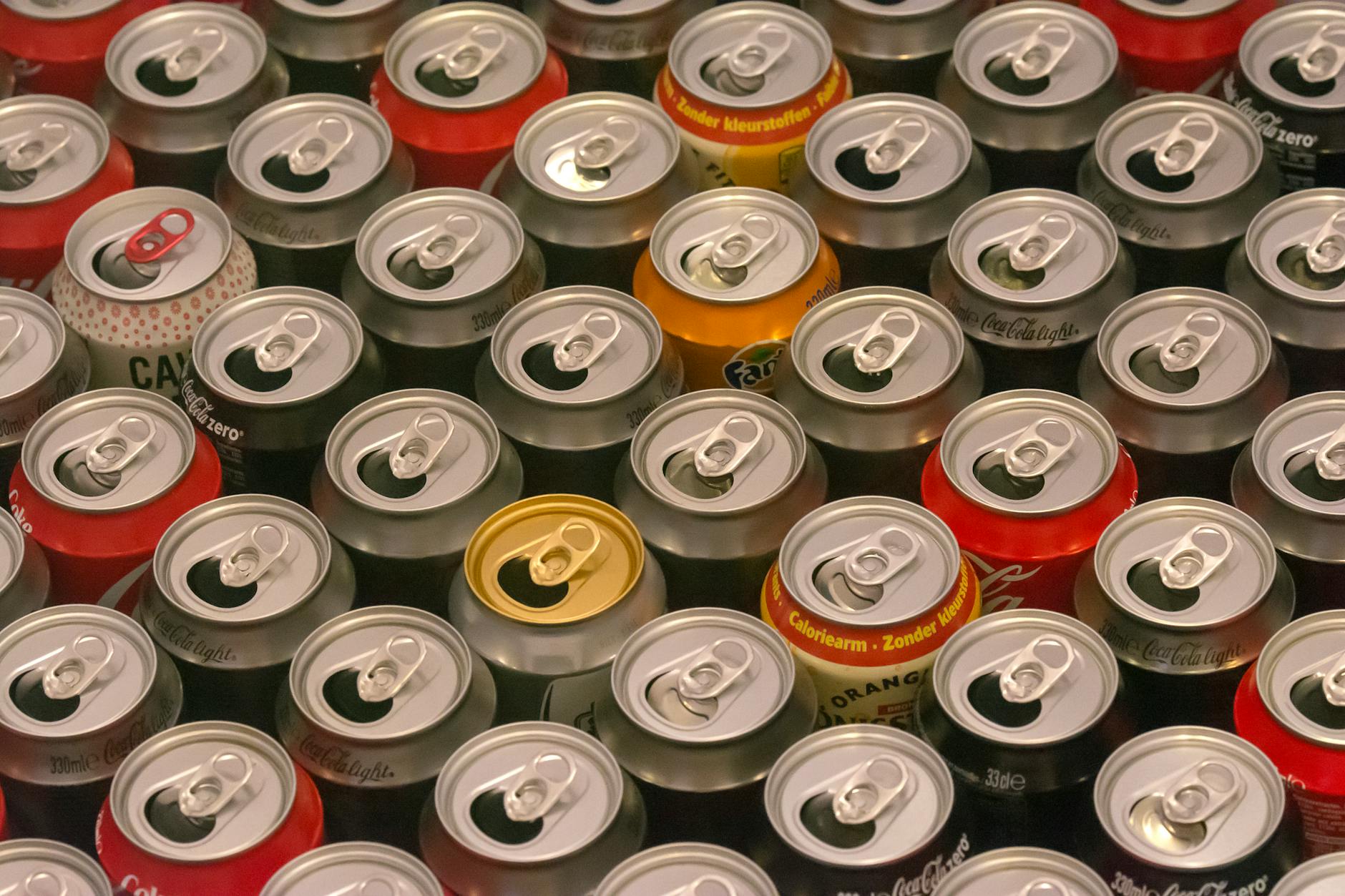
Despite containing no sugar, diet sodas present their own set of aging-related concerns backed by nutritional research. Artificial sweeteners such as aspartame and sucralose have been studied for their potential to disrupt gut bacteria, which plays a central role in inflammation and skin clarity. The caramel colouring in many diet dark sodas contains compounds classified as potentially harmful with long-term exposure. Phosphoric acid remains present in most formulations and continues to pose risks to bone health and mineral balance. Regular consumers often report increased cravings for sweet foods, creating a dietary cycle that undermines overall health and skin condition.
Fruit Juice
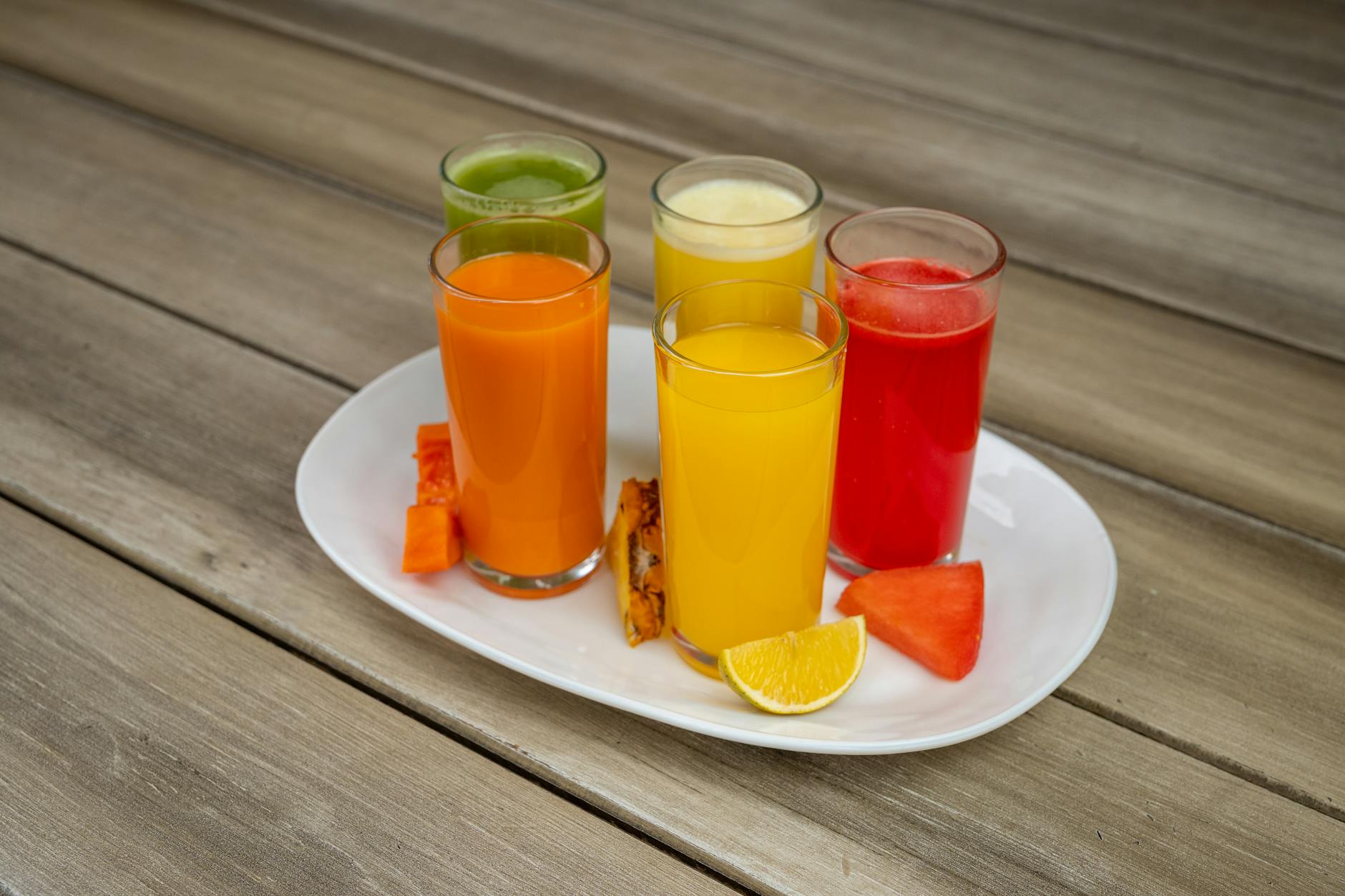
Commercially produced fruit juices are frequently stripped of fibre and concentrated into high-sugar liquids that behave similarly to soda in the bloodstream. A single glass of orange juice can contain as much sugar as several whole oranges without the fibre that would slow glucose absorption. This rapid sugar release promotes glycation and inflammatory cascades that degrade collagen and elastin in the skin. Many store-bought varieties also contain added sugars, artificial flavours, and preservatives that compound the oxidative stress placed on cells. Even juices marketed as natural or cold-pressed can carry a glycaemic impact that outweighs their nutritional benefits when consumed regularly.
Flavoured Water

Many flavoured waters marketed as healthy hydration alternatives contain hidden sugars, citric acid, and artificial sweeteners that undermine their wholesome image. The citric acid used as a preservative and flavour enhancer is highly erosive to tooth enamel, contributing to dental aging that affects overall appearance. Some varieties contain natural flavourings derived from processed sources that offer no meaningful antioxidant or nutritional benefit. Sweetened versions trigger the same insulin response as sugary drinks, contributing to inflammation and metabolic stress over time. Consumers often drink these in larger quantities than soda, compounding the cumulative impact on the body.
Sweetened Coffee

Coffee on its own carries antioxidant properties, but heavily sweetened versions transform it into a vehicle for significant sugar consumption. Flavoured syrups used in popular coffee chains can add five to ten teaspoons of refined sugar to a single drink. This sugar load promotes glycation, the chemical process through which sugar molecules bind to and damage proteins including those that keep skin firm. The combination of caffeine-driven dehydration and sugar-induced inflammation creates a compounding effect on skin quality over time. Whipped toppings and flavoured creams further increase the saturated fat and calorie content without adding any protective nutrients.
Alcohol

Ethanol is one of the most well-documented dietary contributors to accelerated skin aging across medical and dermatological literature. Alcohol is a powerful diuretic that depletes the body of moisture, leaving skin visibly dehydrated and more prone to the appearance of fine lines. It disrupts sleep architecture, reducing the deep restorative stages during which cellular repair and collagen production occur. Chronic consumption depletes key nutrients including vitamin A and zinc, both of which are essential to skin regeneration and immune function. Acetaldehyde, a toxic byproduct of alcohol metabolism, causes oxidative damage to cells and has been linked to accelerated biological aging markers.
Cocktails
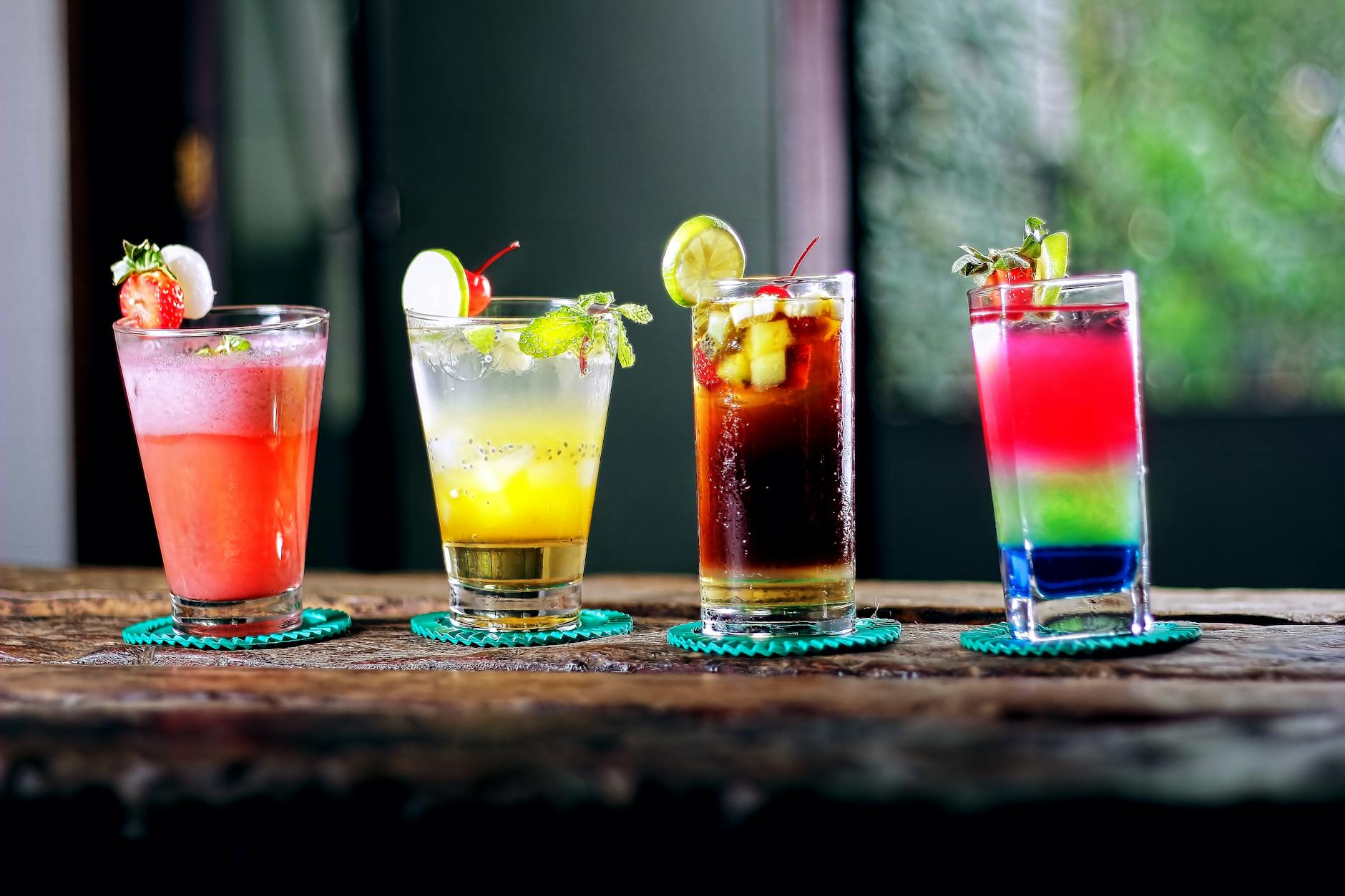
Mixed alcoholic drinks combine the aging effects of ethanol with additional sugars, artificial syrups, and colourings that intensify the overall inflammatory burden on the body. Popular cocktails can contain more sugar than a full dessert, driving glycation and blood sugar instability with each serving. The acidity of citrus mixers and carbonated additions compounds the erosive effect on enamel and digestive lining. Colourful cocktails often contain artificial dyes and flavourings that require hepatic processing, adding stress to detoxification pathways. Consuming multiple cocktails in a single evening multiplies the dehydration, sugar, and oxidative stress impact significantly.
Wine
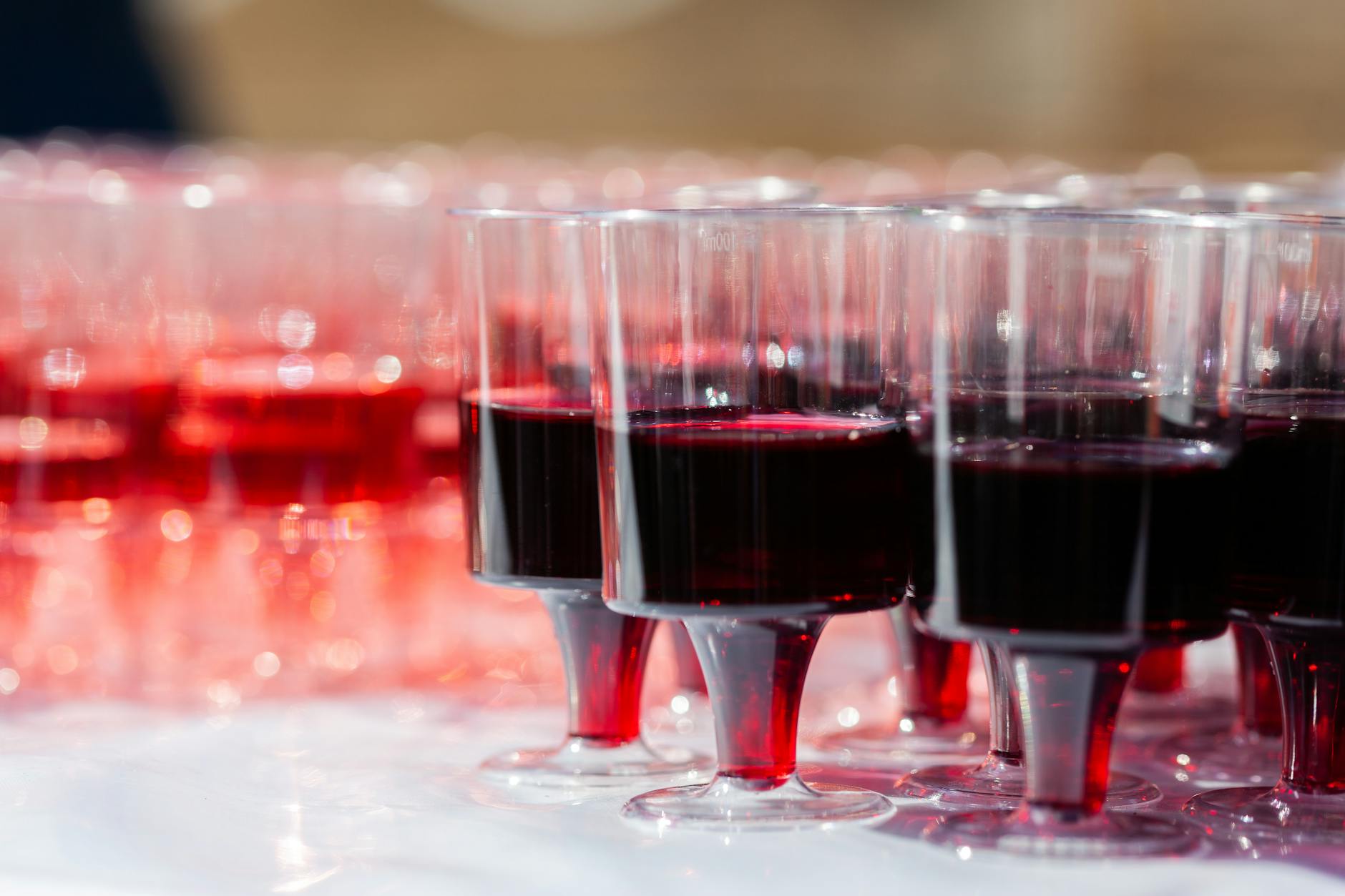
Wine is widely perceived as a relatively sophisticated and even health-adjacent choice, but its aging effects are meaningful with regular consumption. Red wine contains tannins and sulphites that trigger histamine responses in sensitive individuals, leading to skin flushing and chronic puffiness. The alcohol content drives systemic dehydration and disrupts the quality of sleep needed for overnight cellular repair processes. White wine is particularly acidic and has been linked to tooth enamel erosion and an increased likelihood of dental staining over time. Even moderate nightly consumption accumulates a notable oxidative and inflammatory load across weeks and months.
Beer

Beer combines alcohol’s dehydrating properties with a significant carbohydrate load that contributes to blood sugar fluctuation and insulin-driven inflammation. The high caloric density of most beers contributes to weight gain around the midsection, which is associated with elevated inflammatory markers and metabolic aging. Hop compounds and carbonation can cause bloating and digestive disruption that affects the gut-skin axis, a key determinant of complexion health. Many commercial beers contain additives including clarifying agents, artificial colourings, and preservatives not always disclosed on packaging. Regular consumption has been linked in studies to reduced antioxidant capacity in the body, leaving cells less protected against environmental damage.
Sports Drinks
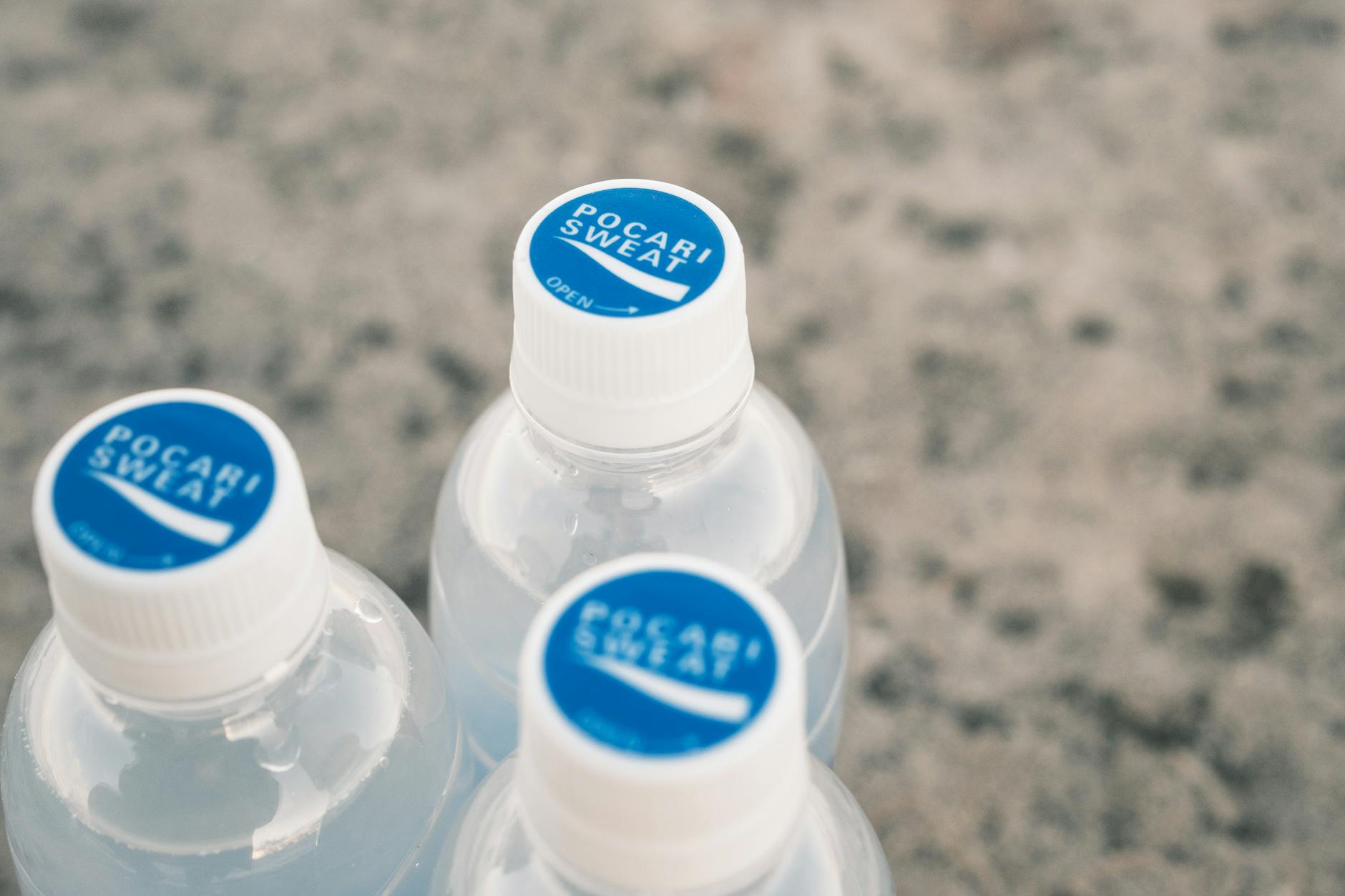
Designed to replenish electrolytes during intense exercise, sports drinks are frequently consumed without the physical exertion that would justify their sugar and sodium content. A standard bottle contains significant amounts of refined sugar or high-fructose corn syrup that drives inflammation and glycation when metabolised. Artificial colourings used to create vivid hues have been studied for potential links to oxidative stress and cellular disruption. The high sodium content contributes to water retention and puffiness, particularly around the face and eyes. Without the metabolic demand of strenuous activity, these beverages function as little more than expensive flavoured sugar water.
Milkshakes

Thick blended milkshakes combine dairy, refined sugar, and often artificial flavourings into a high-glycaemic drink that delivers a rapid and significant blood sugar spike. The dairy component, particularly in large quantities, has been associated with increased sebum production and inflammatory acne responses in certain individuals. High saturated fat content from ice cream bases contributes to systemic inflammation that undermines skin clarity and cardiovascular health over time. Many commercial and fast-food milkshakes contain emulsifiers, stabilisers, and artificial colours that place an unnecessary burden on digestive and detoxification systems. The caloric density of a single milkshake can rival that of a full meal with a fraction of the nutritional benefit.
Slushies
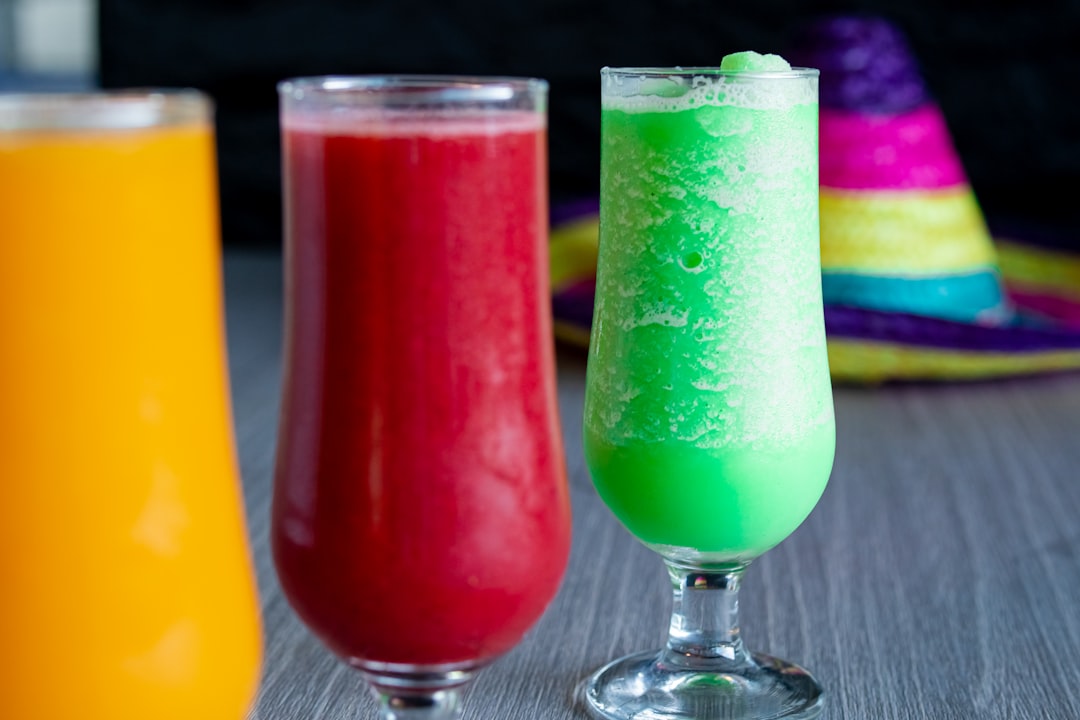
Slushies deliver concentrated sugar and artificial colouring in a cold format that makes overconsumption easy and common particularly among younger consumers. The vibrant dyes used in most commercial slushies have been studied for links to hyperactivity and oxidative cellular stress. A single large slushie can exceed the recommended daily sugar intake by a significant margin, triggering a pronounced glycation response. The cold temperature and acidity of these drinks also irritate the digestive tract and may contribute to gut permeability issues over time. Regular consumption offers no meaningful hydration benefit despite the high liquid volume, as the sugar content actively draws moisture from tissues.
Iced Tea

Commercially bottled iced teas are frequently sweetened to a degree that rivals soft drinks, containing considerable amounts of refined sugar or high-fructose corn syrup per serving. Despite the antioxidant reputation of tea as a beverage, processing and sweetening eliminate most of the beneficial polyphenols that would otherwise protect against cellular aging. Lemon-flavoured varieties often contain citric acid as a preservative, which contributes to enamel erosion with regular consumption. Many popular brands contain artificial flavours and colourings that add to the overall inflammatory and oxidative load. Consuming these drinks as a substitute for water creates a false sense of hydration while actively contributing to dehydration through their sugar and caffeine content.
Lemonade

Commercial lemonade is one of the most sugar-dense drinks commonly perceived as a refreshing and relatively harmless choice. A standard glass can contain as much sugar as a can of soda while providing minimal vitamin C due to dilution and processing. The combination of high acidity from lemon concentrate and refined sugar creates a particularly erosive environment for tooth enamel with repeated exposure. Packaged lemonade products frequently contain artificial flavours, preservatives, and colouring agents that offer no nutritional value. Even homemade versions prepared with significant sugar contribute to blood glucose spikes and the glycation cascade that damages skin proteins over time.
Hot Chocolate

Pre-packaged and café-style hot chocolates are typically made with processed cocoa powder, refined sugar, and whole or condensed milk in ratios that prioritise sweetness over nutrition. A large hot chocolate from a popular chain can contain more sugar than most desserts, placing an extreme glycaemic load on the body. The combination of dairy and sugar has been studied for its role in promoting inflammatory pathways that accelerate skin aging and contribute to breakouts. Many instant versions contain hydrogenated fats, artificial flavours, and emulsifiers that increase the burden on hepatic detoxification pathways. Consumed regularly as a comfort drink, hot chocolate delivers very little of the protective flavanol content found in pure dark chocolate or minimally processed cacao.
Frappuccinos

Blended coffee beverages like frappuccinos are among the most sugar-laden drinks available in mainstream café culture. A single large serving can contain upward of sixty grams of sugar, rivalling multiple standard chocolate bars in glycaemic impact. The combination of refined sugar, flavoured syrup, whipped cream, and processed milk creates a multi-layered inflammatory and glycation challenge for the body. Despite containing coffee, the antioxidant benefit of the espresso component is vastly outweighed by the damaging ingredients surrounding it. Regular consumption of these beverages has a cumulative impact on insulin sensitivity, skin clarity, and the integrity of collagen structures in the dermis.
Kombucha

Kombucha carries a strong health halo in wellness culture, but commercial versions present several concerns that are often overlooked by consumers. Many store-bought kombuchas contain added sugars to balance the natural acidity of fermentation, contributing to glycaemic load when consumed in excess. The high acidity of kombucha is a documented risk factor for tooth enamel erosion, particularly when consumed frequently throughout the day. Some brands contain levels of alcohol from the fermentation process that may affect individuals sensitive to ethanol’s aging effects. Overconsumption can also disrupt the digestive system rather than support it, leading to inflammation that manifests through skin reactivity.
Sweetened Almond Milk
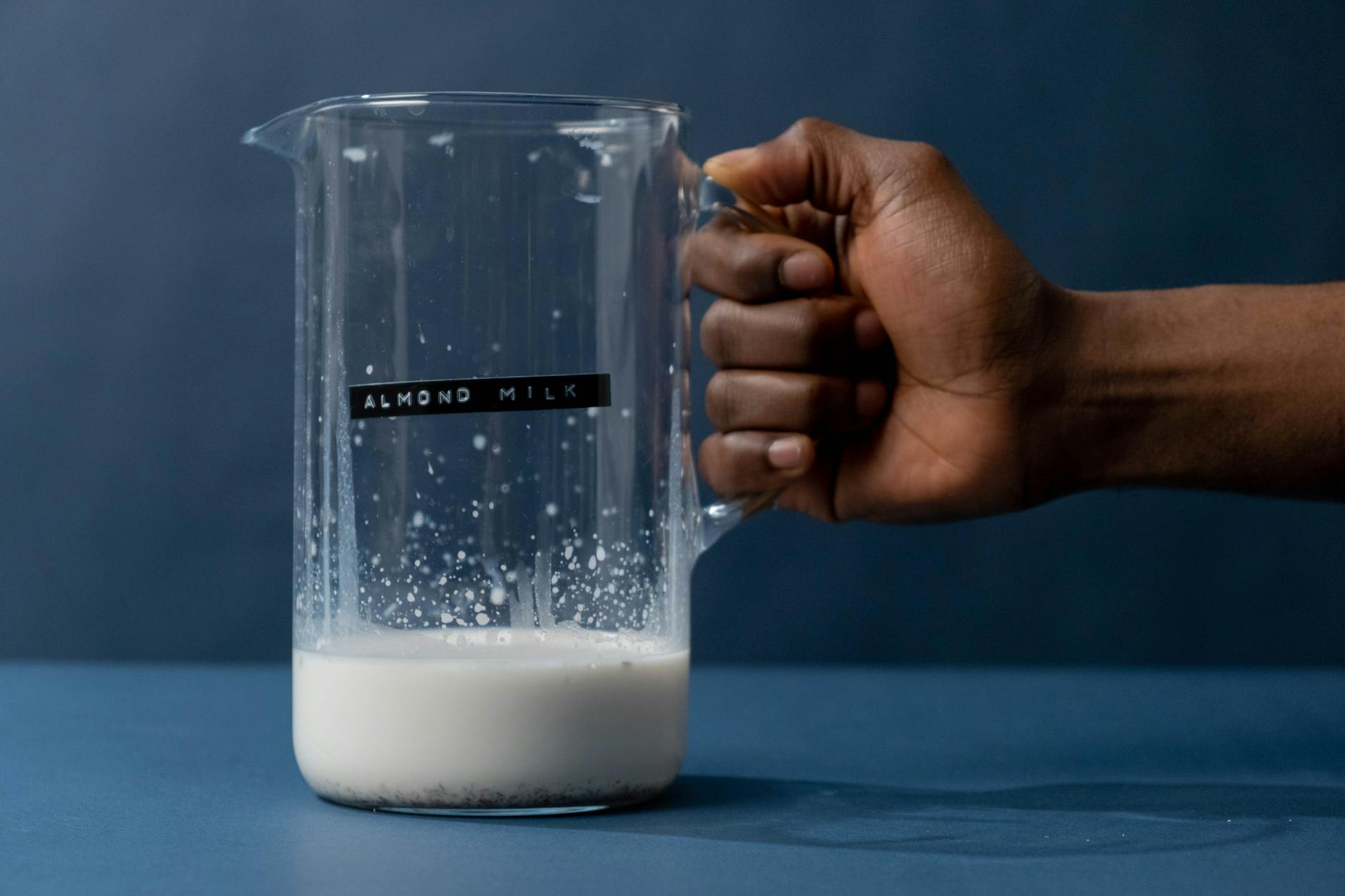
Plant-based milks marketed as wholesome alternatives can contain surprising quantities of added sugar, particularly in vanilla and chocolate varieties. Sweetened almond milk beverages often undergo significant processing that reduces any naturally occurring nutrients while adding emulsifiers and stabilisers. Carrageenan, an additive used in some plant milks, has been studied for its potential to trigger gut inflammation, which in turn affects skin health through the gut-skin axis. Regular consumption of sweetened versions contributes to daily sugar intake in a way that consumers often fail to account for due to the health perception of the product. The actual almond content in many commercial almond milks is minimal, making the nutritional value far lower than the marketing suggests.
Premixed Cocktails
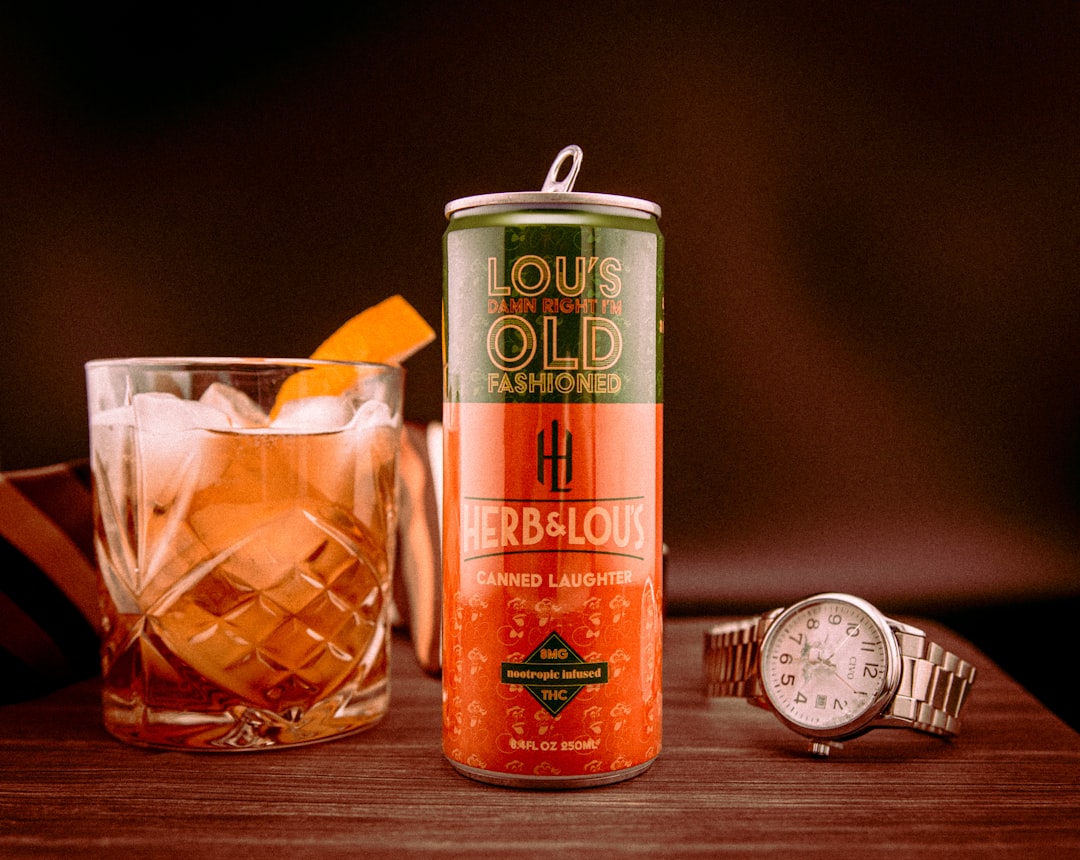
Canned and bottled premixed cocktails have grown significantly in popularity but combine many of the most aging-associated ingredients in a single convenient package. Artificial flavourings, colourings, and preservatives are standard ingredients in most commercial premixed beverages. The sugar content in these drinks is typically very high and paired with ethanol, creating a dual glycation and dehydration impact on the skin. The convenience format encourages faster and higher-volume consumption compared to drinks prepared individually by a bartender. Many premixed products also contain additives designed to extend shelf life that are not present in freshly made equivalents.
Chai Latte

The traditional spiced tea base of a chai latte offers genuine antioxidant and anti-inflammatory properties, but commercial café versions dramatically alter its nutritional profile. Flavoured chai syrups used by most coffee chains are primarily refined sugar and artificial flavouring with little to no actual spice content. A large sweetened chai latte can contain thirty or more grams of sugar, placing a significant glycaemic burden on the body. Whole milk or condensed milk bases add saturated fat and dairy that may contribute to inflammation in sensitive individuals. The original health properties associated with cinnamon, cardamom, and ginger are effectively absent from most commercial preparations.
Coconut Water

Pure coconut water offers genuine electrolyte benefits in appropriate amounts, but flavoured and sweetened commercial versions represent a very different product. Many popular coconut water brands add fruit juice concentrates, cane sugar, or natural flavourings that significantly increase the sugar content beyond what occurs naturally. Regular consumption of sweetened varieties contributes to daily refined sugar intake in a way that undermines metabolic and skin health over time. The perception of coconut water as a hydrating health product leads many consumers to drink it in quantities that exceed any reasonable electrolyte need. Even unsweetened varieties are relatively high in natural sugars and should be consumed with awareness rather than treated as a free-intake beverage.
Protein Shakes

Commercial protein shakes and meal replacement drinks frequently contain artificial sweeteners, flavourings, and thickening agents that complicate their health profile. Many popular brands use sucralose or acesulfame potassium as sweeteners, compounds associated with gut microbiome disruption that can manifest as skin inflammation and breakouts. Protein powders that use low-quality dairy derivatives as a base have been studied for their role in elevating IGF-1 levels, a hormone linked to accelerated cellular aging and acne. The long ingredient lists on many commercial protein products reflect significant processing that moves them far from whole food sources of nutrition. Without the oversight of a registered dietitian, these products are frequently consumed in quantities and combinations that exceed what the body can efficiently process.
Tap Water

In many regions tap water contains chlorine, fluoride, heavy metals, and trace pharmaceutical compounds that are not fully removed by standard municipal treatment processes. Chlorine added to water supplies as a disinfectant has been studied for its potential to generate free radicals when absorbed by the body over time. Heavy metals including lead and copper can leach into tap water through aging infrastructure and plumbing, contributing to oxidative stress at the cellular level. Long-term exposure to trace contaminants has been associated in research with systemic inflammation and disruption of hormonal systems that affect skin and cellular aging. The quality of tap water varies enormously by region, and many consumers remain unaware of what their local supply contains beyond the standard safety thresholds set by regulatory bodies.
If any of these drinks are part of your daily routine, share which ones surprised you the most in the comments.