Incorporating floral elements into culinary presentations adds an immediate touch of elegance and visual intrigue to ordinary meals. These botanical ingredients offer a wide range of flavors from spicy and peppery to sweet and floral. Chefs around the world utilize these blooms to elevate the aesthetic appeal of salads and desserts while introducing unique texture profiles. Sourcing these ingredients requires care to ensure they are grown without pesticides or harmful chemicals. A simple garnish of fresh petals can transform a homemade dinner into a restaurant-quality experience.
Nasturtium
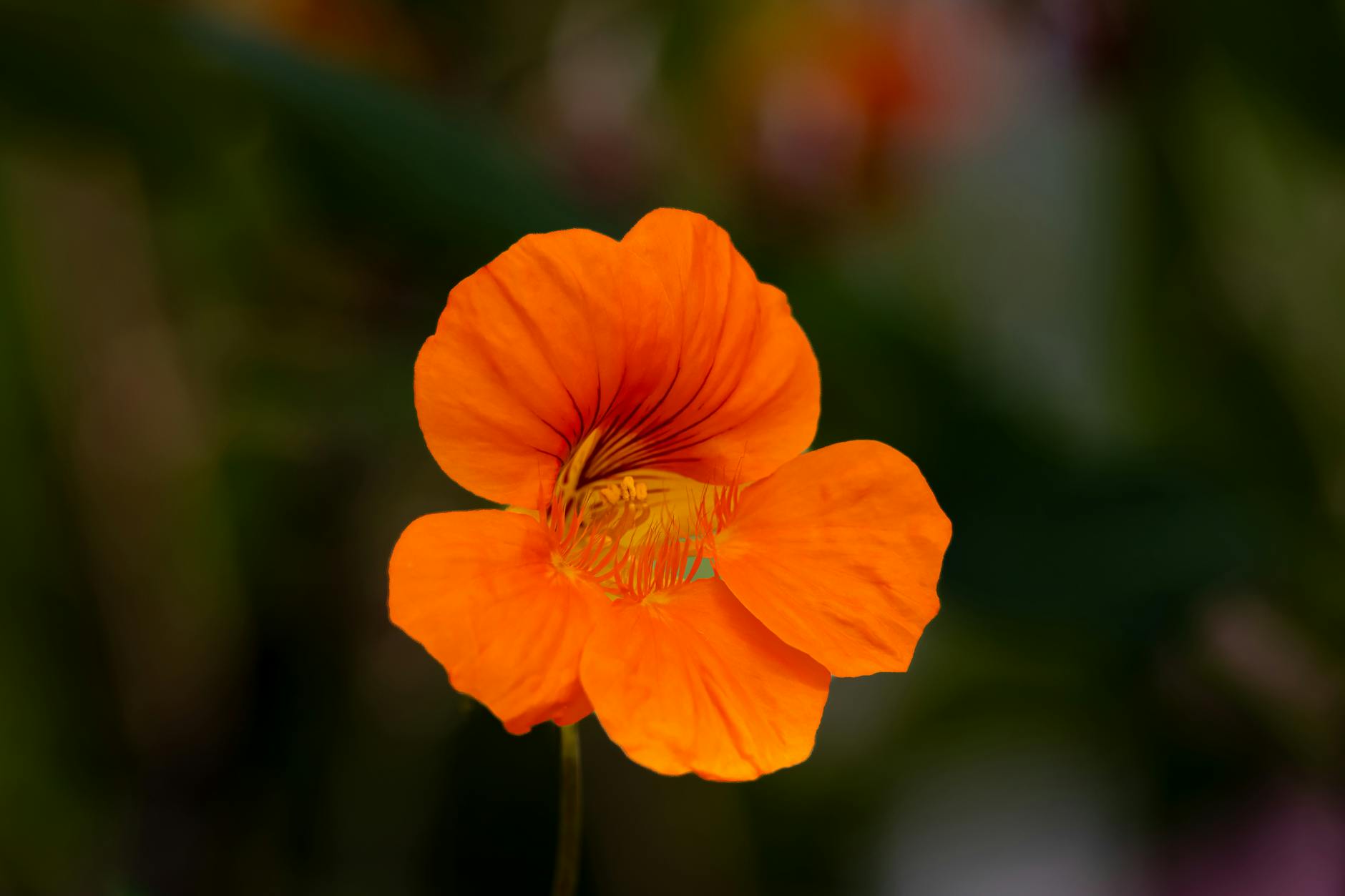
These vibrant blooms bring a distinct peppery bite similar to watercress to salads and savory dishes. Chefs often use the bright orange and yellow petals to add a pop of color to green leafy vegetables. The entire flower including the leaves and seed pods is safe for consumption in culinary creations. Their slightly spicy flavor profile pairs exceptionally well with soft cheeses and summer vinaigrettes. You can easily grow them in a small kitchen garden for a steady supply of fresh garnishes.
Pansy
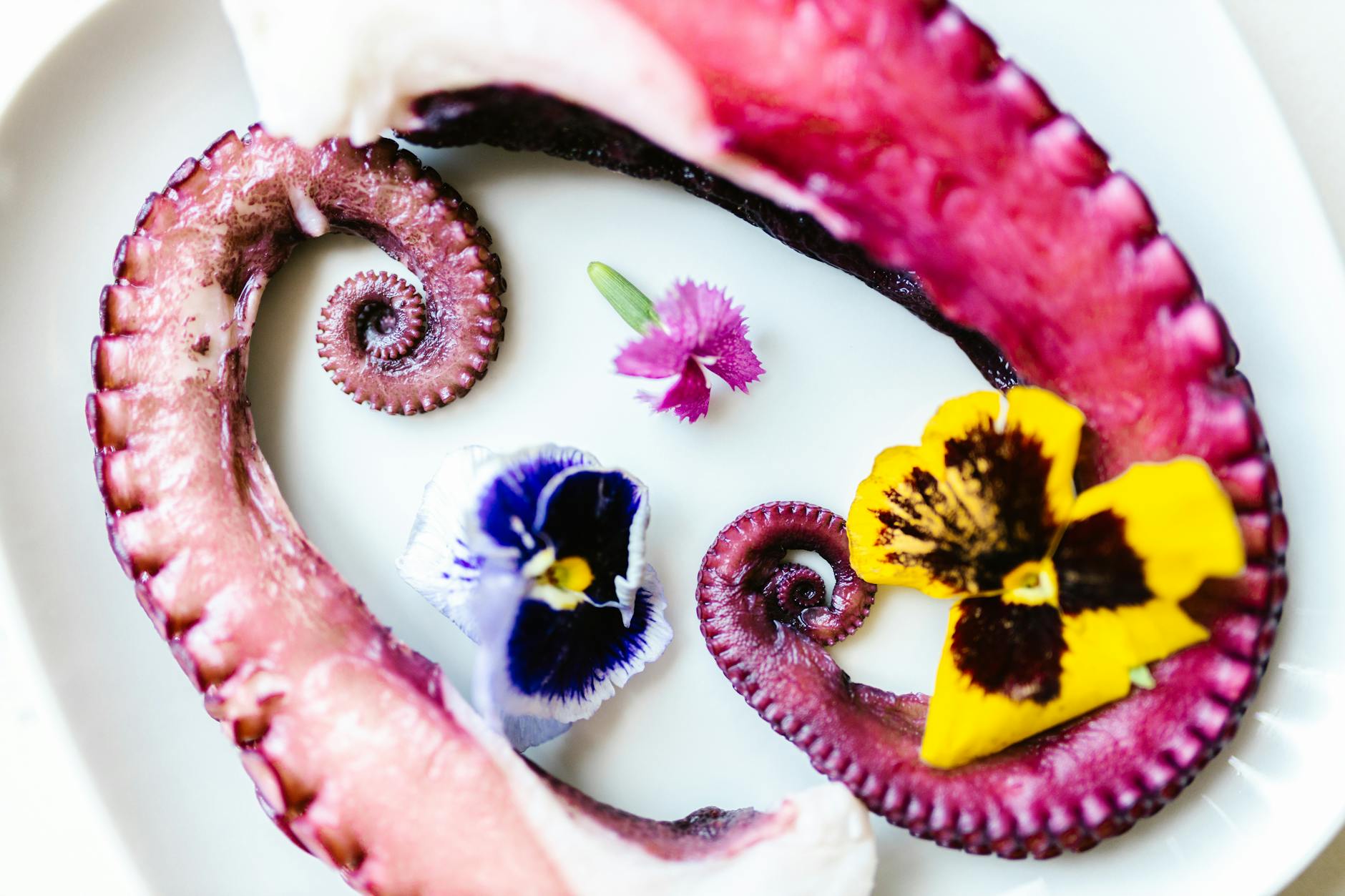
Pansies are arguably the most recognizable edible flowers due to their wide range of colors and distinct markings. They possess a mild and slightly grassy flavor that makes them versatile for both sweet and savory plates. Bakers frequently candy these delicate blooms to decorate cakes and pastries for elegant events. The petals have a soft velvety texture that contrasts pleasantly with crisp green salads or fruit platters. Their durability allows them to hold up well when used as garnishes on cocktails or frosted desserts.
English Lavender
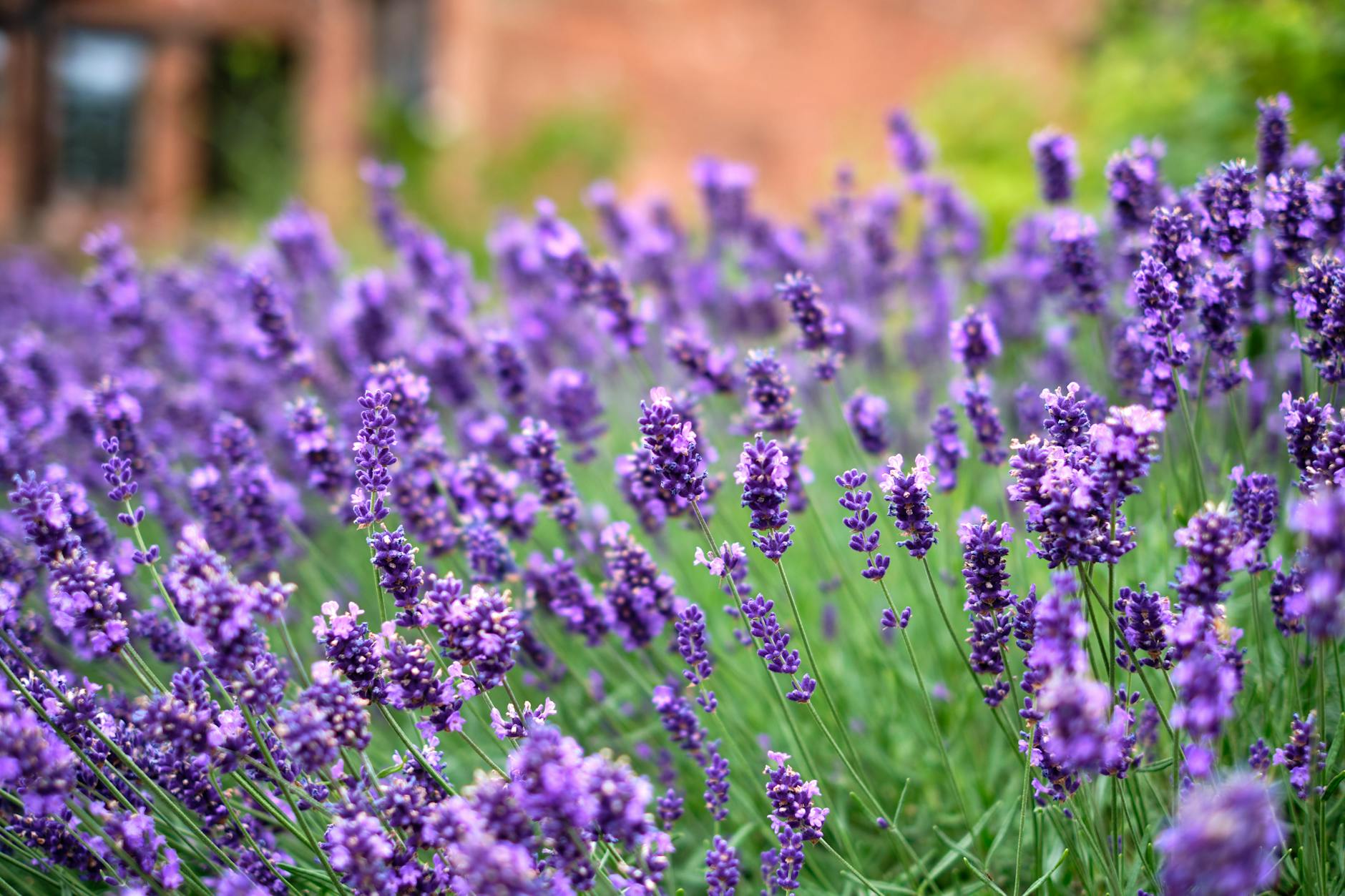
English lavender offers a sweet and floral flavor that immediately elevates baked goods and craft beverages. It is crucial to strip the tiny buds from the stem and use them sparingly to avoid an overwhelming perfume taste. This herb works beautifully when infused into heavy cream for ice cream or sugar for shortbread cookies. Savory dishes like roasted lamb or chicken also benefit from a light sprinkling of fresh or dried buds. The pale purple hue adds a sophisticated aesthetic to sparkling lemonades and champagne cocktails.
Borage
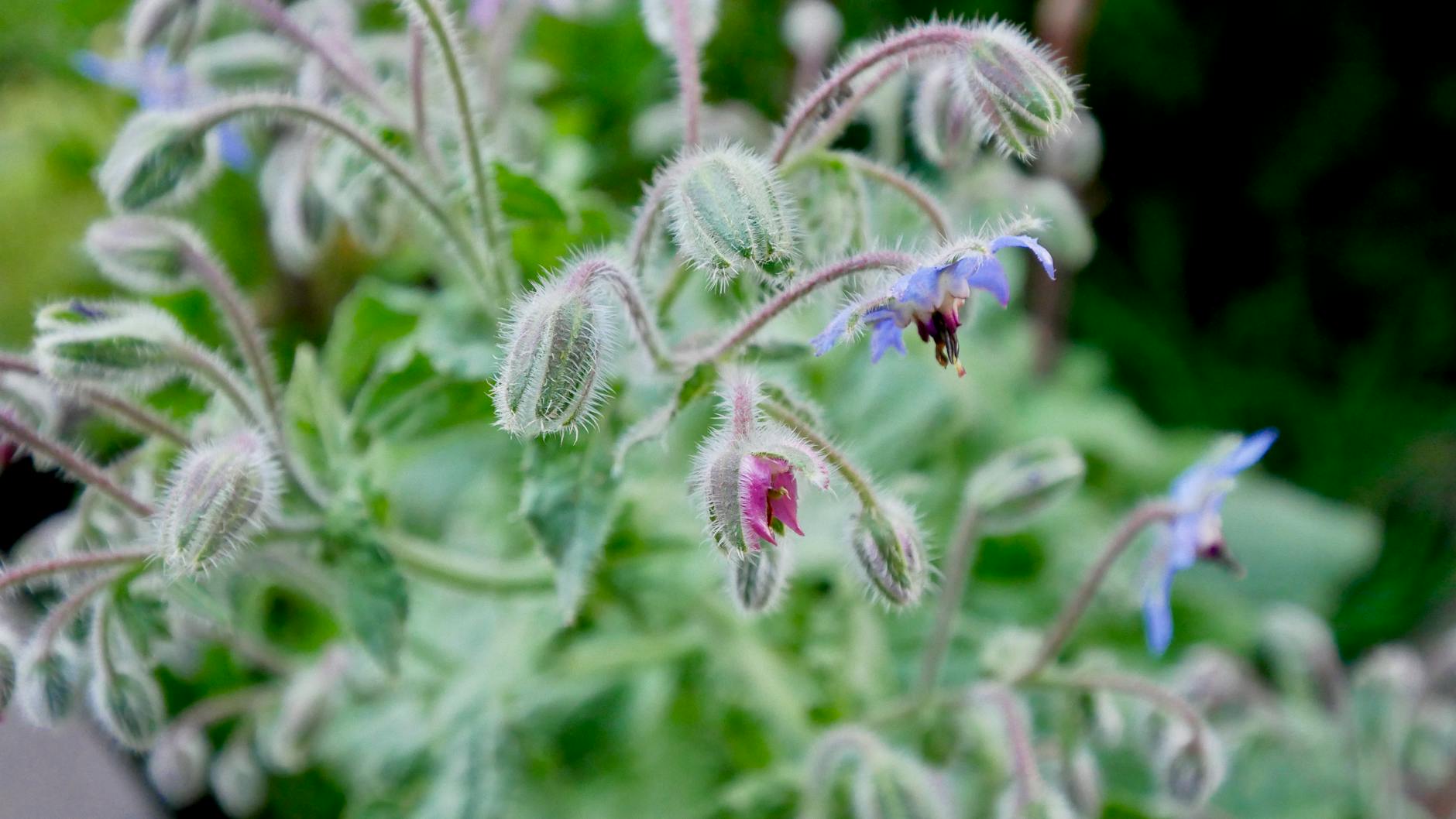
The striking blue star shape of the borage flower makes it a stunning addition to summer drinks and seafood dishes. These petite blooms have a refreshing taste remarkably similar to fresh cucumber. Bartenders often freeze them into ice cubes to create a visually captivating element in gin and tonics or lemon water. They can also be tossed fresh into salads to provide a cool crunch and a splash of color. This plant grows vigorously and provides an abundance of flowers throughout the growing season.
Zucchini Blossom
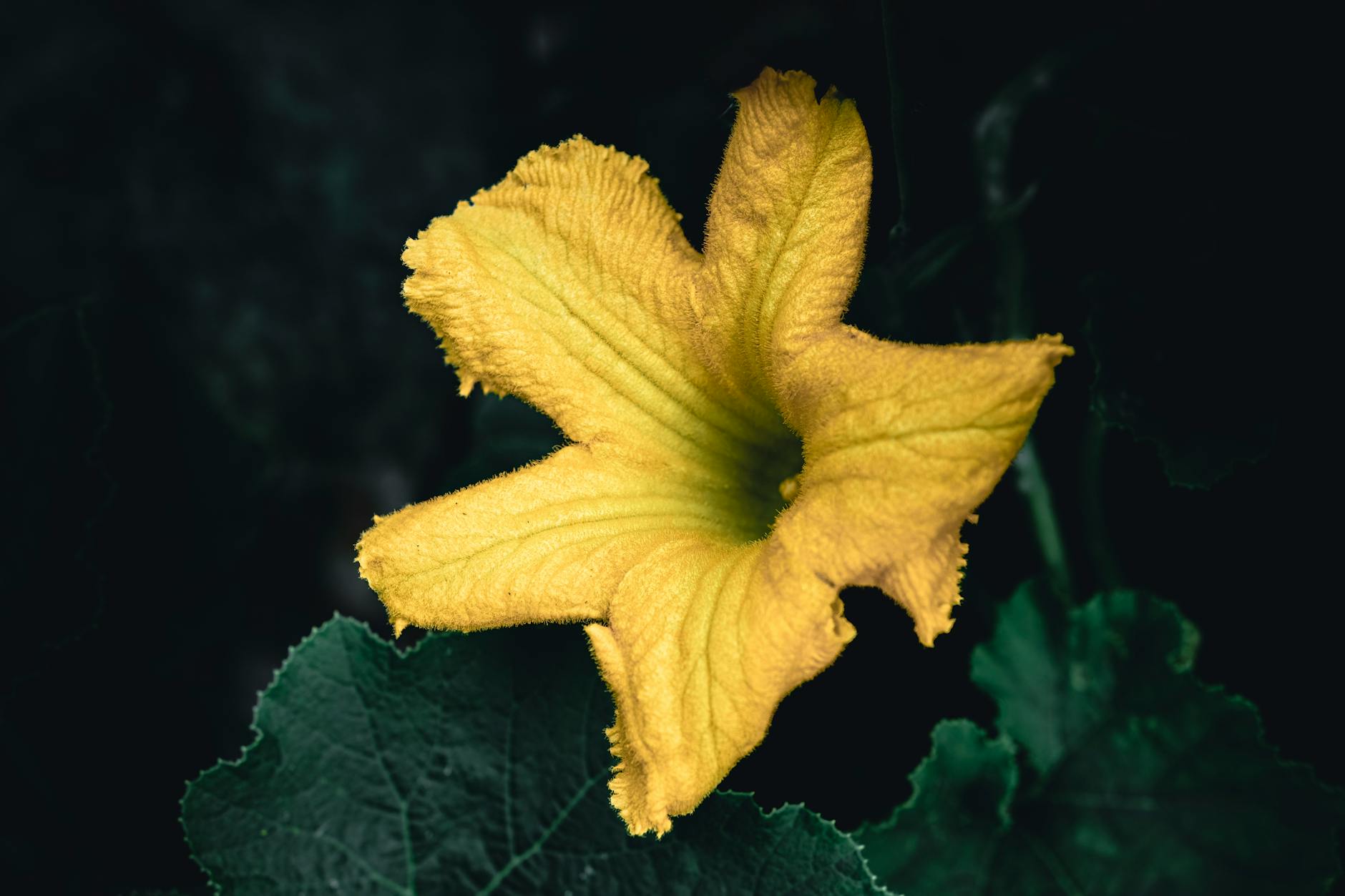
These large yellow and orange blossoms are a staple in Italian cuisine and offer a subtle squash flavor. Cooks typically stuff the delicate petals with ricotta or mozzarella cheese before frying them in a light batter. They are highly perishable and must be used shortly after harvesting to maintain their structure and taste. You can also chop them roughly to add texture and color to pasta sauces or risottos. The male flowers are usually harvested for eating to allow the female flowers to produce the zucchini fruit.
Hibiscus
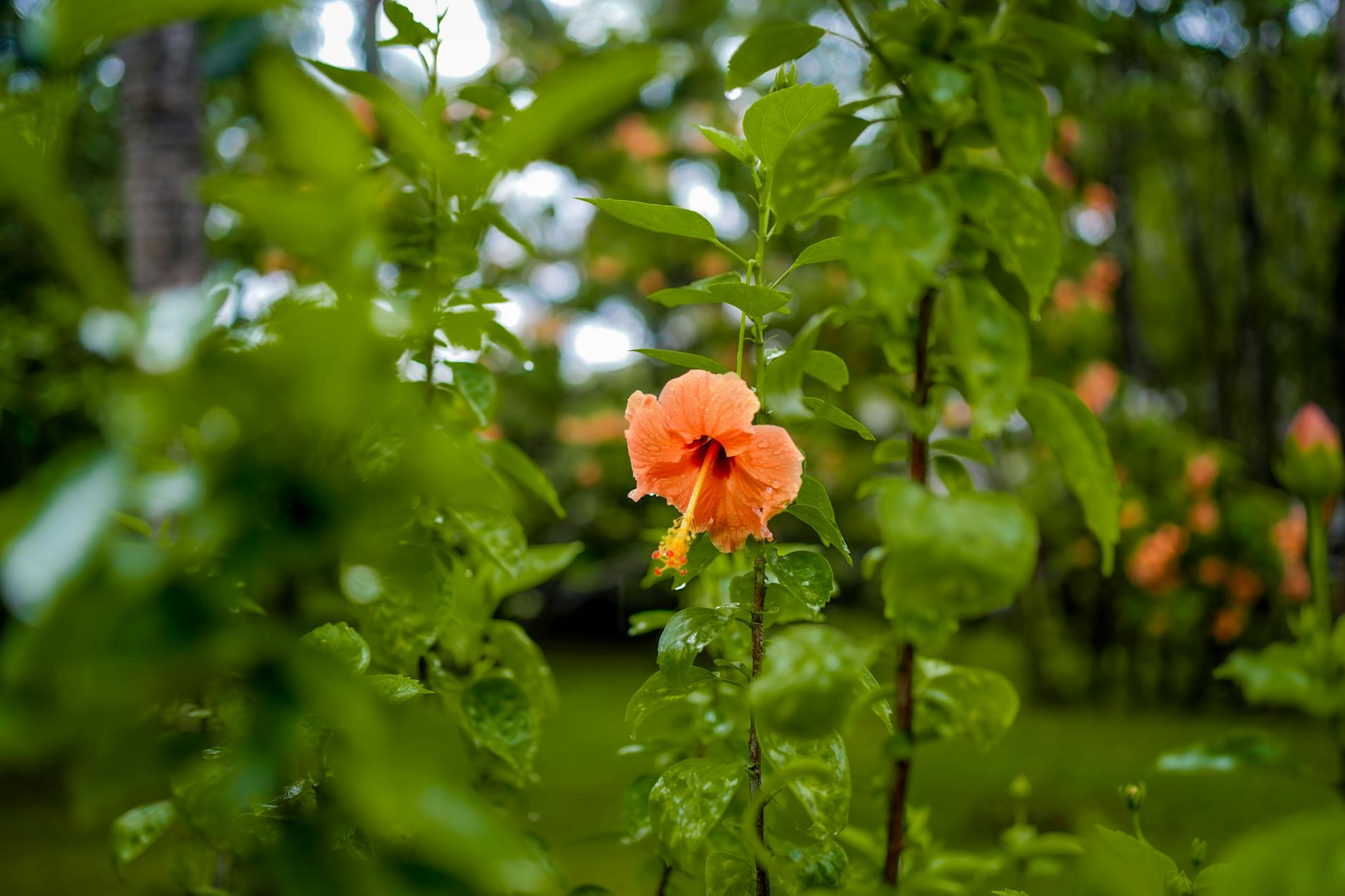
Tropical hibiscus flowers provide a tart and cranberry-like flavor that is popular in teas and refreshing syrups. The large petals can be used fresh in salads or dried to create vibrant red infusions for beverages. Pastry chefs often use the dried calyces to make jams or jellies with a stunning deep crimson color. Their acidic profile cuts through rich desserts like chocolate mousse or cheesecake. You can also find candied hibiscus flowers that serve as an edible vessel for sparkling wine toasts.
Calendula
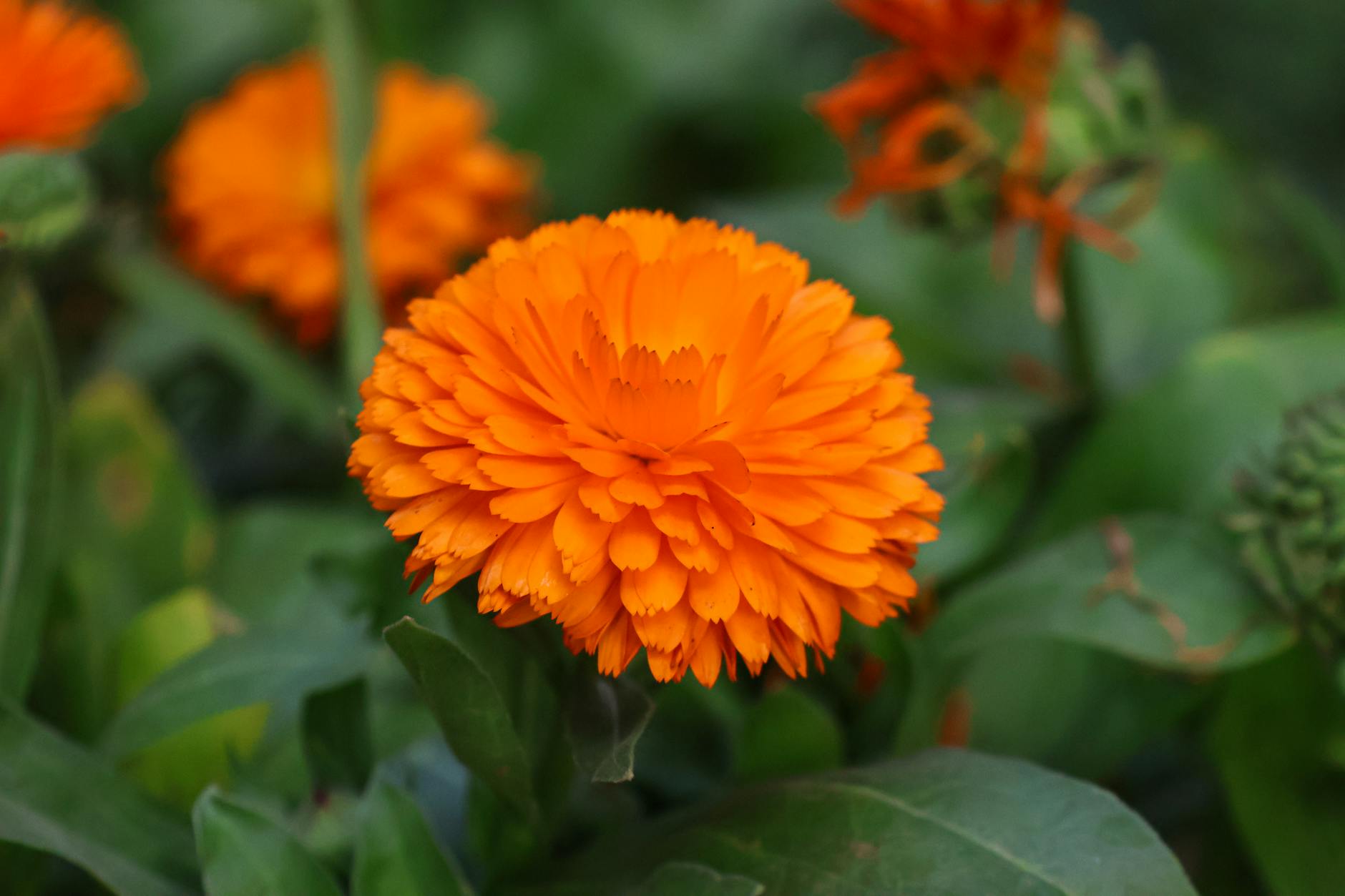
Calendula is frequently referred to as poor man’s saffron because its golden petals impart a lovely yellow hue to food. The flavor ranges from spicy to tangy and adds a complex note to soups and stews. Only the petals are eaten as the center of the flower can be quite bitter. It works exceptionally well when sprinkled over rice dishes or mixed into herb butters for crusty bread. This hardy annual flower is easy to grow and produces blooms that can be harvested all summer long.
Please tell us which of these edible flowers you are most excited to try in your own kitchen by leaving a note in the comments.