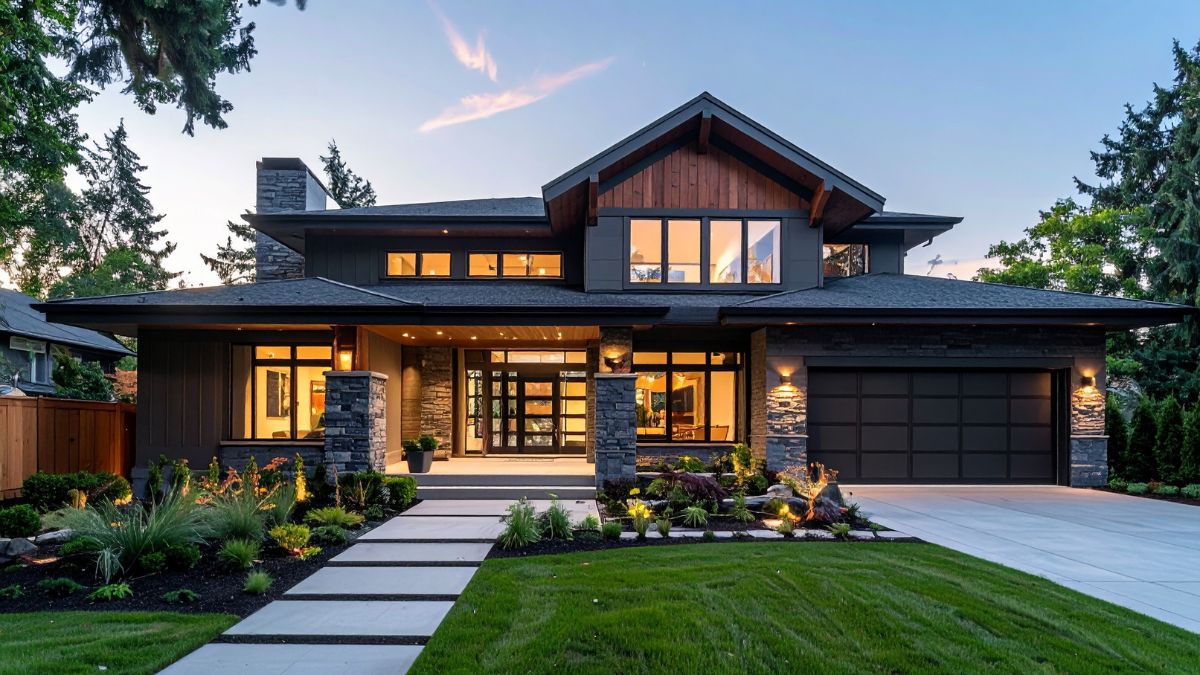
The luxury short-term rental market operates on a level of expectation and accountability that most first-time guests significantly underestimate when they approach a high-end Airbnb booking with the same casual attitude they might bring to a budget hotel stay. Unlike traditional hospitality where anonymity is largely preserved by the transactional nature of the relationship luxury Airbnb hosts maintain detailed guest profiles communicate within networks of fellow hosts and leave reviews that follow a guest across every future booking they attempt to make on the platform. A single stay that goes badly documented in a host’s review can effectively close doors to an entire tier of the rental market permanently and without appeal. Understanding exactly which behaviors trigger that outcome is the most practical form of protection a prospective luxury rental guest can equip themselves with before arriving at a property that someone else calls home.
Unauthorized Guests

Arriving at a luxury rental with more people than were declared in the booking is one of the most reliably documented triggers for immediate termination of a stay and permanent negative review because it represents a deliberate misrepresentation that hosts interpret as the foundation of a dishonest relationship. Luxury properties are insured staffed and prepared based on the number of guests declared at the time of booking and the introduction of additional people without disclosure creates liability exposure for the host that they did not consent to and cannot manage retroactively. Many high-end properties use entry systems keypad logs and internal cameras in common areas that make it straightforward for a host to identify when the number of people entering a property does not match the number declared on the reservation. The guests who are most frequently caught in this situation are those who assumed that the definition of a guest applies only to people sleeping overnight rather than to every person who enters the property during the stay.
Secret Parties

Organizing any gathering that exceeds the declared guest count regardless of whether it is described internally as a party a get-together or a casual social occasion is a violation that luxury hosts treat with particular severity because of the damage liability and neighbor relations consequences that even a small unauthorized event can generate. Luxury rental properties in residential neighborhoods exist within a community context where the host has an ongoing relationship with neighbors local authorities and homeowner associations that a single disruptive event can permanently compromise. Smart home technology including noise monitoring devices decibel sensors and doorbell cameras with motion logging make it significantly easier for hosts to detect unusual activity in real time and many luxury properties now include these systems as standard infrastructure rather than as exceptional surveillance measures. Guests who believe that a gathering of twelve people constitutes something other than a party are applying a definition that no luxury host and no Airbnb terms of service document will support when the resulting damage claim is filed.
Smoking Indoors

Smoking inside a luxury rental property causes damage that is categorically different from any other form of guest-generated mess because tobacco smoke permeates soft furnishings upholstery wall surfaces HVAC systems and structural materials in ways that require professional remediation rather than standard cleaning and that can render a property unrentable for days or weeks following the stay. The financial consequences of a smoking incident for a luxury host include professional ozone treatment replacement of soft furnishings repainting of affected surfaces and lost rental income during the remediation period all of which are recoverable through the damage claim process but none of which compensate for the operational disruption and reputational damage the incident creates. Luxury properties listed on Airbnb almost universally include explicit no-smoking clauses in their house rules and many now use air quality sensors that generate automatic alerts when particulate levels consistent with smoking are detected inside the property. Guests who smoke on a balcony terrace or in a doorway while believing this constitutes compliance with an indoor smoking prohibition are frequently surprised to discover that smoke migration into the interior of a property is treated by hosts and by the platform’s damage adjudication process as equivalent to smoking indoors.
Ignoring Check-Out Time
Treating a luxury rental’s check-out time as a flexible suggestion rather than a contractual obligation creates a cascade of operational problems for hosts whose back-to-back booking schedules involve cleaning crews property inspectors and incoming guests whose arrivals are precisely coordinated around the confirmed departure time. A guest who remains in a luxury property beyond the agreed check-out time without prior authorization is not simply being slightly inconvenient they are directly causing a financial loss for the host who may be required to delay an incoming guest compensate a cleaning crew for waiting time and potentially refund portions of the next booking. The sense of entitlement that leads guests to assume that a luxury price point entitles them to additional time in the property reflects a fundamental misunderstanding of the short-term rental model in which the host’s revenue depends entirely on the precise management of turnover windows between consecutive bookings. Hosts who document late departures report them on guest profiles with a consistency that reflects how seriously the luxury rental community regards departure time compliance as an indicator of overall guest reliability.
Furniture Rearrangement
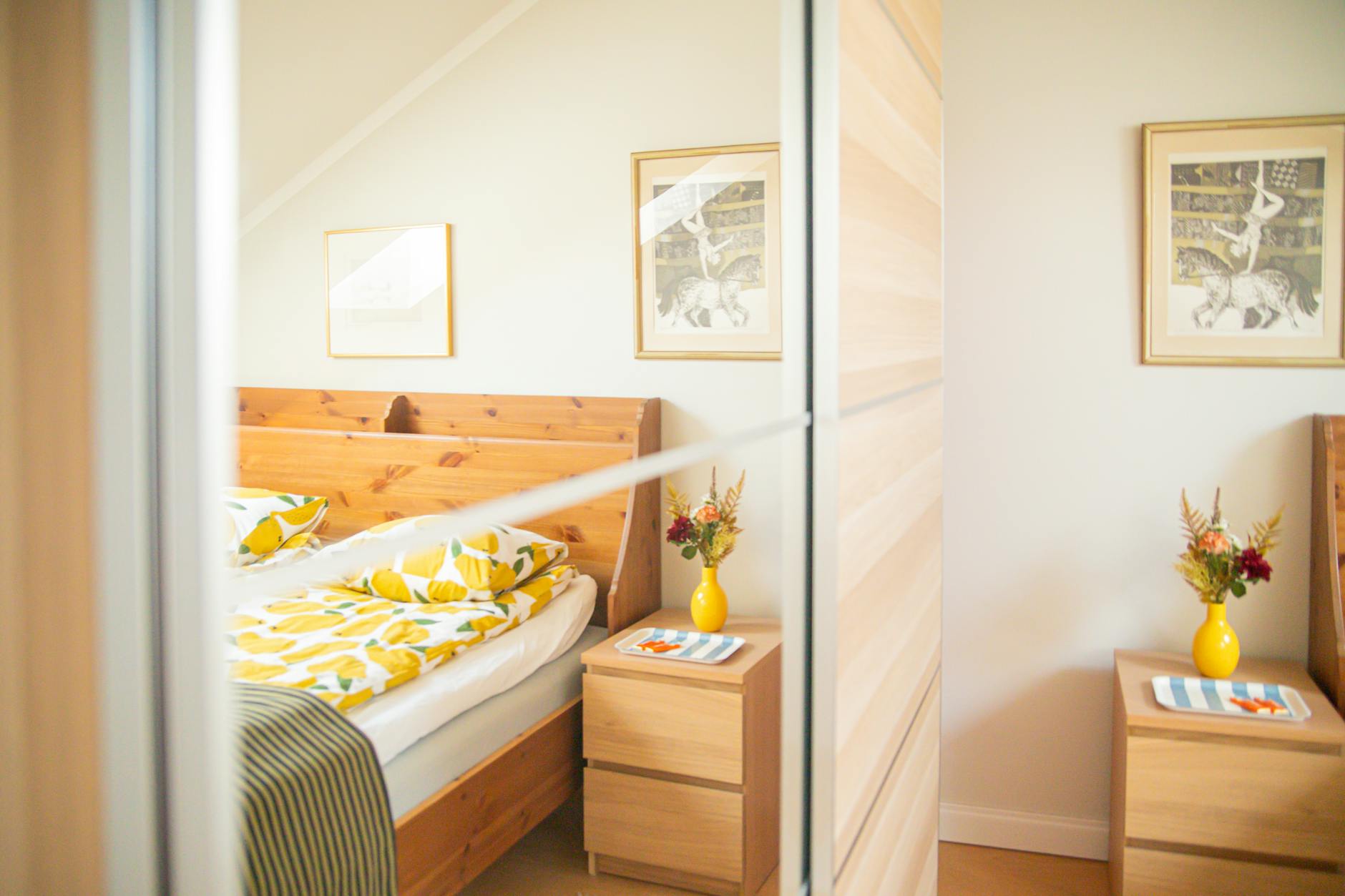
Moving heavy or valuable furniture from its designated position within a luxury rental to accommodate personal preferences creates physical damage risks to both the furniture and the flooring surfaces beneath it and signals to a host conducting a post-stay inspection that the guest treated the property as a personally customizable space rather than as someone else’s carefully designed home. Luxury interiors are frequently the product of significant investment in interior design and the placement of furniture within those interiors is often deliberately calculated for aesthetic proportion traffic flow and the protection of underlying surfaces including hardwood floors natural stone and bespoke rugs. A sofa dragged across a herringbone oak floor a dining table repositioned on a hand-knotted silk rug or outdoor furniture moved indoors without authorization can generate damage claims that significantly exceed the nightly rate of the property and that are entirely recoverable under Airbnb’s host guarantee framework. Guests who feel that a furniture arrangement does not suit their needs are in every case better served by communicating this to the host before arrival than by making unauthorized changes that may not even be noticed by the guest but will be immediately apparent to anyone who knows the property’s intended layout.
Neglecting Pet Rules

Bringing an undisclosed pet into a luxury rental property or allowing a declared pet to access areas of the property designated as pet-free in the house rules is a behavior that generates some of the most expensive and contentious damage claims in the short-term rental space because pet-related damage to luxury materials is both extensive and difficult to dispute. A single dog on a silk upholstered sofa a cat accessing a cashmere throw or a pet with muddy paws crossing a natural stone floor can generate cleaning and restoration costs that dwarf the pet deposit collected at the time of booking and that remain a source of dispute long after the guest has departed. Hosts who accept pets in luxury properties do so with specific conditions attached because the financial risk of pet-related damage to high-value furnishings is one that requires active management rather than good faith compliance from a guest who has already demonstrated they are willing to misrepresent their booking details. Allergic incoming guests who suffer reactions triggered by pet dander left in a property by a previous guest who violated pet restrictions represent a liability consequence of this behavior that extends well beyond the immediate stay in which it occurred.
Hot Tub Misuse

The hot tub at a luxury rental property is among the most expensive amenities to maintain the most frequently damaged by guest misuse and the most likely to generate a health consequence when hygiene protocols are ignored in ways that leave the next guests exposed to bacterial contamination that the cleaning window between stays may not adequately address. Introducing soap bubble bath products glassware food oils or non-approved chemicals into a hot tub filtration system causes pump and filter damage that requires professional servicing and can render the amenity non-functional for multiple subsequent bookings. Exceeding the declared occupancy limit within the hot tub creates both a safety risk and a water chemistry disruption that accelerates the degradation of filtration systems designed around specific load parameters. Hosts who discover glass fragments in a hot tub or evidence of products not approved for use in the system treat it as a deliberate misuse incident rather than an accident because the house rules governing hot tub use in luxury properties are almost universally explicit detailed and impossible to have missed during the booking process.
Kitchen Destruction
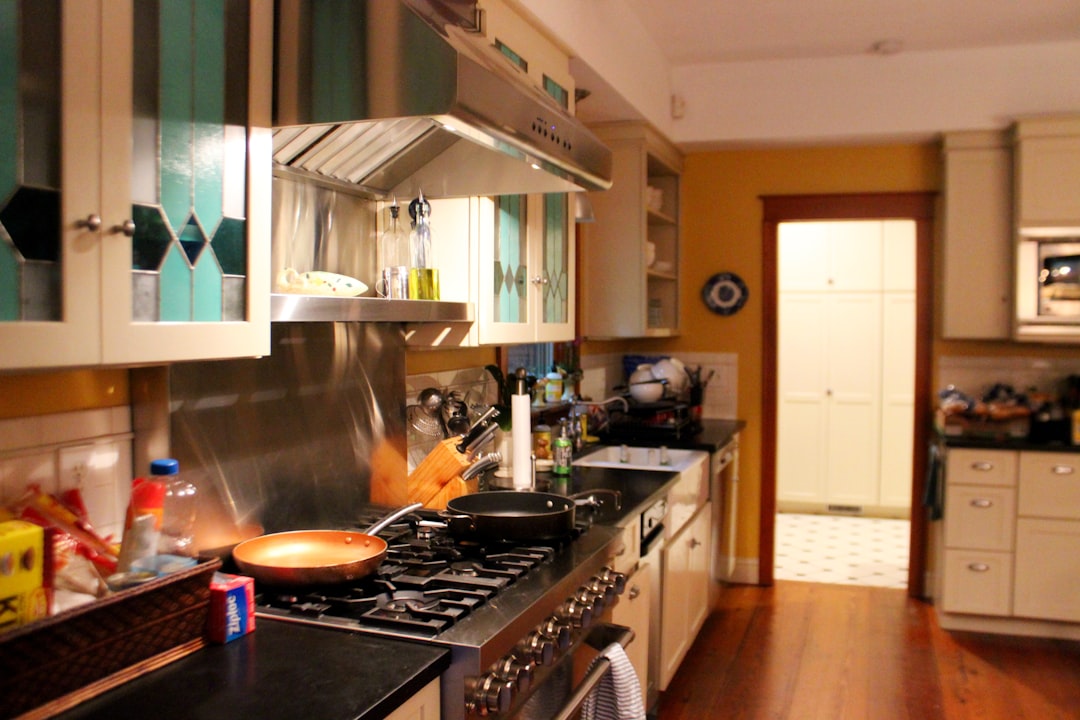
Treating a luxury rental kitchen as equivalent to a commercial catering facility by conducting large-scale food preparation that exceeds what the property’s equipment surfaces and ventilation systems are designed to accommodate is a pattern of misuse that generates damage claims and negative reviews with particular frequency during holiday periods when guests arrive with ambitious cooking plans. High-end kitchen surfaces including natural marble quartz and honed stone are permanently damaged by acidic foods hot cookware placed directly on the surface and cleaning products not approved for use on those materials and the cost of restoration or replacement for a single damaged countertop can exceed the total cost of a multi-night stay. Luxury appliances including professional grade range cookers convection ovens and built-in espresso systems are calibrated for the usage patterns of a private residence rather than the intensive continuous operation of a commercial kitchen and guests who use them beyond those parameters risk generating appliance failures that affect the host’s ability to rent the property to subsequent guests. Leaving a kitchen in a condition that requires more than the standard cleaning included in the booking fee is documented by hosts with photographs that form the basis of damage claims and of the detailed reviews that accompany them.
Noise After Hours

Generating noise that disturbs neighbors or violates local ordinances after the quiet hours specified in a luxury rental’s house rules is a behavior that creates consequences that extend far beyond the immediate guest experience because it threatens the host’s ability to continue operating the property as a short-term rental in a neighborhood where community tolerance is a precondition of the business model. Luxury properties in residential areas operate by informal permission of their neighbors and a single noise complaint that reaches local authority level can trigger a formal investigation into the property’s short-term rental compliance that results in restrictions or revocation of the host’s ability to list the property at all. Smart noise monitoring devices installed in most luxury rentals today generate timestamped decibel readings that provide hosts with objective evidence of the timing and intensity of noise incidents that can be cross-referenced with the house rules the guest agreed to at the point of booking. Guests who believe that a luxury price point entitles them to behave as they would in a hotel without regard for the residential context of the property are operating under a misapprehension that hosts with established community relationships and regulatory exposure will correct through the review and claims process.
Linen Negligence

Using luxury bedding towels and soft furnishings in ways that go beyond normal wear and generate staining damage or deterioration that standard laundering cannot address is a recurring source of conflict in luxury rental stays where the replacement cost of high-thread-count linen monogrammed towels and designer throws significantly exceeds what most guests factor into their expectation of what constitutes fair use. Makeup removal using white luxury towels the use of bedding as outdoor ground cover the introduction of food and colored beverages into bed settings and the use of decorative throws for purposes clearly inconsistent with their function all generate damage that hosts document photographically and pursue through formal claims processes. Luxury hosts who invest in premium linen as a feature of their property’s appeal are particularly sensitized to its condition because it represents both a significant capital investment and a key component of the guest experience they are marketing to subsequent renters. Guests who damage luxury linen and say nothing at check-out routinely discover that the photographic documentation practices of professional luxury hosts make concealment of this category of damage effectively impossible.
Checkout Disappearing Act
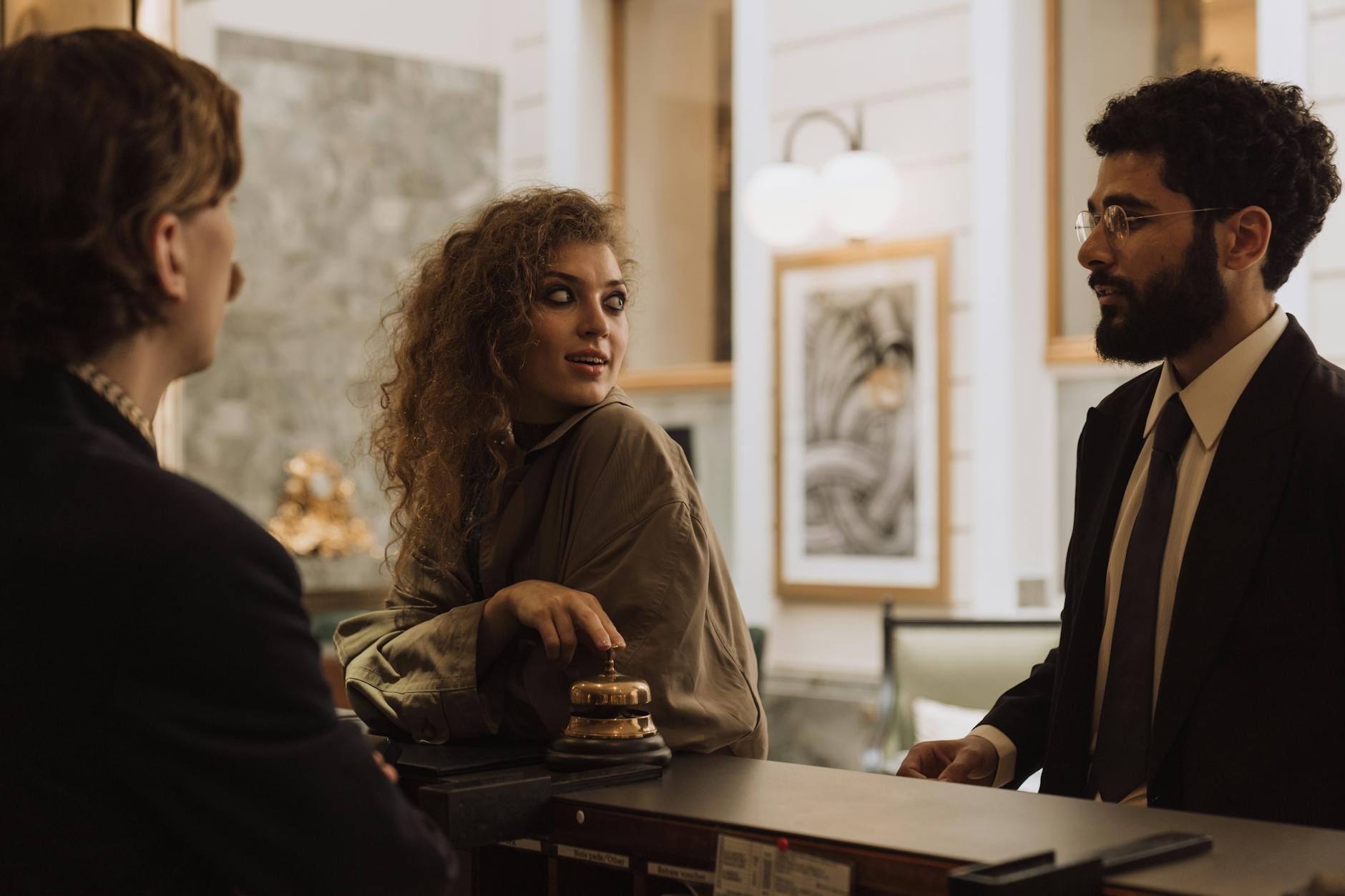
Leaving a luxury rental property without any communication at the point of departure without completing the checkout procedures specified in the house rules and without flagging any incidents that occurred during the stay is a behavior that hosts interpret as a deliberate attempt to avoid accountability rather than as a neutral or acceptable form of departure. Luxury hosts who conduct thorough post-stay inspections immediately following check-out use the documented condition of the property as the basis for damage claims and for the guest review that will accompany every future booking attempt that guest makes on the platform. A guest who communicates openly about an accidental breakage a stain or a minor incident before departing creates an entirely different dynamic with a host than one who leaves without a word and hopes the damage will not be noticed or attributed to their stay. The review that follows a silent disappearing check-out from a luxury property is almost universally more damaging to the guest’s rental profile than any review that follows an honest post-stay conversation about what happened during the stay.
Ignoring House Rules
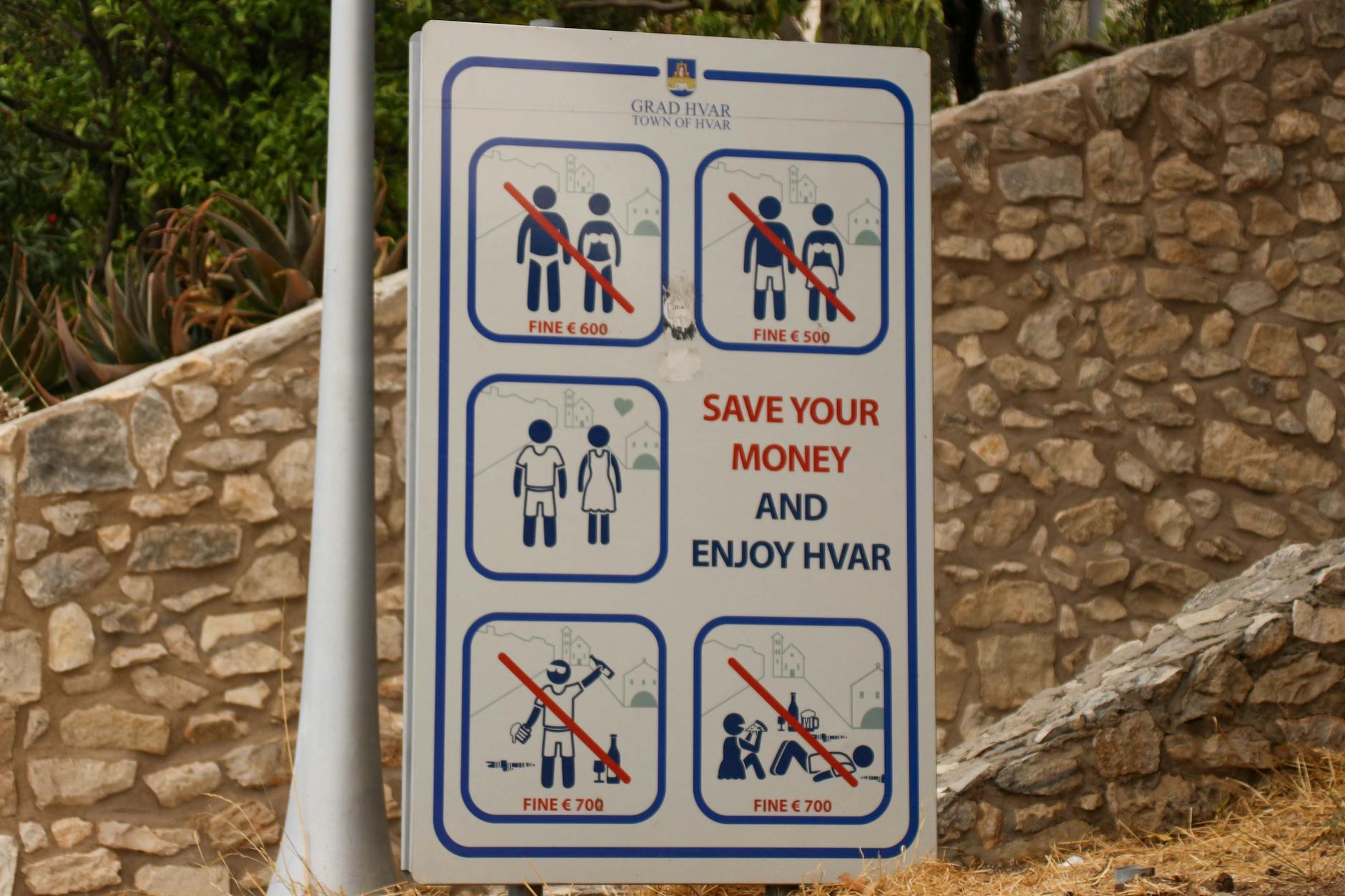
House rules provided by luxury rental hosts are not a generic list of suggestions assembled for liability purposes but a specific set of requirements developed from direct experience managing a high-value property and reflecting lessons learned from previous guests whose failure to observe those rules generated real financial and operational consequences. Guests who skim or ignore the house rules document before arriving treat an agreement they have contractually entered into as optional guidance and place themselves in the position of being unable to claim ignorance when their behavior during the stay is measured against standards they had every opportunity to understand before they arrived. Luxury hosts invest significant time in crafting detailed house rules precisely because the cost of a rule being violated in their property is substantially higher than it would be in a standard rental and their expectation of compliance reflects that investment. The documentation trail created by the Airbnb platform including the timestamp of when a guest accepts a booking and the house rules they acknowledge in doing so makes the claim of not having known the rules one of the least effective defenses available when a damage claim or negative review is subsequently disputed.
Poor Communication
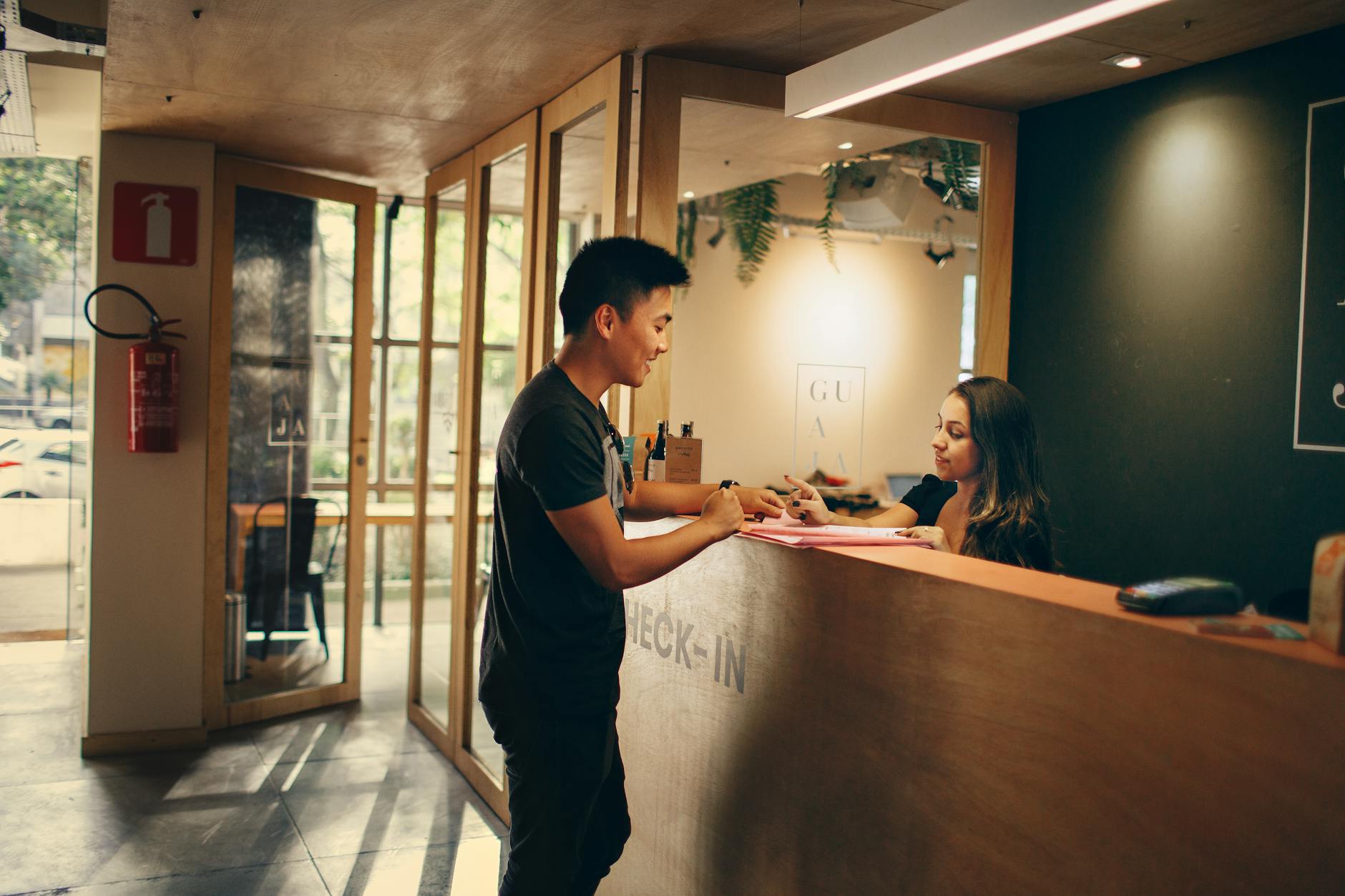
Failing to respond to host communications during a stay ignoring pre-arrival instructions that affect the property’s systems or equipment and not alerting a host to developing issues that require intervention are all behaviors that transform manageable situations into serious incidents simply through the absence of timely information. A slow leak from a bathroom fixture a malfunctioning appliance or a security system anomaly that a guest notices but chooses not to report can escalate into significant property damage during the course of a stay that would have been entirely avoidable if the host had been notified and given the opportunity to arrange a response. Luxury hosts who manage premium properties have typically developed rapid-response networks of maintenance professionals that they can deploy quickly when problems are reported in a timely manner but that become irrelevant when guests make the unilateral decision not to communicate issues they have directly observed. The guest who reports nothing and then mentions in their review that certain things were not working has created a permanent contradiction in the record that hosts cite when their own negative review of that guest’s communication practices is subsequently challenged.
Grilling Restrictions
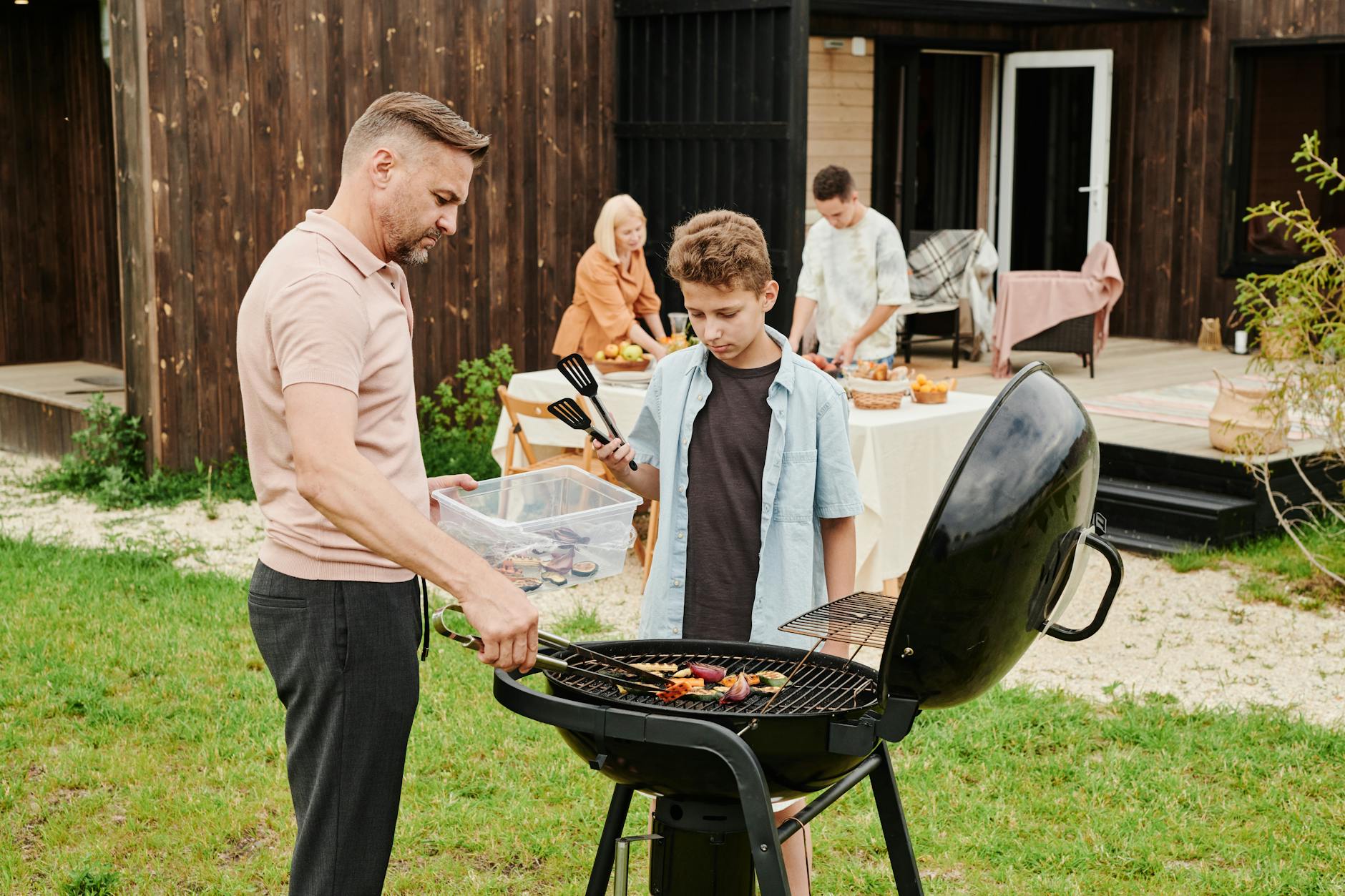
Using a barbecue grill or any open flame cooking device in a location or manner prohibited by the house rules of a luxury rental is a behavior that generates insurance liability consequences fire safety risks and neighbor relations issues that hosts regard as among the most serious categories of rule violation that occur during a stay. Luxury properties in fire-prone geographic areas or in residential settings with specific local regulations around open flame use include grill restrictions for reasons that are legally and financially consequential to the host rather than as expressions of personal preference about cooking methods. Guests who use a gas or charcoal grill on a wooden deck near structural elements of a property or in a position that directs smoke toward neighboring properties are creating liability exposure for a host who had no knowledge of and gave no consent to the activity taking place. The combination of property damage potential neighbor relations consequences and insurance implications makes unauthorized grilling one of the behaviors that luxury hosts document most carefully and report most consistently within the host community networks where guest reputation information is shared.
Excessive Utility Use
Operating the heating cooling or hot water systems of a luxury rental in ways that significantly exceed the parameters of normal residential use such as setting pool heaters to maximum temperature running multiple showers continuously or operating air conditioning at extreme settings while leaving windows and doors open creates utility costs that hosts in markets where utilities are included in the nightly rate absorb directly as an operating loss. Some luxury hosts have moved to utility-inclusive pricing models that assume normal residential consumption levels and guests who dramatically exceed those levels are effectively extracting value from the booking that was not priced into the agreement. Smart home energy monitoring systems installed in luxury properties allow hosts to track energy consumption in real time and to identify usage patterns that deviate significantly from baseline residential norms for the property during the post-stay accounting period. Guests who treat the inclusion of utilities in a luxury rental as an invitation to use those systems without any consideration for reasonable limits are engaging in a form of resource extraction that hosts document and factor into reviews and future booking decisions.
Vendor Access Without Permission
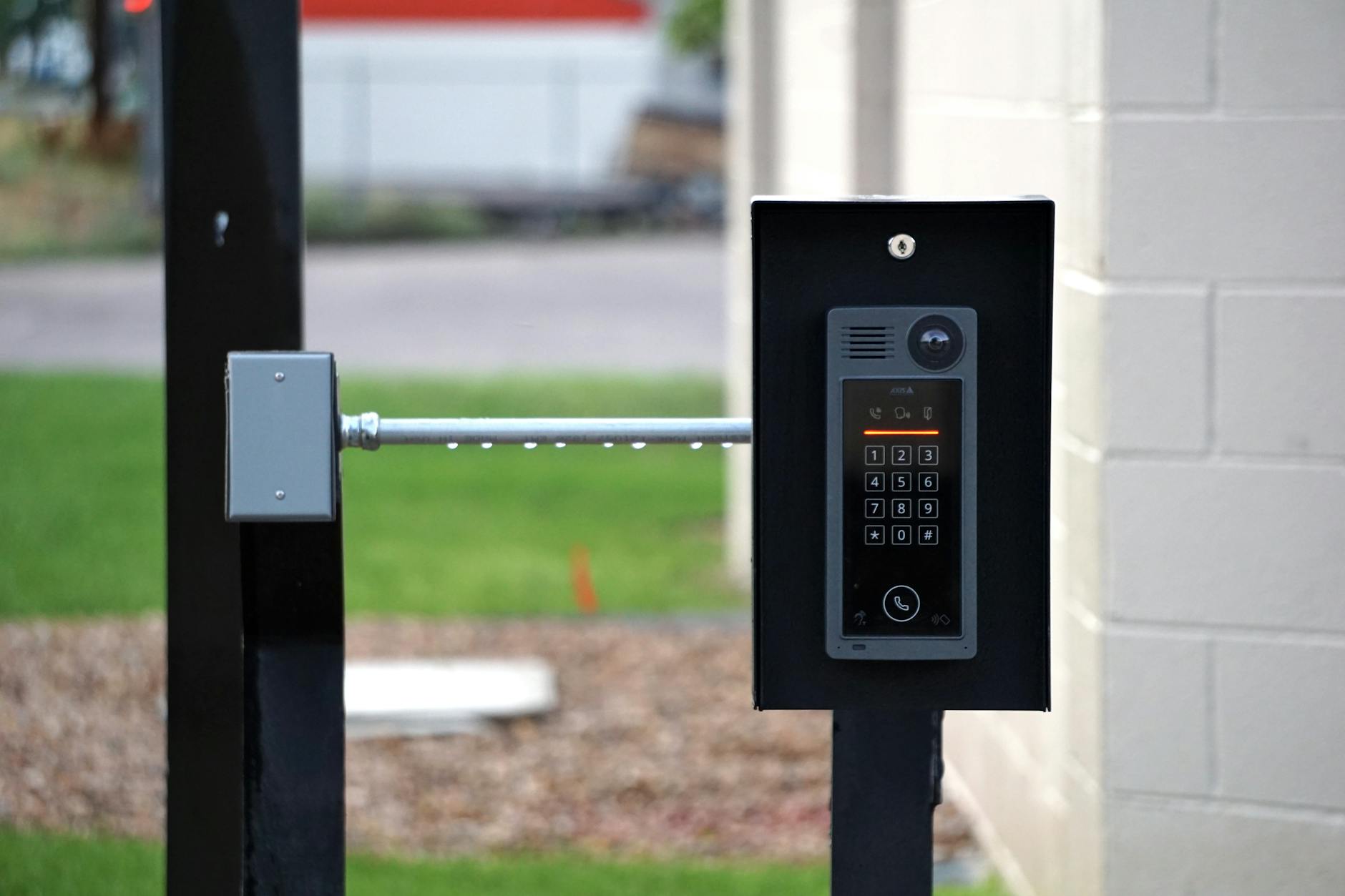
Arranging for external vendors service providers delivery personnel or contractors to access a luxury rental property during a stay without the explicit prior knowledge and consent of the host is a security and liability violation that undermines the access control systems that luxury hosts rely on to protect their property and their neighborhood relationships. A host who has provided access credentials to a guest for the duration of their stay has not implicitly authorized the guest to share those credentials or that access with any third party whose identity background and purpose the host has had no opportunity to assess. Luxury properties in gated communities managed buildings or neighborhoods with active security arrangements may have explicit rules about visitor authorization that a host is contractually required to enforce and whose violation creates consequences that extend beyond the Airbnb platform itself. Guests who arrange grocery deliveries private chef visits massage therapists or any other service provider at a luxury rental without informing the host are making a unilateral decision about access to someone else’s home that the host is entirely entitled to treat as a material breach of the rental agreement.
Decorating Without Permission
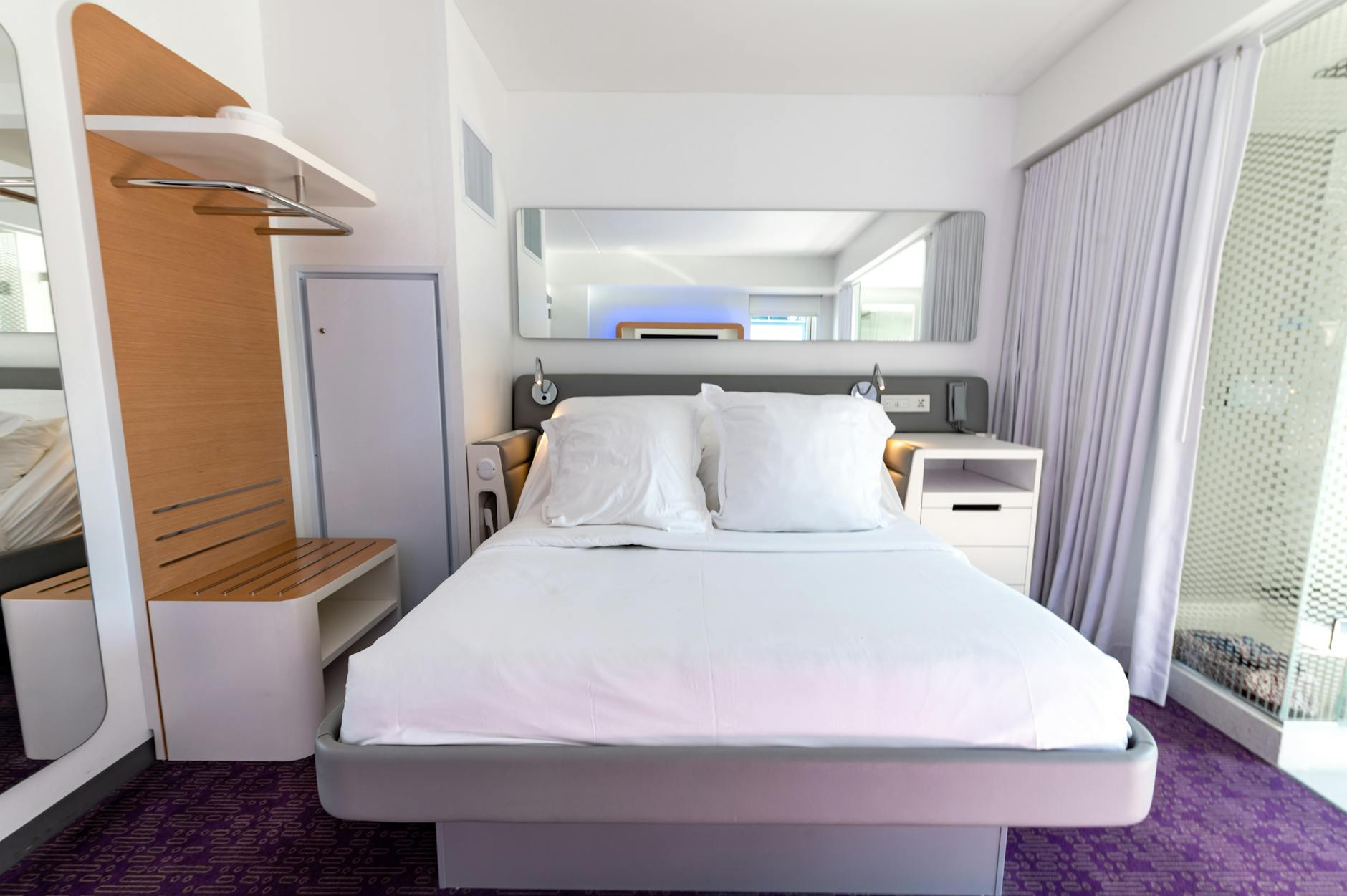
Attaching decorations to walls ceilings or structural elements of a luxury rental using adhesives tapes hooks or any fixing method without explicit host permission is a behavior that generates surface damage disproportionate to the apparent triviality of the activity and that hosts encounter with particular frequency during celebratory stays including birthdays anniversaries and bachelorette weekends. The painted plaster walls natural stone surfaces bespoke wallcoverings and artisan finishes found in luxury rental properties are damaged by even products marketed as removable because the adhesive chemistry of those products is calibrated for standard painted drywall rather than for the premium materials used in high-end residential interiors. A guest who attaches a balloon arch to a freshly lacquered wall covering or fixes a banner to a hand-applied plaster surface using double-sided tape has created a damage claim that will cost significantly more to remediate than the decorations themselves cost to purchase. Hosts who find evidence of decoration attachment during the post-stay inspection report it with photographs and pursue the remediation cost through formal claims regardless of whether the guest genuinely did not anticipate that the activity would cause damage.
Stealing Amenities

Removing items from a luxury rental property that are provided for use during the stay but that clearly belong to the property including toiletries decanted into the property’s own branded containers artwork books decorative objects kitchen equipment or branded towels and bathrobes is a behavior that hosts track through post-stay inventory checks conducted as a standard element of the luxury property management process. The financial value of individually stolen items is rarely the primary concern for a luxury host who encounters this behavior because the replacement cost of most amenity items is relatively modest compared to the nightly rate of the property. The behavior is treated seriously because it reveals a disposition toward the property that undermines the trust relationship that luxury hosting depends upon and because it is one of the most straightforward behaviors to document and report through the platform’s claims and review systems. Guests who take items they genuinely believed were included as gifts of the stay rather than as amenities are better served by asking the host directly before departure than by assuming and discovering through a damage claim notification that their assumption was incorrect.
Aggressive Review Behavior

Threatening a luxury host with a negative public review as leverage to obtain a refund a complaint resolution or a waiver of a damage claim is a behavior that the Airbnb platform specifically prohibits and that hosts in the luxury segment document and report with a consistency that reflects how seriously review integrity is regarded in a market where reputation is the primary currency of both host and guest. A guest who communicates either explicitly or implicitly that their review outcome is contingent on the host’s response to a dispute has converted the review system from a genuine feedback mechanism into an extortion tool and hosts who receive such communications are trained by industry networks to document them carefully and report them immediately to the platform. The luxury rental host community is a smaller and more interconnected network than the broader Airbnb ecosystem and information about guests who engage in review manipulation circulates through that network with a speed and thoroughness that guests who attempt the strategy consistently underestimate. A negative review from a host that notes concerns about a guest’s communication style during a dispute is one of the most durable obstacles to future luxury rental bookings because it signals to other hosts the specific type of post-stay dynamic they can expect from that guest.
Disrespecting Neighbors
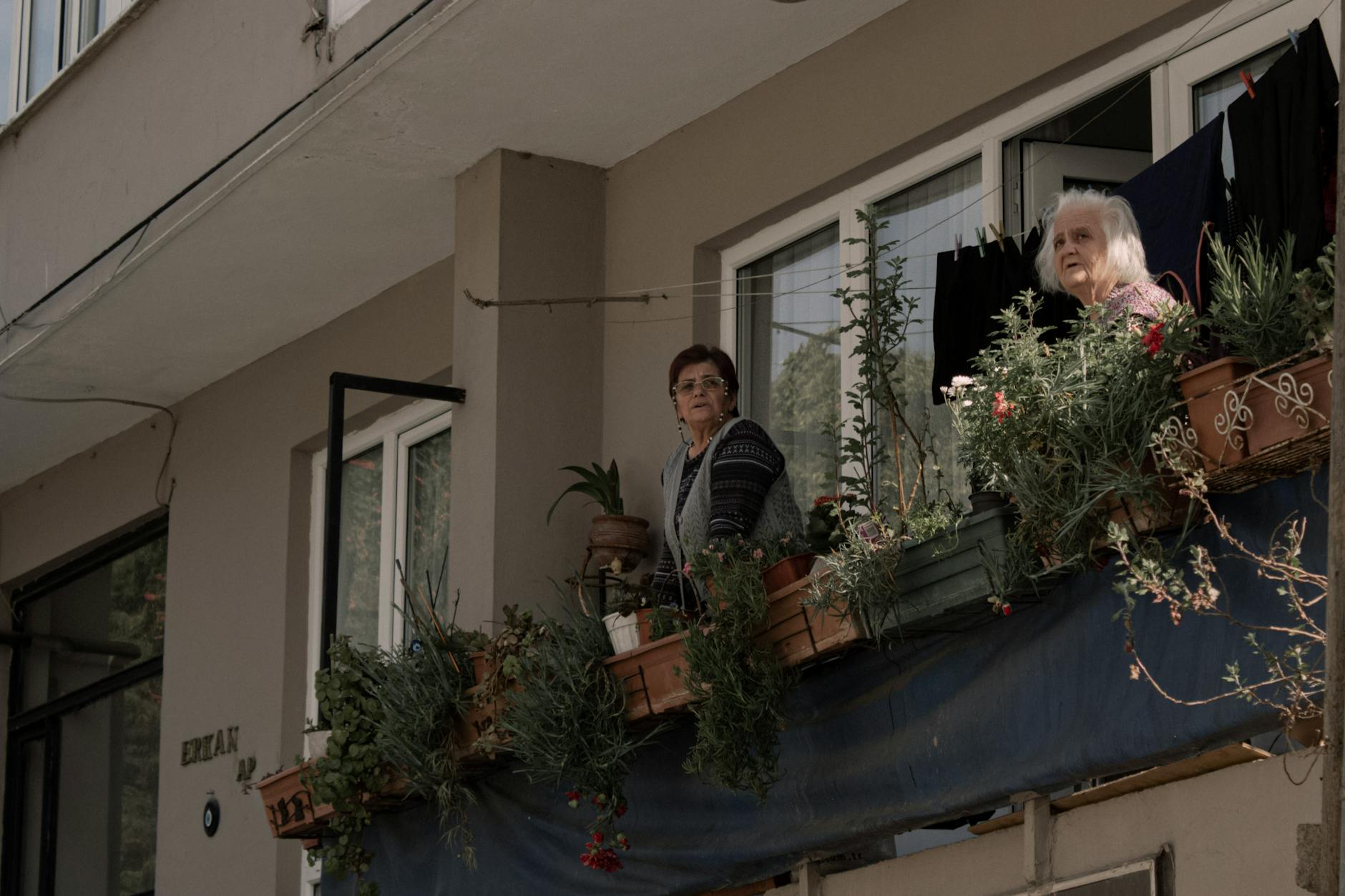
Behaving in ways that create conflict with the neighbors of a luxury rental property whether through noise boundary violations verbal confrontations or the obstruction of shared access points damages a relationship that the host has invested significant effort in maintaining and that is essential to the long-term viability of the rental operation. Luxury properties in residential settings exist within a social fabric that the host navigates continuously and a guest who damages that fabric during a weekend stay may create consequences for the host that persist for months or years after the guest has long forgotten the interaction. Neighbors who contact a host to report guest behavior during a stay become part of the documented record of that stay and their account combined with any platform communications from the guest creates a comprehensive picture that hosts use when writing post-stay reviews. Guests who interact with the neighbors of a luxury rental with the same consideration they would apply to interactions with the neighbors of their own home create no problems in this area and those who do not are consistently and accurately identified in the host community as guests who should not be welcomed back.
Ignoring Emergency Procedures
Failing to familiarize with the emergency procedures documented in a luxury rental’s welcome guide including the location of fire extinguishers emergency exit routes circuit breaker panels and water shut-off valves creates a situational unpreparedness that transforms manageable incidents into serious ones simply through the absence of basic knowledge that the host has specifically provided. A guest who does not know where the water shut-off valve is located when a bathroom fitting begins leaking will allow water damage to develop for significantly longer than a guest who can respond immediately because they read the information provided at check-in. Luxury hosts who create detailed welcome guides and emergency information documents do so because they have either experienced or anticipated the specific scenarios those documents address and their provision represents a genuine attempt to equip guests with the knowledge needed to protect the property in the host’s absence. Treating the welcome guide as optional reading material rather than as essential operational information about the property being temporarily occupied is a form of negligence that has measurable consequences when something goes wrong during a stay and the guest is unable to respond effectively.
Subletting to Strangers
Re-renting a luxury property through another platform or by direct arrangement to people who were not part of the original booking is a behavior that violates Airbnb’s terms of service creates unauthorized access to a host’s property exposes the host to unvetted liability and represents a form of commercial exploitation of someone else’s asset that the luxury rental community regards as one of the most serious breaches of guest conduct possible. A host who has accepted a booking from a verified guest with an established review history and who then discovers that the property was occupied by entirely different people whose identity and background they had no opportunity to assess has been subjected to a deception that goes significantly beyond ordinary rule violations. The financial motive for this behavior typically involves a guest booking at a preferential rate and then subletting at a premium capturing the margin between the two rates at the host’s expense and without the host’s knowledge or consent. Platform detection of subletting behavior has become increasingly sophisticated through the cross-referencing of booking patterns communication content and property access logs and guests identified as having engaged in subletting face permanent removal from the platform rather than the profile notation that less serious violations generate.
Photographing Private Spaces

Taking photographs or video content of a luxury rental property’s interior for publication on social media or for any commercial purpose without the explicit prior written consent of the host is a violation of the host’s intellectual property rights privacy expectations and in many jurisdictions their legal rights regarding the reproduction and commercial use of images of their private residence. Luxury properties that appear in guest social media content without authorization can attract unwanted attention from individuals who use publicly shared location data and interior images to identify and target high-value properties. Hosts who have invested in distinctive interior design custom art installations or architectural features that represent commercially valuable intellectual property treat unauthorized photography of those features as a matter requiring formal response rather than as an incidental overstep. Guests who wish to share content from a luxury stay and who obtain explicit host consent before doing so almost never encounter any objection because the distinction between a guest who asks and one who simply publishes is the distinction between respect for someone else’s home and the assumption that paying to stay somewhere confers unlimited rights over how it is represented publicly.
If any of these habits have surprised you or if you have a luxury rental experience of your own to share add it in the comments.