The brief moment a delivery driver spends at your front door is longer than most people realise, and the sight lines from a doorstep into a home can be surprisingly revealing. Large windows, glass panels in front doors, open hallways, and low blinds create unobstructed views into living rooms, kitchens, and corridors that most residents never think about from the outside looking in. Delivery drivers knock on dozens of doors every single day and the cumulative portrait of domestic life they witness is far more candid than homeowners would ever choose to present intentionally. Understanding what is visible from the doorstep is the first step toward deciding what level of visibility you are comfortable with.
Unmade Sofa Beds
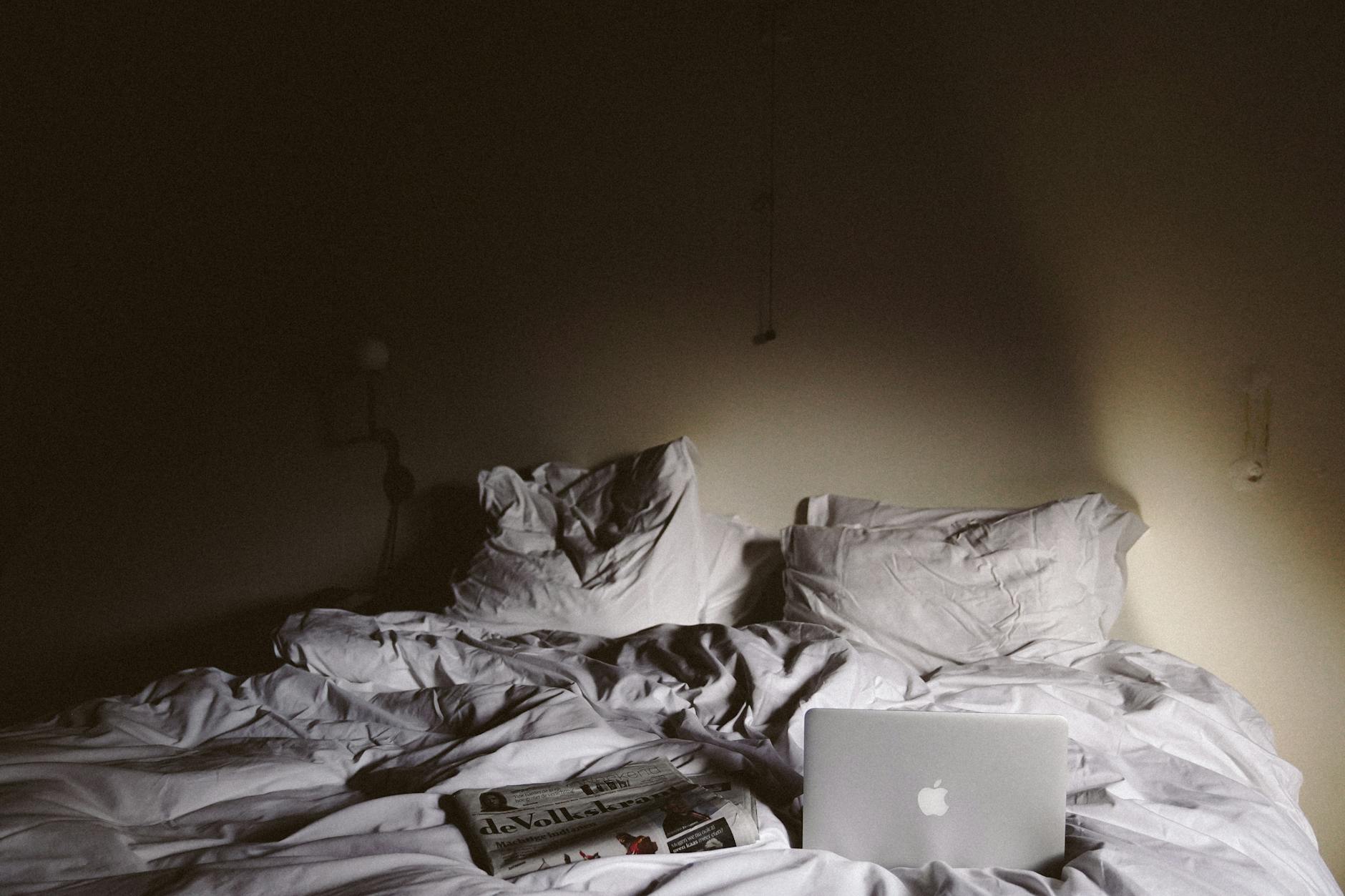
A sofa bed left open and unmade in a front-facing living room signals to anyone at the door that the room serves a sleeping function that the household has not had time to conceal before the doorbell rang. Sofa beds are commonly used when a home’s sleeping arrangements do not match its number of occupants which can suggest financial pressure, relationship changes, or overcrowding to an observant stranger. Tangled bedding, a pillow still bearing the impression of a head, and personal items scattered around the extended mattress create a particularly intimate domestic snapshot. Many residents are unaware of quite how directly visible the living room is from the front step until they stand outside their own home and look in.
Overflowing Laundry
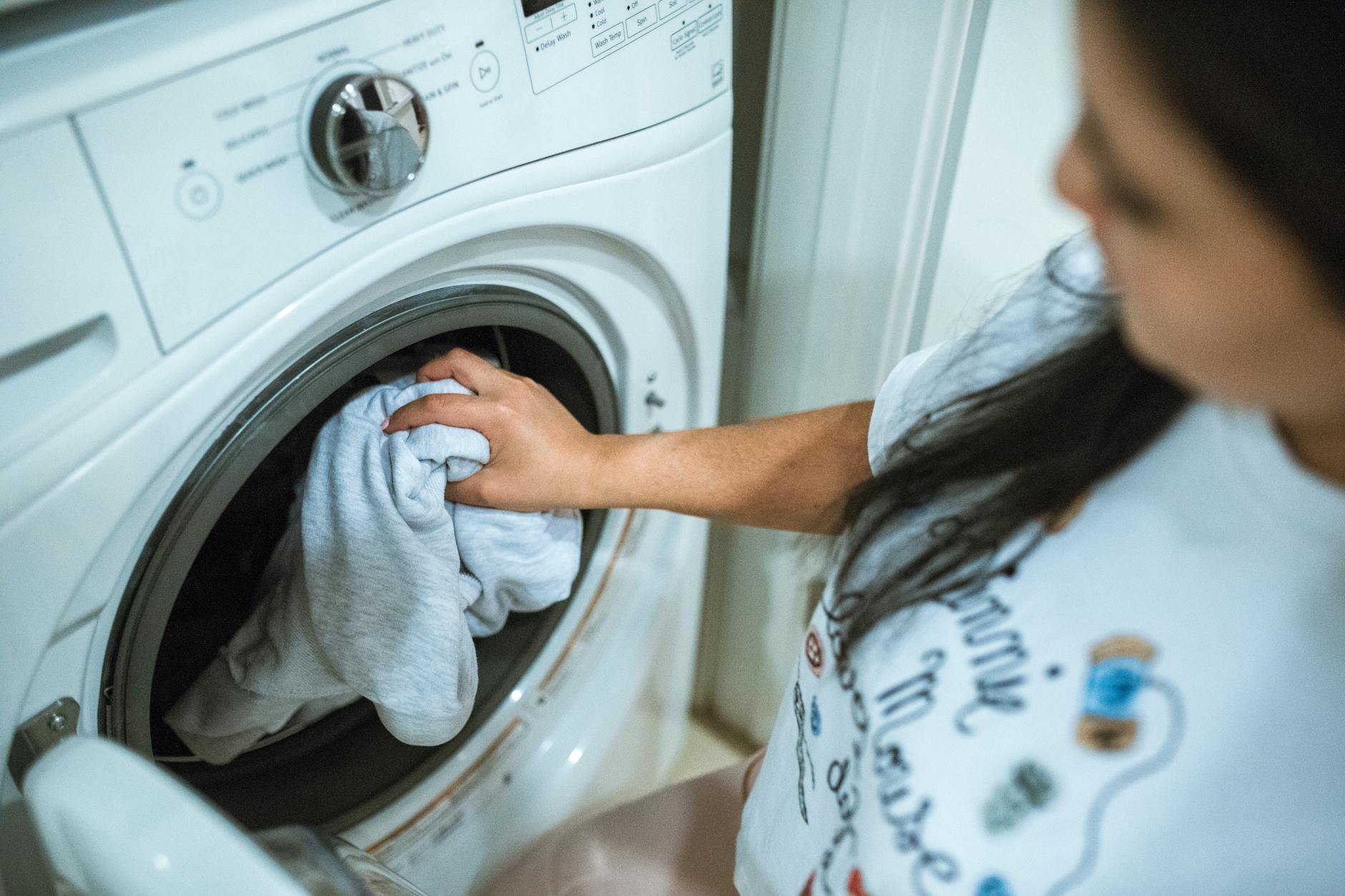
A laundry pile that has grown beyond the basket and spread across a chair, sofa arm, or floor is one of the most universally recognised symbols of a household that has fallen behind on domestic tasks. Delivery drivers arriving at the door have a natural eye-level view through hall windows or glass door panels that frequently lands directly on whatever is happening in the nearest room. Laundry that includes underwear, swimwear, or medical garments adds a layer of personal exposure beyond the general impression of domestic chaos. The irony is that laundry tends to accumulate most visibly in the rooms closest to the front door precisely because those rooms are convenient dropping points for items brought in from outside.
Exercise Equipment Graveyard
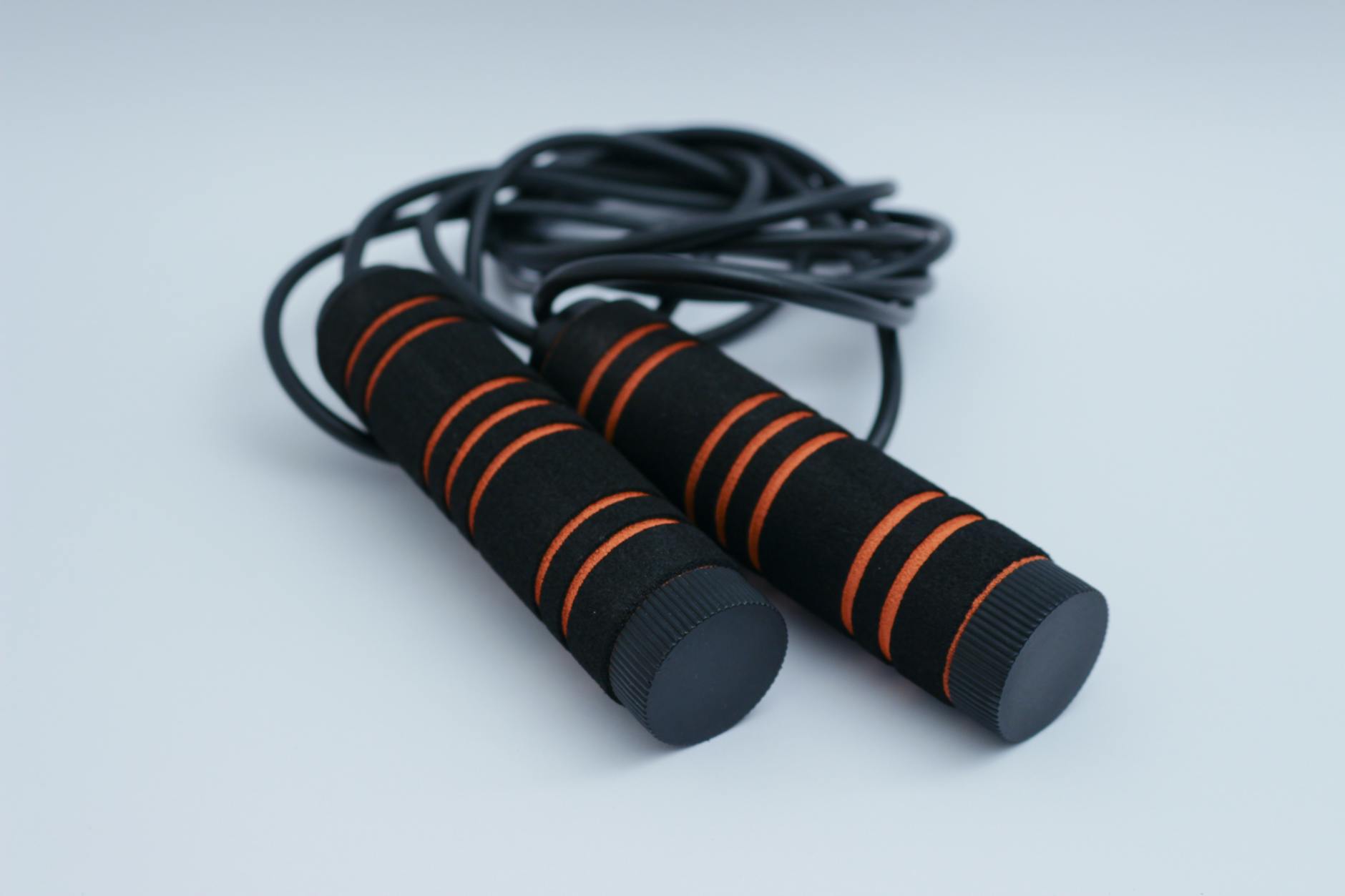
A collection of exercise equipment that has clearly not been used for its intended purpose in some time creates a particular kind of domestic narrative visible from the doorstep. Treadmills serving as clothes rails, resistance bands draped over a chair, and a stationary bike partially obscured by shopping bags communicate a universal human relationship with fitness ambitions versus fitness reality. The equipment itself is not embarrassing but the visible gap between its intended purpose and its actual function tells a story that most people would prefer to tell on their own terms. Front rooms used as informal storage for fitness equipment are especially visible in homes with large bay windows that face directly onto the approach path.
Visible Screens

A television, laptop, or tablet screen visible from the doorstep displaying content that the resident did not intend for public viewing creates a moment of mutual awkwardness for both the driver and the homeowner opening the door. Streaming service thumbnails, paused video calls, open social media feeds, and adult content platforms are all large enough on modern screens to be identifiable from several metres away through a window. The angle of a screen relative to the front window is something most people arrange for their own viewing comfort without considering the external sight line. Repositioning screens so that they face away from windows and entrance points is a straightforward privacy adjustment that most households never make.
Relationship Paraphernalia

Visible evidence of romantic activity including wine glasses left on a coffee table with two different lipstick marks, a discarded bouquet still in its cellophane, rose petals on the floor, or candles burned down to their bases creates an intimate domestic portrait for whoever happens to be at the door. These items are not inherently embarrassing but they do communicate personal circumstances that most people would prefer to disclose selectively rather than display to every caller. A delivery driver arriving at an unexpected time may encounter a scene that tells a more detailed story about the household’s personal life than anyone inside has considered. Front-facing rooms used for romantic occasions are particularly exposed in homes where the main living area sits directly behind the entrance.
Medical Equipment
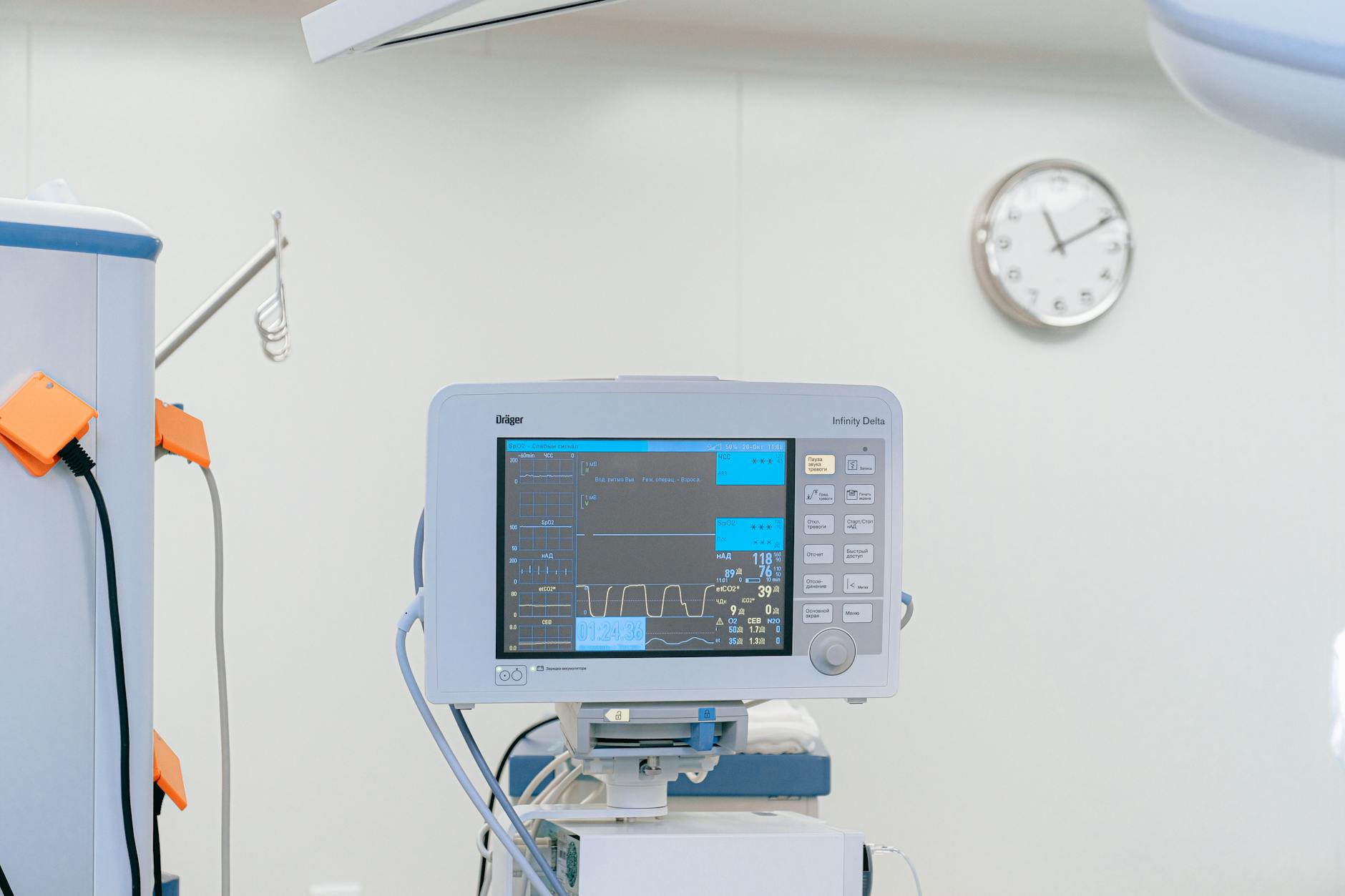
Visible medical equipment including wheelchairs, walking frames, hospital-style bed rails, catheter bags, oxygen concentrators, or medication dispensing trays can feel like an intrusion on personal dignity when seen unexpectedly by a stranger at the door. Many households that include a person managing a chronic illness or recovering from surgery arrange medical equipment in the most practical location which is often a downstairs room visible from the entrance. The presence of this equipment communicates deeply personal health information to a stranger who has arrived only to complete a delivery transaction. Thoughtful arrangement of furniture and the strategic use of room dividers can significantly reduce the visibility of medical equipment from external vantage points.
Pet Chaos

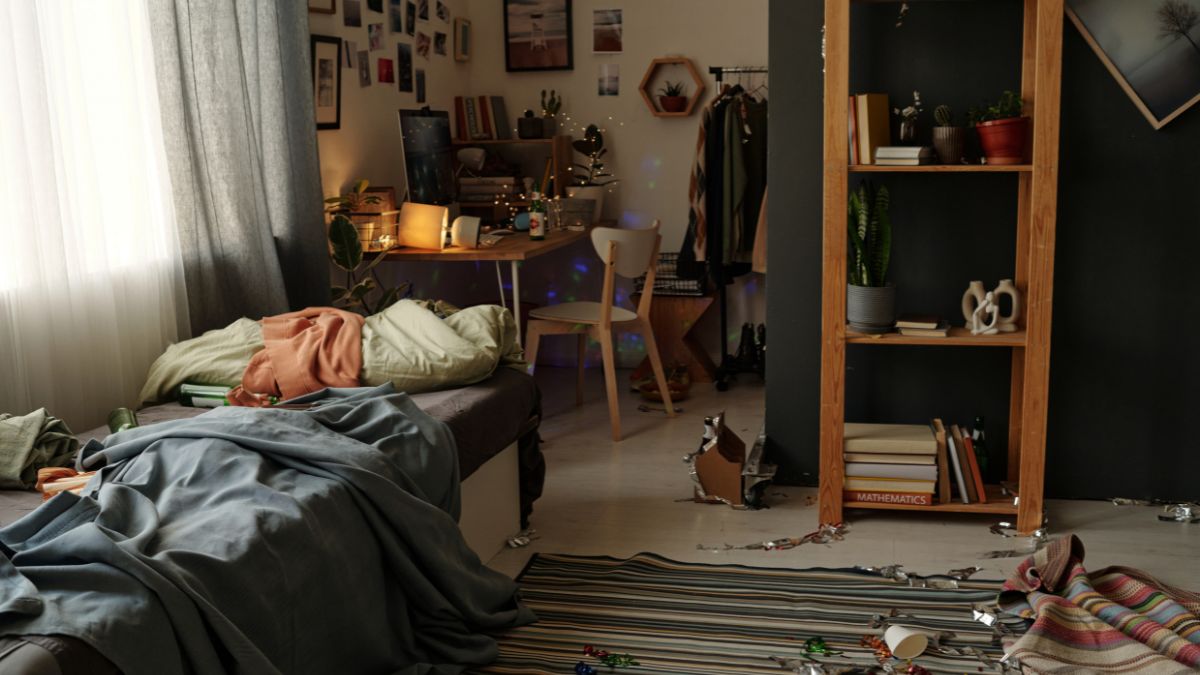
A living room in the immediate aftermath of pet destruction including shredded cushions, upturned water bowls, chewed furniture legs, and the general debris field created by an unsupervised animal is a particular kind of domestic embarrassment. The contrast between the composed exterior of a home and the visible chaos within is sharpest when the destruction is recent and the resident has not yet had the opportunity to assess the damage let alone address it. Multiple pets interacting chaotically in a front room add movement and noise to the visual impression which makes the scene even more striking from the doorstep. Dog owners in particular tend to experience this scenario regularly given the tendency of dogs to redecorate enthusiastically in the minutes before a visitor arrives.
Cluttered Dining Tables

A dining table buried under layers of post, school bags, laptops, charging cables, food packaging, and miscellaneous household items that has clearly not been used for dining in some time is visible from doorstep angles in many ground-floor homes. The dining table is one of the most universally aspirational pieces of domestic furniture and the gap between its intended purpose and its actual role as a general deposit surface is something most households recognise with a mixture of familiarity and mild shame. In homes with open-plan ground floors the dining area is often directly in the line of sight from the front entrance making it one of the most consistently exposed domestic spaces. The accumulation tends to grow invisibly from the inside precisely because residents stop seeing it after a certain point.
Sleeping Adults

An adult asleep on the sofa at a time that does not conventionally suggest napping creates a scene that communicates something specific about the household’s current state to whoever arrives at the door. Afternoon or early evening sleeping visible from the entrance through a glass door panel or front window can suggest illness, exhaustion, night shift working, or simply an unguarded moment of rest that the person would not have chosen to share with a stranger. The angle from a doorstep often looks directly into the part of the living room where sofas are positioned making sleeping adults one of the most commonly observed candid domestic scenes. Delivery drivers routinely face the dilemma of whether to ring the bell and wake someone who is clearly asleep or leave the parcel and complete the delivery without making contact.
Children’s Artwork Collections

A refrigerator, wall, or notice board comprehensively covered in children’s drawings, paintings, and school projects is a warm and loving domestic display that some parents find unexpectedly exposing when seen through a stranger’s eyes. The sheer volume of accumulated artwork can signal how long items have been there and how recently the collection has been curated which tells its own story about the household’s pace of life. In kitchens visible from side windows or through glass-panelled back doors the artwork display is often the dominant visual element of the room. Most parents are entirely comfortable with this and rightly so but the sudden awareness of it as a viewed display rather than a private family gallery can produce a momentary self-consciousness.
Ironing Mountains
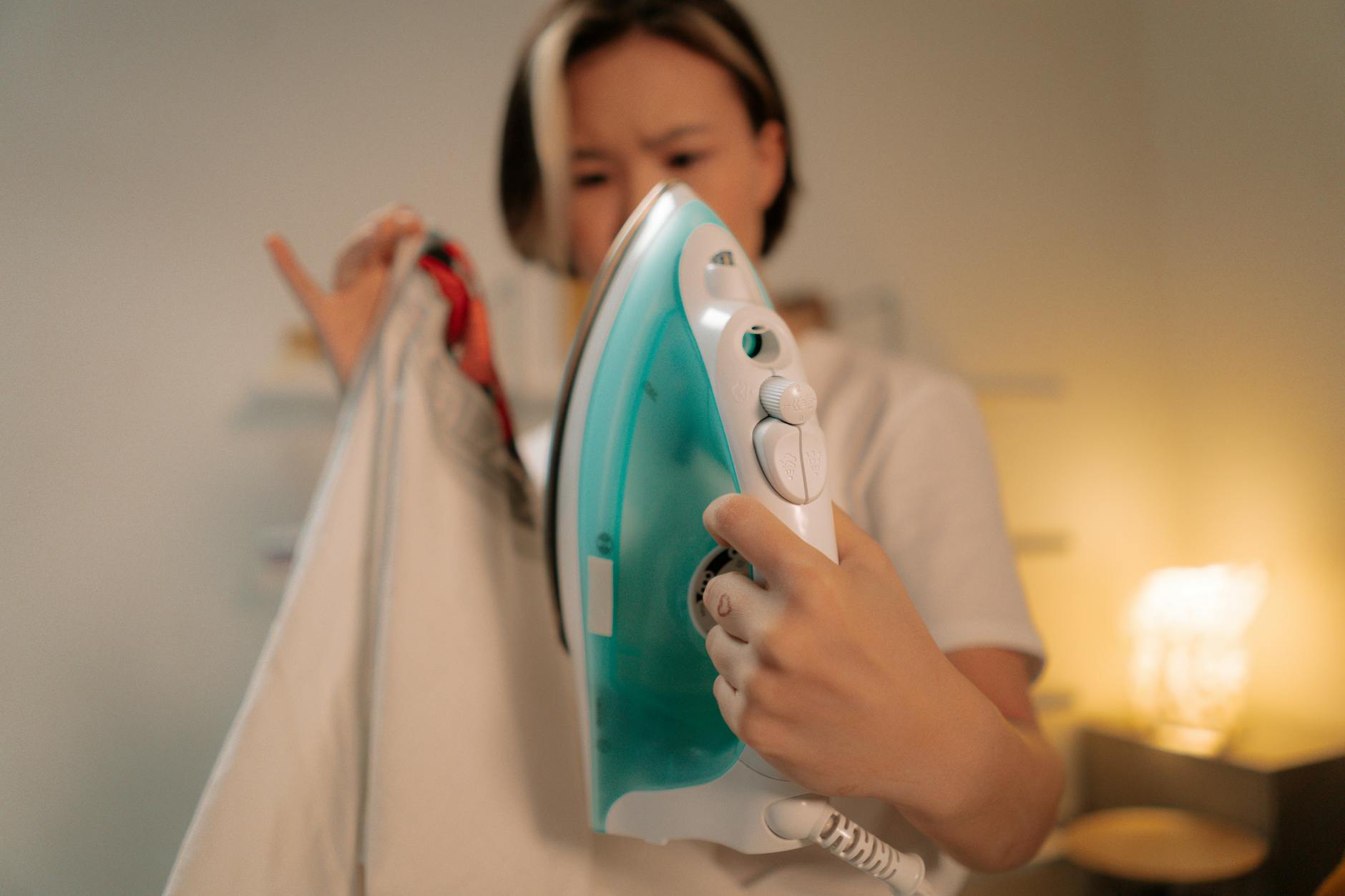
An ironing pile of significant proportions draped over a clothes airer, stacked on a spare chair, or spread across a bed in a visible room communicates a very specific domestic backlog that most households recognise immediately. The ironing pile is one of the most persistent and universally shared symbols of domestic tasks that accumulate faster than they are completed and most people feel an instinctive solidarity upon seeing one. What makes it particularly exposing is that the specific items visible in the pile including work shirts, school uniforms, and household linens reveal something about the composition and lifestyle of the household within. Front-room ironing set-ups created for the convenience of watching television while working are especially visible from doorstep angles.
Visible Bottles
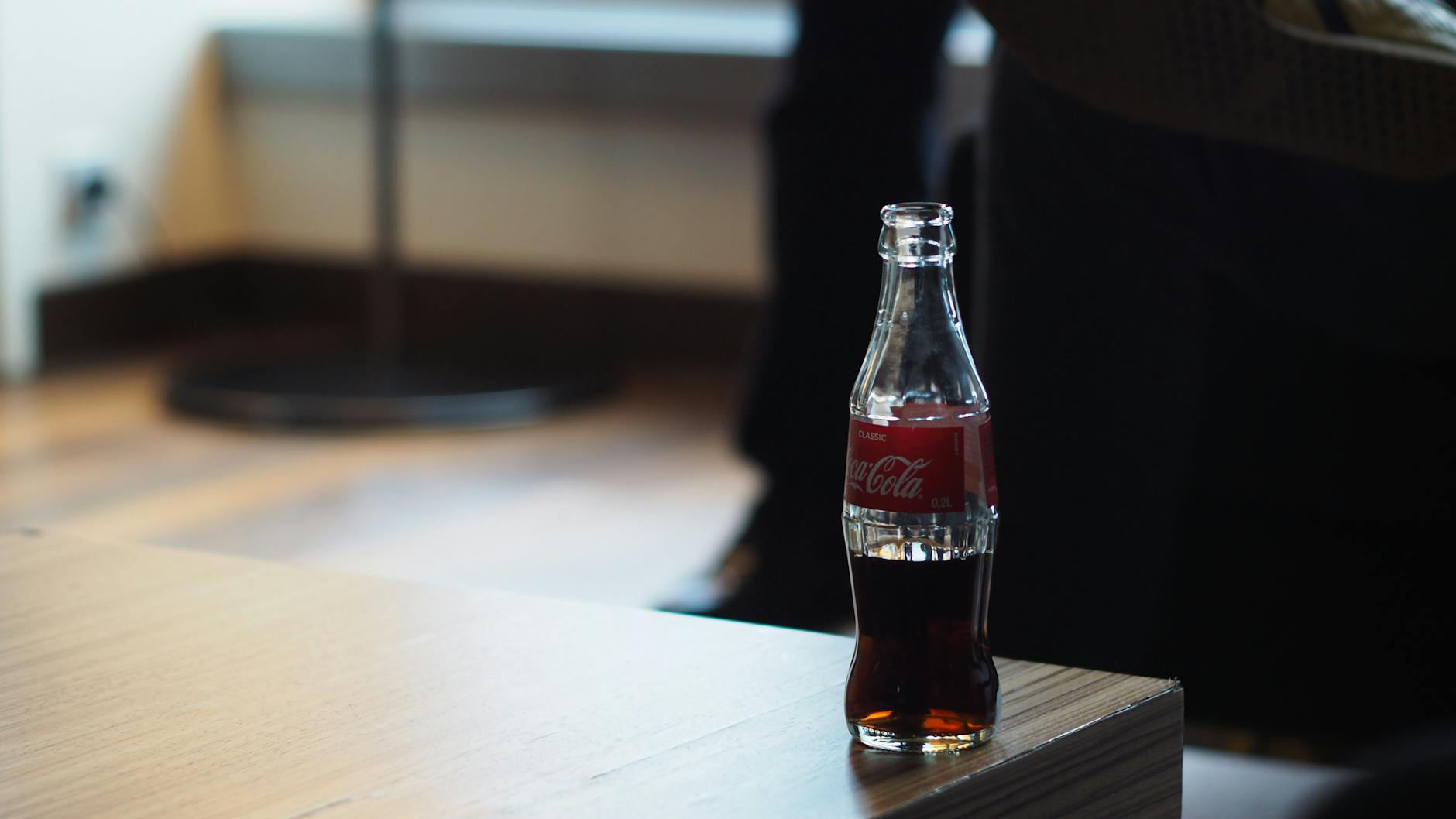
A collection of empty wine, beer, or spirits bottles gathered near a kitchen bin, lined up on a window ledge awaiting recycling, or clustered on a worktop creates an impression about the household’s consumption habits that may not reflect reality but is difficult to contextualise from a doorstep. The recycling cycle means that bottles accumulate in visible locations for days at a time before collection and the quantity visible at any given moment represents a week or more of consumption rather than a single occasion. Glass recycling bags placed near front doors or in hallways visible through glass panels are particularly exposed to the casual observation of anyone calling at the entrance. The impression created by the visible bottles is rarely accurate but it is immediate and uncomplicated for the person observing from outside.
Visible Home Offices
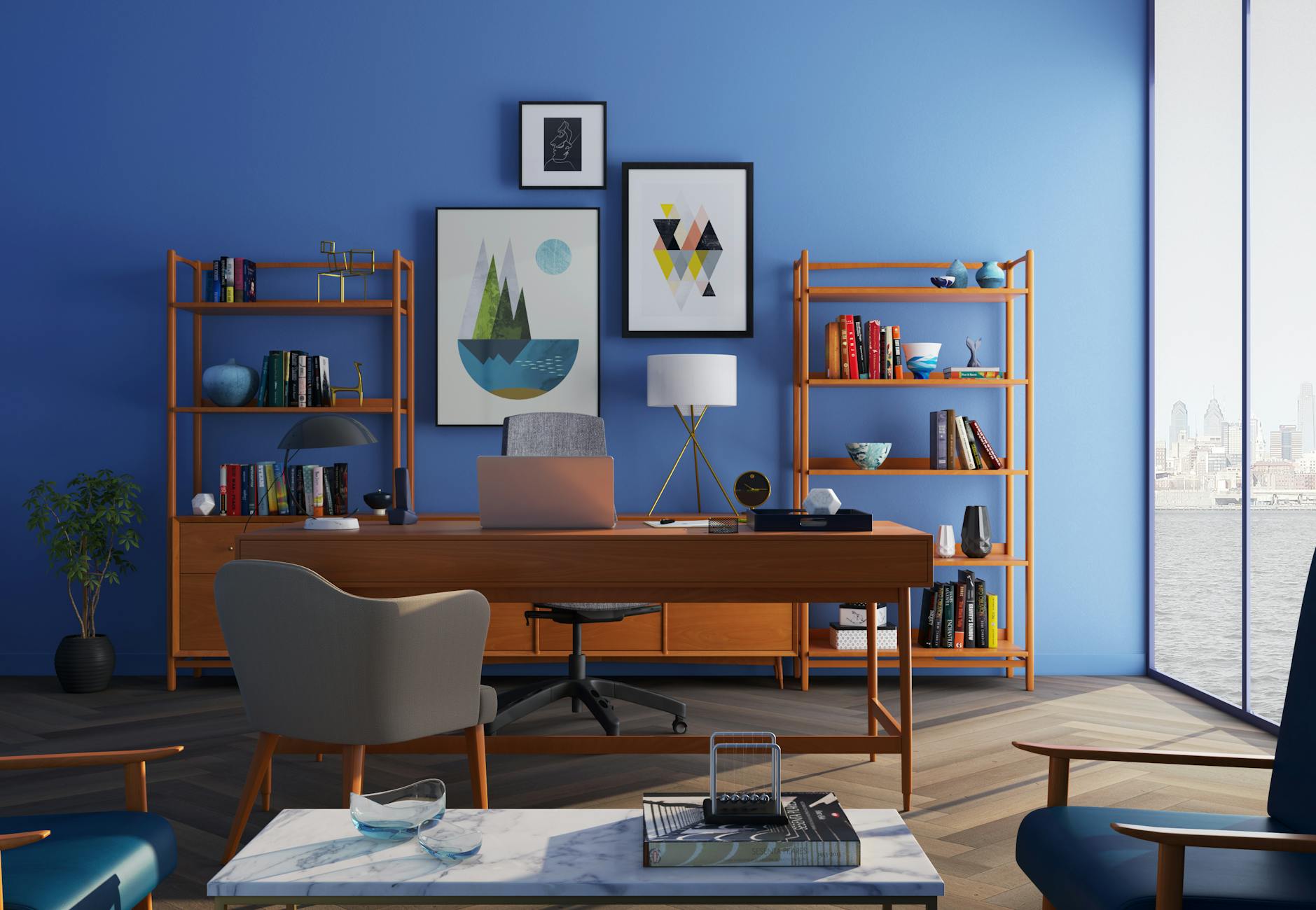
A home office set up in a front room or visible through a side window that displays a screen covered in work documents, financial spreadsheets, or sensitive correspondence creates a business privacy concern beyond the purely social embarrassment of domestic visibility. Professional documents, client names, financial figures, and confidential correspondence are legible on modern high-resolution screens from distances that most people underestimate. The normalisation of working from home has led many people to set up productive but visually exposed workspaces without considering the sight lines from the approach to their front door. Screen privacy filters and the repositioning of desks to face away from windows are practical steps that address both the personal and professional dimensions of this visibility.
Gaming Set-Ups

An elaborate gaming set-up including multiple screens, specialist controllers, racing seats, virtual reality equipment, and the associated cable infrastructure creates a visual impression about the resident’s priorities and lifestyle that they may not have chosen to communicate to a stranger on the doorstep. The scale and complexity of high-end gaming equipment in a front room can be striking from outside the house particularly in the evening when screens are illuminated and the room is otherwise dark. Gaming equipment left in a state of active use with snacks, drinks, and discarded packaging around the seating area adds to the candid quality of the scene. The exposure is not inherently embarrassing but it is more revealing of personal habits and expenditure than most doorstep interactions are intended to be.
Visible Arguments

Two people in the visible middle of a heated domestic disagreement when the doorbell rings create an acutely uncomfortable moment for everyone involved including the delivery driver who has arrived entirely without warning or invitation into the situation. Body language, raised voices audible through glass, and the frozen tableau of two people who have just become aware of being observed all communicate the situation with complete clarity. The delivery transaction in this scenario becomes a brief and peculiar interruption to a private emotional moment that neither party inside the home was prepared to share. Delivery drivers encounter this scenario with enough regularity that most develop a practised neutrality but the discomfort on both sides of the glass is genuinely felt.
Visible Scales

Bathroom or kitchen scales positioned in a room visible from the entrance create a small but specific exposure of a domestic habit that most people consider deeply private. Weight management is a sensitive personal matter and the visible presence of scales alongside food packaging, diet products, or meal planning materials on a kitchen counter creates a more detailed narrative than the object alone would suggest. Scales positioned near a front-facing window or in a hallway visible through a glass door panel are seen by a significant number of callers over the course of a year. The exposure is minor in isolation but contributes to the cumulative portrait of domestic life that is assembled by anyone who visits a home regularly over time.
Self-Help Libraries

A bookshelf positioned in a visible room carrying a substantial collection of self-help, addiction recovery, relationship repair, grief support, or mental health management titles communicates personal circumstances that the resident may consider private. Book spines are clearly legible from doorstep distances in good light and a thematic collection tells a story about a person’s current preoccupations and challenges with considerable specificity. Most people arrange their bookshelves according to personal preference and convenience without considering that the titles facing outward are readable from outside. A simple repositioning of the most personal titles to a less visible shelf or a different room addresses this exposure without requiring any significant reorganisation of the household.
Relationship Status Clues
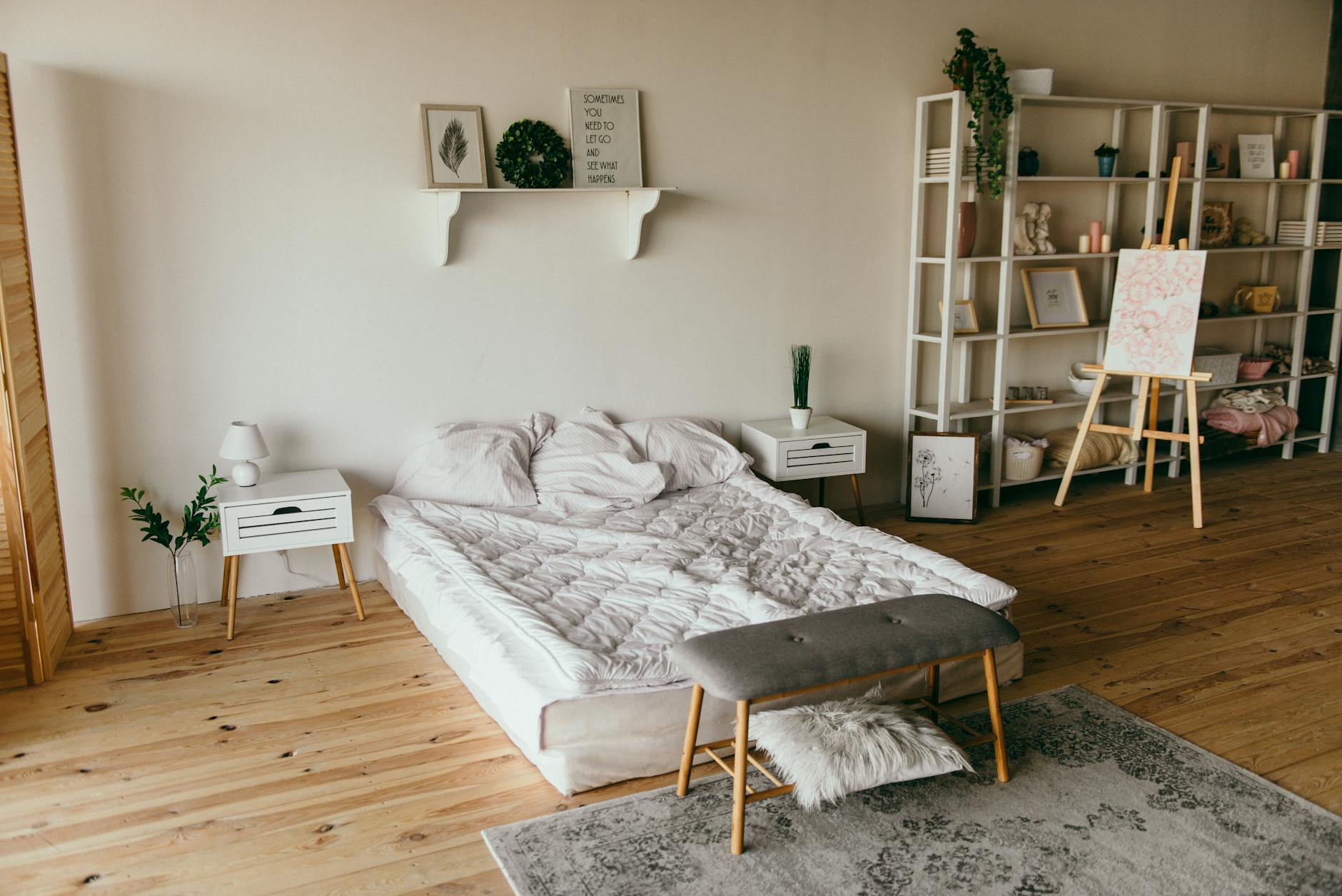
Visual evidence of a recent relationship change including a single wine glass where two previously stood, a half-empty wardrobe visible through a bedroom window, a child’s drawings addressed to a parent who is no longer visibly present, or furniture gaps where items have been removed tells a detailed personal story to an observant caller. Delivery drivers who visit an address regularly over time develop an unconscious record of the household’s visual baseline and changes to that baseline register naturally. The story told by these domestic details is rarely one that the resident would choose to share with a stranger and yet it is communicated silently every time the door opens. Personal transitions are among the most private human experiences and the domestic evidence of them is often the last thing a person thinks to manage during an already difficult period.
Visible Baby Equipment
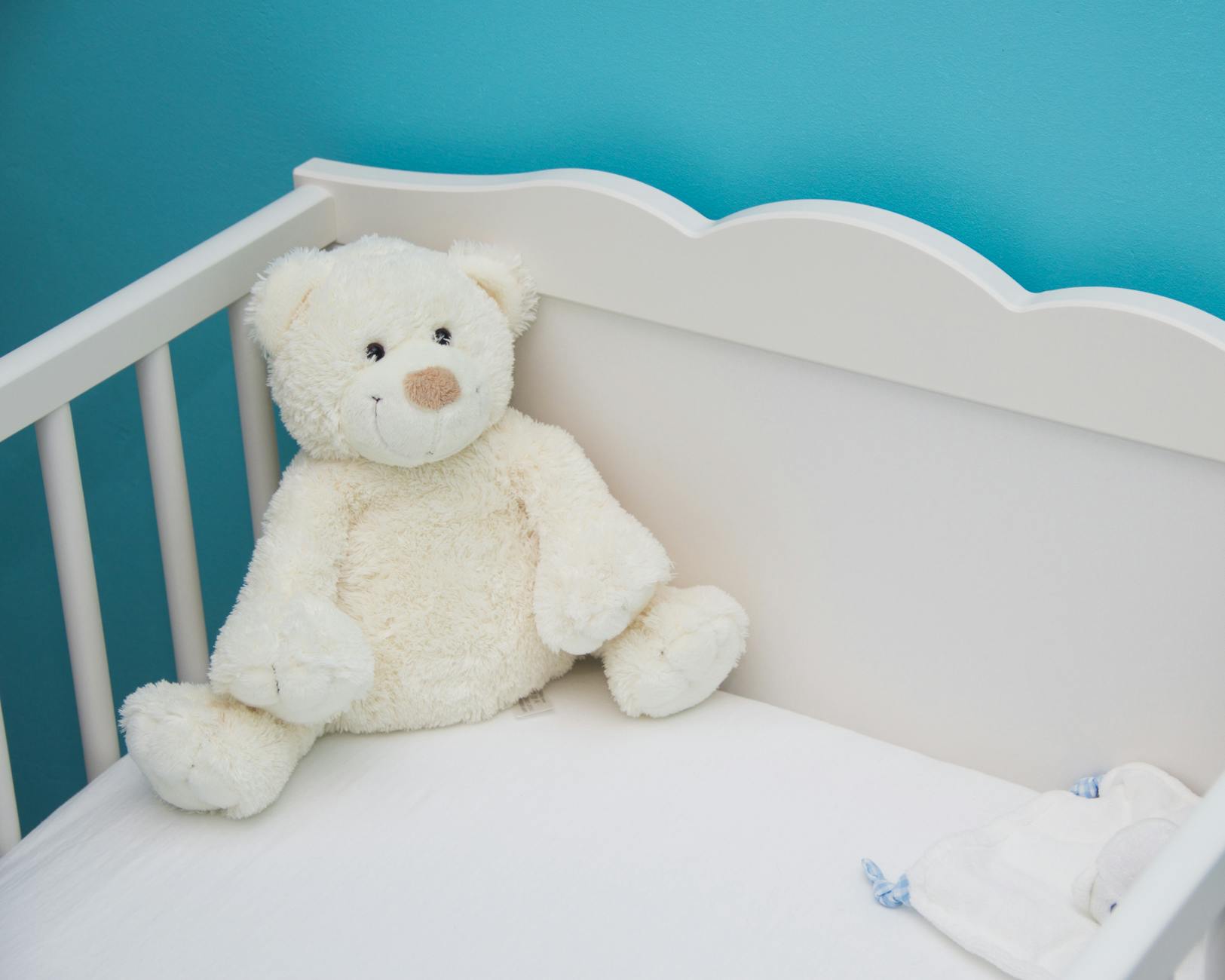
A front room comprehensively reconfigured around newborn or infant care including a Moses basket, changing mat on the floor, feeding station, breast pump, and the general infrastructure of early parenthood communicates both the presence of a new baby and the current state of the household’s capacity to manage domestic order. The equipment itself is entirely normal but its visible arrangement tells a story about how recently the baby arrived and how well the household is currently coping with the adjustment. Delivery drivers arriving at homes with new babies often encounter a particularly candid version of domestic reality because sleep deprivation removes the energy required to maintain normal levels of household presentation. The sight line from the front door into the main living area in many homes lands directly on the reconfigured space.
Visible Pill Organisers

A weekly pill organiser filled with multiple medications and positioned on a kitchen counter, dining table, or windowsill visible from the entrance communicates detailed information about the health management needs of someone in the household. The size and complexity of the organiser indicates the number of medications being managed and the prominence of its position suggests that it serves a daily functional role rather than an occasional one. Medical privacy is something most people guard carefully in social contexts and yet practical necessity means that medication management tools are often placed in the most convenient rather than the most discreet locations. A simple drawer or cupboard placement removes this information from the sight lines of anyone approaching the front door.
Hoarding Beginnings
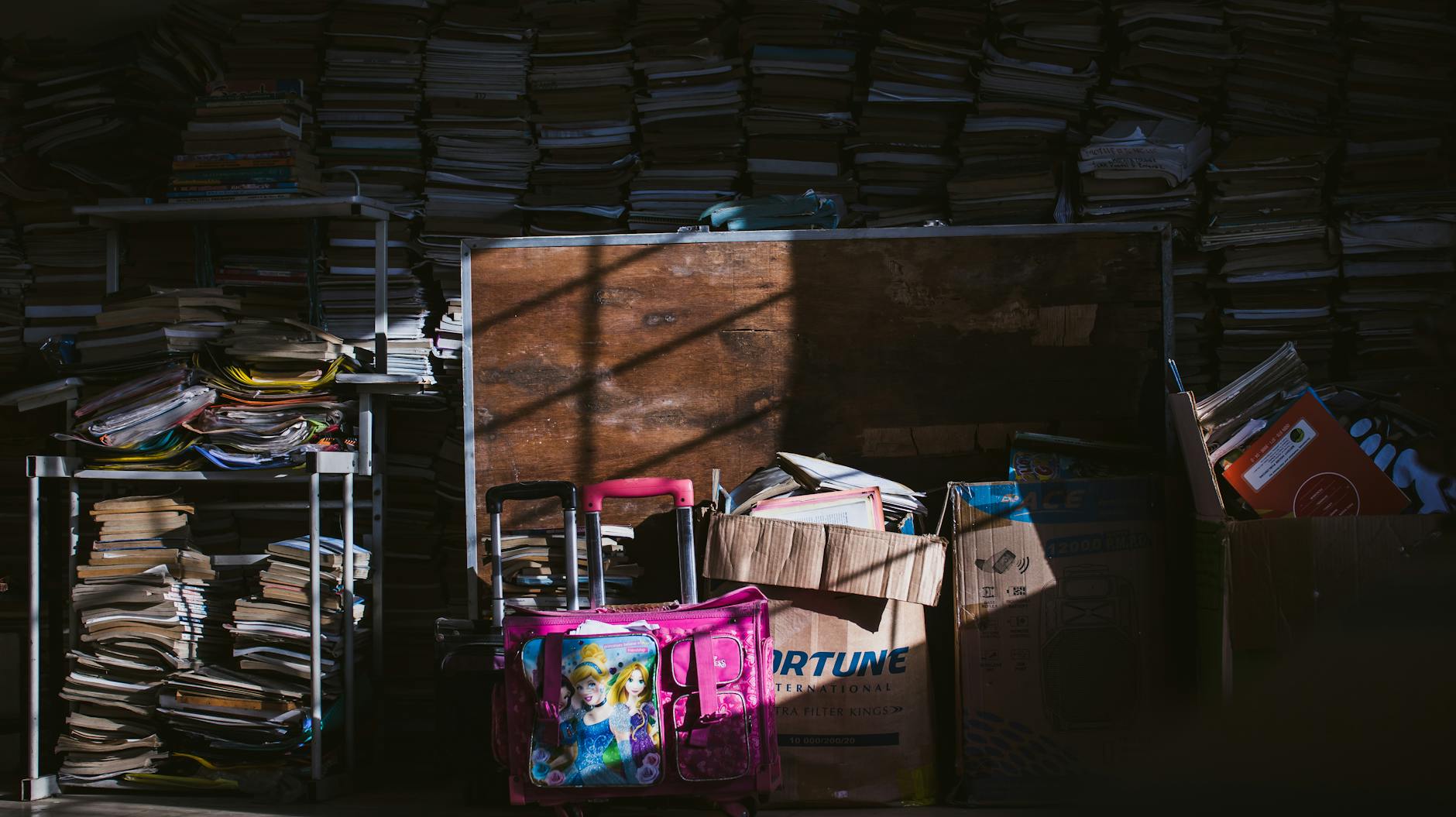
A front room in which the gradual accumulation of objects has reached a point where movement through the space is visibly constrained communicates a domestic situation that the resident is often the last person to fully register from an objective outside perspective. The sight line from a doorstep into a room filled from floor to ceiling with stacked items, narrowing pathways, and surfaces completely covered by accumulated possessions creates a sharp and immediate impression. The condition exists on a spectrum from enthusiastic collecting to clinically recognised hoarding disorder and the visual evidence does not allow an observer to make that distinction. Many people in the early stages of accumulation are genuinely unaware of how dramatically the interior of their home reads from the outside.
Visible Nappy Bins
A nappy disposal unit positioned in a visible downstairs room alongside a changing station and baby care products creates an immediate and specific impression for anyone at the door. The equipment tells a clear story about the current phase of life inside the household and while parenthood is an entirely normal human experience the specific details of nappy management are not something most parents would choose to lead with in a doorstep interaction. Nappy bins positioned near ground-floor windows or in hallways visible through glass door panels are seen by every caller who comes to the front door during an extended period of infant care. Relocating changing equipment to a room that does not face the entrance is a straightforward adjustment that preserves a degree of domestic privacy during the early years.
Visible Therapy Materials
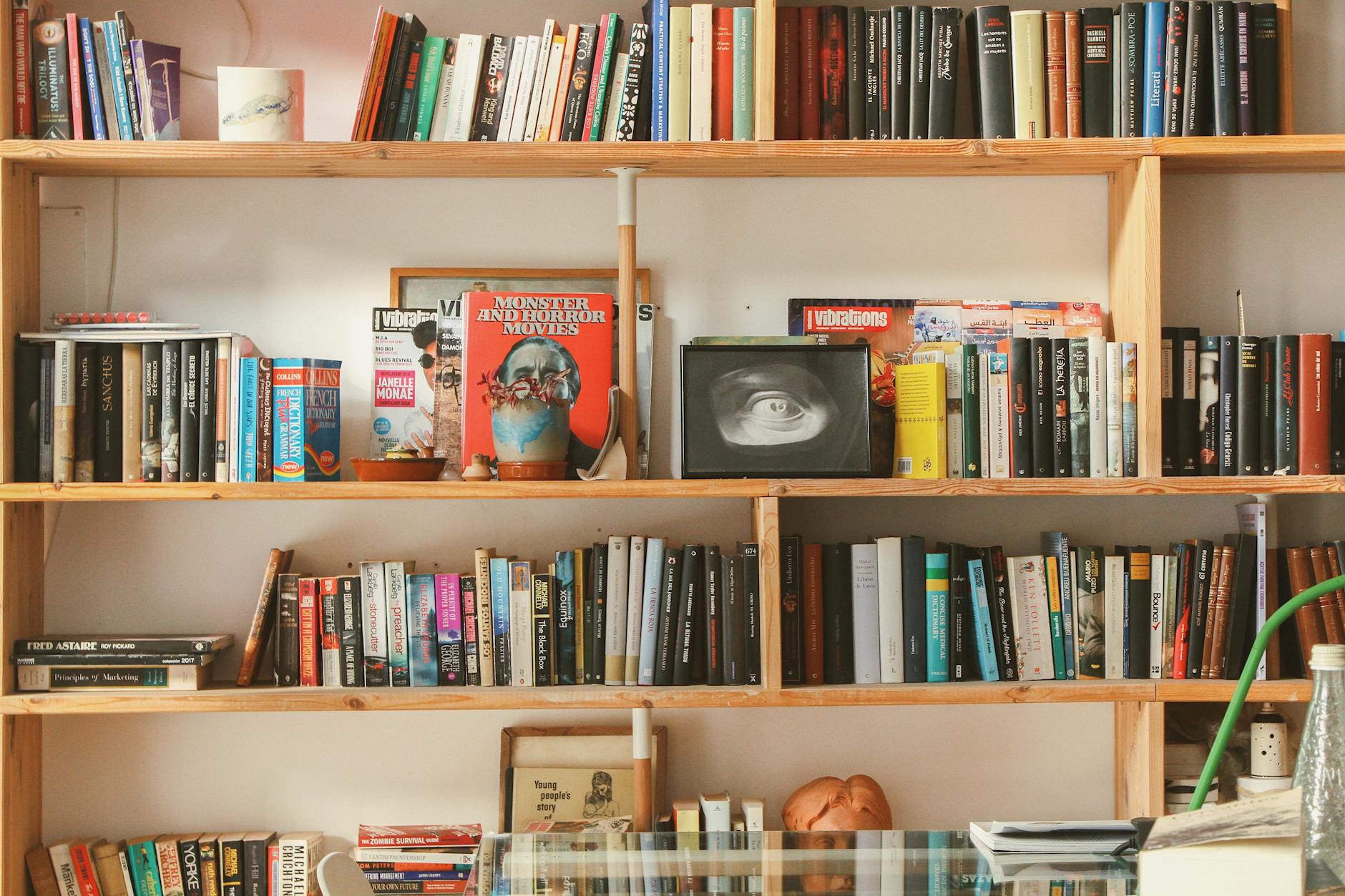
Workbooks, journalling guides, cognitive behavioural therapy worksheets, or mental health support materials left open on a table or sofa visible from the entrance communicate a person’s current therapeutic engagement to anyone with a clear sight line through the window. Mental health support is an entirely positive and healthy choice but it remains a deeply personal matter that most people share selectively with chosen individuals rather than displaying inadvertently to strangers. Therapy materials often carry distinctive cover designs and titles that are identifiable at a distance in good light. Keeping these materials in a dedicated private space rather than the main living area is a simple step that preserves the personal nature of the work being done.
Visible Smoke Paraphernalia
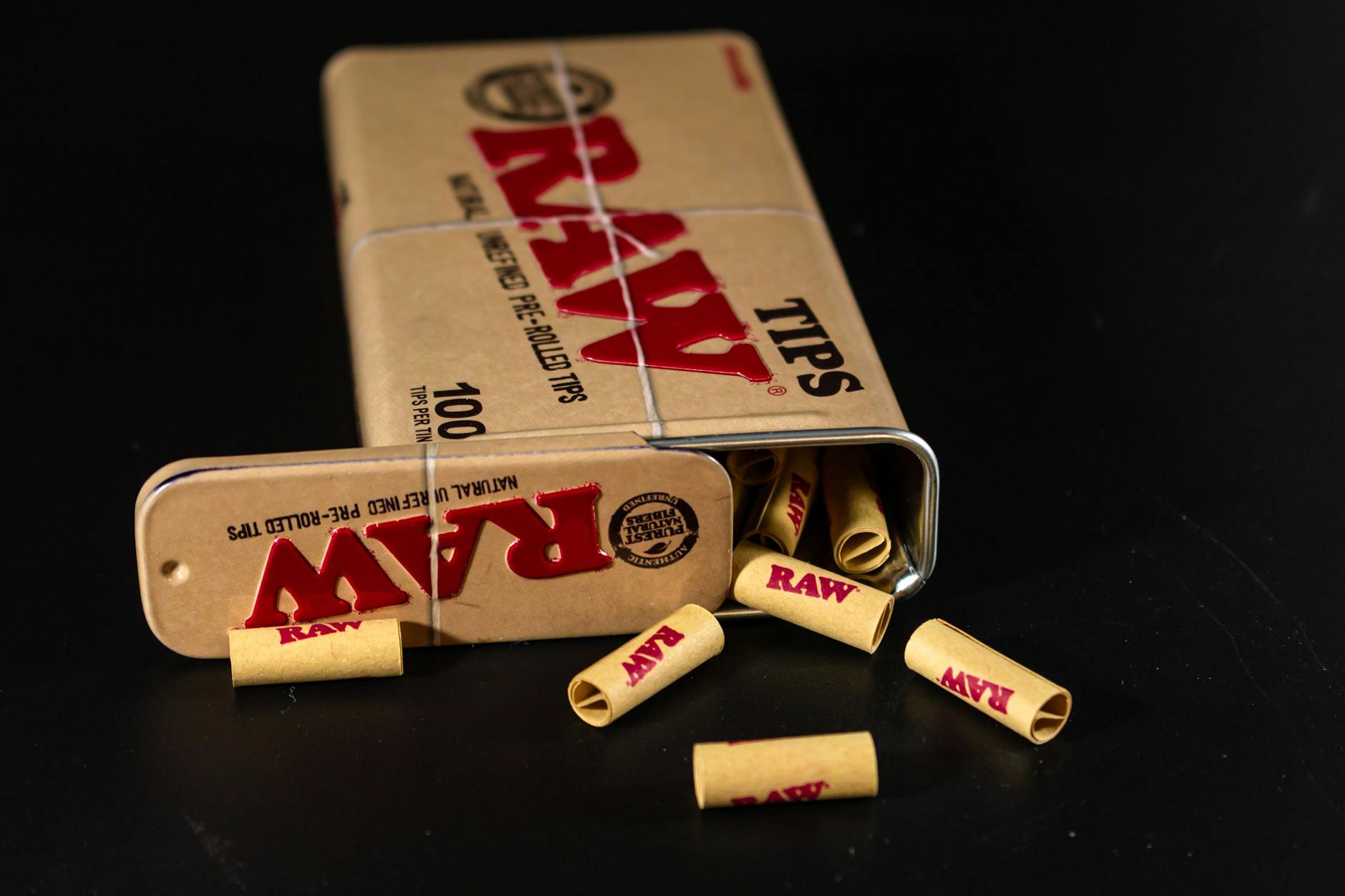
Ashtrays, rolling equipment, lighters, and smoking accessories left on a coffee table or windowsill in a front-facing room create a clear and immediate impression for anyone approaching the door. The specific combination of items visible can communicate not only that smoking takes place in the household but also something about the specific nature of what is being smoked depending on the equipment present. Visible smoking paraphernalia is particularly noted by delivery drivers in homes where children’s toys, school bags, or other indicators of young occupants are also visible in the same room. The arrangement of items in the most conveniently accessible location is a domestic habit that most people engage in without considering the external view it creates.
Cluttered Hallways
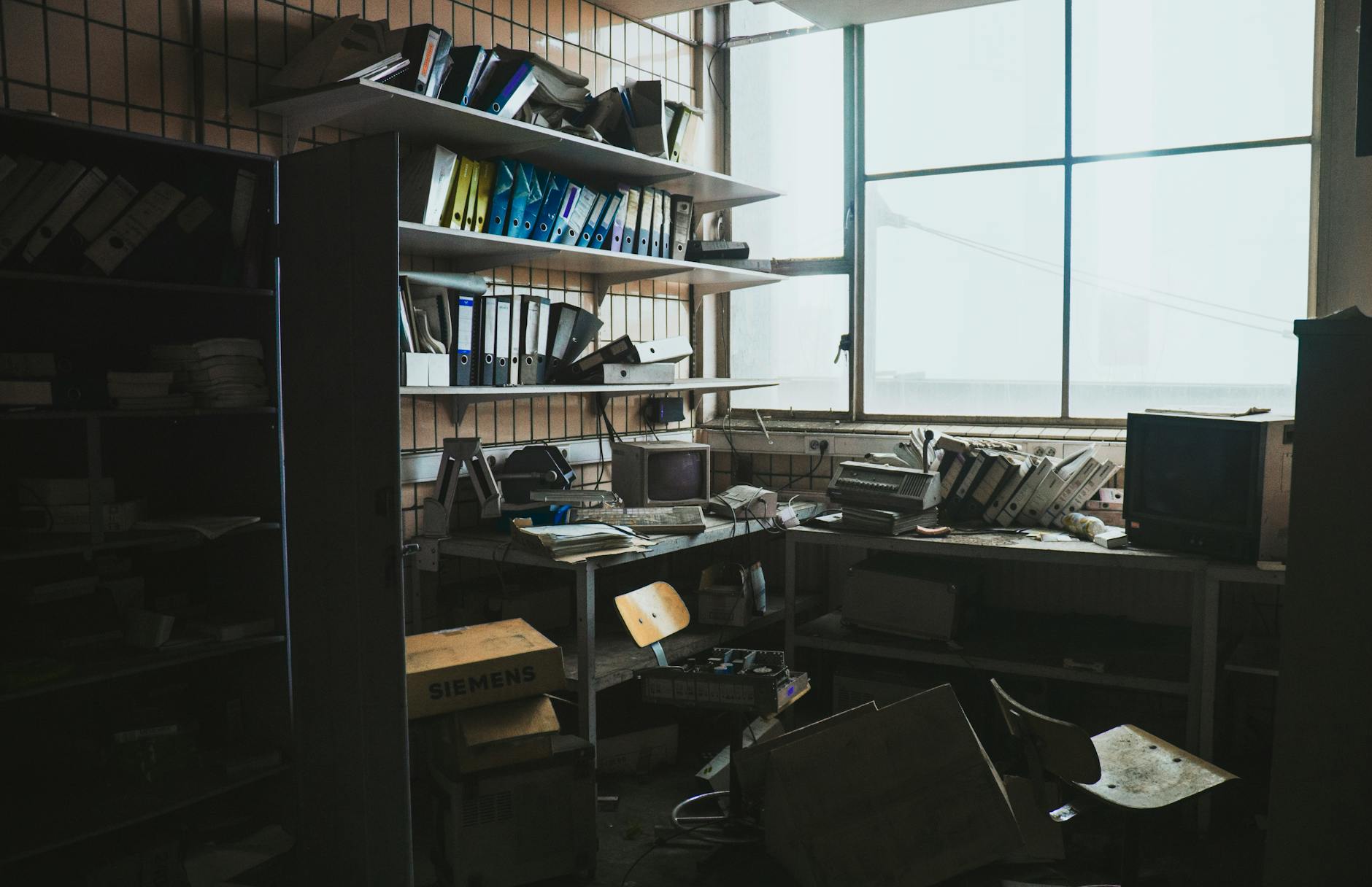
A hallway visible through a glass front door that is stacked with shoes, umbrellas, sports equipment, shopping bags, bicycle helmets, and the general accumulation of items that pass through a home’s entrance point creates an immediate impression of domestic organisation or its absence. The hallway is the most directly visible part of almost any home from the doorstep and yet it is also the area most consistently used as a temporary deposit point for items that have not yet found their permanent location. A clear and organised hallway visible through a glass panel creates a markedly different impression from a blocked and overflowing one even though the rest of the home may be immaculate. The hallway’s role as the home’s primary transition zone makes it simultaneously the most viewed and the most difficult space to keep consistently clear.
Visible Christmas Decorations in July

Seasonal decorations that have remained in place significantly beyond their conventional display period including Christmas trees still standing in spring, Easter decorations visible in summer, or Halloween items retained through the following months create a specific kind of domestic time-stamp visible from the street. The retained decoration communicates something about the household’s current capacity for routine domestic management tasks that the resident may not have consciously chosen to share. A single forgotten wreath or a string of lights still in a window months after the occasion has passed is one of the most consistently noted observations made by regular delivery drivers on long-running routes. The detail is minor in isolation but contributes to the cumulative domestic picture that anyone visiting a home regularly assembles over time.
Visible Financial Documents

Bank statements, bills, tax letters, or financial correspondence left open on a kitchen table or work surface visible through a window or glass door panel exposes sensitive personal financial data to anyone with a clear sight line from the approach to the front door. Modern large-format letters from financial institutions use bold typography for account numbers, balance figures, and reference numbers that are legible at distances that most people significantly underestimate. The kitchen table is the most common sorting point for household post and the most consistently visible surface in homes with a window above or beside the entrance. Establishing a habit of taking financial correspondence immediately to a private room rather than leaving it open on the nearest flat surface removes one of the most significant unintentional privacy exposures in the average home.
Visible CCTV Monitors
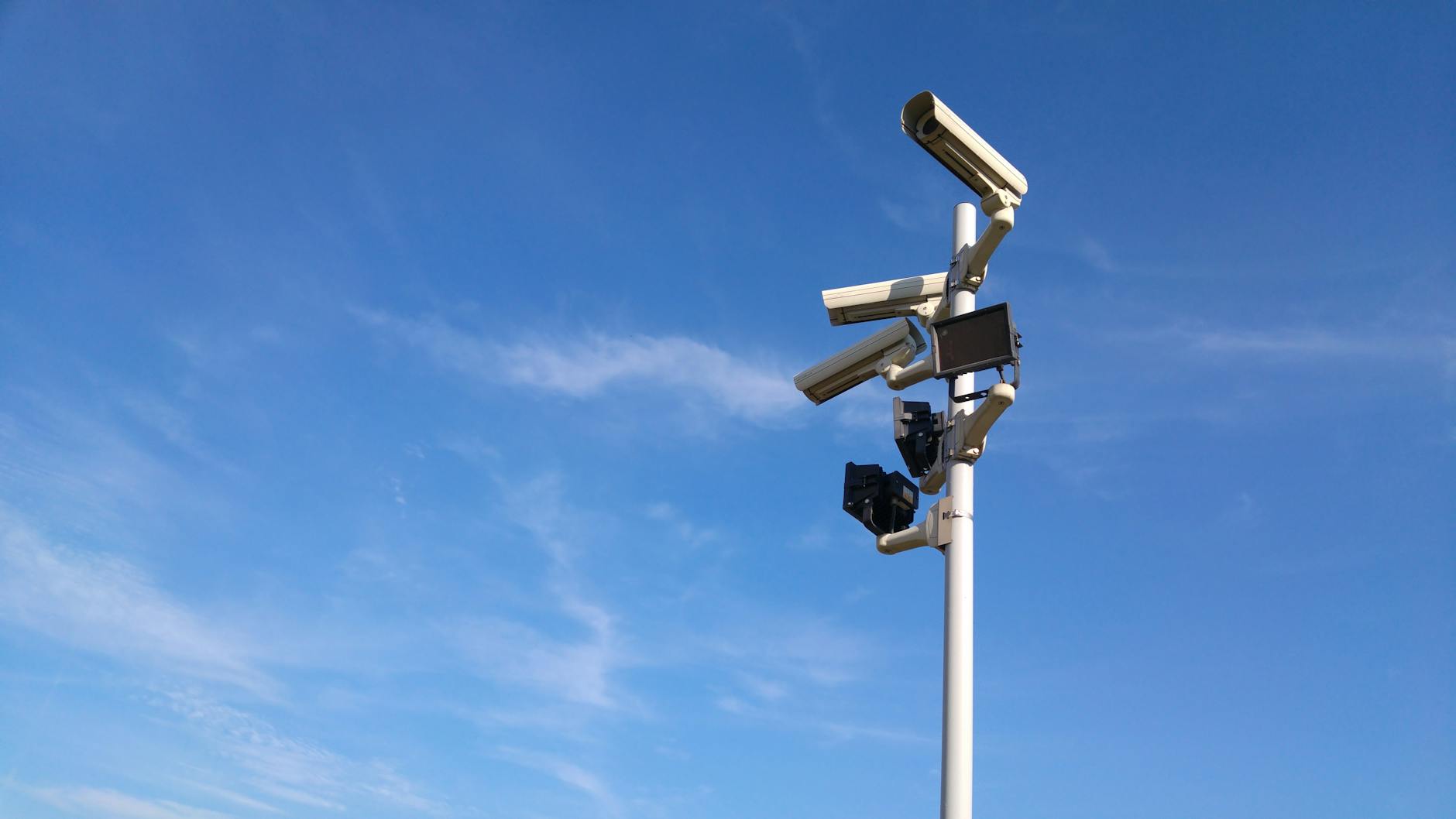
A security monitor displaying live feeds from multiple cameras around the property positioned in a front-facing room creates a paradox in which the equipment installed to protect privacy becomes itself a source of unintended disclosure. A visible CCTV monitor tells an observant caller exactly which angles are covered by the camera system, where the blind spots are, and what the monitoring equipment looks like which is useful information for anyone with intentions the system was designed to deter. The monitor also communicates the layout and access points of the property in a format that is considerably more detailed than a casual glance at the exterior alone would provide. Security monitoring equipment is most effective when its coverage and infrastructure remain unknown to potential intruders rather than being displayed in a visible window.
If any of these scenarios have produced a memorable doorstep moment on either side of the glass, share your story in the comments.