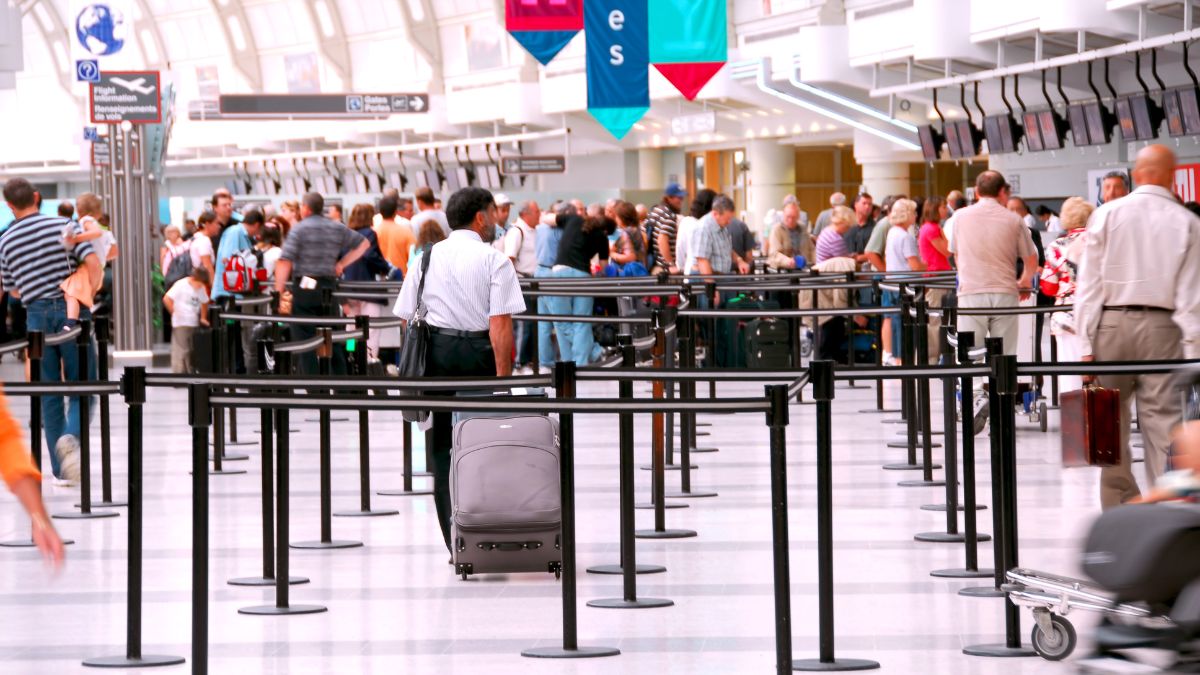
Airport security is one of the most scrutinized and technologically advanced checkpoints most people will ever pass through in their daily lives. Despite the widespread knowledge that scanners detect virtually everything, travelers continue to attempt to bring through items that cause raised eyebrows, stifled laughter, and occasionally full-scale secondary screening among security personnel. The stories shared by TSA officers, airport staff, and frequent flyers reveal a surprisingly consistent pattern of optimism over common sense. The items on this list were selected based on frequency of detection, the degree of social awkwardness they create at the checkpoint, and the consistent bewilderment they produce among the officers tasked with screening them.
Adult Toys

Personal pleasure devices are among the most frequently flagged items in carry-on luggage at airport security checkpoints worldwide. The motors, batteries, and internal components of these items create a distinctive silhouette on X-ray screens that requires a bag search and verbal confirmation of contents in a busy public queue. Many travelers pack them in carry-on bags believing a checked bag search would be even more mortifying, only to discover that the carry-on conversation happens in front of a full line of fellow passengers. Security officers handle these situations with practiced professionalism but travelers consistently report the experience as among the most cringe-inducing of any airport encounter.
Fake Firearms
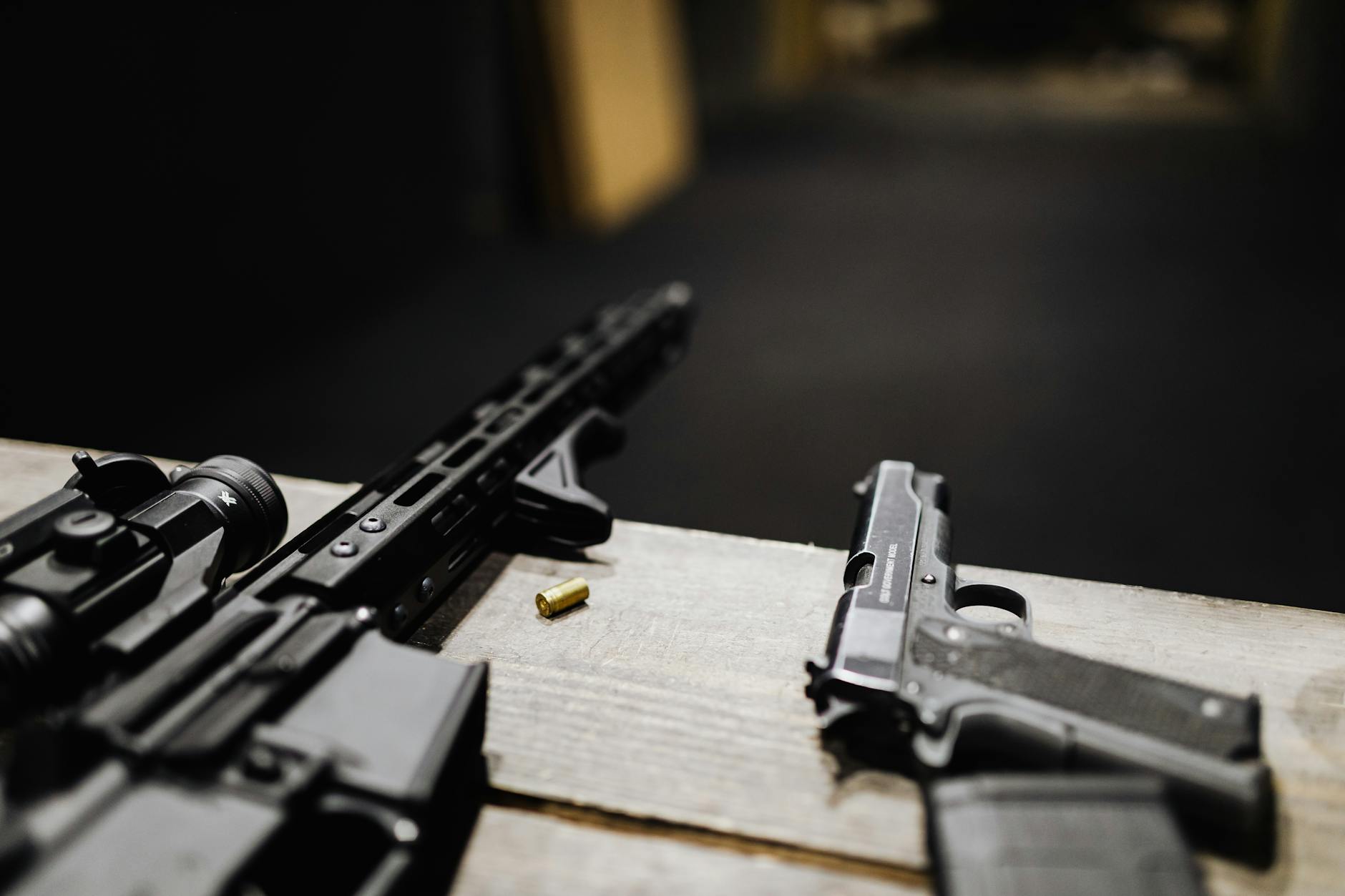
Realistic-looking replica guns, prop firearms, and decorative pistols trigger full security alerts that involve multiple officers, potential police involvement, and lengthy delays for everyone in the vicinity. Collectors and theatrical prop owners frequently underestimate how seriously security personnel treat any item that resembles a functional weapon regardless of its actual material or intended purpose. The process of explaining a decorative piece in a public security lane is an exercise in sustained embarrassment that experienced travelers universally advise against. All replica firearms must be declared, packed in checked luggage, and transported according to strict airline regulations that vary by country and carrier.
Taxidermy Animals

Full or partial taxidermy animals packed into carry-on bags produce some of the most alarming X-ray images security officers encounter during a standard shift. The skeletal structure, preserved eyes, and metal mounting hardware of taxidermy pieces create a scan profile that triggers immediate secondary inspection and draws considerable attention from surrounding passengers. Officers and travelers alike have documented the awkward process of removing a stuffed fox or mounted bird head from a tote bag at a crowded checkpoint. Taxidermy items are generally permitted in checked luggage when properly declared but their appearance on a carry-on scanner remains one of the more memorable moments in airport security theater.
Medieval Weapons
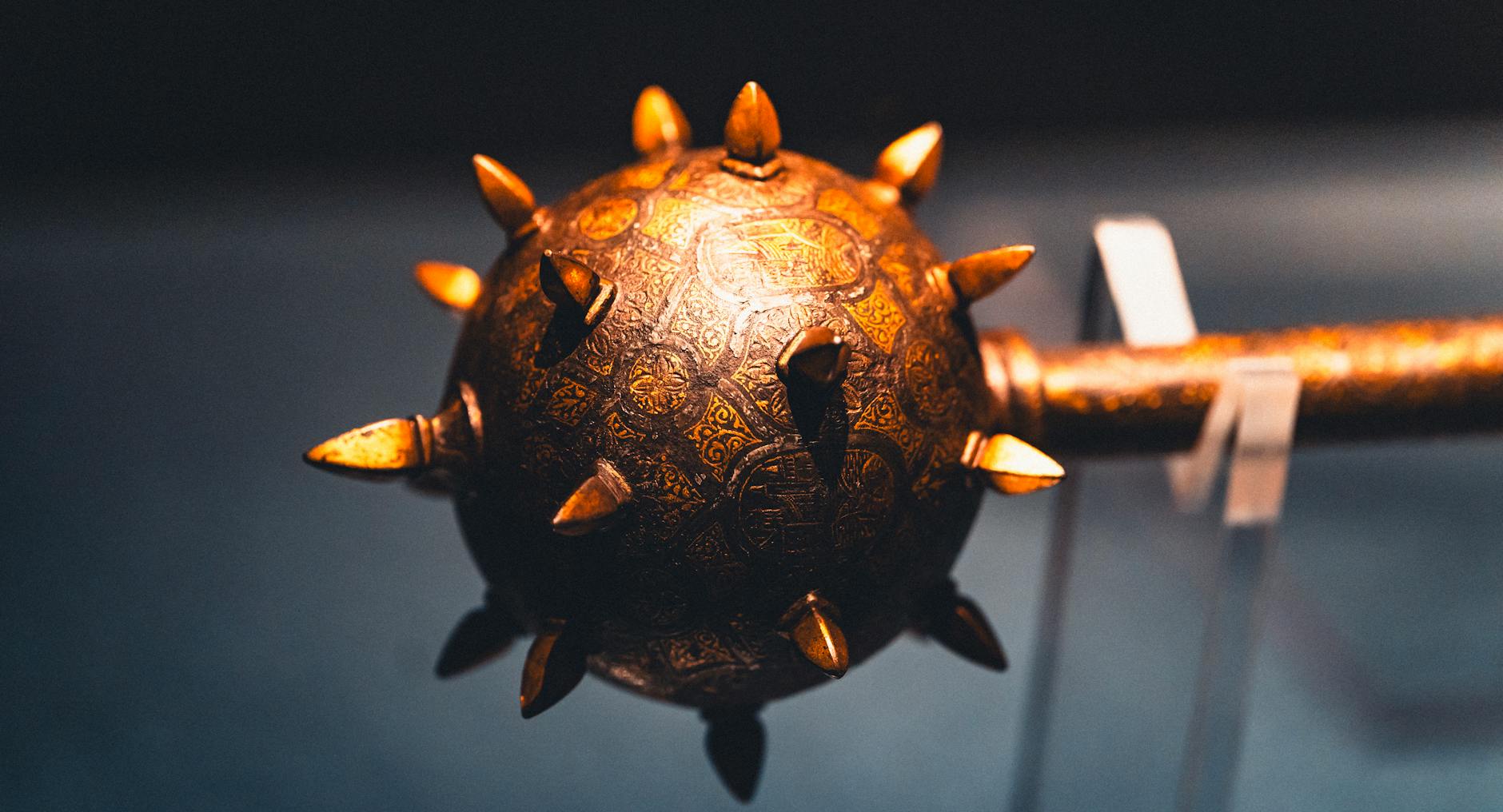
Swords, maces, flails, crossbows, and full sets of decorative armor purchased at tourist markets or historical reenactment fairs are attempted through security checkpoints with a frequency that genuinely surprises first-time airport security workers. The purchasing excitement of a medieval market apparently overwhelms the rational calculation of how a full broadsword will be received at a carry-on scanner. Officers must then navigate a conversation about historical authenticity while confiscating an item that is unambiguously a weapon under international aviation security rules. The correct solution is always to ship such items home or check them in specialized oversized luggage with full prior declaration.
Jar Collections

Travelers who collect sand, soil, or water from meaningful destinations frequently pack dozens of small sealed jars that create a deeply suspicious cluster image on security X-ray screens. The liquid and semi-liquid contents of sand jars in particular trigger secondary screening protocols designed to detect explosive compounds, resulting in a full bag search and a lengthy explanation of a personal hobby to an increasingly skeptical officer. Collections of more than a few small jars become a logistical nightmare at the checkpoint as each container must be individually examined and assessed. Shipping collections home via post is the only practical solution for enthusiasts who take their collecting seriously.
Live Seafood
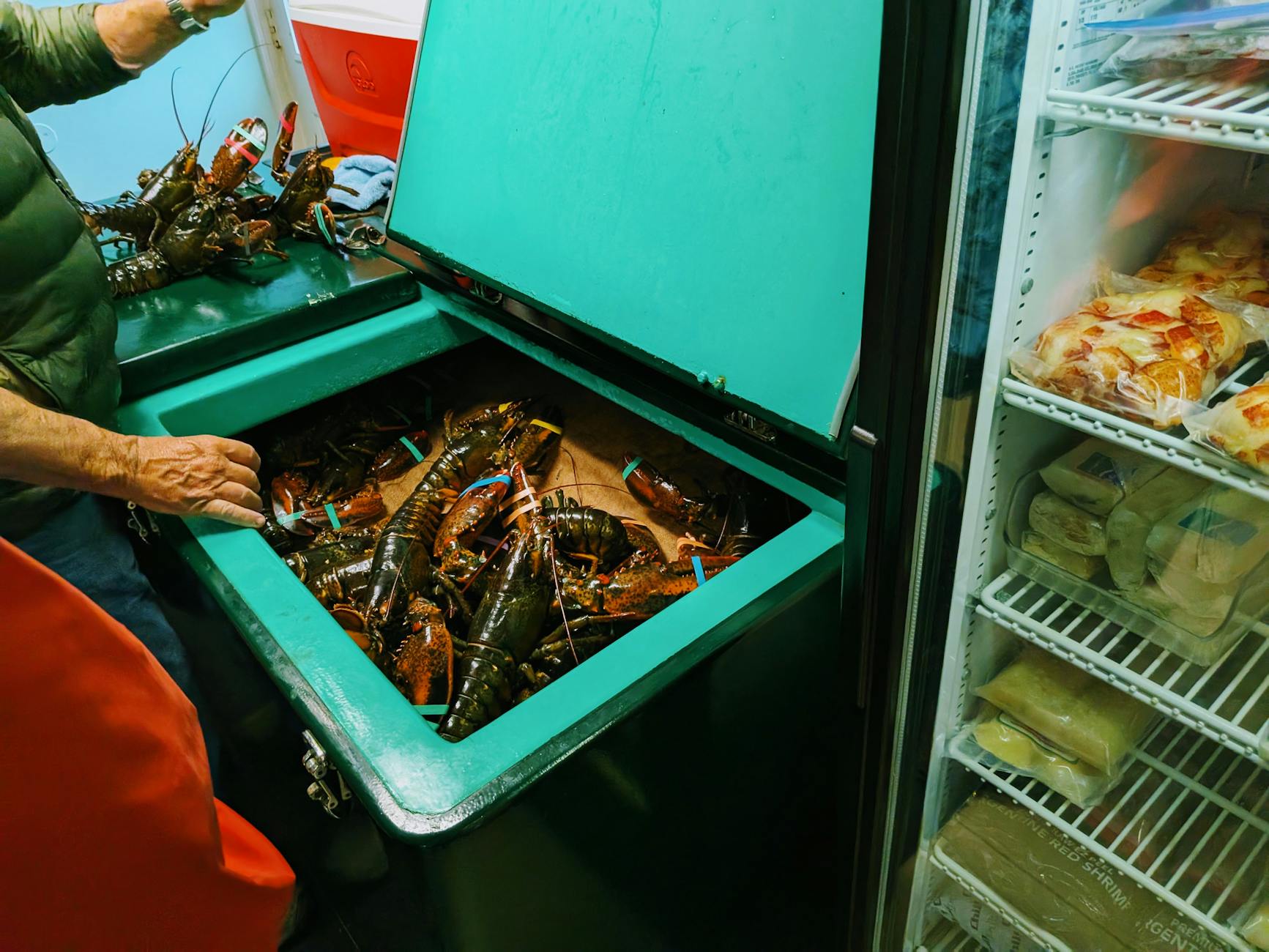
Passengers attempting to transport live crabs, lobsters, fish in water bags, and even live eels through airport security represent a surprisingly active category of detection incident in port cities and coastal airports globally. The movement of live animals inside bags creates an unmistakable profile on scanners and the subsequent bag opening is rarely a calm experience for officer or traveler. Regulations governing the transport of live animals are strict, vary enormously between countries, and are almost never satisfied by a random bag packed at a fish market an hour before the flight. The combination of the smell, the movement, and the regulatory conversation makes these among the most memorable checkpoints encounters for everyone present.
Homemade Electronics
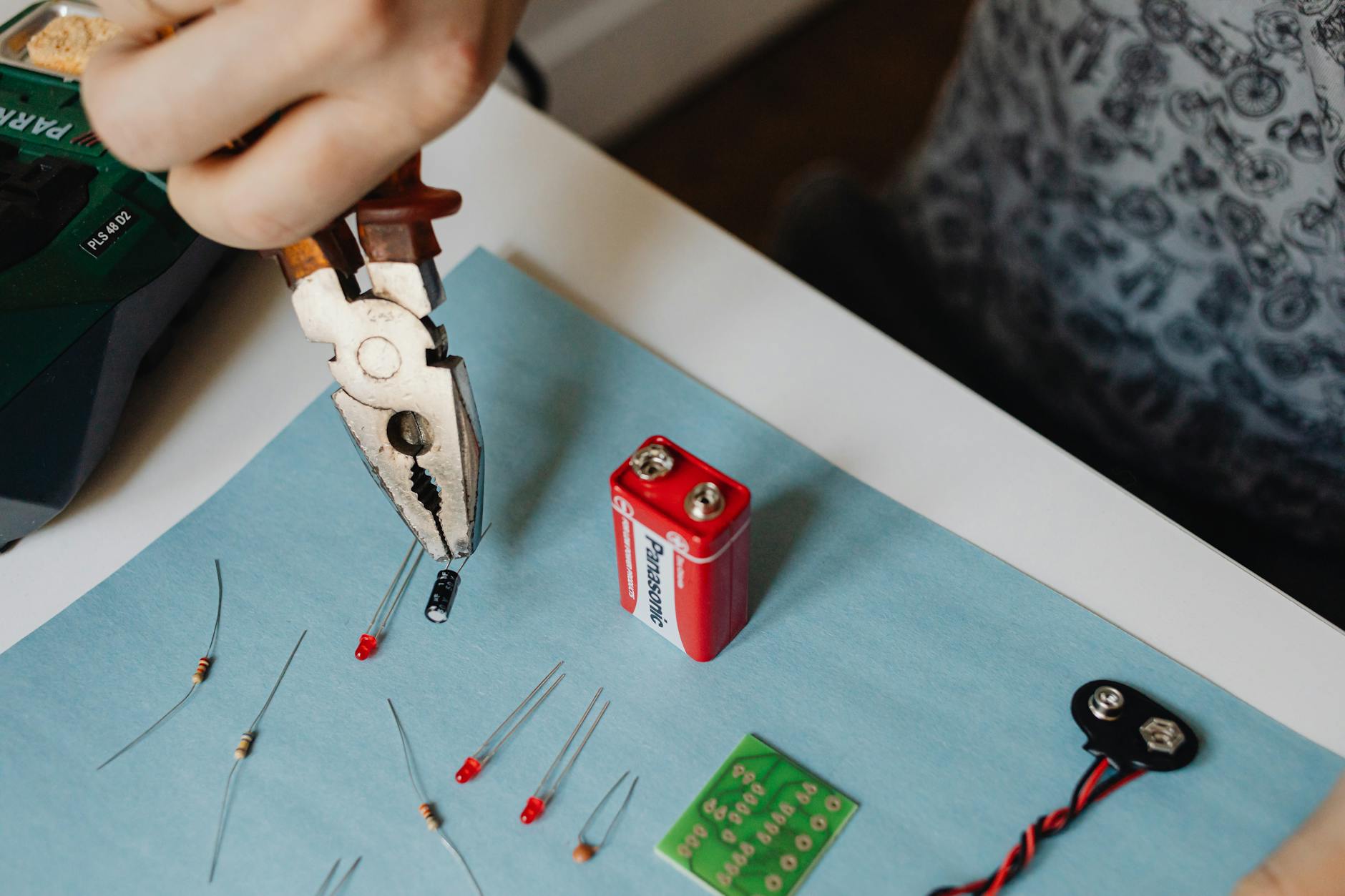
Homemade circuit boards, DIY battery packs, custom wiring projects, and prototype electronic devices trigger some of the highest-alert responses possible from airport security scanners. The combination of wiring, batteries, and unfamiliar components creates a scan profile that closely resembles explosive device components and results in immediate escalation involving senior officers and in many cases local law enforcement. Engineers, students, and hobbyists frequently misjudge the appearance of their projects through a security lens and face extended questioning that can result in missed flights. Homemade electronics should always be declared in advance with the airline and transported in checked luggage with full documentation of their purpose and components.
Trophy Skulls

Animal skulls including those of deer, rams, bears, and boars purchased as hunting trophies or decorative pieces are a recurring source of alarm at airport security checkpoints due to their unmistakable silhouette on X-ray imaging. Officers encountering a large horned skull in a carry-on bag must not only assess its regulatory status but manage the reaction of surrounding passengers who often have no context for what they are seeing on the shared monitor. Import and export regulations for animal skulls vary significantly between countries and many species are subject to wildlife protection laws that make casual transport genuinely illegal. Declaring such items through proper customs channels and using specialist shipping services is the only responsible approach for legitimate collectors.
Knitting Needles

Long metal or bamboo knitting needles generate a surprising amount of secondary attention at security checkpoints despite being permitted in carry-on luggage in most countries under most circumstances. The length and pointed nature of the needles create a scan image that new security officers frequently flag for review, leading to a bag inspection that exposes the entire knitting project to the queue behind. Travelers who also carry multiple skeins of yarn alongside their needles report that the combination of dense fiber and metal creates a particularly confusing composite image that almost always triggers a manual check. Most experienced knitters now carry a printed copy of the relevant aviation authority guidelines to smooth the process at the checkpoint.
Solid Cheese Blocks

Large blocks of hard cheese are among the more genuinely baffling items flagged by airport security scanners due to the density and uniformity of their internal structure, which bears a resemblance to certain plastic explosive compounds under X-ray imaging. Travelers carrying generously sized wheels or blocks of artisan cheese from regional markets often face a detailed inspection and a request to explain the item to an officer who may have encountered this exact situation dozens of times before but is still obligated to follow protocol. The TSA and equivalent bodies in other countries have publicly acknowledged that cheese is one of the more consistently confusing food items in the scanner environment. Packing cheese in checked luggage or purchasing it airside after security is the universally recommended approach for serious cheese travelers.
Oversized Dildos

Particularly large novelty or functional adult items create some of the most prolonged and publicly visible bag searches at airport security checkpoints due to the unambiguous silhouette they produce on scanner monitors visible to fellow travelers in the queue. Security officers are trained to maintain complete neutrality but the surrounding passengers are not, and the social atmosphere at the checkpoint during these searches is widely reported as intensely uncomfortable for the traveler involved. Packing such items deep within checked luggage surrounded by clothing represents a significantly more discreet approach than carry-on transportation. Travelers who have experienced the carry-on alternative consistently advocate for the checked luggage option regardless of the inconvenience involved.
Snakes
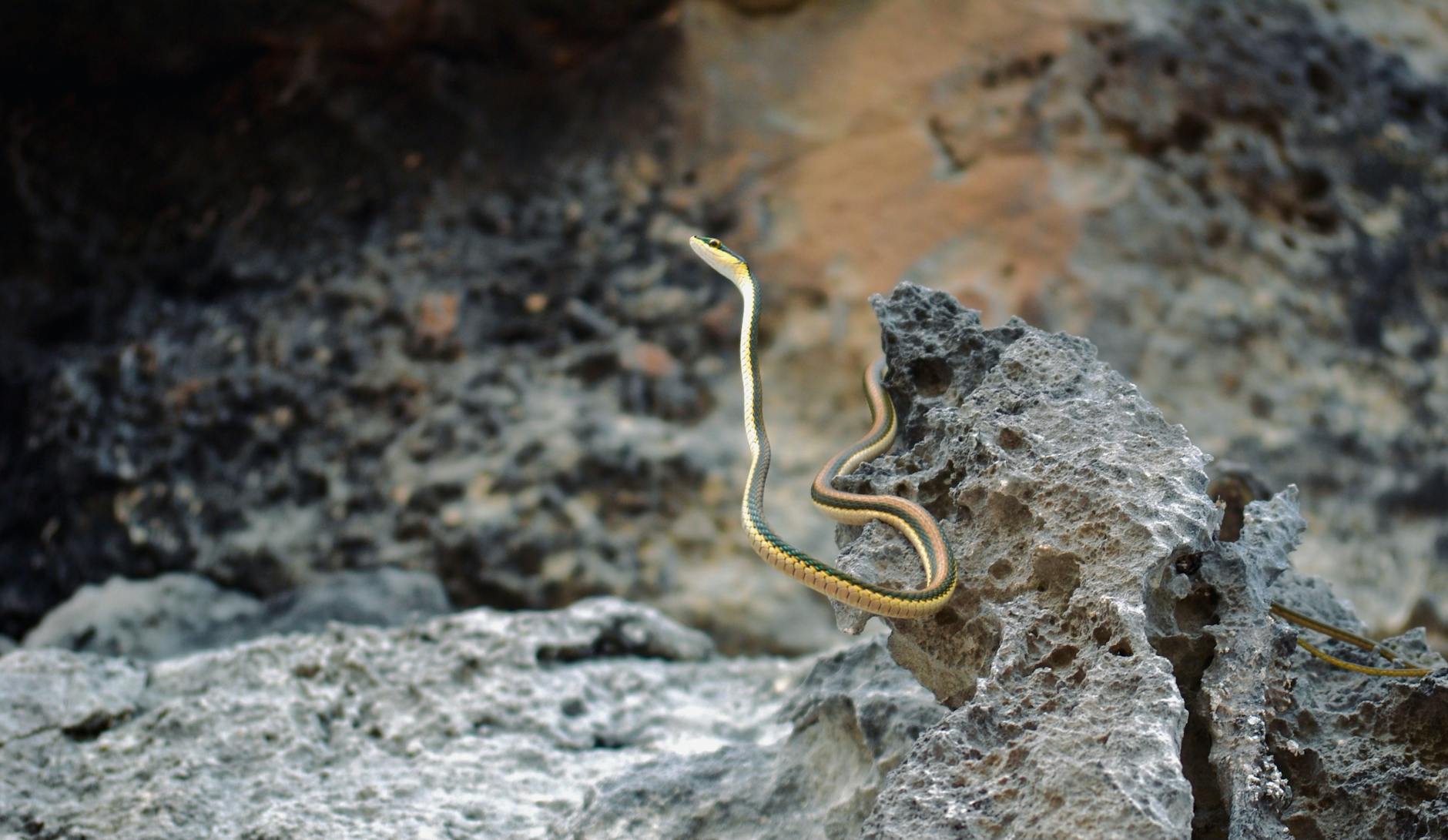
Attempts to smuggle live snakes through airport security represent some of the most dramatic and genuinely alarming detection incidents in airport history, involving everything from small garden snakes hidden in clothing to larger species concealed in modified luggage compartments. The movement and heat signature of live reptiles can trigger multiple scanner alerts and the discovery of a live snake in a public security area creates an immediate operational disruption that affects the entire terminal. Wildlife smuggling involving live reptiles carries serious criminal penalties in most jurisdictions including substantial fines and imprisonment. The welfare implications for the animals involved make these cases among the most seriously prosecuted in international aviation security law enforcement.
Samurai Swords

Full-length katanas and other traditional Japanese bladed weapons are among the most visually dramatic items discovered during airport security screening, creating a distinctive and unmistakable profile on X-ray imaging that immediately halts the scanner belt. Tourists returning from Japan frequently purchase authentic or decorative swords as cultural mementos without adequately researching the strict regulations governing their transport on commercial aircraft. The conversation at the checkpoint between a security officer and a tourist holding a traditionally wrapped sword is a recurring scenario in airport security training materials. All bladed weapons must be packed in rigid checked luggage with advance notification to the carrier and in compliance with the import laws of the destination country.
Meat Cleavers
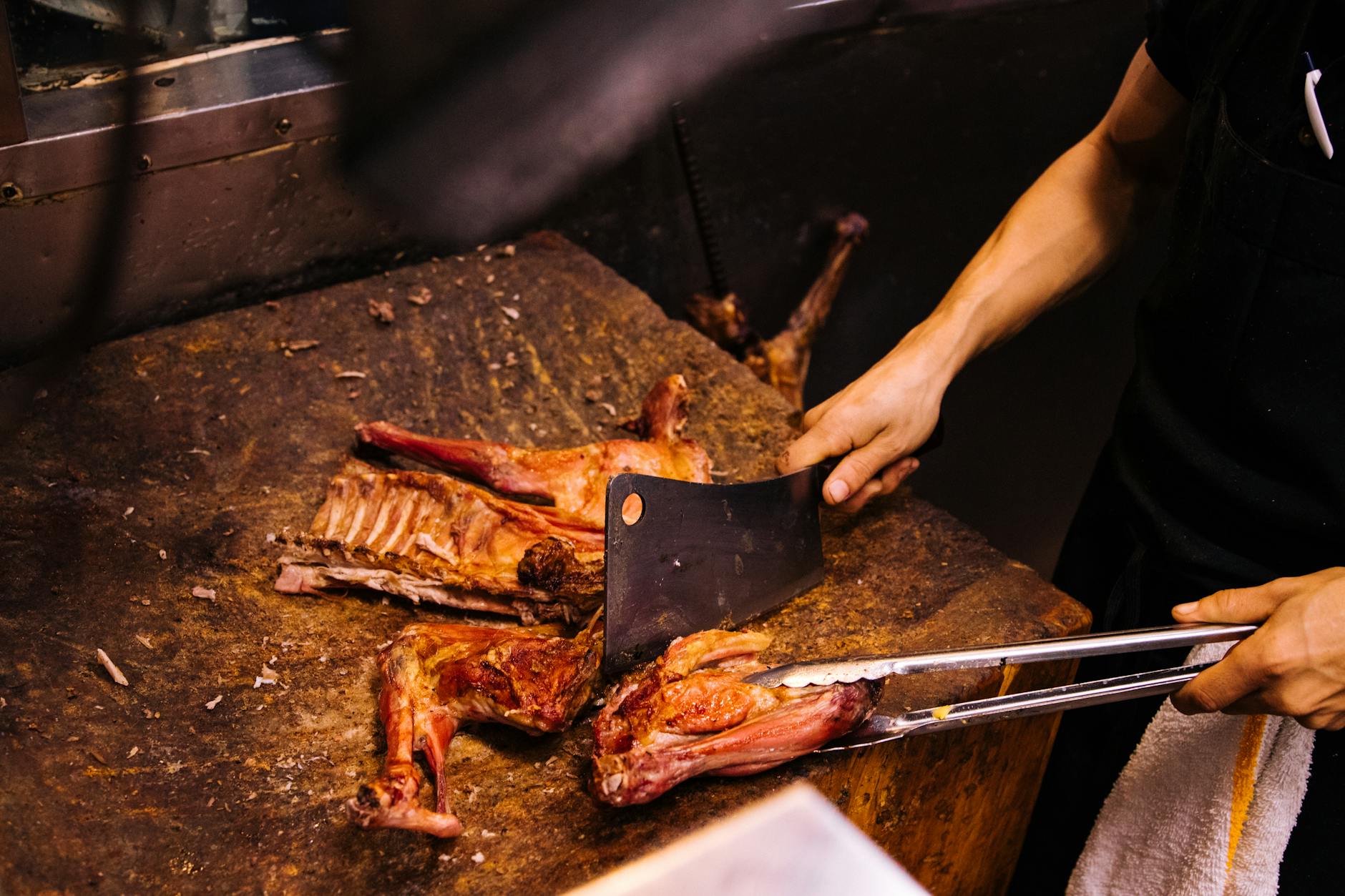
Kitchen equipment including full-size meat cleavers, butcher knives, and commercial-grade chef knives are regularly attempted through carry-on security by travelers who pack their kitchen belongings without adequately considering the implications for aviation security screening. The silhouette of a heavy cleaver in a kitchen bag produces an immediate stop on the scanner belt and a bag search that involves removing the item in full view of the checkpoint queue. Many of these cases involve genuine confusion rather than malicious intent as travelers who cook seriously are accustomed to treating their knives as ordinary household objects. All bladed kitchen tools must travel in checked luggage packed safely in a rigid case or securely wrapped container.
Human Ashes

Cremated remains in urns or sealed containers are legal to transport on most commercial flights but the process of discovering them at a security checkpoint is consistently described by officers as one of the more emotionally delicate situations they regularly encounter. The dense and granular internal structure of cremated remains creates a scan profile that requires manual inspection and a conversation about the contents that takes place in a public queue environment. Travelers transporting ashes without the accompanying death certificate and cremation paperwork face potential confiscation of the remains, an outcome that causes enormous distress. Airlines and aviation authorities provide detailed pre-travel guidance on the correct documentation and container requirements for traveling with cremated remains.
Snow Globes

Snow globes are among the most frequently confiscated items at airport security checkpoints worldwide due to the liquid content they contain, which falls under aviation liquid restrictions regardless of the small volume involved. The water or glycerin solution inside a snow globe is indistinguishable from other liquids under scanner analysis and cannot be transferred to a smaller container in the way that toiletries can. Travelers who purchase snow globes at airport gift shops located before the security checkpoint and then attempt to reenter a secured zone face automatic confiscation of their purchase. All snow globes larger than the permitted liquid container size must be checked in or shipped directly to the destination.
Frozen Meat

Large quantities of frozen meat packed in carry-on coolers are attempted at airport security checkpoints by travelers visiting family in other countries who wish to bring home regional or culturally specific cuts not available at their destination. The dense mass of frozen protein creates a scan image that requires full bag inspection and the semi-thawed state of most meat after airport transit means the item rarely survives the journey in acceptable condition regardless of whether it clears security. Import regulations for meat products between most countries are strict enough that the item faces a second confiscation at customs even if it passes the initial security checkpoint. Specialist food exporters and international grocery delivery services represent a far more effective solution for food-motivated travelers.
Drone Components
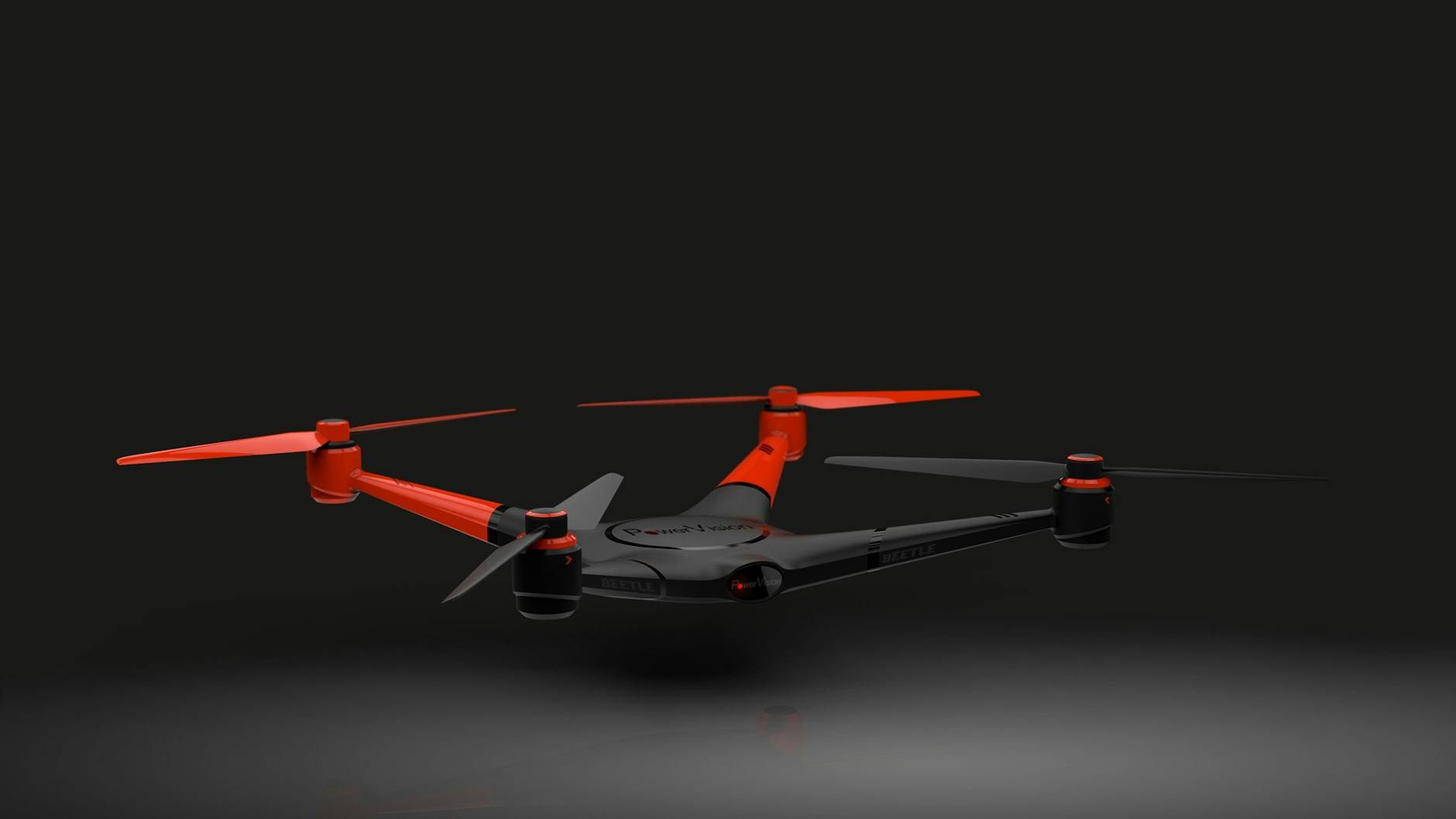
Drone batteries, motors, propellers, and controller units packed separately in carry-on luggage create a deeply confusing composite scanner image that bears enough resemblance to surveillance or electronic warfare equipment to trigger consistent secondary screening. Lithium polymer batteries of the type used in performance drones are subject to specific aviation restrictions regarding charge level and packaging that most recreational drone owners are not fully aware of when packing. Officers tasked with identifying drone components in a bag filled with cables, tools, and electronics face a time-consuming inspection process that delays the traveler and the entire queue behind them. Drone equipment should be researched thoroughly against the airline’s specific electronic device policy before any decision is made about carry-on versus checked transport.
Giant Lollipops

Novelty oversized lollipops and candy sculptures purchased as gifts create a scanner profile that confuses automated threat detection systems due to their unusually dense sugar mass and in some cases internal supporting structures. Officers who open a bag to discover a themed candy sculpture the size of a small child’s head report a consistent moment of genuine surprise before professional composure reasserts itself. The sugar density of large confectionery items can mirror the scan characteristics of certain contraband substances closely enough to warrant a field test in some airports. Packing oversized novelty food items in checked luggage surrounded by protective padding is both safer for the item and significantly less disruptive at the checkpoint.
Taxidermy Insects

Large framed collections of mounted beetles, butterflies, and exotic insects purchased from natural history markets or specialist dealers create an elaborate and visually striking scanner image that reliably brings the belt to a stop at security checkpoints. The combination of glass frames, metal pins, and preserved organic material produces a dense and confusing composite profile that requires manual inspection and an explanation of entomological collecting as a hobby to an officer who may not share the enthusiasm. Import regulations for preserved insects vary significantly between countries with many species subject to wildlife protection legislation that prohibits their transport without proper documentation. Specialist dealers routinely provide certified shipping services that handle customs documentation and safe transport as part of the purchase price.
Chainmail

Historical or theatrical chainmail garments packed in carry-on luggage produce one of the most visually dramatic images possible on an airport X-ray scanner, appearing as a dense interlocking metal mass that immediately halts processing and draws the attention of every officer at the checkpoint station. The weight of chainmail is itself a practical argument against carry-on transport as even a single garment can approach or exceed standard weight limits for cabin baggage on most carriers. Reenactors and theatrical costume travelers frequently underestimate how long the inspection and explanation process will take when a full chainmail hauberk is discovered in a roller bag at peak travel times. Specialist courier services experienced in transporting theatrical and historical equipment represent the most practical solution for traveling with metal costume components.
Full Cheese Wheels
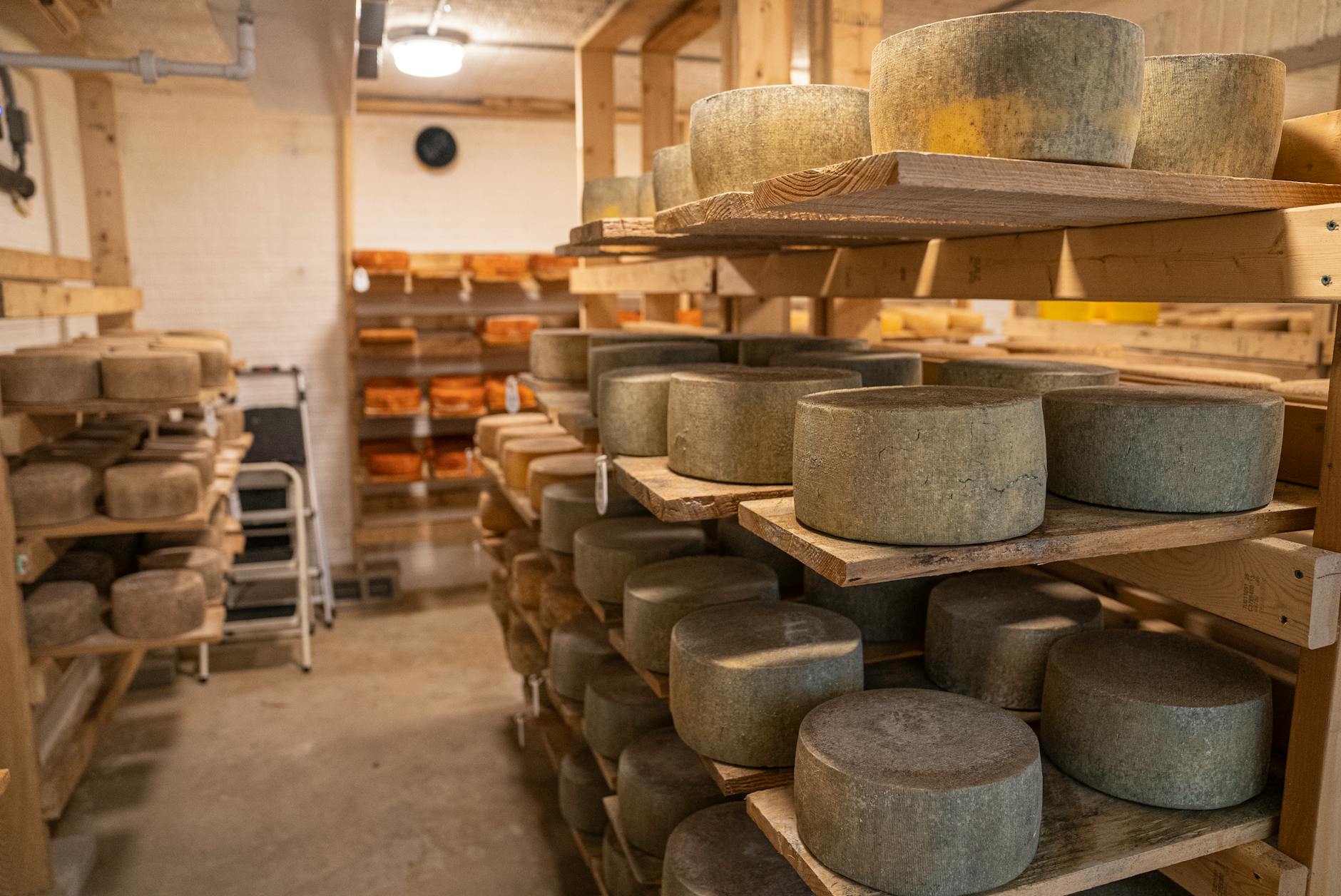
Entire wheels of aged cheese including full parmesan, manchego, or aged gouda present a scanner profile similar in density to some plastic explosive compounds and are among the food items most likely to be referred for explosive trace detection testing at international airports. The sheer size of a full cheese wheel frequently exceeds carry-on baggage dimension limits before the content question even arises, creating a two-stage problem at the checkpoint that no amount of enthusiastic cheese advocacy resolves quickly. Customs regulations in many countries also restrict or prohibit the import of unpasteurized dairy products regardless of how the item performs at the security scanner. Purchasing cheese on arrival or using specialist food shipping services is the consistent recommendation from both security professionals and customs authorities.
Breast Milk Pumps
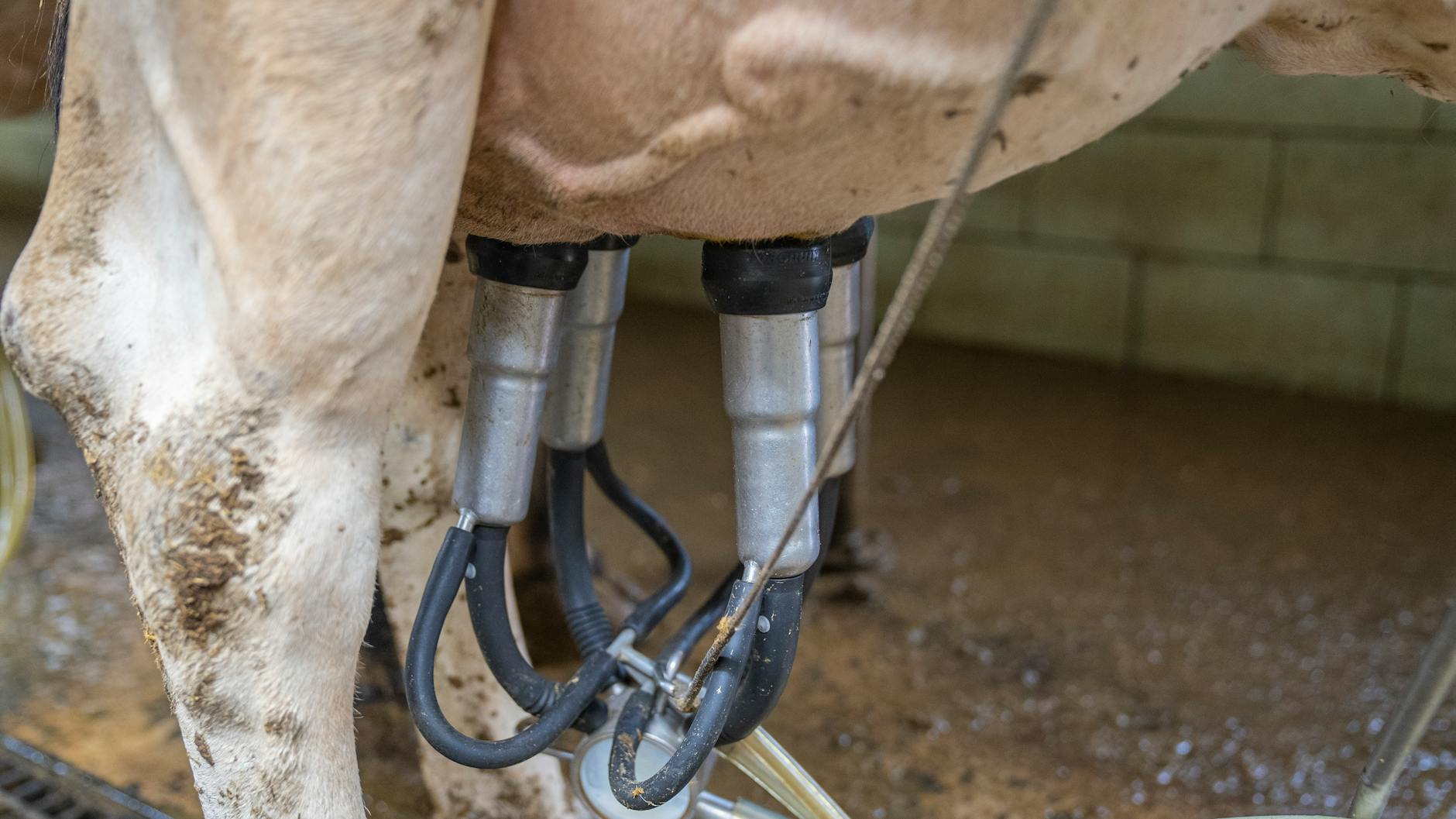
Electric breast pumps with multiple components, tubes, and motor units create a carry-on scanner profile that requires secondary inspection at a high proportion of checkpoints, causing delays and privacy disclosures that nursing travelers frequently describe as stressful and undignified. Most aviation authorities explicitly permit breast pumps in carry-on luggage but the gap between policy and checkpoint practice means that travelers without printed documentation of the relevant rules face inconsistent treatment. The accompanying milk storage bags and bottles add a further liquid-assessment layer to the checkpoint process when the combined volume approaches or exceeds the permitted liquid threshold. Traveling with a printed copy of the relevant authority guidelines and packing pump components in an easily accessible top section of the bag significantly reduces checkpoint friction for nursing travelers.
Antique Firearms

Deactivated or antique firearms carried as collector pieces generate full security escalations identical to those triggered by functional weapons regardless of their age, certification, or the sincerity of the collector’s historical interest. The physical components of an antique pistol or rifle are mechanically indistinguishable from a functional weapon under X-ray analysis and officers are not equipped at the checkpoint to assess deactivation certification or historical provenance. Collectors who have invested significantly in rare pieces sometimes attempt to transport them in carry-on luggage to avoid the handling risks of checked baggage, a decision that results in confiscation and potential legal proceedings in most jurisdictions. All firearms including antiques and deactivated pieces must travel in locked hard cases in checked luggage with advance airline notification and full compliance with the firearms transport regulations of every country on the itinerary.
Prosthetic Limbs
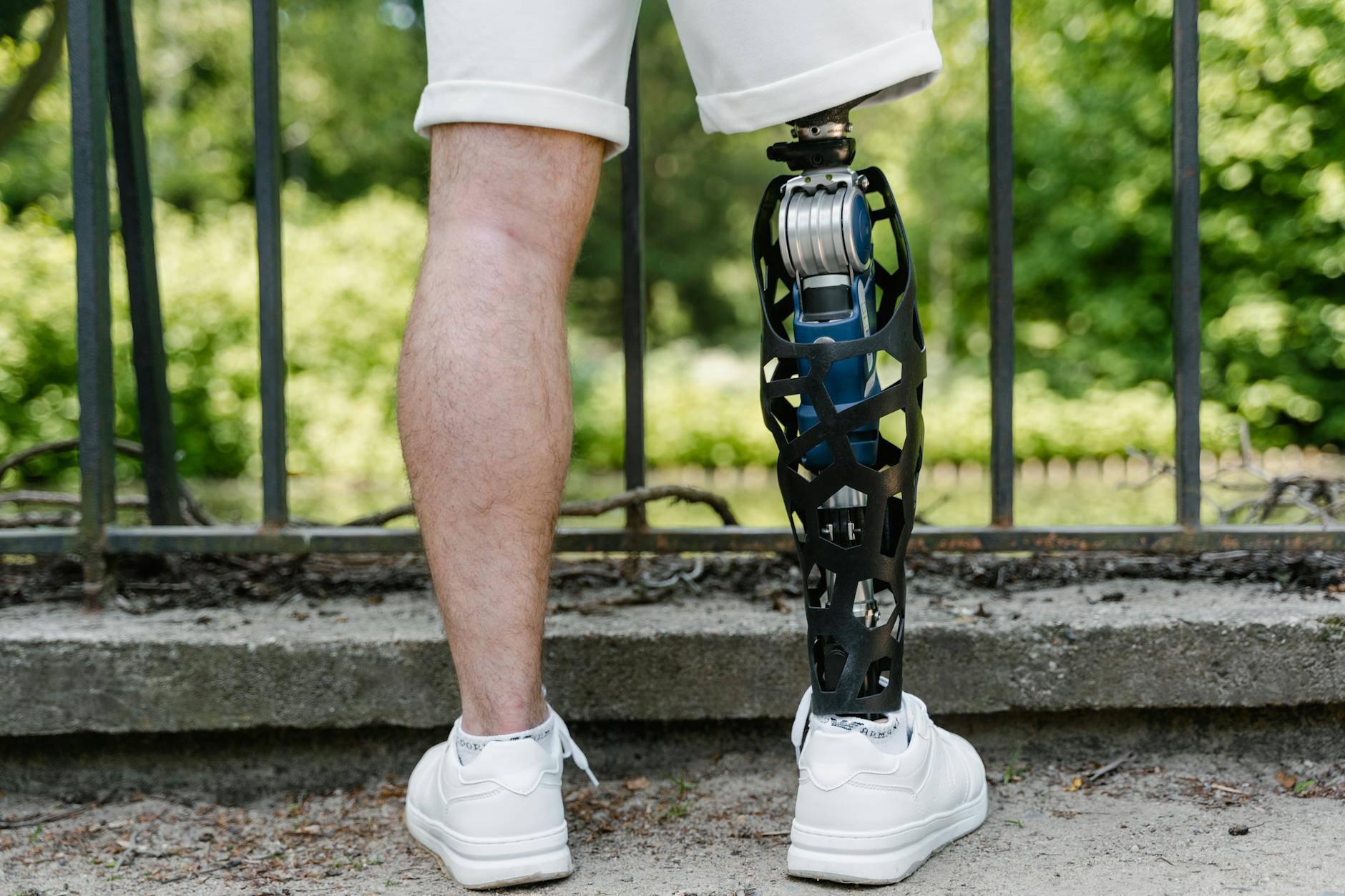
Travelers with prosthetic limbs face a security screening process that is simultaneously necessary under aviation protocols and consistently described as one of the more uncomfortable public experiences in modern travel. The metal components, electronic actuators, and complex internal structure of advanced prosthetics trigger scanner alerts that require manual pat-down procedures in full view of other passengers waiting in the checkpoint queue. Many airports now have designated private screening areas but travelers report these are not always proactively offered and must sometimes be specifically requested in a moment that already carries significant emotional weight. Aviation authorities in most countries provide a dedicated accessibility contact line for travelers with prosthetics who wish to understand their rights and arrange appropriate screening conditions before arriving at the airport.
Power Tool Collections

Contractors and tradespeople who travel for work frequently attempt to carry essential tools including drills, multi-tools, and professional-grade equipment in carry-on bags to avoid the risk of checked luggage loss or damage to expensive items. The resulting scanner image of a bag filled with drill bits, blades, and battery packs creates one of the most time-consuming secondary inspections a checkpoint officer can face, requiring individual assessment of every component against the permitted and prohibited tools list. Many items in a standard contractor’s toolkit fall into regulatory grey areas that vary between airlines and countries, meaning the outcome of the inspection is unpredictable even for experienced traveling tradespeople. A hardshell checked case with a comprehensive pre-packed tool inventory checked against airline regulations before departure is the only approach that reliably avoids checkpoint complications.
Realistic Baby Dolls

Hyper-realistic silicone baby dolls purchased as collector items or therapeutic companions produce some of the most emotionally disruptive moments in airport security when their appearance on the scanner monitor is mistaken by officers or surrounding passengers for an actual infant. The silicone density, articulated limbs, and weighted body of a realistic doll create a human-profile scan image that triggers an immediate and urgent response from security staff trained to prioritize child welfare above all other checkpoint concerns. The subsequent revelation that the item is a doll rather than a child creates a charged atmosphere at the checkpoint that is difficult for all parties to navigate with composure. Collectors traveling with these items are advised to carry the original packaging and documentation and to proactively inform the officer at the document check before the bag enters the scanner belt.
If you have ever witnessed or personally experienced an awkward airport security moment involving an unexpected item, share your story in the comments.