The delivery driver who appears at your door for sixty seconds knows more about your private habits, consumption patterns, and lifestyle choices than almost anyone you interact with professionally, and they are judging absolutely every bit of it. The package, the frequency, the timing, the address, the condition of the doorstep, and the way you answer the door all contribute to a profile that experienced drivers assemble within seconds and carry with them through the rest of their shift as mental commentary. What feels like an anonymous and consequence-free transaction conducted entirely through a screen is, from the other side of the doorbell, a remarkably revealing window into the life of the person inside. Drivers who cover the same routes repeatedly develop detailed and surprisingly accurate impressions of the households they serve, impressions built almost entirely from the evidence of what those households choose to order and how often they order it. Here are 23 embarrassing things delivery drivers secretly judge you for ordering online.
Excessive Fast Food
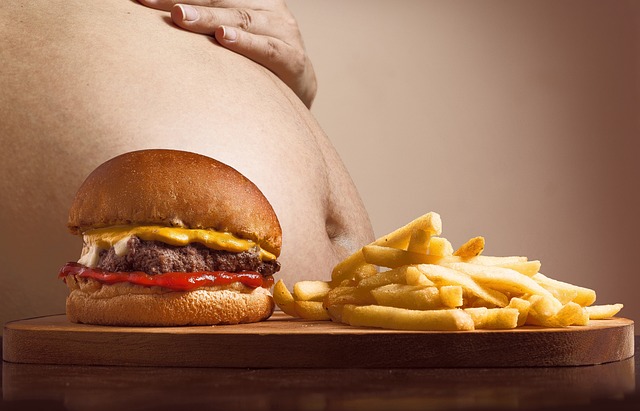
A single fast food delivery order carries no particular judgment, but a driver covering the same residential route who delivers to the same address multiple times per week builds a precise picture of a household’s relationship with delivered food that they share freely with colleagues during shift breaks. The combination of order frequency, order size, and the timing of those orders tells a story that experienced drivers read without effort, with late-night multi-bag orders from the same address appearing night after night registering as a lifestyle pattern rather than an occasional convenience. Drivers who handle food delivery for multiple platforms simultaneously often recognize the same address appearing across different apps on the same evening, indicating that the volume of food ordered exceeded what a single platform’s menu could satisfy. The weight and bag count of a large fast food order collected for a single-person address is something drivers notice and mentally file against their impression of the household’s consumption habits. The judgment is rarely harsh in isolation, but the cumulative impression built across repeated deliveries to the same address creates a narrative that drivers carry and occasionally discuss with the frankness that service industry workers typically reserve for private conversation.
Embarrassing Novelty Items

Online retail platforms make it possible to purchase items whose existence would have been impossible to explain to a shop assistant twenty years ago, and delivery drivers are the modern equivalent of the shop assistant who hands over the bag. A driver delivering a package whose contents are listed on the shipping label, or whose shape and weight are immediately diagnostic of the item inside, forms an instant impression of the recipient that the brief doorstep interaction does little to complicate or contextualize. Novelty adult items, joke gifts of questionable taste, and personal pleasure products shipped in packaging that is less discreet than the retailer promised are all categories that drivers encounter regularly and discuss among themselves with considerable amusement. The driver who maintains a professionally neutral expression during the handover is performing a courtesy that the recipient rarely appreciates is a deliberate and effortful act of professional restraint. Packaging descriptions, product photography visible through clear mailer bags, and the specific dimensions of certain items are enough to inform an experienced driver precisely about what is inside before they have even reached the door.
Bulk Junk Food
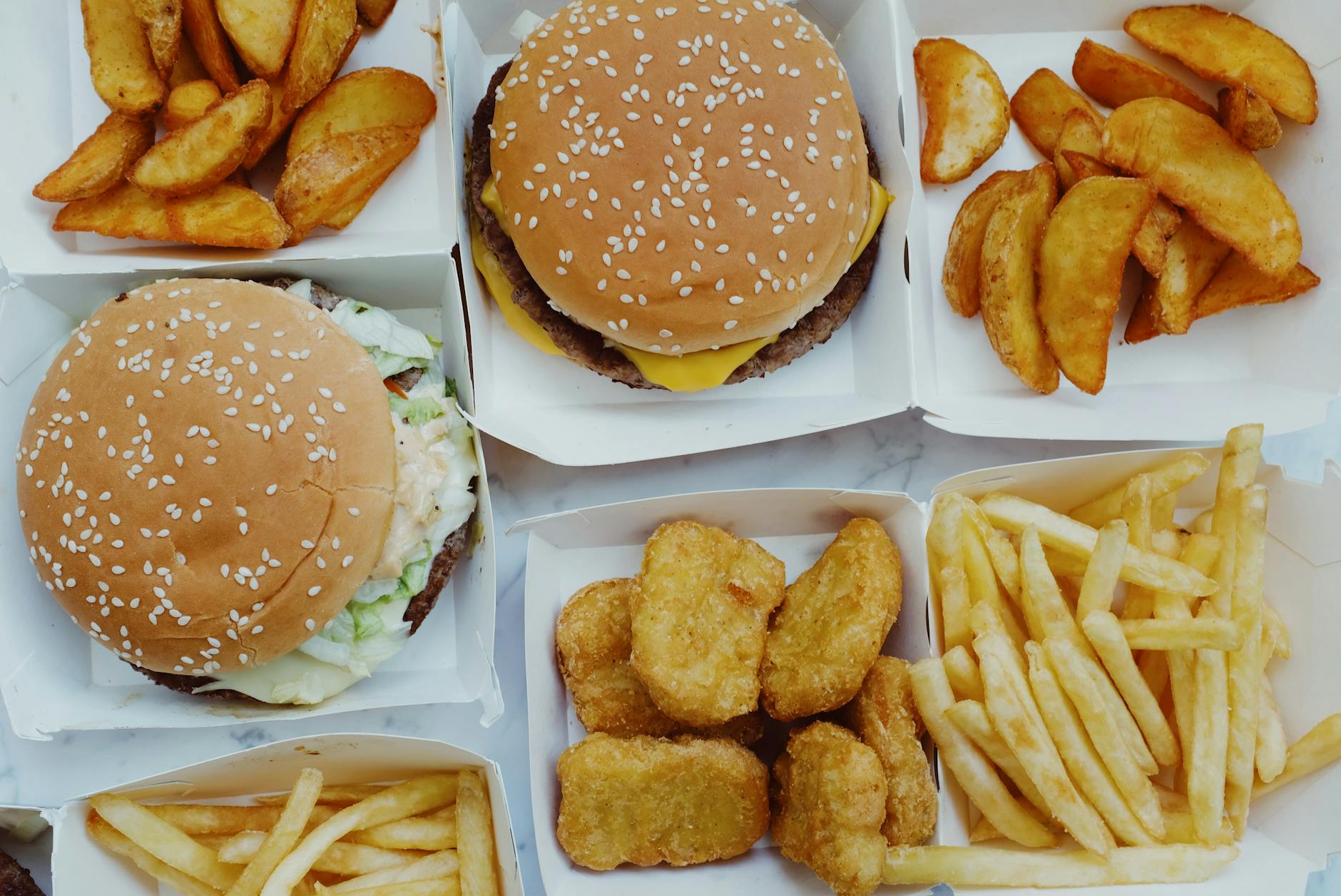
A delivery of bulk-purchased junk food in quantities that clearly exceed what any reasonable person would describe as a moderate treat supply creates an immediate and lasting impression on the driver who carries it from the van to the door. Cases of crisps, multi-packs of confectionery, bulk chocolate orders, and catering-size quantities of soft drinks ordered to a residential address communicate a relationship with these foods that goes beyond occasional indulgence in a way that drivers register and remember. The weight of these orders is itself a factor in the driver’s experience and impression, with a heavy box of bulk snack food creating a physical interaction with the evidence of the customer’s consumption habits before the door has even opened. Repeat deliveries of the same bulk junk food products to the same address within a short timeframe indicate that the previous bulk supply has been exhausted faster than the delivery interval would suggest was moderate. Drivers who cover regular routes develop a detailed mental inventory of which addresses receive which categories of food-related deliveries with what frequency, and bulk junk food addresses are among the most consistently remembered in this informal categorization.
Infomercial Products
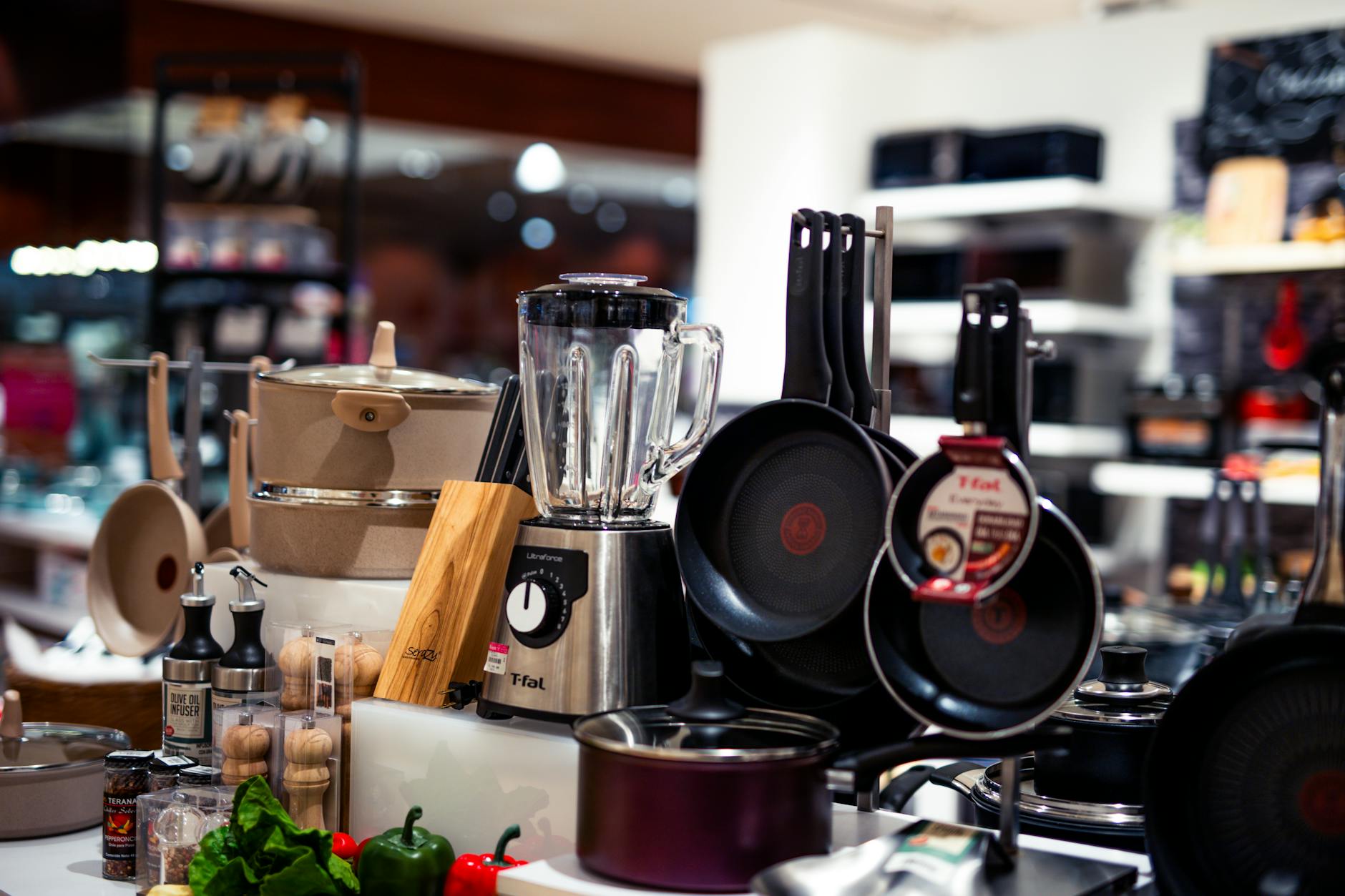
The products that appear in late-night television advertisements and online impulse-purchase platforms occupy a specific category of delivery that drivers recognize instantly from the branding, packaging style, and shipping origin of the parcel. As-seen-on-TV products, miracle fitness devices, kitchen gadgets that promise to eliminate every preparation step in cooking, and beauty tools that claim transformative results all arrive in packaging that is immediately recognizable as belonging to this category of aspirational purchase. Drivers who deliver these items know from experience that many of them will be returned within the week, creating a second delivery interaction in which the driver collects the same item in repackaged form without either party acknowledging the failed promise of the original purchase. The specific combination of product category, delivery frequency, and return rate that some addresses generate in the infomercial product space creates an impression of impulsive purchasing behavior that drivers observe across multiple interactions over time. The judgment is less about the specific item than about the pattern of acquisition and return that communicates a vulnerability to marketing claims that the internet has made it extraordinarily easy to act on at any hour.
Single Item Grocery Orders
Ordering a single grocery item through a rapid delivery platform, particularly an item that is available at any corner shop within walking distance of the delivery address, is a behavior that drivers in dense urban areas encounter regularly and discuss with a mixture of disbelief and professional resignation. A driver who has navigated traffic, found parking, and carried a bag to the door of an able-bodied adult who has ordered a single avocado, one bottle of sauce, or a single packet of biscuits is experiencing the full expression of convenience culture in its most distilled form. The cost of the delivery fee relative to the cost of the item, a calculation the driver is often in a position to make based on the weight and size of the bag, is something experienced drivers find consistently remarkable when applied to single-item grocery orders. The frequency with which the same address appears in the driver’s queue for single-item orders across multiple days of the week builds an impression of a household that has entirely outsourced the concept of advance planning to a delivery platform. Drivers rarely voice this judgment directly, but the internal commentary it generates is among the most consistently shared observations in delivery driver community discussions about customer behavior.
Excessive Alcohol Deliveries

Alcohol delivery services have normalized the home delivery of wine, spirits, and beer to a degree that makes occasional orders entirely unremarkable, but the pattern of orders from a specific address tells a story that drivers who cover regular routes read with considerable accuracy. A household that receives alcohol deliveries several times per week, particularly orders that arrive in the late afternoon or evening and increase in frequency toward the end of the week, presents a consumption pattern that goes beyond casual entertaining in the minds of drivers who observe it repeatedly. The specific combination of products ordered, the quantity per order, and the regularity of the delivery schedule all contribute to an impression that experienced drivers form and carry through their working knowledge of the addresses on their route. Drivers are required to verify age at the door during alcohol deliveries, an interaction that provides a brief but revealing glimpse into the state of the person receiving the order and the context of the household at the time of delivery. The cumulative impression built from multiple alcohol deliveries to the same address over weeks and months is one of the more personally sensitive pieces of behavioral data that delivery drivers accumulate about their regular customers.
Revenge Shopping Hauls
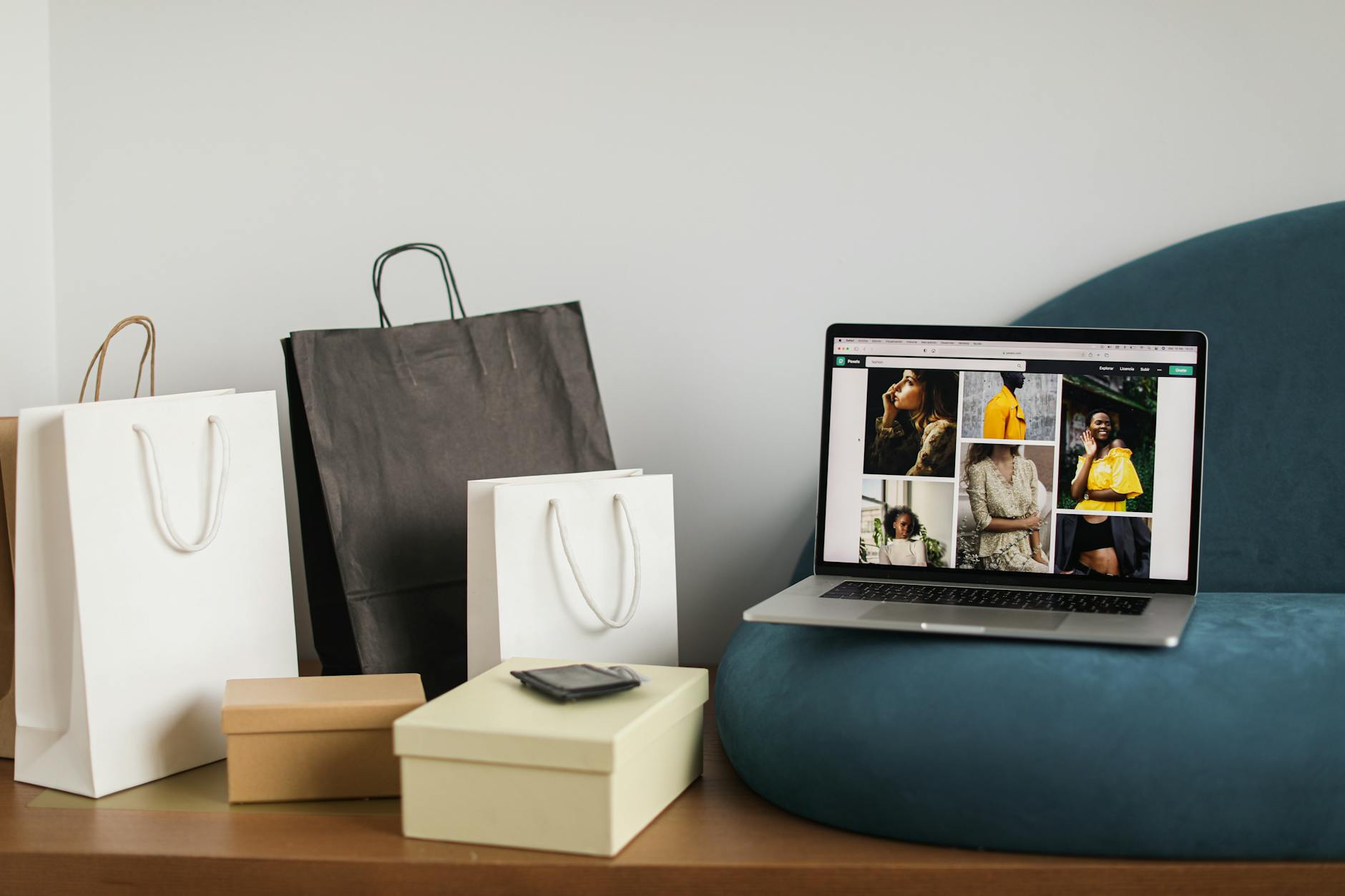
The phenomenon of retail therapy taken to its logical extreme produces delivery patterns that experienced drivers identify as emotional purchasing behavior rather than planned acquisition, based on the volume, variety, and frequency of orders arriving within a compressed timeframe. A household that receives multiple parcels per day across several consecutive days, representing orders placed across many different retailers in a short window, displays a purchasing pattern inconsistent with normal planned shopping that drivers recognize as a response to an emotional event rather than a genuine need. The variety of product categories across these hauls is itself diagnostic, with unrelated items from beauty, home, clothing, food, and entertainment categories arriving simultaneously suggesting that the purchasing was driven by the act of buying rather than by specific requirements for any of the individual items. Drivers who observe these intensive delivery periods at specific addresses sometimes witness the transition from the haul phase to the returns phase, during which many of the same items leave the address in courier collection bags within days of their arrival. The emotional arc of an intense shopping period followed by a return phase is something drivers on regular routes observe as a recognizable pattern tied to specific addresses and, by implication, specific households and their recurring life events.
Adult Content Subscriptions

Physical merchandise related to adult content subscriptions, fan platforms, and related services arrives through delivery channels in packaging that retailers describe as discreet but that experienced drivers learn to identify through a combination of shipping origin, package dimensions, labeling conventions, and the specific awkwardness of the recipient’s doorstep manner during collection. Drivers who cover routes with a high density of residential addresses encounter this category of delivery with a regularity that has made it entirely routine from their professional perspective, while remaining a source of doorstep discomfort for many recipients who overestimate the effectiveness of the plain packaging. The interaction at the door during these deliveries is frequently the most revealing element, with recipients who are aware of what the parcel contains displaying a specific combination of overconfidence and avoidance behavior that is more communicative than a straightforward acceptance of the package would be. Drivers who work multiple delivery platforms develop a comprehensive awareness of which shipping companies and packaging styles are associated with which categories of online retailer, information that makes the discreet packaging promise of many adult content merchandise retailers considerably less effective in practice. The professional neutrality that drivers maintain during these handovers is genuine, born of the volume and variety of what they deliver daily, but the mental note about the address and its ordering patterns persists regardless.
Extreme Diet Products

The delivery of products associated with extreme or fad diet regimens communicates a specific moment in a person’s relationship with their body that drivers observe from the outside with a perspective the recipient rarely considers. Meal replacement shakes in bulk quantities, appetite suppressant teas in large orders, extreme calorie restriction program starter kits, and detox product bundles all arrive in packaging that is recognizable by branding, product description on the outer label, or the specific dimensions and weight characteristics associated with liquid diet products. Drivers who cover the same route regularly sometimes observe the transition between diet product phases at a specific address, with different product systems arriving in sequence as the customer moves through the cycling pattern that characterizes engagement with fad diet culture. The judgment formed around these deliveries is less about the specific product than about the volume and frequency of purchase relative to the observable results at the door, an unkind calculation that drivers rarely express but frequently make as a private mental observation during the delivery interaction. Return deliveries of unopened diet product boxes within the first week of a new program are a pattern that drivers on regular routes observe with a frequency that reflects the documented reality of fad diet abandonment rates.
Gaming Equipment Hauls

A household that regularly receives gaming hardware, accessories, limited edition releases, and gaming merchandise creates an impression in the driver’s mind built from the combination of package frequency, product branding visible on outer packaging, and the weight and dimensions of gaming hardware boxes that are among the most recognizable in residential delivery. The specific culture around gaming releases, where collectors order multiple editions of the same title and receive hardware upgrades shortly after the previous generation of equipment was delivered, produces a delivery pattern that experienced drivers associate with a specific lifestyle and spending profile. Gaming merchandise including figurines, art books, branded clothing, and collector items arrives in packaging that is often enthusiastically branded in ways that communicate the product category immediately to anyone handling the box. Drivers making gaming deliveries to specific addresses develop an awareness of the sophistication and scale of the collection being built inside, inferred from the type and frequency of what arrives over time without the driver ever having seen the interior of the home. The judgment is not uniformly negative and often carries an element of recognition for a serious collector hobby, but the financial scale of dedicated gaming purchasing observed from the outside through the evidence of repeated deliveries creates an impression that drivers discuss within the specific context of retail spending priorities.
Impulse Buy Collections
The online impulse purchase has replaced the checkout aisle as the primary environment in which humans make buying decisions they immediately regret, and the evidence of these decisions arrives at the door in a stream of parcels whose variety defeats any attempt at a coherent explanation of what they were for. Drivers who deliver to addresses with a high volume of small parcels from varied retailers covering unrelated product categories develop an impression of a household operating in a permanent state of online browsing that converts spontaneously into purchase without the friction of physical retail to slow the decision. The small parcel that arrives the day after a late-night online session, purchased in the specific mental state that combines boredom, accessibility, and the temporary reward of the buy button, is familiar to every delivery driver as a category of package whose recipient frequently opens the door with an expression suggesting they had forgotten the order existed. This forgetting is itself a diagnostic indicator of impulse purchasing behavior, as items purchased to meet a genuine need are anticipated upon arrival in a way that impulse purchases typically are not. The cumulative impression built from daily small parcel deliveries of unrelated items from varied retailers is one of the most commonly discussed customer profiles among drivers who cover high-density residential routes in affluent urban areas.
Duplicate Orders
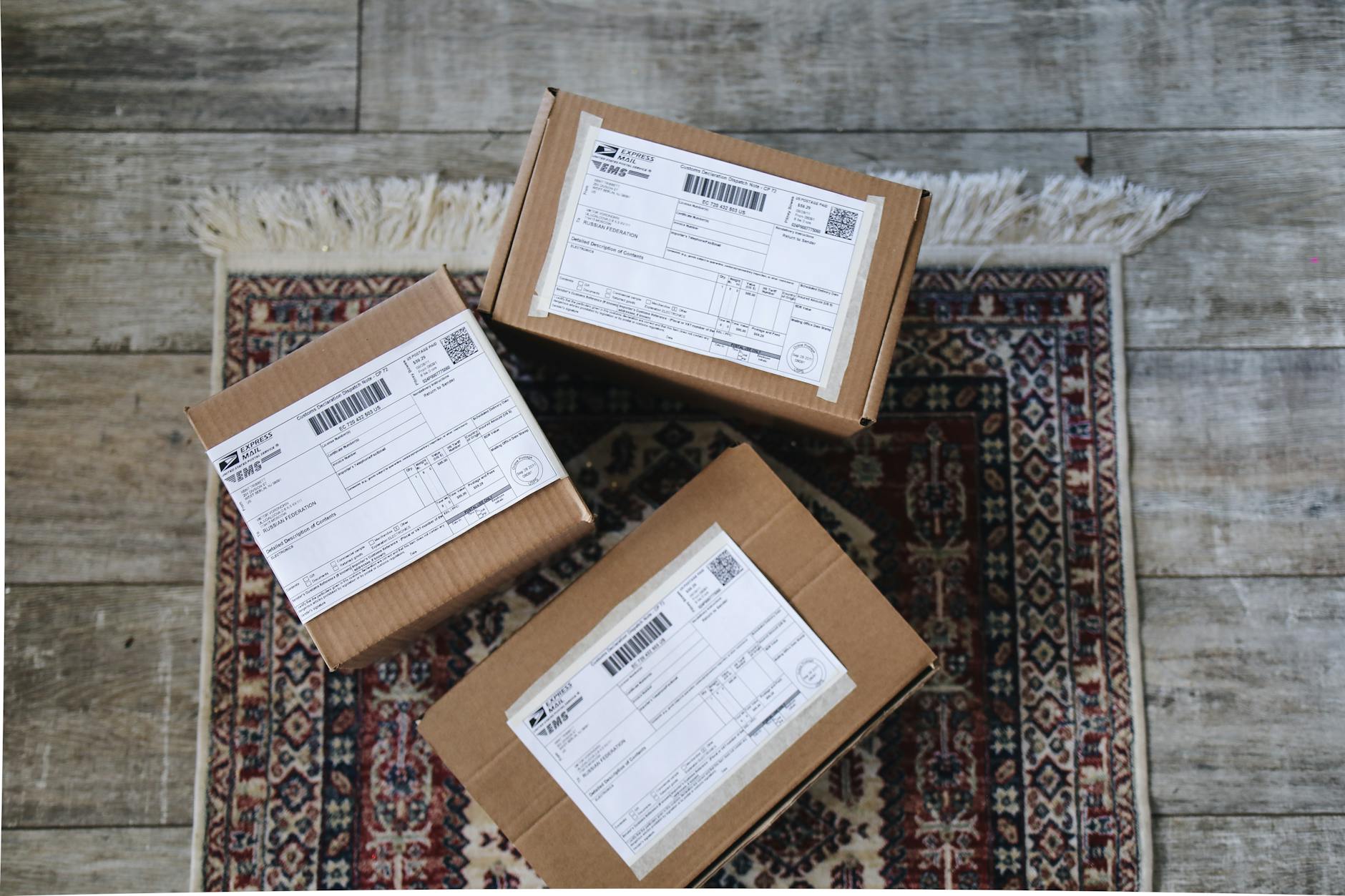
A delivery driver who brings a package to a door and is met by a recipient who already has the identical item in hand because both their orders arrived the same day is witnessing the physical consequence of a specific online shopping behavior pattern that generates unnecessary waste, cost, and logistical burden. Duplicate orders arise from the combination of impatience with a delivery timeline and the accessibility of purchasing from a second retailer before the first order has arrived, a behavior that experienced drivers observe in its completed form when both packages arrive simultaneously or within hours of each other. The doorstep interaction during a duplicate delivery is among the most revealing brief encounters in the delivery driver’s experience, combining the recipient’s surprise at the second package with the rapid calculation of whether to refuse it, accept it, or pretend the situation is entirely normal. Drivers who deliver duplicate packages to the same address develop an impression of a customer whose relationship with the waiting period between purchase and delivery is sufficiently difficult that they consistently over-order to manage the anxiety of anticipation. The environmental and financial cost of the duplicate order and its subsequent return process is something drivers who also handle returns are positioned to observe in its complete cycle at specific addresses.
Luxury Goods to Neglected Addresses

The cognitive dissonance produced by delivering a luxury branded package to an address whose physical condition suggests financial difficulty is an experience that delivery drivers discuss with genuine complexity, as it combines professional neutrality with an unavoidable human observation about the spending choices of the person on the other side of the door. A high-end fashion delivery, premium electronics package, or luxury goods shipment arriving at an address with a neglected exterior, broken fixtures, or other visible signs of deferred maintenance creates an impression that drivers carry because it tells a story whose logic they find difficult to reconcile from the outside. The judgment formed in these moments is less about the luxury item than about the implied prioritization it represents relative to the visible evidence of what has and has not been invested in at the address. Drivers who deliver across mixed socioeconomic areas encounter this dynamic regularly and develop a nuanced rather than uniformly critical view of it, informed by repeated exposure to the complexity of financial decision-making that online retail has made more visible from the outside. The luxury package delivered to the challenging address is one of the more enduring mental images that experienced drivers carry from their working knowledge of the neighborhoods they serve.
Pet Subscription Boxes

Households that subscribe to monthly pet product boxes for animals who demonstrably live better than many humans create a specific impression that delivery drivers form from the combination of branded packaging, delivery frequency, and the pet-related evidence sometimes visible or audible during the brief doorstep interaction. Premium pet subscription boxes arrive in enthusiastically branded packaging that leaves no ambiguity about the nature of the contents or the spending priority they represent, with the monthly regularity of the subscription creating a persistent presence in the driver’s route schedule. The range of premium pet products available through subscription services has expanded to include organic treats, artisan toys, luxury grooming products, and bespoke accessories that arrive in packaging whose presentation rivals that of high-end human luxury goods. Drivers who also deliver groceries or household essentials to the same address sometimes observe the juxtaposition of budget-conscious practical purchasing alongside the premium pet subscription in a combination that generates its own particular impression about household spending priorities. The judgment formed is generally affectionate rather than harsh, as pet owners are a universally recognized category of consumer for whom emotional spending is both understandable and relatable, but the scale of premium pet product purchasing that subscription services enable creates doorstep moments that drivers discuss with genuine amusement.
Medical Supplies in Bulk

Bulk orders of medical supplies, personal care products, and health management items arrive at residential addresses in quantities that create a specific and sensitive category of delivery impression that experienced drivers manage with more discretion than most other product types. Large orders of incontinence products, wound care supplies, mobility aids, or chronic condition management items communicate health information about the household that the recipient has not chosen to share and that the driver receives involuntarily through the nature of their role. The weight and dimensions of bulk medical supply orders are often immediately identifiable before the door opens, placing the driver in a position of knowing something personal about the recipient before the interaction has begun. Drivers who cover regular routes develop awareness of which addresses receive regular medical supply deliveries and carry this knowledge as context for their interactions at those doors, adjusting their manner accordingly in ways that most recipients never notice but that represent a form of professional empathy that the better drivers apply consistently. The judgment formed around medical supply deliveries is rarely critical and more often respectful of the practical challenge that managing a health condition through online bulk purchasing represents for the individual and their household.
Children’s Toy Overload
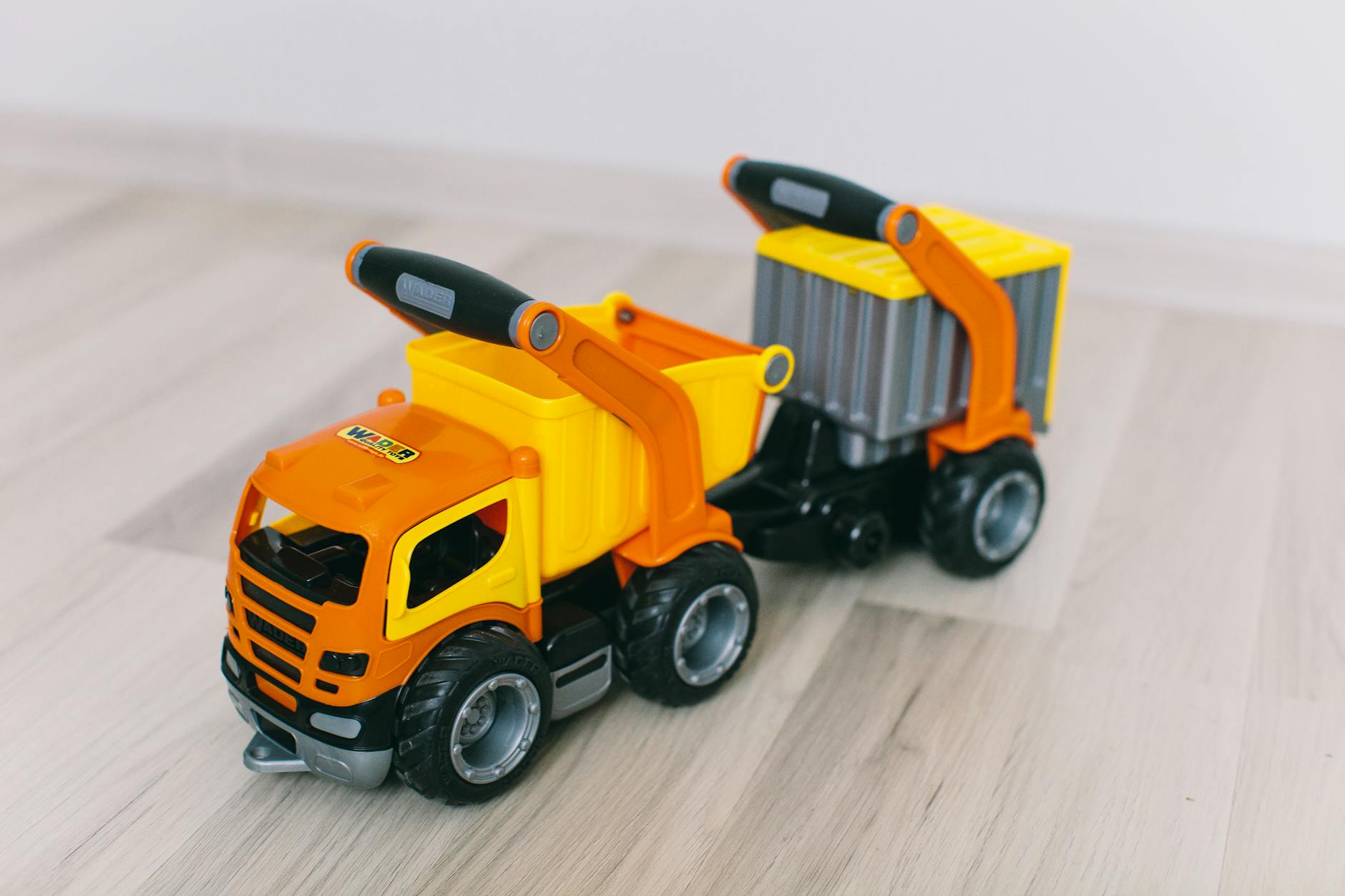
A household that receives children’s toy deliveries at a frequency that exceeds any reasonable connection to birthdays, holidays, or special occasions creates an impression in the driver’s mind that combines observations about parenting philosophy with financial commentary about the scale of spending directed toward the household’s children. Drivers who deliver to family addresses multiple times per week in boxes whose branded packaging communicates toy or children’s entertainment content develop an awareness of the volume of material goods flowing into the household relative to the number of children who could plausibly consume them. The specific brands and product categories that arrive over time paint a picture of the household’s approach to child development, consumer culture, and the use of material goods as a substitute for or supplement to other forms of engagement. Seasonal peaks around major gift-giving occasions are entirely unremarkable and expected, but the driver who delivers toy orders to the same family address throughout the year without any obvious occasion-related pattern builds an impression of continuous acquisition that they observe without the context of what motivates it. The judgment is mild and not universally negative, filtered through the driver’s own experience of family life and consumer behavior, but the volume of toy deliveries at specific addresses is one of the more consistently noted patterns in delivery driver discussions of residential purchasing behavior.
Doomsday Prepper Supplies
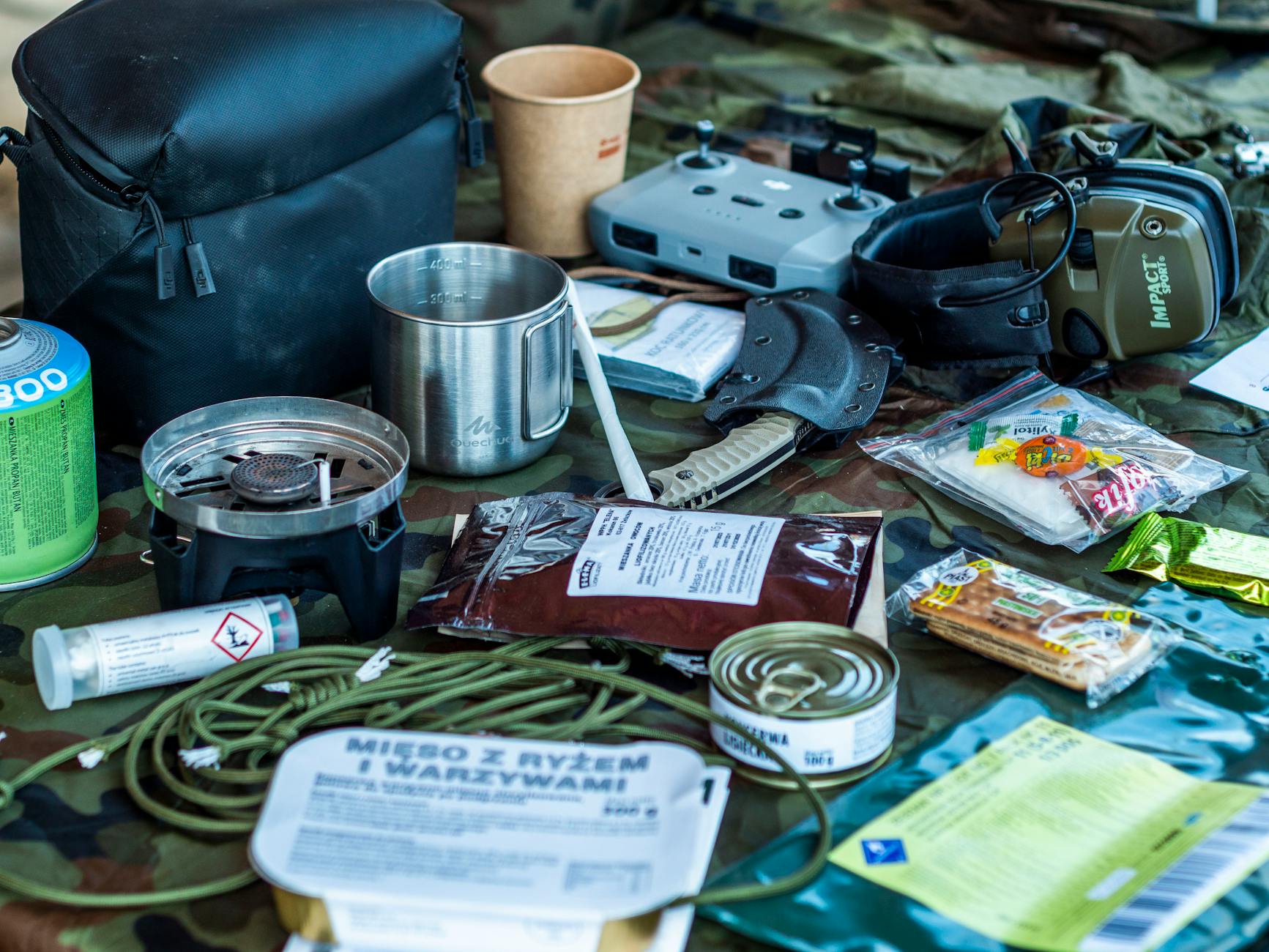
Households that are systematically building emergency preparedness stockpiles through online purchasing create one of the most distinctive and immediately recognizable delivery profiles in the residential route, combining specific product categories with quantities and frequencies that are entirely inconsistent with normal household consumption. Large orders of freeze-dried food supplies, water purification equipment, emergency communication devices, survival tool kits, and generator-related equipment arriving in sequence at the same address tell a specific and coherent story that experienced drivers read without difficulty. The weight of emergency food supplies packaged for long-term storage is a distinctive characteristic that drivers recognize before the label has been read, as the specific gravity of sealed food storage containers creates a handling experience unlike any other residential delivery category. Drivers who observe a systematic build of preparedness supplies at a specific address over multiple deliveries develop a detailed mental picture of the household’s worldview and the level of anxiety about future instability that motivates the purchasing. The judgment formed ranges from amused to impressed depending on the driver’s own perspective on preparedness culture, but the specificity and comprehensiveness of a systematic prepper supply build is universally recognized as a remarkable expression of a particular and serious commitment to a specific vision of what the future requires.
Relationship Rescue Products

The online market for products marketed toward relationship repair, romantic rekindling, and intimate connection enhancement has grown significantly with the anonymity of digital retail, and drivers deliver this category of purchase to residential addresses with a regularity that makes it familiar territory in the mental landscape of experienced residential delivery workers. Products whose marketing copy, branding, or packaging design communicates a relationship-improvement purpose arrive at doors whose recipients display a specific form of doorstep anxiety that differs from the ordinary discomfort of receiving any personal purchase in person. The timing of these deliveries relative to observable household dynamics, including the number of cars in the driveway, the emotional state of the person who answers the door, and the visible condition of the interior glimpsed during the handover, sometimes creates a remarkably complete if entirely unauthorized impression of the domestic situation the product has been ordered to address. Drivers who make these deliveries maintain professional neutrality throughout but carry the accumulated context of everything else they have observed about the address during previous visits. The judgment formed is rarely critical and more often sympathetic, as the decision to attempt to improve a relationship through a purchased product is a recognizably human response to a universally understood category of difficulty.
Unusual Quantity Orders
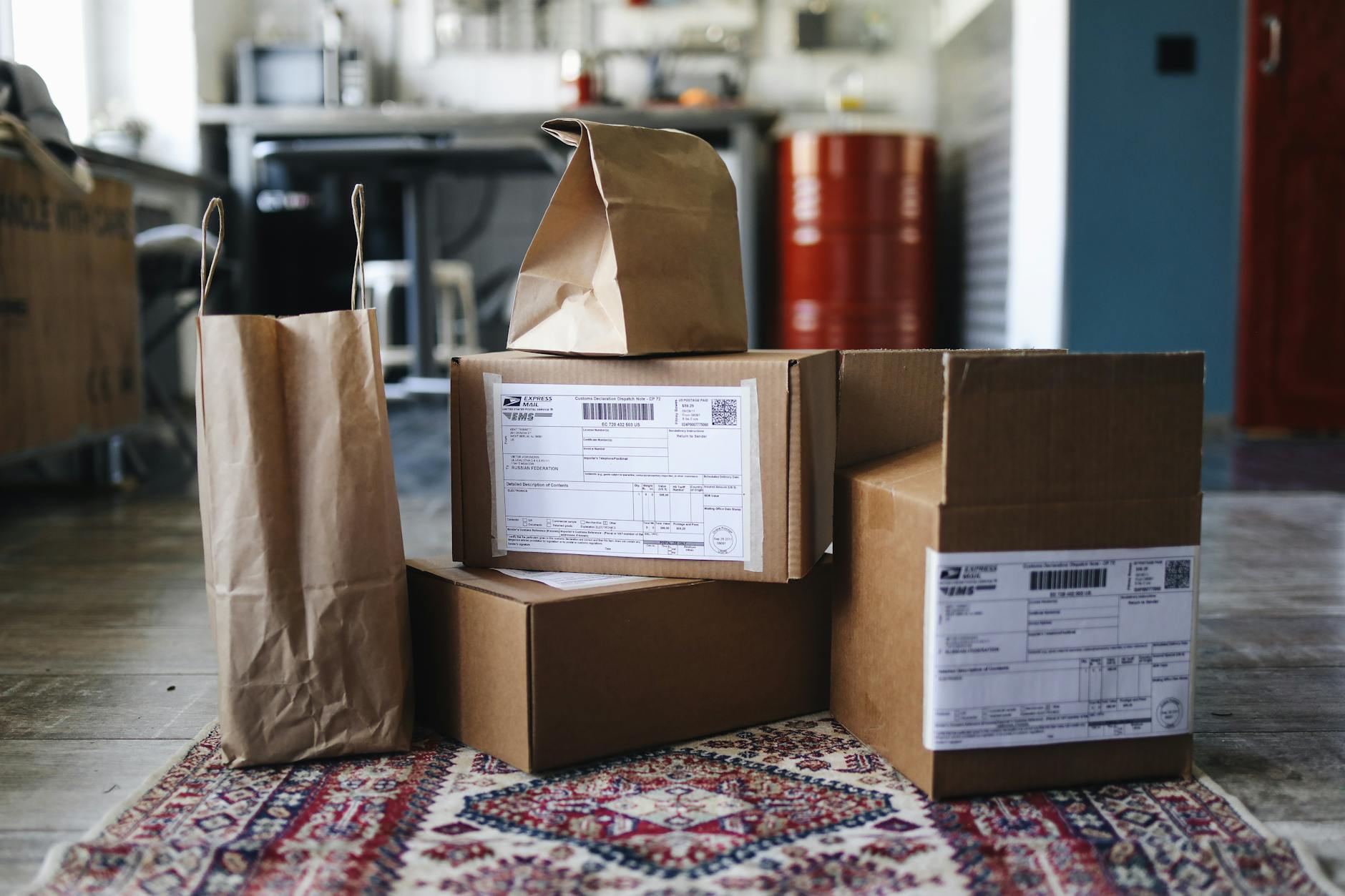
Ordering any single product in a quantity that dramatically exceeds what normal personal or household use could account for creates an impression that drivers carry because it invites an explanation that the brief doorstep interaction never provides. A delivery of forty identical items, a pallet-equivalent of a single grocery product, or an order of the same clothing item in every available size creates a specific cognitive experience for the driver who carries it, combining physical effort with the unanswered question of what the quantity is for. The absence of any obvious commercial explanation for the order at a residential address is what distinguishes unusual quantity orders from standard bulk purchasing, as the volume exceeds what the address type and presentation suggest could be practically applied. Drivers who deliver unusual quantity orders to the same residential address repeatedly develop a specific curiosity about the household that they rarely resolve, as the doorstep interaction does not typically provide context and the customer is under no obligation to explain. The most enduring and frequently discussed unusual quantity deliveries in driver community conversations are those where the product category combined with the residential context and the quantity ordered creates a combination whose explanation remains genuinely elusive to everyone who handled the package during its journey.
Same-Day Re-Orders
Placing a new order for a product on the same day that the previous order of the same item has been delivered is a purchasing behavior that drivers who work both delivery and collection runs observe in its complete form at specific addresses. The driver who delivers a product in the morning and collects the same product in a return bag in the afternoon is witnessing the entire cycle of an impulsive purchase decision and its rapid reversal within a single shift, a complete behavioral story told across two brief doorstep interactions. Same-day re-orders that follow a return of the previous version of the same product reveal a customer in an unresolved relationship with a specific item or product category, cycling through purchase and return without reaching a settled decision about whether the item is genuinely wanted or needed. Drivers who handle both delivery and returns across the same routes develop awareness of which addresses are high-frequency returners and which specific product categories those returns are concentrated in, information that builds a detailed if unsolicited profile of the customer’s purchasing decision-making process. The judgment formed around frequent same-day and next-day returns is primarily about the environmental and logistical cost that this behavior generates rather than about the personal characteristics of the customer, though the two are rarely entirely separated in the private commentary of experienced drivers.
Fitness Equipment Never Used

The delivery of fitness equipment to a residential address is a category of purchase that drivers observe with particular interest because the subsequent delivery history of the address often tells the second half of the story that the equipment purchase began. A large treadmill, rowing machine, or weight set delivered with considerable effort to a residential address in January is the opening chapter of a purchasing narrative that experienced drivers sometimes observe continuing with the arrival of equipment disposal services, second-hand marketplace collection drivers, or replacement equipment of a different type within months of the original delivery. The physical effort involved in delivering large fitness equipment to residential addresses, including navigating stairs, narrow hallways, and awkward doorways, creates a particularly memorable delivery experience that drivers recall when subsequent visits to the same address reveal no visible change in the circumstances that the equipment was presumably purchased to address. The specific combination of large fitness equipment delivery followed by the return of the equipment or its replacement by a different system is a pattern that drivers on regular urban routes observe frequently enough to have developed a comprehensive and somewhat resigned familiarity with the gap between fitness purchasing intention and fitness equipment utilization. The judgment is informed by the personal effort the delivery required rather than being purely observational, giving it a physical dimension that other product category judgments typically lack.
Continuous Return Packages
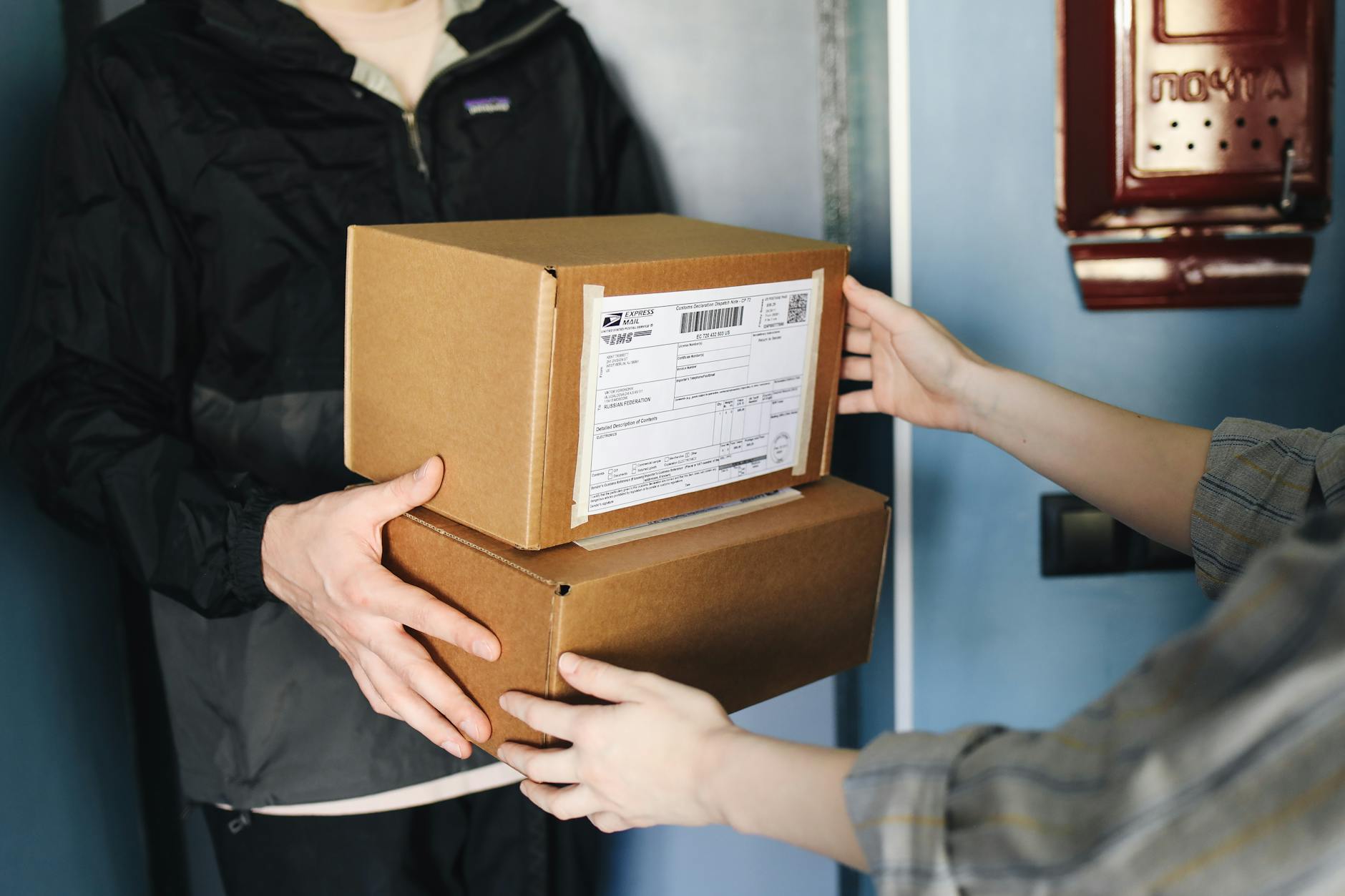
A customer who generates a continuous stream of return packages without any apparent reduction in the volume of incoming deliveries is one of the most discussed profiles in delivery driver communities, representing a relationship with online retail that has become entirely circular in its purchasing and rejection cycle. The driver who collects a return from an address on the same visit that they deliver a new order, or who visits the same address in a single week for both purposes multiple times, is observing a purchasing behavior pattern whose net effect on the household’s actual possession of goods is close to zero despite the enormous logistical activity it generates. Return packages whose weight, dimensions, and brand suggest they contain the same category of product as the previous week’s return from the same address indicate a customer who is attempting to find satisfaction within a specific product category through repeated purchase and rejection rather than through direct engagement with what the dissatisfaction actually represents. The environmental cost of the continuous purchase-and-return cycle is something that drivers who handle significant return volumes discuss with genuine concern, as the transportation, repackaging, and processing footprint of returned goods is a documented and significant element of online retail’s environmental impact. The judgment formed around high-frequency returners is the most complex in the driver’s repertoire, combining professional observation of a legal and common behavior with a private assessment of the gap between the purchasing activity and any apparent endpoint of satisfaction that the activity is working toward.
Obscure Collectibles
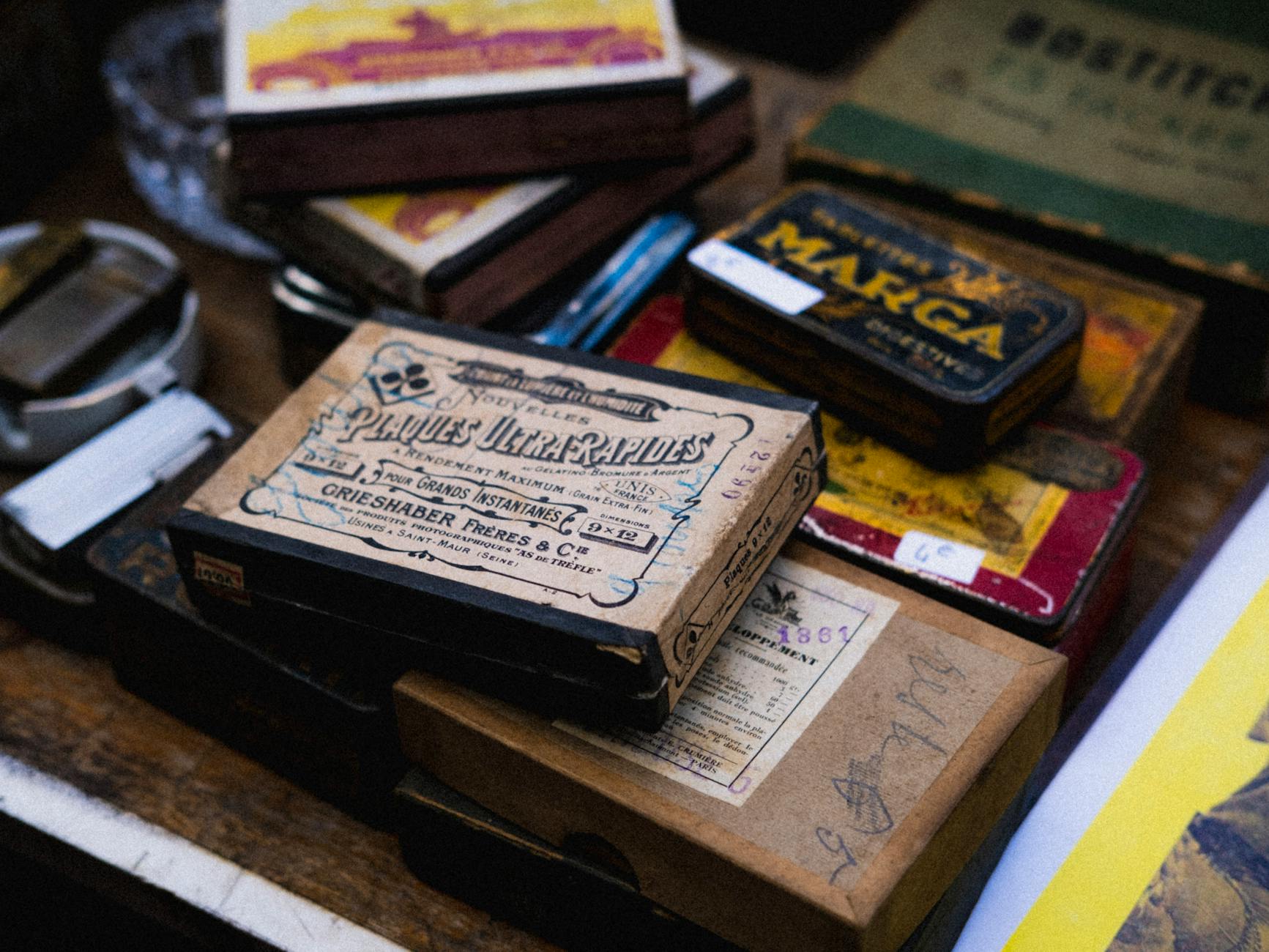
The world of niche collectible purchasing has expanded through online retail into product categories whose specificity of focus and scale of financial commitment create a delivery experience that drivers find genuinely memorable in the sea of standard residential parcels they handle daily. Highly specialized figurines, limited edition prints from obscure fandoms, vintage memorabilia from discontinued entertainment properties, and collector items whose value is entirely invisible to anyone outside the specific community of enthusiasts all arrive at residential addresses in packaging whose care and protective specification signals the importance placed on the contents by the person who ordered them. Drivers who handle these deliveries with the casual efficiency appropriate to standard parcels and are met at the door by a recipient for whom the package represents a significant emotional and financial investment experience a brief but stark reminder of the gap between their professional relationship with the item and the personal significance it carries for the customer. The regularity with which specific niche collectible categories arrive at the same address over time builds an impression of a collecting focus that drivers describe with a mixture of bafflement and respect for the depth of commitment it represents. The judgment formed is generally more curious than critical, as the passion that serious collectors bring to their acquisitions is recognizable as a genuine form of enthusiasm even when the specific object of that enthusiasm is entirely opaque to the person delivering it.
If you recognized yourself in any of these delivery categories, share your most embarrassing online order confession in the comments.