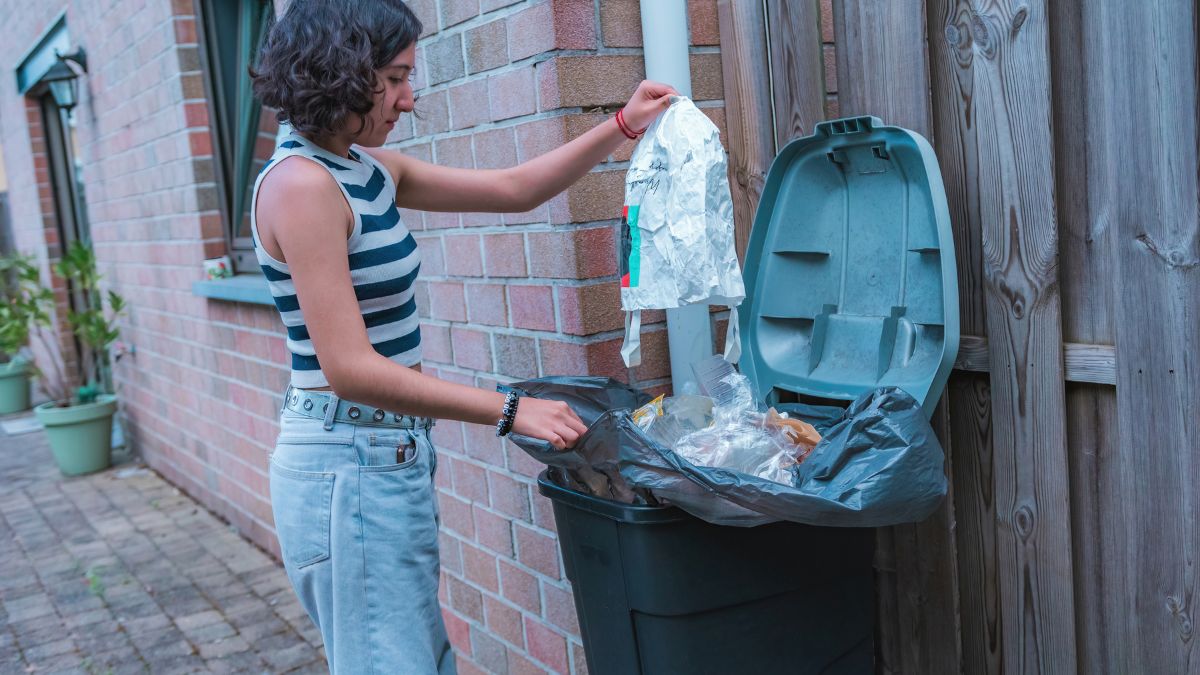
The trash can is one of the most revealing artifacts of human behavior in any household, functioning as a private record of choices, habits, and attitudes that guests rarely consider will be observed by anyone. When someone stays in your home, even briefly, the contents of your bins tell a precise story about how much regard they hold for your space, your rules, and the basic standards of considerate behavior that most adults understand without being told. The particular sting of finding disrespectful items in your household trash is that it combines the violation of your personal space with the realization that your guest felt comfortable enough to behave in ways they would likely never permit in their own home. What ends up in the bin is almost always a direct reflection of how a person actually feels about the environment they are visiting and the person who invited them. Here are 24 embarrassing things houseguests put in your trash that prove they are disrespectful.
Cooking Grease

Pouring used cooking grease into a household trash bin rather than allowing it to solidify or disposing of it through appropriate means creates a chain of unpleasant consequences that the host discovers long after the guest has departed. Liquid grease poured directly into a bin liner seeps through the bag material or finds its way to the base of the can through any small puncture or gap, coating the interior of the bin with a rancid film that is extraordinarily difficult to clean and that persists through multiple washing attempts. The oxidizing grease produces a distinct smell that intensifies in a warm kitchen environment and transfers to every subsequent bag placed in the contaminated bin, making the odor problem self-perpetuating long after the original source has been removed. A guest who pours grease into the trash is either unaware of the damage this causes or aware and indifferent, with neither explanation reflecting well on their consideration for the home they are visiting. The correct disposal method of cooling grease in a sealed container before placing it in the bin is basic kitchen knowledge that a considerate guest applies automatically without needing to be informed.
Wet Food Without Wrapping

Placing wet or liquid food waste directly into a bin liner without any wrapping or containment is a behavior that transforms a manageable waste disposal task into an unpleasant cleaning project for the host. Wet food matter pressed against the interior of a bin bag accelerates bag degradation through both physical softening of the plastic and chemical interaction with the food acids present in most organic waste. The liquid released by unwrapped food waste pools at the bottom of the bag, increasing the risk of catastrophic bag failure during removal and depositing a foul-smelling liquid residue in the base of the bin that requires immediate cleaning. A considerate guest wraps wet food in paper, places it in a secondary bag, or at minimum ensures it is contained within another piece of packaging before placing it in the household bin, a practice so basic that its absence signals a complete indifference to the host’s cleaning burden. The smell generated by unwrapped wet food waste in a kitchen bin escalates within hours in a warm room, ensuring that the guest’s inconsideration continues to affect the host’s daily experience of their own kitchen well after the visit has ended.
Cigarette Butts
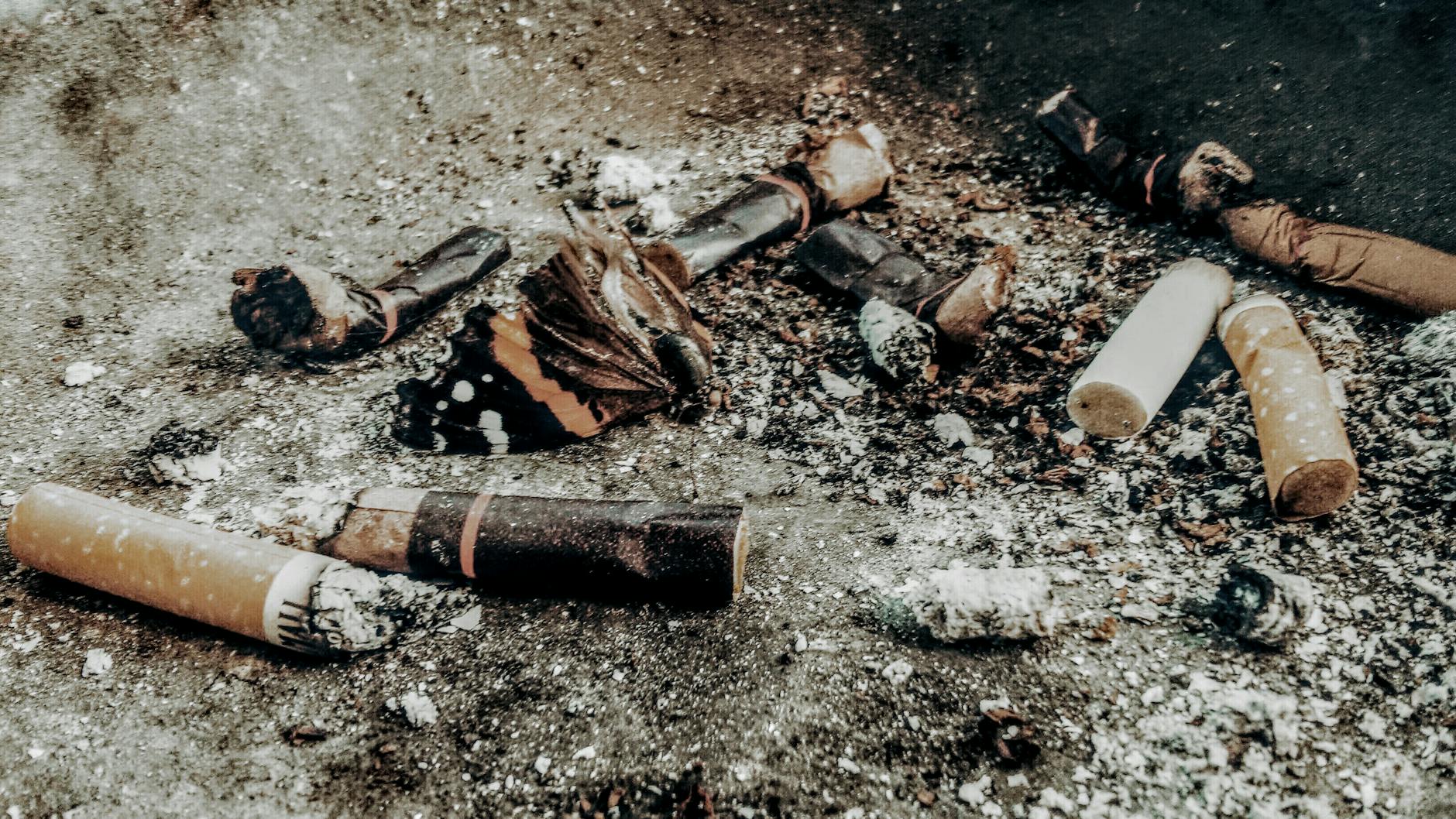
Disposing of cigarette butts in household trash bins, particularly indoor bins not designated for the purpose, introduces fire risk, persistent chemical contamination, and a smell that permeates the entire bin liner and its contents. A cigarette butt that has not been fully extinguished before being placed in a household bin carries genuine fire risk in the presence of any other flammable material, a fact that makes this behavior not merely disrespectful but actively dangerous to the host’s property and household. Cigarette ash and the residual chemicals in butts leach into the liner material and produce a stale tobacco smell that outlasts the bin bag itself, transferring to the interior walls of the bin and requiring thorough cleaning with specialist products to remove. A guest who smokes outdoors and carries their butts back inside to deposit in the kitchen or bathroom bin rather than a designated outdoor receptacle is making the host responsible for managing waste that the host may find particularly objectionable in their own personal space. The volume of butts present in a bin after a guest’s stay is a direct measure of how long and how consistently they imposed this behavior on the household without considering the impact.
Used Syringes

The discovery of used medical syringes in a household trash bin is one of the most alarming things a host can encounter, combining immediate safety concerns with a profound breach of the basic obligation to manage medical waste responsibly when staying in another person’s home. Used syringes are classified as sharps waste in most public health frameworks and carry specific disposal requirements precisely because they represent a puncture and contamination risk to anyone who handles the bag or bin in which they are placed. A guest reaching into or pressing down on a bin liner containing an improperly disposed syringe, or a host doing the same, risks a needle-stick injury that carries medical consequences including potential exposure to bloodborne pathogens requiring immediate medical assessment. Guests who require regular injections for medical conditions including diabetes or other chronic illnesses have access to personal sharps disposal containers specifically designed for travel, and the failure to use these when staying in another person’s home reflects an indifference to the host’s safety. Finding this type of waste in household trash without prior notification or discussion crosses the line from inconsiderate into genuinely harmful behavior.
Broken Glass Unwrapped

Placing broken glass directly into a household bin liner without wrapping it in multiple layers of protective material is an act of negligence toward anyone who subsequently handles the bag. The sharp edges of broken glass migrate through a bin liner during normal settling and compression of the bag’s contents, eventually puncturing the liner and exposing anyone who touches the outside of the bag to cuts that can range from superficial to severe. Broken glass that has punctured the liner from inside creates an invisible external hazard, as the glass shard may protrude through a small hole that is not visible during normal bag handling. A considerate guest who breaks something wraps the pieces immediately and thoroughly in multiple sheets of newspaper or uses a sealed cardboard box before placing it in the bin, or informs the host so they can manage the disposal appropriately. The failure to do so reveals not only a disregard for the host’s safety but also a desire to conceal the breakage incident rather than address it through the honest communication that should characterize respectful guest behavior.
Feminine Hygiene Products

Flushing or binning feminine hygiene products in ways that create plumbing problems or hygiene concerns for the host is among the most commonly noted examples of guest inconsideration in bathroom waste management. Products placed in a bathroom bin without any wrapping or concealment create an immediate hygiene and visual concern for the host who empties the bin, particularly when the host does not use these products themselves and has therefore not prepared their waste management system for their disposal. The correct approach for a considerate guest is to wrap used products discreetly in toilet paper before placing them in the bin, using the same discretion that any self-aware adult applies in shared bathroom environments. In homes without a bathroom bin, a guest who cannot flush the product safely should carry it wrapped to an appropriate disposal point rather than creating a plumbing emergency by flushing a non-flushable product. The host’s discovery of improperly managed hygiene waste in their bathroom is one of the most personally embarrassing encounters any houseguest can create for the person who opened their home to them.
Food Still in Packaging
Discarding food that is still sealed in its original packaging reveals a guest who has helped themselves to household provisions and discarded what they did not want without regard for the food waste or financial cost they are imposing on the host. A sealed container of yogurt with two days remaining on its use-by date, a bag of unopened bread, or a package of untouched produce appearing in the household trash communicates that the guest has treated the host’s refrigerator as a personal resource and disposed of the surplus without consideration of whether the host might have wanted those items. This behavior is particularly striking when the discarded food is expensive, seasonal, or items that the host had clearly purchased for specific purposes. The implication that the guest could not be bothered to return unused food to the refrigerator or ask the host what to do with it is a statement about how little cognitive effort they are willing to invest in being a considerate presence in someone else’s home. Finding this in your bin creates the specific discomfort of calculating both the financial loss and the effort you will need to invest in restocking your kitchen after a guest who contributed nothing to its contents.
Pet Waste Without Bags
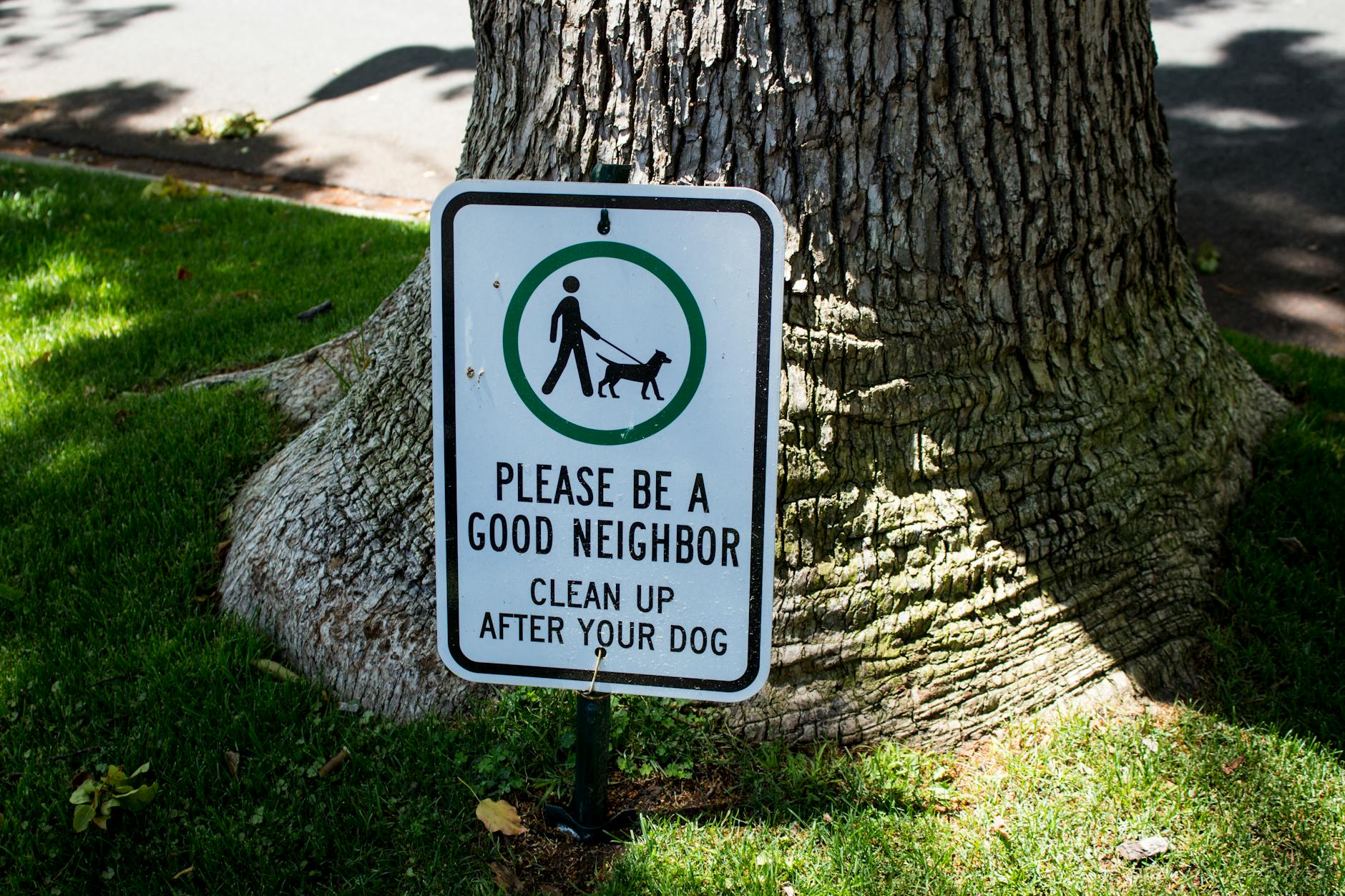
Placing pet waste from a guest’s animal directly into household bins without double bagging, sealing, or appropriate containment creates an immediate and severe odor problem that the host must manage in their own home. A single piece of improperly contained pet waste in a kitchen or indoor bin is sufficient to make the entire room smell unpleasant within a short period, with the odor intensifying as the ambient temperature rises. Guests who bring animals to another person’s home carry with them the complete responsibility for managing all waste generated by that animal in a manner that imposes no cleaning burden, odor concern, or hygiene issue on the host. Double-bagging, sealing with a knot, and placing waste only in outdoor bins designated for general waste is the minimum standard of pet waste management that a respectful guest applies without being asked. The discovery of improperly managed pet waste in an indoor bin communicates that the guest either does not understand basic pet ownership etiquette in shared spaces or understands it perfectly well and cannot be bothered to apply it in someone else’s home.
Alcohol Bottles Hidden

Concealing empty alcohol bottles beneath other trash rather than placing them in recycling or simply leaving them visible reveals a guest who is not only drinking more than they want the host to know about but is actively working to conceal the evidence of this behavior in the host’s own home. The behavior involves a specific kind of disrespect layered within the original discourtesy, in which the guest takes the time to hide the evidence while simultaneously not considering that the host will eventually encounter it during bin emptying. Finding a collection of concealed bottles beneath other waste communicates that the drinking was excessive enough that the guest felt it required concealment, and that the guest’s primary concern was their own embarrassment rather than any consideration for the host’s recycling system or waste management preferences. In homes with children, the concealment of alcohol consumption from household members through deliberate misdirection in the waste system adds an additional dimension of problematic behavior. The host is placed in the awkward position of having clear material evidence of a behavior their guest actively tried to hide from them in their own home.
Raw Meat Packaging

Placing raw meat packaging, including trays, wrapping film, and absorbent pads, directly into household bins without any secondary containment is one of the most hygienically problematic things a guest can leave in your trash. The absorbent pad beneath supermarket-packaged raw meat typically retains a significant volume of meat fluid that does not drain or dry quickly, creating a concentrated source of bacterial contamination and organic decay odor within the bin liner. Raw meat fluid that leaks from the packaging contacts other bin contents and the liner material, accelerating decomposition odors throughout the bag and leaving contamination in the base of the bin that requires thorough sanitizing to address. A guest who cooks with raw meat in the host’s kitchen and does not double-bag the packaging, drain it appropriately, or ask the host how they prefer to manage this type of waste is creating a cleaning task and hygiene concern that the host discovers at the next bin emptying. The specific combination of contamination risk, odor intensity, and cleaning difficulty associated with raw meat packaging makes its improper disposal one of the more immediately impactful forms of waste-related inconsideration a guest can demonstrate.
Medications Unwrapped

Disposing of unused or expired medications by placing them loose in household trash rather than through appropriate pharmaceutical disposal channels creates legal, safety, and environmental concerns that the host must then manage. Many prescription medications are subject to specific disposal requirements under pharmaceutical waste regulations, and placing them in household trash may technically implicate the homeowner in improper disposal of controlled or regulated substances. Children or pets in the household who come into contact with medications loosely placed in accessible household bins represent a genuine and serious safety risk that the guest has introduced without the host’s knowledge or consent. The discovery of another person’s medications in your household trash also introduces an uncomfortable awareness of the guest’s medical situation that they may not have intended to disclose and that creates an awkward dynamic around information that feels private and personal. Pharmacies and medical facilities provide no-cost medication disposal services specifically to avoid the safety and environmental concerns associated with household trash disposal, a resource that a responsible guest uses without need for instruction.
Takeaway Containers Dripping

Placing takeaway food containers that still contain significant quantities of liquid, sauce, or food residue directly into household bins is a behavior that combines immediate odor, leak, and contamination risks into a single act of carelessness. The liquid content of inadequately emptied takeaway containers migrates to the bottom of the bin liner during compression and normal settling, creating the same pooling leak risk as unwrapped wet food waste with the additional complexity of the varied chemical composition of restaurant sauces, oils, and broths. A guest who orders takeaway food during their stay and disposes of the containers without rinsing, draining, or at minimum tipping out the excess liquid is treating the host’s bin management as a matter of zero personal concern. The variety of smells generated by mixed takeaway container residues from different cuisines decomposing together in a sealed bin liner produces a particularly unpleasant combination that the host encounters at the next bin liner change. Rinsing containers before disposal or tipping liquid content down the sink before binning the packaging is a thirty-second task that completely eliminates this problem and is the minimum courtesy a guest should extend to the host’s waste management system.
Foreign Objects in Wrong Bins

Placing items in recycling bins that contaminate the entire batch, or placing recyclables in general waste, reveals either a complete indifference to the host’s recycling system or an assumption that waste sorting in another person’s home is someone else’s problem. In many local authority areas, a single contaminating item placed in a recycling bin by a guest can result in the entire bin’s contents being rejected for recycling and sent to landfill, negating the sorting effort of every other household member for the entire collection period. The discovery of clearly non-recyclable items including food waste, soft plastics, or soiled packaging in a clean recycling bin is particularly galling for hosts who invest time and attention in maintaining their household’s recycling compliance. Conversely, a guest who places recyclable materials in general waste without asking where the recycling bins are located reveals a lack of curiosity about the household systems they are operating within during their stay. A guest who is uncertain about a home’s sorting system should ask rather than guess, with the question itself communicating a level of consideration that is its own form of respect.
Tissue and Wipes Volumes
The discovery of excessive volumes of facial tissues, makeup wipes, and personal care wipes in bathroom bins communicates specific information about a guest’s personal hygiene habits and their regard for the shared spaces of the home. Guests who use disposable wipes for every aspect of personal care and beauty routine in another person’s bathroom generate a bin load that the host encounters when emptying a bathroom waste container that fills far faster than normal during the visit. The cosmetic residue, skincare product, and personal hygiene content of wipe waste creates a bin hygiene situation that is more complex than standard tissue waste, with the host responsible for managing the accumulated output of another person’s beauty routine. Guests who use flushable wipes and actually flush them create an equally or more significant problem in the plumbing system, as these products accumulate in drain pipes and sewage systems regardless of their labeling. The considerate guest manages their personal care waste with an awareness of the volume they are generating and takes responsibility for ensuring it is managed in a way that creates minimal additional work for the host.
Hazardous Materials

The disposal of hazardous materials including batteries, paint remnants, chemical products, aerosol cans, or electronic components in household general waste bins places the host in an awkward position regarding their legal compliance with waste disposal regulations in most jurisdictions. Hazardous household waste is subject to specific disposal requirements in virtually every developed country, with local authorities providing designated collection points for these materials specifically to prevent them entering the general waste stream. A guest who uses aerosol products during their stay and places the empty or partially full cans in the household bin is potentially creating a pressurized fire risk within the waste collection vehicle or landfill environment. The discovery of a corroded battery, leaking aerosol, or chemical container in your household bin after a guest departs leaves the host with a disposal problem they did not create and a legal compliance concern they did not invite. The assumption that the host will manage the disposal of hazardous materials generated by a guest is one of the clearest expressions of a visitor treating another person’s home as a facility rather than a personal space deserving of consideration.
Clothing and Textiles

Finding discarded clothing items in a household rubbish bin after a guest’s departure is one of the more surprising and telling expressions of disrespect that a host can encounter in their waste management system. A guest who decides during their stay that certain items of clothing have reached the end of their useful life and places them in the host’s general waste bin has decided that the host’s bin is an appropriate place to dispose of personal property without asking. Textile waste is one of the most significant and widely publicized environmental concerns in contemporary waste management, and clothing in any condition above complete disintegration is accepted by charity shops, textile recycling banks, or clothing exchange platforms in almost every community. The specific inconvenience of finding clothing in your household rubbish is that it typically requires removing and repackaging the item for appropriate disposal yourself, creating a task directly generated by the guest’s indifference to the host’s waste system and environmental preferences. A guest who has reached a decision about discarding clothing during a stay should communicate this to the host, who can direct them to the appropriate disposal channel rather than inheriting the problem through the rubbish bin.
Evidence of Snooping
The most psychologically striking items a host can find in their trash after a guest’s departure are those that reveal the guest has been through personal, private, or secured areas of the home they were not invited to access. Discarded packaging from items stored in locked or private areas, shredded documents pulled from a home office, or torn materials from private correspondence found in a household bin reveal that the guest used their access to the home as an opportunity to investigate areas beyond their legitimate reach. This form of disrespect operates on a different level from careless waste management, involving intentional behavior that the guest conducted while alone in the space and that they clearly expected would not be discovered. The bin provides the evidence of the snooping precisely because the guest discarded something they encountered or disturbed during their investigation and placed it in the nearest waste container without considering that the host would empty that bin. The discovery transforms the memory of the entire visit retroactively, recontextualizing every moment the host was away from the guest in light of what those moments apparently involved.
Excessive Food Waste

A household bin filled to capacity with discarded food after a short guest stay communicates that the guest has either helped themselves extensively to household provisions or purchased and wasted significant quantities of food without any regard for the financial or environmental implications of that waste. Hosts who provision their guest rooms or kitchens with food for visitors and discover that the majority of those provisions have been discarded uneaten face both the financial loss of the wasted food and the physical task of managing a bin that has been filled far ahead of the normal collection cycle. A guest who purchases their own food during a stay and discards the uneaten majority in the host’s bin without asking about composting, food donation, or alternative disposal options is treating the host’s waste infrastructure as a cost-free extension of their own convenience. The volume of food discarded relative to the length of the stay provides the host with a precise measure of how little consideration the guest applied to consumption and waste during their visit. Portion awareness, refrigerating leftovers, and asking the host how to handle surplus food are the basic behaviors that distinguish a considerate guest from one who treats another person’s kitchen as a consequence-free environment.
Sharp Items Unwrapped

Placing any sharp item in household waste without thorough protective wrapping is an act of negligence toward every person who subsequently handles the bag, including the host, collection workers, and waste management facility staff. Razor blades, craft knives, sewing needles, skewers, or any other item with cutting potential placed loosely in a bin liner creates an invisible hazard that the host encounters when compressing the bag for removal or when the bag deforms against the sharp edge during carrying. The specific danger of unwrapped sharps in household waste lies in their invisibility once covered by other bin contents, meaning the person handling the bag has no warning of the risk they face when gripping or lifting the liner. A guest who generates sharp waste during their stay has a simple and complete solution available in the form of multiple layers of wrapping in cardboard, heavy paper, or sealed plastic before the item enters the bin. The alternative of informing the host and asking for appropriate disposal guidance requires a brief conversation that most hosts would welcome as evidence of the guest’s consideration for their household safety.
Contraceptives

The discovery of used contraceptives in household bins is one of the most personally uncomfortable waste-related experiences a host can have, creating a level of intimacy about a guest’s private behavior that no host invited or anticipated managing. This form of waste requires the same basic discretion in a guest’s home as in any other shared or semi-public environment, with wrapping and concealment being the absolute minimum standard that applies to this type of personal hygiene waste in anyone’s home. A guest who disposes of this material carelessly in a prominent household bin with no containment is either entirely indifferent to the host’s experience of their own waste management system or so unaware of basic shared-space etiquette that the oversight is almost more alarming than a deliberate choice would be. The host’s discovery of this waste is particularly difficult to address directly, as raising the issue with the guest involves a conversation about their private life that no host should have to initiate because of a basic waste management failure. Discretion in the disposal of personal hygiene waste of all kinds in another person’s home is one of the most fundamental expressions of respect for the private domestic space you are temporarily occupying.
Chewing Gum
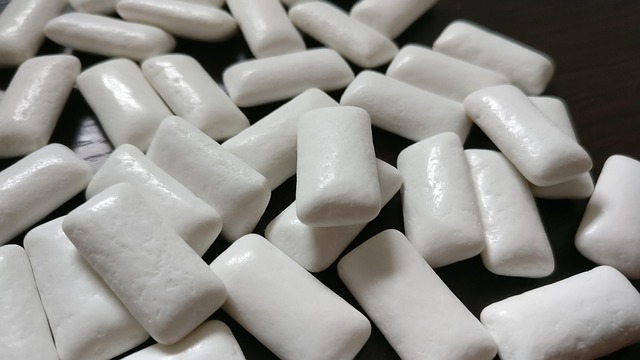
Disposing of used chewing gum directly into household bins without any wrapping is one of the minor but persistently irritating waste habits that reveals a guest’s general indifference to the practical consequences of their behavior for the person maintaining the home. Unwrapped gum adheres immediately to whatever bin liner material it contacts, often bonding to the plastic surface in a way that makes it difficult to remove without tearing the liner. Gum that has been mixed with other warm waste softens and spreads, potentially adhering to multiple surfaces inside the bin including the wall of the can itself if the liner shifts during filling or removal. The wrapper from a piece of chewing gum is the ideal and obvious disposal vehicle for the used gum, a solution so straightforward that its non-use reflects a specific and unnecessary decision not to manage waste thoughtfully. Guests who chew gum throughout their stay and dispose of it carelessly across multiple household bins leave the host with a series of minor but cumulatively irritating cleaning tasks that were entirely preventable.
Drain Blockage Evidence
Finding materials in household bins that indicate a guest has attempted to clear or address a drain blockage they caused without informing the host is a discovery that simultaneously reveals the existence of a problem and the guest’s decision to conceal it. Clumps of hair, accumulated product residue, or improvised drain-clearing tools appearing in the bathroom bin indicate that a guest noticed the problem they were causing and chose to manage it privately rather than alerting the host to a developing plumbing issue. The partial nature of a guest’s self-managed drain clearance typically addresses the surface symptoms of a blockage while leaving the underlying accumulation in the pipe, meaning the host discovers a drain that is slower than before the visit without any context for why the change has occurred. A guest who causes a drain blockage through the volume of hair or product they deposit during showering and addresses this by informing the host demonstrates the basic communicative respect that the host-guest relationship requires. The alternative of silent self-management followed by concealment of the evidence in the bin is a choice that prioritizes the guest’s comfort over the host’s right to maintain their own plumbing infrastructure with full information.
Luxury Brand Evidence

The discovery of packaging from expensive luxury purchases in a household bin after a guest’s stay creates a specific and uncomfortable social dynamic that the guest either did not consider or considered and dismissed as irrelevant to their host’s experience. A guest who has been discussing financial difficulty, borrowing money from the host, or accepting the hospitality of free accommodation while disposing of luxury brand packaging in the host’s bin is presenting contradictory information about their financial situation that the host is forced to process without any opportunity for direct conversation. Even without any financial dynamic at play, a guest who makes significant personal purchases during a stay and conceals the evidence of those purchases in the host’s bin rather than taking the packaging home or disposing of it elsewhere is making a choice about what the host will and will not discover that reflects poorly on their transparency. The social awkwardness this creates for the host is compounded by the impossibility of raising the subject without revealing that they were paying attention to the contents of their own household bin. This particular form of bin evidence is notable for the way it transforms a completely private behavior into a social dynamic the host must navigate alone.
Toilet Products Misused

Finding evidence in bathroom bins that a guest has misused toilet hygiene products, including using an excessive volume of paper or flushing items that have blocked and been retrieved from the toilet, reveals a complete disregard for the host’s plumbing and hygiene infrastructure. A blocked toilet managed by the host after a guest stay, with the associated retrieval and disposal materials appearing in the bathroom bin, represents one of the more extreme examples of the physical consequences of guest bathroom behavior falling entirely on the host to resolve. Excessive toilet paper volume that blocks a household toilet is a specific and avoidable problem that guests with awareness of the limitations of residential plumbing systems relative to commercial facilities manage through simple behavioral adjustment. The bathroom bin evidence of a toilet problem that the guest did not disclose to the host adds a layer of concealment to the original incident that transforms a potentially understandable accident into a deliberate choice to avoid an uncomfortable conversation at the host’s expense.
If any of these discoveries have ever made you rethink your open-door policy, share your most surprising houseguest trash story in the comments.