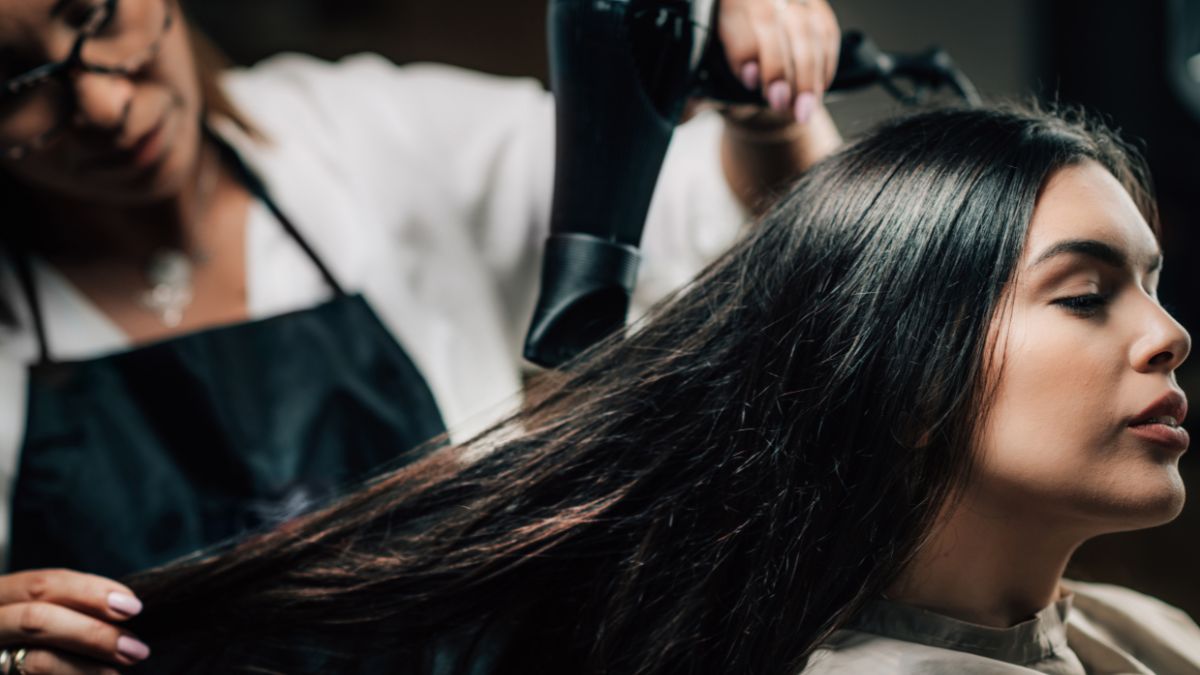
The salon is meant to be a place of transformation, relaxation, and trust between a client and a skilled professional. But certain habits, behaviours, and comments have a way of making even the most patient hairdresser quietly wince behind a professional smile. Most clients have no idea they are doing anything wrong, which is exactly why this list exists. Here are 25 things that make hairdressers cringe more than you might expect.
Phone Scrolling

Constantly scrolling through your phone while your hairdresser is trying to work creates a moving target that makes precision cuts genuinely difficult. Every time your head tilts down toward a screen, the angle of the cut shifts in ways that are hard to correct. It also signals a lack of engagement with someone who is working hard on your behalf. Putting the phone down for the duration of the appointment is one of the simplest courtesies you can offer.
Vague Inspiration Photos
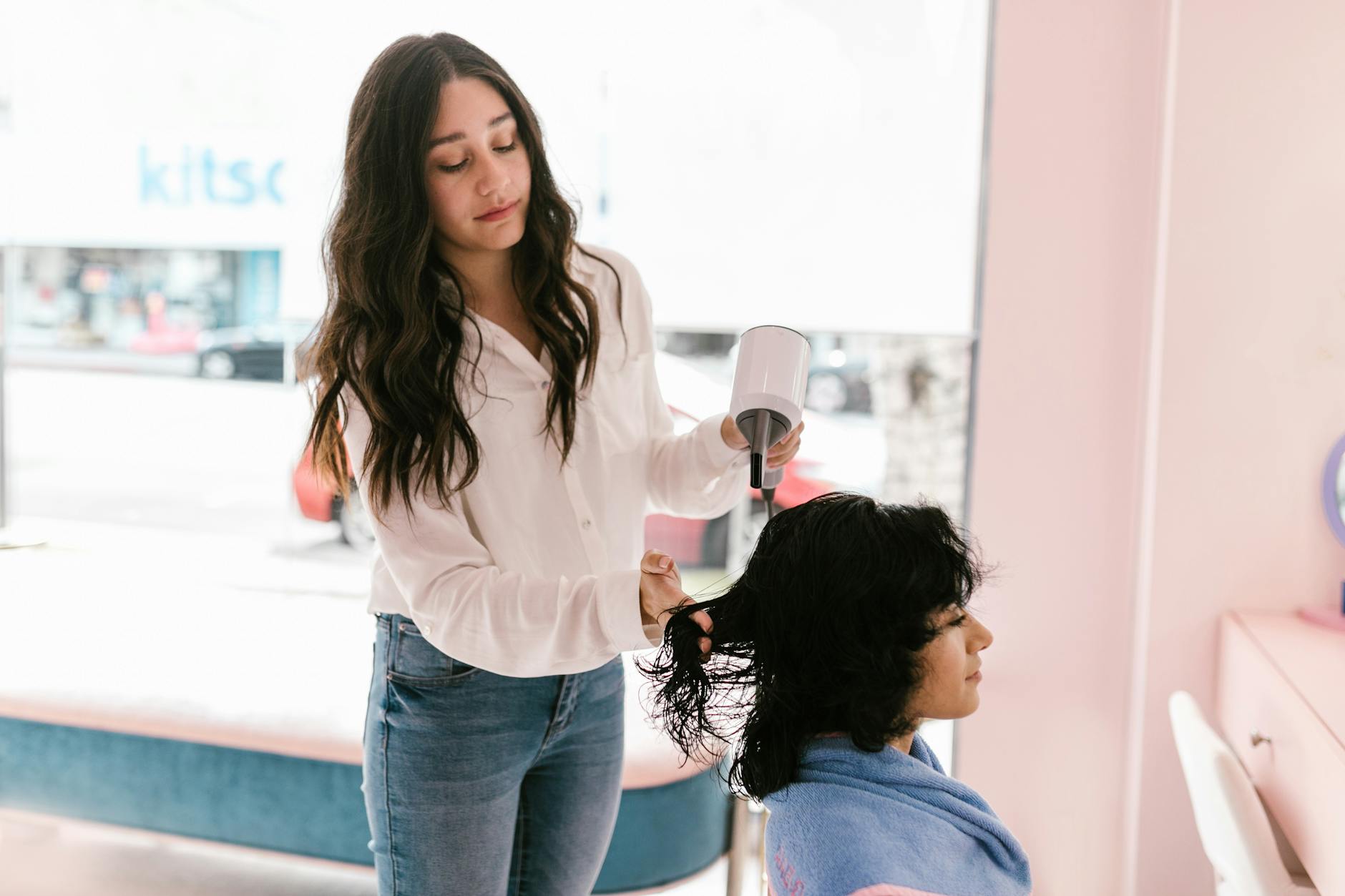
Arriving with a single blurry screenshot of a hairstyle taken from an unflattering angle gives your hairdresser almost nothing useful to work with. The lighting, the texture, and the overall quality of a reference photo matter enormously when translating a look to real hair. Multiple clear images from different angles give a far more complete picture of what you actually want. The more visual information your hairdresser has, the better the result will be.
Last Minute Changes
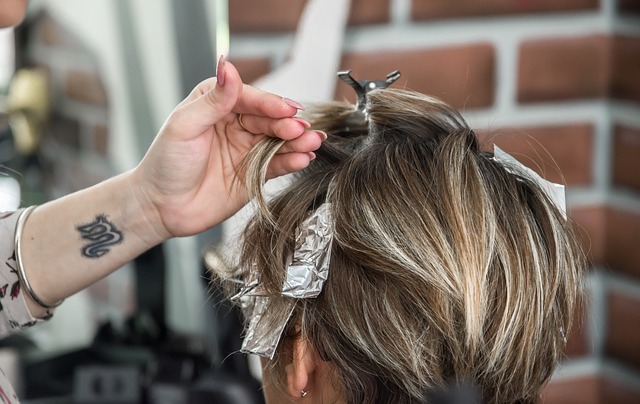
Waiting until the hairdresser is already mid-cut to announce that you have completely changed your mind about what you want puts them in an impossible position. Major changes to colour, length, or style require planning, different products, and sometimes significantly more time than was originally booked. Springing a new idea on someone halfway through a service is unfair to both them and the clients scheduled after you. Communicate any changes before scissors or colour touch your hair.
Unrealistic Expectations
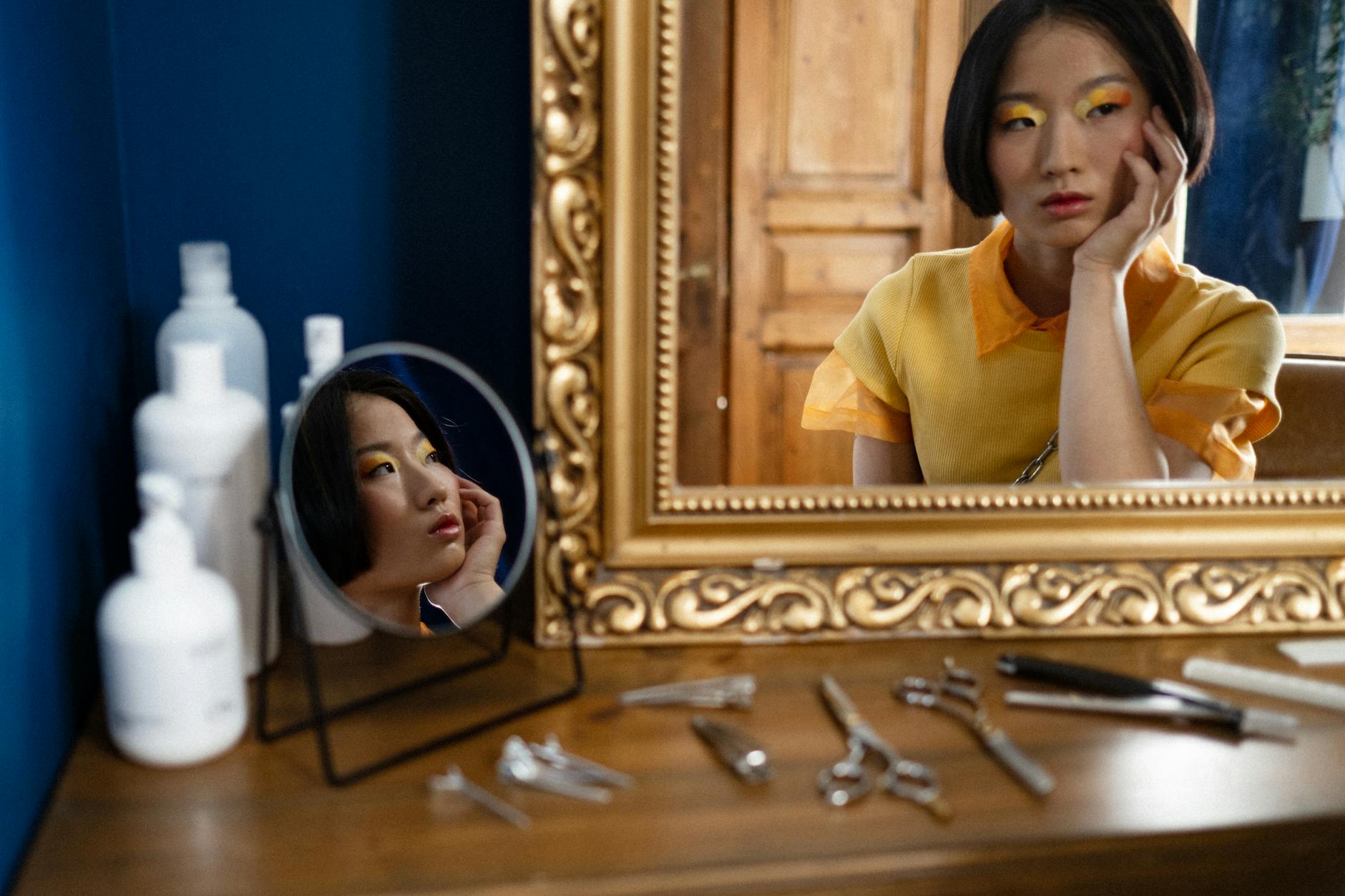
Bringing in a photo of a celebrity with a completely different hair texture, density, and colour history and expecting an identical result sets everyone up for disappointment. A skilled hairdresser will always find the most flattering version of a look that works for your specific hair. Understanding that results depend on your natural starting point is part of being a realistic and appreciative client. Trust your hairdresser to interpret inspiration in a way that genuinely suits you.
No-Show Habits
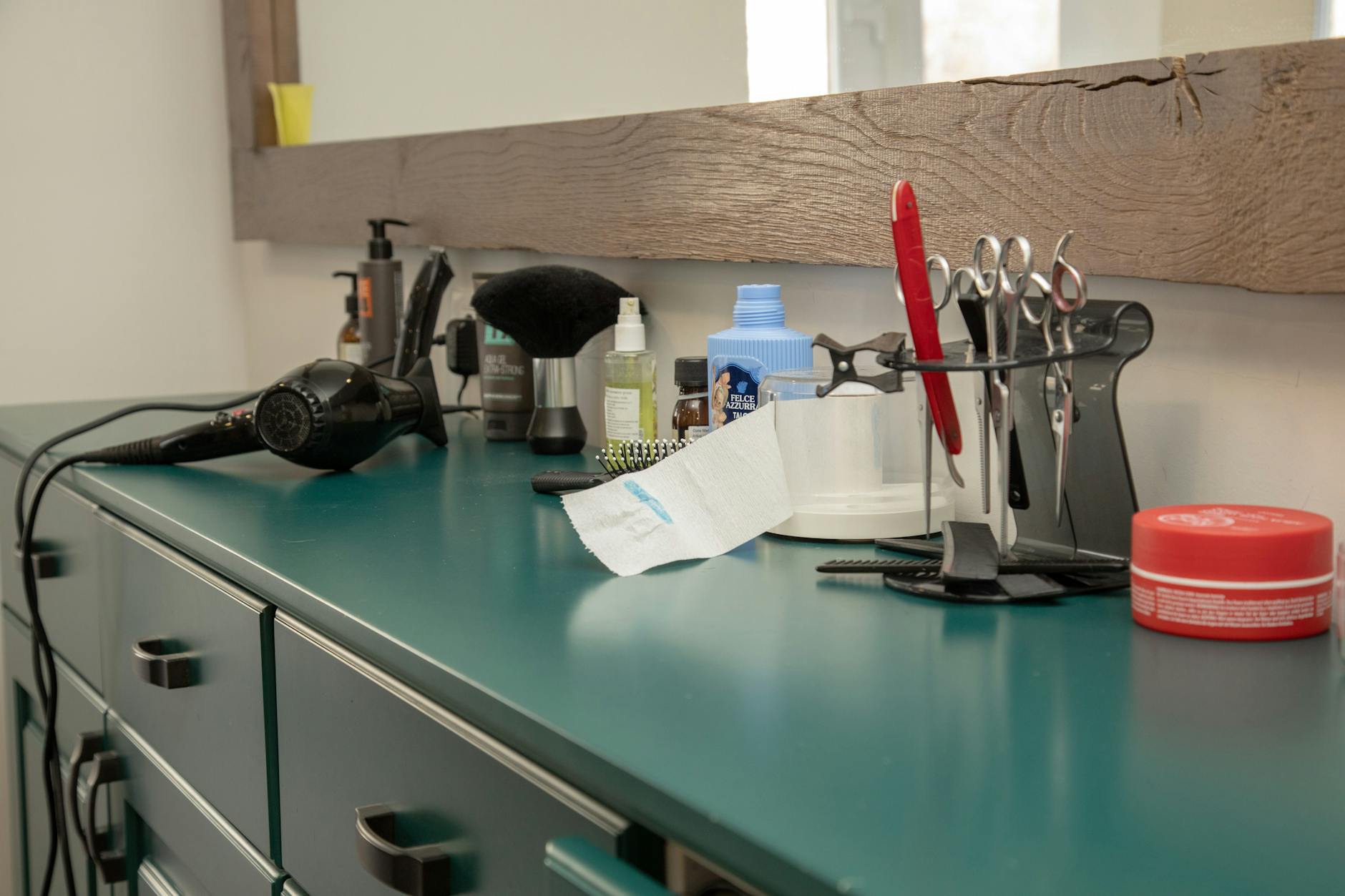
Repeatedly booking appointments and failing to show up without any notice costs hairdressers real income and wastes time that could have gone to another client. Most salon professionals rely on a fully booked schedule to make their working day financially viable. A simple message sent in advance is all it takes to cancel respectfully. Chronic no-shows are remembered and quietly resented far more than most clients realise.
Wet Hair Arrival
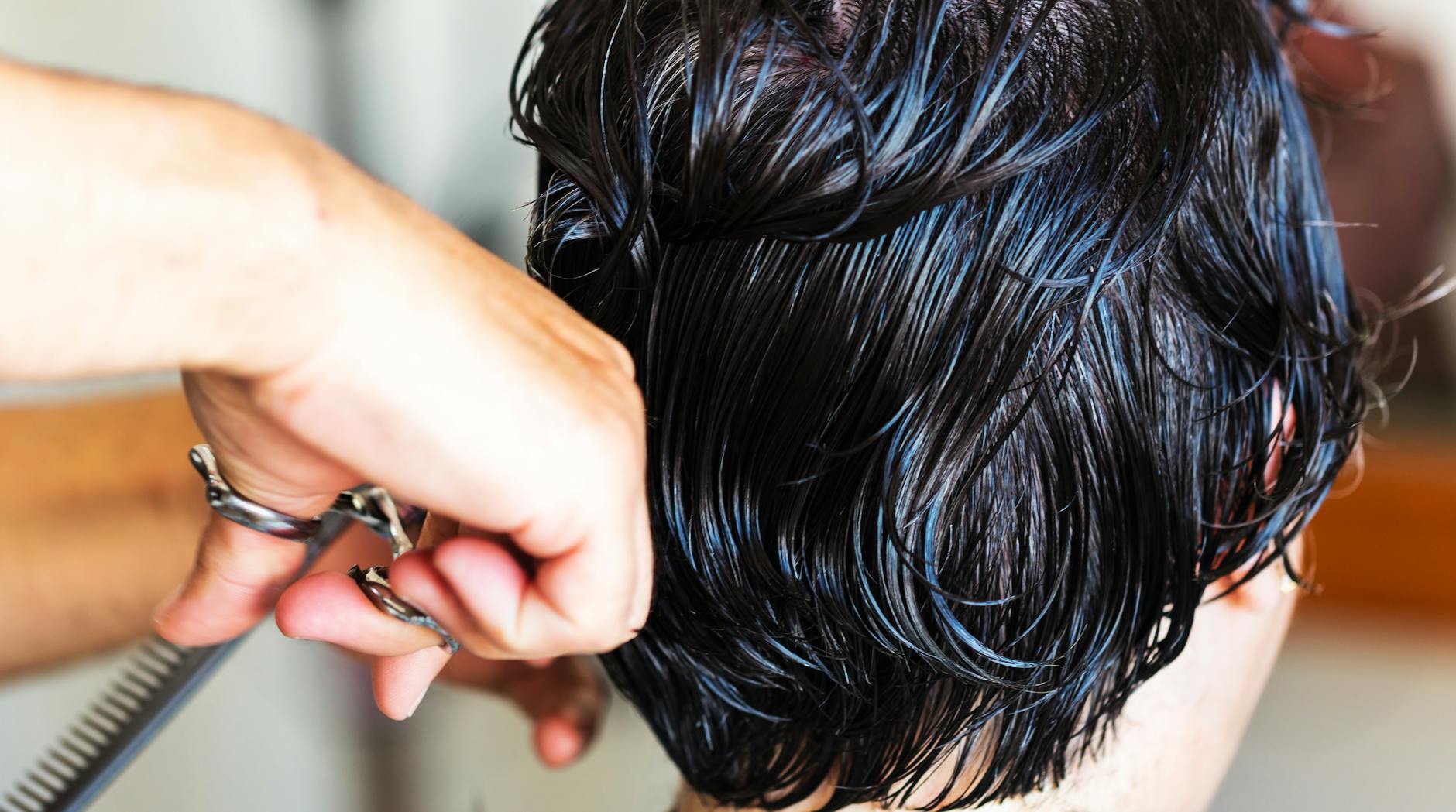
Showing up to a dry cut appointment with soaking wet hair that you washed at home disrupts the entire process before it has even begun. Hairdressers need to see your natural dry texture and how your hair falls in order to make accurate cutting decisions. Wet hair behaves completely differently from dry hair and changes how every snip lands. Let the salon handle the washing unless you have been specifically told otherwise.
Price Haggling

Attempting to negotiate the price of a service after it has already been completed is deeply uncomfortable for hairdressers and their support staff. Salon pricing reflects the cost of professional products, years of training, and the time invested in your hair. Haggling over a bill in the chair treats skilled labour as though it were a market stall transaction. If pricing is a concern, the time to discuss it is when booking, not after the work is done.
Constant Head Moving
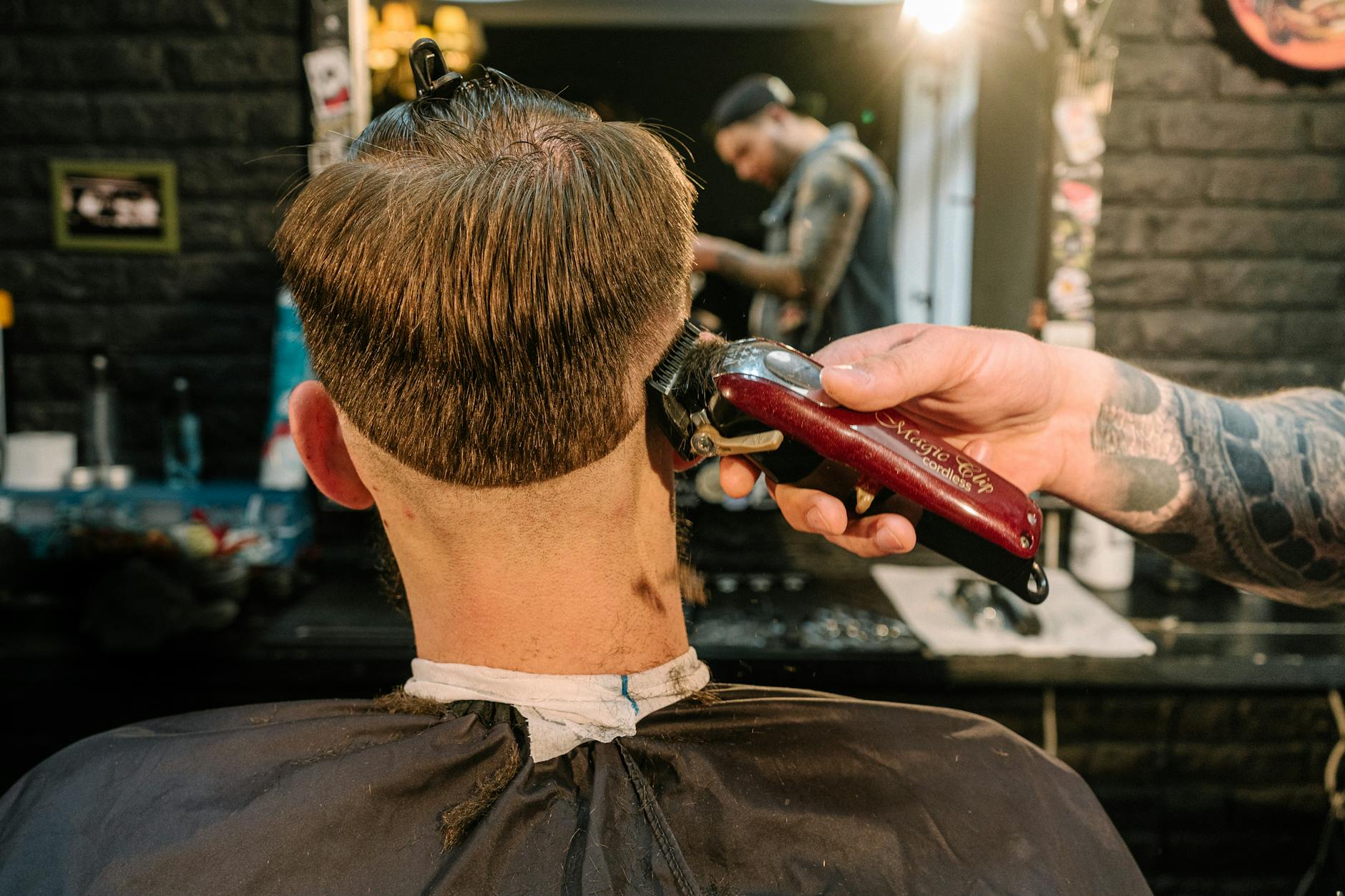
Moving your head repeatedly to check your phone, speak to someone across the room, or simply out of restlessness makes controlled, precise work nearly impossible. A hairdresser cutting or colouring your hair needs your head in a stable, consistent position for long stretches of time. Even small, frequent movements accumulate into real inconsistencies in the final result. Staying as still as possible is one of the most practical ways to help your hairdresser do their best work.
Chronic Lateness

Arriving consistently late to appointments compresses the time available for your service and puts your hairdresser in the stressful position of either rushing or running late for every client after you. Most salons have a cutoff point after which they cannot complete the full service as planned. Habitual lateness communicates that your time is more valuable than theirs. Punctuality is a basic professional courtesy that hairdressers genuinely appreciate.
Backseat Cutting
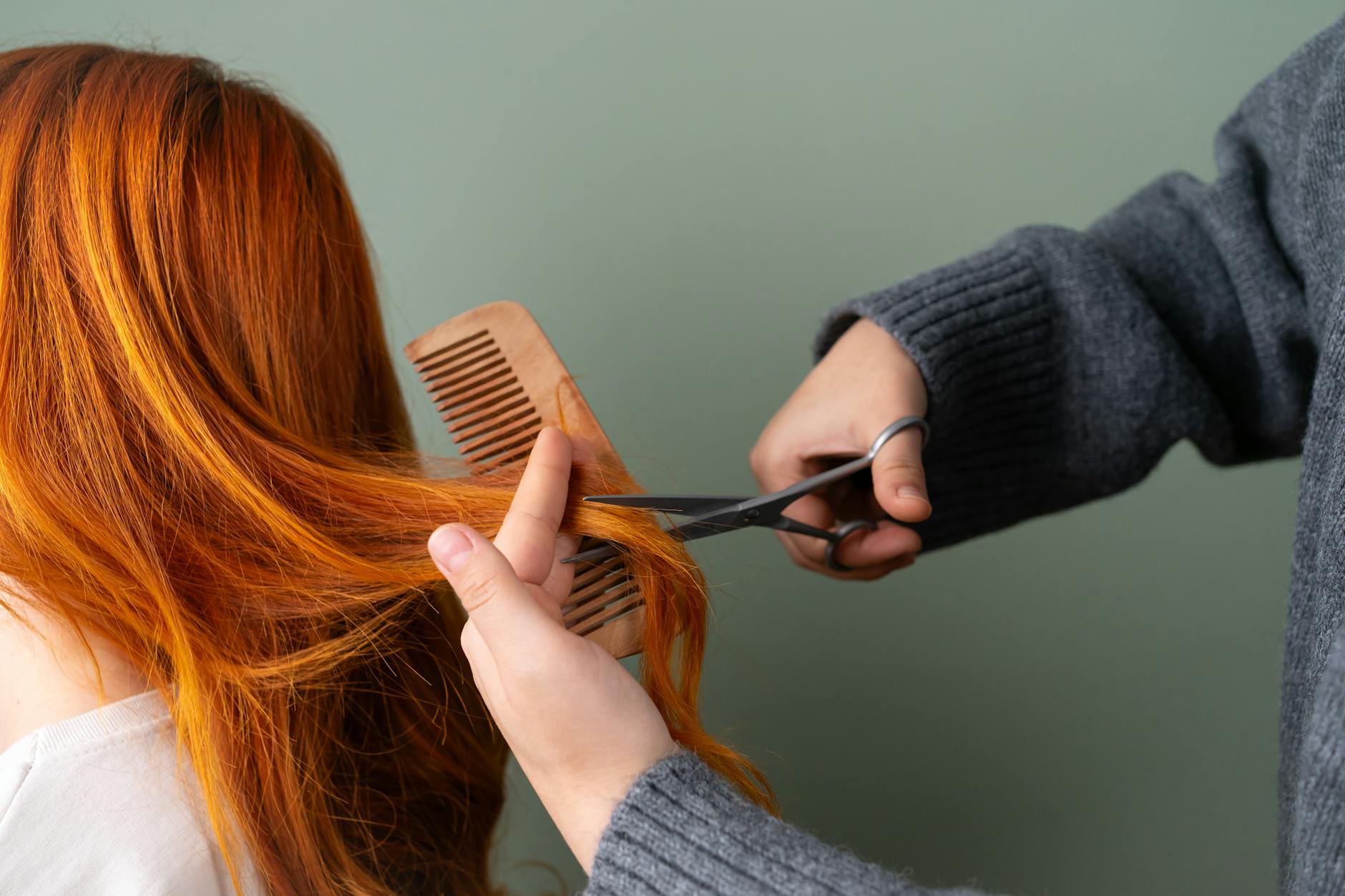
Narrating every snip, second-guessing each decision, and reaching up to touch your own hair while someone is actively working on it is distracting and counterproductive. Your hairdresser has trained for years to develop the judgment and technique they are applying to your hair. Constant interruption erodes their focus and can actually compromise the quality of the result. Share your preferences clearly at the start and then allow the professional to do their job.
Dirty Hair
Arriving with hair that is heavily coated in product buildup, dry shampoo layers, or genuine grime creates extra work that the appointment was not designed to accommodate. Excessive buildup can affect how colour takes, how cuts fall, and how long the styling process takes. Most salons include a wash as part of the service, but arriving in a reasonable state of cleanliness is still expected. Hair that has gone unwashed for an extended period requires a level of preparation that eats into everyone’s time.
Lowball Tipping
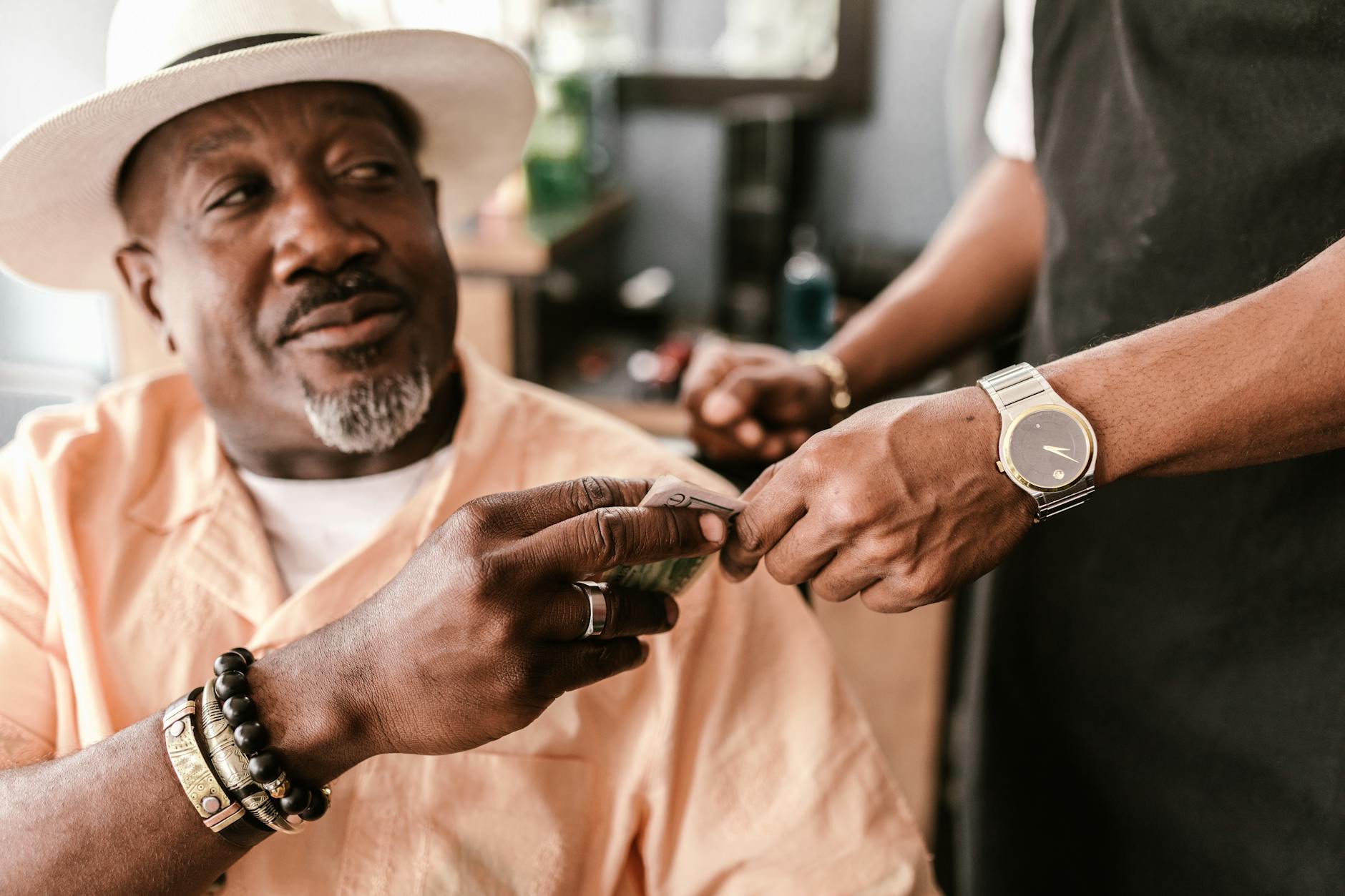
In cultures where tipping is a standard part of salon etiquette, leaving a tip that is significantly below the norm after a lengthy and skilled service is noticed. Hairdressers often work long physical hours on their feet and invest significantly in ongoing education and tools. A thoughtful tip communicates that you value the experience and the craft. Understanding the local tipping culture before your appointment helps you navigate this gracefully.
Comparison Criticism
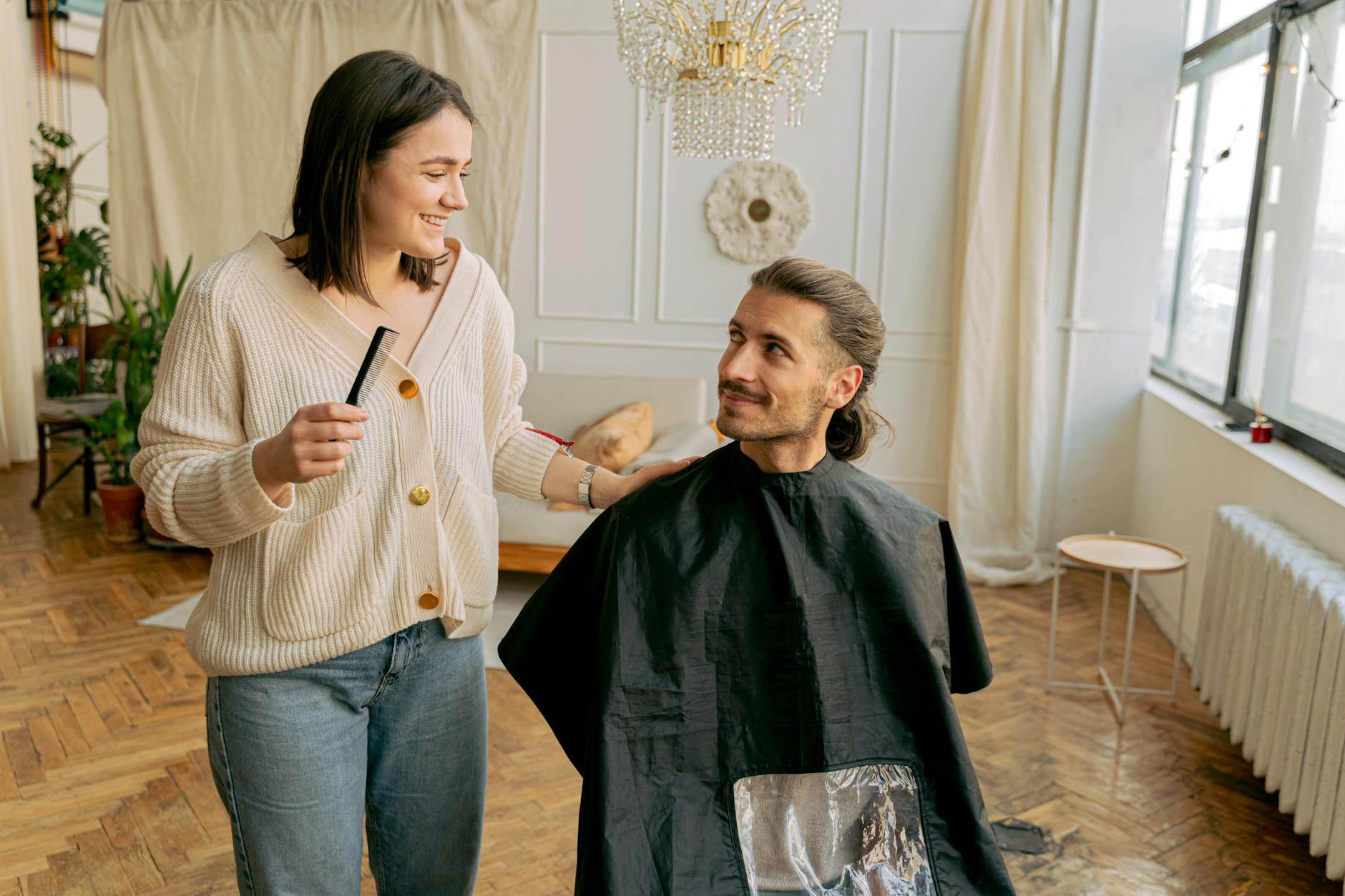
Telling your hairdresser that your previous salon did things better, that another stylist achieved a result they cannot seem to match, or that a friend’s hairdresser charges less is one of the more demoralising things a client can say. Every professional has their own approach, and comparison criticism offers no useful information while delivering a clear personal sting. Constructive feedback about what you specifically want is always welcome. Direct unfavourable comparisons are not.
Self Diagnosis
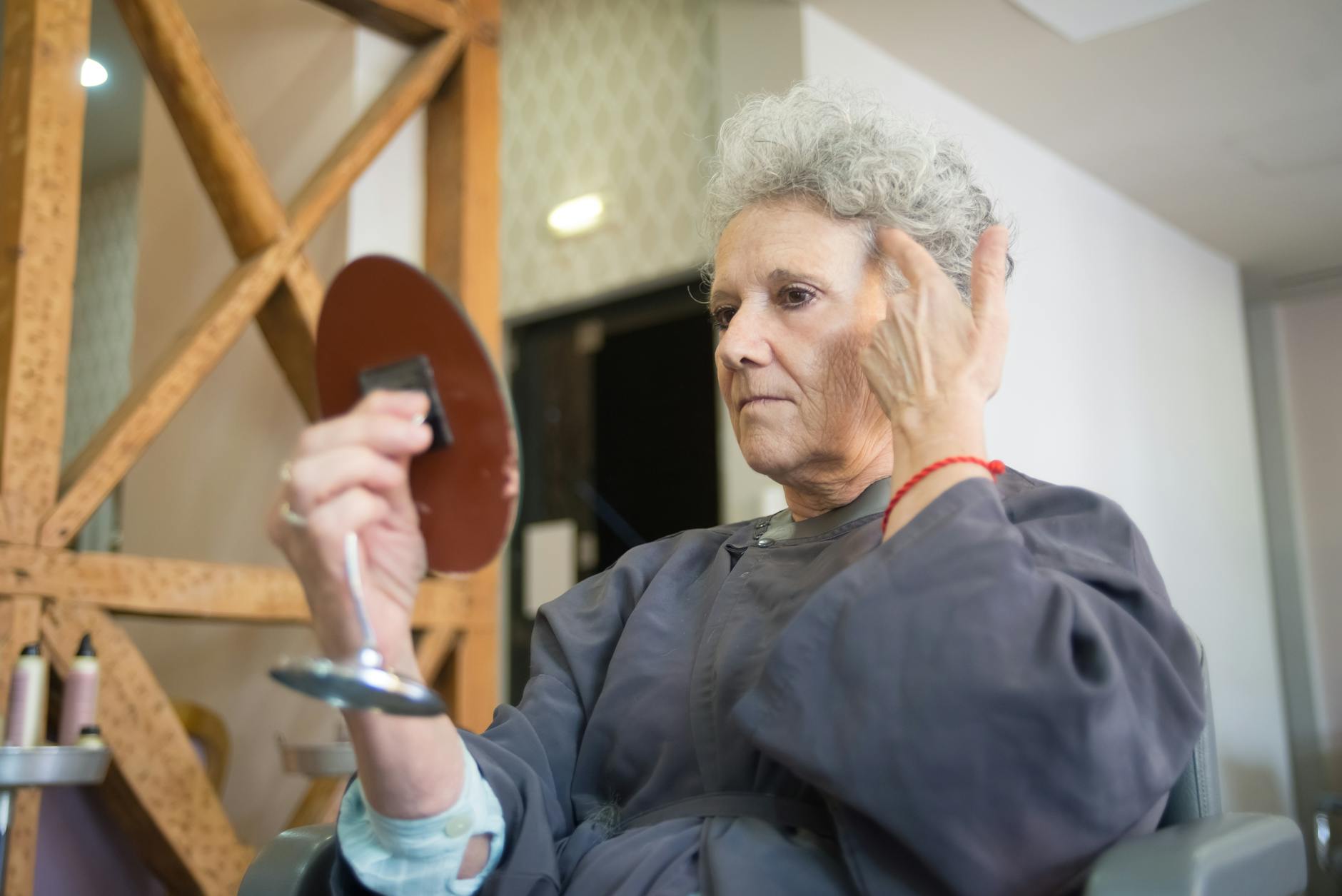
Arriving with a firm self-diagnosis of your hair type, porosity, or chemical history based on internet research and insisting your hairdresser work around conclusions that may be entirely incorrect puts the whole appointment at risk. Professionals assess your hair in person with trained eyes and hands and adjust their approach based on what they actually find. Presenting internet research as fact can lead to products being used in ways that do not suit your actual hair. Share your observations and let your hairdresser draw their professional conclusions.
Colour Surprises

Failing to mention previous box dye, chemical treatments, keratin applications, or colour corrections before a colouring appointment can lead to unpredictable and sometimes irreversible results. What is already sitting in your hair affects every single chemical decision your hairdresser makes. Omitting this information, even unintentionally, puts your hair and your hairdresser’s professional reputation at risk. Full transparency about your hair history is not optional when chemicals are involved.
Child Chaos
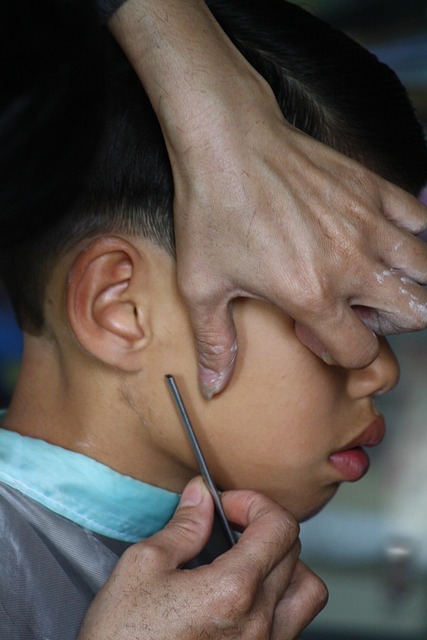
Bringing young children to an appointment and allowing them to run freely around the salon floor creates a safety hazard in a space full of sharp tools, hot equipment, and chemical products. Most salons are not equipped or staffed to supervise children while their parent is in the chair. If childcare is unavoidable, keeping children calm and contained in one area is the minimum expectation. Calling ahead to check the salon’s policy on children is always a good idea.
Excessive Perfume
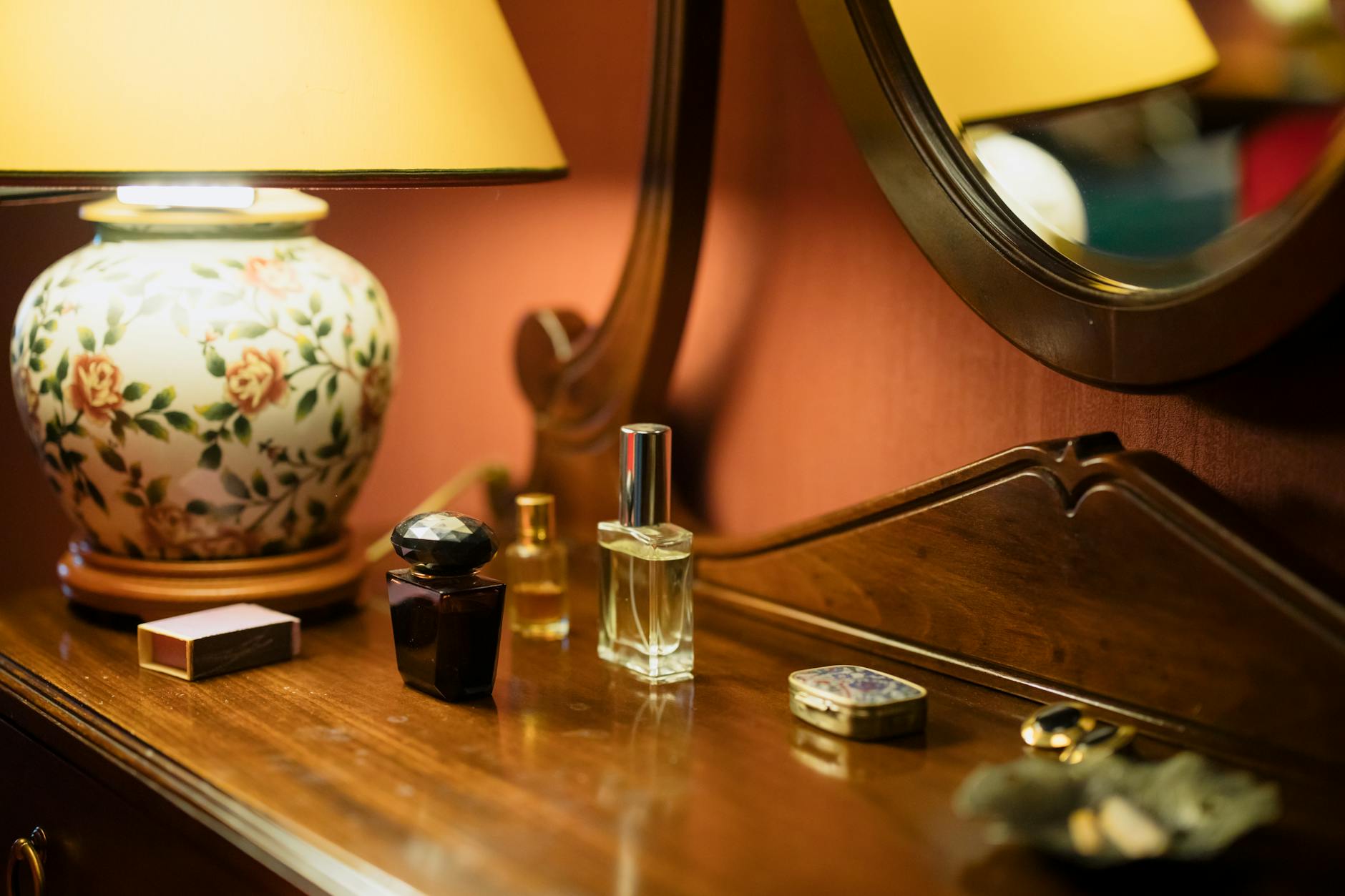
Arriving drenched in heavy fragrance in an enclosed salon environment affects not just your hairdresser but every other person in the space. Many salon professionals and clients have sensitivities or allergies to strong scents, and working closely around someone’s head for an extended period makes this especially relevant. A light application is perfectly fine. An overwhelming cloud of perfume is a sensory imposition on everyone nearby.
Talking During Rinsing
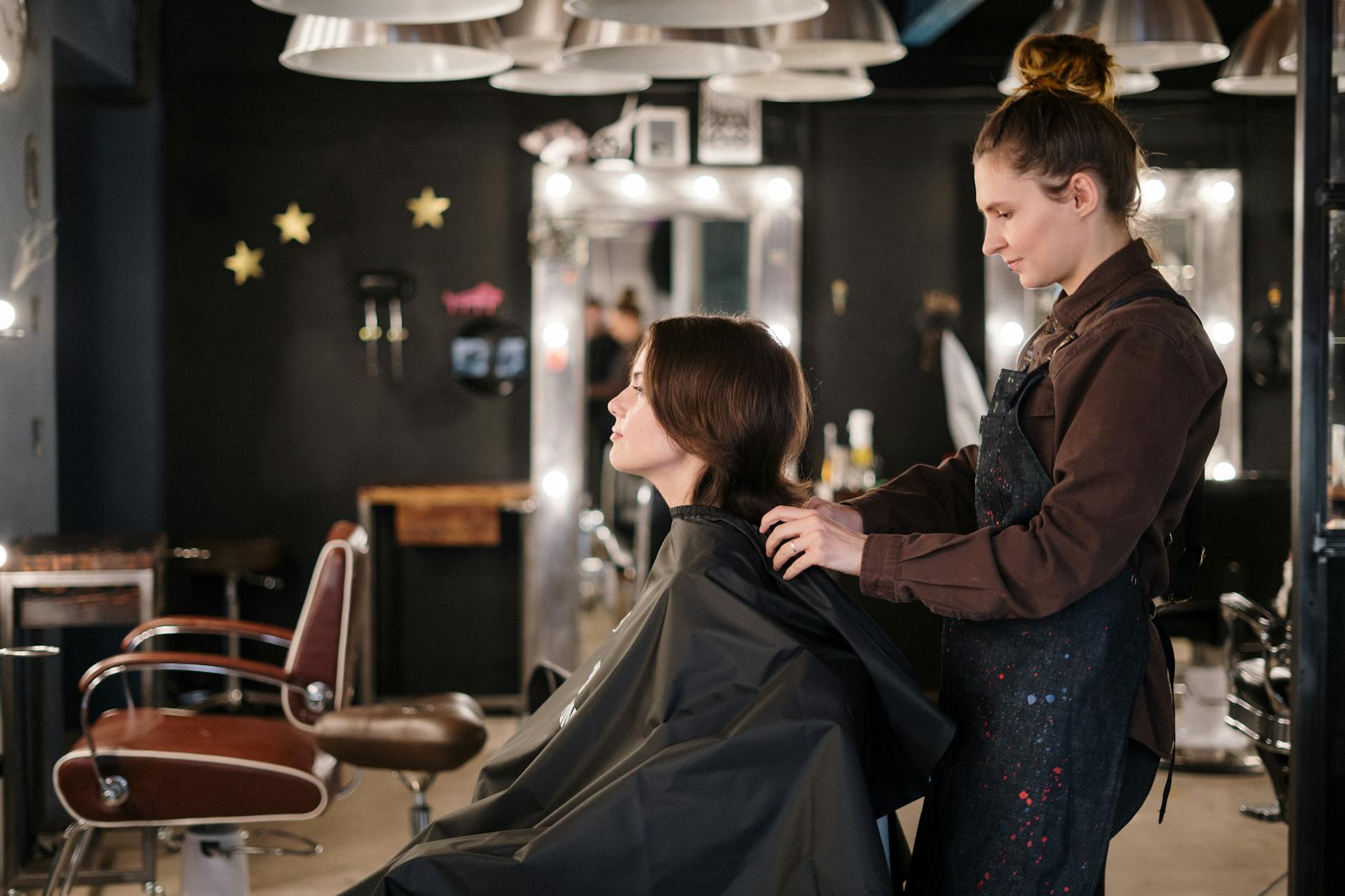
Trying to hold a full conversation while your hair is being rinsed at the basin puts your hairdresser in the awkward position of trying to respond while managing water temperature, pressure, and your neck position simultaneously. It also frequently results in water going where it should not as heads shift mid-sentence. The rinse is a moment designed for quiet relaxation and practical focus. Enjoy it in comfortable silence.
Style Reversal

Asking your hairdresser to recreate the exact style they gave you last time and then providing no other details assumes they have a photographic memory of every client’s previous appointment. Salons serve dozens of clients every week, and expecting perfect recollection without any reference is an unfair standard to hold anyone to. Bringing a photo of your previous result or describing it specifically takes all the guesswork out of the process. Your hairdresser wants to give you what you want and a clear brief makes that possible.
Rushed Departure

Jumping out of the chair the moment the last strand is in place, barely glancing at the mirror, and rushing out without any acknowledgment of the work done leaves your hairdresser with no feedback and no sense of whether you are satisfied. A brief moment to look, respond, and engage with the result is part of the basic social contract of the appointment. Even a simple expression of how you feel about the outcome helps the professional relationship. Taking thirty seconds to acknowledge someone’s work costs nothing.
Product Rejection
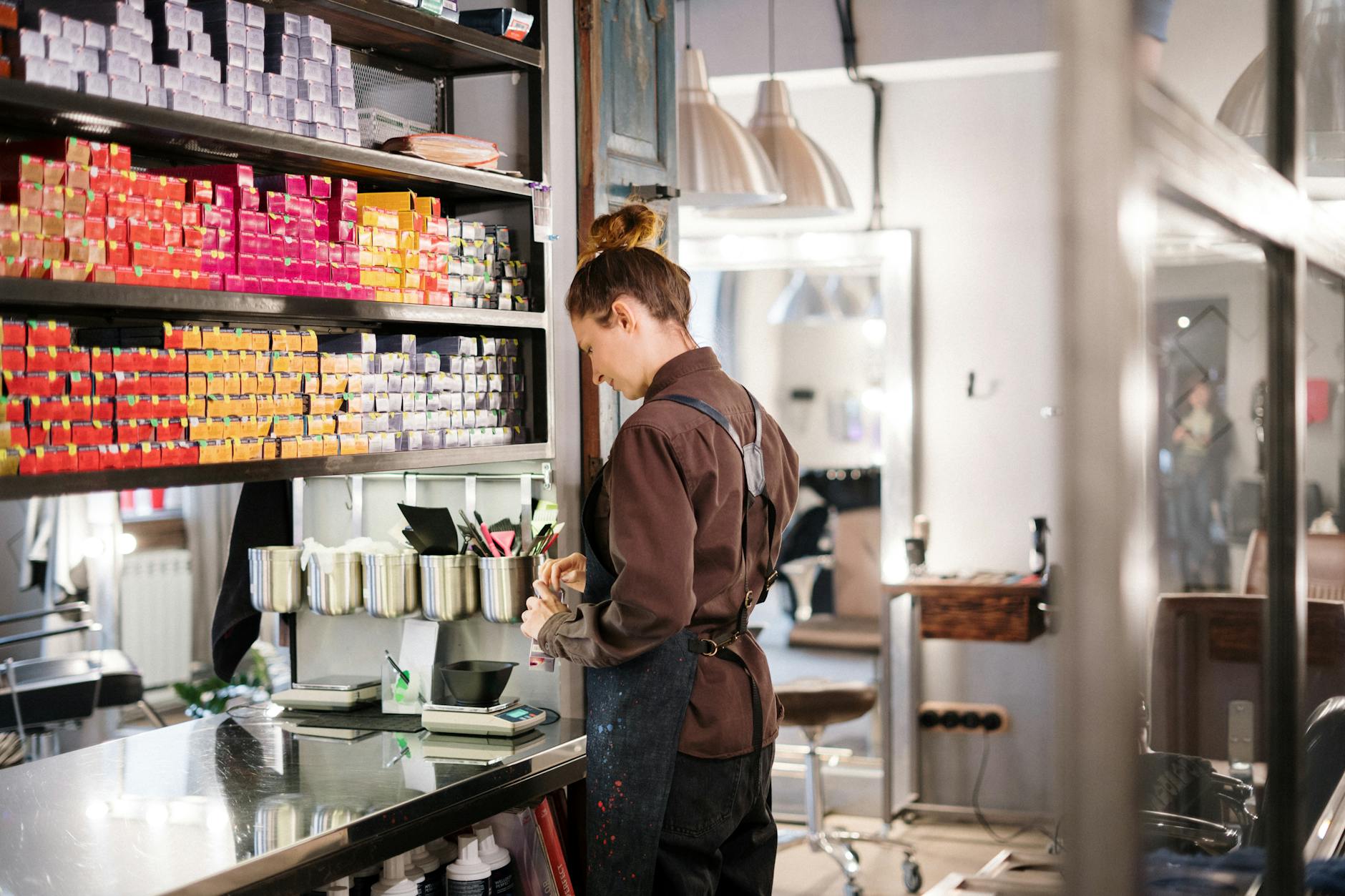
Immediately dismissing every product recommendation your hairdresser makes as unnecessary, overpriced, or just a sales pitch ignores the fact that they have just spent an hour examining your specific hair up close. Recommendations are based on what they have actually seen and felt during your appointment. You are under no obligation to purchase anything, but blanket rejection without consideration is dismissive of professional insight. Listen to the reasoning and then make your own informed decision.
Contradictory Instructions
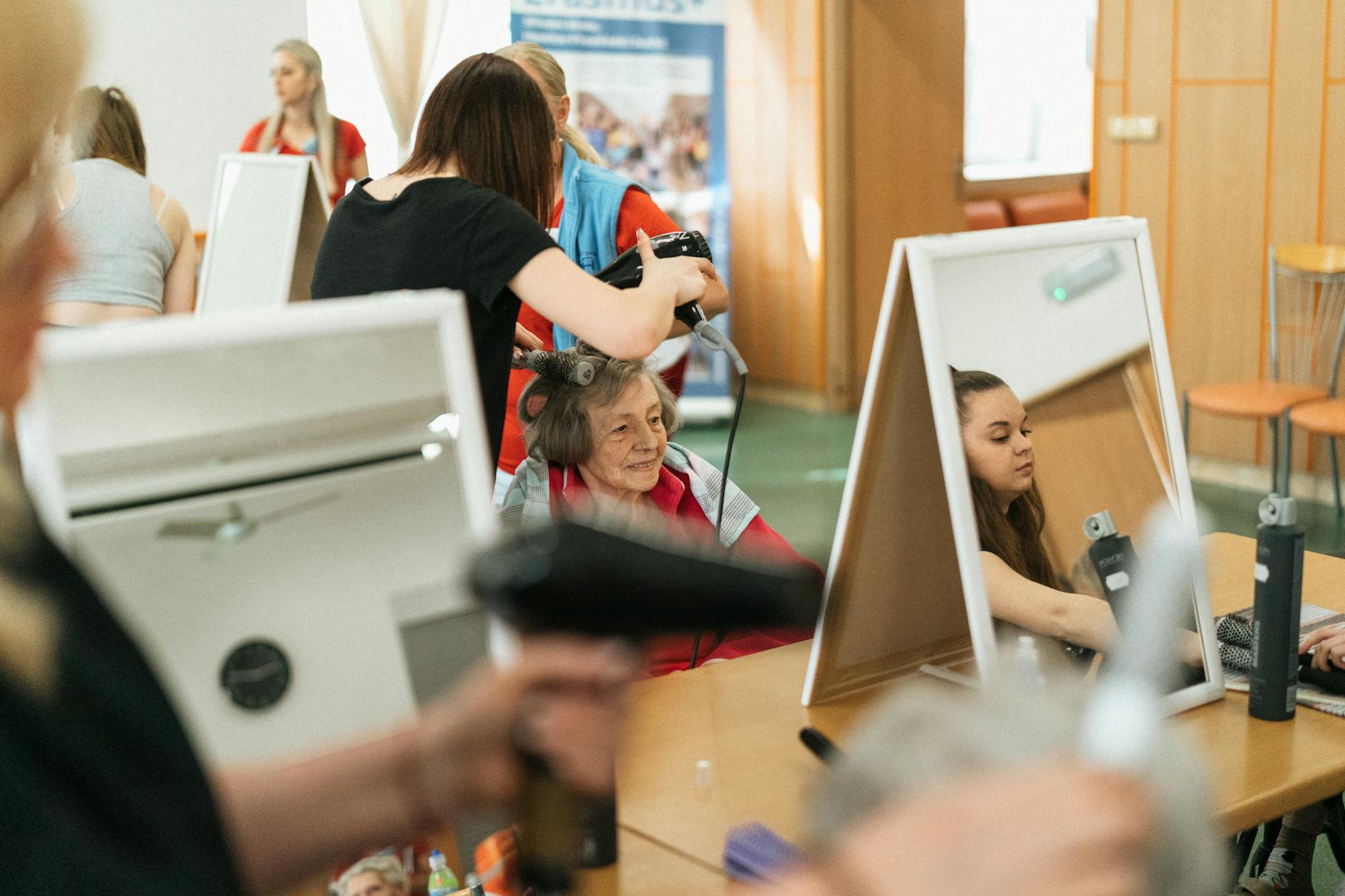
Telling your hairdresser to take off length but also keep it long, to add volume but keep it flat, or to go bold but also stay subtle puts them in a position where no outcome can be fully right. Clear and consistent direction is the foundation of a successful appointment. If you are genuinely undecided, say so and ask for their professional recommendation. Contradictory briefs lead to compromise results that satisfy no one.
Colour Commitment Fear

Repeatedly booking colour appointments and then pulling back to a far safer option at the last moment after your hairdresser has already mixed product wastes materials that cannot be returned to stock. Mixed colour has a limited window of viability and unused portions represent a direct financial loss. If you are uncertain about a colour change, have the conversation during the consultation before anything is prepared. Commit to a decision before the process begins or reschedule until you are ready.
Unwanted Opinions

Offering strong opinions on other clients’ hair, commenting on what the person next to you is having done, or making suggestions to someone else’s hairdresser across the salon floor is intrusive and inappropriate. Every client’s appointment is a private and personal experience, even in a shared space. Unsolicited feedback directed at strangers in the middle of their service is never welcome. Keep your observations to yourself and focus on your own experience in the chair.
Tip Skipping Logic
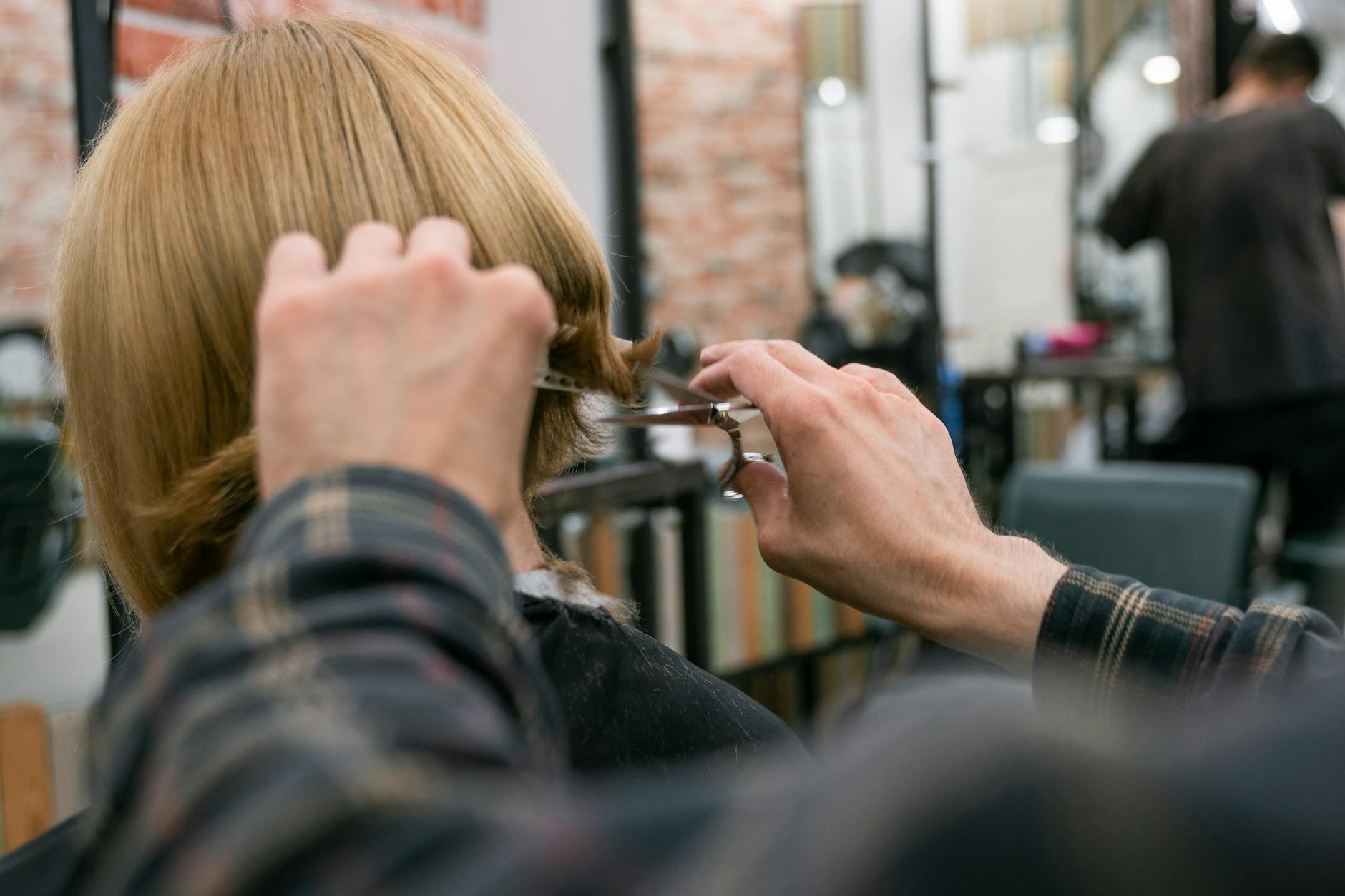
Explaining at length why you have decided not to leave a tip, particularly by citing the hairdresser’s ownership of the salon or their perceived income level, is one of the most uncomfortable conversations a professional can be subjected to after hours of skilled work. Whether or not to tip is ultimately a personal decision, but delivering a justification for withholding it transforms an awkward moment into a genuinely demoralising one. If you choose not to tip, do so quietly. A verbal explanation serves no one.
Have you ever caught yourself doing any of these without realising it? Share your thoughts in the comments.