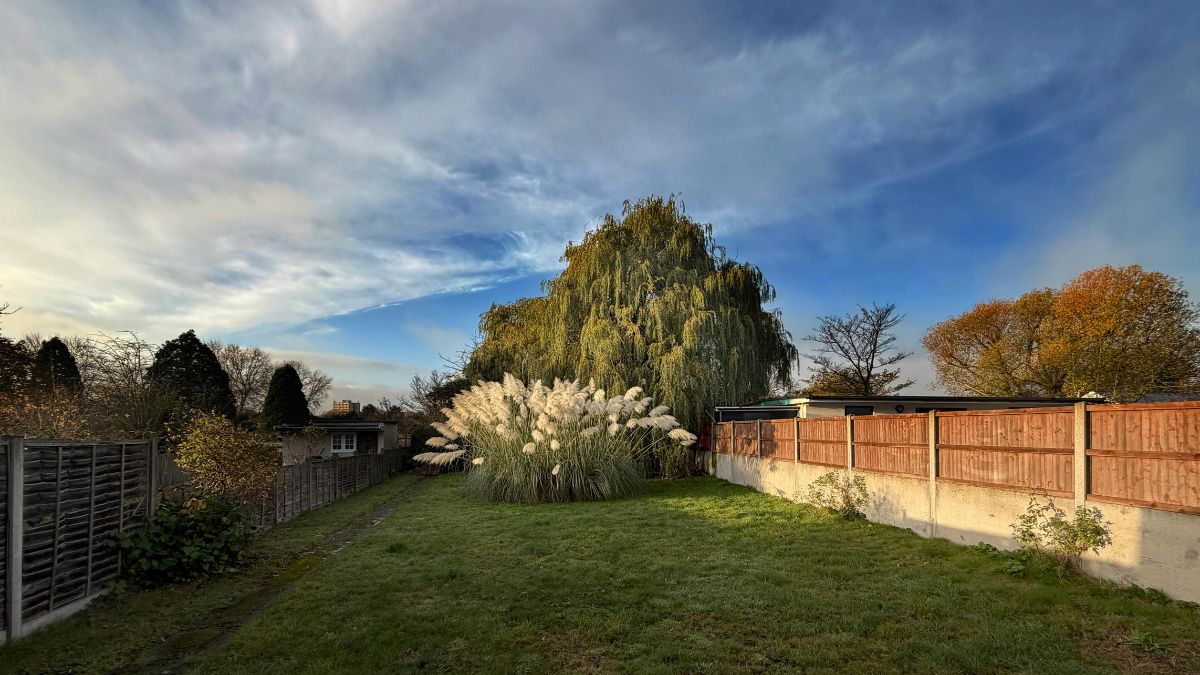
The backyard is one of the most powerful value drivers in residential real estate and one of the most consistently neglected. What sits behind a home tells appraisers buyers and neighbors an enormous amount about how the entire property has been maintained and managed over time. Outdoor spaces that accumulate clutter deterioration and neglect create lasting negative impressions that no amount of interior renovation can fully offset. These are the backyard oversights that quietly and consistently erode what your property is worth.
Rusting Barbecue

An old barbecue grill left uncovered and exposed to the elements through multiple seasons develops surface rust grease buildup and structural deterioration that signals to any observer that outdoor maintenance is not a priority on this property. Appraisers and real estate agents consistently note that visible rust anywhere in an outdoor space creates a generalized impression of neglect that extends beyond the object itself to the perceived condition of the broader property. A rusting grill that sits unused for seasons at a time also suggests the outdoor space is not being actively enjoyed or maintained which reduces its perceived lifestyle value to prospective buyers. Removing or replacing deteriorated outdoor cooking equipment is one of the lowest-effort high-return improvements available to any homeowner preparing for appraisal or sale.
Dead Lawn Patches

Large irregular patches of dead brown or bare grass scattered across a backyard lawn communicate a failure of routine maintenance that buyers and appraisers interpret as evidence of either persistent neglect or an underlying soil drainage or pest issue that may require costly remediation. The condition of a lawn is one of the first visual signals processed during a property inspection and a patchy dying lawn creates an immediate negative baseline impression that colors the evaluation of everything else observed afterward. Lawn repair through overseeding topdressing or addressing the underlying cause of dieback is a relatively modest investment compared to the disproportionate negative impact that a visibly failing lawn creates on overall property value perception. Prospective buyers with no intention of maintaining a lawn themselves still consistently rate lawn condition as a significant factor in their willingness to offer full asking price.
Broken Fencing
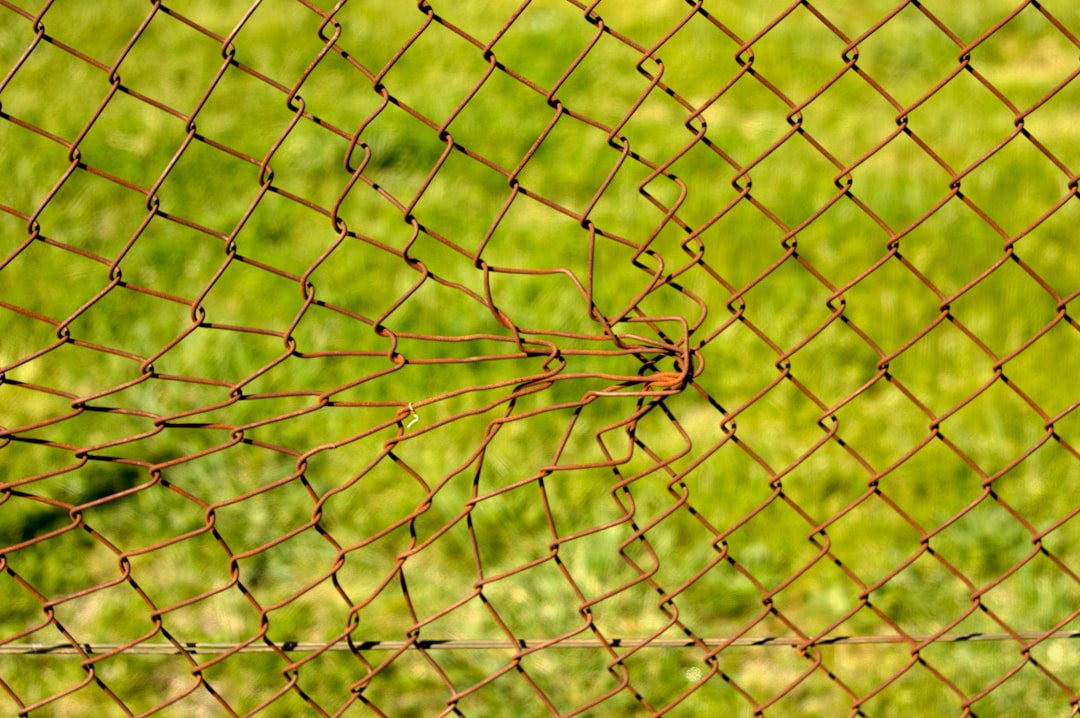
Fence panels that are leaning broken missing or visibly rotting along a property boundary create both a practical and aesthetic problem that communicates directly to buyers that the property line is insecure and that deferred maintenance is a pattern rather than an exception. Boundary fencing in poor condition also raises questions about encroachment disputes neighbor relations and the cost of replacement that buyers factor into their offer calculations before negotiation even begins. The liability dimension of broken fencing particularly in homes with pools or adjacent to roadways adds a further layer of concern that can complicate insurance assessments and buyer financing conditions. Replacing or repairing boundary fencing before listing a property consistently produces a return that exceeds its cost in both buyer perception and negotiated sale price.
Overgrown Hedges
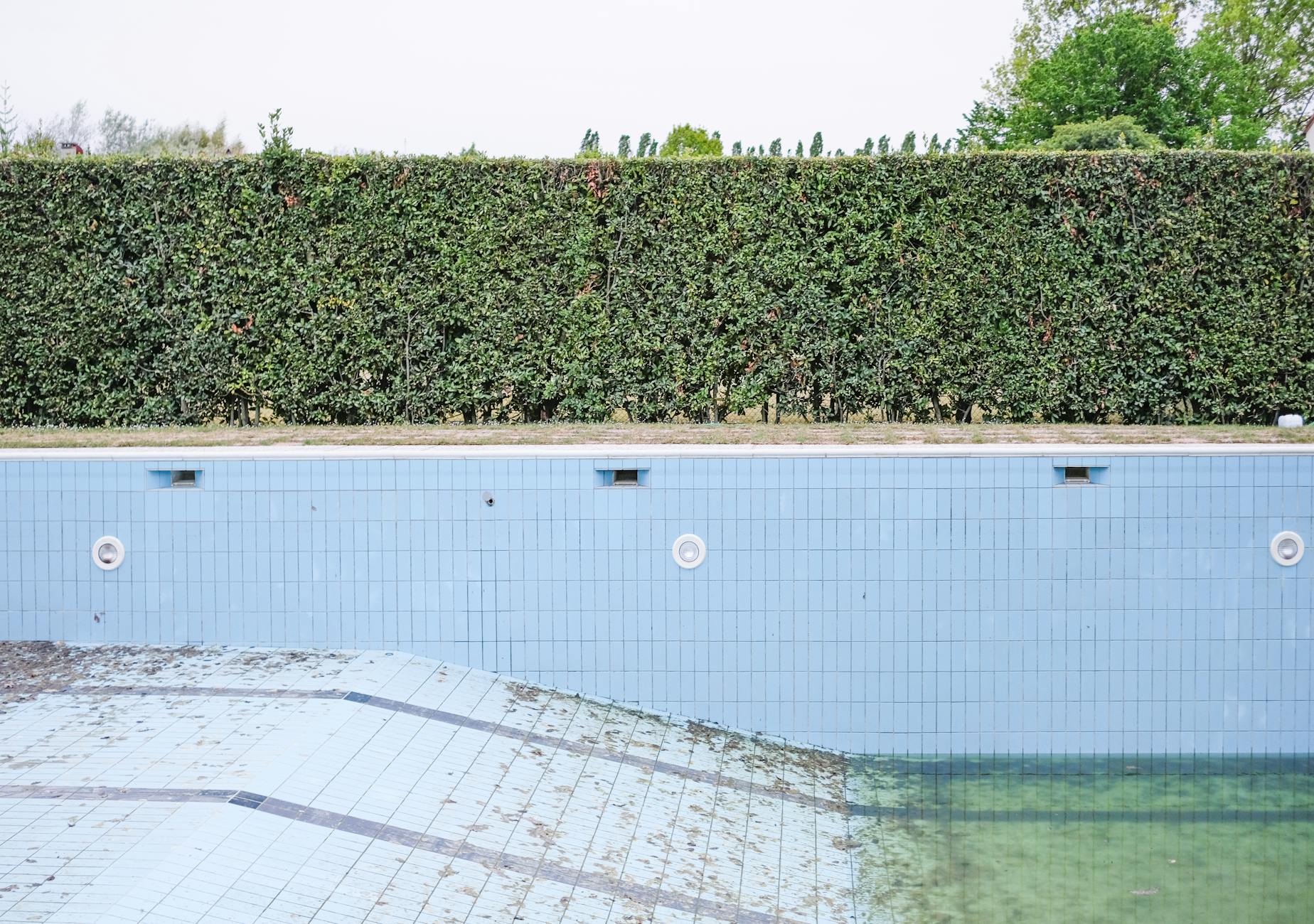
Hedges and shrubs that have been allowed to grow far beyond their intended shape and size create a backyard that feels enclosed oppressive and unmanaged regardless of how well other elements are maintained. Overgrown boundary plantings also raise practical concerns about root damage to fencing foundations and underground infrastructure that buyers with any horticultural awareness will identify and factor into their cost projections. The visual effect of overgrown hedging is to dramatically reduce the perceived size of a backyard space which is one of the primary value drivers in residential outdoor real estate. A single session of professional hedge trimming and shaping can transform the perceived spaciousness and maintenance standard of an entire outdoor area for a fraction of the cost of any structural improvement.
Abandoned Trampoline
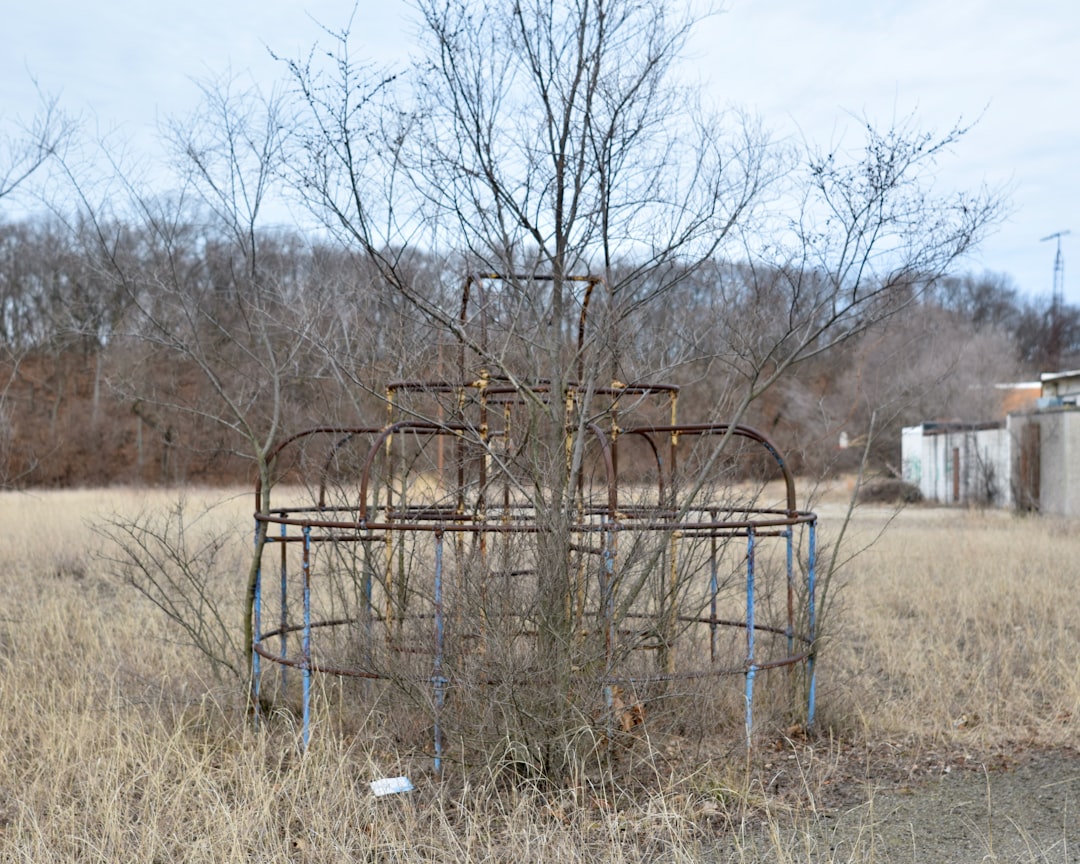
A trampoline that has been left in a backyard beyond its active use period typically develops torn safety netting bent frame components faded and weakening jump mat fabric and rust on its steel legs creating a structure that is simultaneously an eyesore and a liability. Insurance assessors identify trampolines as attractive nuisance items that can affect homeowner policy terms and prospective buyers with or without children frequently view an aging trampoline as a removal cost they will need to absorb. The footprint occupied by a deteriorating trampoline is almost always more valuable as usable lawn or landscaped space in the context of a property sale. Removing a trampoline that is no longer in active regular use is a straightforward improvement that eliminates a liability concern and immediately increases the perceived usability of the outdoor space.
Cracked Paving
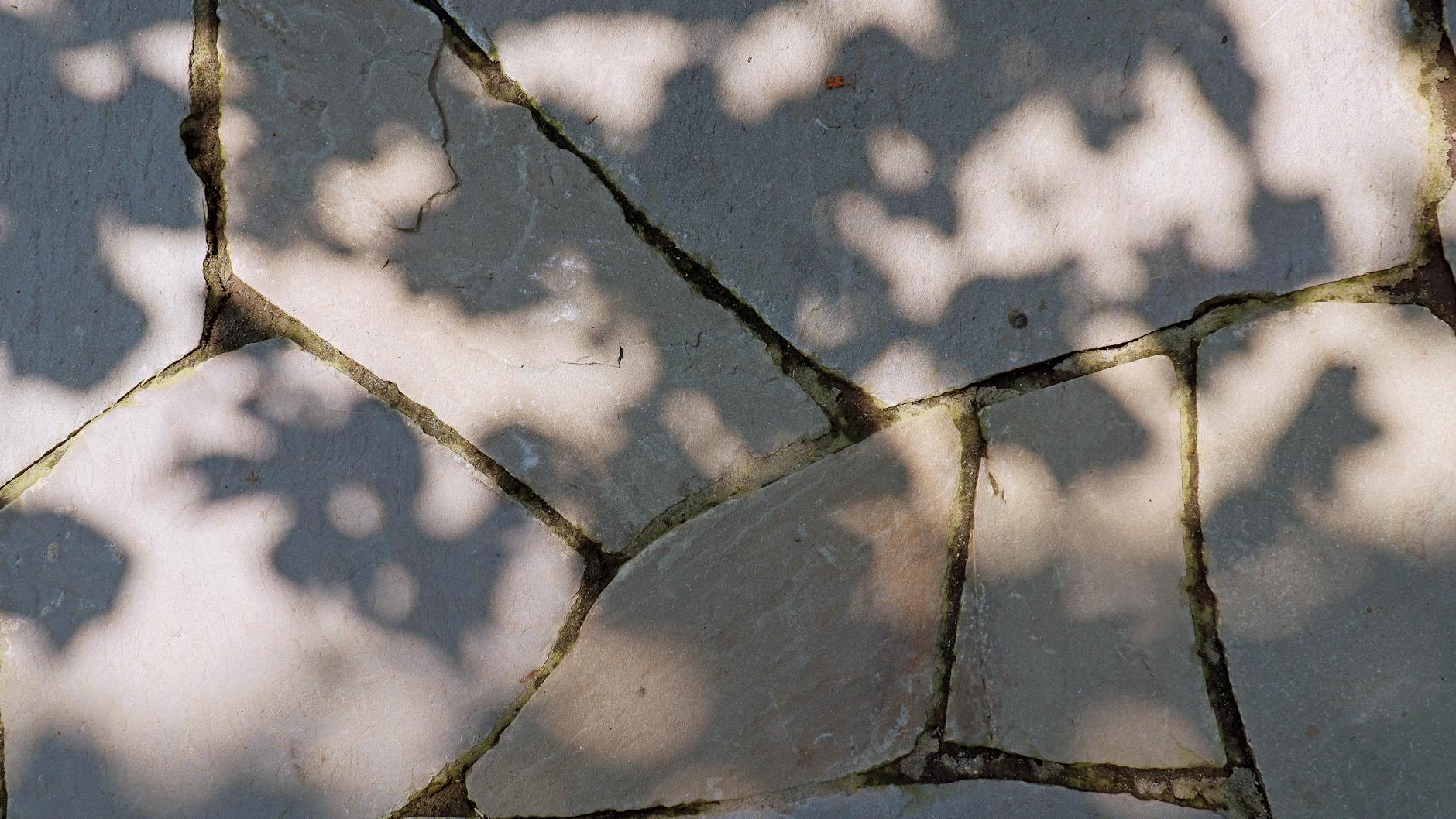
Patio surfaces pathways and hardstanding areas with significant cracking lifting or weed intrusion through joints signal to buyers that the outdoor living infrastructure requires capital investment before the space can be properly enjoyed. Cracked paving is also interpreted by buyers as a potential indicator of underlying drainage or ground movement issues beneath the surface which introduces uncertainty into their cost projections for rectification. The outdoor living area is consistently cited by real estate professionals as one of the highest-value square footage categories in a residential property and deteriorated paving directly undermines the perceived usability and quality of that space. Repointing joints sealing surface cracks or replacing the most visibly damaged sections of paving is an investment that directly supports the outdoor living value narrative that drives strong buyer interest.
Stagnant Water Features
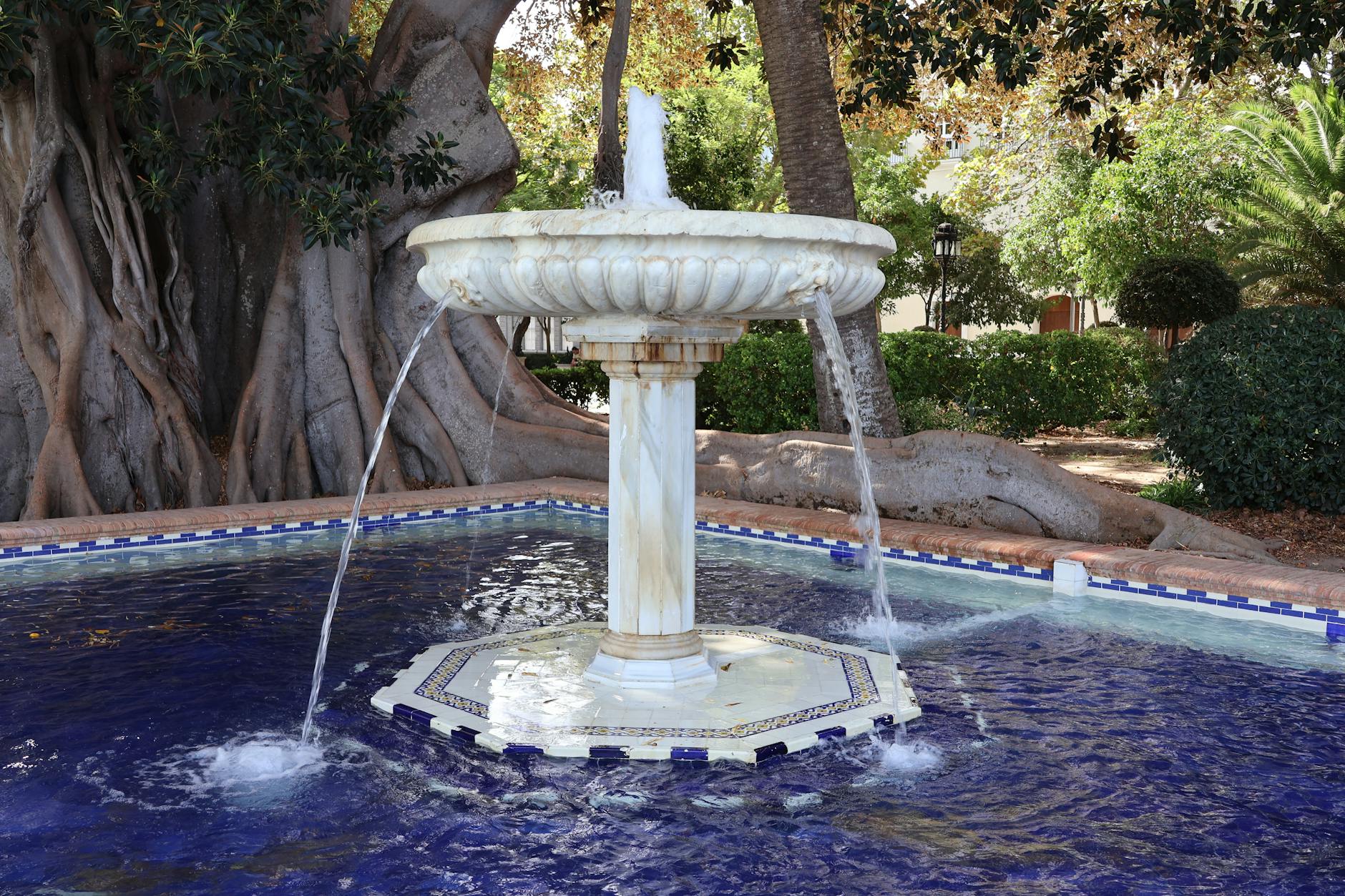
A pond water feature or fountain that is no longer functioning properly and has developed green algae blooms surface film and murky water creates one of the most negatively impactful single elements a backyard can contain from both an aesthetic and a practical perspective. Stagnant water features attract mosquitoes introduce standing water liability concerns and produce odors that become apparent during any outdoor inspection conducted in warmer months. A water feature that was once an asset becomes a significant liability the moment it is no longer actively maintained and its presence in a sale property raises immediate questions about the cost and complexity of restoration or removal. Restoring a water feature to functional clean condition or removing it entirely and restoring the area to lawn or paving are both consistently superior options to leaving it in a state of visible decline.
Piled Firewood

Firewood stacked directly against the exterior wall of a home or left in an unorganized sprawling pile in the backyard creates both a pest harboring environment and a visual signal of casual disorganization that buyers and appraisers absorb as part of their overall property condition assessment. Firewood stored against structures provides direct harborage and access pathways for termites carpenter ants and rodents which are among the most costly pest infestations a homeowner can face and which can complicate property sale transactions significantly. The visual presentation of firewood matters considerably with a neatly stacked covered rack positioned away from structures reading as organized and intentional while a sprawling pile reads as neglect. Relocating and neatly organizing firewood storage is a minimal effort improvement that removes both a practical risk and a negative aesthetic signal simultaneously.
Peeling Deck
A timber deck with peeling staining or paint flaking exposed grey weathered wood raised or popped fasteners and soft spots in the decking surface communicates advanced deferred maintenance to any buyer who steps onto it during an inspection. Deck condition is evaluated both visually and physically during property inspections and a deck that shows significant weathering deterioration raises structural questions that frequently require professional assessment before a sale can proceed through financing. The outdoor entertaining deck is marketed as a lifestyle feature in virtually every property listing that contains one and a visibly deteriorated deck directly contradicts the lifestyle value narrative that drives buyer premium pricing. Sanding cleaning and reapplying a quality deck oil or stain is a weekend-scale investment that transforms the perceived condition and value of an outdoor living space at a fraction of the cost of full replacement.
Children’s Plastic Toys

Faded cracked and weathered plastic children’s play equipment left permanently in a backyard beyond the age at which it is being actively used creates an impression of visual clutter and stalled domesticity that actively works against the aspirational presentation needed to achieve strong sale prices. Sun-bleached plastic play kitchens ride-on toys sandpits with split edges and partially dismantled play structures occupy significant backyard real estate while contributing nothing to the perceived value or lifestyle appeal of the outdoor space. Buyers without young children see only storage and removal costs while buyers with young children typically prefer to select their own age-appropriate equipment rather than inherit someone else’s deteriorated versions. Clearing and removing all non-functional or unused children’s outdoor equipment before any property photography or inspection is a basic staging step with a disproportionately positive impact on first impressions.
Uncleared Leaf Accumulation
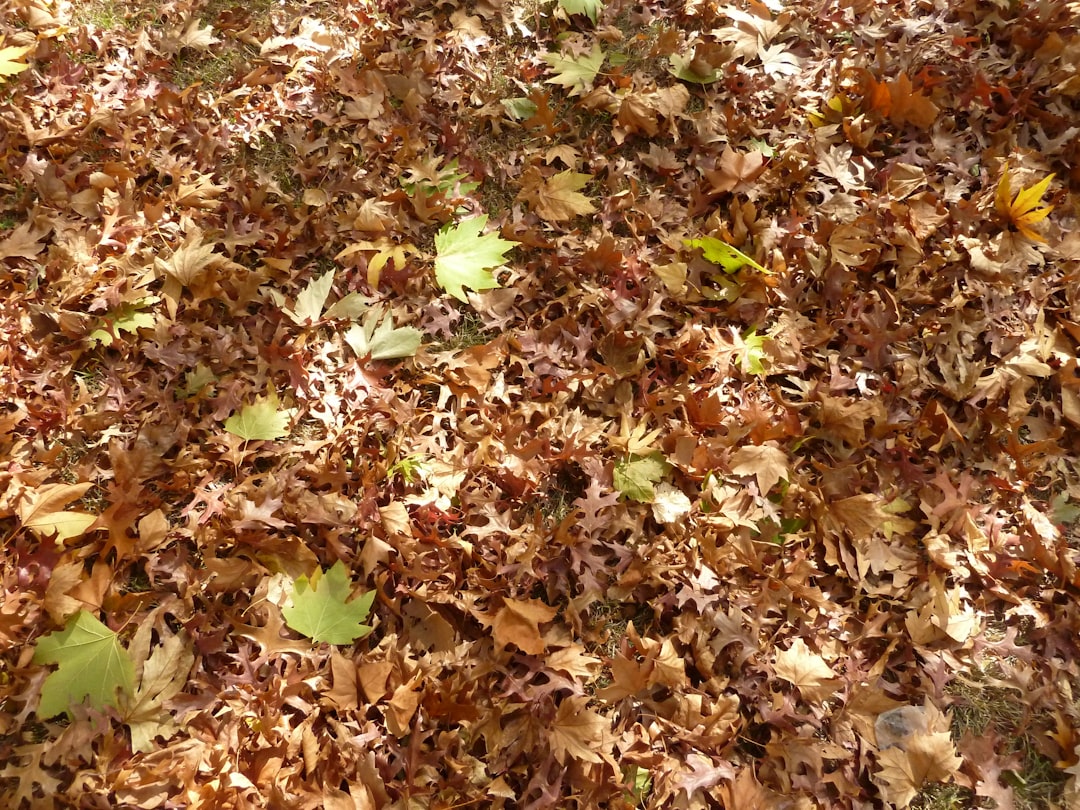
Deep accumulations of decomposing leaves along fence lines under hedges and in corners of a backyard communicate seasonal neglect and create conditions favorable to dampness mold ground-level pest activity and lawn dieback beneath the layer. The presence of significant uncleared organic matter in a backyard is a specific indicator to experienced buyers and inspectors that routine maintenance visits are either infrequent or insufficiently thorough. Beyond the aesthetic signal decomposing leaf matter pressed against timber fencing or structure bases accelerates moisture-driven deterioration in ways that compound into more serious maintenance costs over time. Clearing and disposing of accumulated organic matter is among the lowest cost highest visual impact improvements available in any backyard preparation for appraisal or sale.
Old Hot Tub

A hot tub that is no longer operational or that shows significant cosmetic deterioration through faded cracked shell discolored water lines and exposed or corroded cabinet panels is one of the single most value-negative items that can occupy backyard space during a property sale. The removal cost of a large non-functional hot tub routinely runs into several hundred to over a thousand dollars which buyers will estimate conservatively and deduct from their offer as a minimum. Operational but aging hot tubs with significant cosmetic wear raise ongoing maintenance cost concerns around pump and heating system reliability that sophisticated buyers calculate into their total cost of ownership projections. Removing a non-functional or heavily deteriorated hot tub before listing a property and restoring the area beneath it to clean paving or lawn is almost always the correct financial decision.
Exposed Utility Items
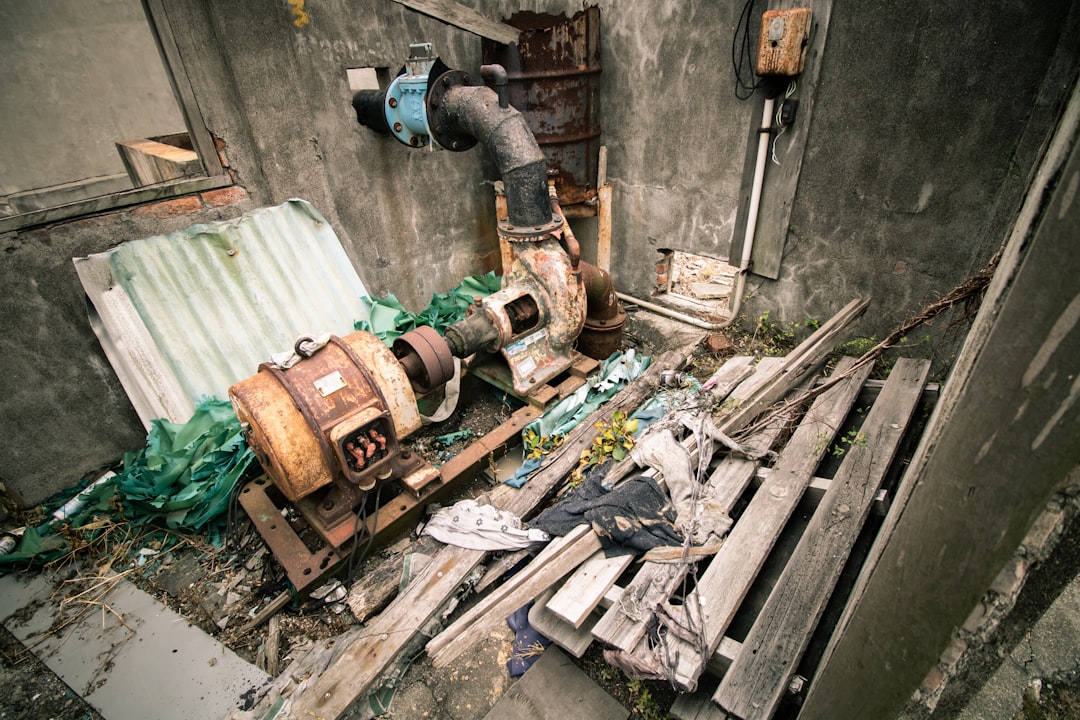
Air conditioning condenser units gas meters electrical boxes and pool equipment that are fully exposed and unscreened in visible backyard areas create an industrial visual interruption that reduces the perceived quality and finish of an outdoor space. While these items are functional necessities their presentation significantly affects the lifestyle impression of an outdoor area and buyers making emotional purchasing decisions respond negatively to utility infrastructure as a dominant visual feature. Purpose-built screening solutions including louvered timber screens planting arrangements and purpose-designed equipment enclosures are widely available at modest cost and create an immediate improvement in outdoor space presentation. Concealing utility infrastructure is a consistent recommendation from property stylists and real estate agents preparing homes for sale and its impact on buyer perception exceeds its modest cost by a significant margin.
Neglected Garden Beds

Garden beds that have been overtaken by weeds contain dead or dying plants have broken or missing edging and show exposed compacted soil between plantings communicate a level of horticultural neglect that buyers and appraisers read as an indicator of broader property maintenance standards. Planting beds are among the most visible elements of a backyard during any inspection and their condition is processed immediately as part of the overall care narrative a property presents. Clearing weeds replacing dead specimens adding fresh mulch and redefining bed edges is a half-day effort that produces one of the most disproportionately positive visual transformations available in any backyard preparation. The contrast between a weedy neglected bed and a freshly mulched planted and edged equivalent is immediate and significant in the impression it creates during any property inspection.
Leaning Garden Shed
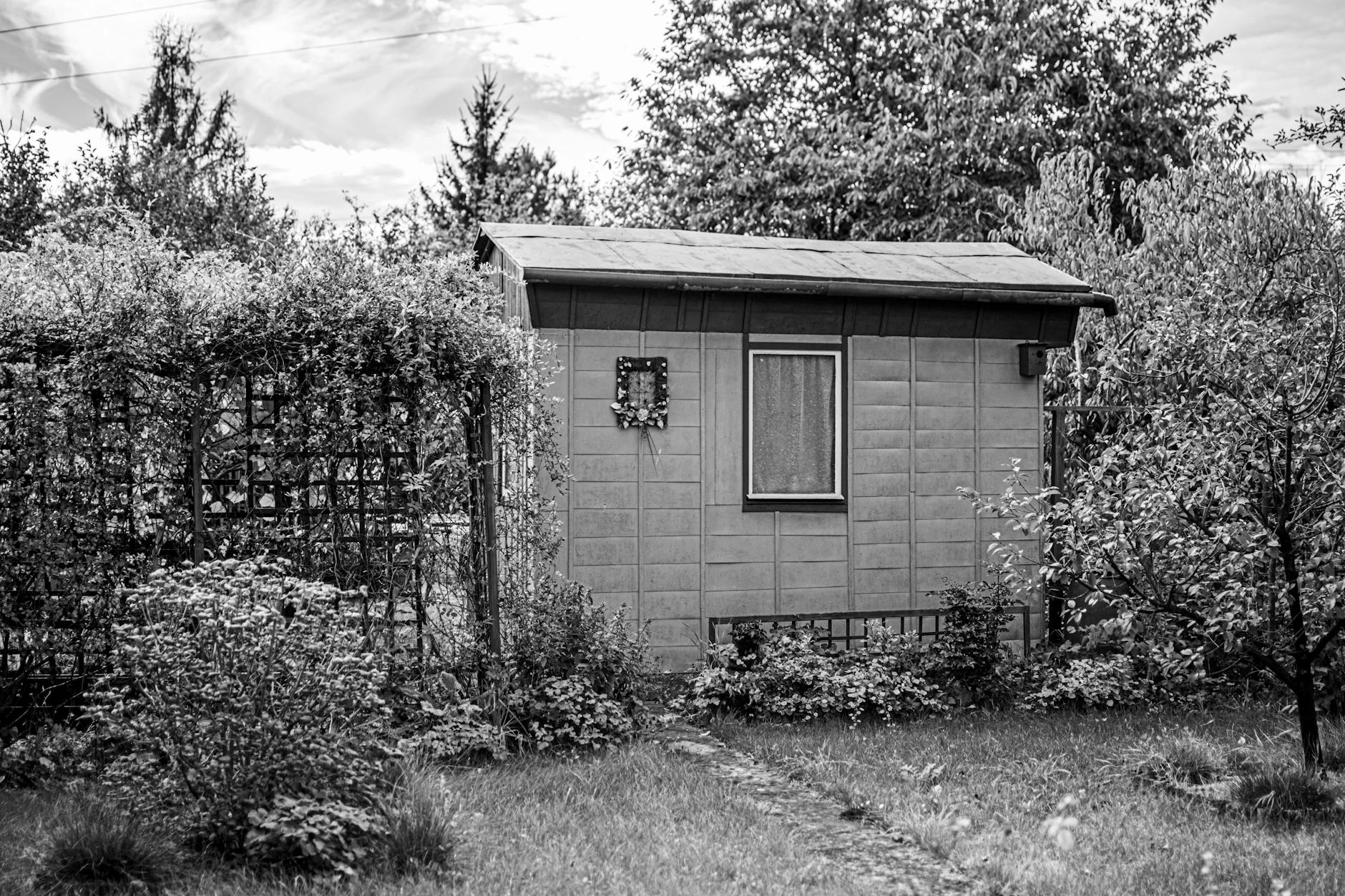
A garden shed that has developed a visible lean due to subsidence foundation movement or simple timber frame deterioration is a property inspection red flag that raises questions about both the cost of rectification and whether the same ground movement or drainage issue affects other structures on the property. A leaning or structurally compromised shed also raises questions about its contents which buyers assume have been stored in conditions conducive to pest activity and moisture damage. The visual presence of a structurally unsound outbuilding in a backyard creates a negative impression that extends well beyond the shed itself to the overall perception of how the property has been stewarded over time. Restoring a leaning shed to plumb through foundation repair or replacing it entirely with a quality structure consistently produces a return in buyer confidence that exceeds the cost of the work.
Visible Compost Heaps

An uncontained or poorly managed compost heap positioned in a visible area of the backyard introduces odor concerns pest activity evidence and an aesthetic that is incompatible with the aspirational presentation needed to achieve strong buyer interest and premium pricing. Composting is an environmentally responsible practice but its execution in the context of a property sale requires a contained purpose-built system positioned in a non-prominent location and managed to minimize odor and visual impact. Buyers encountering a visible steaming or fly-active compost area during an inspection form immediate and persistent negative associations about backyard hygiene and pest exposure that are difficult to overcome through subsequent positive impressions. Relocating compost to a contained system in a screened corner or pausing composting entirely during the sale period is a simple adjustment with a meaningful impact on inspection outcomes.
Unsecured Pool Area
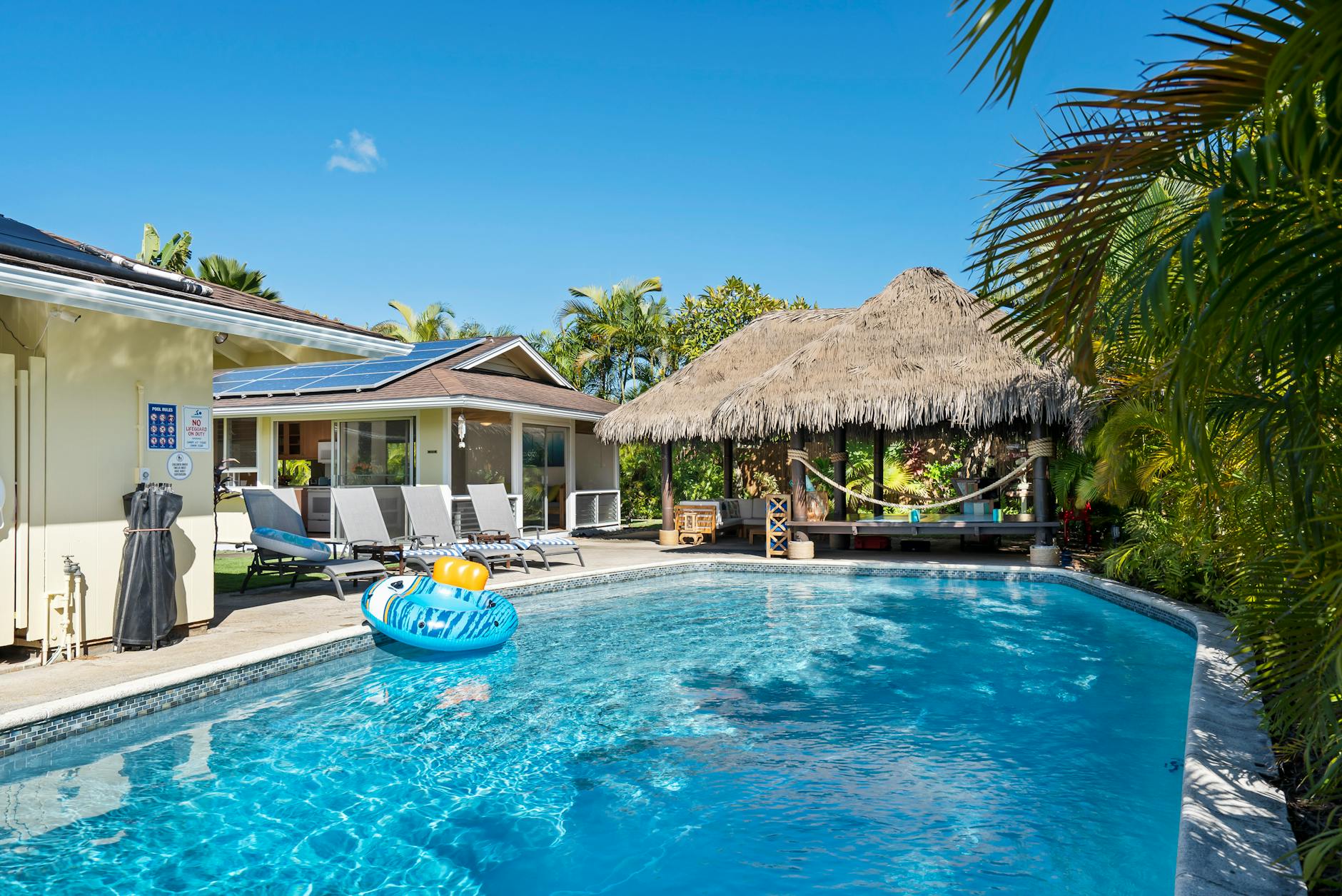
A backyard swimming pool without compliant secure fencing self-closing gate mechanisms and appropriate signage represents both a significant legal liability and a buyer financing obstacle in most jurisdictions where pool safety standards are legislated and enforced at point of sale. Insurance assessors and mortgage lenders routinely require certification of pool safety compliance before financing can be approved which means a non-compliant pool can stall or collapse a sale transaction at the most advanced stage of the process. Beyond the compliance dimension a pool area that presents as poorly maintained with green water damaged coping faded and cracked surrounds or a non-functional filtration system creates a buyer cost projection that directly reduces offer price. Bringing pool safety infrastructure into full compliance and presenting the pool in clean operational condition is both a legal requirement and a direct property value investment.
Paint-Peeling Walls

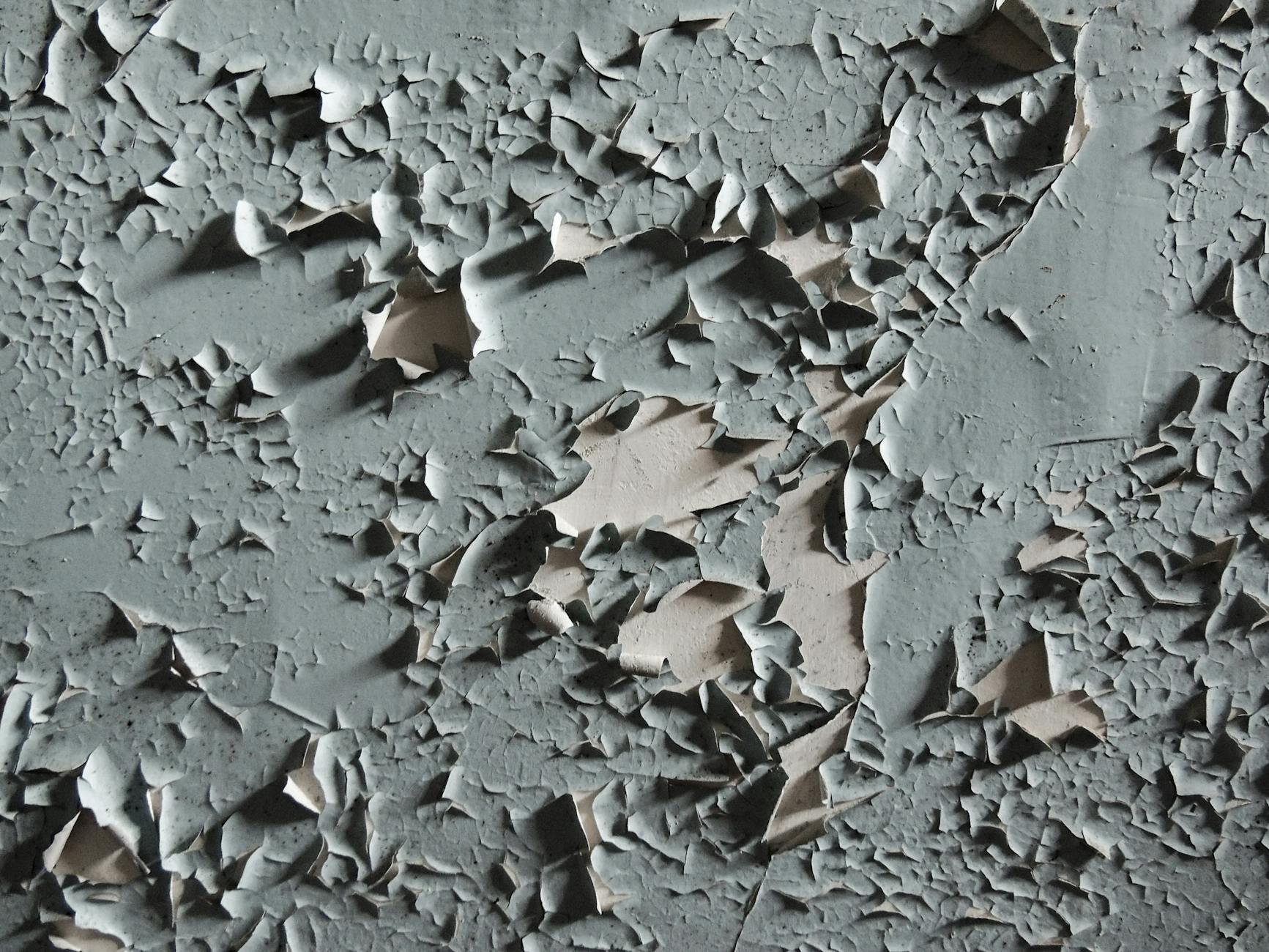
External walls fences and rendered surfaces visible within the backyard that show significant paint peeling blistering bubbling or chalking create a maintenance signal that buyers and appraisers process as evidence of either deferred upkeep or a moisture issue behind the surface. Paint failure on external surfaces is one of the most visually immediate property condition signals available and its presence in the backyard during an inspection confirms a narrative of neglect that began the moment a buyer first viewed the property from the street. Fresh exterior paint on all backyard-facing surfaces including boundary walls rendered planters and outbuilding exteriors is an investment with among the highest visual return per dollar of any preparation activity available to a selling homeowner. The clean unified presentation that fresh paint creates in an outdoor space communicates active stewardship in a way that no other single improvement replicates as efficiently.
Broken Outdoor Furniture
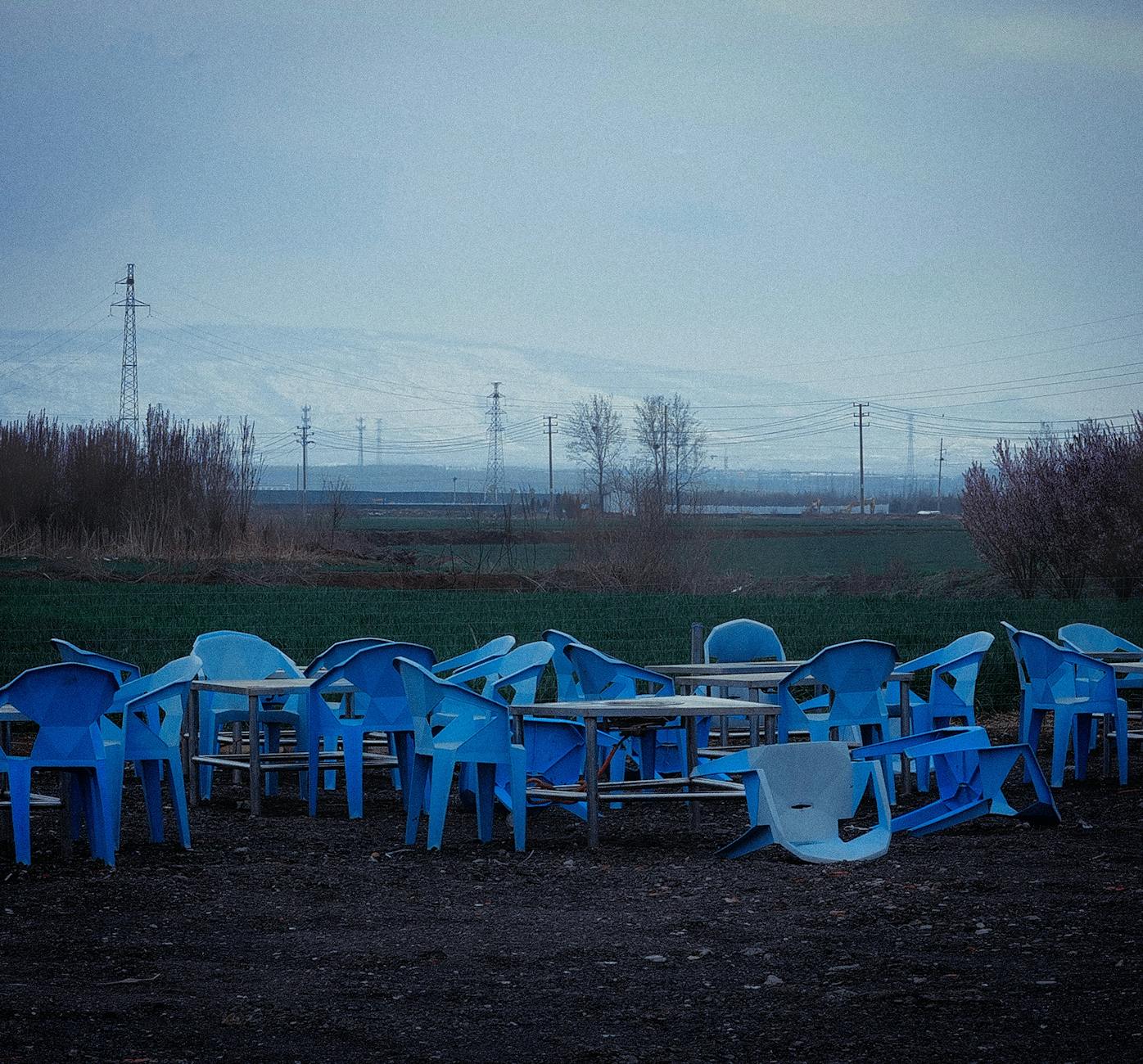
Outdoor furniture with cracked frames torn upholstery missing components or significant rust and weathering left in a backyard during an inspection period communicates that the outdoor living space has been functionally abandoned rather than actively enjoyed and maintained. The outdoor entertaining area is a significant component of lifestyle value in residential property and its furniture and accessories are the props that allow buyers to project themselves into that lifestyle during an inspection. Deteriorated furniture actively prevents that emotional projection and replaces it with a cost and removal calculation that works against full-price offers. Removing all broken or heavily deteriorated outdoor furniture before any inspection or photography and replacing it with clean well-maintained pieces or simply removing it entirely to present a clear usable space produces a consistent positive impact on buyer perception.
Persistent Muddy Areas

Chronically muddy or waterlogged patches in a backyard that remain wet and compacted long after rainfall suggest a drainage problem that buyers with any property experience recognize as a potentially significant and costly remediation issue. Standing water or persistent mud in specific areas also raises questions about subsoil conditions that can affect the viability of landscaping planting and hardstanding installation throughout the property. The visual and practical unpleasantness of muddy backyard areas creates an instinctive negative response in buyers during inspections conducted in any season and the mud transferred indoors during an open home creates a further negative impression of the property’s liveability. Addressing drainage through surface grading French drain installation or gravel treatment of the worst-affected areas before listing is a practical investment that eliminates one of the most off-putting inspection experiences a backyard can produce.
Unloved Vegetable Beds
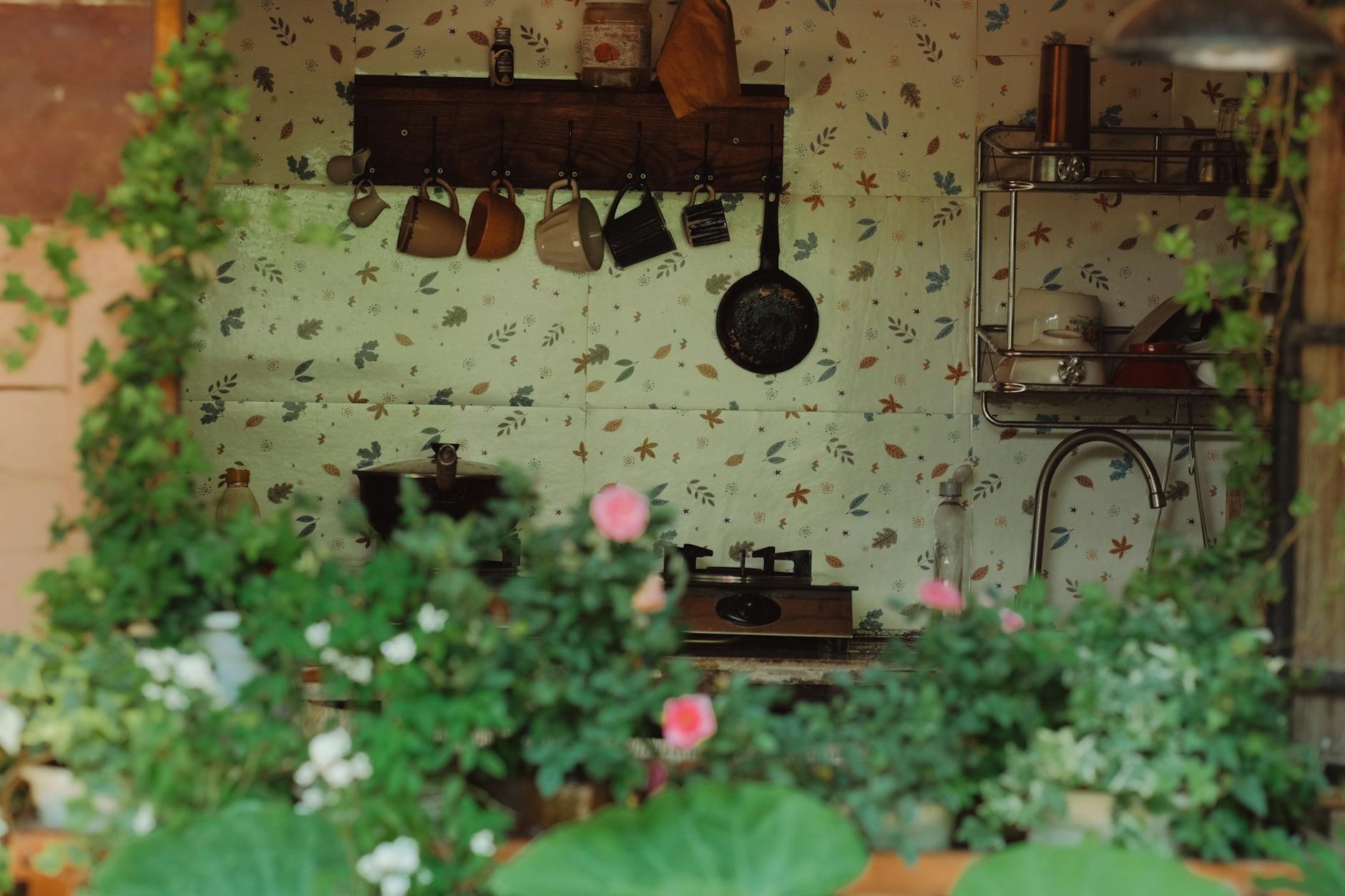
Raised vegetable beds or kitchen garden areas that are in a state of end-of-season abandonment with dead plant matter bolted crops exposed root systems and cracked or warped timber surrounds present one of the most universally unappealing backyard sights during a property inspection. What was once a productive and attractive garden feature communicates only neglect and unfinished maintenance when left in a deteriorated seasonal state during the sale period. Buyers who garden will see only the work required to restore the beds while buyers who do not garden will see only an unattractive timber structure occupying usable space with no current functional or aesthetic contribution. Clearing all dead plant matter refreshing the soil topping with mulch and repainting or replacing damaged surround timbers transforms a liability into an appealing lifestyle feature at minimal cost and effort.
Exposed Drainage Grates
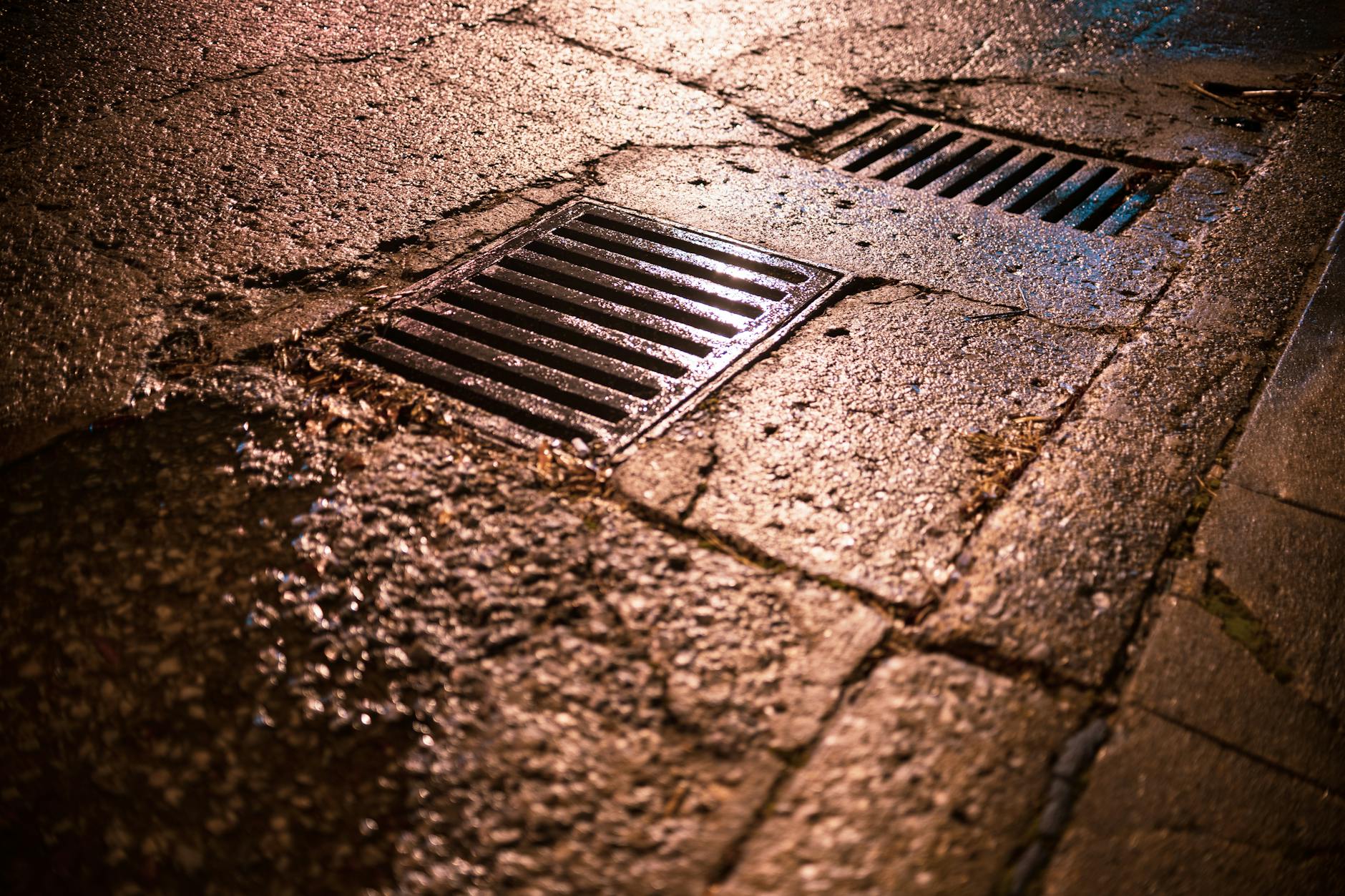
Drainage grates channels and inspection covers that are broken displaced or surrounded by visible soil erosion and surface water staining draw direct attention to the property’s drainage infrastructure in a way that creates buyer concern about the adequacy and condition of underground systems. Drainage is one of the least visible and most costly categories of property infrastructure and buyers who observe surface evidence of drainage issues begin calculating remediation costs that consistently exceed what the visible damage alone would suggest. Replacing broken grates cleaning visible channels clearing debris accumulations and restoring the surrounding surface material around drainage infrastructure is a low-cost intervention that removes a category of concern that can otherwise anchor buyer risk perception throughout the entire inspection. Presenting drainage infrastructure as clearly maintained and functional is a specific signal that the property has been managed with attention to its less visible systems.
Uncontrolled Ivy

Ivy and other vigorous climbing plants that have been allowed to spread uncontrolled across fencing walls and into roof overhangs and garden bed areas are among the most deceptively damaging backyard features a property can present during a sale inspection. The root and adhesion systems of climbing plants cause progressive and in some cases irreversible damage to mortar pointing brickwork render timber and roof materials that becomes apparent and costly only after the plant has been removed. Buyers with knowledge of property maintenance recognize uncontrolled climbing plants as a concealment risk aware that significant surface damage may exist beneath the coverage. Removing uncontrolled ivy cutting back climbing plants to managed proportions and repairing any visible surface damage beneath is a preparation step that both eliminates a concealment concern and improves the visual presentation of all affected surfaces.
Visible Pet Waste
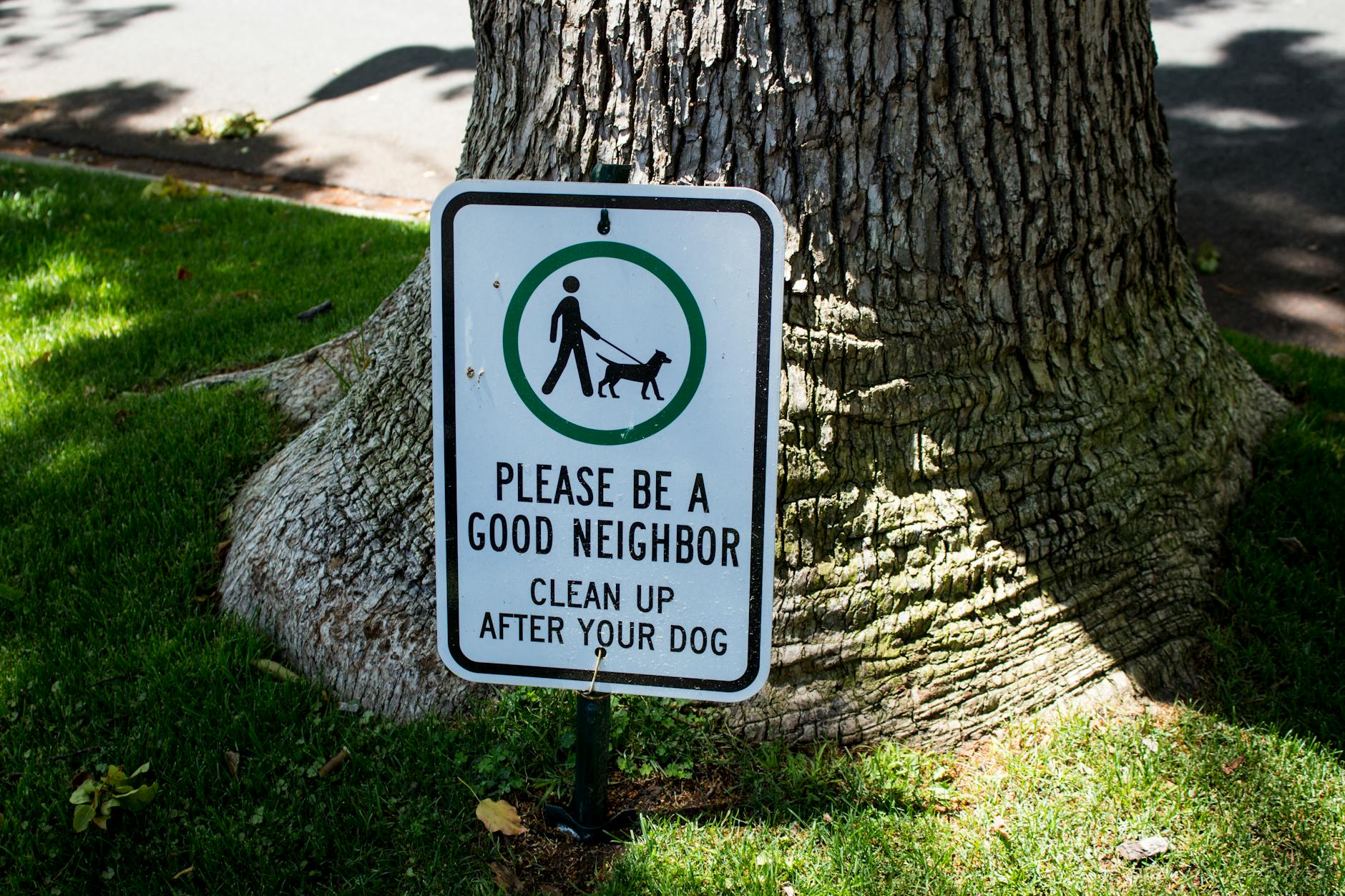
The presence of pet waste scattered across lawn areas or concentrated in specific zones of the backyard creates an immediate and powerful negative sensory impression during any property inspection that overrides positive responses to all other outdoor features observed in the same visit. Odor from accumulated pet waste is particularly difficult to manage during open home inspections conducted in warm weather and the association between pet waste odor and general property hygiene is instinctive and extremely difficult for buyers to consciously override. Beyond the immediate inspection impact pet waste concentration causes visible lawn death and soil contamination that creates persistent bare and yellowed patches requiring significant time to rehabilitate. Establishing a rigorous daily waste clearance routine throughout the sale preparation and active listing period is a non-negotiable baseline for any property owner with pets seeking to present a backyard at its full value potential.
Stacked Construction Debris
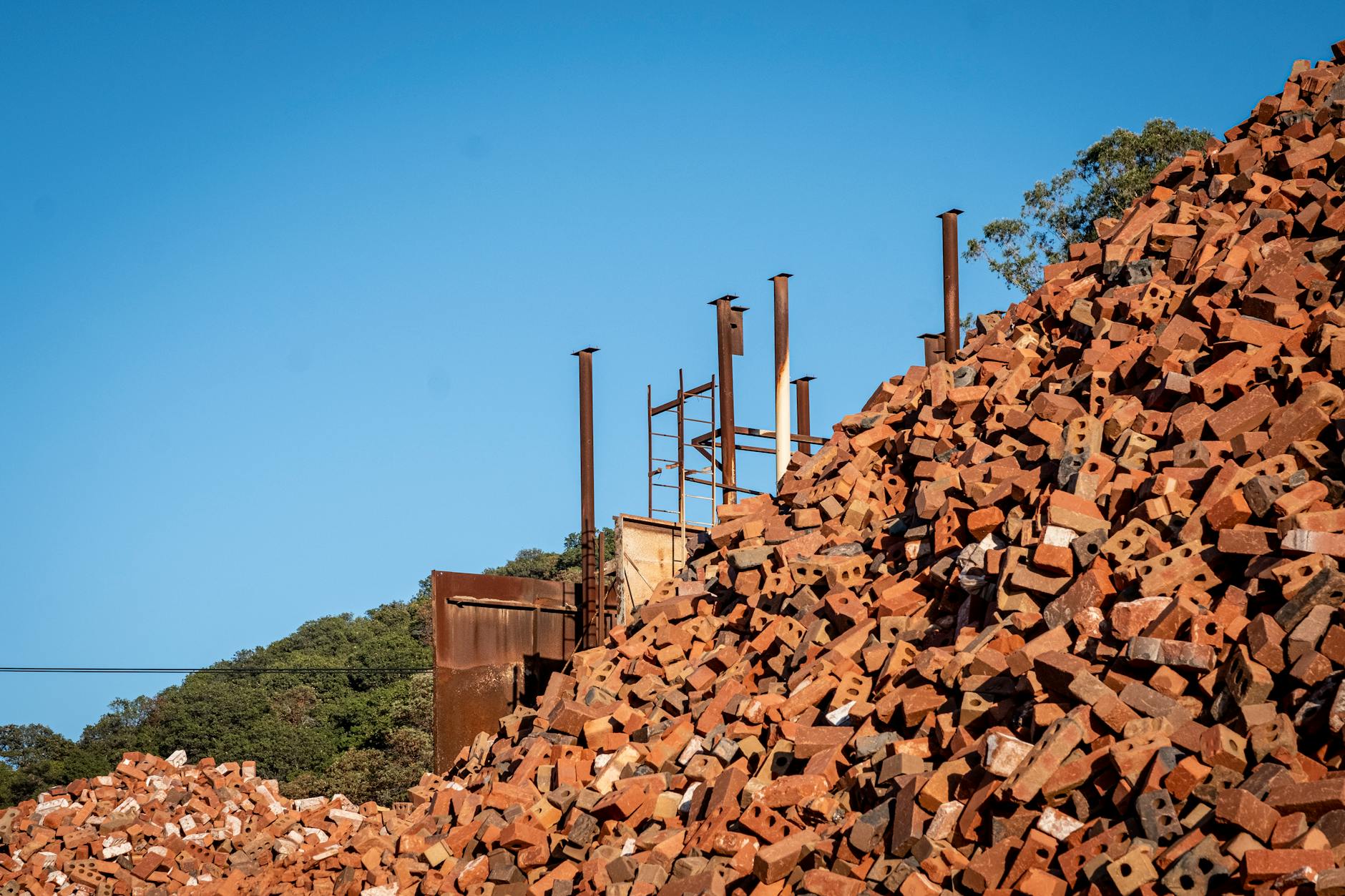
Leftover building materials including timber offcuts broken roof tiles old bricks concrete rubble and general construction waste accumulated in a backyard corner communicate to buyers that projects on this property have been left incomplete and that disposal responsibility will transfer with ownership. Construction debris also raises questions about whether the projects that generated it were completed to appropriate standards with proper permits which introduces uncertainty about the compliance status of any visible improvements. The sheer visual weight of accumulated materials in a backyard space reduces its perceived usability and creates an impression of the property as a work site rather than a finished and maintained home. Arranging a skip hire or council bulk waste collection to remove all accumulated construction materials before any photography or inspection is an investment of minimal cost relative to the significant positive impact it creates on backyard presentation.
If any of these backyard oversights ring uncomfortably true or if you have transformed a neglected outdoor space and seen the results in your property value share your experience in the comments.