
Most drivers assume their engine will last as long as they keep up with oil changes, but the reality is far more nuanced. Dozens of small behind-the-wheel decisions accumulate into serious mechanical damage over time. Engines are precision systems that respond poorly to neglect and poor technique. Understanding what harms them is the first step toward avoiding costly repairs and extending vehicle life significantly.
Cold Engine Racing
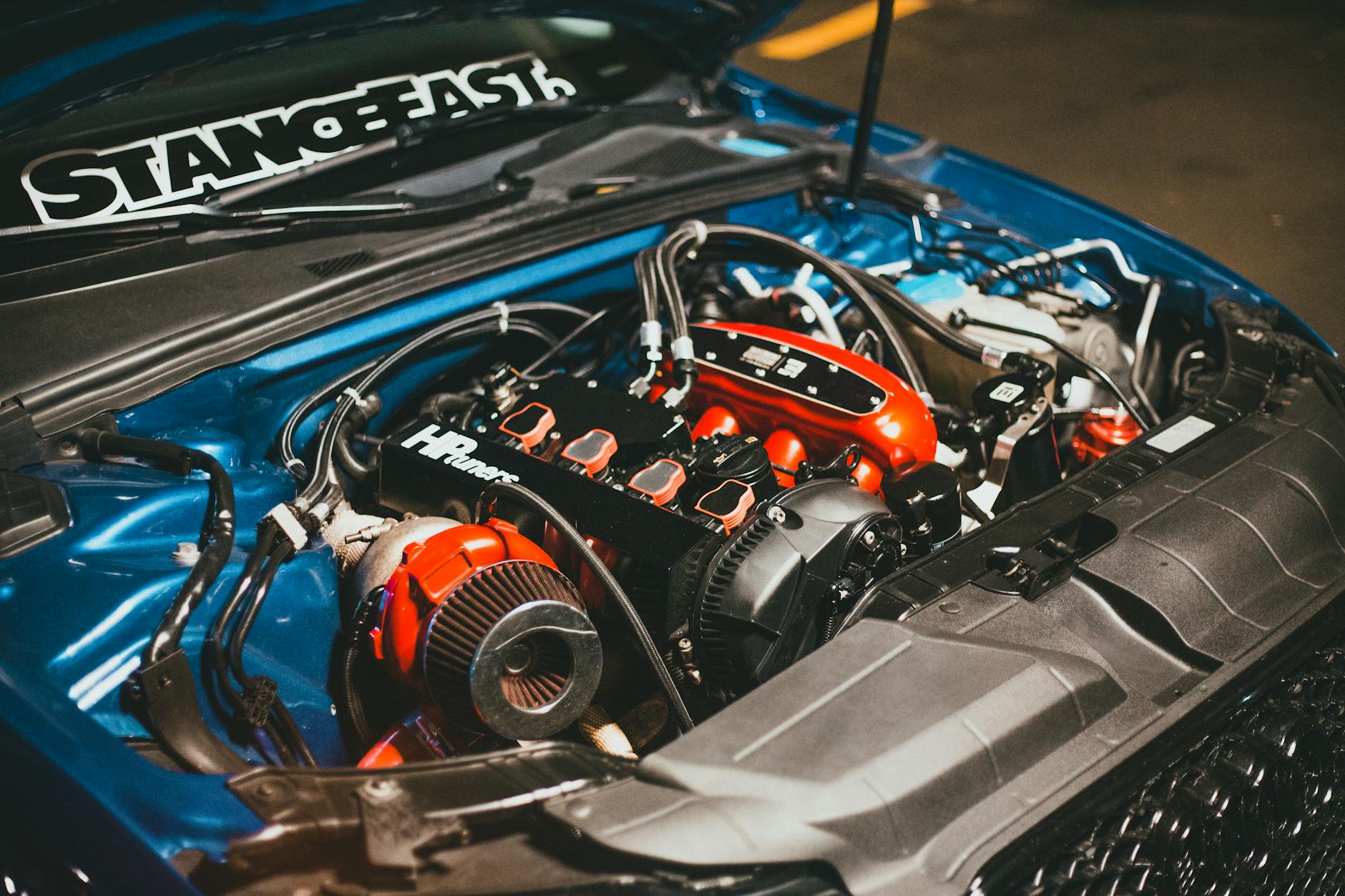
When a vehicle first starts, oil has not yet fully circulated through all engine components. Revving the engine hard before it reaches operating temperature causes metal parts to grind against each other with inadequate lubrication. This repeated stress accelerates wear on cylinder walls, pistons and bearings far faster than normal driving ever would. Modern engines still require a brief warm-up period despite advances in engineering. Even two to three minutes of gentle idling before moving off makes a measurable difference in long-term engine health.
Ignoring Warming Signs
Unusual sounds, smells or dashboard warning lights are the engine communicating that something is wrong. Many drivers habitually dismiss these signals or postpone investigation indefinitely. A minor oil pressure issue left unaddressed can escalate into a catastrophic engine failure within a matter of miles. Coolant temperature warnings in particular require immediate attention as overheating can warp cylinder heads permanently. Treating every new symptom as urgent rather than optional dramatically reduces the risk of irreversible damage.
Short Trip Driving

Engines reach optimal operating temperature only after several minutes of sustained driving. Frequent very short trips mean the engine spends most of its life in a cold or semi-warm state, which is mechanically stressful. Condensation builds up inside the engine and exhaust system during these incomplete heat cycles, accelerating corrosion and contaminating the oil. Fuel also burns less efficiently at lower temperatures, leaving carbon deposits on internal components over time. Combining short errands into longer single trips helps the engine complete proper heat cycles more regularly.
Aggressive Braking
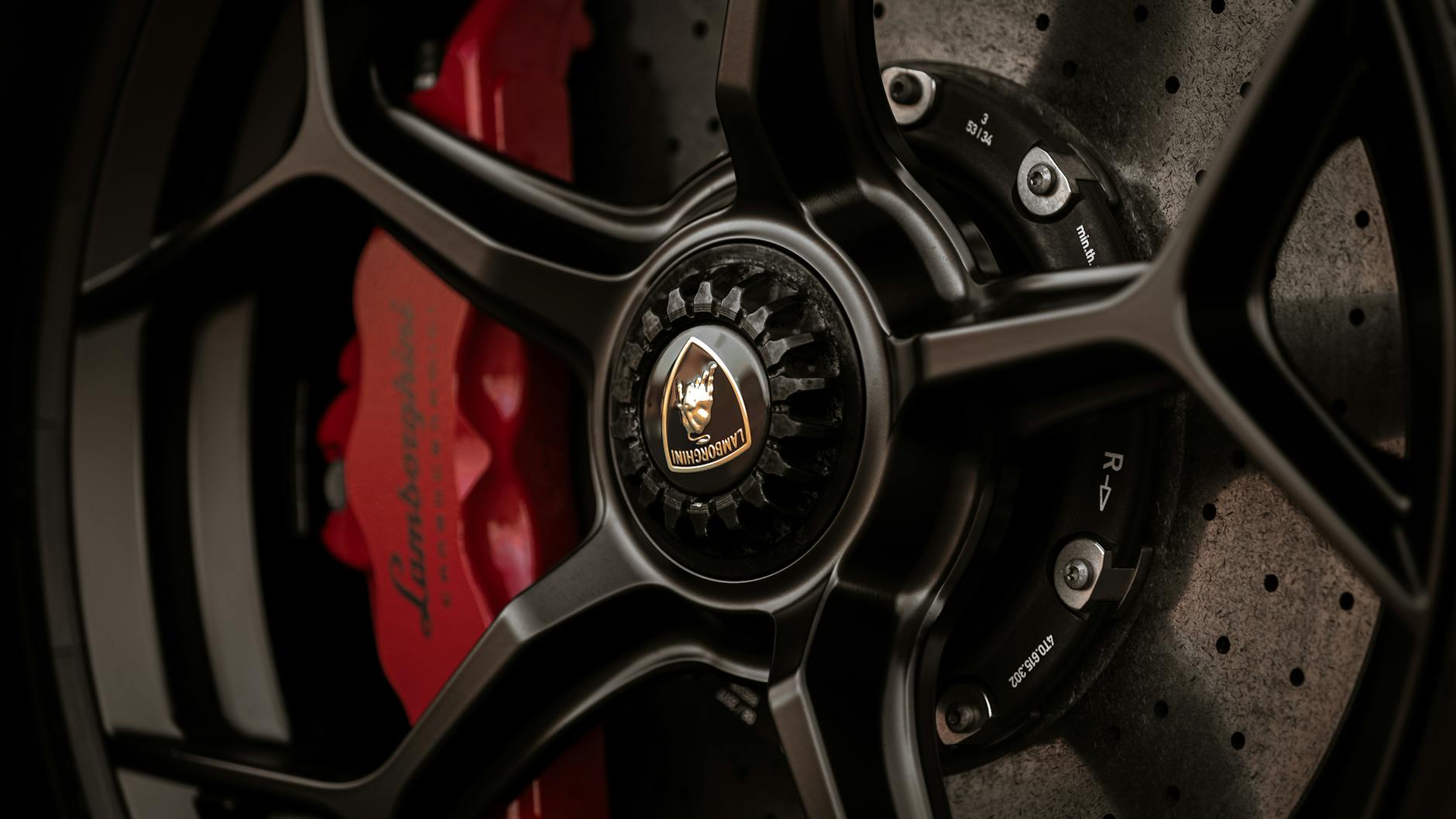
Hard and repeated braking at high speed creates a chain reaction that affects far more than just the brake pads. The sudden deceleration forces the transmission and drivetrain to absorb energy they were not designed to handle in that manner. Engines that are braked aggressively while in gear experience stress on valve timing systems and engine mounts. Heat generated by aggressive braking can also transfer into surrounding mechanical systems including the gearbox. Smooth and anticipatory braking keeps the entire drivetrain in a stable and manageable operating state.
Late Oil Changes
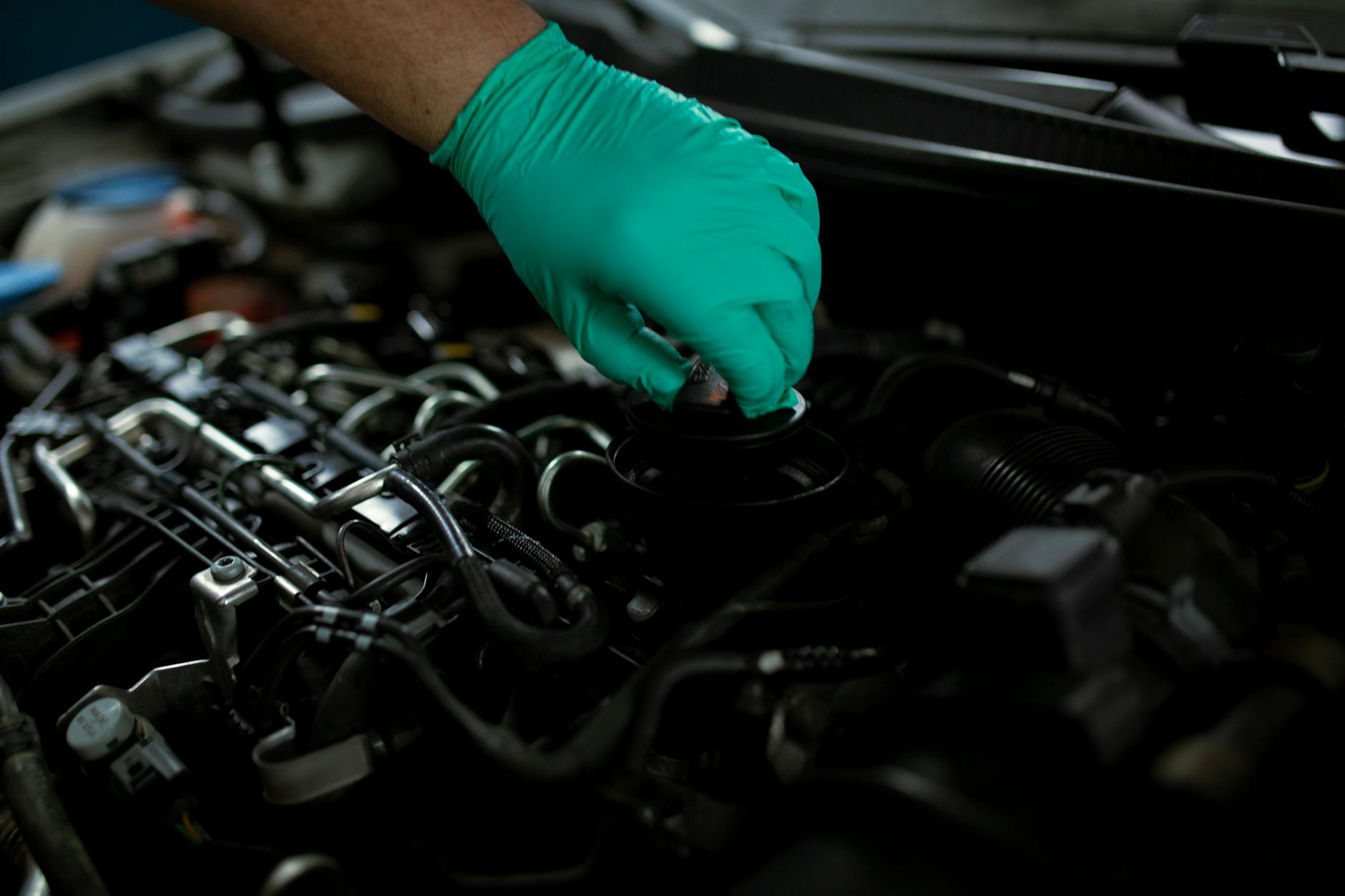
Engine oil degrades over time and loses its ability to lubricate, clean and cool internal components effectively. Running an engine on old oil increases friction between metal surfaces, accelerating wear at a microscopic level that compounds with every mile. Sludge buildup from degraded oil can block narrow oil passages and starve critical components of lubrication entirely. Modern synthetic oils last longer than conventional alternatives but still require timely replacement according to manufacturer guidelines. Sticking to a consistent oil change schedule is among the most impactful maintenance habits a driver can adopt.
High Speed Idling
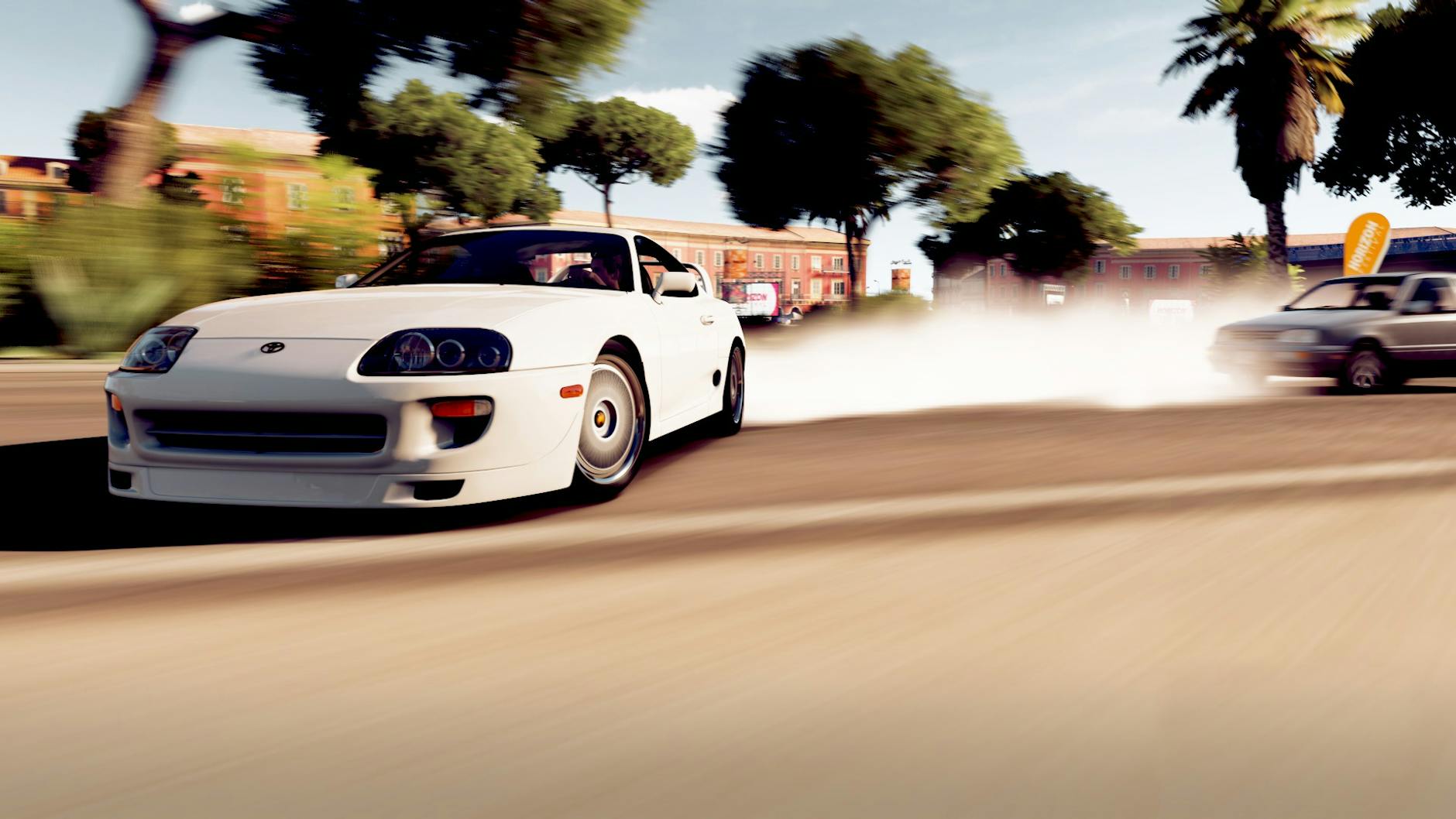
Leaving an engine running at high RPM while stationary places mechanical stress on the system without the cooling benefit of vehicle movement. Air flow across the radiator is reduced significantly when a car is not moving, making heat management more difficult for the cooling system. Oil circulation remains active but cannot compensate fully for the heat accumulation in a stationary engine under load. Performance vehicles and older engines are particularly vulnerable to sustained high-speed idling. Allowing the engine to return to a calm idle before switching off protects seals and gaskets from unnecessary thermal stress.
Fuel Tank Neglect
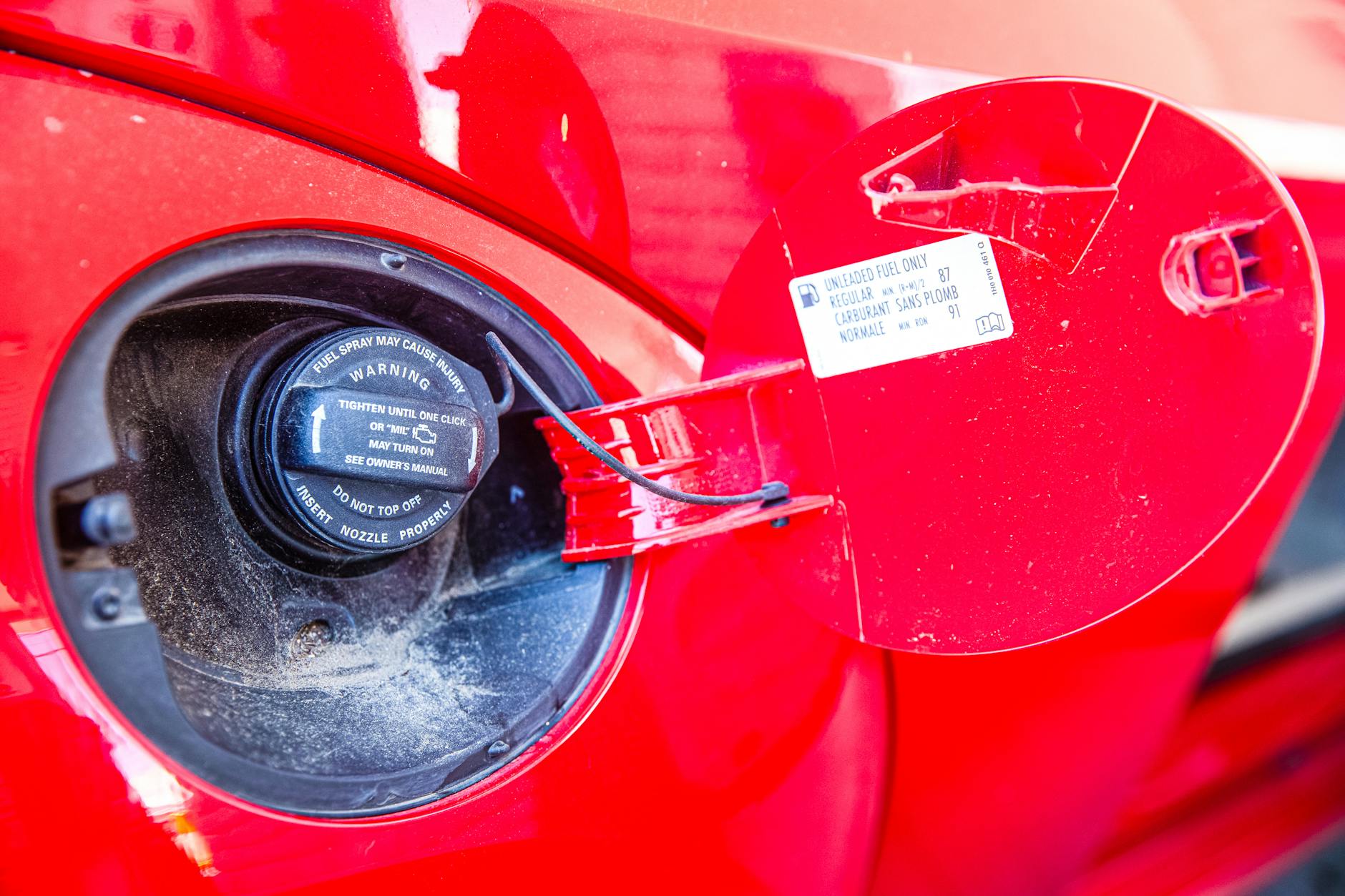
Allowing the fuel tank to consistently run near empty puts significant strain on the electric fuel pump. The pump relies on surrounding fuel for both lubrication and cooling during normal operation. Running on fumes forces the pump to draw in air and heat rather than cool liquid fuel, shortening its operational life considerably. Sediment that naturally settles at the bottom of a fuel tank also gets drawn into the fuel system when levels are critically low. Keeping the tank at least a quarter full is a simple habit that protects a component that is expensive to replace.
Overloading The Vehicle

Every engine is engineered to move a vehicle within a specific weight range defined by the manufacturer. Consistently exceeding the recommended payload capacity forces the engine to operate outside its intended parameters. Transmission systems, which work in close partnership with the engine, experience amplified stress when hauling excessive weight over long distances. Cooling systems may also struggle to manage the additional heat generated by an overworked engine. Respecting load limits is not only a safety consideration but a fundamental engine preservation strategy.
Gear Shifting Mistakes
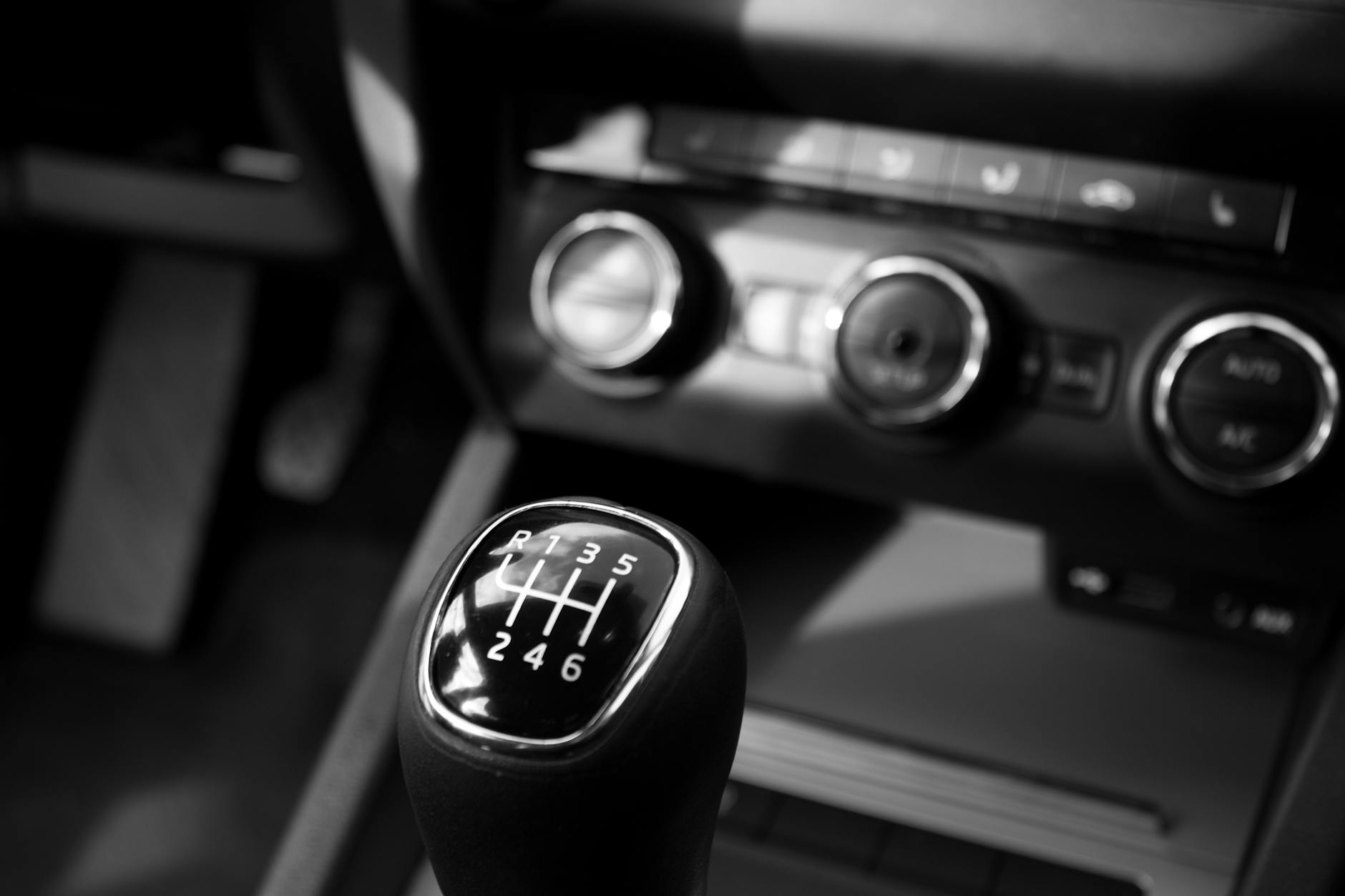
Shifting into drive or reverse before the vehicle has come to a complete stop transfers enormous mechanical shock through the transmission directly into the engine. The torque converter and drivetrain components absorb this force but sustain cumulative damage with each improper shift. Engines also suffer when drivers shift into park at speed, causing the parking pawl to engage violently against the transmission output shaft. Manual transmission drivers who ride the clutch pedal during gear changes cause unnecessary friction and heat buildup in the clutch assembly. Deliberate and properly timed gear changes protect the entire powertrain from avoidable mechanical fatigue.
Neglecting Air Filters
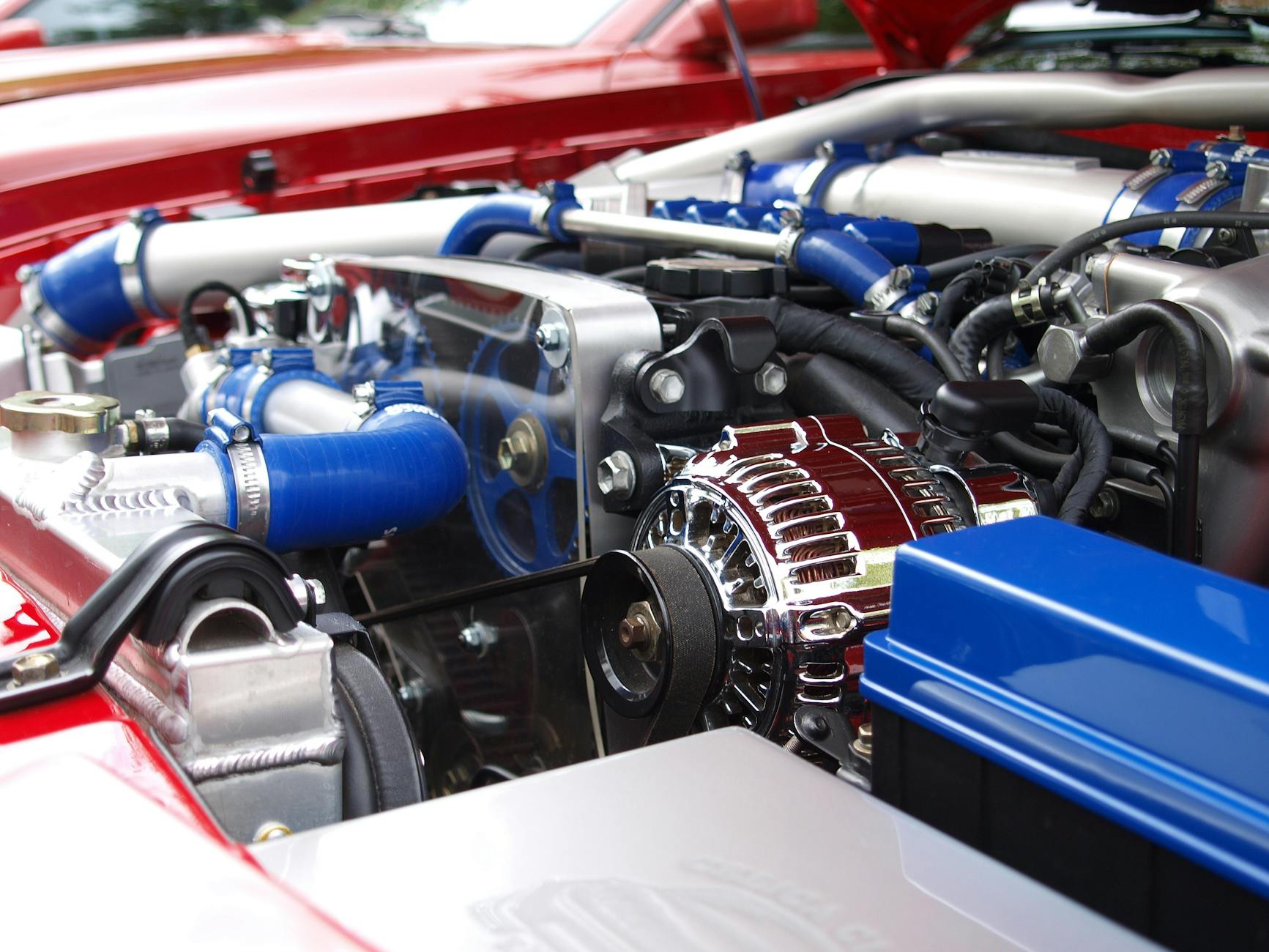
A clogged air filter restricts the volume of clean air reaching the engine during combustion. Without adequate air, the fuel mixture burns inefficiently, leading to increased fuel consumption and carbon buildup on intake valves and pistons. Engines compensate for restricted airflow by working harder, which increases internal temperatures and mechanical wear simultaneously. A dirty filter can also allow fine particles to bypass the filtration system and enter the engine, causing abrasive damage to cylinder walls. Replacing the air filter at manufacturer-recommended intervals is a low-cost intervention with a high return in engine protection.
Coolant System Neglect
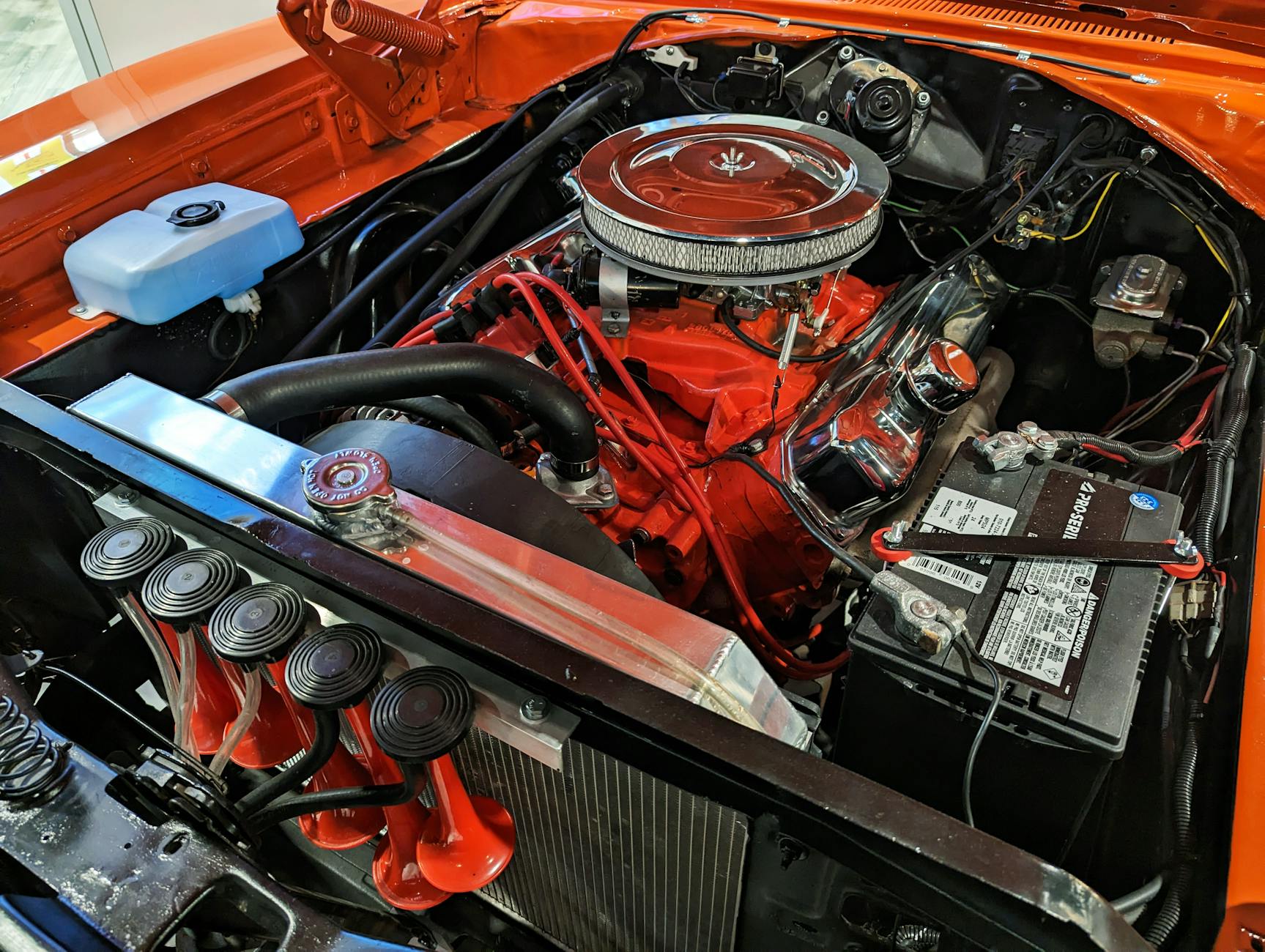
The cooling system is the primary defence against engine overheating, and neglecting it invites catastrophic failure. Low coolant levels reduce the system’s ability to transfer heat away from the engine block and cylinder head. Old or contaminated coolant loses its anti-corrosive properties, allowing rust and scale to form inside passages and on the radiator. Thermostat failure, often undetected without routine checks, can cause the engine to run either too hot or too cold for extended periods. Flushing and refilling the cooling system on schedule keeps this critical network functioning as intended.
Spark Plug Neglect
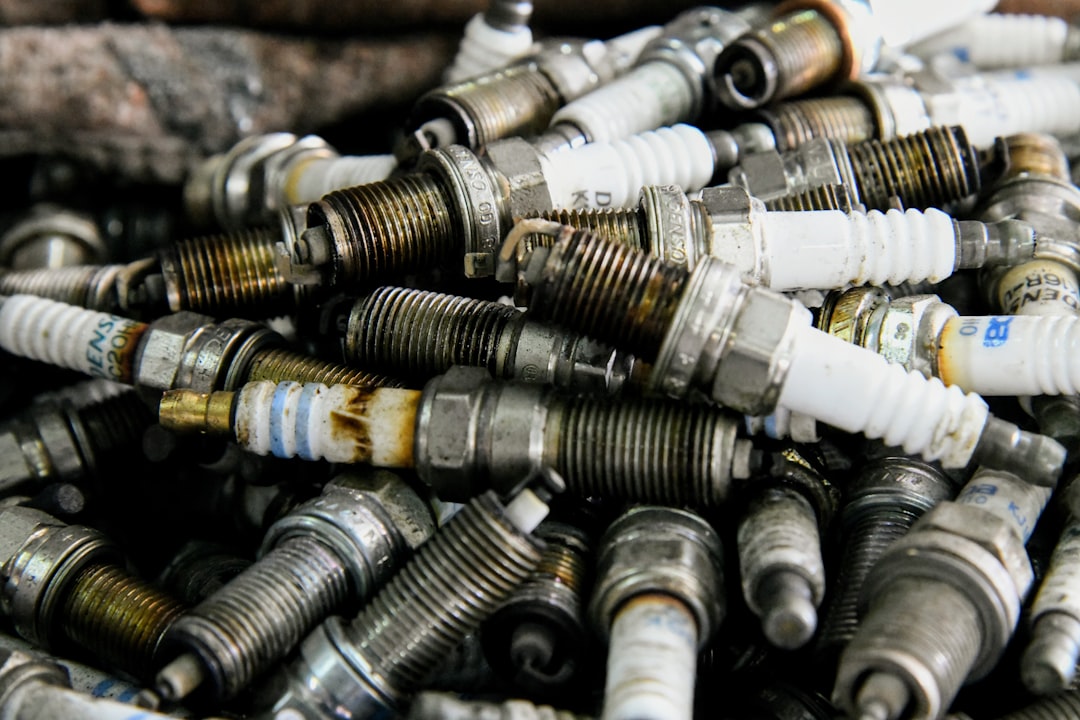
Spark plugs are small components that carry enormous responsibility within a petrol engine’s combustion cycle. Worn or fouled plugs produce weak or inconsistent sparks, leading to misfires that force the engine to compensate with irregular combustion cycles. This inconsistency strains the engine management system and increases wear on pistons and cylinder walls over time. Unburned fuel resulting from poor ignition also washes oil from cylinder walls, compounding lubrication problems. Replacing spark plugs at the intervals specified in the owner’s manual maintains combustion efficiency and reduces internal stress throughout the engine.
Timing Belt Neglect
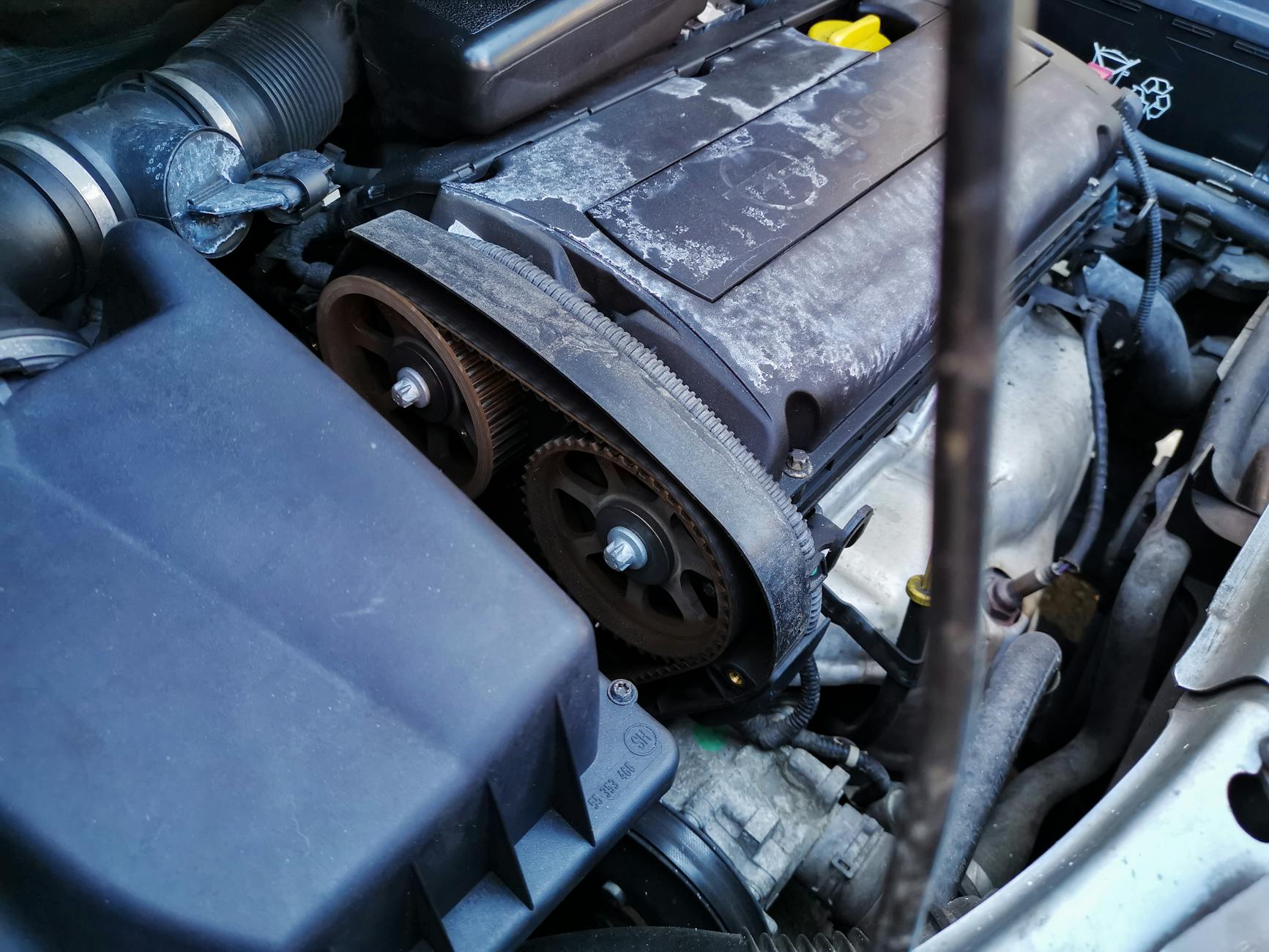
The timing belt synchronises the rotation of the crankshaft and camshaft to ensure valves open and close at precise moments during combustion. When this belt deteriorates or snaps unexpectedly, the resulting collision between pistons and valves can destroy an engine entirely and instantaneously. Many drivers overlook this component because it operates invisibly inside a sealed cover and shows no obvious symptoms before failure. Manufacturer replacement intervals for timing belts are conservative estimates designed to prevent failure well before the risk window opens. Treating the timing belt replacement schedule as non-negotiable is one of the most important decisions an engine owner can make.
Skipping Transmission Service
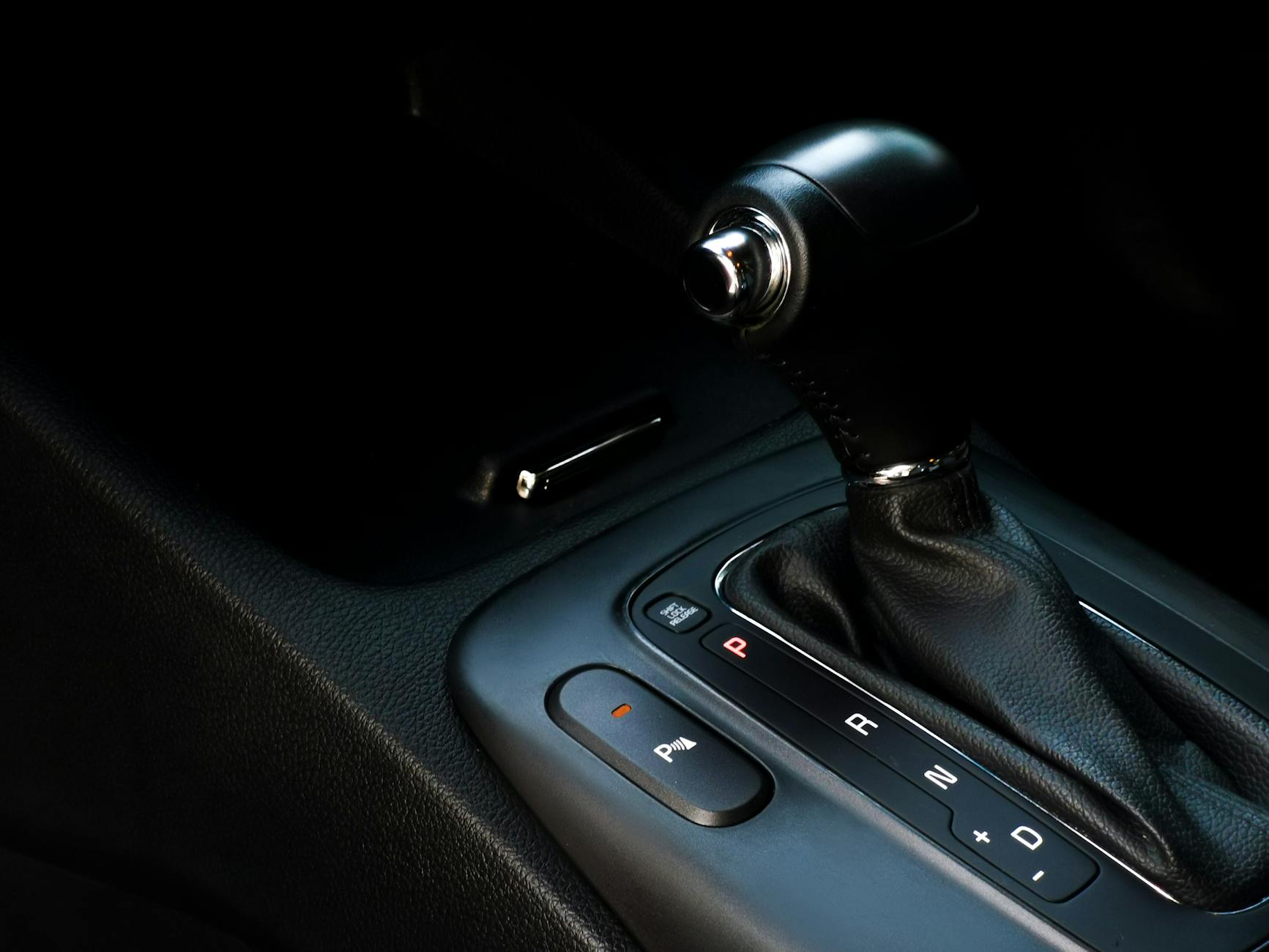
The transmission and engine are mechanically interdependent systems that suffer together when either is neglected. Old or low transmission fluid causes friction, heat and component wear that feeds mechanical stress back into the engine through the drivetrain. Many drivers are unaware that automatic transmissions require periodic fluid changes just as engine oil does. Contaminated transmission fluid breaks down under heat and loses its ability to protect the complex internal components that regulate gear changes. Keeping the transmission properly serviced reduces the workload placed on the engine during normal driving conditions.
Riding The Brakes Downhill

Using the brakes continuously on long downhill sections overheats the brake system and creates secondary problems for the drivetrain. Heat generated in the braking system can transfer into wheel bearings and eventually affect drivetrain components connected to the engine. Engine braking through appropriate gear selection distributes the workload naturally and keeps brake temperatures within safe ranges. Many drivers are unaware that descending in a lower gear is a recommended technique specifically to protect both brakes and drivetrain simultaneously. Allowing the engine to assist with speed management on descents is a mechanically sound approach that reduces overall system wear.
Tyre Pressure Neglect
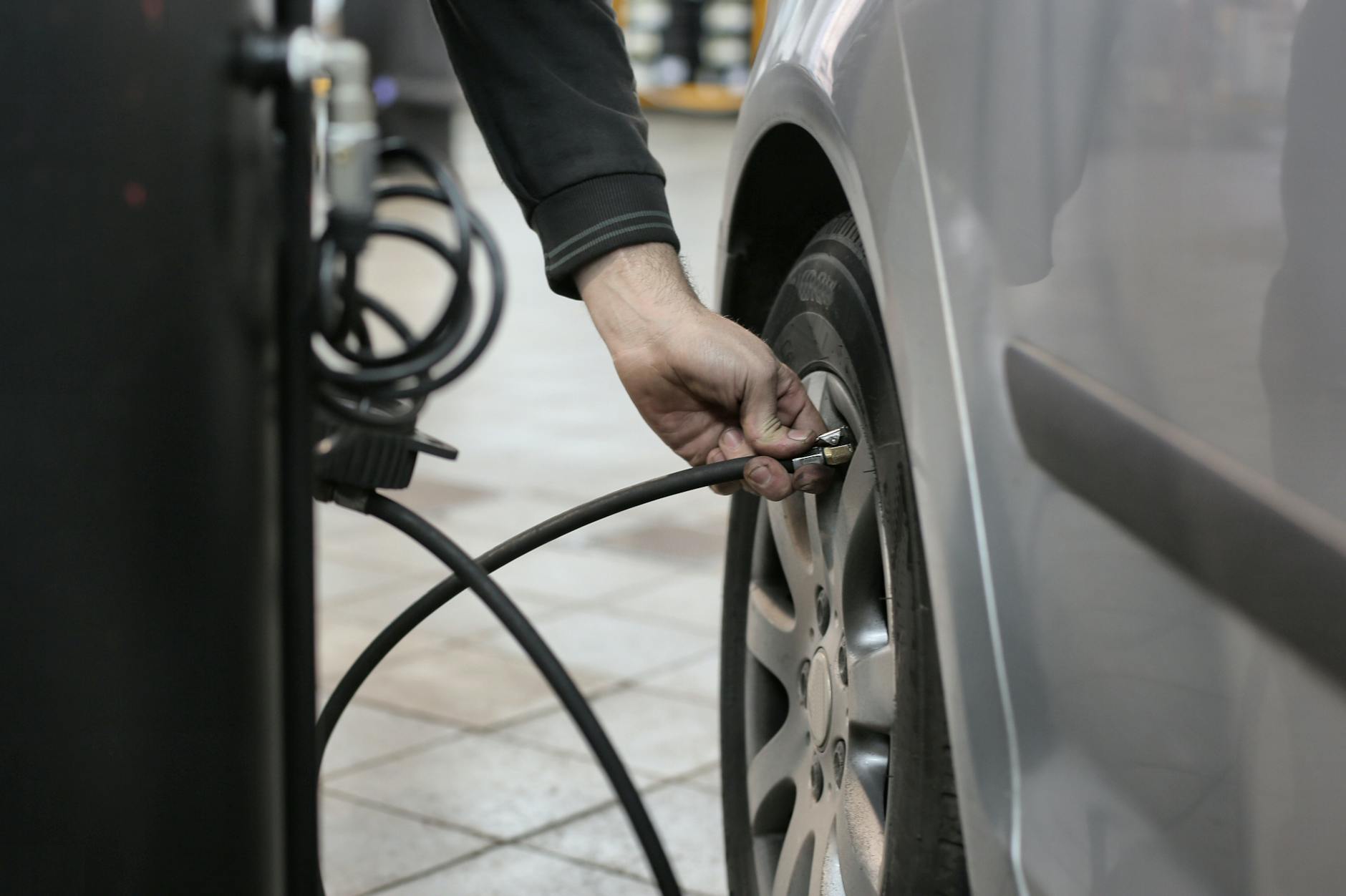
Underinflated tyres increase rolling resistance significantly, which forces the engine to work harder to maintain speed. The additional load placed on the drivetrain by soft tyres translates directly into elevated engine temperatures and fuel consumption. Overinflated tyres reduce the contact patch in ways that create uneven stress distribution through the suspension and into the drivetrain. Tyre pressure affects the entire mechanical chain from the road surface back through to the engine in ways most drivers never consider. Checking and correcting tyre pressure monthly is a simple task that meaningfully reduces the burden placed on the engine during everyday driving.
Aggressive Highway Driving

Sustained high-speed motorway driving pushes engines into the upper range of their designed operating parameters for extended periods. Oil temperatures rise significantly at highway speeds, reducing lubrication effectiveness and accelerating oil degradation between changes. Engines running near redline for prolonged stretches experience elevated stress on valve springs, camshafts and piston rings. Wind resistance at high speeds also forces the engine to sustain high power output continuously rather than cycling through variable load conditions. Maintaining steady and moderate highway speeds preserves engine components and extends the intervals between necessary servicing.
Poor Quality Fuel
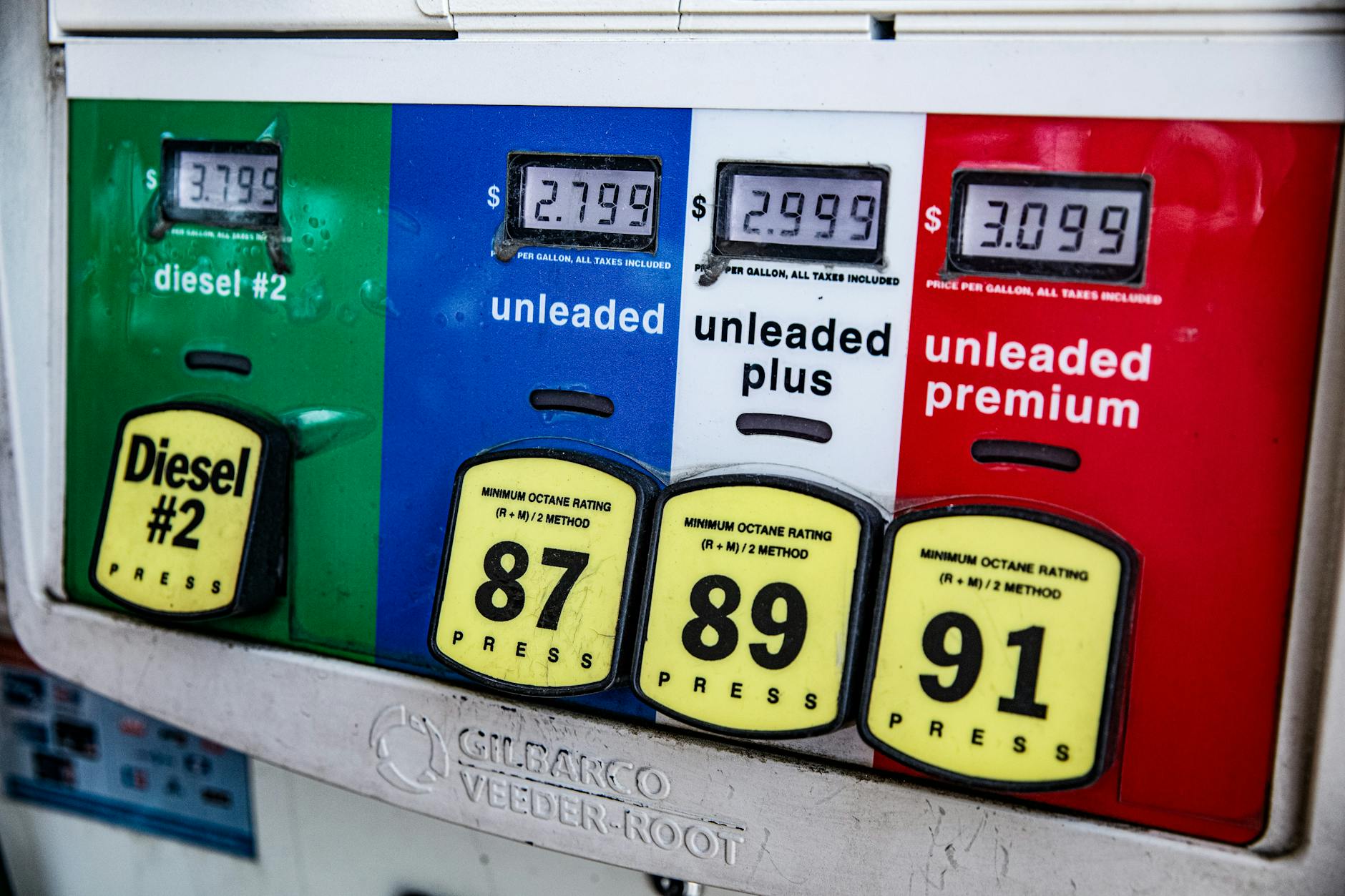
Using fuel with a lower octane rating than the engine requires causes pre-ignition, commonly known as engine knock. This phenomenon creates small but repeated shockwaves inside the combustion chamber that wear down piston surfaces and damage bearings progressively. Modern engine management systems can partially compensate for incorrect fuel grades by retarding ignition timing, but at the cost of performance and efficiency. Consistently fuelling a high-compression engine with low-grade petrol negates the engineering designed to deliver both power and longevity. Matching fuel grade to manufacturer specifications is a straightforward decision that directly protects combustion chamber integrity.
Ignoring Engine Leaks
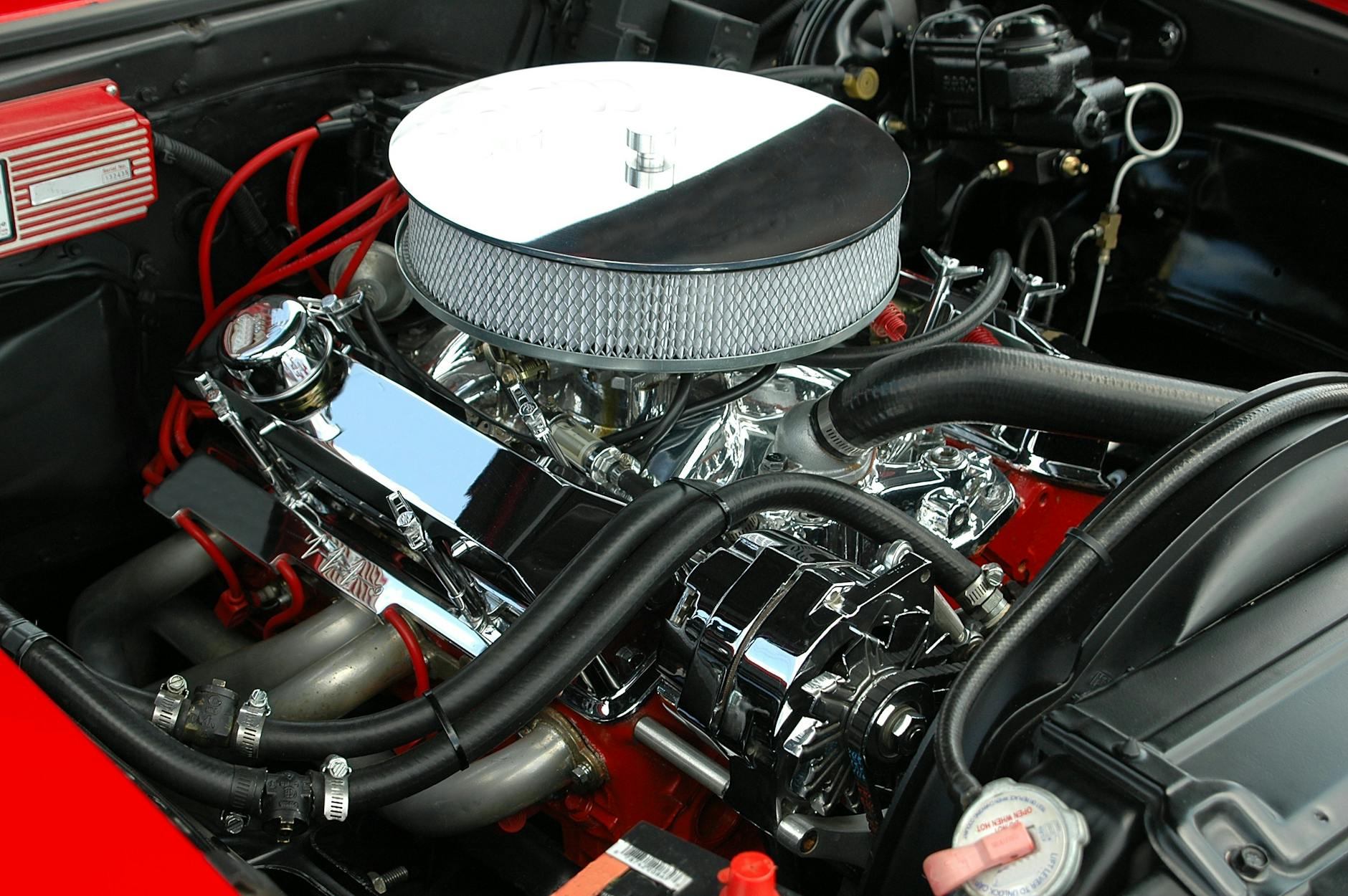
Small oil or coolant leaks are frequently treated as minor cosmetic issues rather than the mechanical warnings they actually represent. A slow oil leak that goes unaddressed will eventually reduce oil levels to a point where lubrication becomes critically insufficient. Coolant leaks introduce the risk of overheating which can warp or crack the cylinder head, causing thousands in repair costs. External leaks also allow contaminants to enter the engine bay and degrade rubber seals and hoses in surrounding systems. Any new stain appearing beneath a parked vehicle warrants prompt investigation and repair rather than continued observation.
Revving Before Switching Off
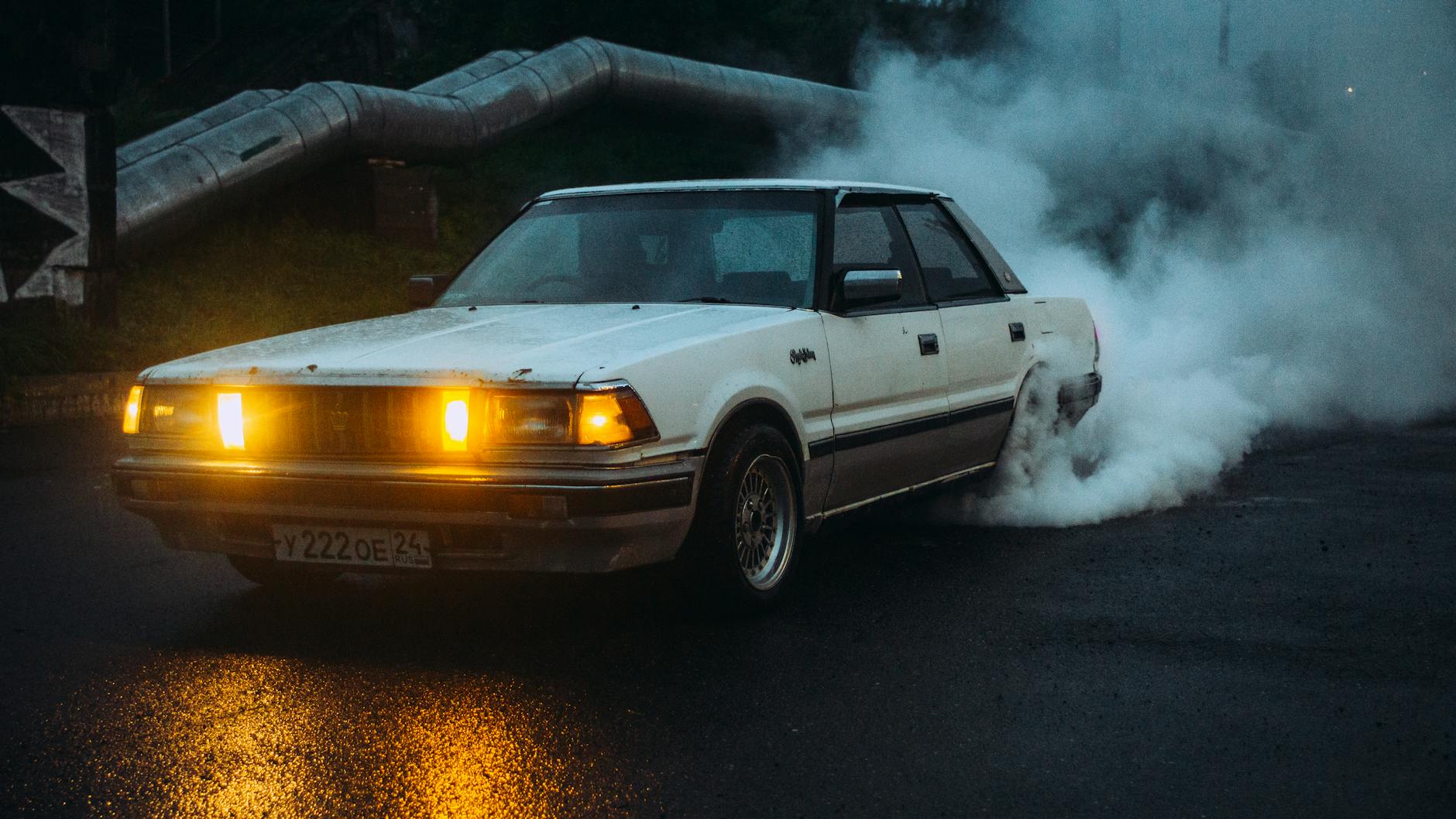
Blipping the throttle before turning off the engine is a habit carried over from older carburetted vehicles that served a specific mechanical purpose. Modern fuel-injected engines do not benefit from this practice and are actually harmed by it. Revving the engine before shutdown leaves oil and fuel in positions throughout the system that are not ideal for a stationary engine. Turbo-charged vehicles in particular suffer from this habit as the turbo requires a cool-down period at idle rather than a final high-RPM burst. Switching off a modern engine from a calm idle state is the correct procedure for protecting internal components during the shutdown process.
Clutch Abuse
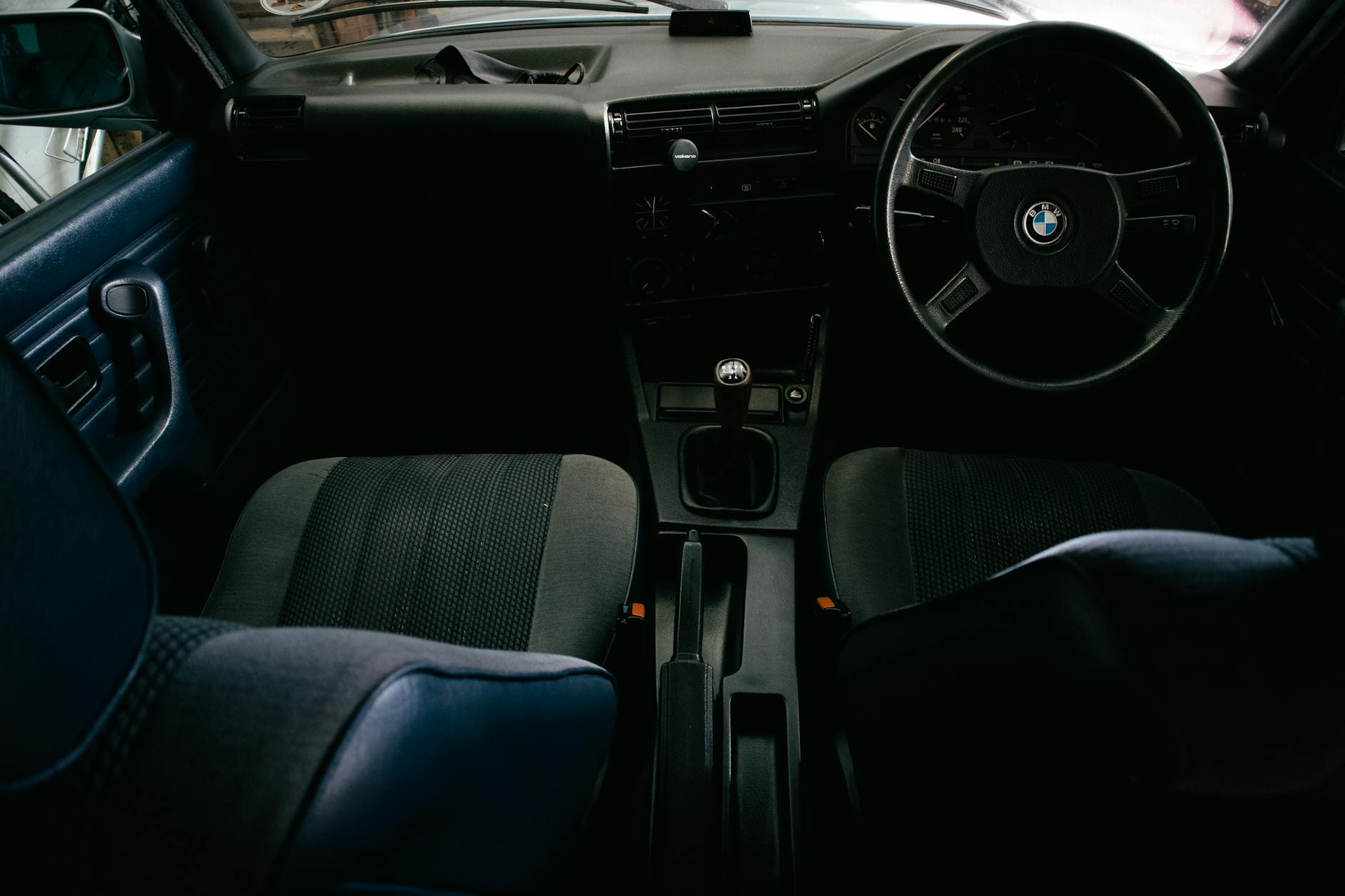
Resting a foot on the clutch pedal while driving is one of the most common and damaging habits among manual transmission drivers. Even slight contact pressure keeps the clutch release bearing in partial contact with the pressure plate, accelerating wear on both components steadily. Slipping the clutch on steep inclines rather than using the handbrake to hold position adds significant heat and friction to the clutch disc and flywheel. The flywheel is a component that is expensive to resurface or replace and transfers rotational energy directly to the engine. Treating the clutch pedal as a binary control that is either fully depressed or fully released extends clutch life dramatically.
Skipping Warm Idle After Hard Drive
Turbocharged and high-performance engines accumulate significant heat in the turbocharger and exhaust manifold during spirited driving. Switching the engine off immediately after hard use traps hot oil inside the turbo bearings where it degrades and carbonises rapidly. This carbonised oil deposit restricts lubrication and accelerates turbo bearing failure in a progressive cycle. Allowing the engine to idle for one to two minutes after demanding use lets oil continue circulating and dissipating heat from critical components. This brief discipline at the end of a hard drive is one of the simplest ways to significantly extend turbocharger life.
Water Driving Neglect

Driving through standing water without appropriate caution exposes the engine to one of its most serious threats, known as hydrolocking. Water entering the air intake is drawn into the combustion chamber where it cannot compress like air or fuel, causing connecting rods to bend or snap instantaneously. Even small amounts of water ingestion can cause damage that renders an engine unrepairable without a full internal overhaul. The engine’s air intake is often positioned low on the vehicle, making it vulnerable even in relatively shallow water. Approaching flooded roads slowly and avoiding depths beyond the lowest body panel of the vehicle is the recommended standard for protecting engine integrity.
Battery and Electrical Neglect
Modern engines rely entirely on the electrical management system to regulate fuel injection, ignition timing and dozens of other critical parameters. A weakening battery forces the alternator to work at maximum output continuously to compensate, adding mechanical load to the engine through the drive belt system. Corroded battery terminals introduce voltage irregularities that can confuse engine management sensors and trigger incorrect fuel and timing adjustments. These electrical inconsistencies lead to inefficient combustion, increased fuel consumption and accelerated wear on components operating outside their optimal ranges. Maintaining clean battery connections and replacing an ageing battery proactively protects the entire engine management ecosystem from unnecessary electrical stress.
If any of these habits sound familiar, share which ones surprised you most in the comments.