
From colorful breakfast cereals to fast food staples, many products found on supermarket shelves in one country are completely prohibited in another. Governments around the world make these decisions based on concerns about food dyes, preservatives, hormones, pesticide residues, and genetic modification. What one nation considers a perfectly safe snack, another may classify as a public health risk. These bans reveal fascinating differences in food safety standards, regulatory philosophies, and cultural attitudes toward what belongs on the dinner table.
Farm-Raised Salmon
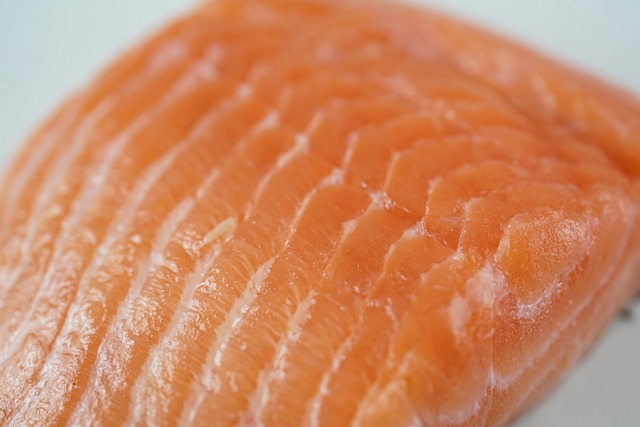
Salmon raised in conventional fish farms is frequently treated with synthetic astaxanthin, a chemical dye used to give the flesh its pink color. Several European countries impose strict restrictions on this practice due to concerns about the compound’s effects on human health. In the wild, salmon develop their natural color from eating krill and other crustaceans rich in natural carotenoids. The crowded conditions of industrial fish farming also lead to higher antibiotic use, which raises additional concerns about drug-resistant bacteria.
Maraschino Cherries

These bright red cherries get their vivid color from Red Dye No. 40 and other artificial colorings that are banned or heavily restricted across the European Union. The natural cherry is bleached and then re-dyed during processing, stripping away virtually all original nutrients in the process. Studies have linked certain artificial food dyes to hyperactivity in children, which prompted stricter European regulations. In countries where these dyes are prohibited, manufacturers must use natural alternatives or reformulate the product entirely.
Mountain Dew
This popular citrus-flavored soda contains brominated vegetable oil, an emulsifier that keeps the flavoring from separating in the drink. Bromine is a chemical with industrial applications and has been linked to memory loss and nerve disorders when consumed in high quantities over time. The European Union and Japan have banned brominated vegetable oil as a food additive, citing insufficient evidence of its long-term safety. The manufacturer has announced phased reformulations in some markets, though the original formula remains in circulation in the United States.
Skittles
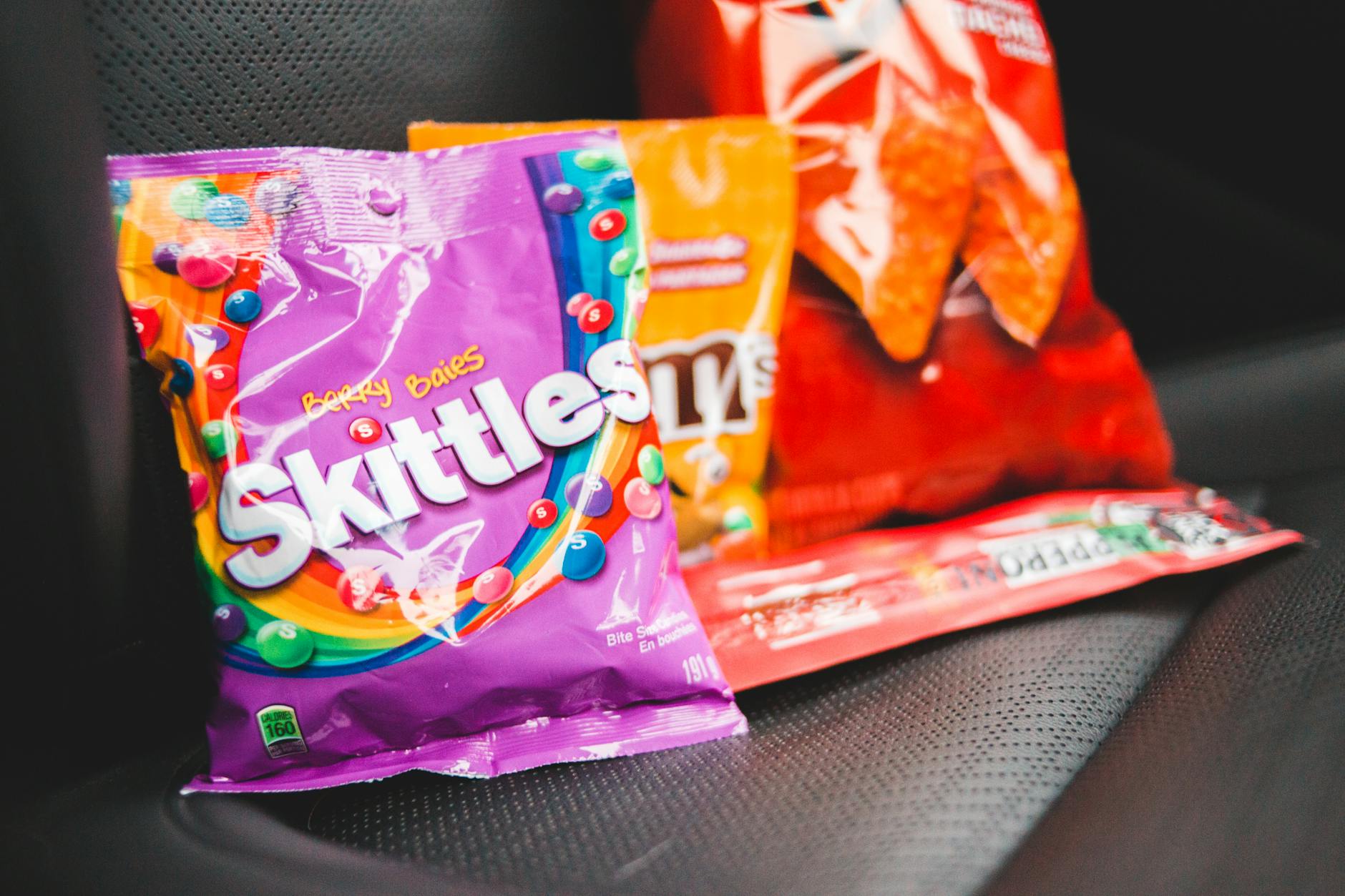
The original formula of Skittles sold in the United States contains titanium dioxide, a whitening agent used to enhance the brightness of the candy’s colors. The European Food Safety Authority concluded that titanium dioxide can no longer be considered safe as a food additive, leading to a ban across EU member states. Research has raised concerns about the compound’s potential to cause DNA damage when ingested in nano-particle form. European versions of the candy have been reformulated to exclude the ingredient while maintaining a similar appearance.
US Chicken

American chicken is commonly washed with chlorinated water as a decontamination step at the end of the processing chain. The European Union has banned the import and sale of this product on the grounds that the chlorine wash can mask poor hygiene practices earlier in the production process. EU food standards instead require higher welfare and sanitation conditions throughout the entire supply chain rather than a final chemical treatment. This difference in approach has been a long-standing point of trade tension between the United States and European nations.
Bread with Potassium Bromate

Potassium bromate is a flour-enhancing additive used in many commercial breads and baked goods to strengthen dough and produce a consistent rise. It has been banned in the European Union, Canada, Brazil, and several other countries after being classified as a possible human carcinogen. Animal studies showed that high doses of the compound caused tumors in kidneys and thyroid glands. In the United States, the FDA has encouraged bakers to voluntarily stop using it but has not issued a formal ban.
Coffee-Mate
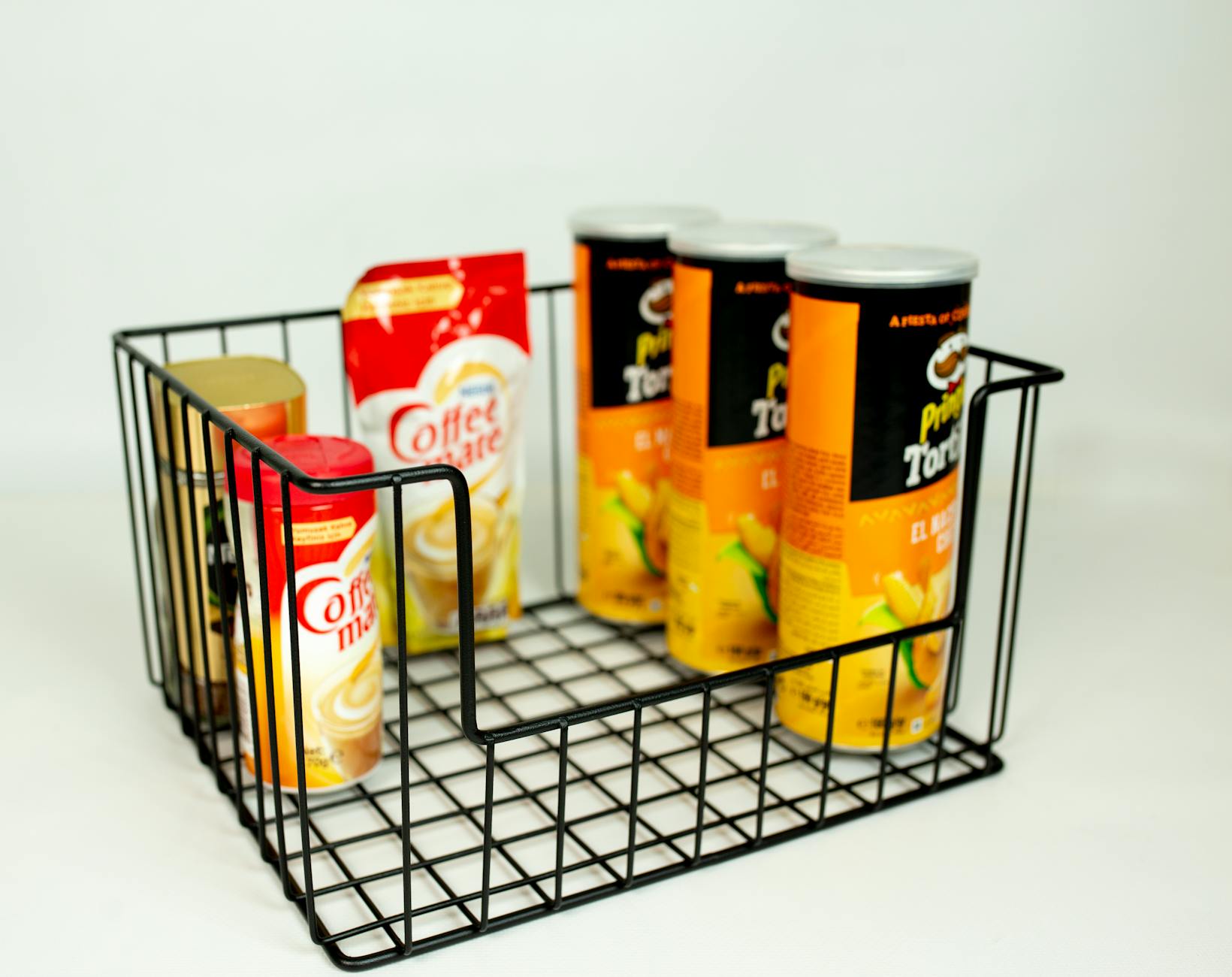
Certain formulations of this popular non-dairy creamer contain partially hydrogenated oils, which are a primary source of artificial trans fats. Trans fats have been directly linked to increased risk of heart disease, stroke, and type 2 diabetes, leading to widespread bans across Europe and other regions. Denmark became the first country in the world to ban artificial trans fats back in 2003, with many nations following suit in subsequent years. Products sold in countries with these restrictions must use alternative formulations free from partially hydrogenated oils.
Ritz Crackers
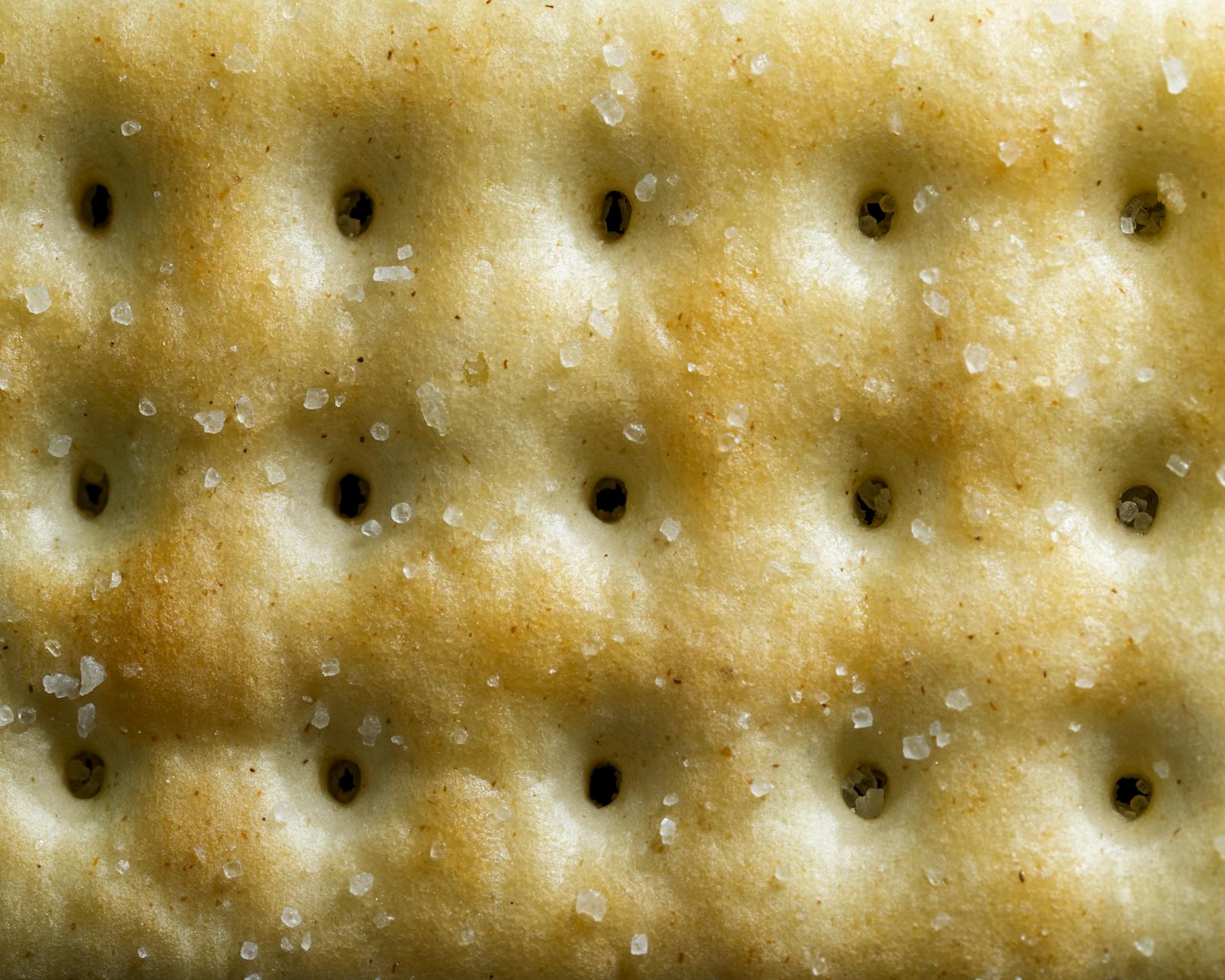
Some versions of Ritz Crackers manufactured for the American market contain partially hydrogenated cottonseed oil, placing them in the category of trans fat-containing products. Trans fats in processed snack foods have been a primary regulatory target in the European Union and several other countries due to their well-documented cardiovascular risks. The World Health Organization has called for a complete global elimination of industrially produced trans fats from food supplies. Reformulated versions of the product exist in markets where trans fats are banned.
Pork Products with Ractopamine
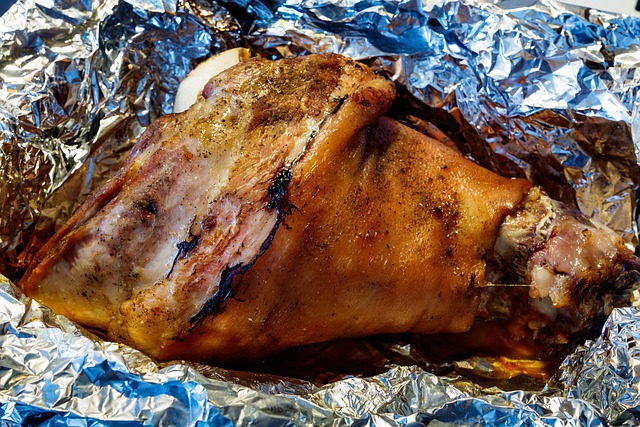
Ractopamine is a drug given to pigs and cattle to promote rapid lean muscle growth in the final weeks before slaughter. It is approved for use in the United States but is banned in over 160 countries including all EU nations, China, and Russia due to concerns about its effects on the cardiovascular systems of both animals and humans. Residues of the drug remain detectable in meat products after processing, which is why importing nations with bans restrict American pork and beef. The issue has repeatedly created barriers in international trade negotiations.
Artificial Butter Flavor Microwave Popcorn
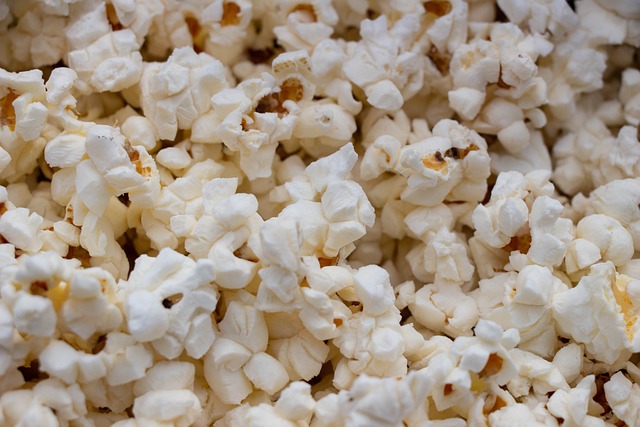
Diacetyl is the compound responsible for the artificial butter flavor in many microwave popcorn brands sold in the United States. Exposure to diacetyl vapors has been linked to a serious respiratory condition known as bronchiolitis obliterans, sometimes called popcorn lung, particularly in factory workers. Several European countries have placed restrictions on diacetyl as a food flavoring agent due to inhalation risks during home preparation. Many manufacturers have voluntarily reformulated their products while some countries have enacted formal prohibitions.
Apples with Diphenylamine
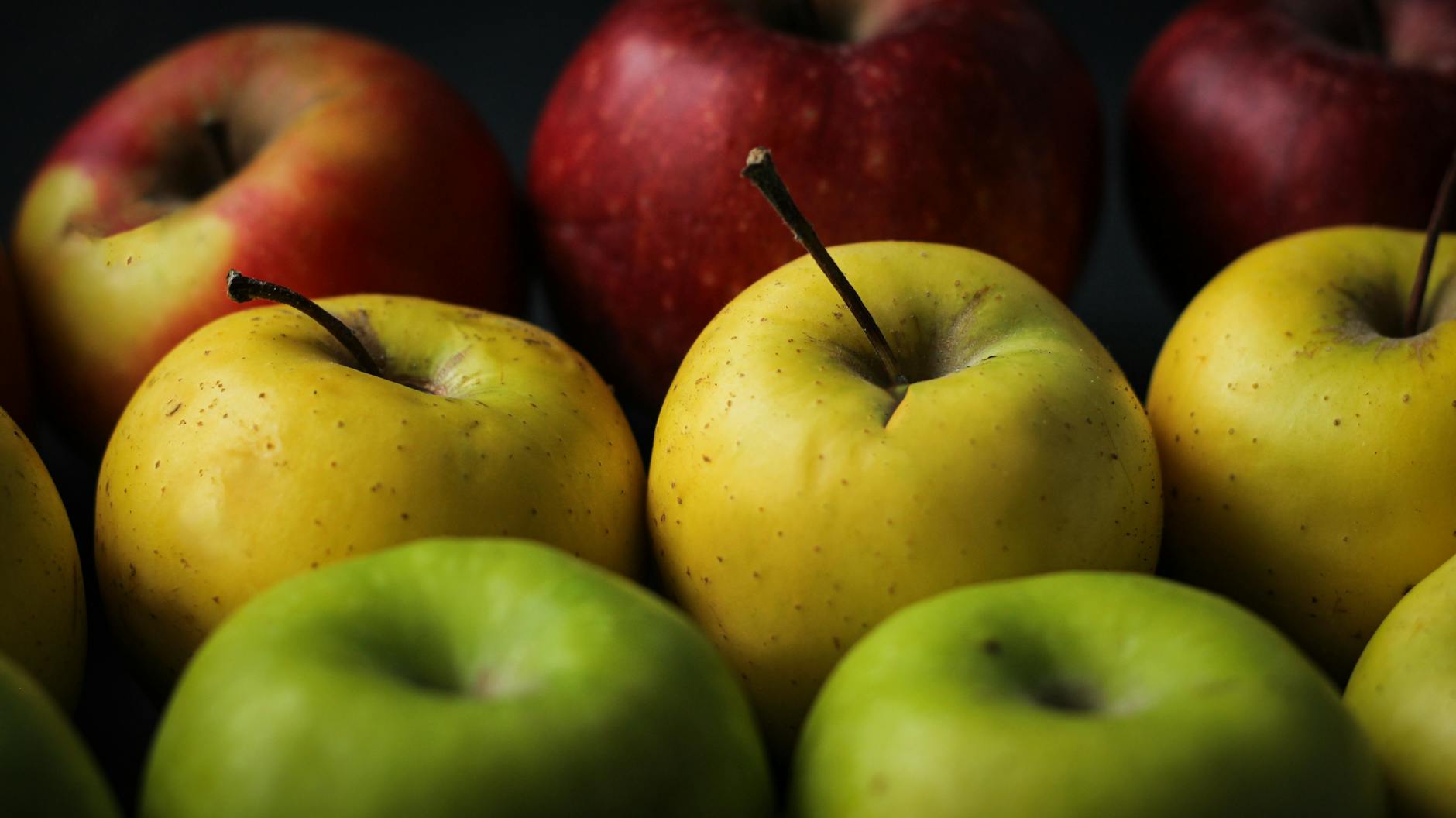
Diphenylamine is a chemical treatment applied to apples after harvest to prevent browning and surface scald during long-term storage. The European Union banned the use of diphenylamine on apples in 2012 after finding residue levels that exceeded safety thresholds and noting a lack of sufficient safety data. American apples treated with this compound cannot legally be sold in EU markets without meeting reformulation or detoxification standards. The substance itself is permitted in the United States at regulated residue levels under EPA guidelines.
Sports Drinks with Brominated Vegetable Oil

Beyond Mountain Dew, several citrus-flavored sports and energy drinks in the American market also contain brominated vegetable oil to stabilize their flavor compounds. Japan and all EU countries prohibit the use of this additive in beverages due to concerns about bioaccumulation of bromine in human fatty tissue. Long-term consumption has been associated in some studies with headaches, fatigue, and neurological symptoms. International versions of popular sports drinks available in restricted markets are produced using alternative emulsifiers such as sucrose acetate isobutyrate.
Bromated Flour Products

Beyond potassium bromate in bread specifically, bromated flour is used more broadly in buns, rolls, and pastry products by commercial bakeries seeking consistent texture. This class of additive is banned in the United Kingdom, Canada, the EU, and numerous other countries based on carcinogenicity concerns arising from animal research. The baking industry in countries where it remains legal has faced increasing pressure from health advocates to transition to unbromated alternatives. Alternatives such as ascorbic acid achieve similar dough-conditioning results without the associated health concerns.
Processed Cheese Slices
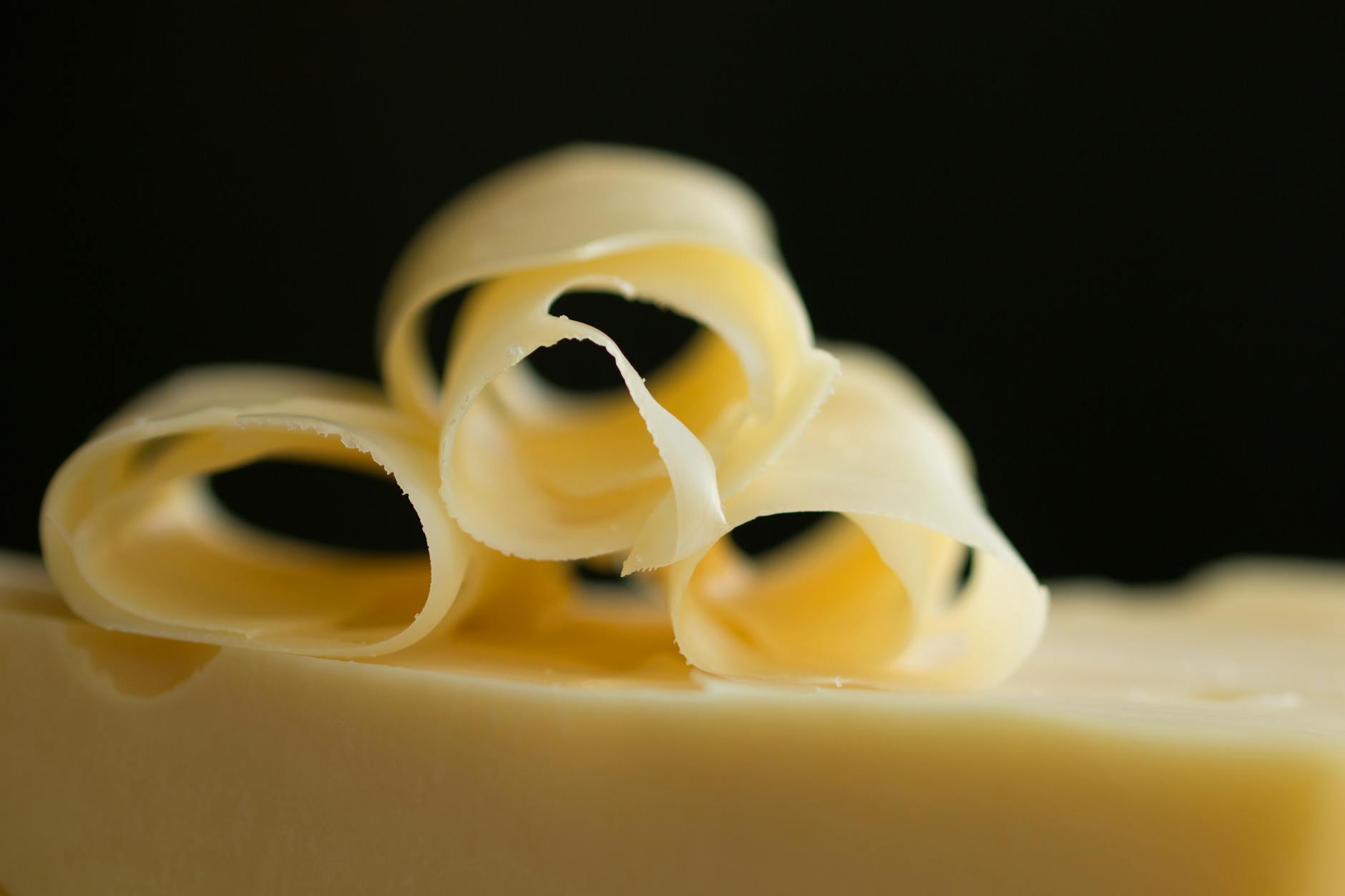
Certain individually wrapped processed cheese products contain emulsifying salts, artificial colorings, and preservatives that are restricted or banned in various countries. The European Union requires that products labeled as cheese meet minimum standards for dairy content, meaning some American processed slices cannot legally be marketed as cheese at all. Sorbic acid and certain phosphate-based emulsifiers used in American formulations face varying levels of restriction in Asian and European markets. Products that do not meet local dairy definitions are instead sold under classifications like “cheese product” or “cheese food.”
Red Velvet Cake Products

Commercial red velvet cake mixes, frostings, and pre-made cakes often owe their vibrant red color to Red Dye No. 40 or Red Dye No. 3, both of which are subject to restrictions in the European Union. Red Dye No. 3 has been of particular concern after the FDA’s own studies found it caused thyroid tumors in male rats, leading to its eventual ban in cosmetics though it remained permitted in food for years. EU manufacturers producing red velvet products must use beetroot extract or other natural colorants to achieve the red hue. The FDA announced a formal revocation of Red Dye No. 3 in food in 2024 following years of advocacy pressure.
Farmed Shrimp with Antibiotics
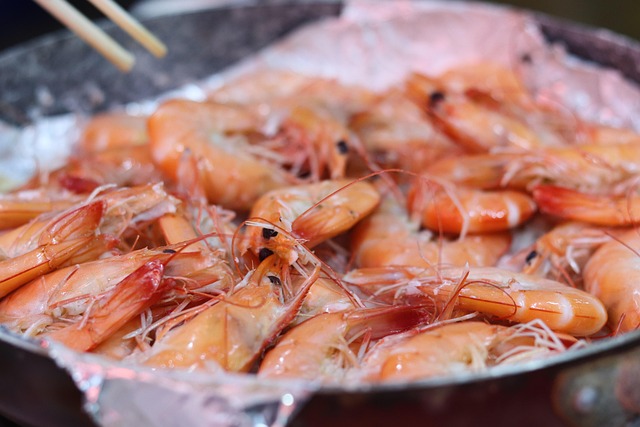
Shrimp imported from countries with intensive aquaculture operations are frequently treated with antibiotics including chloramphenicol and nitrofurans, which are banned food-animal drugs in the EU, Canada, and Japan. These antibiotics are prohibited in food production in those regions because of their links to aplastic anemia and their potential to contribute to antibiotic resistance in humans. Regulatory agencies in importing countries regularly test shipments and reject products where banned residues are detected. The United States has less stringent import testing protocols, meaning some contaminated product reaches American consumers.
Papaya from Hawaii
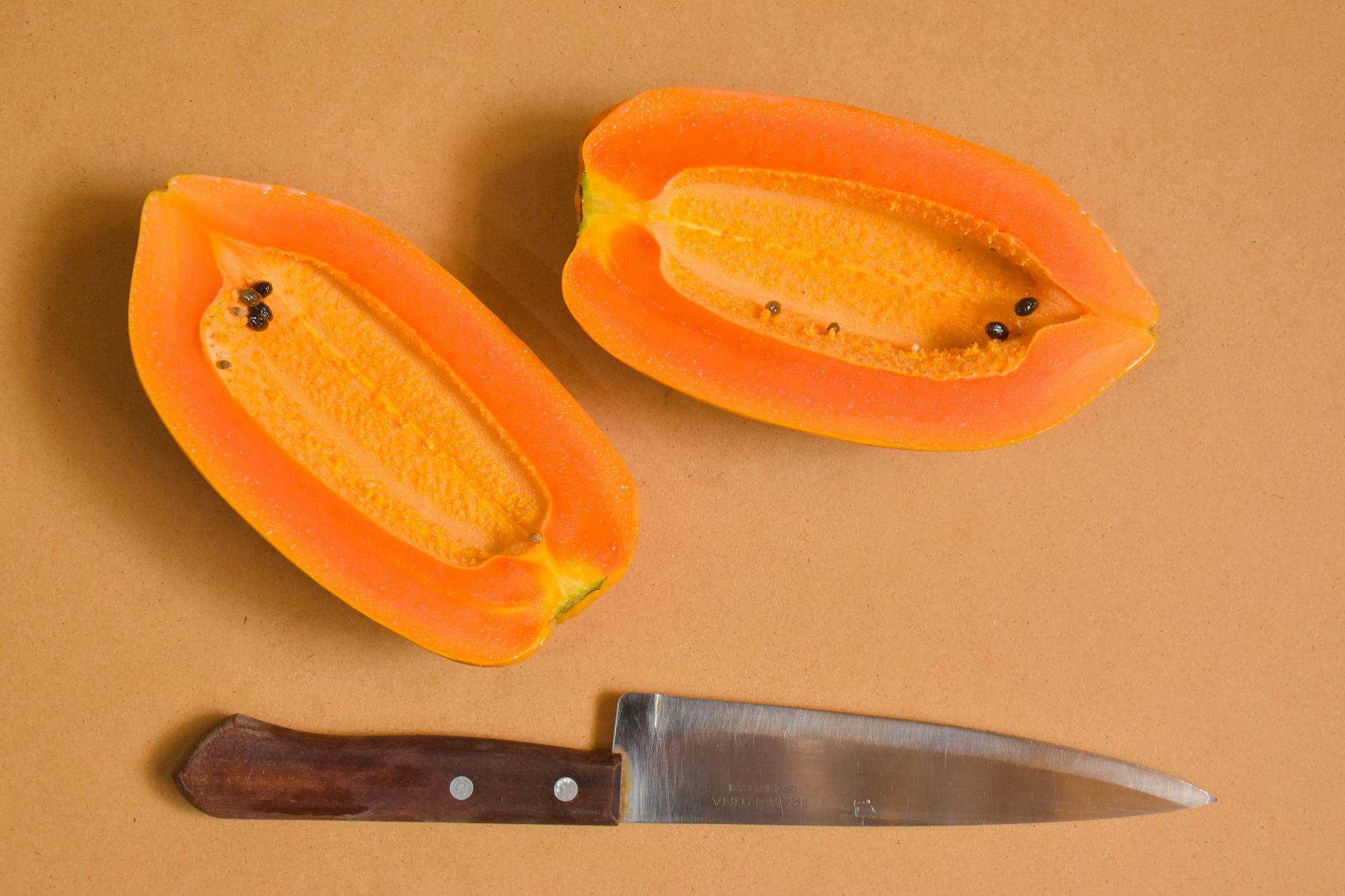
Most Hawaiian papayas are genetically engineered to resist the ringspot virus, a modification that saved the local industry from near-collapse in the 1990s. The European Union does not permit the cultivation or sale of this genetically modified variety due to its broader precautionary approach to GMO foods. Japan and several other nations have also placed restrictions on the import of GM papaya based on domestic regulations governing genetically modified organisms. Hawaiian papaya growers therefore have very limited access to international markets compared to their conventional counterparts.
Lawn-Grazed Beef with Hormone Implants
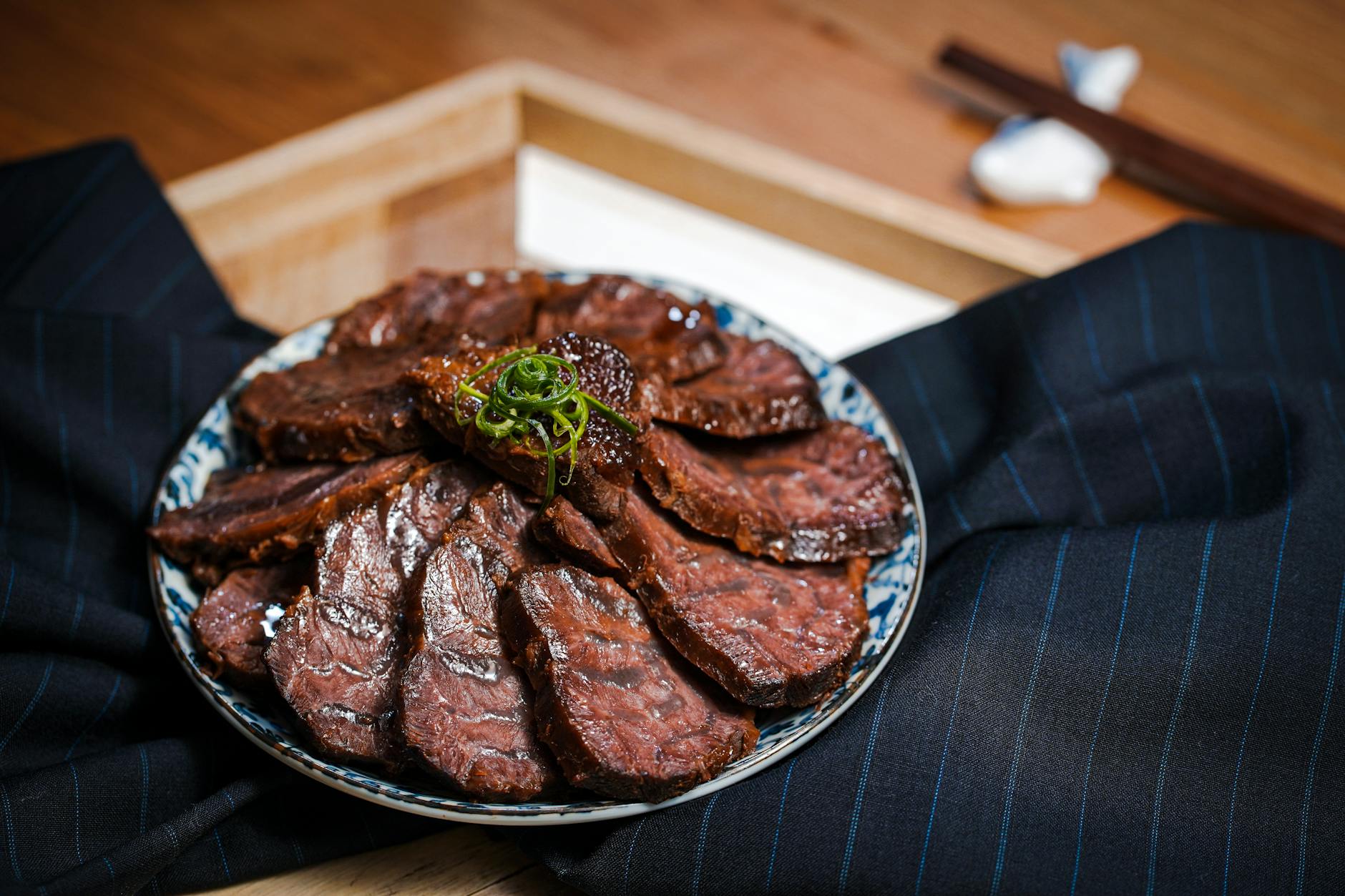
American beef cattle are commonly given growth-promoting hormone implants including estrogen and testosterone derivatives to accelerate weight gain and improve feed efficiency. The EU banned the use of these hormones in beef production in 1989 and has since prohibited the import of hormone-treated American beef, a policy upheld through multiple World Trade Organization disputes. Research within EU scientific bodies concluded that residues of some hormones in beef pose a potential cancer risk to consumers. The ban has been a persistent source of tension in transatlantic agricultural trade relations.
Olestra Chips
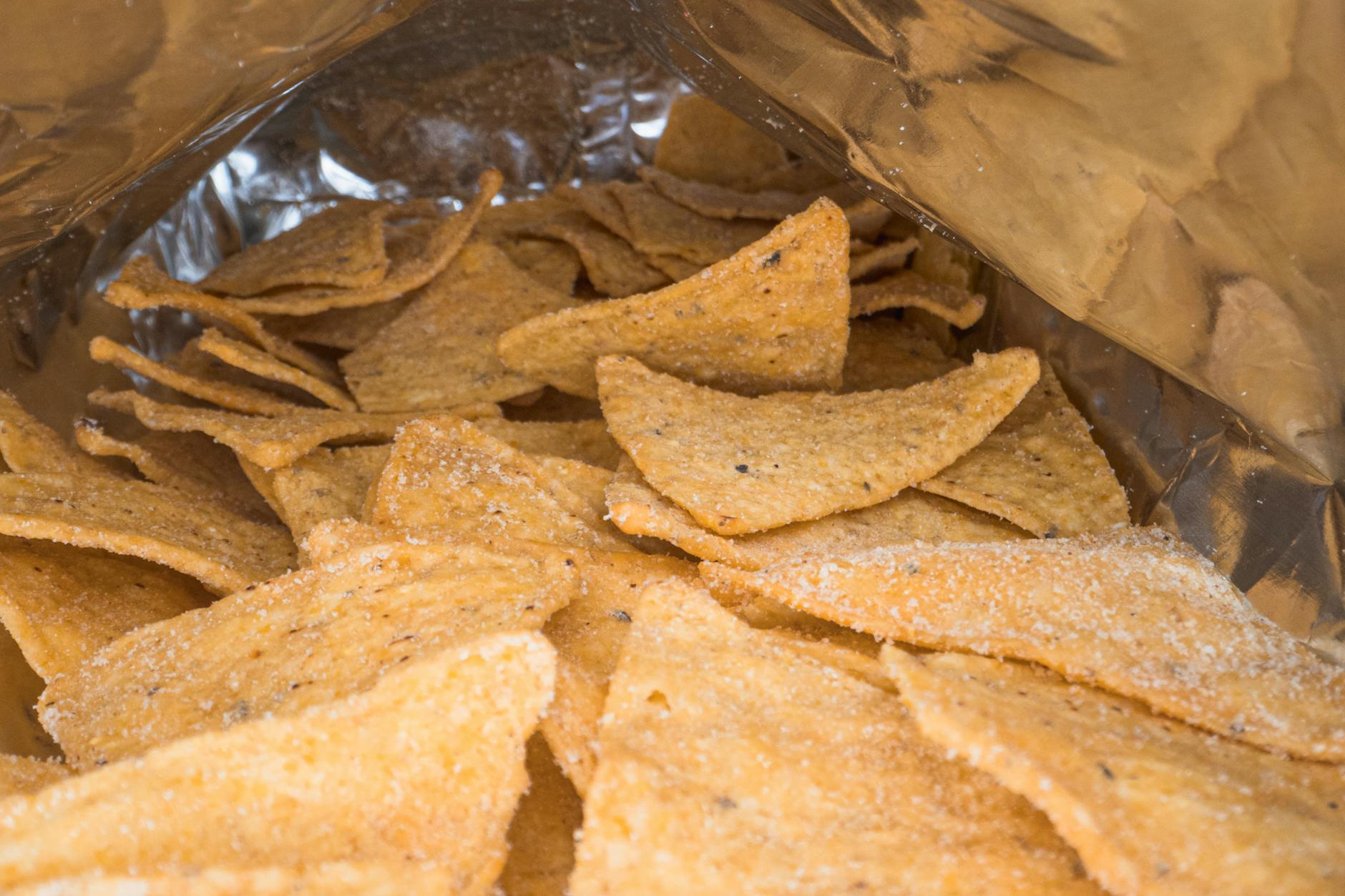
Olestra is a synthetic fat substitute developed to produce zero-calorie snack chips and was approved by the FDA in 1996 for limited use in savory snacks. Canada and the United Kingdom banned the use of olestra in food products after concerns arose about its gastrointestinal side effects, which include cramping and loose stools. The compound also interferes with the absorption of fat-soluble vitamins including A, D, E, and K, which led to requirements that products using it be supplemented with additional vitamins. Sales of olestra-containing products declined significantly even in the United States following mandatory warning label requirements.
Quaker Oats with BHT
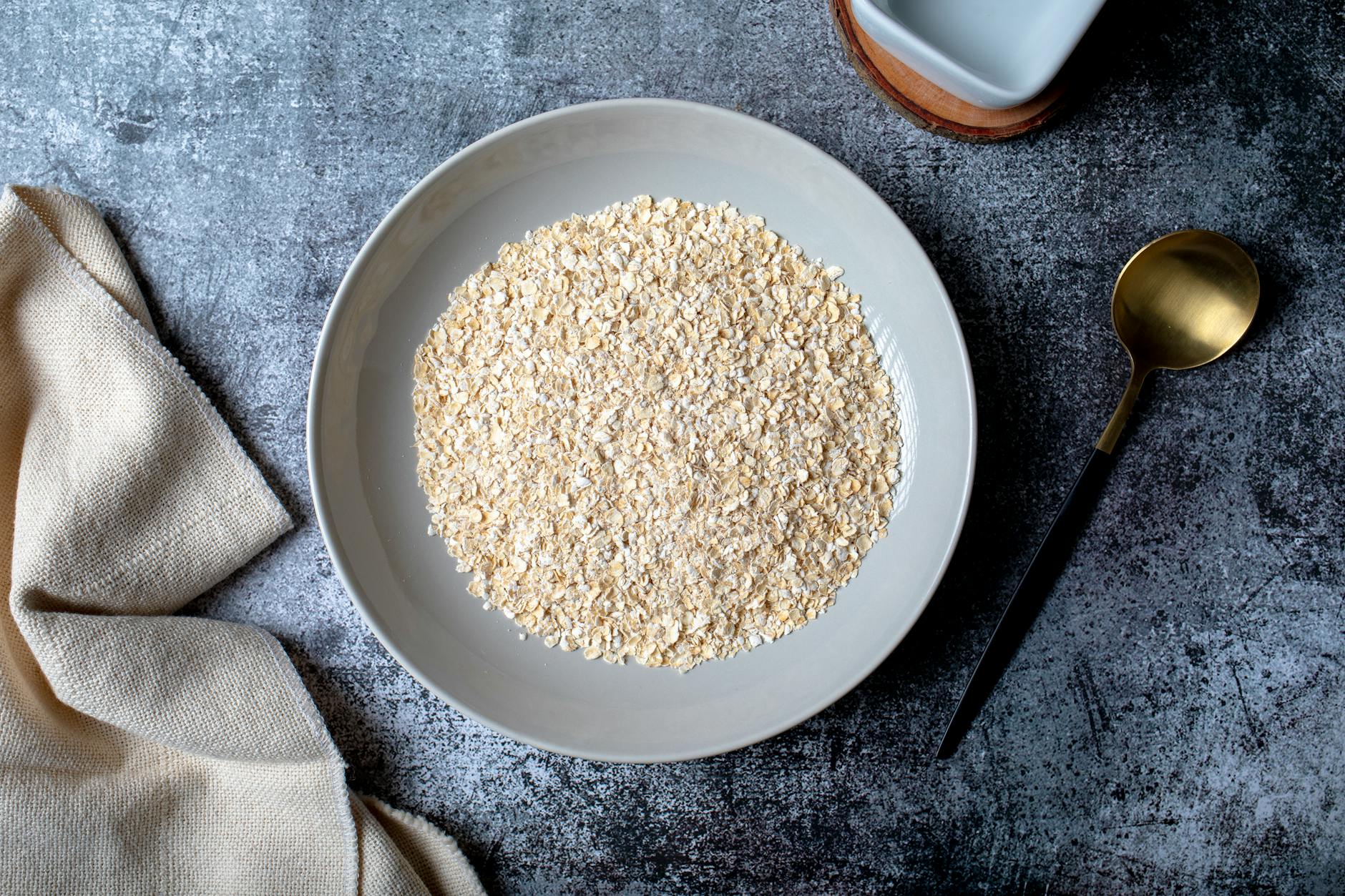
Butylated hydroxytoluene, known as BHT, is a synthetic antioxidant preservative used in cereals, oats, and a wide range of packaged foods to extend shelf life by preventing fat oxidation. Japan and the EU restrict or prohibit BHT in food products due to studies suggesting it may interfere with hormone function and potentially act as a carcinogen in high doses. American versions of many popular cereals and oat products contain BHT as a standard ingredient, while EU-sold versions are reformulated without it. The preservative is also commonly used in packaging materials, allowing it to migrate into food without being listed as a direct ingredient.
Frozen Meals with TBHQ
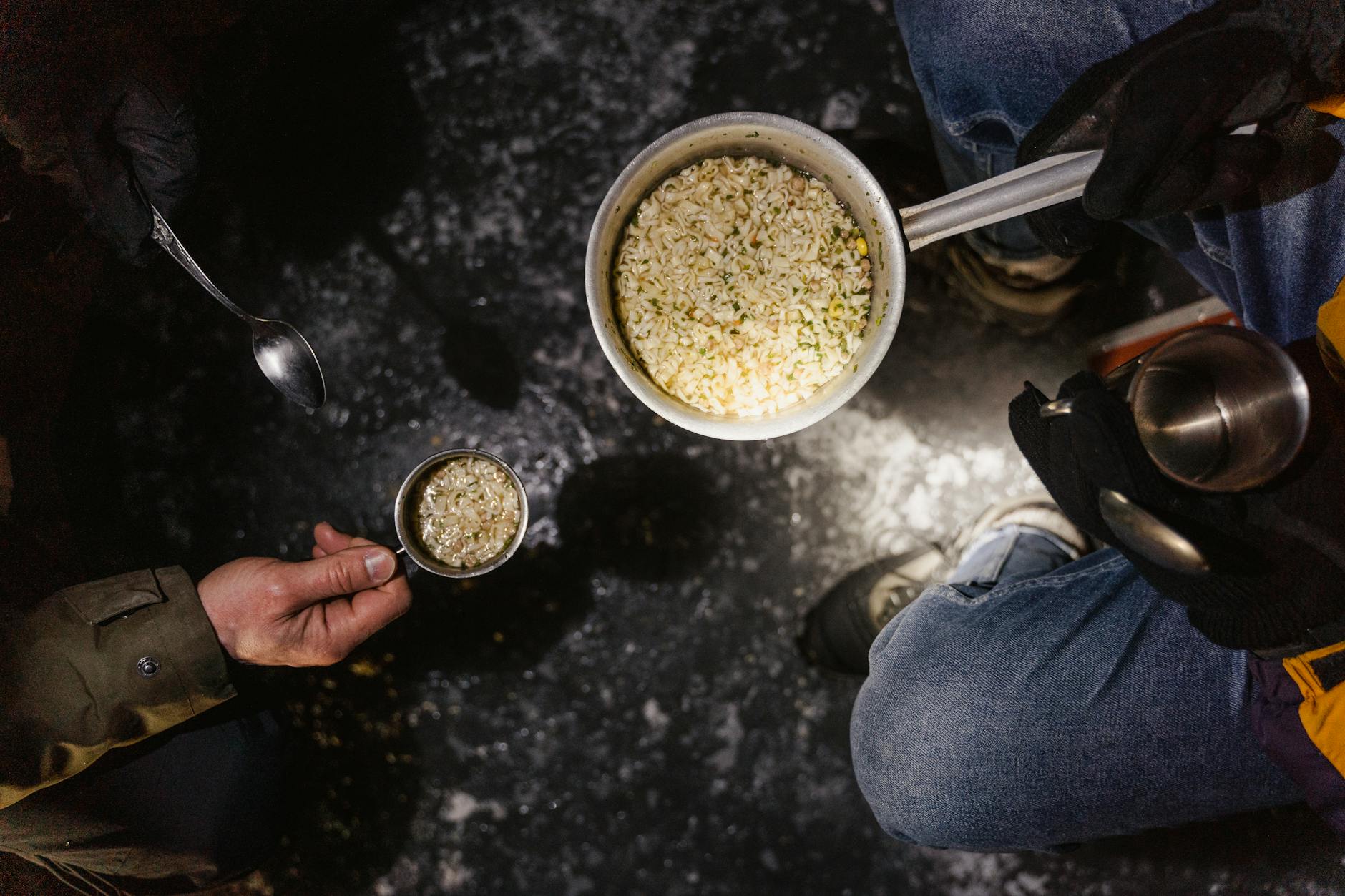
Tertiary butylhydroquinone, or TBHQ, is another petroleum-derived synthetic preservative found in frozen meals, crackers, popcorn, and fast food products in the United States. Europe strictly limits the quantity of TBHQ permitted in food, and Japan has banned it outright as a food additive due to concerns about its effects on immune function. Animal studies have linked high doses of TBHQ to tumors in the stomach and liver, as well as disruption of normal immune cell responses. The Environmental Working Group has flagged TBHQ as one of the more concerning preservatives in the American food supply.
Stove Top Stuffing
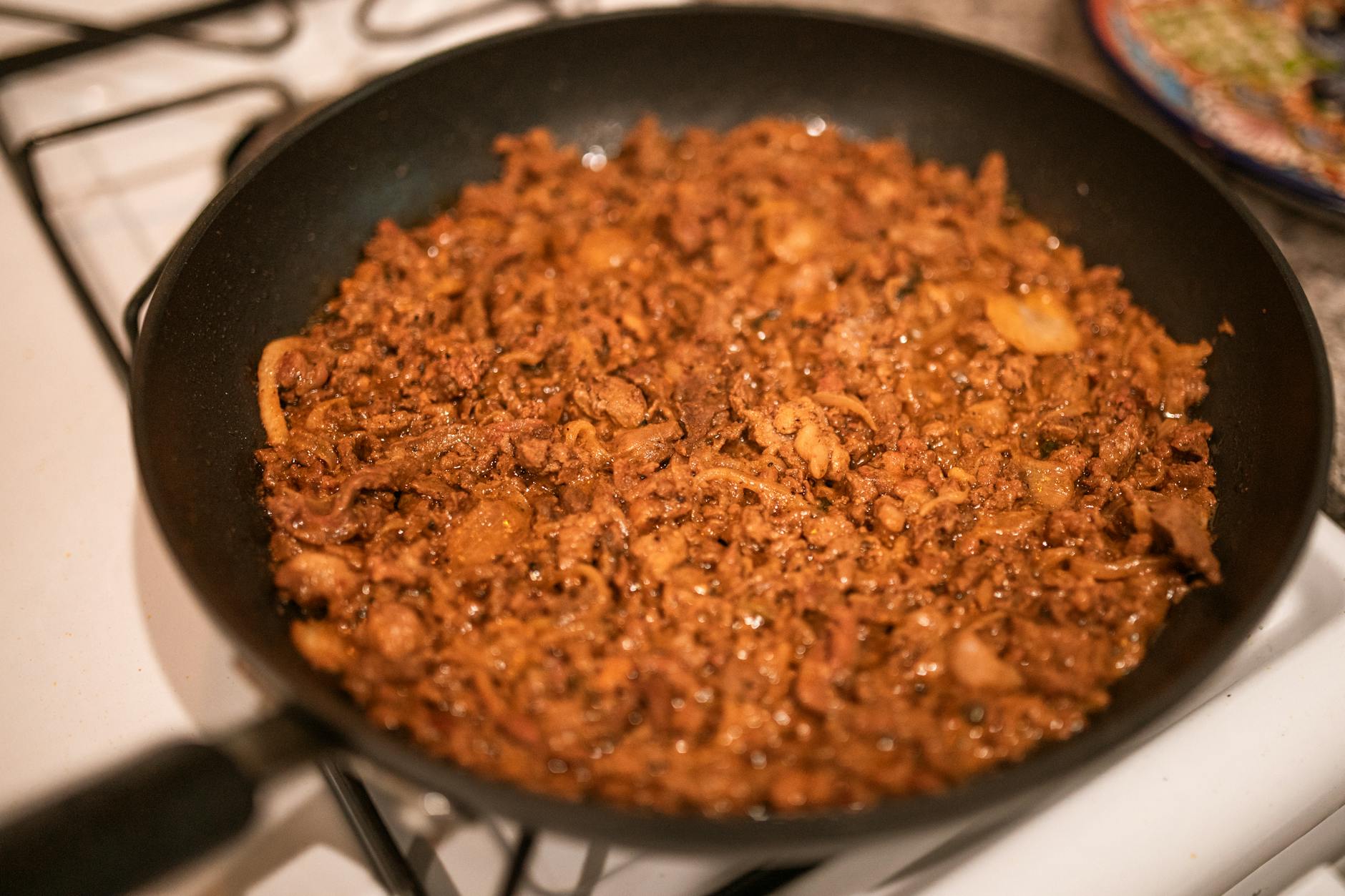
This popular American side dish mix contains BHA and BHT as preservatives, placing it in the restricted category for several international markets. Beyond the preservative concerns, the product’s sodium content and additive profile make it non-compliant with EU packaged food standards in its original American formulation. Products containing BHA face particular scrutiny because the National Toxicology Program classifies it as reasonably anticipated to be a human carcinogen based on animal evidence. European consumers seeking similar products find reformulated versions with cleaner additive lists in local supermarkets.
American Cheese with rBGH Milk
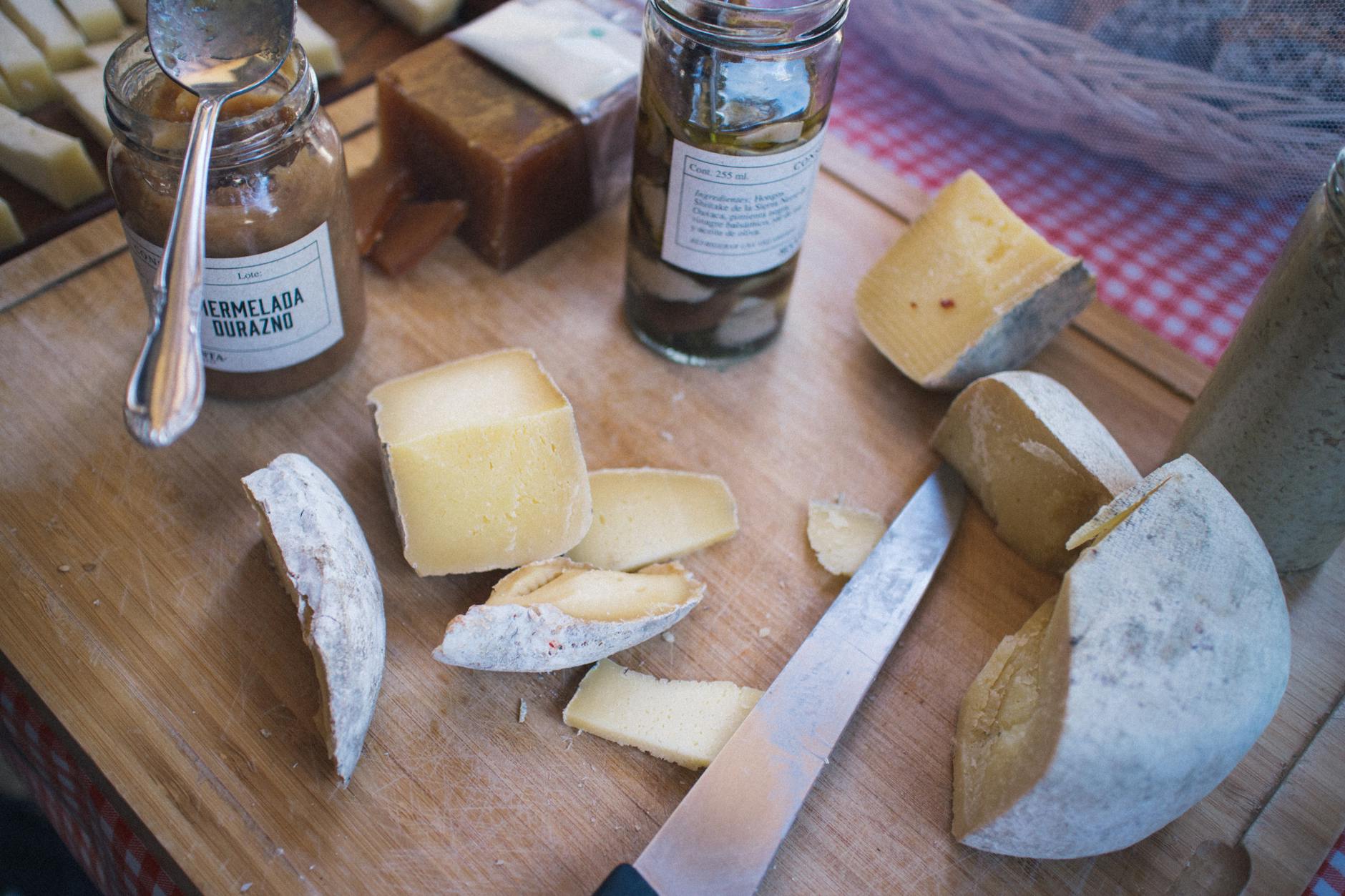
Recombinant bovine growth hormone, or rBGH, is a synthetic hormone injected into dairy cows to increase milk production and is approved for use in the United States. The EU, Canada, Australia, New Zealand, and Japan have all banned the use of rBGH in dairy farming due to animal welfare concerns and evidence that it elevates levels of insulin-like growth factor 1 in milk. Elevated IGF-1 has been associated in some research with increased risk of breast and colon cancer in humans. Dairy products made from rBGH-treated cows cannot be legally sold in the EU or Canada regardless of origin.
Artificially Colored Sports Drinks

Beyond brominated vegetable oil, many American sports drinks contain Blue Dye No. 1 and Yellow Dye No. 6, both of which carry restrictions or warning label requirements in EU countries. Blue No. 1 has been linked to rare but serious hypersensitivity reactions in intravenous medical applications, leading to caution among some regulators regarding its oral consumption. Several European countries require that products containing these dyes display prominent warnings about potential behavioral effects in children. American sports drink formulations are therefore frequently different from those sold in European and Asian markets.
White Bread with DATEM

DATEM is an emulsifier shorthand for diacetyl tartaric acid esters of mono and diglycerides, used in commercial white bread to strengthen gluten structure and extend freshness. While permitted in the United States and many other countries, DATEM faces restrictions in several health-conscious markets due to its synthesis process involving diacetyl, the same compound associated with respiratory risks. Austria has historically maintained stricter standards on emulsifier use in baked goods compared to broader EU norms. Artisan and organic bread producers globally use alternative fermentation techniques and natural additives to achieve comparable results without synthetic emulsifiers.
Frozen Hash Browns with Dimethylpolysiloxane
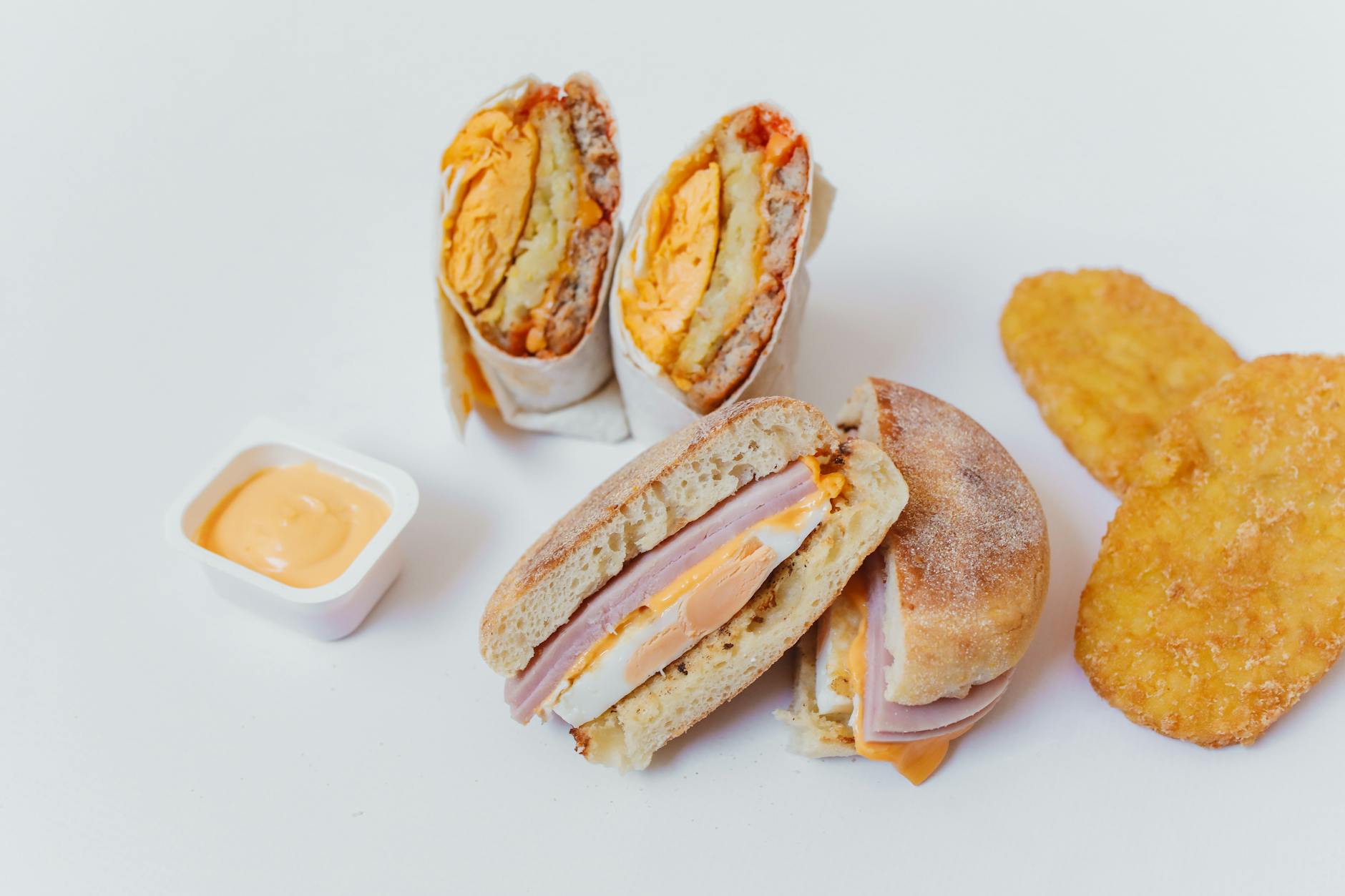
Dimethylpolysiloxane is a silicone-based antifoaming agent found in certain fast food items and processed frozen potato products sold in the United States. While approved by the FDA for use as an anti-foam agent in cooking oils and some processed foods, it is restricted in several EU member states and Japan due to questions about its inertness at high cooking temperatures. The compound is also used in caulking, cosmetics, and industrial lubricants, which has contributed to public and regulatory unease in stricter markets. Products containing it must meet varying country-specific residue and usage limits depending on their destination market.
Enriched Bleached Flour Products
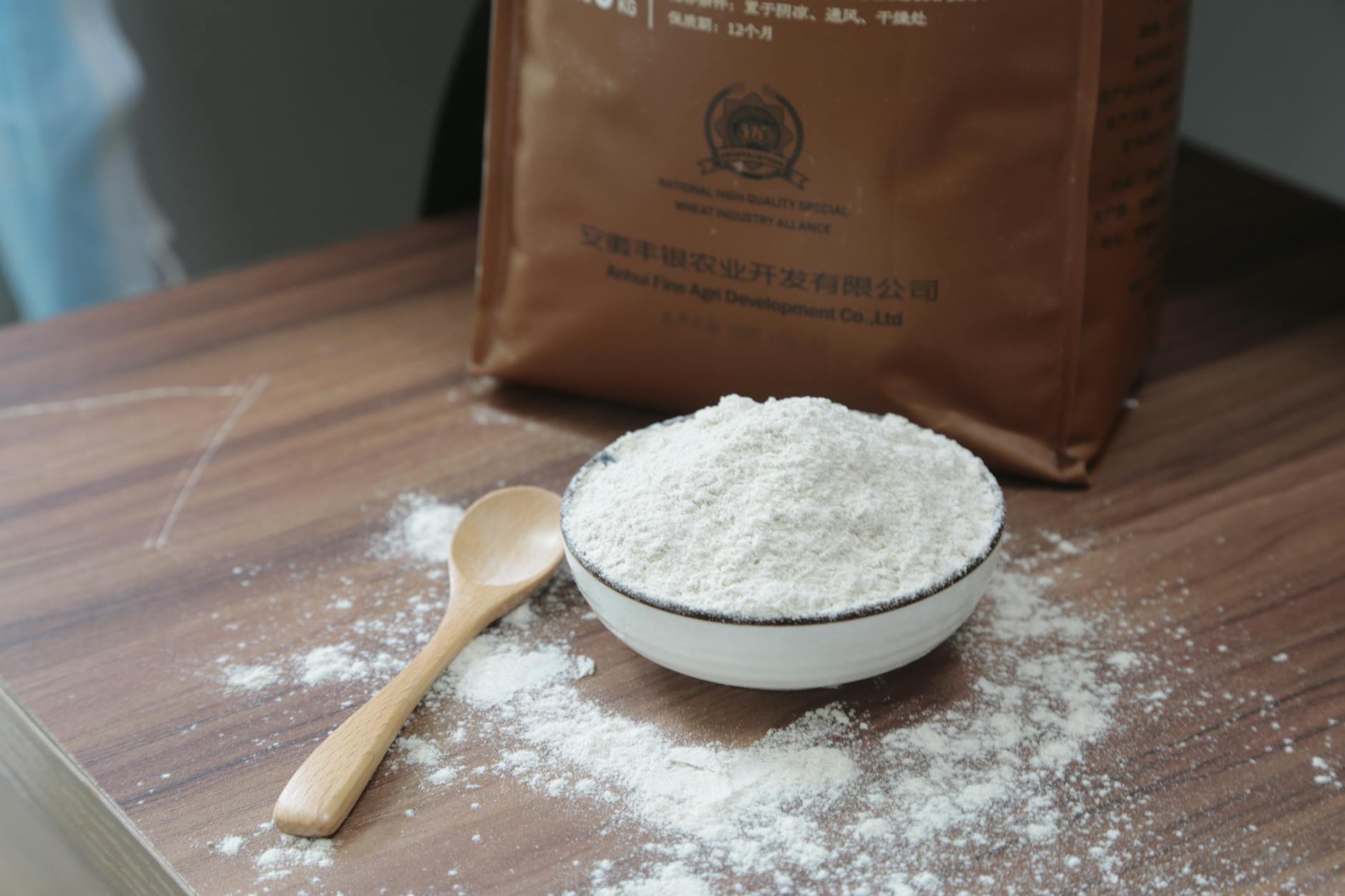
Bleached flour is treated with chemicals such as chlorine gas, benzoyl peroxide, or azodicarbonamide to whiten the flour and speed up the aging process that would otherwise occur naturally. Azodicarbonamide in particular has been banned in Australia, the UK, and throughout Europe as a flour additive because it breaks down during baking into trace amounts of a known carcinogen called semicarbazide. The same compound is also used in the production of yoga mats and foam plastics, a comparison that drew significant public attention when highlighted by food activists. American fast food chains and bread manufacturers have faced consumer pressure to voluntarily remove the additive from their recipes.
Artificially Colored Pickles
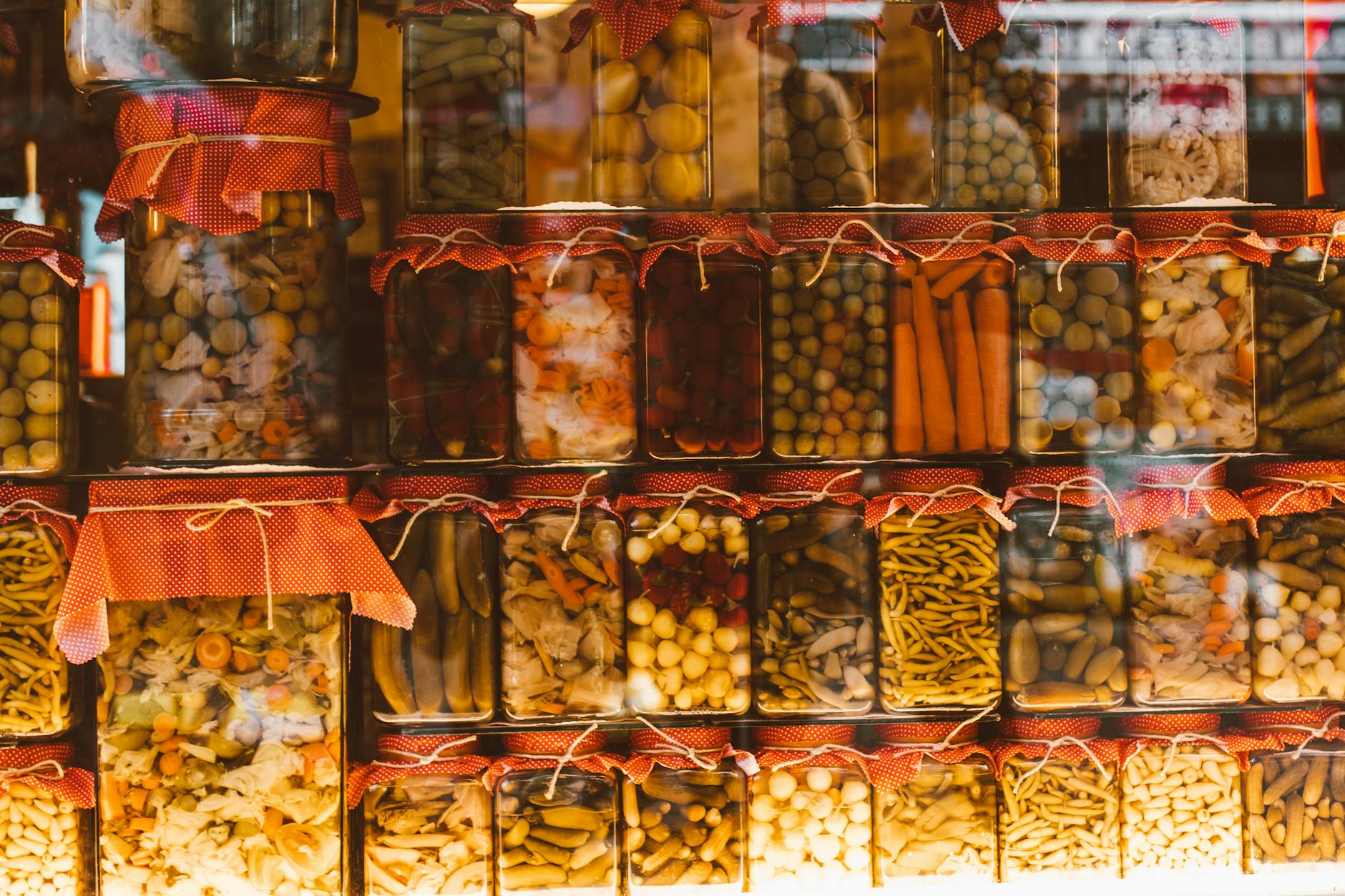
Certain commercially produced American pickles and pickle relishes use Yellow Dye No. 5 to enhance or maintain their green-yellow color during long shelf storage. As with other applications of tartrazine, this requires cautionary labeling in EU countries warning about potential effects on children’s attention and behavior. Traditional pickling methods in many European countries do not require artificial colorants because shorter distribution chains and different storage practices preserve natural color more effectively. Reformulated versions sold in EU markets use turmeric extract or other natural colorants to achieve a comparable visual result.
Chicken with Arsenic Additives
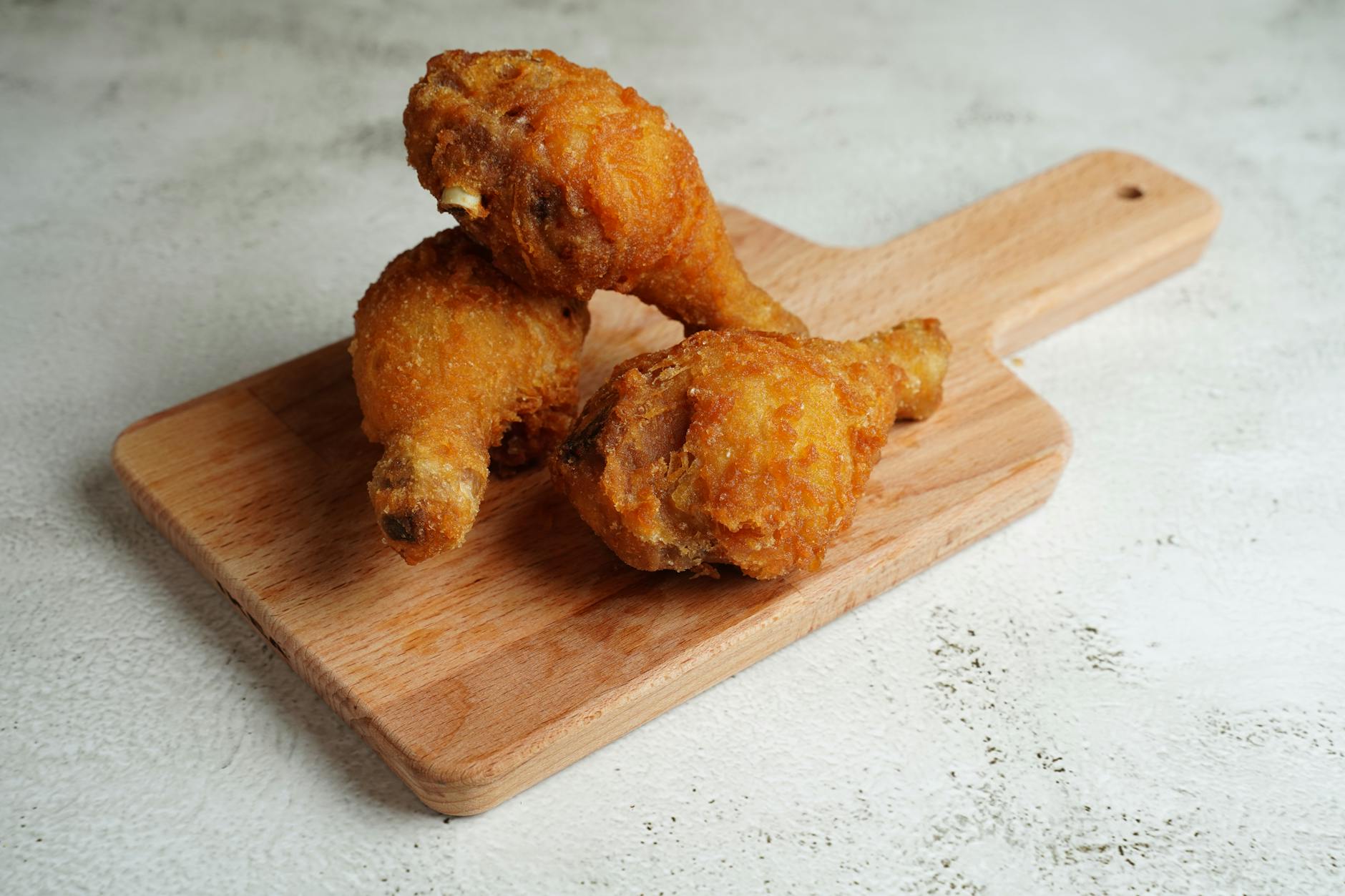
The FDA previously approved a class of arsenic-based drugs known as roxarsone for use in poultry production to promote growth and improve feed efficiency in American chicken farming. These compounds were used in chicken feed across the United States for decades before the FDA requested their voluntary withdrawal in 2011 after detecting inorganic arsenic residues in treated chicken livers. The EU has never permitted arsenic-based additives in livestock production and prohibits the import of poultry treated with such compounds. Despite the voluntary withdrawal, advocates have argued that the regulatory response was insufficient given the length of time the practice was permitted.
Milk with Carrageenan

Carrageenan is a thickening and stabilizing additive derived from red seaweed and used widely in American dairy products including chocolate milk, cream, and infant formula. Despite its natural origin, research has suggested that degraded forms of carrageenan may trigger inflammatory responses in the digestive system, and the compound has been banned from organic-certified products in the United States following rulings by the National Organic Standards Board. The EU restricts carrageenan from infant formula products specifically due to concerns about gut inflammation in very young children. Conventional dairy products containing carrageenan can still be sold in most markets but face growing consumer resistance.
Gatorade with Artificial Dyes

American formulations of Gatorade contain a combination of artificial dyes including Yellow No. 5 and Red No. 40 depending on the flavor, placing them in the category of products requiring special labeling or reformulation in EU markets. PepsiCo, which owns the Gatorade brand, produces different formulations for European and American markets to comply with local food dye regulations. The EU’s requirement for bold warning labels on dye-containing products has effectively pushed many manufacturers to reformulate rather than accept the commercial disadvantage of carrying a health warning. American consumers purchasing Gatorade therefore receive a product that would be unmarketable in its current form across much of Europe.
Share your thoughts on these surprising food bans in the comments.