
Joint pain is one of the most common complaints among adults of all ages, and diet plays a far greater role than many people realise. Certain everyday foods trigger inflammatory responses in the body that place direct stress on cartilage, tendons and surrounding tissue. The connection between nutrition and joint health has been studied extensively, with repeated findings pointing to the same culprits found in most modern kitchens. Understanding which foods contribute to that stiffness and discomfort is the first step toward making smarter choices. Here are 20 of the most problematic foods for joint health, ordered from least to most impactful.
Margarine

Margarine was once promoted as a healthier alternative to butter but research has since revealed a more complicated picture. It contains partially hydrogenated oils that produce trans fatty acids in the body. These trans fats interfere with the body’s natural omega-3 uptake which plays a key role in managing inflammation. Regular consumption has been associated with increased inflammatory markers in blood tests. Switching to whole food fats like avocado or olive oil is a commonly recommended dietary adjustment.
Canned Soup

Canned soups are a convenient meal option found in nearly every household pantry around the world. Most varieties contain extremely high levels of sodium which encourages water retention and increases pressure on joint tissue. Many brands also include flavour enhancers and preservatives that have been linked to inflammatory responses in sensitive individuals. The combination of salt and additives creates a double burden on the body’s inflammatory regulation systems. Homemade soups using fresh ingredients offer a straightforward alternative without the hidden chemical load.
White Rice
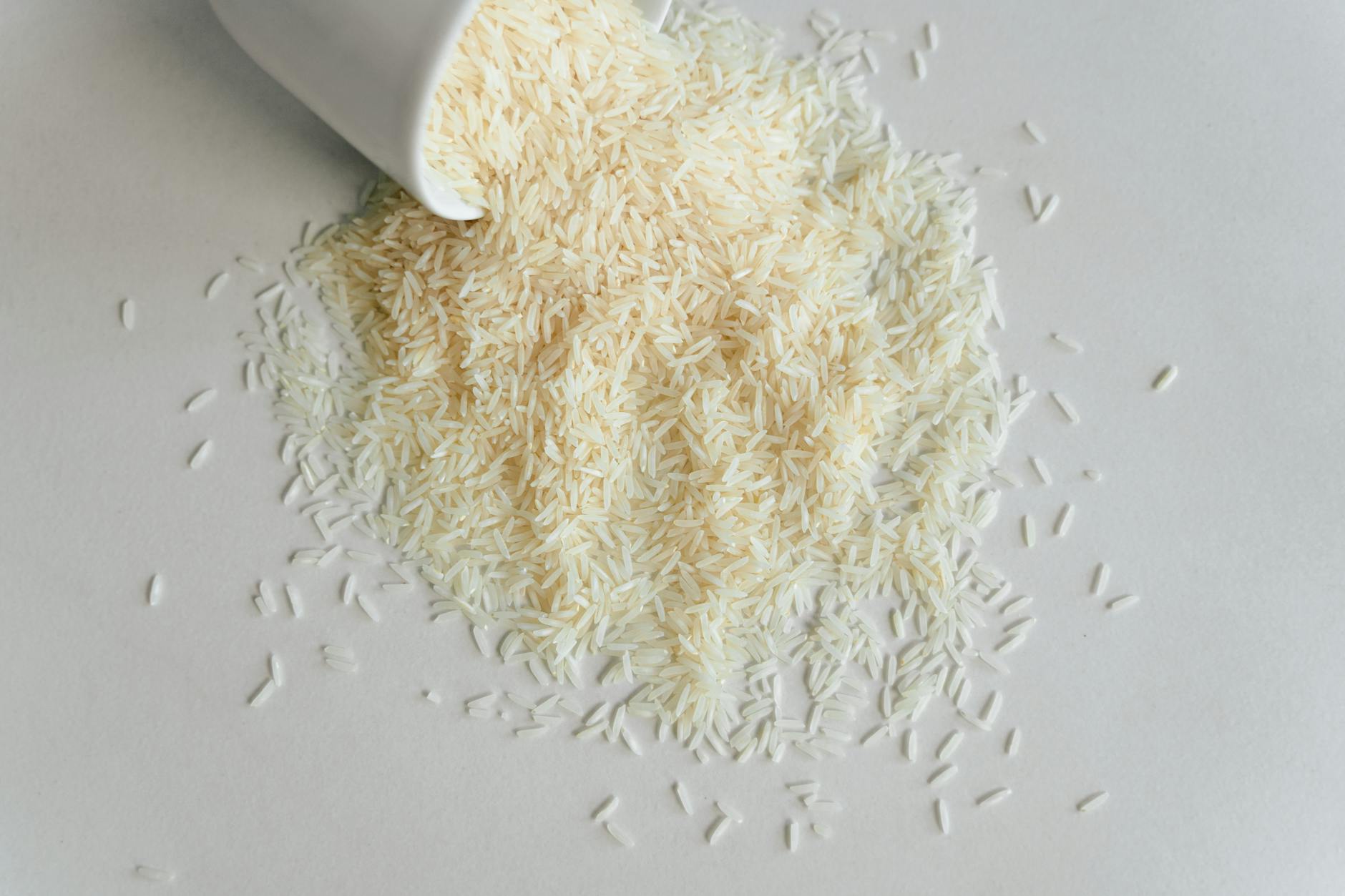
White rice is a staple food across dozens of cultures and consumed daily by billions of people worldwide. The refining process strips the grain of its bran and germ layers removing the majority of its fibre and micronutrients. Without fibre the body digests white rice rapidly causing sharp spikes in blood glucose levels. These glucose spikes trigger the release of inflammatory cytokines that can aggravate already sensitive joints. Replacing white rice with brown rice or quinoa provides the same satisfaction with significantly less inflammatory impact.
Corn Oil

Corn oil is one of the most widely used cooking oils in commercial food production and home kitchens alike. It has an extremely high omega-6 fatty acid content which when consumed in excess disrupts the omega-3 to omega-6 balance in the body. This imbalance is well documented as a driver of systemic inflammation affecting multiple tissues including joint cartilage. The oil is present not only in cooking but in many packaged snacks crackers and fried foods. Choosing oils with a more balanced fatty acid profile such as flaxseed or walnut oil is frequently recommended by nutritionists.
Diet Soda

Diet sodas are marketed as a calorie-free substitute for sugary drinks and are consumed in vast quantities globally. They contain artificial sweeteners such as aspartame and saccharin which have been studied for their effects on gut microbiome diversity. A disrupted gut microbiome has been increasingly connected to heightened systemic inflammation throughout the body. Some research also points to a correlation between diet soda consumption and increased risk of rheumatoid arthritis in women. Sparkling water with a squeeze of citrus provides a similarly refreshing experience without the synthetic additives.
Peanut Butter

Peanut butter is a popular and affordable protein source enjoyed across all age groups and dietary preferences. Most commercially produced varieties contain partially hydrogenated vegetable oils and added sugars that contribute to inflammatory load. Peanuts themselves belong to the legume family and contain arachidonic acid which the body can convert into pro-inflammatory compounds. People with existing joint conditions often report increased stiffness after regular peanut butter consumption. Natural almond or cashew butters are frequently suggested as lower-inflammation alternatives for those managing joint pain.
Cheese

Cheese is one of the most beloved and widely consumed dairy products across Western and Mediterranean diets. It contains high levels of saturated fat which research has associated with the activation of inflammatory pathways in the body. Full-fat cheeses also contain a protein called casein which some individuals find difficult to digest properly. In people with sensitivities casein can trigger an immune response that manifests as joint swelling and discomfort. Reducing portion sizes or opting for aged hard cheeses which contain less lactose is a strategy many find helpful.
Ketchup

Ketchup is a universally used condiment found on dining tables and in fast food restaurants around the world. Despite its tomato base most commercial ketchups contain significant quantities of high fructose corn syrup and refined sugar. These sugars elevate insulin levels rapidly and stimulate the release of inflammatory chemicals in the bloodstream. Ketchup also contains vinegar and salt in quantities that can irritate sensitive digestive systems connected to inflammatory joint responses. Reading ingredient labels carefully and choosing reduced sugar versions or making tomato-based condiments at home can make a meaningful difference.
White Bread

White bread is one of the most consumed carbohydrate sources in the world and a foundation of many daily diets. Like white rice it is made from heavily refined flour that has been stripped of fibre and essential nutrients during processing. The rapid digestion of refined flour causes blood sugar spikes that activate inflammatory processes throughout the body. Advanced glycation end products formed during the baking of white bread at high temperatures are also known to promote joint inflammation. Whole grain sourdough and rye breads are nutritionally denser options that produce a far gentler glycaemic response.
Processed Meat

Processed meats include products such as hot dogs bacon deli slices sausages and canned meat varieties. They are preserved using nitrates nitrites and high quantities of sodium all of which have been studied for their pro-inflammatory properties. The World Health Organisation has classified processed meats as a Group 1 carcinogen and their inflammatory effects extend well beyond cancer risk. Regular consumption has been specifically linked to elevated C-reactive protein levels a key marker of systemic inflammation. Replacing processed meats with lean fresh proteins like turkey breast or legumes is a widely endorsed dietary shift.
Fast Food

Fast food represents one of the most concentrated sources of joint-damaging ingredients available in the modern food environment. A single fast food meal frequently combines refined carbohydrates trans fats excessive sodium and artificial additives in one sitting. This combination creates a powerful multi-pathway inflammatory response that can persist for hours after the meal is consumed. People who consume fast food multiple times per week show measurably higher levels of inflammatory markers compared to those who eat whole food diets. The sheer accessibility and frequency of fast food consumption make it one of the most significant dietary contributors to chronic joint pain.
Sunflower Oil

Sunflower oil is one of the most commonly used oils in both home cooking and commercial food manufacturing worldwide. It contains an exceptionally high concentration of omega-6 linoleic acid which in excess promotes the production of arachidonic acid in the body. Arachidonic acid is a direct precursor to several powerful inflammatory compounds including prostaglandins and leukotrienes. Studies consistently show that populations with high sunflower oil consumption have higher rates of inflammatory conditions including arthritis. Replacing sunflower oil with extra virgin olive oil or avocado oil provides healthier fats with documented anti-inflammatory properties.
Sugary Cereals

Sugary breakfast cereals are a fixture in millions of households and are marketed heavily toward both children and busy adults. They are typically made from refined grains and loaded with added sugars artificial colours and chemical preservatives. The high sugar content causes an immediate spike in blood glucose followed by a rapid drop that stresses the body’s metabolic systems. This repeated glucose volatility over time has been linked to increased inflammation affecting connective tissues and joints. Choosing unsweetened oat-based cereals or protein-rich breakfast alternatives provides lasting energy without the inflammatory consequences.
Alcohol

Alcohol is one of the most widely consumed substances in the world and its relationship with joint health is well established in medical literature. It interferes directly with the liver’s ability to filter toxins and byproducts of inflammation from the bloodstream. Alcohol also depletes key anti-inflammatory nutrients including magnesium zinc and B vitamins that play a direct role in joint tissue maintenance. Beer in particular contains purines which the body breaks down into uric acid a compound that crystallises in joints and causes gout. Even moderate regular alcohol intake has been associated with increased joint pain and reduced cartilage regeneration in long-term studies.
Artificial Sweeteners
Artificial sweeteners are found in thousands of products marketed as sugar-free low-calorie or diabetic-friendly. Common varieties such as aspartame sucralose and acesulfame potassium have been shown to alter the composition of gut bacteria in ways that promote inflammation. The gut-joint axis is an area of growing research interest with increasing evidence that gut microbiome disruption directly affects joint inflammation levels. Some individuals report noticeable flare-ups in joint pain following regular consumption of artificially sweetened foods and drinks. The body’s complex response to these synthetic compounds remains an active area of scientific investigation.
Vegetable Shortening

Vegetable shortening is a solid fat product used extensively in baking pastries biscuits and commercial fried foods. It is produced through a hydrogenation process that creates trans fats widely considered among the most harmful dietary fats for cardiovascular and inflammatory health. Trans fats block the body’s production of anti-inflammatory prostaglandins while simultaneously increasing the production of pro-inflammatory compounds. They have been directly linked to elevated levels of interleukin-6 a cytokine strongly associated with joint inflammation and arthritic conditions. Many countries have moved to restrict or ban partially hydrogenated oils in commercial food production due to the extensive evidence of harm.
Red Meat

Red meat has long been central to many cultural diets and remains one of the primary protein sources consumed globally. It contains high concentrations of saturated fat and arachidonic acid both of which feed well-documented inflammatory pathways in the body. Cooking red meat at high temperatures through grilling or frying produces heterocyclic amines and advanced glycation end products that independently drive inflammation. Research from large cohort studies has linked high red meat consumption to increased risk of inflammatory arthritis and accelerated joint degeneration. Limiting intake to two or fewer servings per week and favouring gentler cooking methods is frequently advised for those experiencing joint issues.
Refined Sugar

Refined sugar is arguably the most pervasive inflammatory ingredient in the modern diet appearing in thousands of packaged and processed foods. It causes rapid and significant spikes in blood glucose that trigger the release of cytokines which are proteins that directly promote inflammatory activity in the body. High sugar intake also accelerates the formation of advanced glycation end products which damage collagen and cartilage structures essential to healthy joint function. Long-term high sugar consumption suppresses the immune system’s ability to regulate inflammation leaving joints chronically exposed to damaging compounds. The link between added sugar and worsening arthritis symptoms is among the most consistently supported findings in nutritional inflammation research.
Fried Foods

Fried foods rank among the most damaging dietary choices for joint health due to the combination of harmful fats and high-temperature cooking processes involved. When foods are fried in vegetable or seed oils at extreme temperatures the oils oxidise and generate a range of toxic compounds including aldehydes and acrolein. These compounds trigger powerful systemic inflammatory responses that affect joint tissue with particular severity. Fried foods also tend to be high in advanced glycation end products which directly degrade collagen and reduce the cushioning capacity of joint cartilage. The frequency with which fried foods appear across both restaurant menus and home cooking makes them one of the hardest inflammatory triggers to avoid.
Processed Vegetable Oils

Processed vegetable oils represent the most significant dietary driver of joint inflammation in the modern food supply according to a growing body of nutritional science. These oils including soybean canola and cottonseed oil are extracted using chemical solvents and subjected to deodorisation and bleaching processes that fundamentally alter their chemical structure. The resulting oils are overwhelmingly high in omega-6 fatty acids and virtually devoid of the omega-3s needed to counterbalance inflammatory activity in the body. They are present in nearly every category of packaged food from salad dressings to protein bars making avoidance a genuine dietary challenge. The sheer volume in which these oils are consumed combined with their potent pro-inflammatory profile places them at the top of any evidence-based list of joint-damaging foods.
If any of these foods are a regular part of your diet, share which changes you are considering making in the comments.