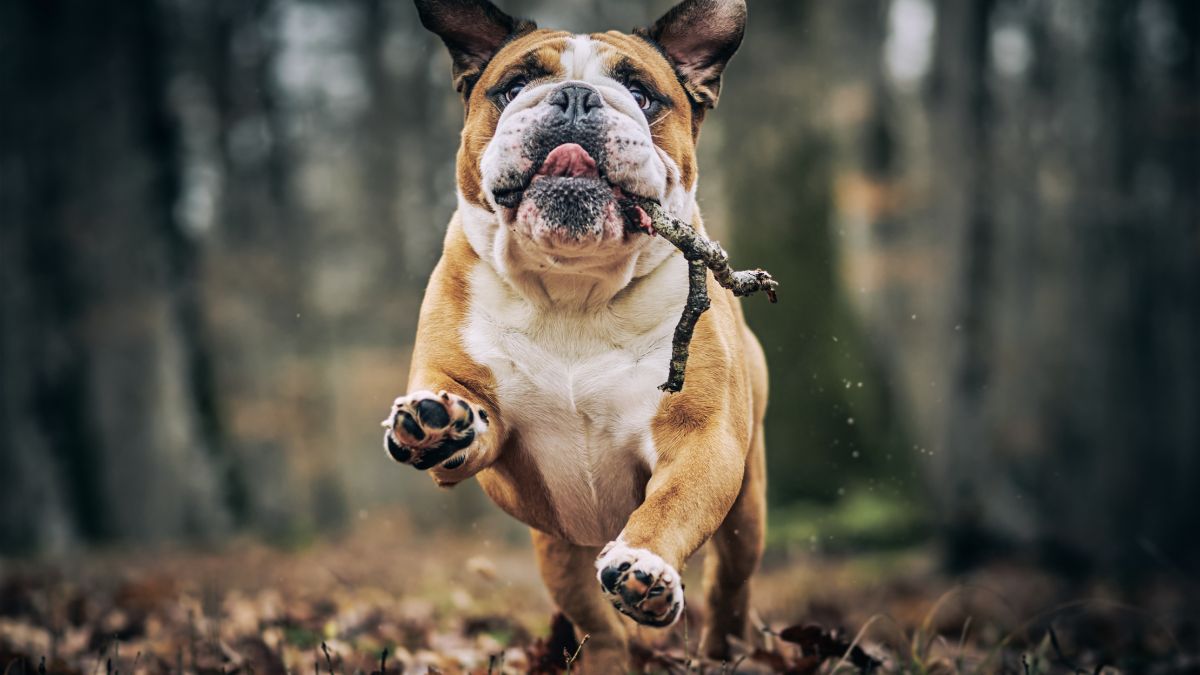
Dogs are sensitive creatures who pick up on far more than most owners realize, and certain daily routines can quietly build stress over time. Many well-meaning behaviors that seem harmless or even affectionate are actually major sources of confusion and anxiety for dogs. Understanding the connection between human habits and canine stress is one of the most important steps any dog owner can take. The following habits are among the most common triggers identified by animal behaviorists and veterinary professionals worldwide.
Irregular Feeding
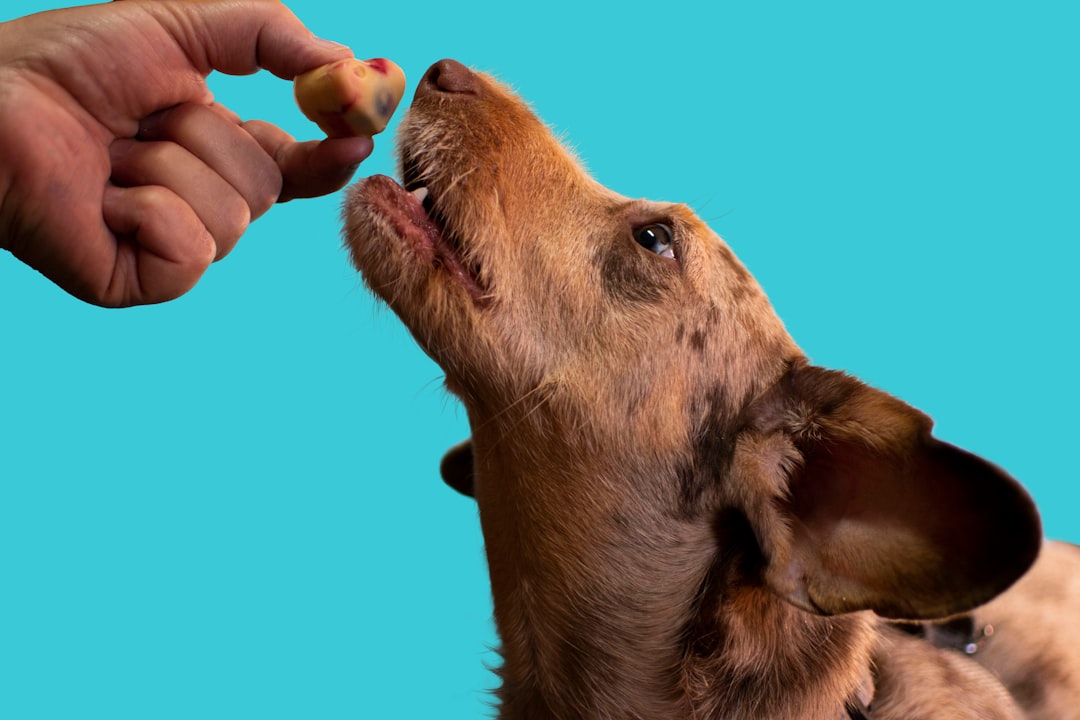
Dogs thrive on predictability and their digestive systems are closely tied to their internal clocks. When meal times shift dramatically from day to day the body cannot regulate hunger hormones properly which creates a state of low-level stress. This unpredictability signals to a dog that resources are unreliable which triggers survival anxiety rooted in instinct. Over time irregular feeding can lead to obsessive food-guarding behaviors and digestive issues. Consistent daily feeding schedules are one of the simplest ways to reduce baseline anxiety in dogs.
Loud Music
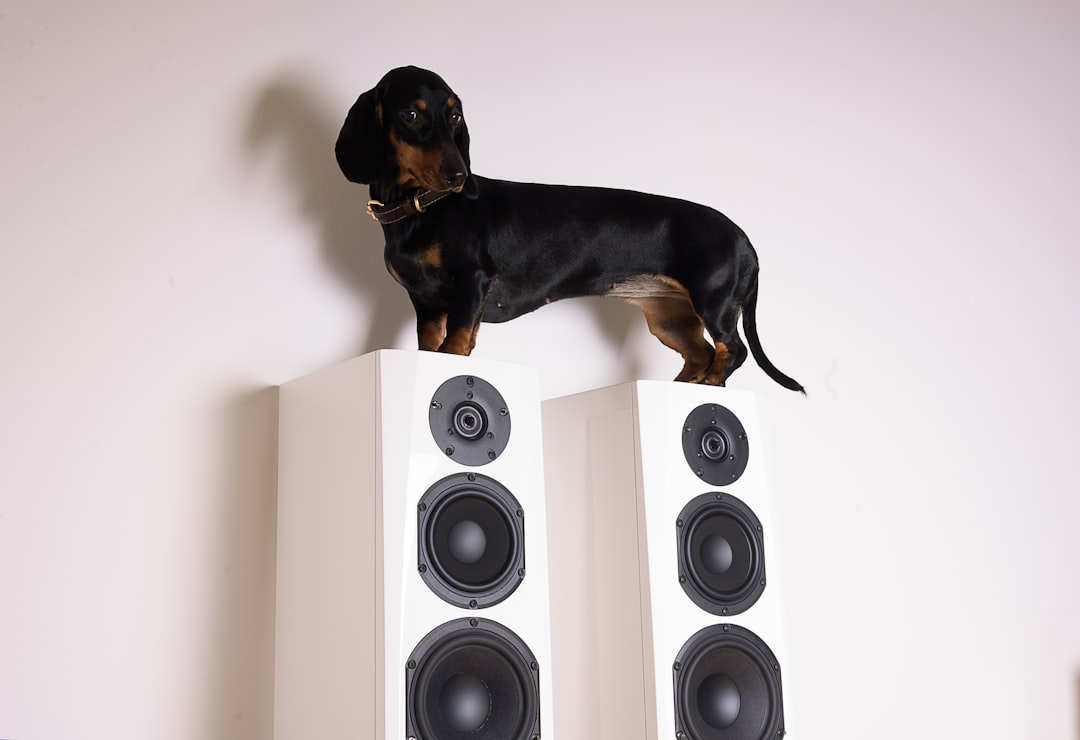
The canine auditory system is significantly more sensitive than that of humans and can detect frequencies across a much wider range. Prolonged exposure to loud music or bass-heavy sound causes measurable physiological stress responses in dogs including elevated cortisol levels. Many dogs will retreat hide or pace when exposed to high-volume environments without showing obvious signs of distress that owners recognize. This chronic low-grade auditory stress accumulates over time and can contribute to long-term behavioral changes. Keeping home audio at moderate levels makes a meaningful difference to a dog’s daily comfort.
Tight Hugging
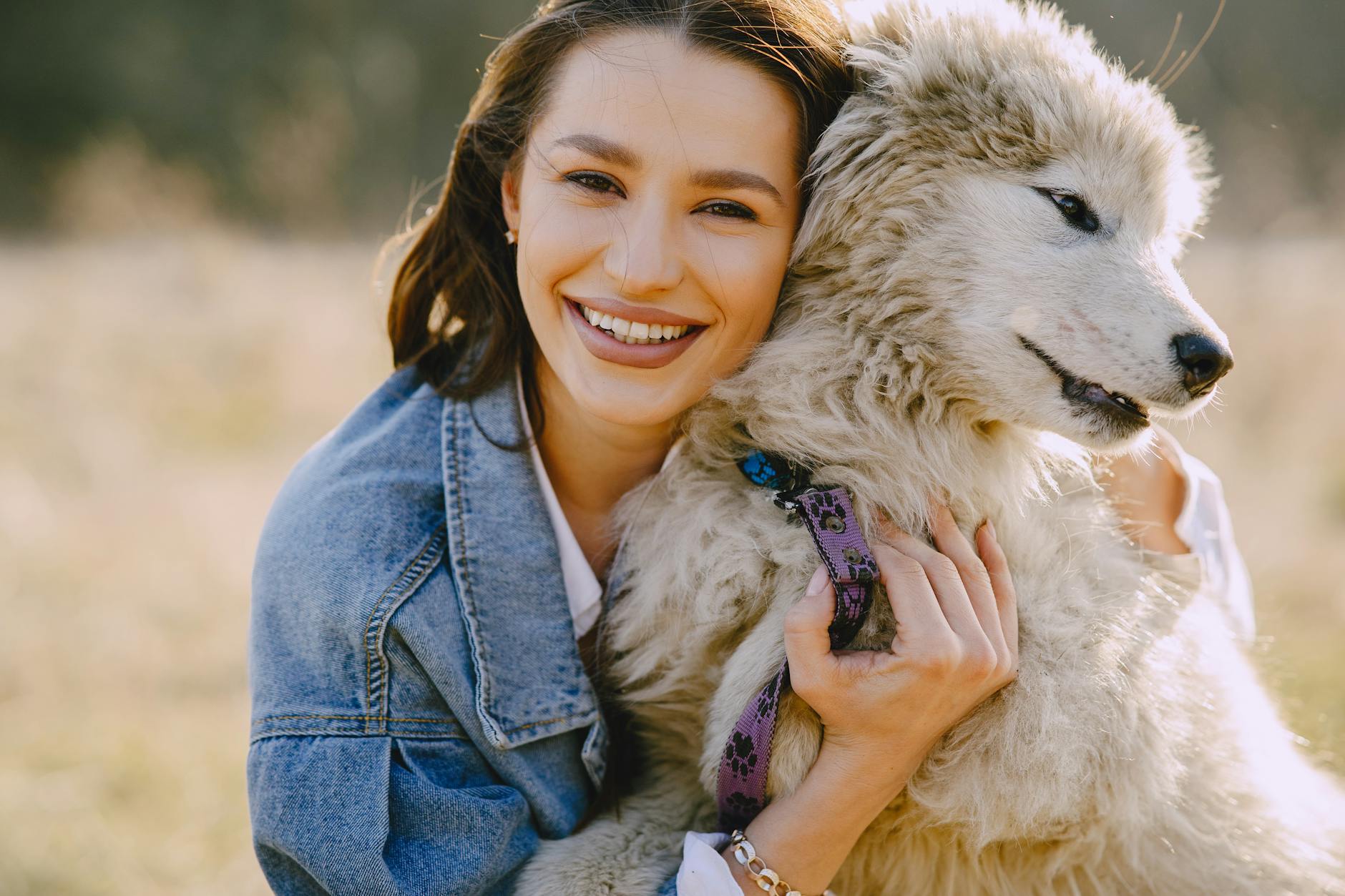
Physical restraint is interpreted very differently by dogs than by humans as it mimics the immobilizing grip of a predator. Even dogs who tolerate hugging often display stress signals during the embrace such as lip licking yawning or turning the head away. These calming signals are the dog’s way of communicating discomfort and are frequently misread as affection or contentment. Repeated forced physical contact erodes trust and can make a dog more reactive in other handling situations. Affection is better expressed through gentle petting on areas the dog actively leans into.
Erratic Sleep Schedules
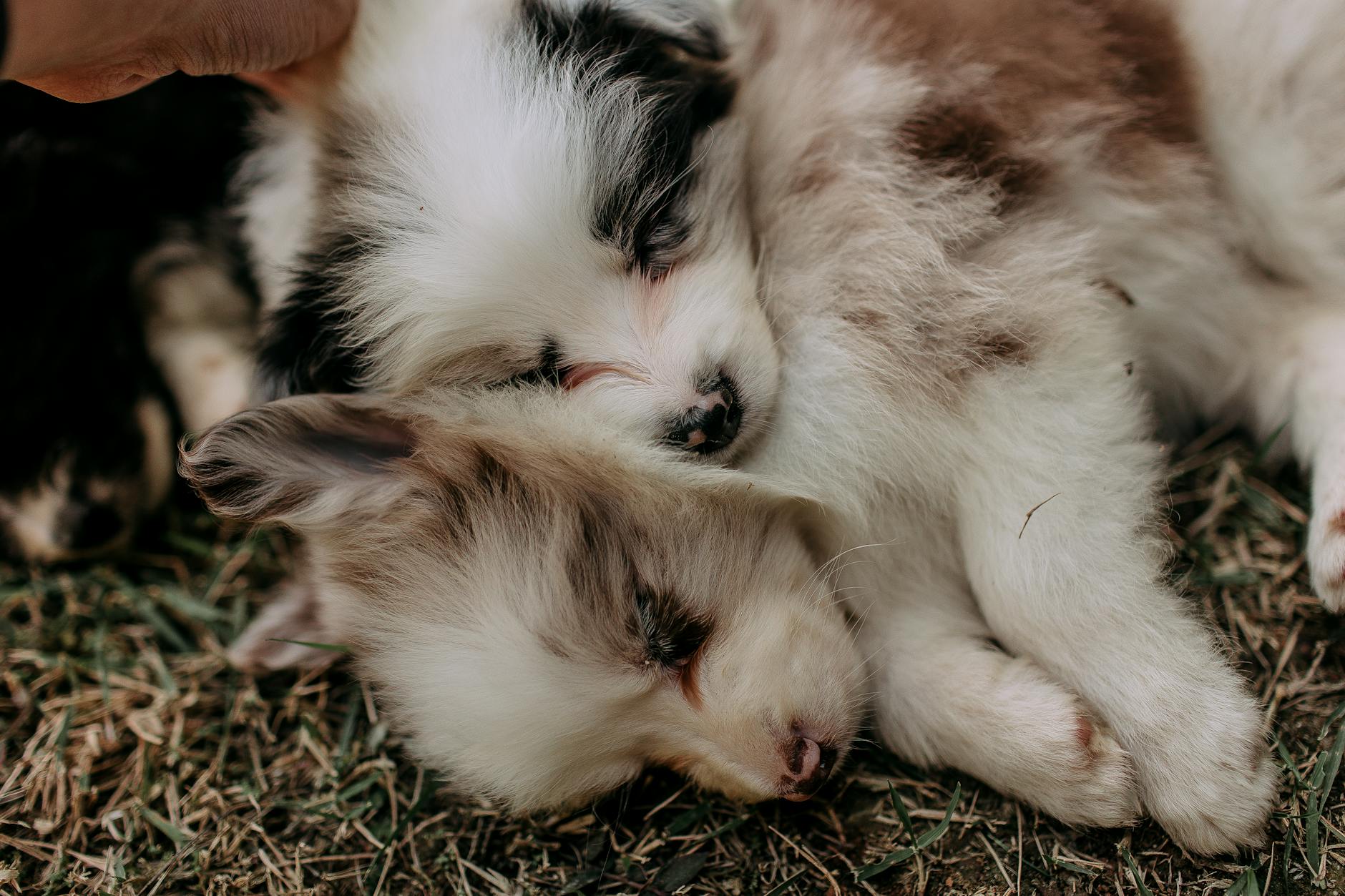
Dogs are polyphasic sleepers but they anchor their rest cycles to the rhythms of their household. When the humans in a home keep inconsistent hours the dog’s ability to settle into proper rest is disrupted significantly. Sleep deprivation in dogs contributes to heightened reactivity irritability and difficulty processing training cues. A dog that cannot predict when quiet rest time will occur remains in a state of alertness that steadily compounds into anxiety. Maintaining a reasonably consistent household schedule supports healthier and deeper canine sleep.
Skipping Exercise
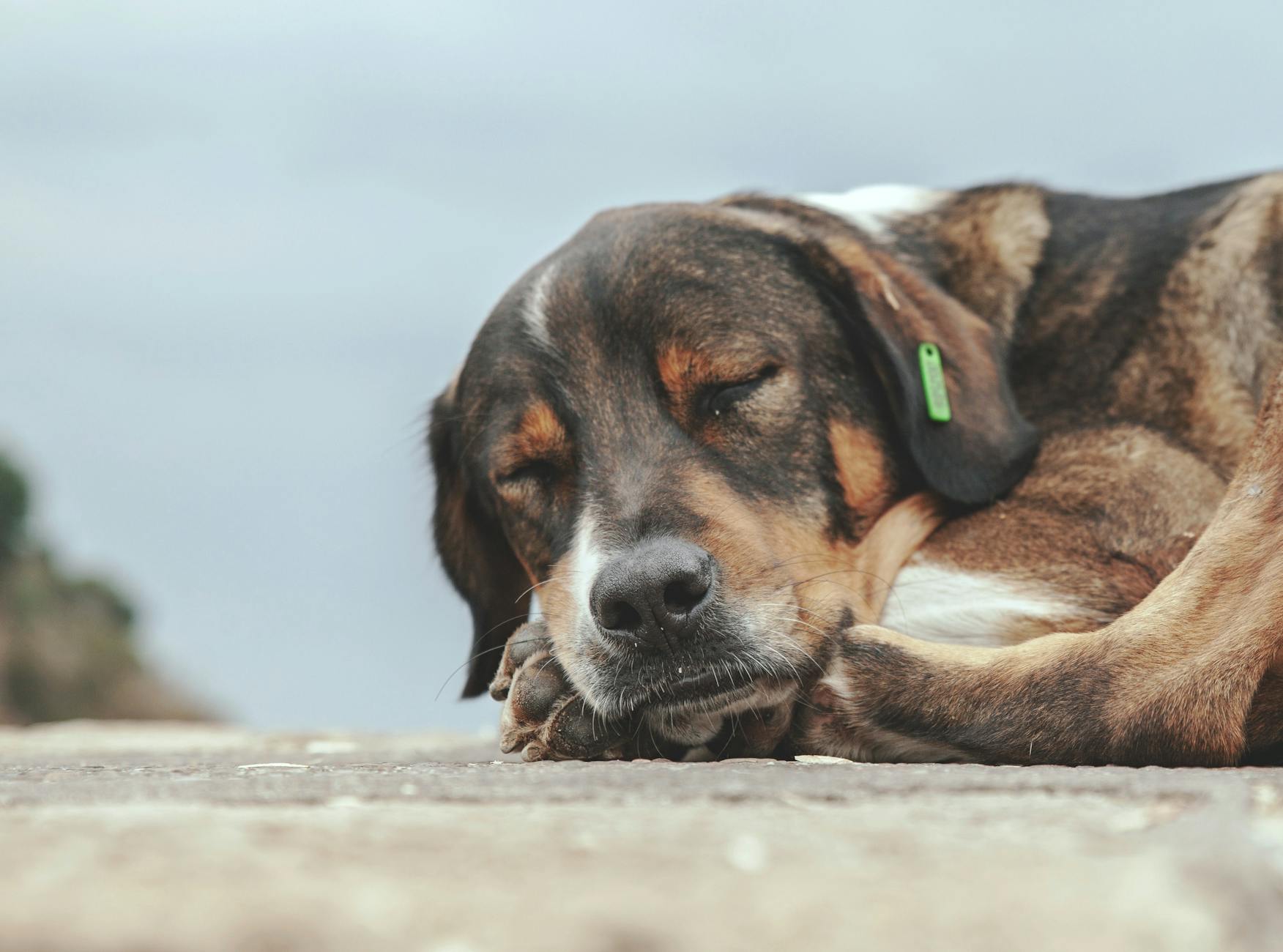
Physical activity is one of the primary mechanisms through which dogs metabolize stress hormones naturally. When exercise is skipped for multiple days in a row excess adrenaline and cortisol have no healthy outlet and accumulate in the body. This buildup frequently manifests as destructive behavior excessive barking or restless pacing that owners often misattribute to boredom or defiance. Different breeds carry vastly different exercise requirements and failing to meet those thresholds creates chronic physical tension. Daily movement is not optional for most dogs but a genuine biological necessity for emotional regulation.
Alone Time Expansion
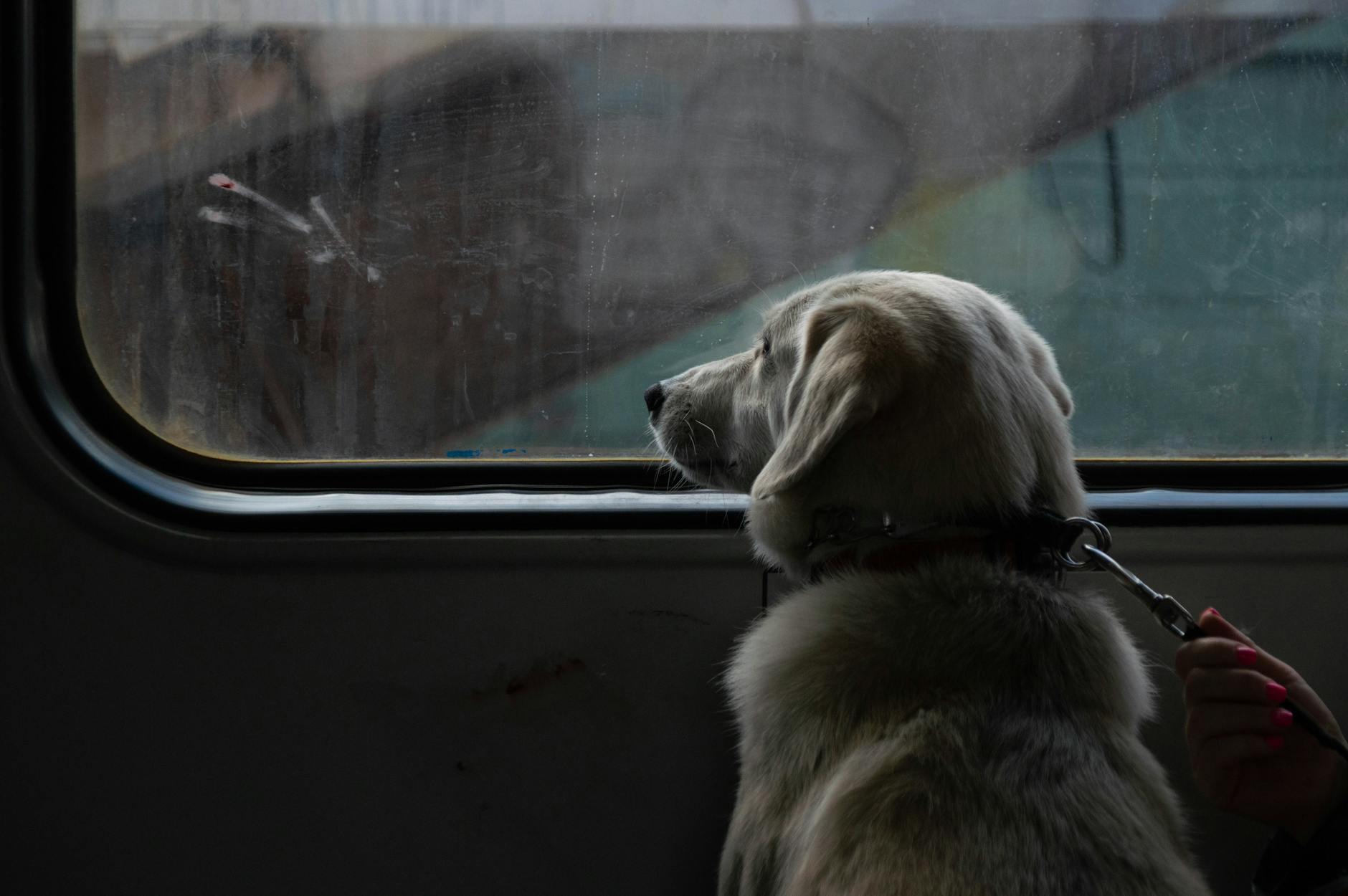
Dogs are social animals descended from pack species and isolation conflicts deeply with their core behavioral wiring. Gradually increasing the amount of time a dog spends alone without proper conditioning creates a pattern of anticipatory anxiety that begins long before the owner actually leaves. Many dogs begin showing stress signals during departure rituals such as picking up keys or putting on shoes. This form of anxiety is one of the leading causes of destructive behavior and excessive vocalization in domestic dogs. Structured alone-time training using desensitization techniques helps dogs build genuine tolerance for solitude.
Constant Baby Talk
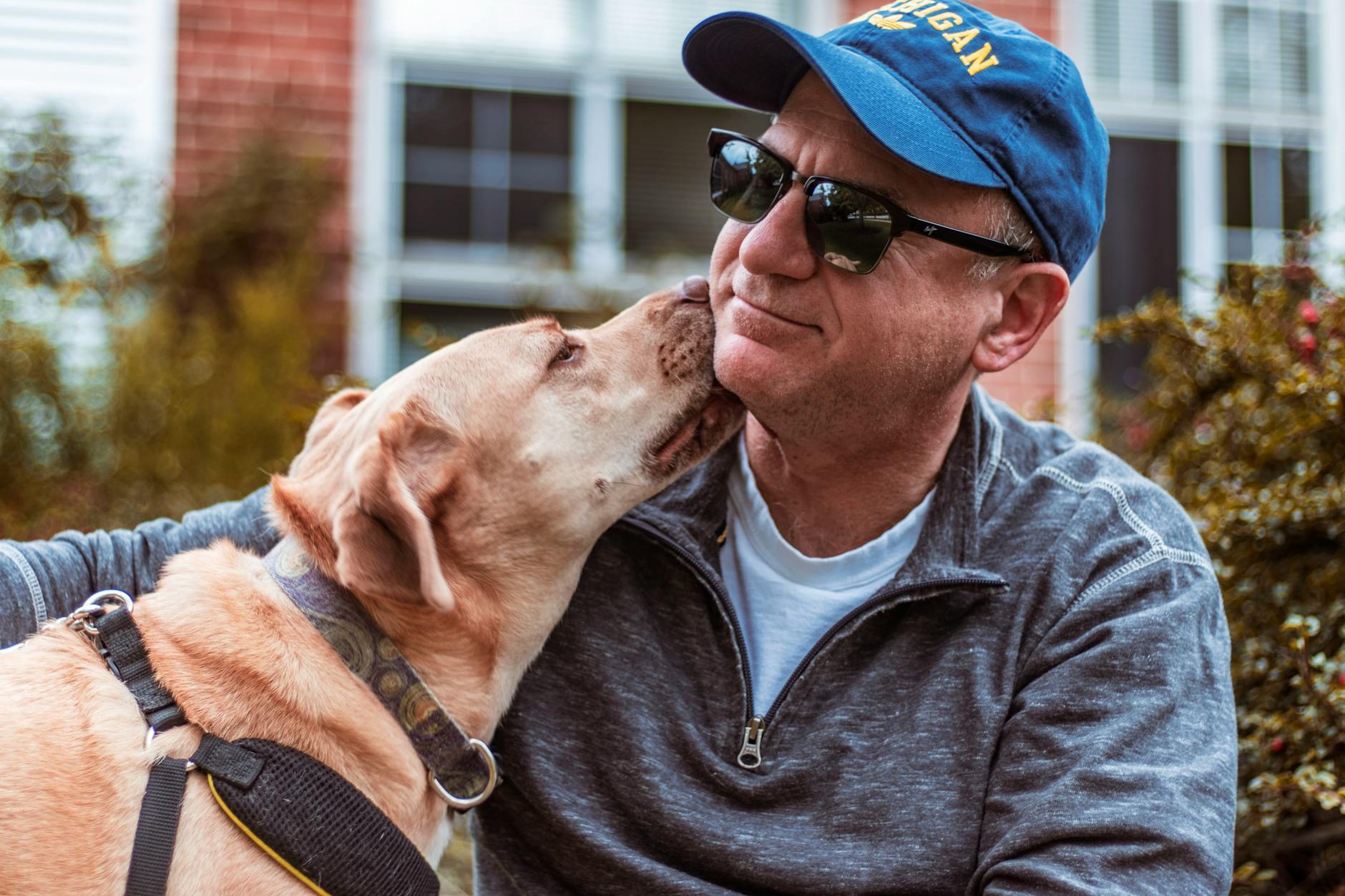
High-pitched erratic vocal tones create a state of heightened arousal in dogs that many owners mistake for happiness or engagement. When a dog is consistently addressed in an excited unpredictable manner it struggles to read emotional cues accurately and remains in a state of nervous anticipation. This communication style can make dogs more reactive to sudden sounds and movements in their environment. Clear calm and consistent vocal tones are far more effective for conveying safety and security to a dog. The tone of a human voice is one of the most powerful regulatory tools available to dog owners.
Phone Distraction
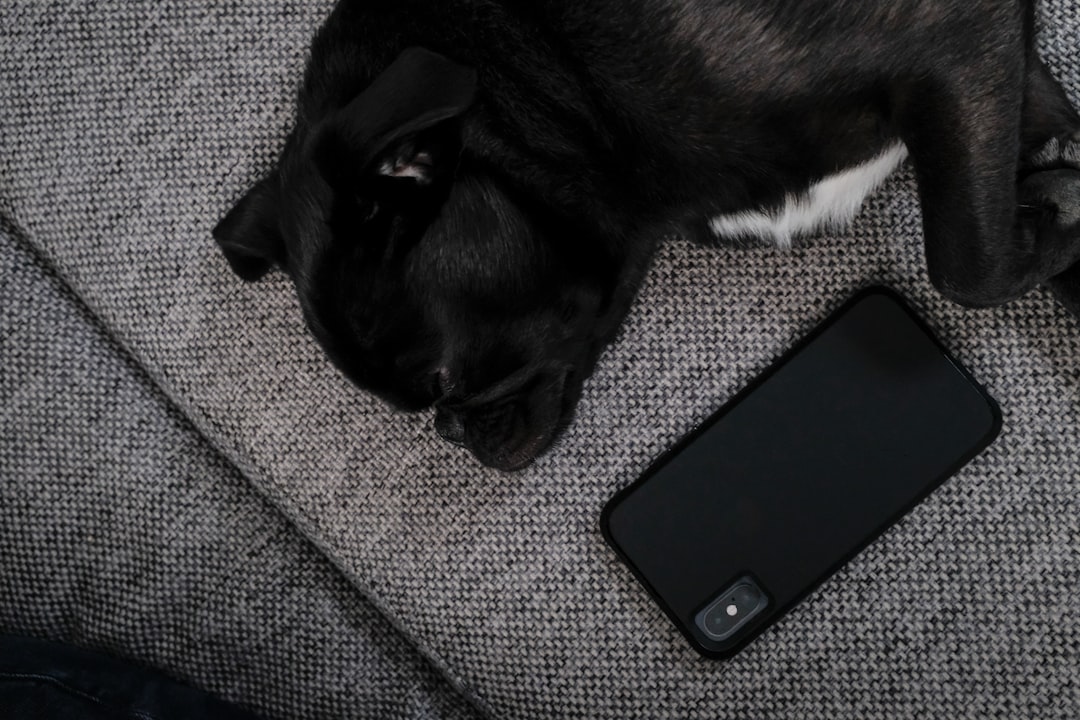
Dogs read human body language and eye contact as primary forms of communication and connection. When owners are habitually absorbed in screens they become physically present but emotionally unavailable which dogs register as a form of social withdrawal. This repeated experience of proximity without connection creates a confusing attachment pattern that can trigger attention-seeking anxiety. Dogs in these environments often develop behaviors like pawing nudging or destructive acts designed to re-establish engagement. Dedicated periods of focused interaction each day provide the social reassurance dogs need to feel secure.
Punishment-Based Training
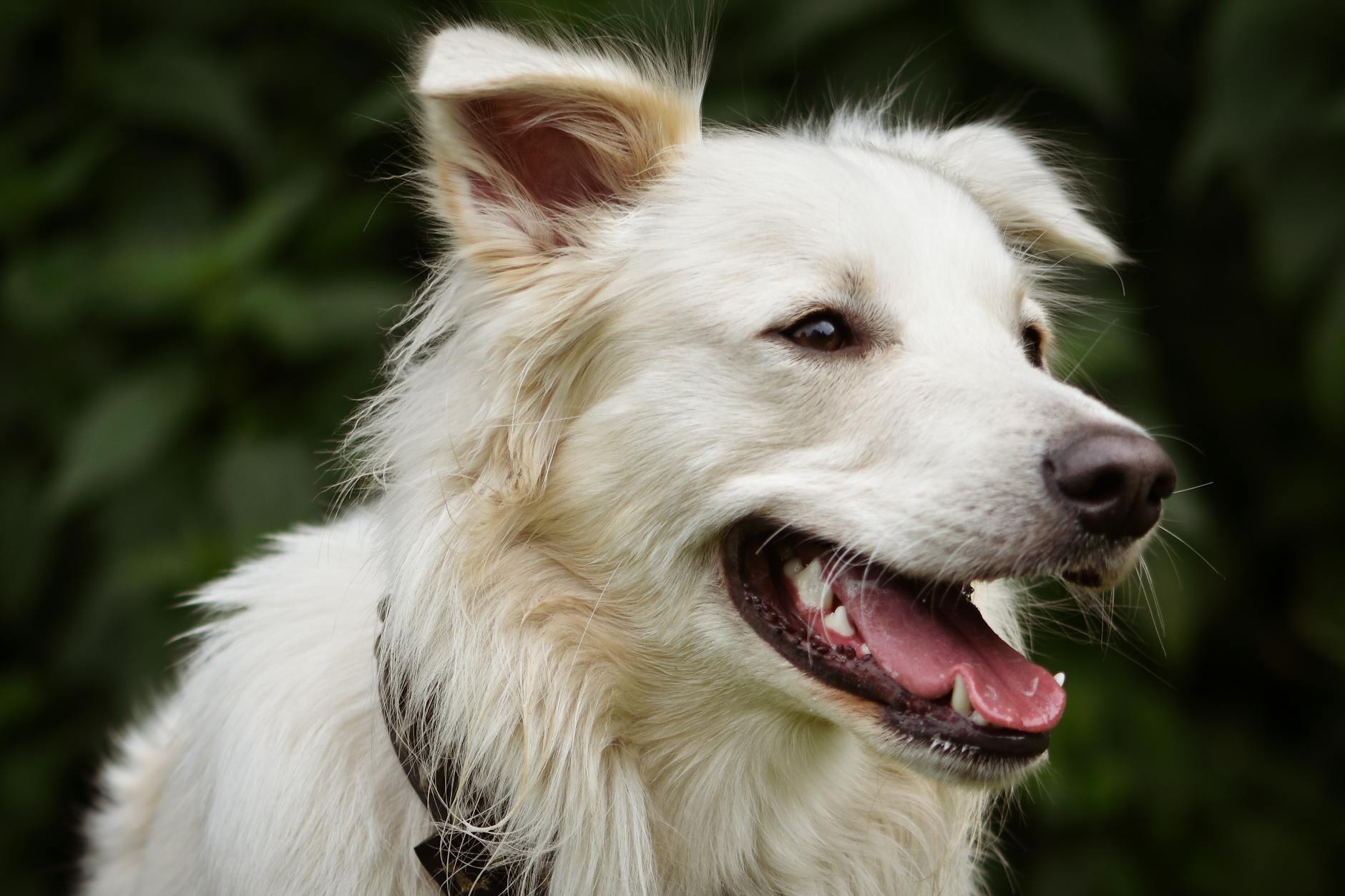
Aversive training methods including shouting physical corrections and punishment-based tools activate the threat response system in a dog’s brain. When a dog cannot predict whether its actions will result in punishment it enters a chronic state of hypervigilance that interferes with learning and bonding. Research in animal cognition consistently shows that fear-based training produces short-term compliance at the cost of long-term psychological wellbeing. Dogs trained primarily through punishment show higher rates of aggression redirected anxiety and avoidance behaviors. Reward-based methods not only reduce anxiety but actively strengthen the neural pathways associated with confidence and calm.
Chaotic Home Environments

Dogs are highly attuned to the emotional atmosphere of their households and absorb tension from their human family members. Frequent shouting arguments slamming doors or sudden unpredictable movements create an environment where the dog’s nervous system never fully deactivates. This constant background stress prevents the parasympathetic recovery that dogs need between stimulating events. Homes with persistent emotional volatility tend to produce dogs with heightened startle responses and generalized anxiety. The emotional regulation of the humans in a household has a direct and measurable impact on the mental health of the dog.
Inconsistent Rules
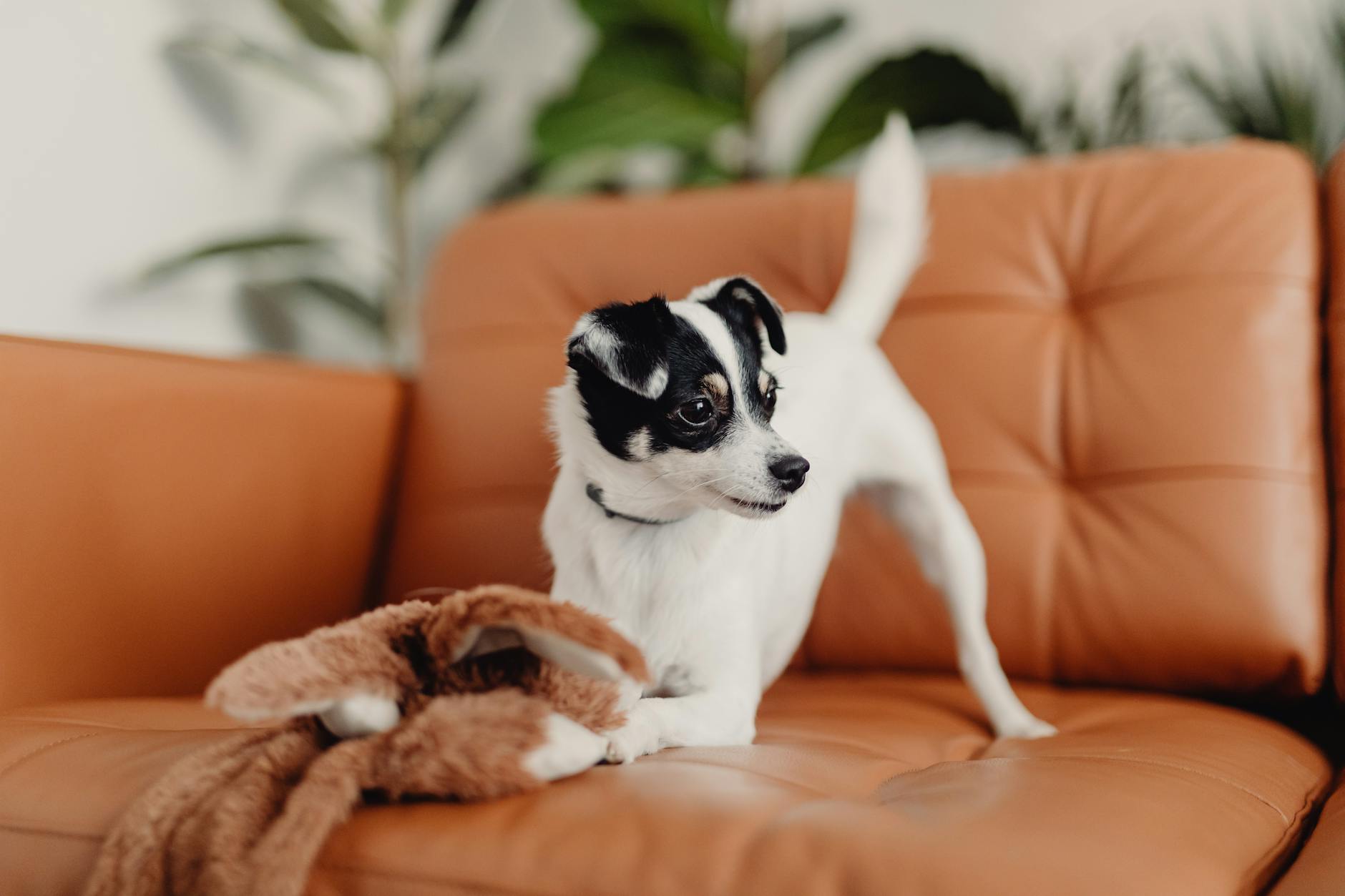
When a dog is allowed on the sofa on some days and scolded for it on others the resulting confusion is a significant and underappreciated source of anxiety. Dogs learn through consistency and pattern recognition and contradictory rules make it impossible for them to develop behavioral confidence. The stress of not knowing which response will be rewarded and which will be corrected keeps dogs in a perpetual state of uncertainty. This confusion is especially damaging for breeds that are naturally sensitive or that have histories of rehoming. Household rules that every family member applies uniformly give dogs the framework they need to feel safe and understood.
New Pet Introductions
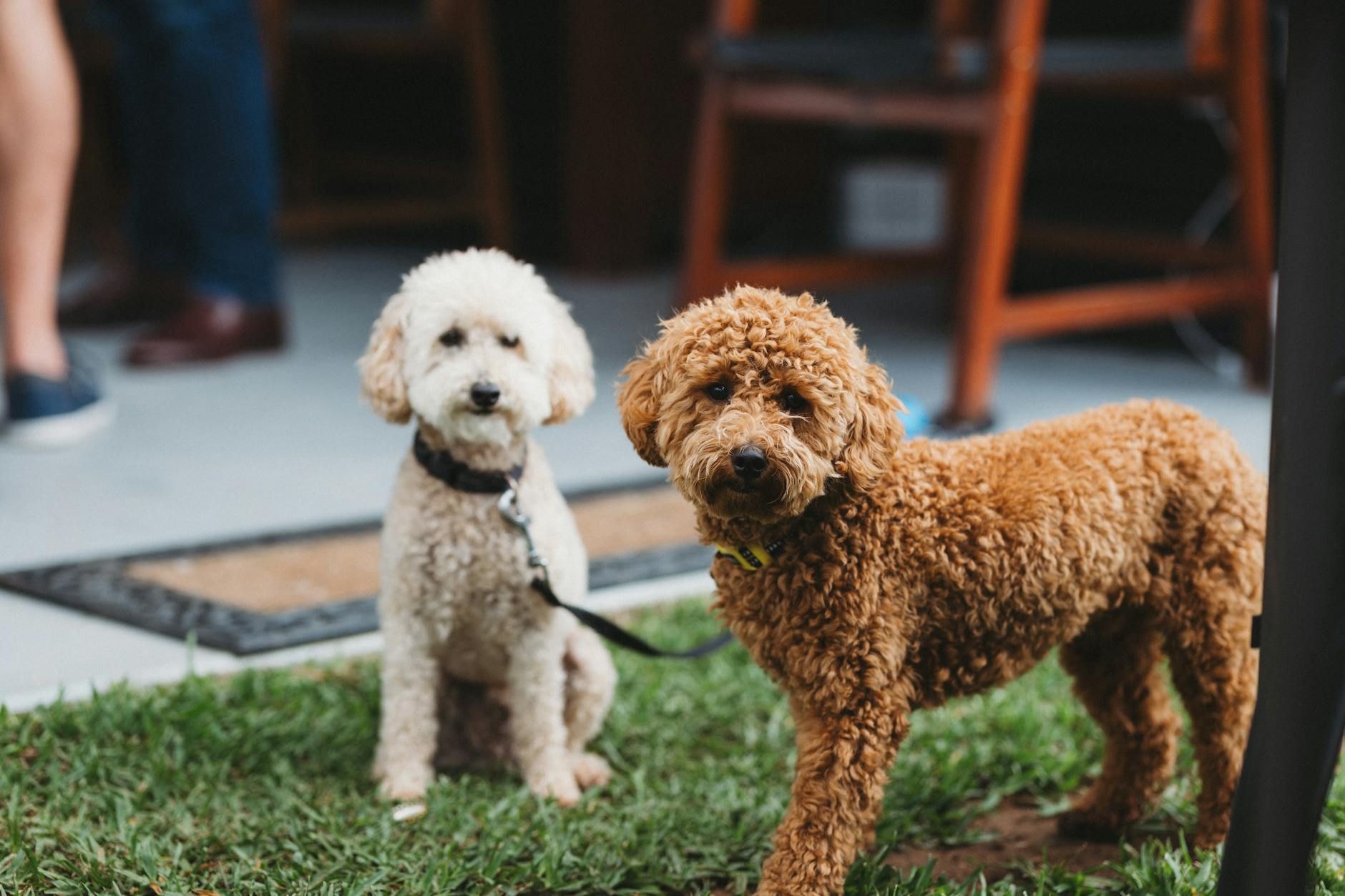
Introducing a new animal into the home is one of the most significant disruptions a resident dog can experience. Even when the new pet is introduced with good intentions the shift in household dynamics territory and owner attention creates immediate stress for the existing dog. Dogs use scent-based territorial mapping to understand their environment and a new animal fundamentally rewrites that map overnight. Without a structured introduction protocol resident dogs frequently develop resource-guarding behaviors regression in training or signs of depression. Gradual scent-based introductions conducted over multiple days dramatically reduce the anxiety associated with this transition.
Forced Socialization

Taking a dog to a busy park or dog event and expecting it to enjoy the experience is a common mistake rooted in misunderstanding canine social needs. Not all dogs are naturally sociable and forcing interaction with unfamiliar animals or large crowds triggers the threat response in dogs with lower social thresholds. Owners who misread stress signals as shyness and push the dog further into the situation inadvertently reinforce the anxiety rather than resolving it. Each negative social experience raises the dog’s arousal threshold making future encounters progressively more difficult to manage. Socialization should always be conducted at the dog’s pace with the option to disengage freely.
Unpredictable Visitors
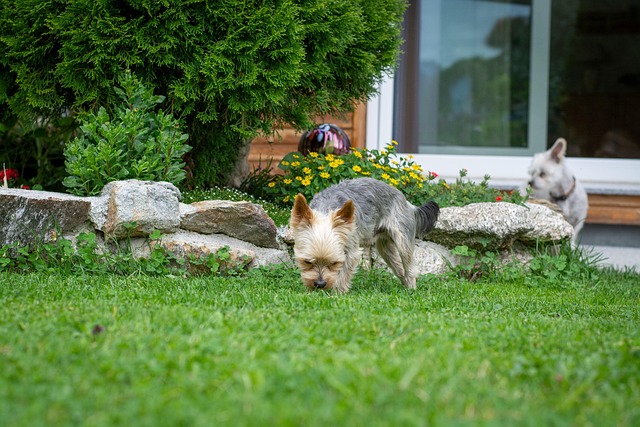
Many dogs who are otherwise calm at home exhibit significant anxiety around visitors and this behavior is frequently exacerbated by the unpredictable nature of guest arrivals. When strangers arrive without warning and immediately approach the dog to pet or greet it the dog’s personal space and sense of safety are compromised simultaneously. Guests who are encouraged to ignore the dog on arrival and allow it to approach in its own time report far calmer encounters. Dogs need time to olfactory-investigate a new presence before physical interaction feels safe or appropriate. Establishing a clear greeting protocol for visitors is one of the most practical household changes an owner can make.
Bedtime Variability
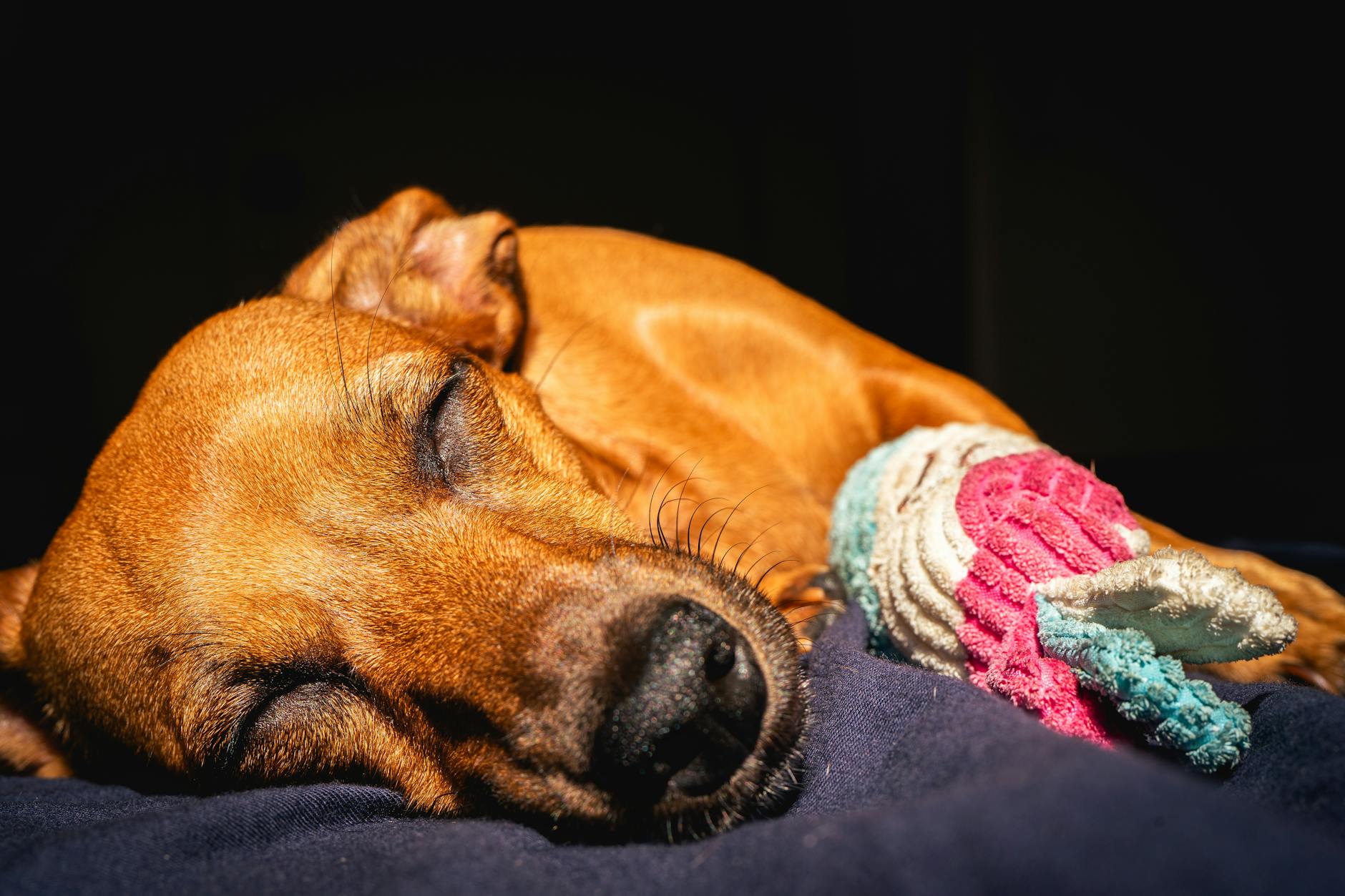
The hours leading up to sleep are a critical wind-down period for dogs during which the nervous system ideally transitions from alert to relaxed. When bedtime is irregular and the pre-sleep environment shifts between calm and stimulating the dog’s ability to decompress is compromised. Dogs that do not experience adequate evening wind-down frequently display nighttime restlessness whimpering or early-morning hyperactivity as a result of unresolved arousal. Predictable evening rituals such as a short walk followed by quiet time signal to the dog’s nervous system that the active portion of the day has concluded. Sleep quality in dogs is directly linked to daytime behavior and emotional stability.
Overwhelming Children
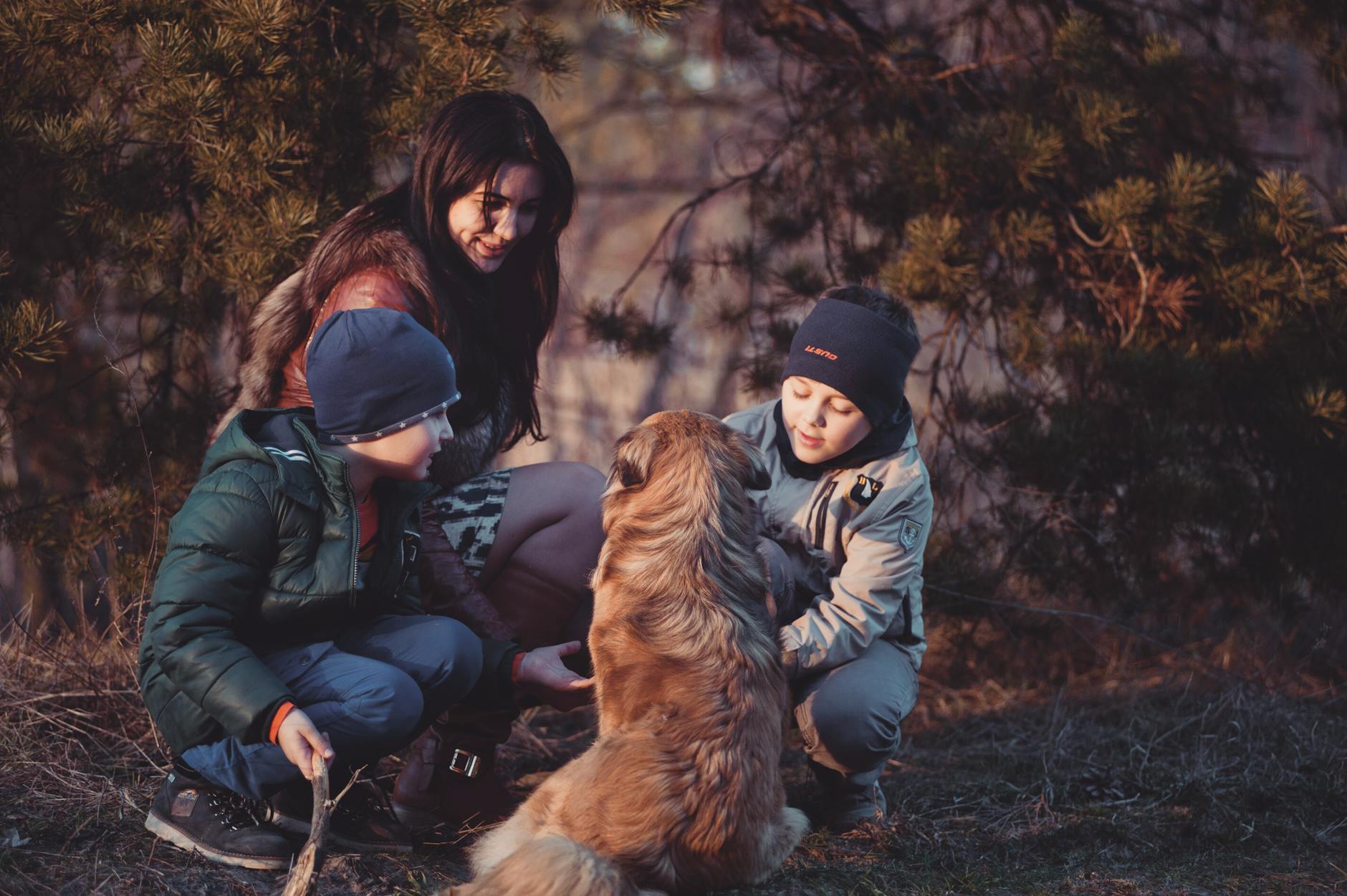
Young children and dogs occupy the same physical space in many households but their interaction styles are fundamentally mismatched. Children move quickly make sudden loud noises and frequently engage in physical contact that dogs find threatening even when fully domesticated. Dogs in homes with young children who are not supervised during interactions experience a near-constant state of low-level threat assessment. Many bites that are labeled as unprovoked occur after a prolonged series of stress signals from the dog that went unrecognized by the adults present. Teaching children to read and respect dog body language is as important as any formal obedience training the dog receives.
Skipping Vet Visits
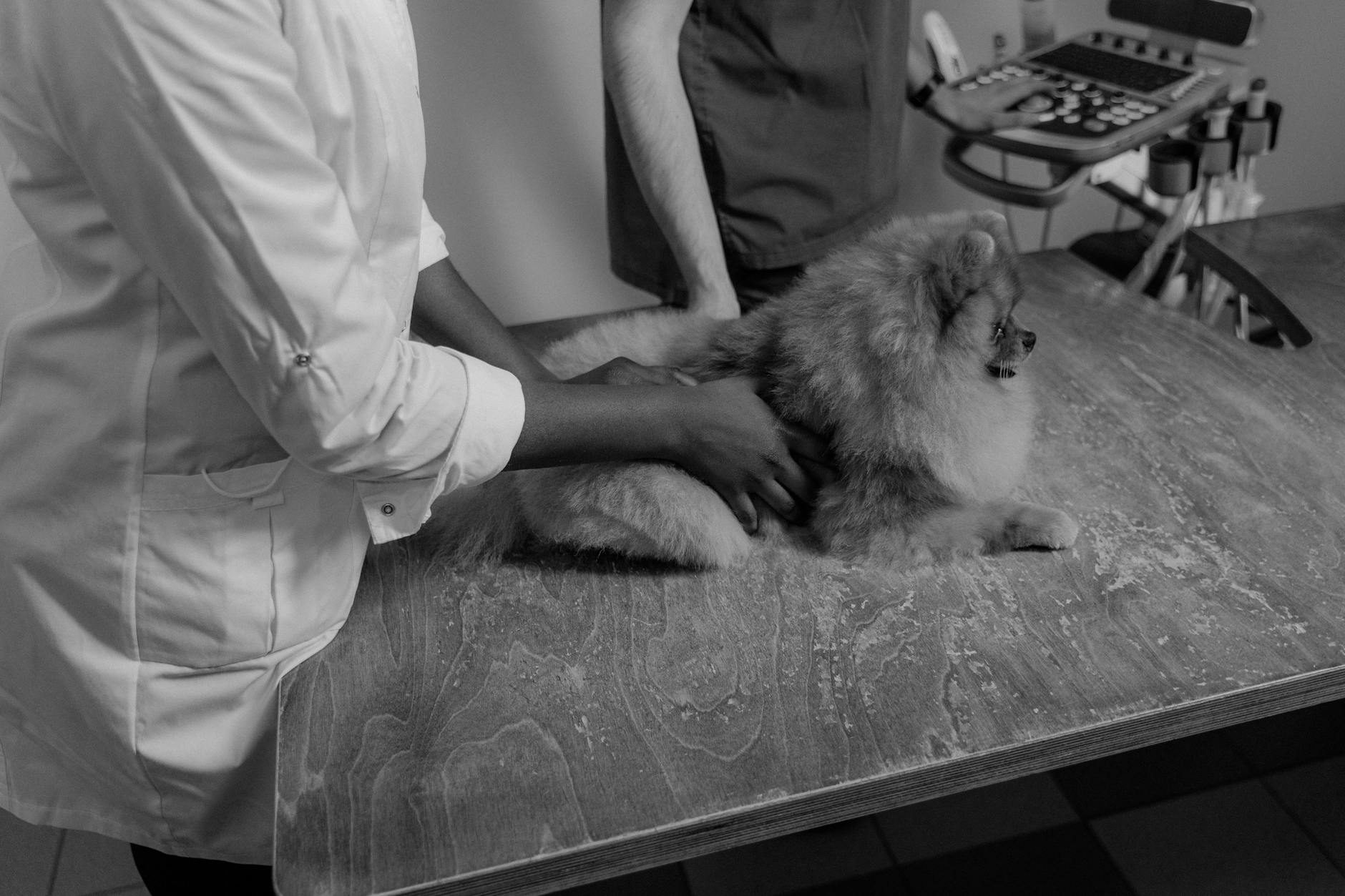
Undetected physical pain is one of the most overlooked drivers of behavioral anxiety in dogs. Conditions including dental disease joint inflammation ear infections and thyroid imbalances all produce chronic discomfort that manifests as behavioral changes before owners notice obvious physical symptoms. A dog experiencing unexplained pain enters a state of defensive hypervigilance that closely resembles anxiety and is frequently misdiagnosed as such. Regular veterinary examinations allow physical causes of behavioral change to be identified and treated before they compound into entrenched patterns. Behavioral and physical health in dogs are inseparable and one cannot be properly addressed without considering the other.
Overuse of Confinement

Crates and confinement areas serve a legitimate purpose in dog management but their overuse creates its own category of stress. Dogs that spend excessive hours in confinement experience physical frustration from restricted movement and social stress from prolonged isolation. When confinement becomes the default solution to behavioral problems rather than a structured management tool it loses its effectiveness and begins to cause harm. Dogs confined for long hours on a regular basis frequently develop stereotypic behaviors such as spinning circling or repetitive vocalizations that indicate psychological distress. Confinement should always be balanced with substantial periods of freedom movement and social engagement.
Car Anxiety
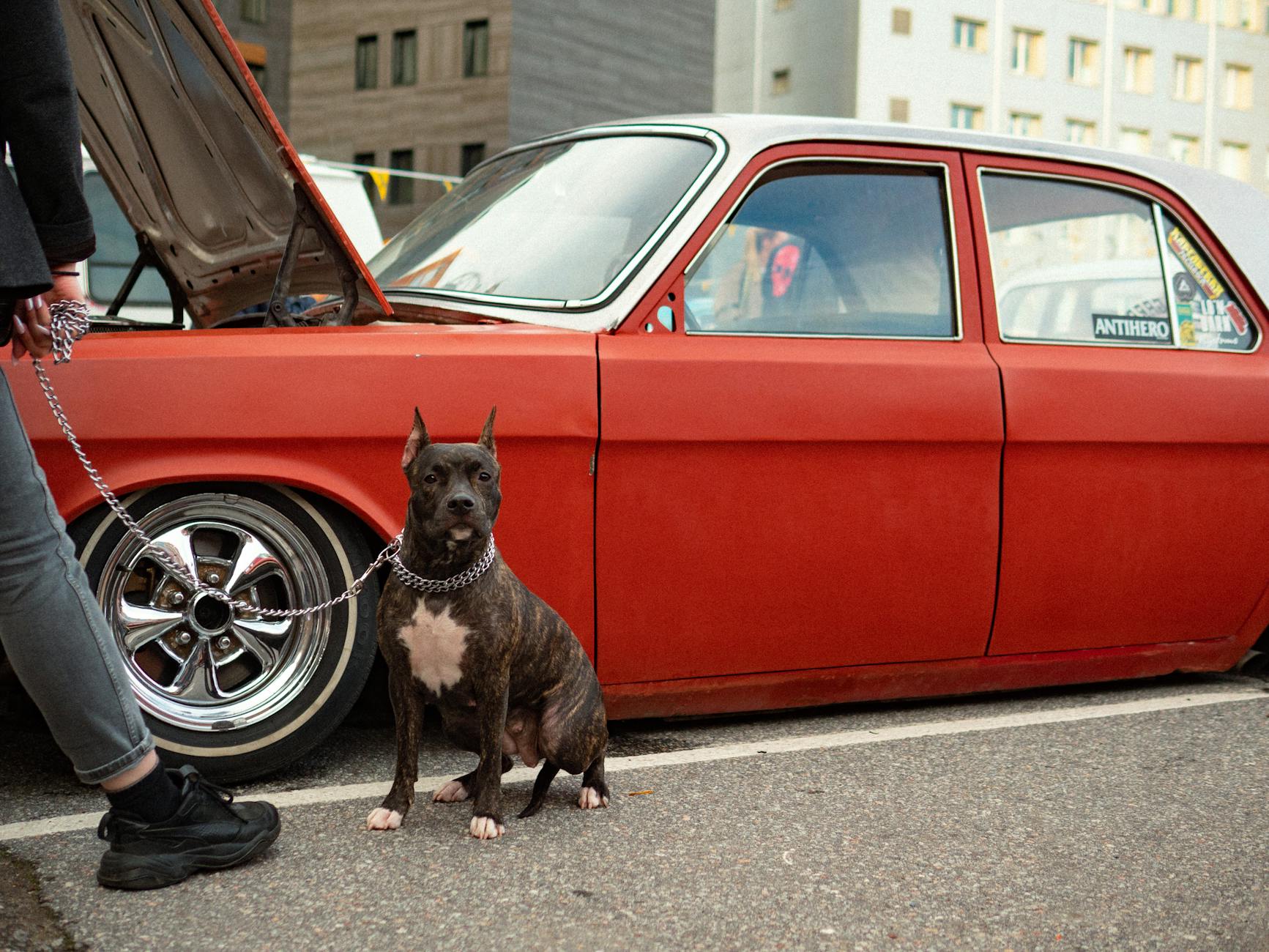
Travel in vehicles is a sensory experience that many dogs find deeply unsettling due to the combination of motion engine vibration unfamiliar scents and spatial disorientation. Dogs that are only placed in cars for trips to the veterinarian quickly develop a negative conditioned response to the vehicle itself. This association means the anxiety begins before the journey starts often triggered by the sight of a carrier or the sound of car keys. Systematic desensitization involving gradual exposure to the car in non-threatening contexts is the most effective evidence-based approach to resolving travel anxiety. Short frequent positive car experiences break the negative association and rebuild the dog’s sense of safety around travel.
Owner Anxiety
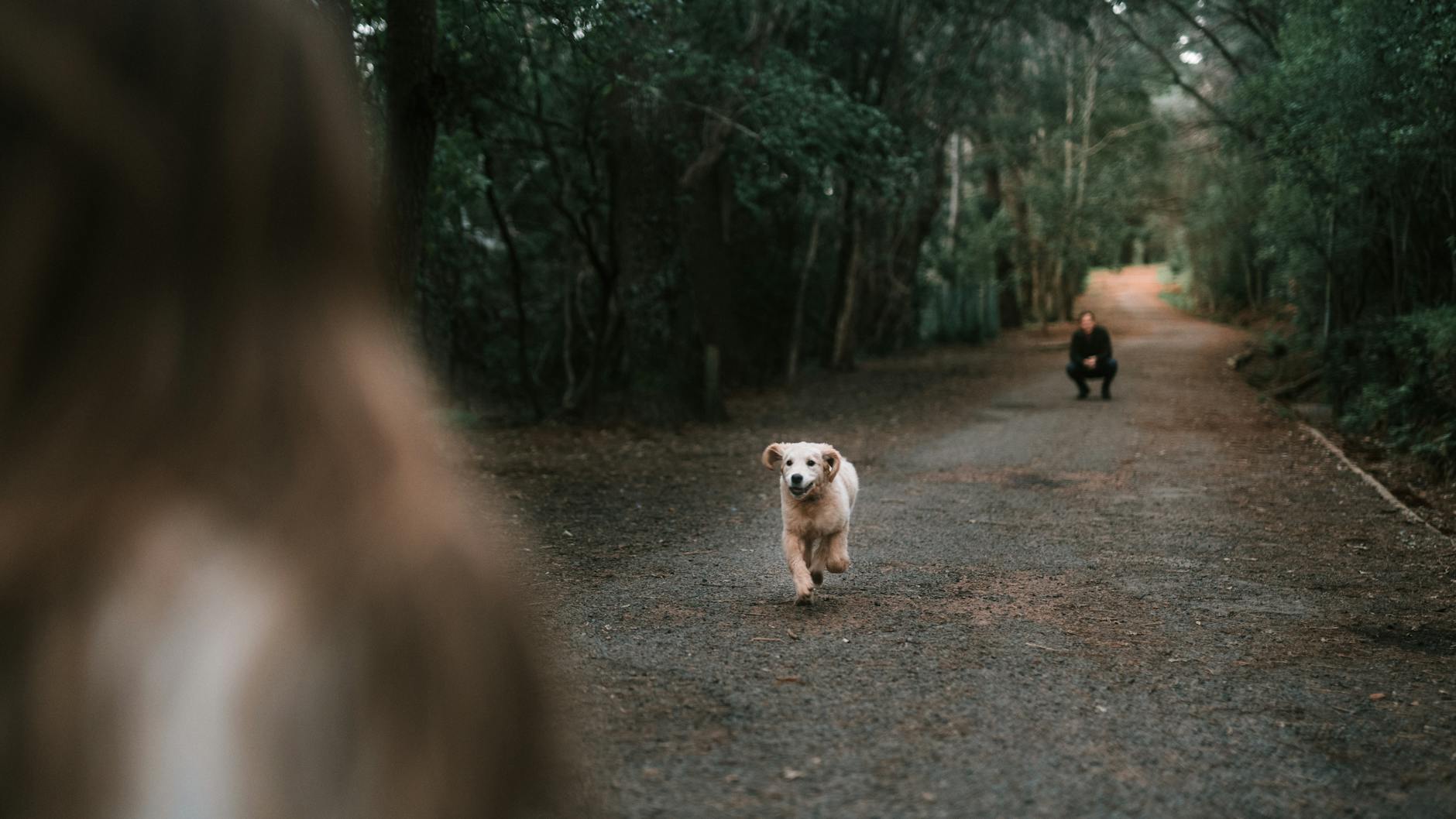
Dogs have evolved over thousands of years of cohabitation with humans to read emotional states with remarkable precision. When owners experience chronic stress anxiety or depression the dog detects these states through physiological cues including changes in scent heart rate and micro-expressions. Research consistently shows that owner anxiety and dog anxiety are statistically correlated in a way that suggests genuine emotional transmission between species. Dogs in these environments carry a stress load that is not their own and cannot be resolved through behavioral intervention alone. Supporting the mental health of the owner is in many cases the single most impactful intervention available for an anxious dog.
If any of these habits resonated with you or your experience with your own dog share your thoughts in the comments.