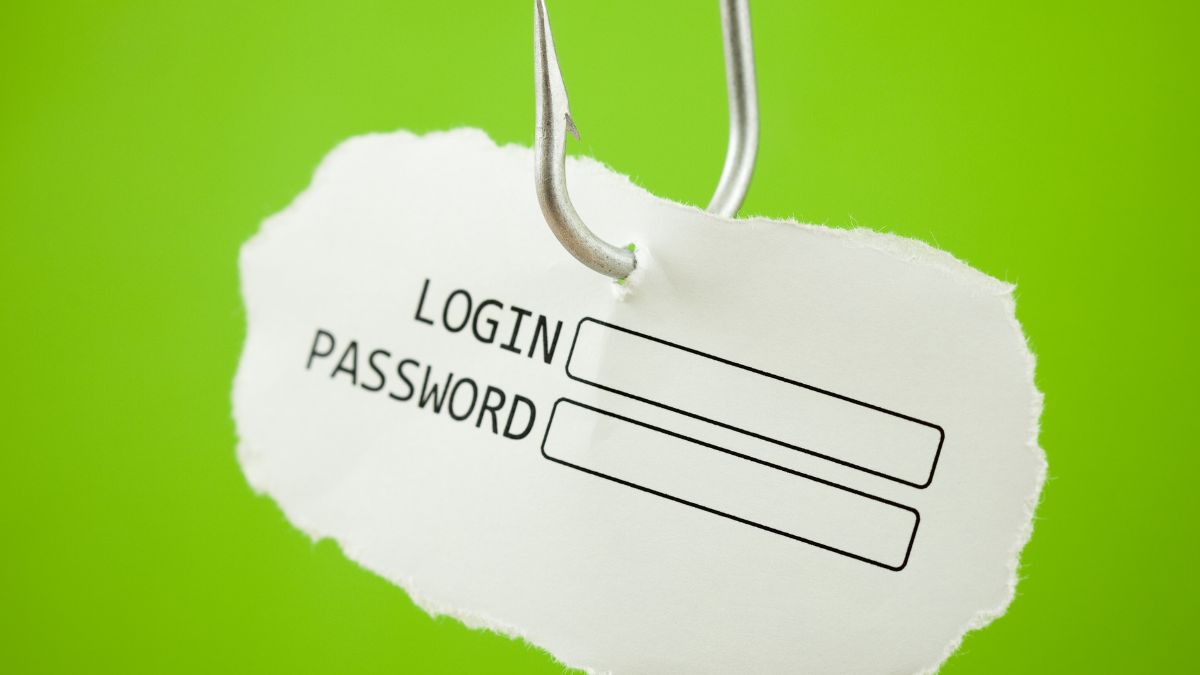
Identity theft has become one of the fastest-growing crimes in the digital age, and the most surprising part is how often everyday routines open the door to it. From the way you handle your mail to the networks you connect to without thinking, small habits can quietly expose your most sensitive personal information. Understanding which behaviors carry the highest risk is the first step toward protecting yourself and your financial future. The good news is that once you recognize these vulnerabilities, simple adjustments can significantly reduce your exposure.
Public Wi-Fi
Free wireless networks in coffee shops, airports, and hotels are notoriously easy for hackers to intercept. When you connect to an unsecured network, any unencrypted data you transmit can be captured by someone on the same connection. This includes login credentials, banking sessions, and personal messages sent in the moment. Many people connect automatically without checking whether the network is legitimate or a lookalike set up by a bad actor. Using a VPN or switching to mobile data for sensitive tasks drastically reduces this risk.
Password Reuse
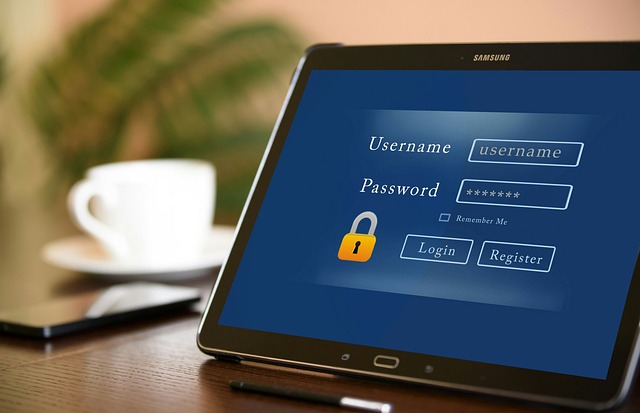
Using the same password across multiple accounts is one of the most widespread and dangerous digital habits. When a single platform suffers a data breach, cybercriminals immediately test those stolen credentials on banking sites, email services, and shopping accounts. This technique is known as credential stuffing and it succeeds at an alarming rate. Even a strong password becomes a liability the moment it is duplicated across platforms. A password manager makes it easy to maintain unique credentials for every account without the need to memorize them.
Mail Neglect
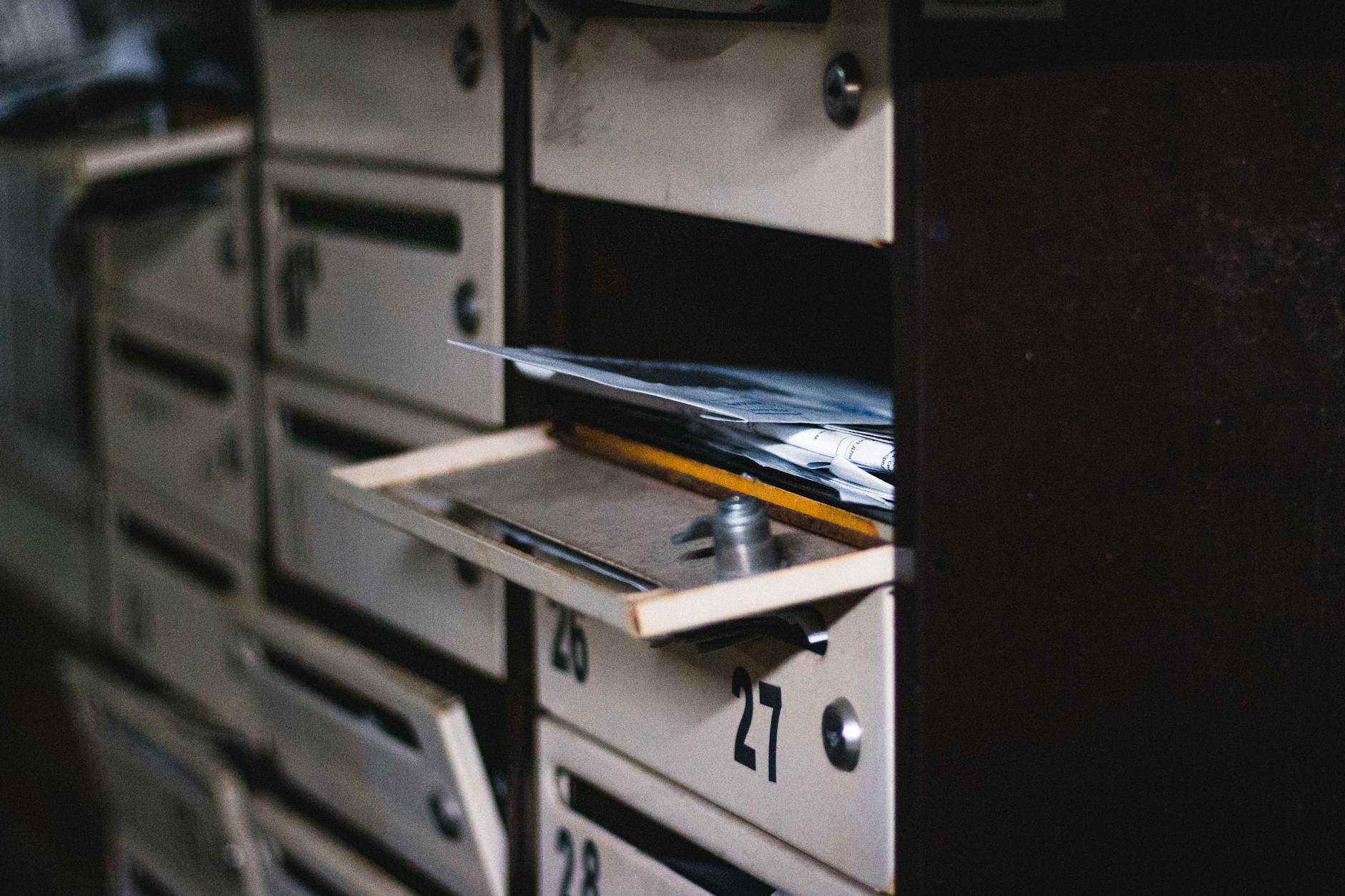
Leaving physical mail sitting in an unlocked mailbox for extended periods gives opportunistic thieves easy access to sensitive documents. Bank statements, tax notices, pre-approved credit offers, and insurance correspondence all contain information that can be used to open fraudulent accounts. Many people underestimate how much valuable data arrives in paper form each week. Shredding documents before disposal is equally important, as dumpster diving remains a surprisingly common tactic. Switching to paperless statements and using a P.O. box or locked mailbox adds a meaningful layer of protection.
Oversharing Online
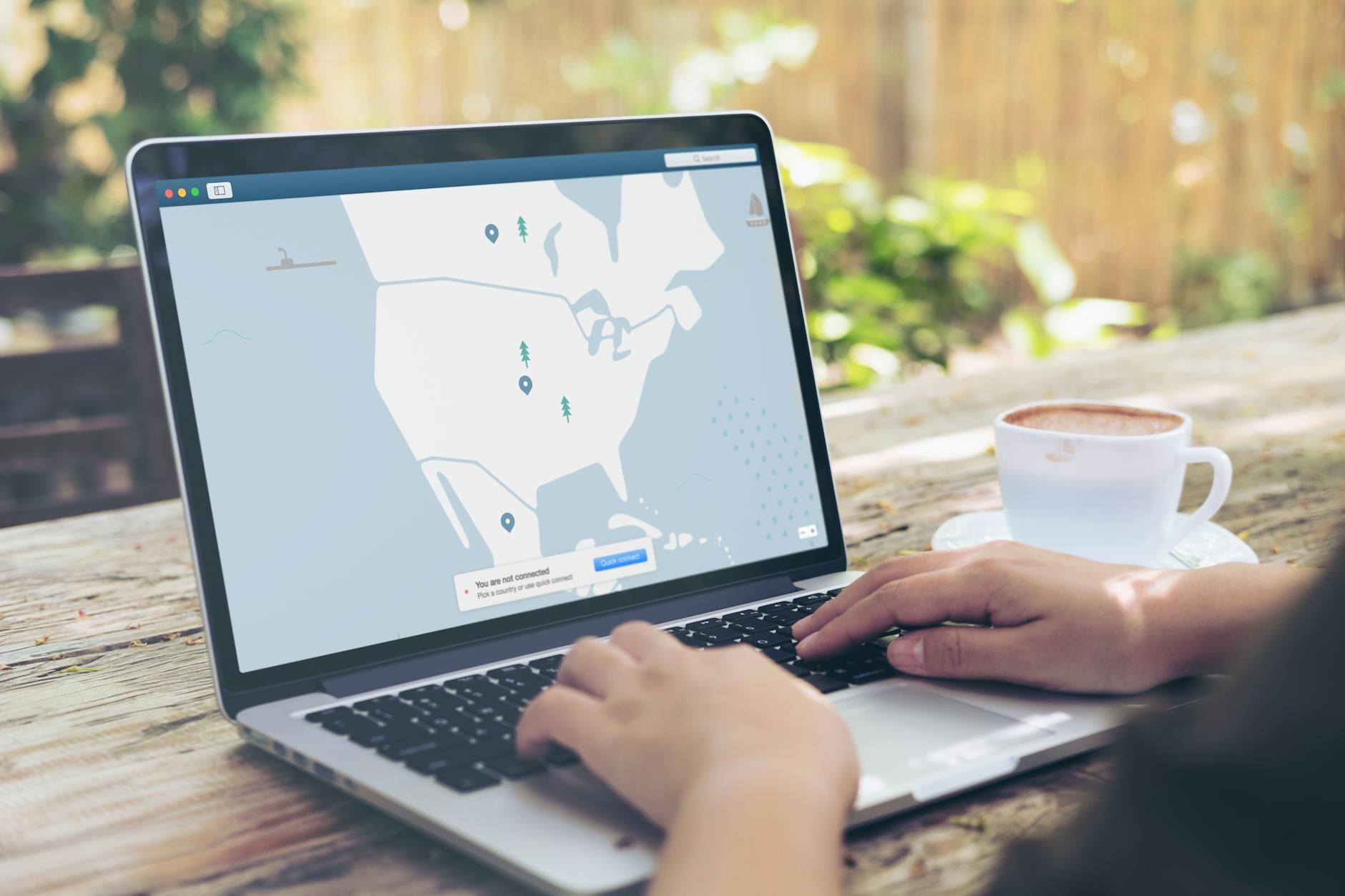
Posting personal details like your full birthdate, home address, phone number, or vacation plans on social media creates a detailed profile that identity thieves can exploit. Many security questions used by banks and institutions such as your mother’s maiden name or the street you grew up on are easily answered by combing through a public profile. Even seemingly harmless posts can reveal patterns about your daily routine and location. Fraudsters often spend weeks gathering data from multiple platforms before making their move. Reviewing your privacy settings and limiting the audience for personal posts can significantly reduce your digital footprint.
Phishing Emails
Clicking on links in unsolicited emails remains one of the most effective methods criminals use to harvest personal data. These messages are often designed to look identical to legitimate communications from banks, delivery services, or government agencies. Once you enter credentials on a fake site, that information is captured instantly and used to access real accounts. Many phishing attempts now include personalized details sourced from previous data breaches to appear more convincing. Always verifying the sender’s actual email address and navigating directly to official websites rather than clicking embedded links is a critical protective habit.
Unlocked Phones

A smartphone without a PIN, passcode, or biometric lock is essentially an open filing cabinet containing your entire digital life. Most people store banking apps, email accounts, saved passwords, and identity documents on their devices without adding meaningful security barriers. If a phone is lost or stolen and left unlocked, a thief can access financial accounts within minutes. Many operating systems now offer features that wipe data after a set number of failed login attempts, providing an additional safety net. Enabling automatic screen lock after a short idle period is one of the simplest and most effective identity protection steps available.
ATM Skimmers
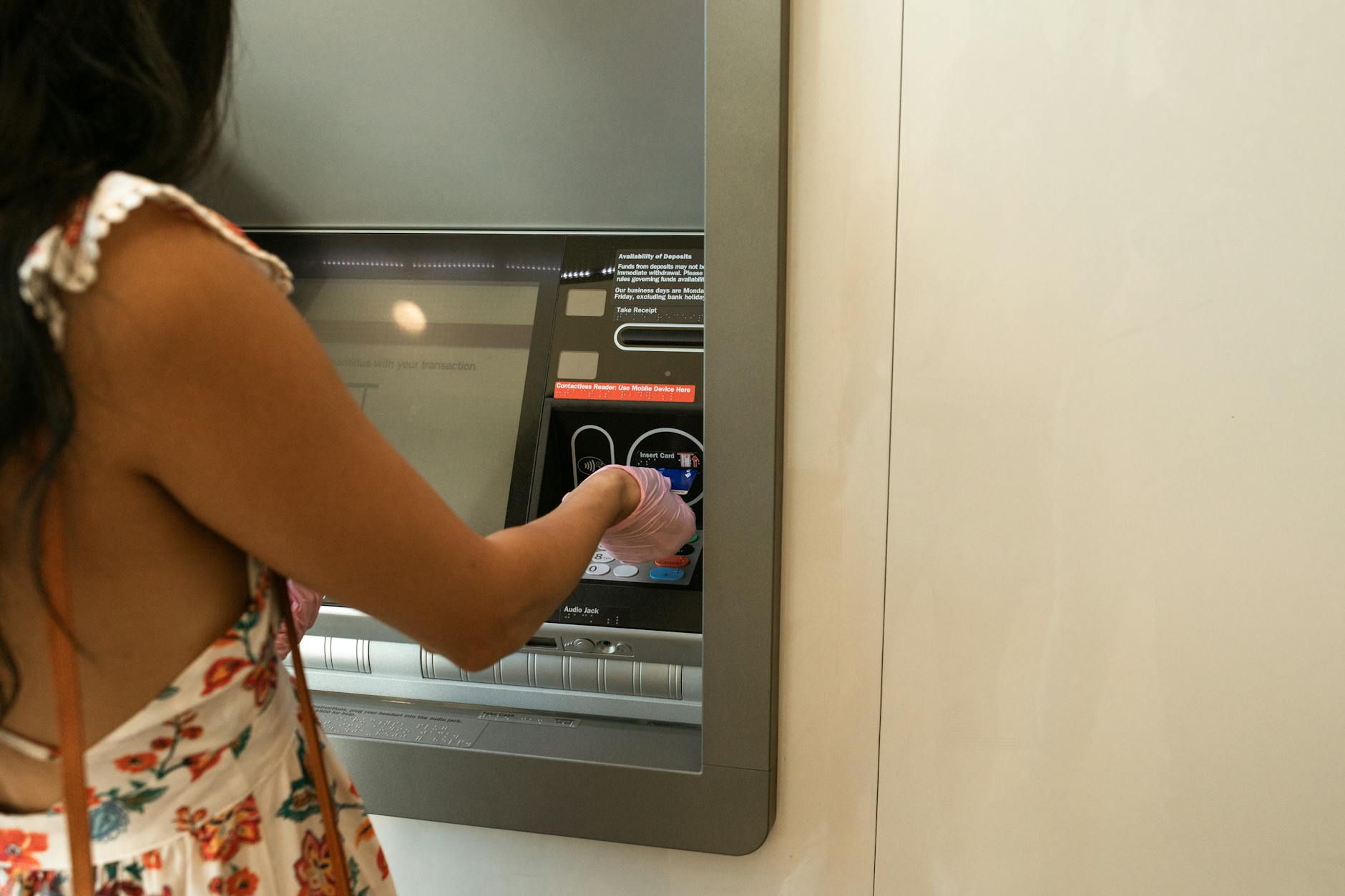
Tampered card readers installed on ATMs and gas station pumps are capable of capturing your card number and PIN in seconds. These devices are often nearly impossible to detect with the naked eye and are frequently placed on machines in low-traffic or poorly lit areas. The stolen data is then used to create cloned cards or make unauthorized online purchases. Covering the keypad while entering your PIN and visually inspecting any card reader before use are simple precautions that make a real difference. Regularly monitoring your bank statements for small unexplained transactions is also a reliable way to catch skimming activity early.
App Permissions

Granting excessive permissions to mobile apps allows third parties to access your contacts, location, camera, and stored files far beyond what is necessary for the app to function. Some apps monetize this access by selling data to brokers, where it can eventually end up in the wrong hands. Free apps in particular often generate revenue through data collection rather than direct purchases. Reviewing app permissions regularly and revoking access that seems unnecessary is a straightforward way to limit exposure. Downloading apps only from official stores and checking developer reputations before installation adds another layer of security.
Document Disposal

Throwing away financial documents, medical records, utility bills, or expired identification without shredding them first is a habit that creates significant risk. Thieves who go through residential recycling bins or dumpsters can recover enough information from a single statement to begin the process of opening fraudulent credit accounts. Even packaging from prescription medications can reveal personal health information that enables targeted scams. A cross-cut shredder is an inexpensive investment that eliminates this vulnerability entirely. Building a habit of shredding any document that contains your name, address, account numbers, or dates of birth before disposal is one of the most underrated protective measures available.
Weak Security Questions

Choosing predictable answers to account security questions creates a backdoor that renders even the strongest password ineffective. Questions about pet names, childhood streets, or favorite teachers are commonly answered correctly by anyone who has spent a few minutes reviewing your social media history. Many financial institutions still rely on these questions as a fallback verification method, making them a genuine point of vulnerability. The most effective strategy is to treat security question answers as secondary passwords by entering fictional responses that cannot be guessed or researched. Storing these fictitious answers in a password manager ensures you can still recover account access when needed.
Have you identified any of these habits in your own routine? Share your thoughts and tips in the comments.