
Poor posture has become one of the most widespread physical complaints of modern life, affecting people of all ages and lifestyles. Many of the habits responsible for spinal damage are so deeply embedded in daily routines that most people never think to question them. The human spine is a precisely engineered structure that depends on consistent alignment, movement, and support to function well over a lifetime. Understanding which common behaviors cause the most harm is the first step toward protecting long-term mobility and comfort. These twenty habits are ranked from moderately damaging to the most harmful patterns seen across contemporary lifestyles.
Tight Clothing

Restrictive waistbands, skinny jeans, and compression garments can limit the natural range of motion in the hips and lower back. When the body cannot move freely, surrounding muscles compensate by shifting into unnatural positions to complete basic tasks. Over time this compensation pattern reshapes how a person holds their weight while standing and walking. Choosing looser, more movement-friendly clothing throughout the day allows the spine to maintain its natural curvature without restriction.
Heavy Jewelry

Consistently wearing heavy necklaces or oversized earrings places subtle but persistent tension on the neck and upper shoulder muscles. The cervical spine responds to this added weight by making small postural adjustments that accumulate into chronic misalignment. Many people are unaware of how frequently they tilt or rotate their head to accommodate the weight of accessories. Lighter jewelry choices or limiting wear time can reduce this low-grade strain on the upper spine.
Improper Lifting

Lifting objects with a rounded back and locked knees is one of the most direct ways to cause both acute and chronic spinal injury. The lumbar discs absorb enormous pressure when the spine bends forward under load without the support of engaged core muscles. This habit is not limited to heavy gym weights and occurs regularly when picking up groceries, children, or laundry baskets. Bending at the knees and keeping the chest lifted distributes the effort across the legs and protects the vertebral column from compressive damage.
Unsupportive Footwear

Flat shoes without arch support allow the foot to pronate inward, which rotates the ankle, knee, and hip out of their optimal alignment. This chain reaction travels directly up the kinetic chain and manifests as tension in the lower back and sacral region. High heels create the opposite problem by pitching the pelvis forward and exaggerating the lumbar curve beyond its healthy range. Footwear with proper arch support and a heel height close to flat provides the foundation the entire spine depends on.
Stomach Sleeping

Lying face down forces the neck to rotate sharply to one side for an extended period of time, placing the cervical spine under sustained rotational stress. The lower back also loses its natural curve in this position as the abdomen sinks into the mattress without adequate support. Stomach sleeping is particularly damaging because it occurs for hours at a time while the body has no conscious awareness to self-correct. Transitioning to side or back sleeping with appropriate pillow support gives the spine the nightly restoration it requires.
Cold Muscle Use

Moving directly into demanding physical activity without warming up the surrounding musculature leaves the spine poorly supported during exertion. Cold muscles are stiffer, less elastic, and significantly more prone to micro-tears that destabilize the joints they protect. The intervertebral discs rely on warm, fluid-filled tissue to cushion the vertebrae effectively during movement. A ten-minute dynamic warm-up before any physical activity is one of the most protective habits available for long-term spinal health.
Poor Reading Habits

Reading with a book or device held flat on the lap or resting on a surface encourages the head to drop forward and the upper back to round into a C-shape. This position is held for long periods during leisure time, making it one of the quieter contributors to postural decline. The cervical and thoracic spine bear increasing load the further the chin moves away from a neutral position above the shoulders. Holding reading material at chest height and supporting the elbows reduces this forward load significantly.
Breath Holding

Many people habitually hold their breath during moments of concentration, physical effort, or emotional stress without realizing it. Chronic breath holding activates the accessory breathing muscles in the neck and upper shoulders, pulling them into a state of constant tension. This tension pattern draws the head forward and elevates the shoulders, compressing the cervical spine over time. Practicing slow diaphragmatic breathing throughout the day keeps these muscles relaxed and supports the natural upright position of the upper spine.
One-Shoulder Carrying

Consistently carrying a heavy bag on a single shoulder causes the body to hike that hip upward and lean slightly to the opposite side to counterbalance the weight. This lateral shift distorts the natural S-curve of the spine and creates asymmetrical muscle development on either side of the vertebral column. The habit is particularly common among students and commuters who carry the same bag in the same position every day for years. Switching to a well-fitted backpack worn on both shoulders distributes weight evenly and keeps the spine in a balanced position.
Prolonged Driving

Long hours behind the wheel place the lumbar spine in a flexed and compressed position that the body was not designed to hold continuously. Vibration from the road surface transmits directly through the seat into the pelvis and lower back, adding further stress to the discs and facet joints. Many car seats also encourage a reclined posture that reduces core engagement and allows the pelvis to tilt posteriorly. Adjusting the seat to support the lumbar curve and taking regular breaks to stand and walk can significantly reduce cumulative driving-related spinal damage.
Weak Core Muscles

The deep stabilizing muscles of the abdomen and lower back form the primary support system for the entire spinal column. When these muscles are underdeveloped or chronically inactive, the vertebrae lack the dynamic support they need to maintain alignment during everyday movement. The body then recruits larger superficial muscles for stability tasks they were not designed to perform, creating tension patterns that pull the spine out of alignment. Regular targeted core strengthening through exercises that activate the deep stabilizers is one of the most effective long-term postural interventions available.
Texting Posture

Holding a smartphone below eye level and dropping the chin toward the chest to view the screen dramatically increases the effective weight the cervical spine must support. At a thirty-degree forward tilt the head exerts approximately eighteen kilograms of force on the neck structures instead of the normal five. This habit is repeated dozens of times per day for cumulative hours across most people’s routines. Raising the phone to eye level and keeping the head upright neutralizes this pressure and prevents the gradual forward migration of the head posture seen in frequent smartphone users.
Soft Sofas

Deeply cushioned sofas and chairs allow the pelvis to sink and rotate backward, flattening the lumbar curve and rounding the entire lower back. The lack of a firm sitting surface removes the postural feedback the body uses to self-correct during seated rest. People tend to remain in these positions far longer than they would in a firmer chair because the initial sensation is one of comfort and relaxation. Choosing seating with a firmer base and a backrest that follows the natural curve of the spine supports better alignment even during leisure time.
Crossing Legs
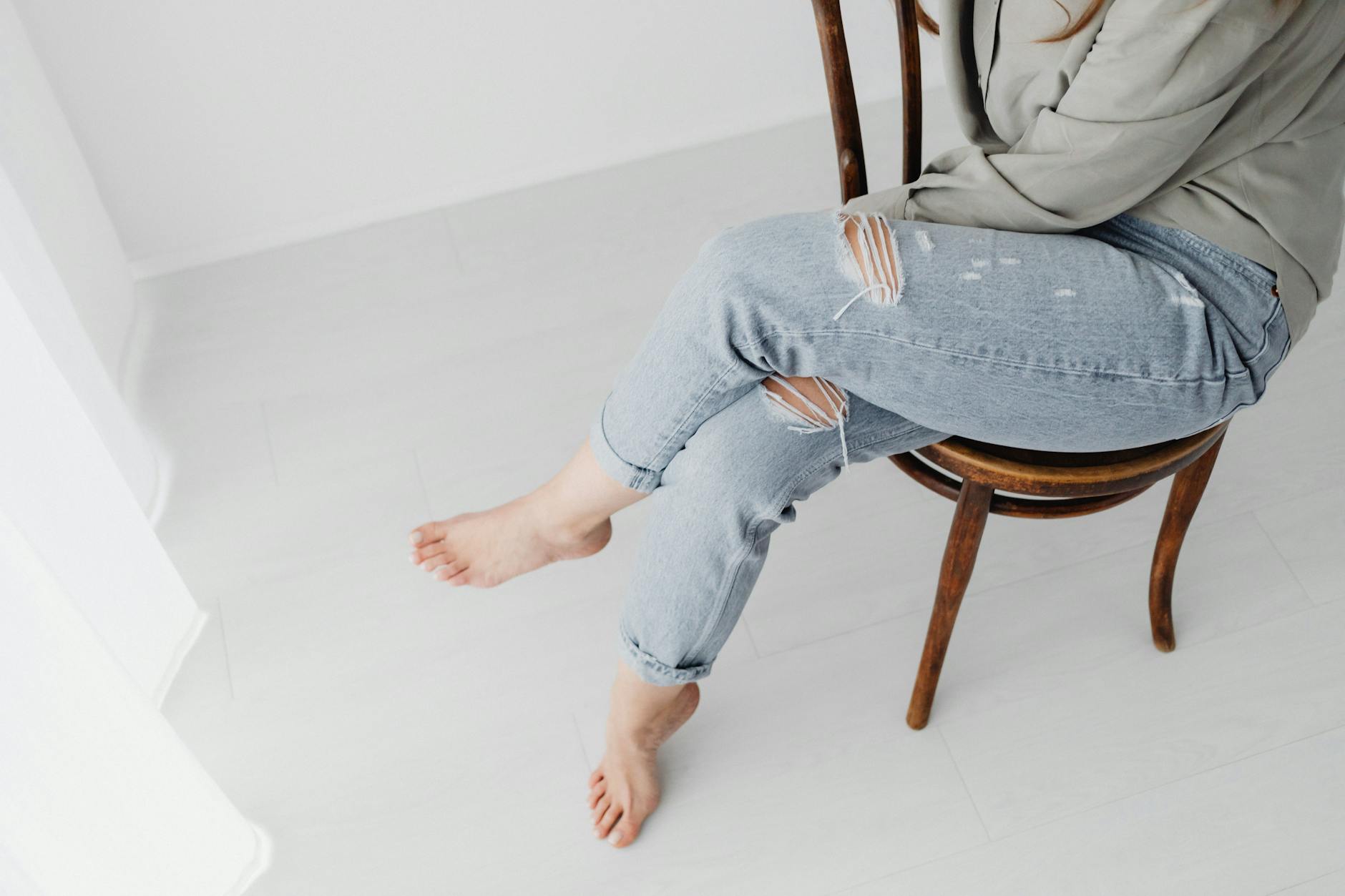
Sitting with one leg crossed over the other rotates the pelvis and tilts it to one side, creating an asymmetrical foundation for the entire spinal column. This position also compresses the piriformis muscle and can place pressure on the sciatic nerve in the lower gluteal region. When practiced habitually for years it contributes to measurable differences in hip height and muscle length between the two sides of the body. Sitting with both feet flat on the floor and the knees at a ninety-degree angle keeps the pelvis level and the spine neutrally aligned.
Inadequate Hydration

The intervertebral discs that cushion each vertebra are composed largely of water and depend on consistent hydration to maintain their height and shock-absorbing capacity. Chronic mild dehydration causes these discs to compress under the body’s weight without fully rehydrating overnight, gradually reducing disc height over years. This loss of disc height narrows the spaces through which spinal nerves exit and increases the risk of nerve compression and radiating pain. Drinking sufficient water throughout the day directly supports the structural integrity of the spinal discs.
Extended Screen Time

Spending long hours in front of a monitor without ergonomic setup encourages the head and neck to migrate forward of the shoulders into what clinicians call forward head posture. Each centimeter the head moves forward of its neutral position roughly doubles the load placed on the cervical extensors and upper thoracic musculature. This pattern also tends to compress the chest and round the shoulders, reducing the thoracic spine’s natural extension. Positioning the monitor at eye level, ensuring the chair supports the lower back, and taking movement breaks every thirty to forty-five minutes reduces cumulative screen-related postural strain.
Sedentary Work

Sitting for eight or more hours a day is now recognized as one of the most significant contributors to spinal degeneration in working-age adults. Prolonged sitting increases pressure within the lumbar discs beyond what standing or walking produces, accelerating wear on the disc tissue over time. The hip flexor muscles adaptively shorten in a seated posture, pulling the pelvis into an anterior tilt that exaggerates the lumbar curve when standing. Integrating standing, walking meetings, or a height-adjustable desk into the workday counteracts the damaging effects of extended sedentary work.
Pillow Problems

Using a pillow that is too thick or too flat fails to maintain the cervical spine in its neutral alignment during sleep, placing sustained tension on the neck muscles and ligaments for hours at a time. A pillow that is too high pushes the head forward, mimicking the same forward head posture that causes problems during waking hours. Side sleepers require a thicker pillow than back sleepers to fill the space between the ear and the mattress without lateral neck bending. Selecting pillow height and firmness according to sleep position is a straightforward adjustment with significant long-term cervical spine benefits.
Constant Sitting
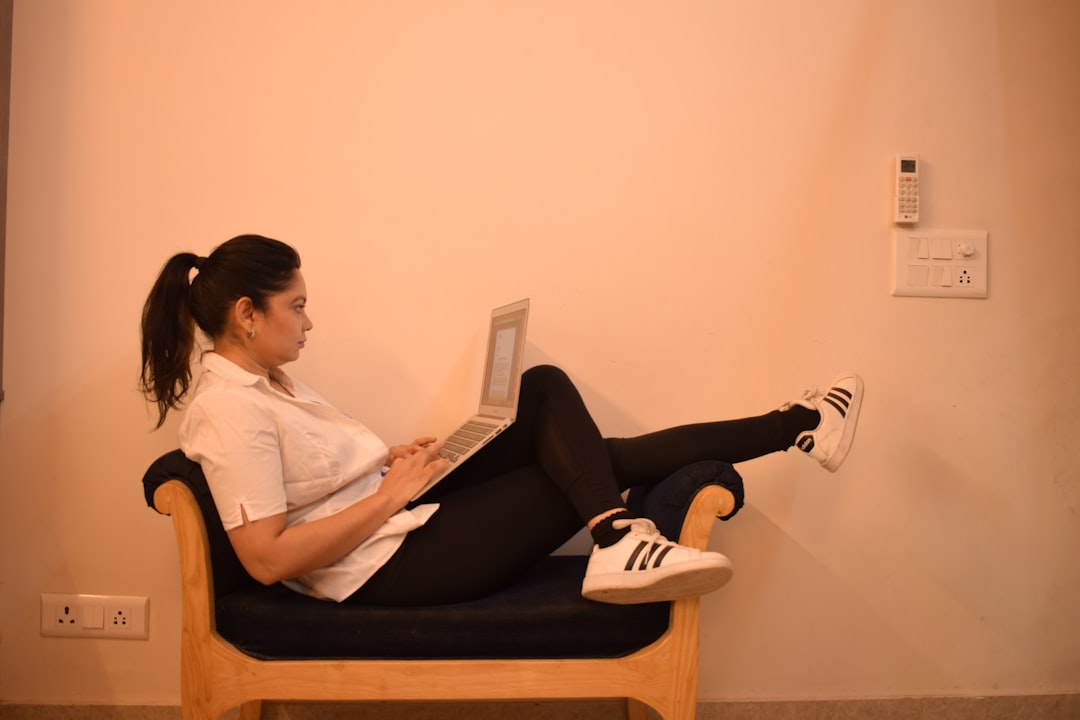
Even setting aside occupational sedentary time, the modern tendency to sit during commutes, meals, leisure, and social activities means many people accumulate twelve or more hours of chair-based posture per day. The gluteal muscles become inhibited and weak in chronic sitters, removing a critical stabilizing force from the base of the pelvis that the lumbar spine depends on. Research consistently links total daily sitting time with increased rates of disc degeneration, chronic low back pain, and reduced spinal mobility. Breaking up sitting with even brief bouts of standing or walking every hour helps maintain the muscular activation and circulatory supply the spine needs to stay healthy.
Smartphone Neck
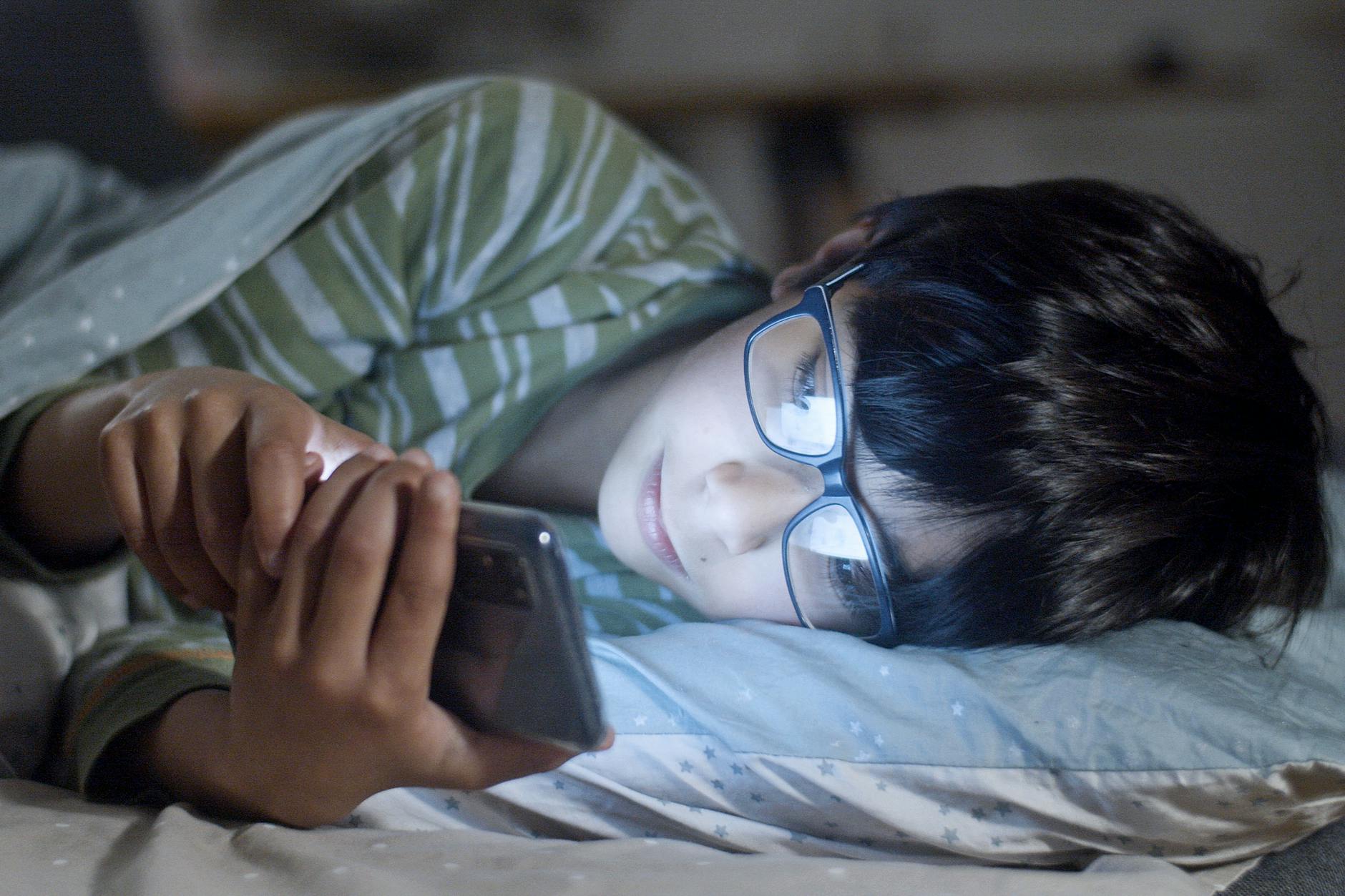
The single most damaging postural habit of the current era is the sustained forward head position adopted while using smartphones, tablets, and laptops throughout waking hours. This posture collapses the cervical curve, overloads the posterior neck musculature, and compresses the anterior structures of the throat and upper chest. Emerging research links chronic forward head posture to reduced lung capacity, altered balance, headaches, and accelerated disc degeneration in the cervical spine. Unlike many postural habits that develop gradually over decades, smartphone neck is producing measurable spinal changes in adolescents and young adults at an unprecedented rate. The combination of frequency, duration, and early onset makes it the most urgent postural challenge facing spinal health today.
If any of these habits sound familiar to you, share which ones you are working to change in the comments.